 Attractions
  Hotel
Hotel  Restaurant
  Shopping
  Abroad





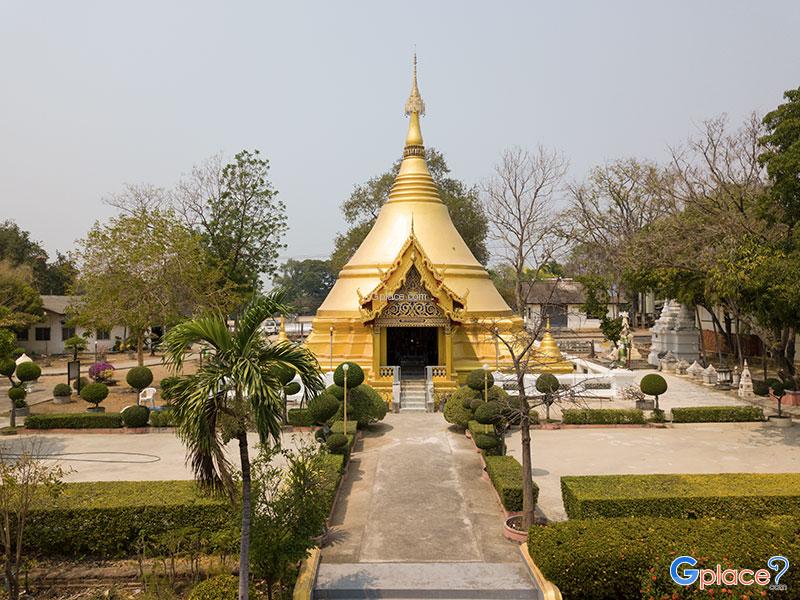

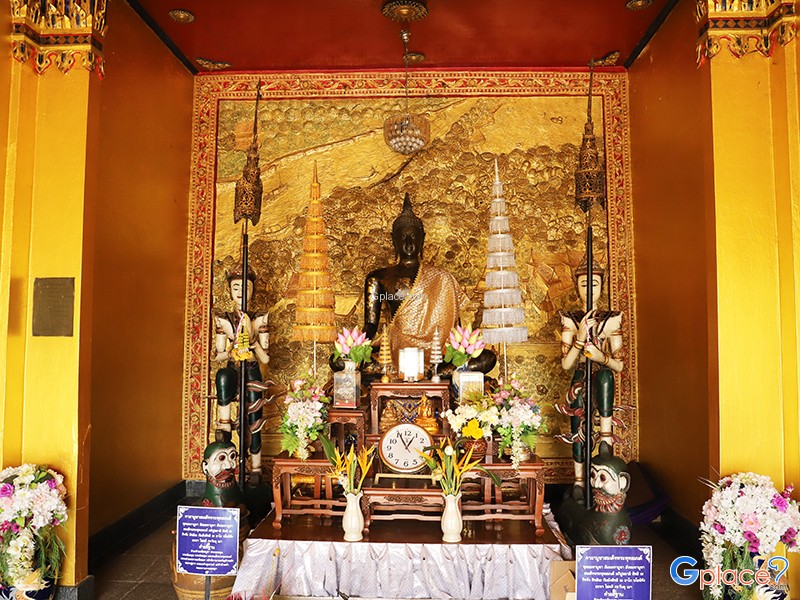
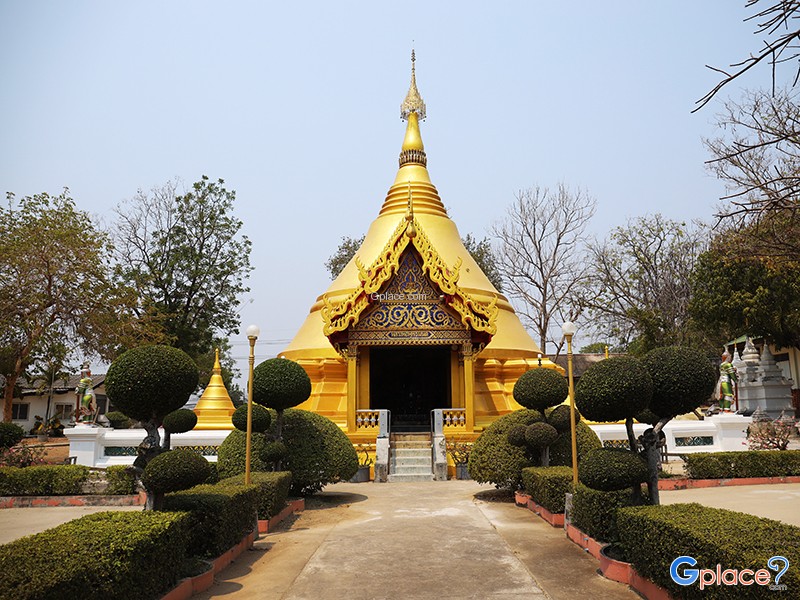
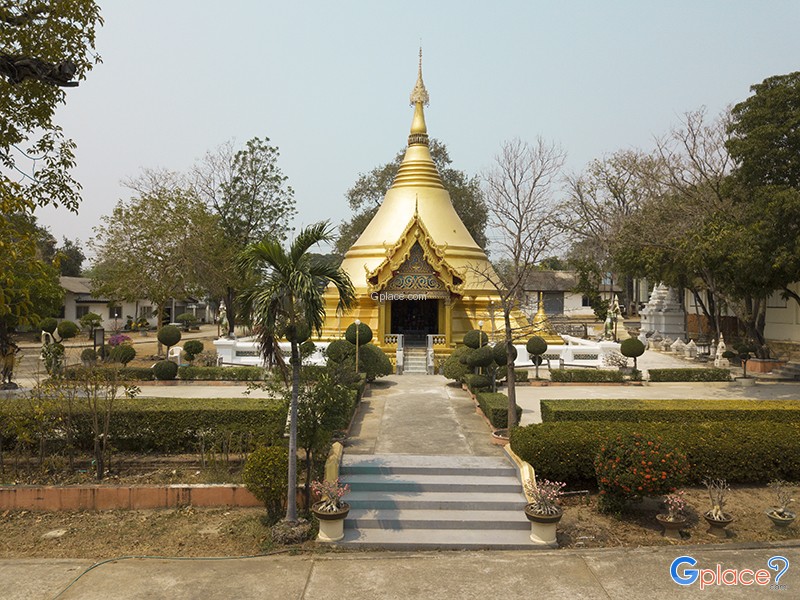
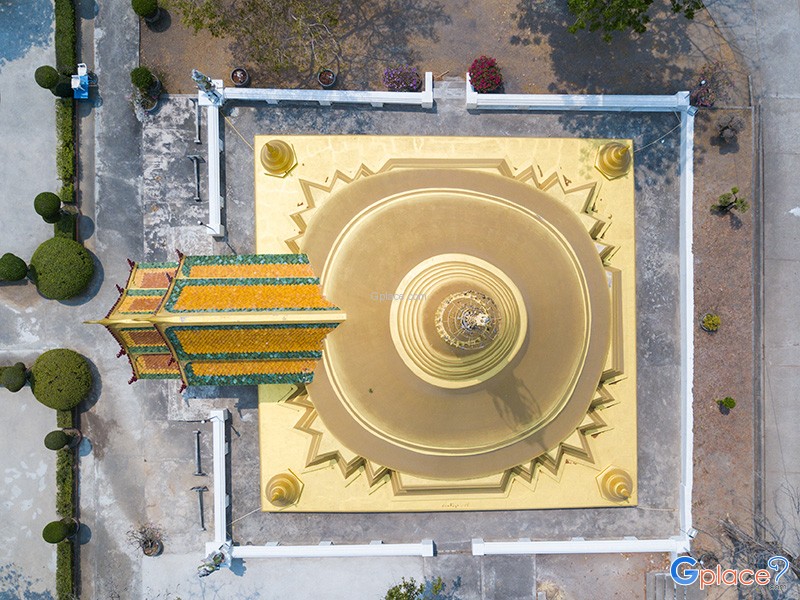
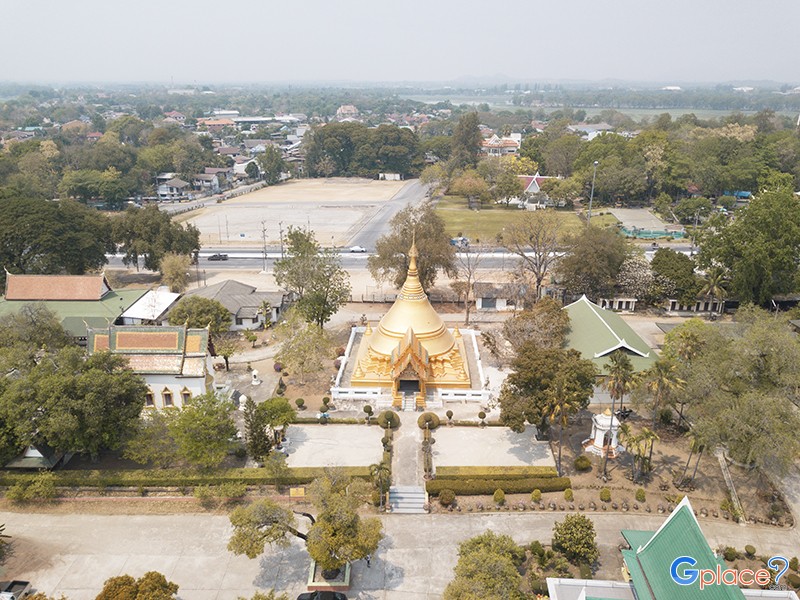

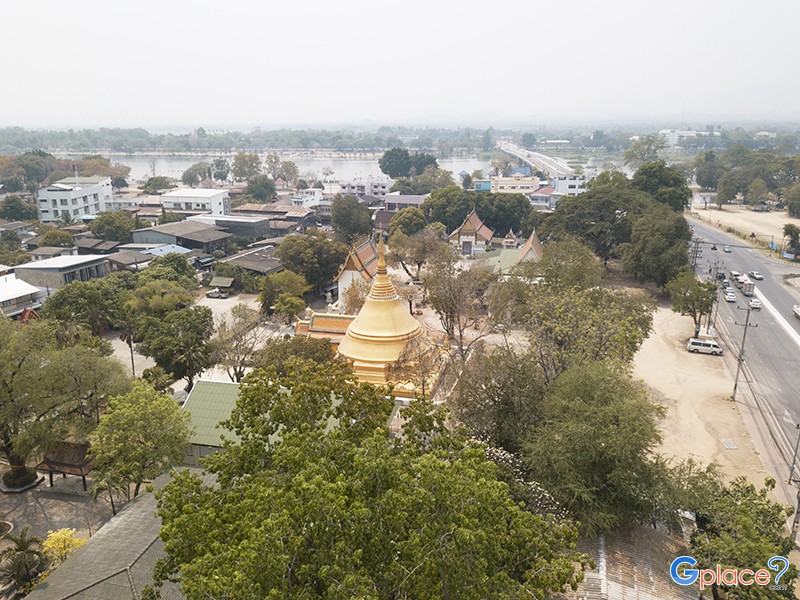
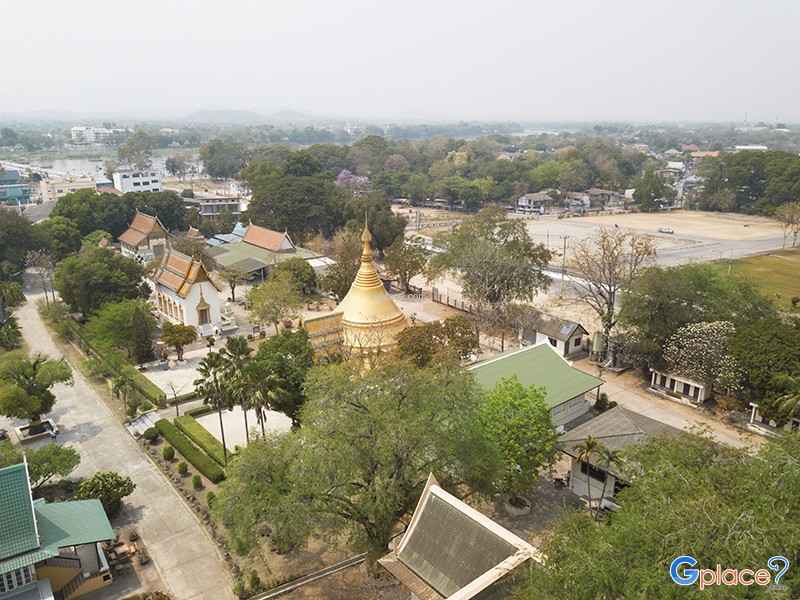
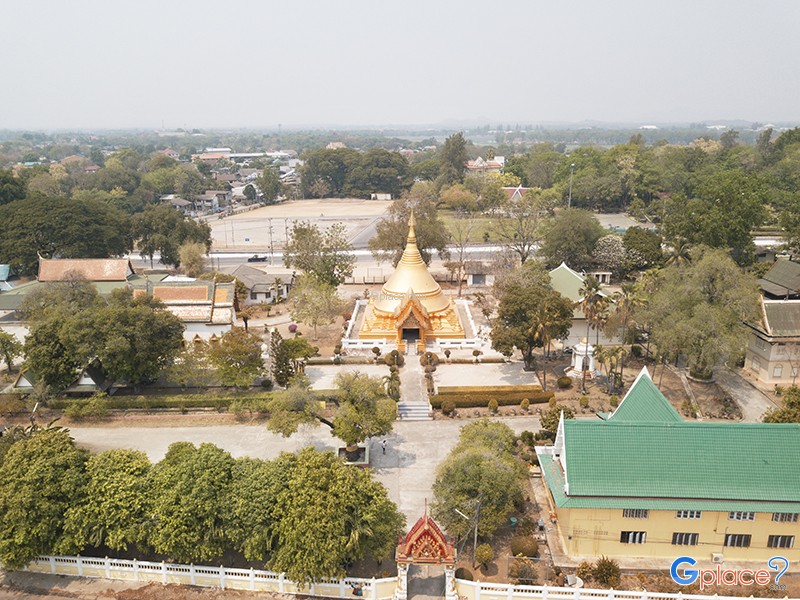
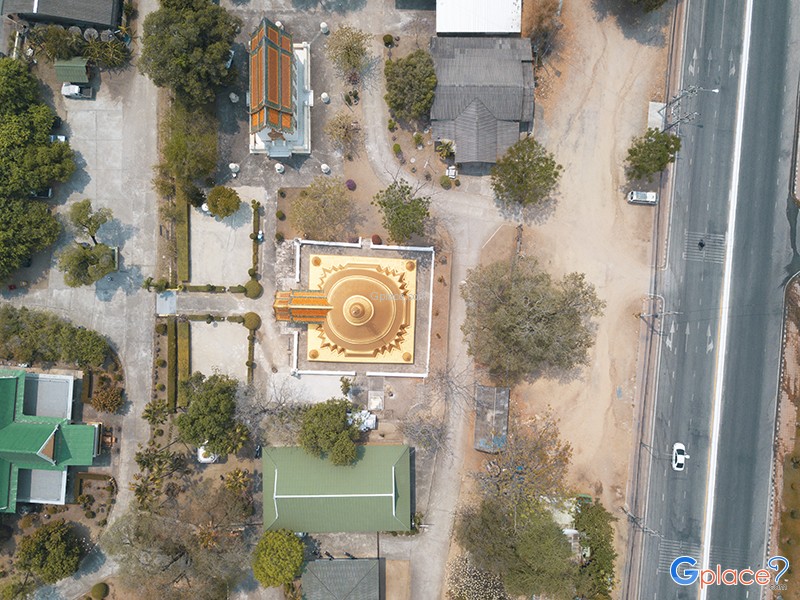
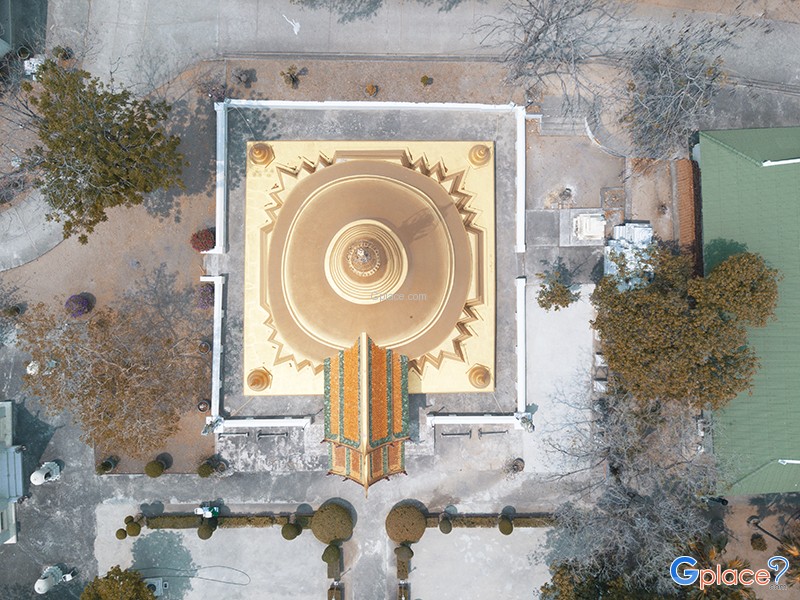
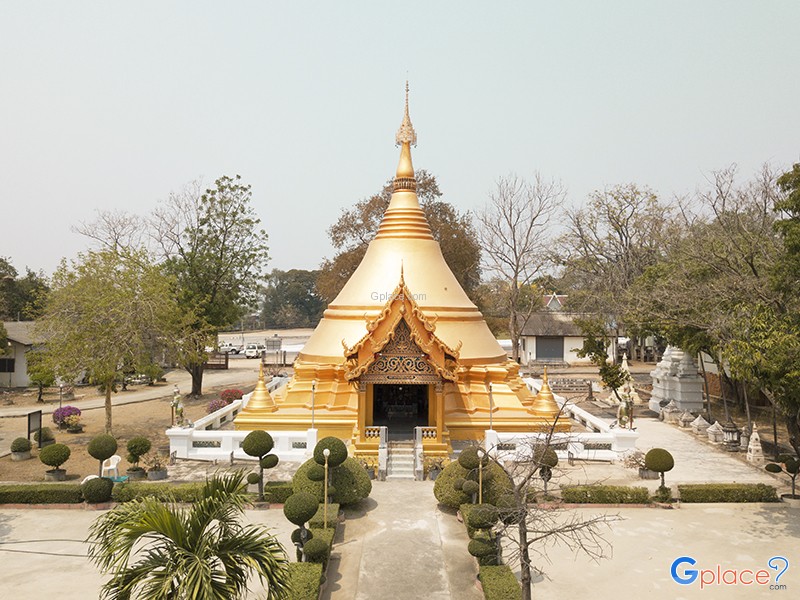
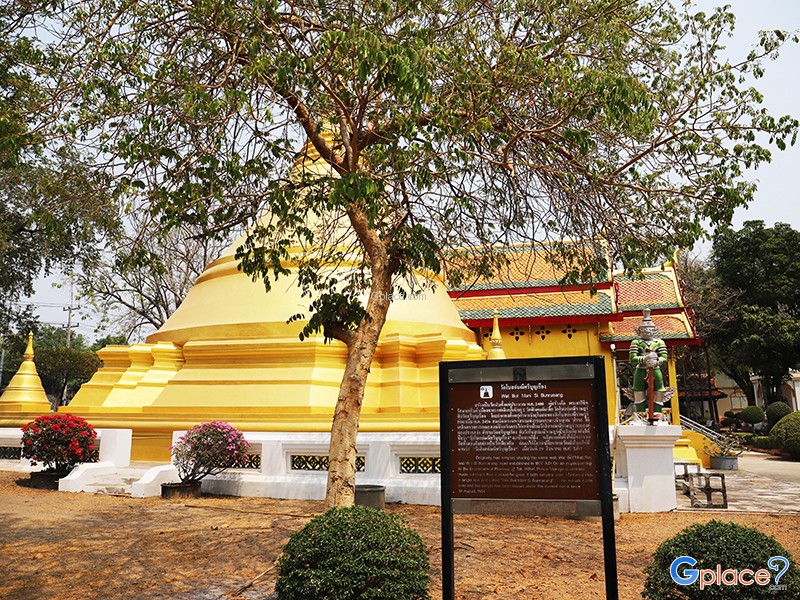
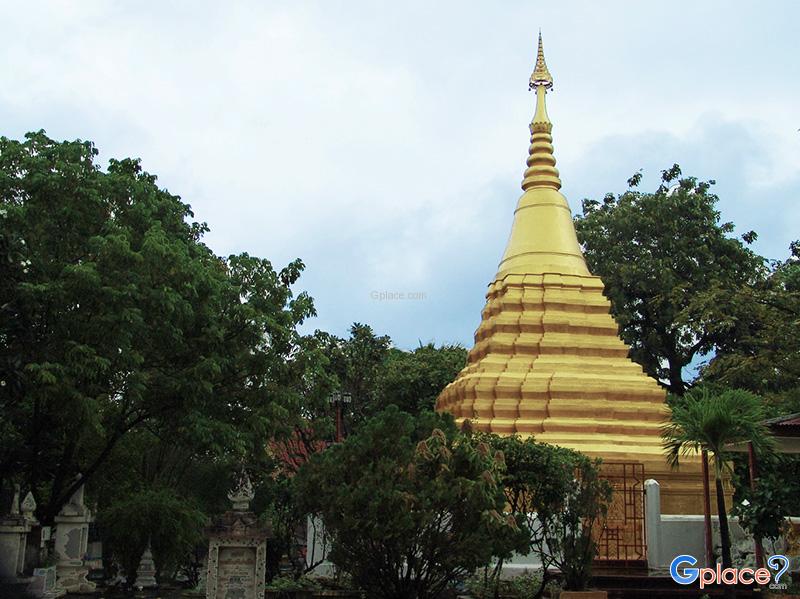
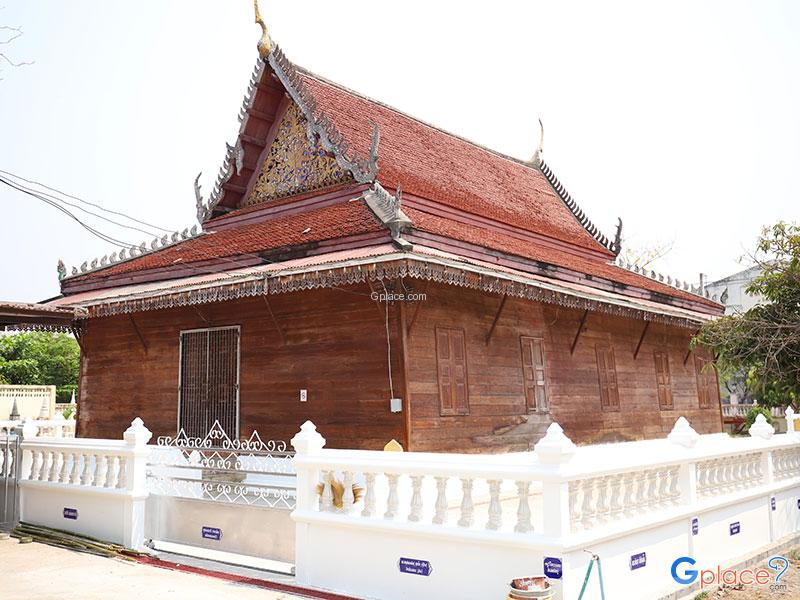
“A historic temple with distinctive architecture, featuring a golden Mon-style stupa adjacent to a Thai-style vihara, Luang Pho Phuttha Mon bronze Buddha, and ancient murals depicting over 100 years of local life and traditional costumes such as Sin Ta of the Tai Lue people.”
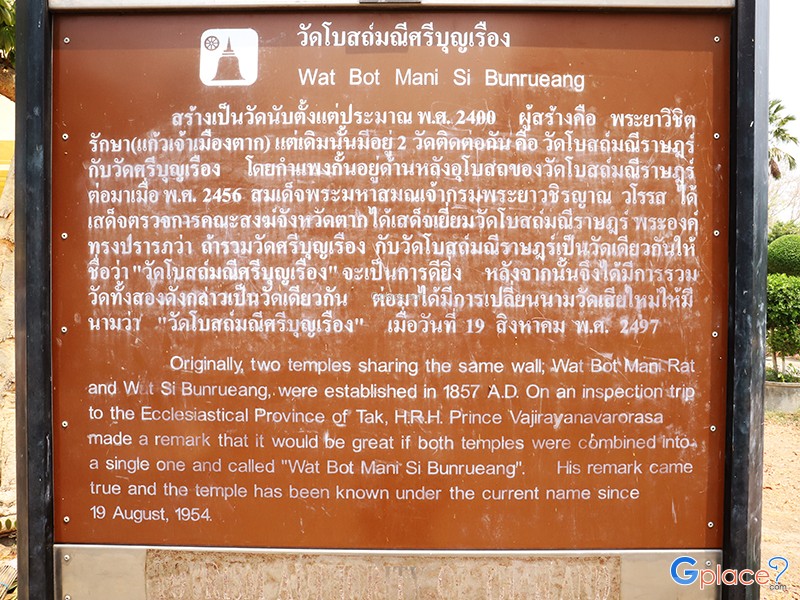
Wat Bot Mani Si Bun Rueang is a significant temple in Tak city, over 147 years old, and under the Mahanikaya Buddhist sect. Originally, there were two adjacent temples in this area: Wat Bot Mani Rat and Wat Si Bun Rueang, separated by a boundary wall behind the Bot Mani Rat main hall.
The temple was founded around 1857 (B.E. 2400) by Phraya Wichit Raka (Kaew, the governor of Tak). In 1913 (B.E. 2456), Somdet Phra Maha Samana Chao, Krom Phraya Vajirayanawororos, inspected the monks in Tak and suggested that the two temples be merged under the name Wat Bot Mani Si Bun Rueang. The merger was officially completed on August 19, 1954 (B.E. 2497).
Notable architecture and art:
-
Mon-style stupa: A golden stupa harmoniously built next to the Thai-style vihara, reflecting historical and cultural ties between Thai and Mon communities.
-
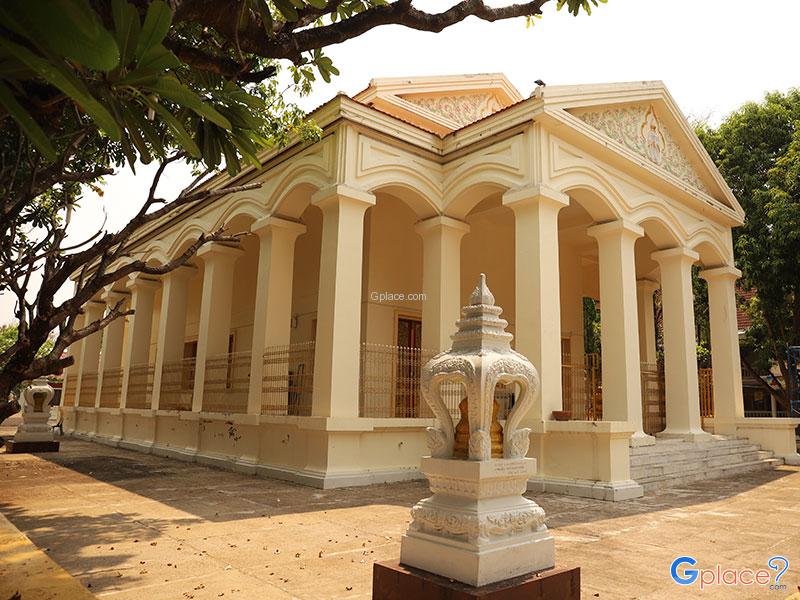
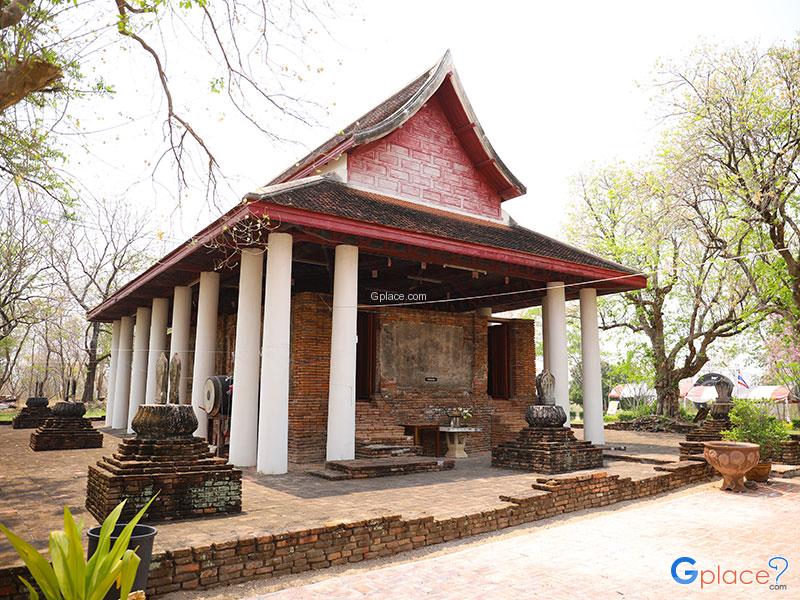
Vihara and white chapel: Simple Thai-style architecture with ancient dust-color murals depicting Buddha’s life stories and Jataka tales.
-
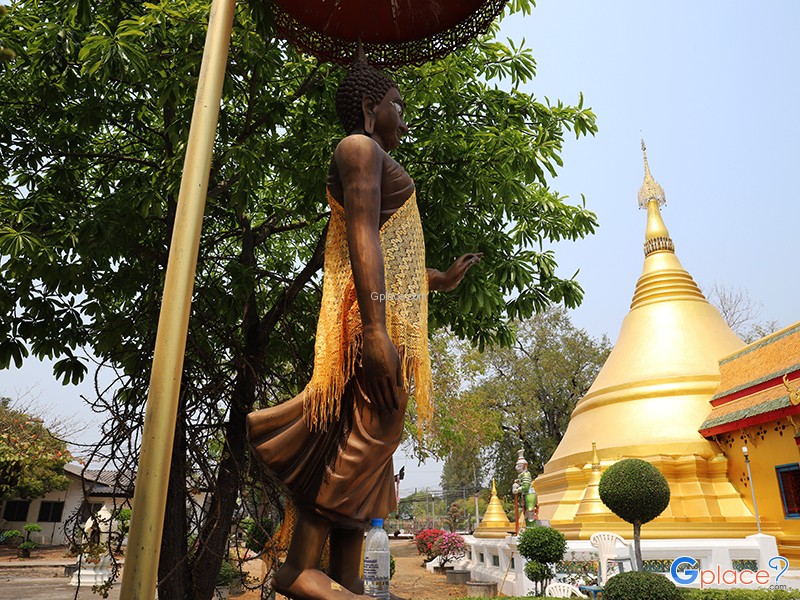
Luang Pho Phuttha Mon: Bronze Buddha in Mara Vichaya posture, Sukhothai-style.
-
Mural paintings: Illustrate over 100 years of local life, including Tai Lue women wearing traditional Sin Ta and other local costumes.
-
Temple grounds: Shaded by large pikoon trees, providing a serene and peaceful atmosphere.
The temple serves not only as a religious site but also as a center for learning local art and culture in Tak.
How to Get There
- Wat Bot Mani Si Bun Rueang is located on Tak Sin Road, Mueang Tak, near the Ping River. It can be reached by car, local shuttle (songthaew), tuk-tuk, or motorcycle. From downtown Tak, head along Tak Sin Road for 2–3 km. The temple is on the left; look for the golden stupa and Thai-style vihara as landmarks.
Travel Tips
-
Dress modestly when visiting the temple.
-
Spend time studying the mural paintings to appreciate local history and culture.
-
Do not use flash photography, as it may damage the ancient murals.
Admission Fee:
- Free of charge
Opening Hours:
- Daily, 08:00 – 18:00
Wat Bot Mani Si Bun Rueang

 Share
Share
 231 Tak Sin Road, T. Nong Luang, A. Mueang Tak, Tak 63000
Map
231 Tak Sin Road, T. Nong Luang, A. Mueang Tak, Tak 63000
Map
 Closed today
Mon8.00 - 18.00
Tue8.00 - 18.00
Wed8.00 - 18.00
Thu8.00 - 18.00
Fri8.00 - 18.00
Sat8.00 - 18.00
Sun8.00 - 18.00



 3032
3032