 Attractions
  Hotel
Hotel  Restaurant
  Shopping
  Abroad






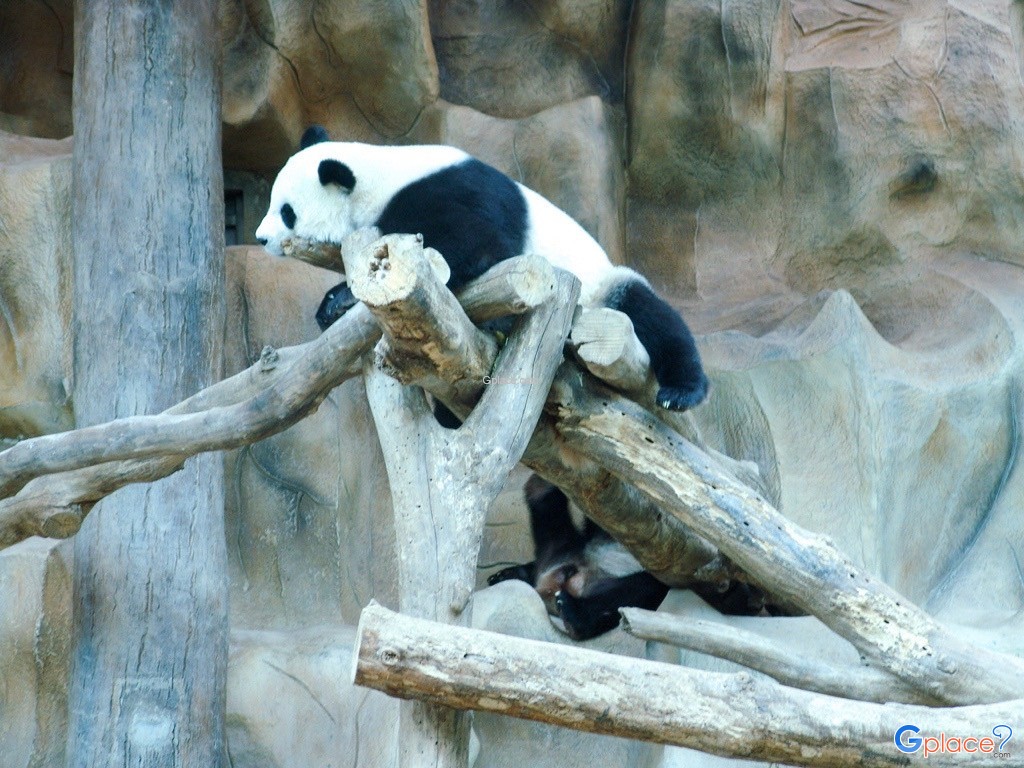
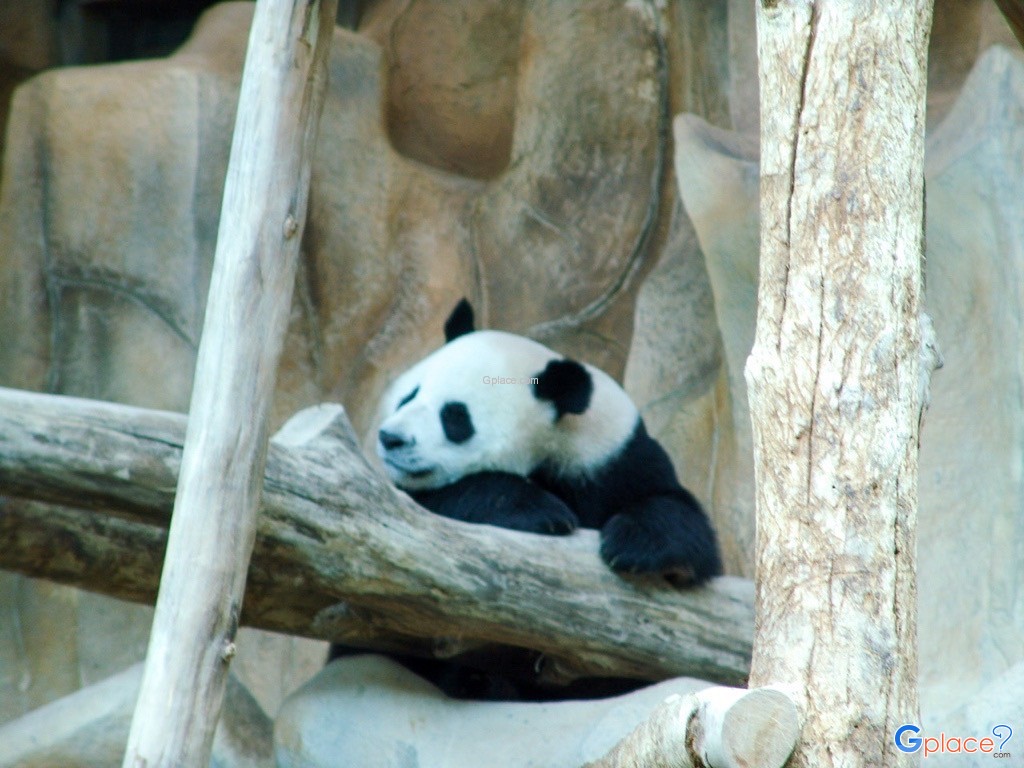
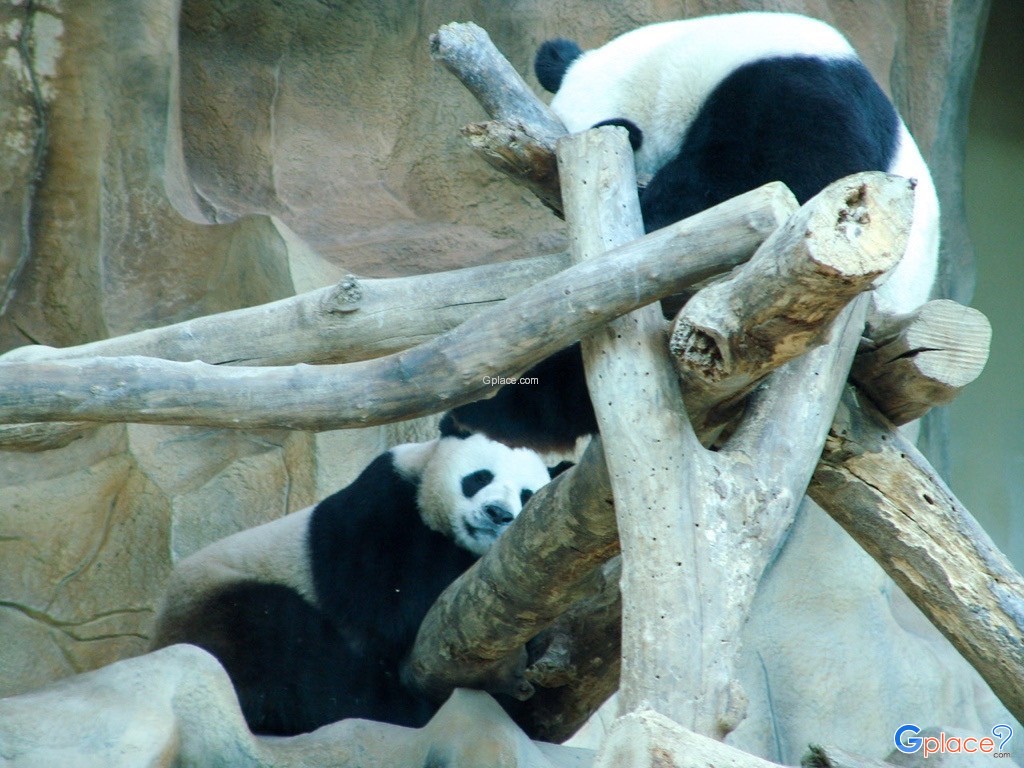
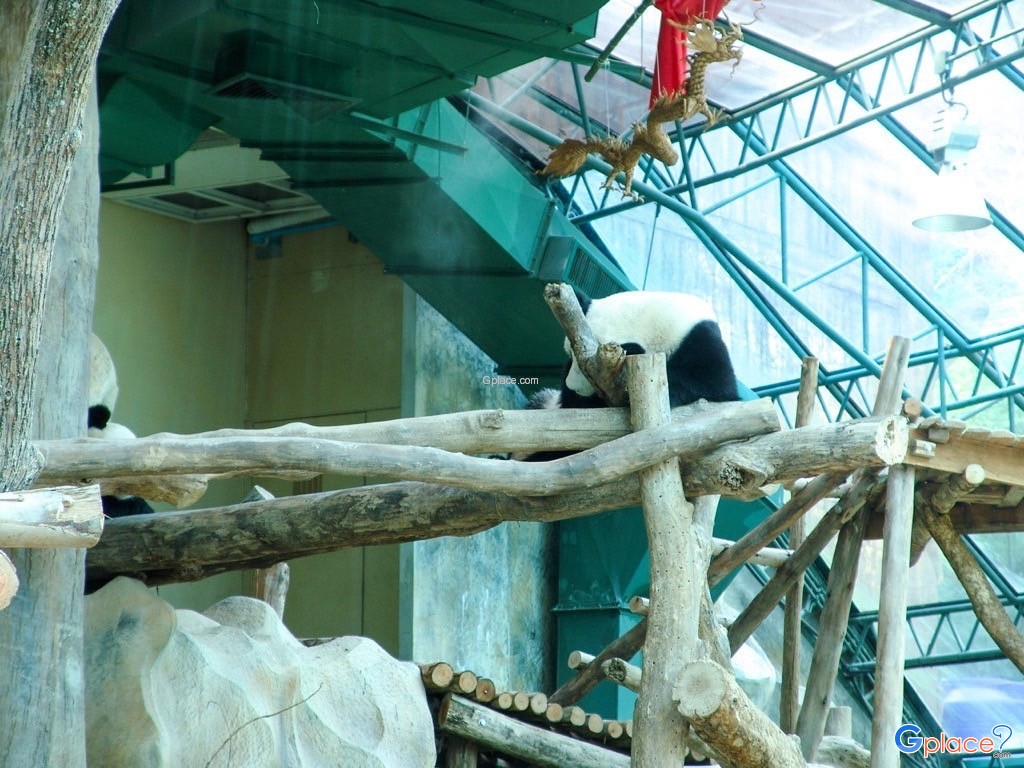
“A natural open-concept zoo on mountainous terrain featuring over 2,000 animals and a world-class aquarium that bridges the Mekong River to the deep sea.”
Chiang Mai Zoo began as a personal project born from the passion of Mr. Harold Mason Young, an American missionary who started collecting various animals on his private land. It was later officially established under the Zoological Park Organization of Thailand. A defining feature of this zoo is its development on the steep slopes of Doi Suthep, requiring the design of enclosures to adapt to the mountain’s varying elevations. This creates a unique charm unlike any other zoo in Thailand, as the enclosures are built around the existing forest, allowing animals to live in a cool, humid environment that closely mimics their natural habitats.
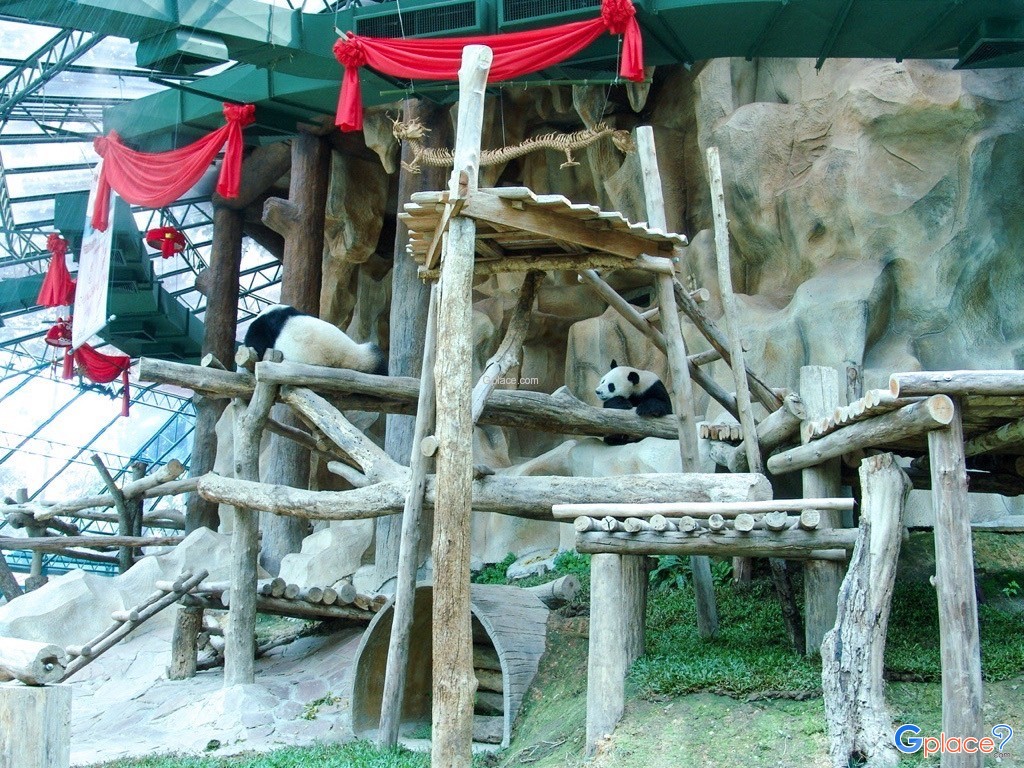
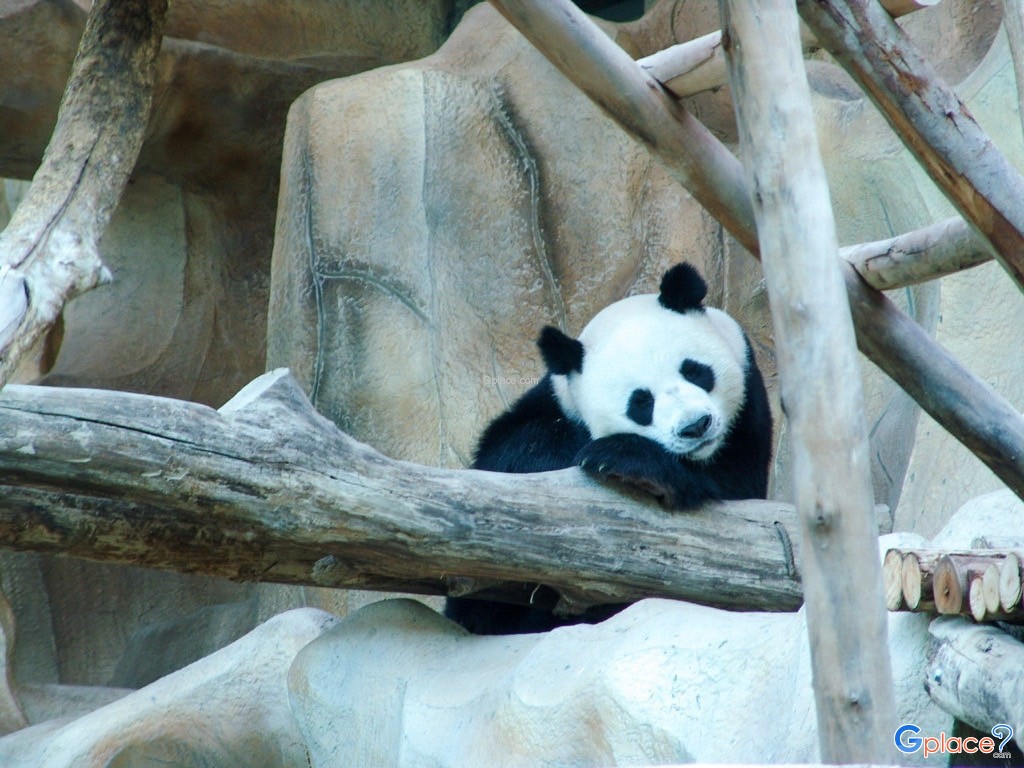
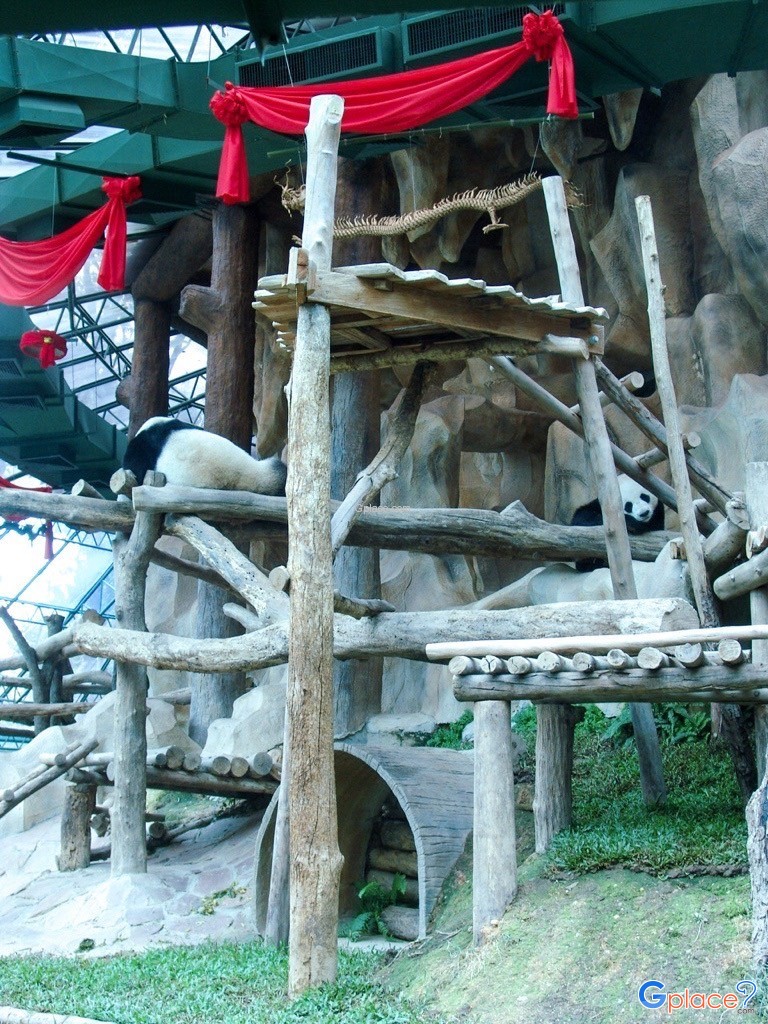
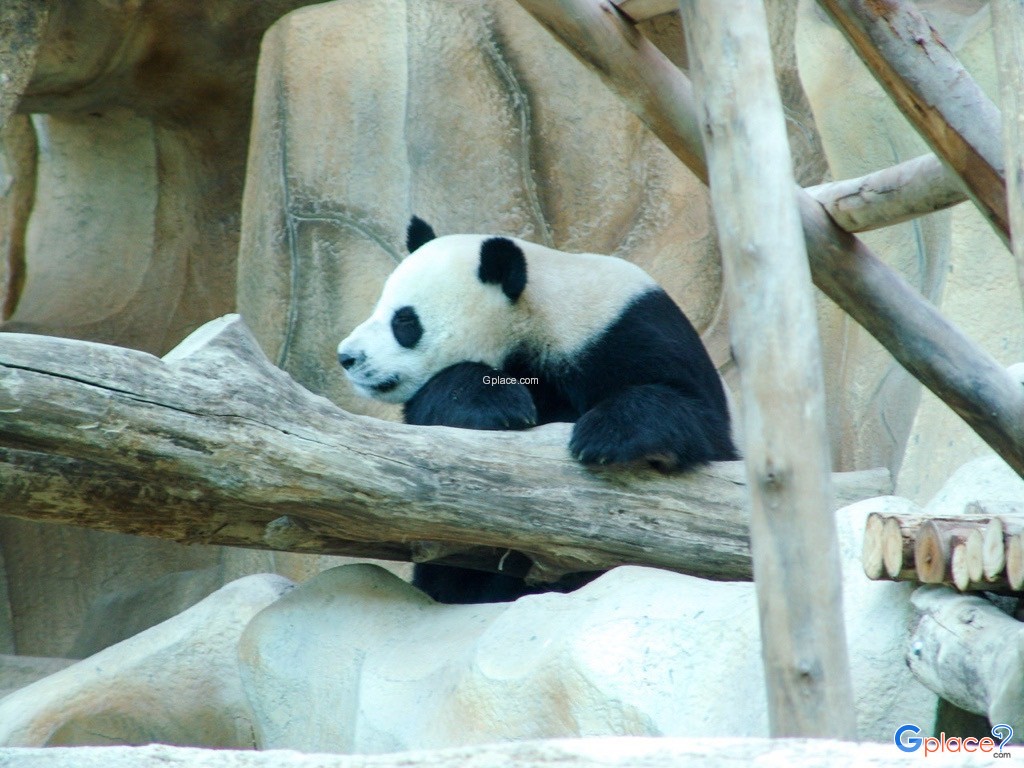
Spanning over 531 acres, the zoo is meticulously divided into distinct zones. The African Zone is a major highlight, featuring a simulated savanna that serves as a home for giraffes, zebras, and ostriches. Visitors can enjoy close encounters by feeding these animals from a wooden bridge extending into the habitat. Another significant area is the Panda Exhibit; while it now serves as a memorial and learning center, the surrounding area remains home to cold-climate species like the Red Panda. These adorable and rare creatures live in a climate-controlled environment that replicates high-altitude mountain forests.
Beyond land animals, the zoo is world-renowned for the Chiang Mai Zoo Aquarium, a massive aquatic museum built atop a mountain. It features an underwater tunnel over 133 meters long, divided into a freshwater section showcasing rare species from the Mekong and Chao Phraya Rivers, and a saltwater section displaying vibrant coral reefs and various shark species. Additionally, the Nakornping Bird Park is a gargantuan walk-through aviary covering an entire stretch of dry evergreen forest. Visitors can stroll along canopy-level walkways to observe Thai peacocks, hornbills, and other exotic birds flying freely without small cages.
For other rare sightings, the zoo houses one of the largest Reptile and Amphibian collections in the region, along with an Australian zone featuring Red Kangaroos and Koalas. The Children’s Zoo provides a space for young visitors to interact with friendly animals like rabbits, sheep, and miniature horses under professional supervision. To navigate the hilly terrain, the zoo provides an efficient Tram system and Golf Carts, ensuring that all visitors can easily reach diverse exhibits ranging from simulated wilderness zones to the underwater world.
The true standout feature of this zoo is the preservation of original large trees, providing natural shade and excellent air circulation. This ensures the animals remain mentally healthy and stress-free. Visitors are treated to a comprehensive experience that combines forest trekking with the majesty of global wildlife, including white tigers, white lions, and hippopotamuses in large pools designed for underwater viewing. It stands as the most complete hub of biodiversity in Northern Thailand and is a destination that should not be missed.
How to Get There
Private car:
- Large parking area available in front of the zoo.
Red songthaews/taxi:
- Convenient service from all city areas as the zoo is on a main road.
Travel Tips
-
Planning: Plan ahead, as each zone has separate admission and the area is very large.
-
Getting around: Use the tram service to save time and energy.
-
Weather: Bring an umbrella or hat, as most walking is outdoors, and some animals may hide in shade during hot weather.
Admission/Fees:
(Separate zone pricing; check current rates before visiting)
-
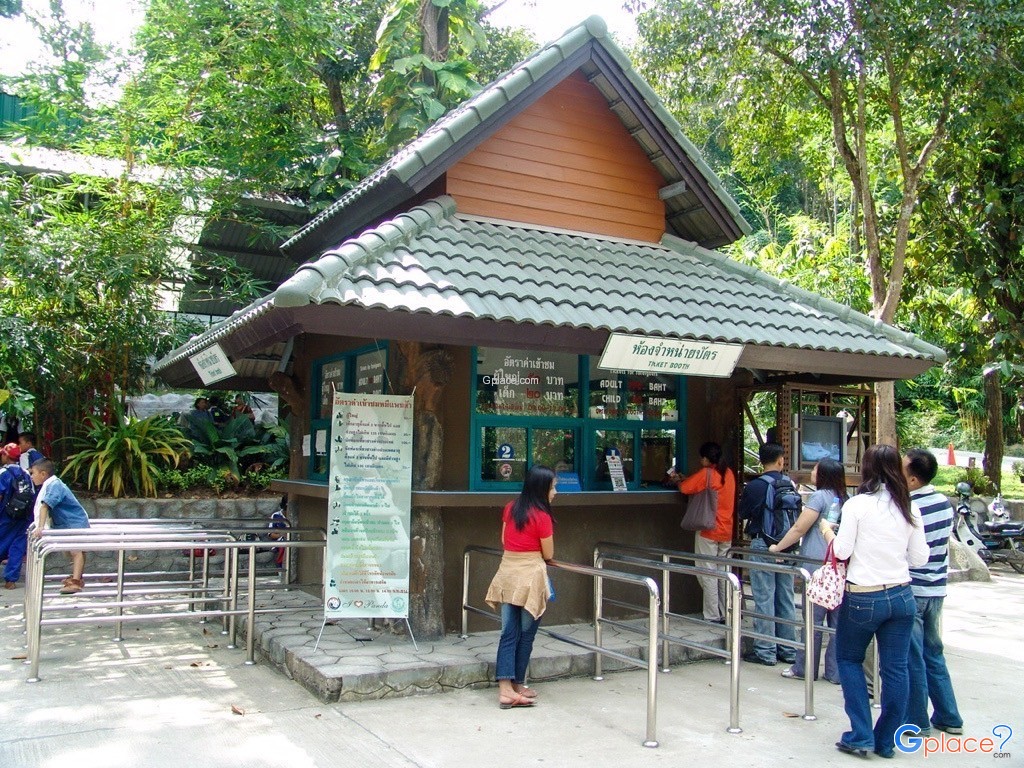
Zoo admission: Adult 130 THB, Child 40 THB
-
Chiang Mai Zoo Aquarium (excluding zoo admission): Adult 250 THB, Child 180 THB
-
Tram ride around the zoo: Adult 40 THB, Child 25 THB
-
Car parking fee: 50 THB per vehicle
-
Motorcycle parking fee: 10 THB per vehicle
Opening Hours:
- 08:00 – 17:00 (for the zoo). Specific zones like the aquarium may have slightly different hours.
- Ticket booths close at 16:30; animals begin returning to their dens at 16:30
Chiang Mai Zoo

 Share
Share
 100 Huay Kaew Road, Suthep Subdistrict, Mueang Chiang Mai District, Chiang Mai 50200
Map
100 Huay Kaew Road, Suthep Subdistrict, Mueang Chiang Mai District, Chiang Mai 50200
Map
 Closed today
Mon8.00 - 16.30
Tue8.00 - 16.30
Wed8.00 - 16.30
Thu8.00 - 16.30
Fri8.00 - 16.30
Sat8.00 - 16.30
Sun8.00 - 16.30

 https://www.thai-tour.com/thai-tour/north/chiangmai/data/pic_chiangmai-zoo.htm
 cmzooinfocenter@yahoo.com
 8340
8340