
 Attractions
  Hotel
Hotel  Restaurant
  Shopping
  Abroad
  Nearby Places





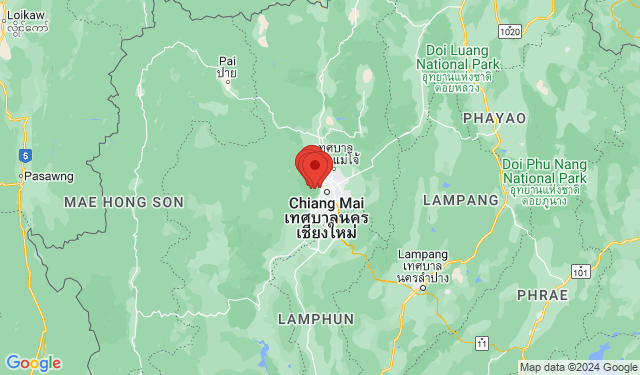
Highway 1004 Huay Kaew–Doi Suthep

 2914
2914

Highway No. 1004, or the Huay Kaew–Doi Suthep route, is an important tourist road in Chiang Mai. It starts from the foothills near Huay Kaew Waterfall, gradually ascending through forests and mountains to Doi Suthep and Doi Pui.
Along the route, there are natural waterfalls, Chiang Mai's revered temple, a National Park visitor center, a royal palace with winter flower gardens, a Hmong village, and a road leading to Khun Chang Kian, which is famous for viewing Wild Himalayan Cherry blossoms during the winter.
Tourists can visit the main attractions within one day, but if you wish to explore all places unhurriedly or experience the natural atmosphere on the mountain, it's recommended to plan a 2-day, 1-night trip.
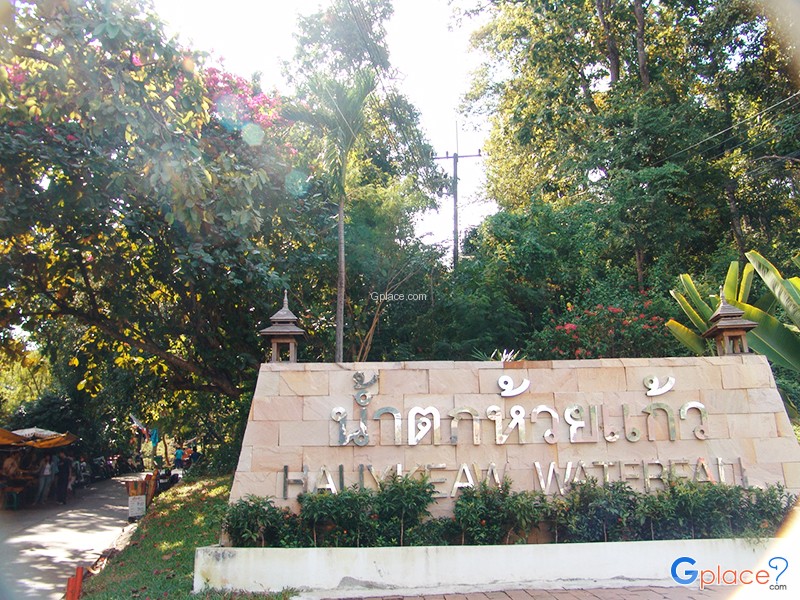
1. Huay Kaew Waterfall
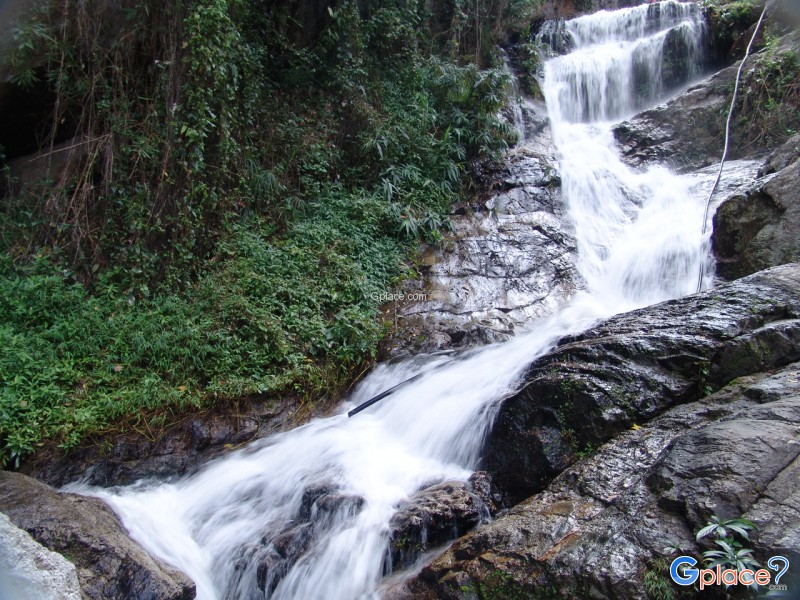
Huay Kaew Waterfall is one of the closest natural waterfalls to Chiang Mai city and an ideal starting point for the route up Doi Suthep.
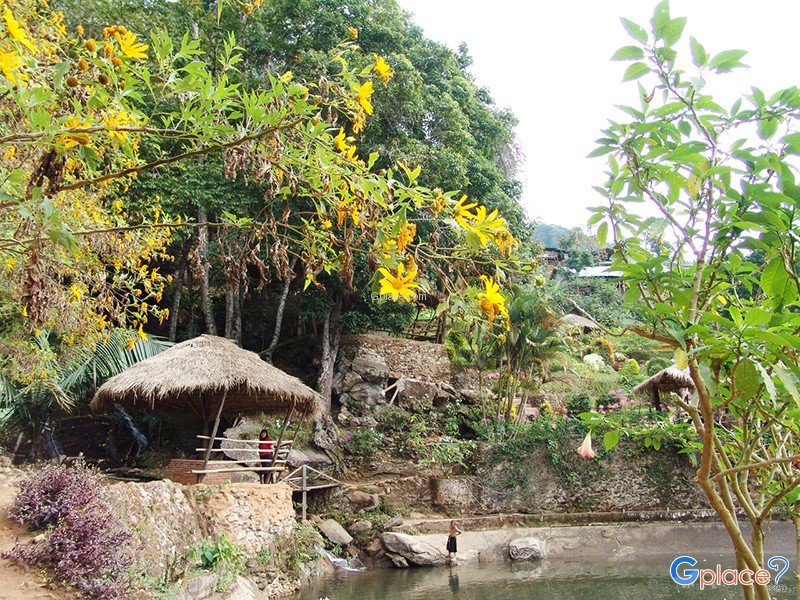
From the parking area, you can walk to the waterfall in a short time. The surrounding area is shaded by large trees and natural rock formations, perfect for a break, a picnic, or a meal before starting your ascent up the mountain.
The waterfall is not very large, and the water volume may vary by season. During the rainy season and early winter, the atmosphere is often particularly lush and fresh.
Recommended time: 40 minutes–1 hour
2. Wat Phra That Doi Suthep
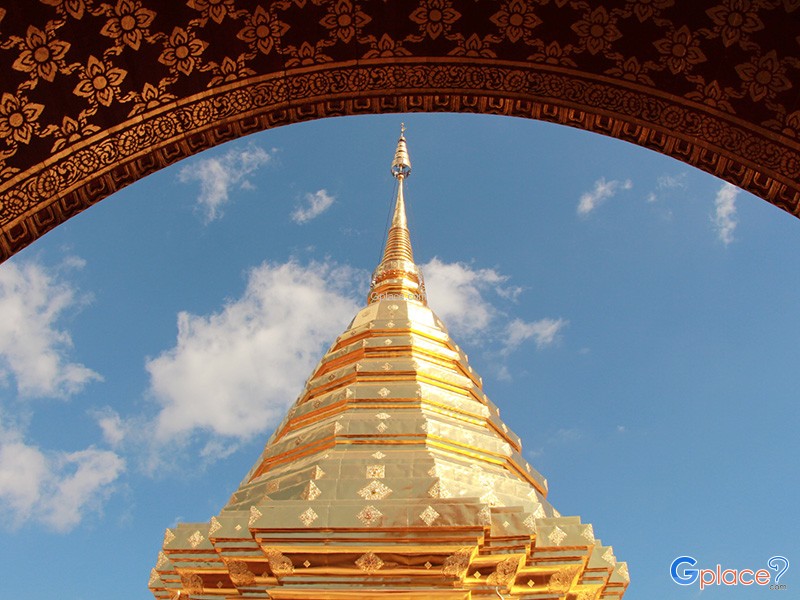
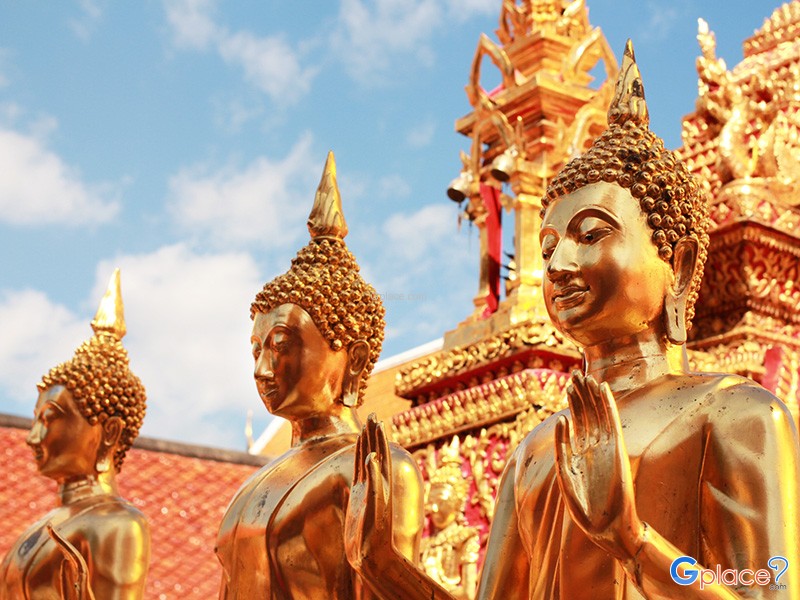
Wat Phra That Doi Suthep Ratchaworawihan is an important sacred site and one of the symbols of Chiang Mai province. It enshrines relics of the Buddha within its gleaming golden stupa, featuring beautiful Lanna art and architecture.
Tourists can walk up the 306 Naga-lined steps or choose to use the electric tram to reach the temple grounds. Once at the top, you can pay homage to the stupa, admire the Lanna architecture, and enjoy panoramic views of Chiang Mai city from above.
During long holidays and festivals, traffic and parking areas around the temple can be crowded. It is advisable to travel early in the morning or use a red songthaew (shared taxi) service from the foothills.
Recommended time: 1–2 hours
3. Doi Suthep-Pui National Park
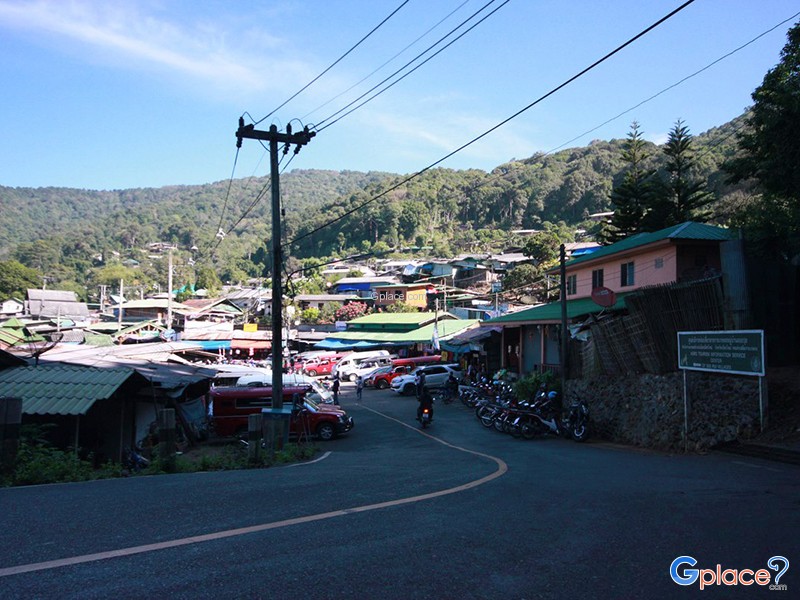
The Doi Suthep–Pui National Park office is located along the route after Wat Phra That Doi Suthep and before Bhubing Palace.
This area serves as a contact point and information center for tourists. You can inquire about travel routes, natural attractions, accommodation, camping grounds, weather conditions, and the opening or closing status of various areas within the park.
The name Doi Suthep–Pui National Park refers to a large conservation area encompassing mountains, forests, waterfalls, nature trails, and many tourist attractions. Therefore, it should not be mistaken as a single tourist spot.
Those planning an overnight stay or traveling further to Doi Pui and Khun Chang Kian areas should stop by to get the latest information from the staff before continuing their journey.
Recommended time: 15–30 minutes for inquiries
4. Bhubing Palace
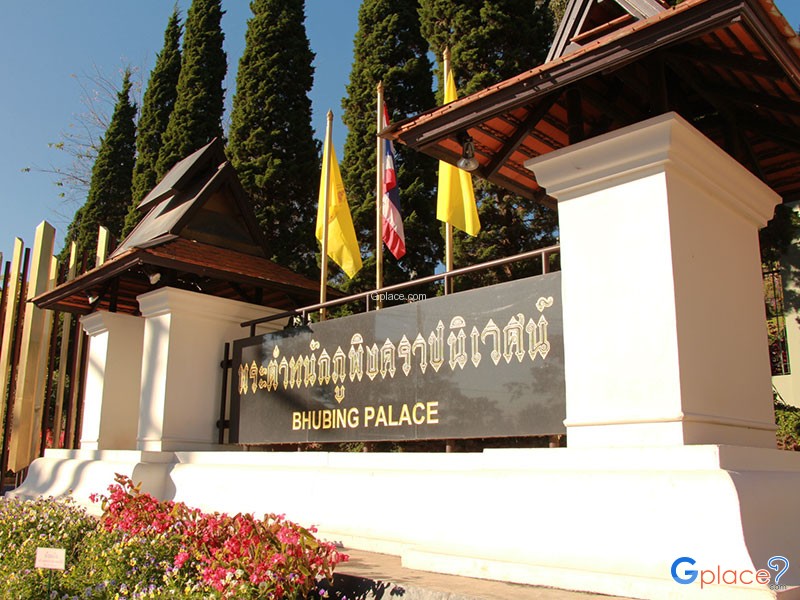
Bhubing Palace is located next to the Doi Suthep–Pui National Park office. It is a royal residence situated amidst high mountain terrain with cool, comfortable weather.
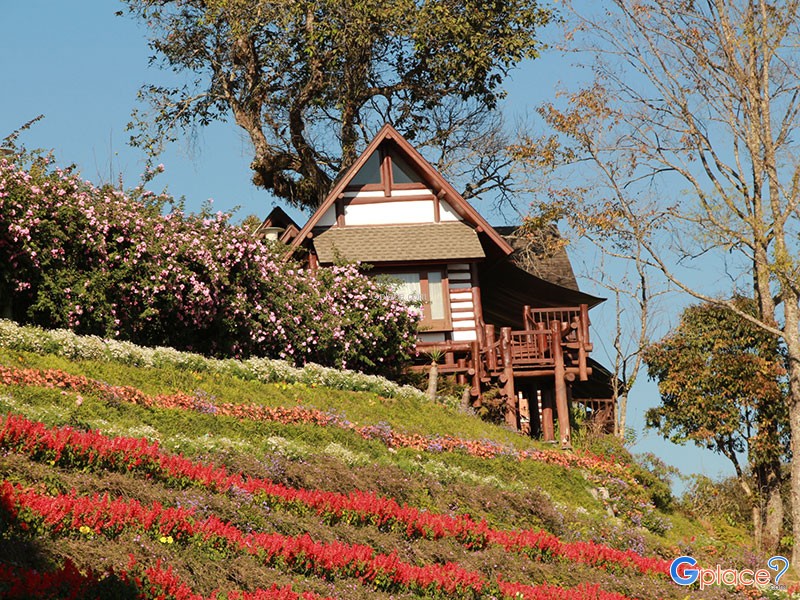
The highlights of the area include its applied Thai architecture, winter flower gardens, rose beds, and beautifully maintained landscape. It is ideal for strolling through the gardens and taking photos, especially for those who appreciate flowers and a serene atmosphere.
Visitors should dress modestly, avoiding sleeveless shirts, shorts, and short skirts. It is also advisable to check the opening dates before traveling, as it may be closed for official functions or maintenance at certain times.
Recommended time: 1–2 hours
5. Doi Pui Hmong Village
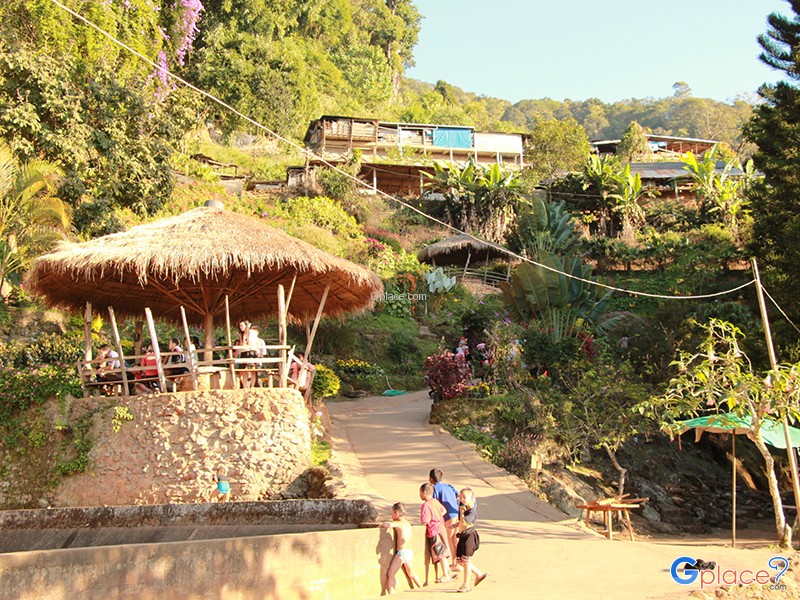
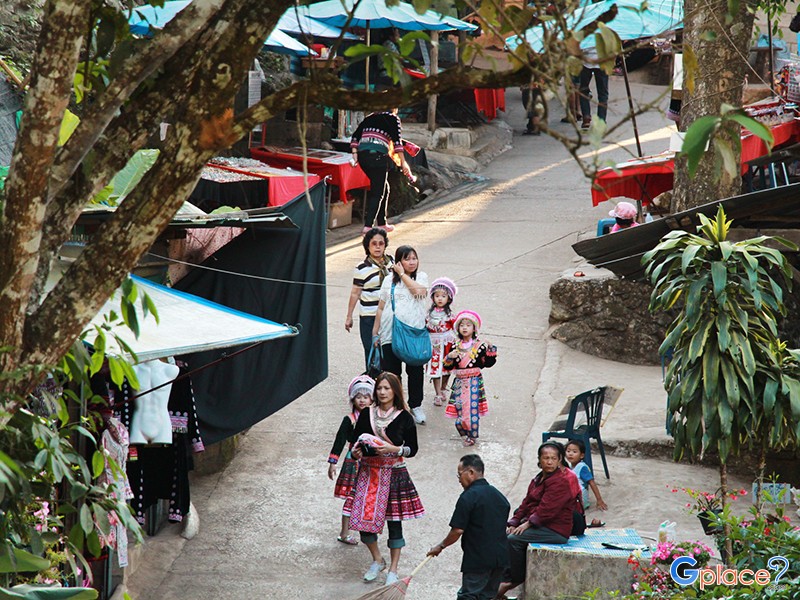
Doi Pui Hmong Village is a cultural tourist attraction that offers visitors the opportunity to learn about the lifestyle, traditions, and wisdom of the Hmong community.
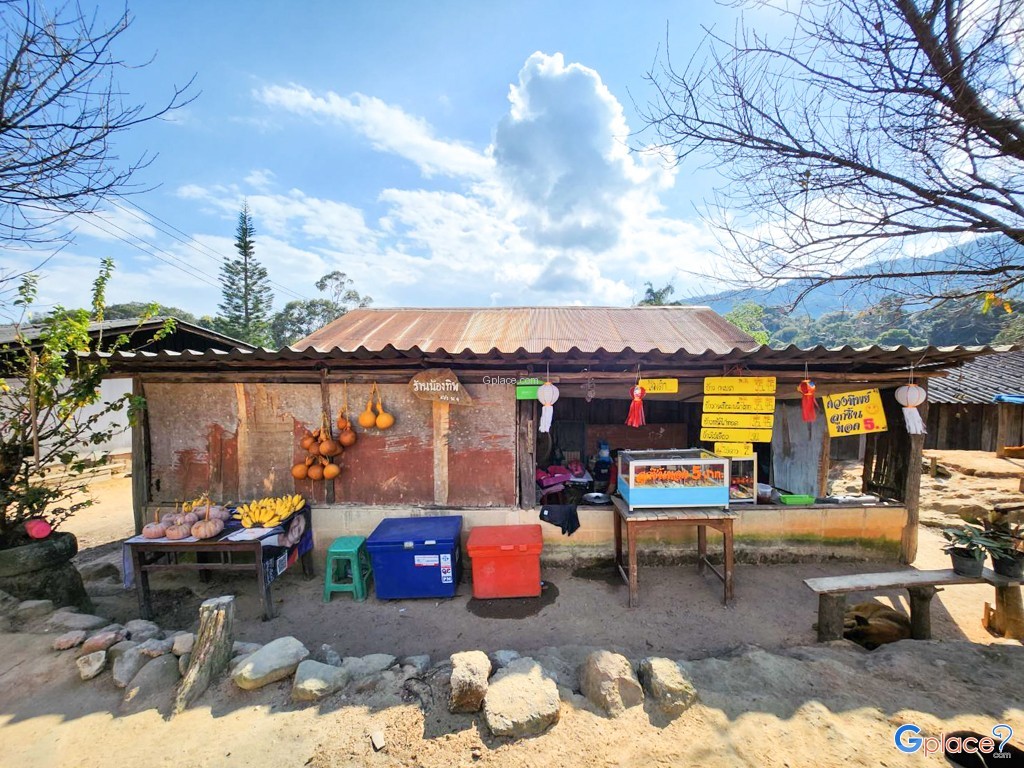
Within the village, there is a community market, shops selling traditional clothing, handicrafts, souvenirs, tea, fruits, and highland produce, as well as flower gardens and areas showcasing traditional ways of life.
Tourists can walk around the village, sample tea, purchase local products, and take photos with the flower gardens before continuing to Khun Chang Kian.
Recommended time: 1–2 hours
6. Khun Chang Kian
Khun Chang Kian, or Khun Chang Kian Highland Agricultural Research and Training Station, is one of Chiang Mai's most popular spots for viewing Wild Himalayan Cherry blossoms.
During winter, pink Wild Himalayan Cherry blossoms bloom along the roads, around the research station buildings, and across the mountain slopes, filling the surrounding atmosphere with pink amidst the cool weather, earning it the nickname 'Thai Sakura'.
The flowers typically start blooming from late December to February, but the peak blooming period may vary depending on the temperature and weather conditions each year. Tourists should check the flower situation before traveling.
The final stretch of the route from Doi Pui to Khun Chang Kian is quite narrow, with winding roads and some sections where it's difficult for cars to pass each other. It's advisable to use an appropriately sized vehicle or opt for local shuttle services.
Recommended time: 1–2 hours
Suggested Itineraries
1-Day Trip
Ideal for tourists with limited time who wish to visit the main attractions along the route.
Morning
Huay Kaew Waterfall → Wat Phra That Doi Suthep Ratchaworawihan
Midday
Doi Suthep–Pui National Park Office → Bhubing Palace
Afternoon
Doi Pui Hmong Village → Khun Chang Kian
If you plan to reach Khun Chang Kian within the same day, you should depart from Chiang Mai city early in the morning and manage your time appropriately at each stop.
2-Day, 1-Night Trip
Suitable for those who want to travel at a leisurely pace and experience the nature on the mountain.
Day 1
Huay Kaew Waterfall → Wat Phra That Doi Suthep Ratchaworawihan → Doi Suthep–Pui National Park Office → Bhubing Palace → Overnight stay in an authorized area
Day 2
Doi Pui Hmong Village → Khun Chang Kian → Return to Chiang Mai city
Getting There
- From Chiang Mai city, take Huay Kaew Road towards the foothills of Doi Suthep.
- Continue on Highway No. 1004, passing Huay Kaew Waterfall and Wat Phra That Doi Suthep.
- After Wat Phra That Doi Suthep, you will reach the Doi Suthep–Pui National Park office.
- Continue to Bhubing Palace and Doi Pui Hmong Village.
- From Doi Pui, you can use local roads to continue to Khun Chang Kian.
- Those unfamiliar with mountain driving should use a red songthaew (shared taxi) service or local shuttle services.
Tips and Recommendations
- It is advisable to start your journey before 8:00 AM, especially during long holidays and peak tourist season.
- Check weather conditions and road status before traveling.
- Check the opening days for Bhubing Palace in advance.
- Prepare warm clothing, even if Chiang Mai city itself is quite hot during your visit.
- During the rainy season, be aware of slippery roads, fog, and low visibility.
- The road to Khun Chang Kian is narrow and has many curves. Drive slowly and do not obstruct traffic by parking.
- During the Wild Himalayan Cherry blooming season, check local information before traveling, as peak blooming dates vary each year.
- Support local community products and respect the way of life of the villagers in Doi Pui Hmong Village.
- Do not pick flowers, collect plants, or litter in the National Park area and natural attractions.
- If staying overnight, book accommodation or a camping spot in advance and adhere to staff regulations.
Best Time to Visit
The Doi Suthep–Doi Pui route can be visited year-round.
The cool season, from November to February, is ideal for experiencing cool weather, sea of mist, and winter flowers. Those wishing to see the Wild Himalayan Cherry blossoms at Khun Chang Kian should especially monitor the situation from late December to February.
The rainy season offers lush green scenery and increased waterfall volume, but it's advisable to check road conditions, heavy rainfall, and park announcements before traveling.
กำลังเป็นที่นิยม

For those looking to escape the hustle and bustle of Pattaya and experience calm..
Wearing traditional Thai costume and taking photos at beautiful places is more t..

Tracing Ancient Civilizations and Invaluable Forests Recognized by UNESCO Thaila..

Exploring the Chao Phraya River offers one of the most complete experiences of B..
Recommend trips
- The Four Holy Pilgrimage Sites
- Dream Destinations in Switzerland
- 10 Thai Costume Spots to Go Back in Time
- Pilgrimage to the Sacred Sites
- Trip to Bhutan
- 10 Sacred Buddhist Sites Thai Temples in India–Nep
- Top Paris Check-in Spots
- Must-Visit Check-in Spots in London
- Attractive Beaches in Sattahip, Chonburi
- The Ultimate Ancient Villages in Japan
- 10 Must-Visit Spots Along the Chao Phraya River, B
- 8 World Heritage Sites of Thailand
- 10 Best Shopping Destinations in Bangkok
- 10 Must-Visit Places in Waterford
- Watsons Bay Half-Day Trip
- 10 Must-Check-In Spots in Ireland
- Top 10 Must-Visit Spots in Pattaya
- Japan Bucket List: 20 Places You Must Visit Once i
- 10 Must-Visit Spots in Koh Yao
- EBC - World-Class Trekking Route