 Attractions
  Hotel
Hotel  Restaurant
  Shopping
  Abroad





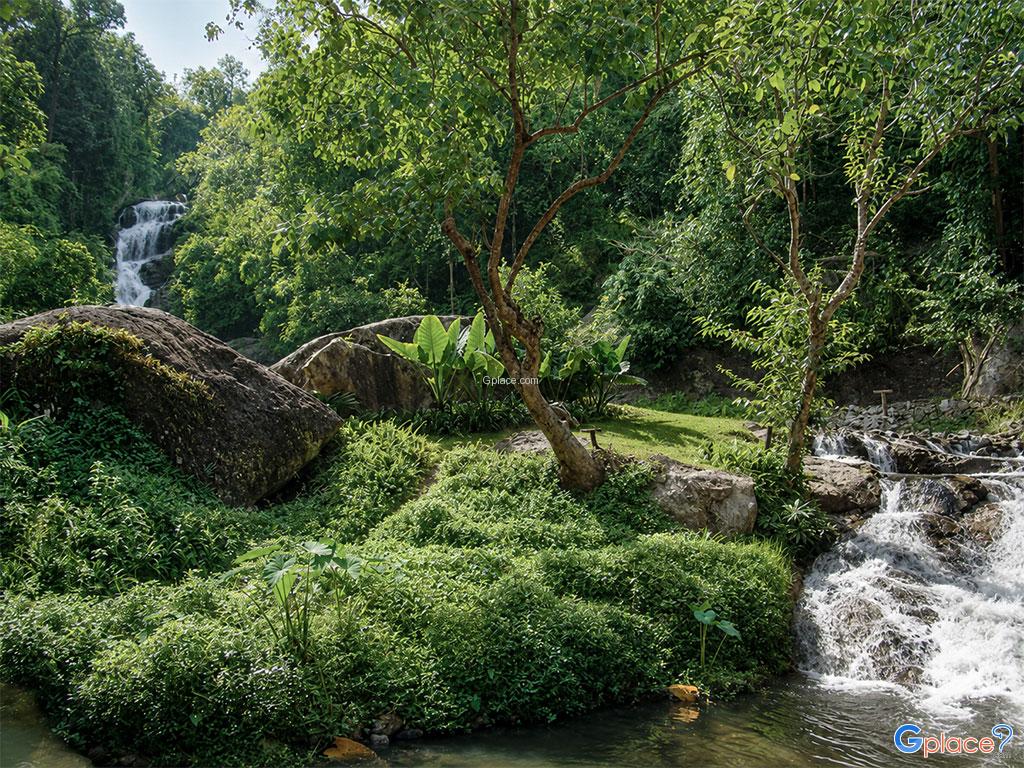

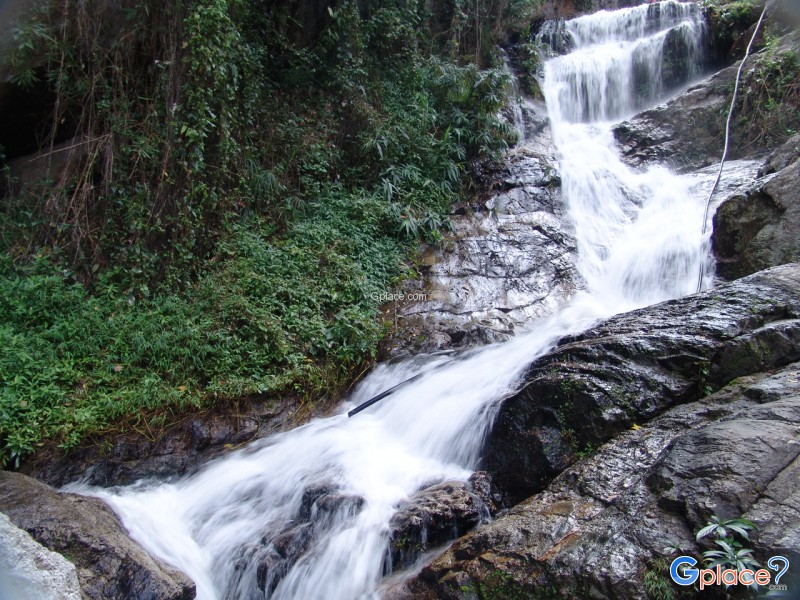
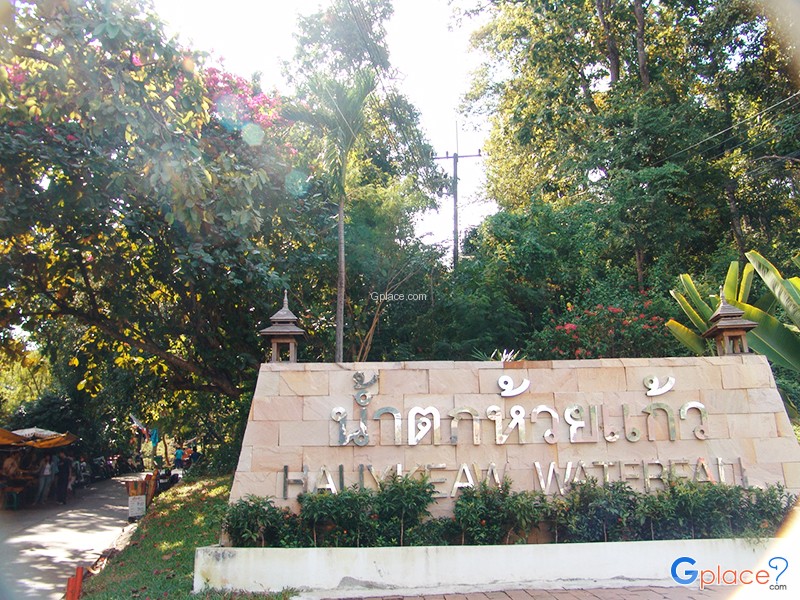

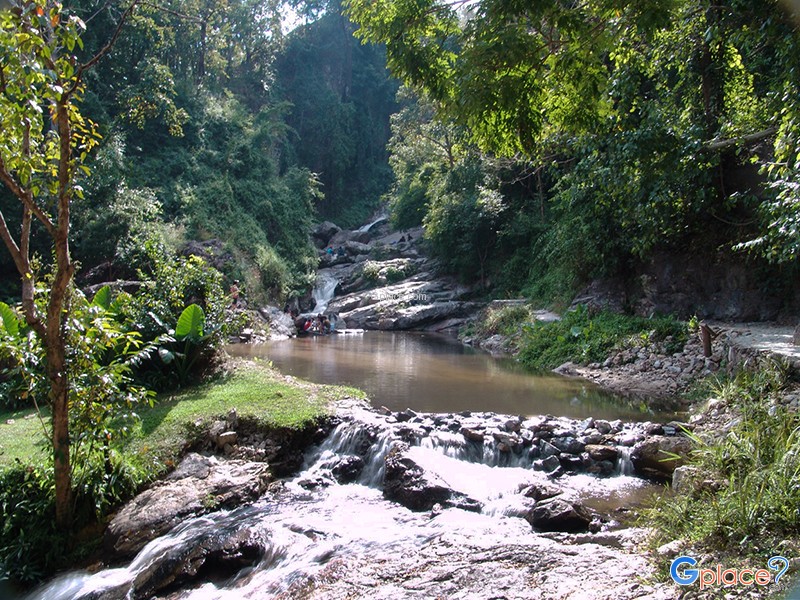
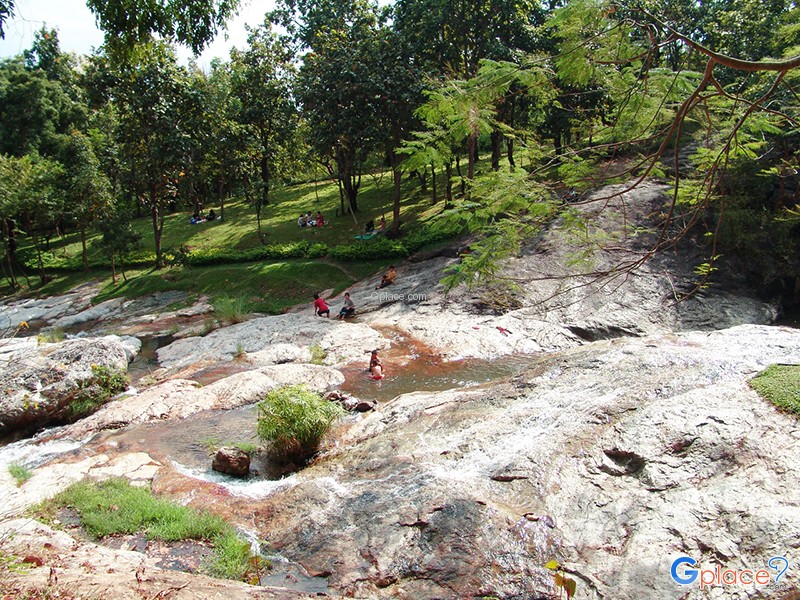
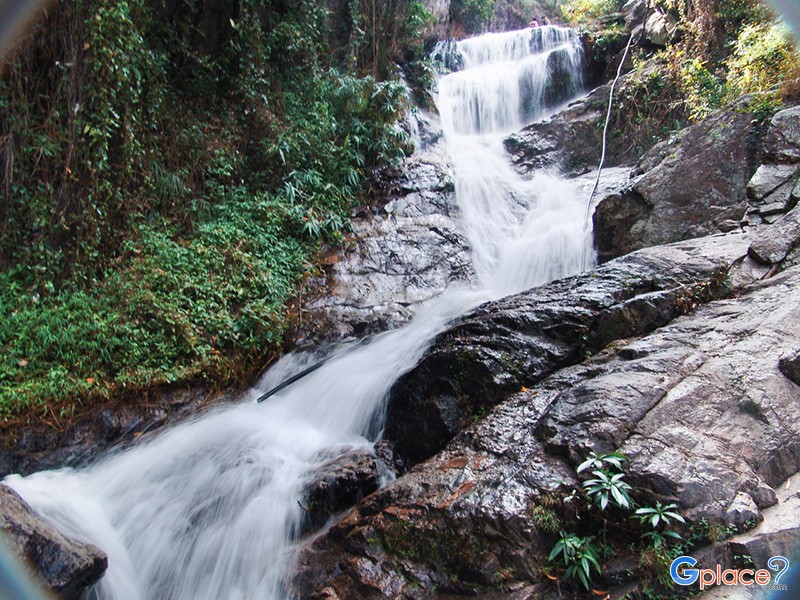
“Huay Kaew Waterfall is the closest waterfall to Chiang Mai city, making it very convenient to visit. Surrounded by lush forest and beautiful scenery, it is ideal for relaxing by the water. It is also linked to the local legend of Wang Bua Ban, telling a story of love and heartbreak.”
Huay Kaew Waterfall is a small waterfall approximately 10 meters high, situated in an easily accessible location at the foot of Doi Suthep. As part of Doi Suthep-Pui National Park, it features year-round water flow, making it a long-standing popular recreation spot for Chiang Mai locals since the past. Especially before urban expansion, this waterfall served as a primary leisure destination where residents would bring their children to swim and enjoy group picnics on weekends. Being the first-tier waterfall that receives water descending from the summit of Doi Suthep into Chiang Mai city, Huay Keaw acts as a welcoming symbol for those traveling up to pay respects at Wat Phra That Doi Suthep.
The historical highlight of the area is Wang Bua Ban, a pond located just above Huay Keaw Waterfall. Originally known as Wang Khulwa or Wang Kula, named after stories of a foreigner who fell and died there, the name was changed around World War II (approximately 1944). It became a memorial for Kru Bua Ban, a beautiful and well-known local teacher of that era. She was involved in a romantic relationship with a young soldier from Bangkok; however, when he returned home and failed to honor his promise to return and propose marriage, Kru Bua Ban was deeply heartbroken. She ultimately decided to end her life by jumping from the cliff above this pond. This tragic love story has since become a poignant legend intertwined with local beliefs regarding the pond's mystery and sanctity.
Not far above Wang Bua Ban lies Pha Ngoeb, a viewpoint and resting spot with distinctive geological features characterized by an overhanging cliff or a protruding rock formation (the word "Ngoeb" in the Northern Thai dialect refers to something that juts out or overhangs). This area offers enough space for tourists to sit and rest under the shade of the large rock overhang. It is a much quieter spot compared to the lower waterfall levels, making it ideal for meditation or reading amidst the sounds of water flowing over the boulders.
For fitness enthusiasts, Huay Keaw Waterfall serves as the starting point for a short nature trail that winds along the waterfall toward Wang Bua Ban and Pha Ngoeb. The trail features a mix of steep and flat terrain, taking approximately 1–2 hours for a round trip. This path offers not only the pleasant scenery of dry evergreen forests and the sounds of various birds but also serves as a hiking route connecting to Wat Pha Lat, a stunning ancient forest temple midway up Doi Suthep. Consequently, hiking here is considered an excellent starting point for beginners due to its proximity to the city and ease of access.
From the perspective of photographers and art lovers, Huay Keaw Waterfall provides captivating views with its soft brown rocks contrasting against the clean white water and lush green foliage. If visited in the early morning, sunlight filters through the tree canopy and strikes the water's surface, creating a solemn and mysteriously charming atmosphere. A visit to Huay Keaw Waterfall is therefore more than just seeing a small waterfall; it is an experience of the spirit of Doi Suthep through living stories and the forest's natural abundance that miraculously exists alongside the development of Chiang Mai city.
How to Get There
-
By Private Car: Drive along Huay Keaw Road toward Doi Suthep. The waterfall is on the left at the foot of the mountain, near the Chiang Mai Zoo.
-
By Red Truck: Take a red truck from front of Chiang Mai University or Chiang Mai Zoo.
-
By Foot: A 15-20 minute walk from the Nimmanhaemin area or the front of Chiang Mai University.
Travel Tips
-
Recommended Season: November – January is the best period for clear water and cool, comfortable weather. However, if you wish to see the waterfall with powerful and high water volume, the late rainy season to early winter (September – October) is recommended.
-
Footwear: It is advisable to wear shoes with good traction or anti-slip soles, as the boulders around the waterfall and the path to Wang Bua Ban are often damp and covered in moss.
-
Safety: Please pay attention to warning signs regarding flash floods during the rainy season. Furthermore, swimming in the deep pools of the Wang Bua Ban area is not recommended unless you have proficient swimming skills.
-
Planning: You can organize your trip by starting with a visit to pay respects at the Kruba Srivichai Monument, then relaxing at Huay Keaw Waterfall before traveling further up to enjoy the viewpoints on Doi Suthep.
Admission Fee:
- Free of charge
Opening Hours:
- Daily from 06:00 – 18:00
Huay Kaew Waterfall

 Share
Share
 Suthep Subdistrict, Mueang Chiang Mai district, Chiang Mai (Foot of Doi Suthep)
Map
Suthep Subdistrict, Mueang Chiang Mai district, Chiang Mai (Foot of Doi Suthep)
Map
 Closed today
Mon8.00 - 17.00
Tue8.00 - 17.00
Wed8.00 - 17.00
Thu8.00 - 17.00
Fri8.00 - 17.00
Sat8.00 - 17.00
Sun8.00 - 17.00

 https://www.thai-tour.com/thai-tour/north/chiangmai/data/pic_huaikaew-waterfall.htm
 doisuthep_pui@hotmail.com
 16408
16408