
 Attractions
  Hotel
Hotel  Restaurant
  Shopping
  Abroad
  Nearby Places






1004 เส้นทางไหว้พระธาตุ ยอดดอยปุย ขุนช้างเคี่ยน

 1611
1611
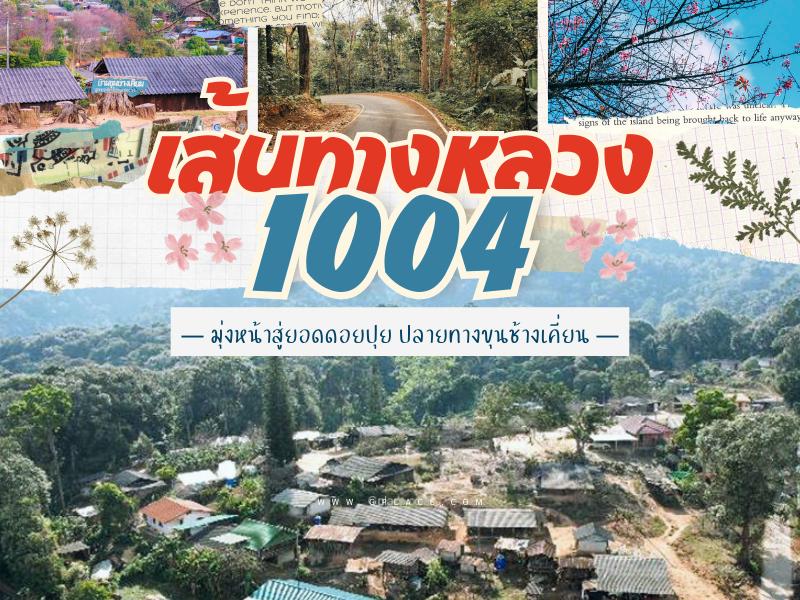 เส้นทางหลวง 1004 มุ่งหน้าสู่ยอดดอยปุย ปลายทางบ้านม้ง ขุนช้างเคี่ยน
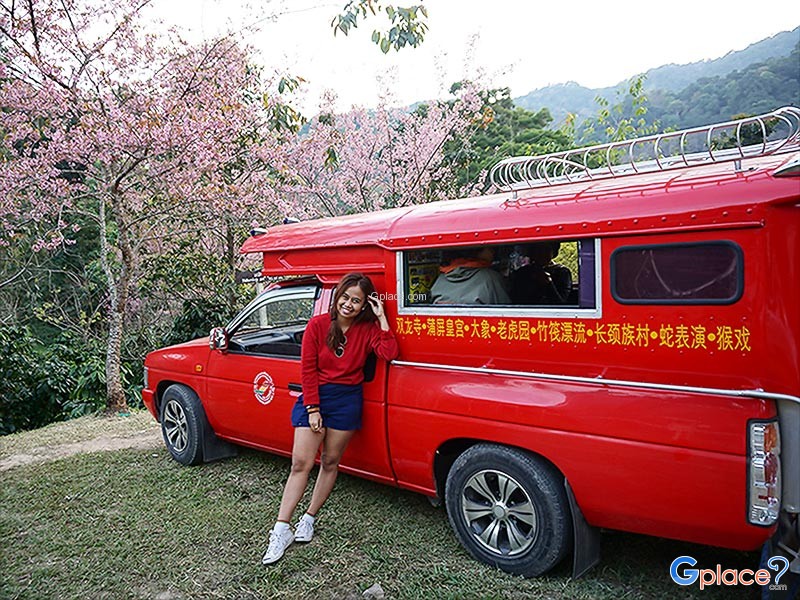
เป็นประจำทุกปี ช่วงกลางเดือนมกราคม จะมีดอกนางพญาเสือโคร่งบานเต็มพืนป่า บานมากที่สถานีเกษตรที่สูงขุนช้างเคี่ยน และบ้านม้งขุนช้างเคี่ยน บนยอดดอย ใช้เวลาบานเต็มที่ก่อนร่วงรวยประมาณ 2 สัปดาห์ ประมาณวันที่ 8-21 มกราคม ทุกปี (เวลาอาจคลาดเคลื่อนได้ เนื่องจาก อุณหภูมิ สภาพอากาศ และลมหนาว ในแต่ละปี)
แอดฯ แนะนำ ใช้รถสองแถว แบบจอยทัวร์ หรือเหมาคัน (หากเดินทางในช่วงเทศกาล) ราคาอยู่ประมาณ 1500-2500 ต่อทริป (ขึ้นอยู่สถานที่ๆจะแวะ) ช่วงเทศกาล นักท่องเที่ยวมีจำนวนมาก ที่จอดรถ (ลานจอดรถแต่ละแห่งไม่เพียงพอ) สามารถเหมาะรถได้ตั้งแต่ตีนดอย หรือลานจอดรถหน้าวัดพระธาตุดอยสุเทพ
แอดฯ ไม่แนะนำให้ขึ้นขุนช้างเคี่ยน โดยใช้เส้นทางจาก อ่างเก็บน้ำห้วยตึงเฒ่า เพราะทางลูกรัง ไม่เหมาะรถเก๋ง ทั่วไป และคนขับที่ไม่ชำนาญทาง แม้เส้นทางจะสั้นกวา
เส้นทางในลิงค์นี้ สามารถปรับเปลี่ยนได้ตามความเหมาะสม เช่น หากเดินทางแต่เช้าตรู่ การจราจร รถยนต์ ไม่มาก ก็สามารถขึ้นไปไหว้พระธาตุฯ และแวะเที่ยวพระตำหนักภูพิงค์ หรือบ้านม้งดอยปุย ก่อนเข้าไปขุนช้างเคี่ยนได้ หรือ หากอยากได้อากาศบริสุทธิ ชมวิว ทะเลหมอกแต่เช้า ก็อาจต้องเดินทางแต่เช้ามืดเพื่อเช้าขุนช้างเคี่ยนก่อน แล้วค่อยไล่เก็บสถานที่ท่องเที่ยวอื่นๆ ตามทางลงมา ก็ได้
เส้นทางหลวง 1004 มุ่งหน้าสู่ยอดดอยปุย ปลายทางบ้านม้ง ขุนช้างเคี่ยน
เป็นประจำทุกปี ช่วงกลางเดือนมกราคม จะมีดอกนางพญาเสือโคร่งบานเต็มพืนป่า บานมากที่สถานีเกษตรที่สูงขุนช้างเคี่ยน และบ้านม้งขุนช้างเคี่ยน บนยอดดอย ใช้เวลาบานเต็มที่ก่อนร่วงรวยประมาณ 2 สัปดาห์ ประมาณวันที่ 8-21 มกราคม ทุกปี (เวลาอาจคลาดเคลื่อนได้ เนื่องจาก อุณหภูมิ สภาพอากาศ และลมหนาว ในแต่ละปี)
แอดฯ แนะนำ ใช้รถสองแถว แบบจอยทัวร์ หรือเหมาคัน (หากเดินทางในช่วงเทศกาล) ราคาอยู่ประมาณ 1500-2500 ต่อทริป (ขึ้นอยู่สถานที่ๆจะแวะ) ช่วงเทศกาล นักท่องเที่ยวมีจำนวนมาก ที่จอดรถ (ลานจอดรถแต่ละแห่งไม่เพียงพอ) สามารถเหมาะรถได้ตั้งแต่ตีนดอย หรือลานจอดรถหน้าวัดพระธาตุดอยสุเทพ
แอดฯ ไม่แนะนำให้ขึ้นขุนช้างเคี่ยน โดยใช้เส้นทางจาก อ่างเก็บน้ำห้วยตึงเฒ่า เพราะทางลูกรัง ไม่เหมาะรถเก๋ง ทั่วไป และคนขับที่ไม่ชำนาญทาง แม้เส้นทางจะสั้นกวา
เส้นทางในลิงค์นี้ สามารถปรับเปลี่ยนได้ตามความเหมาะสม เช่น หากเดินทางแต่เช้าตรู่ การจราจร รถยนต์ ไม่มาก ก็สามารถขึ้นไปไหว้พระธาตุฯ และแวะเที่ยวพระตำหนักภูพิงค์ หรือบ้านม้งดอยปุย ก่อนเข้าไปขุนช้างเคี่ยนได้ หรือ หากอยากได้อากาศบริสุทธิ ชมวิว ทะเลหมอกแต่เช้า ก็อาจต้องเดินทางแต่เช้ามืดเพื่อเช้าขุนช้างเคี่ยนก่อน แล้วค่อยไล่เก็บสถานที่ท่องเที่ยวอื่นๆ ตามทางลงมา ก็ได้
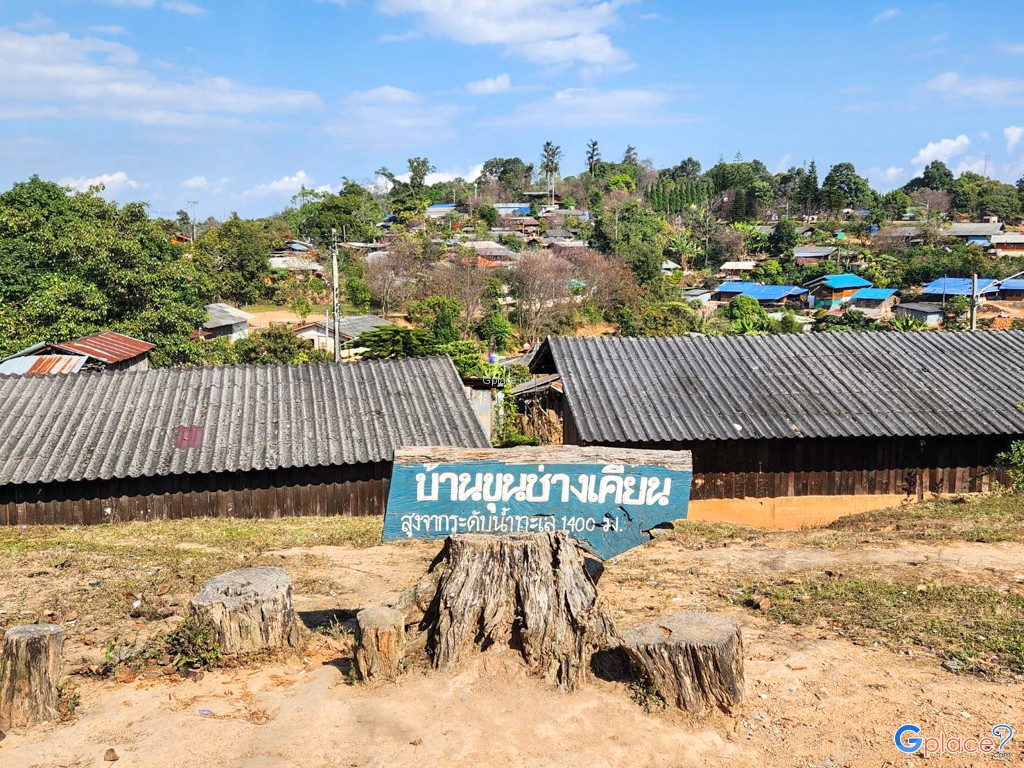
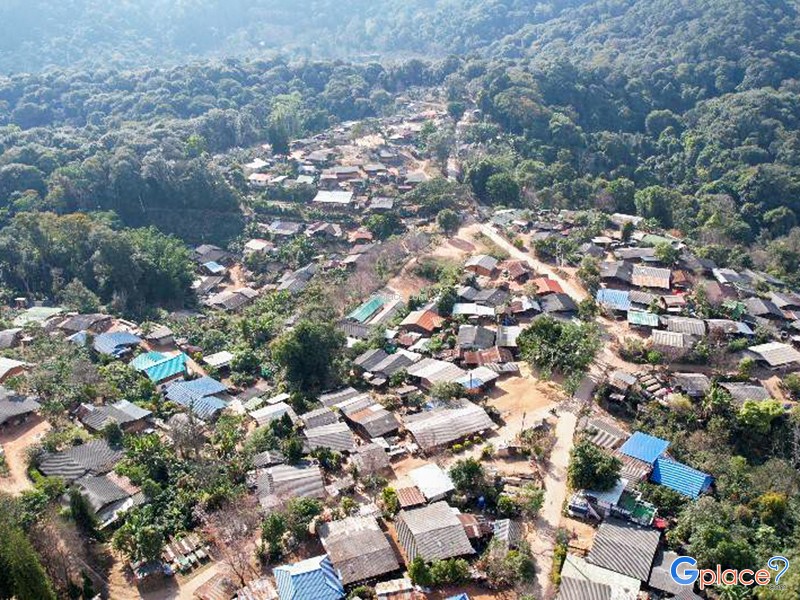
Khun Chang Kian (Khun Chang Kian) is operated under the Faculty of Agriculture, Chiang Mai University, serving as a “highland agricultural research station” for studying, experimenting, and developing temperate crops, especially Arabica coffee, temperate fruit trees, and highland economic crops, which serve as an important agricultural knowledge base in Northern Thailand connecting res...
read more
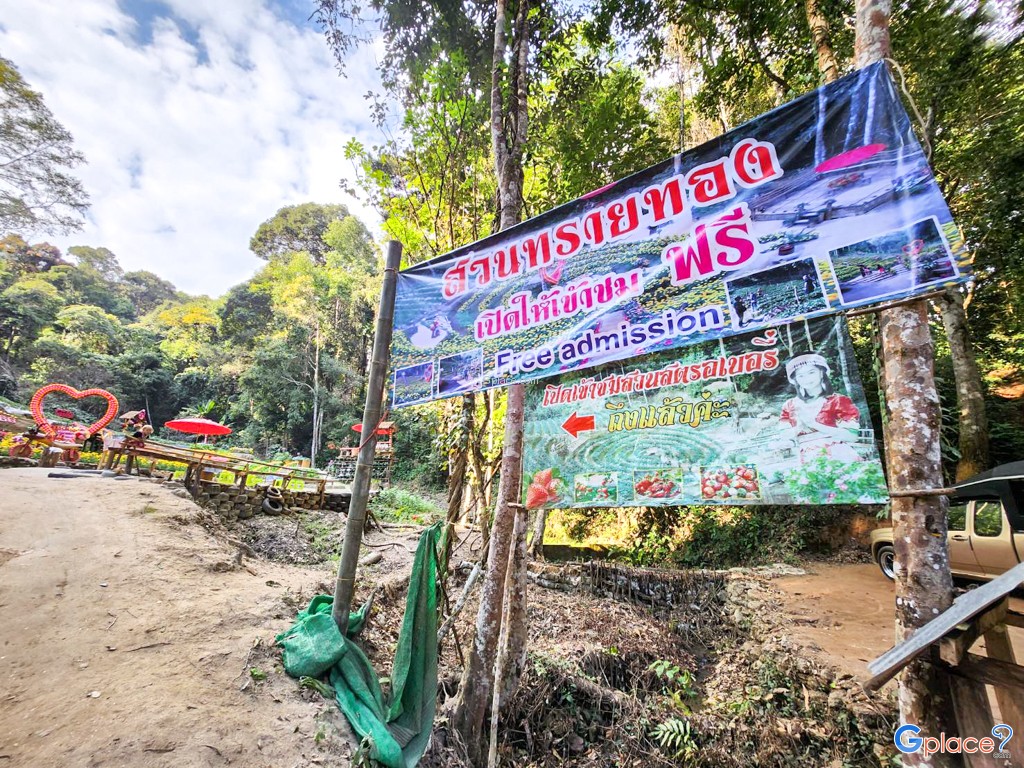
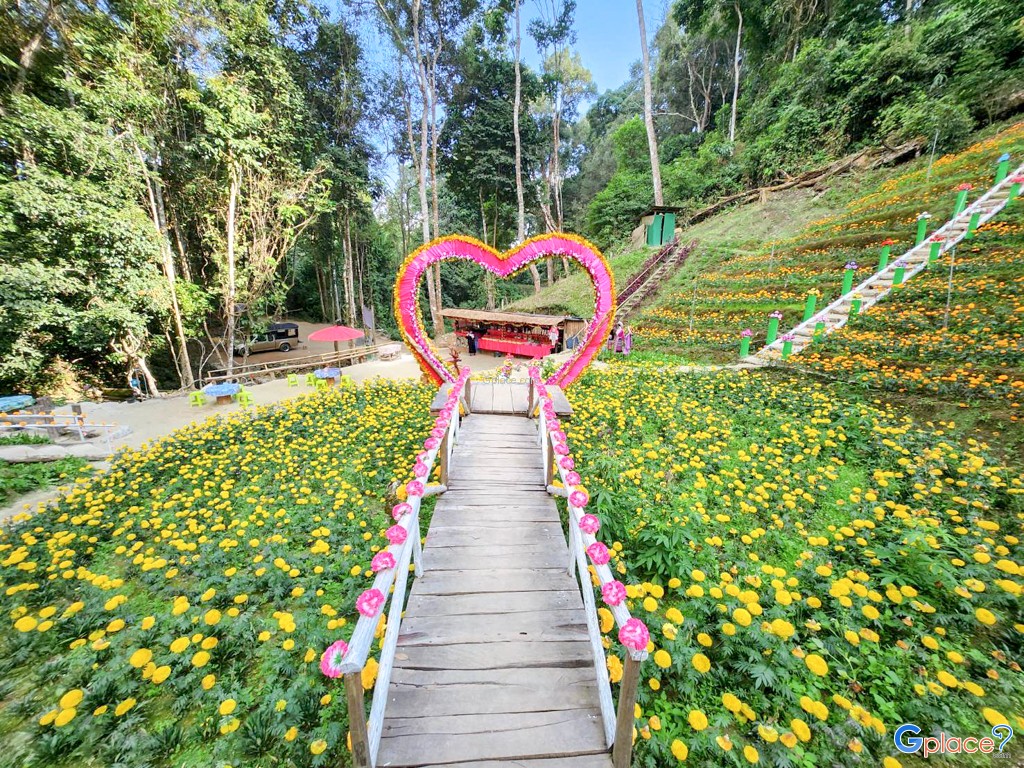
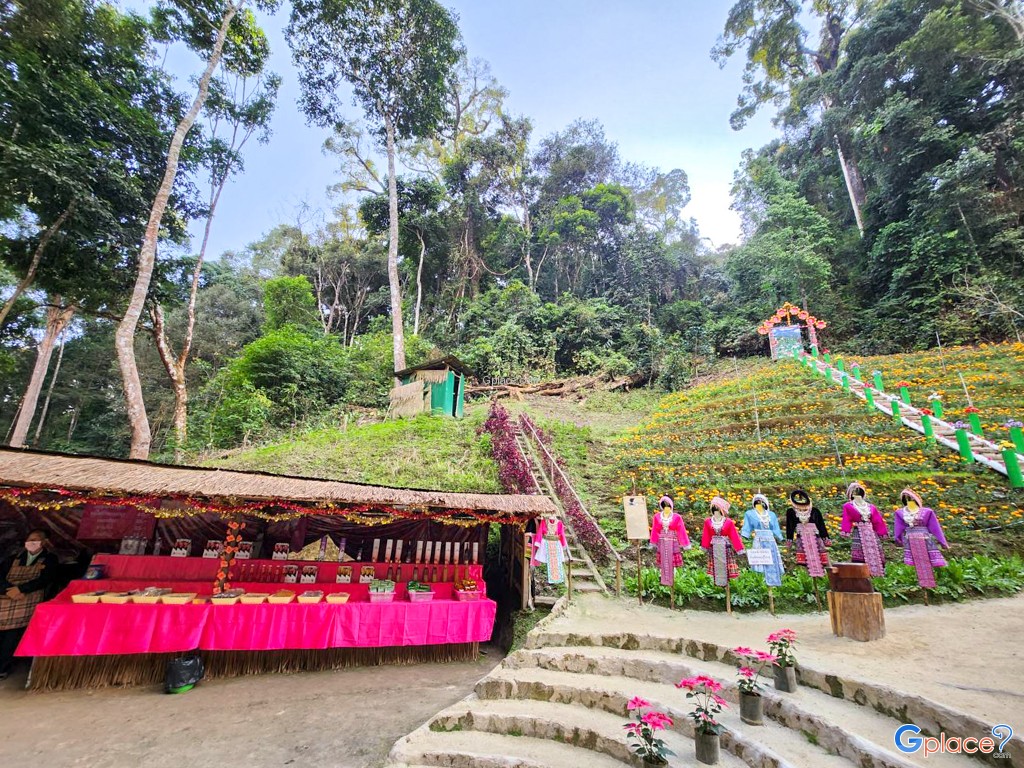
Ban Hmong Strawberry Farm becomes the ultimate Golden Hour destination when the winter breeze sweeps through Chiang Mai from January to February. During this peak season, the entire village is painted in soft pink by the blooming Wild Himalayan Cherry blossoms, also known as Thailand’s Sakura, which show off their beauty in the chilling mountain air. The must-visit highlight is the Stra...
read more
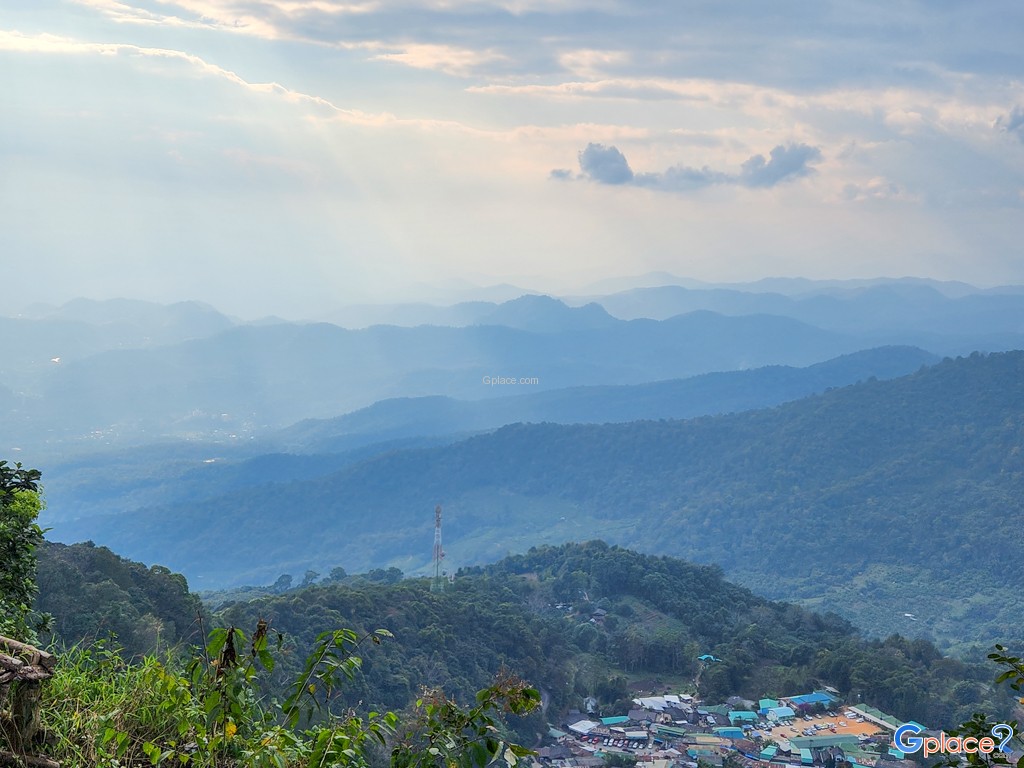
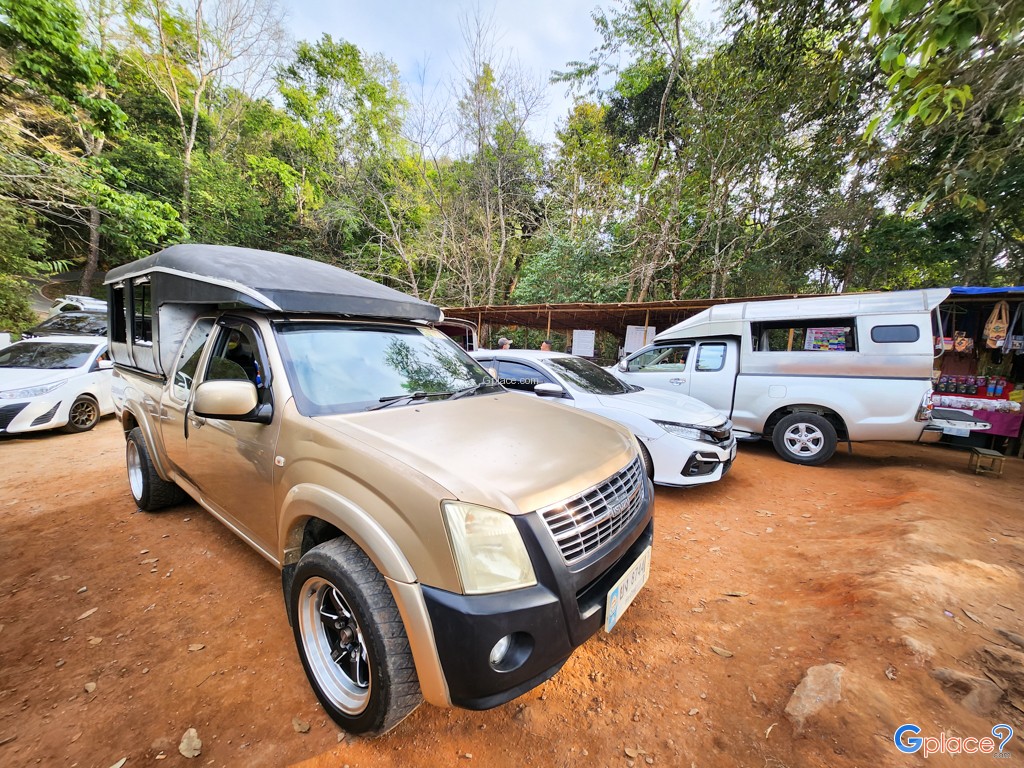
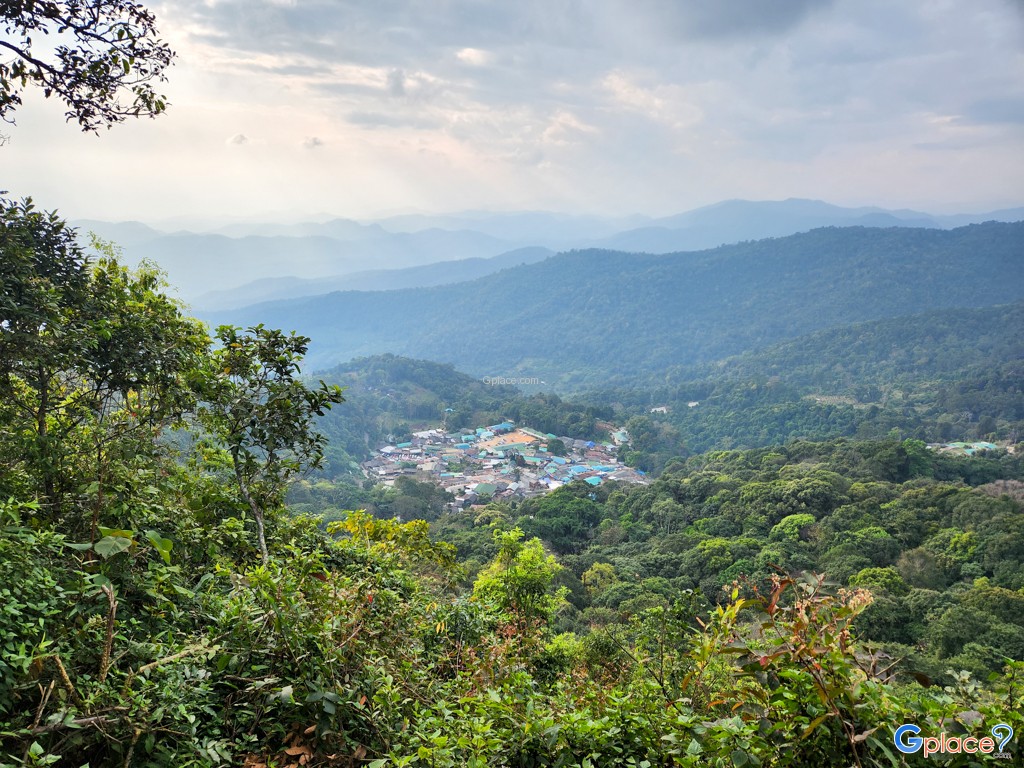
Doi Pui Viewpoint is the ultimate peak waiting for you to conquer at an altitude of 1,685 meters above sea level, making it the highest point in Doi Suthep-Pui National Park. This is a paradise on earth surrounded by a lush, silent evergreen forest where you can hear even the softest whisper of the leaves. The moment you step away from your vehicle, the faint scent of earth and pine needles greets...
read more
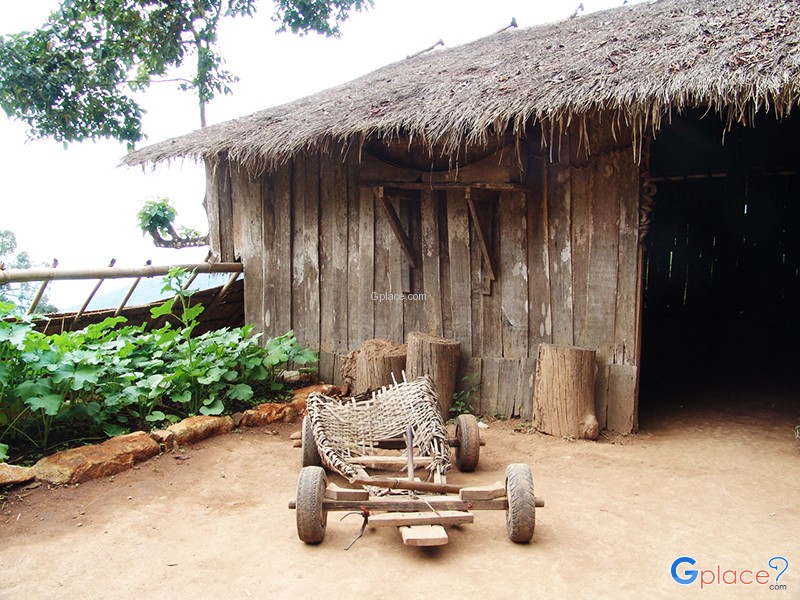
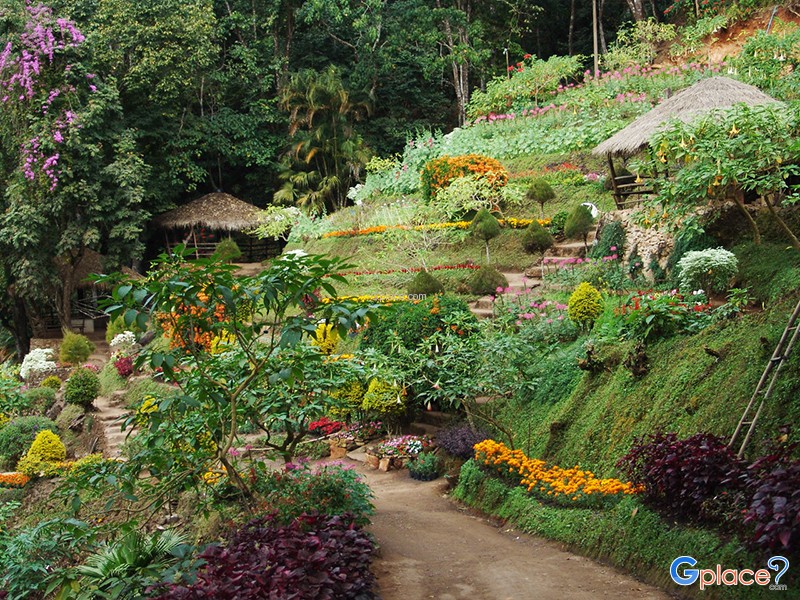
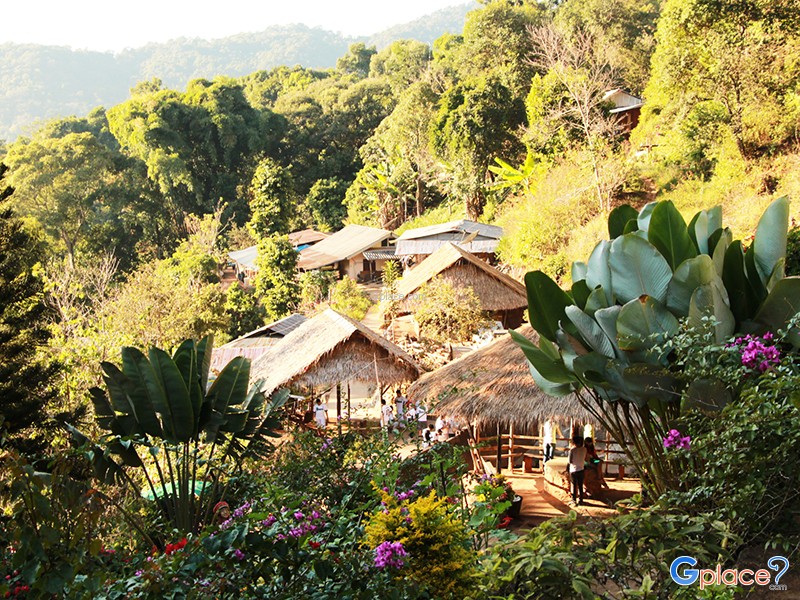
Hmong Village, Doi Pui, is located atop Doi Pui within Doi Suthep-Pui National Park. It is a community with a history of settlement spanning over 50 years. The Hmong people migrated here after World War II and have preserved their unique traditions, culture, and clothing. The village serves as an open-air museum of Hmong heritage.
Activities and Points of Interest:
Hmong lifestyle and traditional ...
read more
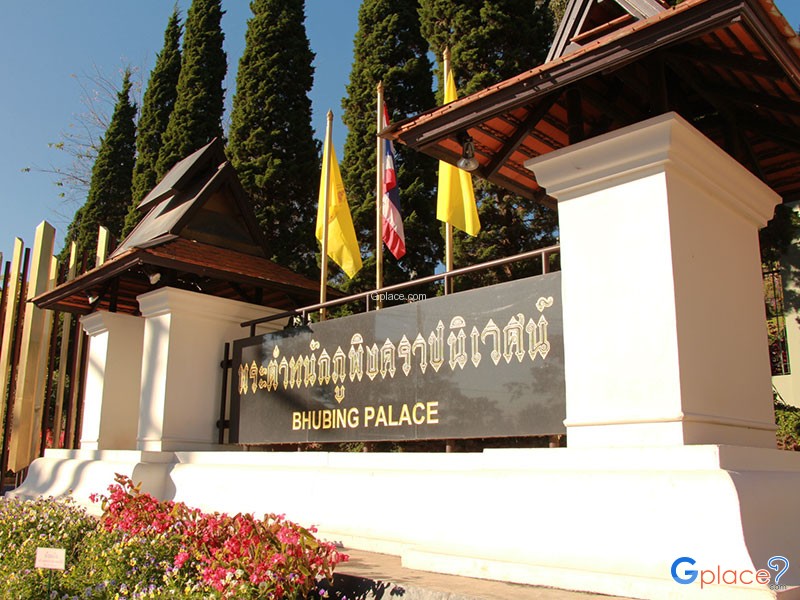
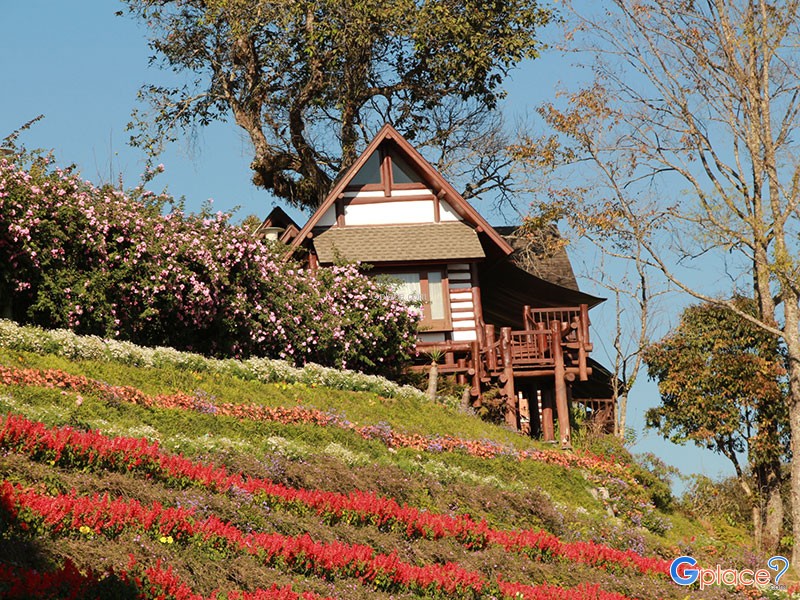
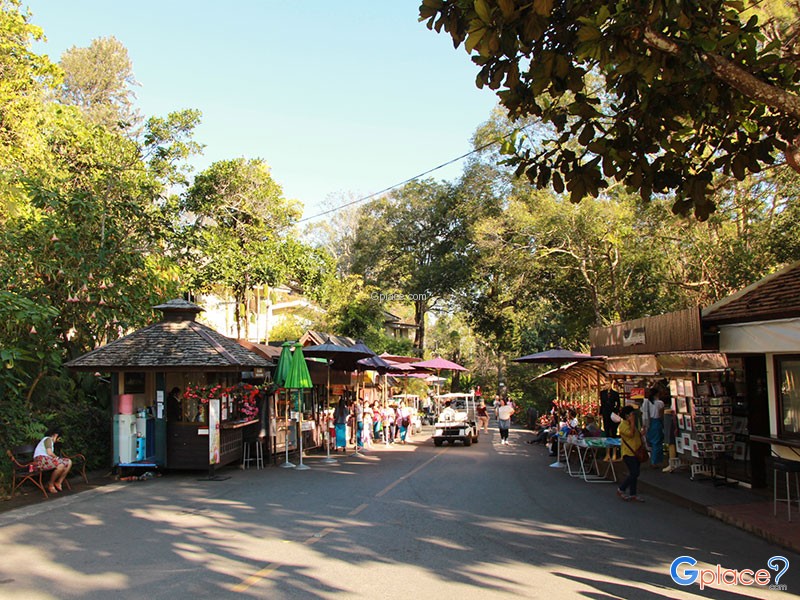
Bhubing Palace (Bhubing Palace) was built in 1961 during the reign of His Majesty King Bhumibol Adulyadej The Great (Rama IX) with the main purpose of serving as a winter residence when the royal family visited northern Thailand, as well as a place to receive foreign dignitaries and support royal development projects in highland areas.
The palace area was designed to blend harmoniously with the te...
read more

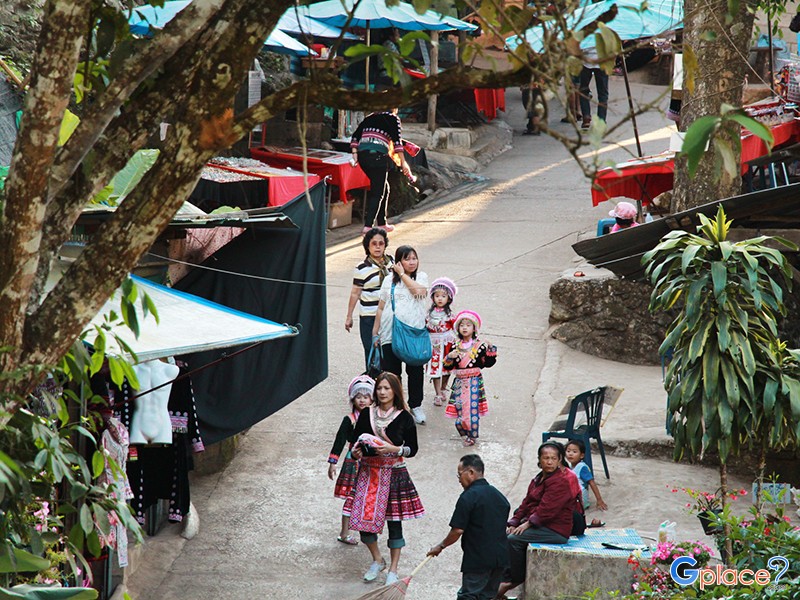
Doi Suthep-Pui National Park covers areas in Mae Rim, Hang Dong, and Mueang Chiang Mai districts, with an area of approximately 262.50 square kilometers (163,162.50 rai). It consists of rich forests and complex mountains, including Doi Suthep (1,667 m), Doi Buak Ha, and Doi Pui (highest 1,685 m), which are the sources of important streams.
Major attractions and important sites within the park:
W...
read more
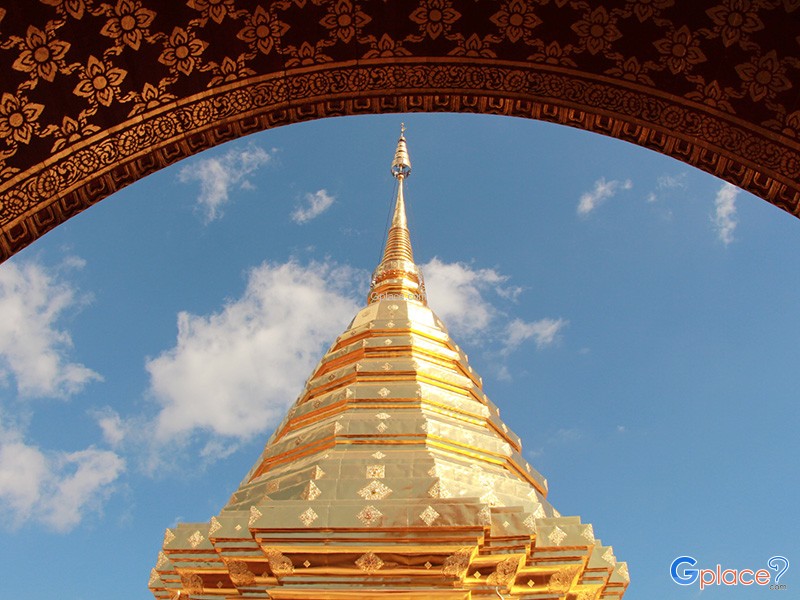
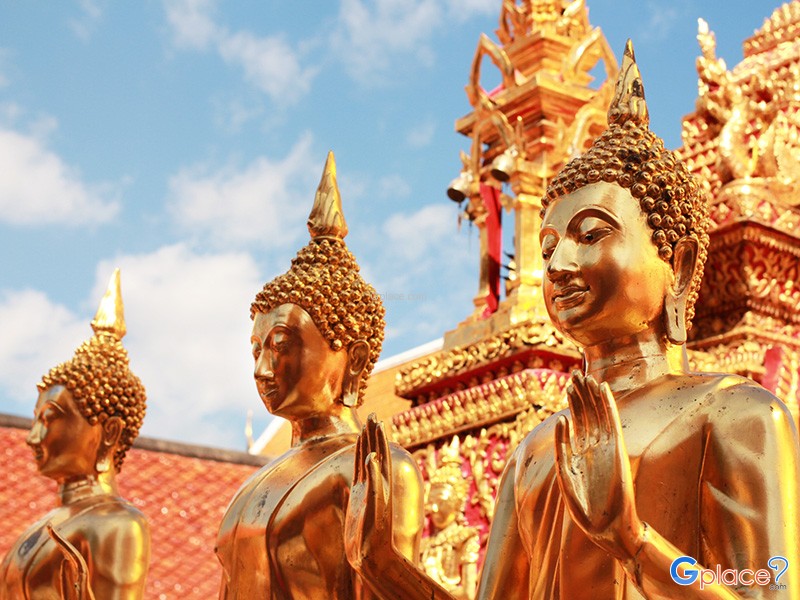
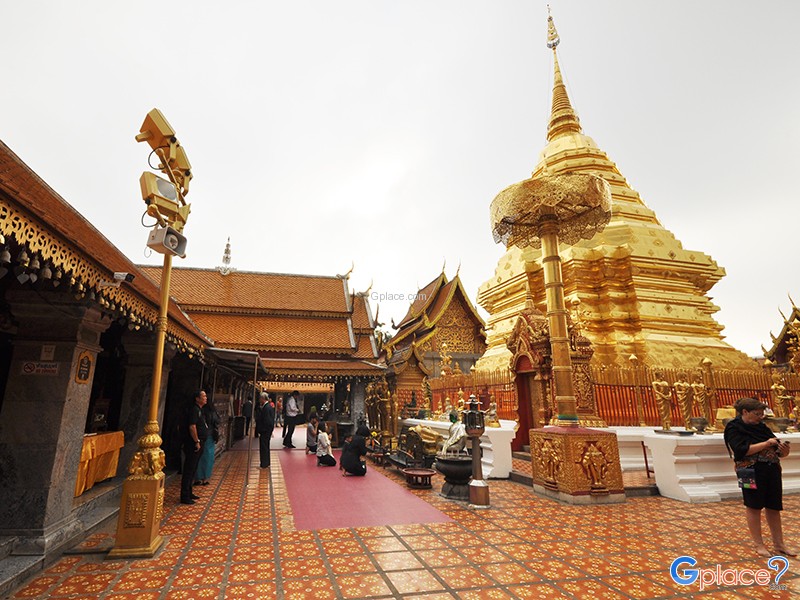
Wat Phra That Doi Suthep is far more than just a landmark — it is regarded as the most sacred temple in Northern Thailand and the spiritual symbol of the Lanna people. Founded in 1383 CE (B.E. 1929) under King Kuena of the Lanna Kingdom, its construction represented both a political and spiritual cornerstone. Establishing a great reliquary temple reinforced the king’s authority while s...
read more
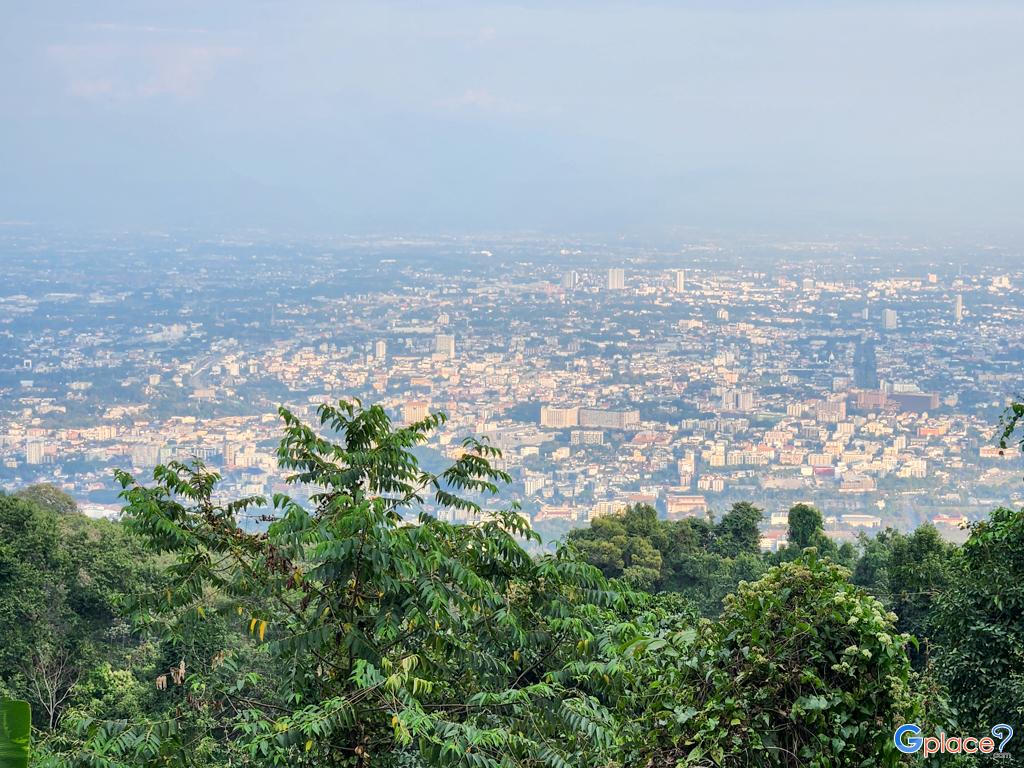
Chiang Mai City Viewpoint (Along the Way Up to Doi Suthep) is part of the journey to Doi Suthep and is a must-visit photo spot
Recommended Activities
Photography: Capture the cityscape from a high angle, especially wide-angle shots of the city below
Resting: There is space for parking and small shops selling food, drinks, and souvenirs
Observation: On a clear day, you can see important city ...
read more
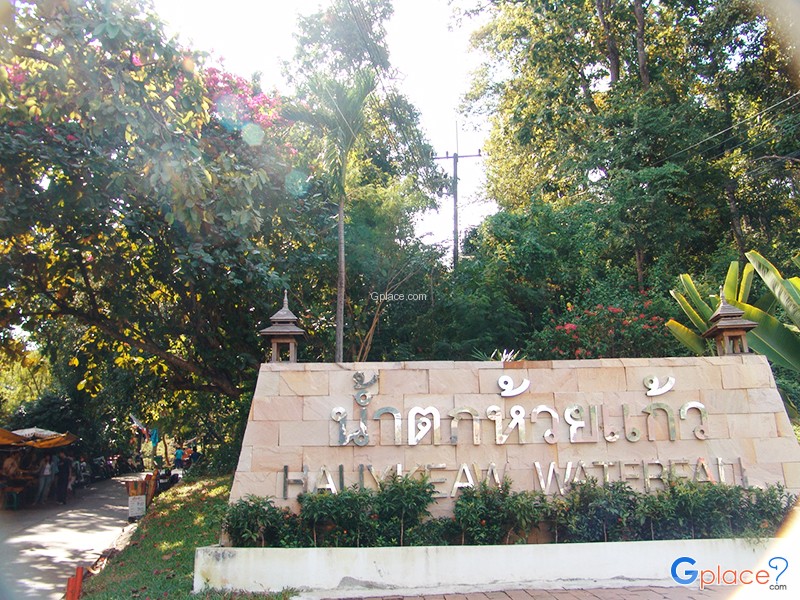
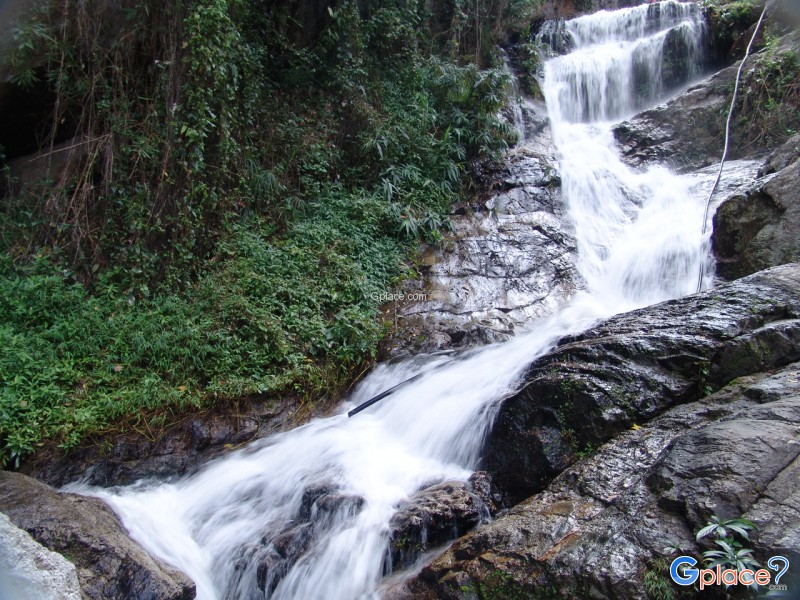
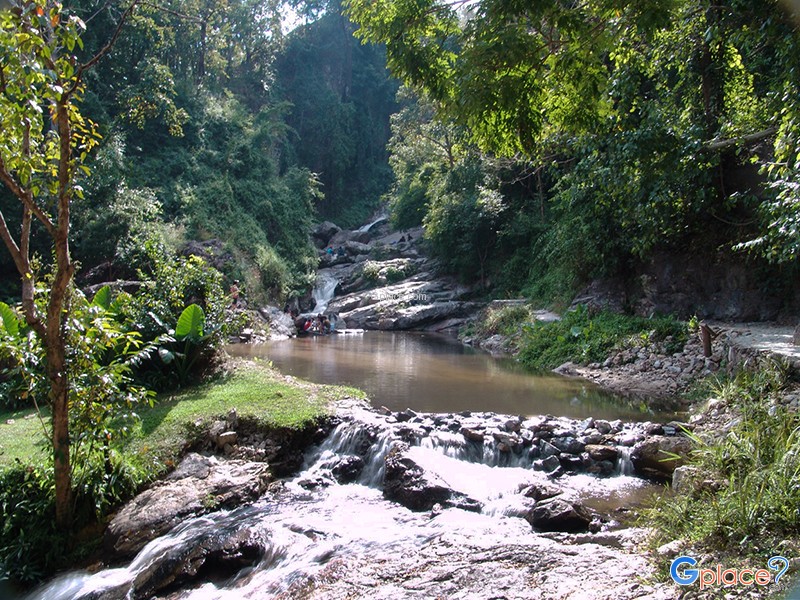
Huay Kaew Waterfall is a small waterfall approximately 10 meters high, situated in an easily accessible location at the foot of Doi Suthep. As part of Doi Suthep-Pui National Park, it features year-round water flow, making it a long-standing popular recreation spot for Chiang Mai locals since the past. Especially before urban expansion, this waterfall served as a primary leisure destination w...
read more
กำลังเป็นที่นิยม

10 Must-Visit Spots Along the Chao Phraya River, B
Exploring the Chao Phraya River offers one of the most complete experiences of B..

Attractive Beaches in Sattahip, Chonburi
For those looking to escape the hustle and bustle of Pattaya and experience calm..
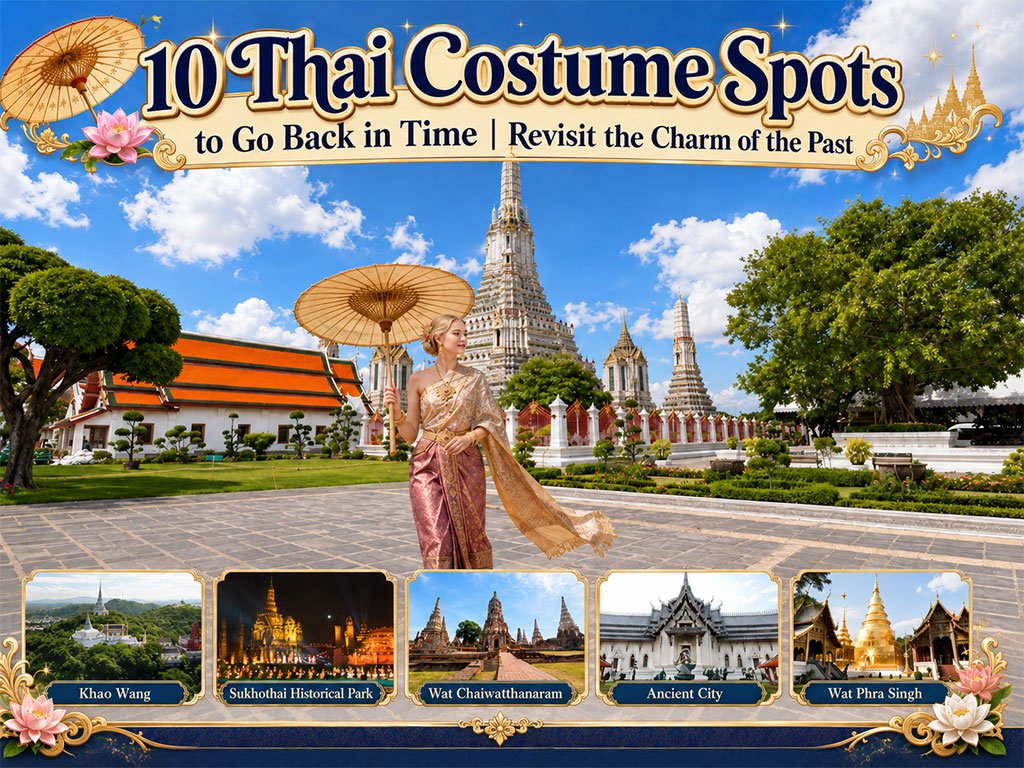
10 Thai Costume Spots to Go Back in Time
Wearing traditional Thai costume and taking photos at beautiful places is more t..

8 World Heritage Sites of Thailand
Tracing Ancient Civilizations and Invaluable Forests Recognized by UNESCO Thaila..
Recommend trips
- Pilgrimage to the Sacred Sites
- Trip to Bhutan
- 10 Sacred Buddhist Sites Thai Temples in India–Nep
- The Four Holy Pilgrimage Sites
- Dream Destinations in Switzerland
- Top Paris Check-in Spots
- 10 Thai Costume Spots to Go Back in Time
- Must-Visit Check-in Spots in London
- Attractive Beaches in Sattahip, Chonburi
- 10 Must-Visit Spots Along the Chao Phraya River, B
- 8 World Heritage Sites of Thailand
- The Ultimate Ancient Villages in Japan
- 10 Must-Visit Places in Waterford
- Watsons Bay Half-Day Trip
- 10 Best Shopping Destinations in Bangkok
- 10 Must-Visit Spots in Koh Yao
- EBC - World-Class Trekking Route
- 10 Must-Visit Check-ins in Uthai Thani
- Giant Buddha Landmarks in Thailand
- Thailand Nature Trails