 Attractions
  Hotel
Hotel  Restaurant
  Shopping
  Abroad








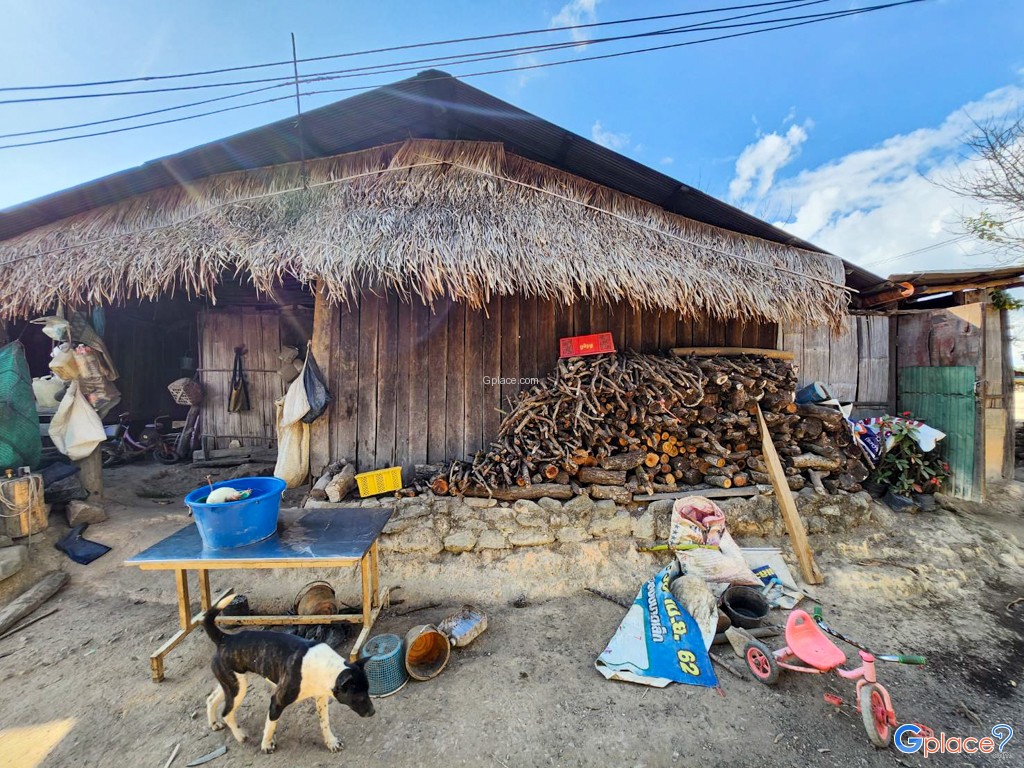
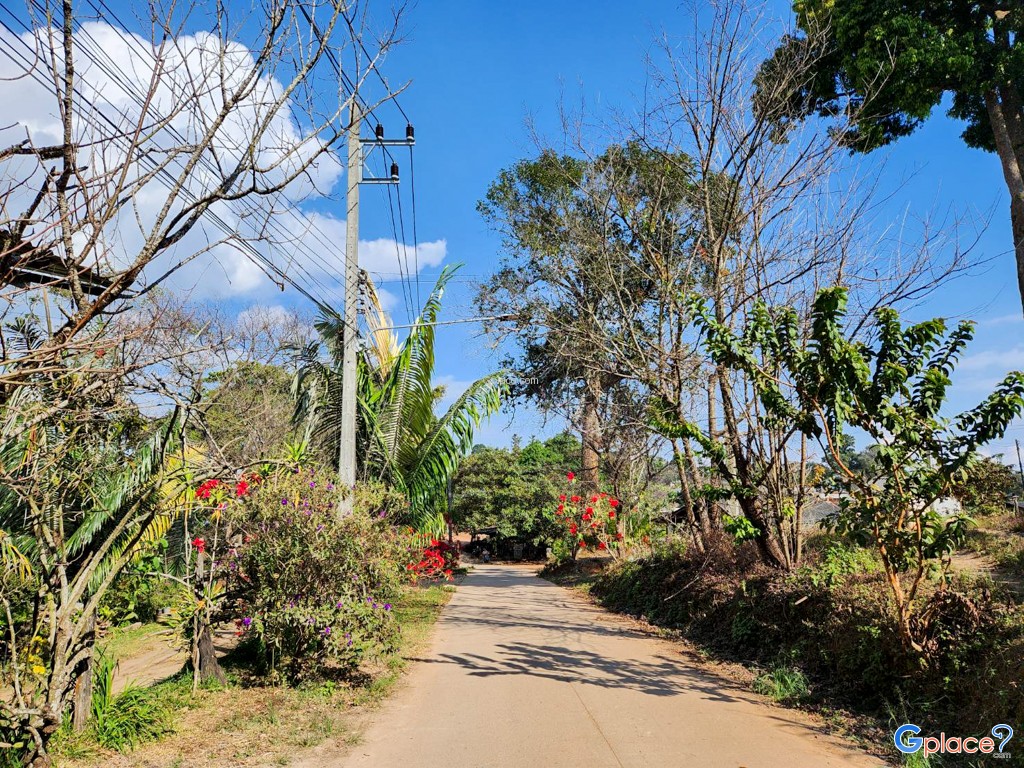
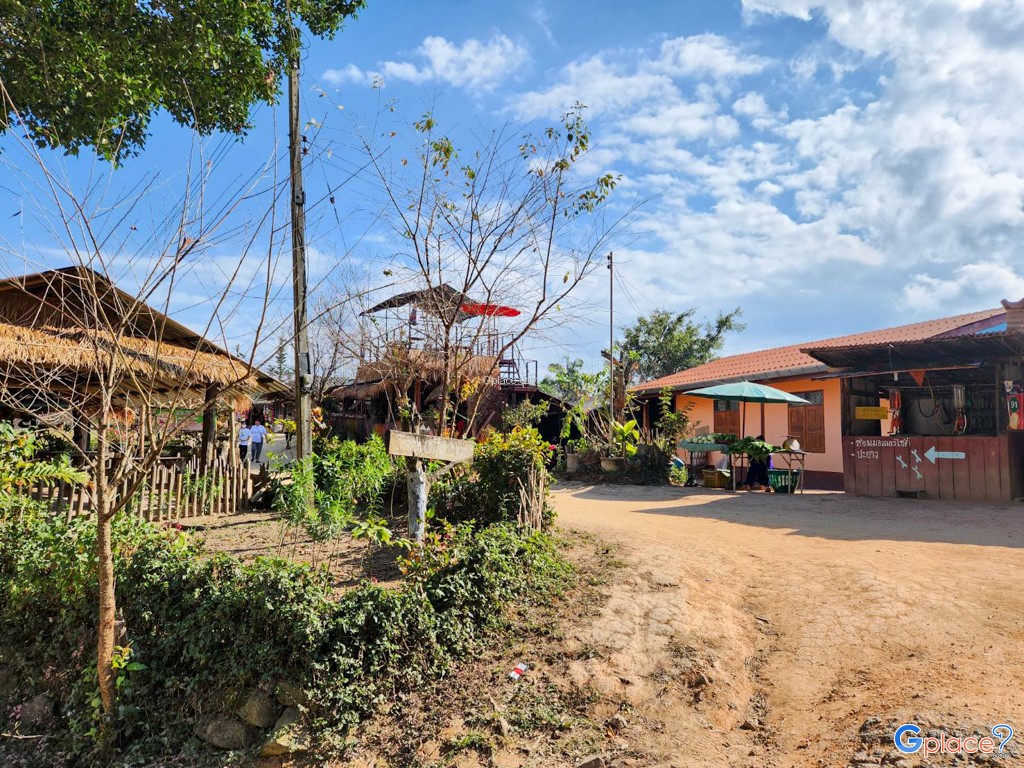

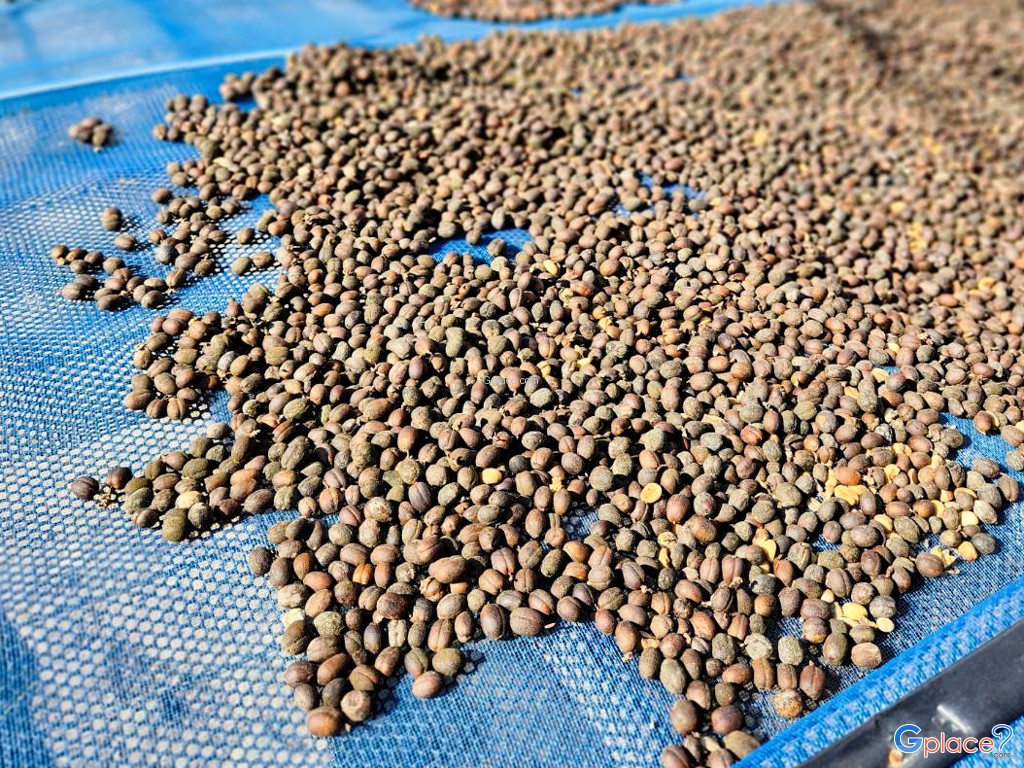
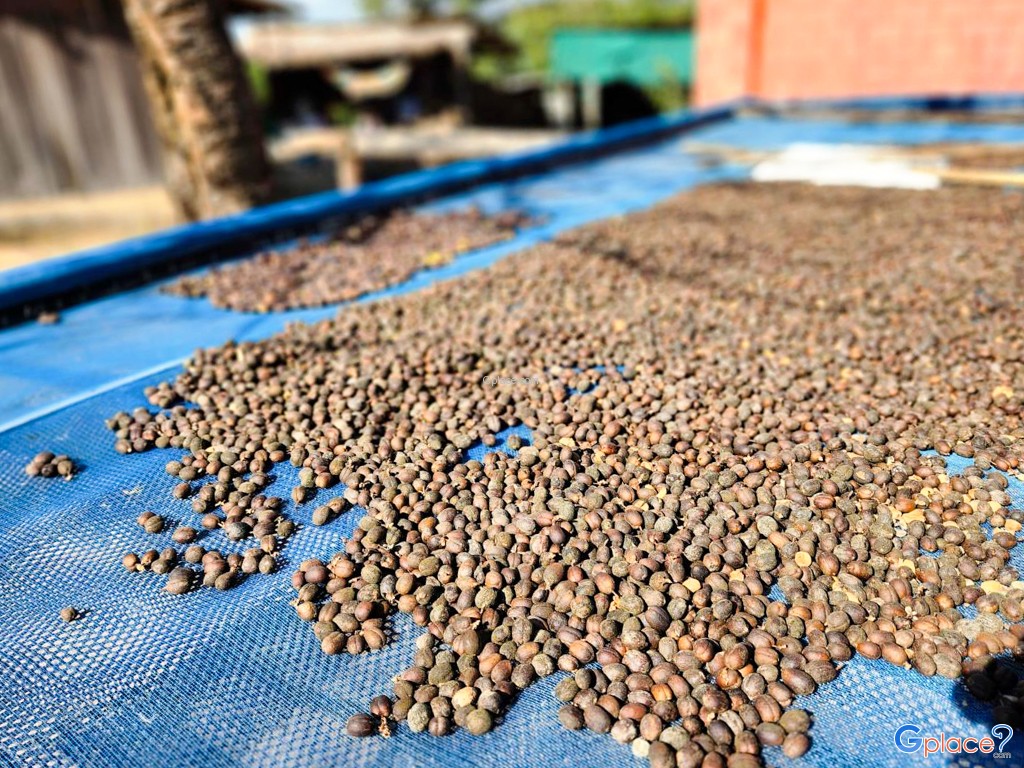
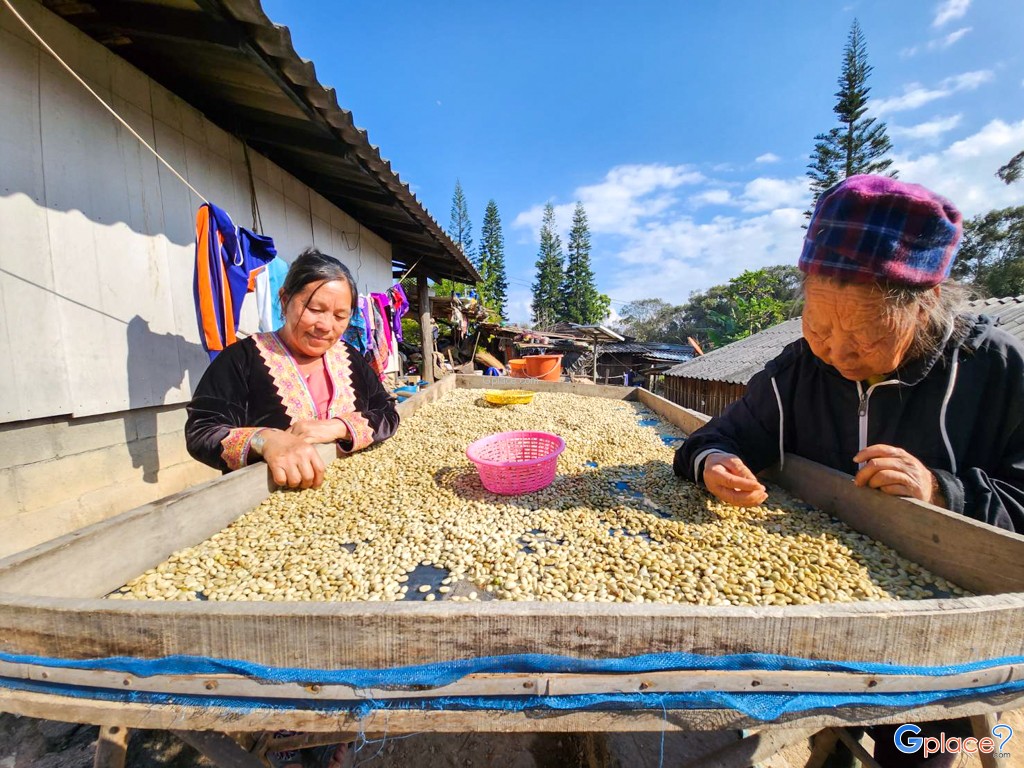
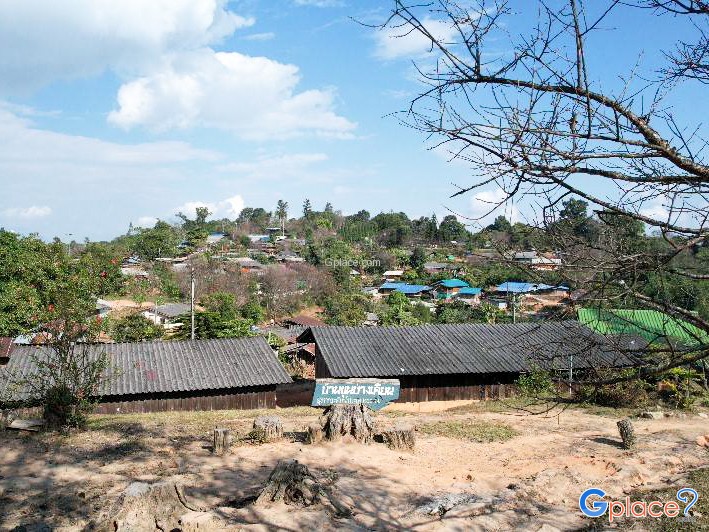
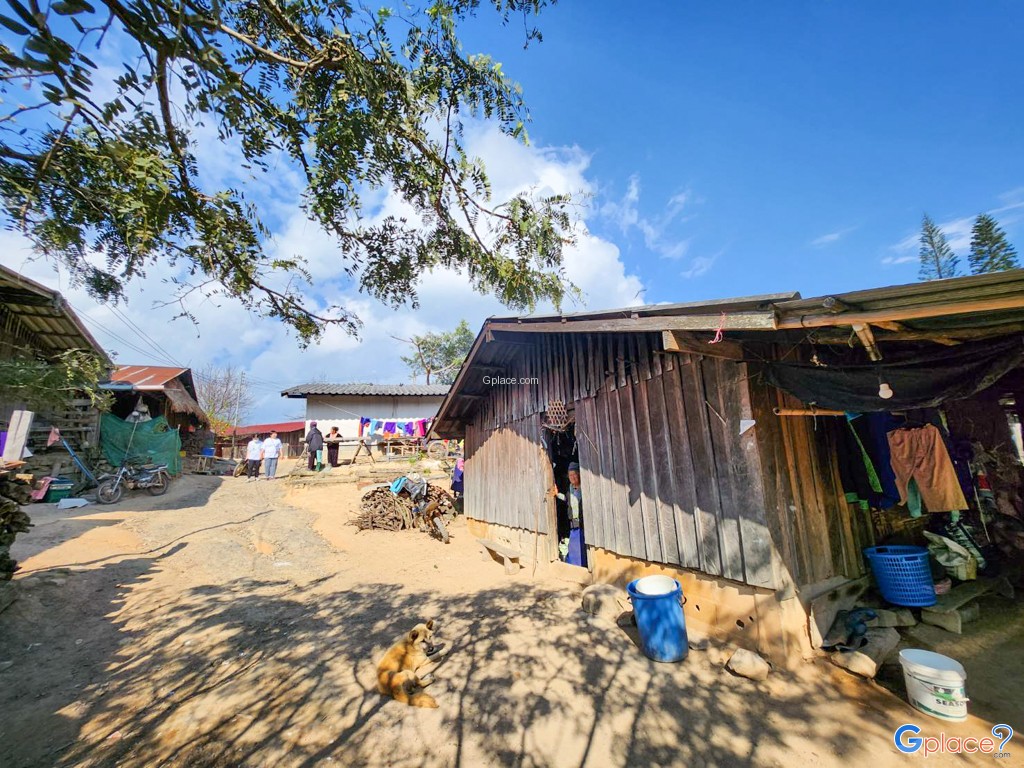
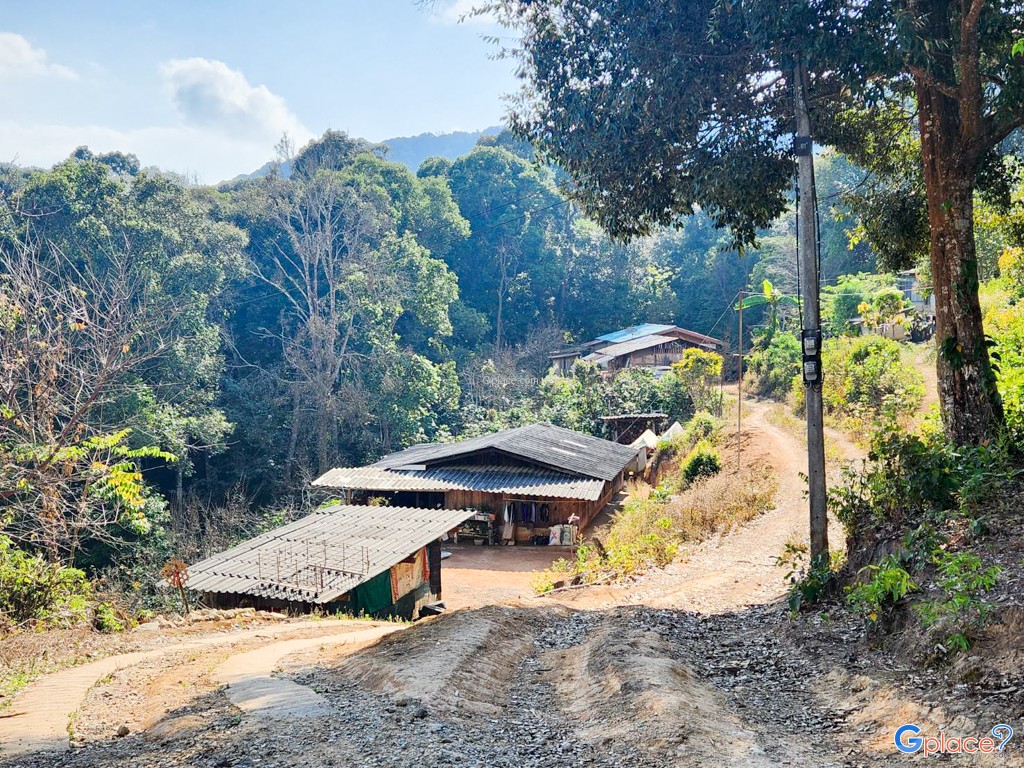
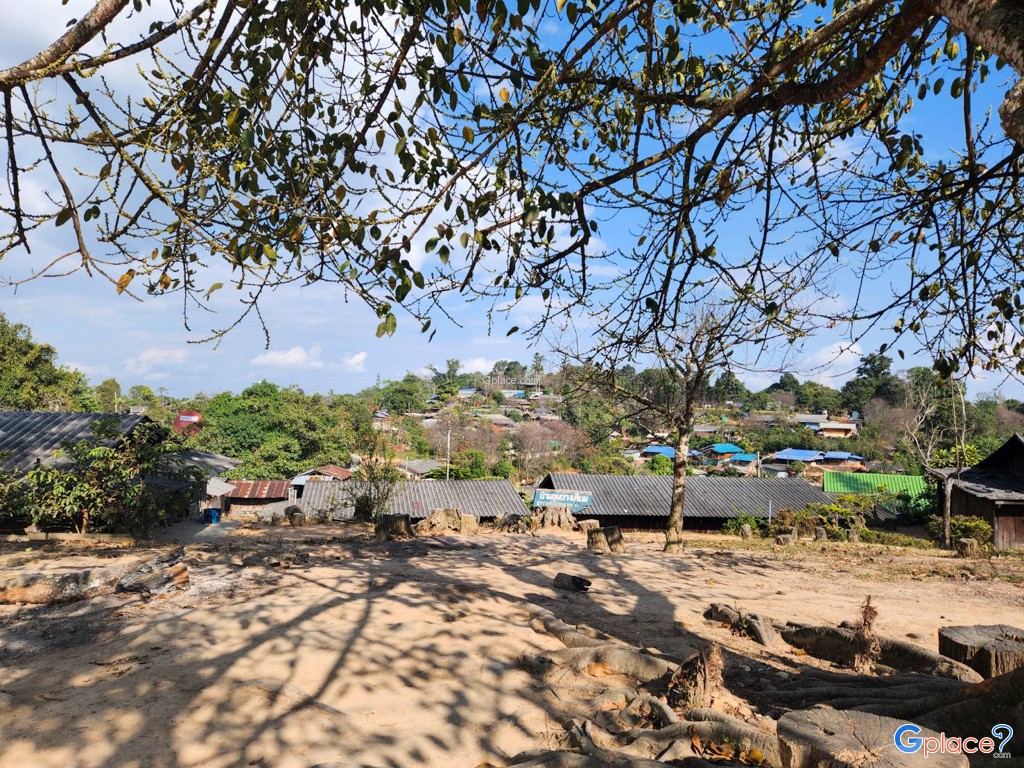
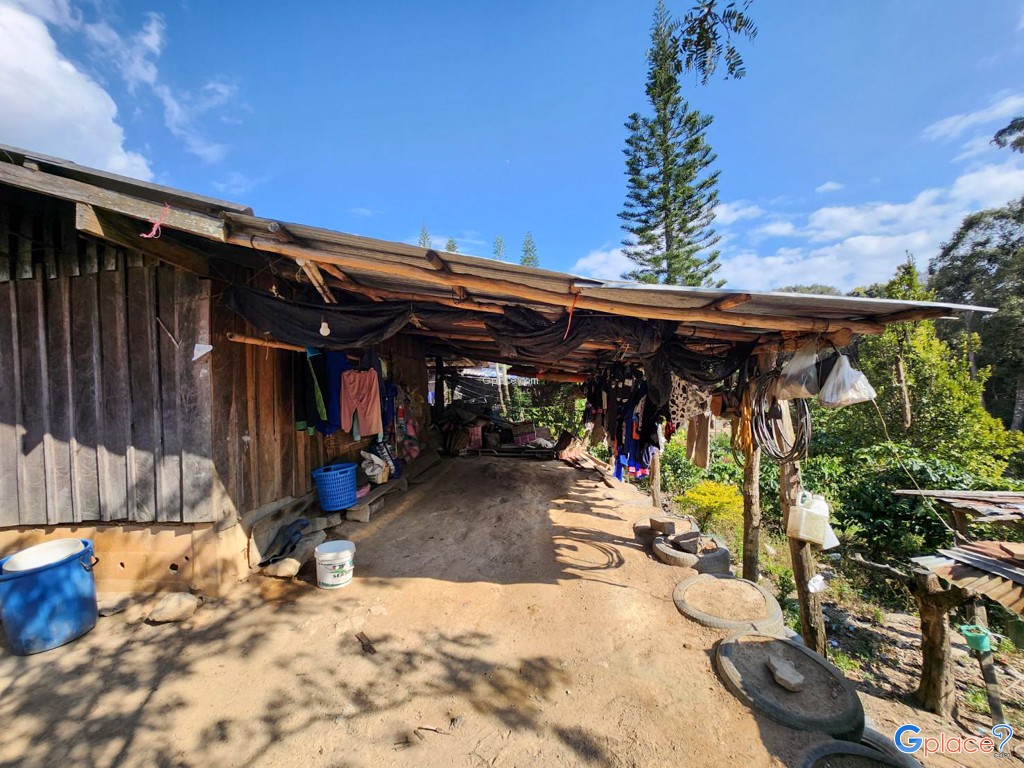
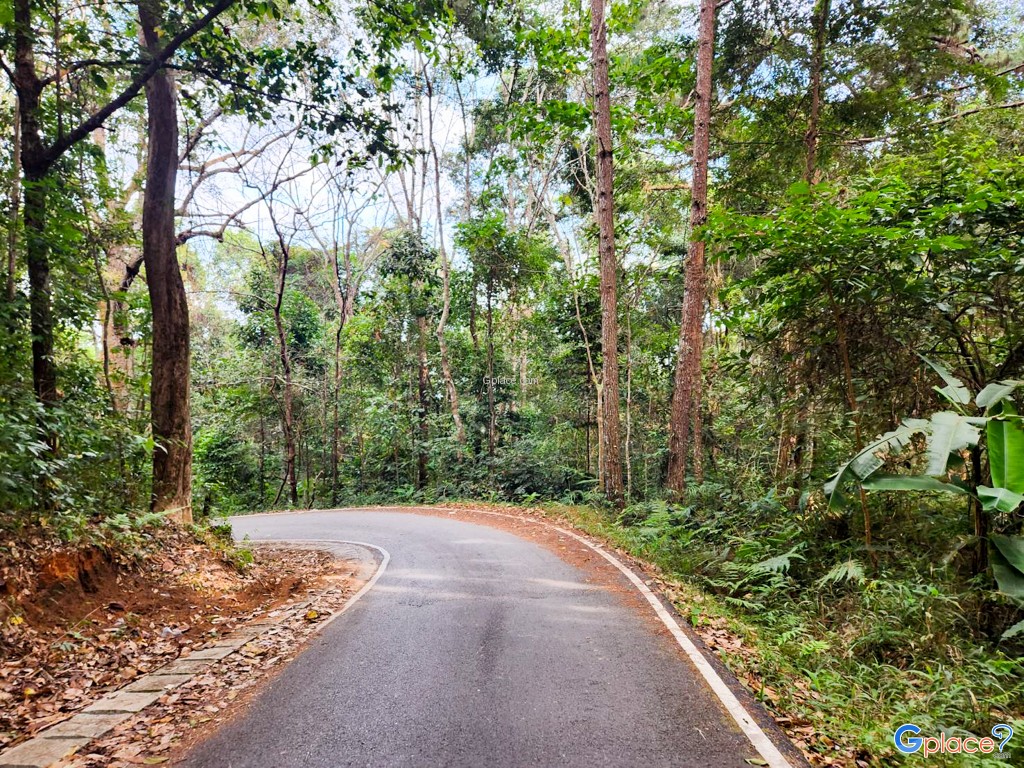
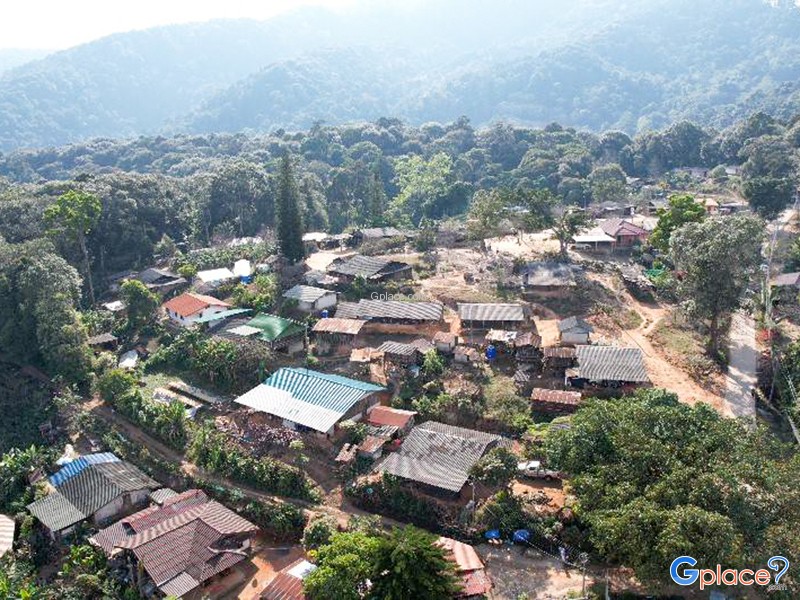
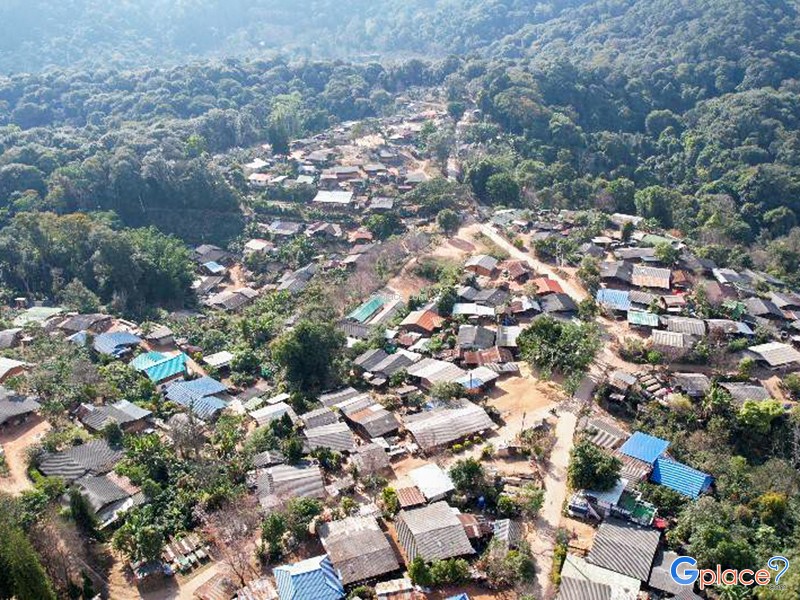
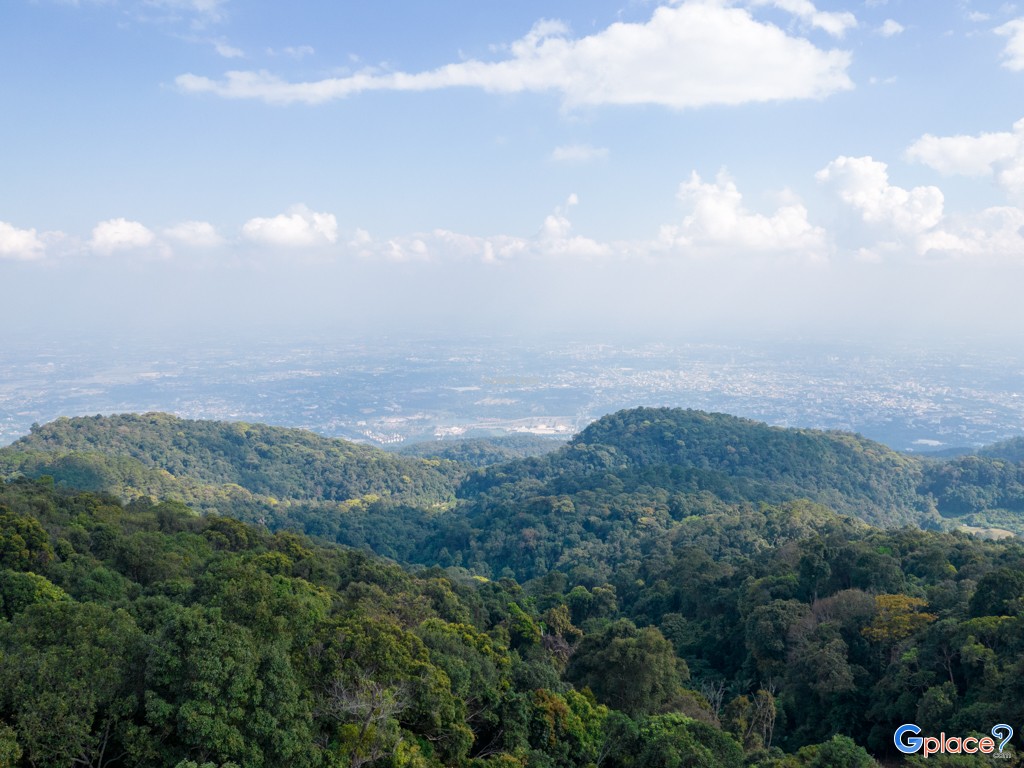
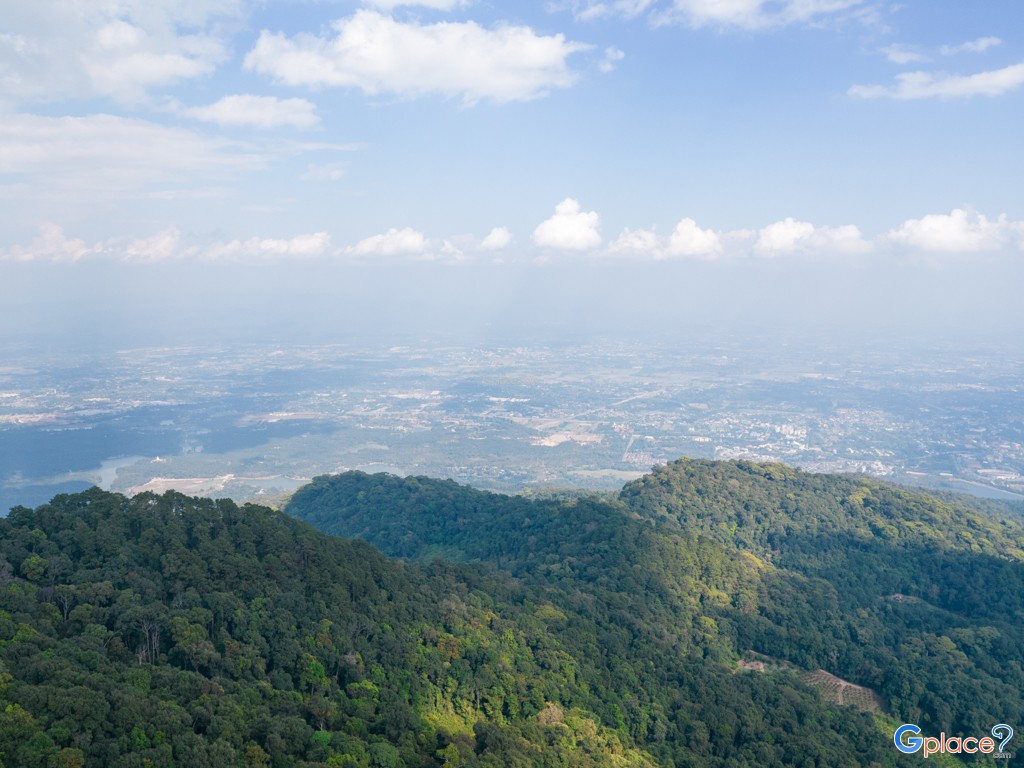
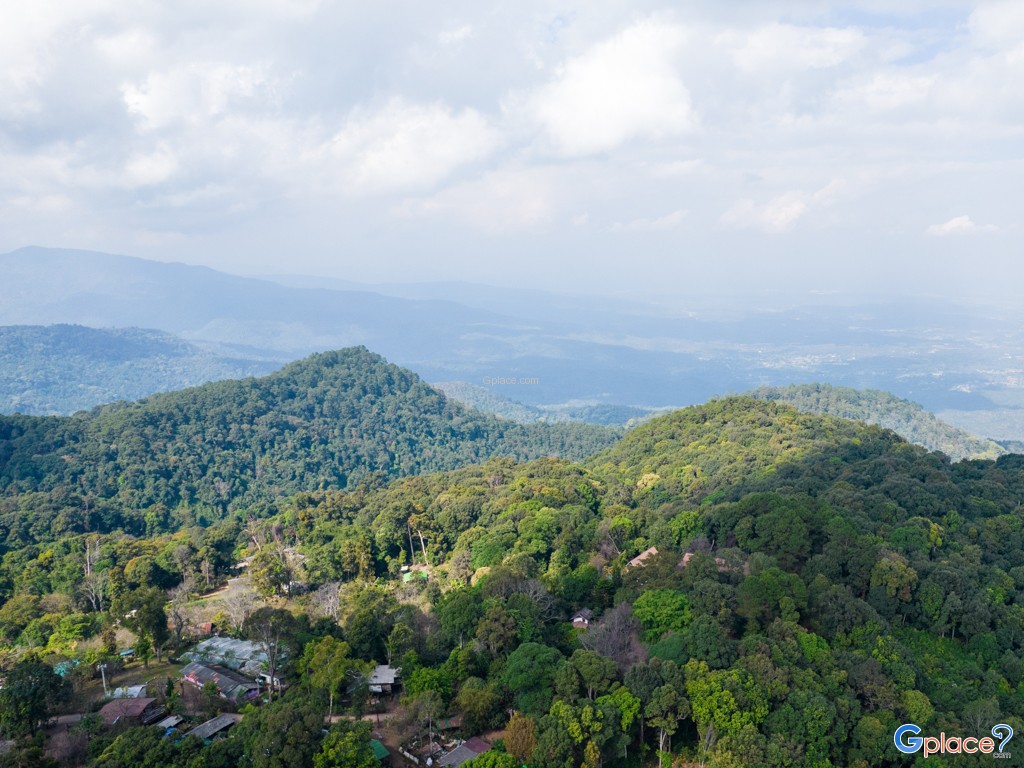

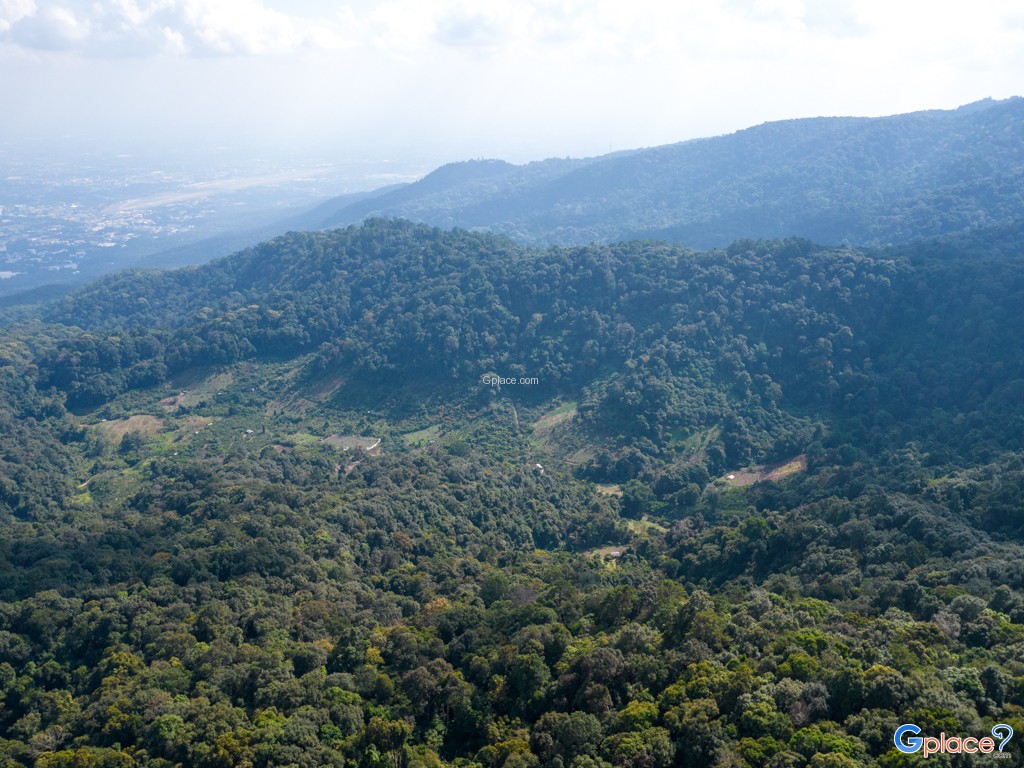
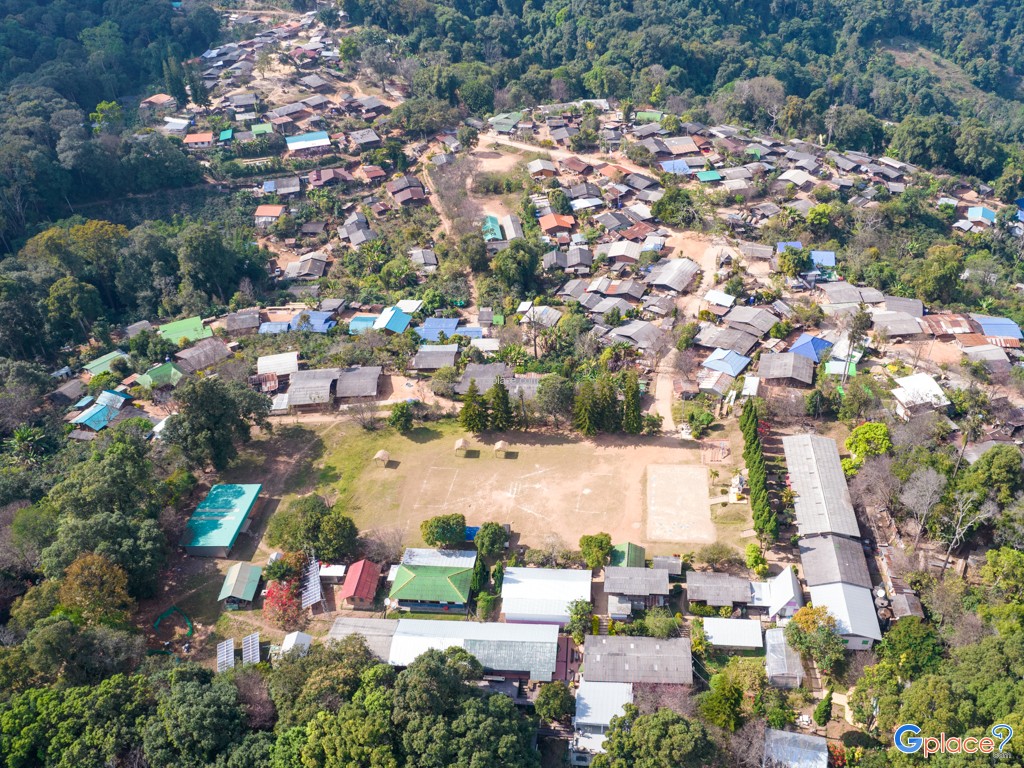
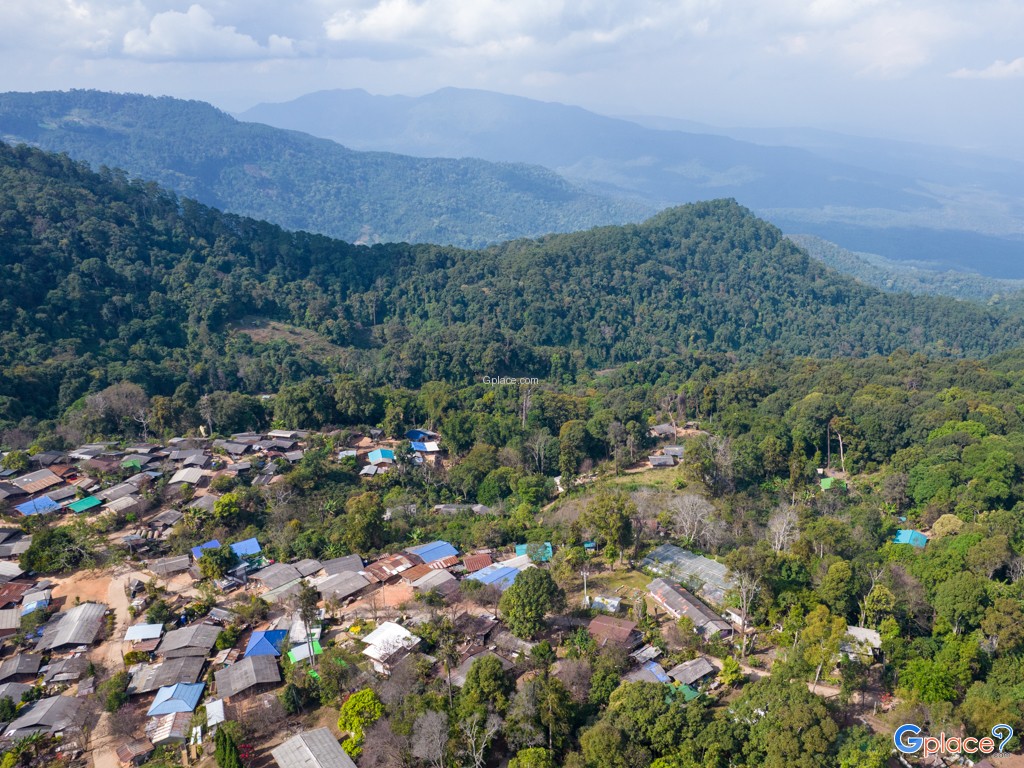
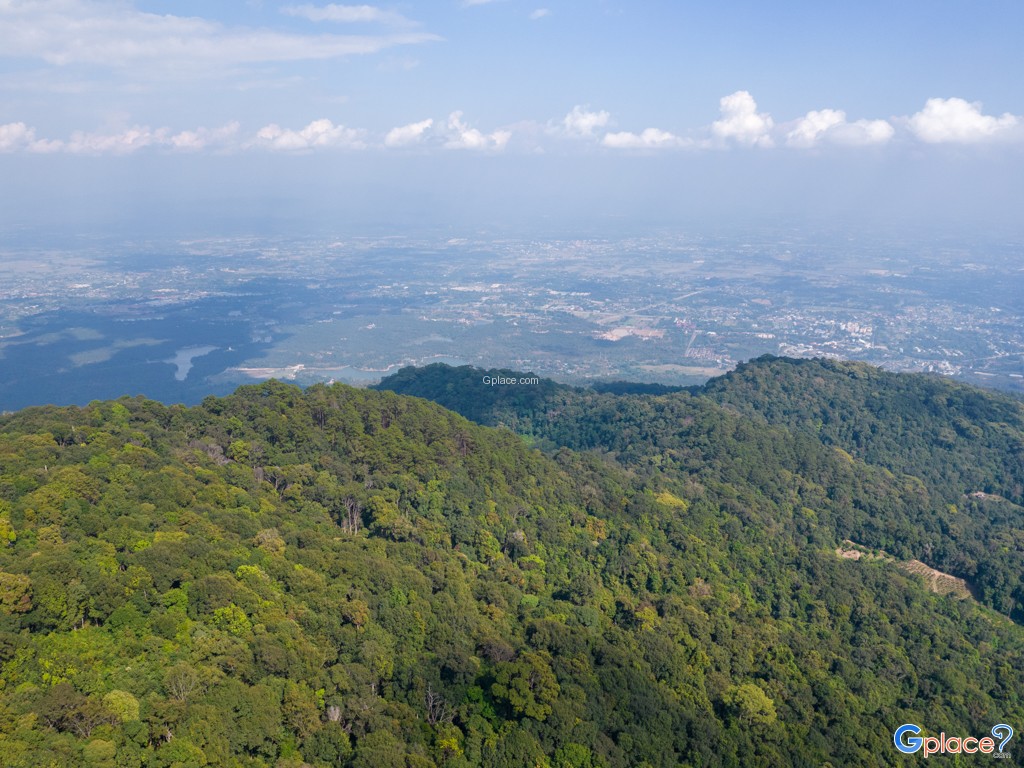
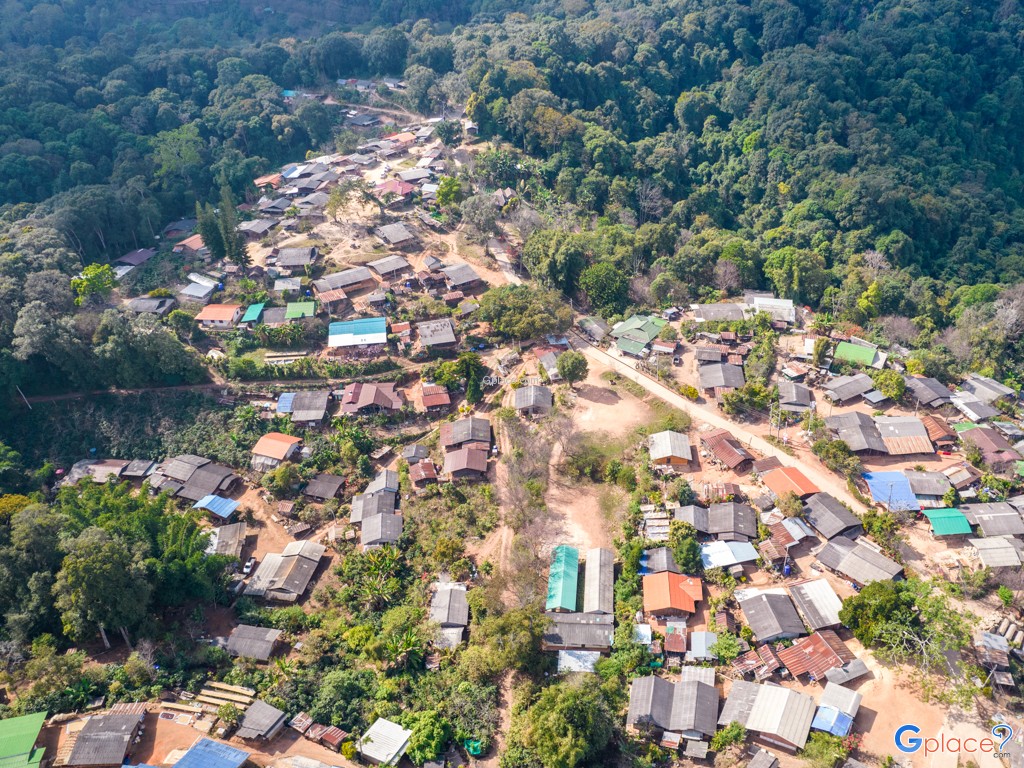
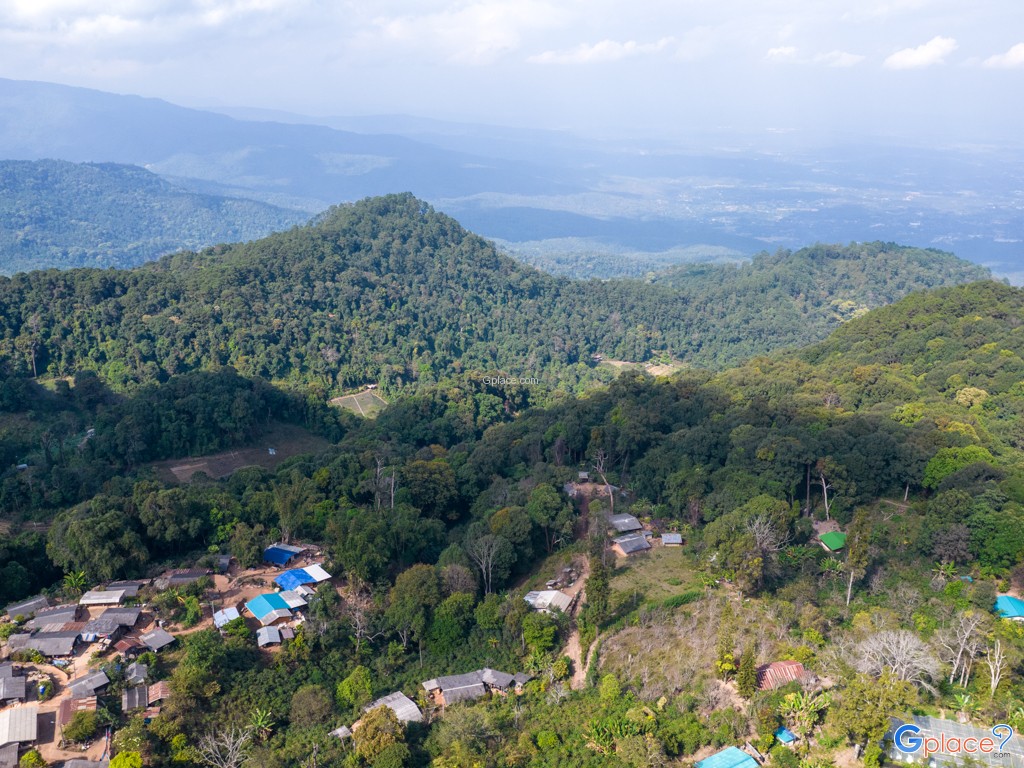
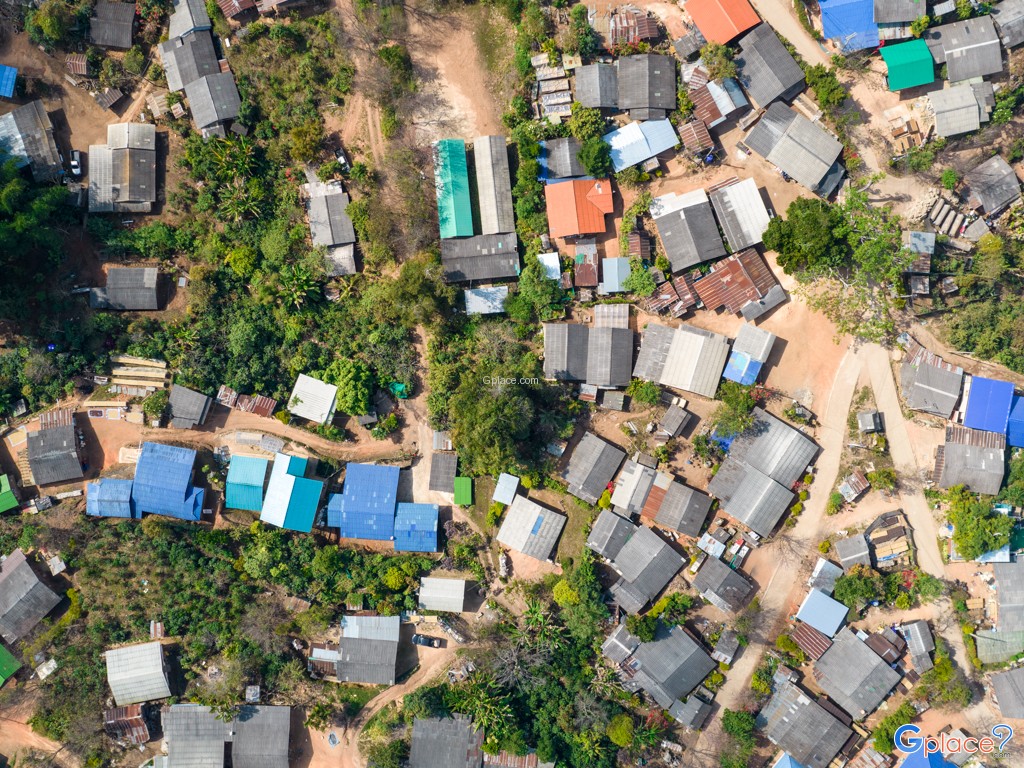
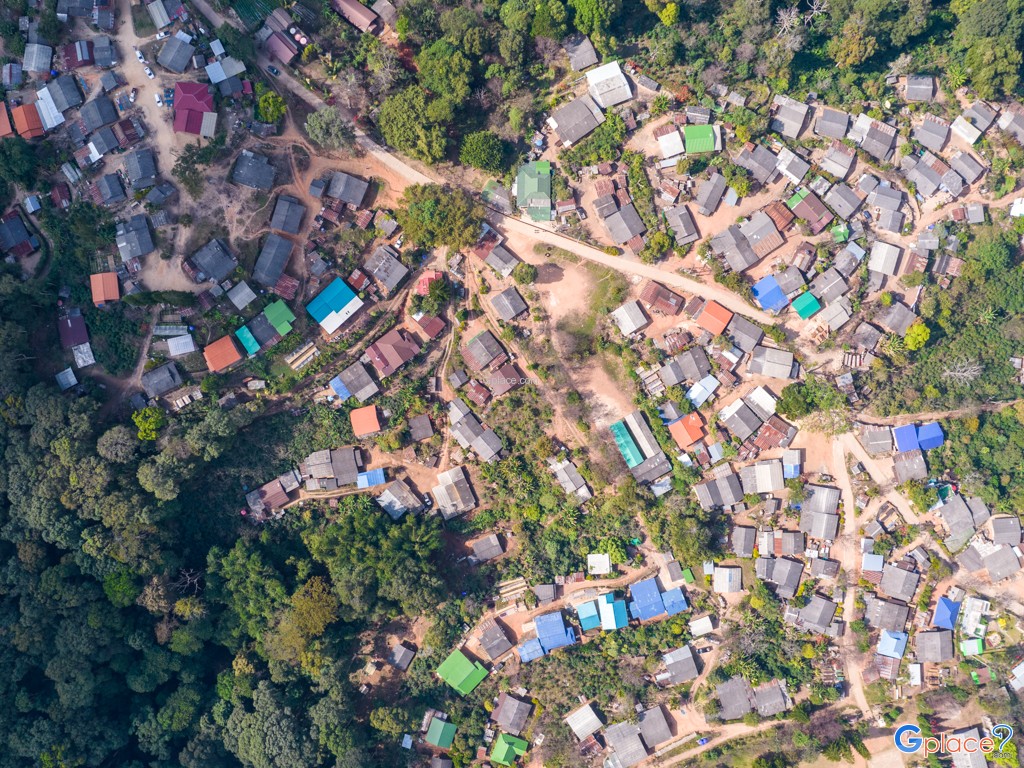
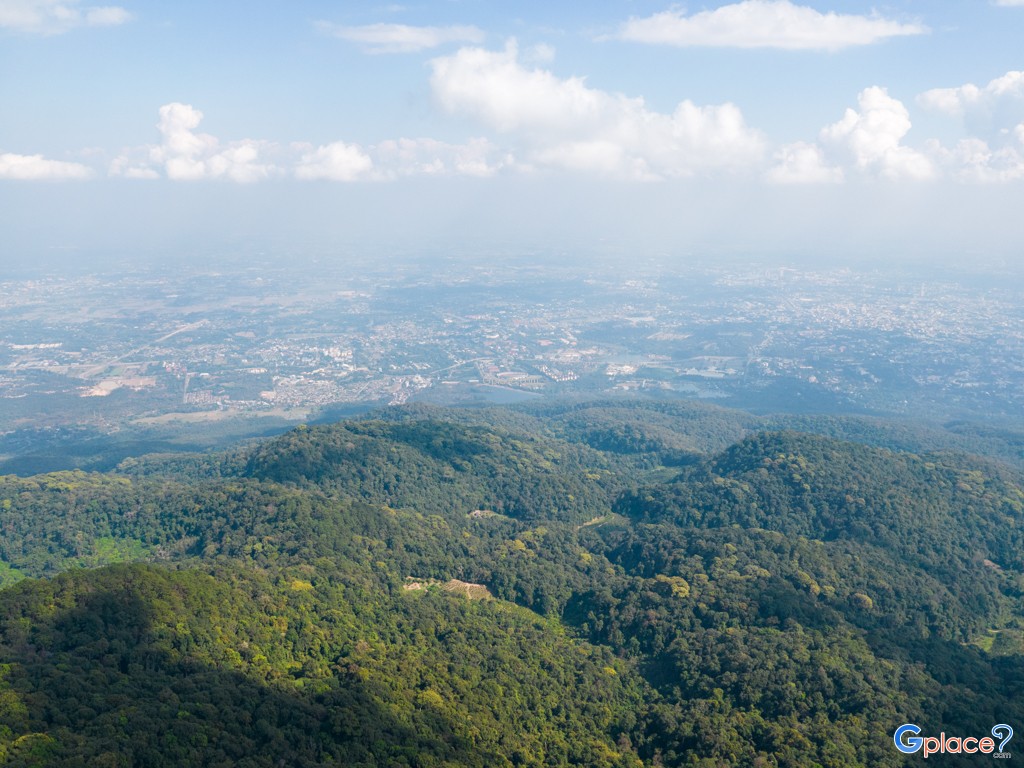
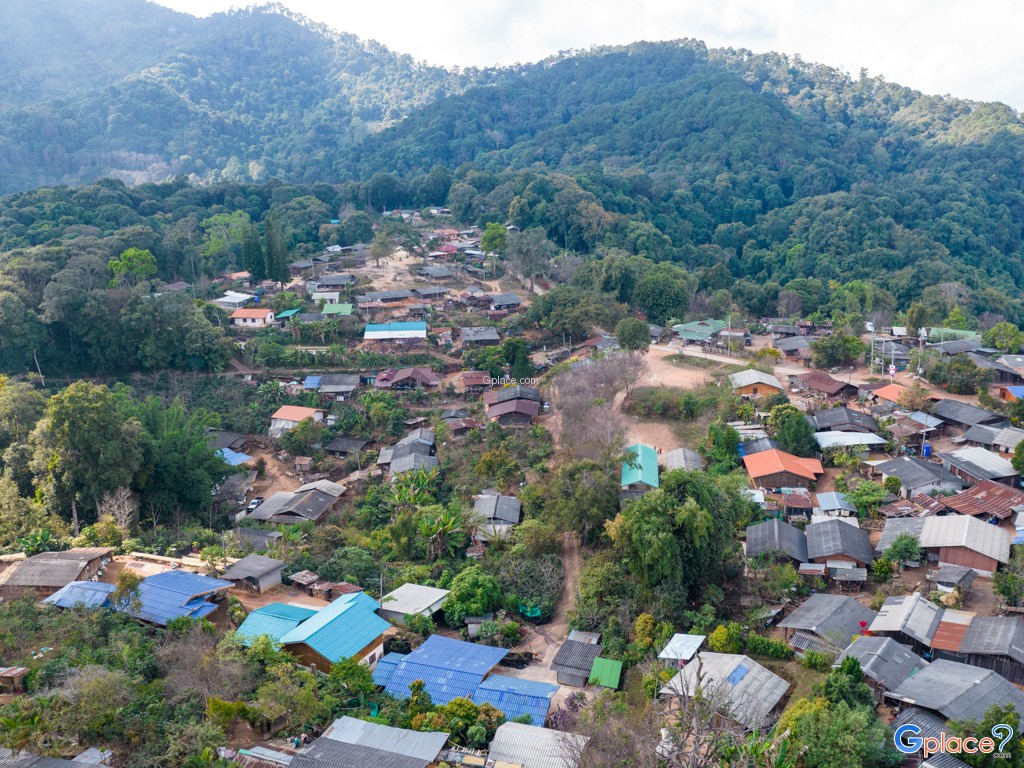
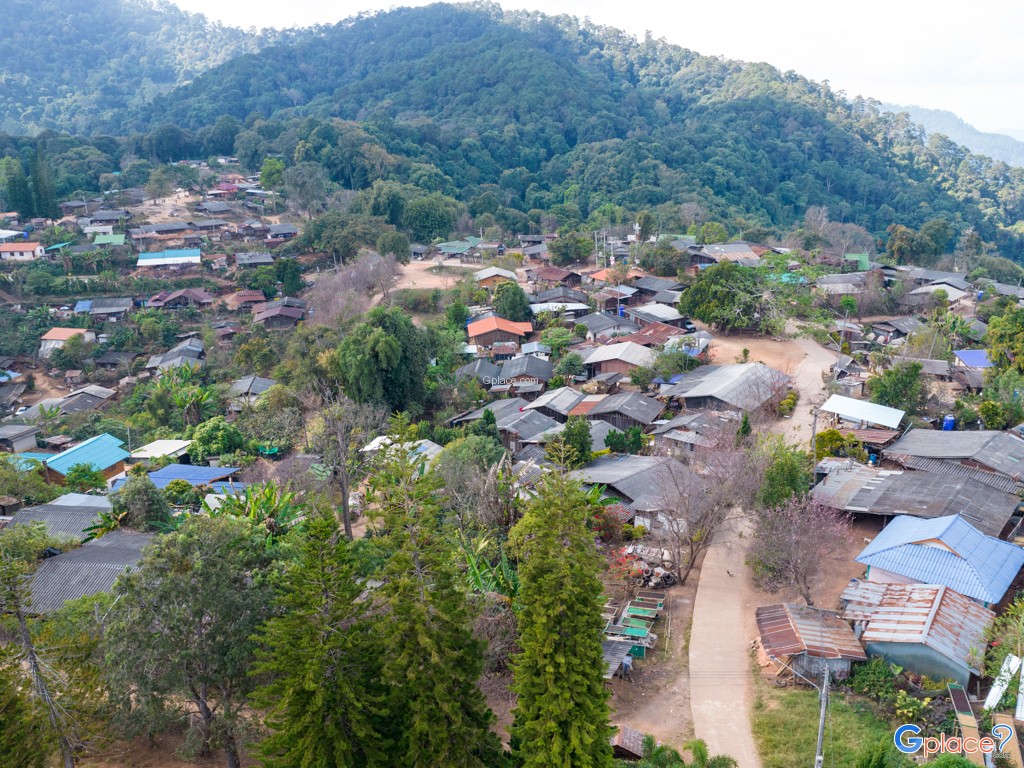
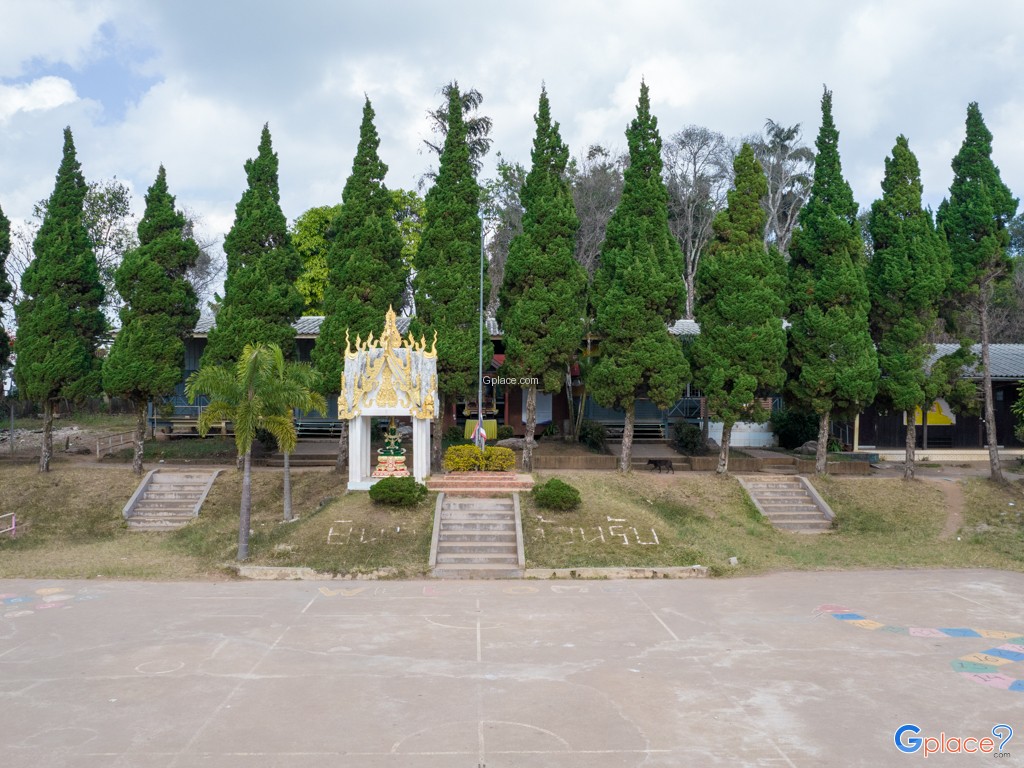
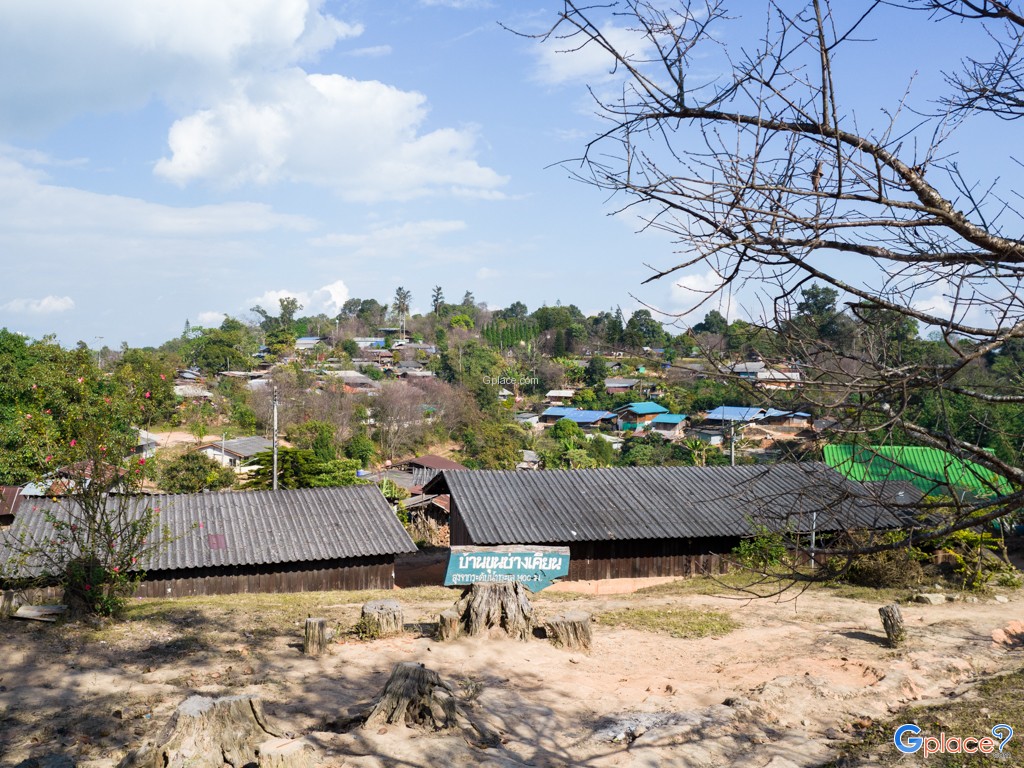

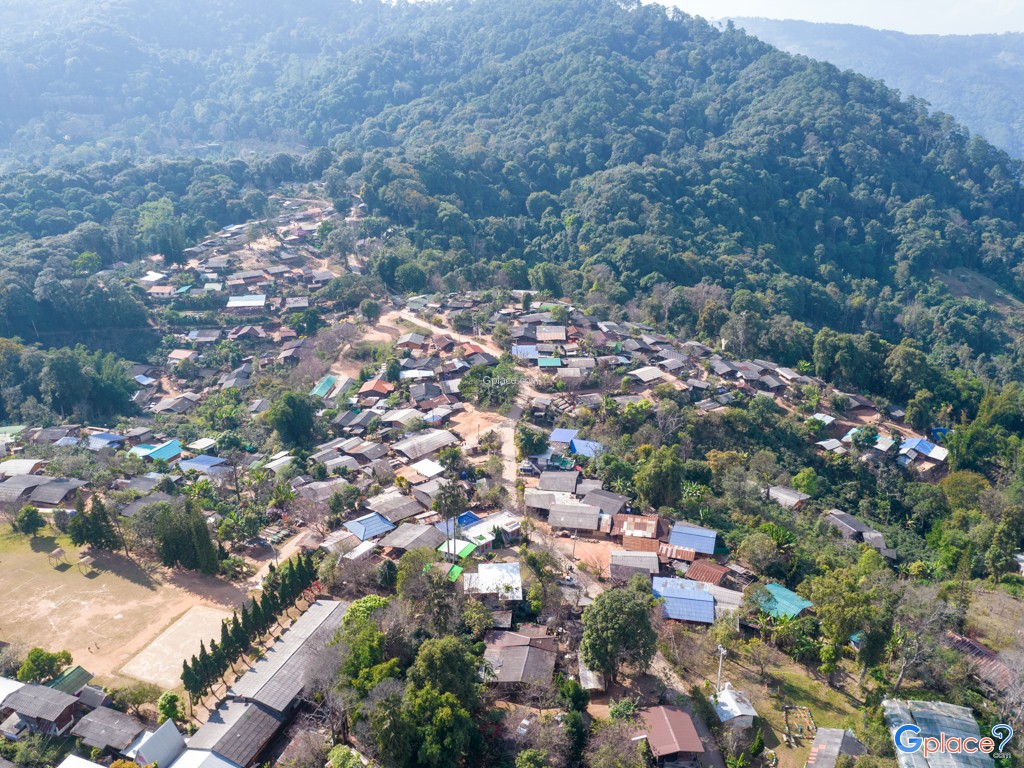

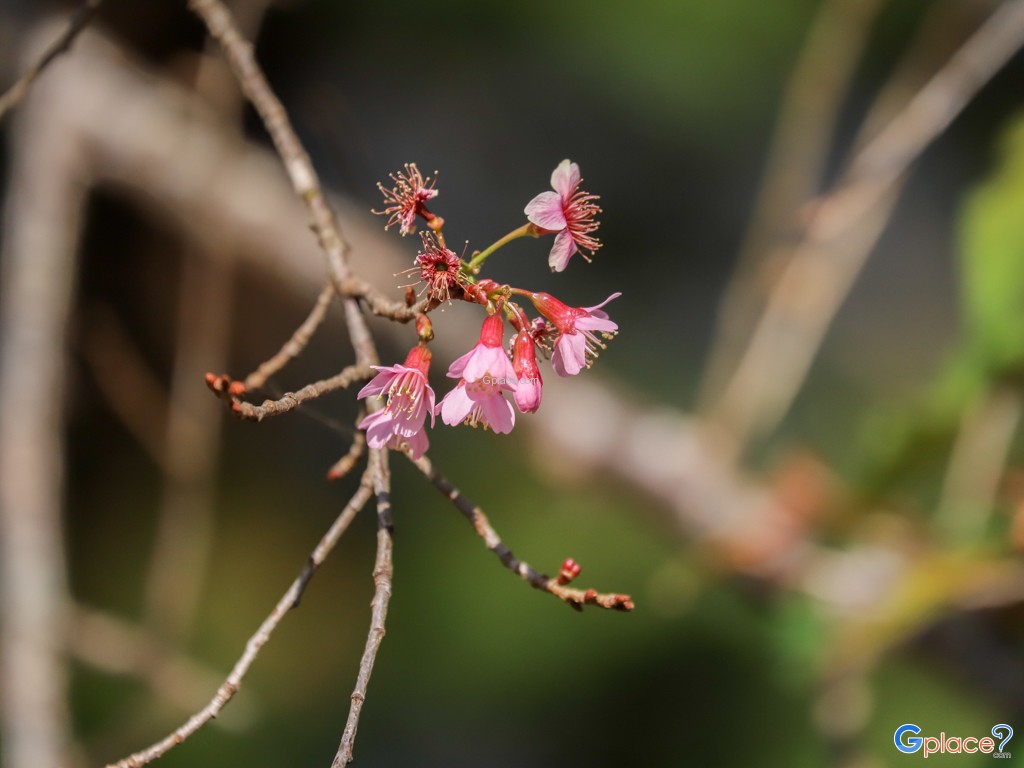
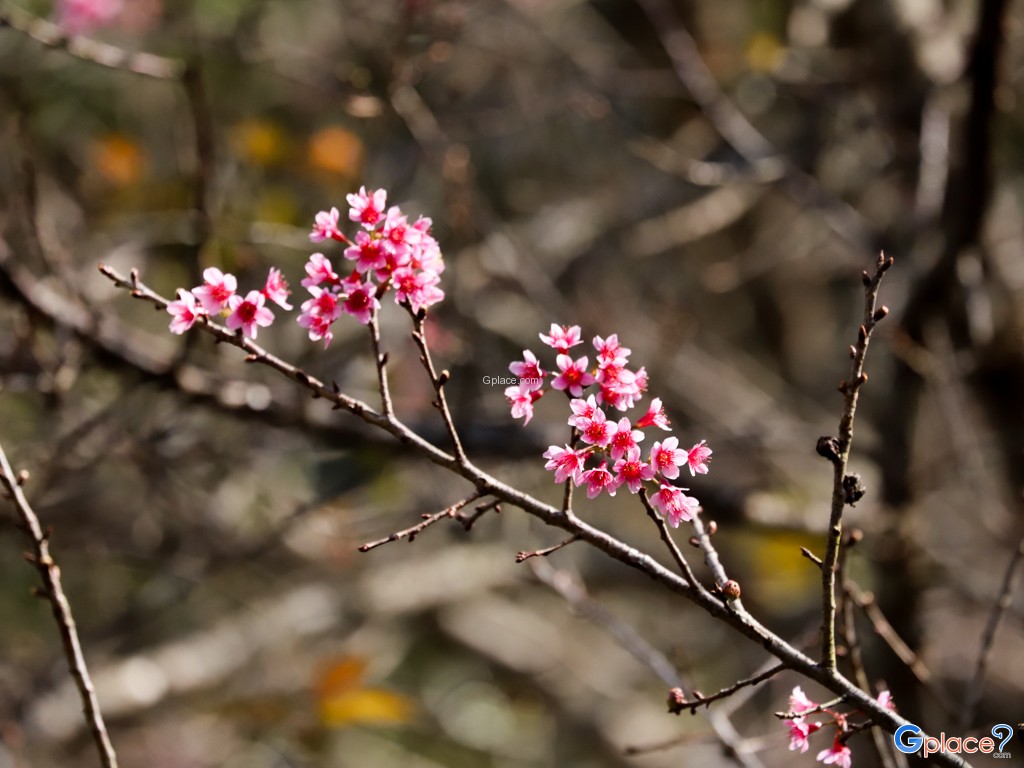
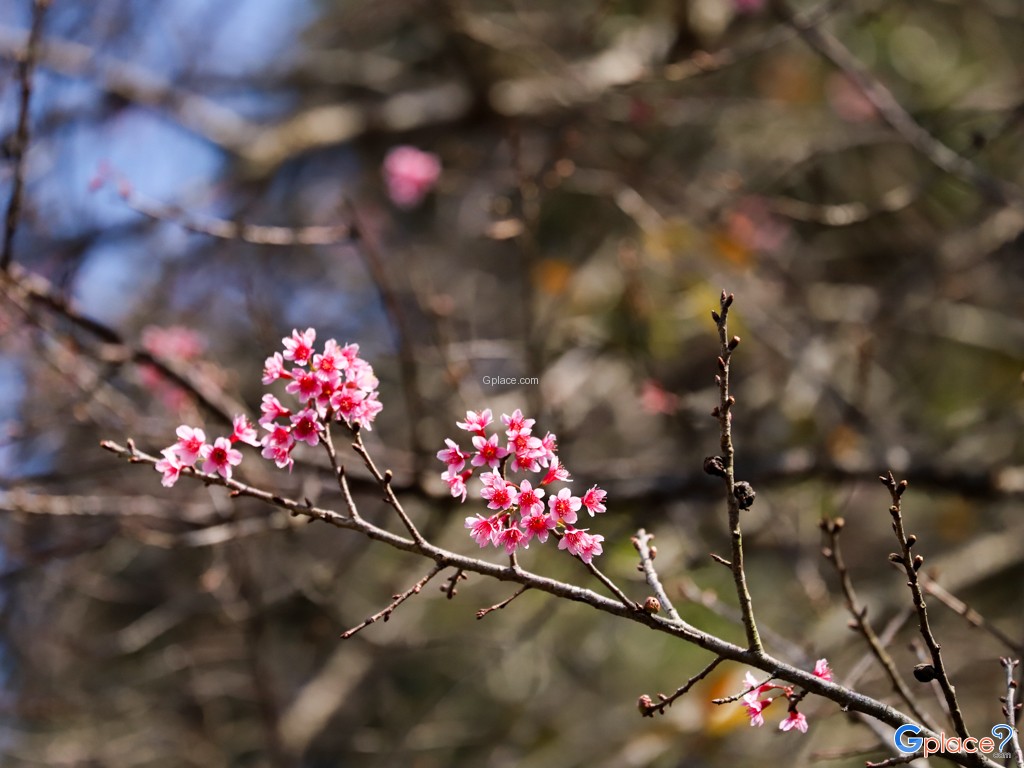
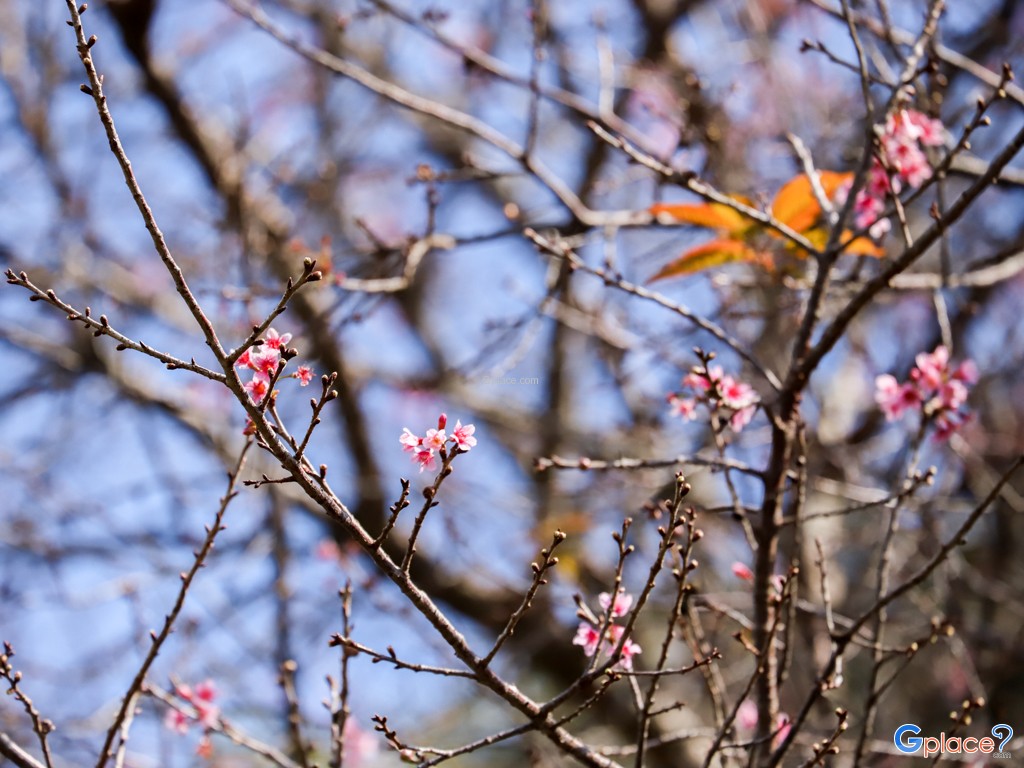
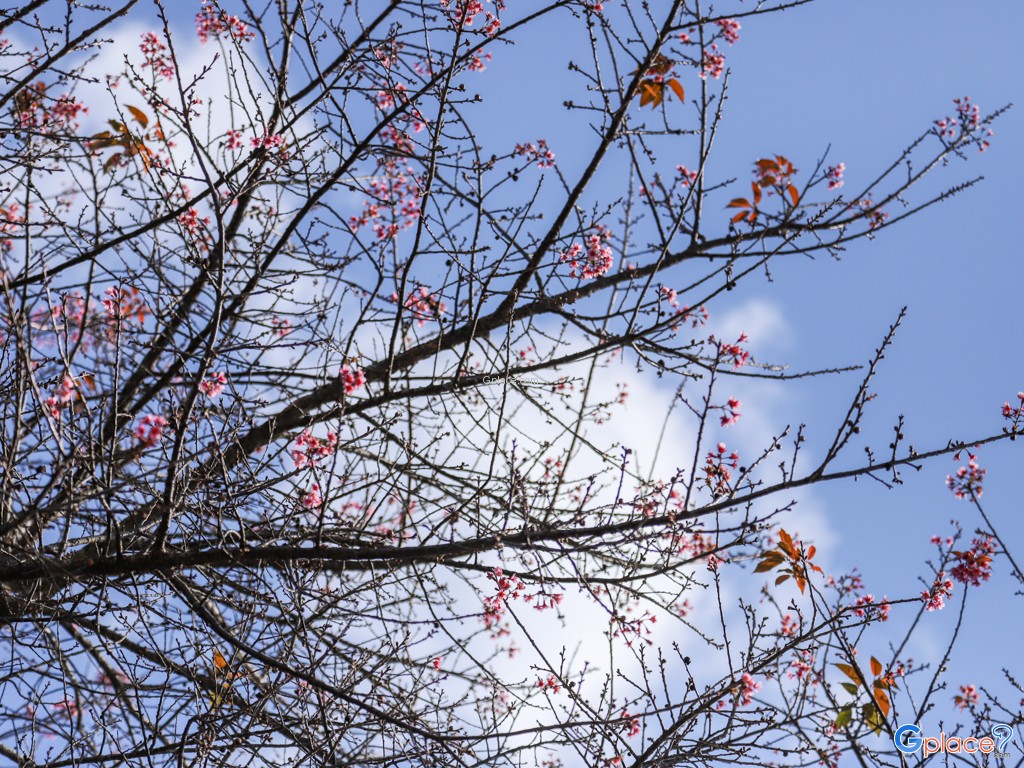
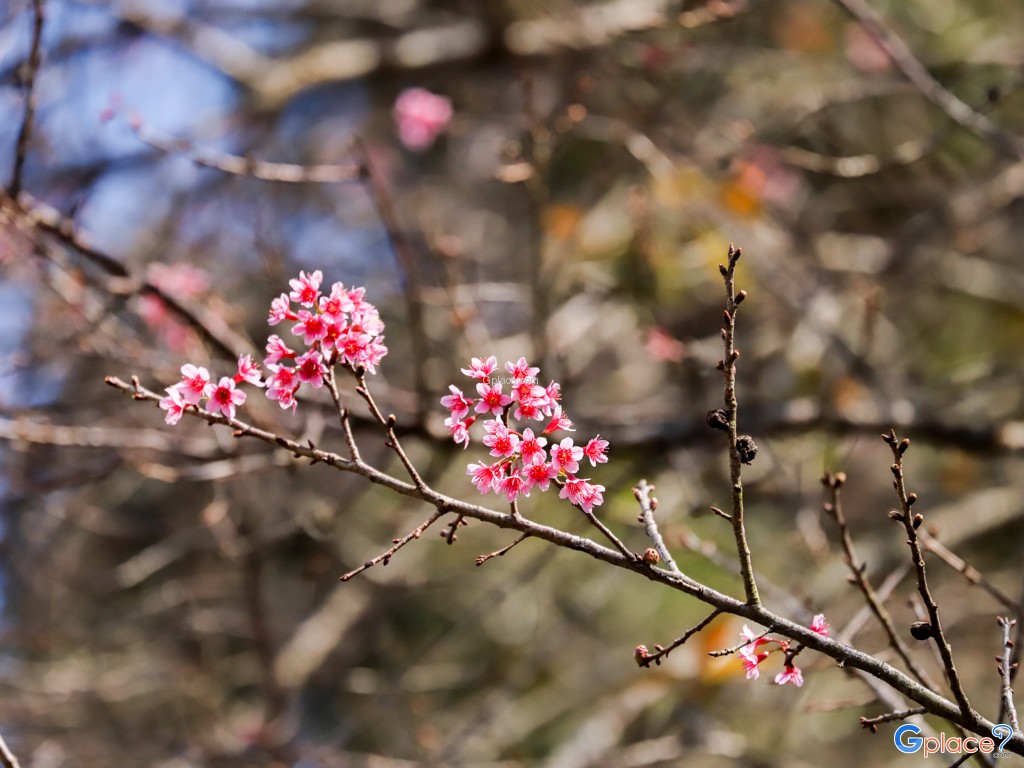
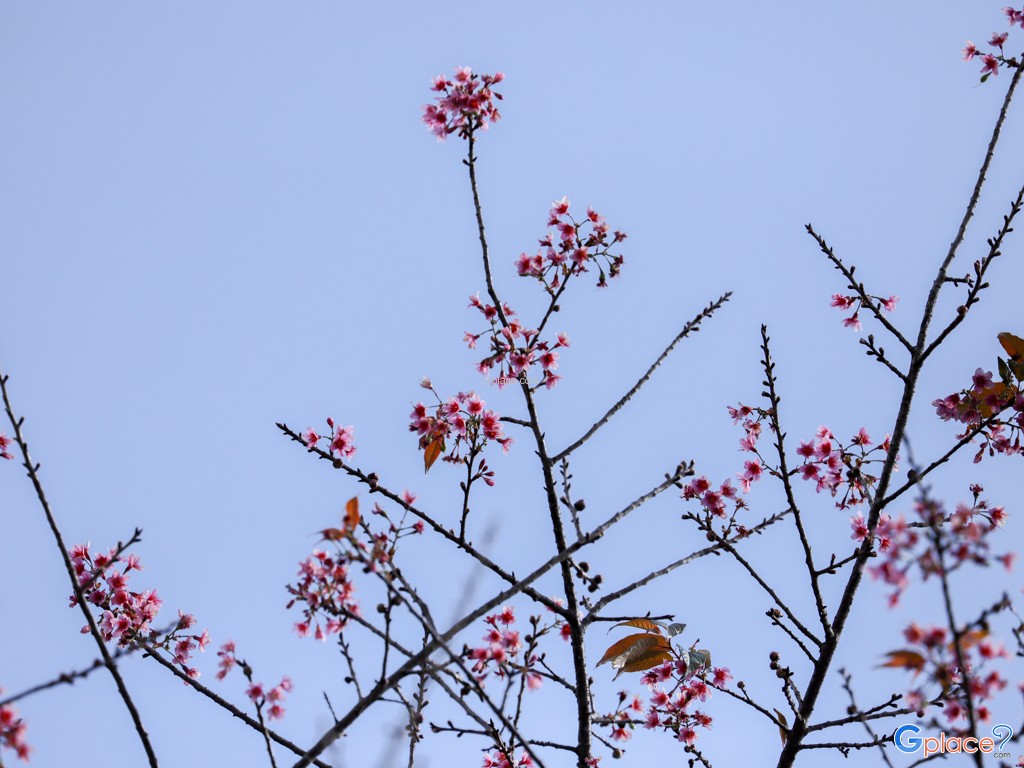
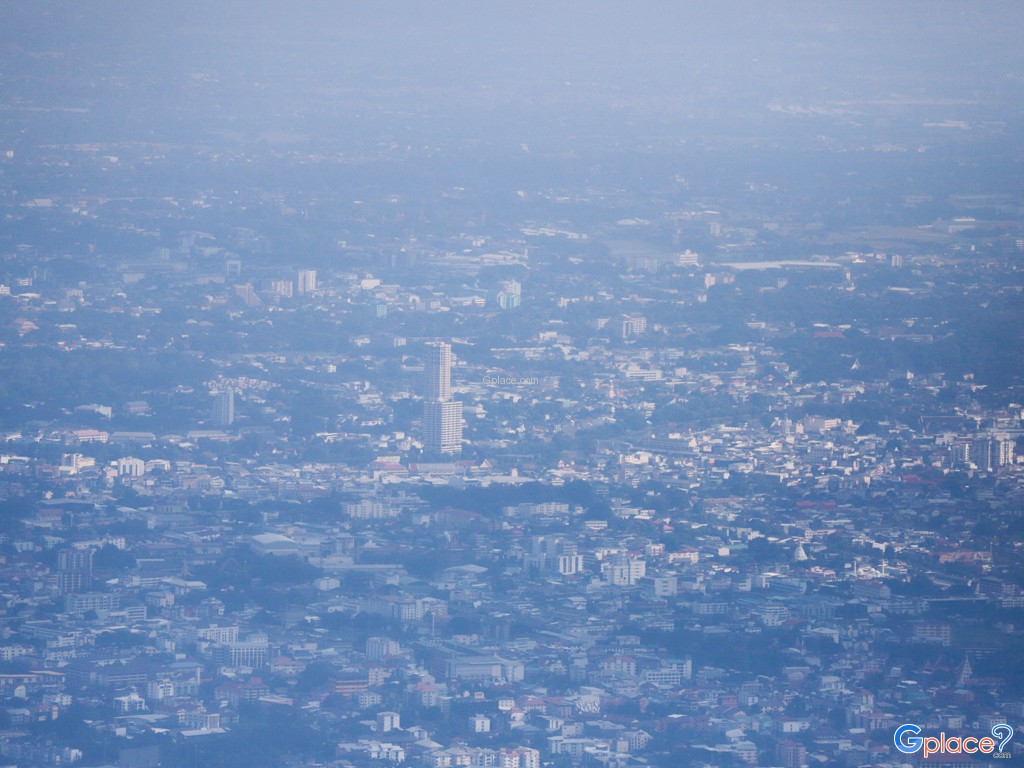
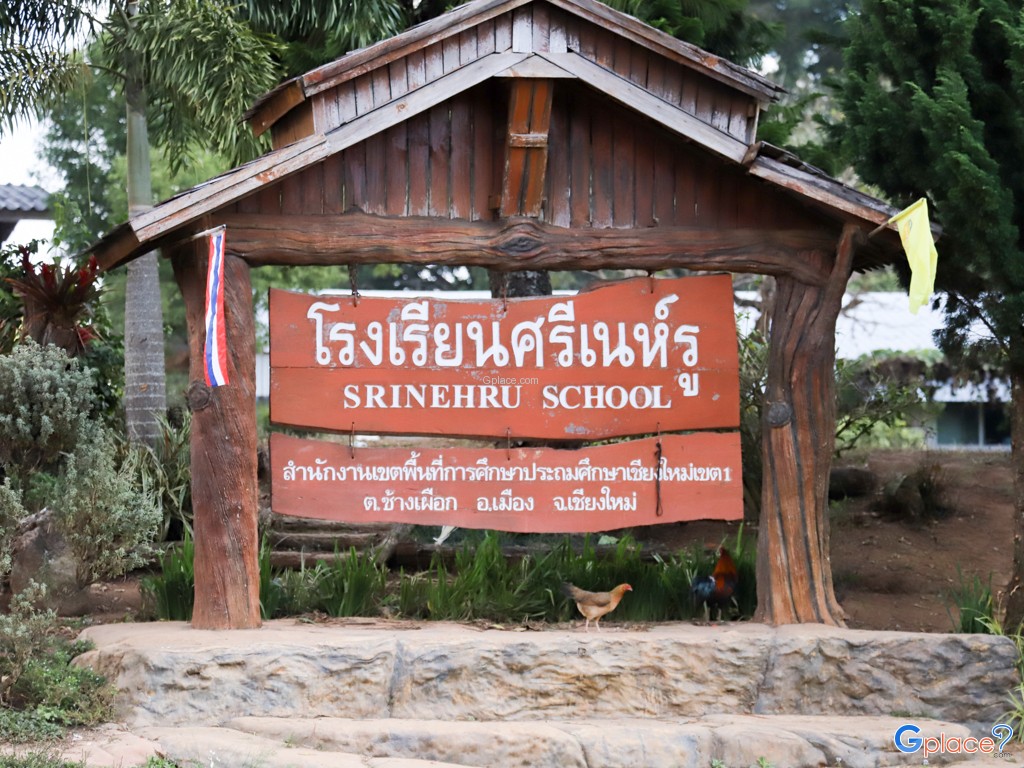
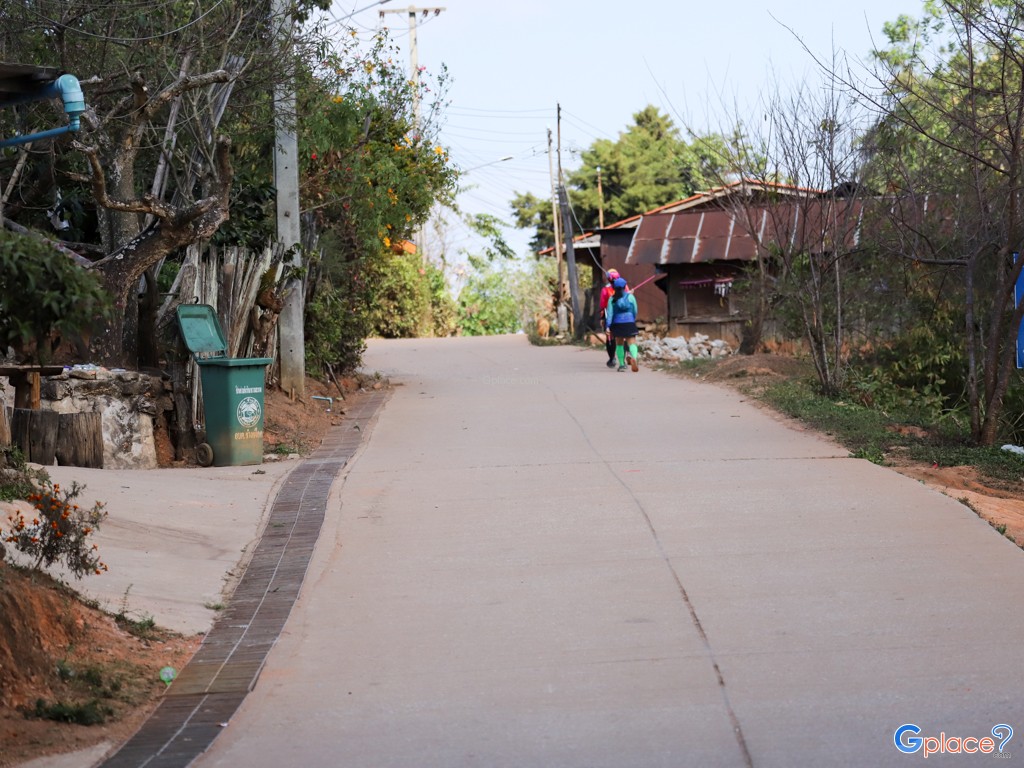
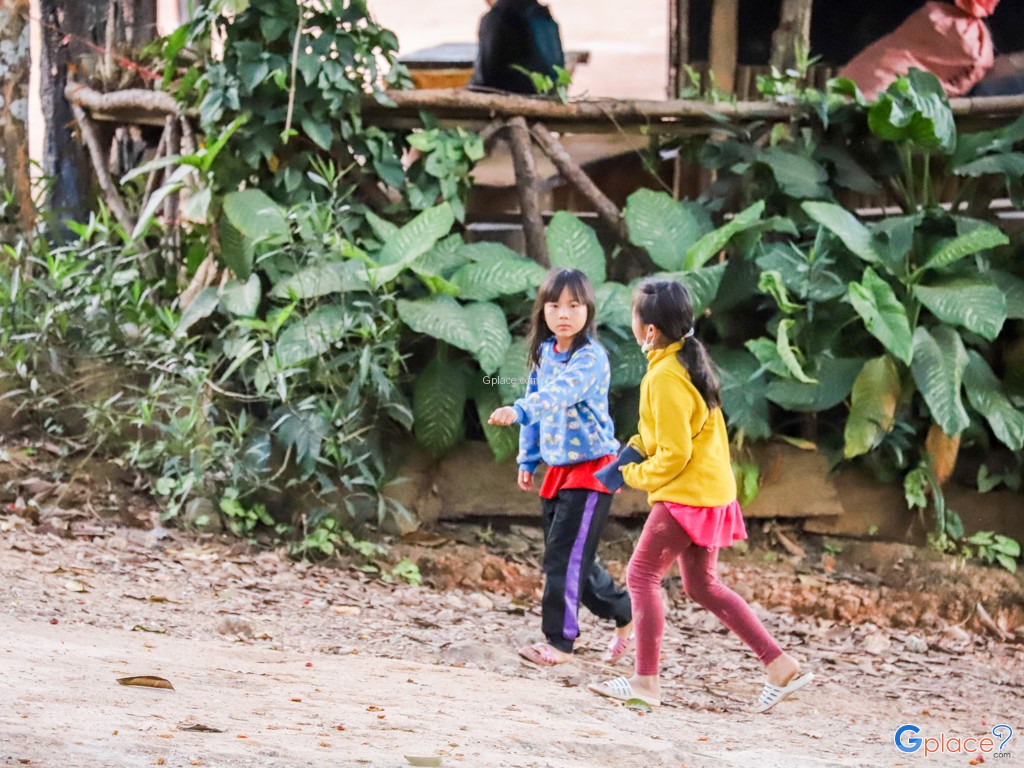

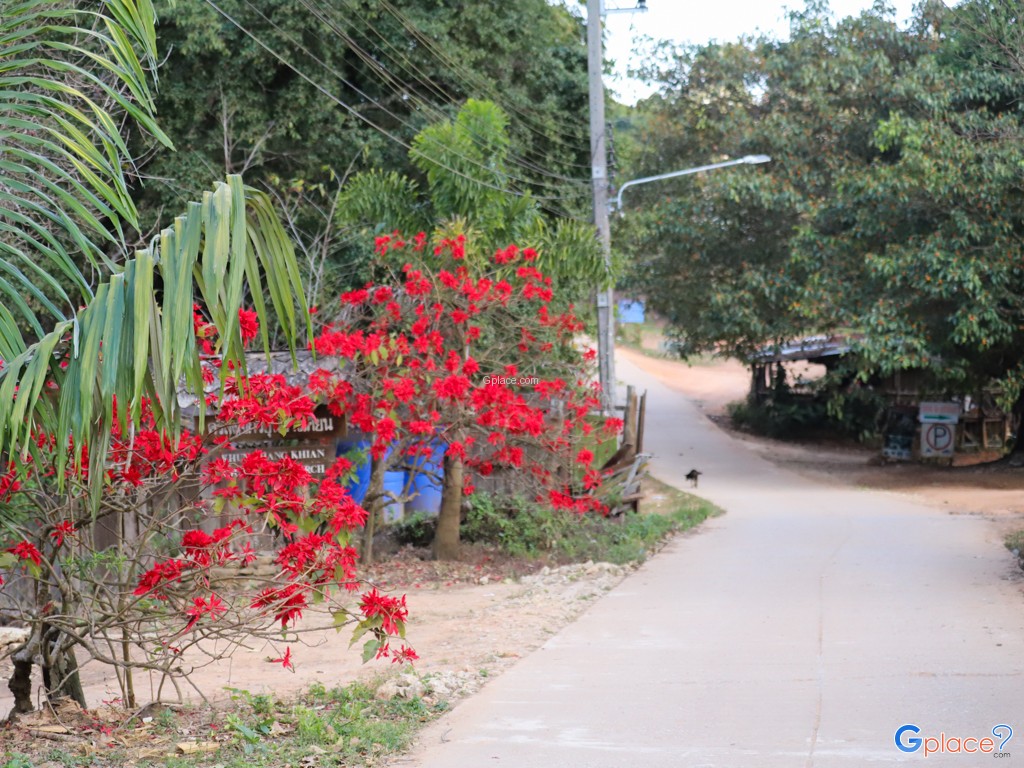
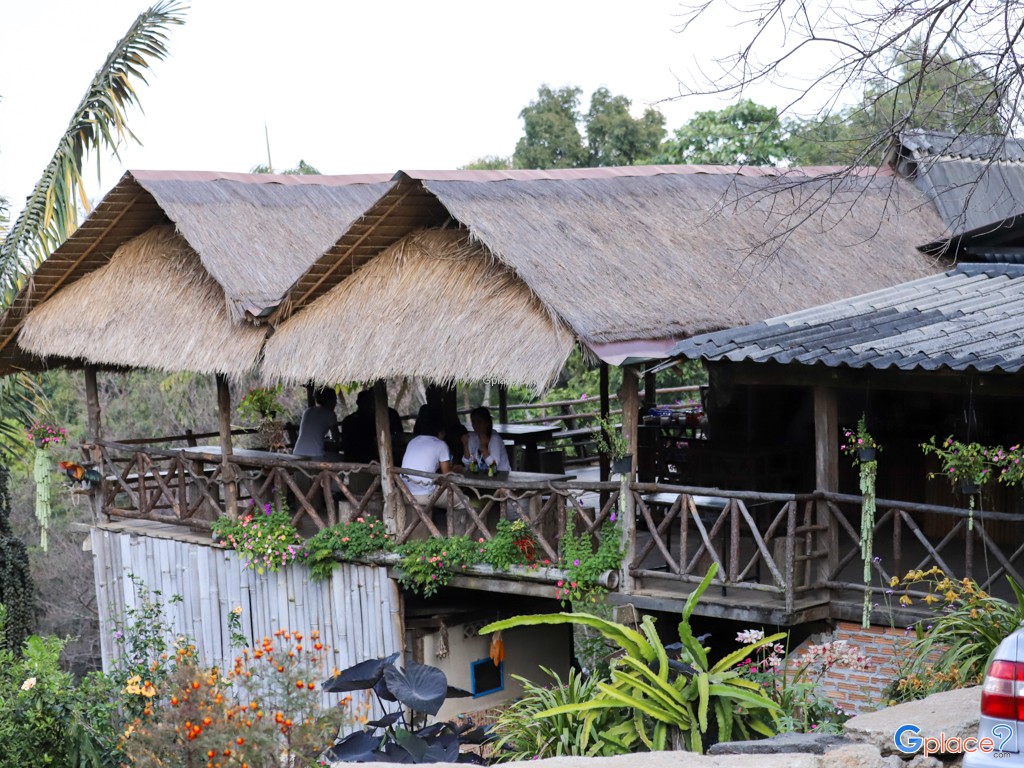
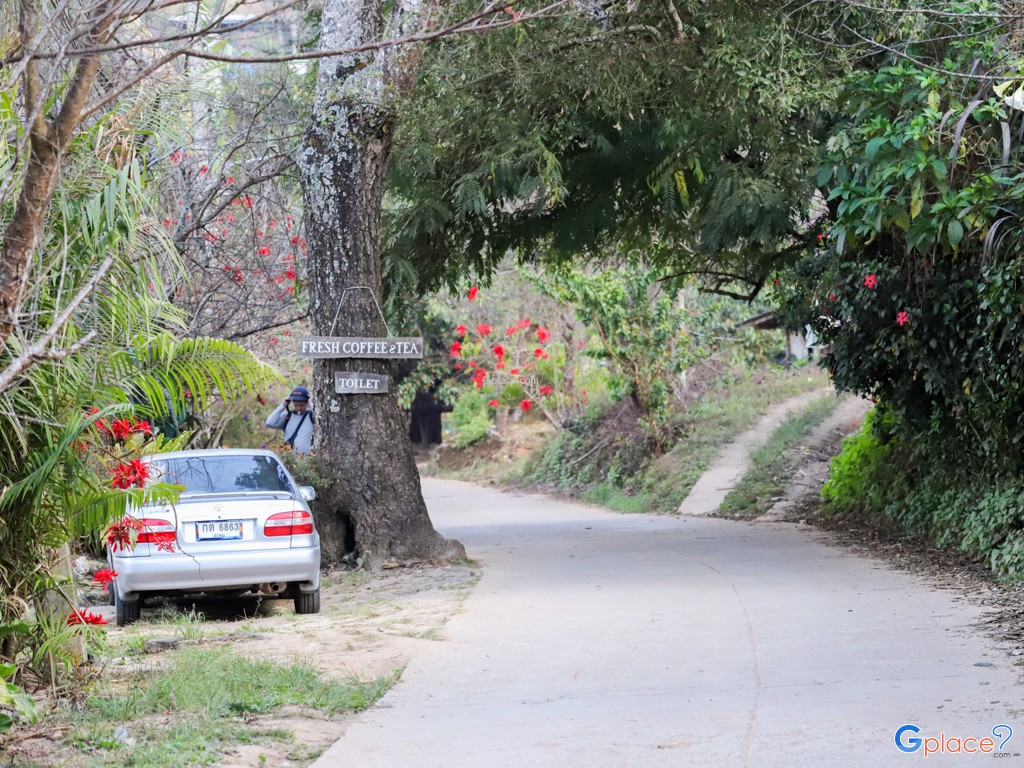
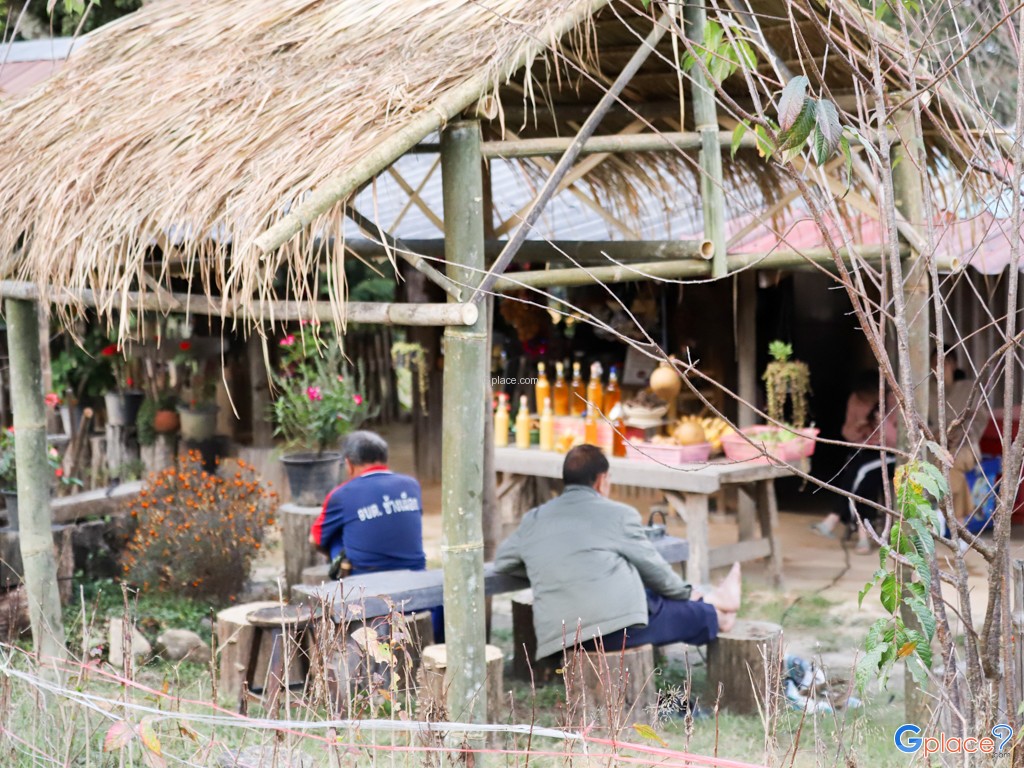
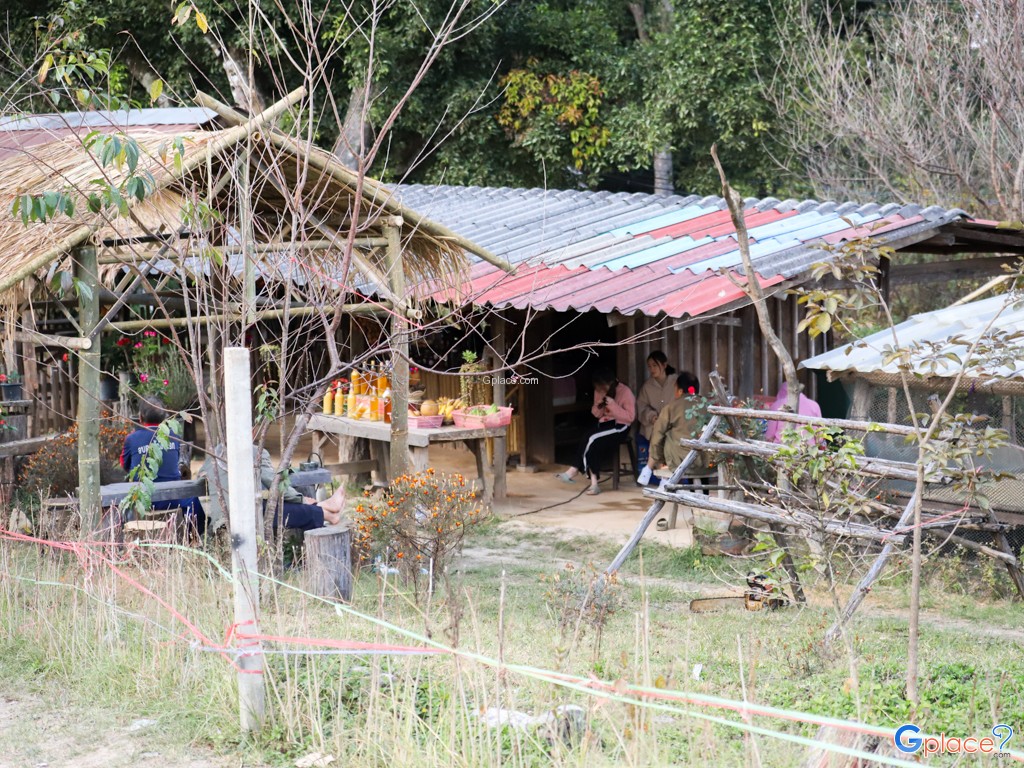
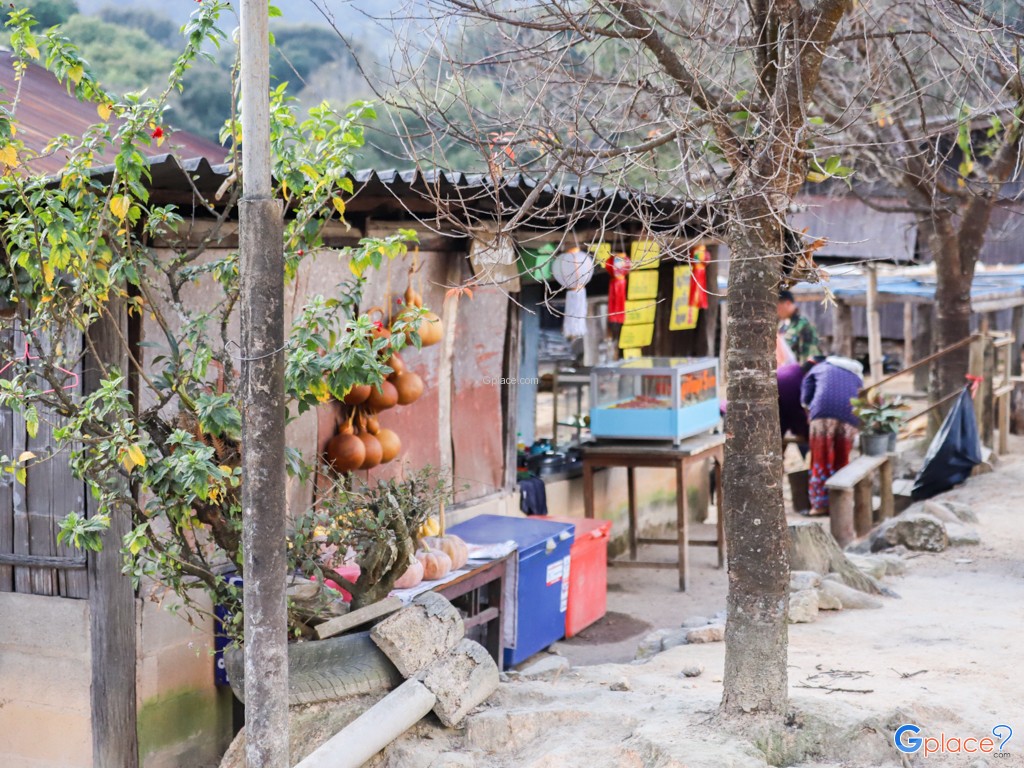
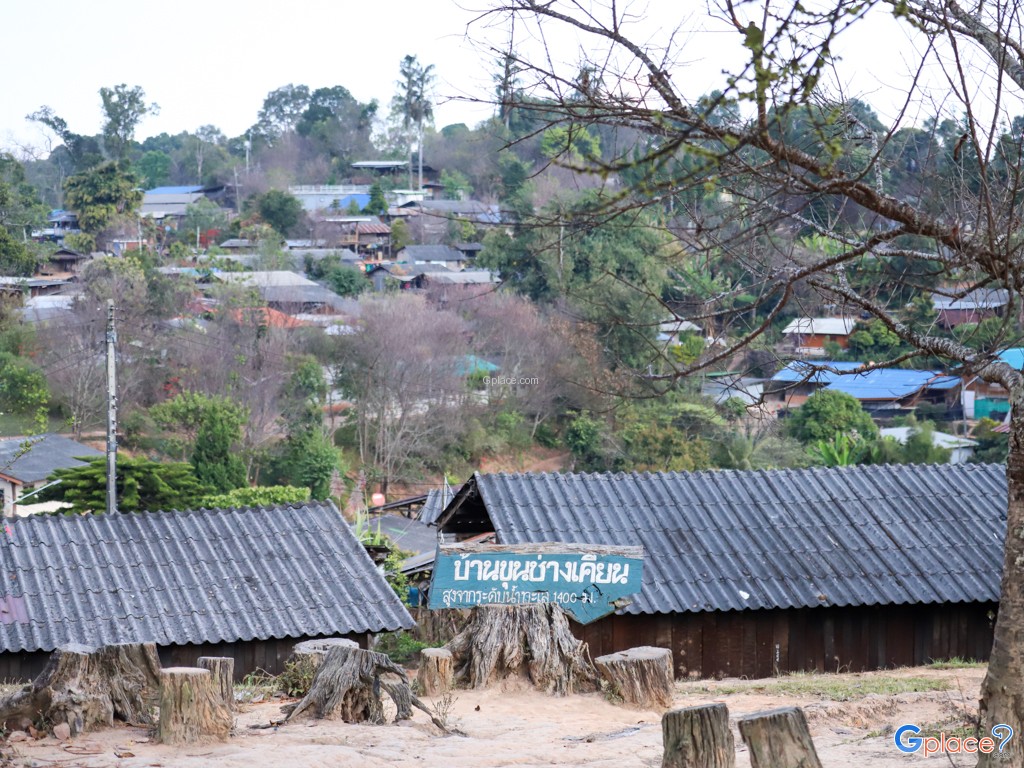
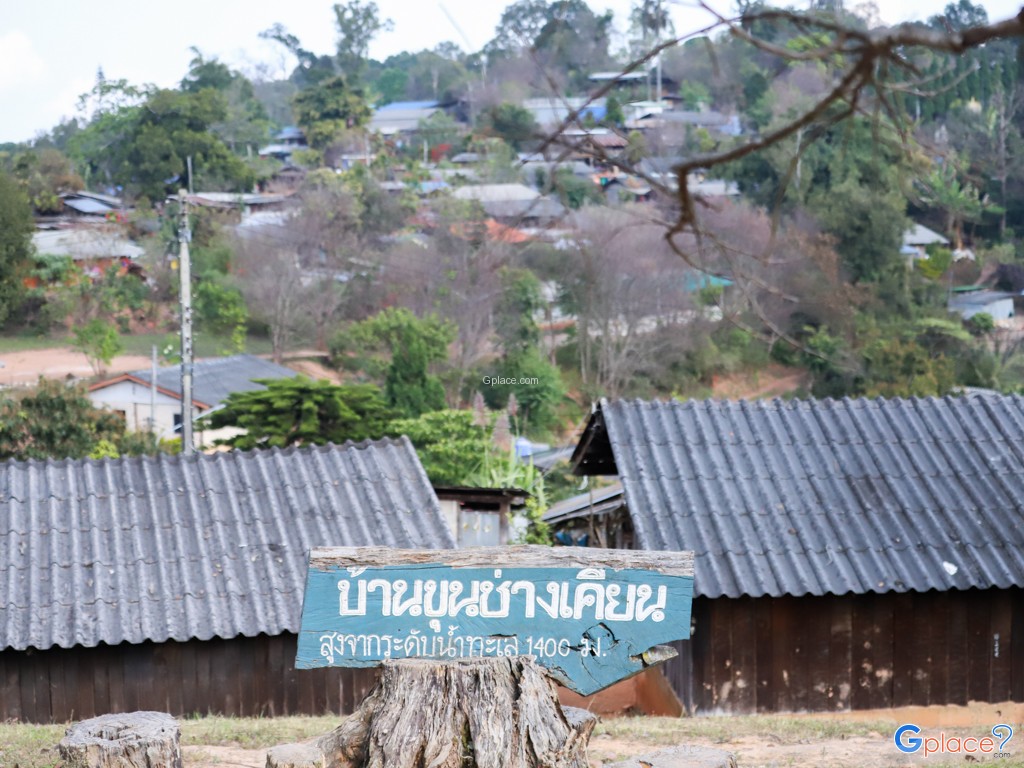

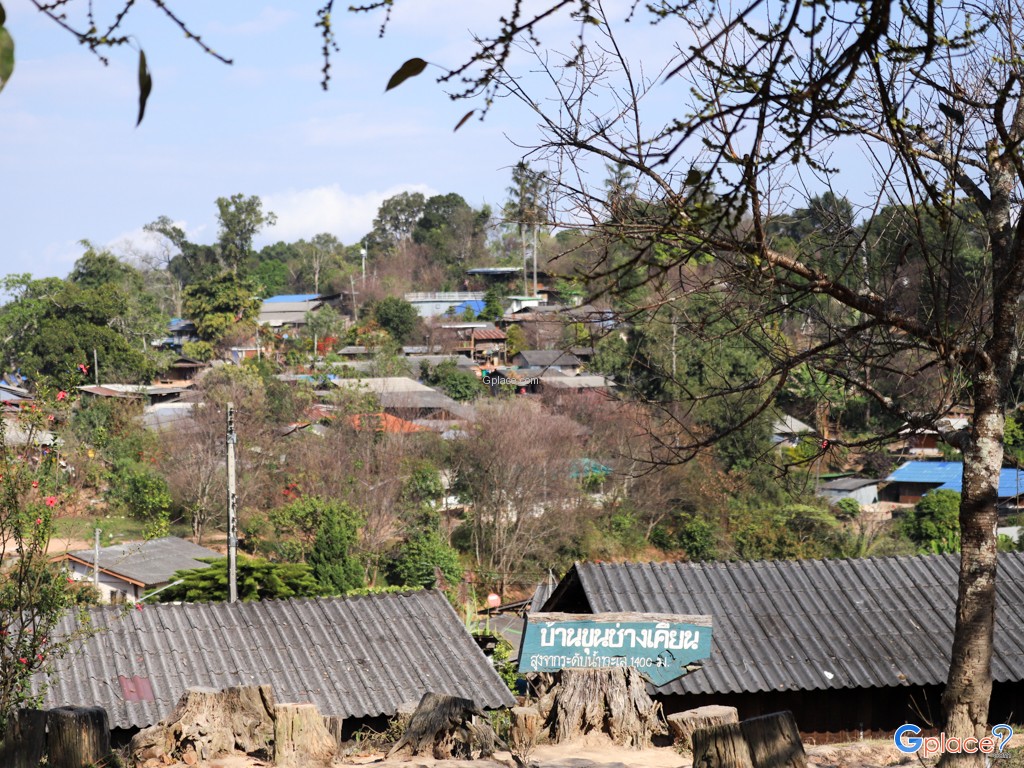
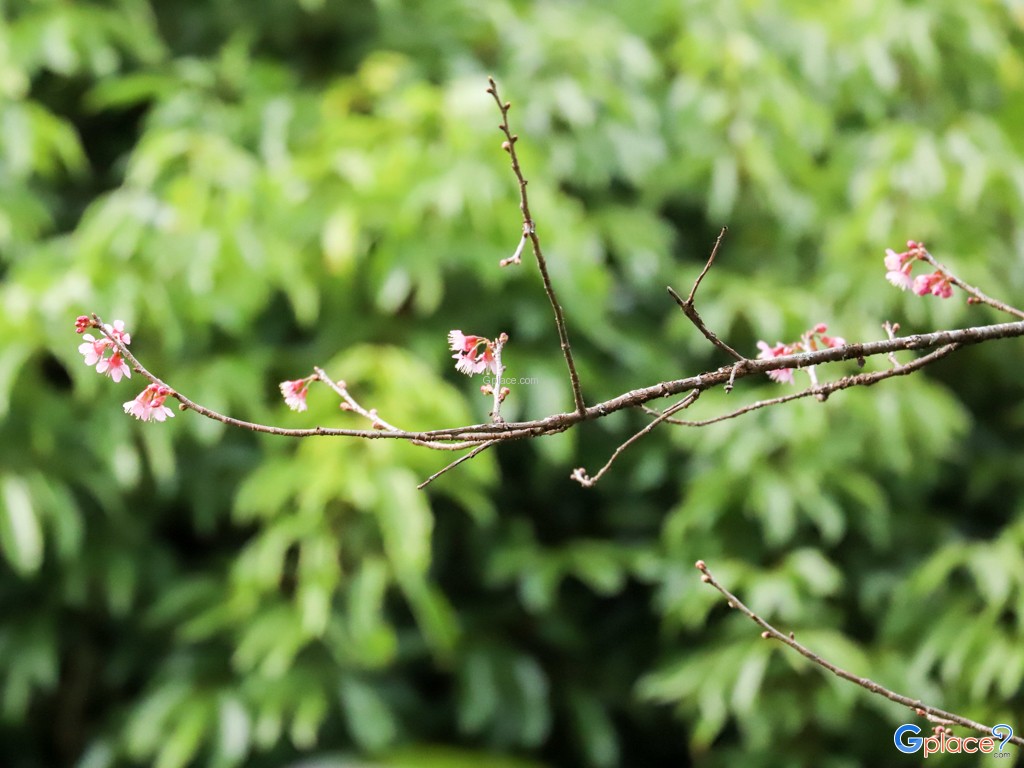
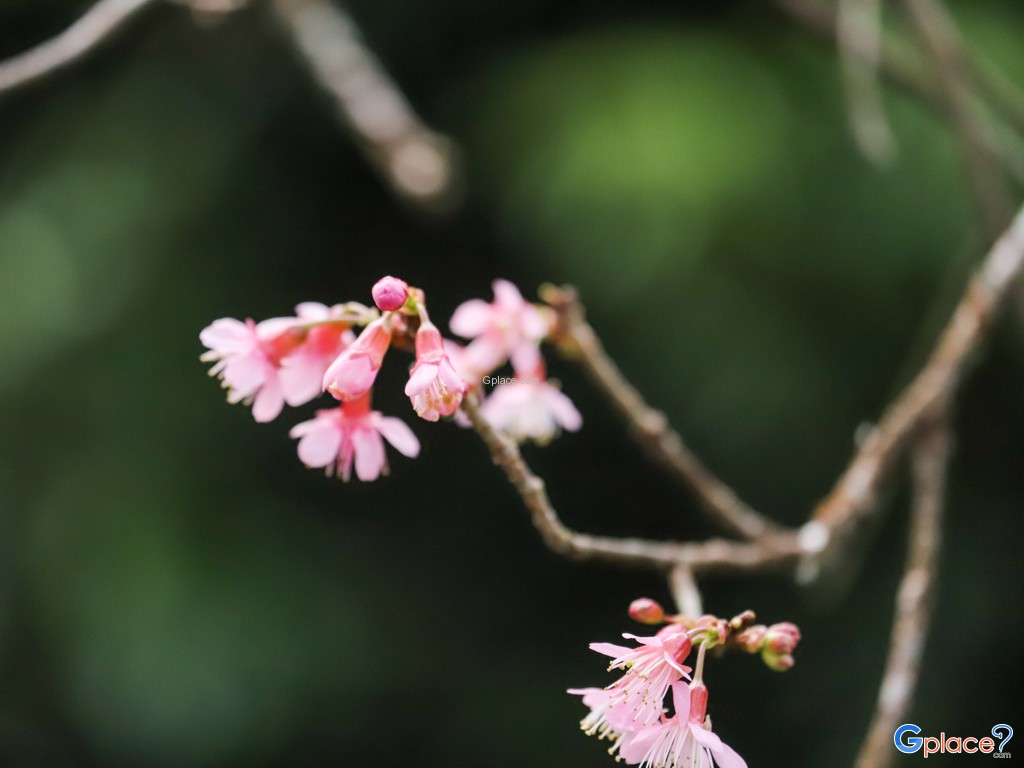
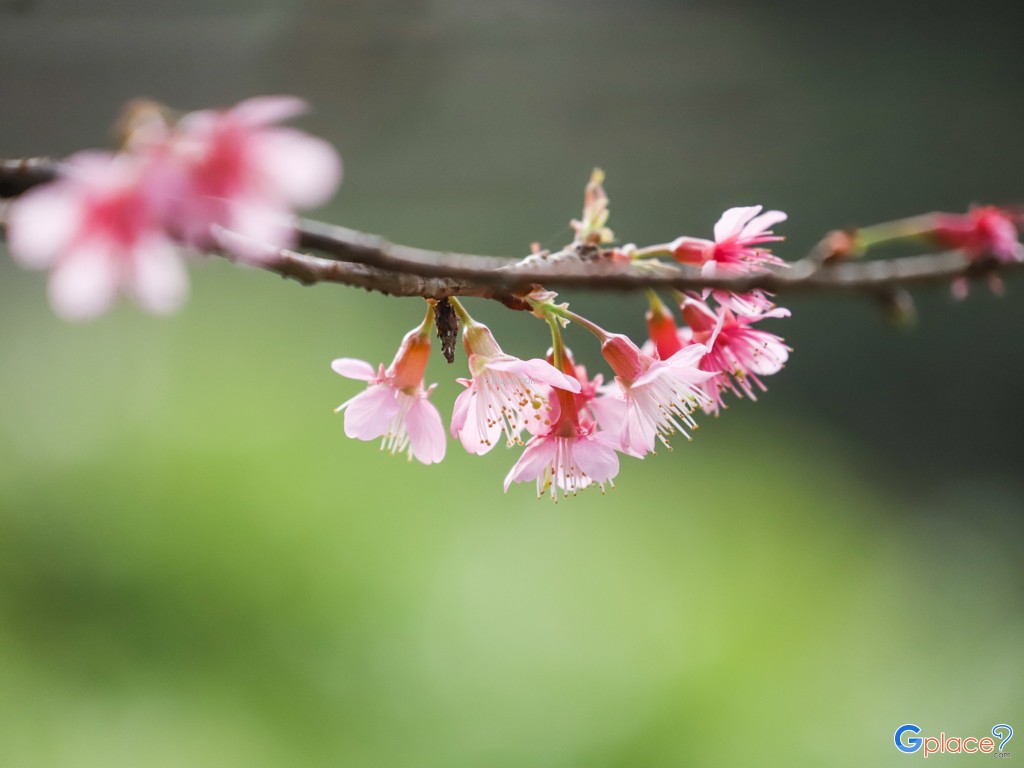
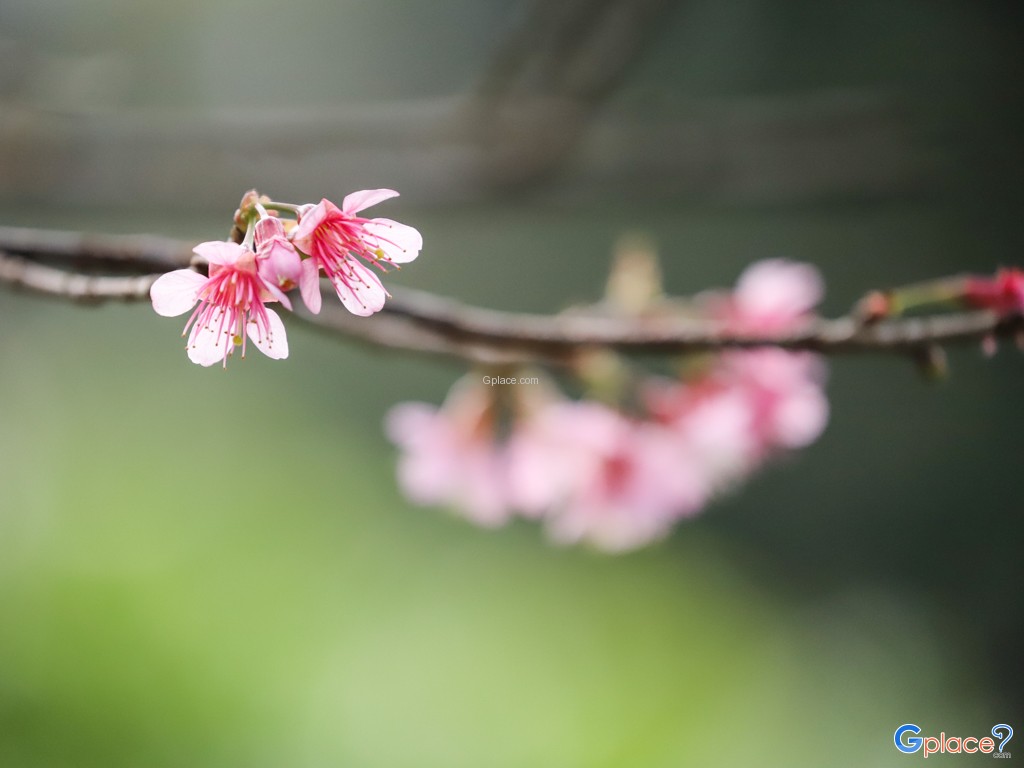
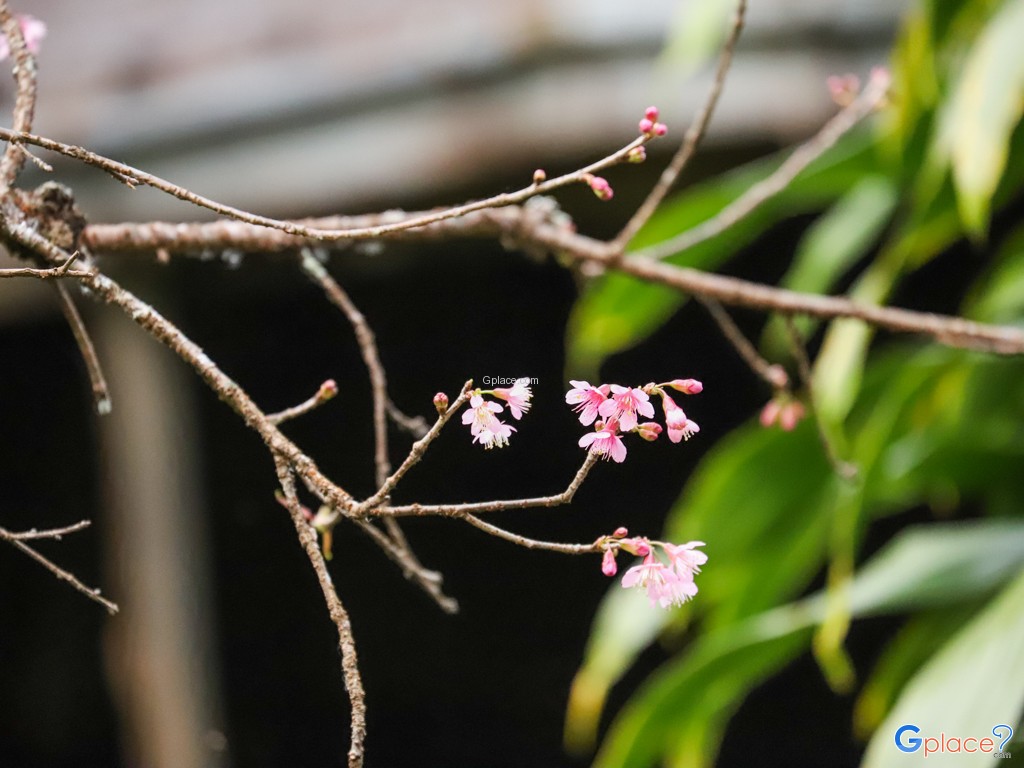
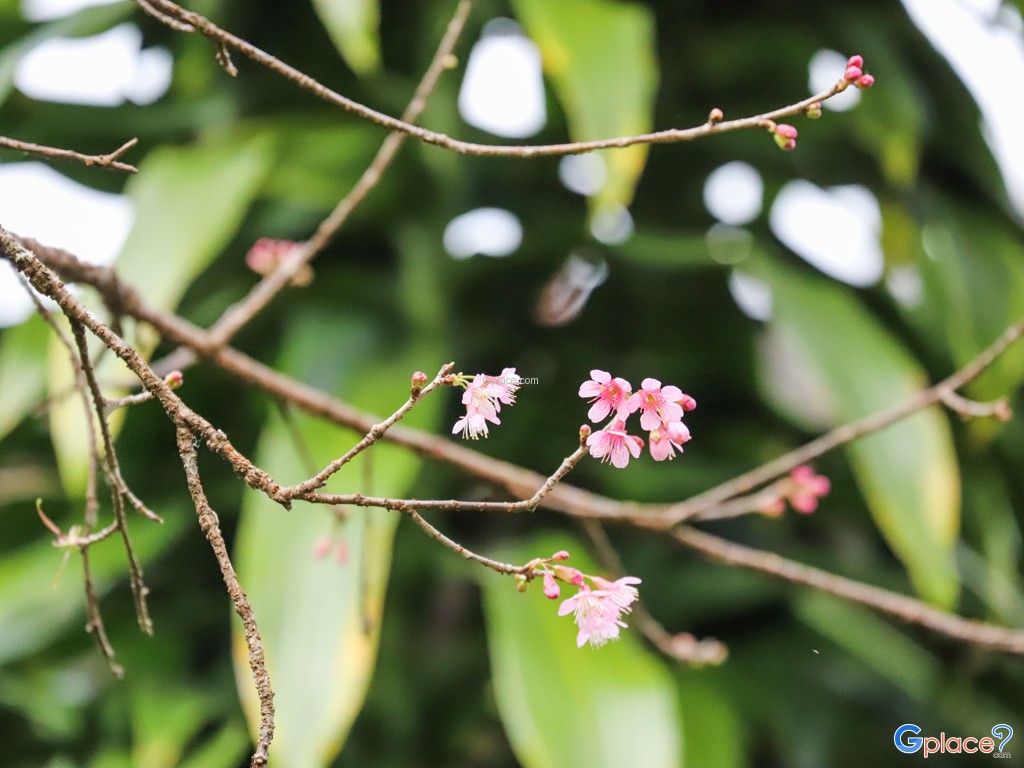
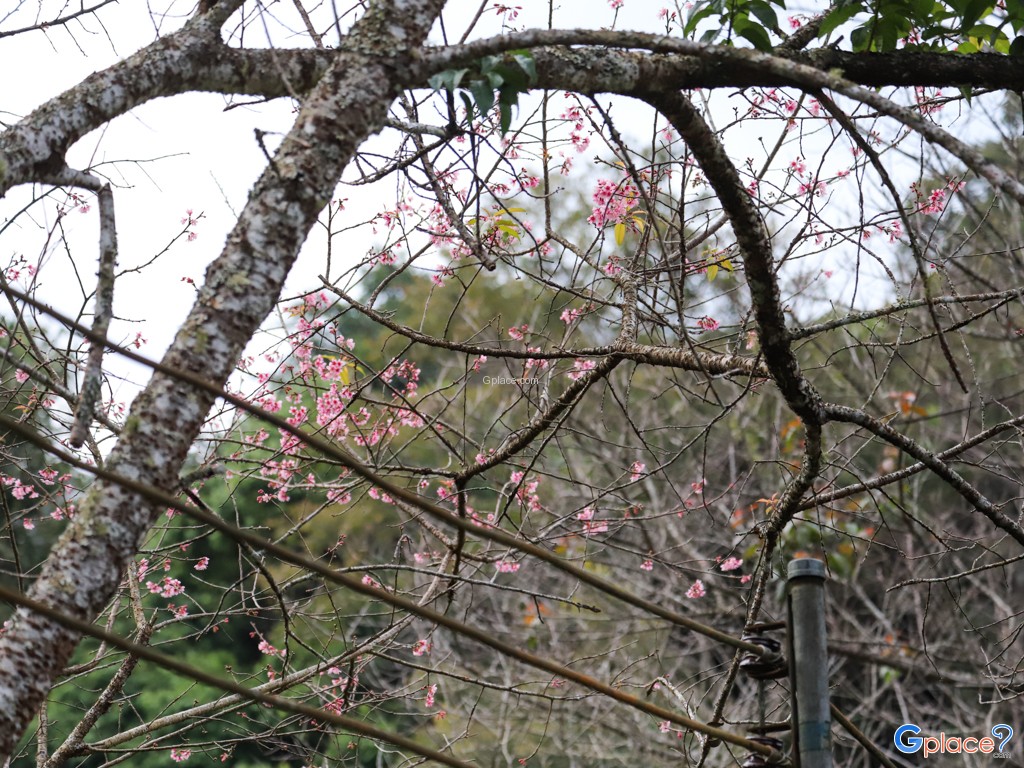
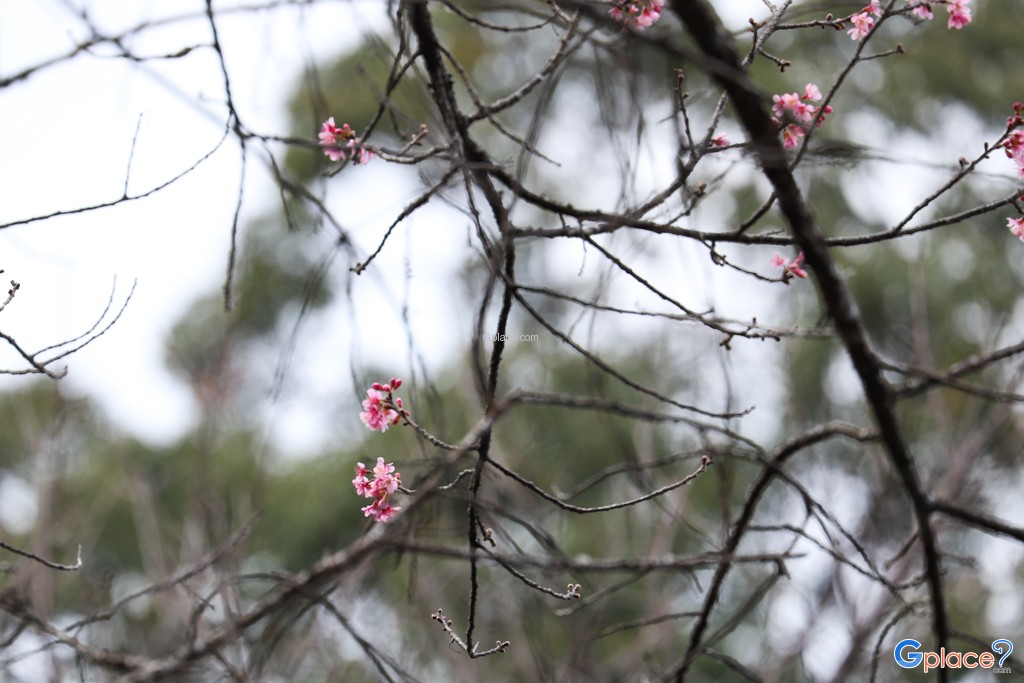
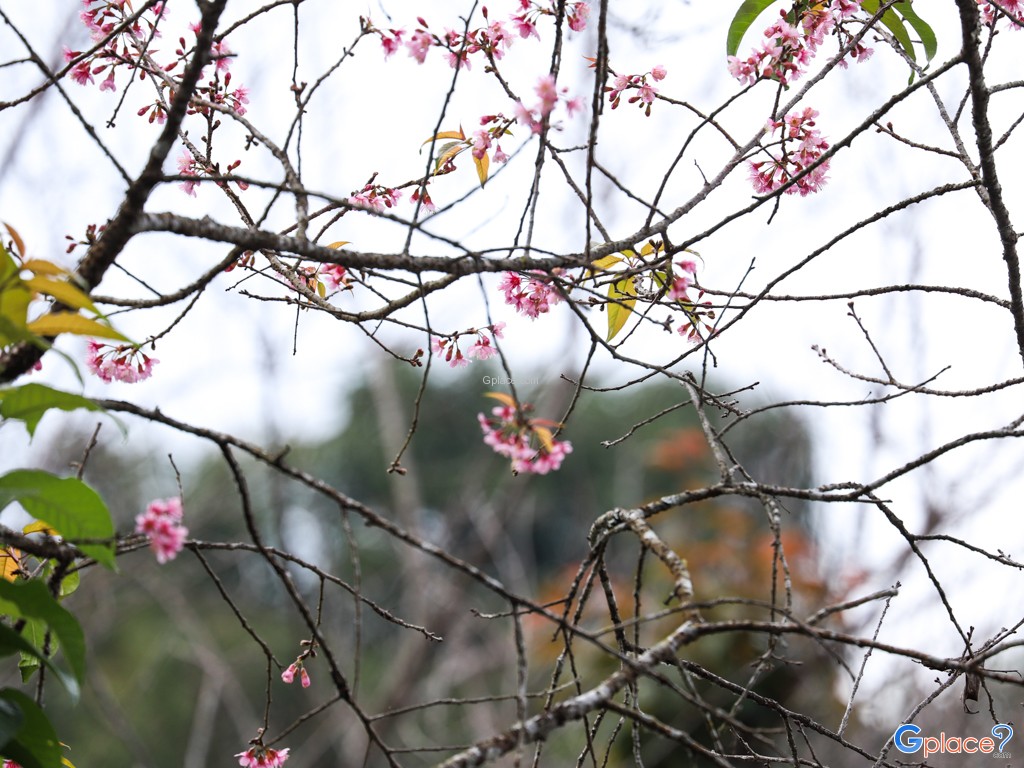
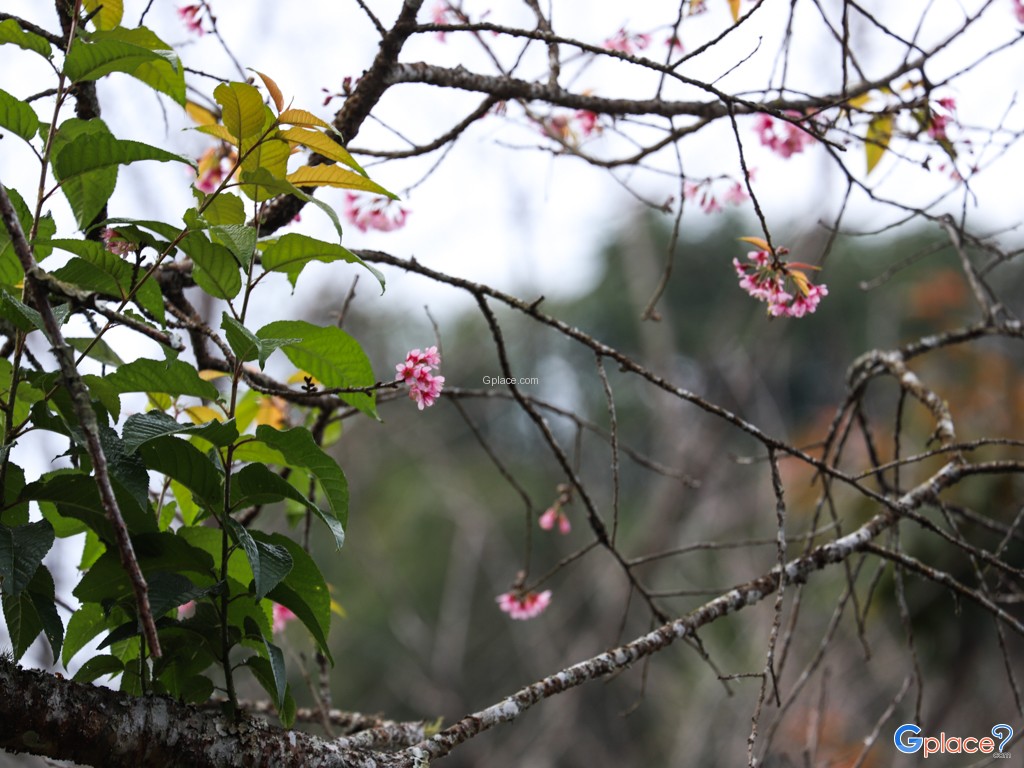
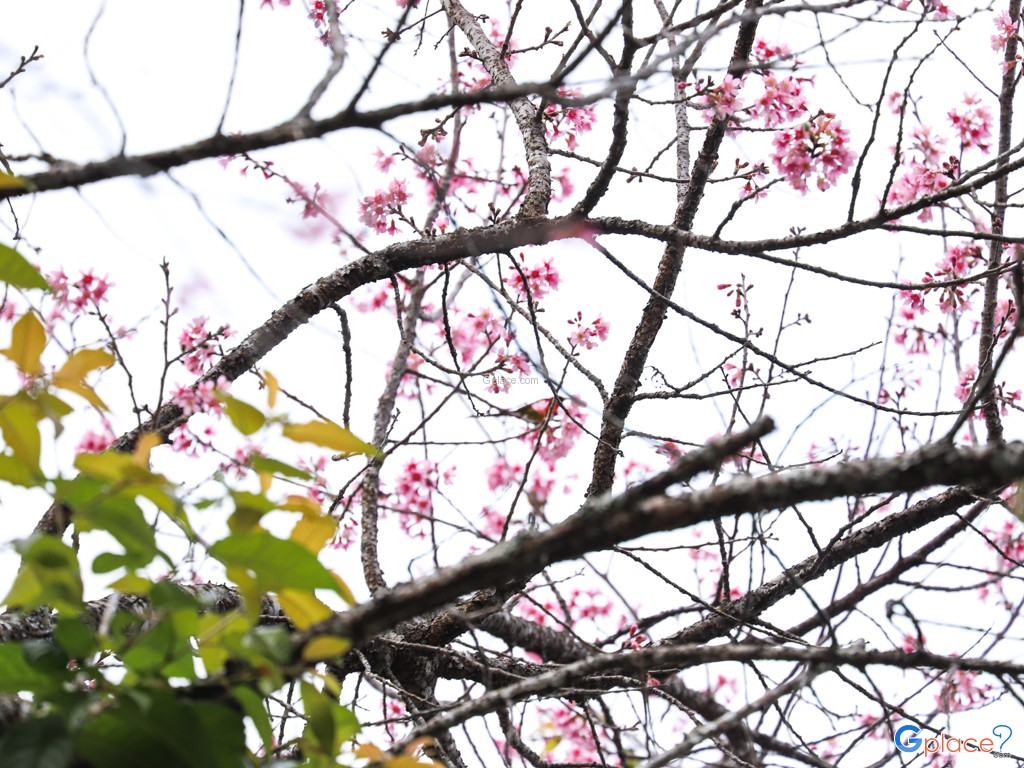
“Himalayan cherry blossom tunnel, coffee plantation viewpoints, Arabica coffee, and Hmong hill tribe lifestyle on Doi Suthep”
Khun Chang Kian (Khun Chang Kian) is operated under the Faculty of Agriculture, Chiang Mai University, serving as a “highland agricultural research station” for studying, experimenting, and developing temperate crops, especially Arabica coffee, temperate fruit trees, and highland economic crops, which serve as an important agricultural knowledge base in Northern Thailand connecting research and local communities.
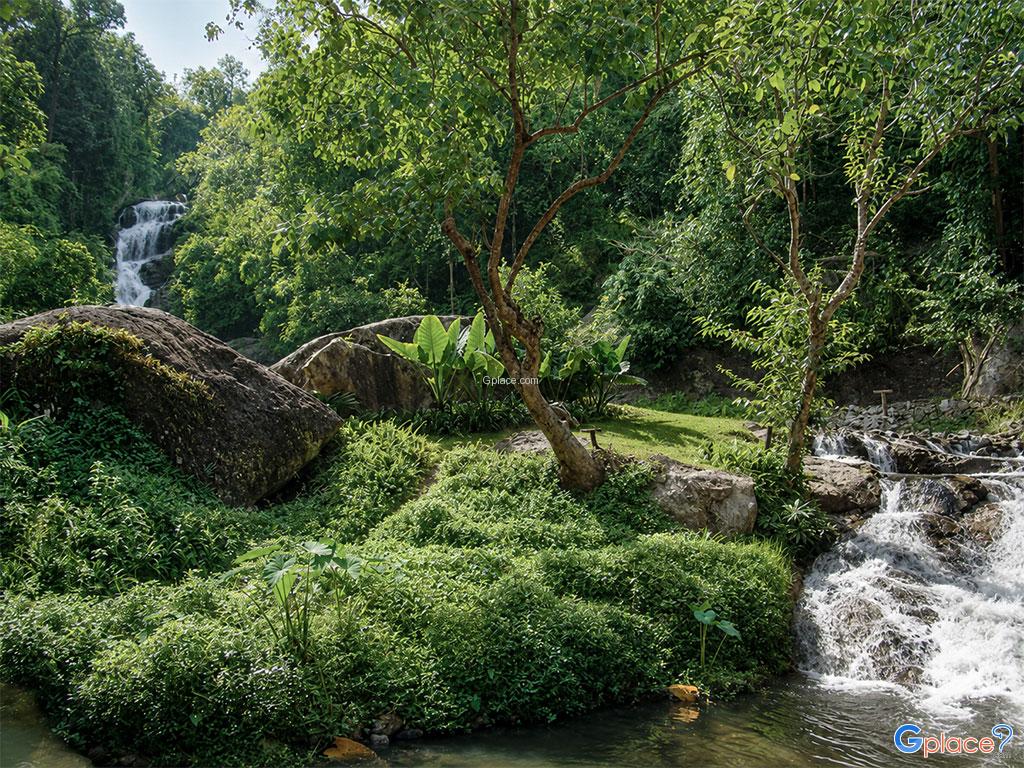
This area is located on the Doi Suthep–Pui mountain range, featuring a complex mountainous landscape with cool temperatures almost all year round. During winter, temperatures drop significantly, creating dense morning fog that supports a rich ecosystem suitable for highland agriculture and studies on forest, soil, water, and biodiversity in mountainous regions.
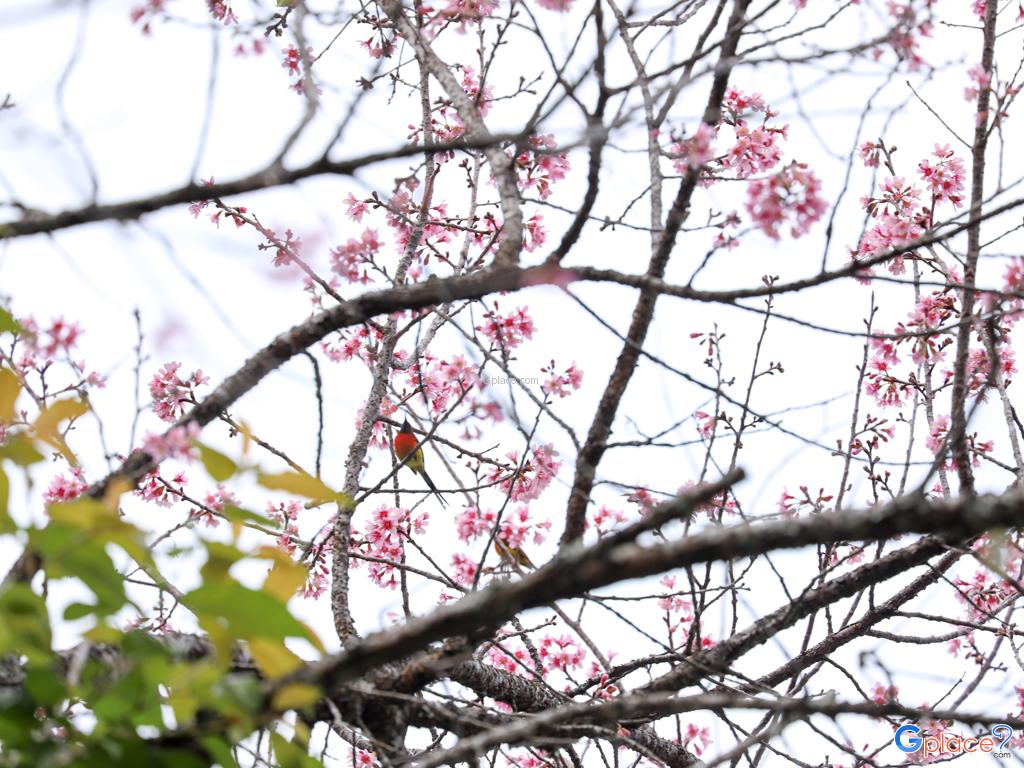
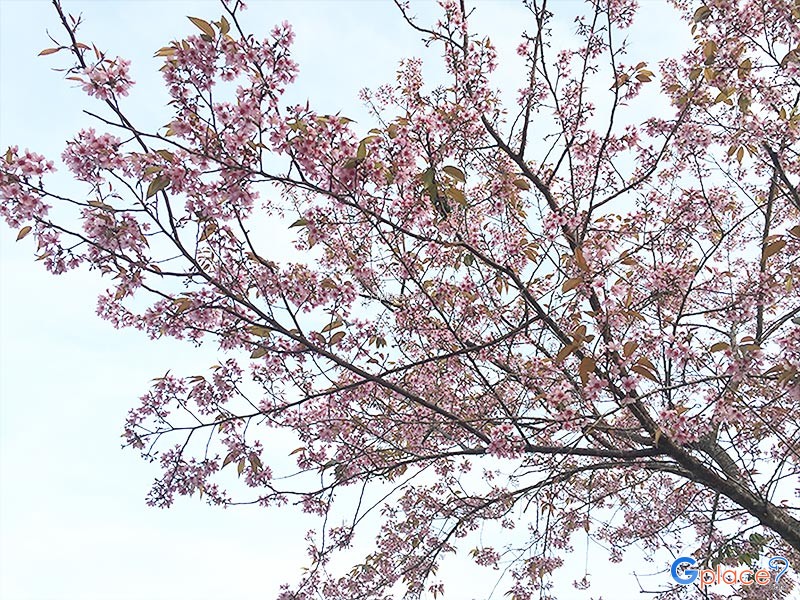
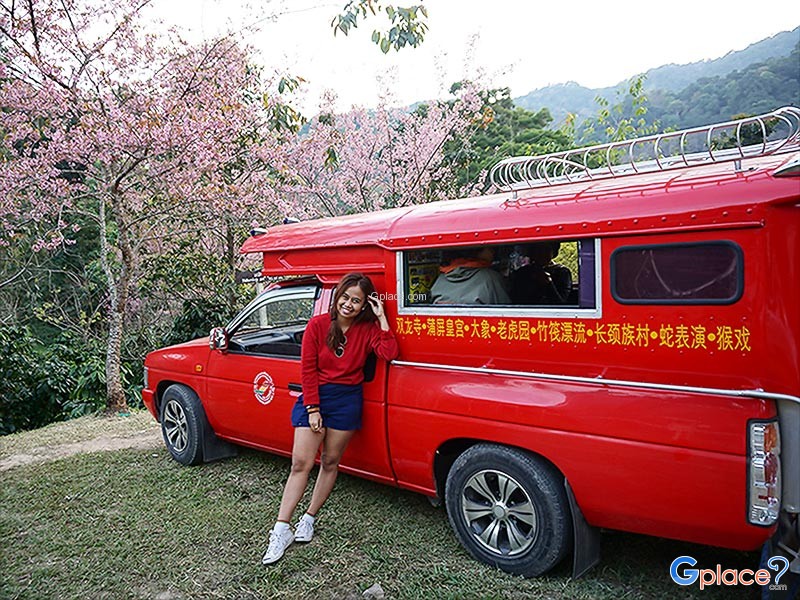
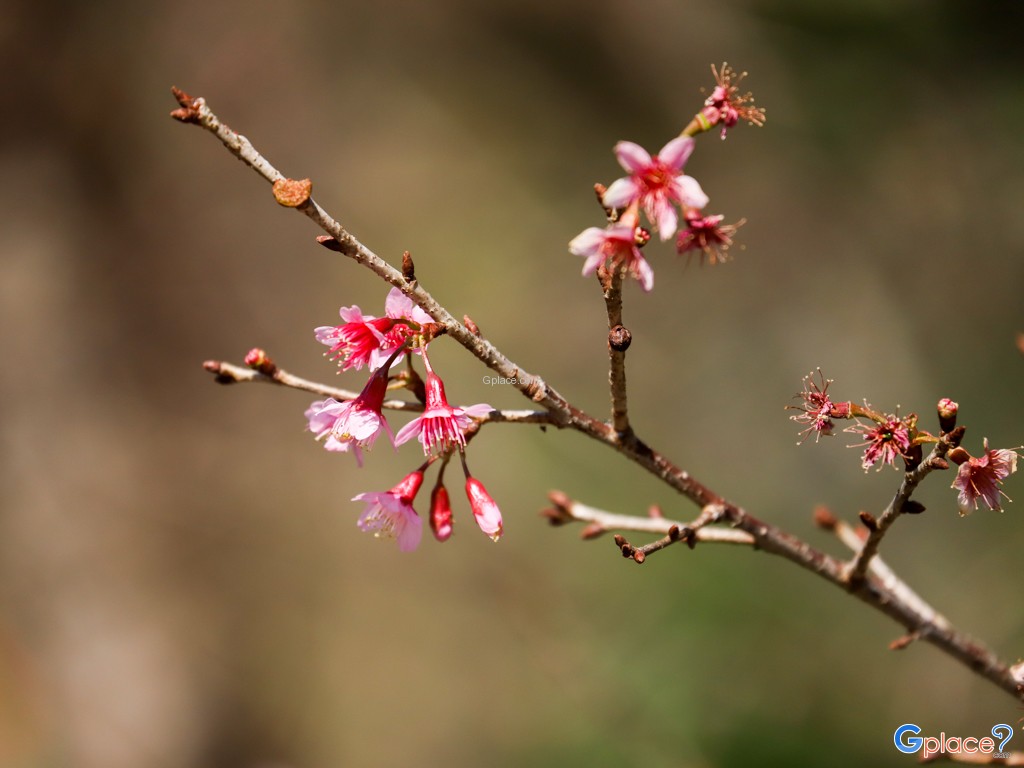
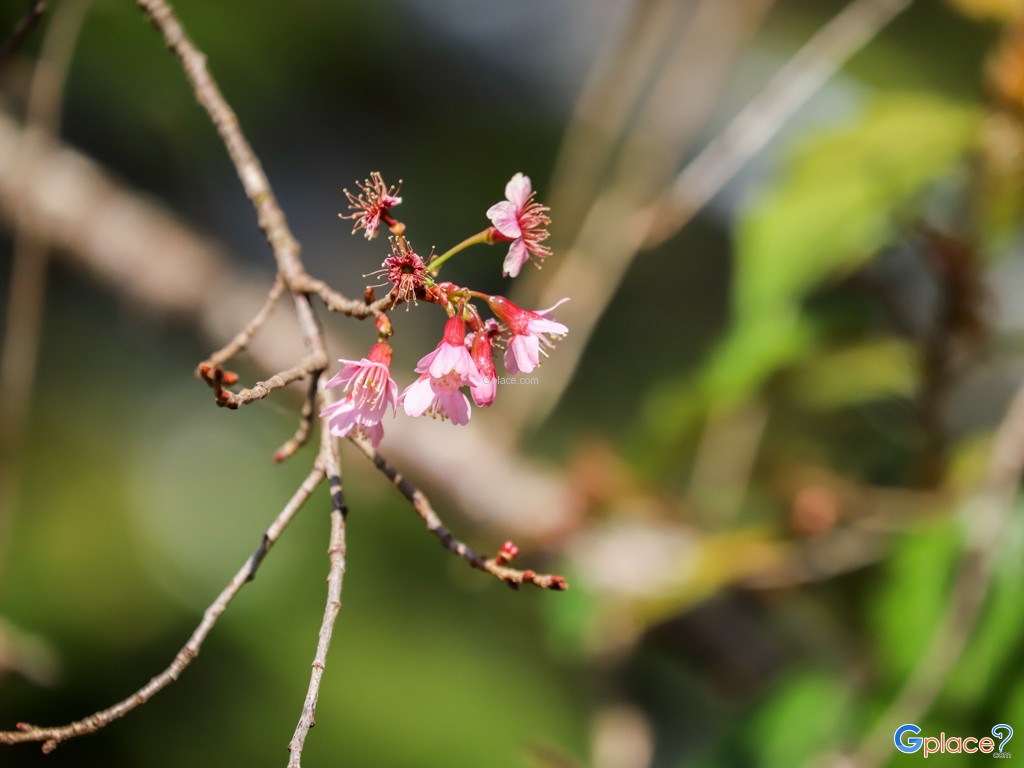
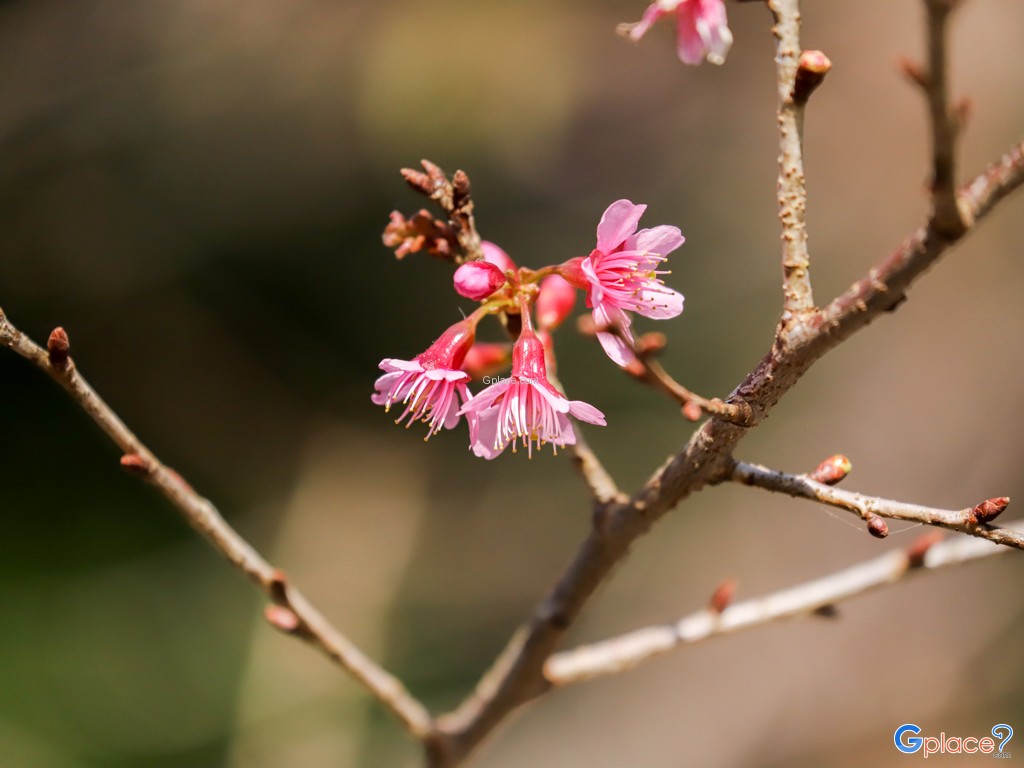
The main highlight that makes Khun Chang Kian nationally famous is the “Himalayan cherry blossom” or Thailand sakura, planted along roads and research areas. In winter, the trees shed their leaves before blooming into full pink blossoms, turning the entire mountain into a pink sea surrounded by forest and mist.
The blooming season generally starts in late December and peaks in early to mid-January, lasting only about 10–14 days before fading. Morning temperatures average around 8–18°C, and thick fog is common in the early morning, especially between 06:30–08:00, which is the best time for photography. On weekends and holidays, heavy traffic and large crowds are common from early morning.
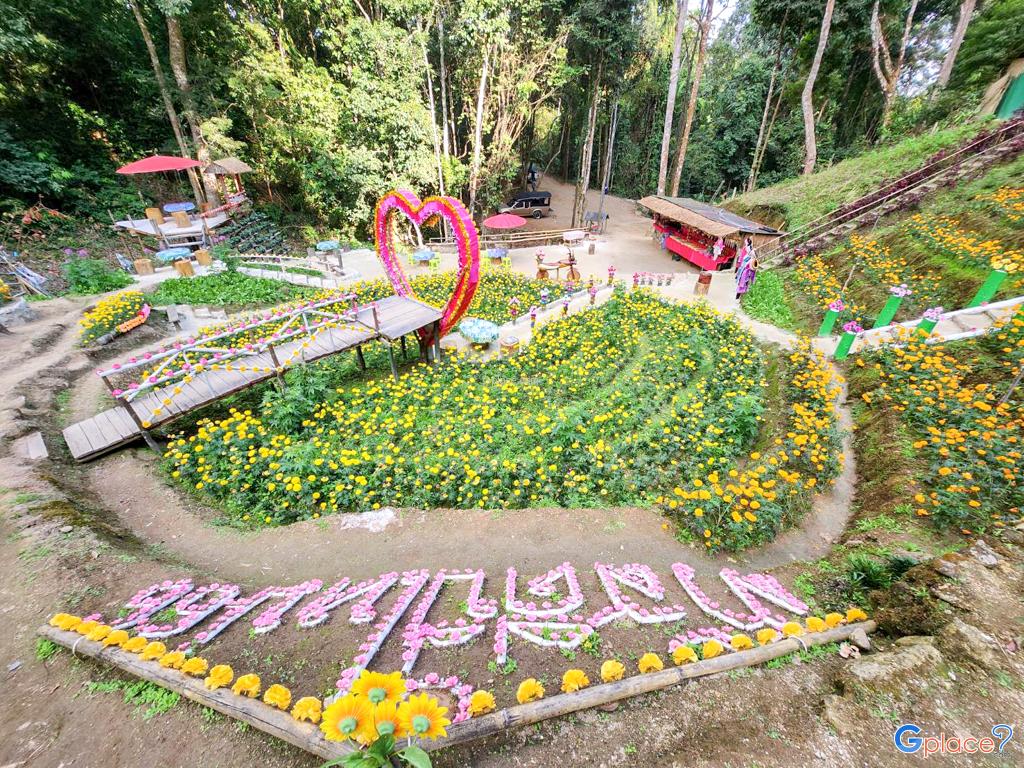
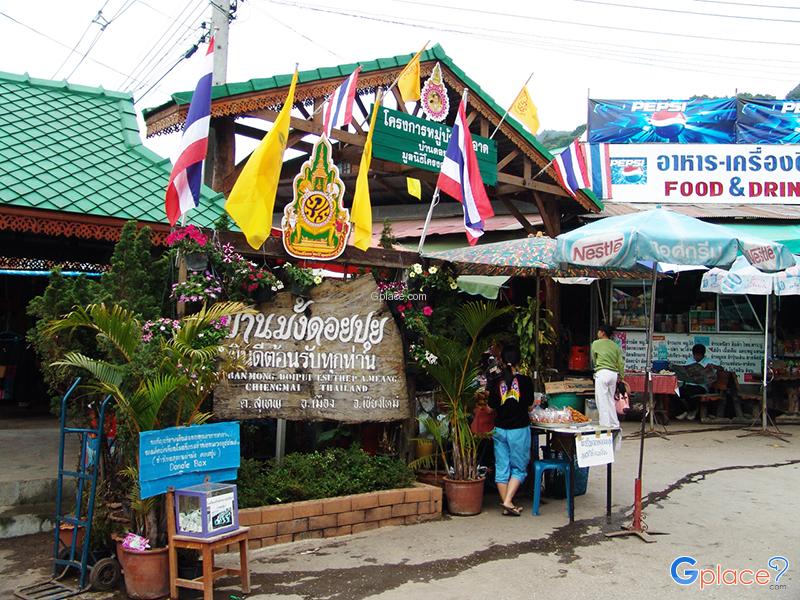
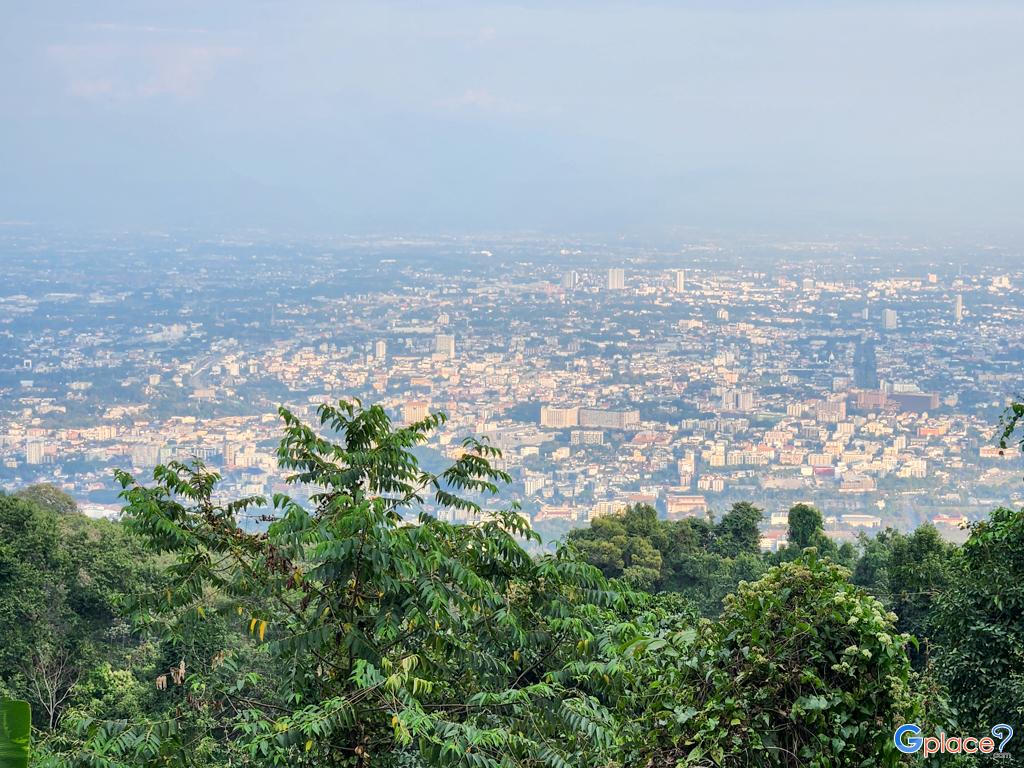
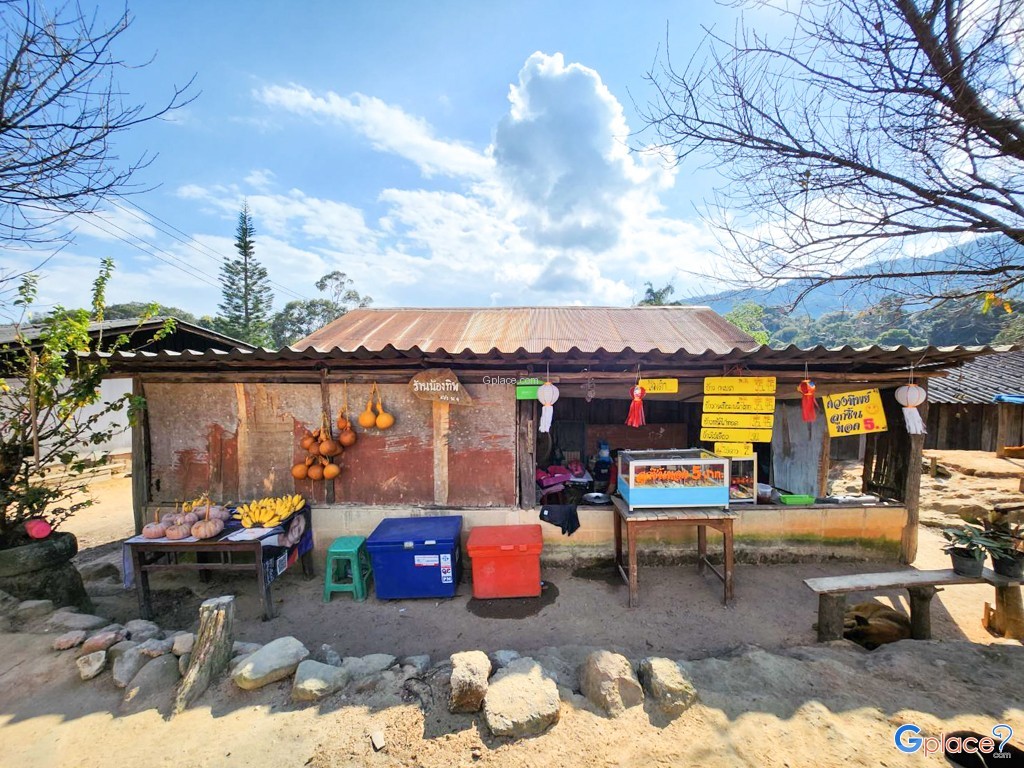
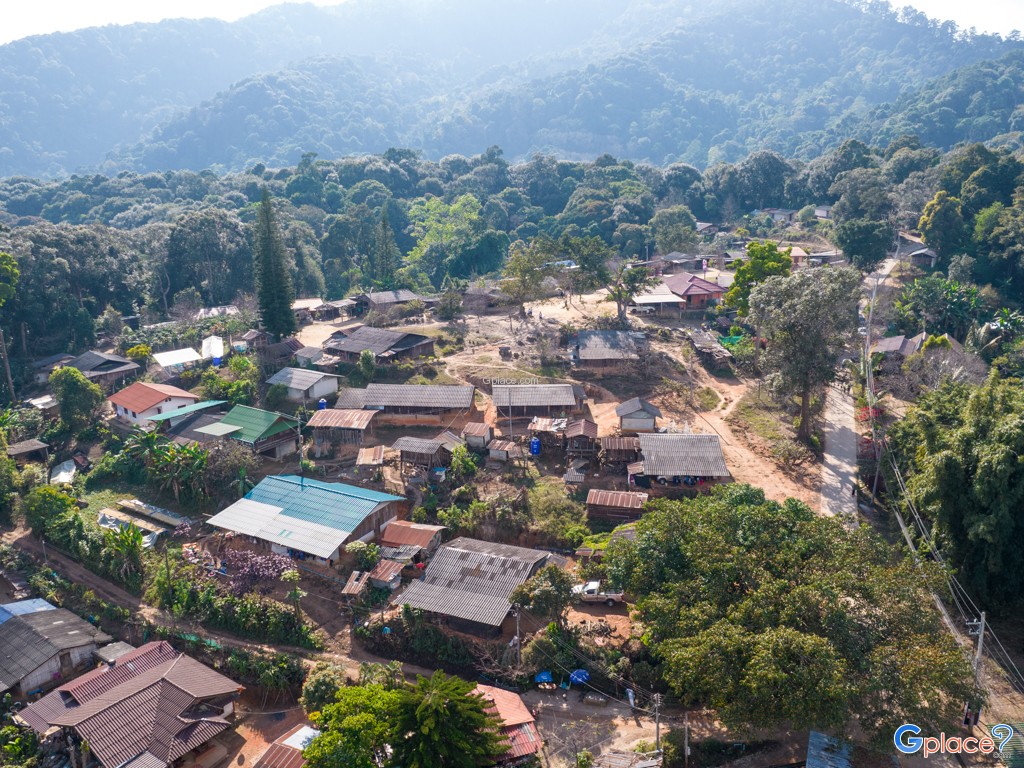
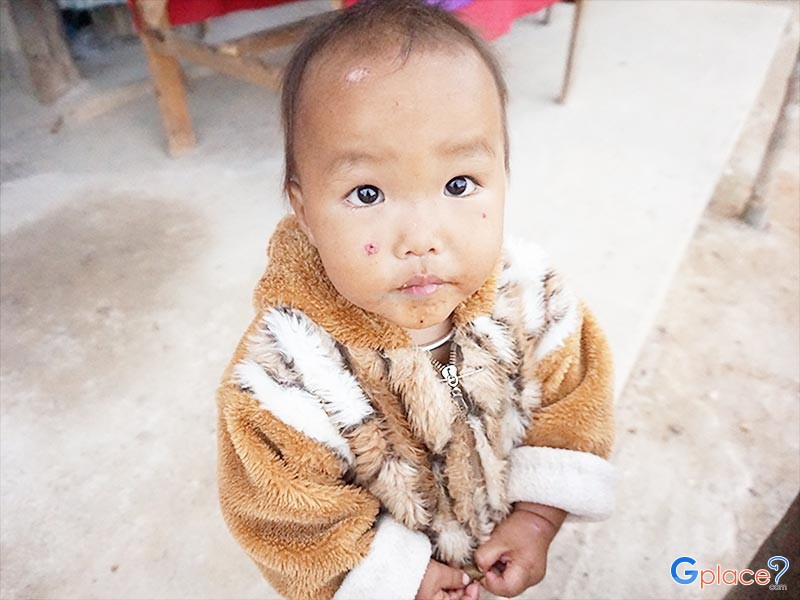
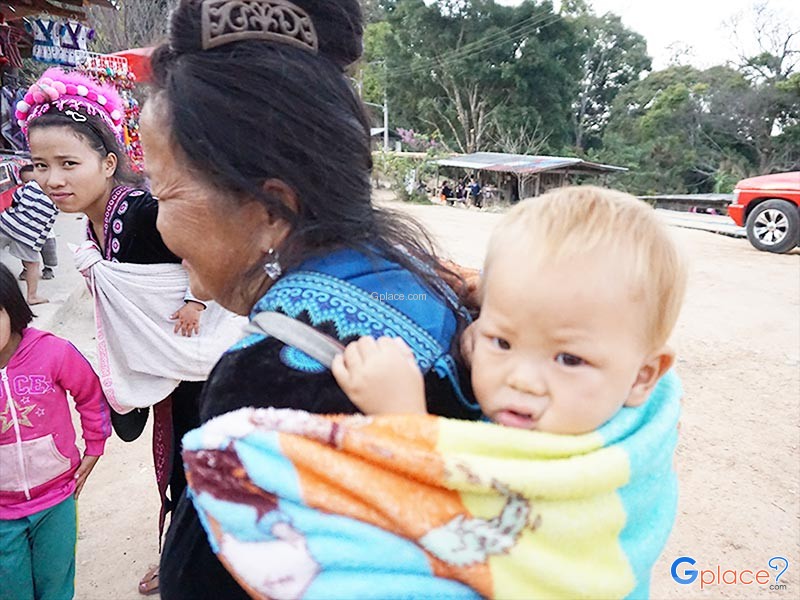
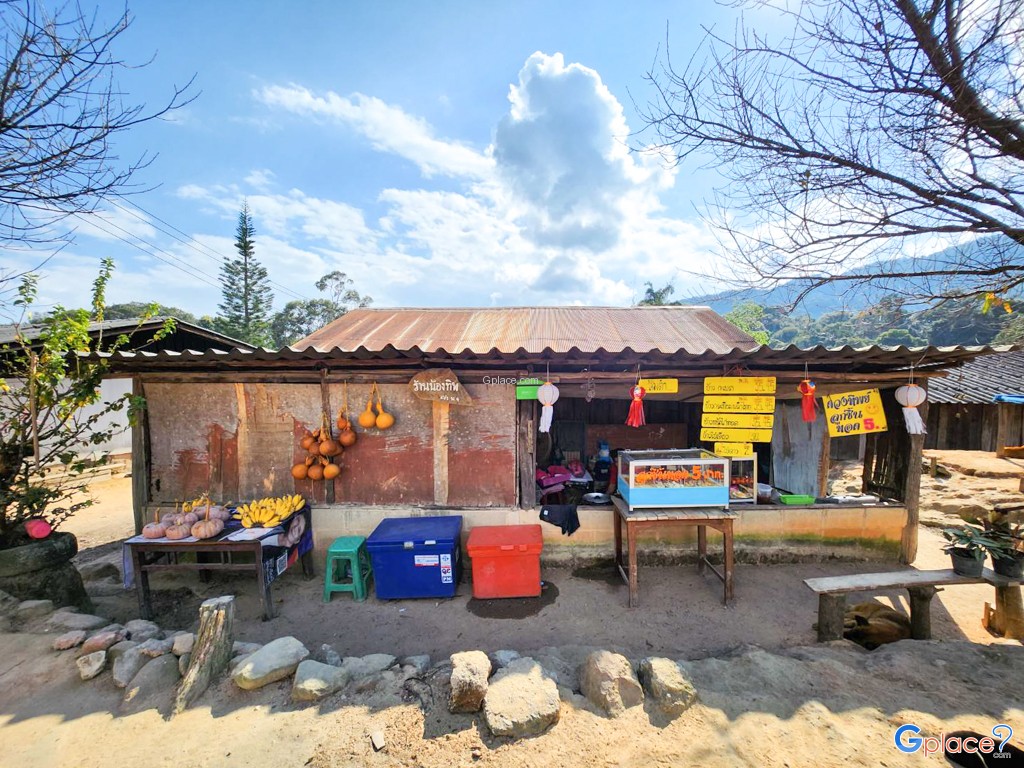
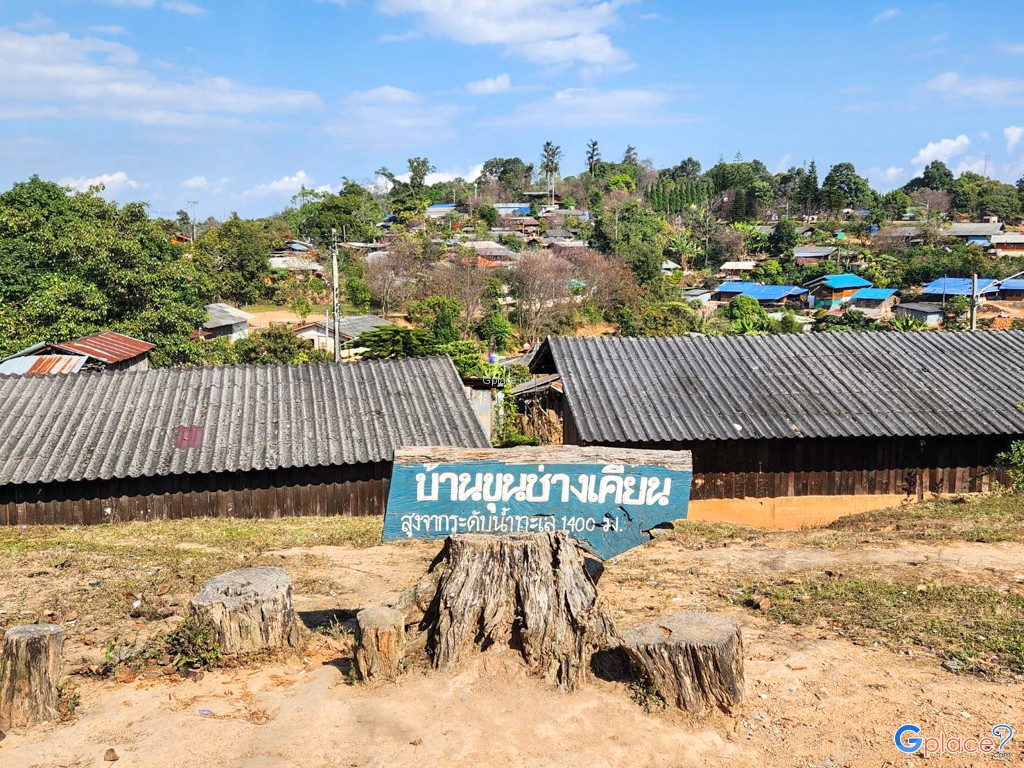
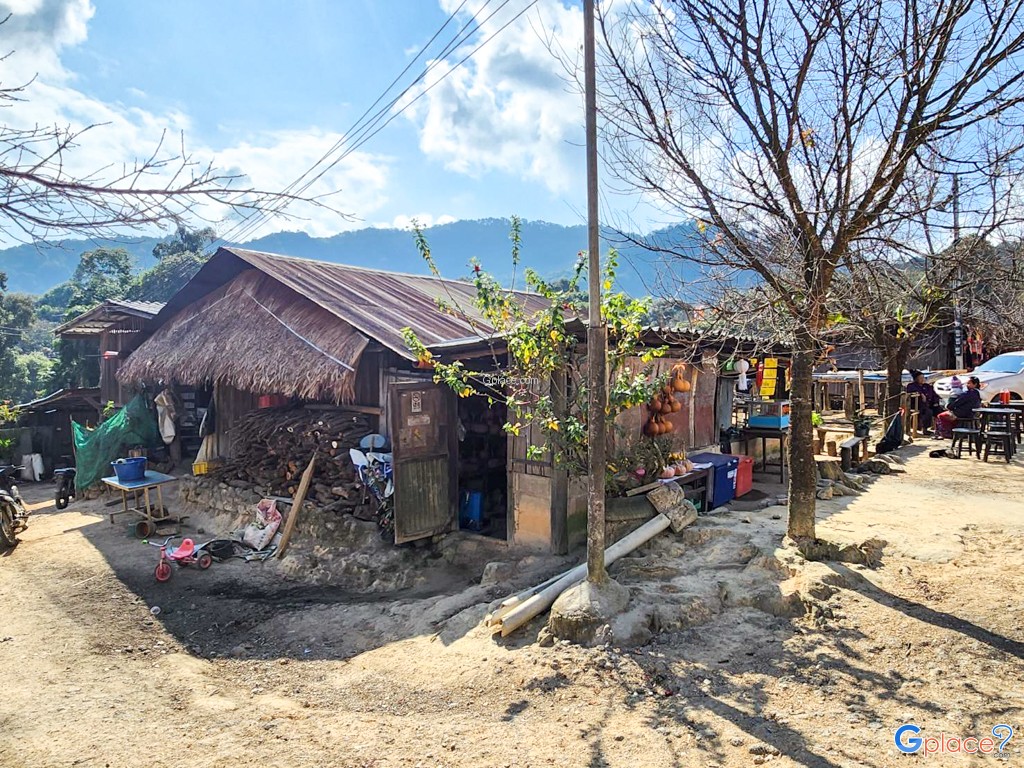
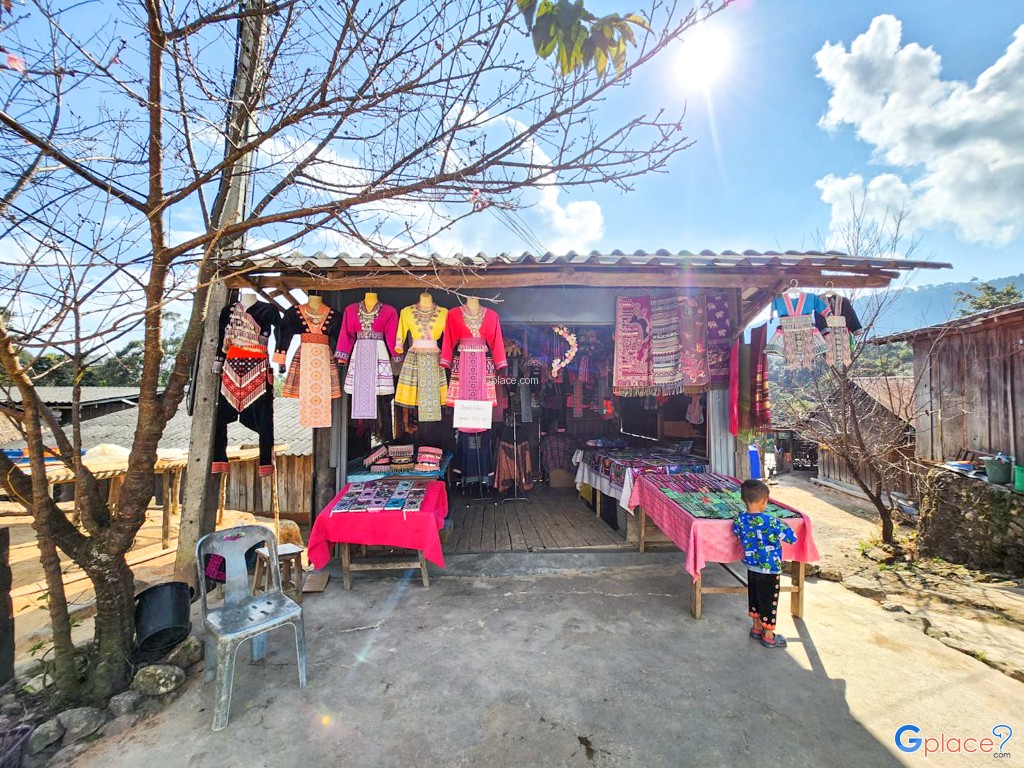
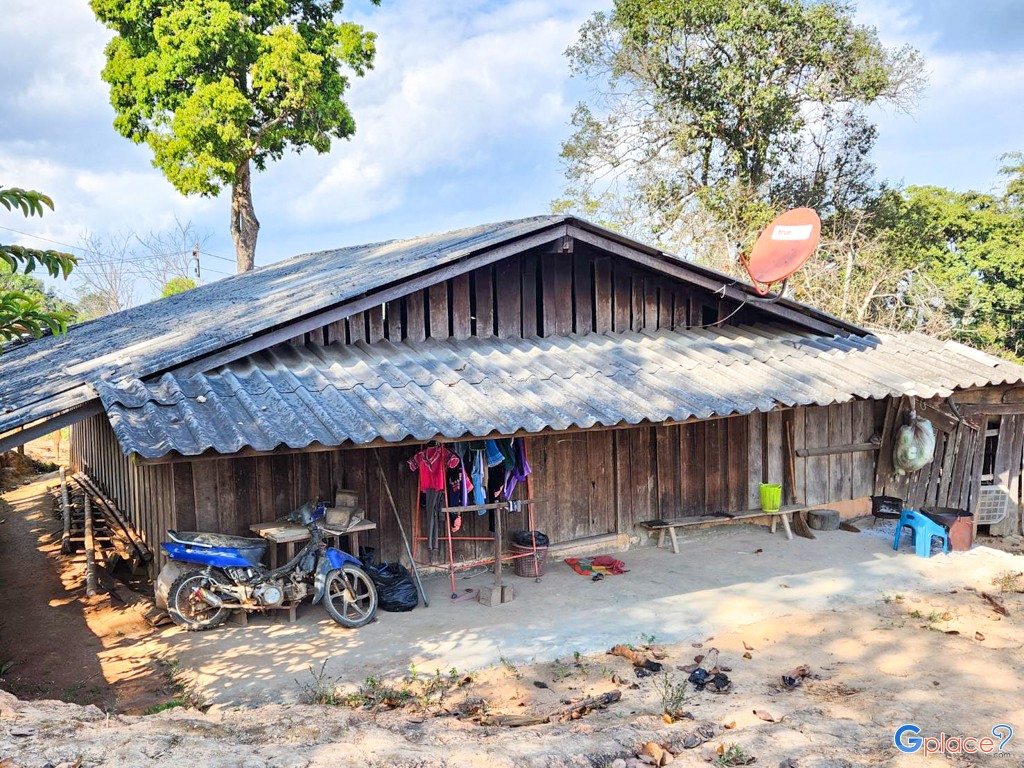
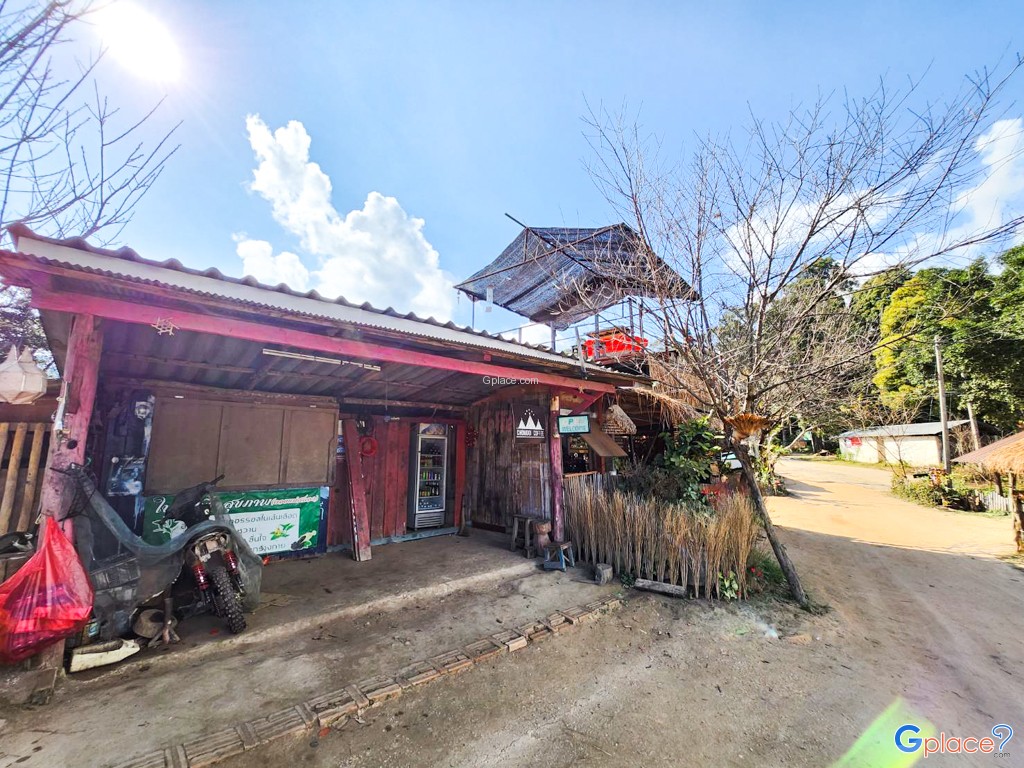
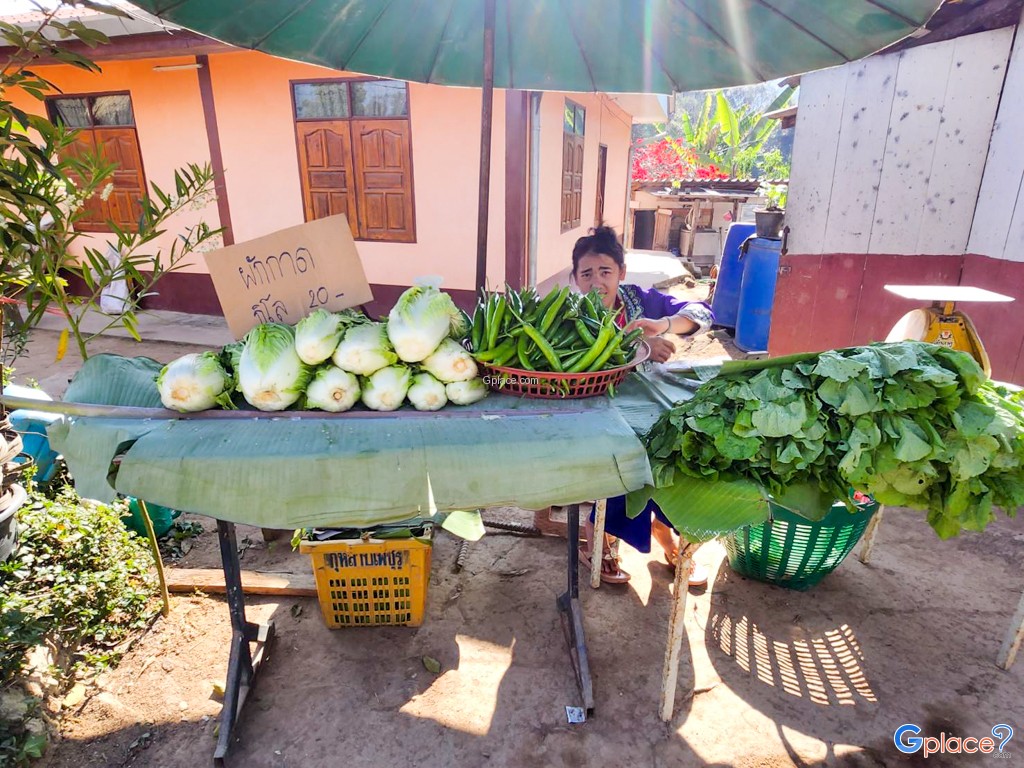
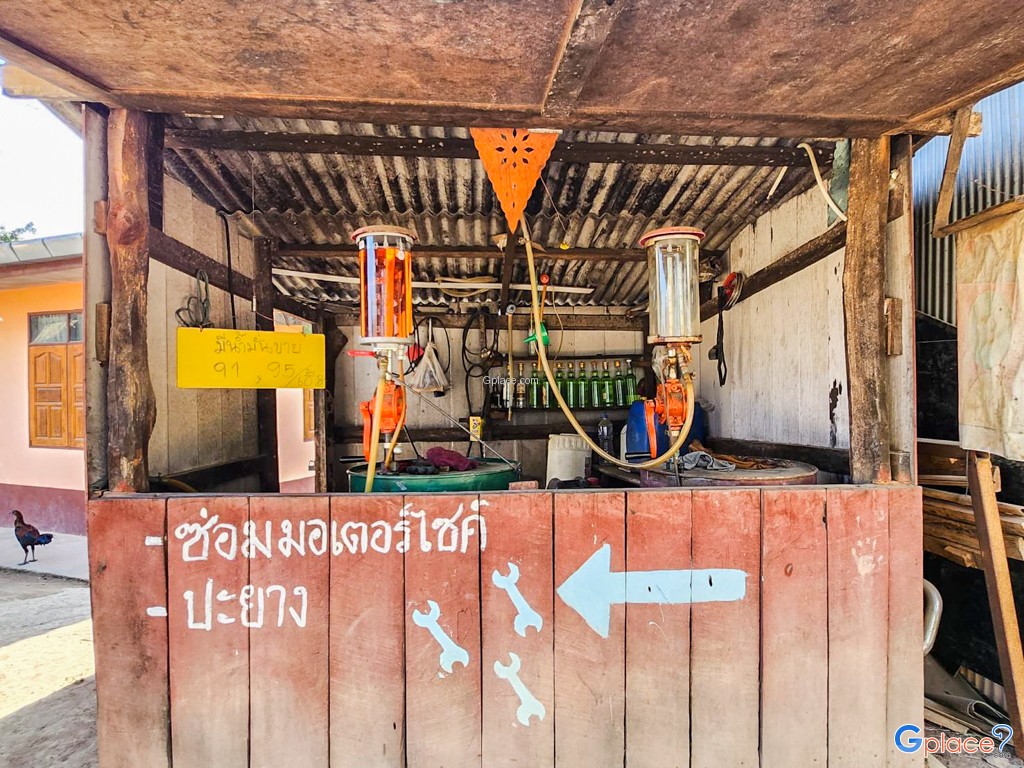
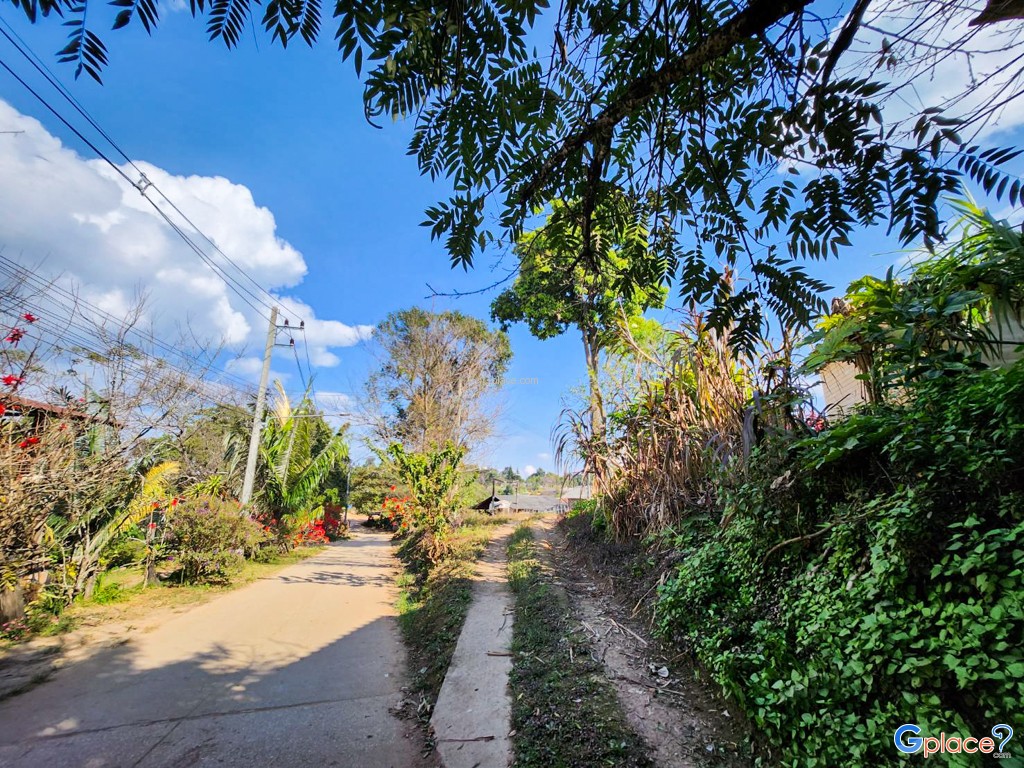
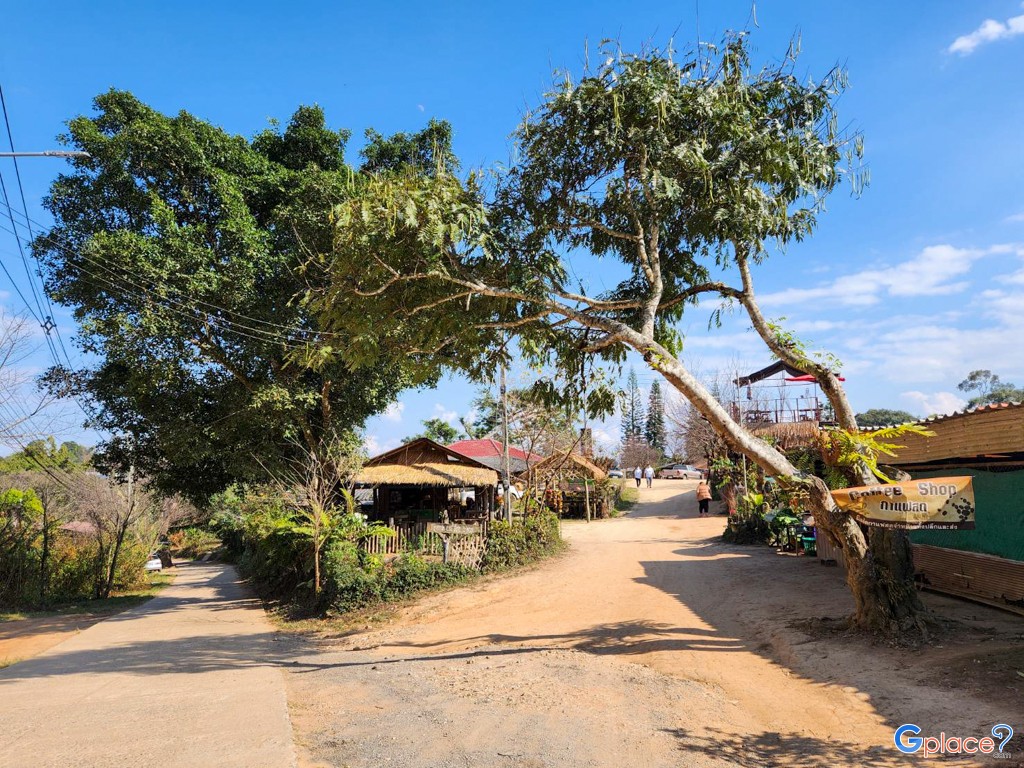
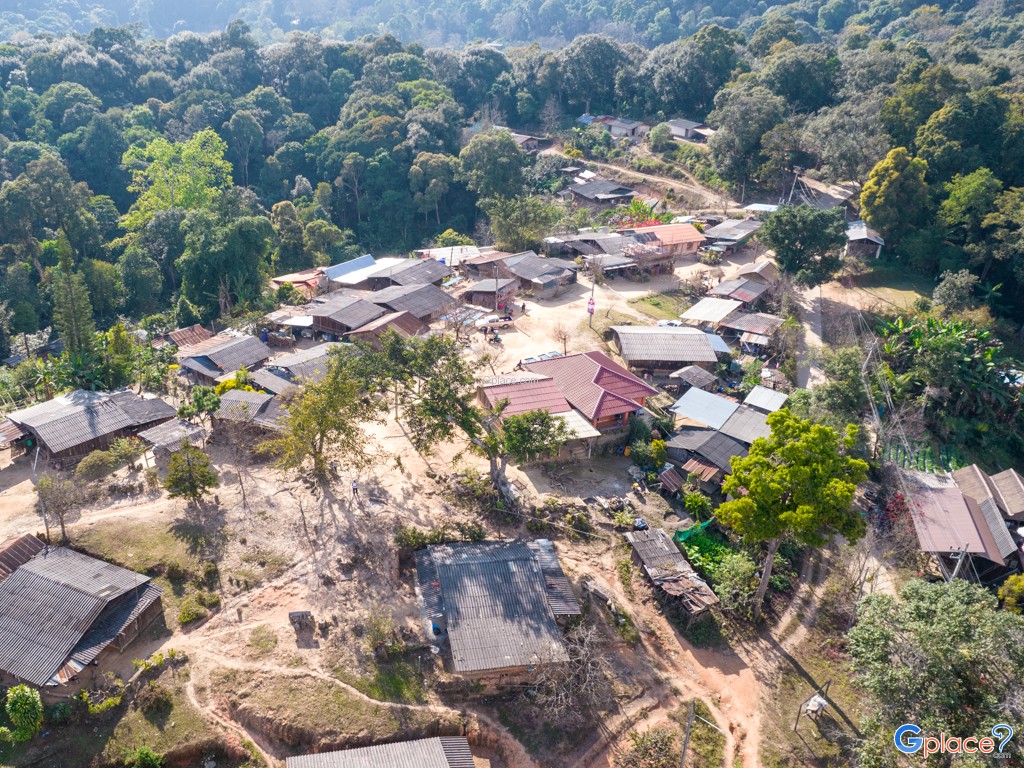
Key photo spots include the Himalayan cherry blossom tunnel along the main road, the mist curve viewpoint on Doi Pui, the upper research station panoramic area overlooking coffee plantations and pink mountains, and the Khun Chang Kian Hmong village zone, which reflects traditional community life alongside nature.
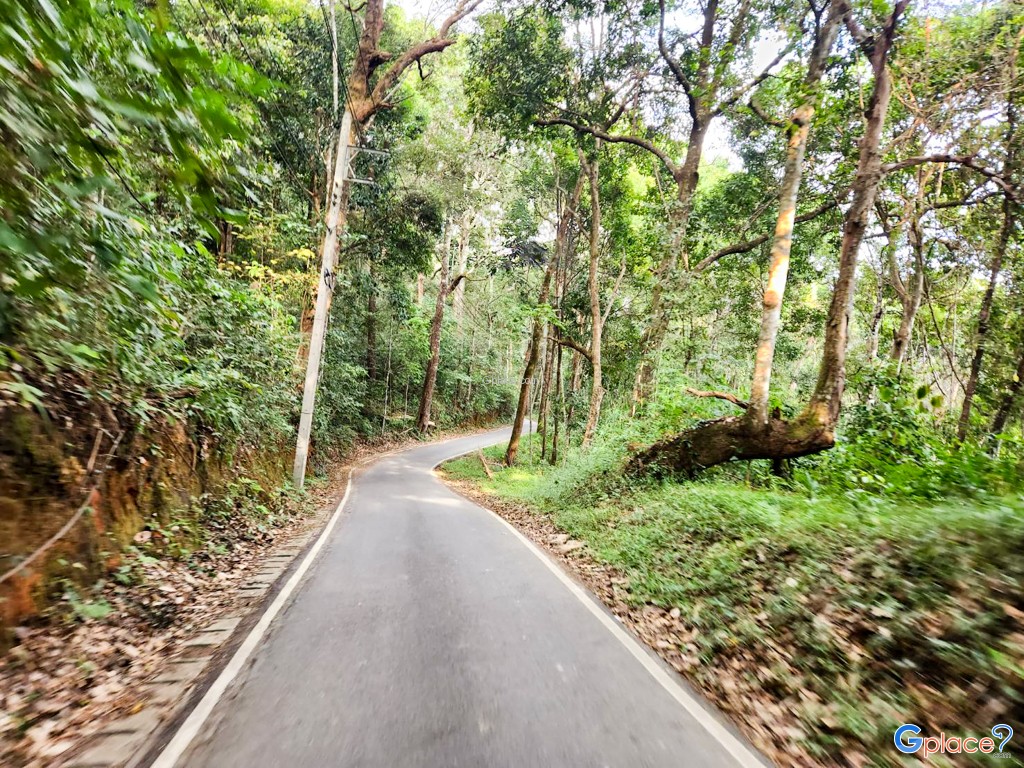
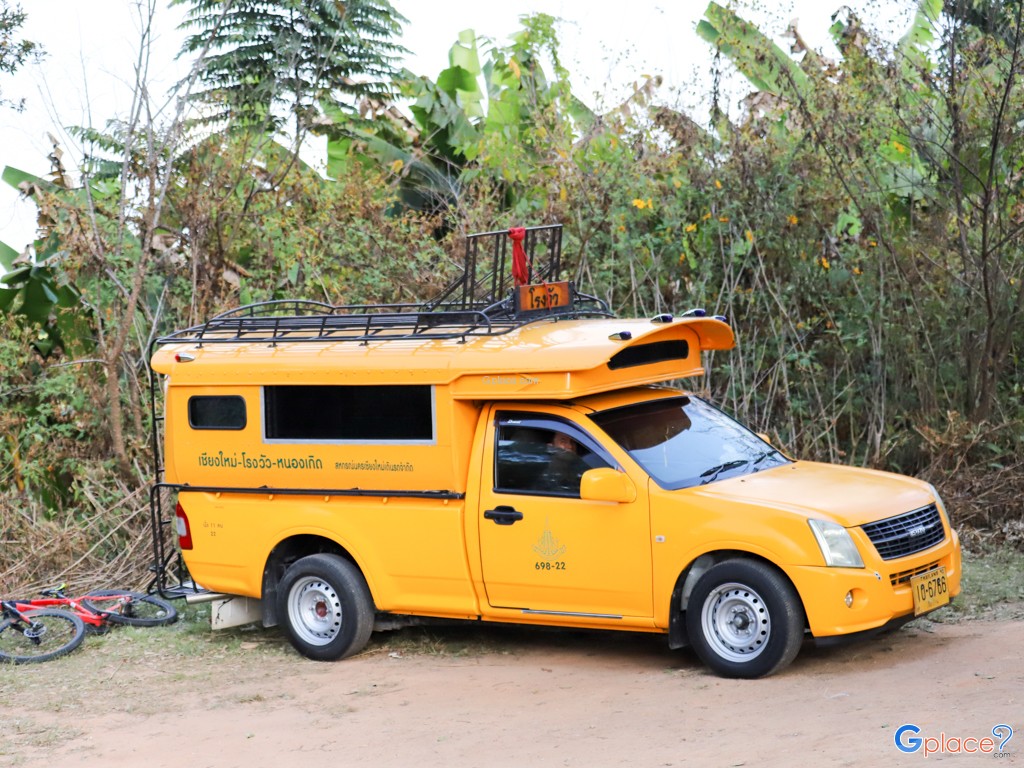
The route to Khun Chang Kian starts from Phu Phing Palace. It is a mountain road with continuous steep slopes, and the final section is a single-lane narrow road where passing is difficult. Drivers must be highly careful and often use low gear continuously. A red songthaew (shared taxi) is the safest option due to experienced local drivers.
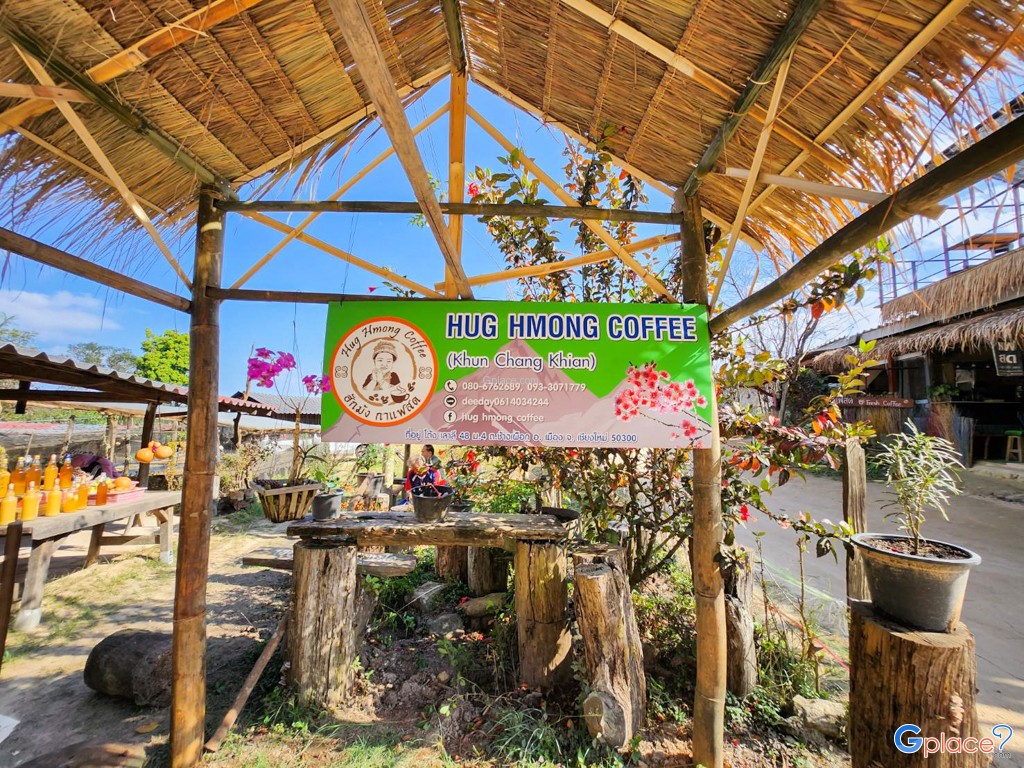
In terms of coffee, Khun Chang Kian is a highland Arabica coffee cultivation area with a unique flavor profile: floral aroma, smooth taste, light acidity, and balanced strength. Visitors can enjoy freshly brewed drip coffee made from freshly roasted beans in a cold mountain atmosphere.
During peak tourism season, the area becomes very crowded, especially between 06:00–10:00, with the busiest spots being the flower tunnel and main road curves. After 11:00, crowds decrease but sunlight becomes stronger, changing the atmosphere throughout the day.
From an environmental conservation perspective, Khun Chang Kian is a fragile highland ecosystem. Visitors should avoid picking, pulling, or bending cherry blossom branches, avoid stepping on tree roots along the roadside, limit drone usage, and properly manage waste. Respect for the local Hmong community is also essential.
With a combination of agricultural research, highland nature, and local culture, Khun Chang Kian is more than a flower viewing spot. It is a real learning area of highland ecosystems and remains one of Chiang Mai’s most important winter destinations in Thailand.
How to Get There
- Private car: Drive from Phu Phing Palace toward Doi Pui. The final section is a single-lane, narrow, steep, and rough mountain road. It is not recommended for inexperienced drivers.
- Public transport (recommended): Take a red songthaew from Wat Phra That Doi Suthep or Phu Phing Palace. Local drivers are experienced and safer.
Travel Tips
- The cherry blossom season is late December to January, with full bloom lasting around 10–14 days. Check updates before traveling.
- Arrive before 07:00 AM to avoid traffic and enjoy the best morning light for photography.
- The road is narrow and steep; careful driving is required or use a red songthaew for safety.
- Dress warmly as morning temperatures are low and fog is dense.
- Do not pick, pull, or bend cherry blossom branches to preserve nature and beauty.
Admission Fee:
- Free with no entrance fee for the research station area.
- Camping may require additional service or equipment fees according to station regulations.
Opening Hours:
- Open daily from 08:00–17:00. Camping areas are available in designated zones for overnight stays
Khun Chang Kian

 Share
Share
 Moo.4, Chang Phueak, Mueang Chiang Mai, Chiang Mai 50300
Map
Moo.4, Chang Phueak, Mueang Chiang Mai, Chiang Mai 50300
Map
 Open now : 8.00 - 17.00
Mon8.00 - 17.00
Tue8.00 - 17.00
Wed8.00 - 17.00
Thu8.00 - 17.00
Fri8.00 - 17.00
Sat8.00 - 17.00
Sun8.00 - 17.00



 18037
18037
Recommend trips
- Highway 1004 Huay Kaew–Doi Suthep
- ภาพเด่น มุมสูง เชียงใหม่
- เชียงใหม่ ตากล้องต้องชอบ
- 10 ที่เที่ยวเชียงใหม่
- 1004 เส้นทางไหว้พระธาตุ ยอดดอยปุย ขุนช้างเคี่ยน
- 8 ขุนเขาเชียงใหม่น่าเที่ยว
- ที่เที่ยวหน้าหนาวภาคเหนือ แบบจัดเต็ม
- เชียงใหม่ ต้องเที่ยว
- 14 จุดสุดแสนโรแมนติค เชียงใหม่รับลมหนาว
- ที่เที่ยวเชียงใหม่ ต้องเช็คอินให้ได้