
 Attractions
  Hotel
Hotel  Restaurant
  Shopping
  Abroad
  Nearby Places






เกียวโตตะวันตก เที่ยวันเดียว

 1427
1427
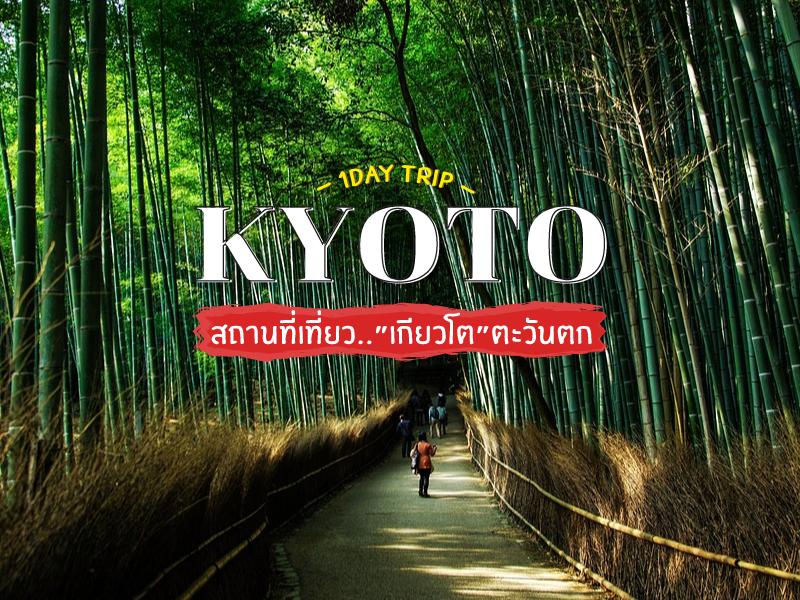 เที่ยวเกียวโต สุดตะวันตก อาราชิยาม่า Arashiyama จะให้ดีต้องเที่ยว ฤดูที่ดอกซากุระบาน Golden Week ก่อนสงกรานต์ไม่กี่วัน หรือ ฤดูไม่ไม้เปลี่ยนสี(Autumn) นั่งรถไฟสายสุดคลาสิค Sagano Romantic Train
ห้ามพลาดกับ
สะพานโทเก็ตสิเคียว แวะช็อปปิ้ง ชิม แชะริมแม่น้ำน้ำคัตซุระ (Katsura River) เที่ยววัดมรดกโลก วัดเท็นริวจิ ชมสวนญี่ปุ่น ต่อด้วยเดินชมป่าไผ่ แวะไว้ศาลเจ้าโนโนมิยะ(ในป่าไผ่) ก่อนตบมื้อเย็นอาหาญี่ปุ่นร้อนๆ กับร้านเก๋ๆริมทาง ก่อนนั่งรถไฟกลับ JR เกียวโต
เที่ยวเกียวโต สุดตะวันตก อาราชิยาม่า Arashiyama จะให้ดีต้องเที่ยว ฤดูที่ดอกซากุระบาน Golden Week ก่อนสงกรานต์ไม่กี่วัน หรือ ฤดูไม่ไม้เปลี่ยนสี(Autumn) นั่งรถไฟสายสุดคลาสิค Sagano Romantic Train
ห้ามพลาดกับ
สะพานโทเก็ตสิเคียว แวะช็อปปิ้ง ชิม แชะริมแม่น้ำน้ำคัตซุระ (Katsura River) เที่ยววัดมรดกโลก วัดเท็นริวจิ ชมสวนญี่ปุ่น ต่อด้วยเดินชมป่าไผ่ แวะไว้ศาลเจ้าโนโนมิยะ(ในป่าไผ่) ก่อนตบมื้อเย็นอาหาญี่ปุ่นร้อนๆ กับร้านเก๋ๆริมทาง ก่อนนั่งรถไฟกลับ JR เกียวโต
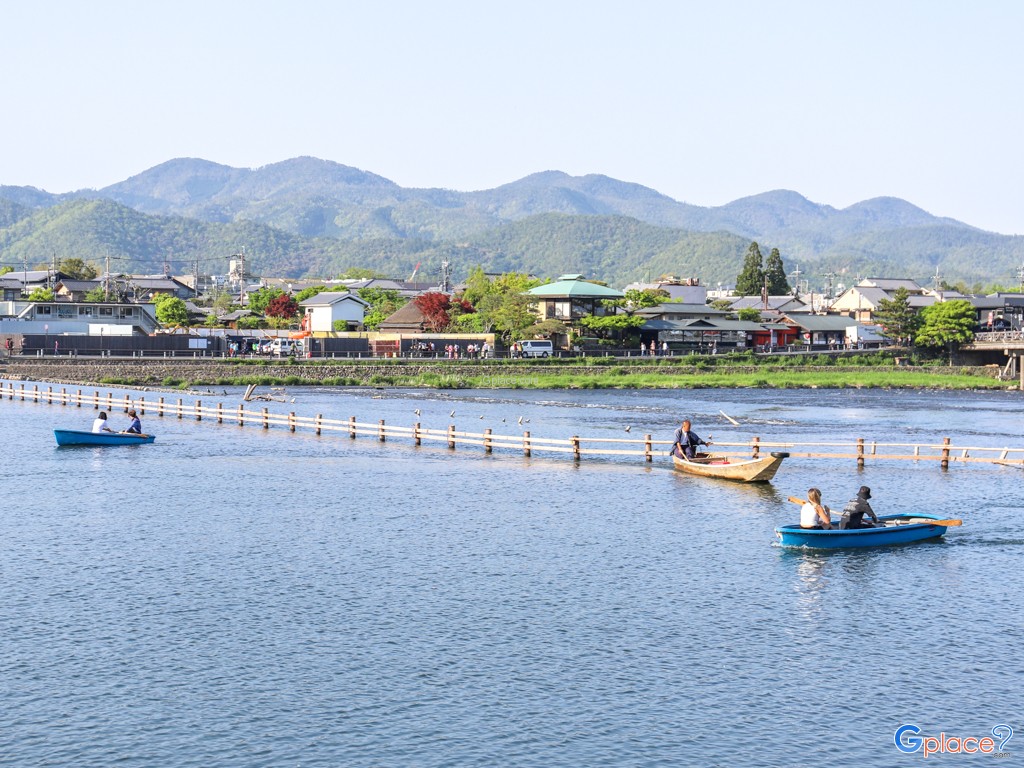
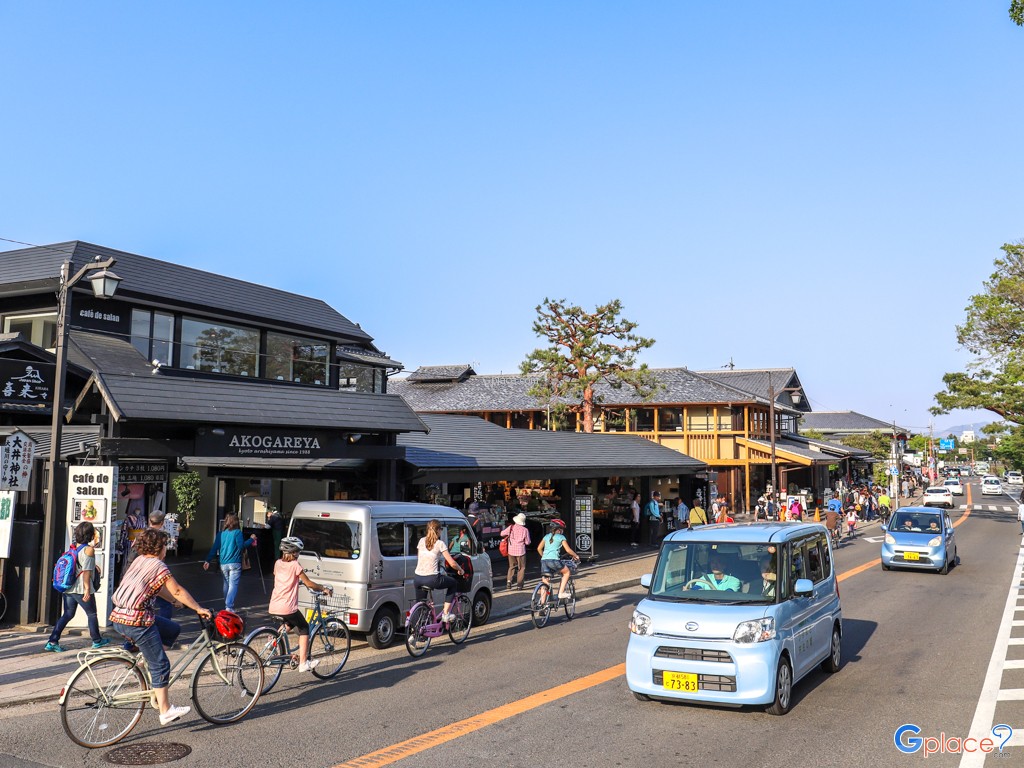
Arashiyama sits along the gentle flow of the Oi River, framed by low forested mountains that transform dramatically with the seasons—soft pink cherry blossoms in spring, lush green bamboo in summer, fiery red and gold foliage in autumn, and a quiet, poetic stillness in winter. The setting feels almost painterly, as if carefully composed by a master artist.
The district’s most iconic at...
read more
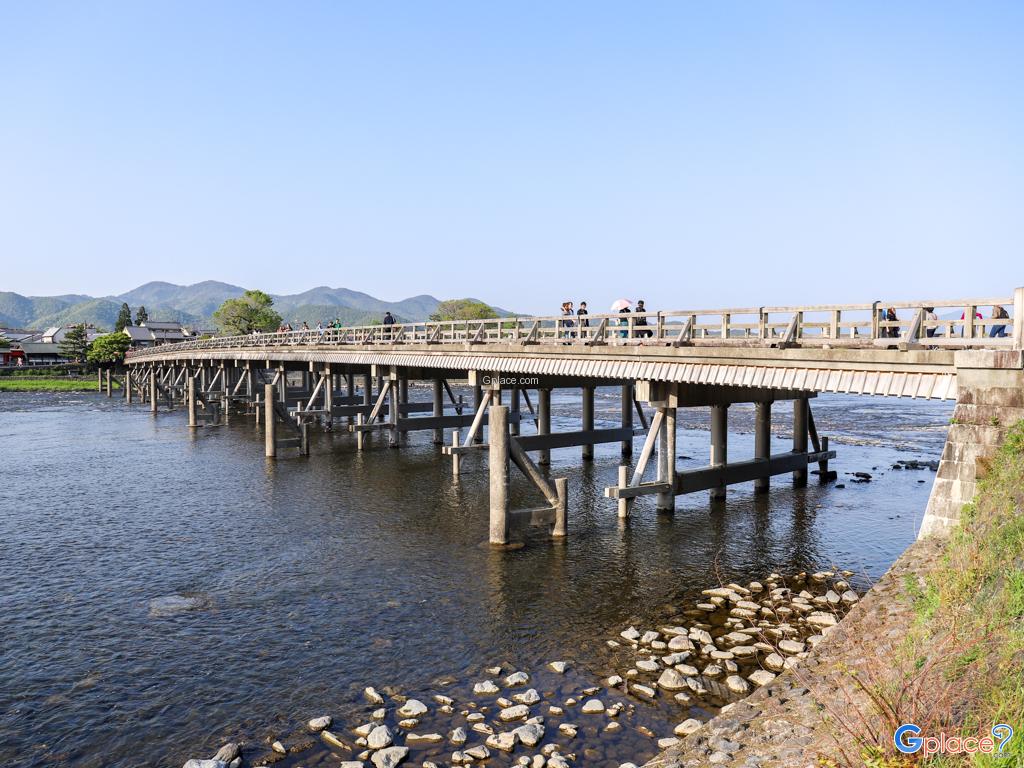
Togetsukyo Bridge, often called the “Moon-Crossing Bridge,” has served as the visual and cultural centerpiece of Arashiyama for centuries. Originally constructed in 836, the bridge gained its poetic name during the Kamakura Period (1185–1333), when Emperor Kameyama remarked that the full moon appeared to glide across the bridge during a moon-viewing boat party.
The present struct...
read more
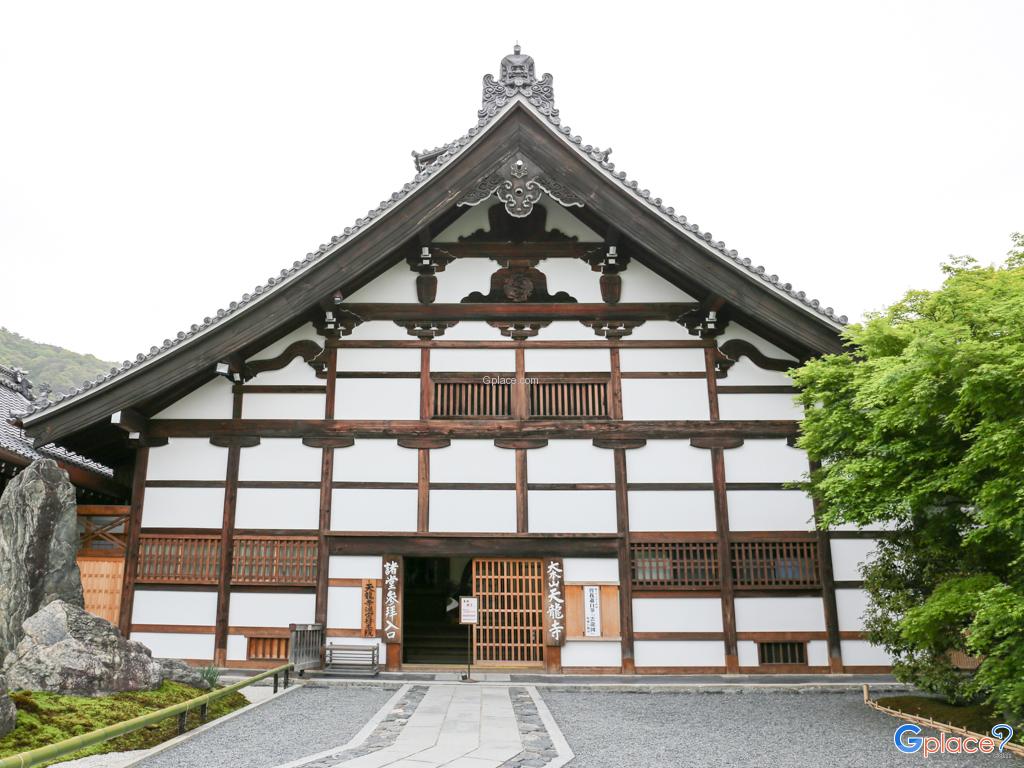
Tenryu-ji Temple is one of the 17 UNESCO World Heritage Sites of Kyoto and holds the prestigious position of Rank No.1 among the Five Great Zen Temples of Kyoto (Kyoto Gozan). The temple was founded in 1339 by Shogun Ashikaga Takauji to appease the spirit of Emperor Go-Daigo, with the renowned Zen master Muso Soseki appointed as its first abbot. Although many of the buildings were lost to fir...
read more
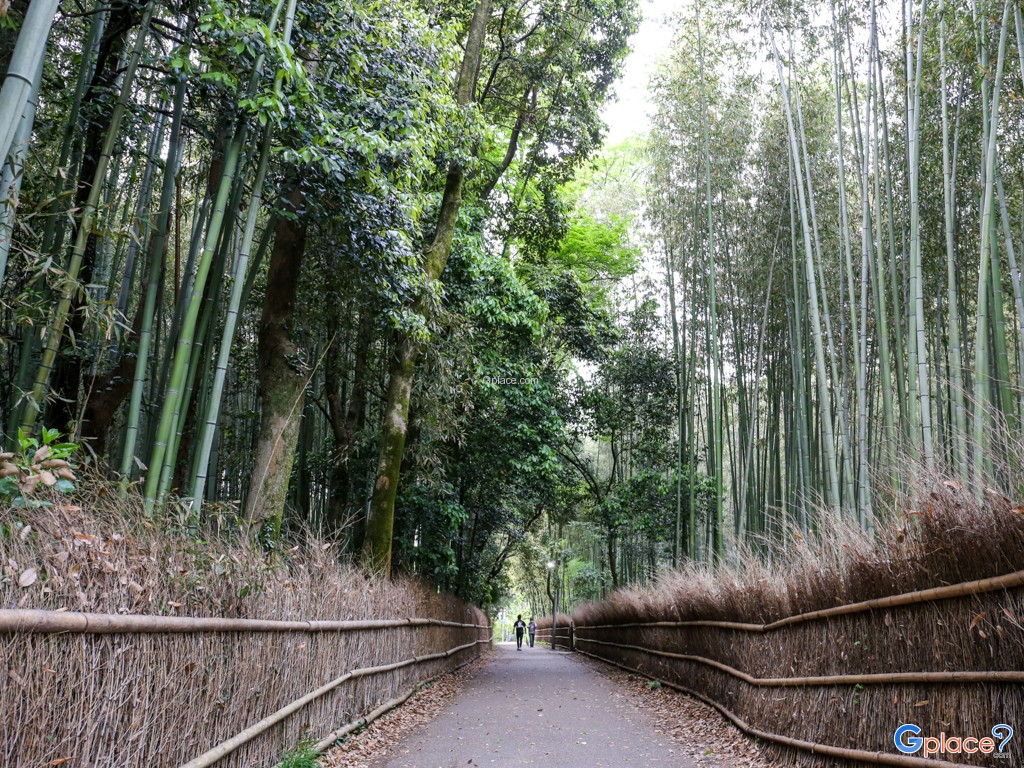
Arashiyama Bamboo Grove is located in western Kyoto, within the historic Arashiyama district, and is regarded as one of Japan’s most famous natural attractions. The grove features a picturesque walking path stretching over 400 meters, flanked by dense, towering bamboo that forms a natural corridor of light and shadow. The gentle sound of wind passing through the bamboo has been certified by ...
read more
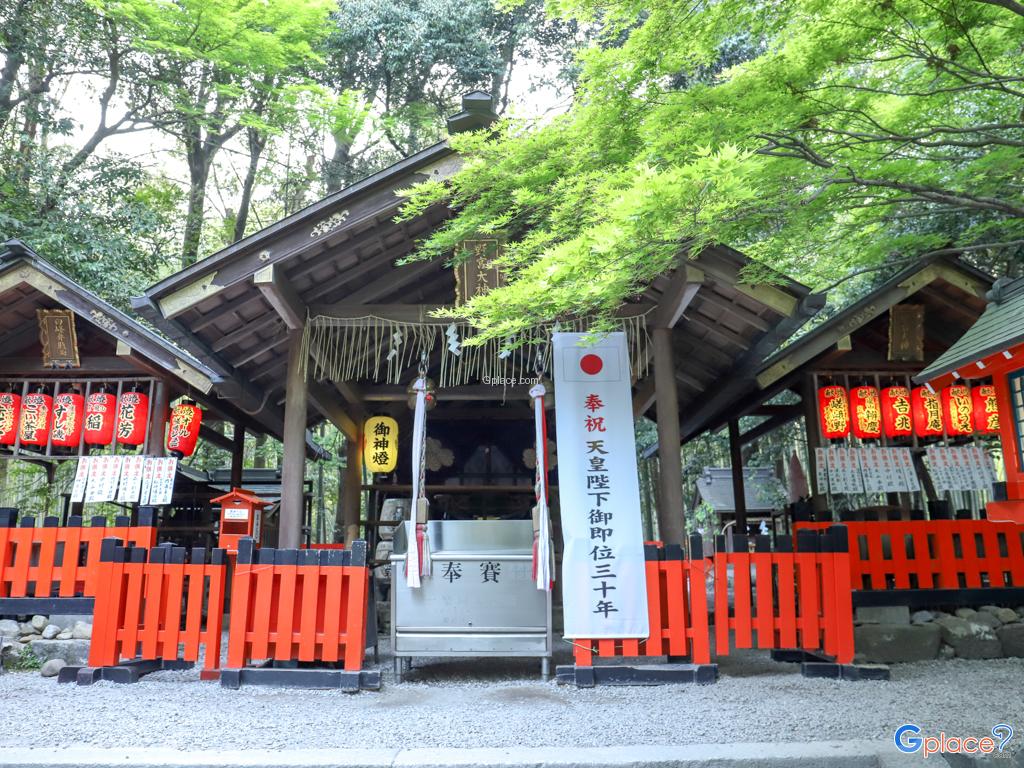
Nonomiya Jinja, meaning “Shrine in the Fields,” occupies a unique position in Japanese religious, imperial, and literary history. Nestled quietly within the Arashiyama Bamboo Grove, the shrine preserves an atmosphere that evokes the refined spirituality of the Heian period.
1. Imperial History & the Saiō
During the Heian period, Nonomiya served as a sacred purification retreat for ...
read more
กำลังเป็นที่นิยม

10 Kanchanaburi Spots When the Rain Softly Falls
Kanchanaburi when the rain softly falls is a beautiful moment between the end of..

Koh Larn Aerial Views by Drone
Starting from Naban Pier, then looping north to Ta Yai Beach → Th..
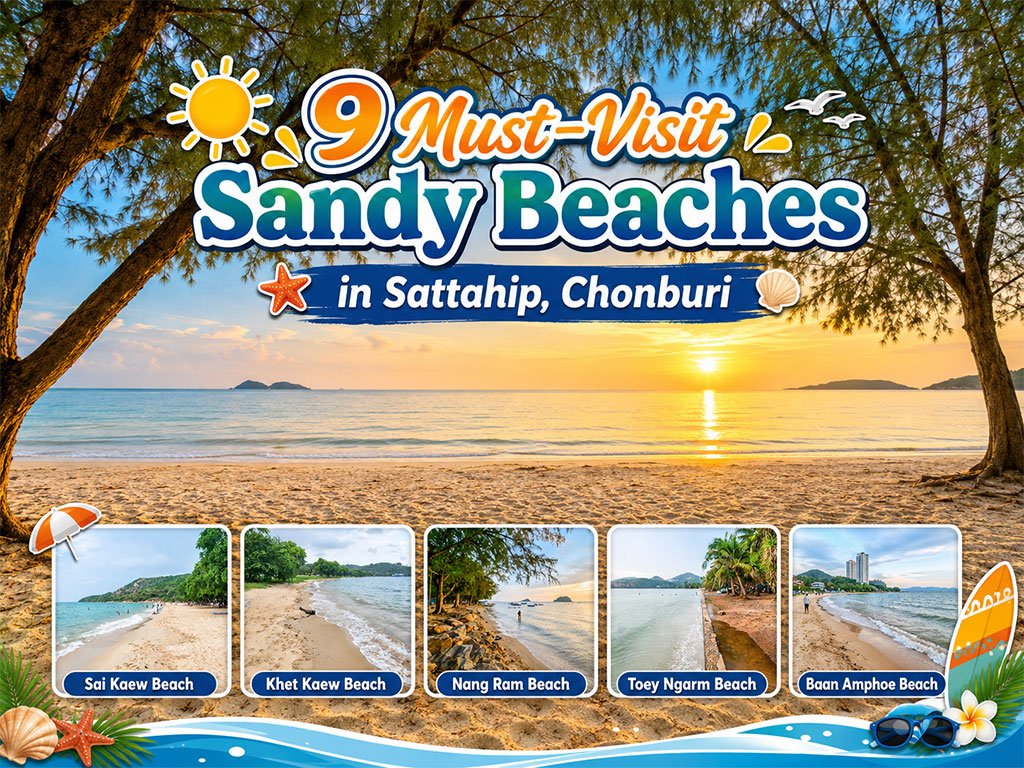
Attractive Beaches in Sattahip, Chonburi
For those looking to escape the hustle and bustle of Pattaya and experience calm..
10 Thai Costume Spots to Go Back in Time
Wearing traditional Thai costume and taking photos at beautiful places is more t..
Recommend trips
- Koh Larn Aerial Views by Drone
- 10 Kanchanaburi Spots When the Rain Softly Falls
- The Four Holy Pilgrimage Sites
- Dream Destinations in Switzerland
- Pilgrimage to the Sacred Sites
- Trip to Bhutan
- 10 Sacred Buddhist Sites Thai Temples in India–Nep
- Top Paris Check-in Spots
- Attractive Beaches in Sattahip, Chonburi
- 10 Thai Costume Spots to Go Back in Time
- Must-Visit Check-in Spots in London
- 10 Must-Visit Spots Along the Chao Phraya River, B
- 8 World Heritage Sites of Thailand
- The Ultimate Ancient Villages in Japan
- Thailand’s Sandbar Wonders
- 10 Best Shopping Destinations in Bangkok
- 10 Must-Visit Places in Waterford
- Top 10 Must-Visit Spots in Pattaya
- 10 Must-Check-In Spots in Ireland
- Thailand Nature Trails