 Attractions
  Hotel
Hotel  Restaurant
  Shopping
  Abroad





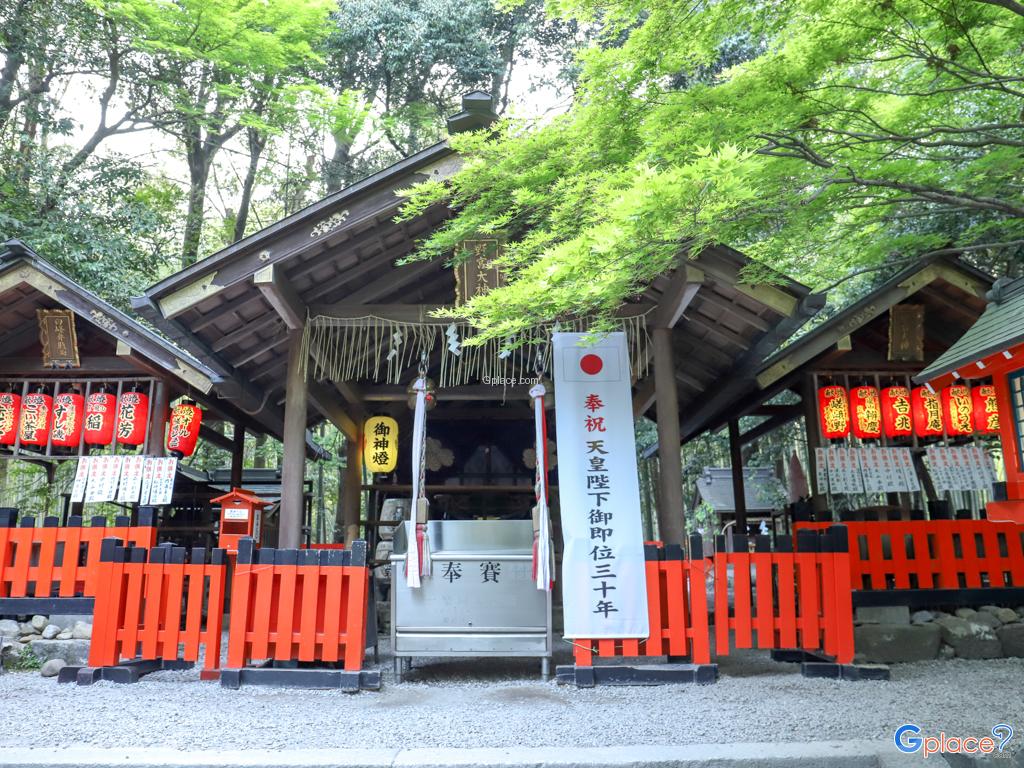

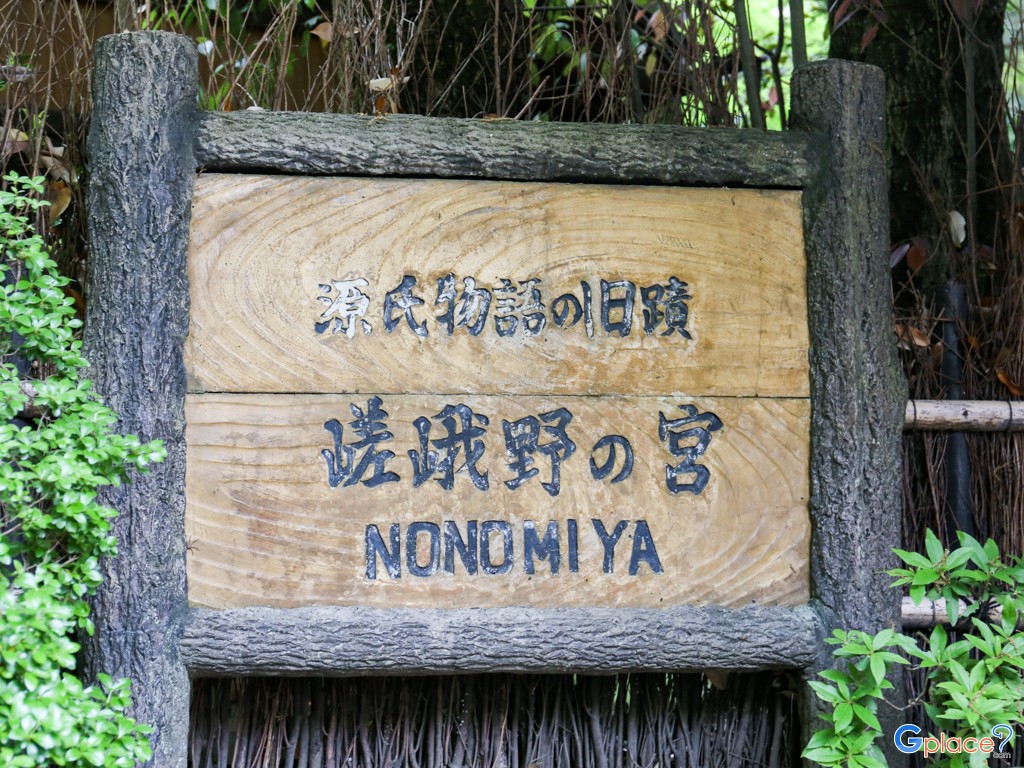

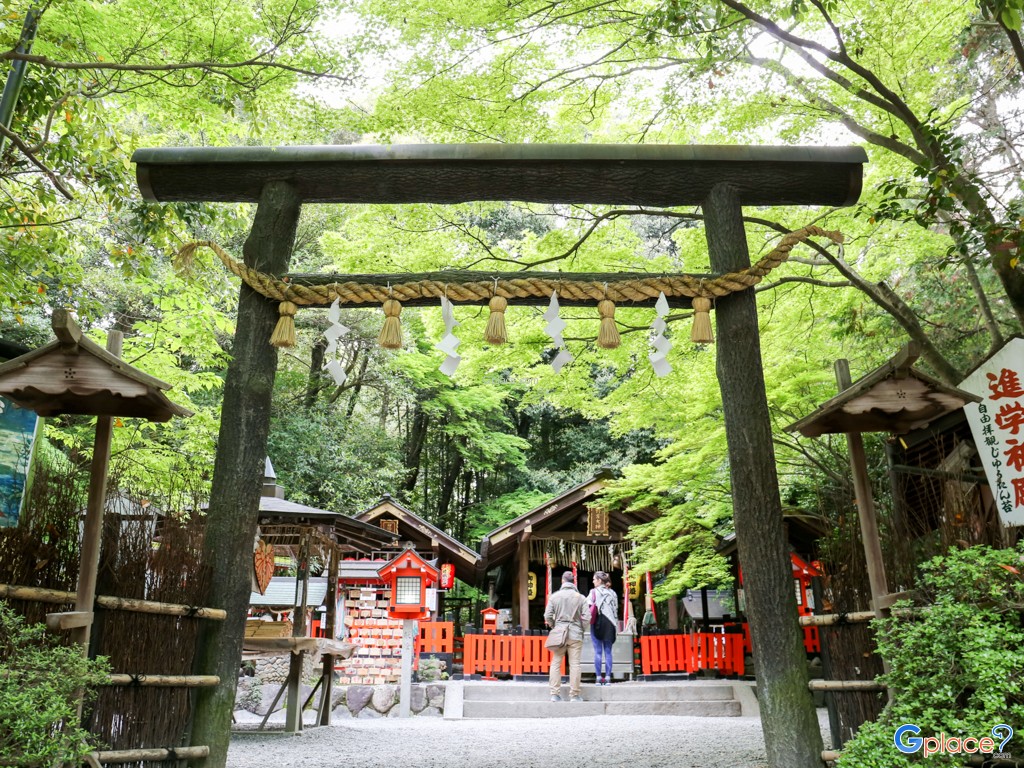
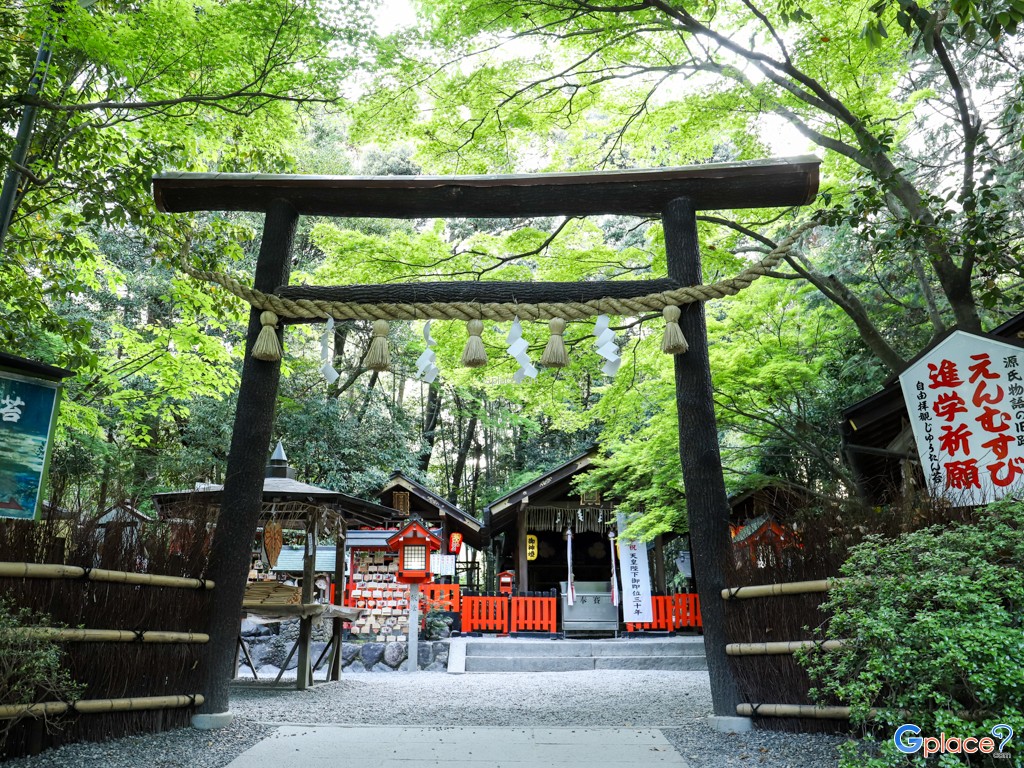
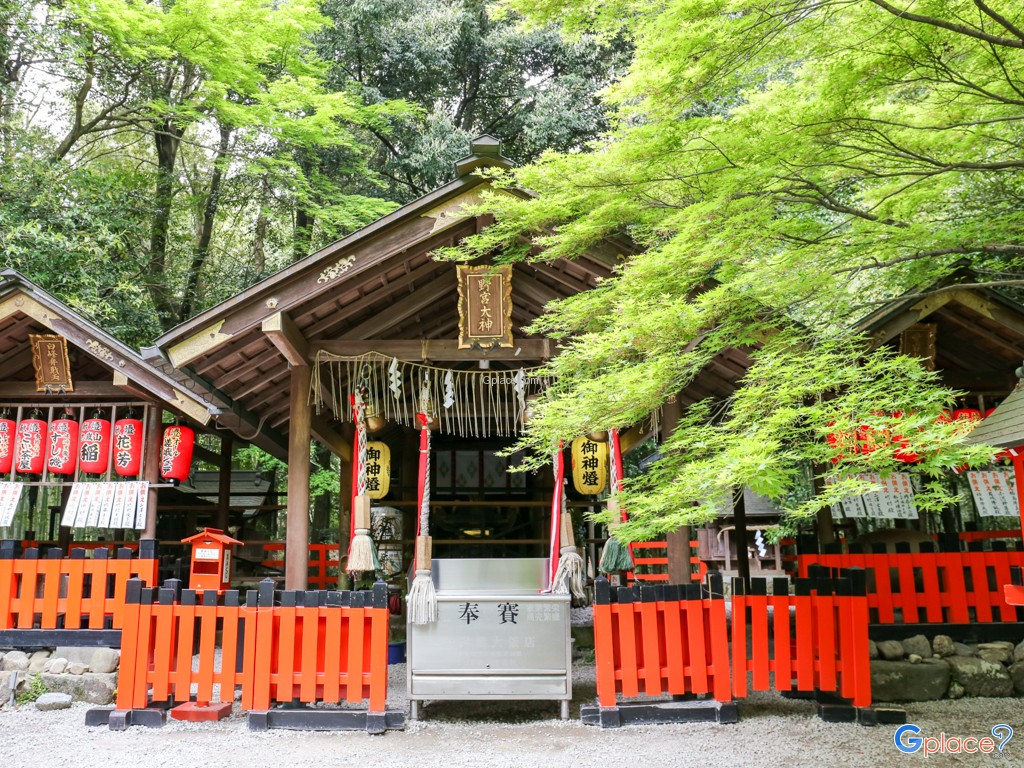
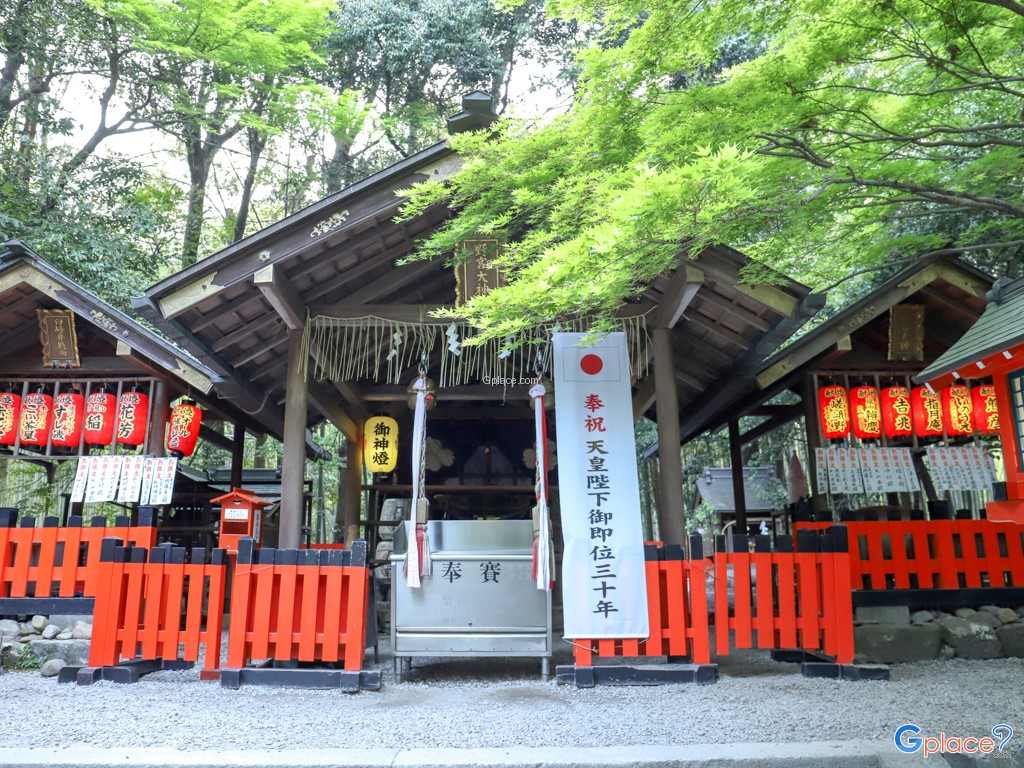
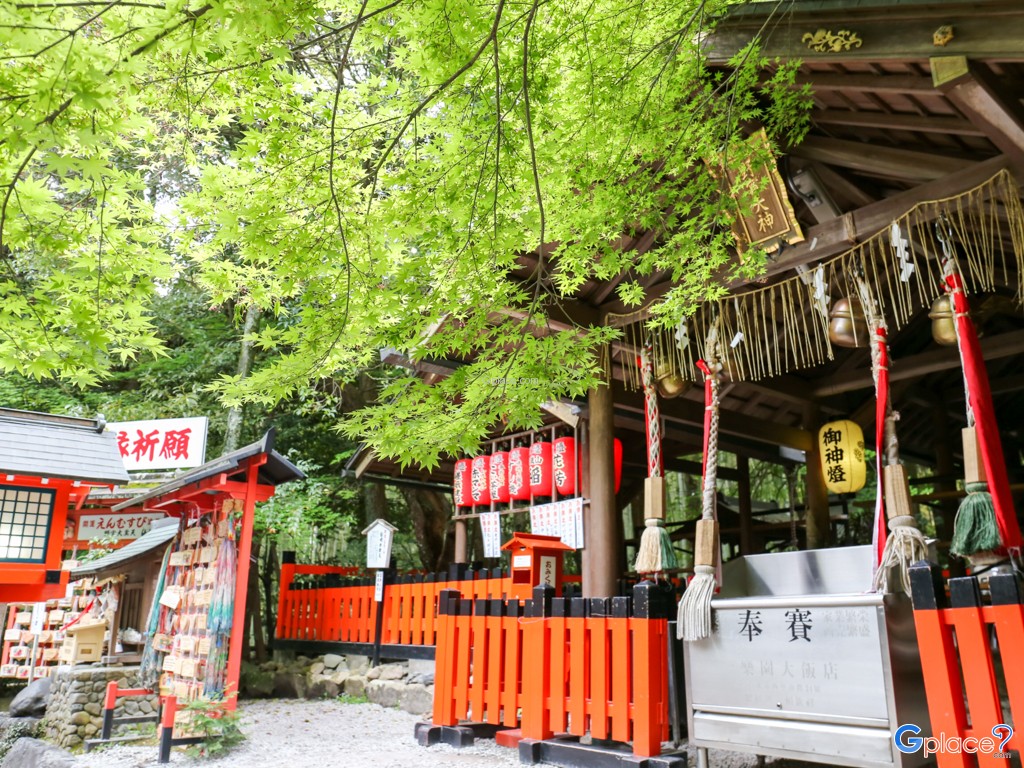
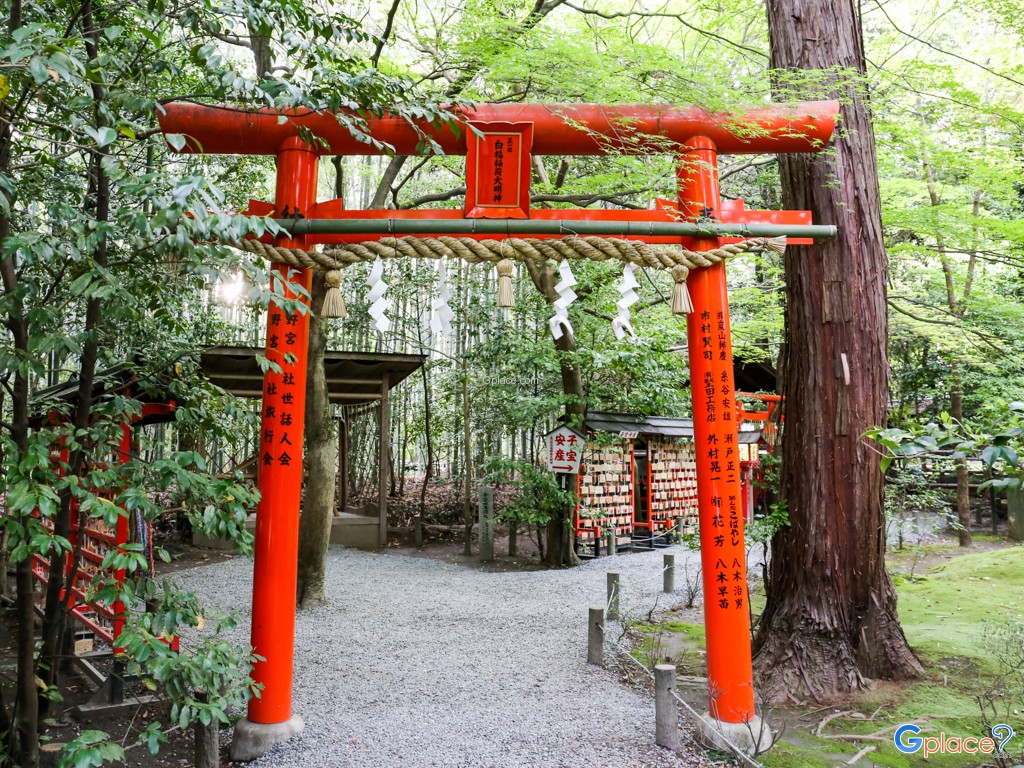
“An ancient imperial purification shrine distinguished by Japan’s oldest black torii gate, a traditional brushwood fence, and deep literary connections to The Tale of Genji.”
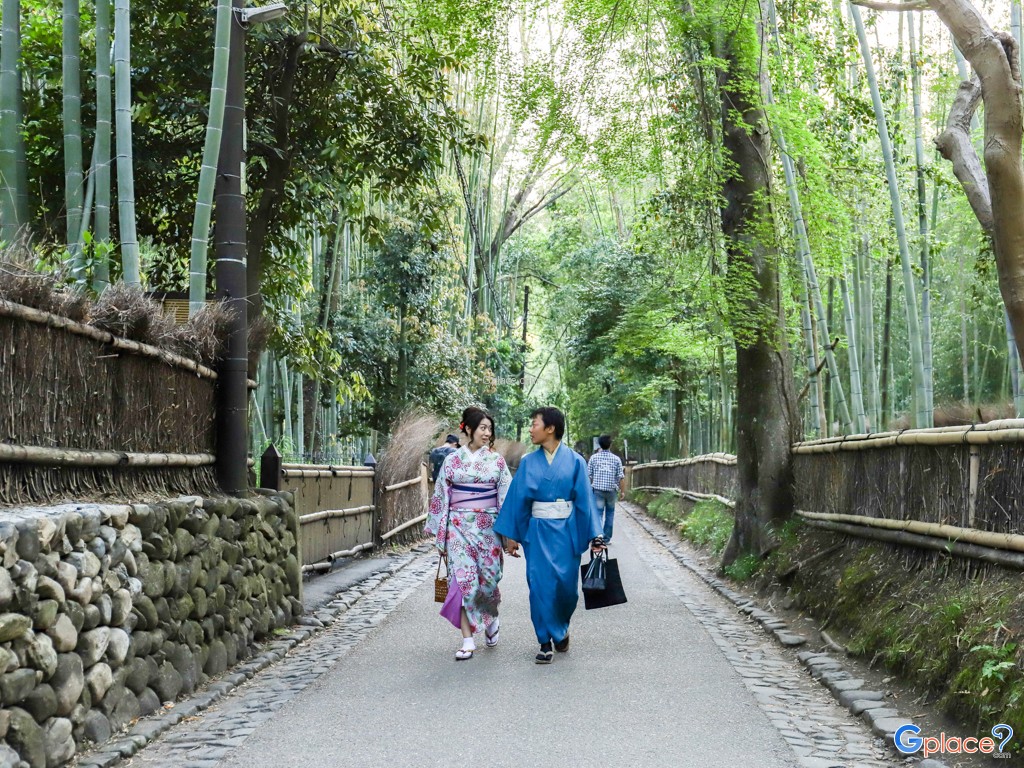
Nonomiya Jinja, meaning “Shrine in the Fields,” occupies a unique position in Japanese religious, imperial, and literary history. Nestled quietly within the Arashiyama Bamboo Grove, the shrine preserves an atmosphere that evokes the refined spirituality of the Heian period.
1. Imperial History & the Saiō
During the Heian period, Nonomiya served as a sacred purification retreat for the Saiō—unmarried imperial princesses chosen to become the High Priestess of the Ise Grand Shrine. Before embarking on their formal journey to Ise, these princesses would reside at Nonomiya for a year or more, undergoing strict Shinto purification rituals to prepare for their sacred role.
2. Literary Fame & The Tale of Genji
Nonomiya Jinja is immortalized in Chapter 10 (Sakaki) of The Tale of Genji. It is here that Prince Genji visits Lady Rokujō, who has withdrawn to the shrine with her daughter. Their emotionally restrained farewell epitomizes mono no aware—the poignant awareness of impermanence—and later inspired the famous Noh play “Nonomiya.”
Within the shrine grounds stands a stone literary monument inscribed with a poem from The Tale of Genji, making it a must-see for lovers of classical Japanese literature.
3. Unique Architecture & Gardens
-
Kuroki Torii: A rare black torii gate made from unbarked oak logs, representing one of the most ancient and primitive forms of Shinto gates still in existence.
-
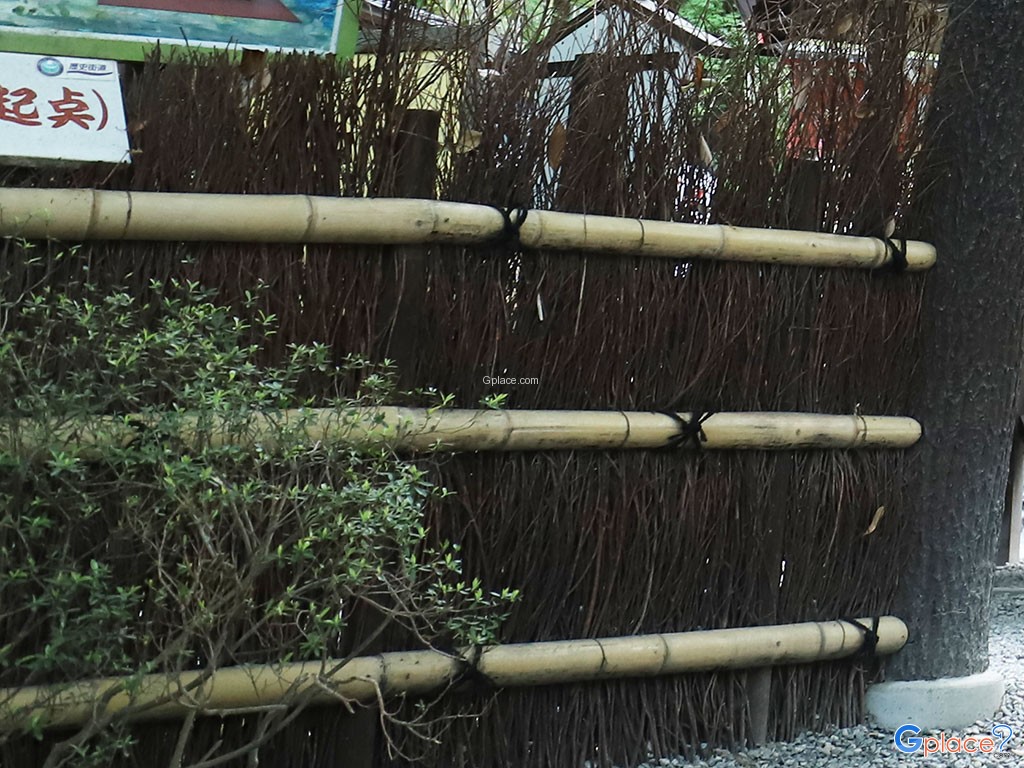
Kuroki-maki (Brushwood Fence): A distinctive fence constructed from sakaki branches, frequently referenced in The Tale of Genji. Together with the torii, it preserves the rustic visual identity of the original “shrine in the fields.”
-
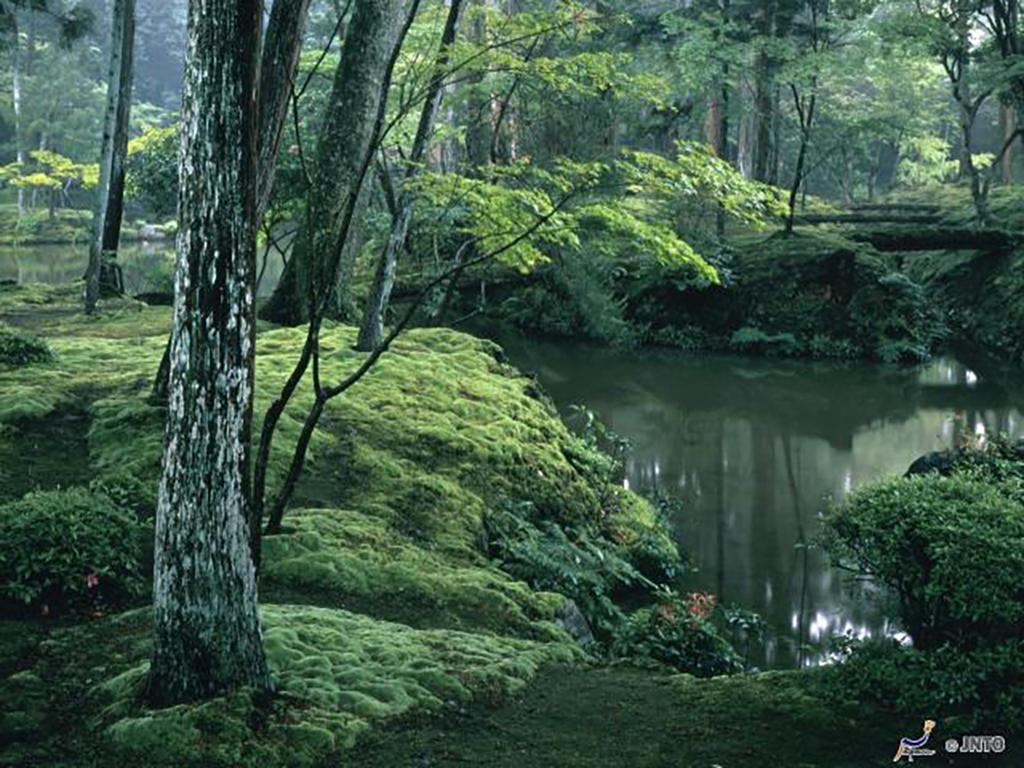
Moss Garden: A meticulously maintained carpet of moss that creates a tranquil, miniature landscape, offering a striking contrast to the soaring bamboo forest beyond.
4. Deities & Spiritual Features
The main enshrined deity is Nonomiya Daigongen (Amaterasu Ōmikami), the sun goddess and ancestral deity of the Imperial Family.
-
Kame-ishi (Turtle Rock): A smooth, turtle-shaped stone believed to grant wishes if rubbed gently; fulfillment is said to occur within one year.
-
Matchmaking Deity: Nonomiya Daikokuten, located near the Turtle Rock, is specifically associated with enmusubi (love and marriage).
-
Other Blessings: The shrine is also known for prayers for safe childbirth—particularly at the Shirafuku Inari Shrine within the grounds—and academic success, attracting many students.
How to Get There
-
JR Sagano Line: Get off at Saga-Arashiyama Station, then walk approximately 10 minutes through the Bamboo Grove.
-
Keifuku (Randen) Line: Get off at Arashiyama Station, then walk 10–15 minutes.
-
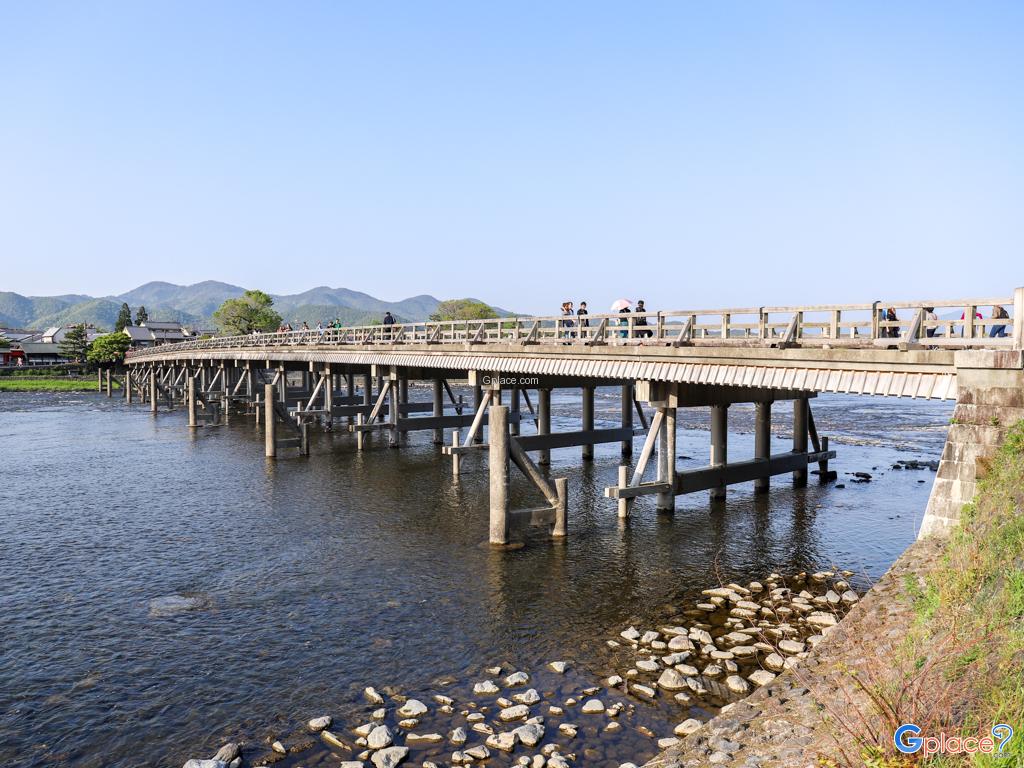
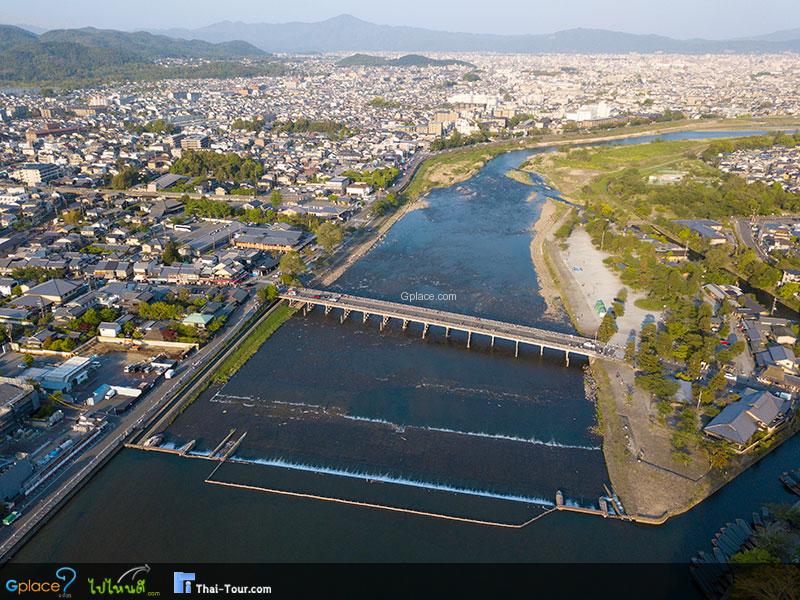
Hankyu Line: Get off at Arashiyama Station, then walk about 20 minutes across Togetsukyo Bridge.
Travel Tips
-
Timing: Visit before 9:30 AM to avoid heavy crowds, as the shrine lies directly along the Bamboo Grove’s main path.
-
Festival Highlight: In October, try to visit during the Saigū Gyōretsu Festival (third Sunday of the month), featuring a stunning Heian-period procession reenacting the imperial purification journey.
-
Photography: The contrast between the black torii, brushwood fence, and vibrant green bamboo is one of Kyoto’s most iconic photo compositions.
Admission Fee:
- Free
Opening Time:
- Daily: 9:00 AM – 5:00 PM (Last entry: 4:30 PM)
Nonomiya Jinja

 Share
Share
 1 Sagatenryuji Tateishicho, Ukyo Ward, Kyoto, 616-8375 Japan
Map
1 Sagatenryuji Tateishicho, Ukyo Ward, Kyoto, 616-8375 Japan
Map
 Closed today
Mon8.30 - 17.00
Tue8.30 - 17.00
Wed8.30 - 17.00
Thu8.30 - 17.00
Fri8.30 - 17.00
Sat8.30 - 17.00
Sun8.30 - 17.00



 147
147