 Attractions
  Hotel
Hotel  Restaurant
  Shopping
  Abroad





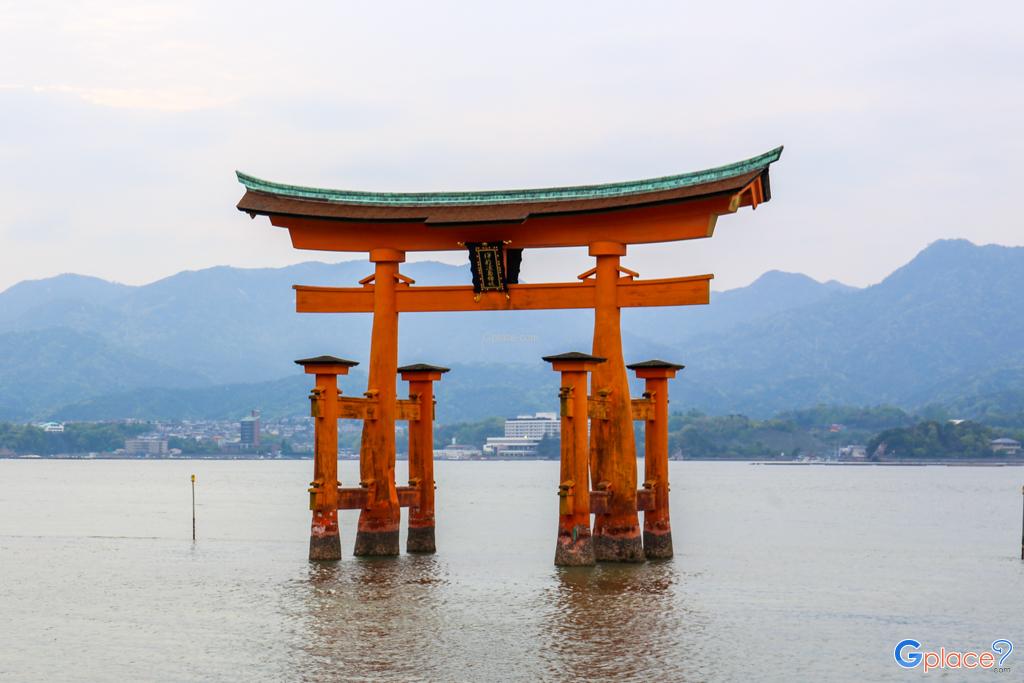

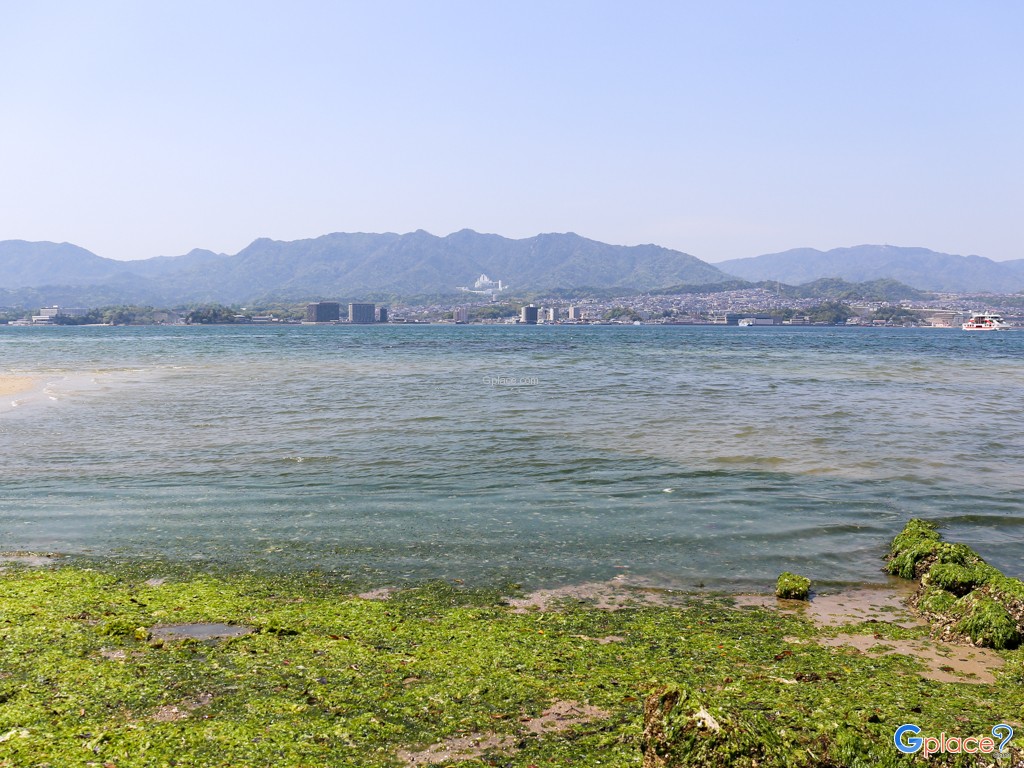
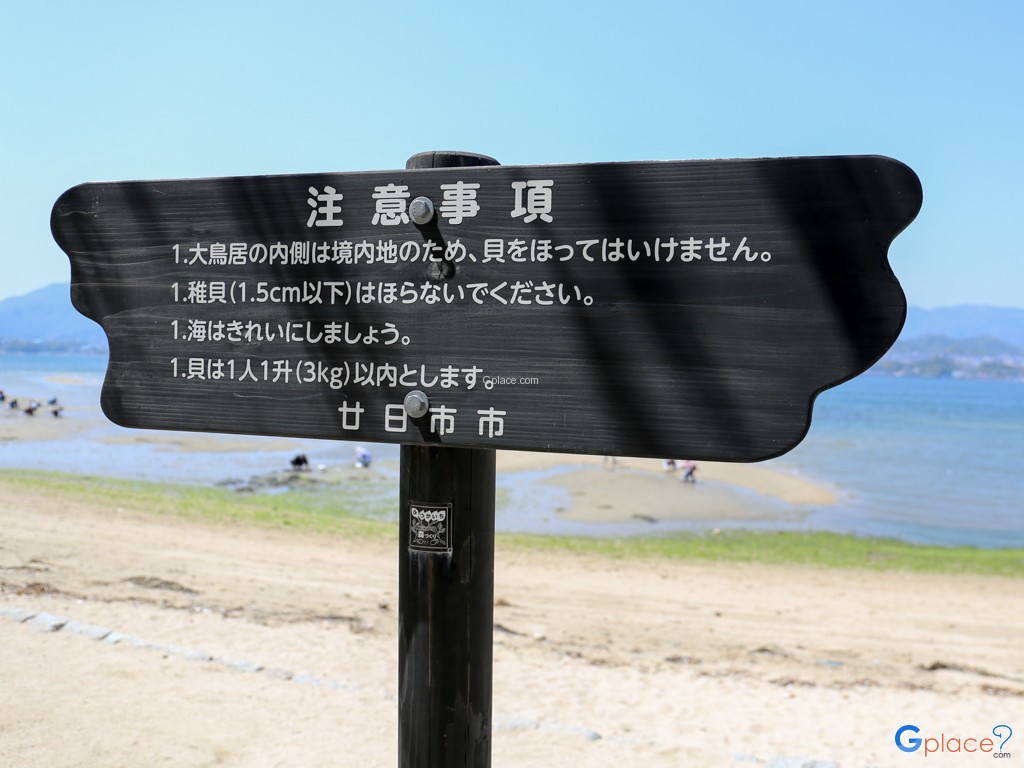
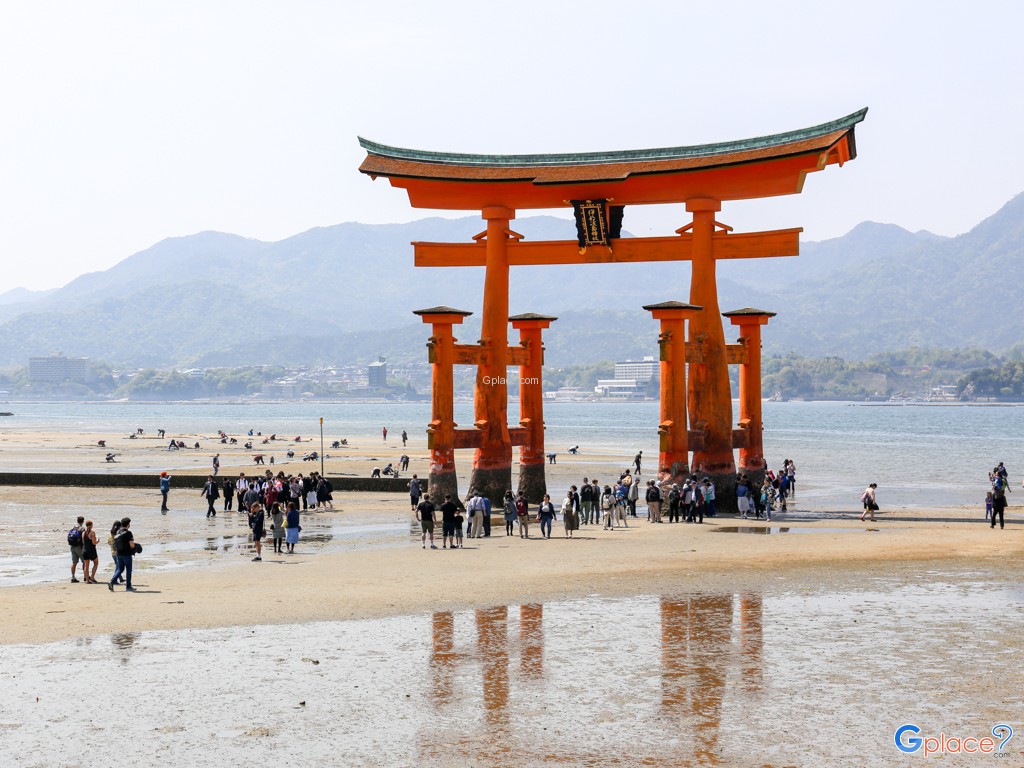
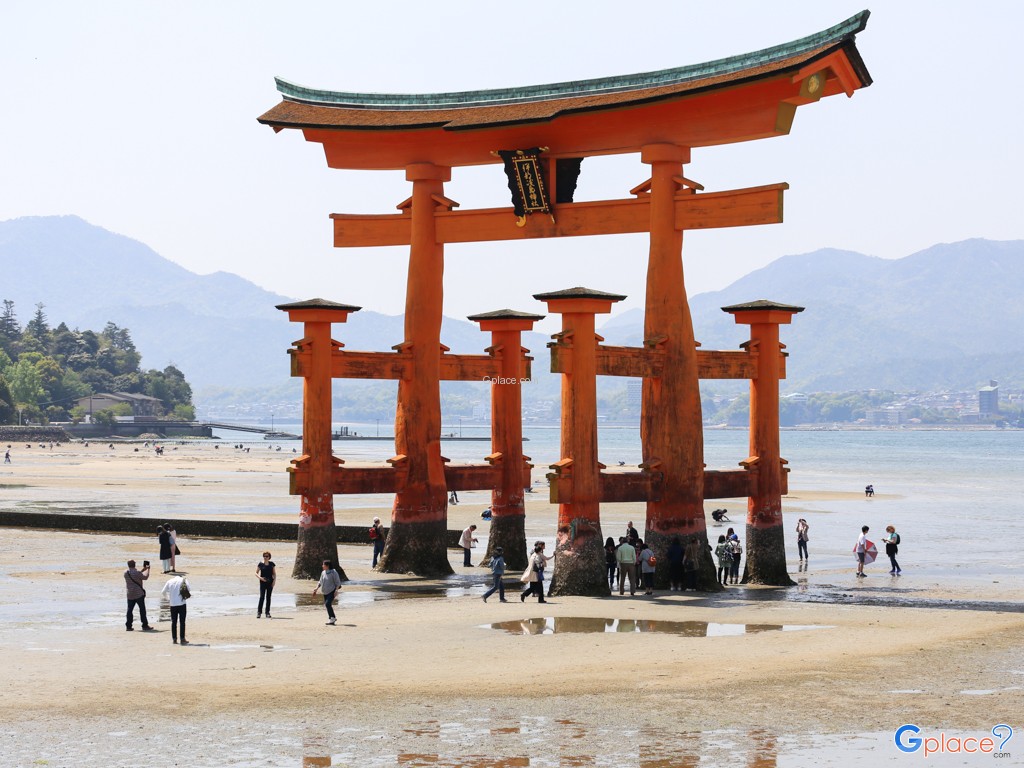
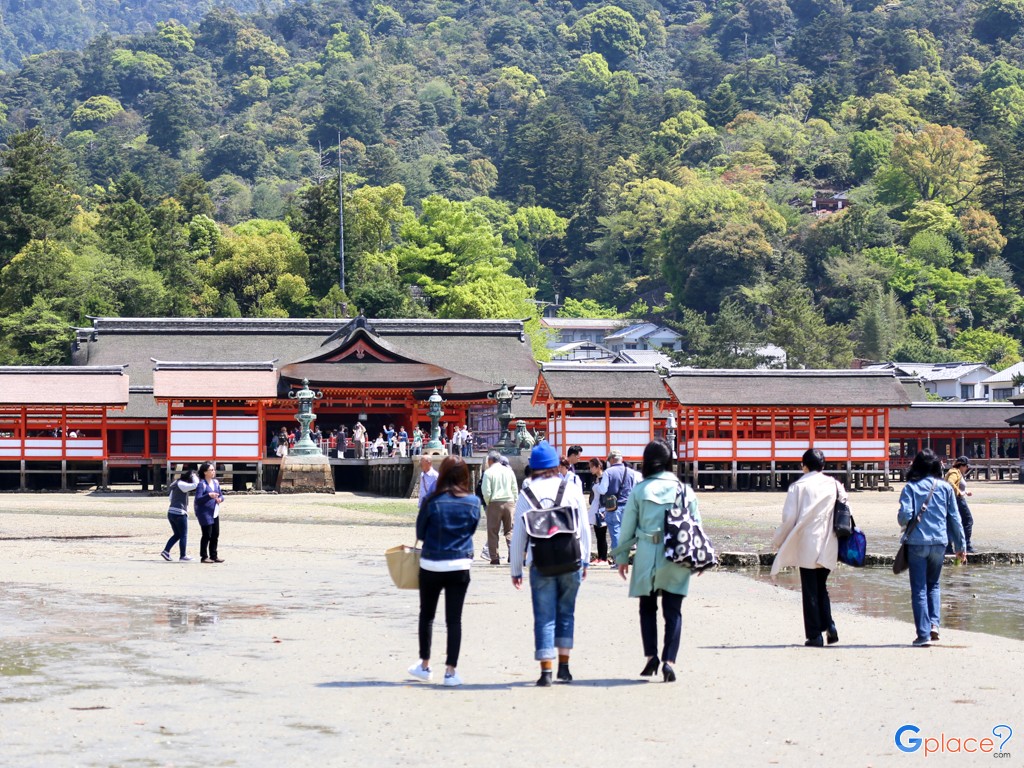
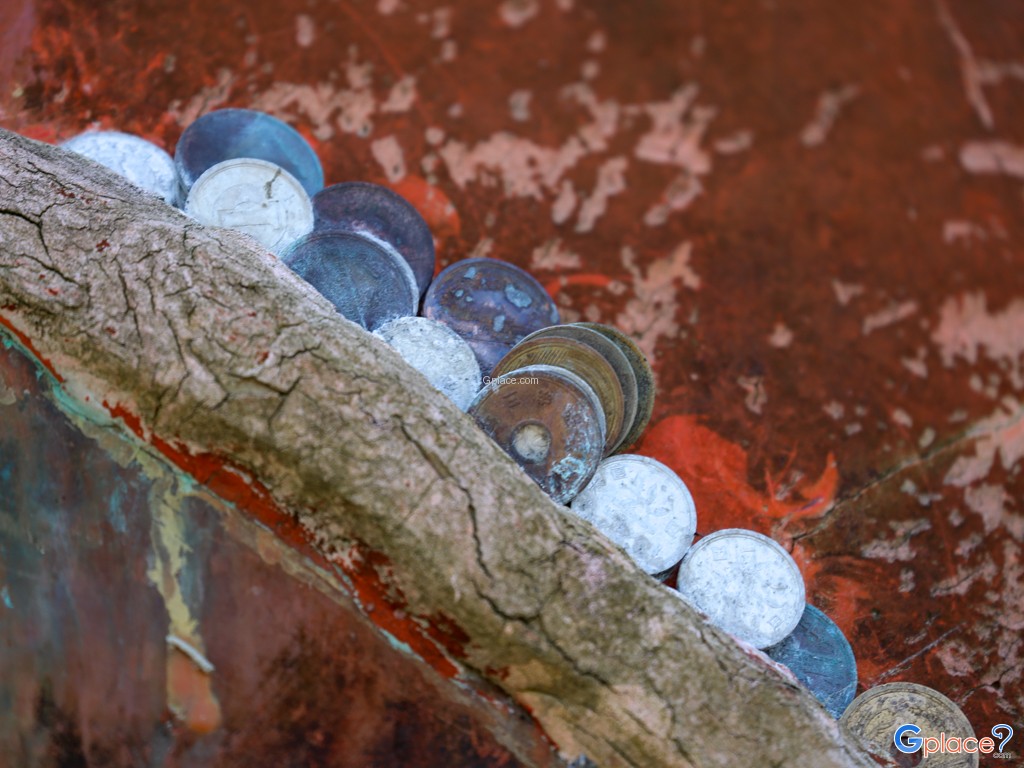
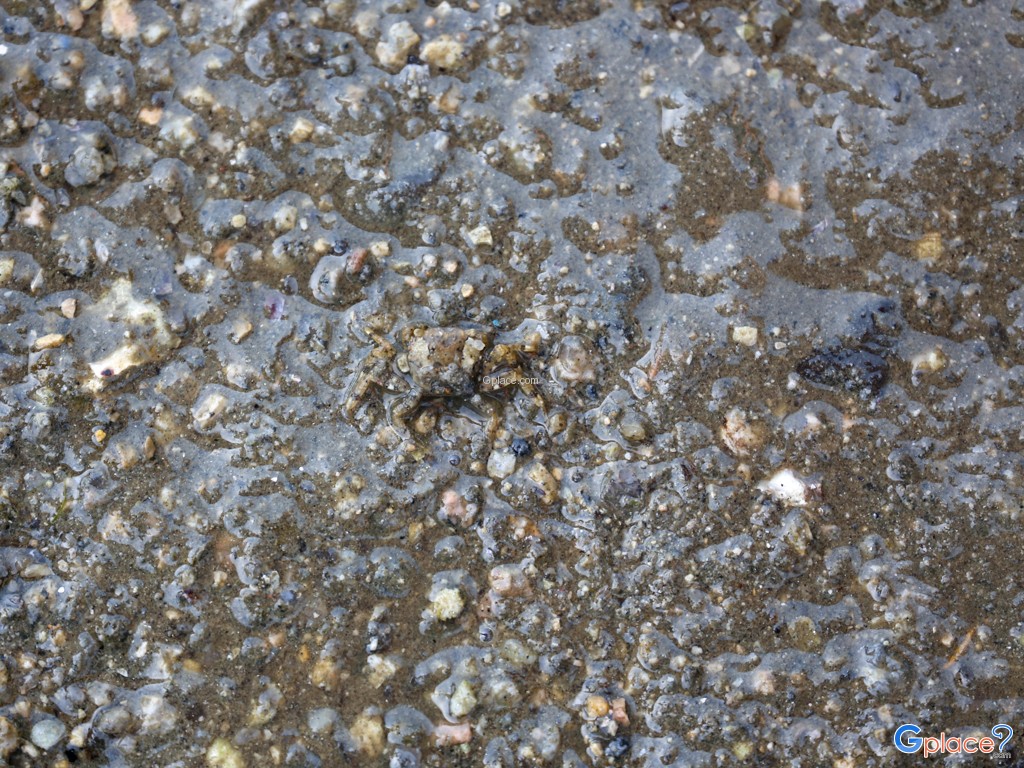
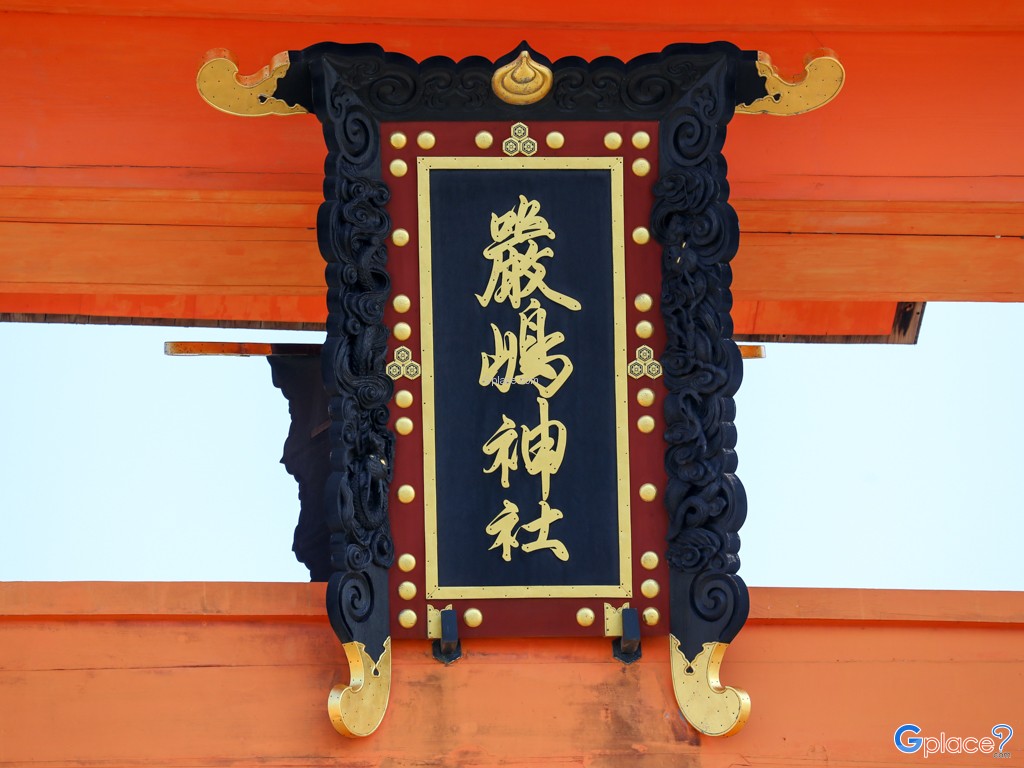
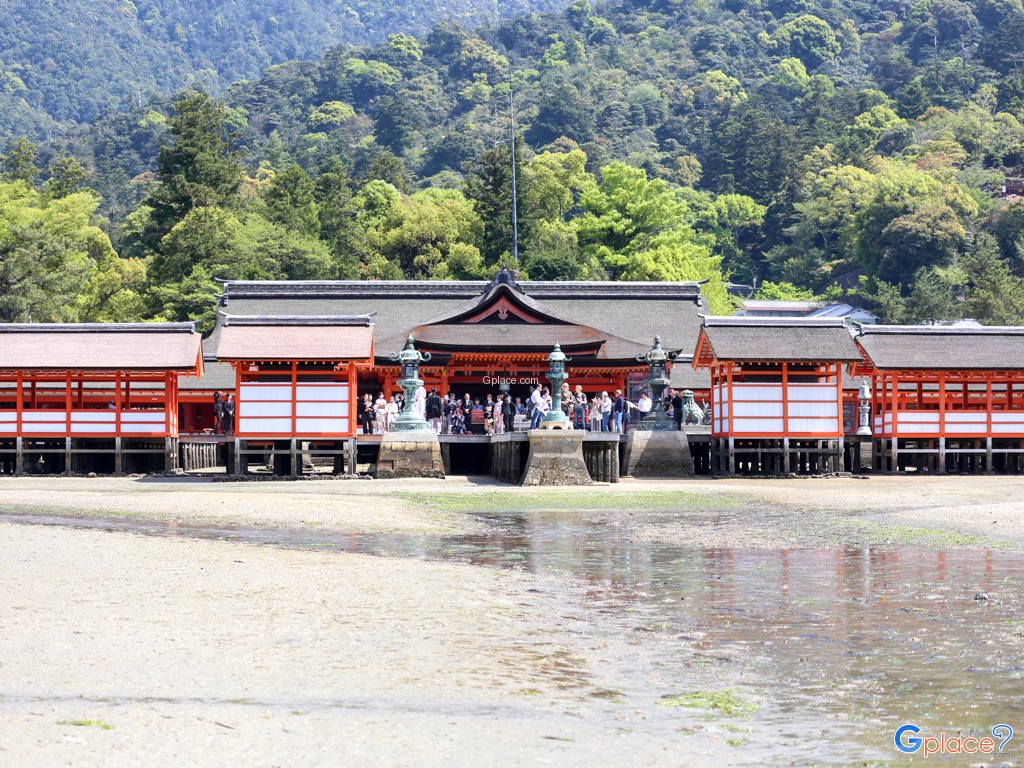
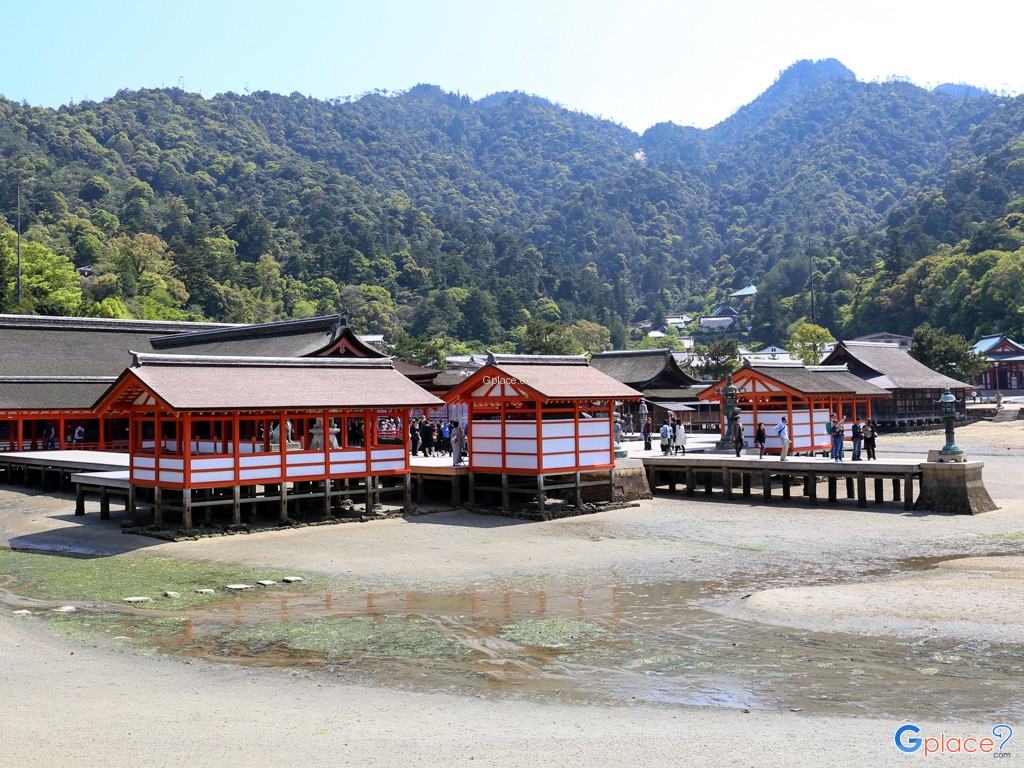

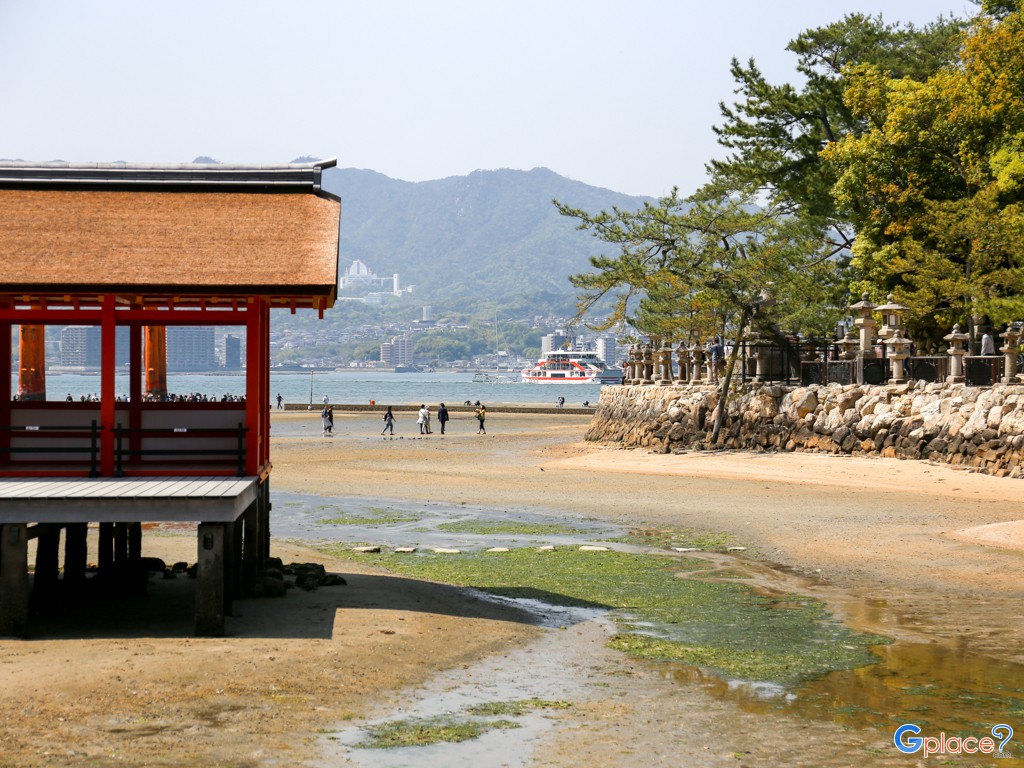
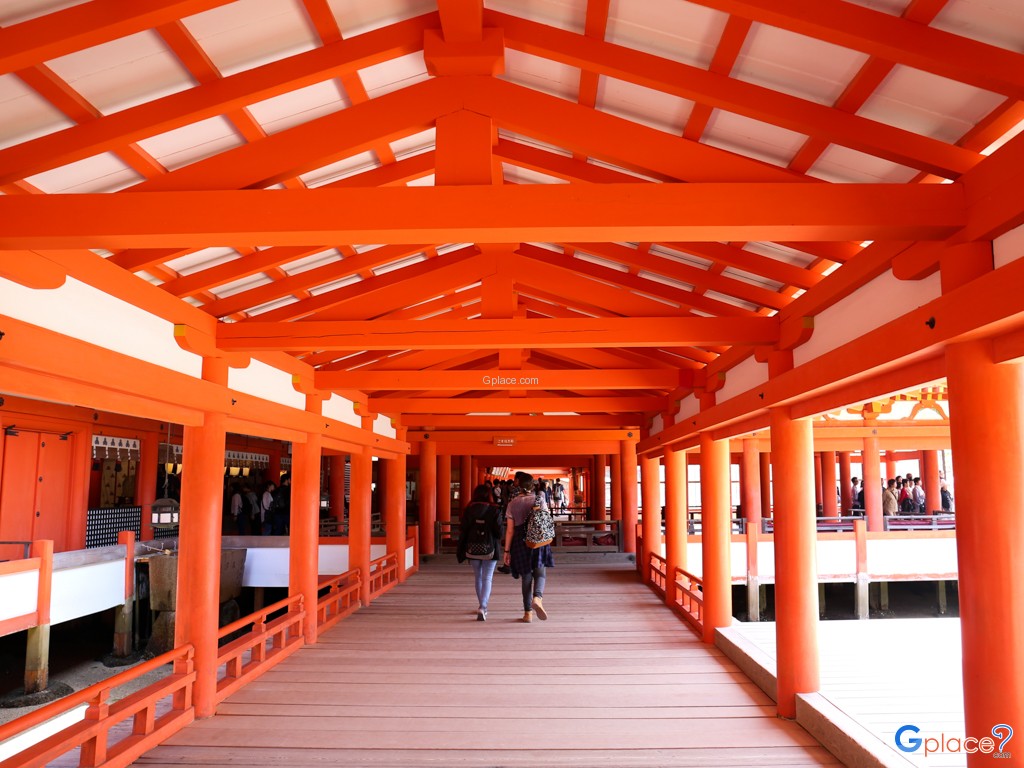
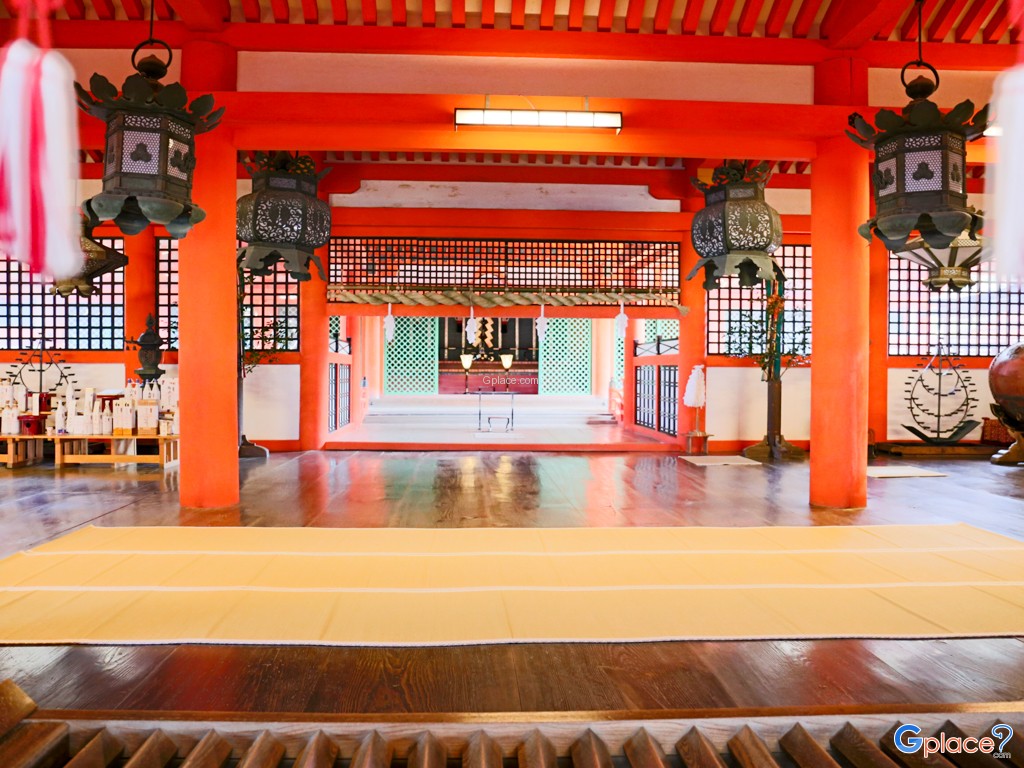
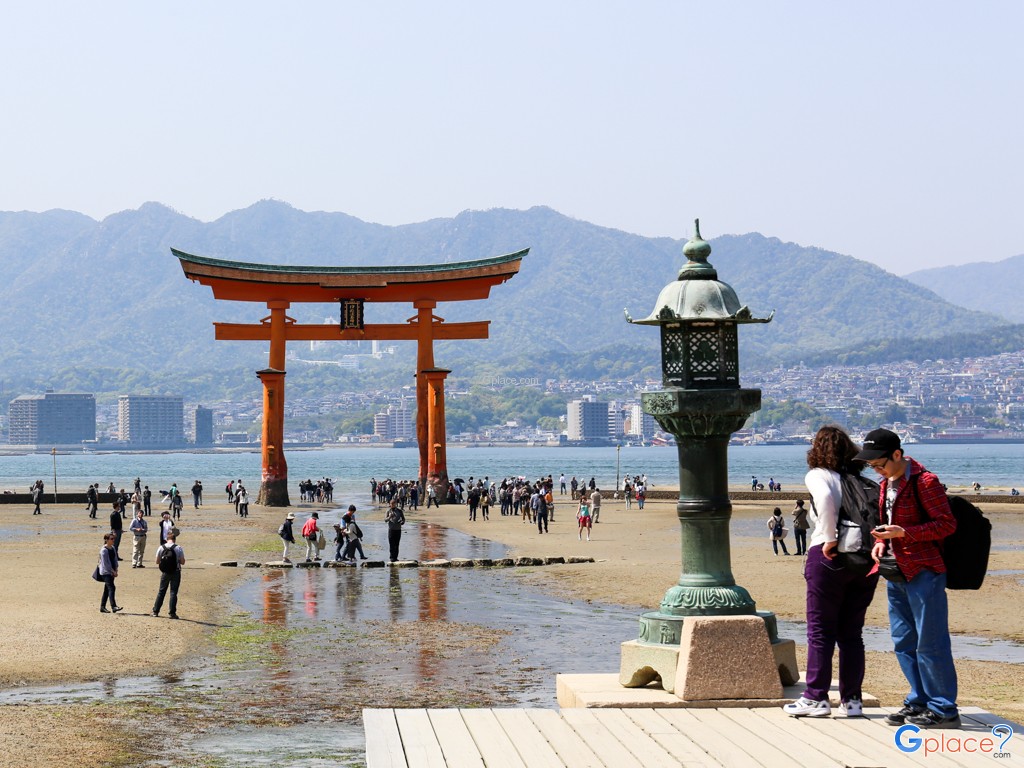
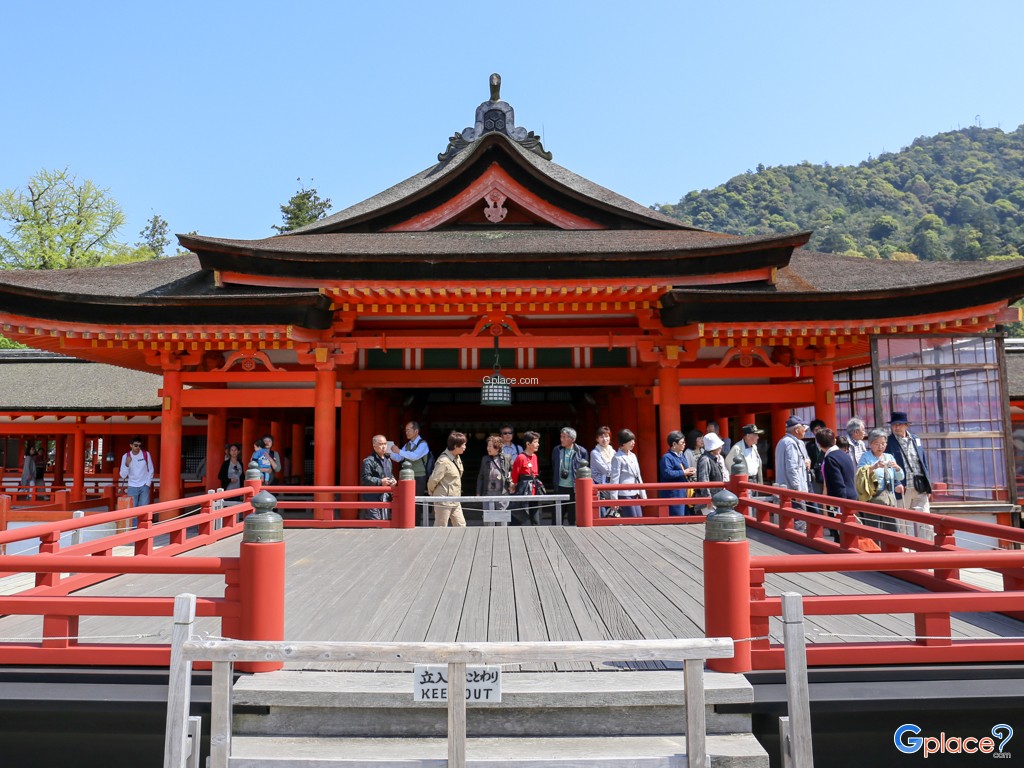
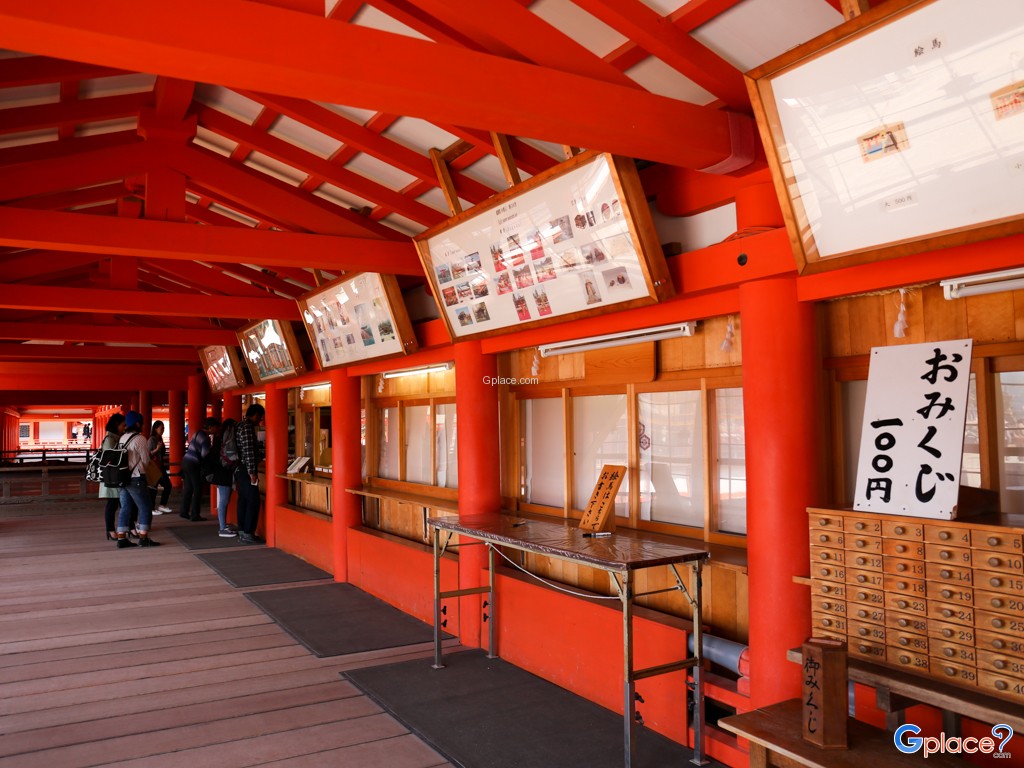
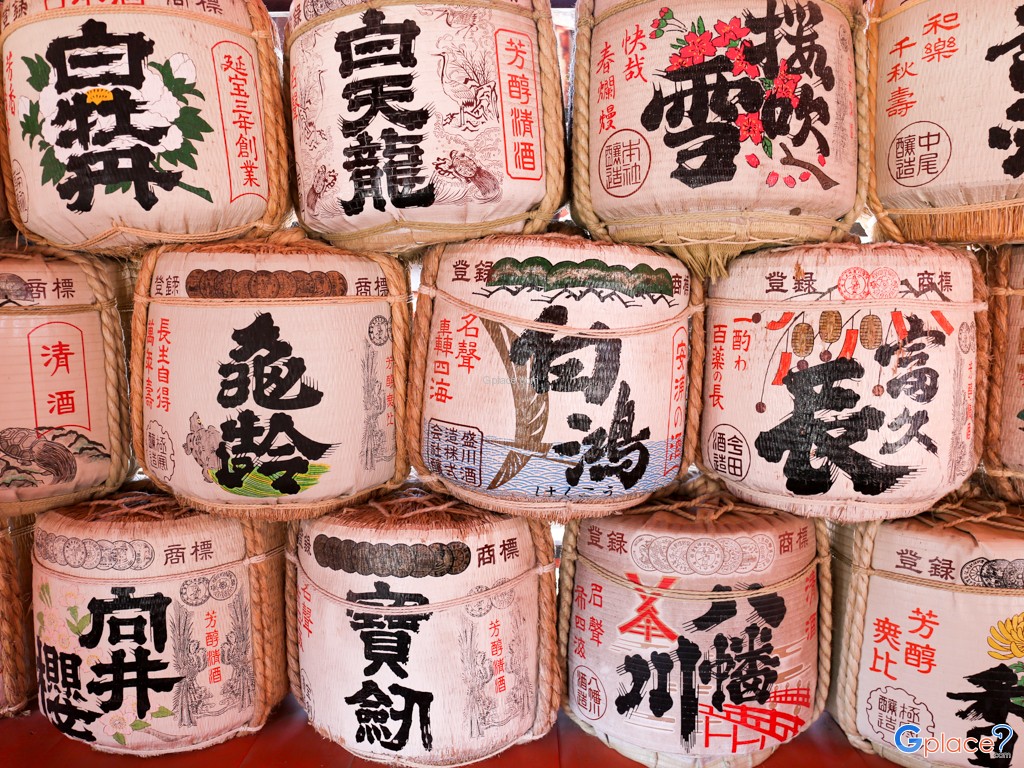
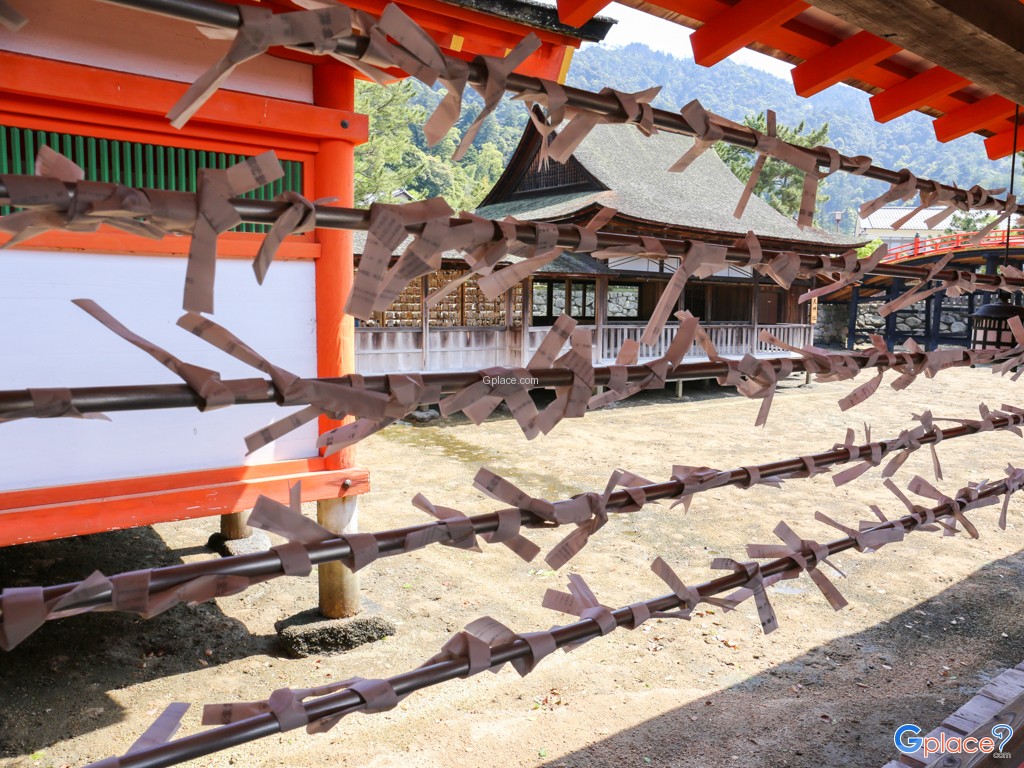
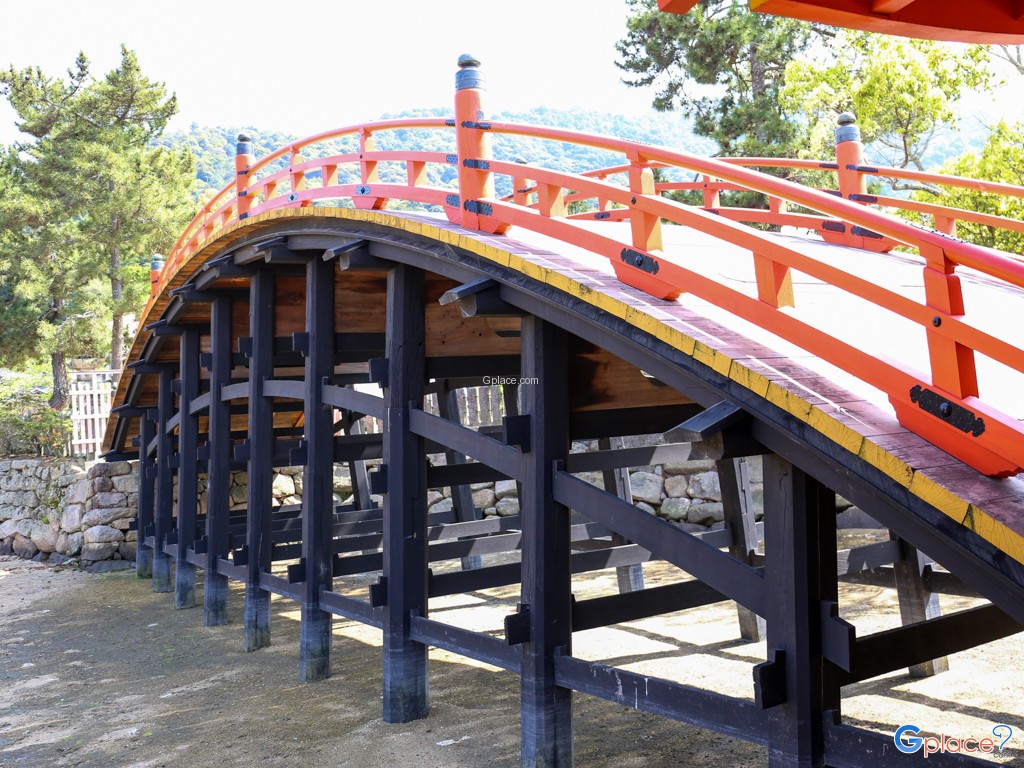
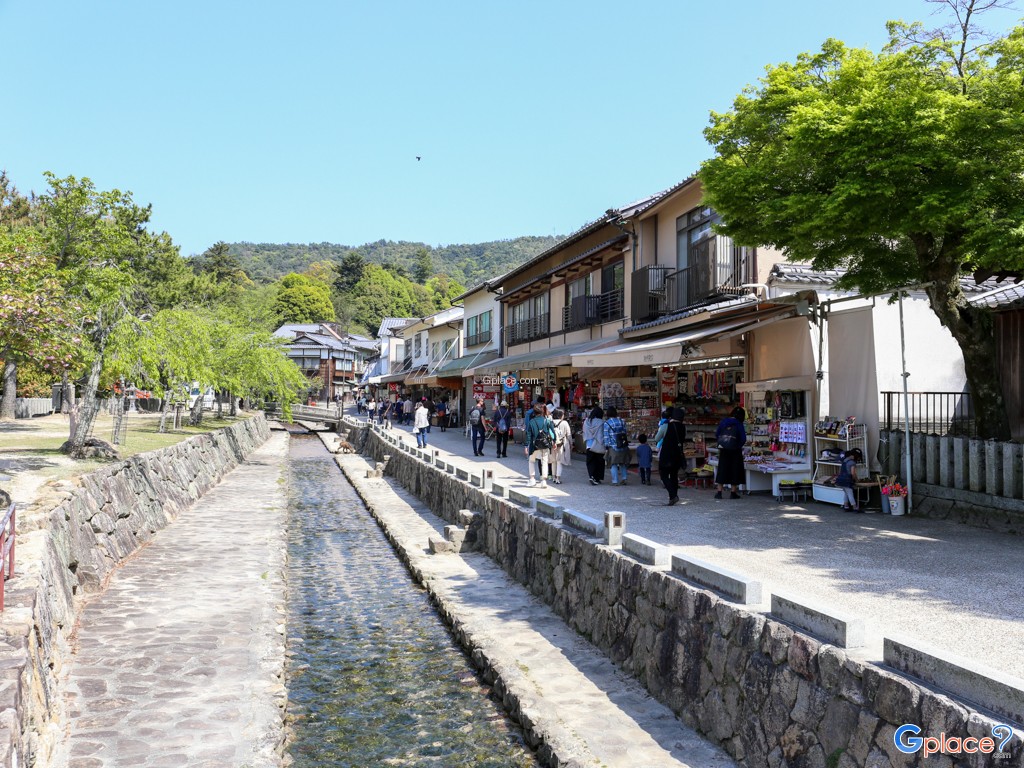
“A UNESCO-listed Shinto shrine uniquely constructed over tidal waters, famous for its floating vermilion torii gate, night illuminations, and sacred island setting.”
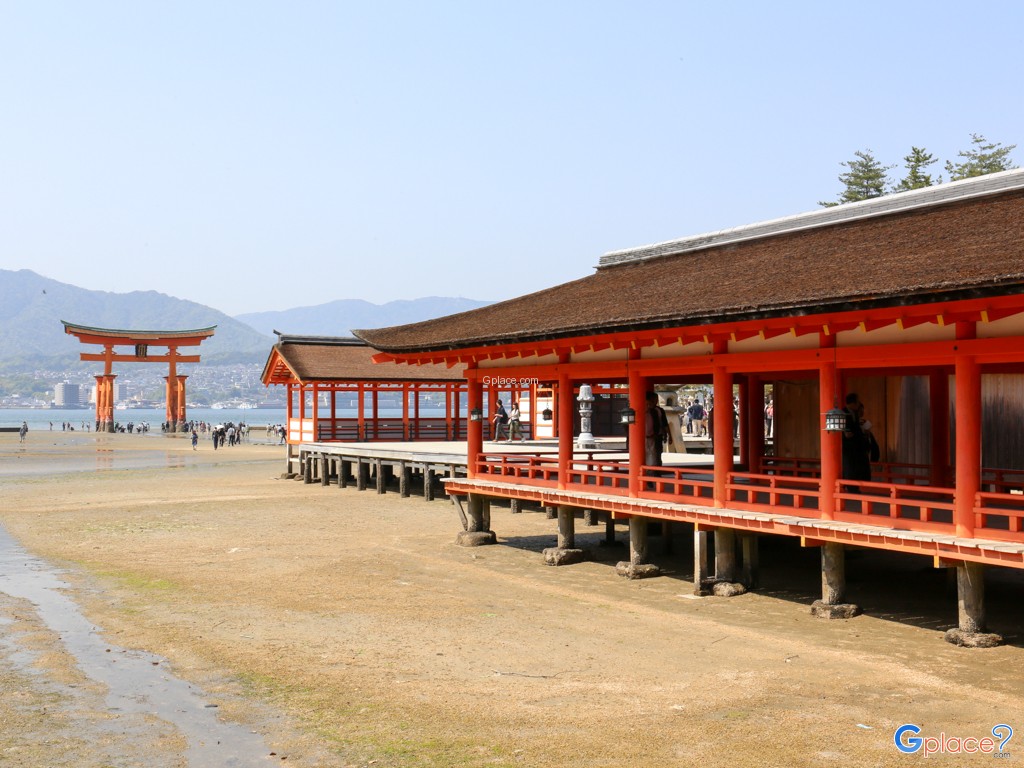
Itsukushima Shrine stands on Miyajima Island (officially Itsukushima), a place considered sacred since ancient times. Traditionally, the island itself was worshipped as divine, and ordinary people were forbidden from stepping directly onto its soil. To preserve this sanctity, the shrine was ingeniously built on stilts over the intertidal zone, allowing worship without defiling the land.
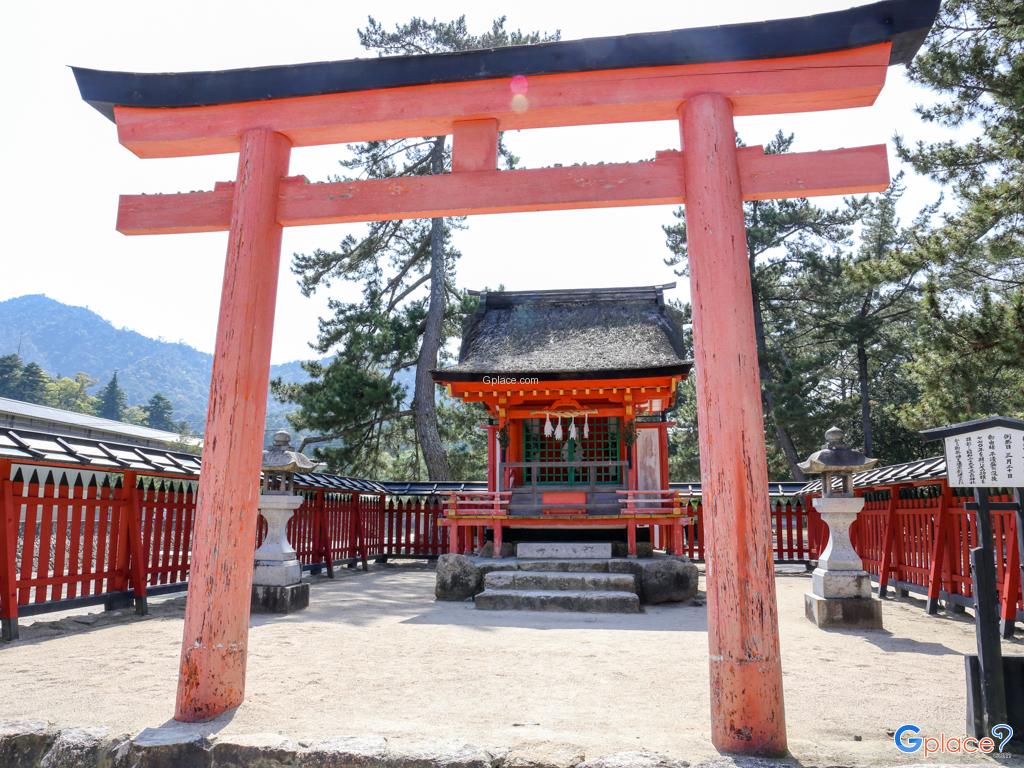
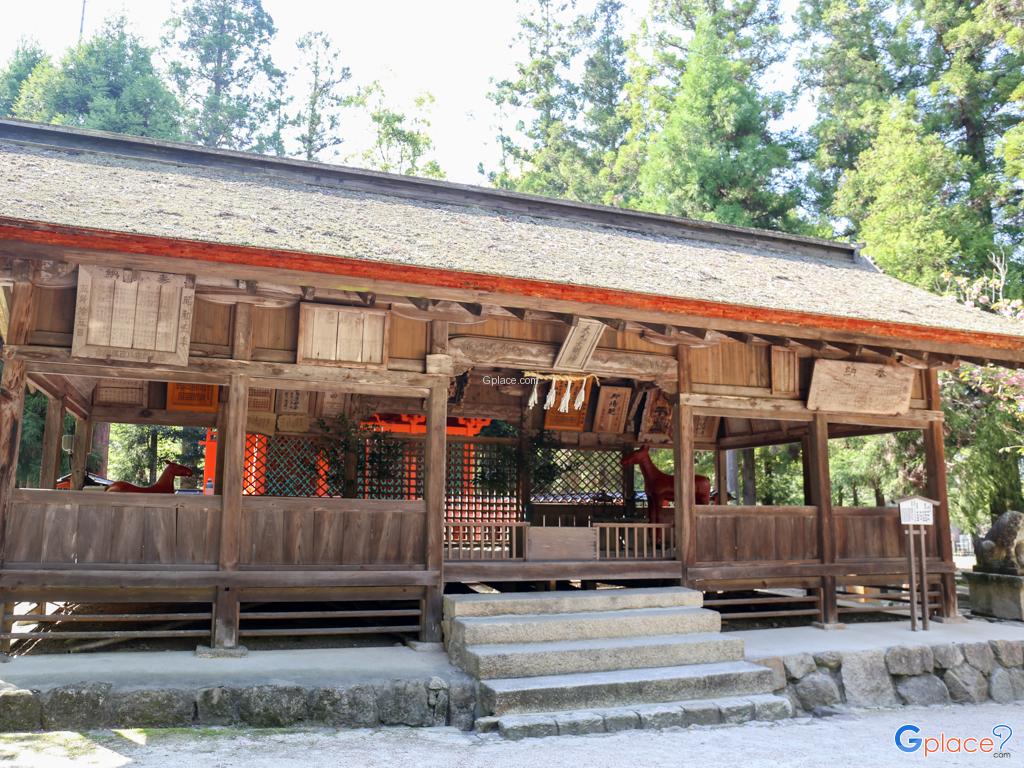
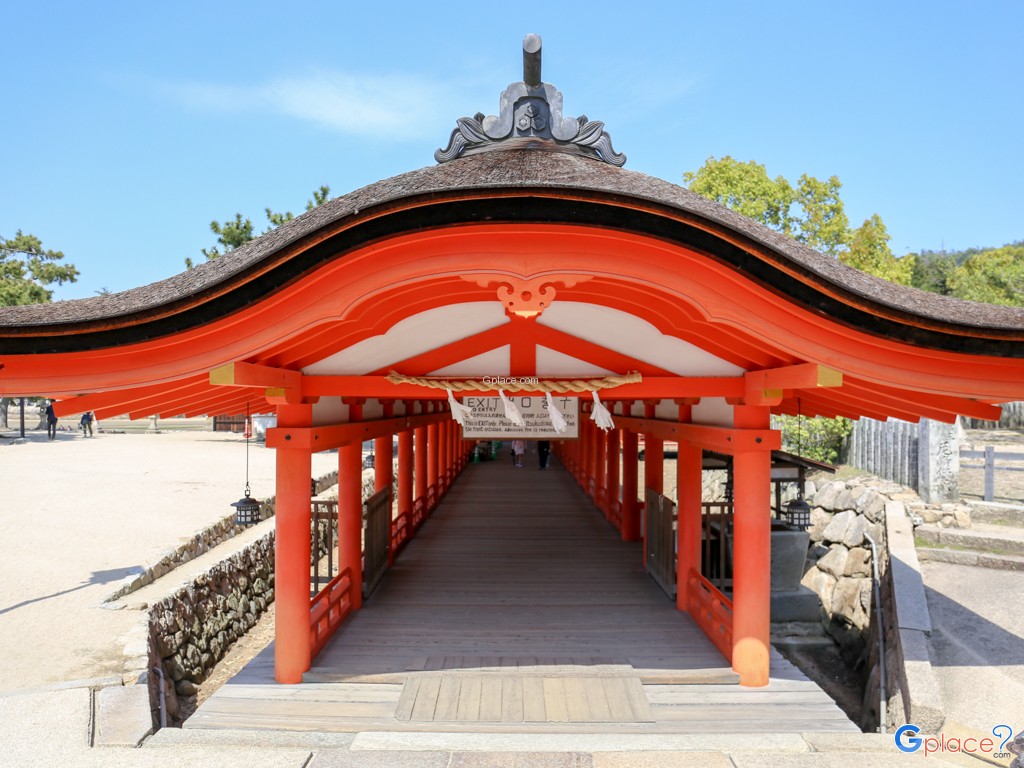
The shrine’s present form dates back to the 12th century, when the powerful warlord Taira no Kiyomori transformed it into a grand spiritual and political center. Its elegant Shinden-zukuri architectural style mirrors the palatial residences of Heian-era aristocrats, with long vermilion corridors gracefully floating above the sea.
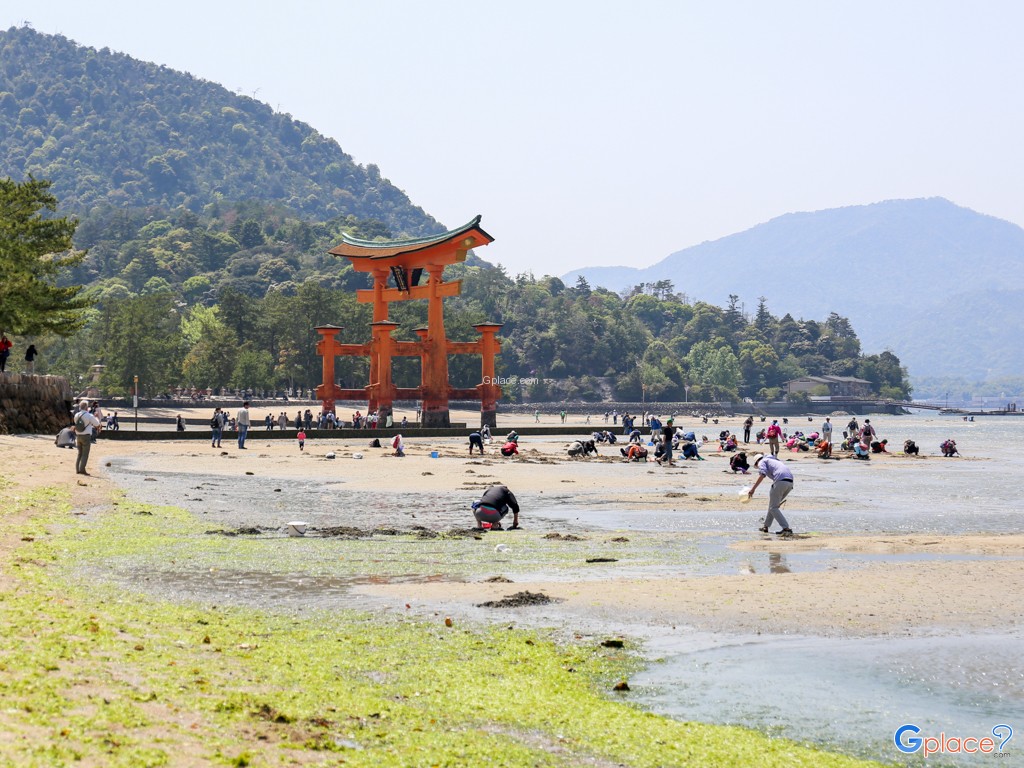
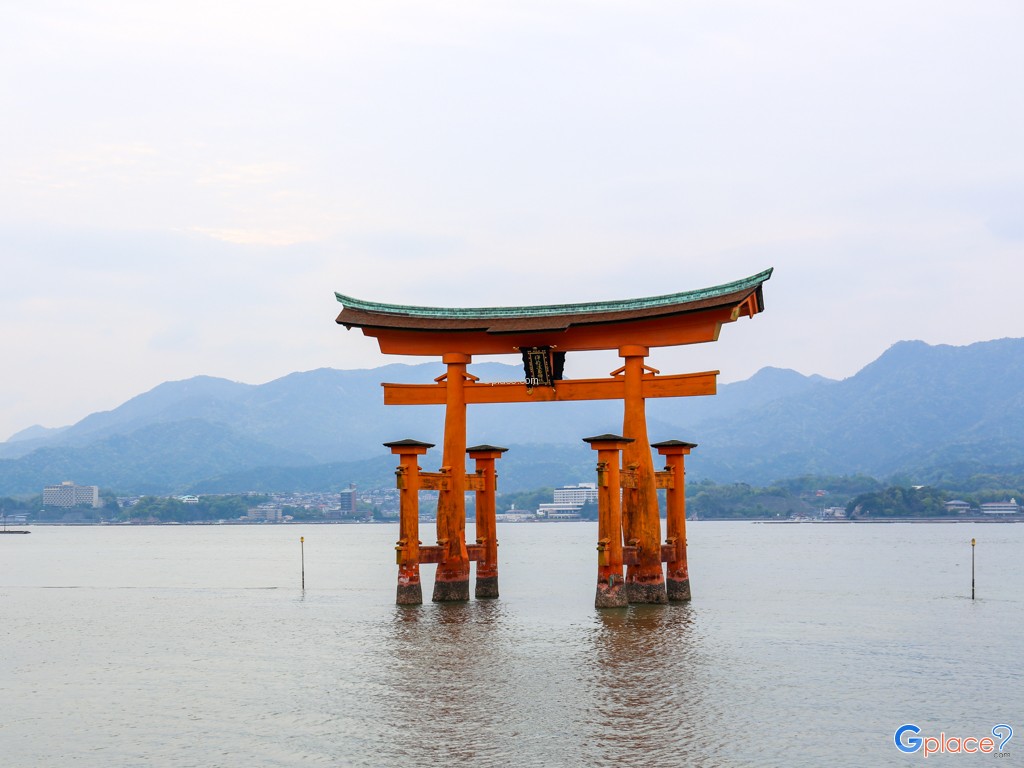
The most iconic feature is the massive O-torii Gate, standing approximately 16 meters tall and weighing around 60 tons. Constructed in 1875, it is not anchored into the seabed but stands solely by its own weight and clever structural balance. At high tide, the gate appears to float on the water; at low tide, visitors can walk directly beneath it. A major restoration completed in late 2022 returned the gate to its brilliant vermilion color.
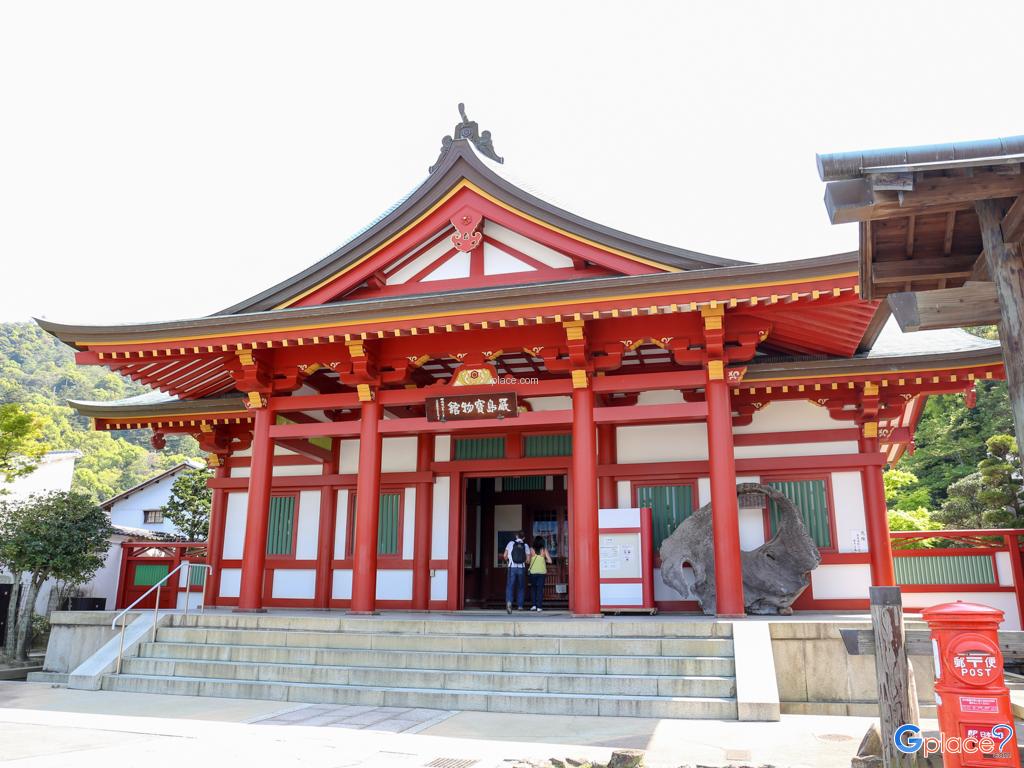
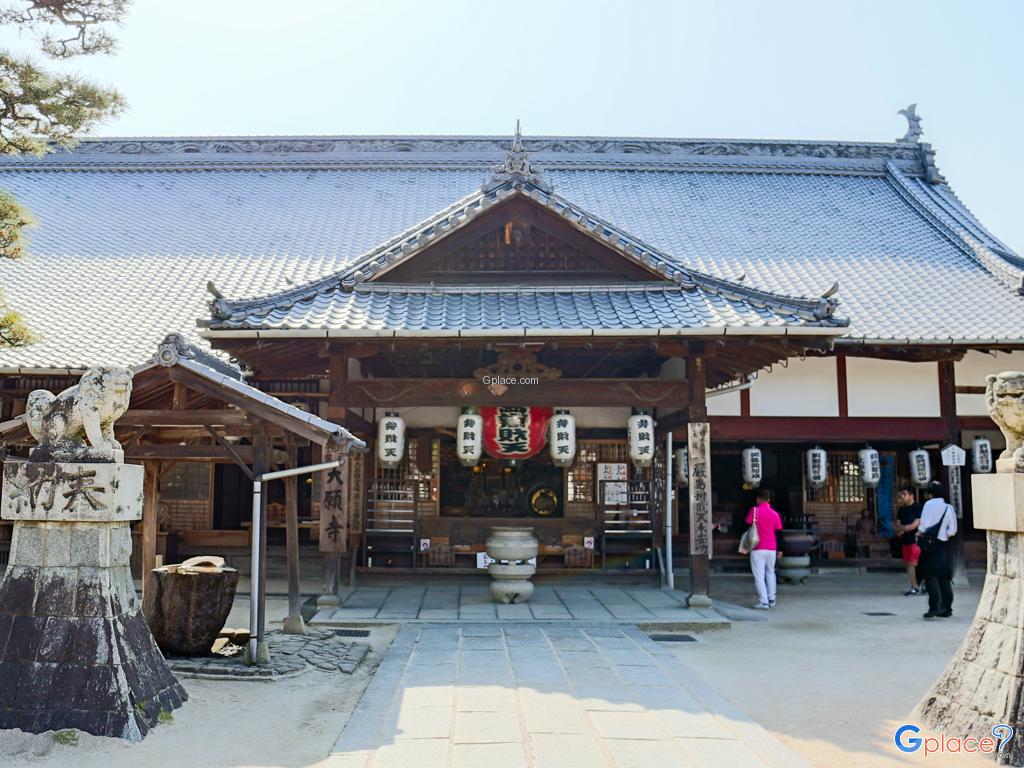
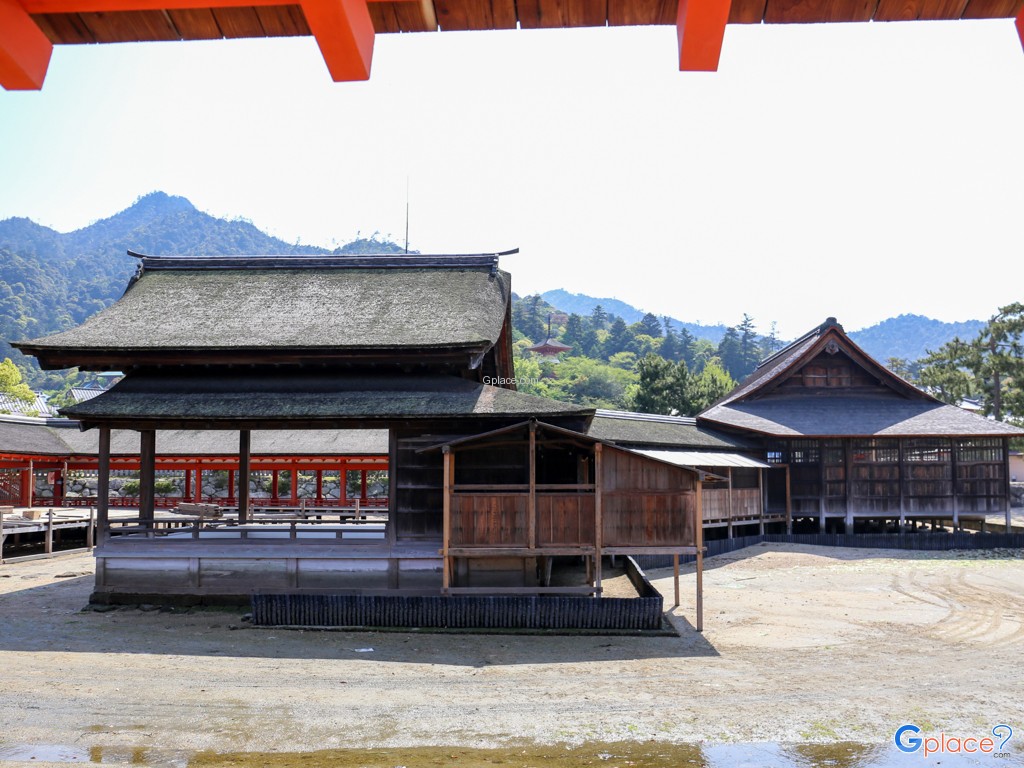
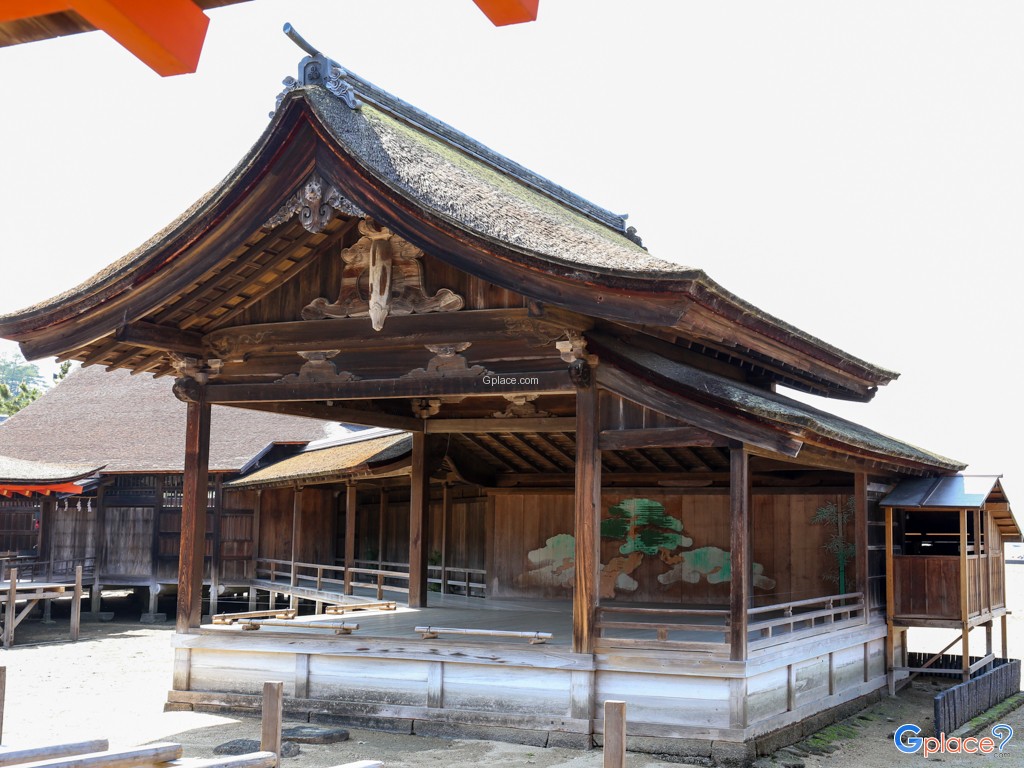
The shrine complex includes the Main Hall, Worship Hall, long covered corridors, and a rare Noh stage built over the sea, the only one of its kind in Japan. Each evening, the shrine and the Great Torii Gate are illuminated from 30 minutes after sunset until 11:00 PM, creating unforgettable reflections across the water. Due to its exceptional cultural value, Itsukushima Shrine is designated as both a UNESCO World Heritage Site and a National Treasure of Japan.
How to Get There
-
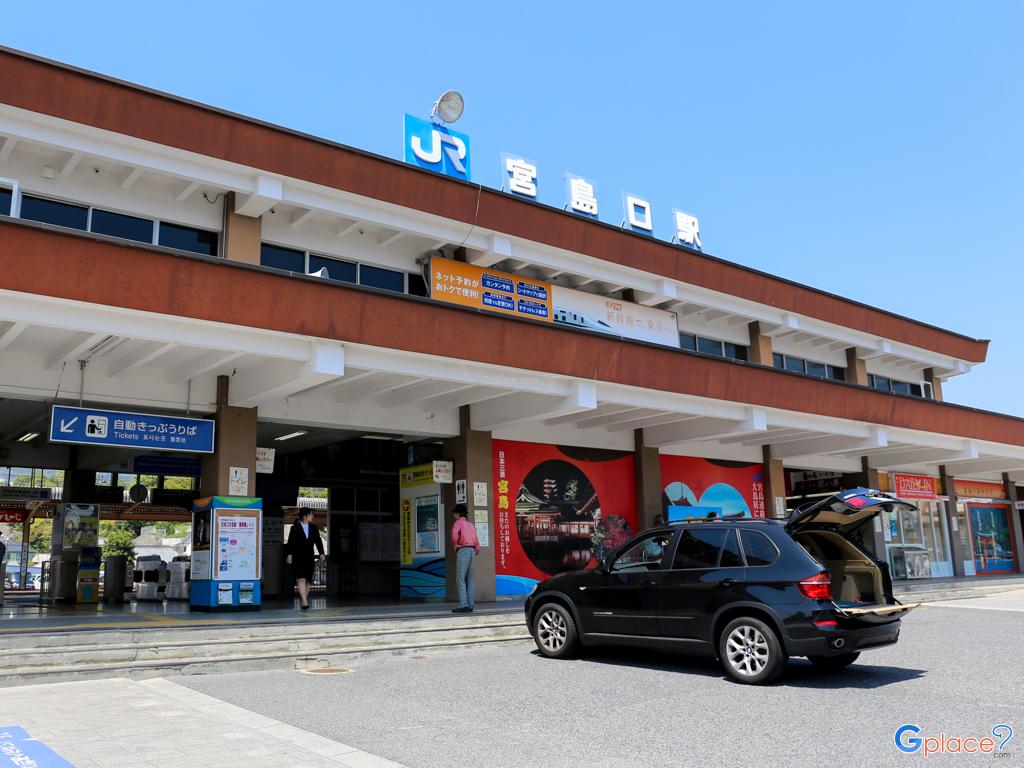
Take a JR train or Hiroshima Electric Railway tram from Hiroshima City to Miyajimaguchi Station
-
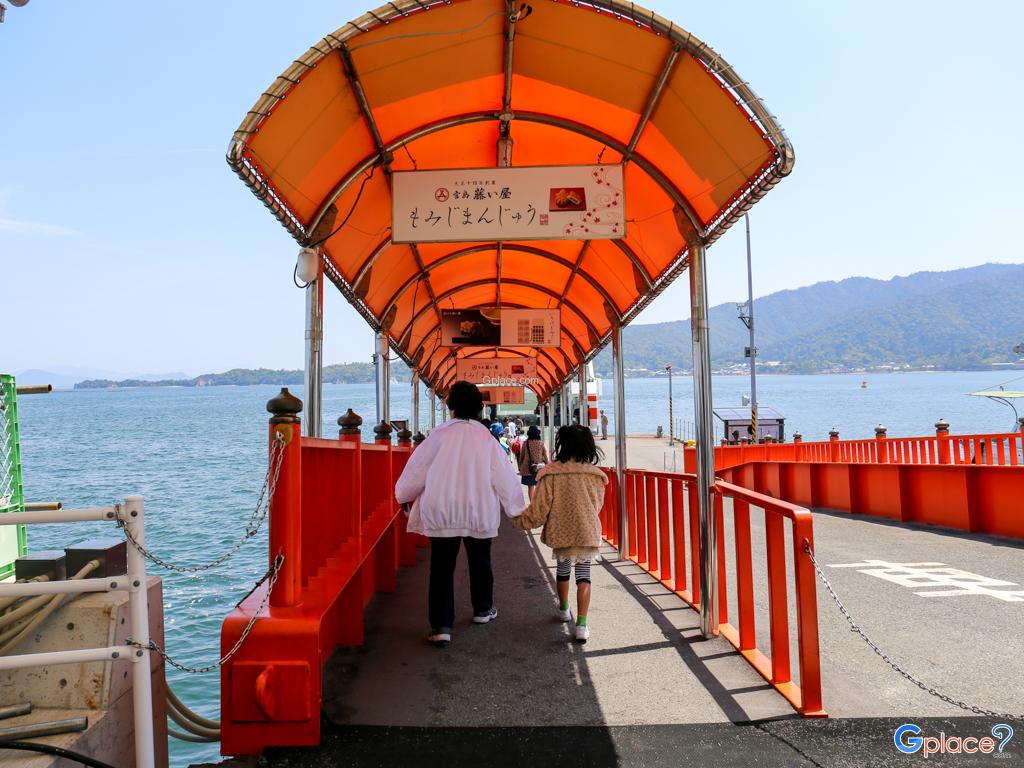
Walk to Miyajimaguchi Ferry Terminal
-
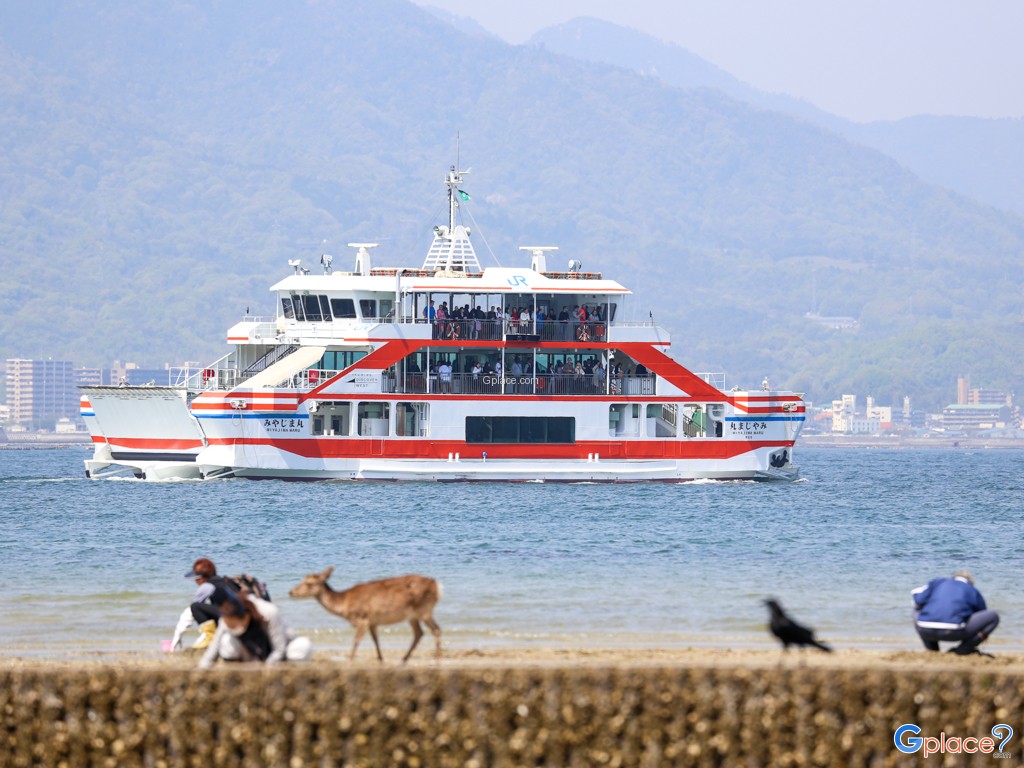
Board a ferry (JR Ferry or Matsudai Ferry) for a 10-minute ride to Miyajima Island
-
The shrine is within walking distance from the ferry pier
Travel Tips
-
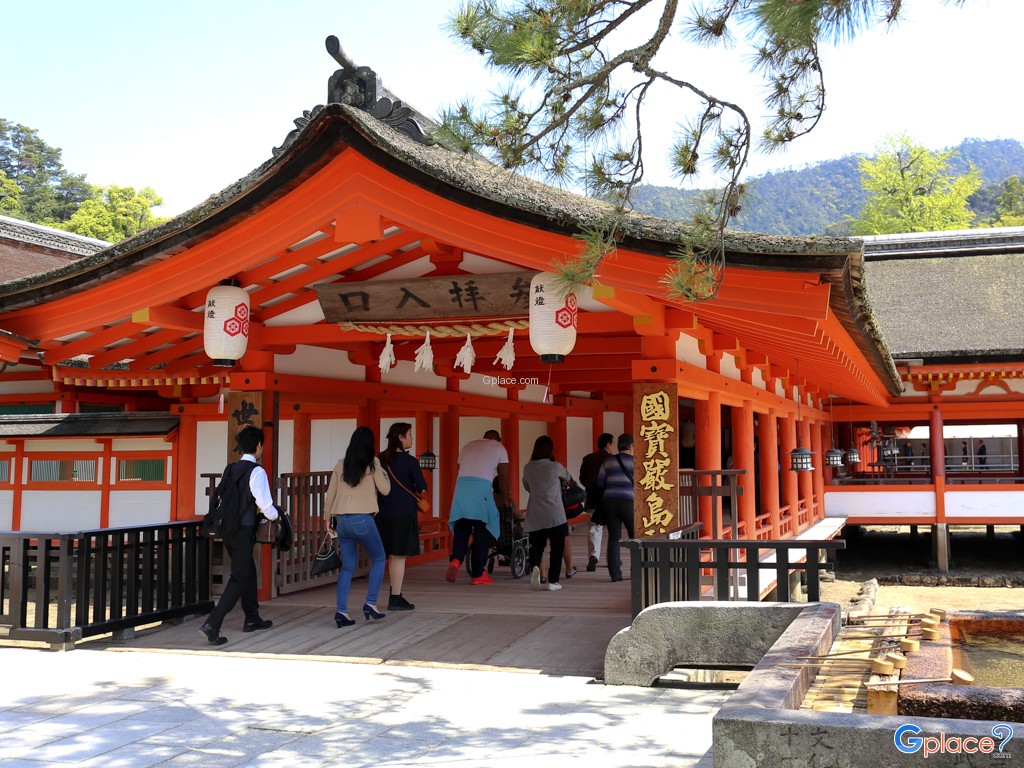
Purification Ritual: Before entering, stop at the chozuya (water pavilion) to wash your hands and rinse your mouth as part of Shinto etiquette
-
Tide Checks: This is crucial. Check the Miyajima tide table in advance to experience the floating torii (high tide) or walk up to it (low tide)
-
Sika Deer: Friendly but opportunistic—keep maps, tickets, and food secured
-
Sunset & Night Views: Stay after sunset for illuminated views, but confirm the last ferry back to the mainland (usually around 10:00 PM) unless staying overnight
-
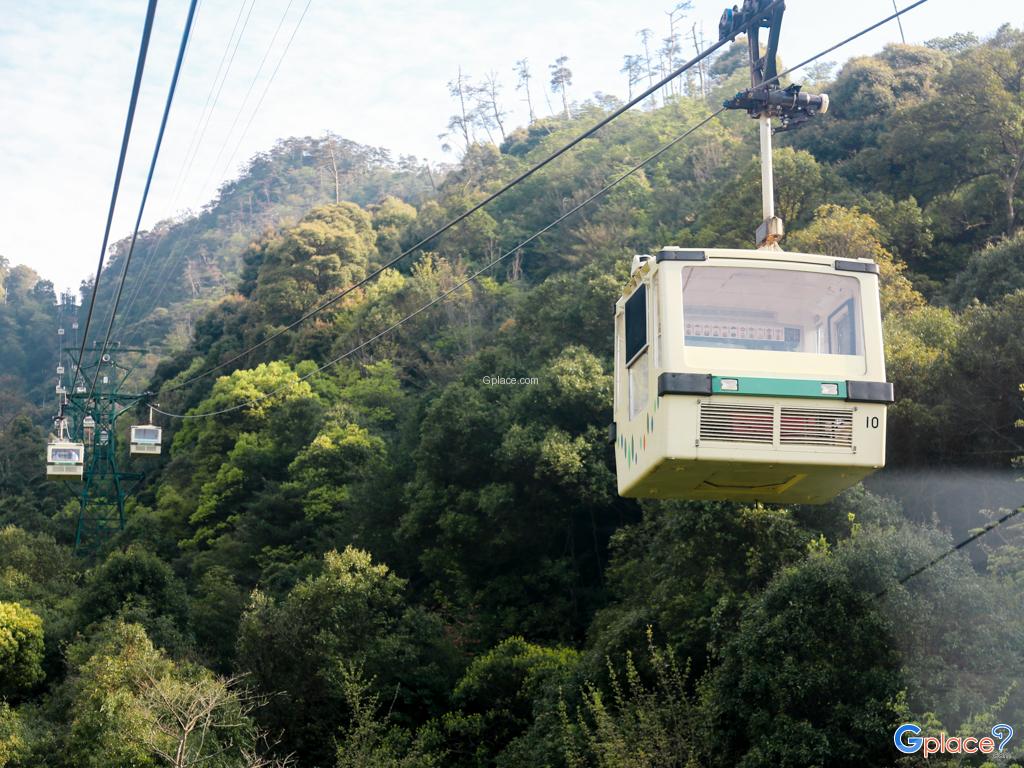
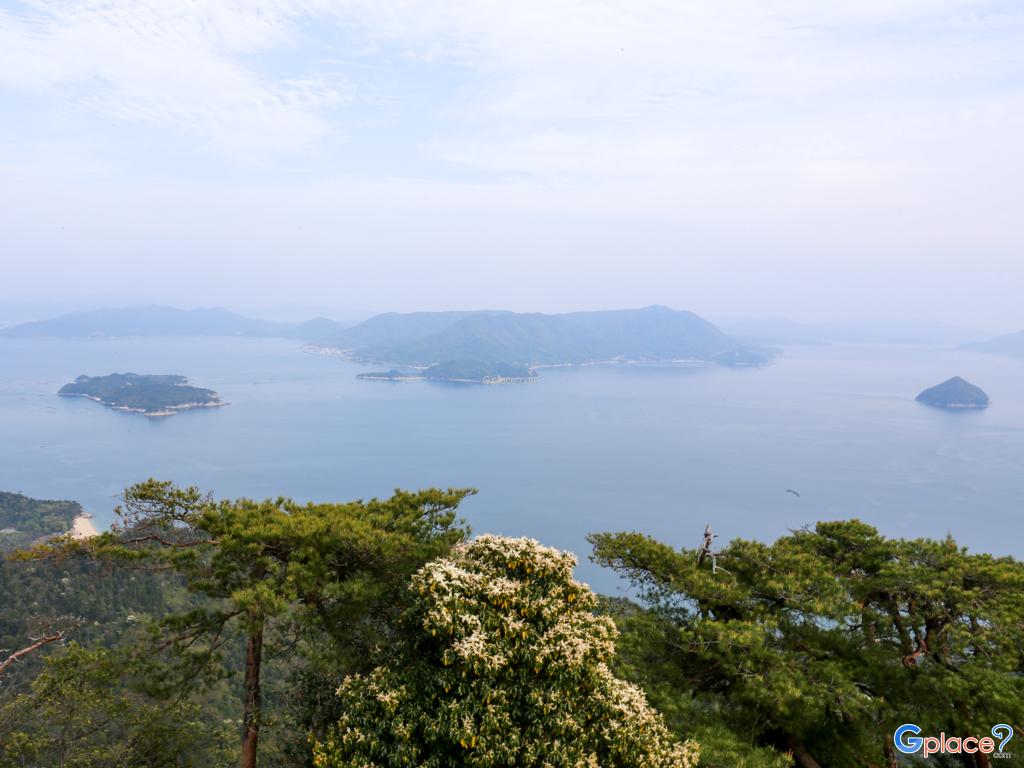
Mount Misen: Combine your visit with Mount Misen via hiking trails (about 1.5–2 hours) or the Miyajima Ropeway for panoramic Seto Inland Sea views
Admission Fee:
-
Itsukushima Shrine (Shrine Buildings)
-
Adults: ¥300
-
High School Students: ¥200
-
Middle & Elementary School Students: ¥100
-
-
Important Note:
-
Walking to the torii gate at low tide is free
-
Entering the wooden shrine complex requires admission
-
-
Treasure Hall:
-
¥300
-
Combined ticket (Shrine + Treasure Hall): ¥500
-
-
Senjokaku (Toyokuni Shrine): ¥100
-
Miyajima Visit Tax: ¥100 per person (automatically included in ferry fare)
Opening Time:
-
Shrine Grounds
-
Opens daily at 6:30 AM
-
Closing times vary by season:
-
Mar 1 – Oct 14: 6:00 PM
-
Oct 15 – Nov 30: 5:30 PM
-
Dec 1 – Dec 31: 5:00 PM
-
Jan 1: 12:00 AM – 6:30 PM (New Year’s Day special hours)
-
-
-
Treasure Hall: Generally 8:00 AM – 5:00 PM
Itsukushima Shrine

 Share
Share
 1-1 Miyajimacho, Hatsukaichi City, Hiroshima, Japan
Map
1-1 Miyajimacho, Hatsukaichi City, Hiroshima, Japan
Map
 Closed today
Mon6.30 - 17.00
Tue6.30 - 17.00
Wed6.30 - 17.00
Thu6.30 - 17.00
Fri6.30 - 17.00
Sat6.30 - 17.00
Sun6.30 - 17.00



 94
94