 Attractions
  Hotel
Hotel  Restaurant
  Shopping
  Abroad





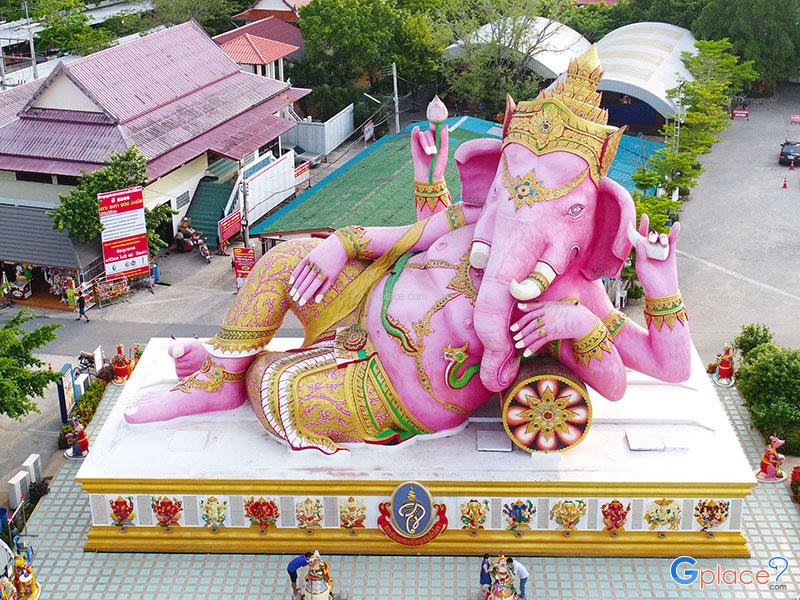

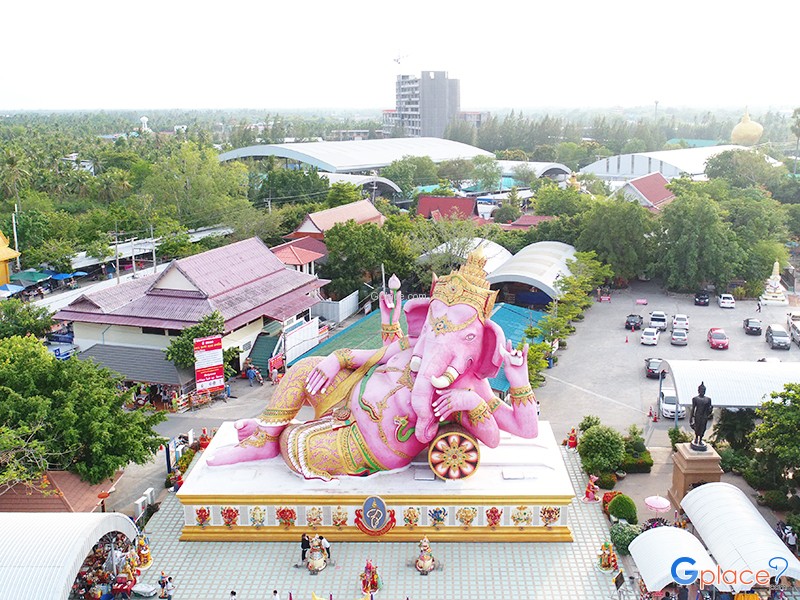
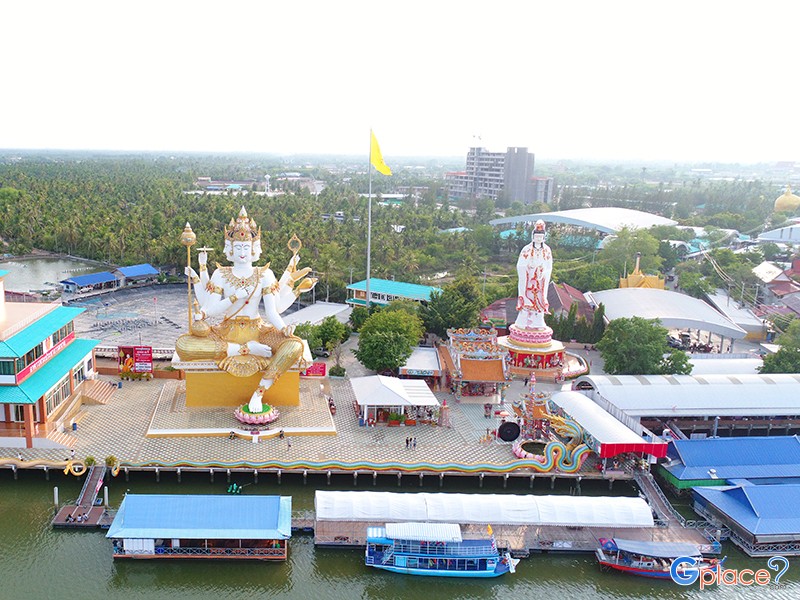
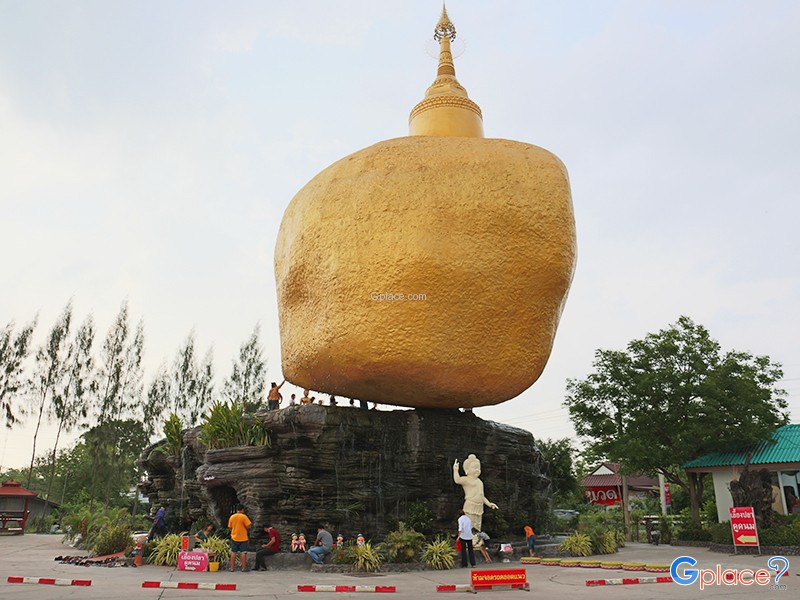
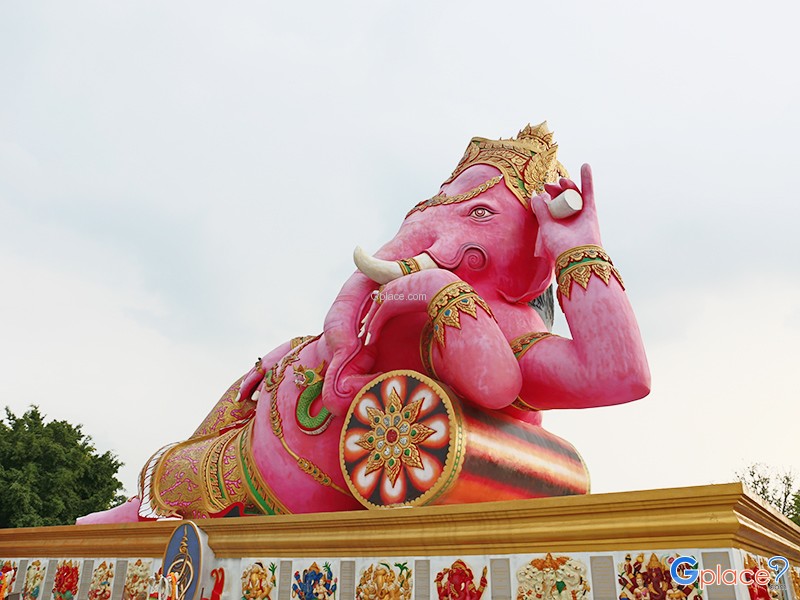
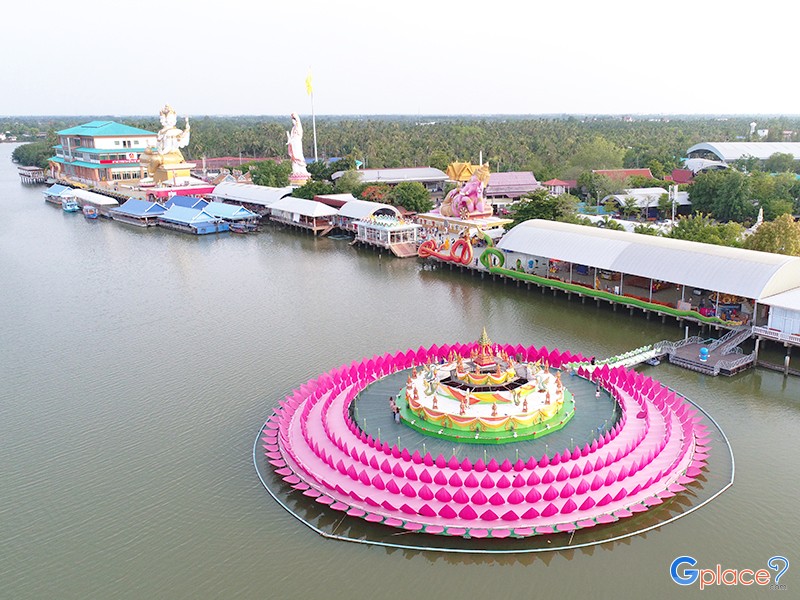
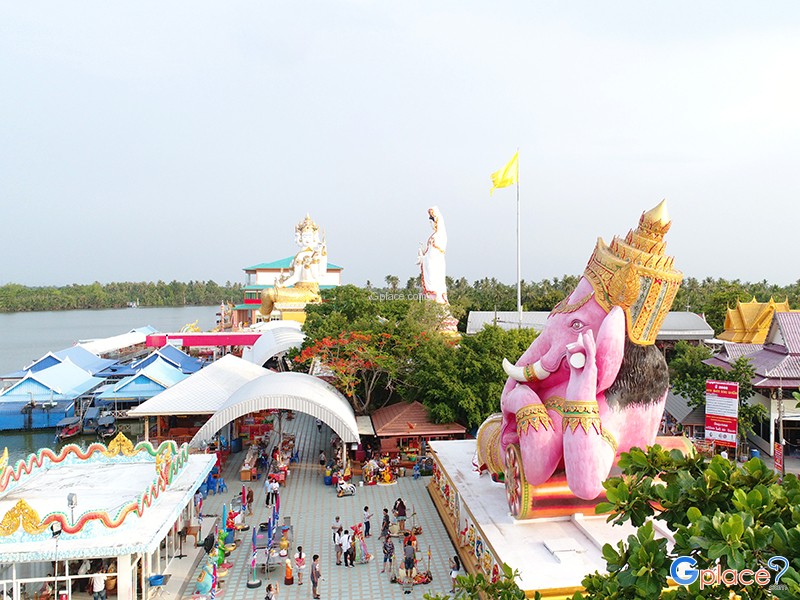
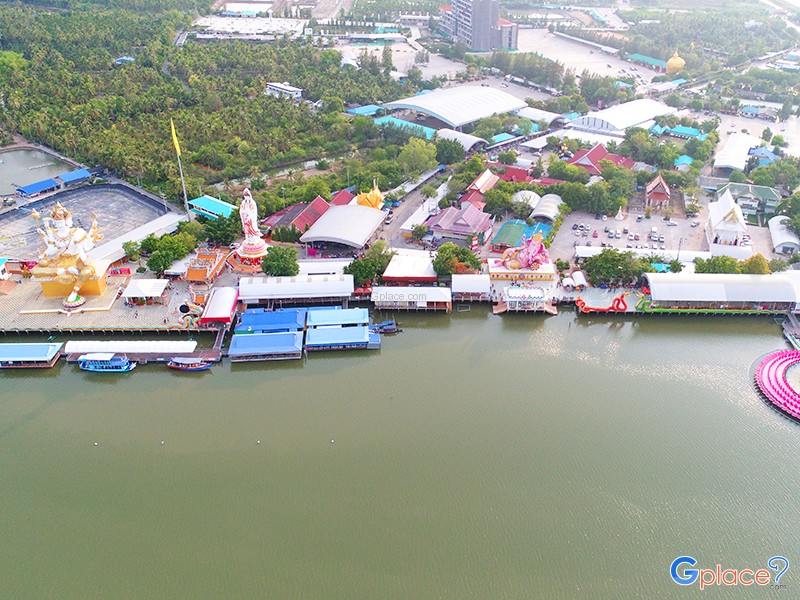
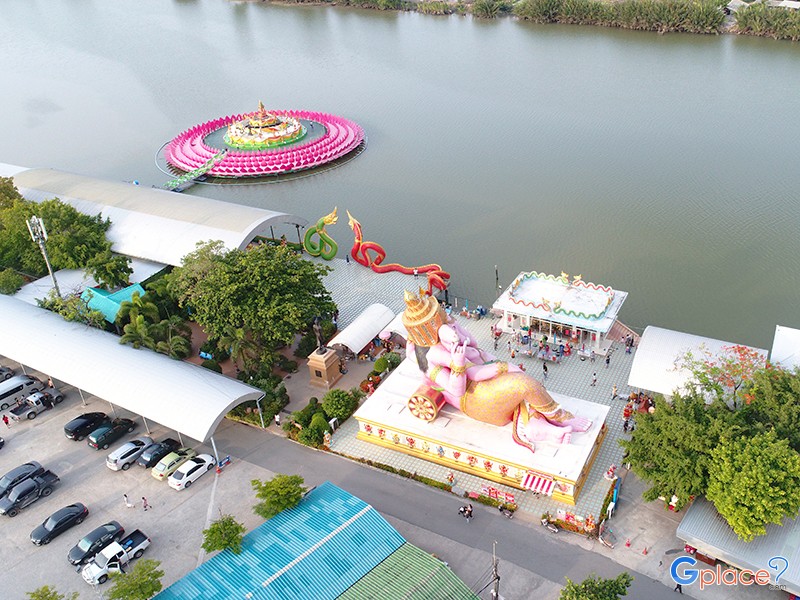
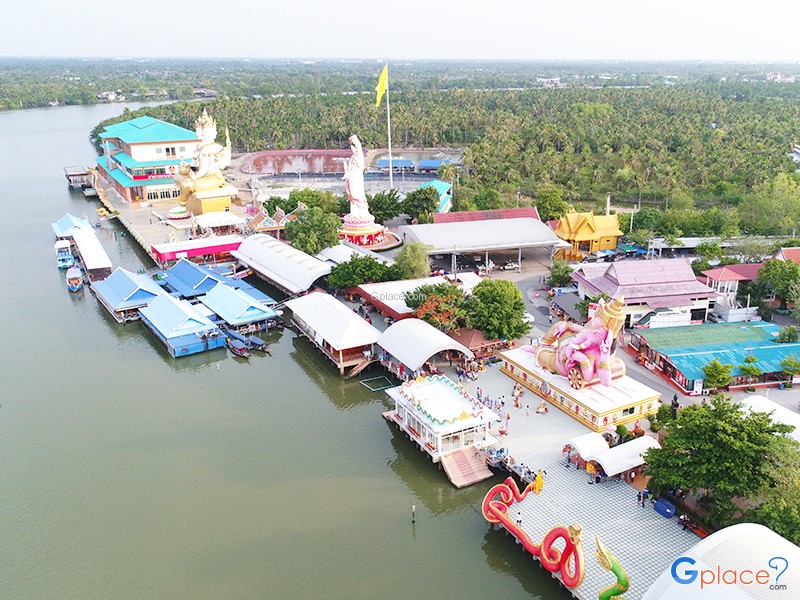
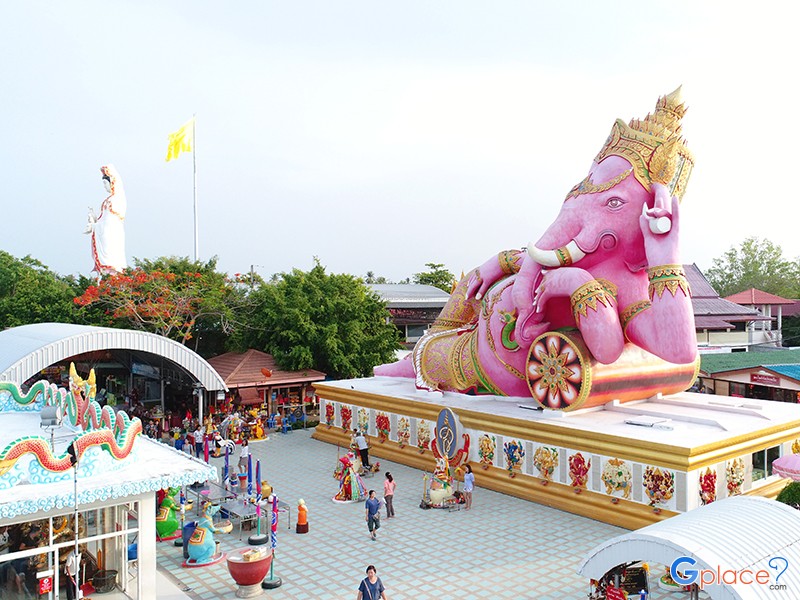
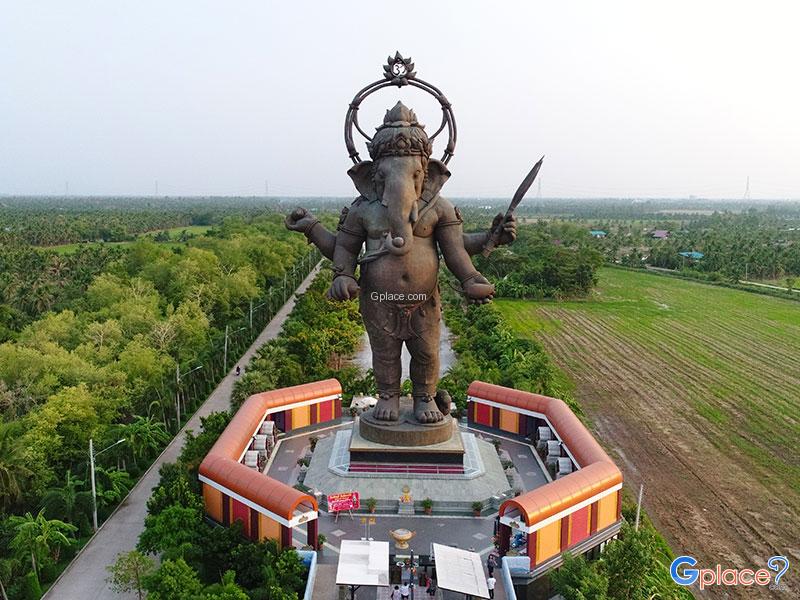
“Housing the colossal pink Reclining Ganesha and serving as a multi-faith sanctuary that gathers sacred figures from diverse traditions, all set against the beautiful backdrop of the Bang Pakong River curve”
Saman Rattanaram Temple The history of Saman Rattanaram Temple dates back to the early Rattanakosin period. According to local lore, the temple was founded by "Khun Saman" and "Mistress Rat" (hence the name Saman-Rattana-Ram). It served as a community temple for those living along the Bang Pakong River for generations. Originally a quiet spiritual center for the people of Bang Kaeo, it has undergone significant development in recent years. Under the leadership of Phra Prachathammanat (Chao Khun Sa-at), the current abbot, the riverside area was transformed into a majestic Park of Faith that attracts devotees from across the globe.
The Largest Reclining Ganesha in Thailand:
- The iconic symbol that brought world-renowned fame to this temple is the Pink Reclining Ganesha, the largest of its kind in Thailand. Standing 16 meters tall and 22 meters long, the vibrant pink deity represents "happiness, abundance, and a life free from suffering." At the base of the statue are sculptures of his rat attendants. Visitors often participate in the unique tradition of whispering into the rat's ear, closing one ear of the rat while whispering a wish into the other, believing the rat will convey their message to the deity. This belief has created a profound sense of hope and joy for countless visitors.
A Multitude of Sacred Figures:
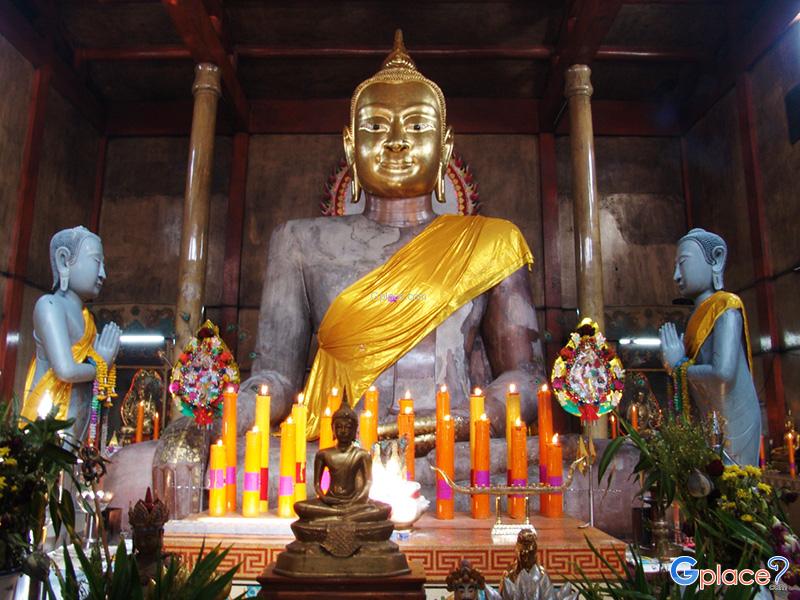
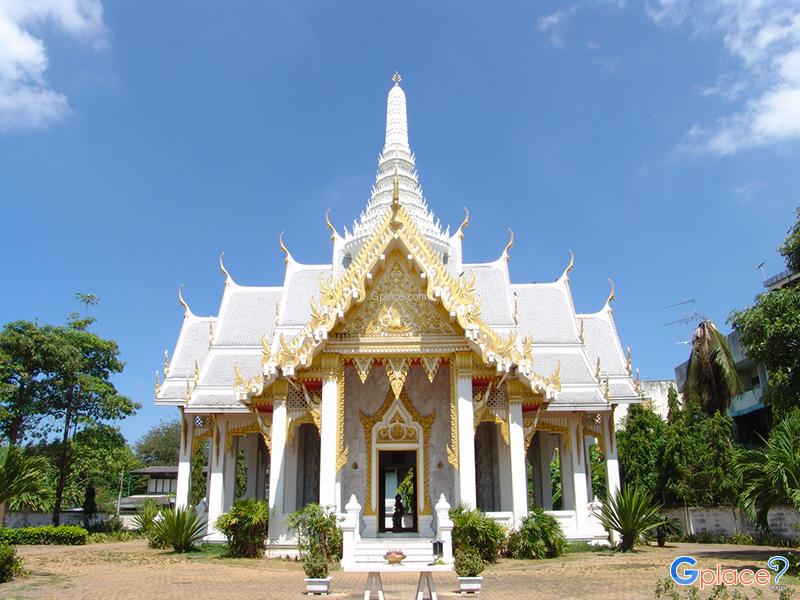
- Beyond the Pink Ganesha, the temple grounds house numerous deities reflecting cultural diversity. Notable figures include the largest Rahu statue in Thailand, a towering Guanyin (Goddess of Mercy) overlooking the river, Indra riding the Erawan Elephant, and the Four-Faced Brahma. The temple also features shrines dedicated to famous Thai monks. These sacred installations are meticulously arranged within beautifully landscaped gardens, making Saman Rattanaram Temple not just a place for merit-making, but an outdoor religious sculpture park that provides both education and aesthetic pleasure.
Location and Riverside Architecture:
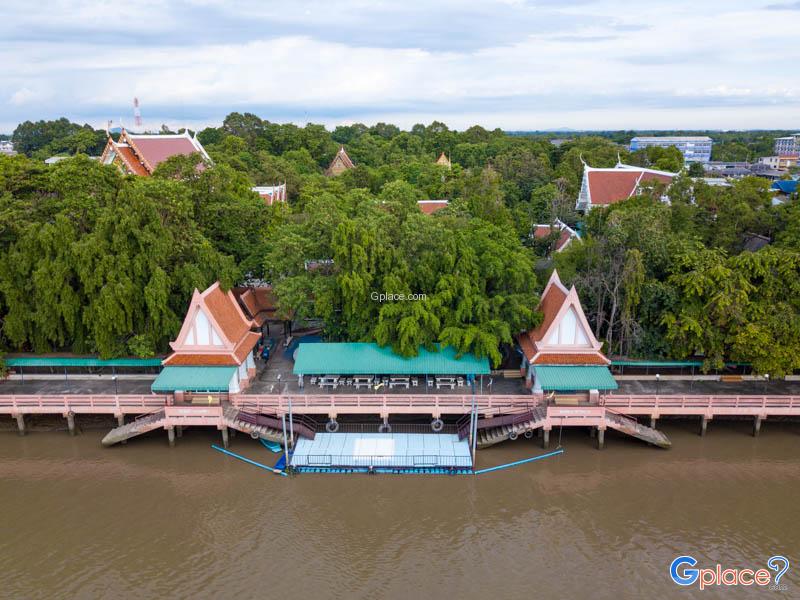
- The temple is strategically located at a Feng Shui Curve of the Bang Pakong River, believed to be a spot of high positive energy with constant breezes. The architecture seamlessly blends Thai, Chinese, and Indian artistic styles. The development of wide riverside walkways accommodates large numbers of tourists while offering scenic views. Furthermore, the temple area hosts a local market selling agricultural products and famous goods from Chachoengsao, helping distribute income to the surrounding community. Saman Rattanaram Temple is a perfect reflection of a "Modern Temple" that successfully integrates faith, tourism, and community life.
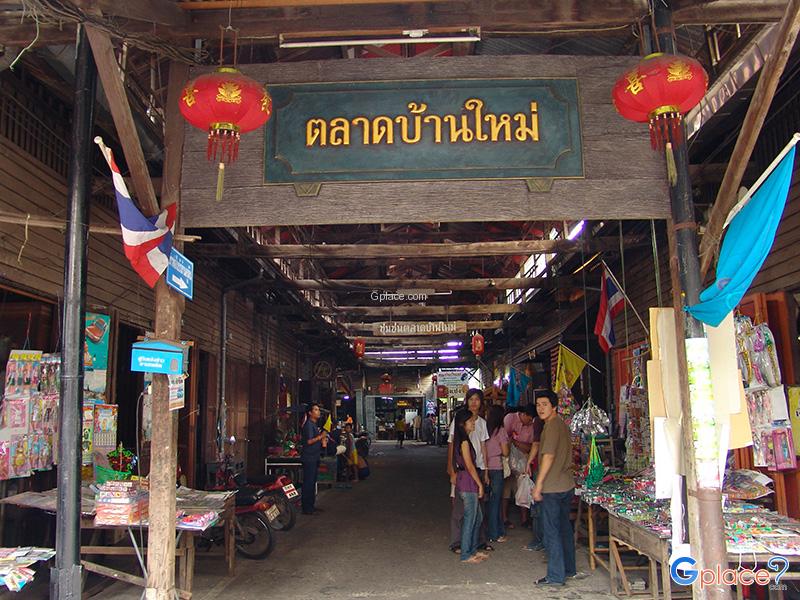
Situated not far from Bangkok, the temple is an ideal destination for a day trip. The recommended visiting hours are early morning or late afternoon to avoid the midday heat and to enjoy the tranquil riverside atmosphere. Nearby attractions include the famous Sothon Wararam Worawihan Temple and the 100-year-old Ban Mai Market, which can be easily combined into a single travel itinerary, offering a complete spiritual and cultural experience in Chachoengsao Province.
How to Get There
-
By Private Car: From Bangkok, take the Motorway (Route 7) toward Chachoengsao or the On Nut-Chachoengsao route. Once in Chachoengsao city, follow the signs toward Bang Khla District. The temple is located in Bang Kaeo Subdistrict and offers ample parking.
-
By Public Transport: You can take a van from Ekkamai or Mo Chit Bus Terminal to Chachoengsao Bus Station, then take a local songthaew (shuttle truck) labeled Saman Rattanaram Temple, which runs throughout the day.
Travel Tips
-
Whispering to the Rat: According to local belief, cover one of the rat's ears with your hand while whispering your wish into the other to prevent the wish from "leaking out." It is customary to leave a small donation or an offering of snacks.
-
Local Souvenirs: Don't miss out on the local Nam Dok Mai Mangoes and Chinese Pastries sold within the temple, as these are famous delicacies of Chachoengsao.
-
Attire: As this is a sacred site with many outdoor walking paths, please dress politely yet comfortably. It is advisable to bring a hat or an umbrella for sun protection.
Admission Fee:
- Free Entry
Opening Hours:
- Open Daily: 08:00 AM – 06:00 PM
Saman Rattanaram Temple

 Share
Share
 Bang Kaeo Subdistrict, Mueang Chachoengsao District, Chachoengsao Province
Map
Bang Kaeo Subdistrict, Mueang Chachoengsao District, Chachoengsao Province
Map
 Open now : 9.00 - 18.00
Mon9.00 - 18.00
Tue9.00 - 18.00
Wed9.00 - 18.00
Thu9.00 - 18.00
Fri9.00 - 18.00
Sat9.00 - 18.00
Sun9.00 - 18.00



 52
52