 Attractions
  Hotel
Hotel  Restaurant
  Shopping
  Abroad






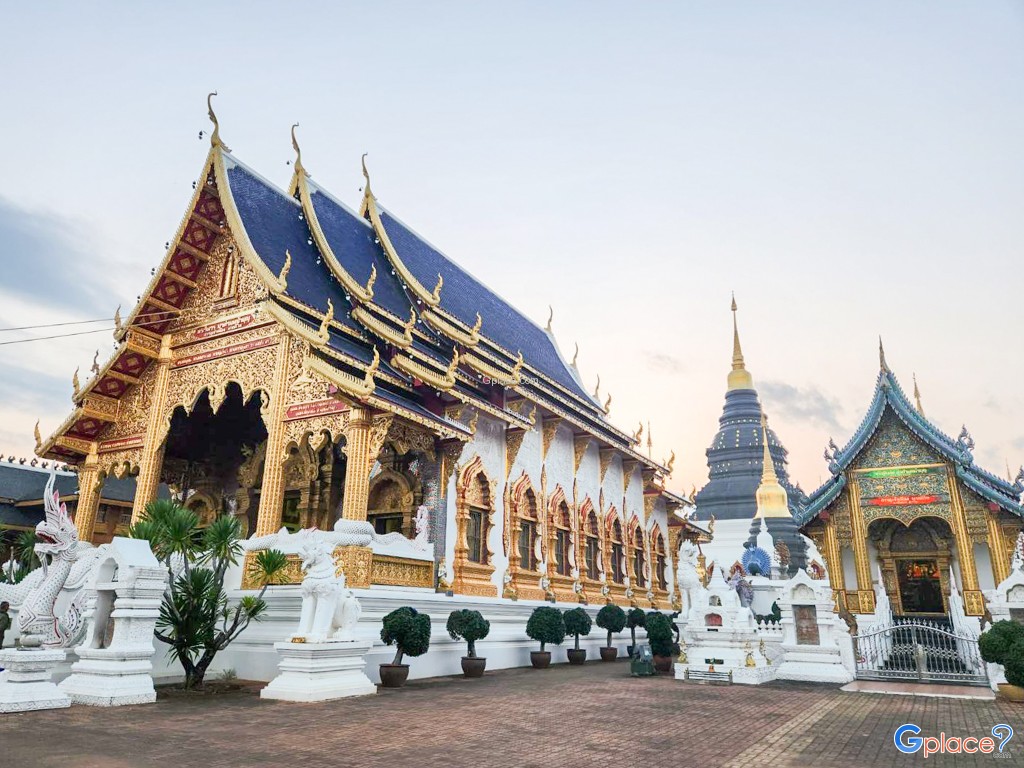
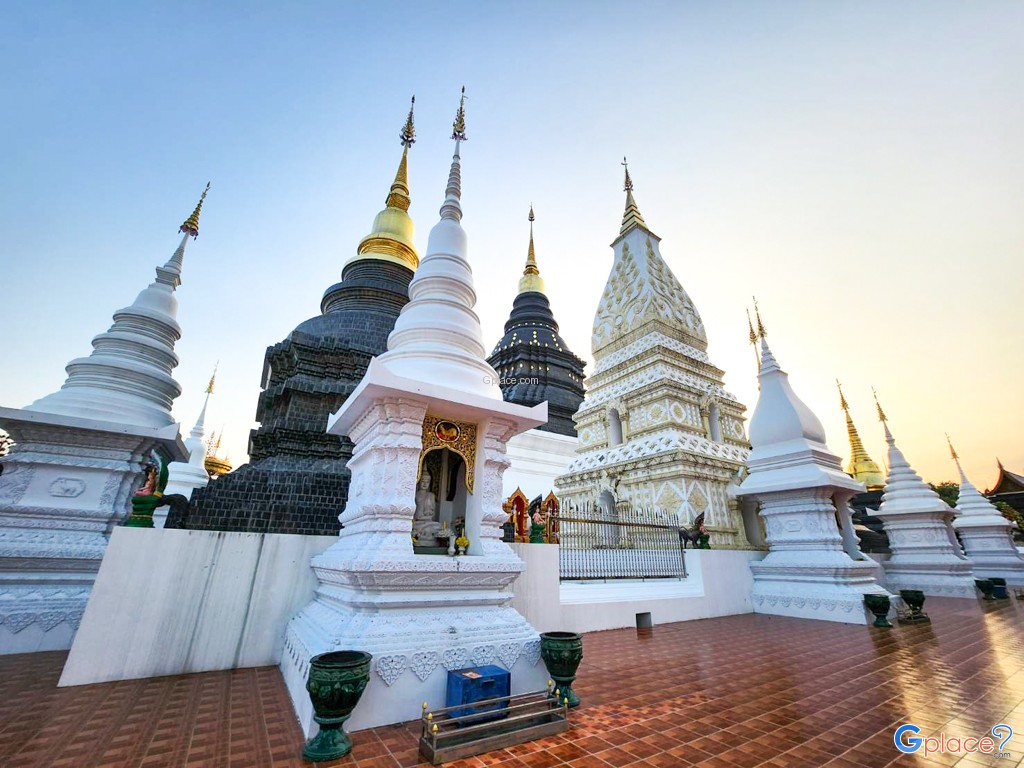
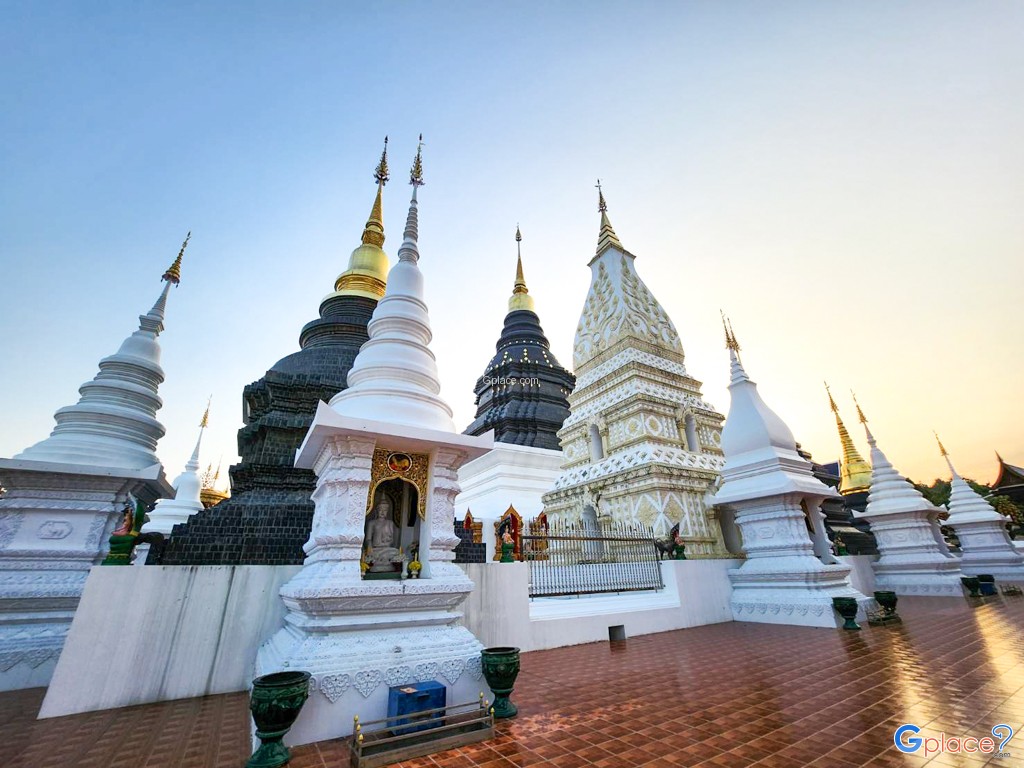
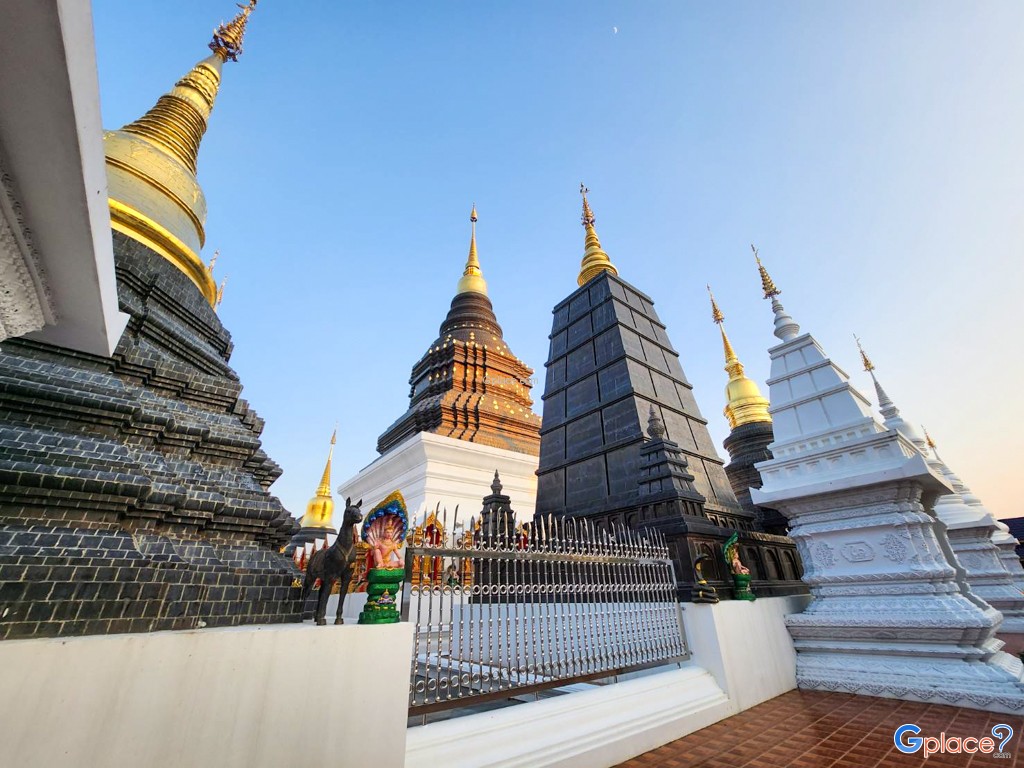
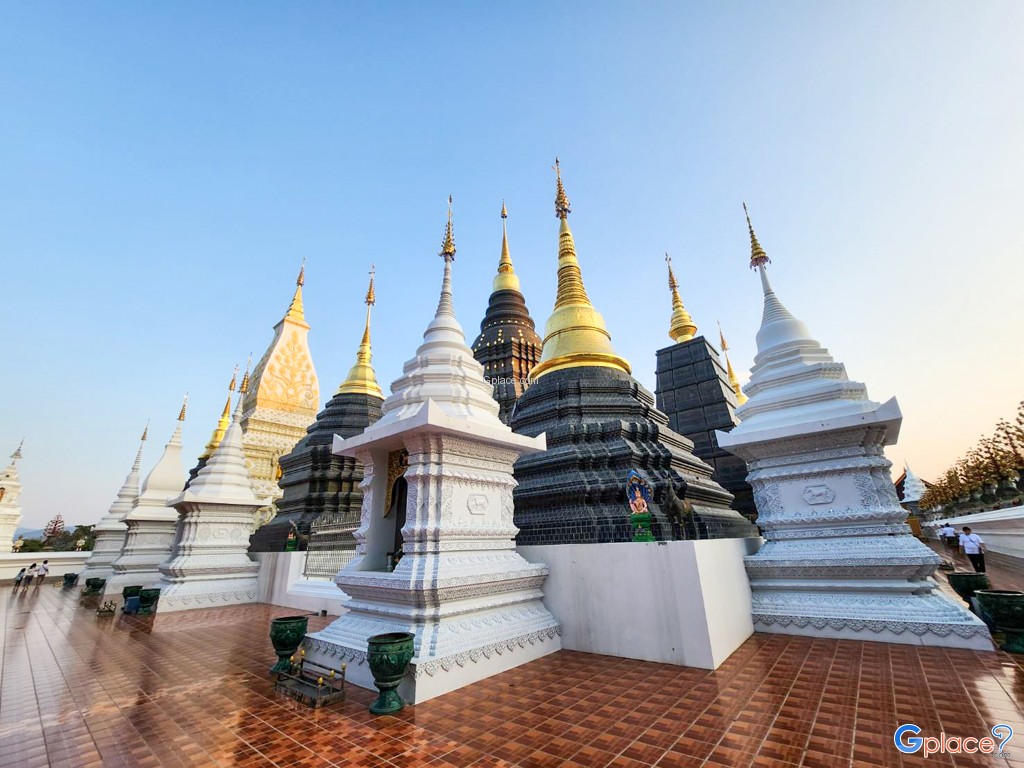
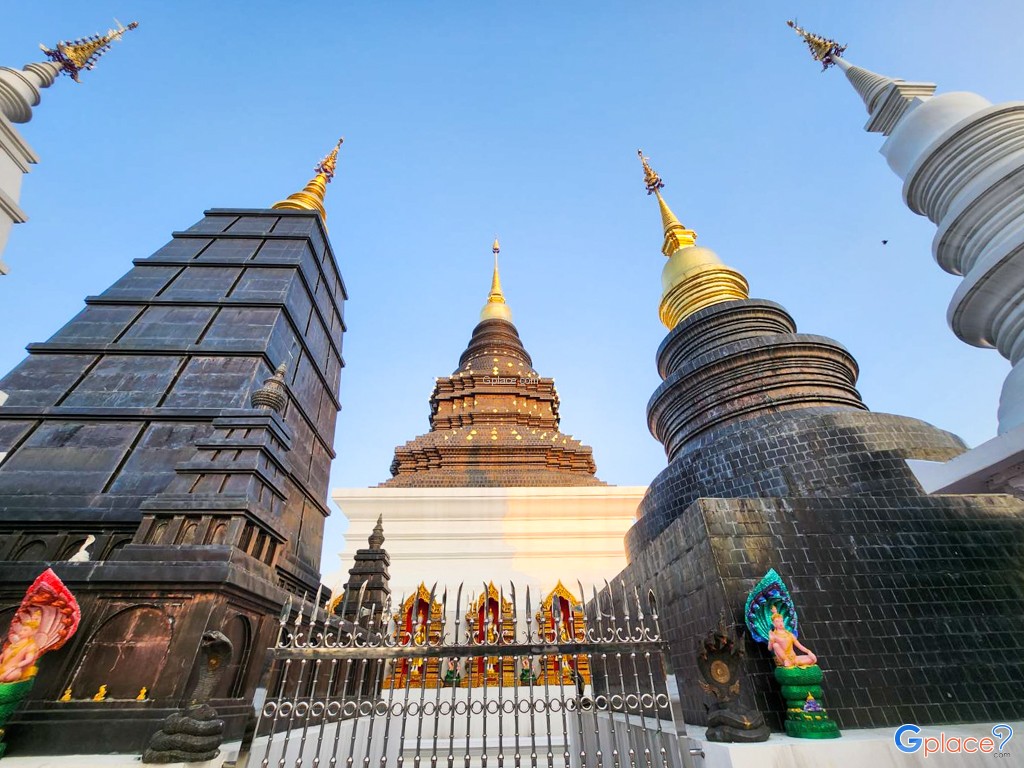
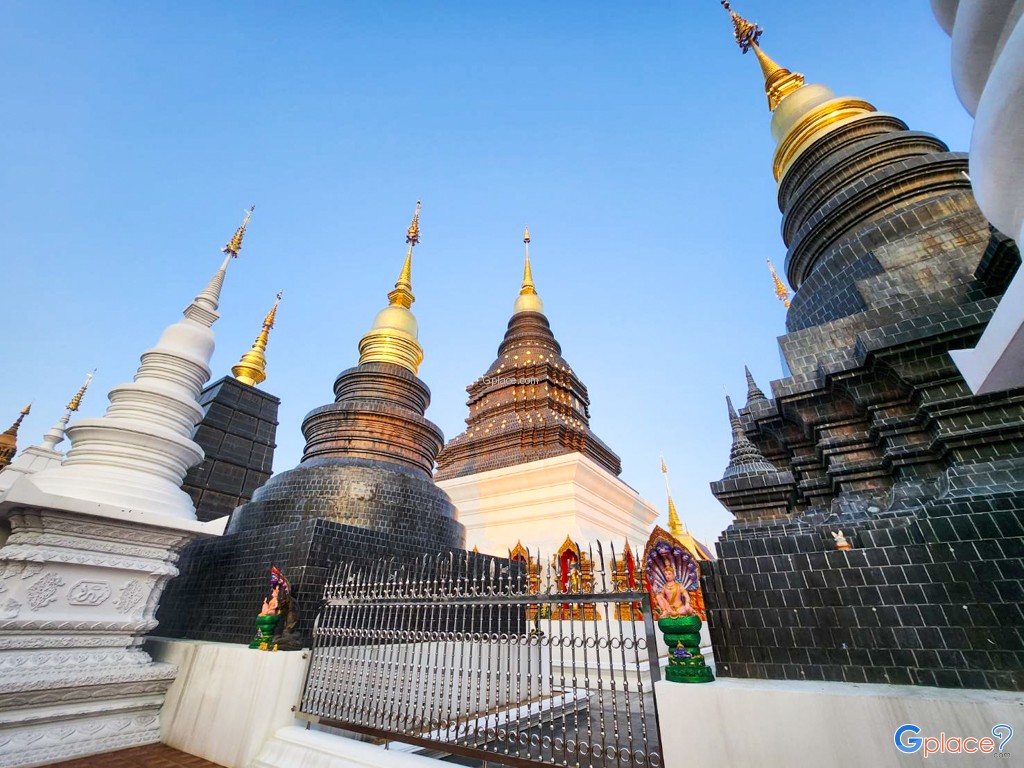
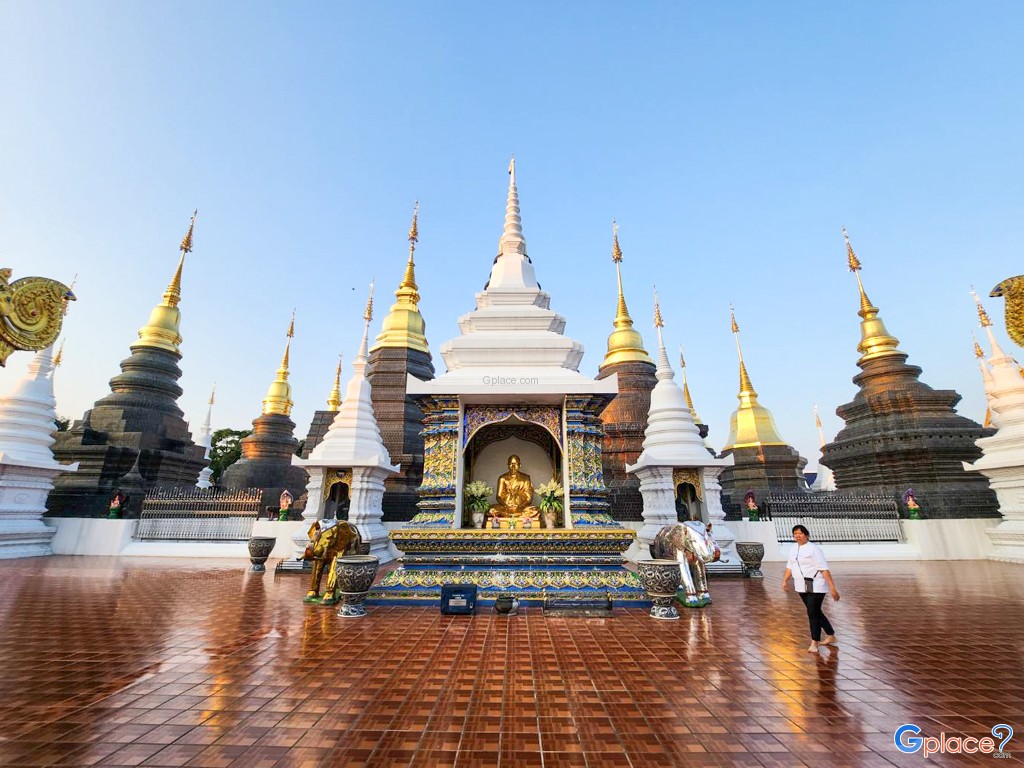
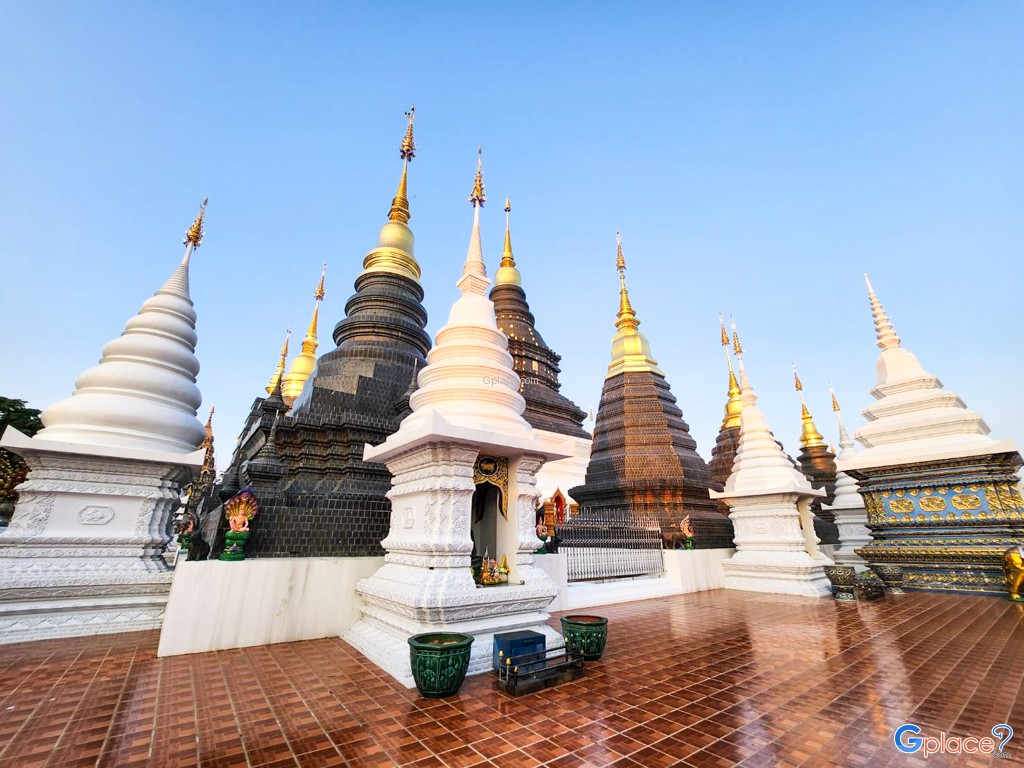
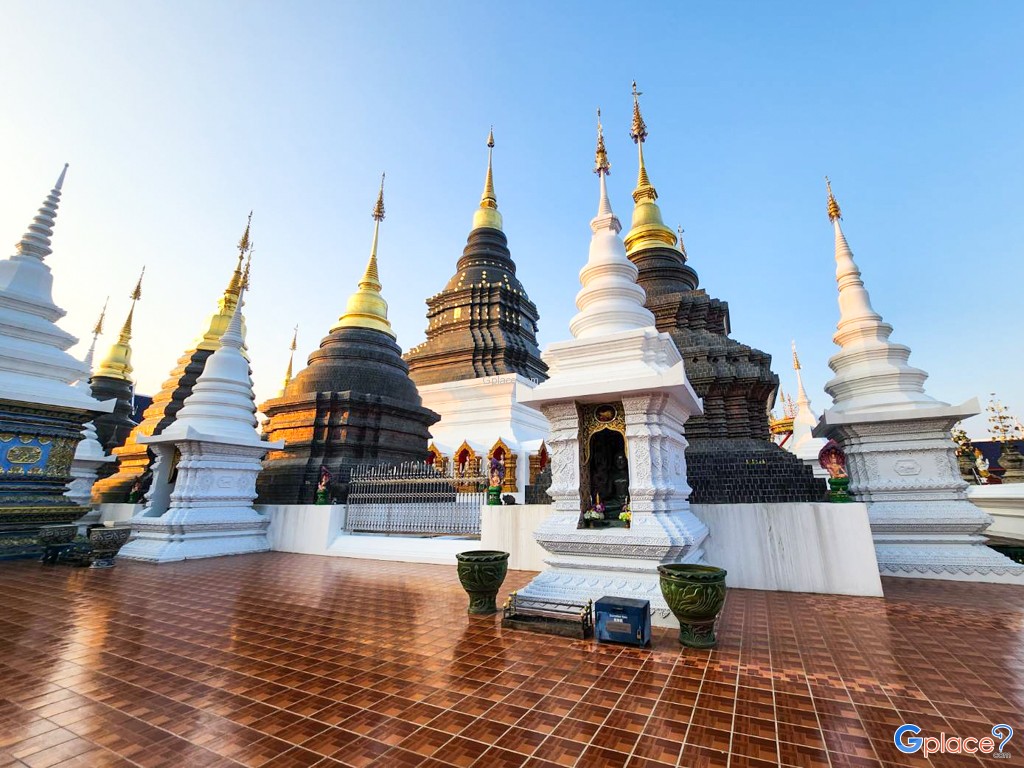
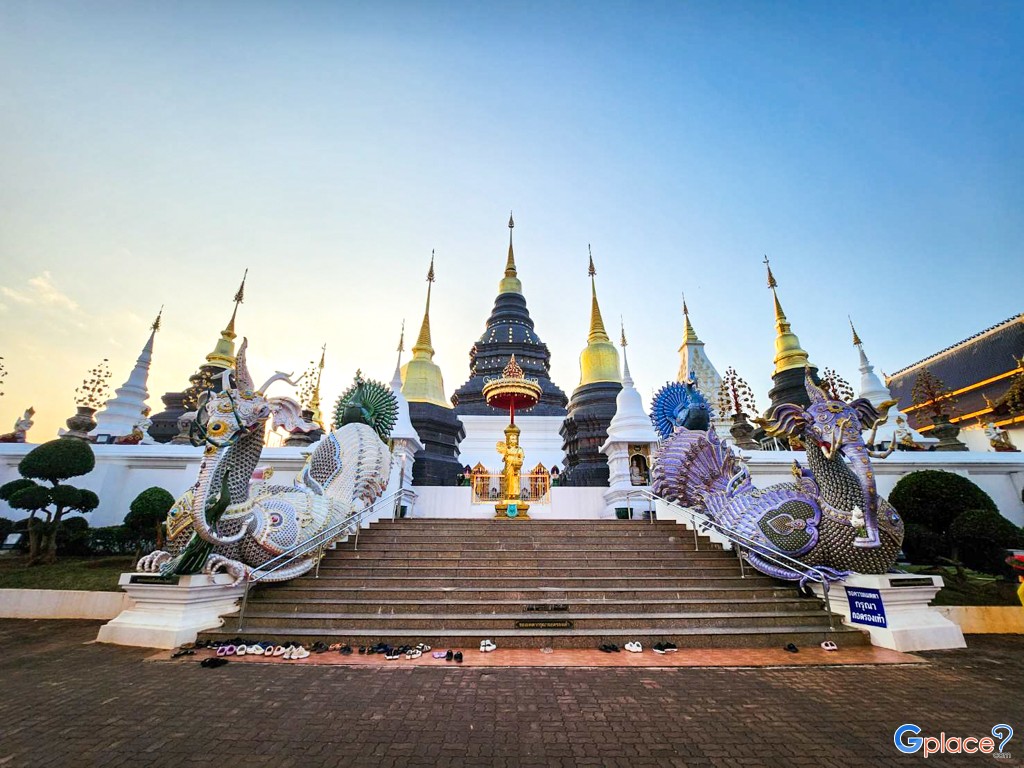
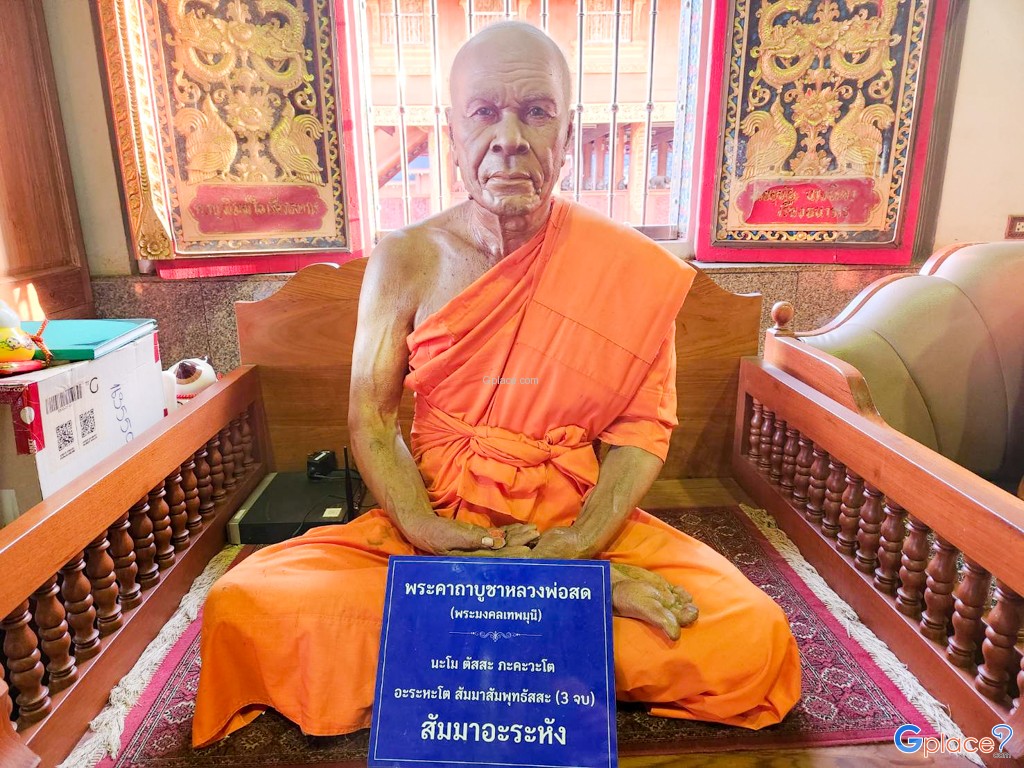
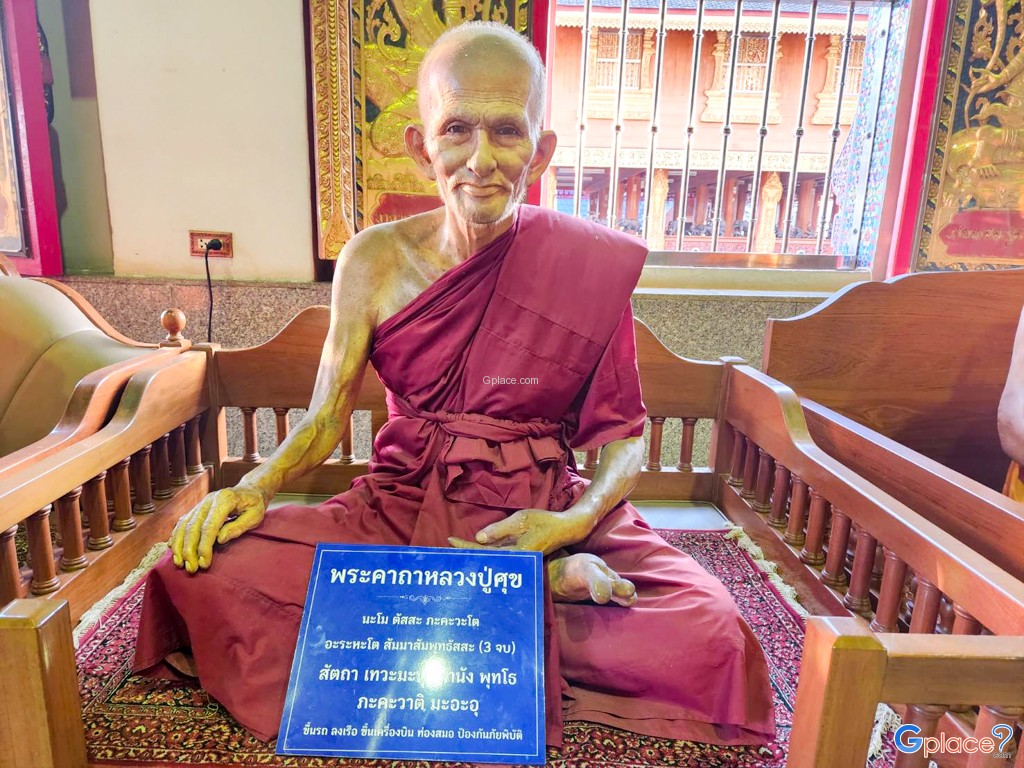
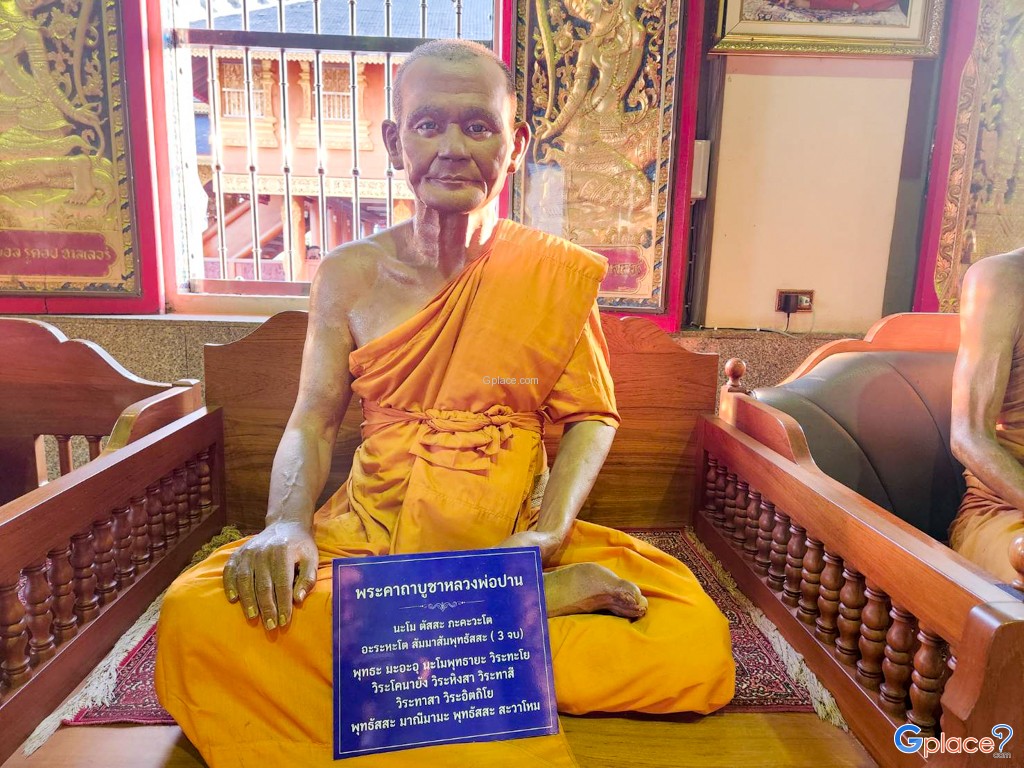
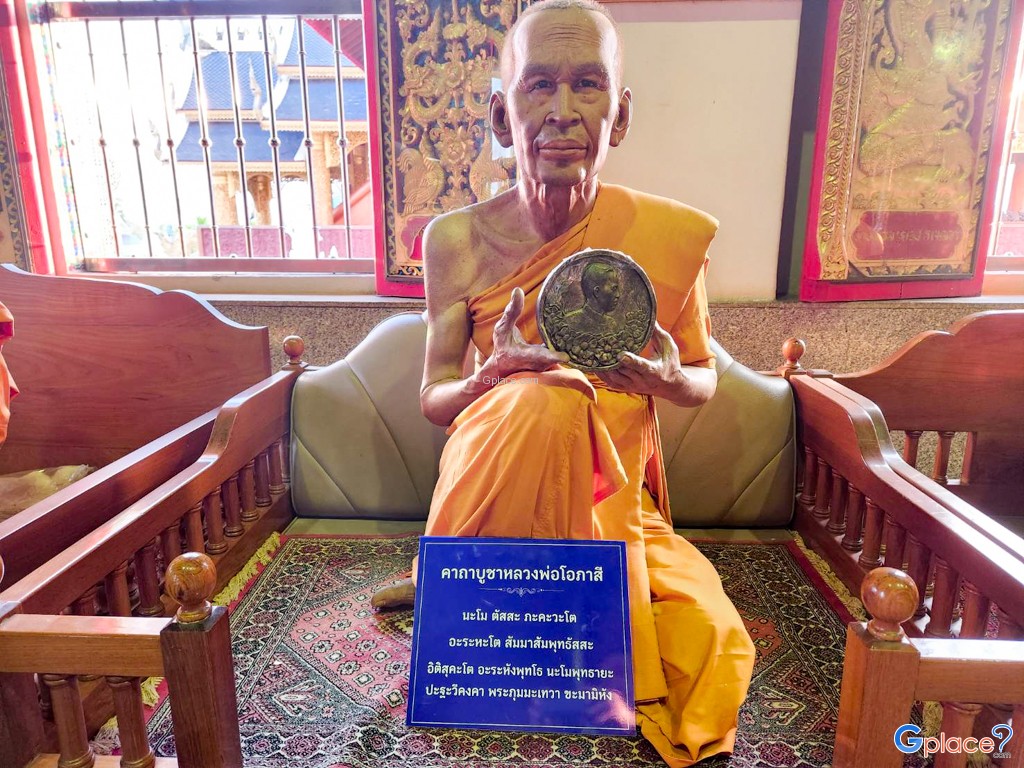
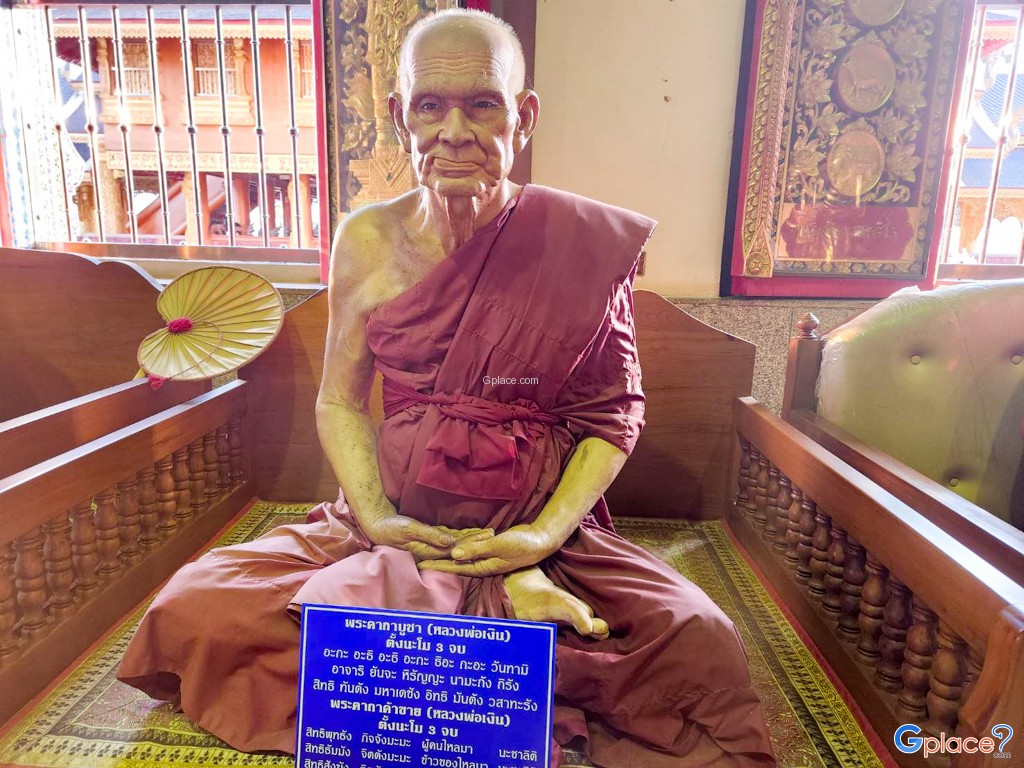
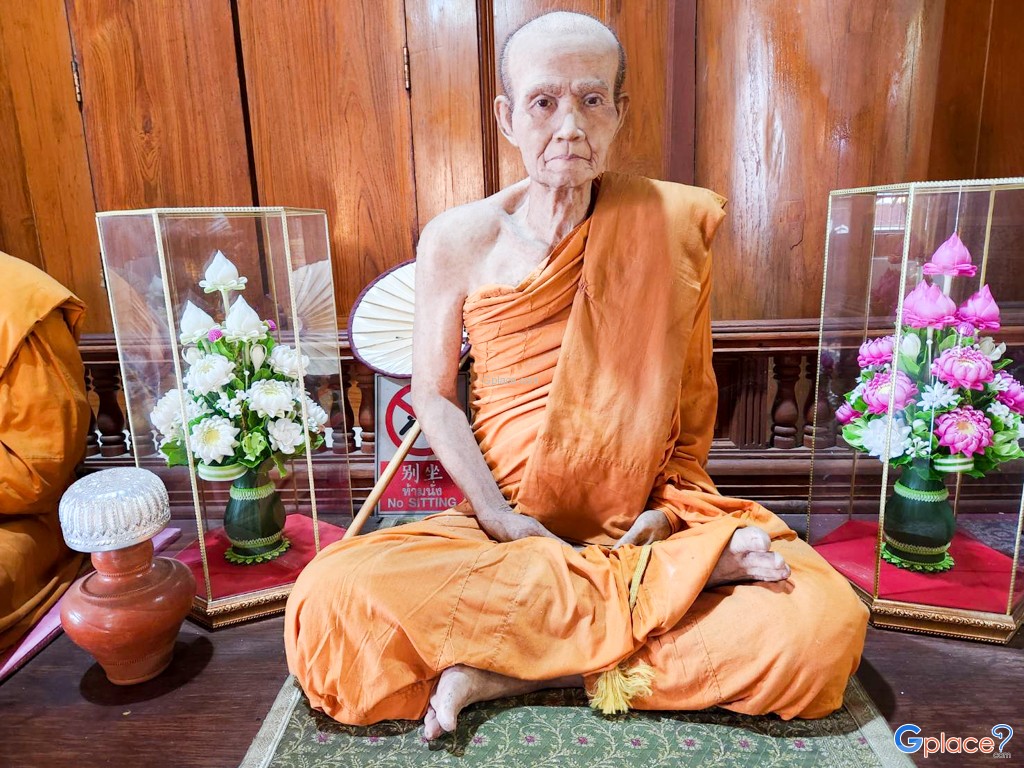
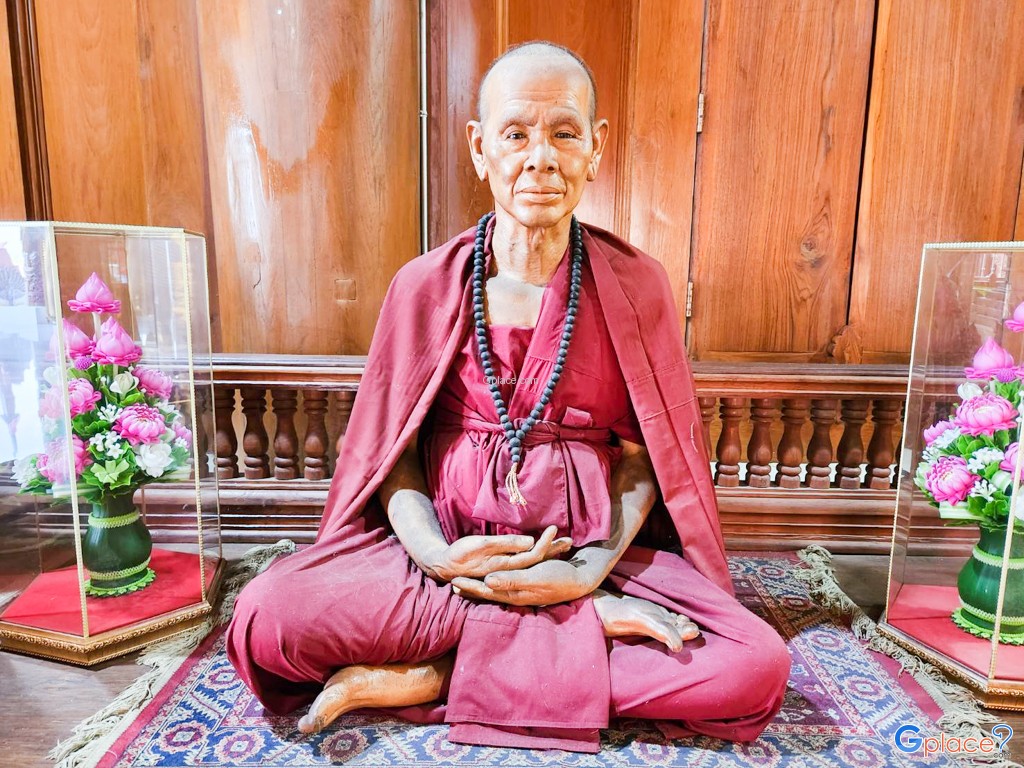
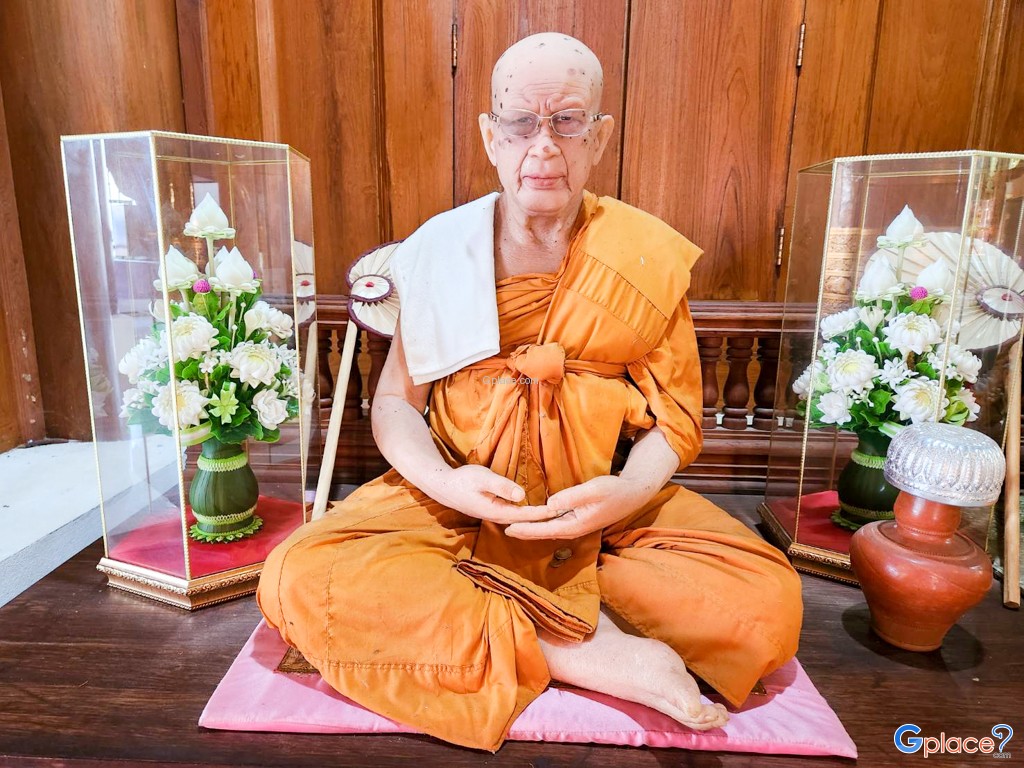
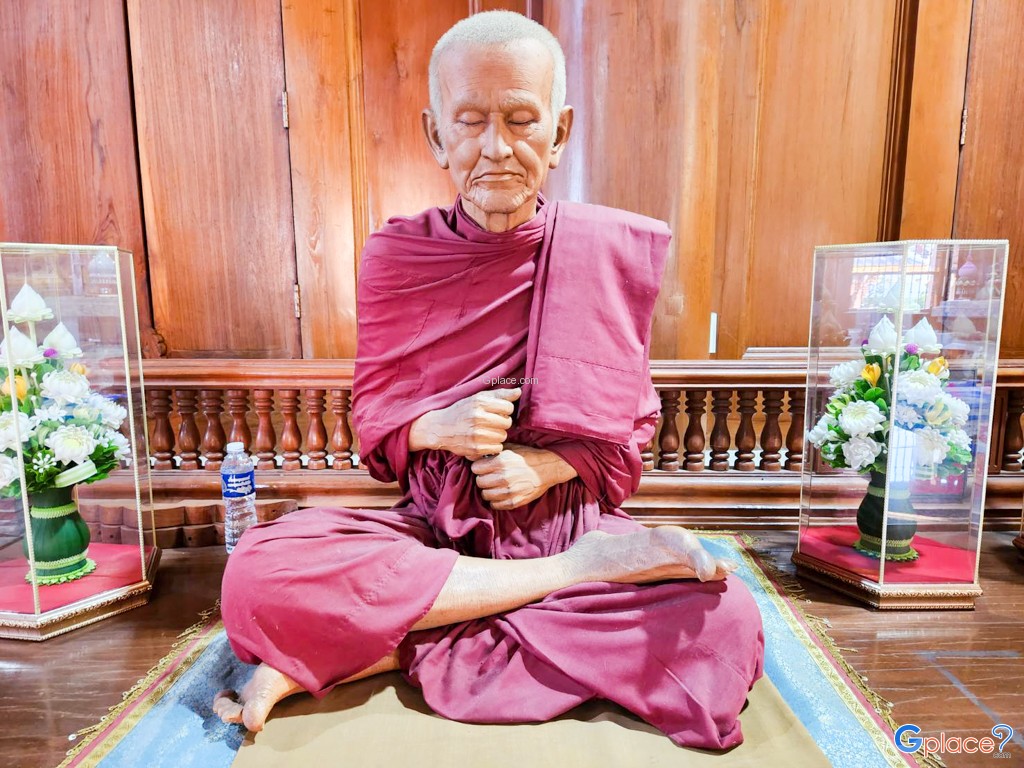
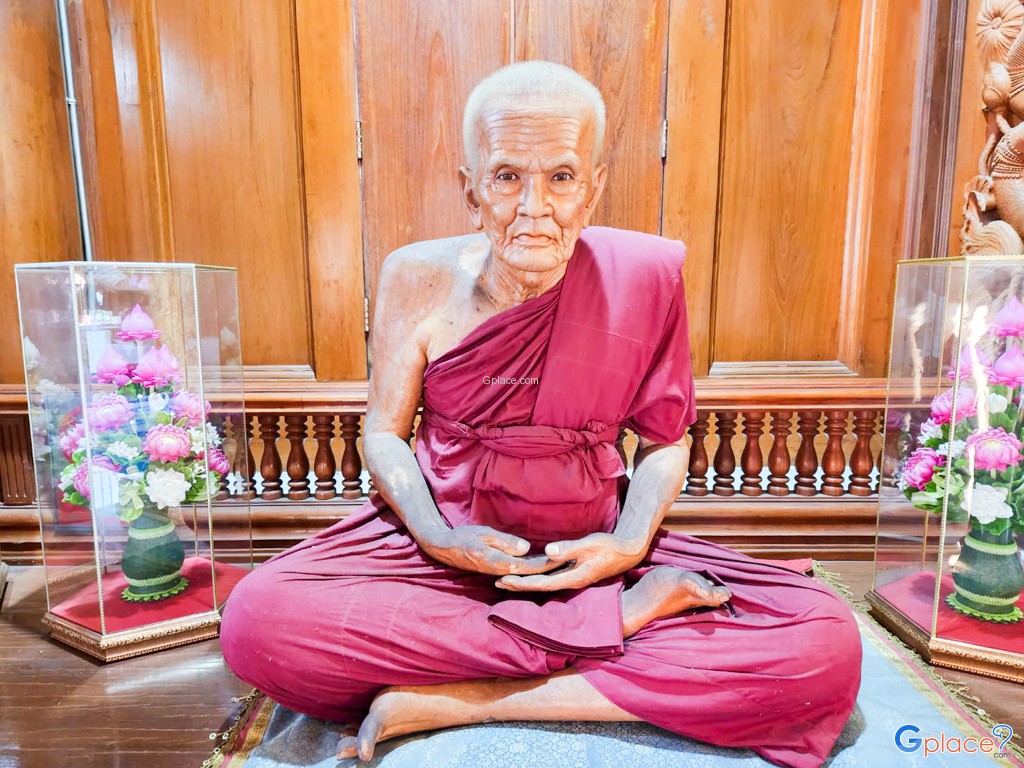



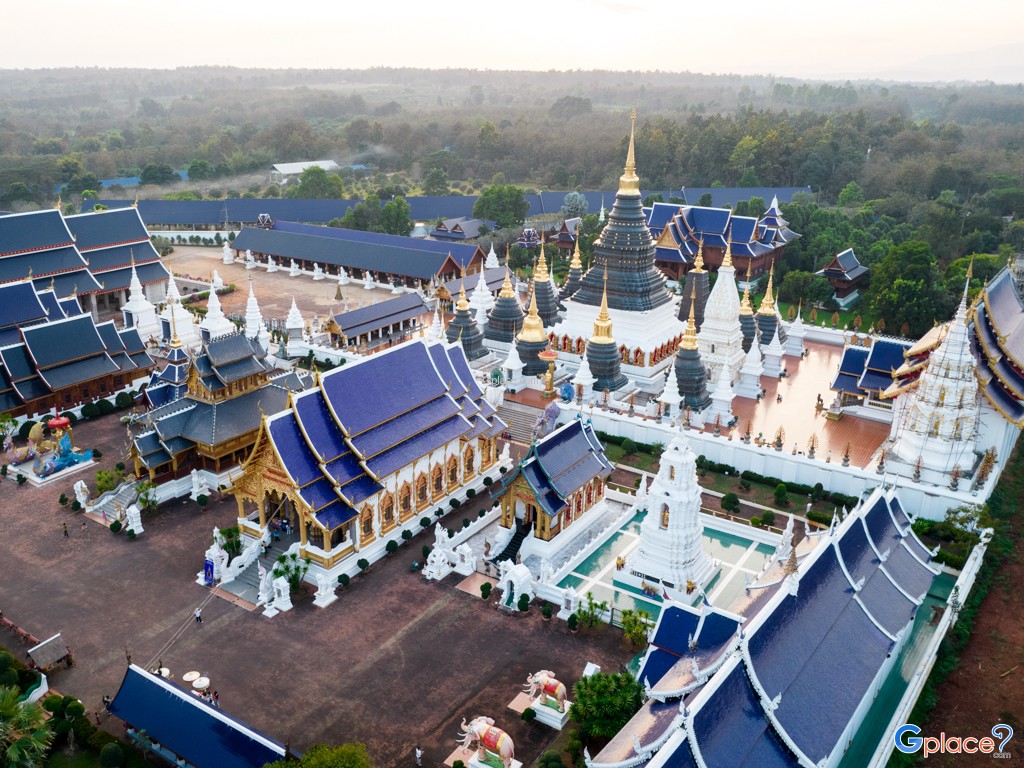
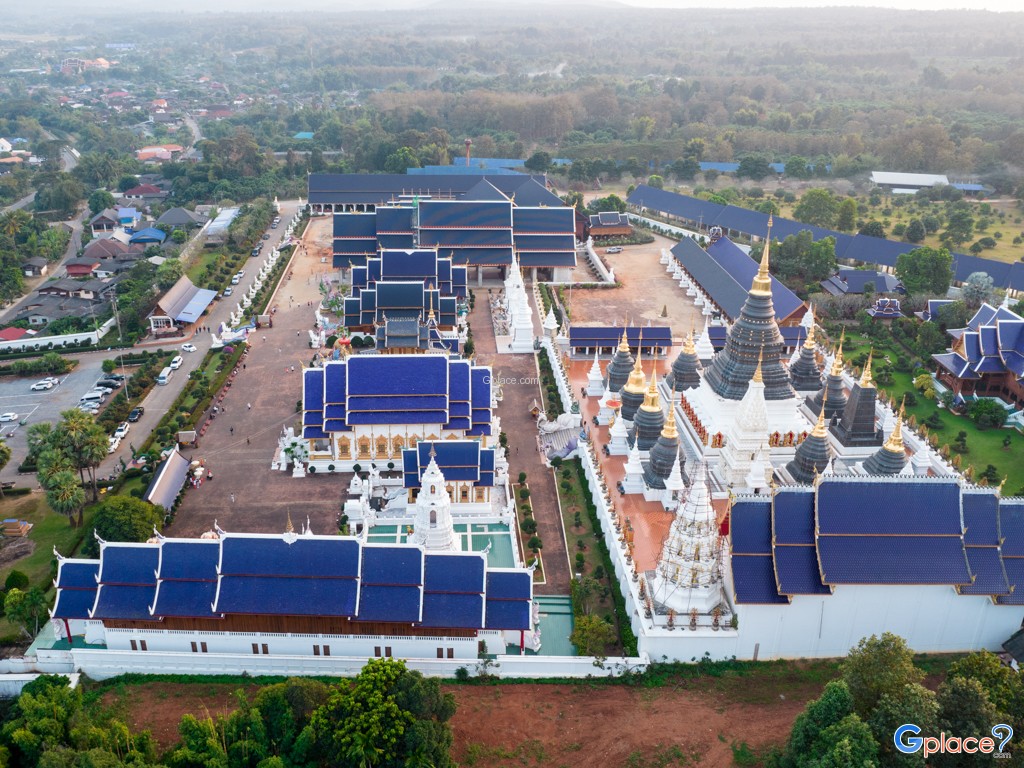
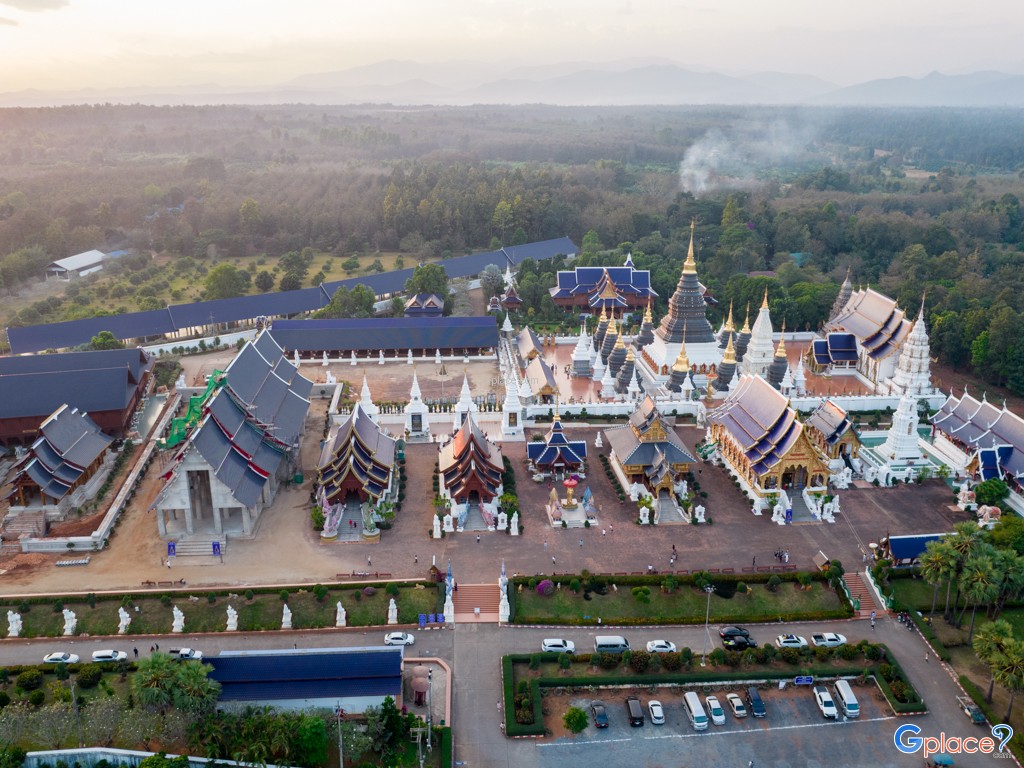
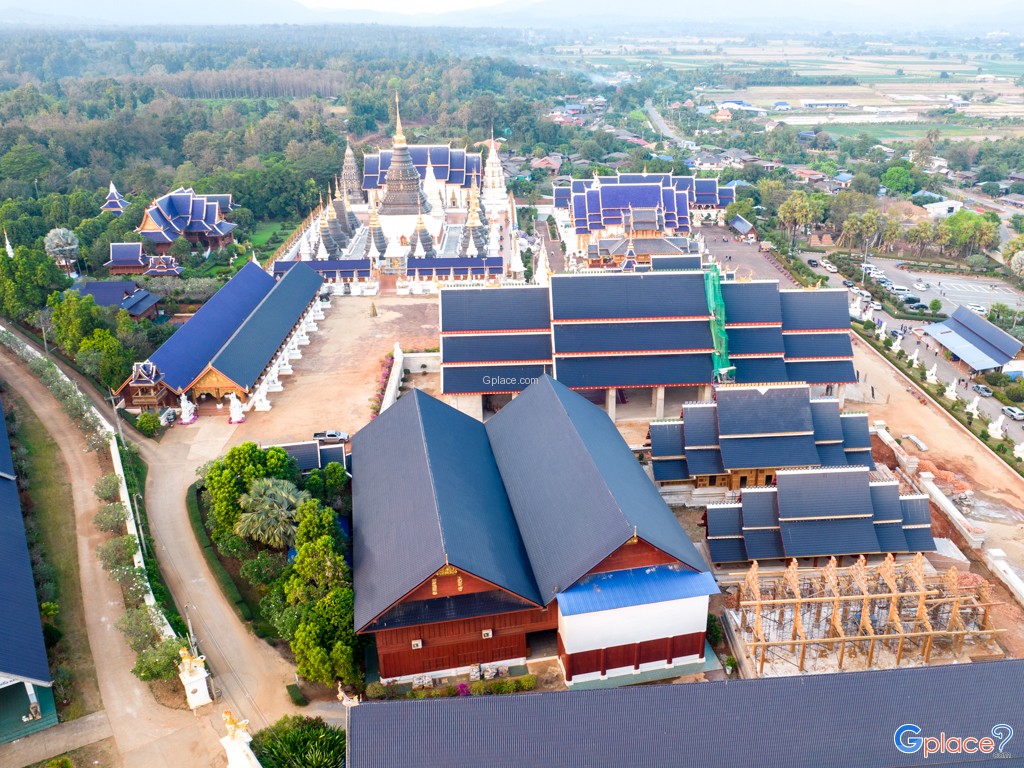
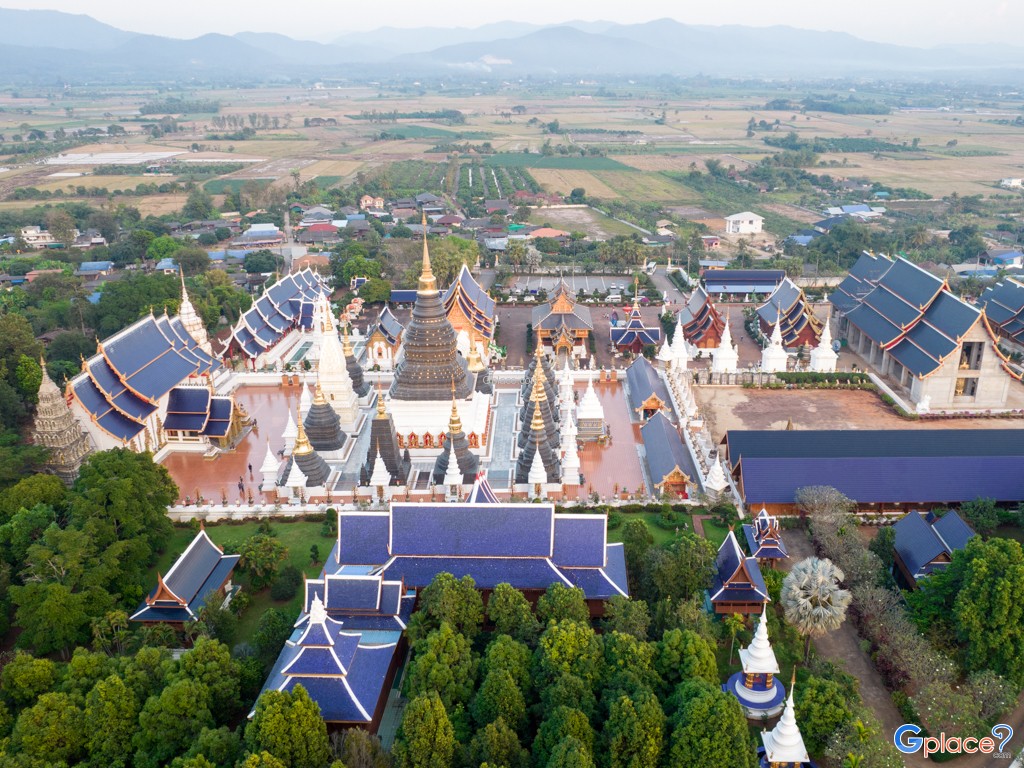
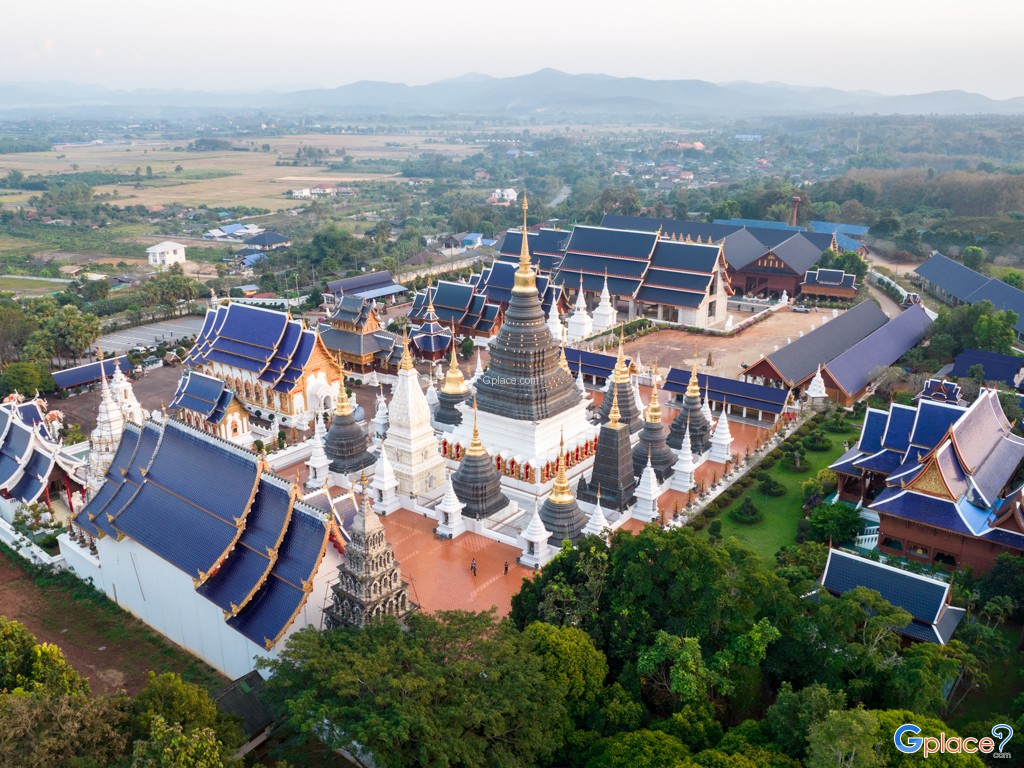

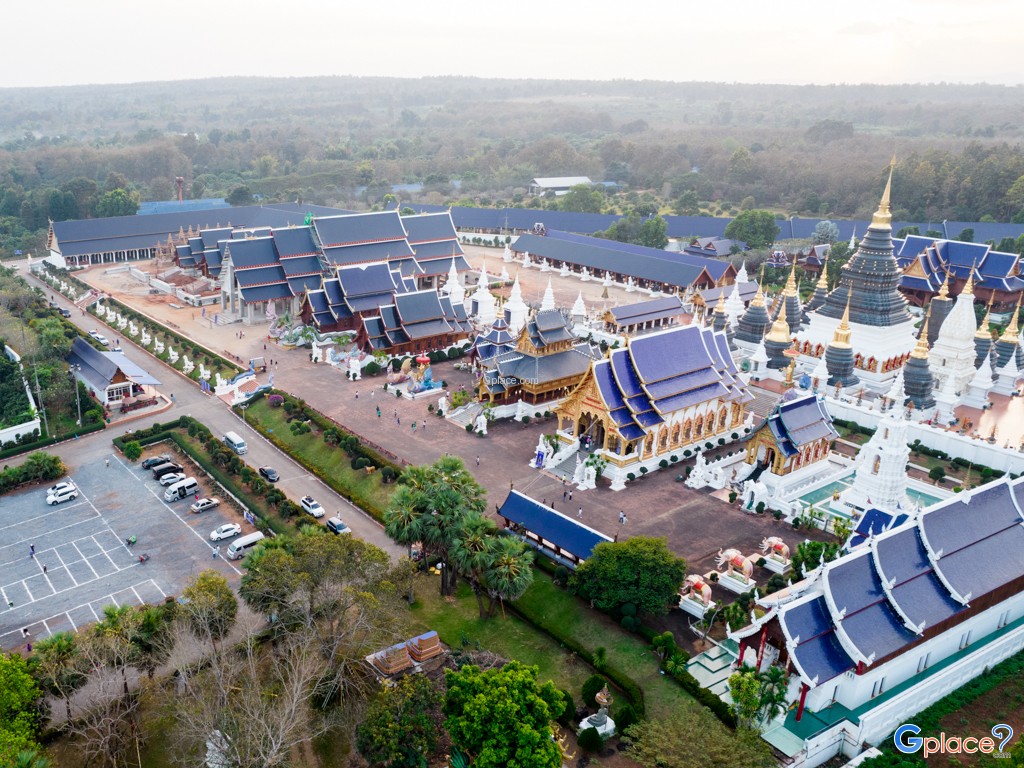
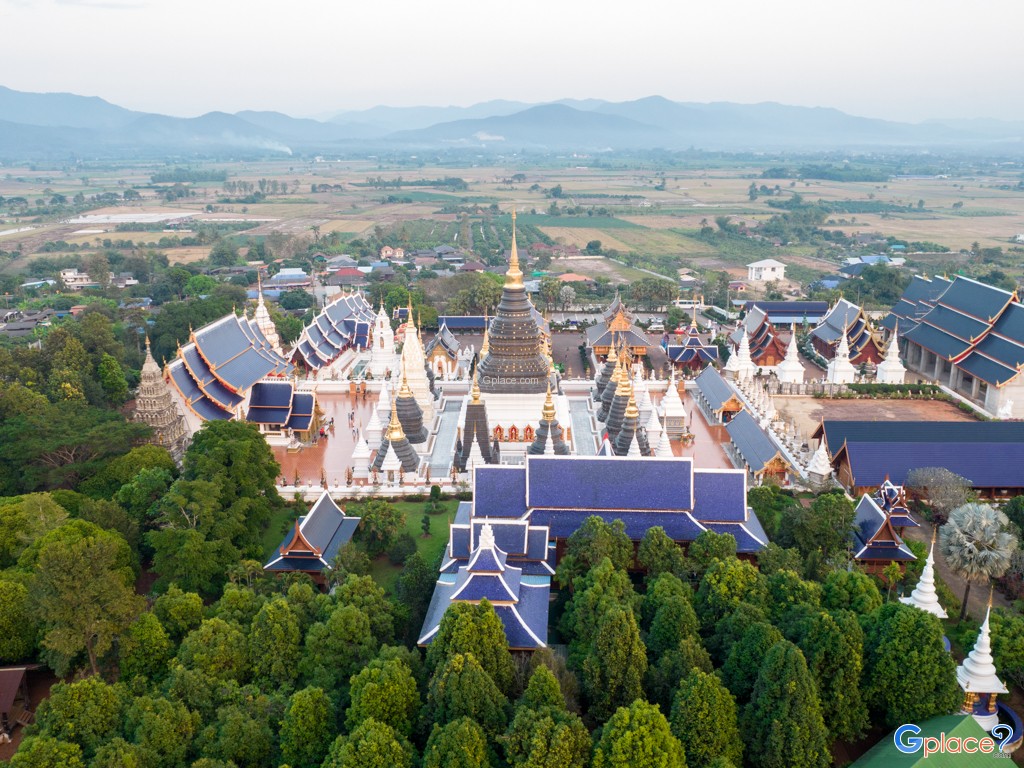
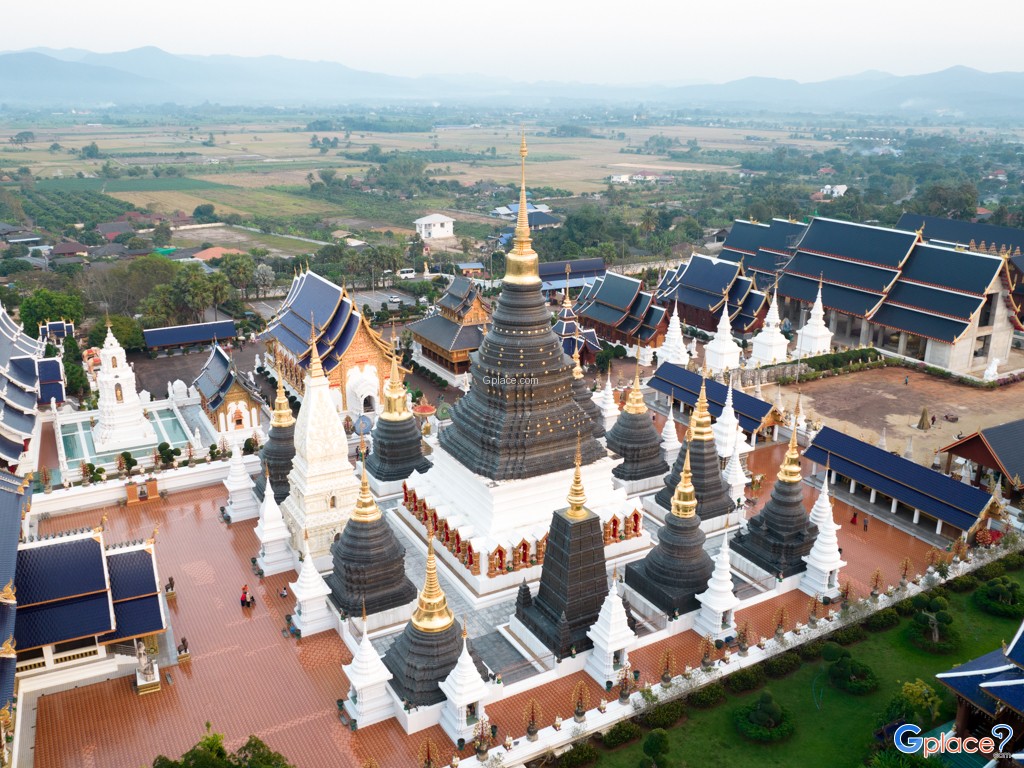
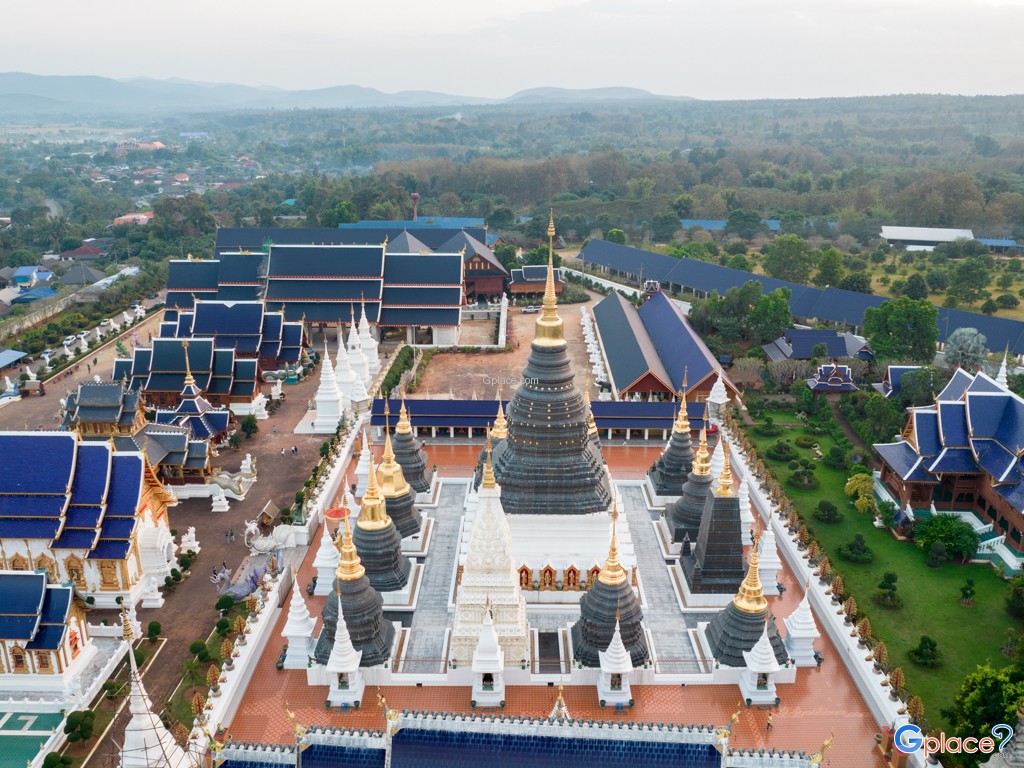
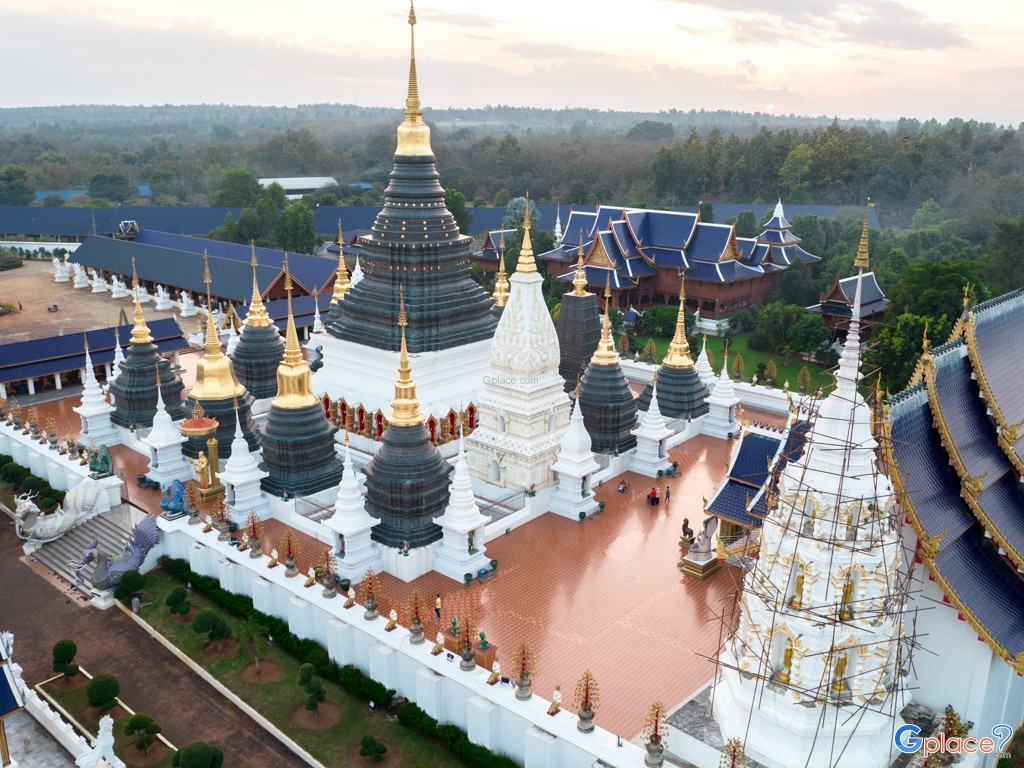
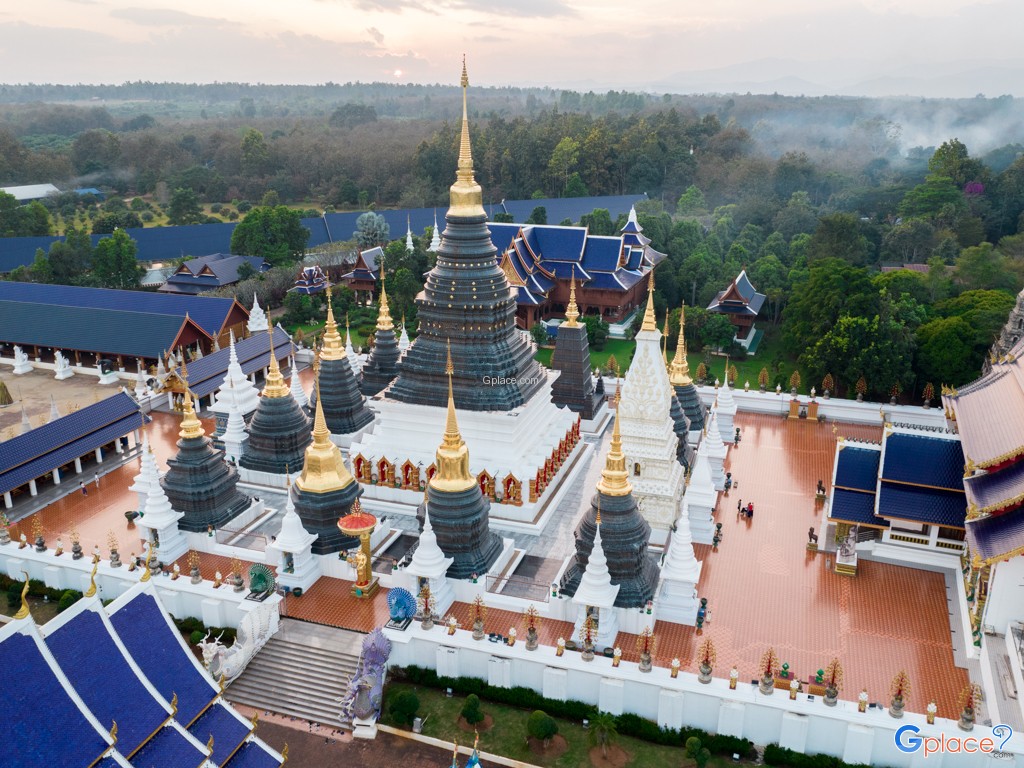
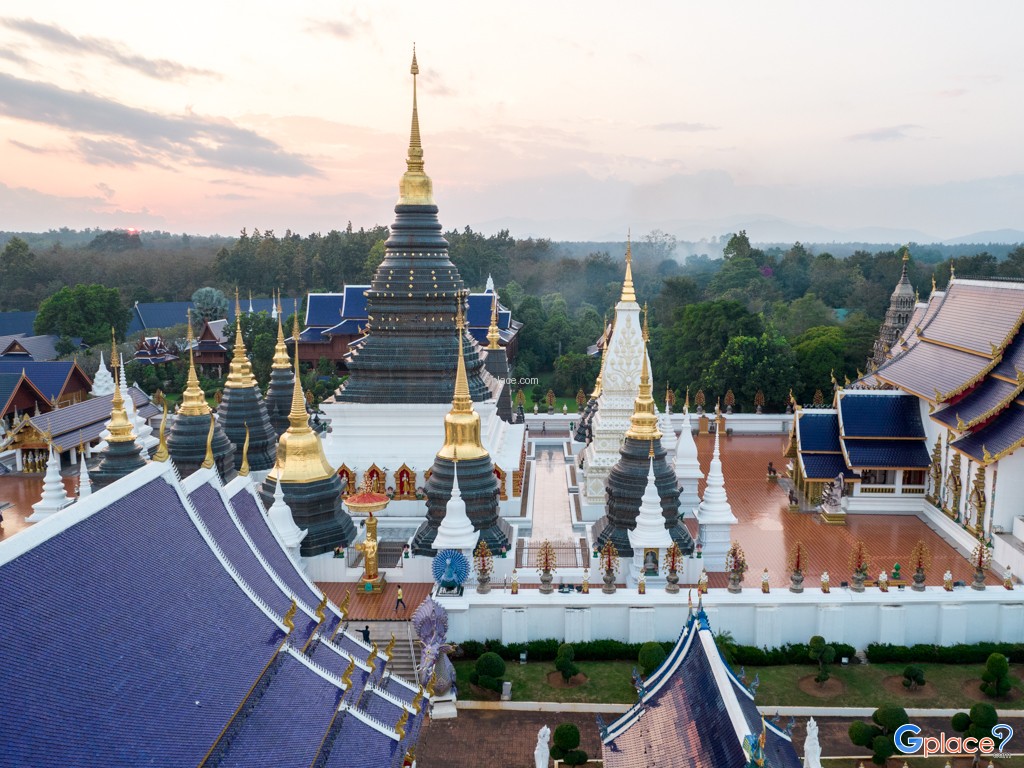
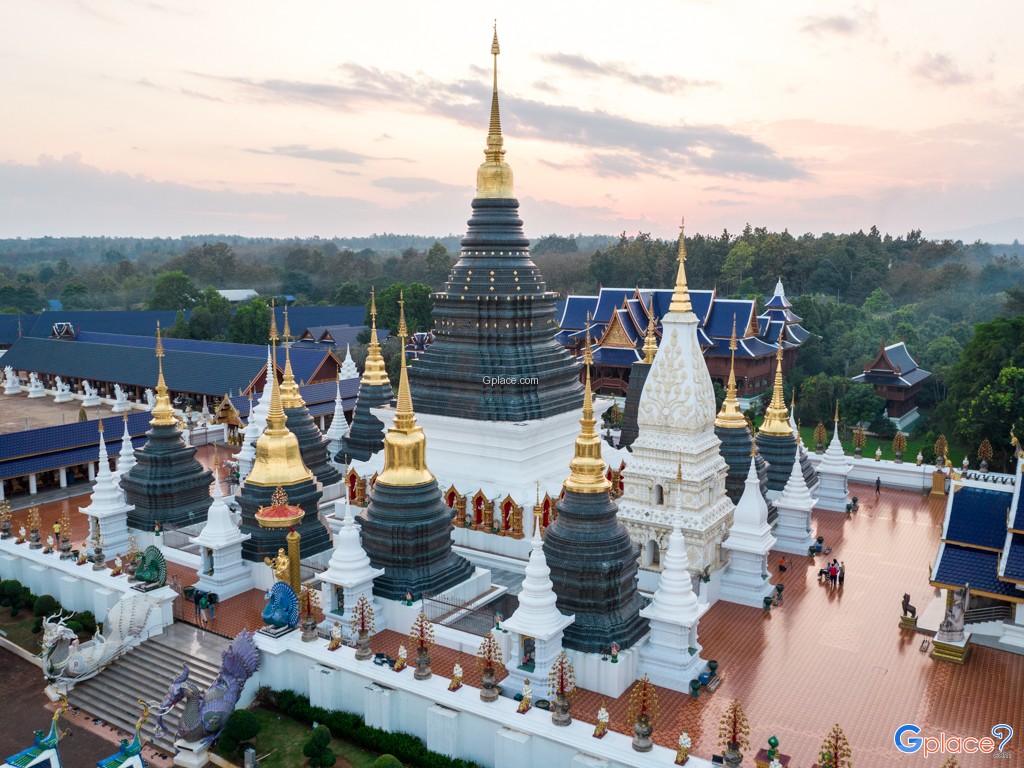
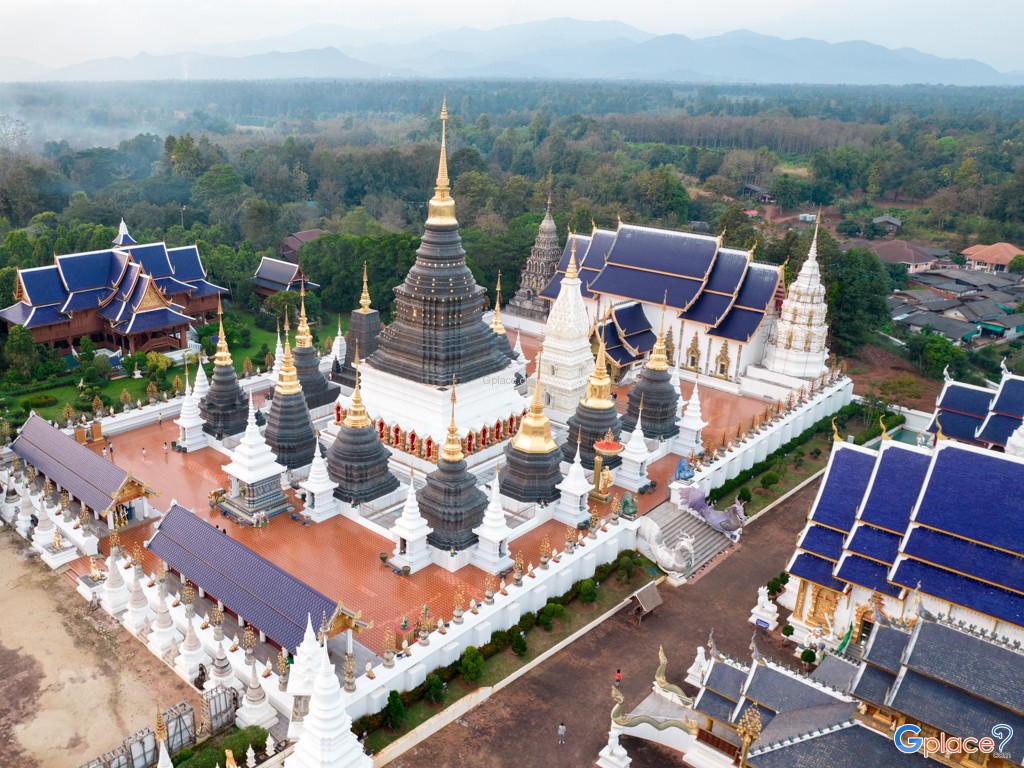
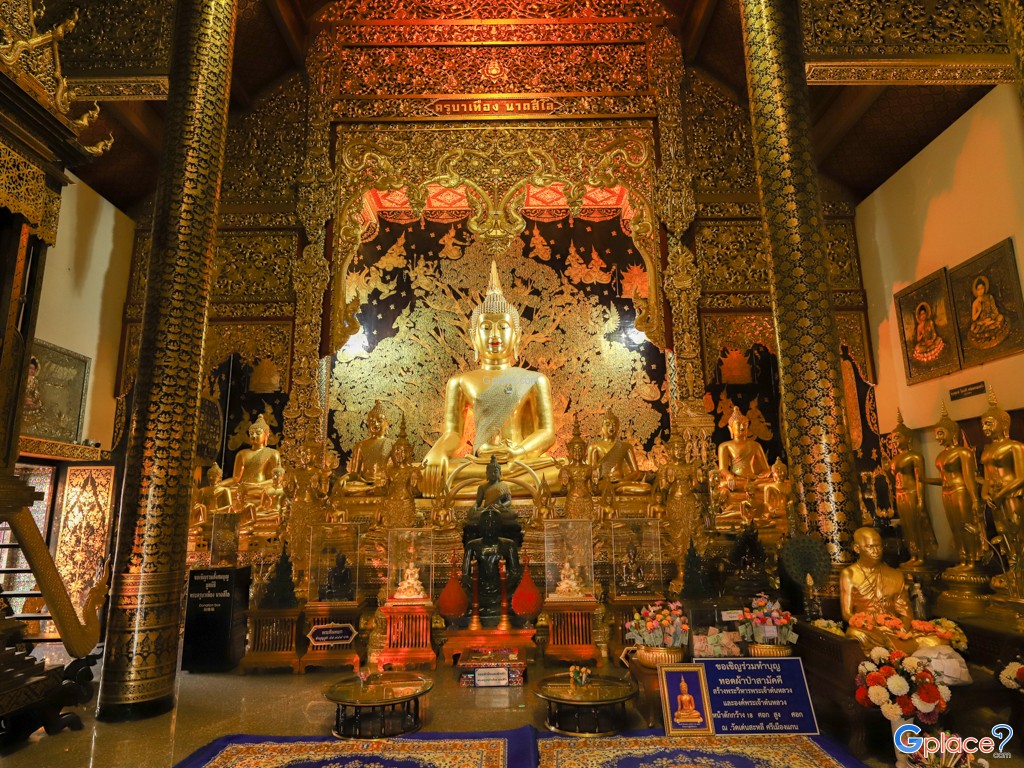
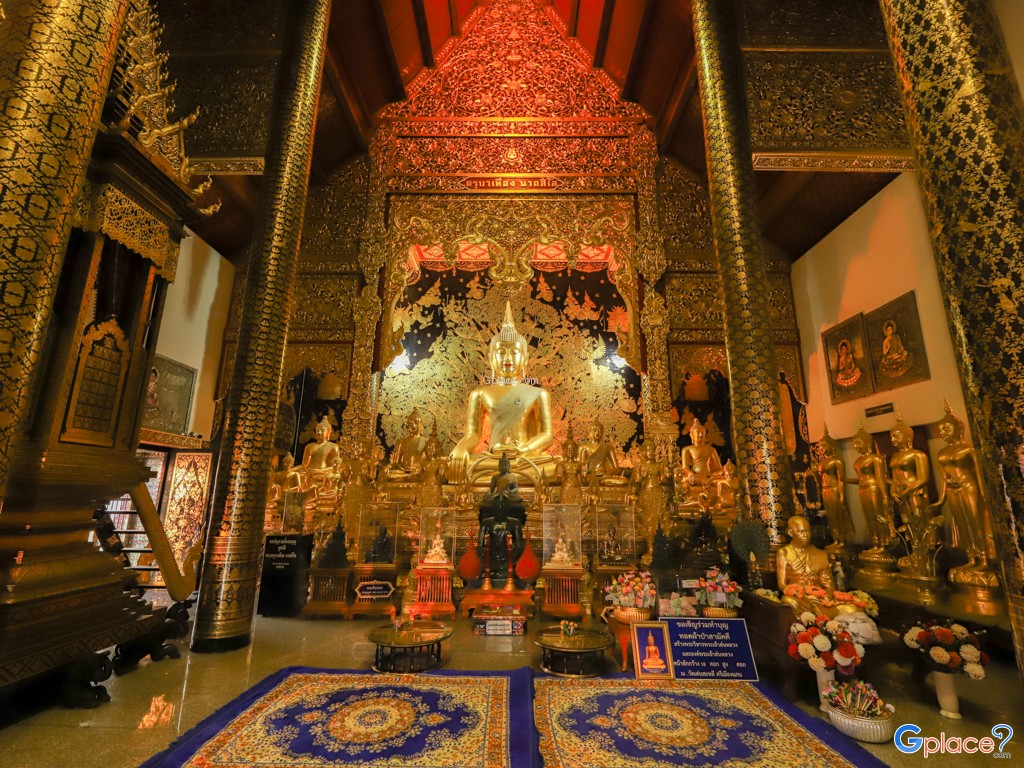
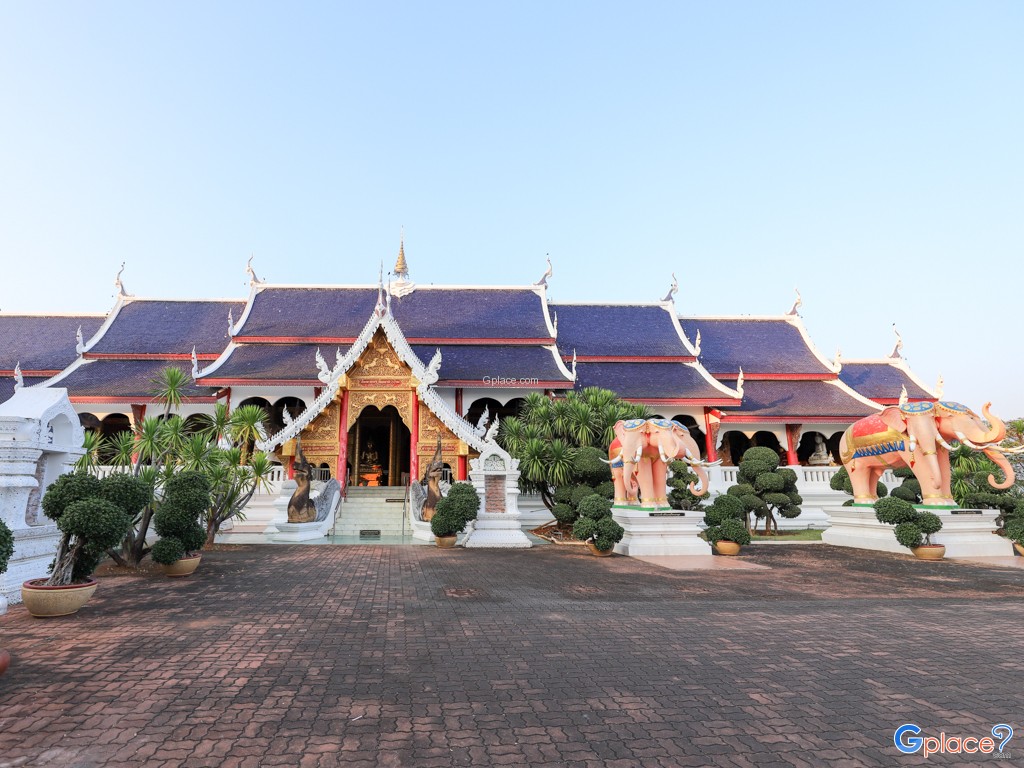
“Witness a magnificent Lanna temple, complete with the 12 Zodiac Pagodas and stunning architecture on a hillside.”
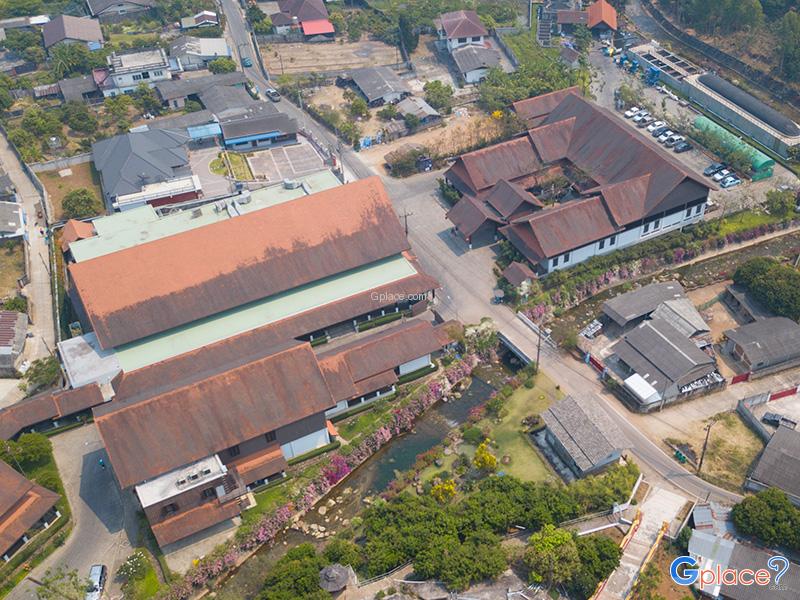
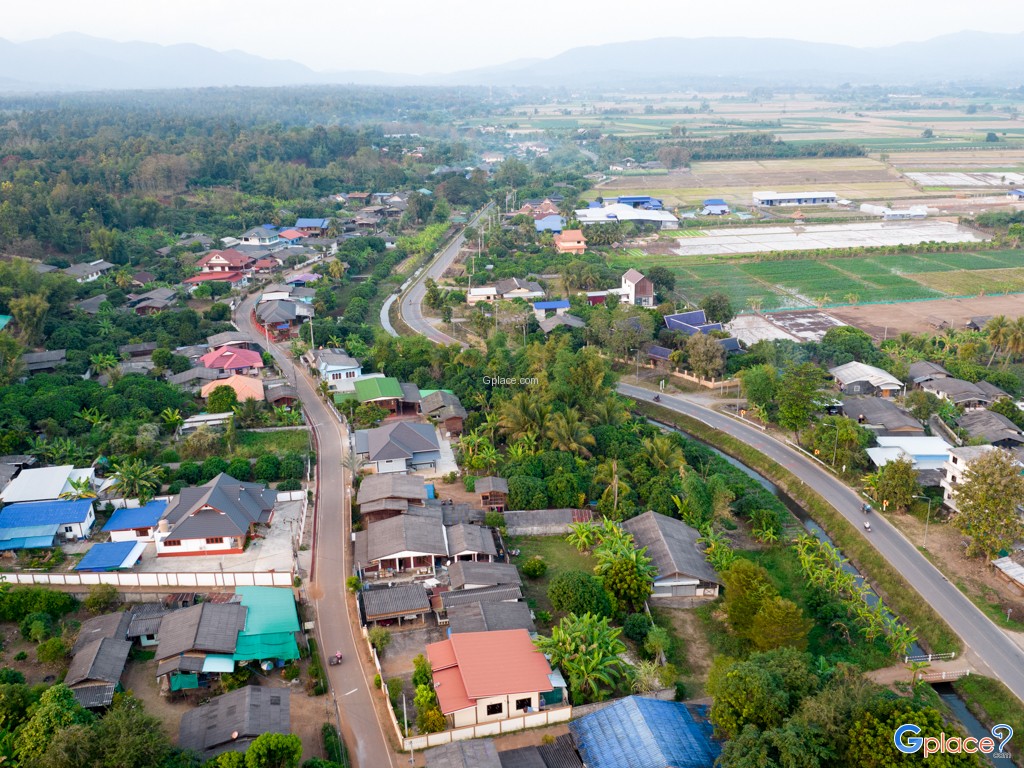
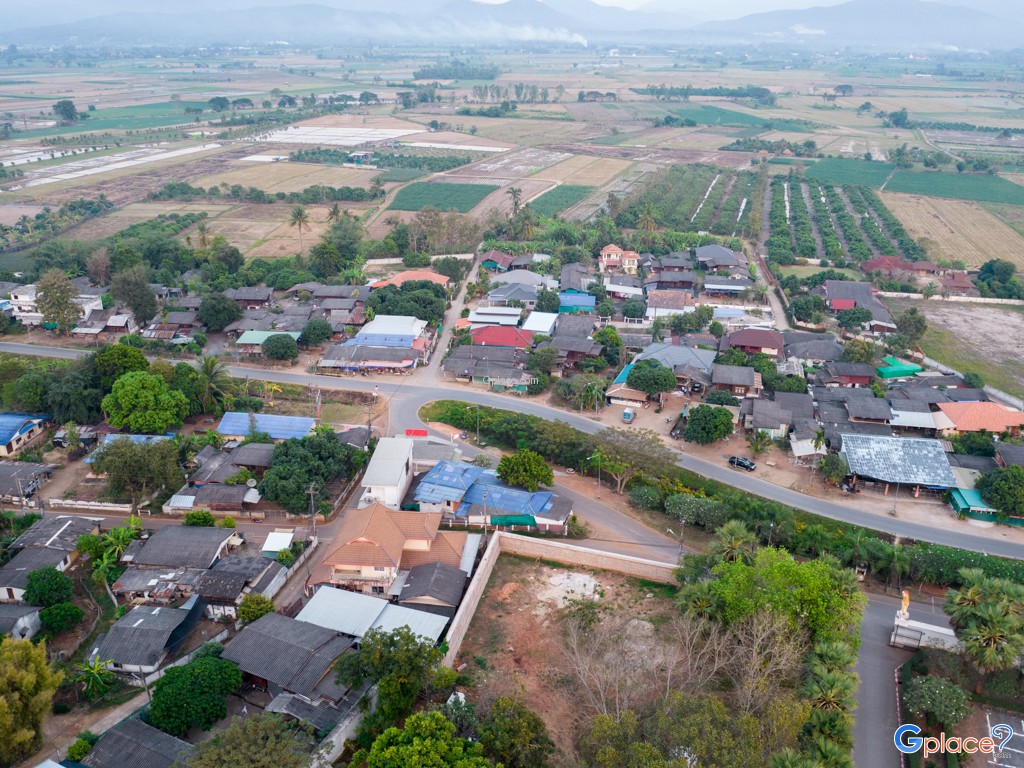
Wat Den Salee Sri Muang Kaen (Wat Den Sali Si Muang Kaen), also commonly known as Wat Ban Den (Wat Ban Den), is one of the most famous royal temples in Mae Taeng District, Chiang Mai Province, and is celebrated as one of the most architecturally beautiful temples in the North. Situated on a gentle hill within the ancient city of "Muang Kaen," a former significant community of the Lanna Kingdom, the temple offers 360-degree panoramic views of rice fields, villages, and surrounding mountain ranges, creating an atmosphere of both tranquility and sanctity.
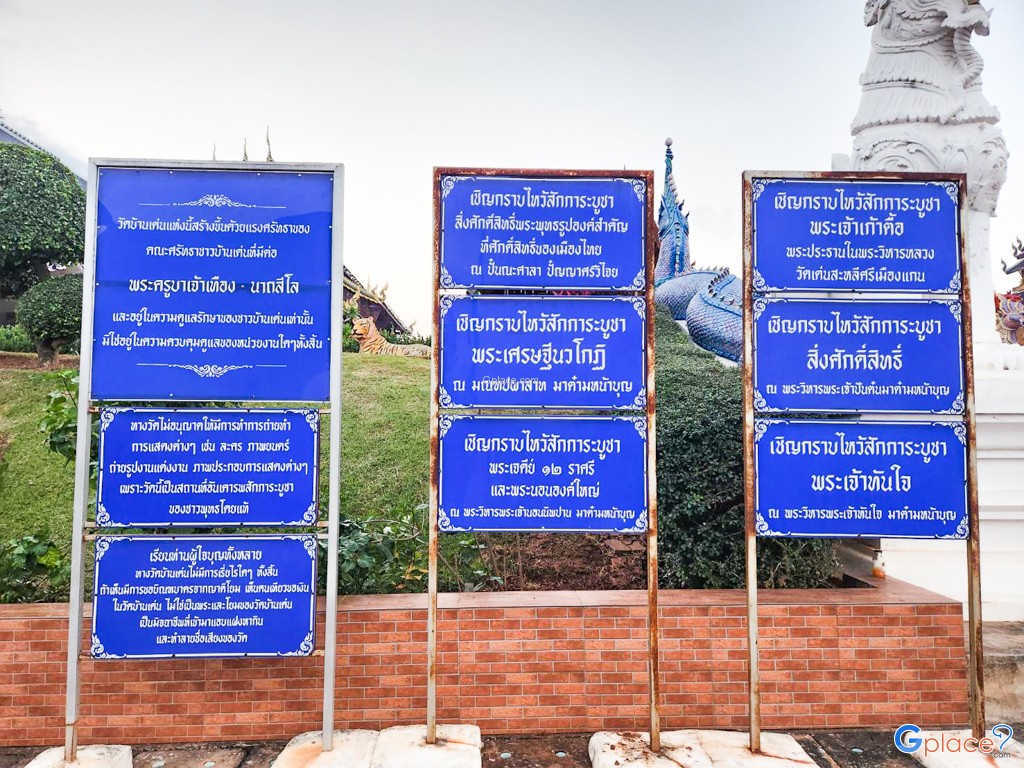
Originally, this temple was a small community temple before undergoing continuous development by Phra Kruba Tueang Natthasilo, the abbot who played a crucial role in its restoration. With the faith of local villagers and Buddhists nationwide, it has become a major center for Lanna Buddhist art today. The name "Den Salee Sri Muang Kaen" signifies the auspicious city of Muang Kaen, with "Salee" being a Lanna word for a Bodhi tree, which is considered a symbol of Buddhism.
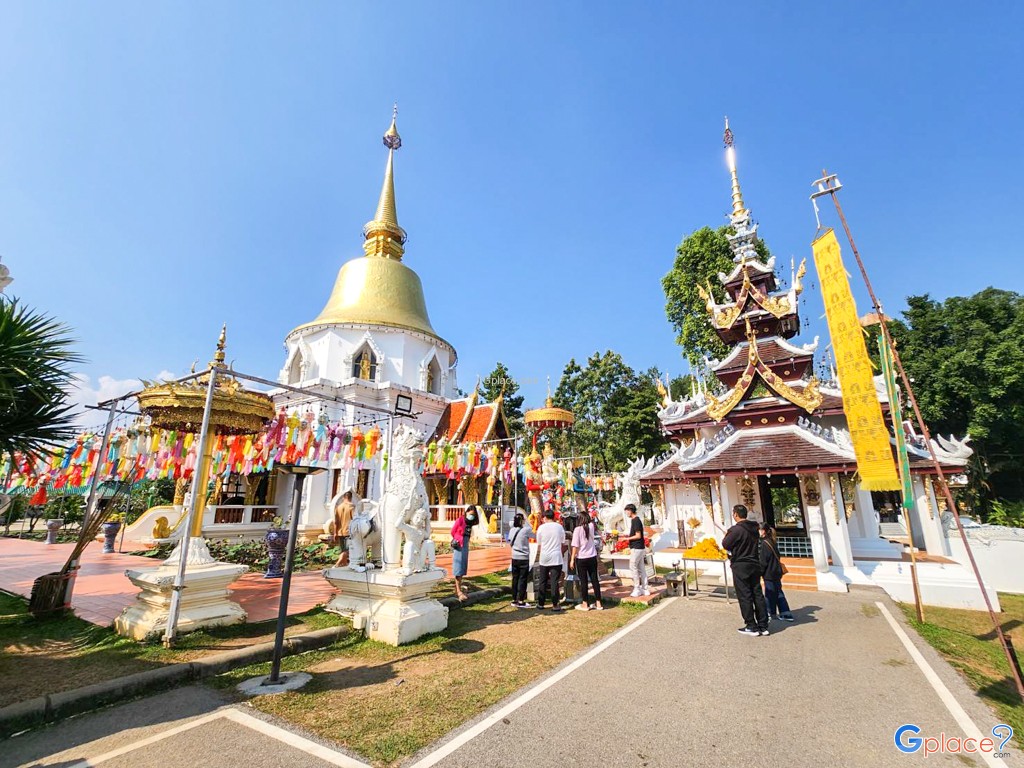
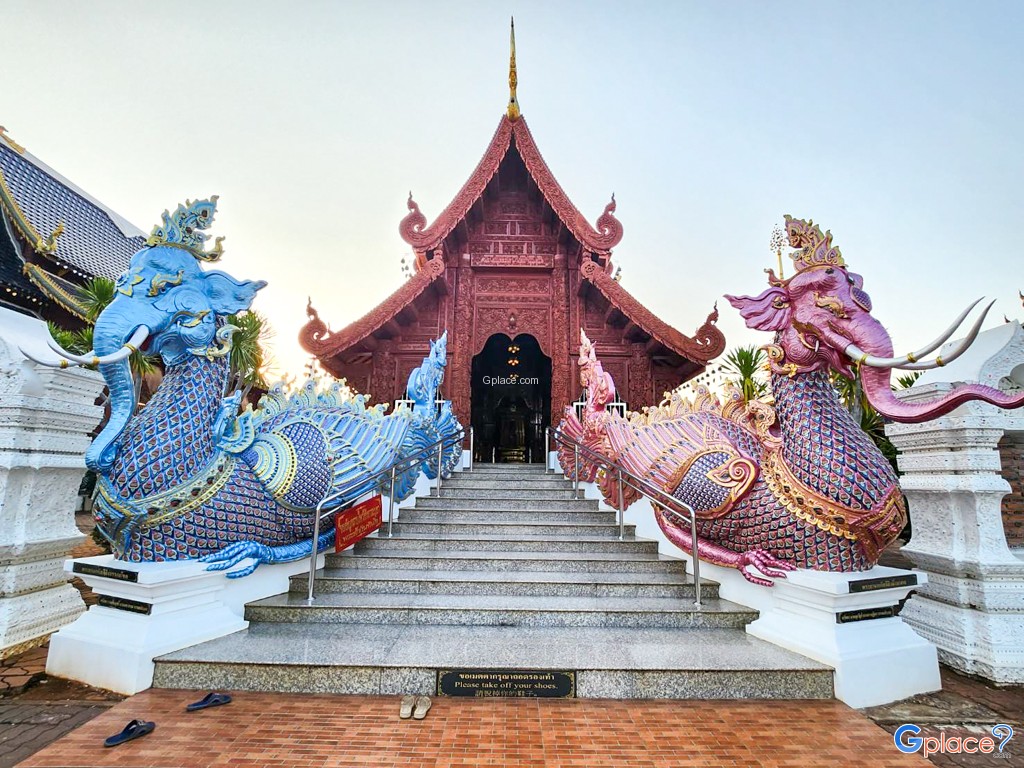
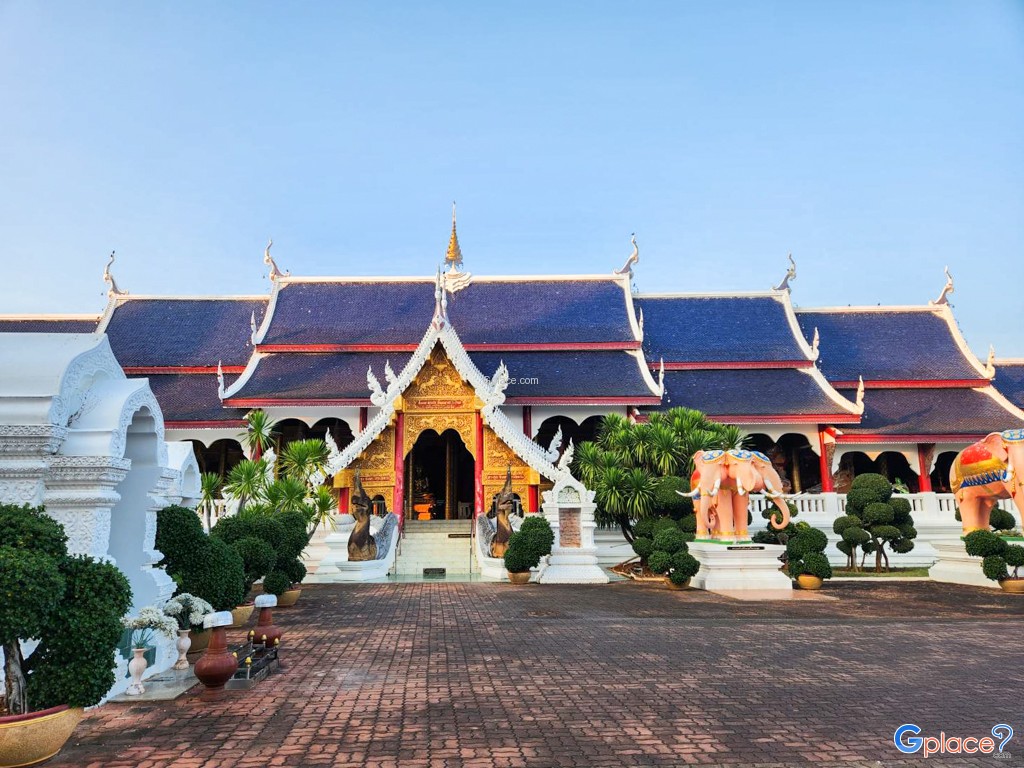
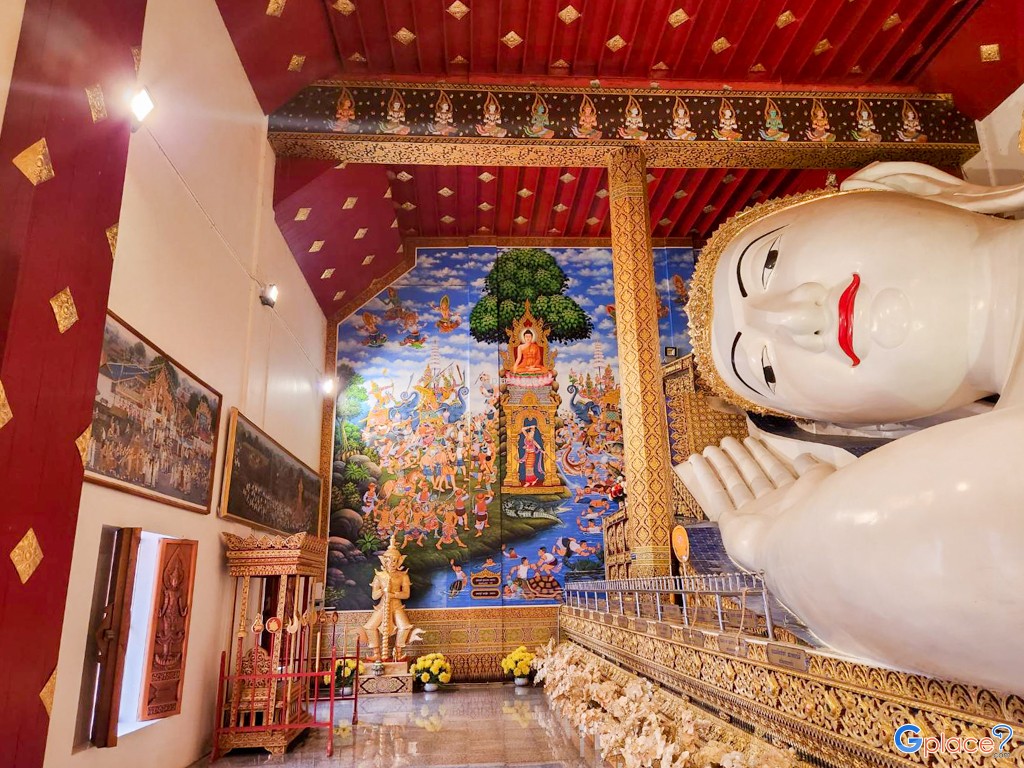
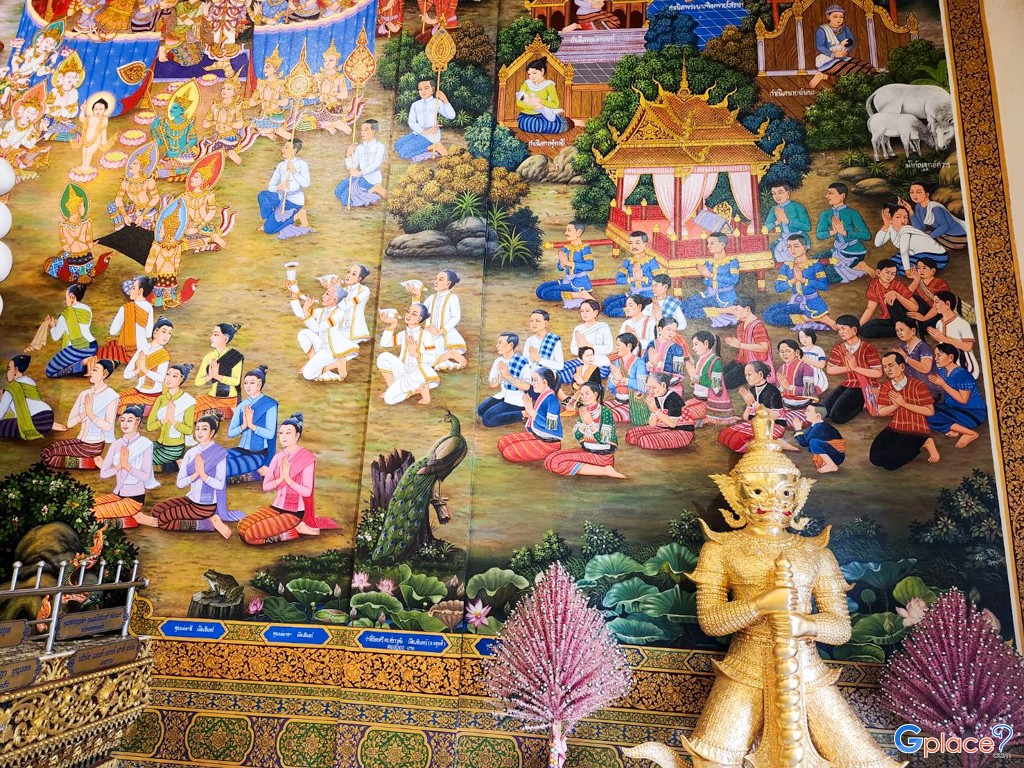
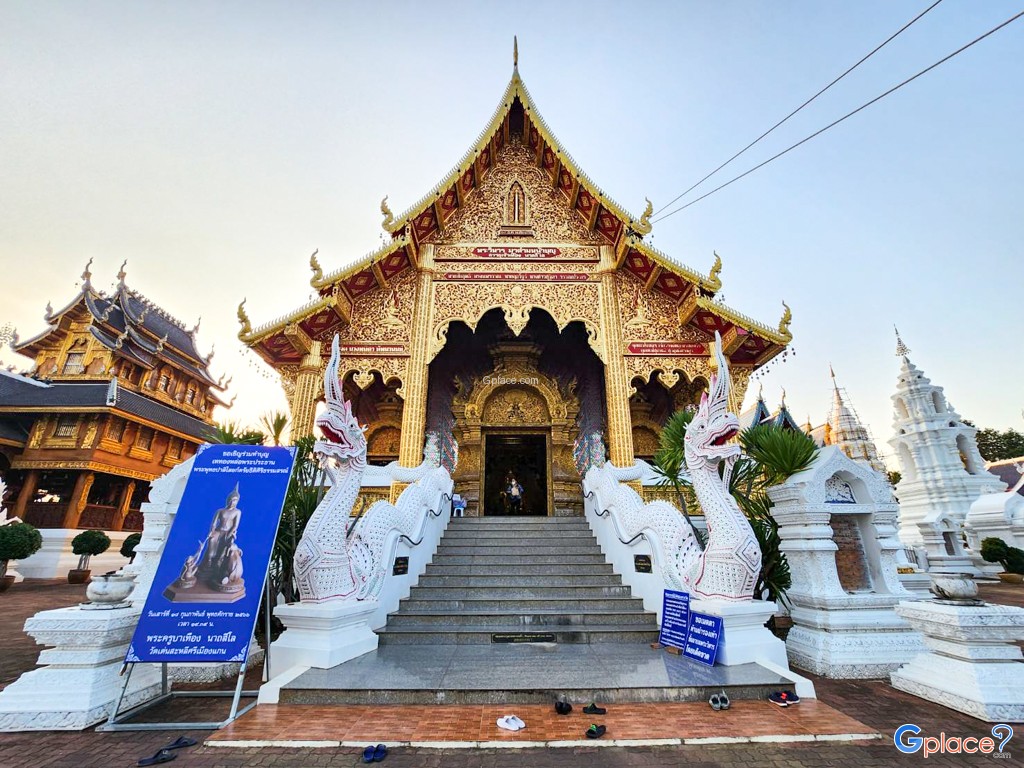
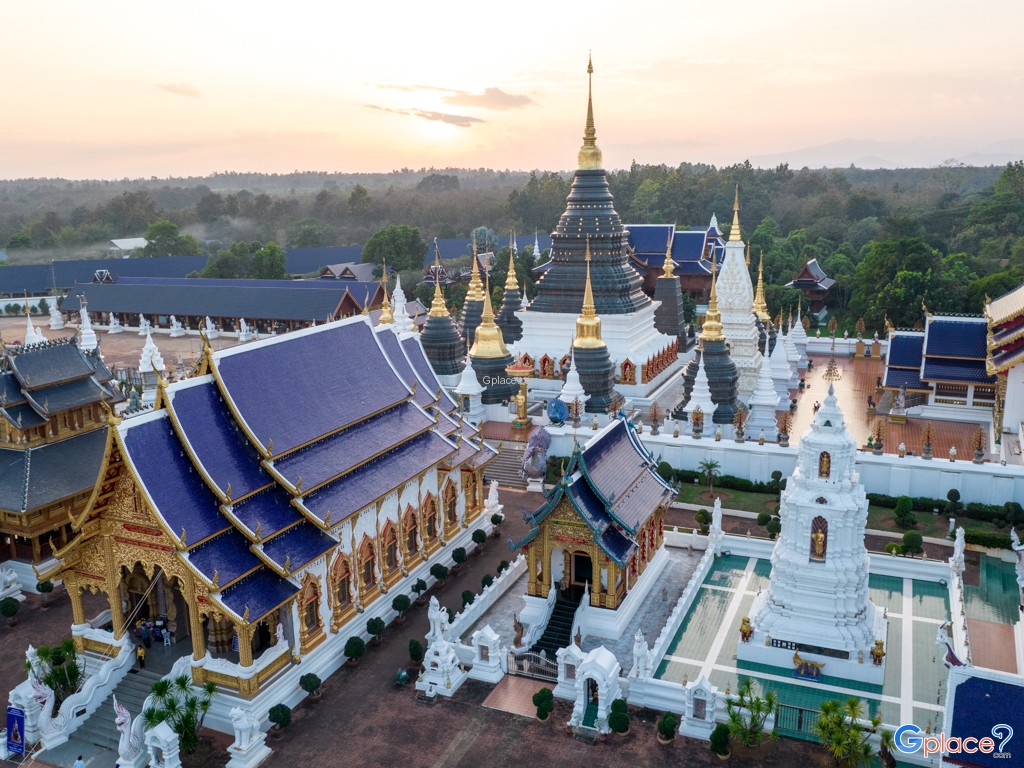
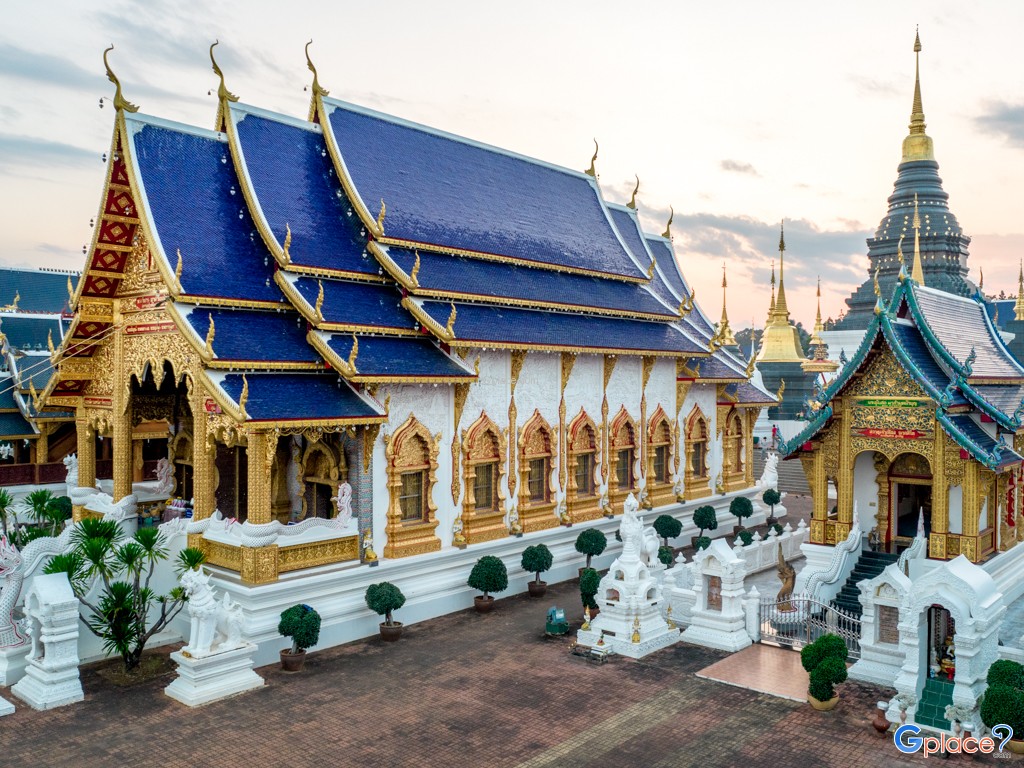
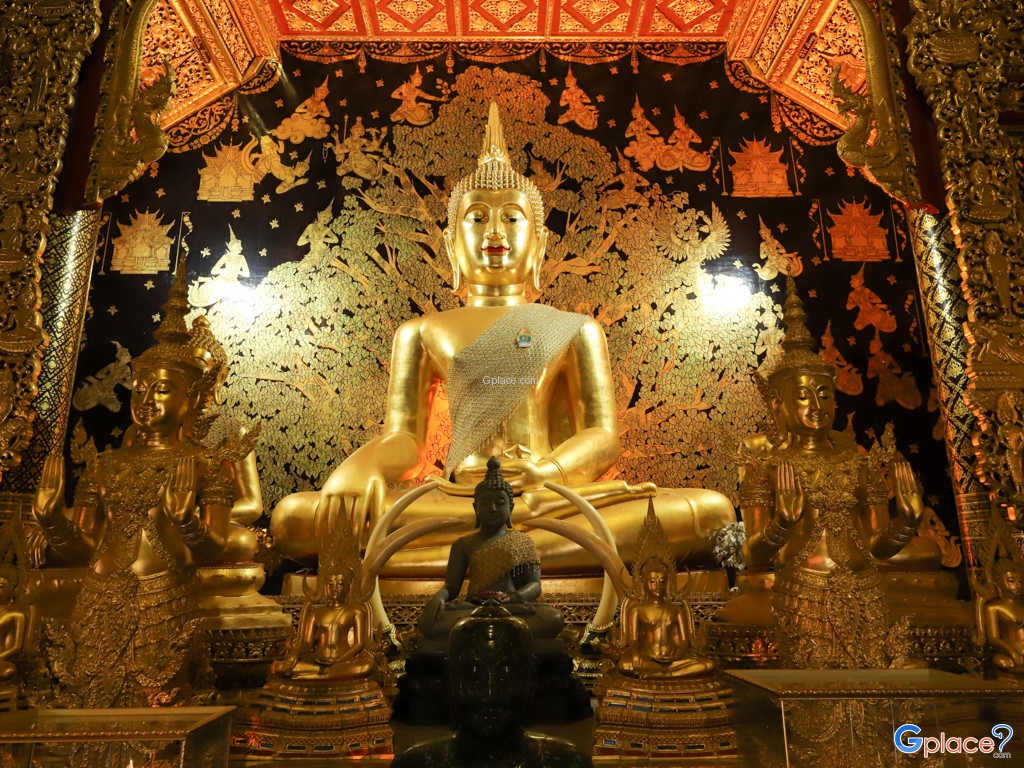
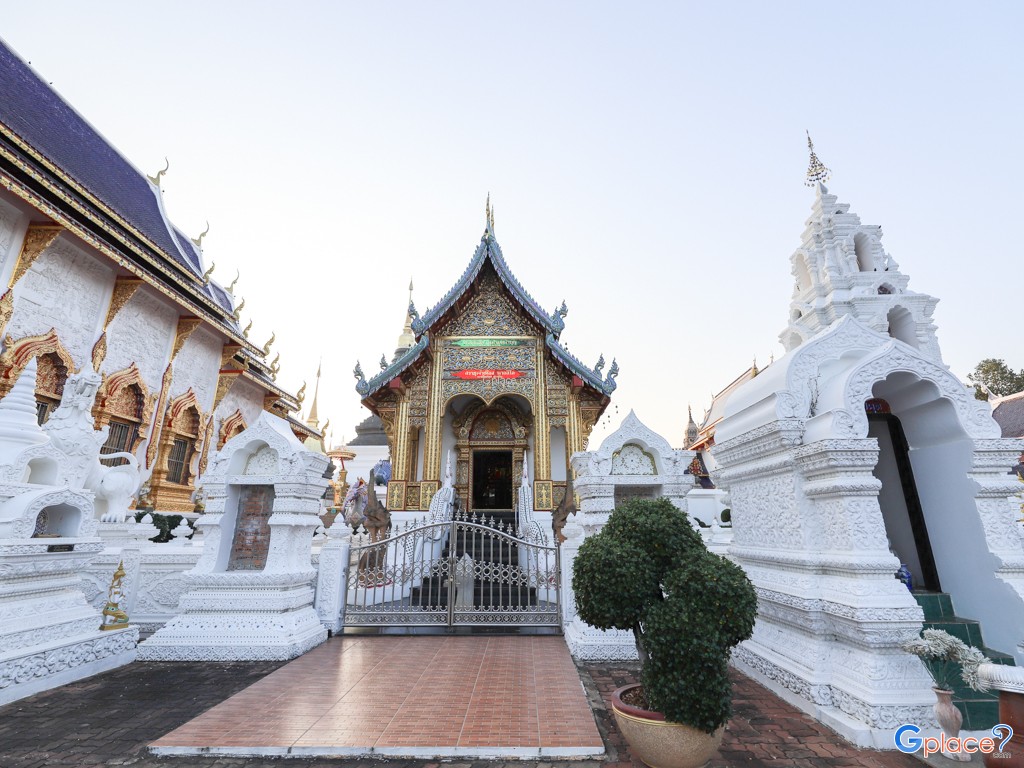
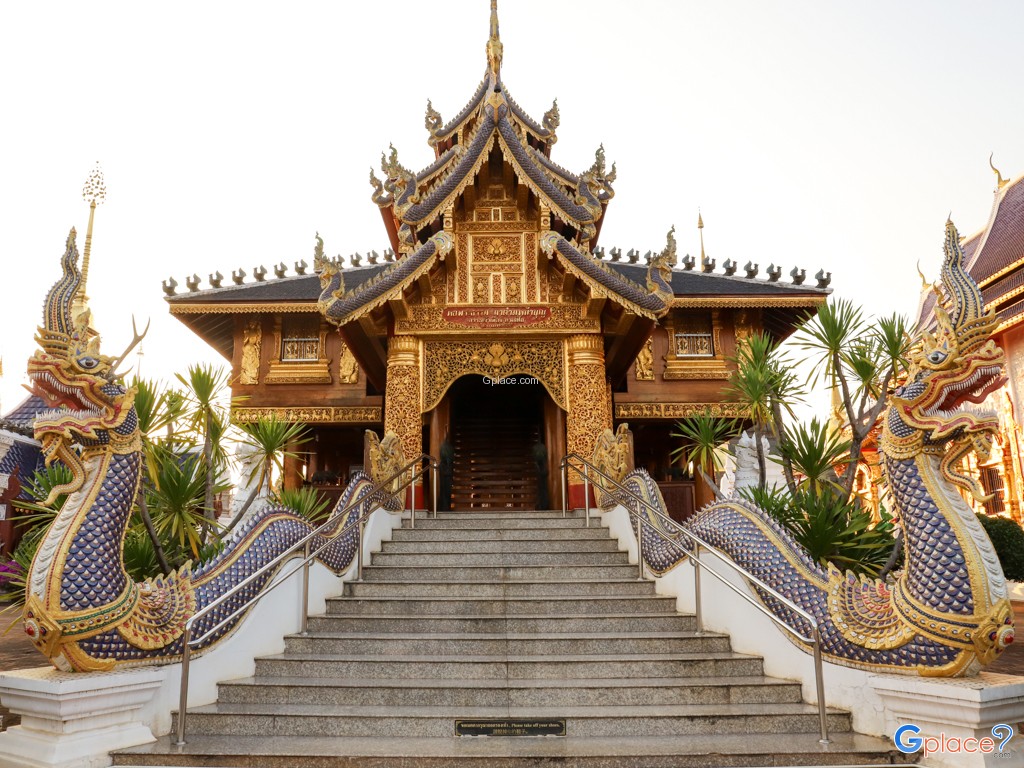
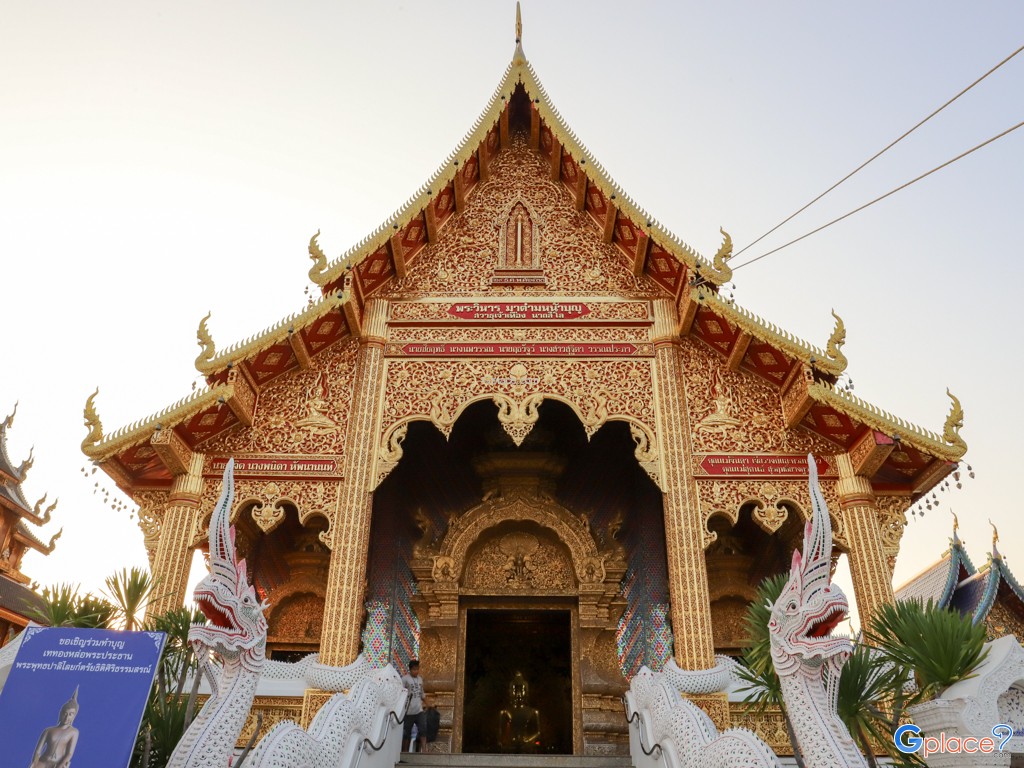
The temple's highlight is its harmonious blend of Lanna, contemporary Lanna, Burmese, and traditional Thai architectural styles. Most buildings are constructed from golden teak wood and reinforced concrete, adorned with intricate wood carvings, gilded lacquerware, stucco patterns of flora, devas, and nagas, as well as decorative colored glass and glazed tiles. Consequently, each building possesses distinct details and high artistic value.
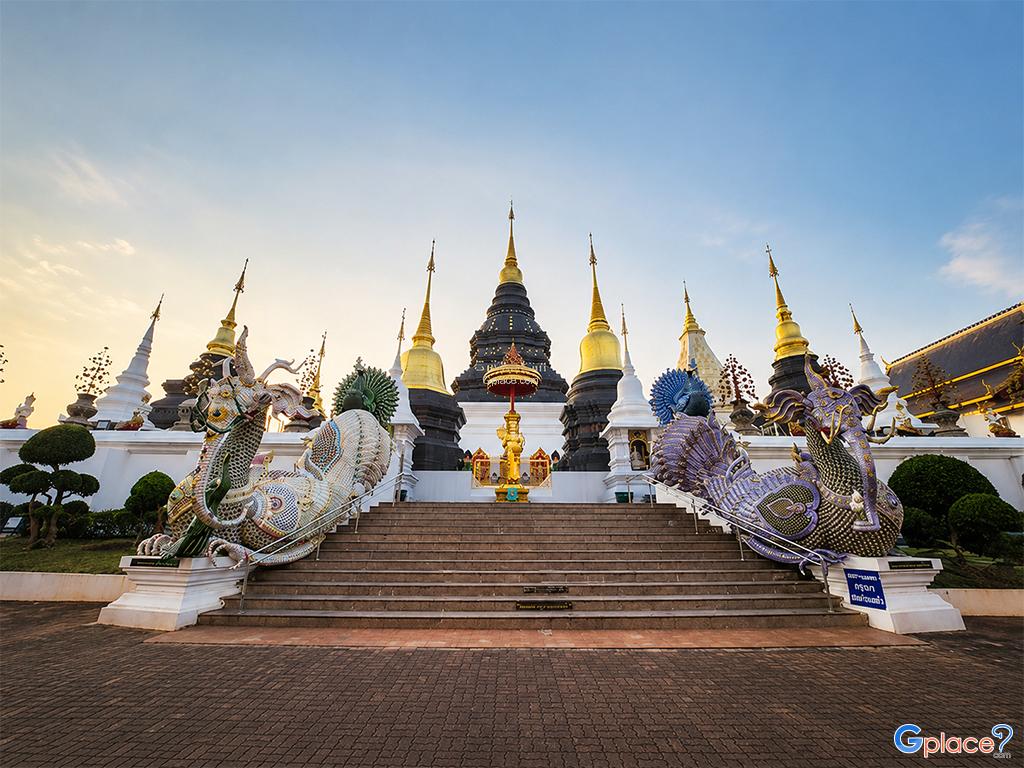
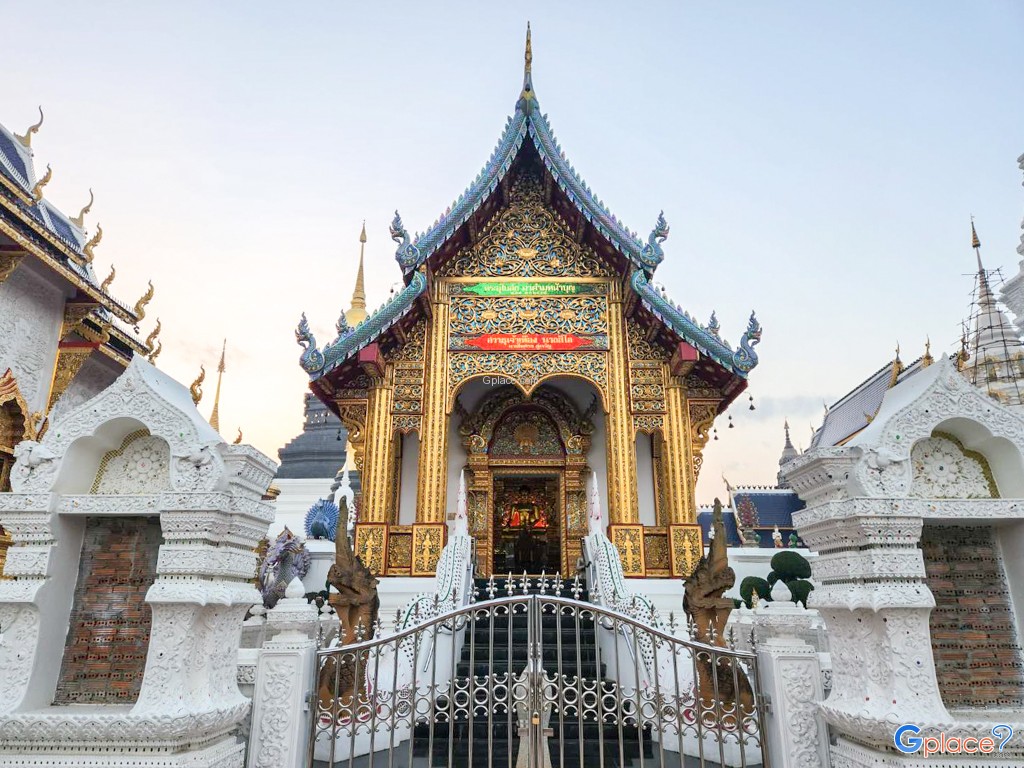
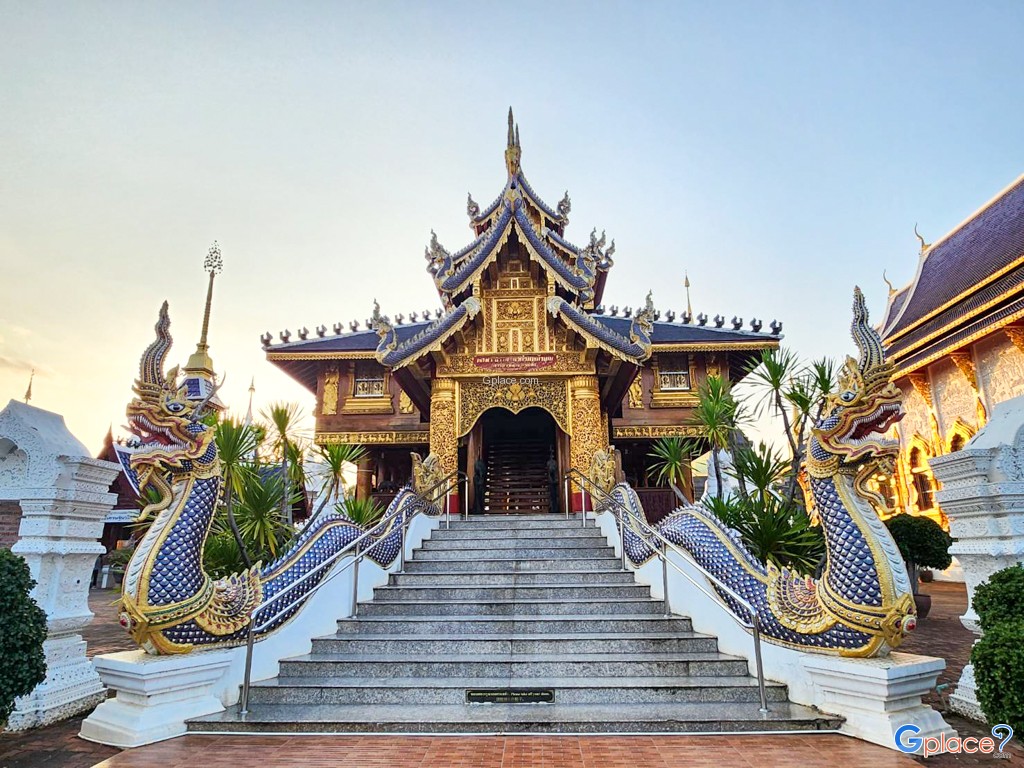
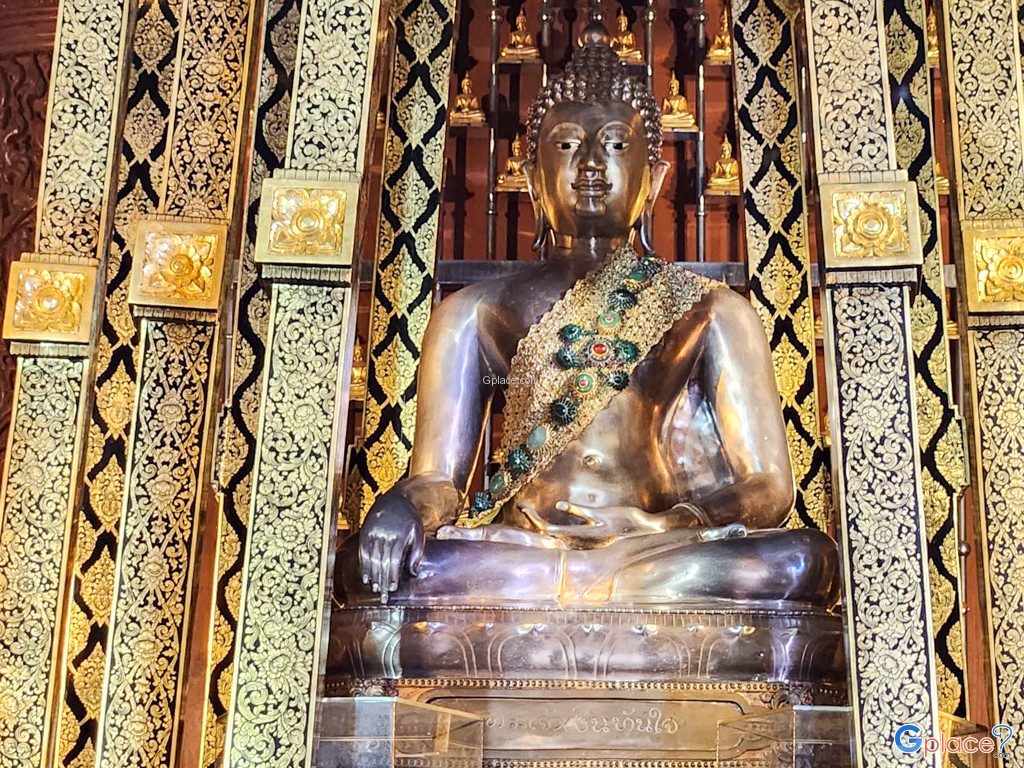
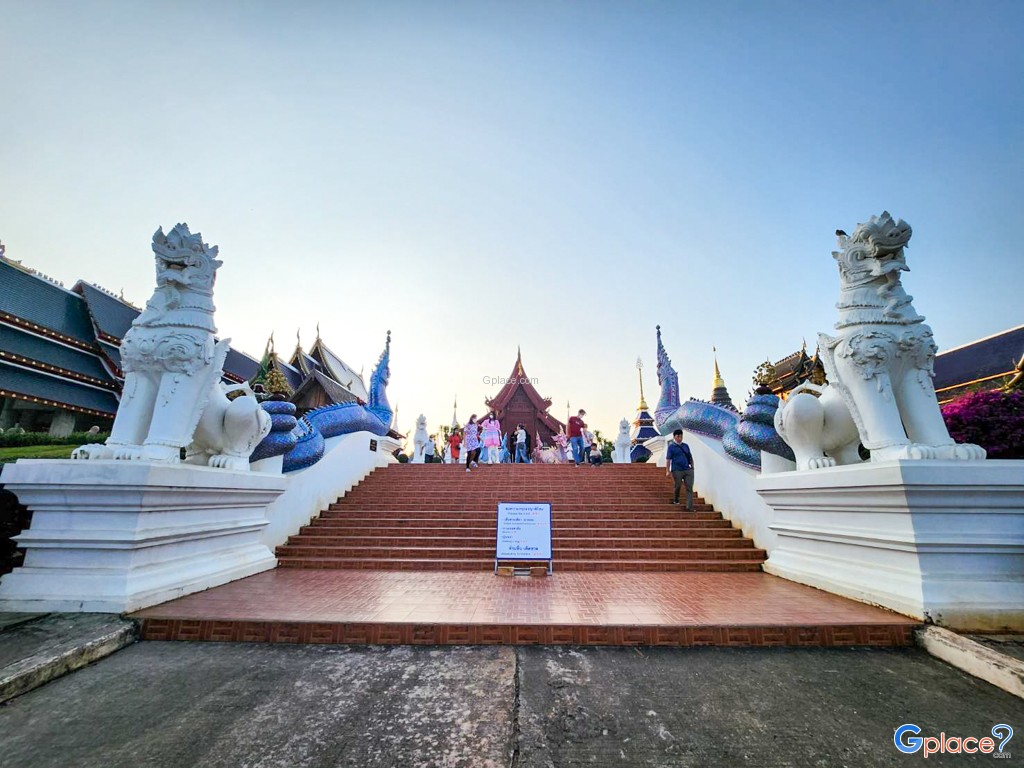
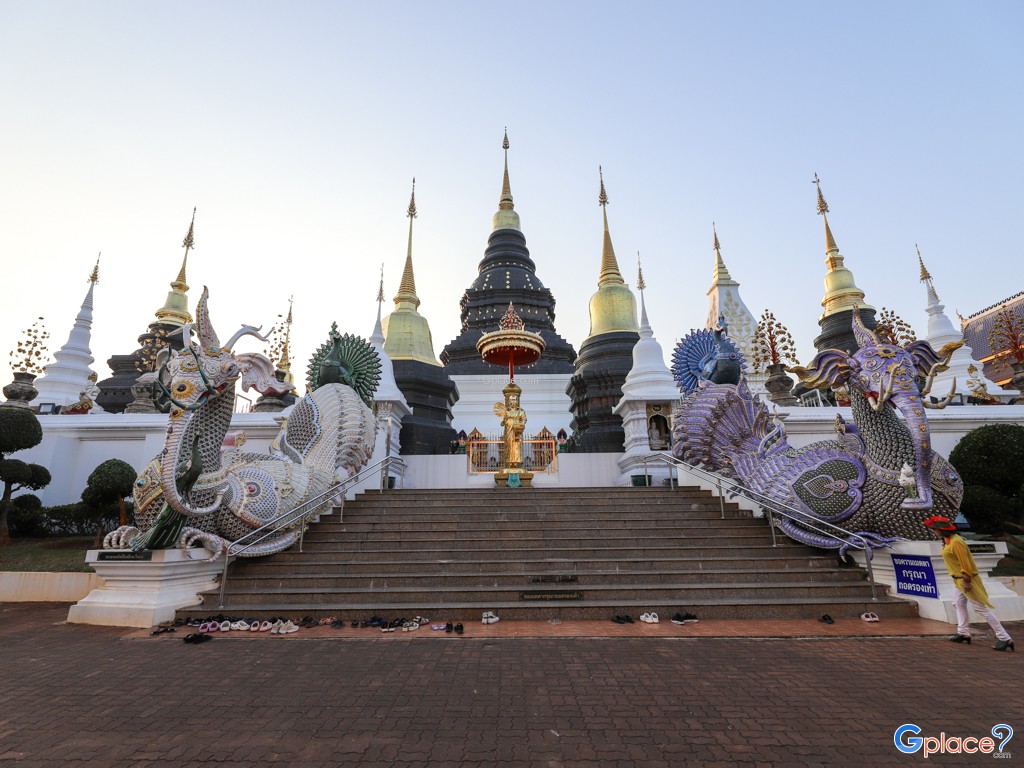
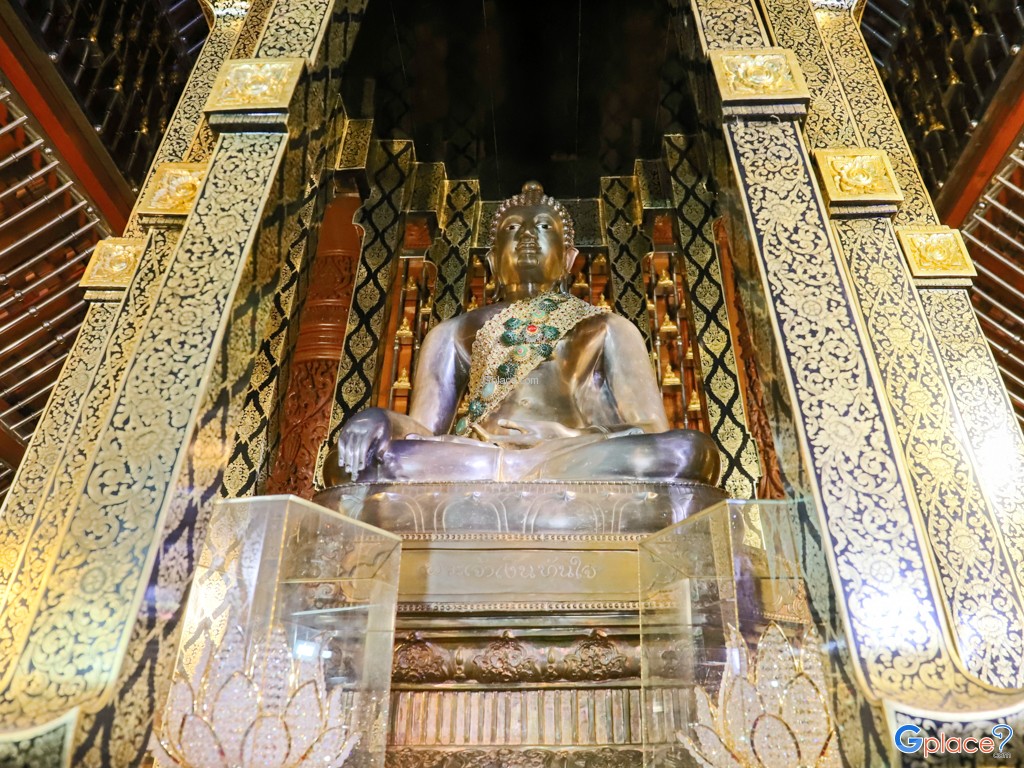
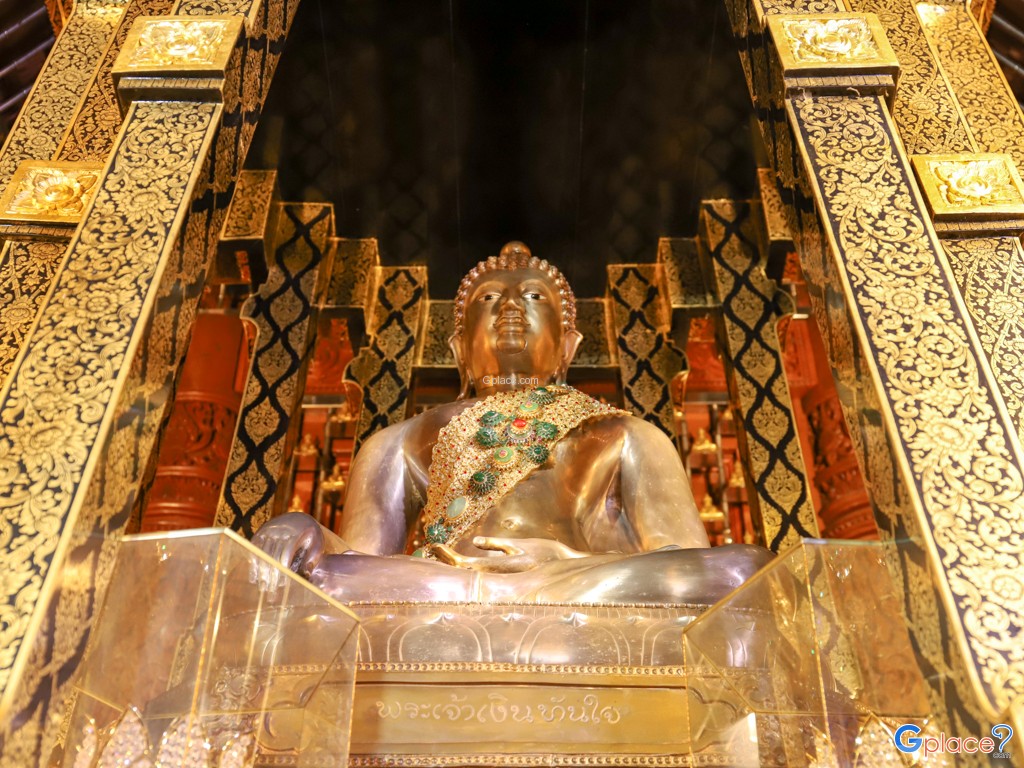
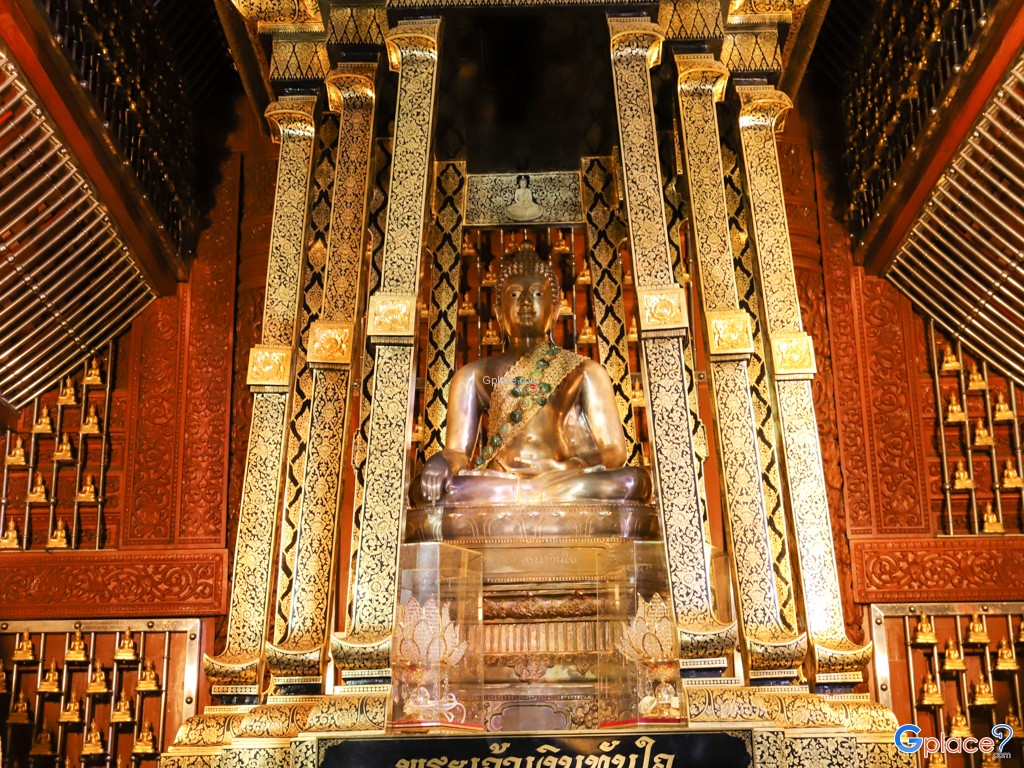
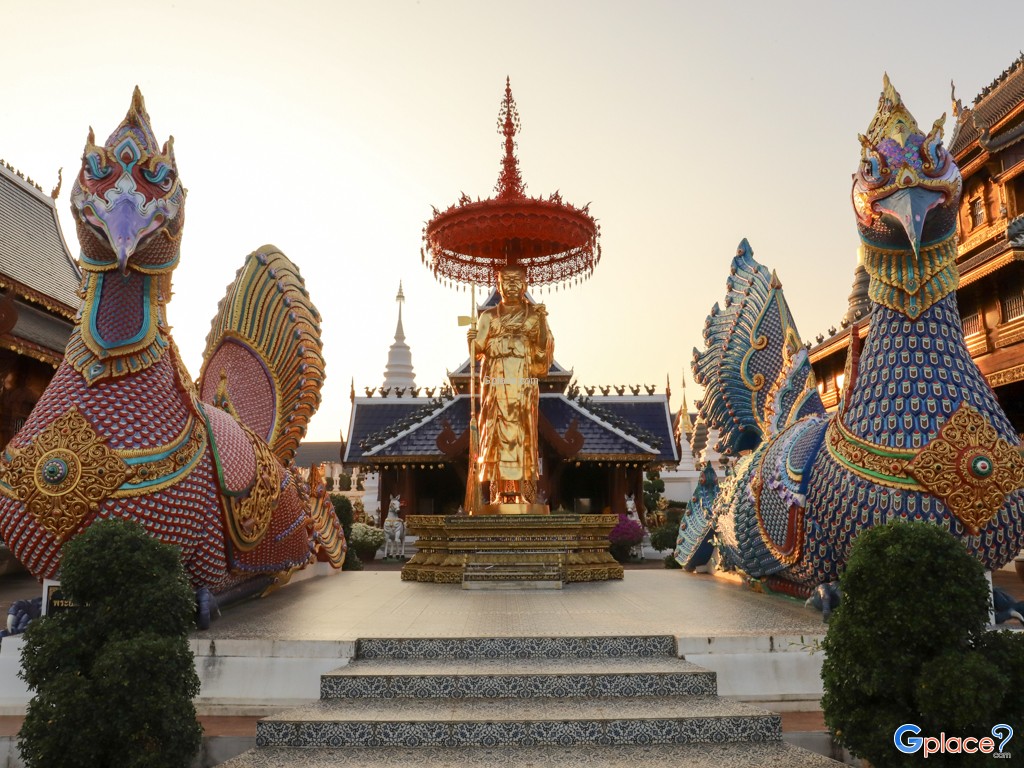
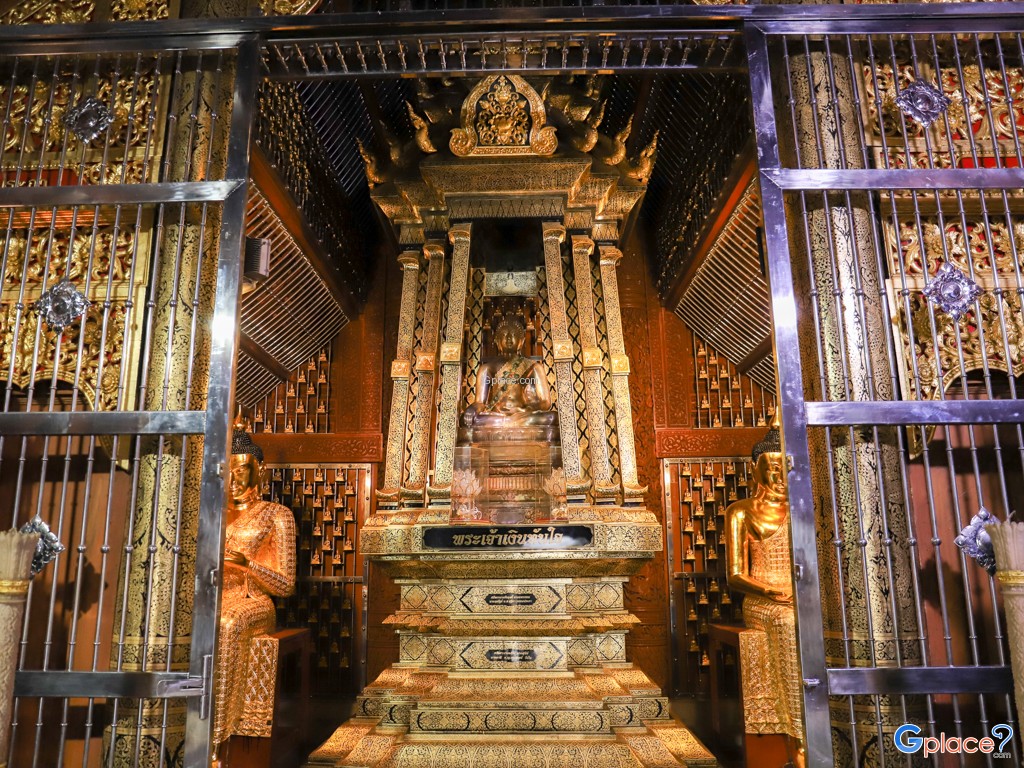
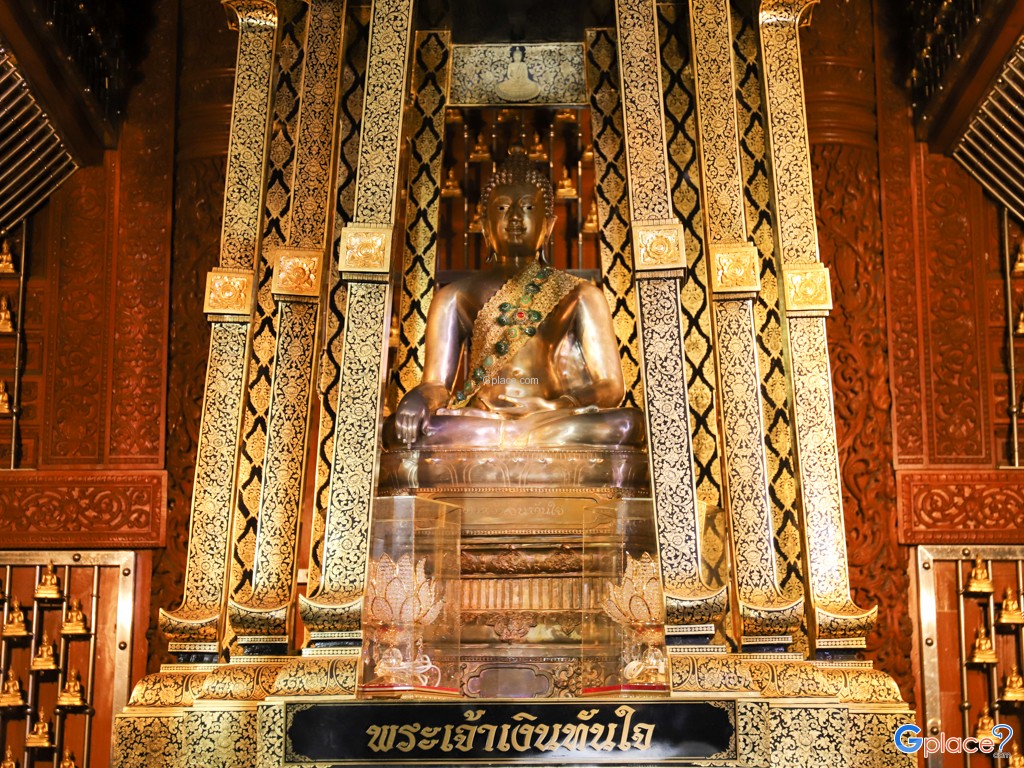
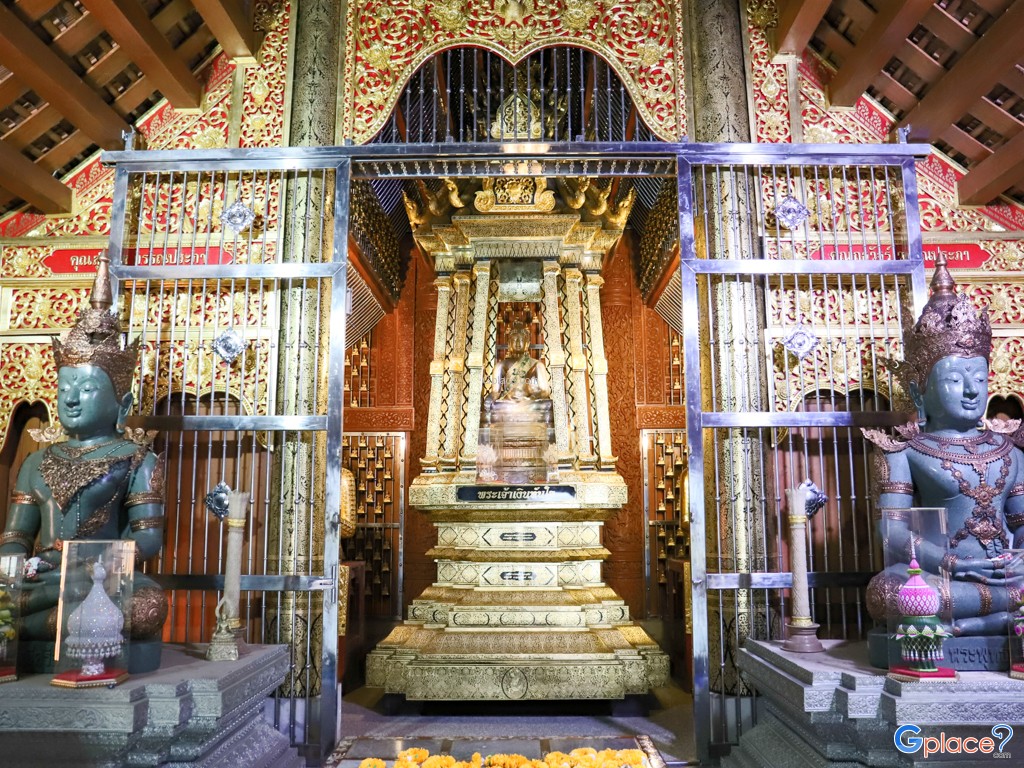
Upon entering the temple grounds, visitors are greeted by a large Naga staircase gracefully leading to the main courtyard, flanked by dignified five-headed emerald green Nagas. This path leads to a well-arranged complex of viharns, including the Phra Viharn Kaew (Glass Viharn), a significant building distinguished by its multi-layered roof and delicate wood carvings; the Phra Viharn Phra Chao Tan Jai, which houses a sacred Buddha image popular for blessings of success and fortune; Phra Viharn Malai; the Ubosot (ordination hall); the Hor Trai (scripture hall); Hor Klong (drum tower); Hor Rakang (bell tower); Sala Kan Parien (sermon hall); and several other ancillary buildings, each uniquely designed yet maintaining the unified essence of Lanna art.
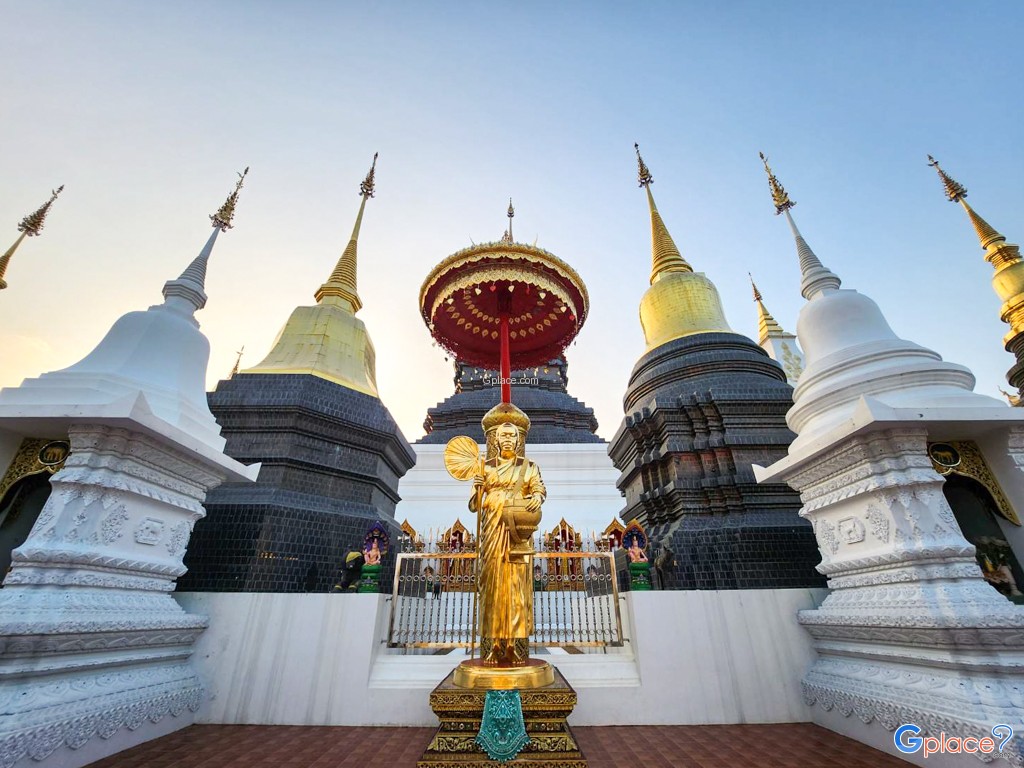
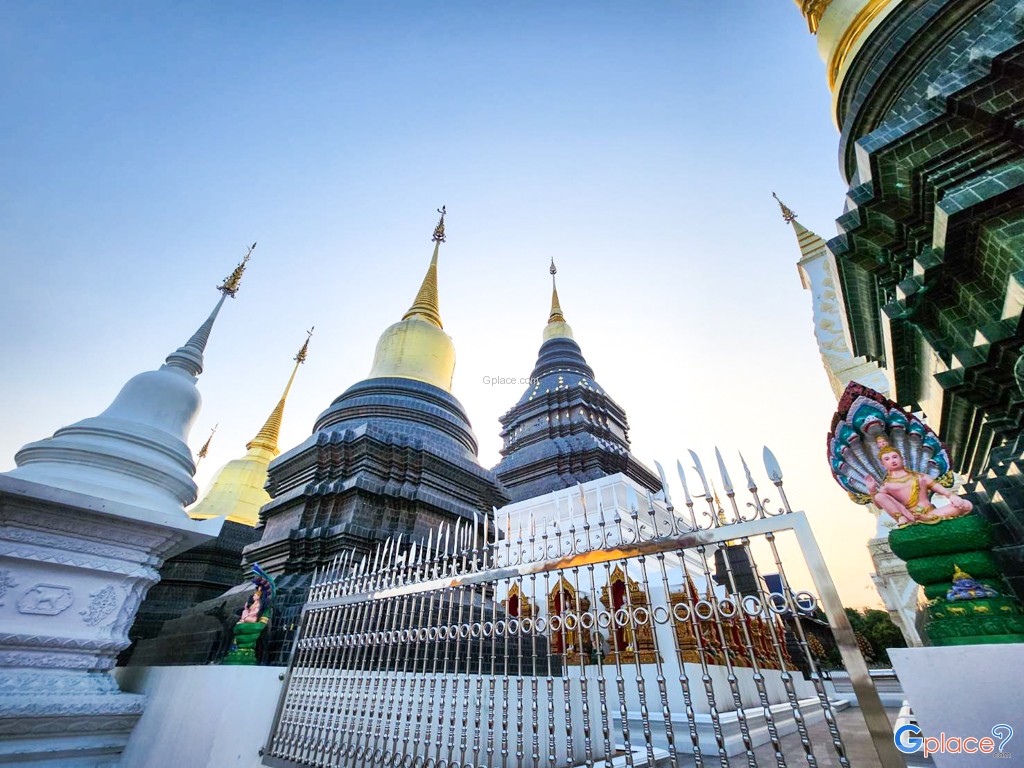
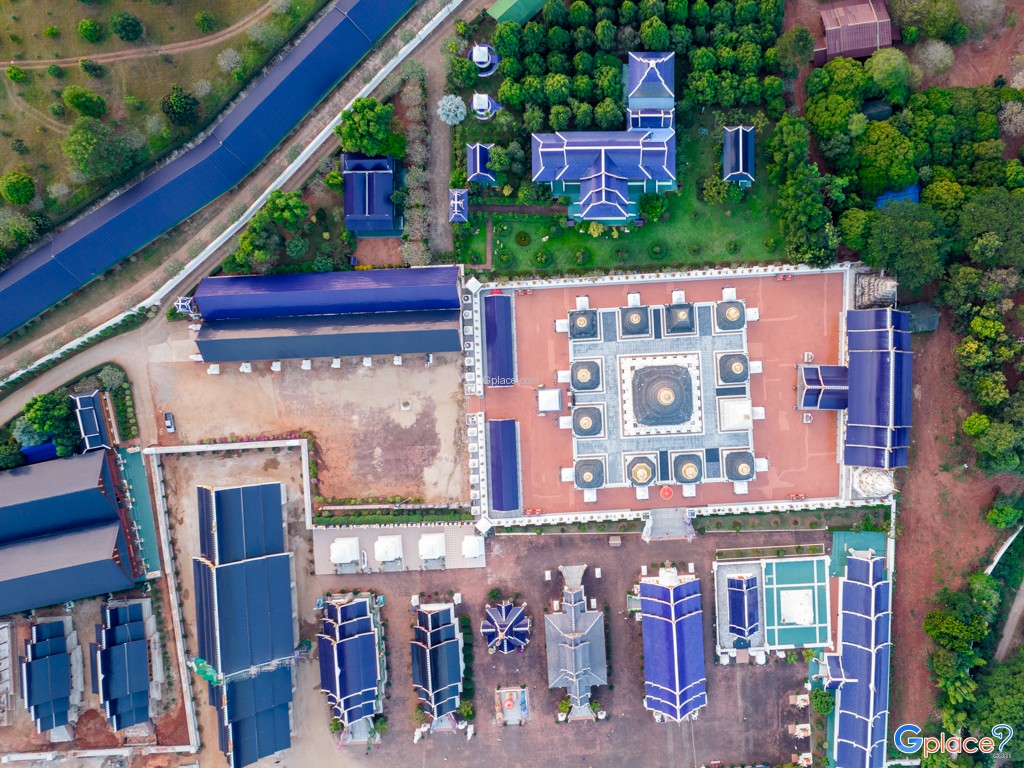
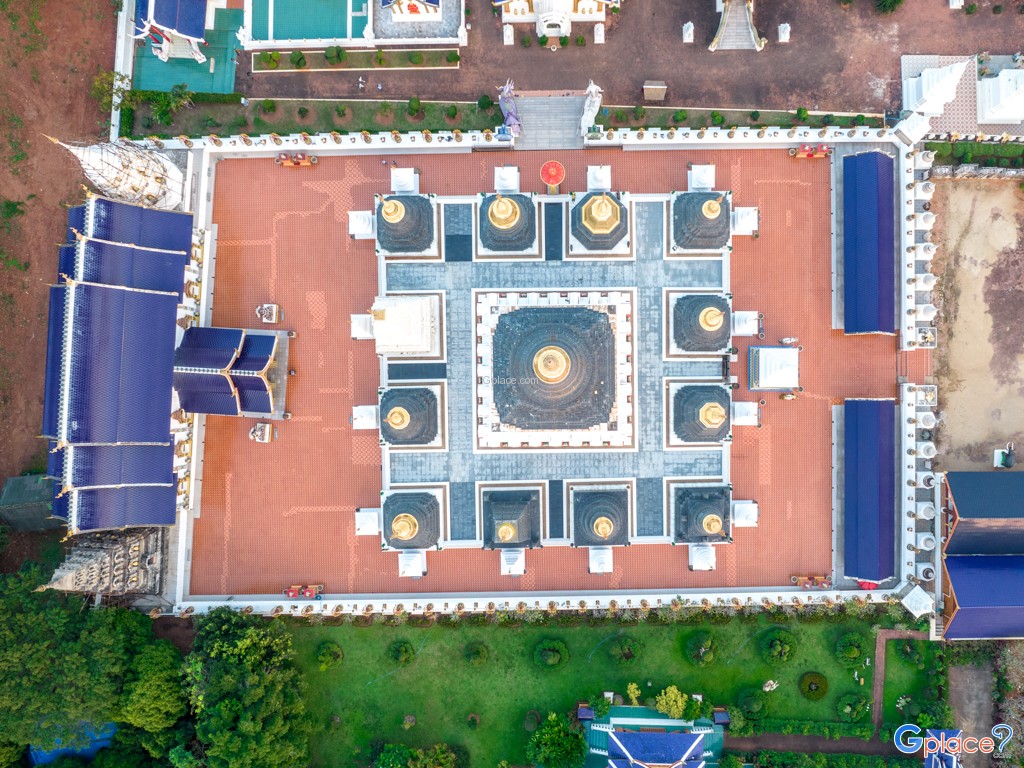
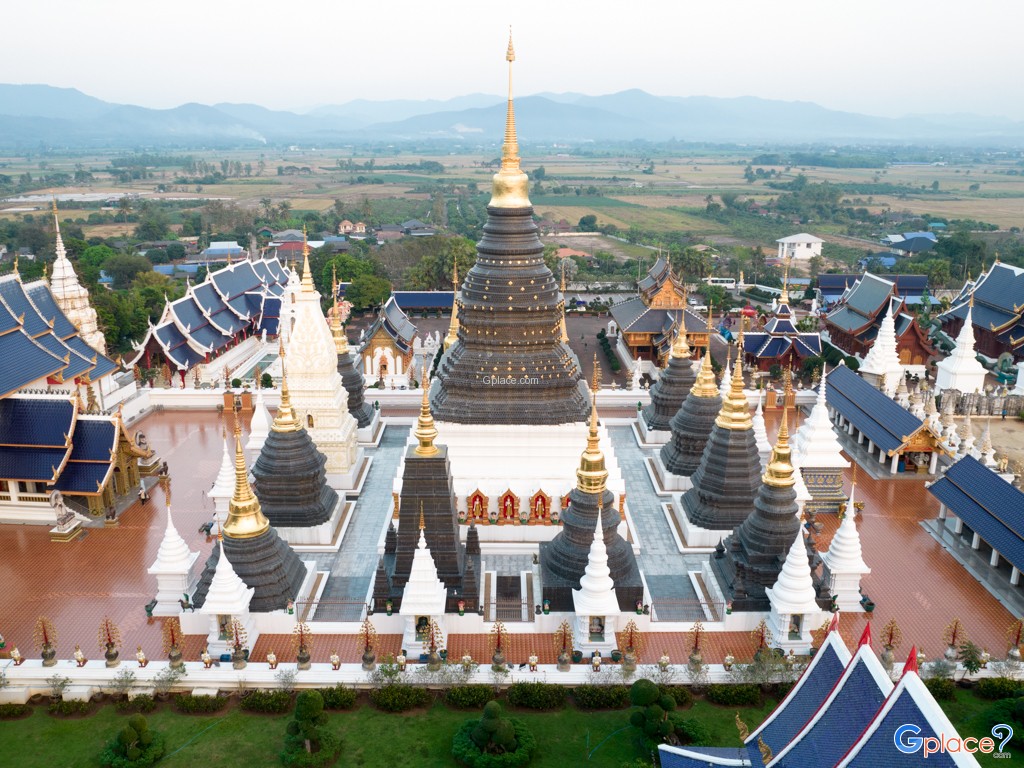
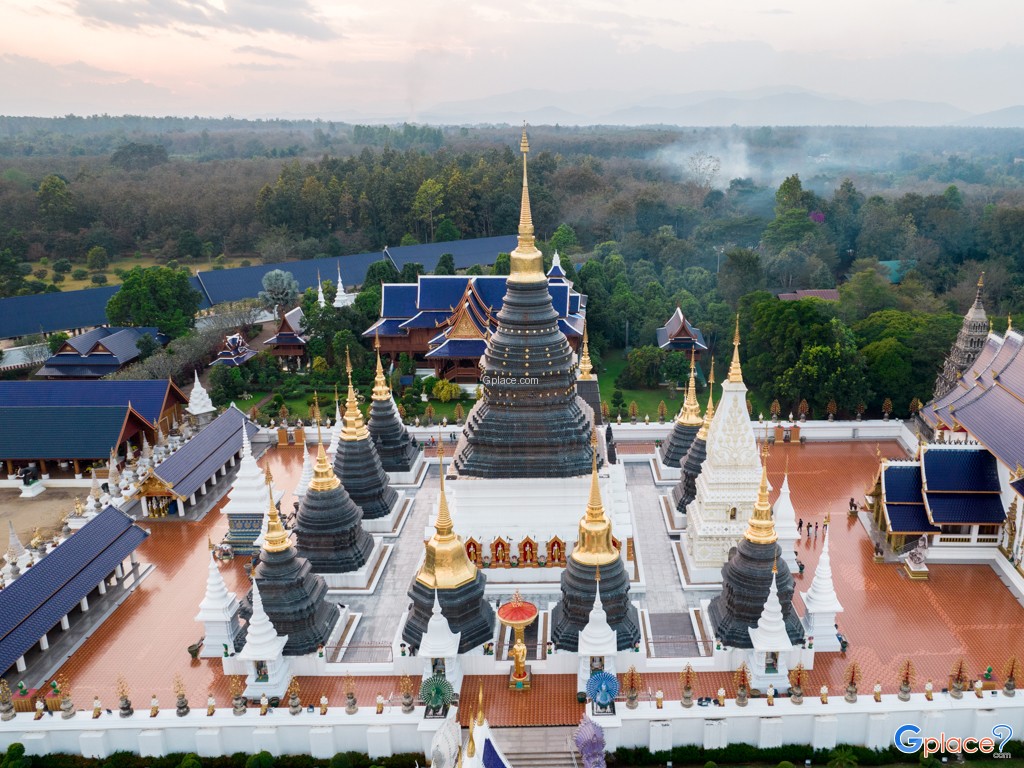
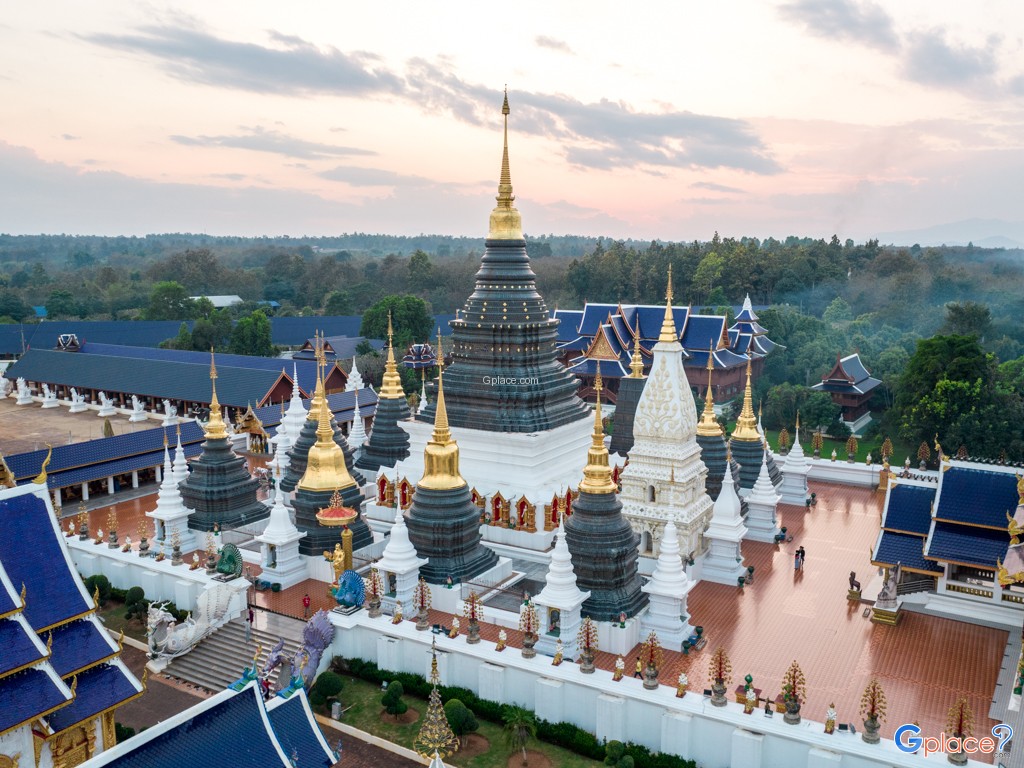
The most important highlight is the 12 Zodiac Pagodas which were built to house relics (Phra That) associated with all 12 birth years according to Lanna beliefs, all in one location. These pagodas replicate important relics from various provinces across Thailand, such as Phra That Doi Suthep, Phra That Lampang Luang, Phra That Cho Hae, Phra That Hariphunchai, and Phra That Si Chom Thong. People born under different zodiac signs can circumambulate and pay homage to their respective birth year relics within a single area. This makes the temple a pilgrimage destination for devotees nationwide, especially during Songkran, Visakha Bucha Day, and other significant Buddhist holidays.
Another popular area is Khuang Kaew Thang Kao (The Nine Crystal Courtyards), a large religious plaza connecting several viharns, reflecting the Buddhist cosmological concept. It is adorned with numerous sculptures of deities, nagas, lions, and mythical Himmapan creatures. Every detail showcases the intricacy of traditional Thai craftsmanship, including wood carving, stucco work, and Lanna "Lai Kham" (gold leaf pattern) art, allowing those interested in architecture to spend hours admiring the details.
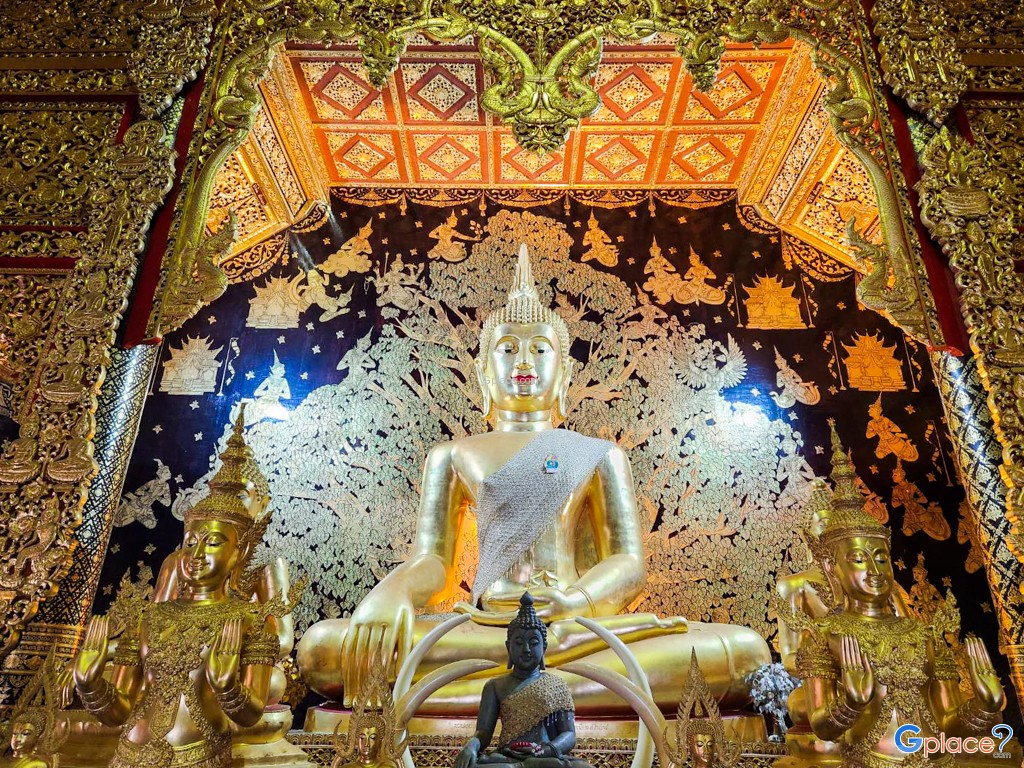
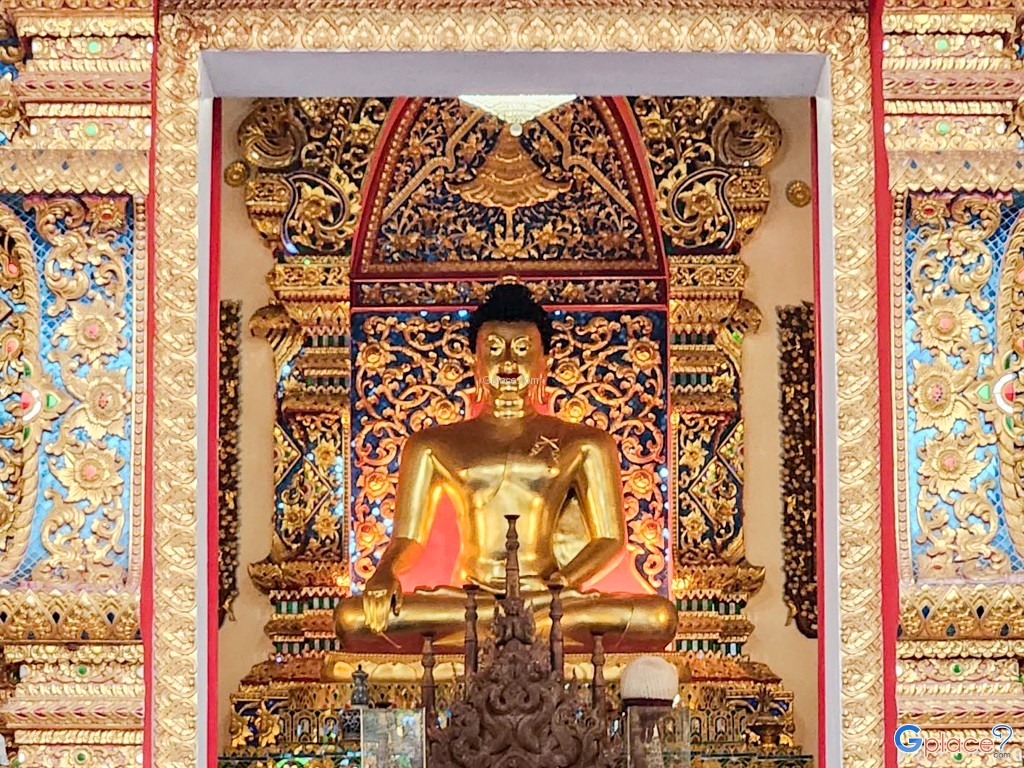
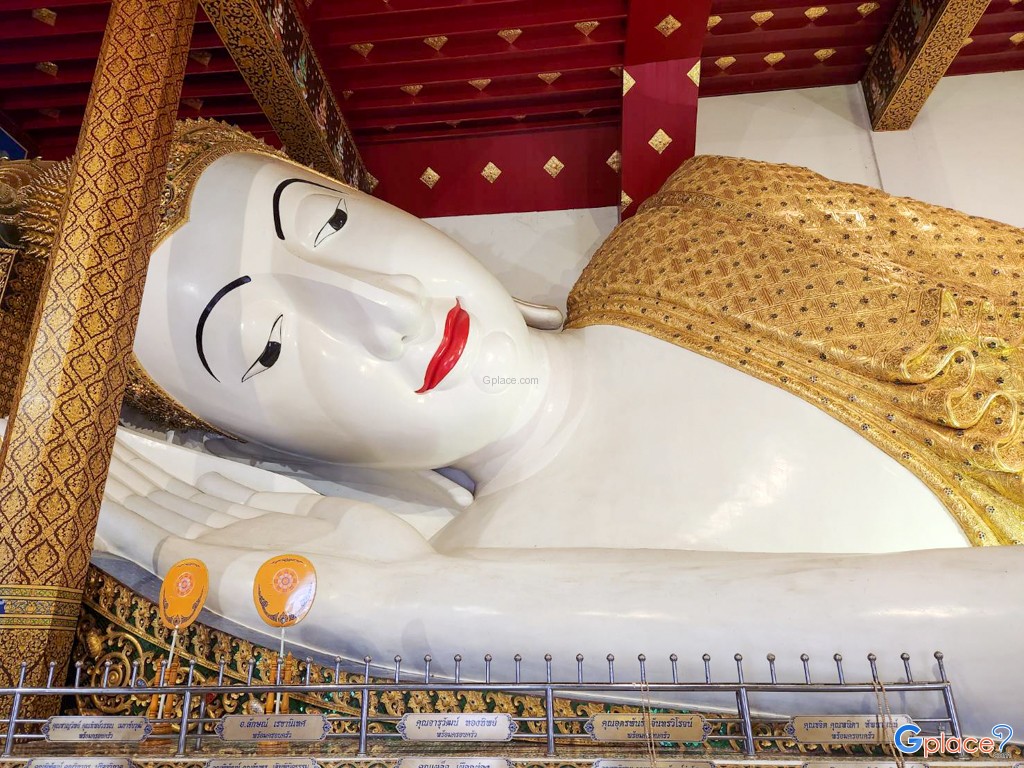
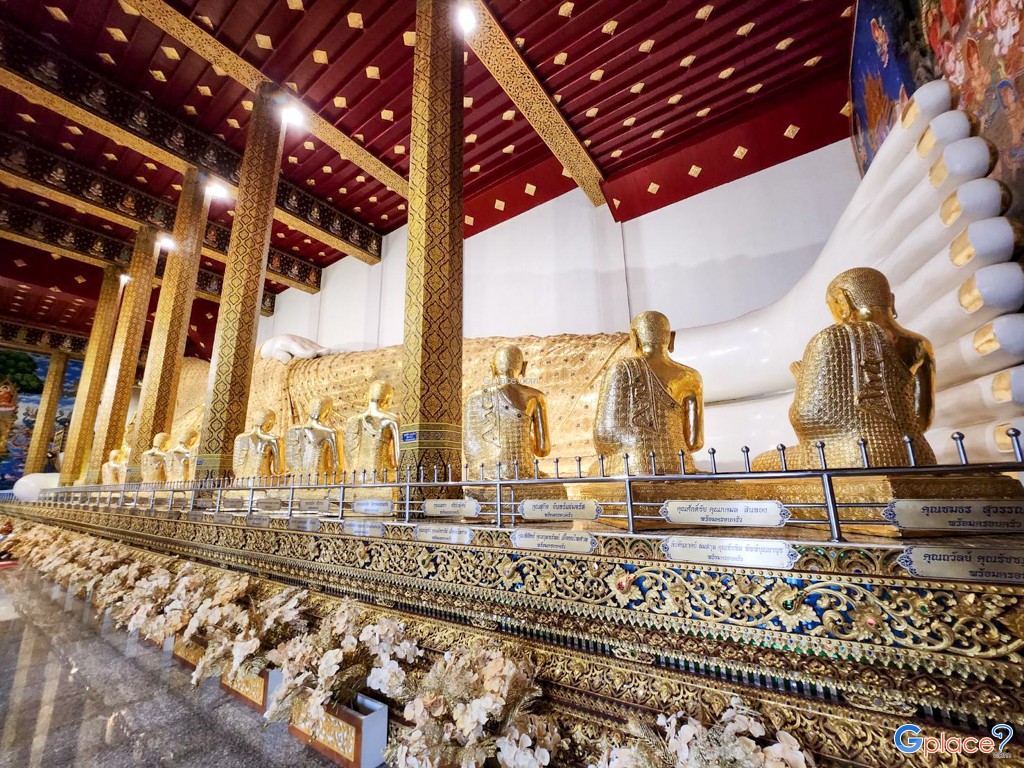
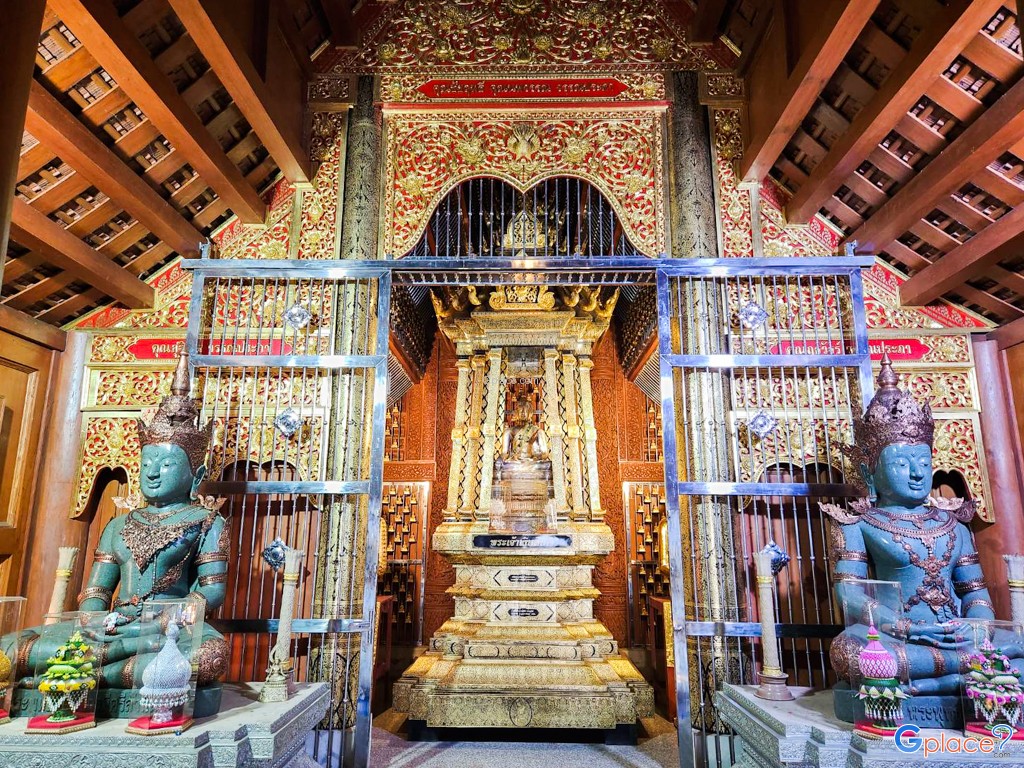
The temple also enshrines sacred Buddha relics (Phra Borom Sareerikathat), important Buddha images, reclining Buddhas, various postures of Buddha statues, and many other sacred objects for both locals and tourists to pay homage to for blessings. Furthermore, there are beautifully maintained gardens and landscapes, along with viewpoints offering clear vistas of the surrounding Mae Taeng District, especially during the morning and evening when natural light accentuates the architectural details and the golden hues of the pagoda spires.
Beyond its artistic beauty, Wat Den Salee Sri Muang Kaen also serves as a center for Buddhist activities in the community. Merit-making ceremonies are held throughout the year on various important days, including candlelight processions, Khao Phansa (Buddhist Lent entry), Ok Phansa (Buddhist Lent exit), and Lanna traditional festivals. This allows visitors to experience both the architectural splendor and the local cultural way of life.
In terms of tourism, the temple can be visited year-round, but the most popular period is from November to February, when the weather is cool and pleasant with clear skies, ideal for strolling around the temple and photography. During the rainy season, the surrounding areas become lush green, adding to the beauty of the golden buildings and red roofs of the viharns.
Due to the vastness of the temple grounds, the intricate Lanna artistry, and the collection of all 12 birth year relics in one place, Wat Den Salee Sri Muang Kaen (Wat Ban Den) is lauded as one of the most important landmarks for Buddhist art and cultural tourism in Chiang Mai Province, and a must-visit destination for tourists coming to Mae Taeng District.
How to Get There
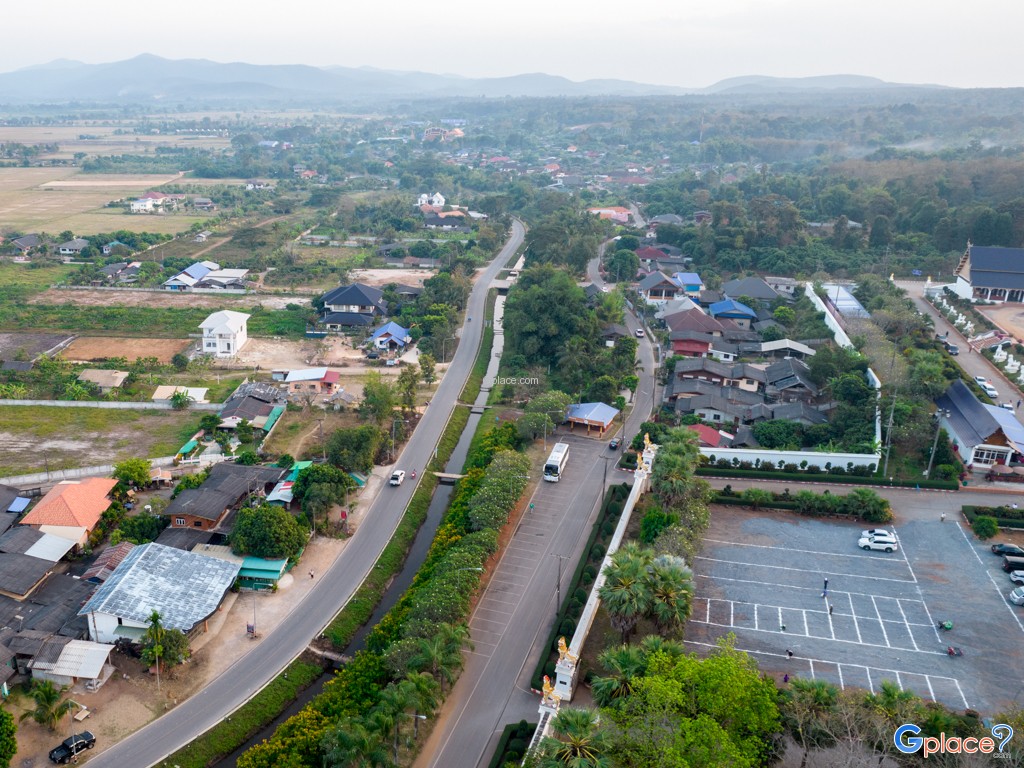
- From Chiang Mai city, take Highway 107 (Chiang Mai–Fang) heading towards Mae Taeng District. Upon reaching Mae Malai Market, turn onto Highway 1323 towards Mae Ngat Somboon Chon Dam. Then, follow the "Wat Ban Den" signs, cross the Ping River bridge into Inthakhin Subdistrict, and drive approximately another 2 kilometers. The temple will be on a hillside on your right. The total distance from Chiang Mai city is about 45 kilometers, taking approximately 50–60 minutes. You can travel by private car, motorcycle, or rental car.
Travel Tips
- It is advisable to visit in the morning or evening to avoid the hot weather and get beautiful light for photography.
- Dress respectfully; sleeveless tops, tank tops, and shorts or skirts above the knee are not allowed for temple visits.
- Prepare a hat, umbrella, or sunscreen, as many areas are open-air courtyards requiring considerable walking.
- Allocate approximately 1.5–2 hours to explore the viharns, the 12 Zodiac Pagodas, and all key photo spots.
- You can plan to combine your visit with Mae Ngat Somboon Chon Dam, Si Lanna National Park, Mok Fa Waterfall, and Pong Dueat Pa Pae Hot Spring within the same day.
- Free admission for both Thai and foreign visitors. There is no entrance fee. Donors are welcome to contribute to the temple's maintenance according to their faith.
- Open for visits and worship daily from 07:00–18:00. The periods between 08:00–10:00 and 16:00–17:30 are when the weather is pleasant and the light is beautiful, making them the best times for admiring the architecture and taking photos.
Wat Den Salee Sri Muang Kaen

 Share
Share
 Wat Den Salee Sri Muang Kaen (Wat Ban Den), Inthakhin Subdistrict, Mae Taeng District, Chiang Mai Province 50150
Map
Wat Den Salee Sri Muang Kaen (Wat Ban Den), Inthakhin Subdistrict, Mae Taeng District, Chiang Mai Province 50150
Map
 Closed today
Mon7.00 - 18.00
Tue7.00 - 18.00
Wed7.00 - 18.00
Thu7.00 - 18.00
Fri7.00 - 18.00
Sat7.00 - 18.00
Sun7.00 - 18.00



 4207
4207