 Attractions
  Hotel
Hotel  Restaurant
  Shopping
  Abroad





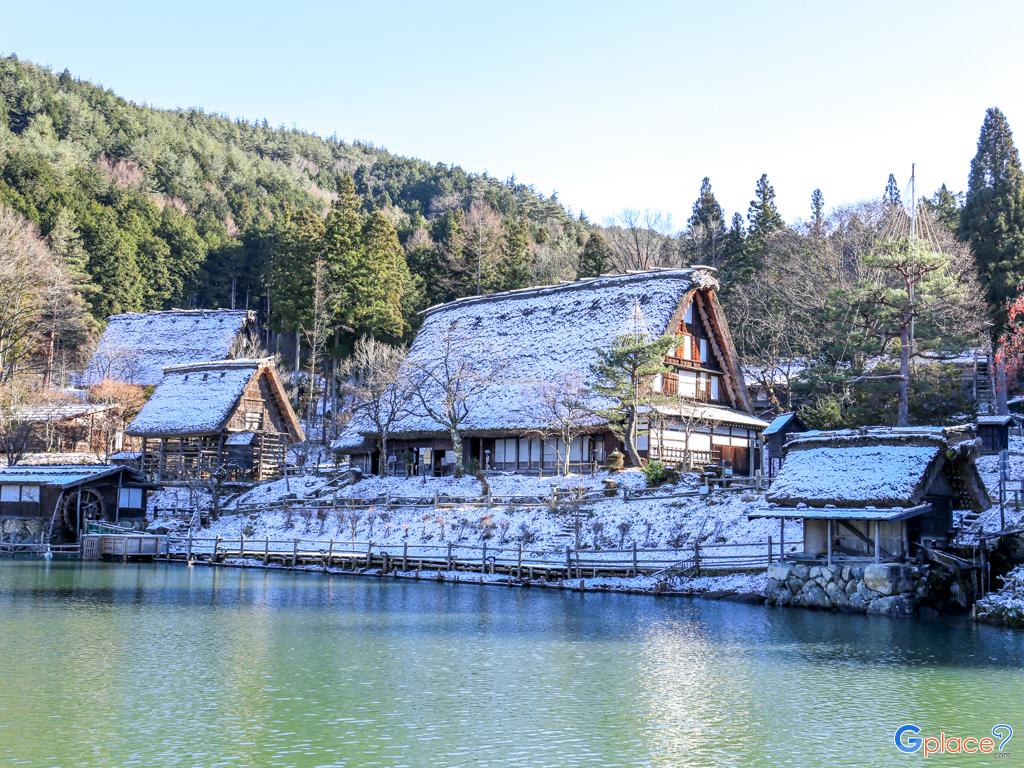






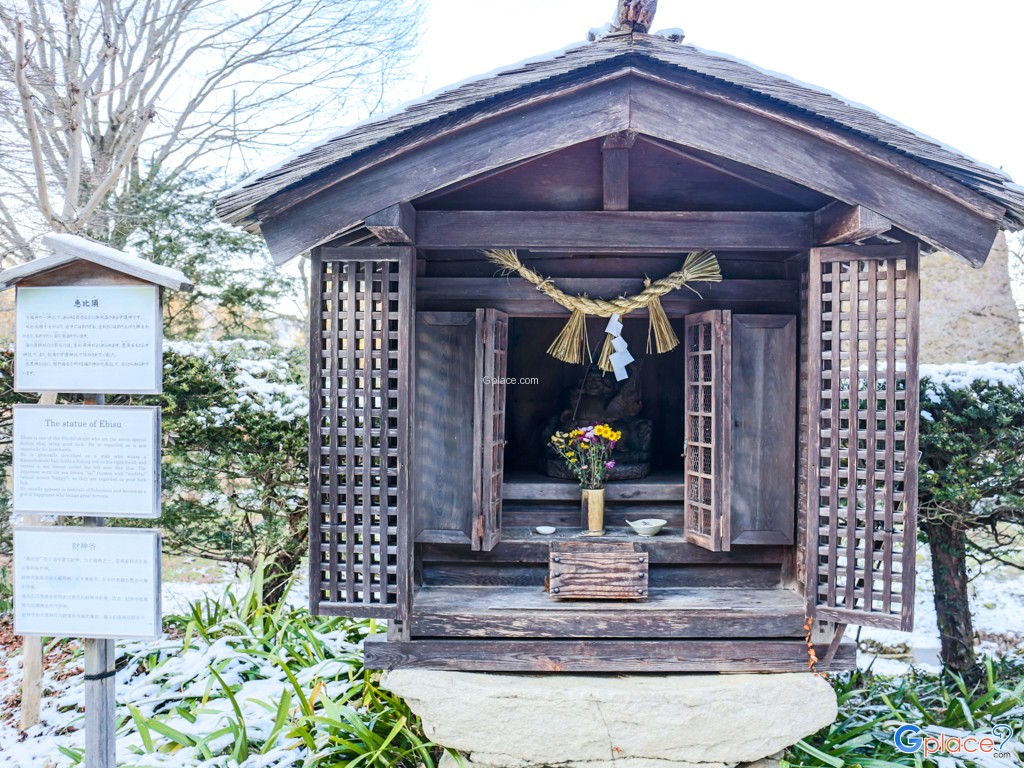
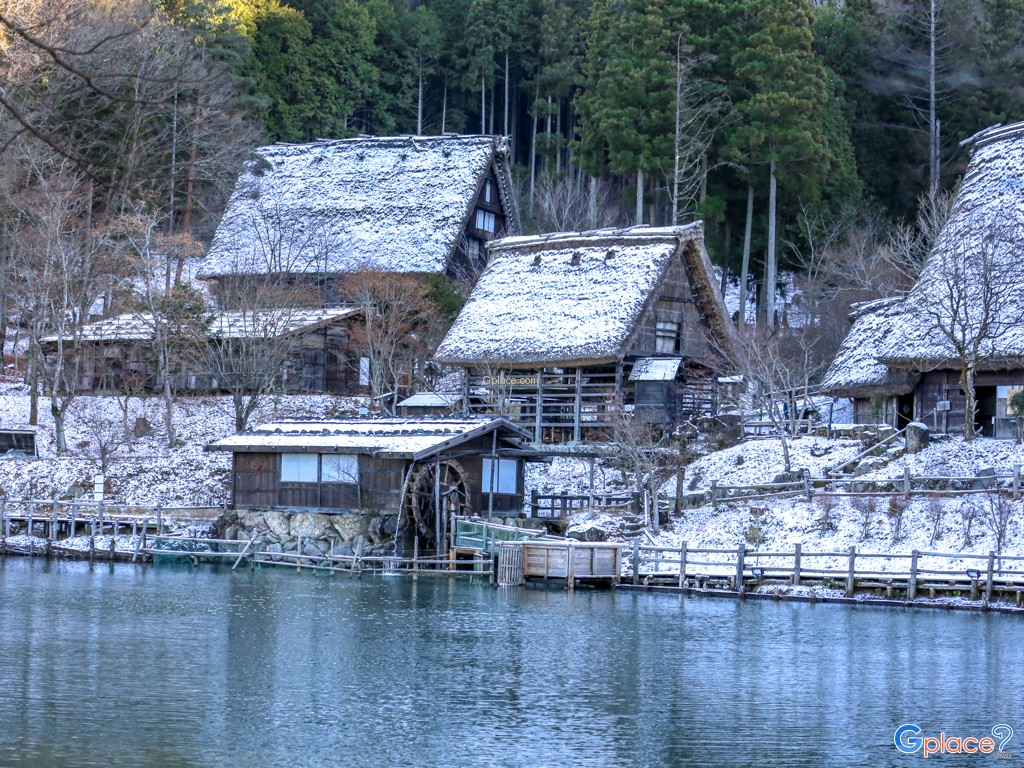
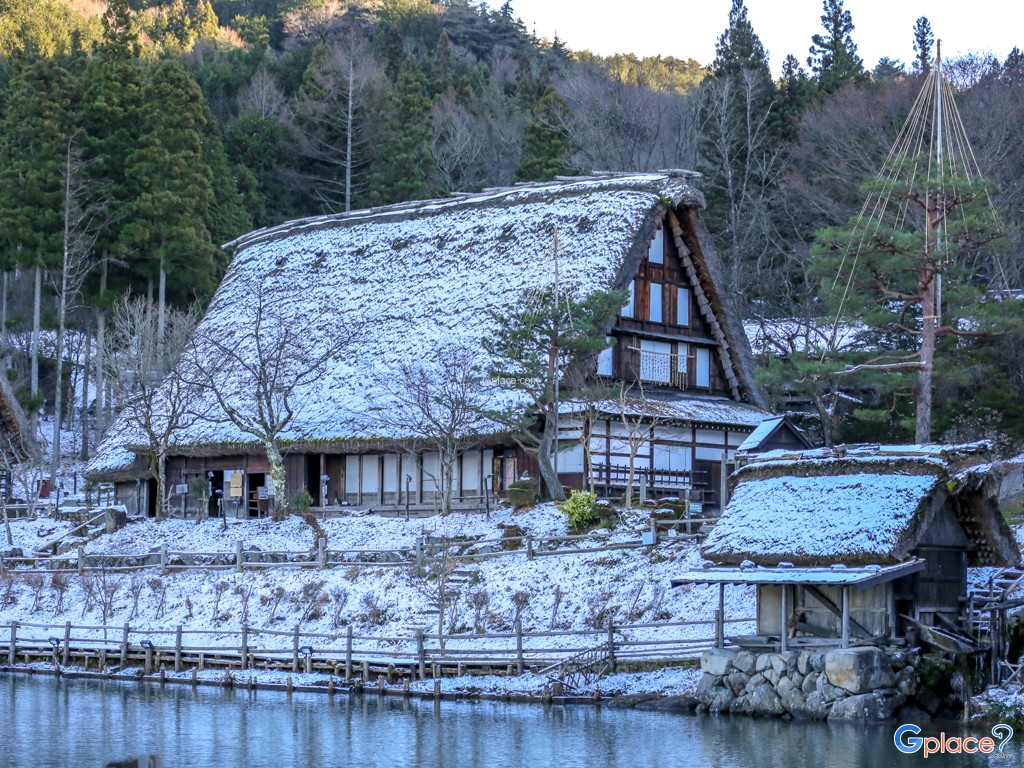

“A preserved mountain village featuring iconic gassho-zukuri houses, traditional crafts, seasonal scenery, and a quieter, more intimate alternative to Shirakawa-go.”
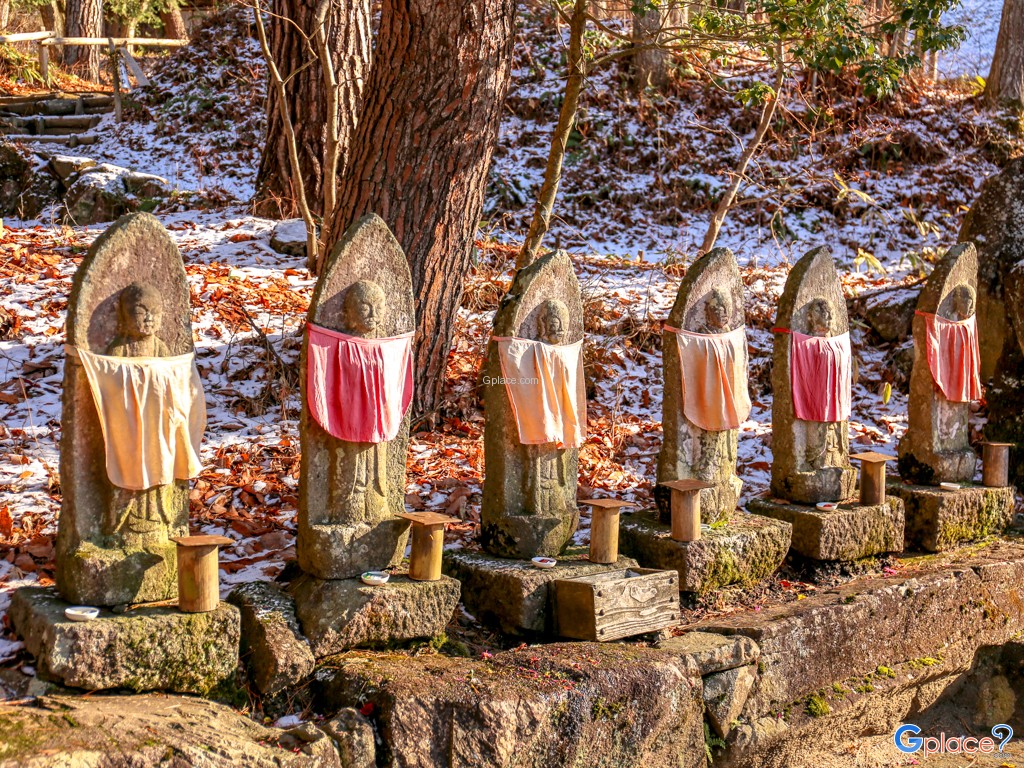
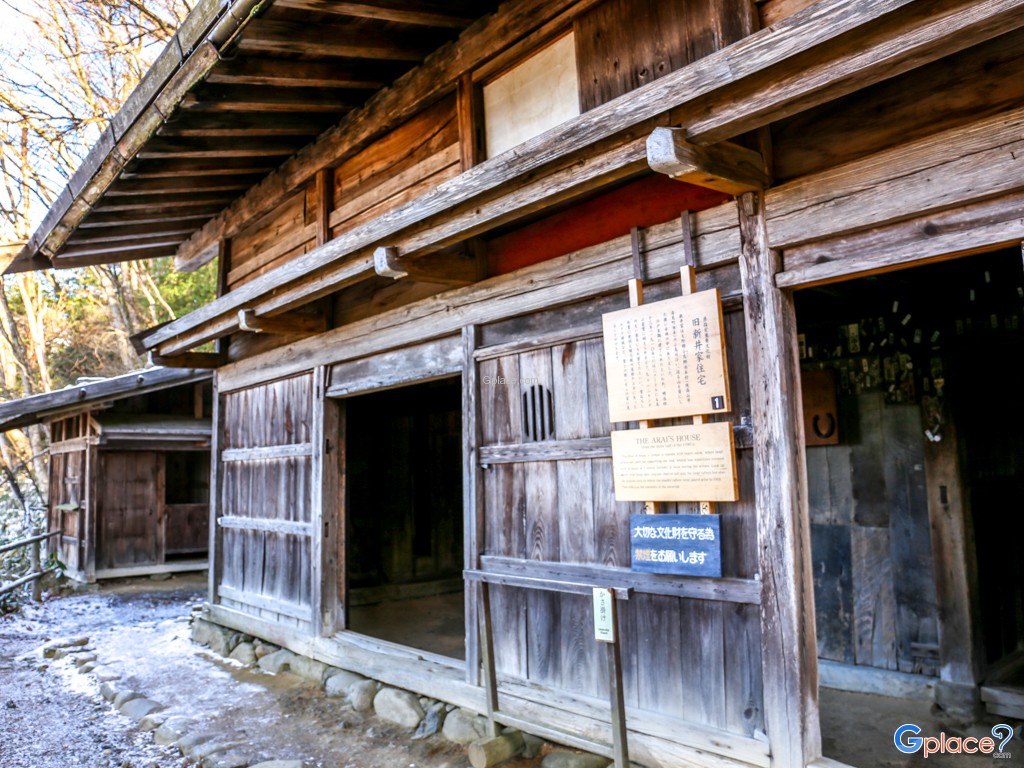
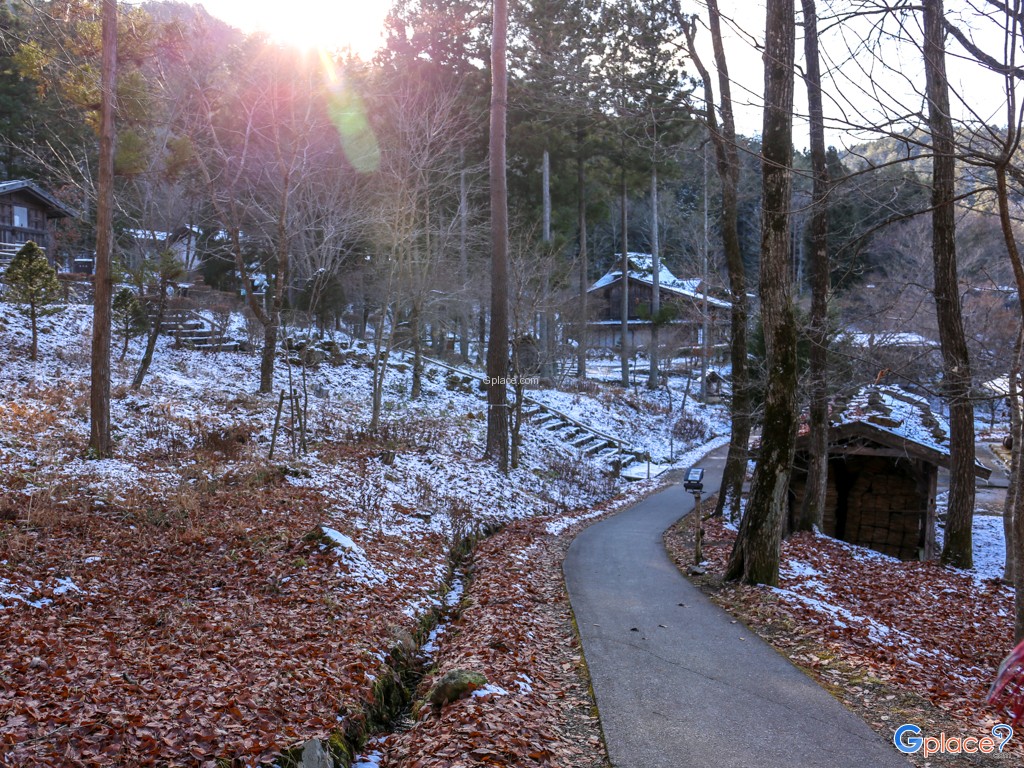
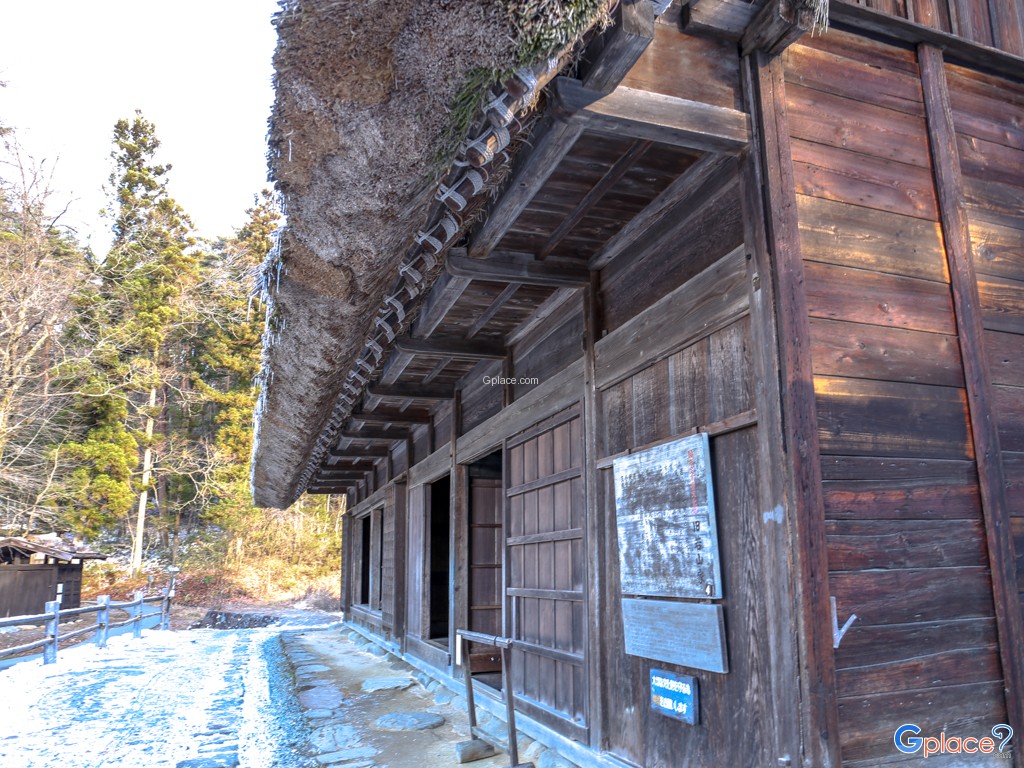
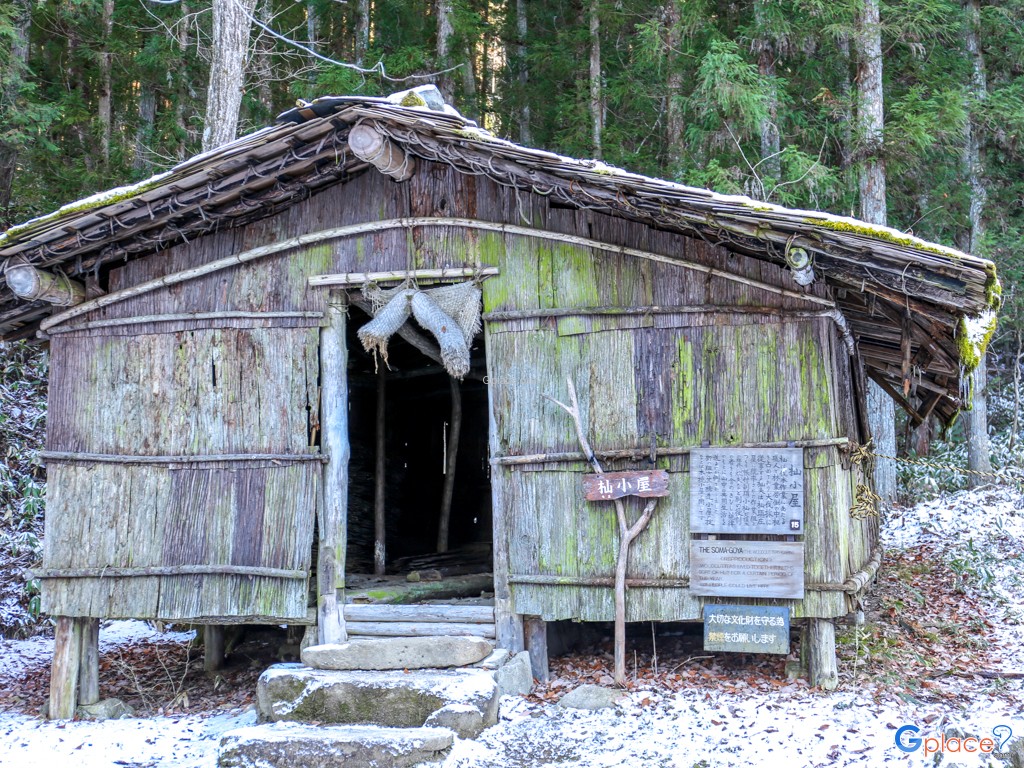
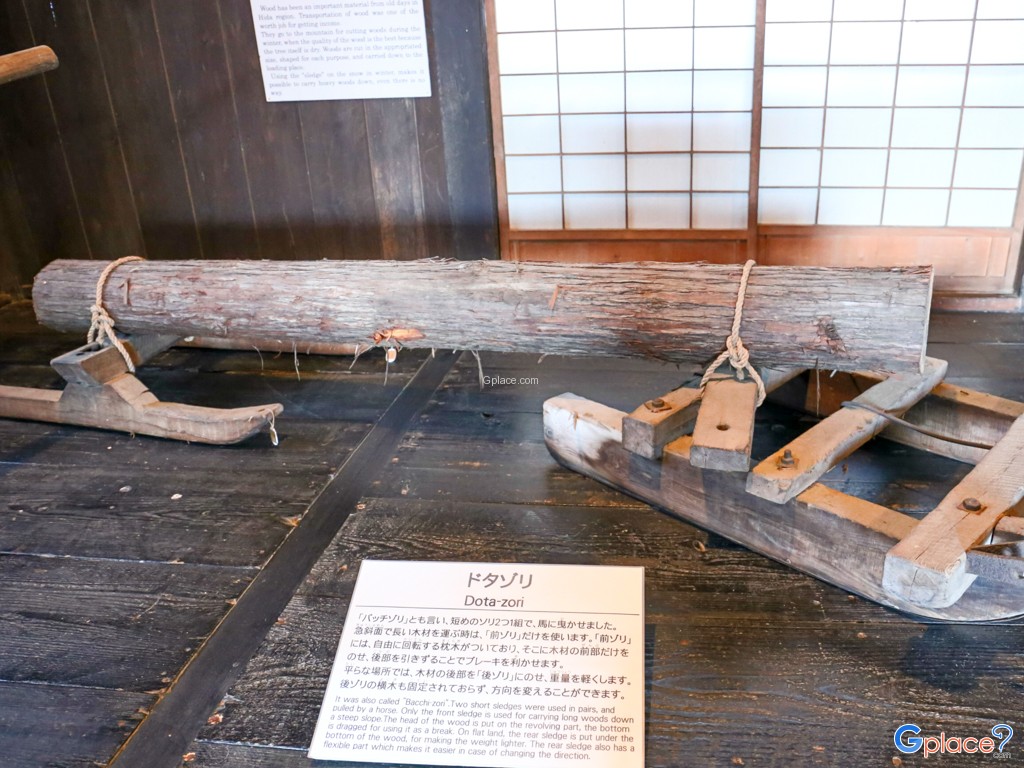
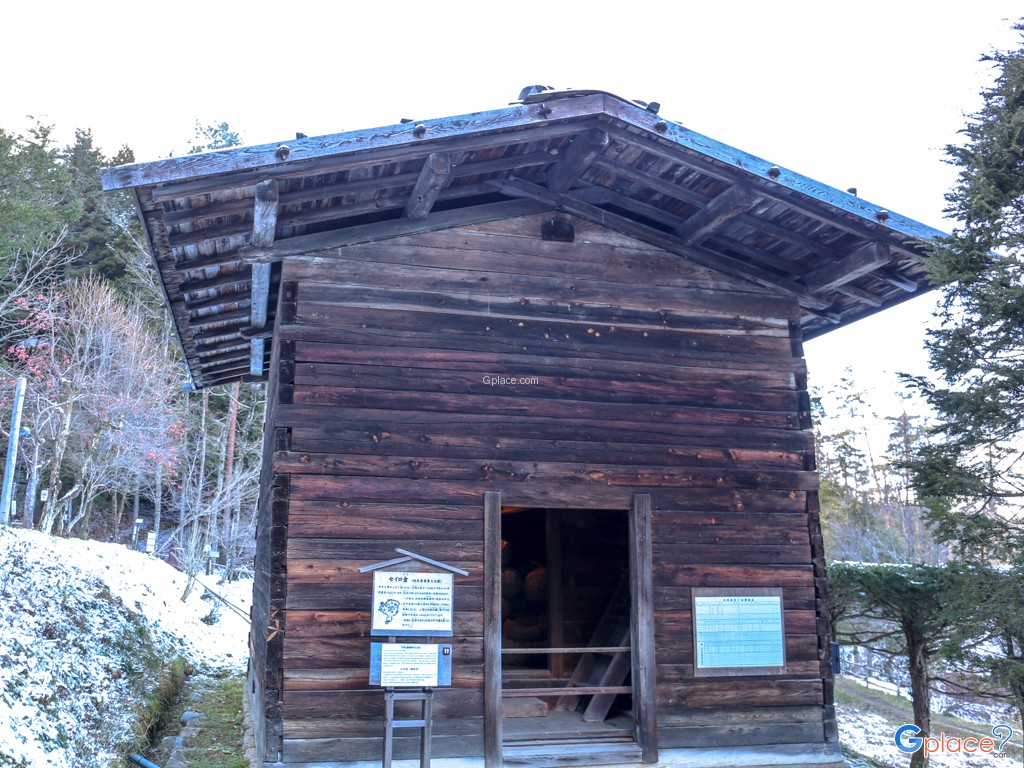
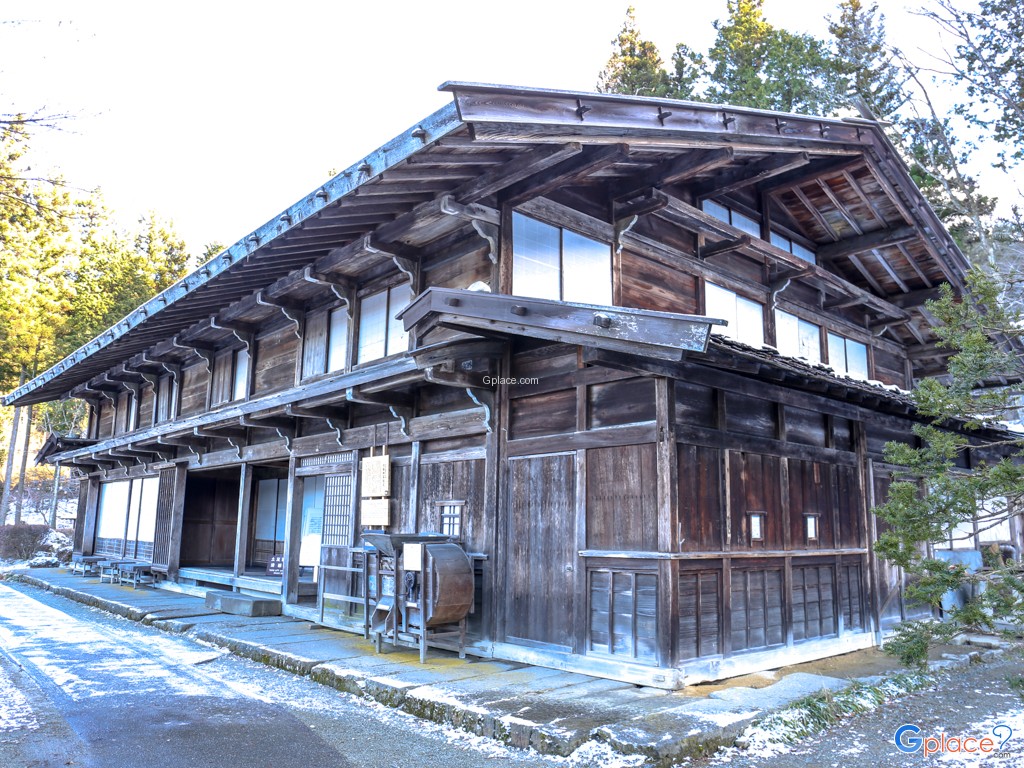
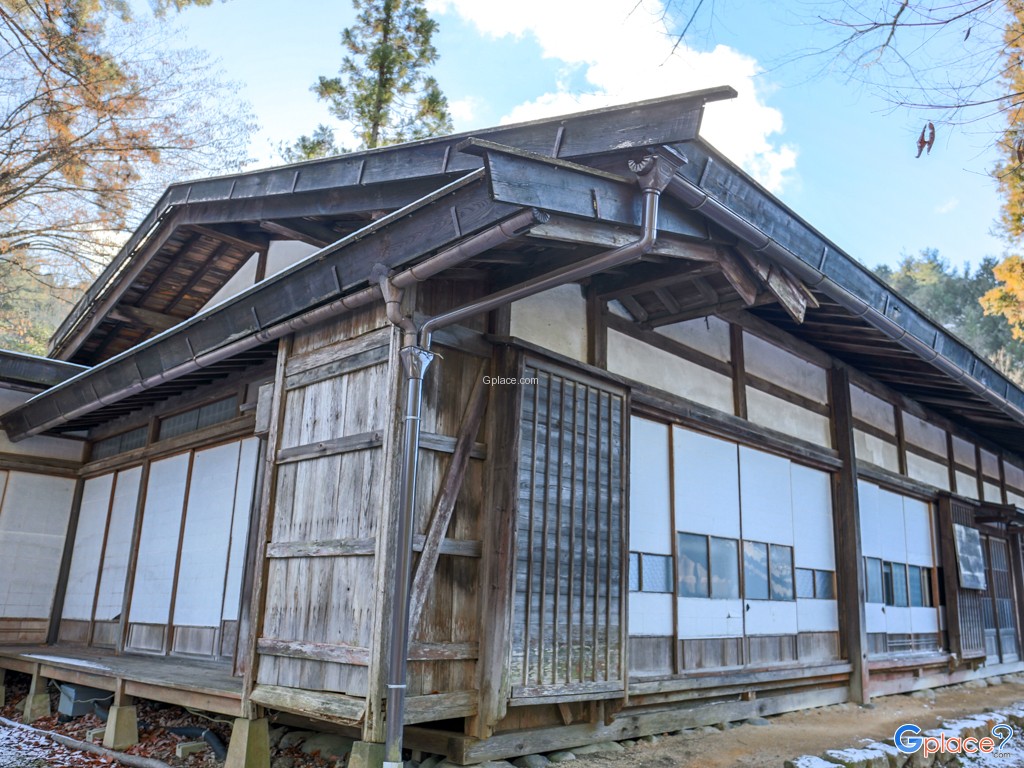
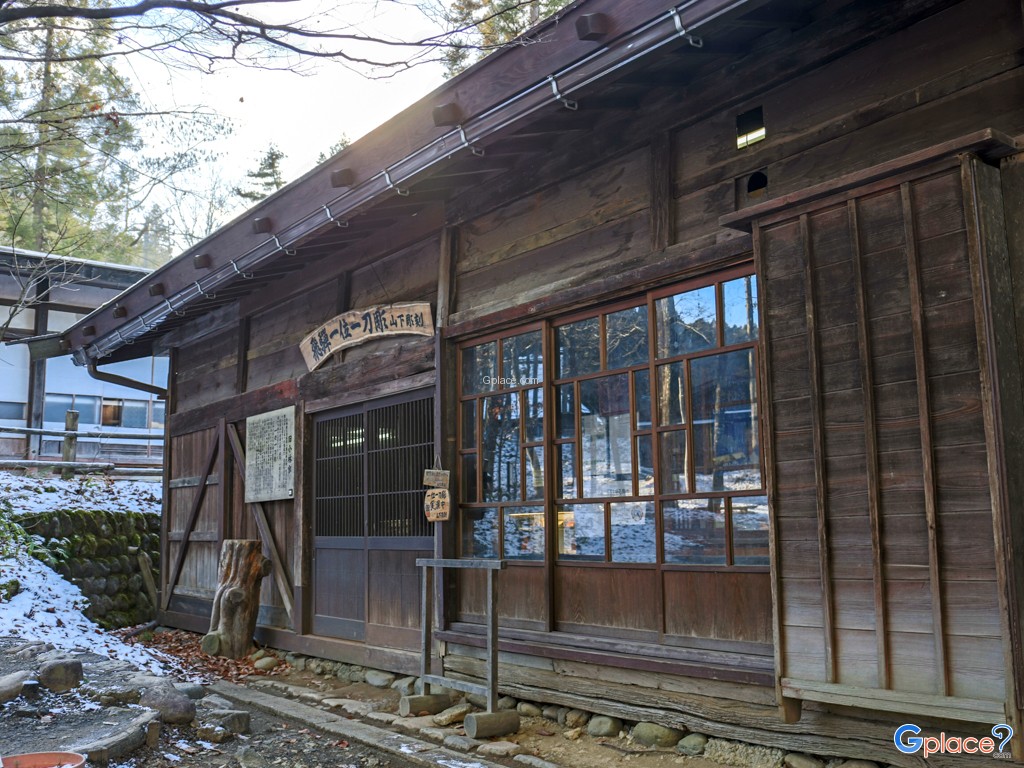
Hida Folk Village (Hida no Sato) is an open-air museum established to preserve the disappearing architectural heritage and traditional lifestyle of the Hida region. The village consists of more than 30 historic houses relocated from various parts of Hida to protect them from natural disasters and modernization. Most structures date back to the Edo period (1603–1867).
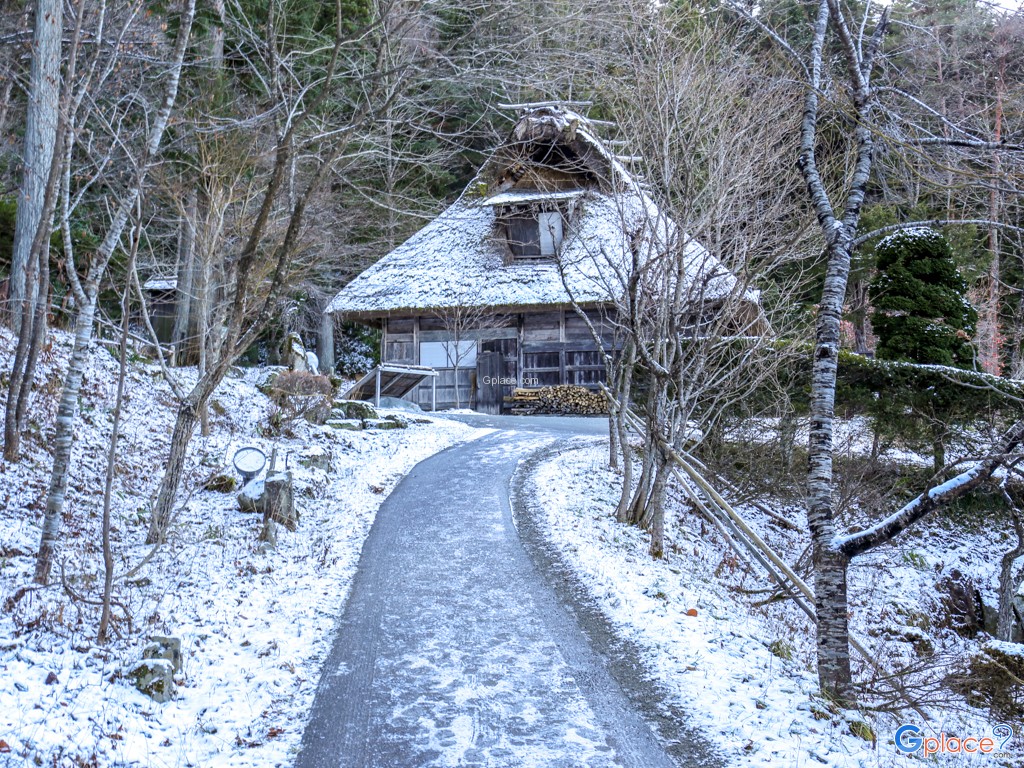
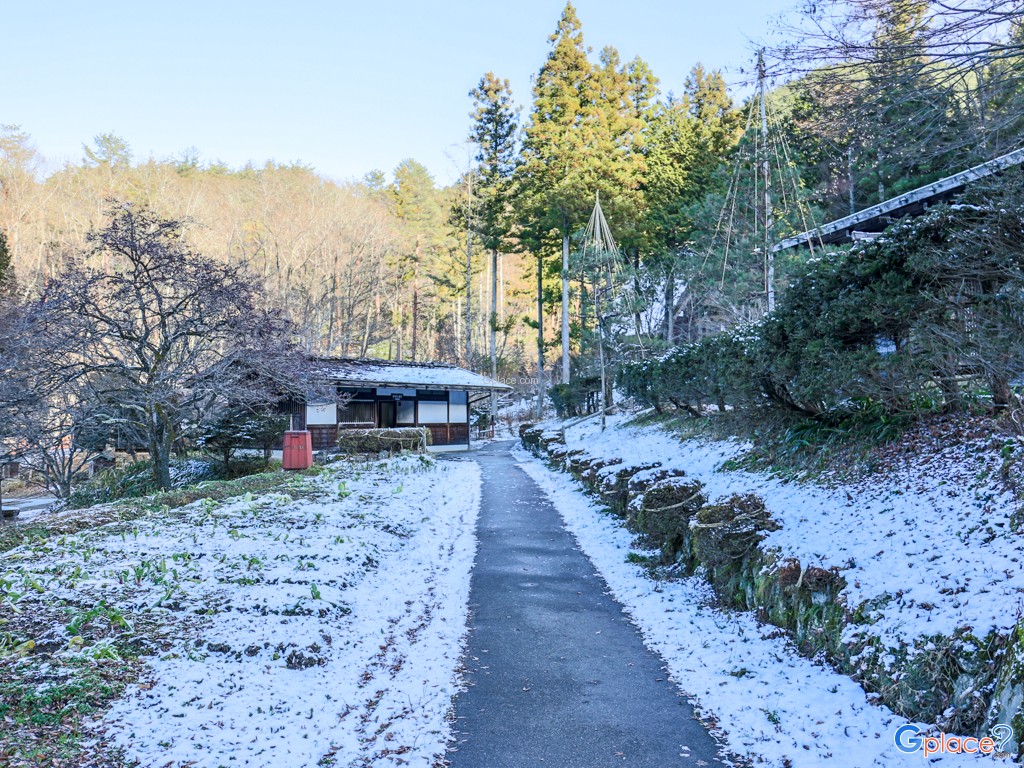
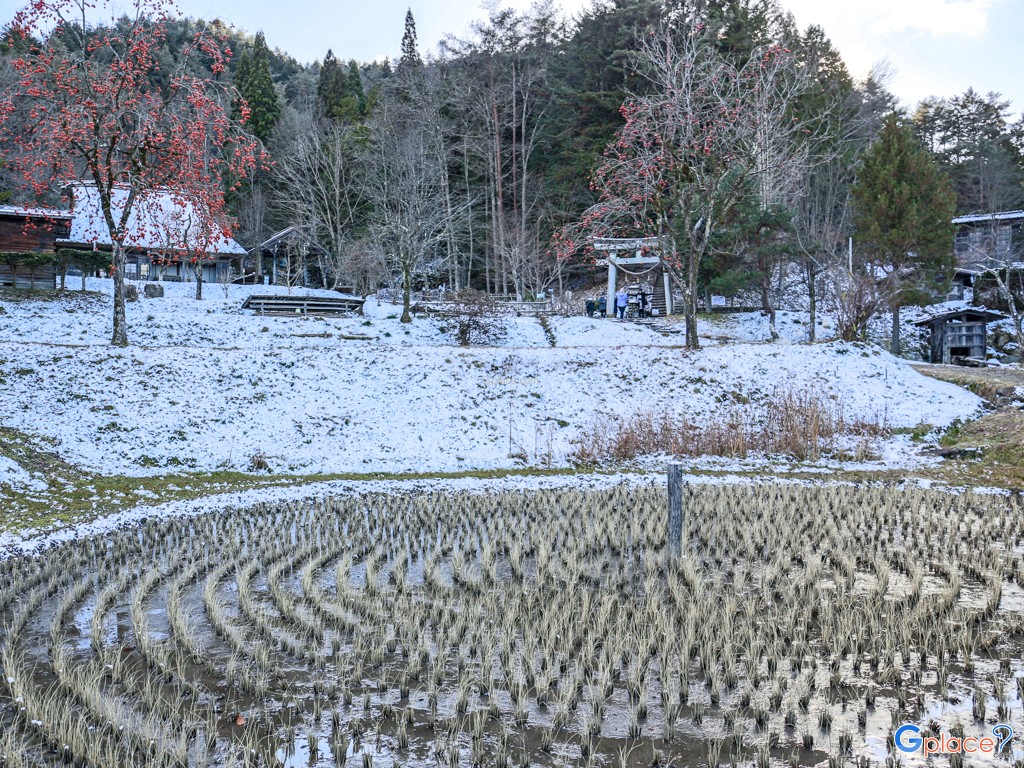
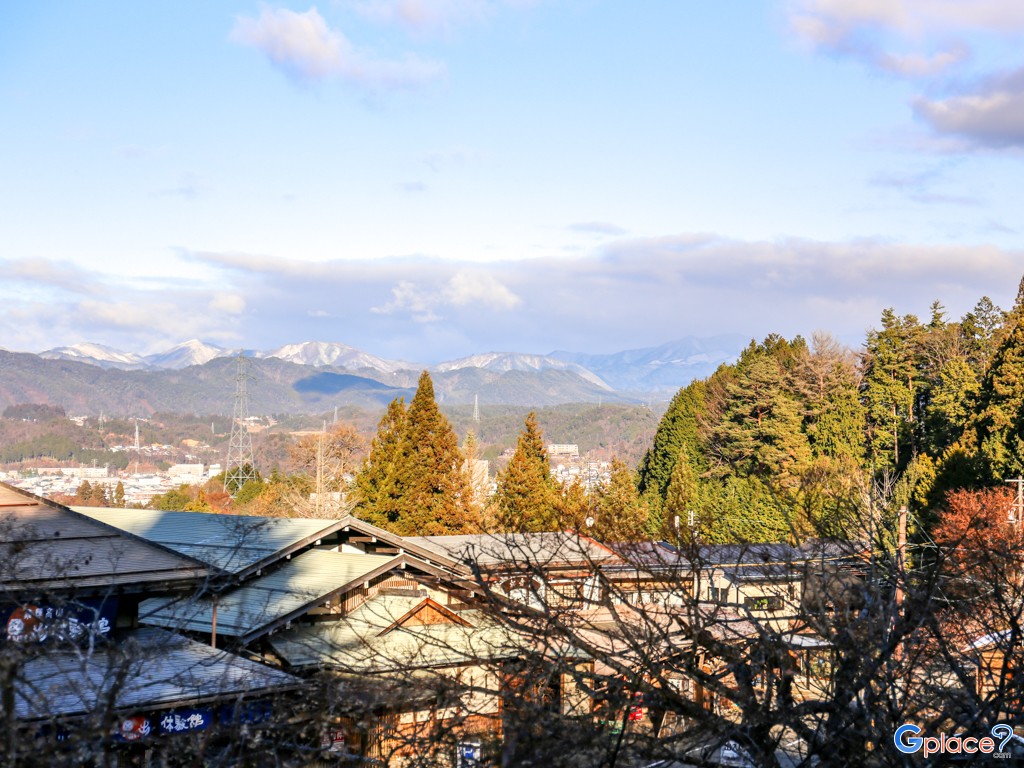
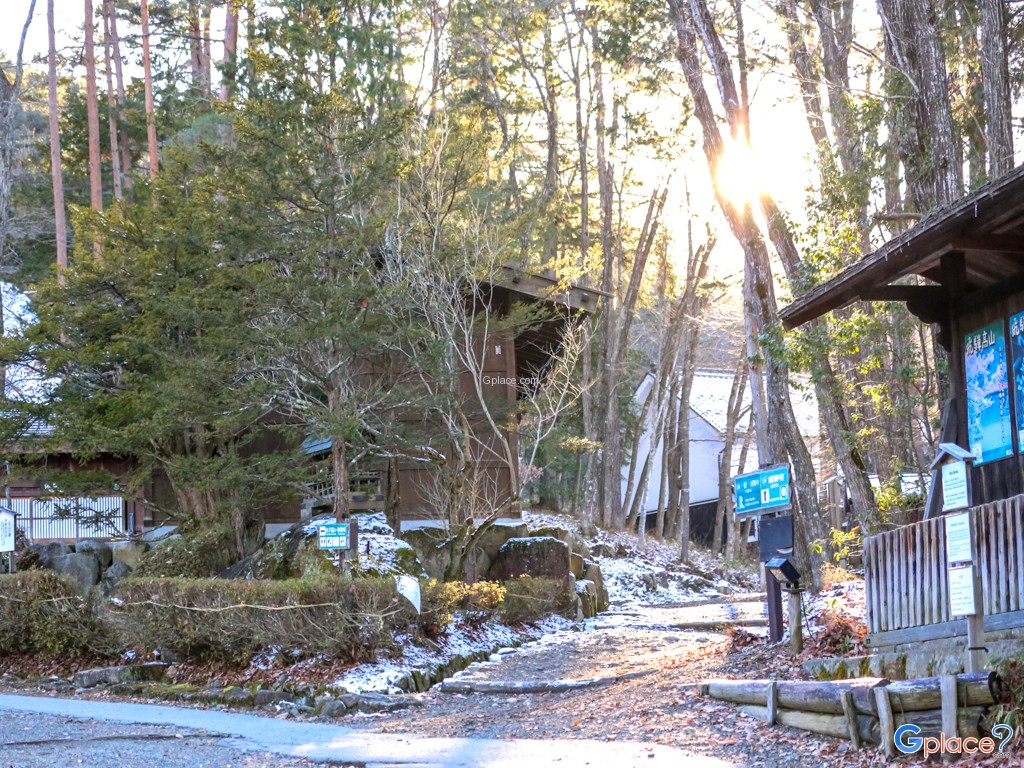
Built on gently sloping terrain, the village faithfully recreates the layout of a traditional mountain farming settlement, complete with irrigation channels, cultivated fields, and communal spaces, allowing visitors to experience how rural communities once lived in harmony with nature.
Gassho-zukuri Architecture Highlight
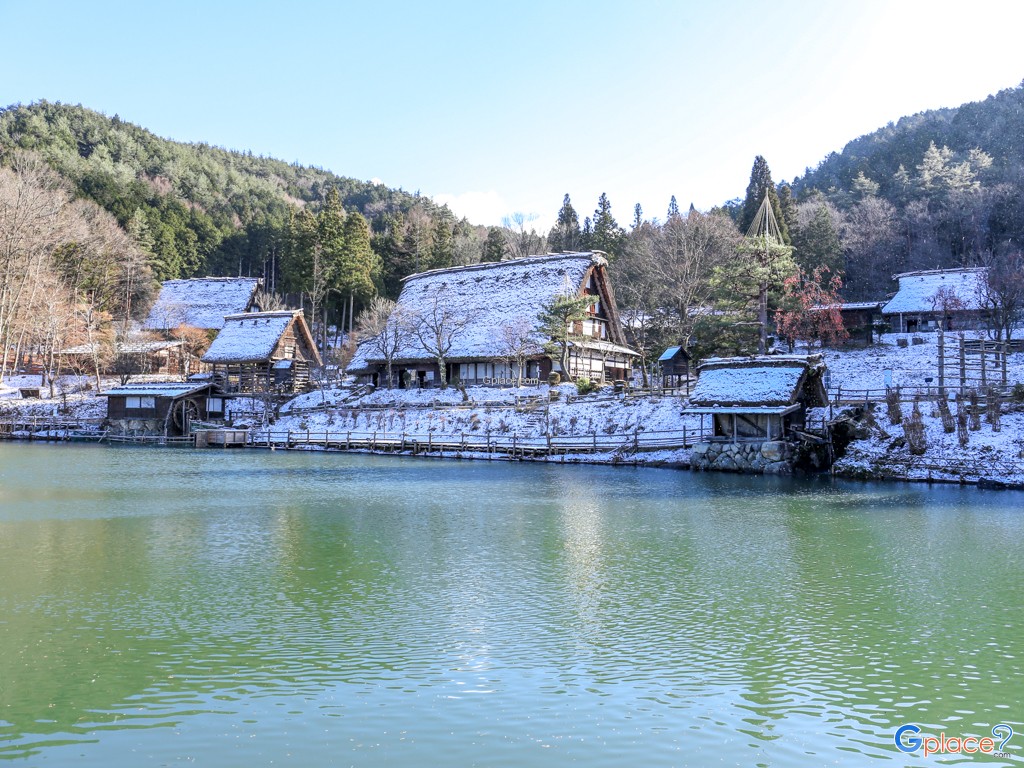
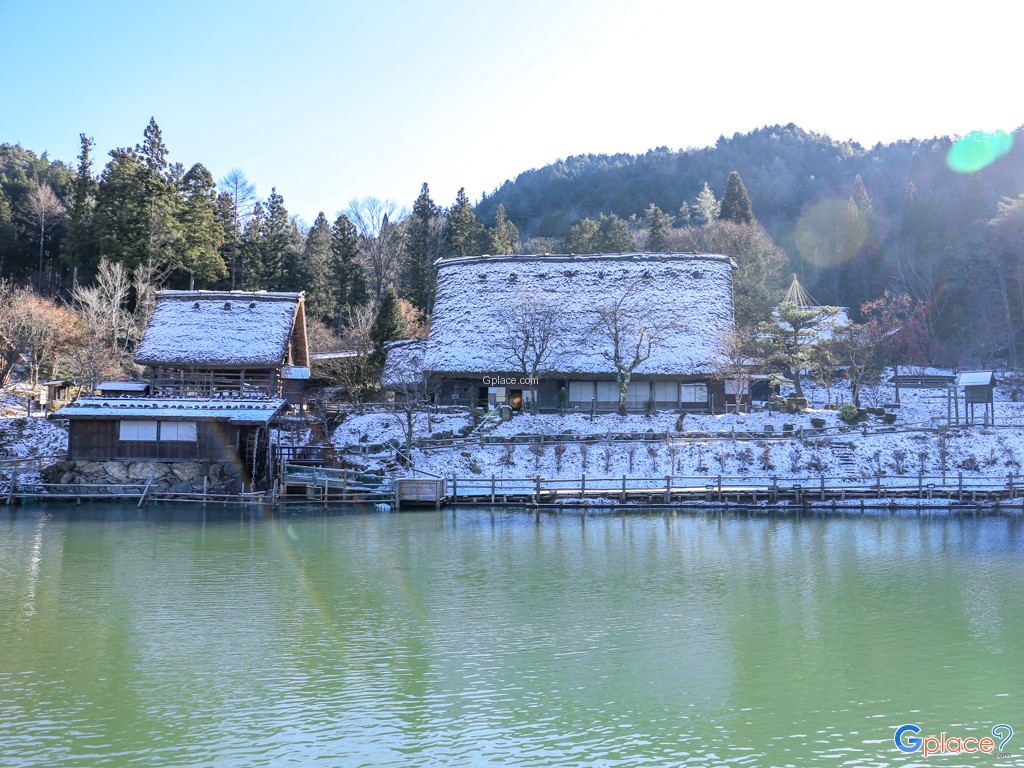
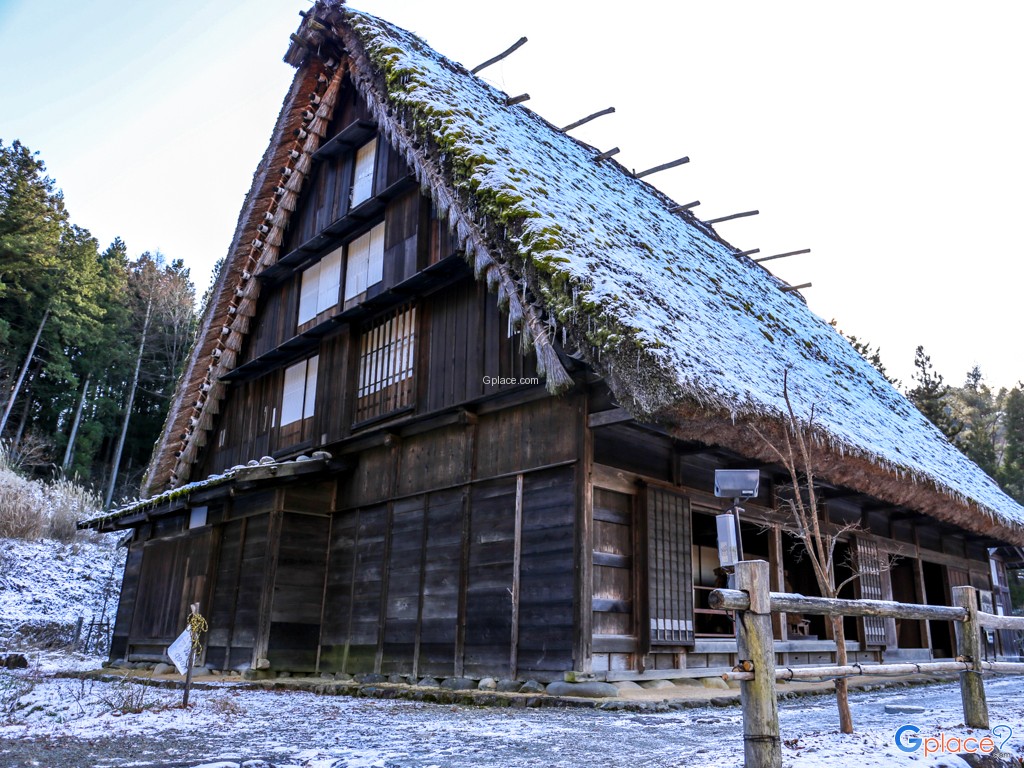
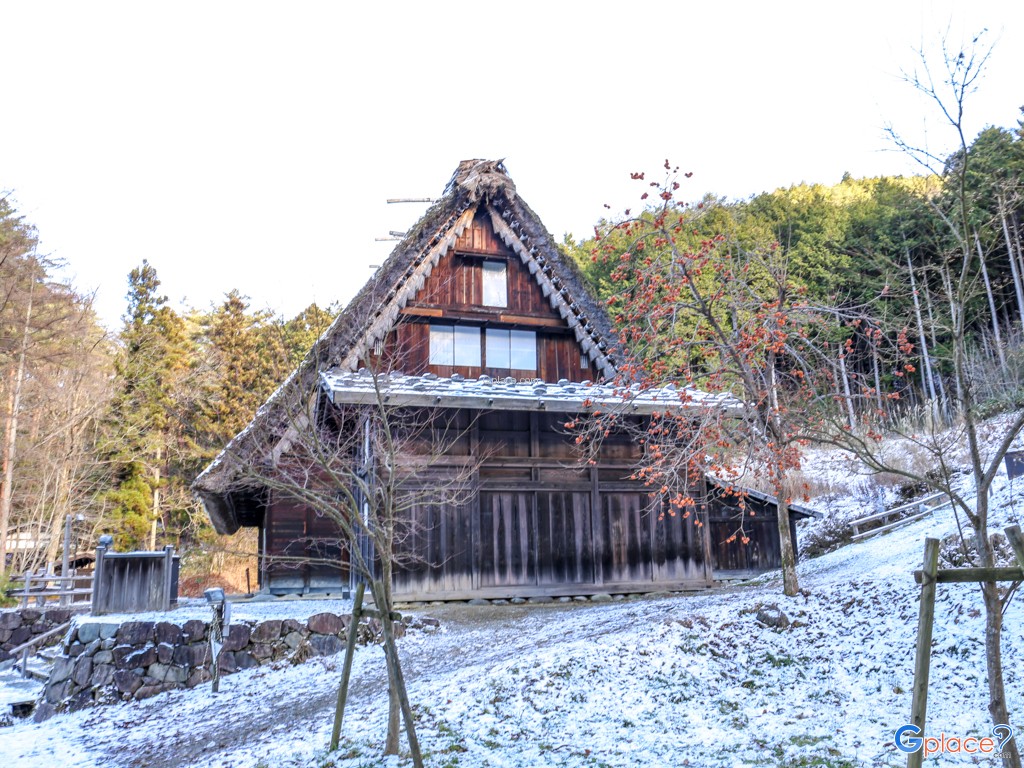
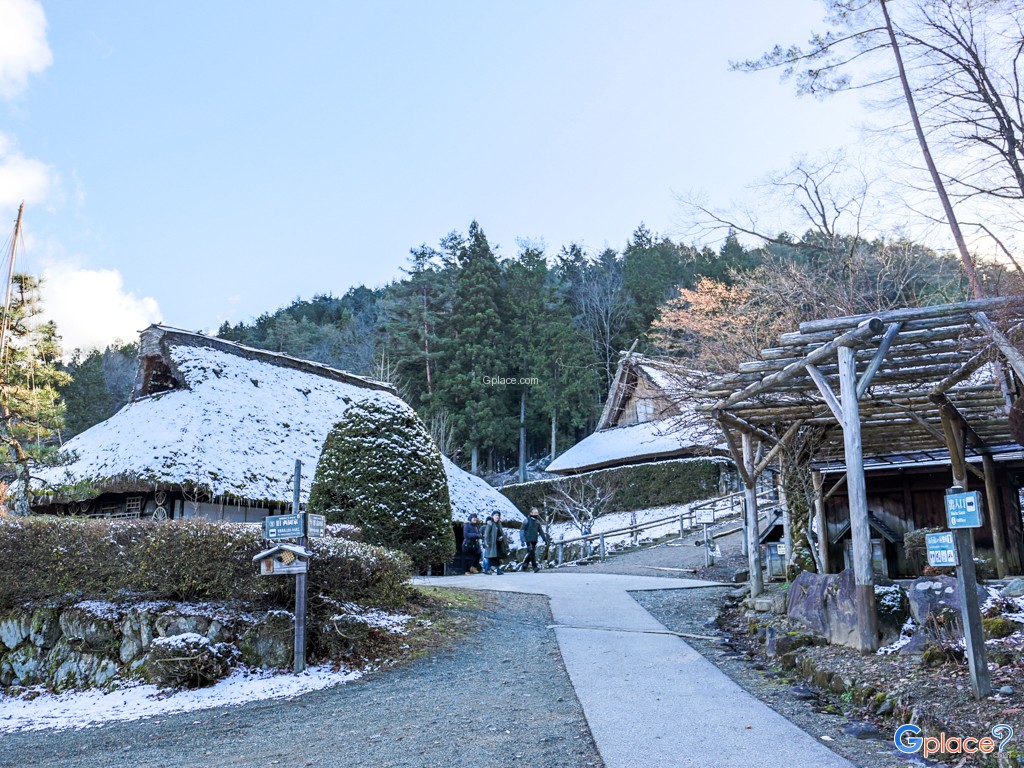
The village’s most striking feature is its gassho-zukuri houses, recognizable by their steeply pitched thatched roofs shaped like hands pressed together in prayer (“gassho”). This design efficiently sheds heavy snowfall and rain, essential for survival in the harsh mountain climate.
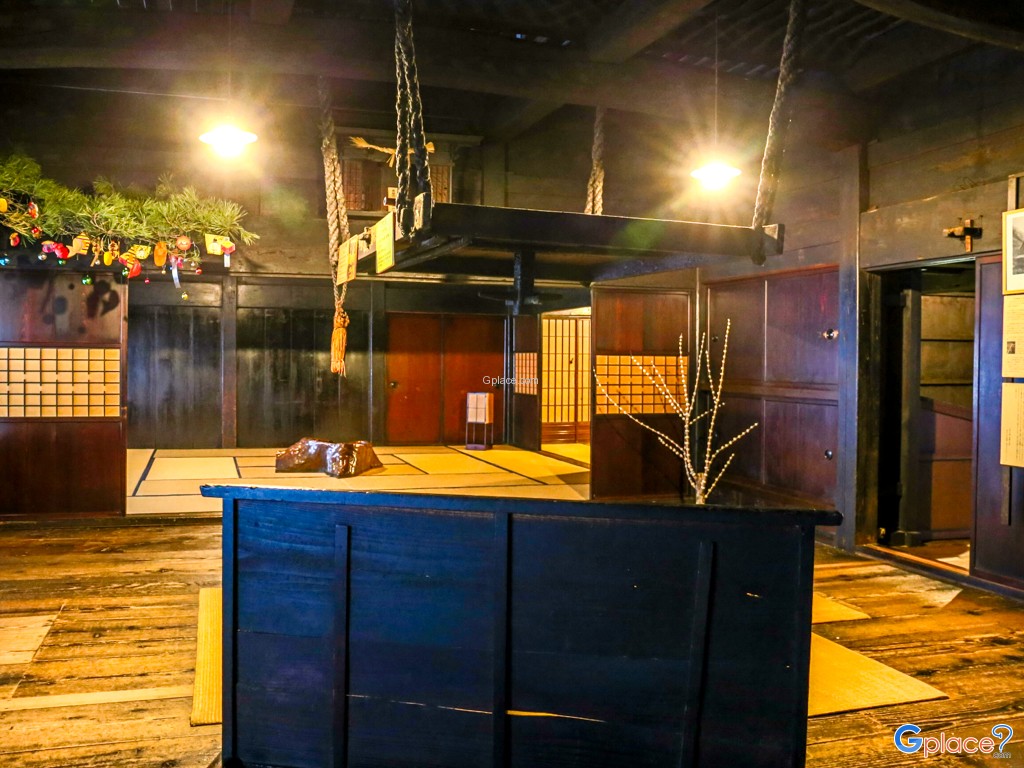
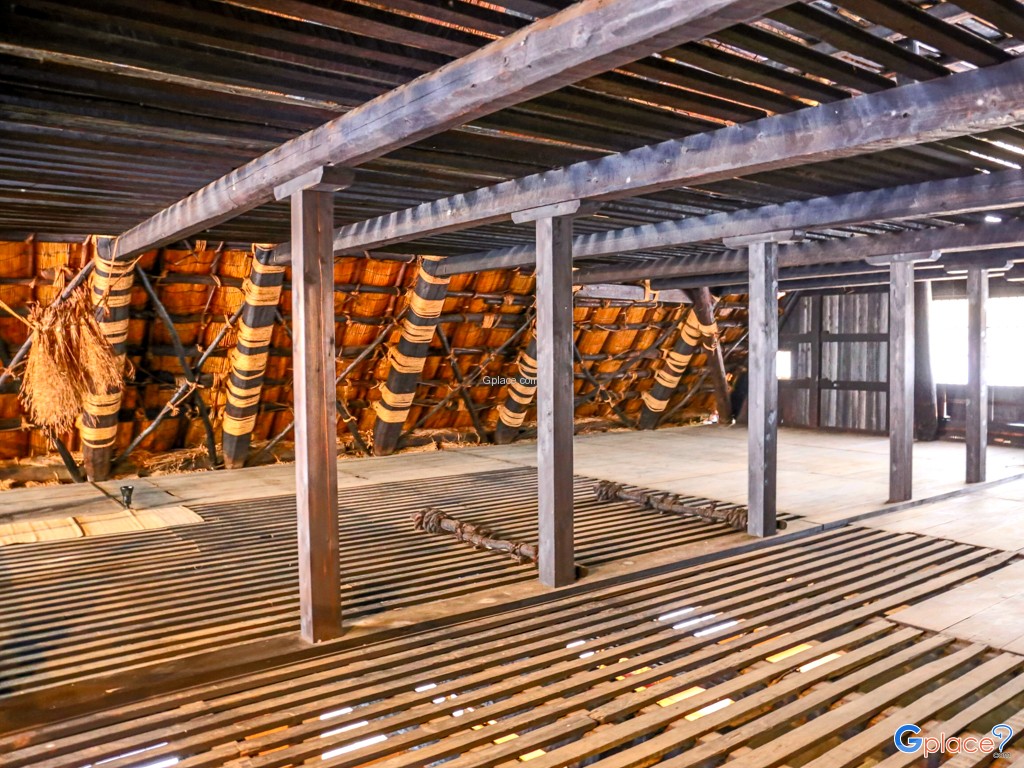
Many houses have multi-level interiors, and historically, the attic spaces were used for silkworm farming—an important industry in the Hida region.
Experiencing Traditional Daily Life
-
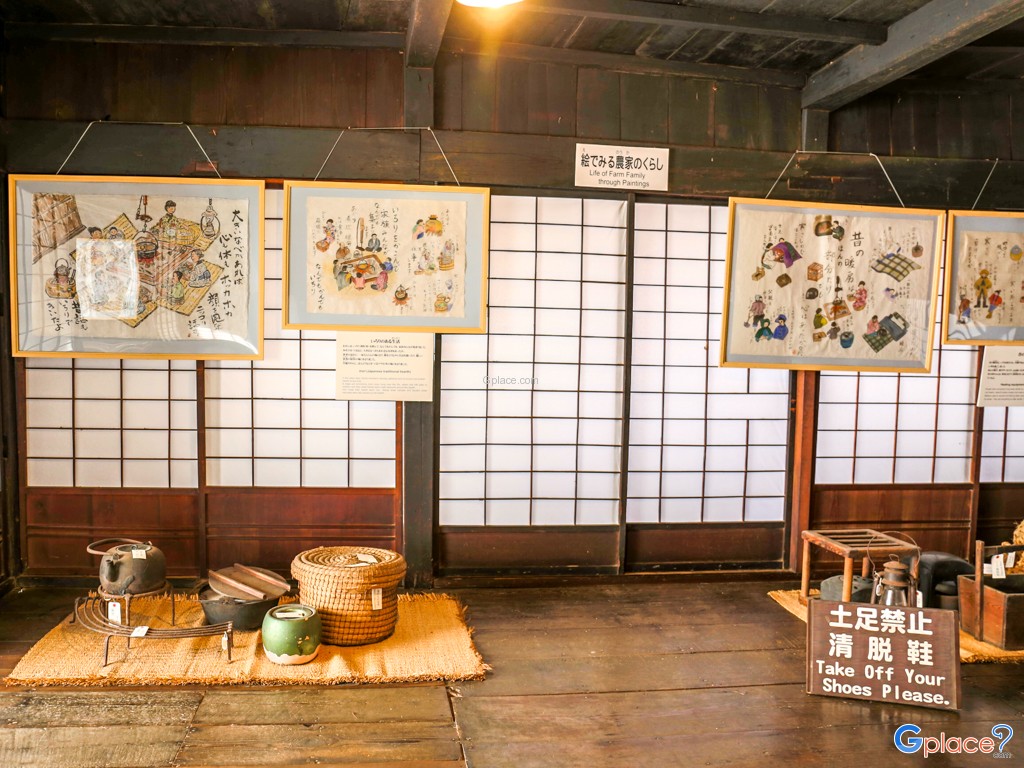
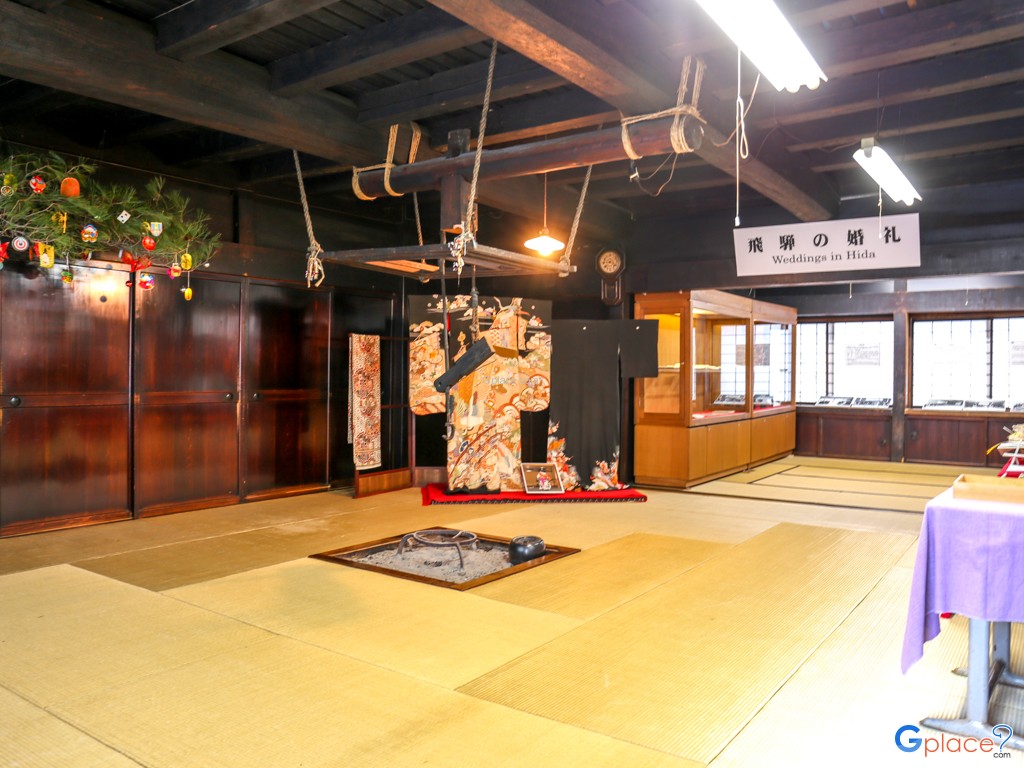
Irori Hearths: Real charcoal fires are lit in the mornings inside selected houses. The smoke helps preserve wooden beams and thatched roofs while filling the space with a warm, nostalgic atmosphere.
-
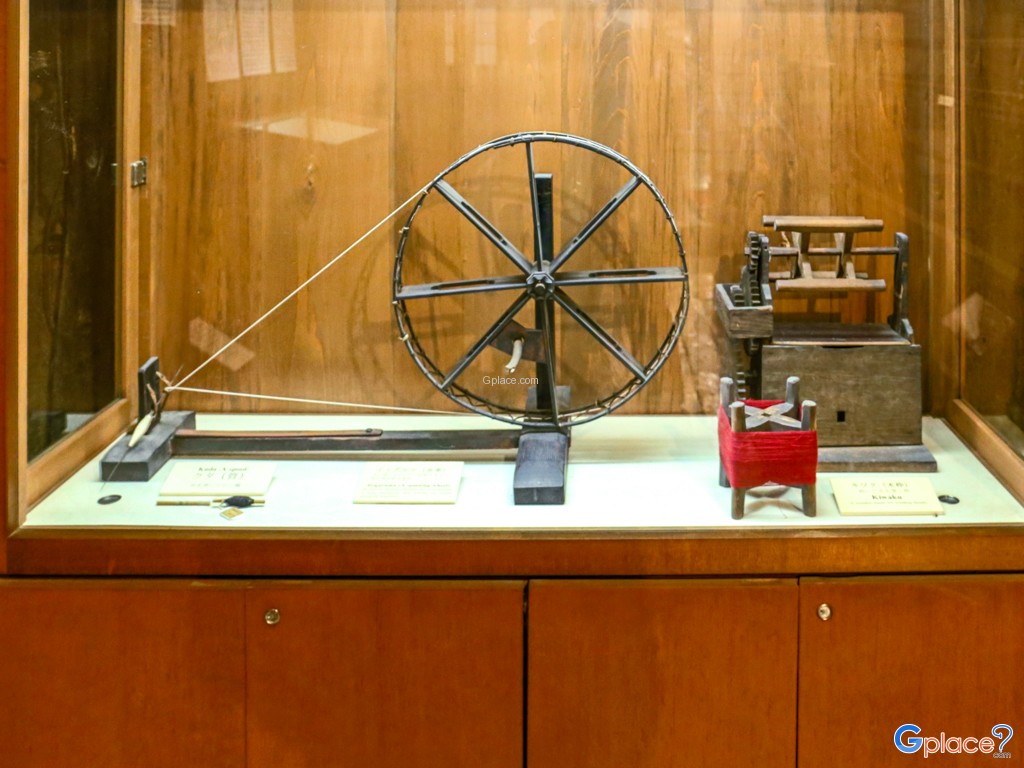
Traditional Crafts: Visitors can observe and participate in hands-on workshops such as Sarubobo doll-making, wood carving, and textile weaving, creating meaningful souvenirs rooted in local culture.
Activities and Atmosphere
-
Hida Folk Crafts Museum (Hida no Sato Museum): Located nearby, this indoor museum provides deeper insight into regional history and craftsmanship—often overlooked but well worth visiting.
-
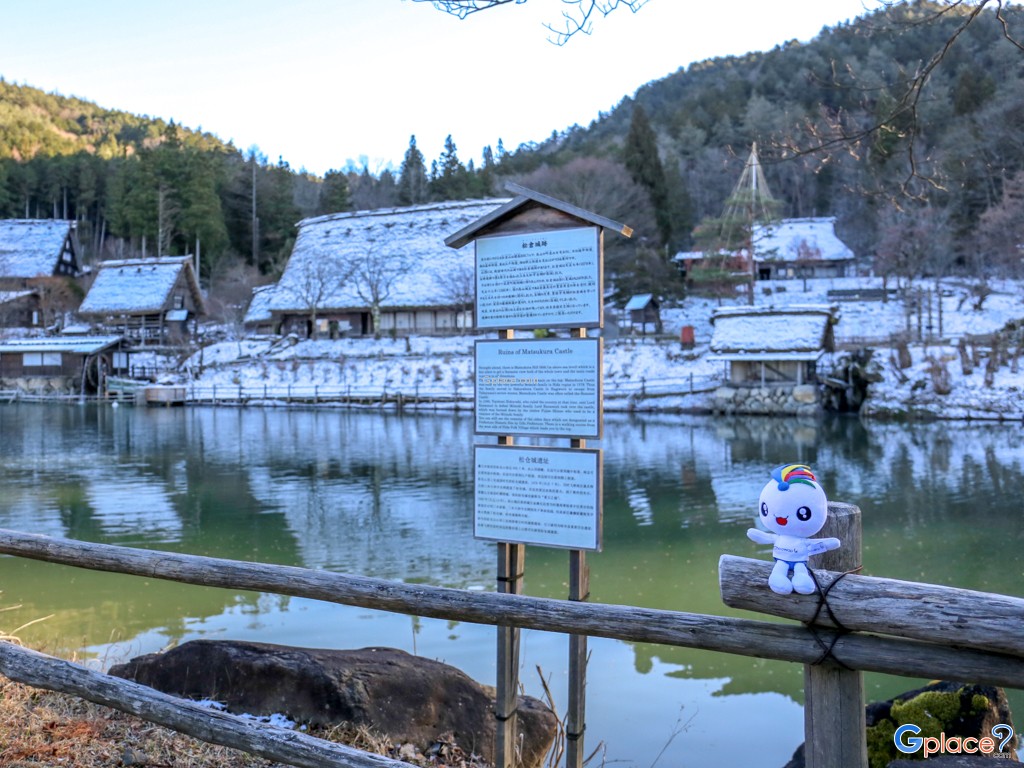
Go-no-Ike Pond: The central pond is a favorite photo spot, offering beautiful reflections of traditional houses against a mountainous backdrop.
-
Swan Pedalos & Fish Feeding: Popular with families, the pond area features carp feeding and swan-shaped pedal boats, adding a gentle recreational element.
-
Local Snacks: Try Gohei Mochi, grilled rice skewers coated with a sweet-savory miso sauce unique to the Hida region.
Compared to the more famous Shirakawa-go, Hida Folk Village offers a quieter, more relaxed, and personal experience.
How to Get There
-
Bus: Take the Sarubobo Bus from Takayama Nohi Bus Center (Platform 1). Travel time is approximately 10 minutes.
-
On Foot: About a 30-minute walk from Takayama Station; however, most of the route is uphill.
Travel Tips
-
The uphill walking route may be challenging for seniors or families with small children—using the bus is recommended.
-
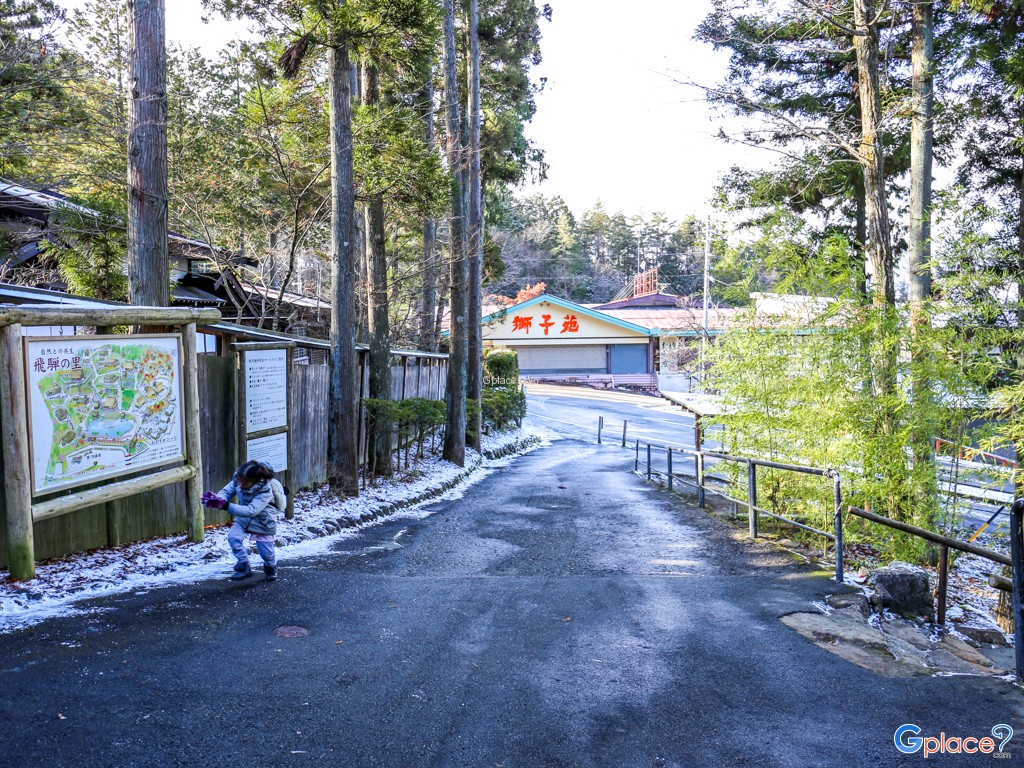
In winter, paths can be icy; wear shoes with good traction or anti-slip attachments.
-
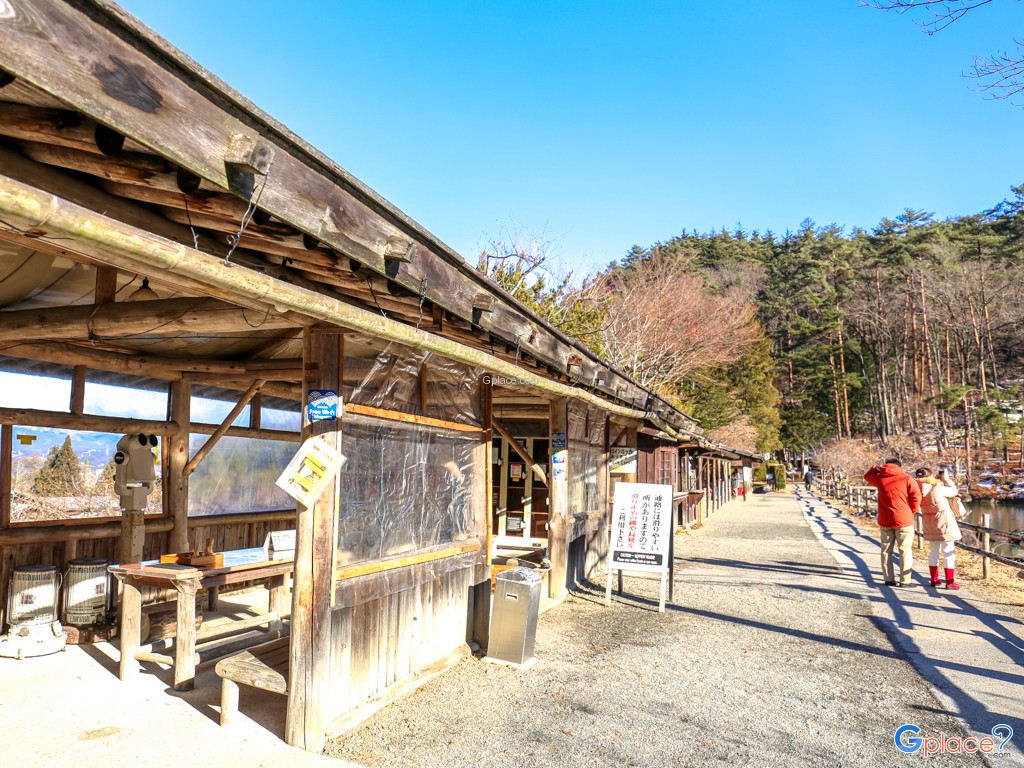
Large luggage should be stored in coin lockers at Takayama Station, as village paths are natural and uneven.
Admission Fee:
-
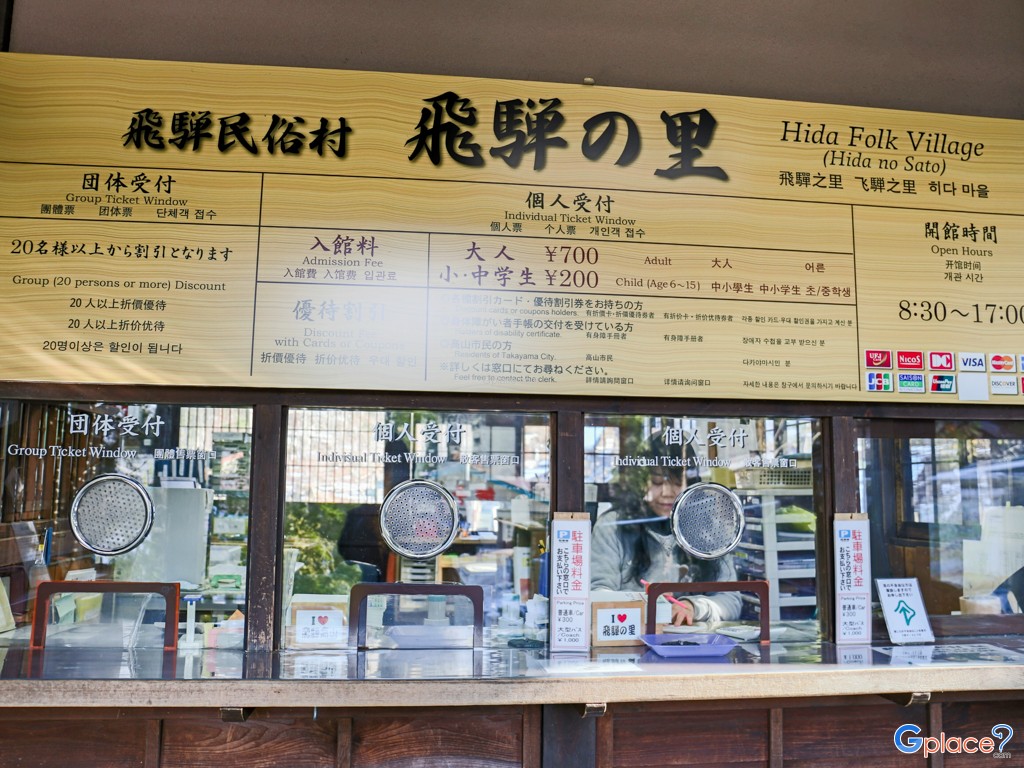
Adults: ¥700
-
Children: ¥200
-
Hida no Sato Set Ticket: ¥1,200
(Includes round-trip bus fare and admission; prices subject to minor adjustments)
Opening Time:
- Open daily throughout the year, 08:30 – 17:00
Hida Folk Village

 Share
Share
 1 Chome-590 Kamiokamotomachi, Takayama City, Gifu, Japan 506-0055
Map
1 Chome-590 Kamiokamotomachi, Takayama City, Gifu, Japan 506-0055
Map
 Closed today
Mon8.30 - 17.00
Tue8.30 - 17.00
Wed8.30 - 17.00
Thu8.30 - 17.00
Fri8.30 - 17.00
Sat8.30 - 17.00
Sun8.30 - 17.00



 424
424