
 Attractions
  Hotel
Hotel  Restaurant
  Shopping
  Abroad





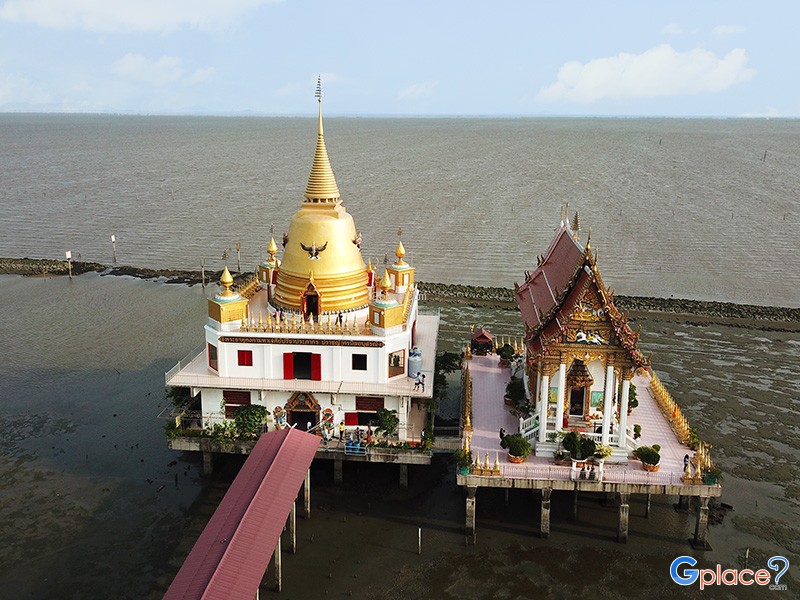

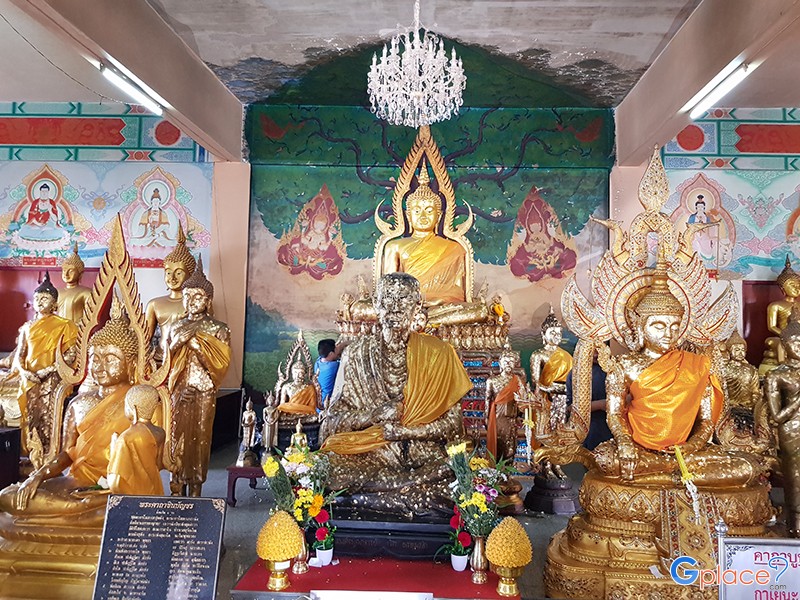
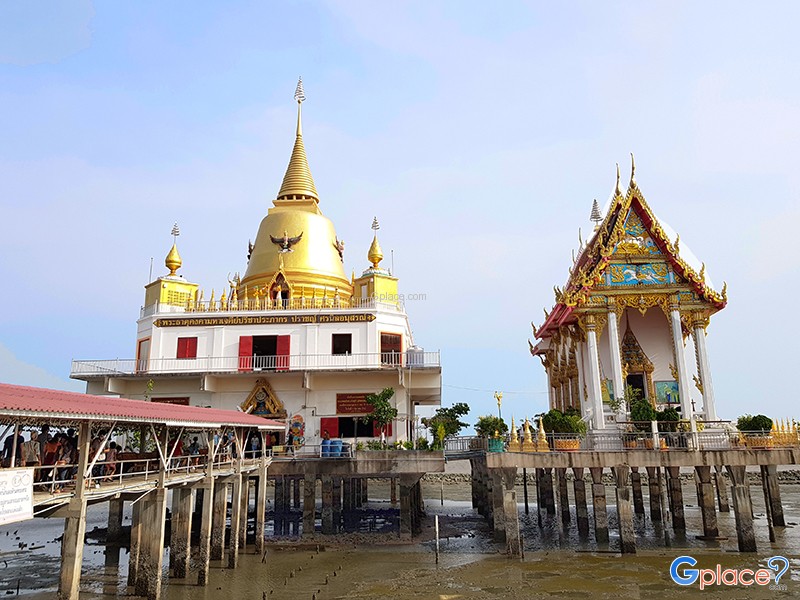
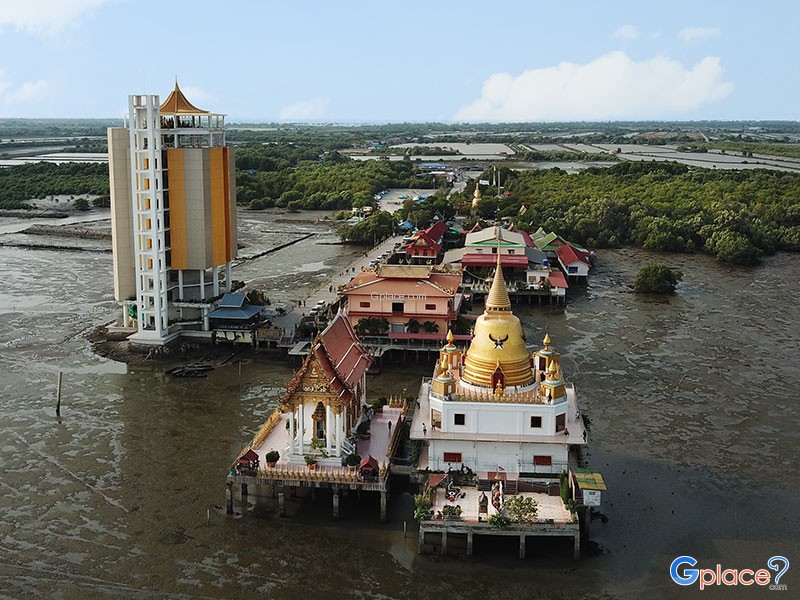
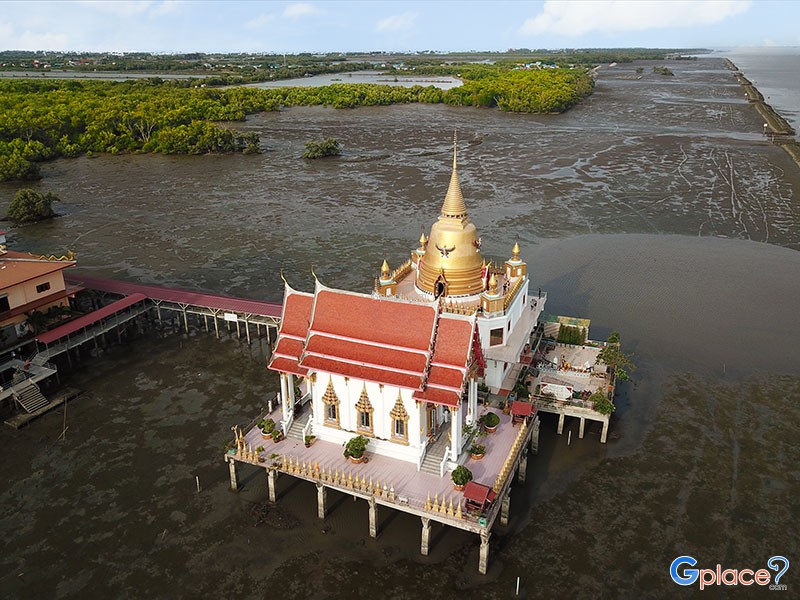
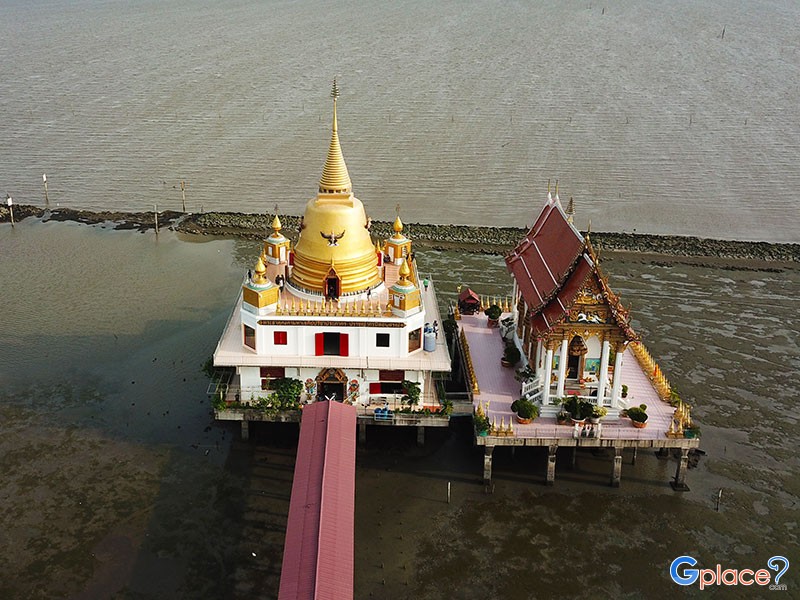
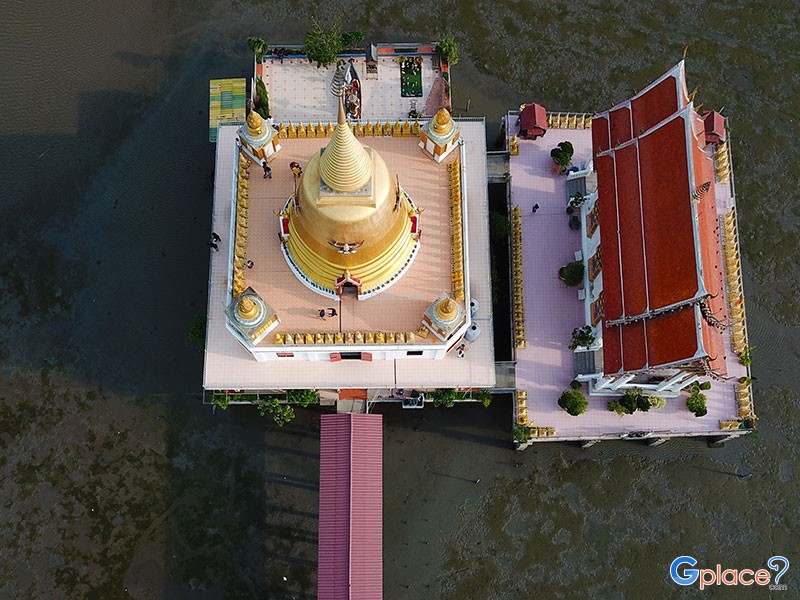
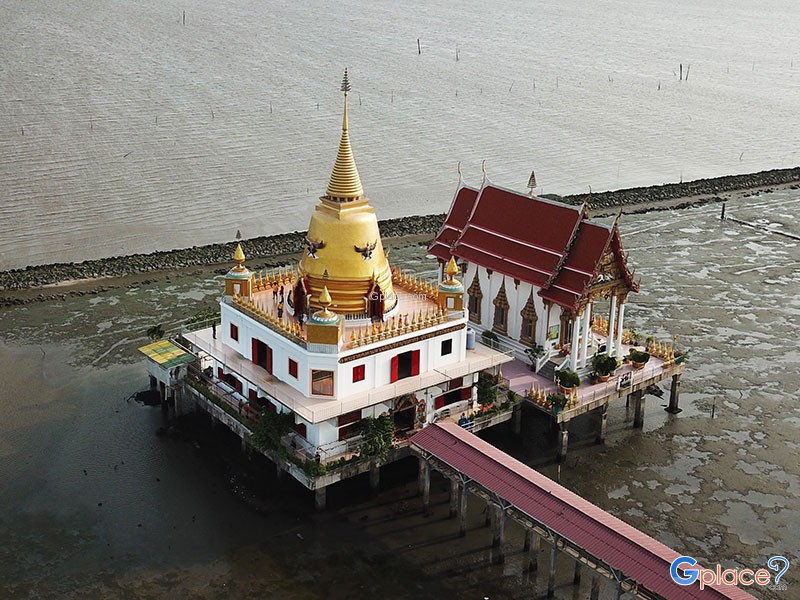
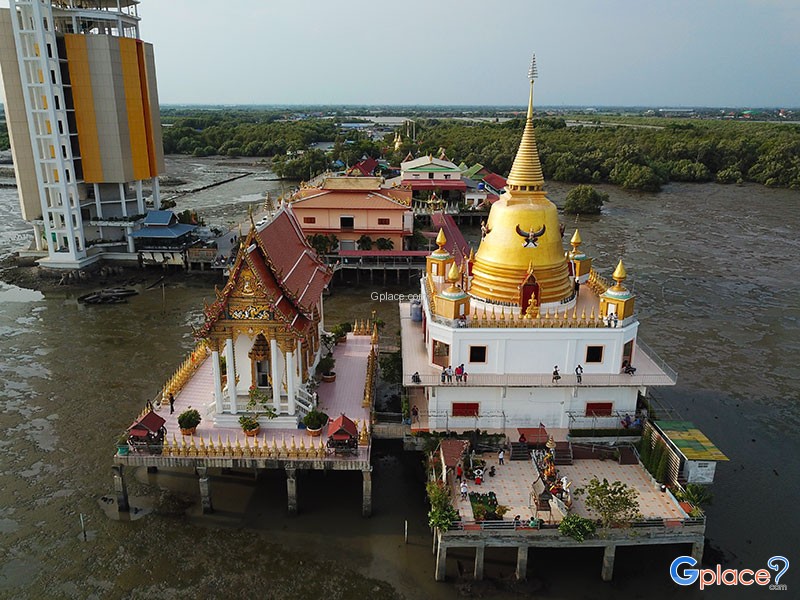
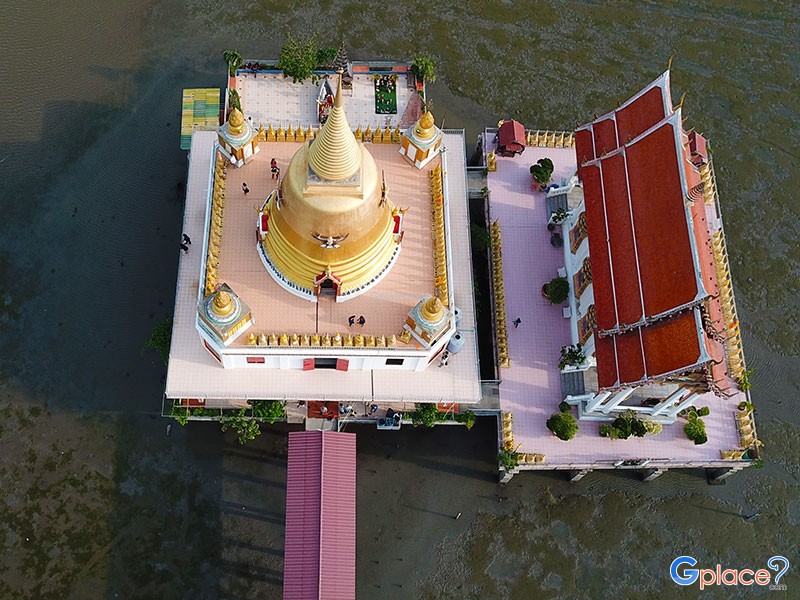
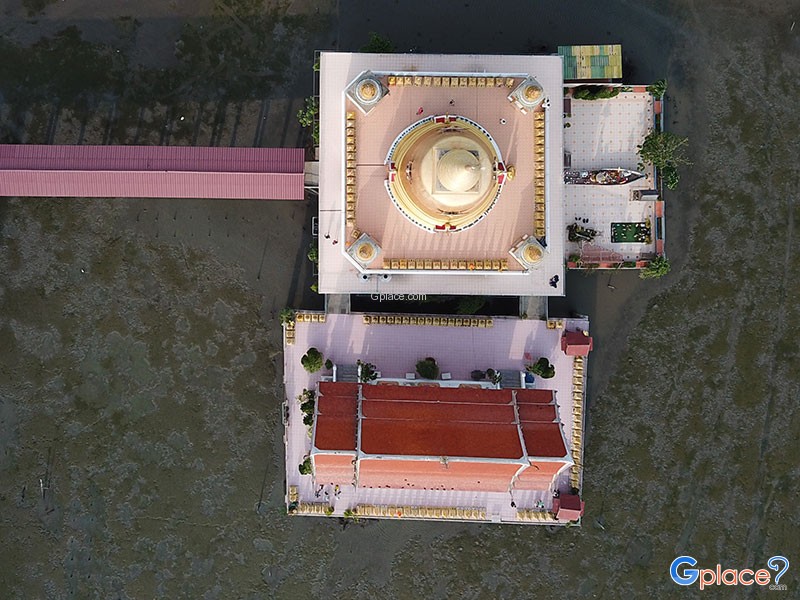
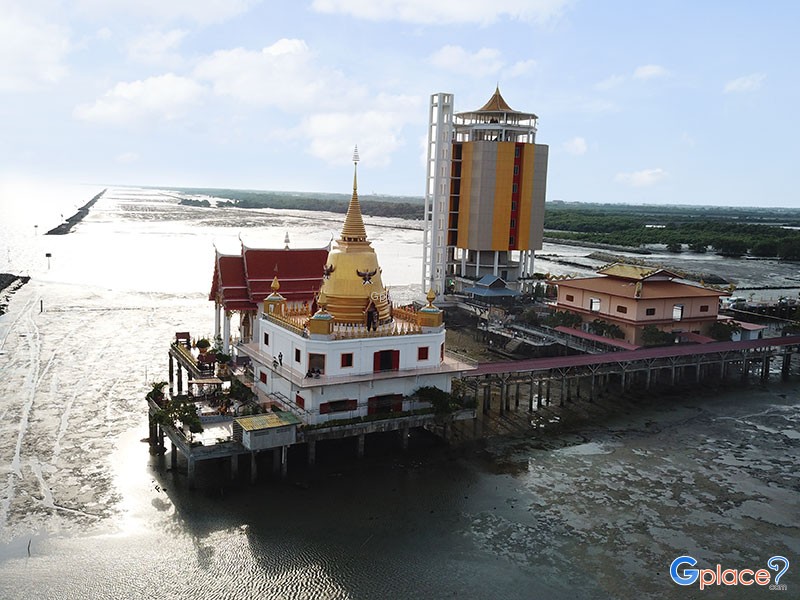
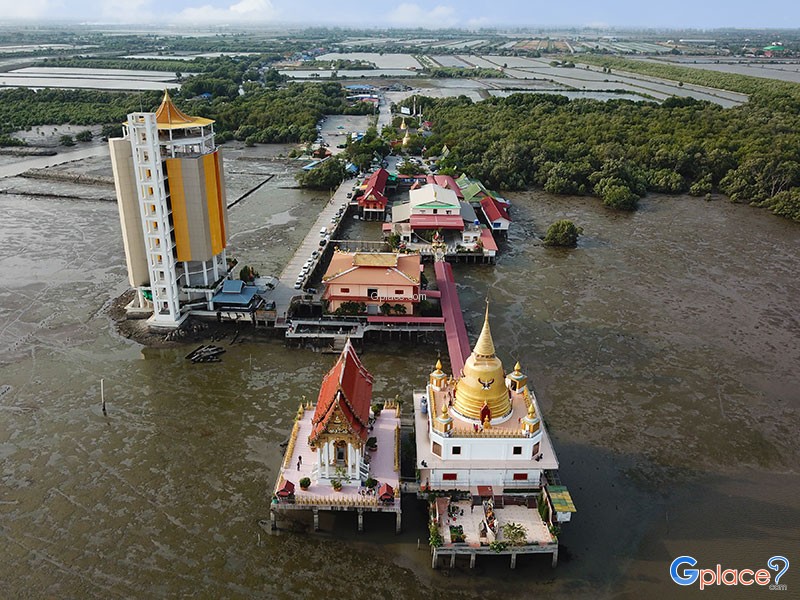
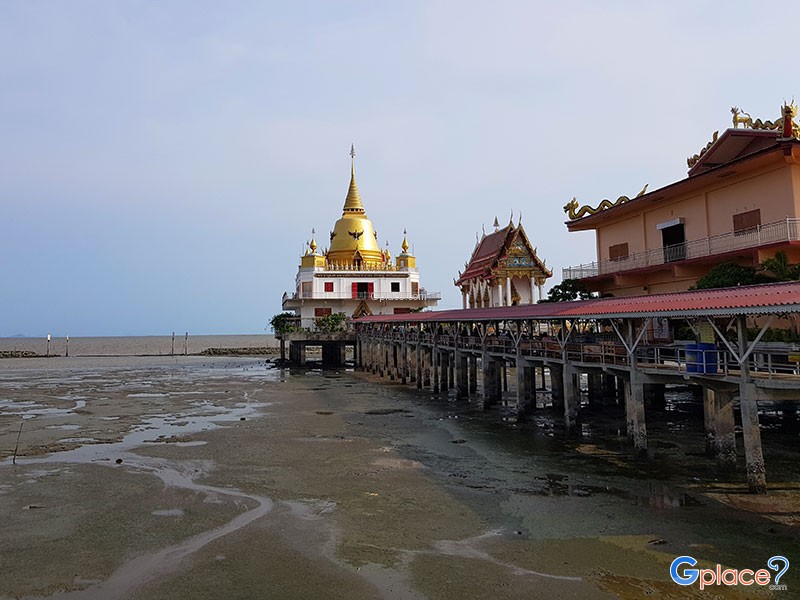
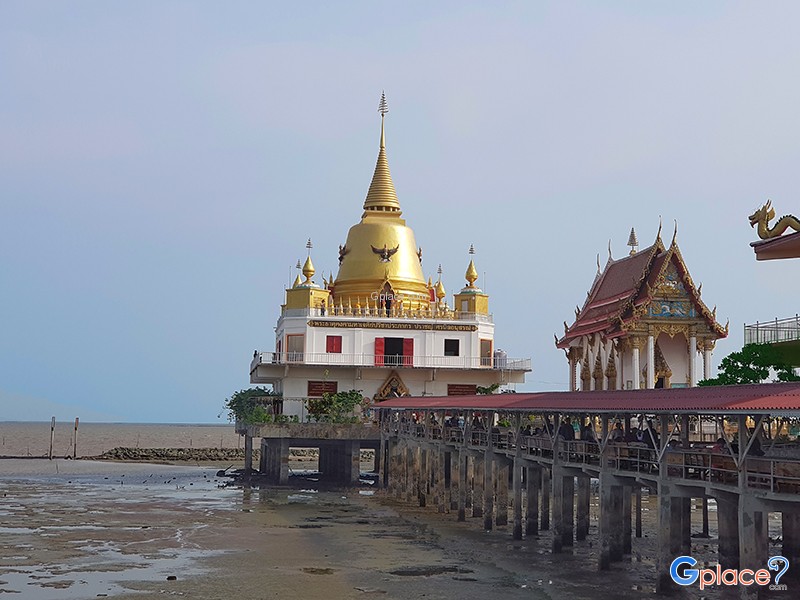

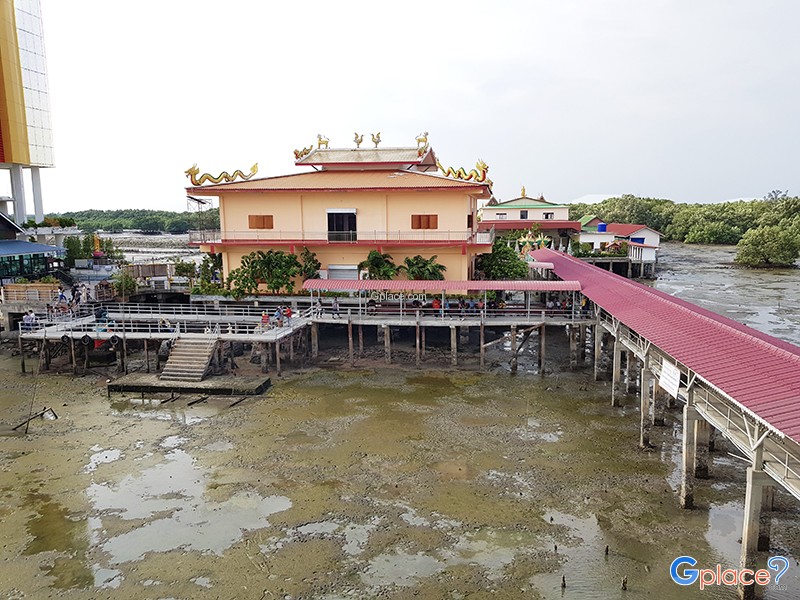

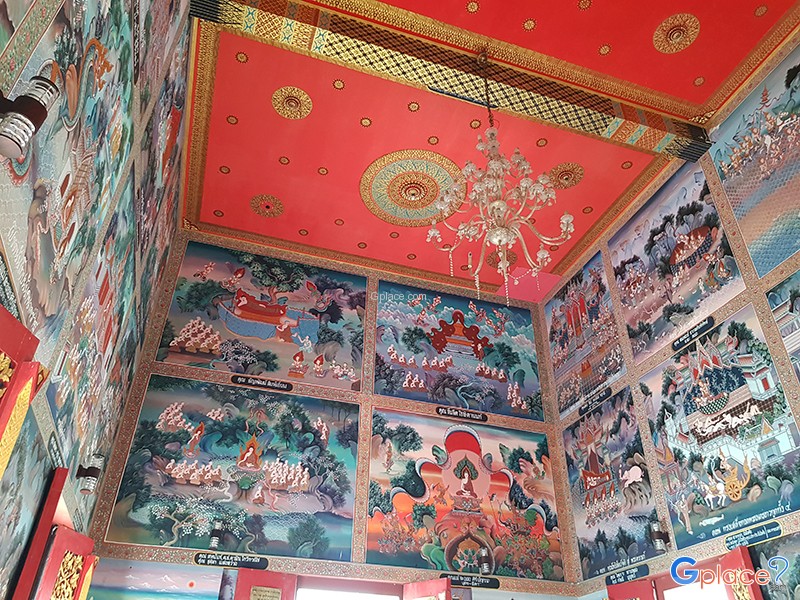
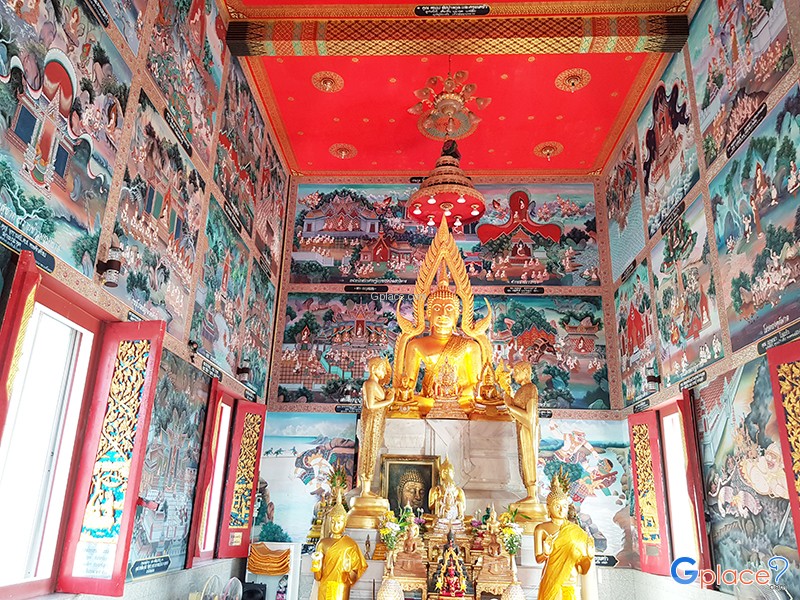
“Behold the magnificent golden pagoda standing amidst the sea. Worship sacred Buddha images and experience the transparent Sea Walk bridge, offering breathtaking panoramic views of the Gulf of Thailand.”
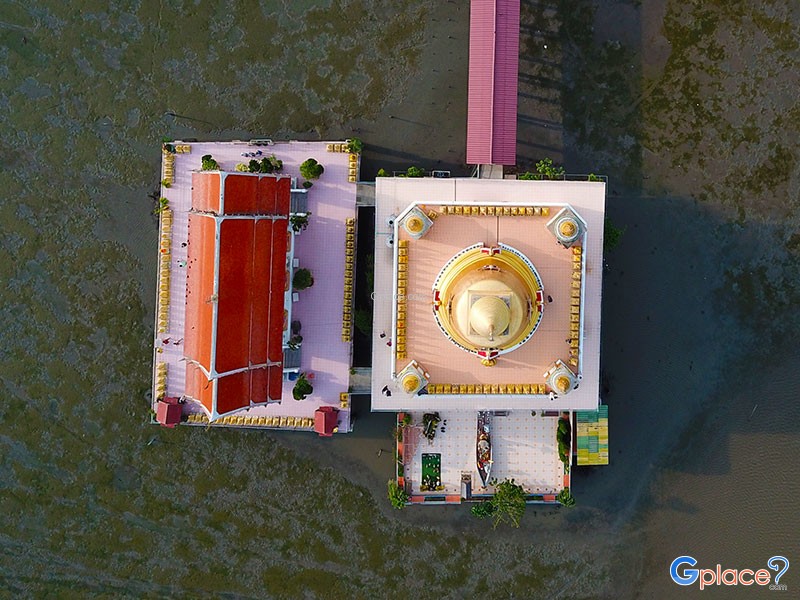
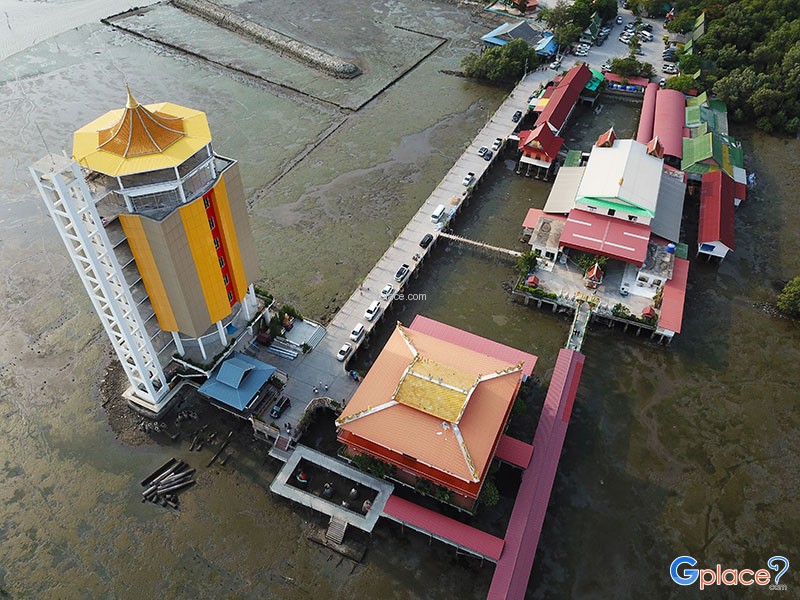
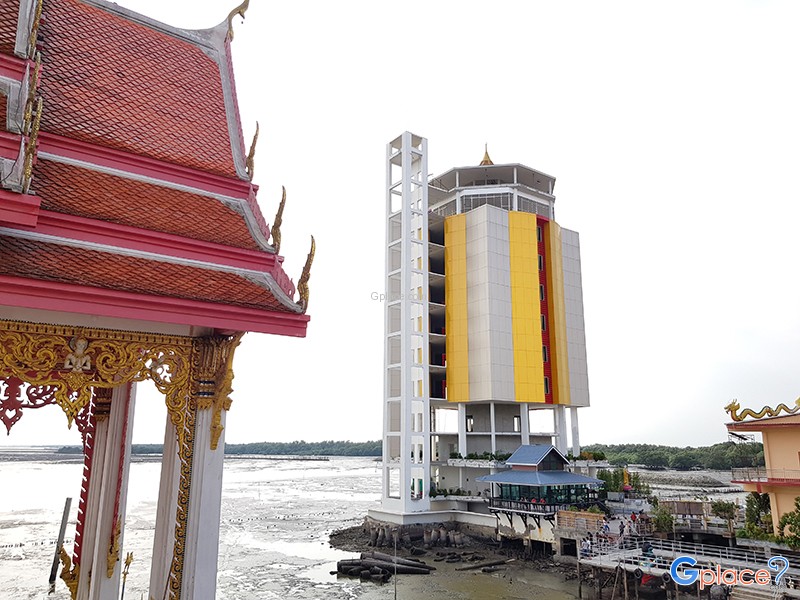
Wat Hong Thong is a temple located on the coast of the Gulf of Thailand in Bang Pakong District, Chachoengsao Province. It's uniquely situated amidst a coastal and mangrove forest landscape, giving it the appearance of a "temple in the sea" as if it were surrounded by water. In reality, the temple is built on a coastline affected by long-term coastal erosion, resulting in many religious structures being elevated and connected by walkways extending over the water. The temple has continuously developed into a significant religious and nature-focused tourist destination in the Bang Pakong River basin, offering a blend of coastal community life, fishing, and the surrounding mangrove forest landscape.
The temple's most important structure is a large, golden pagoda situated in the center of the grounds, connected to the sea. Known as the Phra That Khongkha Mahamongkol Chedi (or similar names depending on the source), the pagoda features multi-level areas for worship and displaying Buddhist art, including important Buddha images, murals depicting the life of Buddha, and religious symbols reflecting Thai Buddhist beliefs. Furthermore, a high vantage point on the pagoda offers panoramic views of the Gulf of Thailand coastline and the surrounding mangrove forest, making the temple distinctive both religiously and for its scenic tourism.
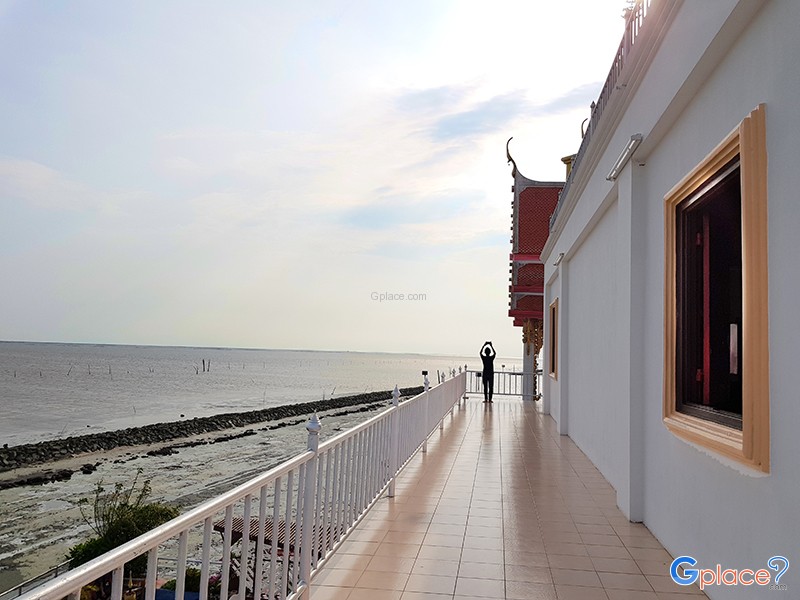
Another important element is the walkway and structure, the “seaside promenade,” a bridge extending over the sea and into the intertidal zone. Sections feature glass flooring, allowing visitors to directly view the water below. This project was developed to promote tourism and enhance the close-up sea viewing experience, accommodating a large number of tourists at different times and becoming one of the temple’s most popular photo spots.
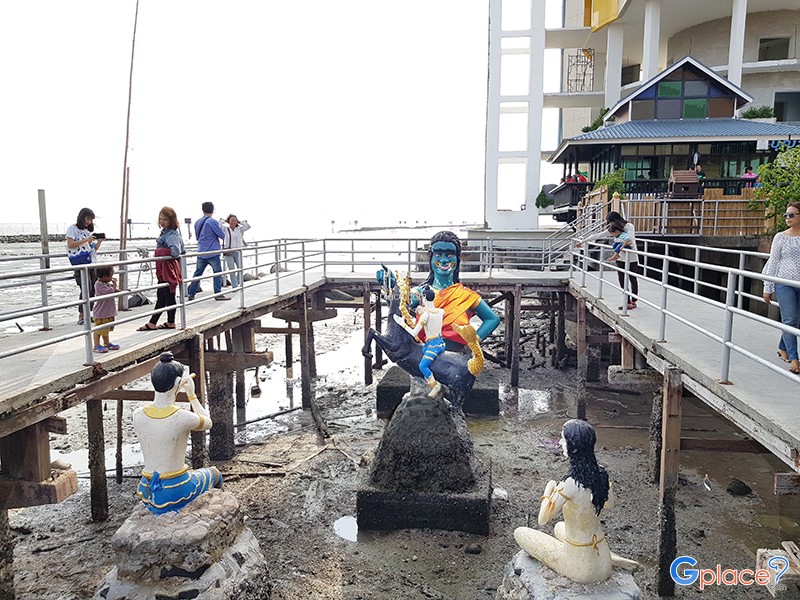
Geographically, the temple is located in the Bang Pakong River estuary, an area influenced by the tides of the Gulf of Thailand. This results in a diverse ecosystem surrounding the temple, including mangrove forests, brackish water areas, and local aquatic life. This environment directly impacts the temple’s design, which must accommodate changes in water levels and long-term coastal erosion. Therefore, the temple is constructed on stilts connected by walkways, rather than being built entirely on land like most temples.
Overall, Wat Hong Thong is not just a place of worship, but an example of a religious site adapting to its coastal environment. It is a space that clearly blends faith, architecture, and nature. Visitors often experience spiritual fulfillment from making merit and paying respects, as well as enjoying the scenic views of the sea, mangrove forests, and the lifestyle of the community along the Bang Pakong Gulf.
How to Get There
- From Bangkok, take the Old Sukhumvit Road (Khlong Dan-Bang Pakong route). Look for the entrance sign to Wat Hong Thong near KM 61-62. Turn into the side road and continue for about 2 kilometers to reach the temple.
Travel Tips
- Visit in the morning or late afternoon for better light and cooler weather
- Avoid extreme high tide periods as some areas may be less accessible
- Wear non-slip shoes, especially on glass walkways
- Bring a hat or umbrella due to open coastal sunlight
Admissin Fees:
- Free admission.
Opening Hours:
- 06:00 AM – 06:00 PM (Open daily)
Wat Hong Thong

 Share
Share
 T.Song Khlong, A.Bang Pakong, Chachoengsao, 24130
Map
T.Song Khlong, A.Bang Pakong, Chachoengsao, 24130
Map
 Closed today
Mon6.00 - 18.00
Tue6.00 - 18.00
Wed6.00 - 18.00
Thu6.00 - 18.00
Fri6.00 - 18.00
Sat6.00 - 18.00
Sun6.00 - 18.00



 6
6