 Attractions
  Hotel
Hotel  Restaurant
  Shopping
  Abroad





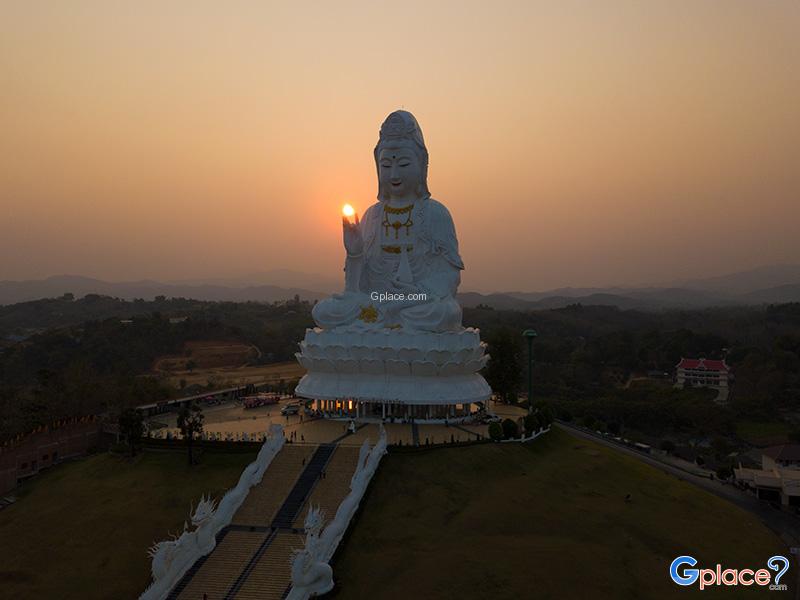

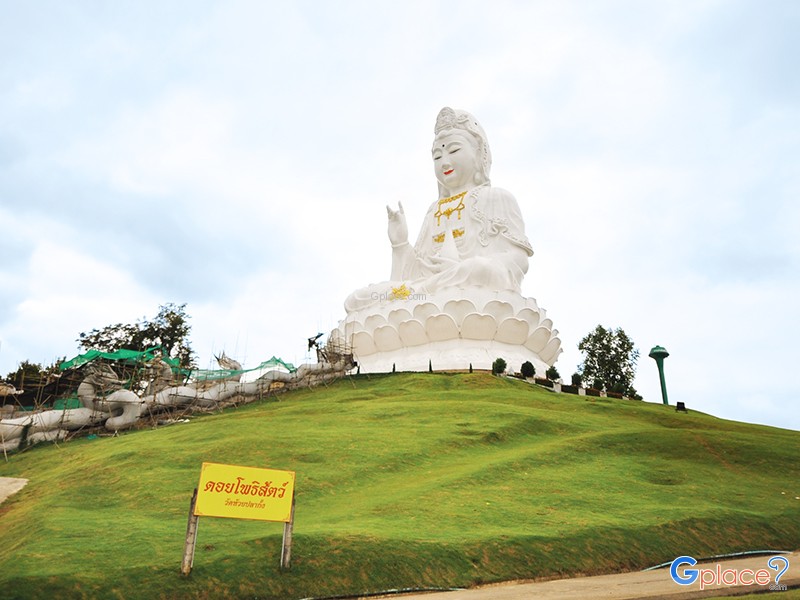
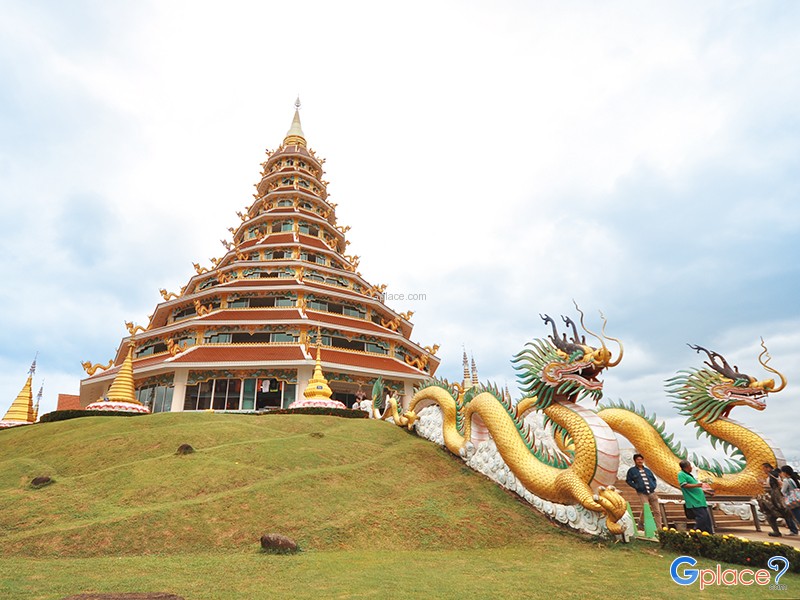
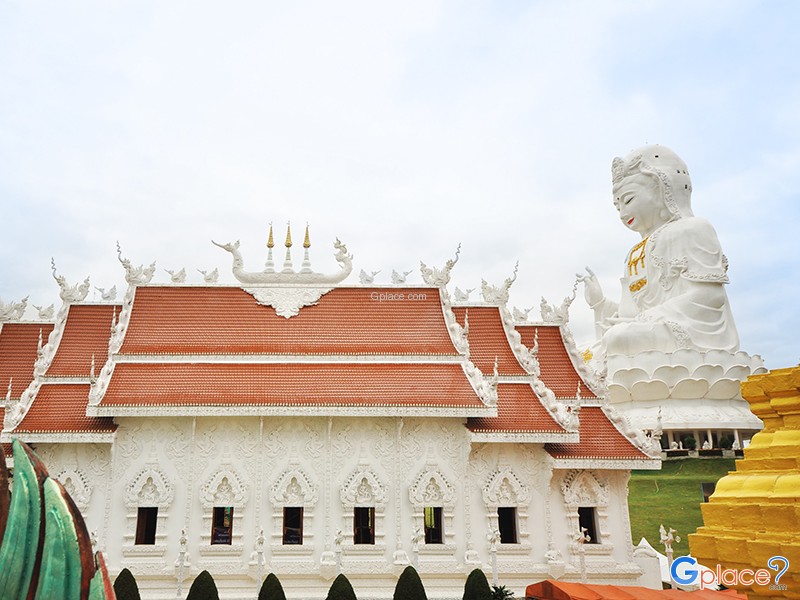
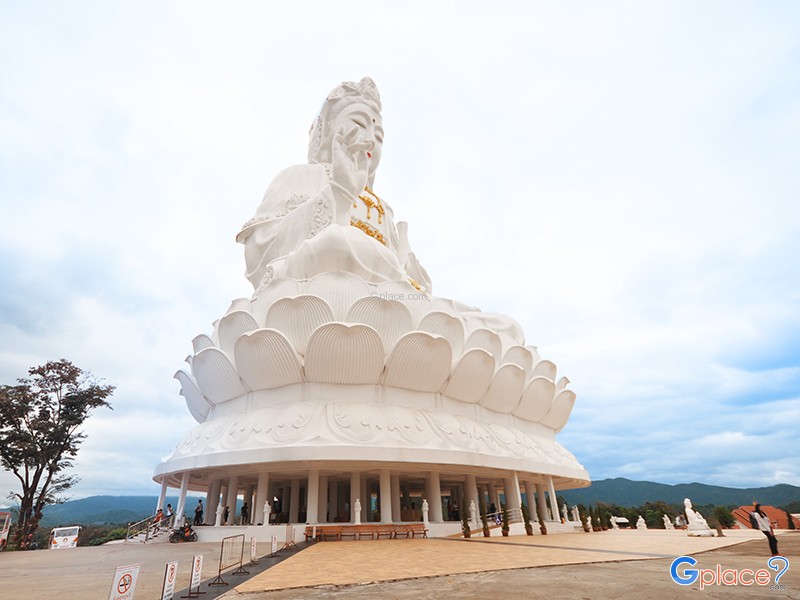
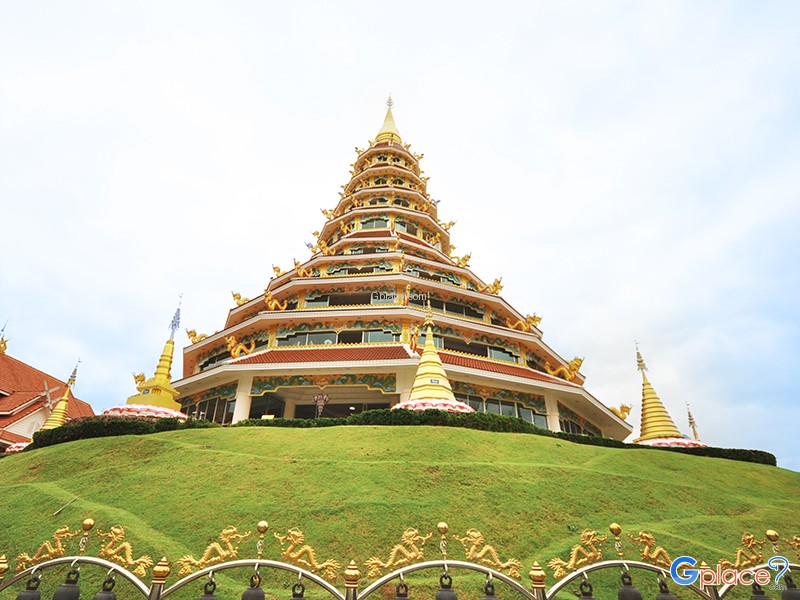
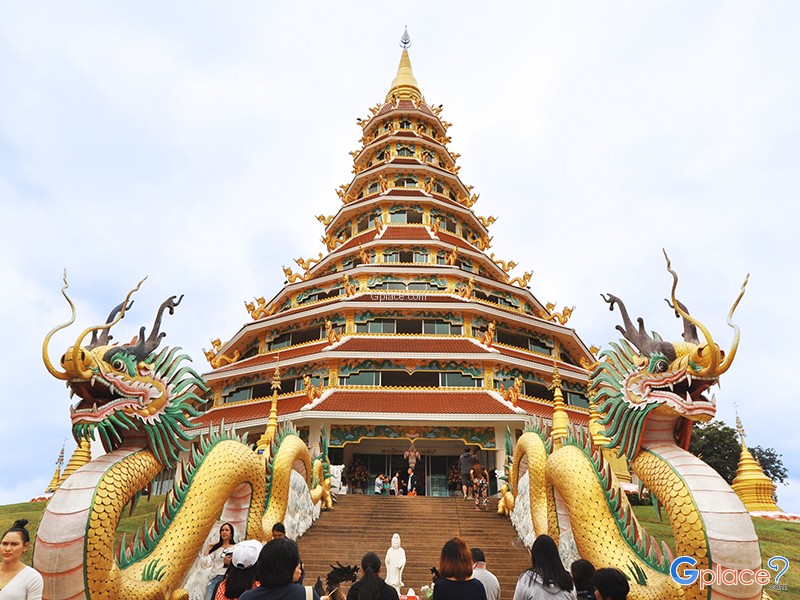


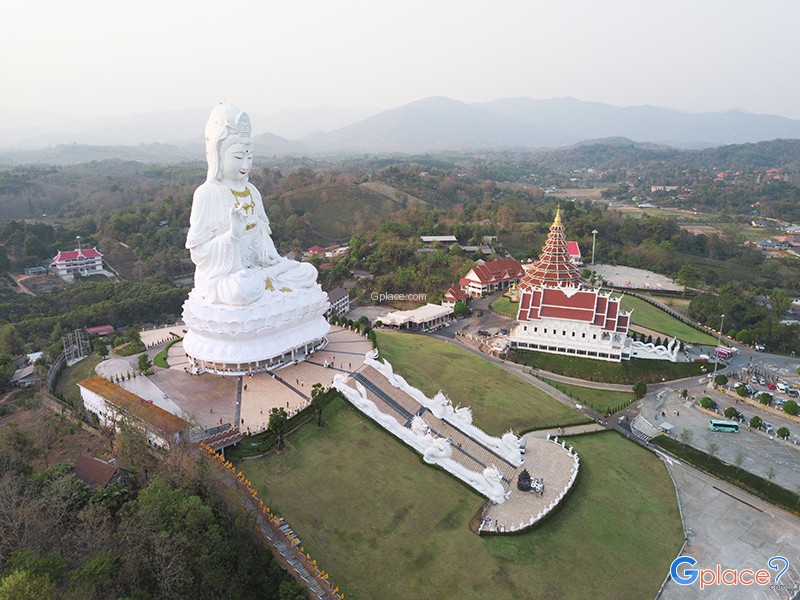
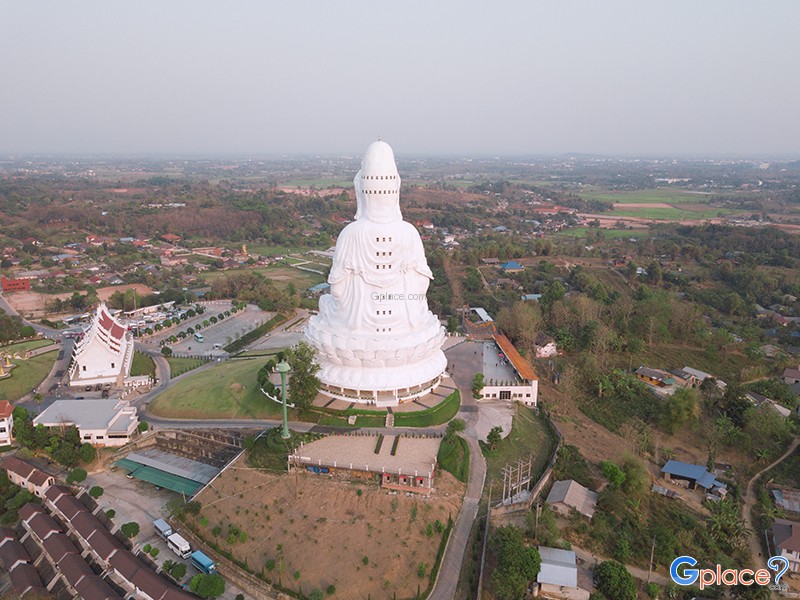
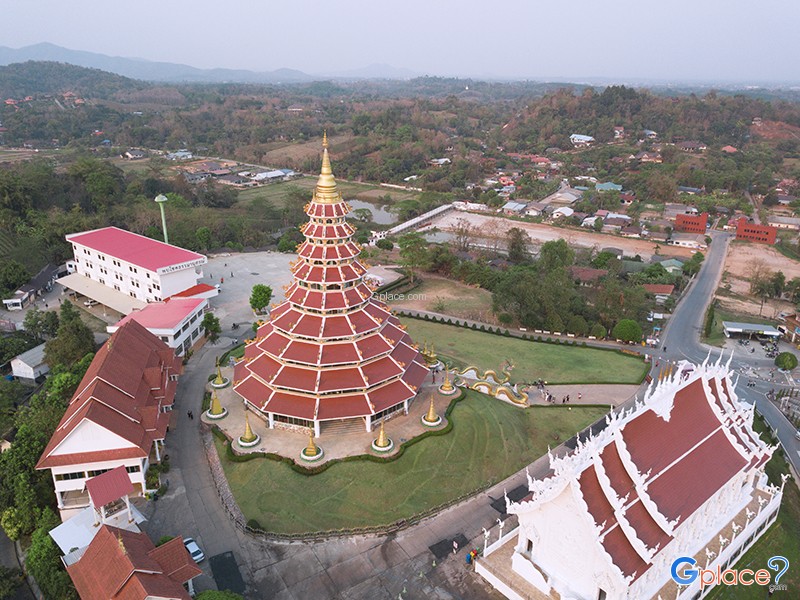
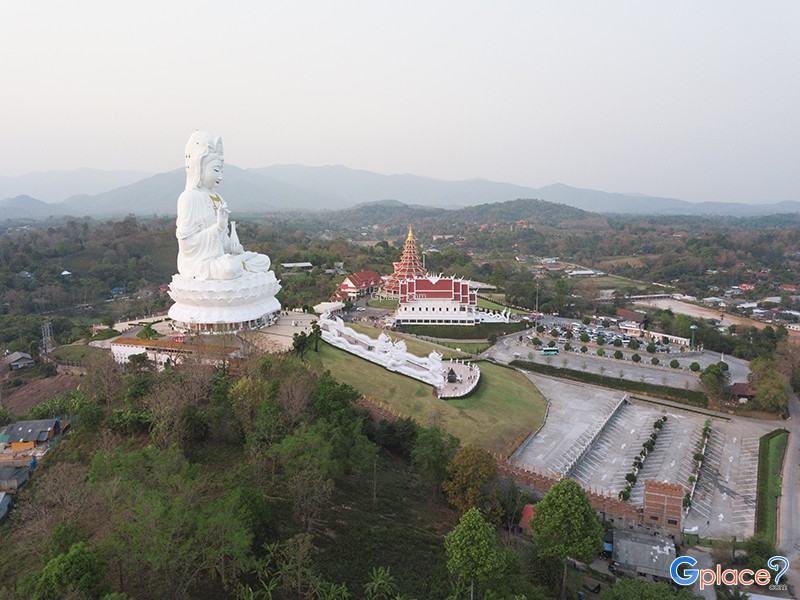
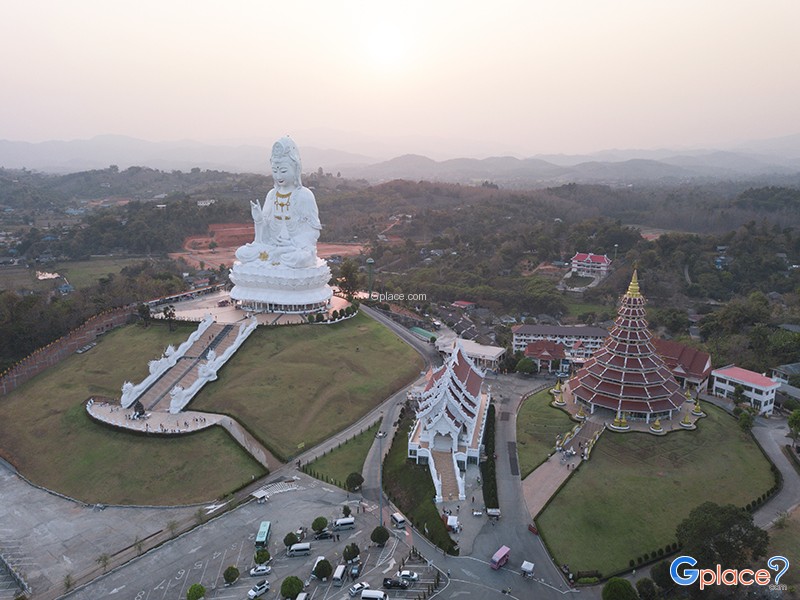
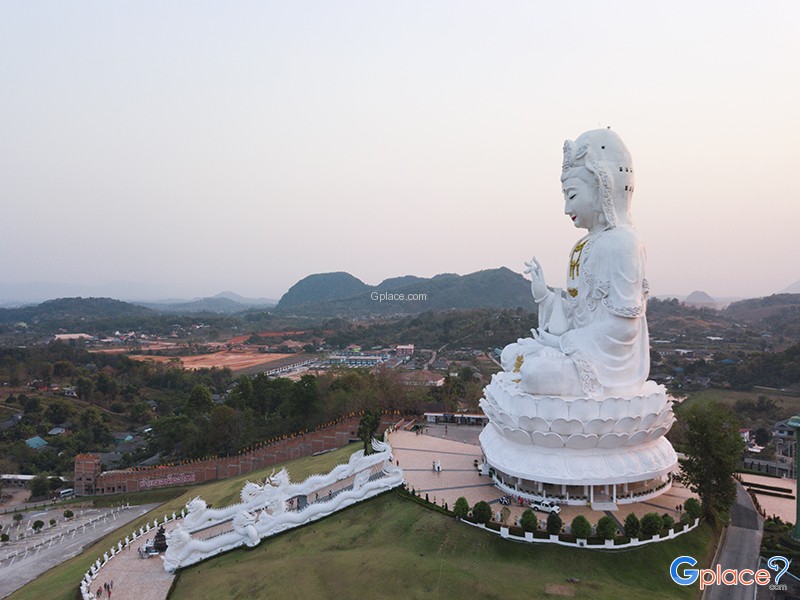
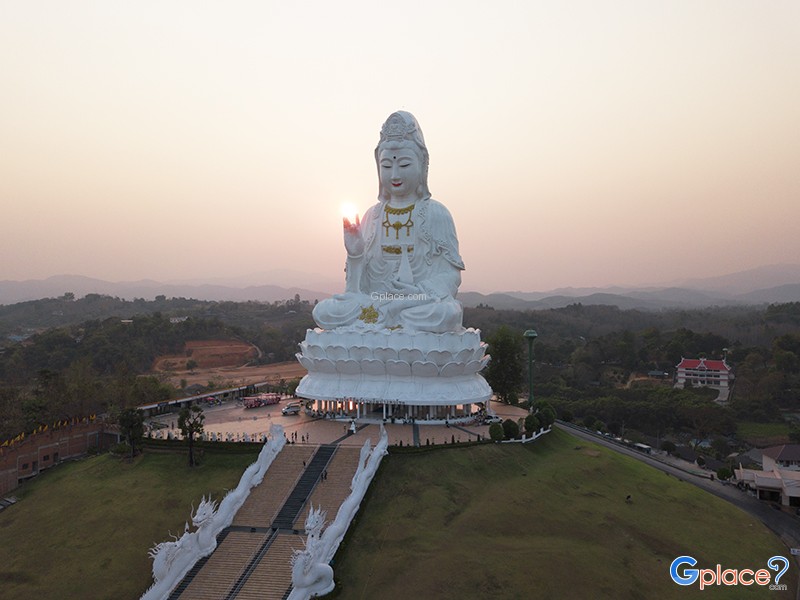
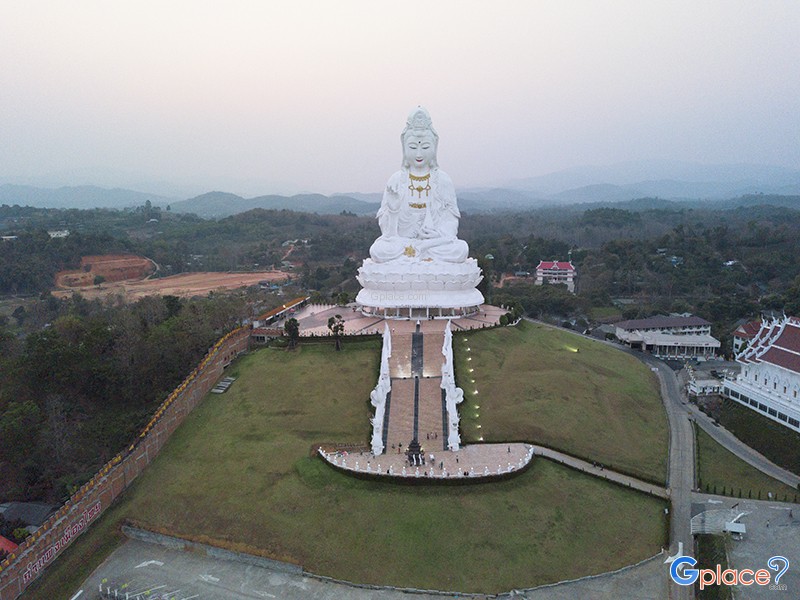
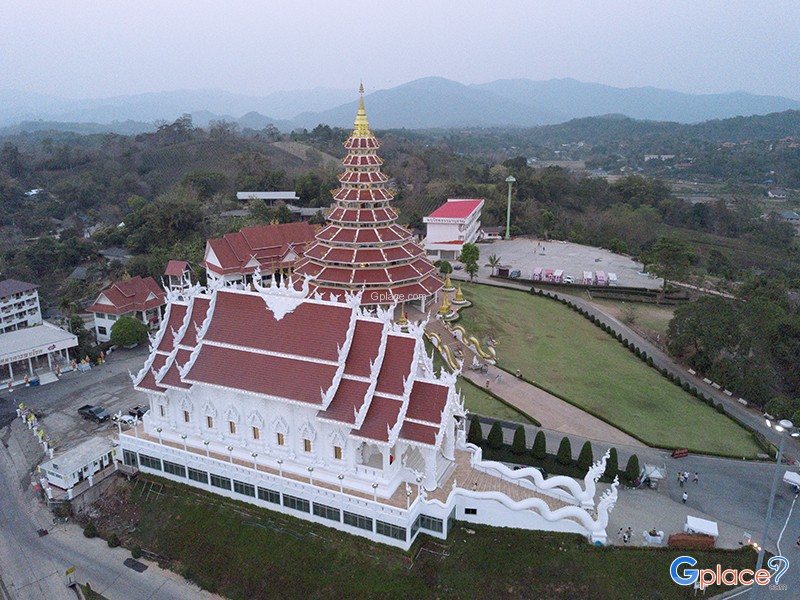
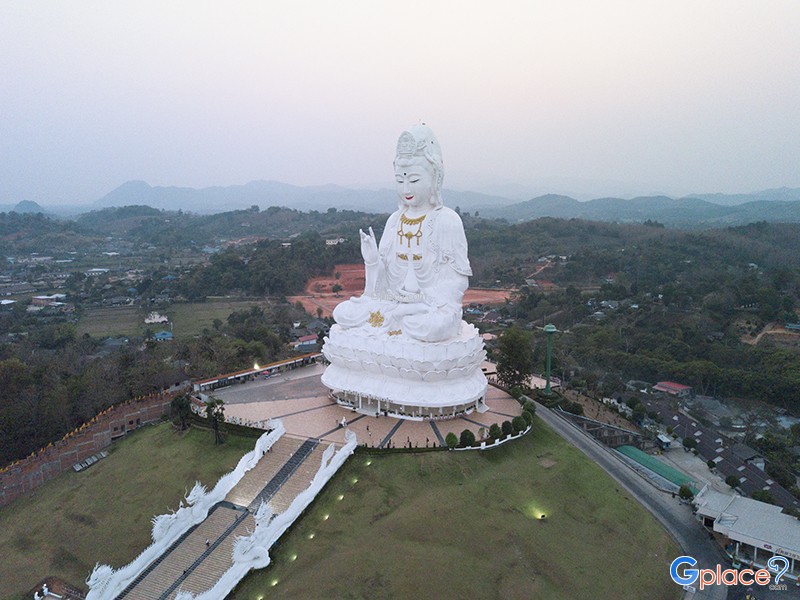
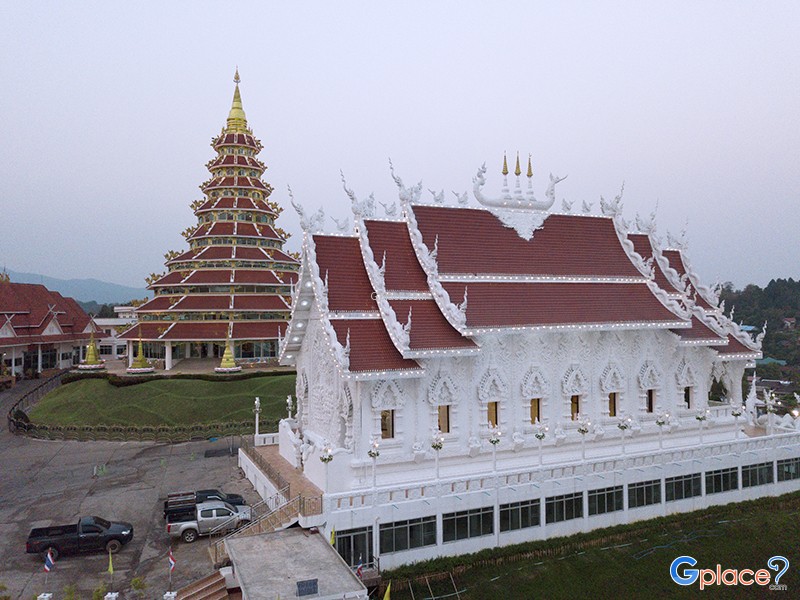
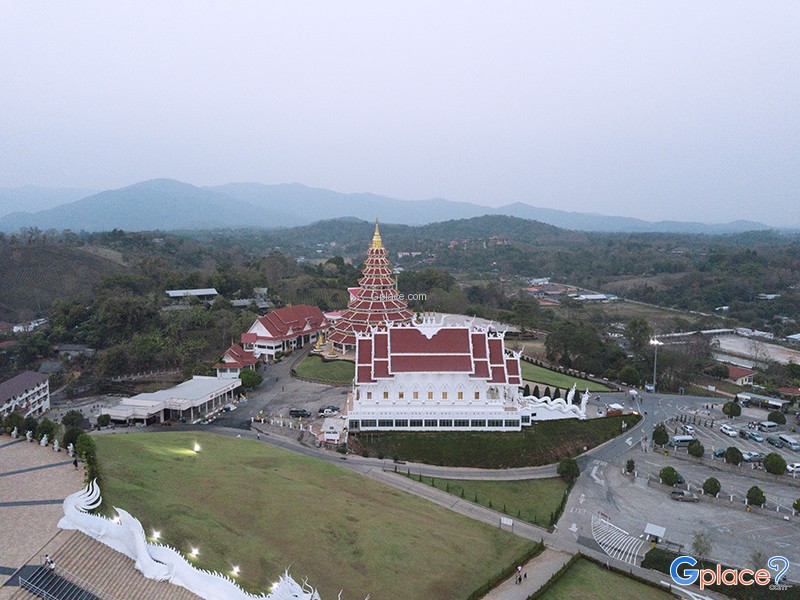
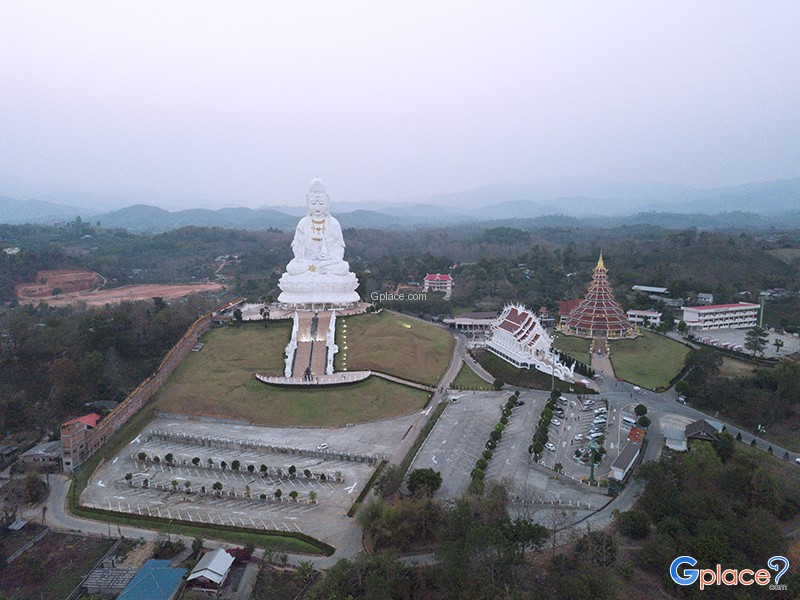
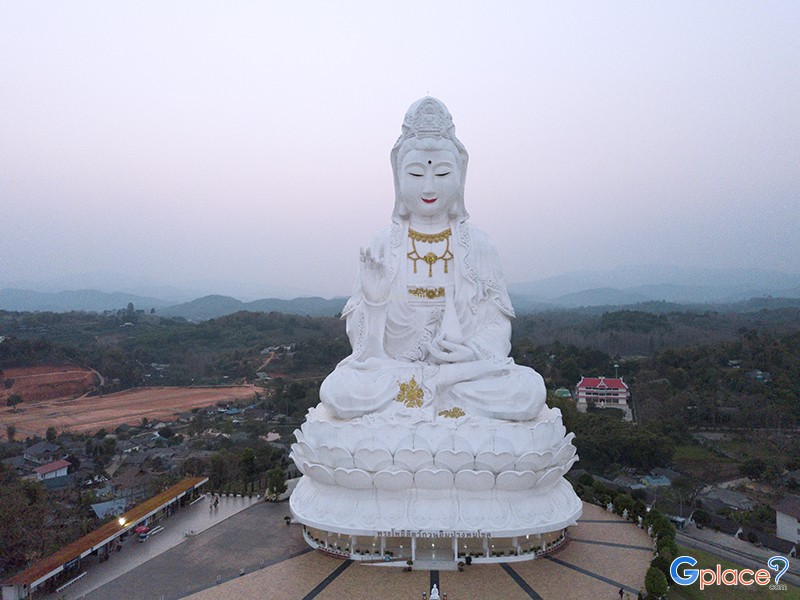
“A massive Guan Yin statue reaching 26 stories, an exquisite 9-story Chinese-Lanna pagoda, and panoramic views of Chiang Rai city from the serene hilltop location.”
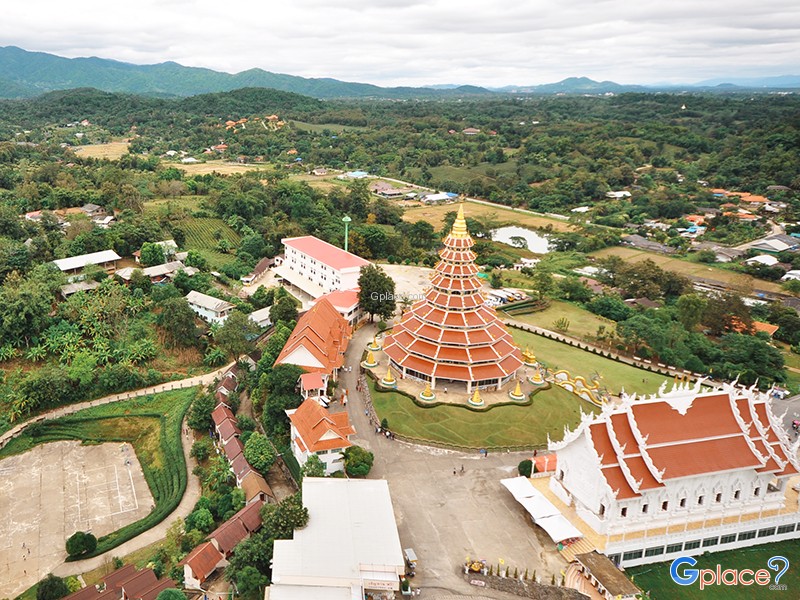
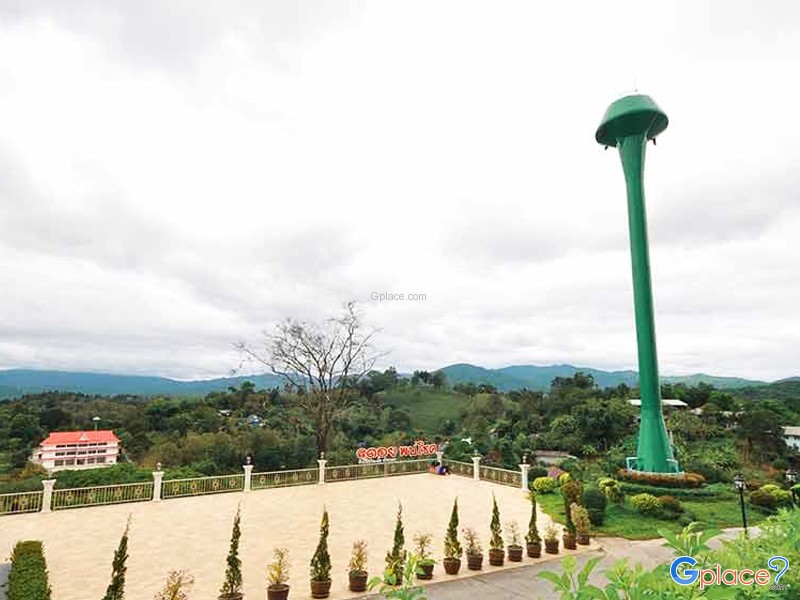
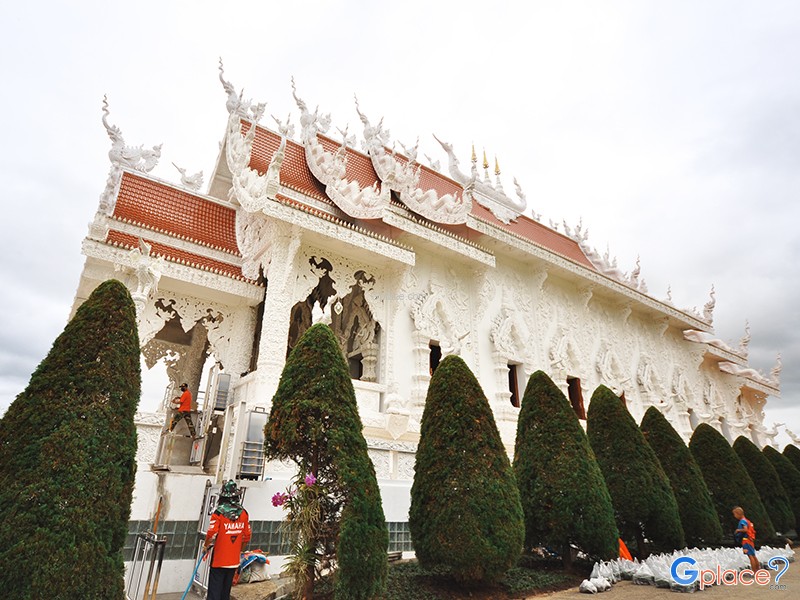
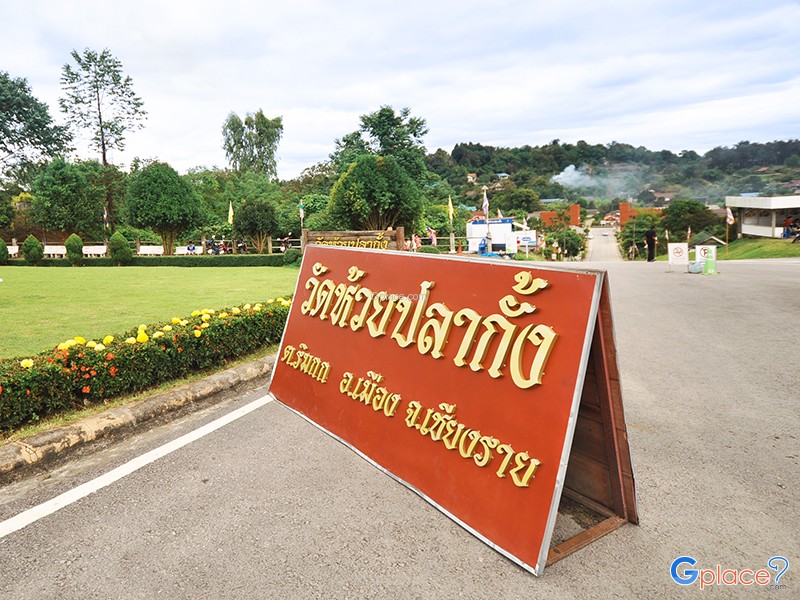
Wat Huai Pla Kang is a remarkable Buddhist temple and tourist attraction in Chiang Rai province. Situated on a hill in Ban Du subdistrict, it offers expansive views of the city and surrounding mountains. The temple gained widespread recognition through the development efforts of Phra Ajarn Phopchok Tissawangso, who played a key role in transforming the religious site into a center of faith for both locals and tourists from across the country. Its objectives include meditation, merit-making, and the dissemination of Buddhism in an accessible and symbolically grand manner.
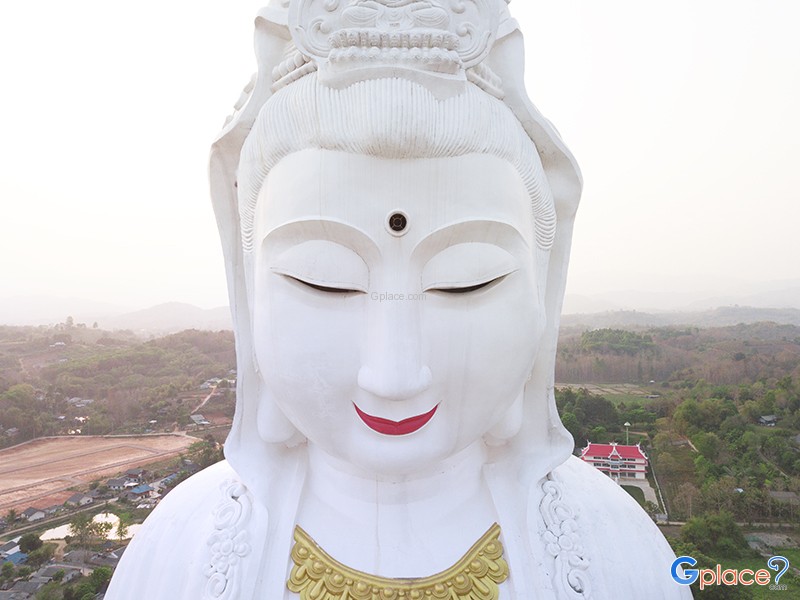
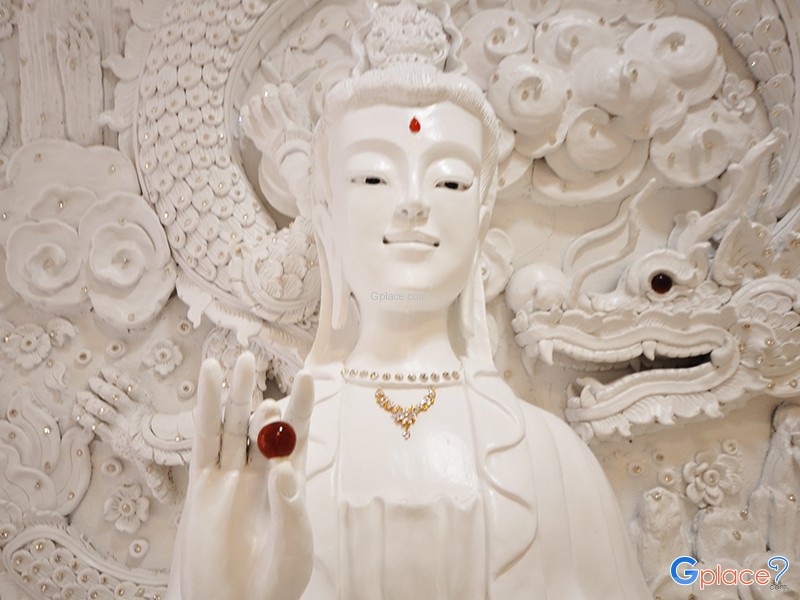
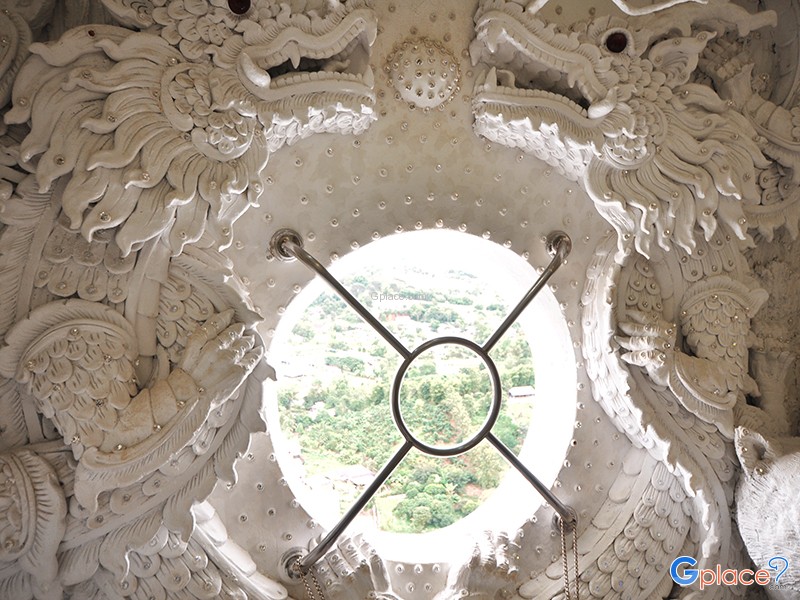
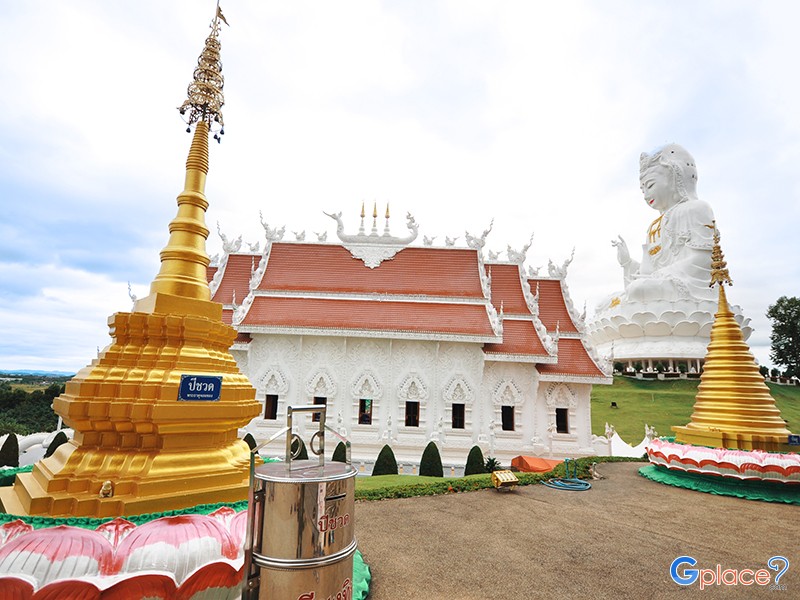
The most significant highlight of the temple is the large, white statue of the Bodhisattva Guanyin, one of the most prominent religious symbols in Northern Thailand. The statue sits on a high pedestal and can be accessed via an internal elevator, offering panoramic views of Chiang Rai city and the surrounding natural landscape. The statue's elegant design seamlessly blends Chinese art with Mahayana Buddhist beliefs, making this not just a temple but also a significant cultural and artistic destination in Thailand.
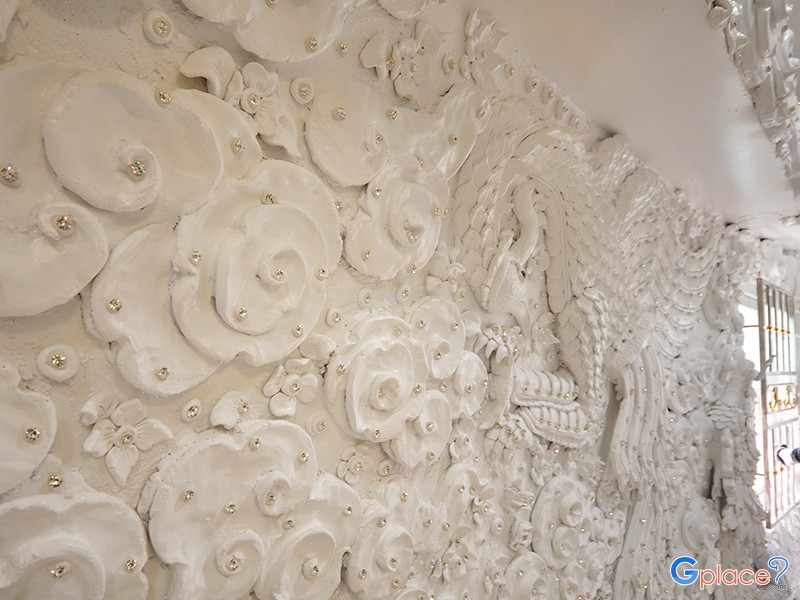
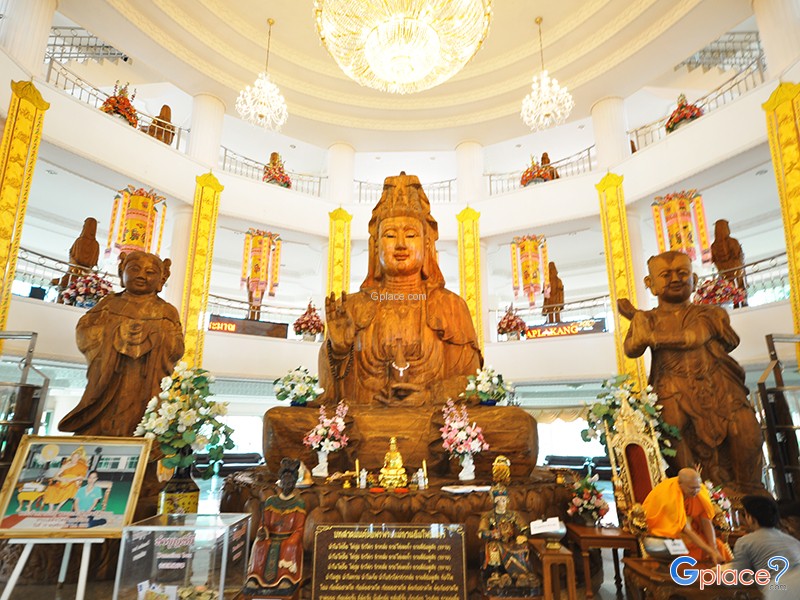
Another important element is the Phopchok Pagoda, a large, multi-story pagoda showcasing a striking blend of Chinese and Lanna architectural styles. Inside, it houses the Bodhisattva Guanyin and exquisitely detailed wood carvings. The staircase leading up to the pagoda is adorned with large dragon statues, creating a grand and sacred atmosphere. Visitors can stroll inside the pagoda to experience the tranquil atmosphere and the intricate artistic details that reflect deep faith and dedication in its creation.
Overall, Wat Huai Pla Kang is not only a place of worship but also a significant source of cultural learning and a popular viewpoint in Chiang Rai. It's ideal for those seeking merit, photography enthusiasts, and tourists interested in religious architecture. Its convenient access from the city center makes it a popular destination in the province, and the temple continues to undergo development to better accommodate visitors.
How to Get There
- Located not far from Chiang Rai city center, it takes about 20-30 minutes by car. Follow the old Phahonyothin Road (passing Rajabhat University Chiang Rai); there are clear signs directing to the temple throughout the route.
Travel Tips
- Visit in the morning to avoid heat and crowds
- Late afternoon is best for sunset and soft lighting
- Bring a hat or umbrella as the area is very exposed
- Wear comfortable shoes due to uphill walking areas
Admission Fees:
- Free admission.
Opening Hours:
- Open daily from 06:00 AM – 04:00 PM.
Wat Huay Pla Kang

 Share
Share
 T.Ban Du, A.Mueang Chiang Rai, Chiang Rai, 57100
Map
T.Ban Du, A.Mueang Chiang Rai, Chiang Rai, 57100
Map
 Closed today
Mon6.00 - 16.00
Tue6.00 - 16.00
Wed6.00 - 16.00
Thu6.00 - 16.00
Fri6.00 - 16.00
Sat6.00 - 16.00
Sun6.00 - 16.00



 4337
4337