 Attractions
  Hotel
Hotel  Restaurant
  Shopping
  Abroad





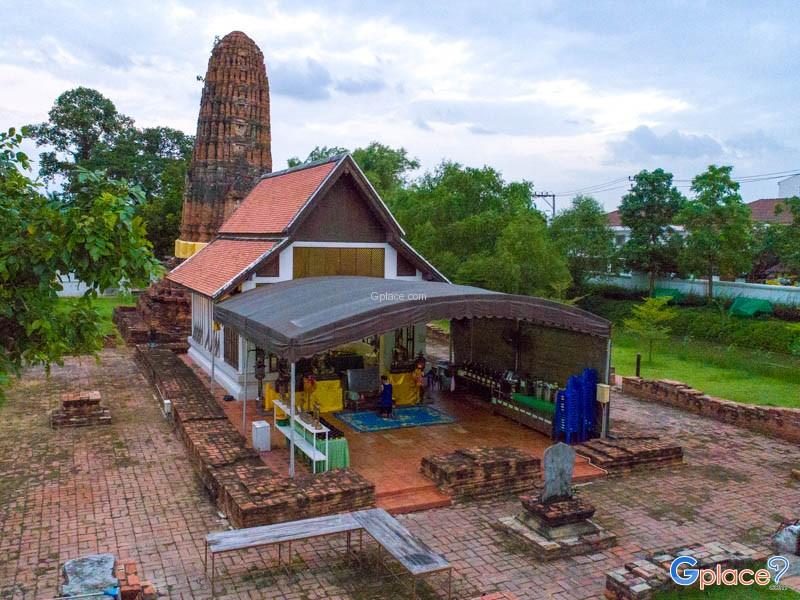

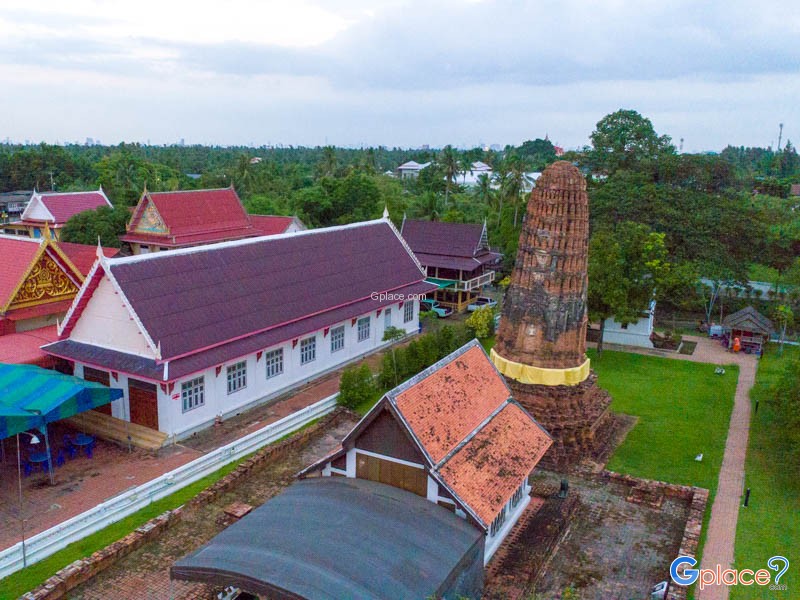
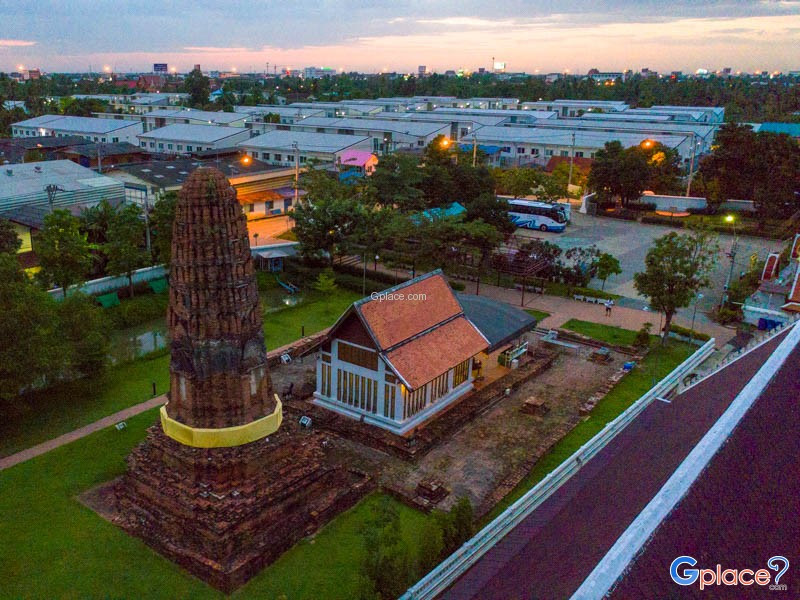
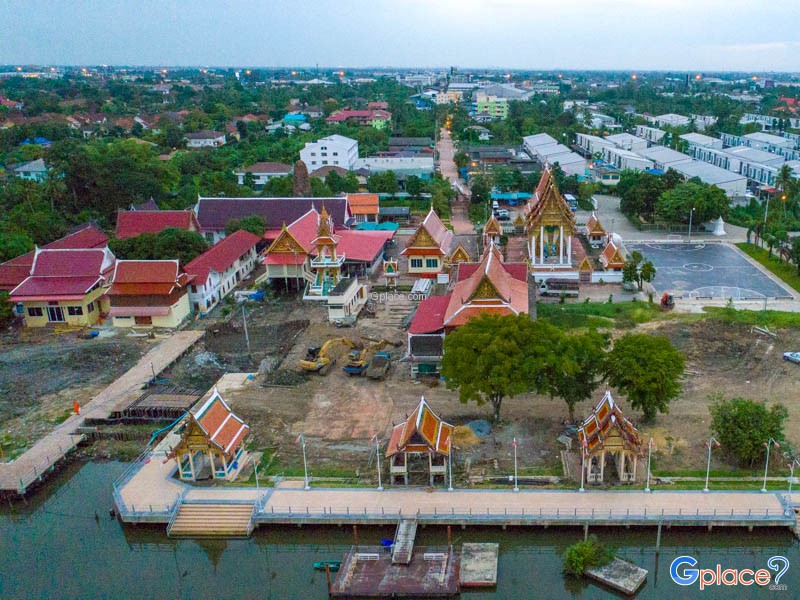
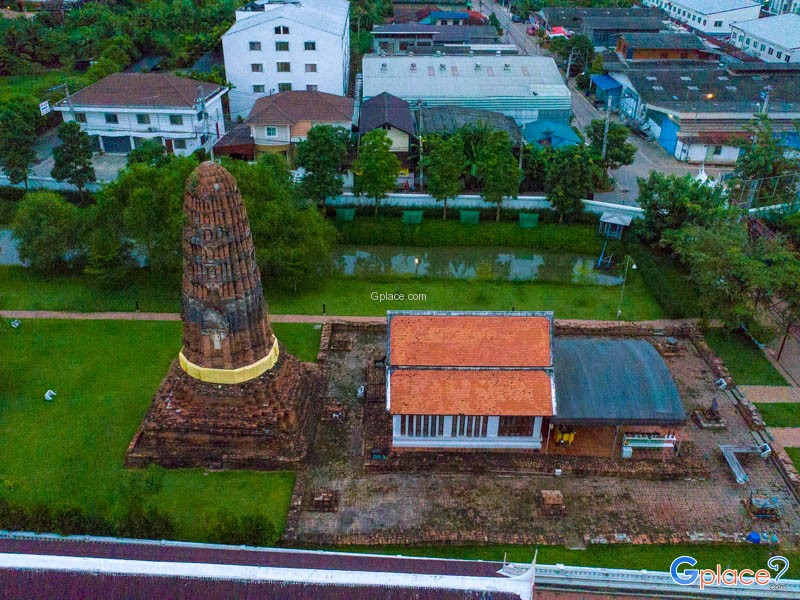

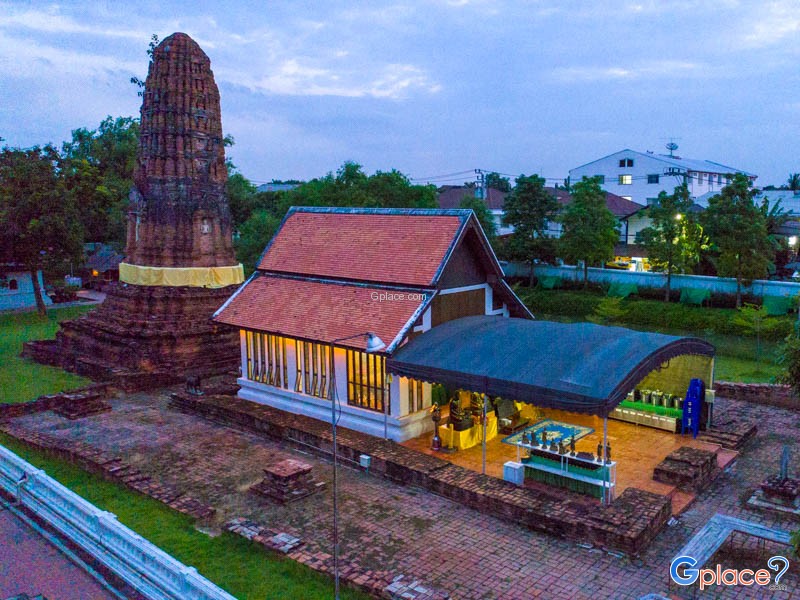
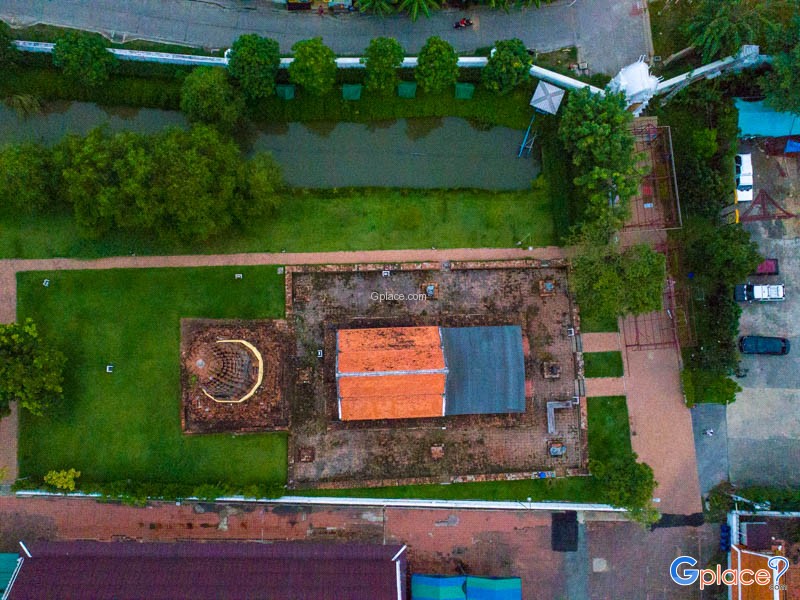
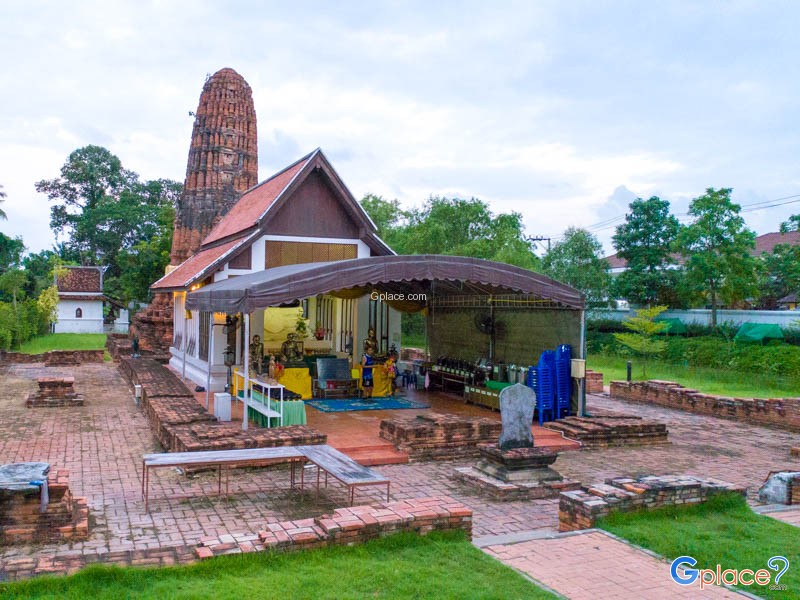

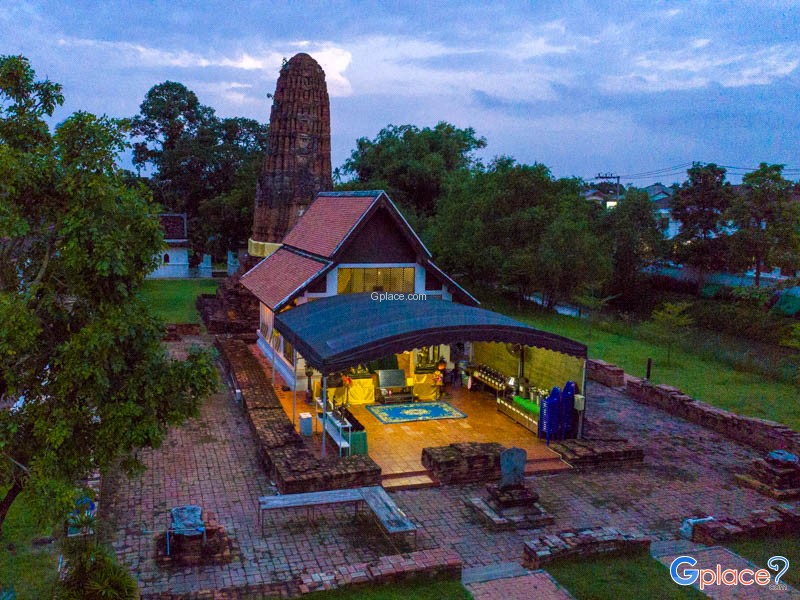
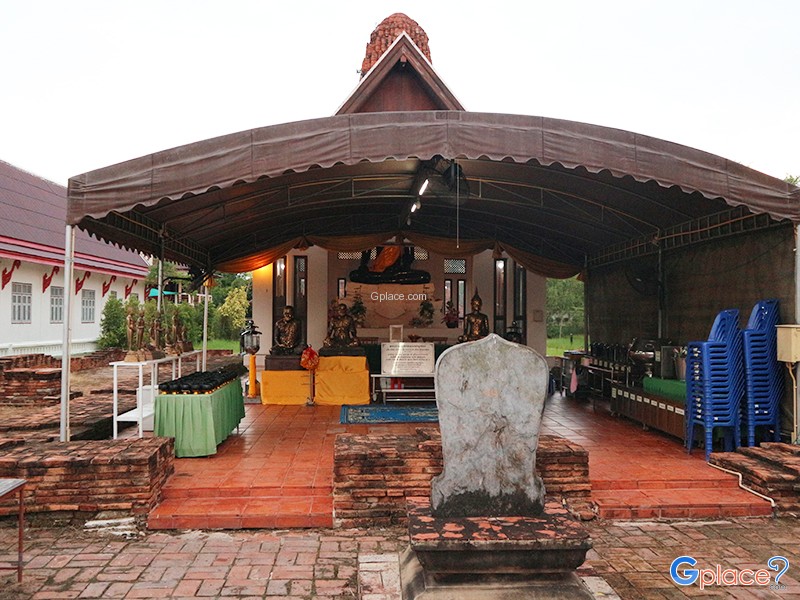
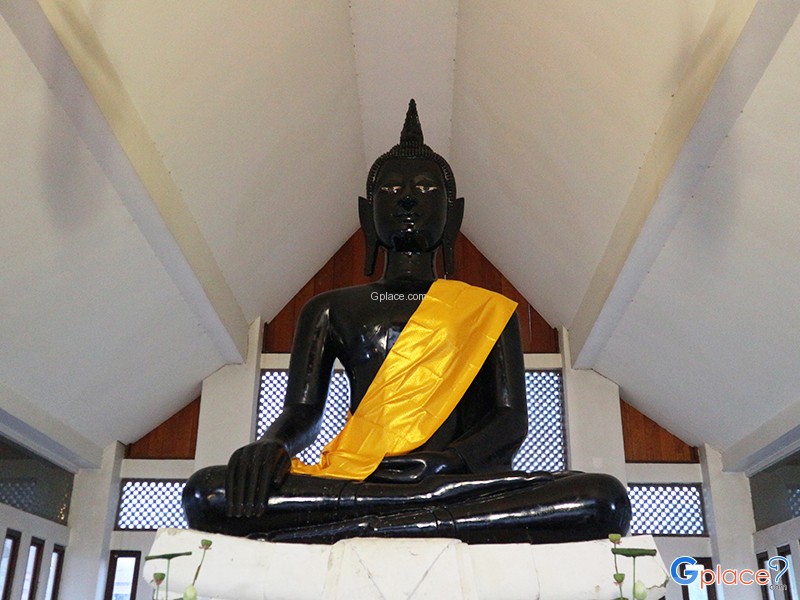
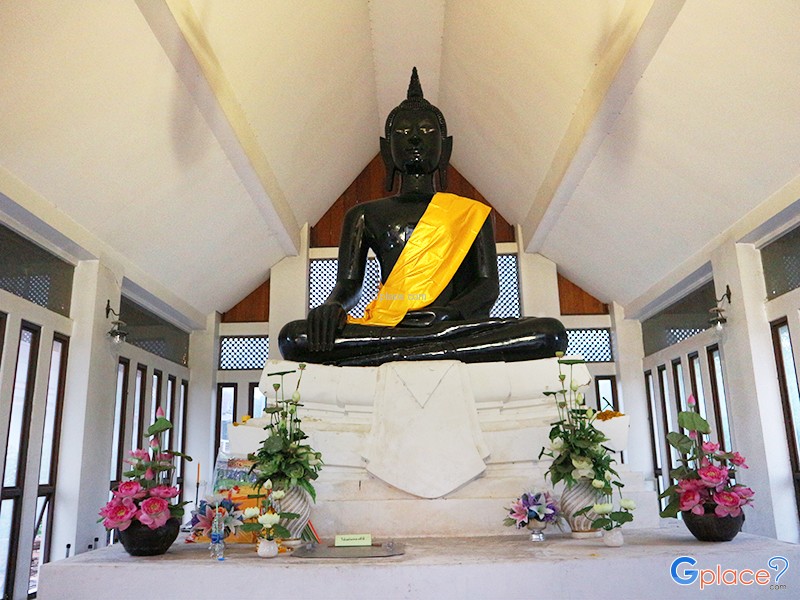
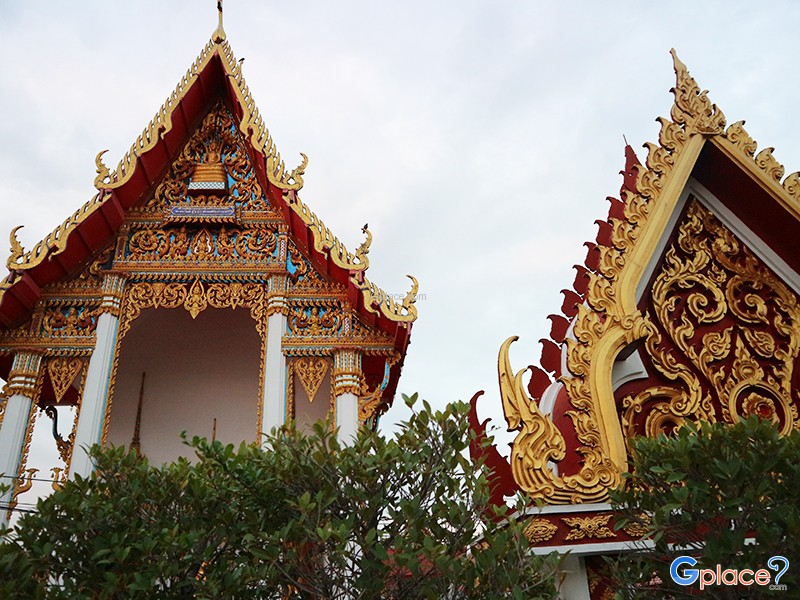
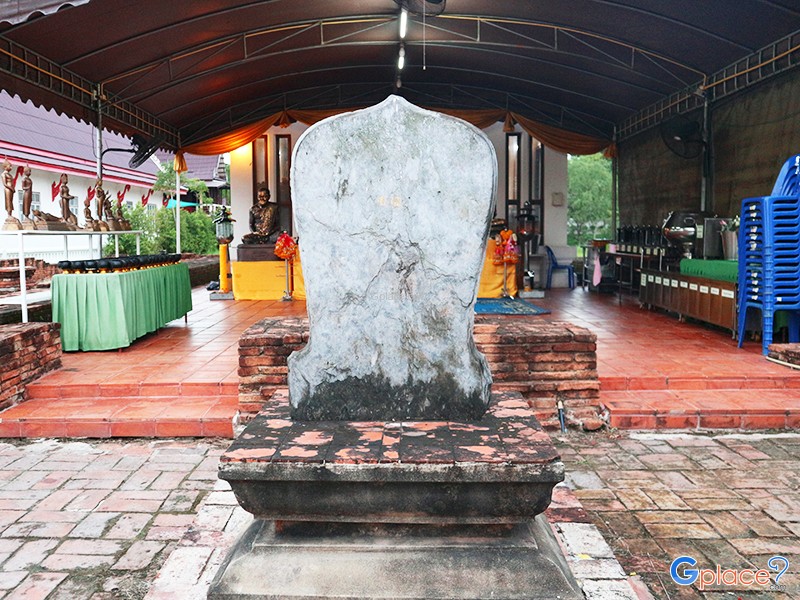
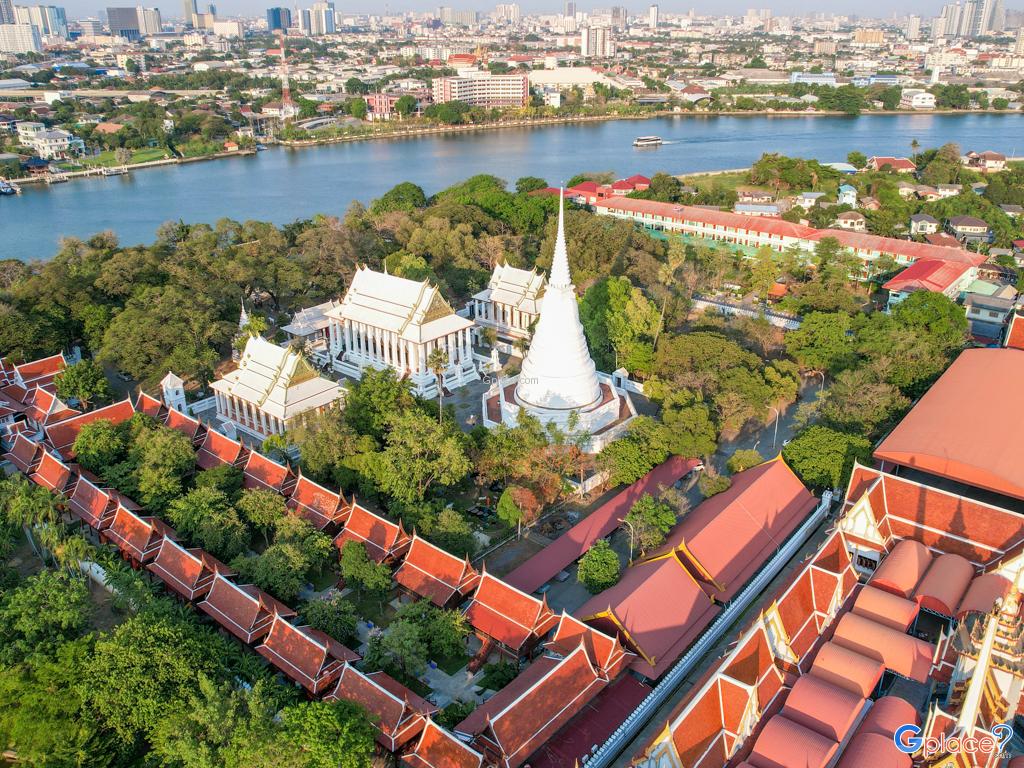
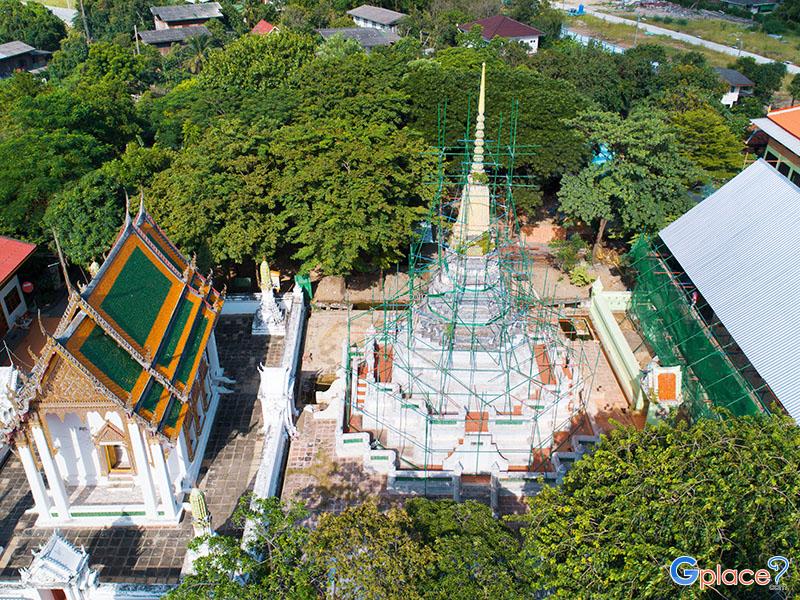
“Visit Nonthaburi and don’t miss Wat Prang Luang, home to a magnificent ancient prang over 600 years old.”
How to Get There
- By Car: Take Kanchanaphisek Road (Highway No. 9), then turn onto Bang Kruai–Sai Noi Road toward Bang Len. Clear signs lead to the temple
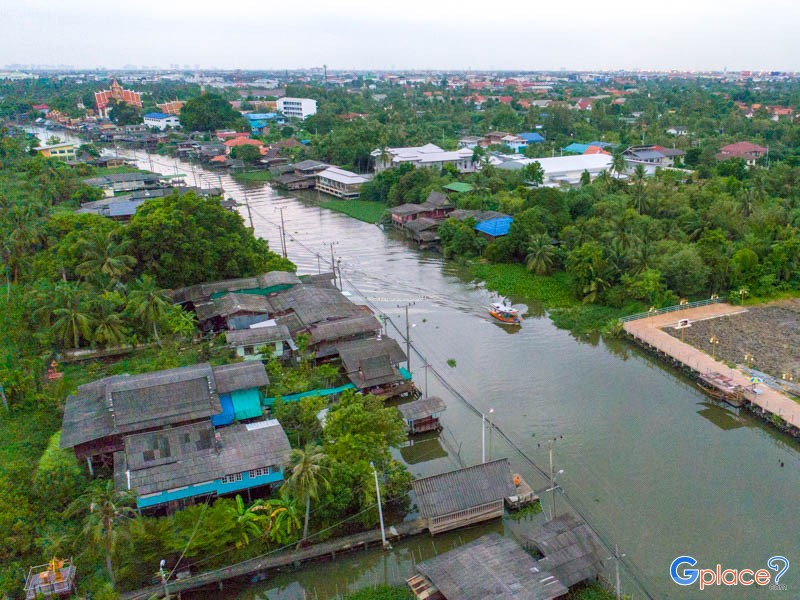
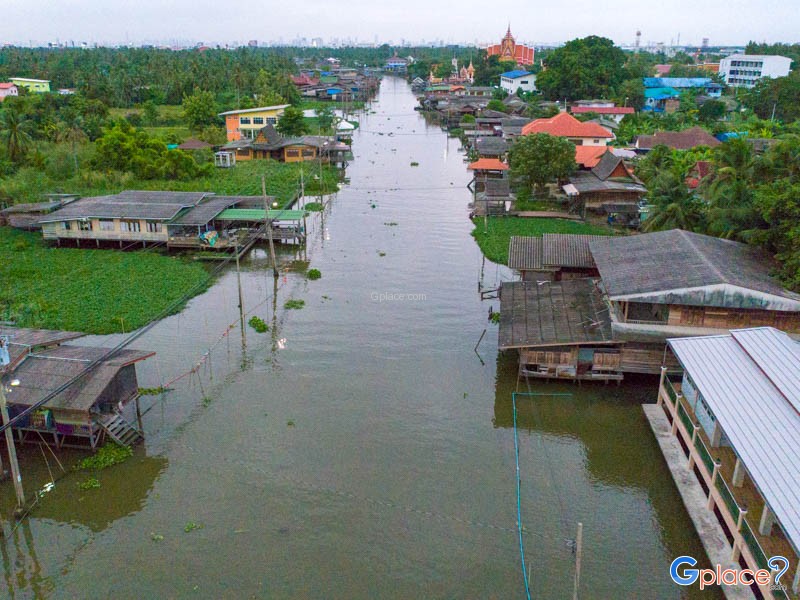
- By Boat: Rent a long-tail boat from Nonthaburi Pier and travel along Khlong Om Non, stopping at the temple pier
Travel Tips
- Visit in the morning (08:00–10:00) when the weather is cooler and the lighting is ideal for photography and exploring the historical site
- Walk around the main prang to observe the unique brick-without-mortar construction, one of the temple’s key architectural highlights
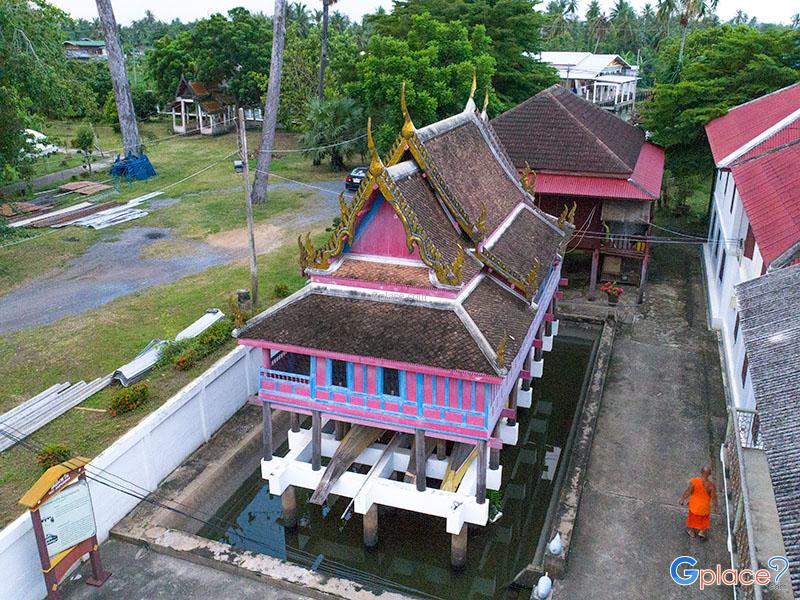
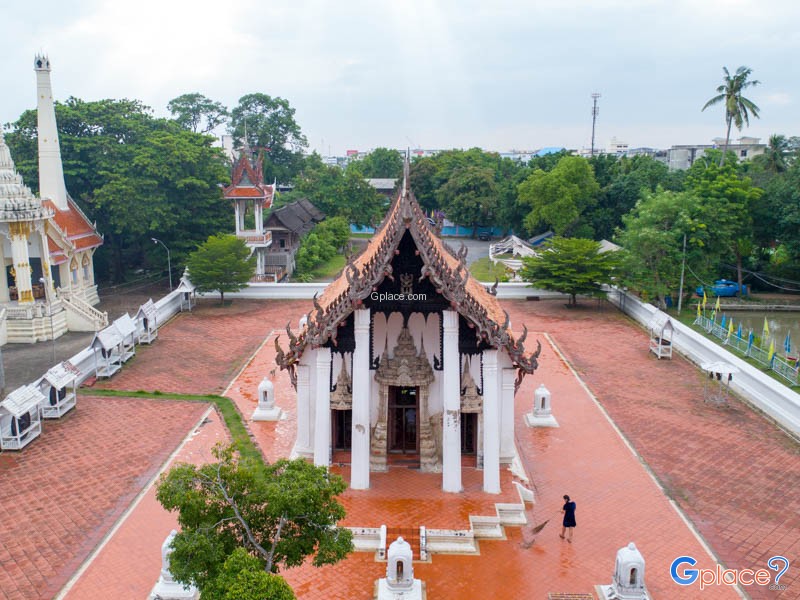
- Take time to explore the remains of the former cloister to better imagine the temple’s original layout and past grandeur
- Dress modestly, as this is a sacred site where religious activities are still practiced
- Be careful while walking around the area and avoid climbing or touching ancient structures to help preserve the site
Admission Fee:
- Free of charge
Opening Hours:
- Daily: 08:00 – 16:30
Wat Prang Luang

 Share
Share
 Bang Yai , Bang Yai, Nonthaburi 11140
Map
Bang Yai , Bang Yai, Nonthaburi 11140
Map
List 0 review
|
family,art & culture,attractions,Temple,temple,church
 Closed today
Mon7.00 - 16.00
Tue7.00 - 16.00
Wed7.00 - 16.00
Thu7.00 - 16.00
Fri7.00 - 16.00
Sat7.00 - 16.00
Sun7.00 - 16.00



 4088
4088