 Attractions
  Hotel
Hotel  Restaurant
  Shopping
  Abroad





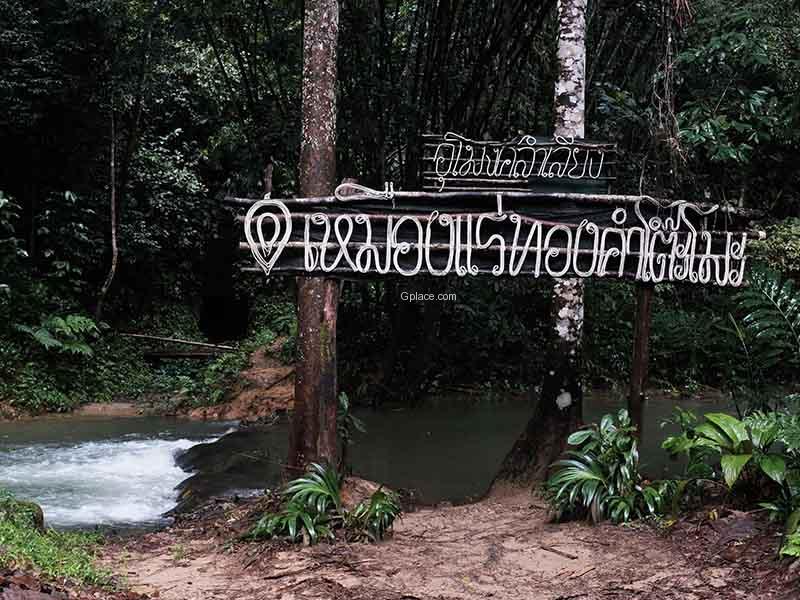

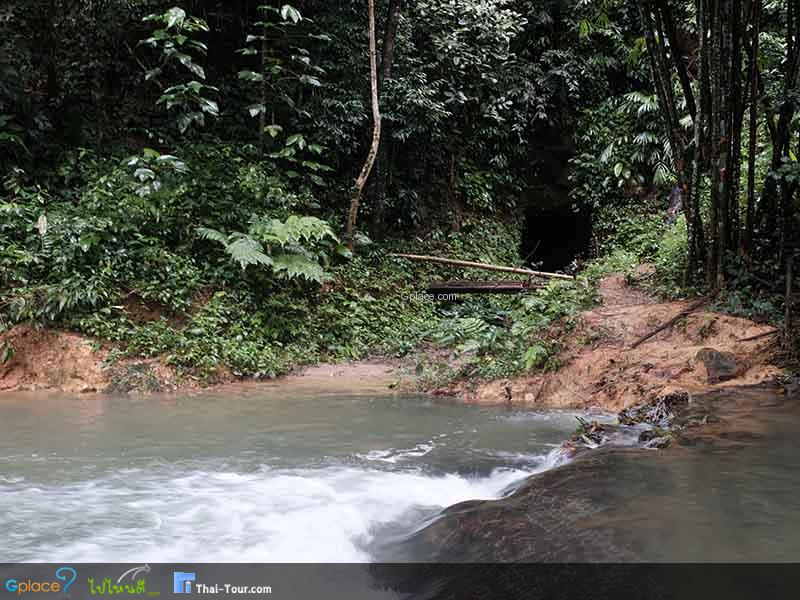
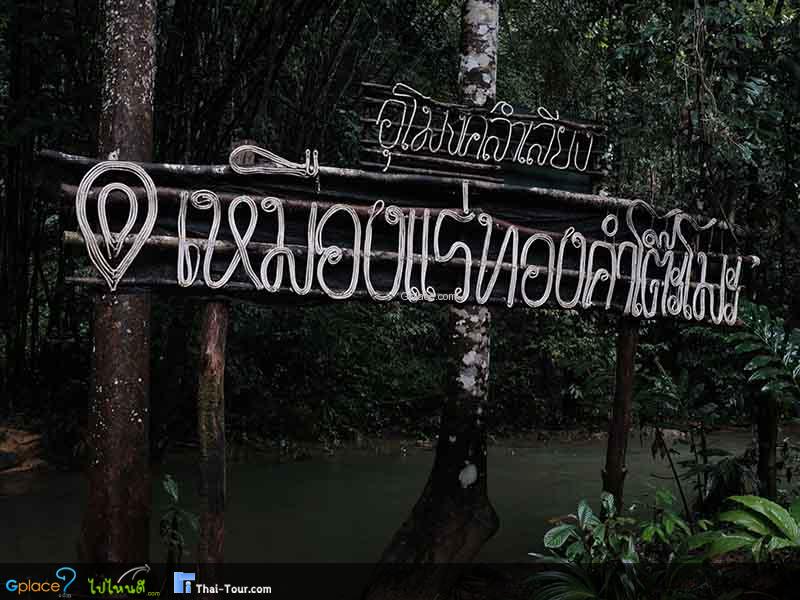
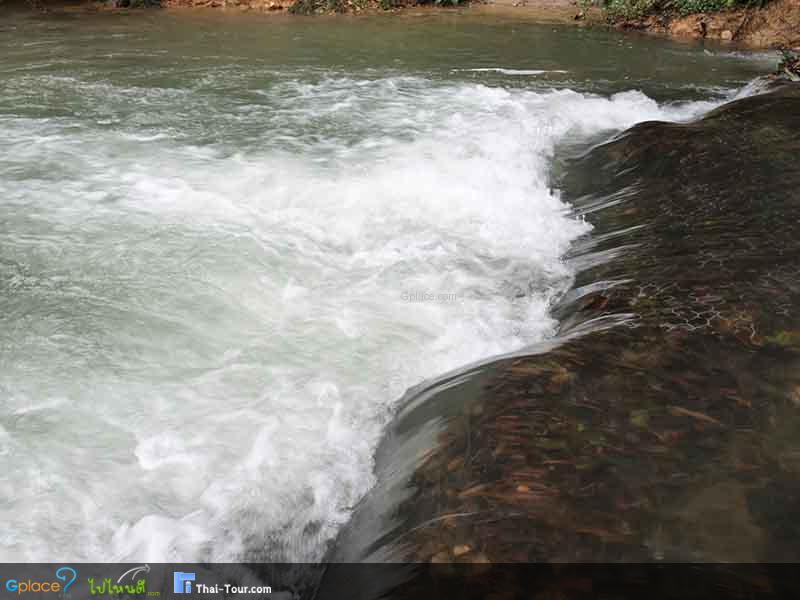
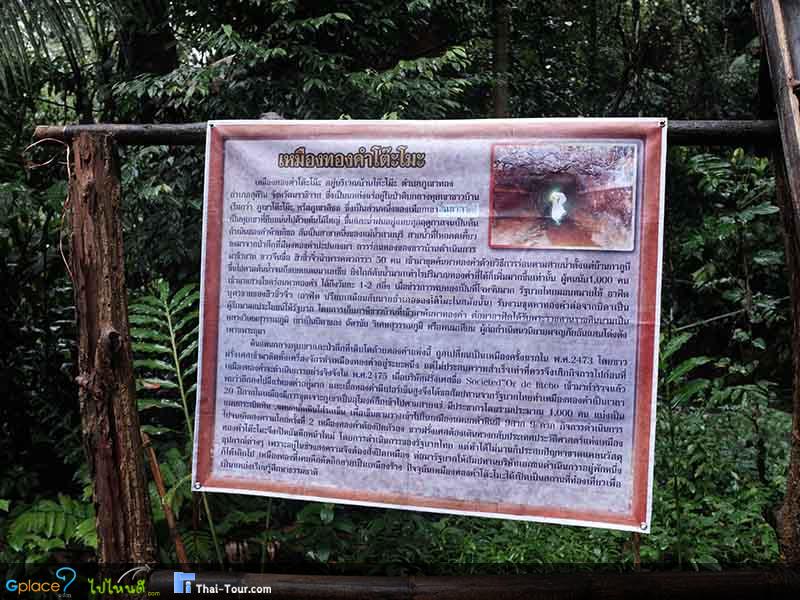
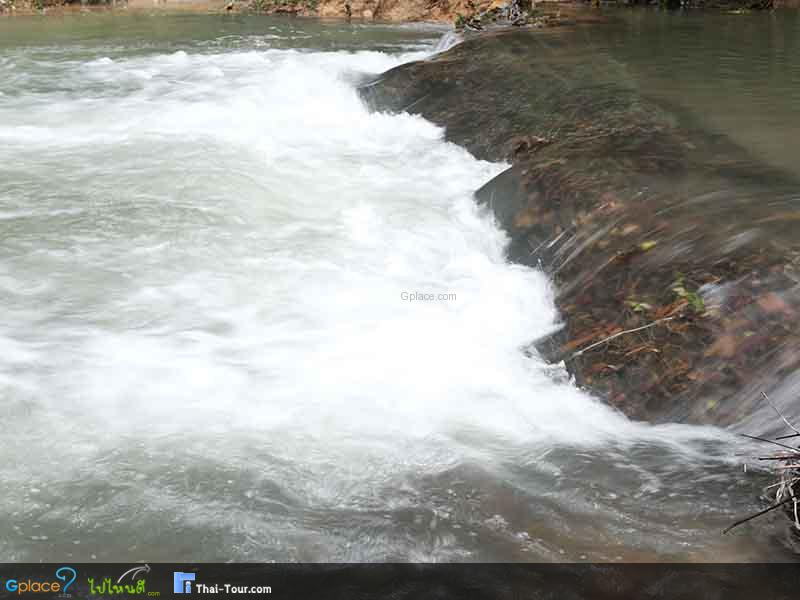
“Explore the legacy of one of Thailand’s largest historic gold mines through authentic mining tools, early industrial machinery, and rare pre–World War II photographs.”
To Mo Gold Mine Museum is located on historically significant land that was once among Thailand’s most important gold mining sites, situated within the Sankalakhiri mountain range in Sukhirin District. Gold mining activities in this area date back many generations, but the peak of prosperity occurred in 1932 when the French company Société des Mines d'Or de Litcho was granted a concession to operate deep tunnel mining beneath the mountains.
During that era, To Mo Mine became a large-scale industrial operation that introduced Western mining technology, including underground tunnel systems, ore transport rail carts, and modern gold smelting techniques. The industry attracted workers of diverse nationalities and transformed Sukhirin into a vibrant economic hub. Operations eventually ceased during World War II due to regional political changes and wartime conditions.
The museum presents its content through well-organized exhibition zones. Visitors begin with geological explanations of Phukhao Thong’s terrain, where gold veins were found embedded in quartz and granite rock formations. To Mo gold was known for its high purity and distinctive bright yellow color, making it highly valued.
Exhibits include original mining equipment such as hurricane lamps used inside tunnels, small ore rail carts, rock-breaking tools, and archival photographs documenting the former gold smelting plant. Some sections recreate the atmosphere of underground tunnels, allowing visitors to better understand the engineering challenges and hardships faced by miners of that period.
Beyond industrial history, the museum also highlights traditional local gold panning wisdom, which is still practiced in parts of the Sai Buri River and streams surrounding the forest of Hala-Bala Wildlife Sanctuary. Traditional wooden gold pans, locally known as “Liang,” are displayed alongside explanations of the step-by-step separation process used to extract gold from sediment. This method has supported local livelihoods for generations.
The museum also connects mining history with local spiritual beliefs, including the legend of Chao Mae To Mo, regarded as a guardian spirit of miners. A visit here offers not only insight into mineral resources and industrial heritage but also a deeper understanding of the cultural identity shaped by the interaction between people and natural resources in Thailand’s southernmost region.
How to Get There
- By Private Car: From Narathiwat town, take Highway 4055ผ่าน Ra-ngae and Chanae districts toward Sukhirin. At Ban To intersection, turn onto Highway 4115 toward Phukhao Thong Subdistrict. Clear signs lead to Ban To Mo village and the museum. The road is fully paved but winding and steep in some sections.
- By Public Transport: Take a van from Narathiwat or Sungai Kolok to Sukhirin Bus Terminal. From there, hire a local pickup truck or motorcycle taxi to Ban To Mo (approximately 20 kilometers).
Travel Tips
- Check public holiday schedules in advance, as the museum is operated by local authorities.
- Wear comfortable clothing and sneakers if planning to explore old tunnel entrances around the village.
- Coordinate with the Ban To Mo community tourism group to arrange a live gold panning demonstration after visiting the museum.
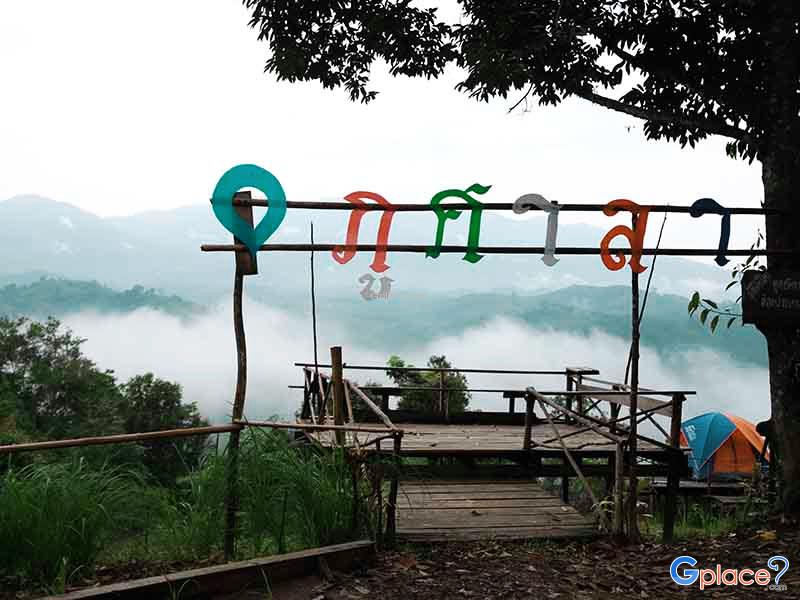
- Nearby attractions include Wat Phukhao Thong and the Phukhao Thong sea-of-mist viewpoint.
Admission Fee:
- Free admission (Open for educational purposes).
Opening Hours:
- Open daily from 08:30 AM – 04:30 PM. (For group visits or in-depth guided lectures, advance coordination with the Phukhao Thong Subdistrict Administrative Organization or Ban To Mo community tourism group is recommended.)
To Mo Gold Mine Museum

 Share
Share
 Ban To Mo, Phukhao Thong Subdistrict, Sukhirin District, Narathiwat 96190
Map
Ban To Mo, Phukhao Thong Subdistrict, Sukhirin District, Narathiwat 96190
Map
 Open now : 8.30 - 16.30
Mon8.30 - 16.30
Tue8.30 - 16.30
Wed8.30 - 16.30
Thu8.30 - 16.30
Fri8.30 - 16.30
Sat8.30 - 16.30
Sun8.30 - 16.30



 1505
1505