 Attractions
  Hotel
Hotel  Restaurant
  Shopping
  Abroad






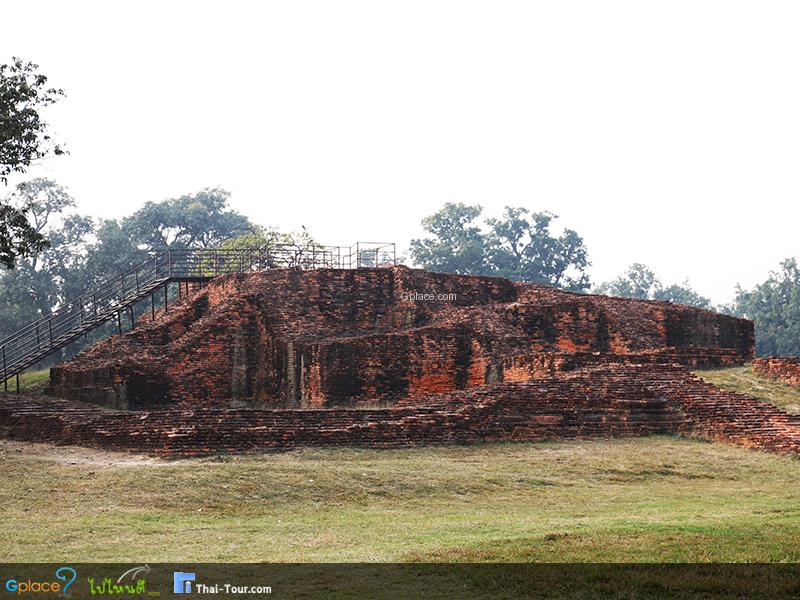
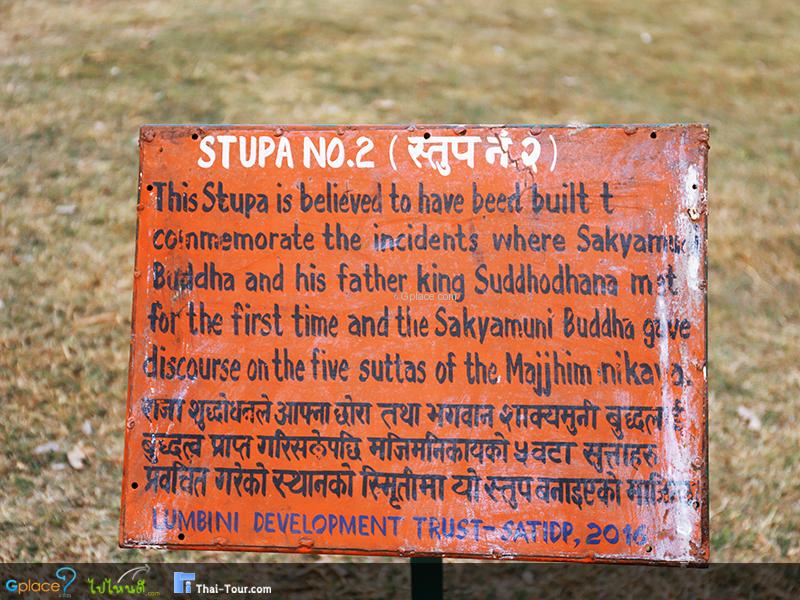
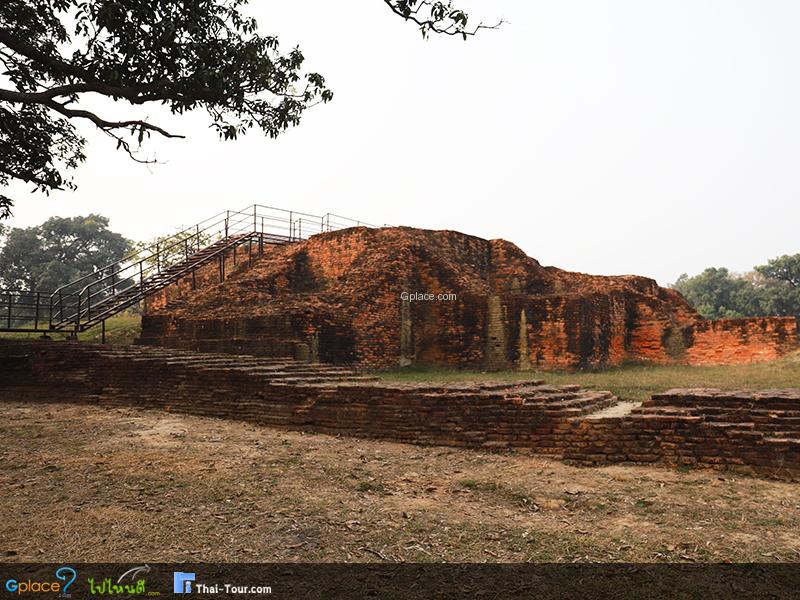

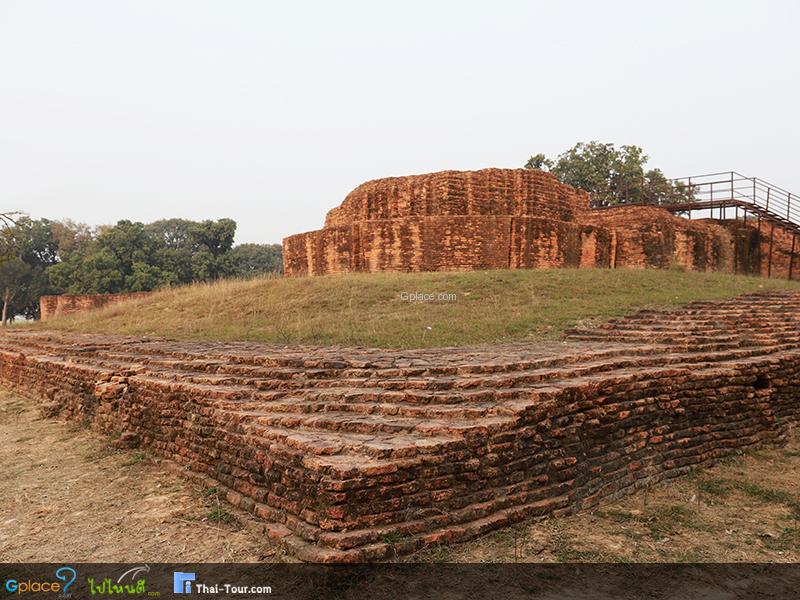
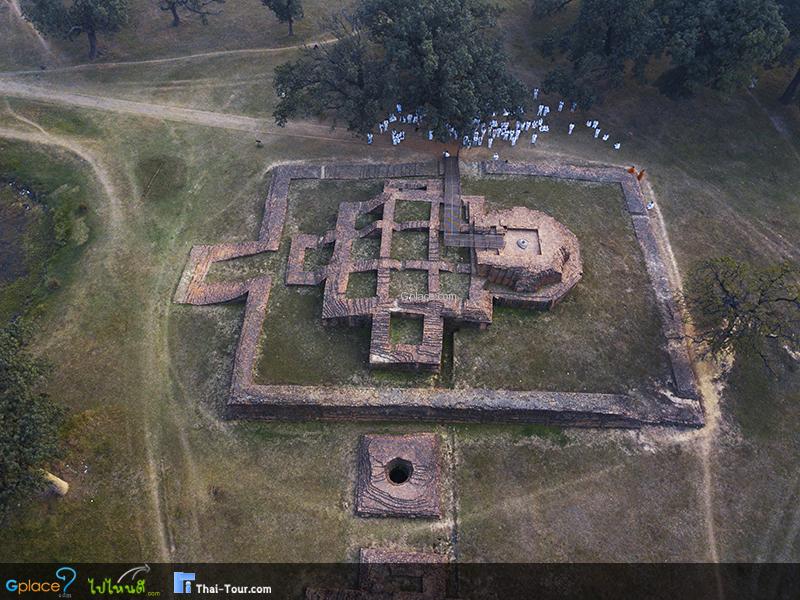
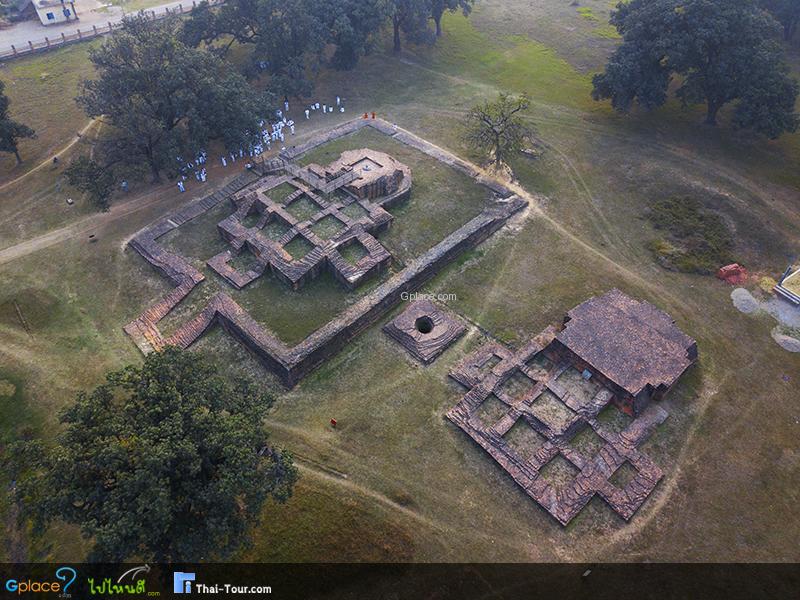
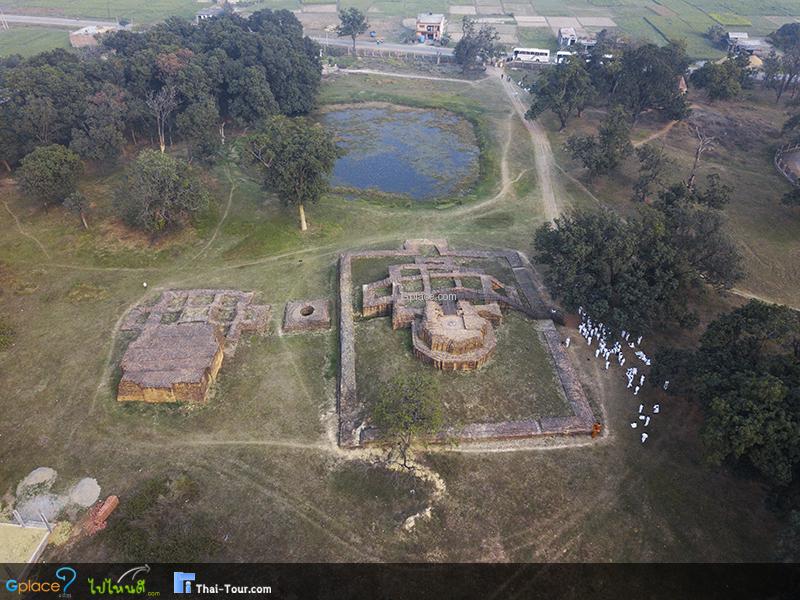
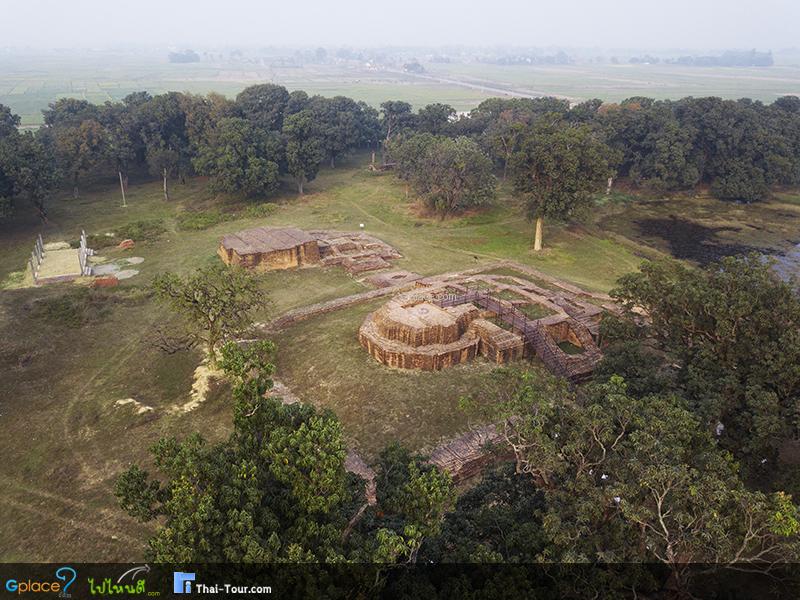
“A significant Buddhist historical site in Kapilavastu, highlighted by the ruins of three ancient brick stupas, an old pond, and the place where Rahula was ordained, amidst a tranquil atmosphere.”
Nigrodharama Temple, also known as Kudan, is one of the important Buddhist sites located near Kapilavastu in Nepal. The word “Nigrodharama” locally means “Banyan Tree”, as in ancient times, this area was a forest filled with large banyan trees that provided shade and coolness, ideal for solitude and meditation. Therefore, King Suddhodana commanded the construction of a temple at this location and named it “Nigrodharama Temple”.
This place holds immense importance as it was the temple built by King Suddhodana and his royal relatives from Kapilavastu to welcome the Buddha approximately one year after his enlightenment. On that occasion, he returned to his homeland accompanied by over 20,000 Arahants, marking a highly significant event in Buddhist history.
However, before his return, some relatives were hesitant and disagreed, still perceiving Prince Siddhartha as having abandoned worldly duties to become a monk. This clearly created a conflict between “the worldly path” and “the Dhamma path”.
King Suddhodana therefore commanded this temple to be built south of the city and sent royal envoys multiple times to invite the Buddha. However, these envoys, upon meeting the Buddha, developed faith and became monks themselves. Finally, Venerable Kaludayi Mahamatya, who was both a contemporary and an old friend, was sent to invite him, and succeeded.
When the Buddha arrived and resided at Nigrodharama Temple, King Suddhodana and his relatives came to welcome him. Although initially hesitant, some relatives tried to prevent Prince Rahula from meeting him. But eventually, Princess Yasodhara brought Rahula to meet the Buddha and offered alms food.
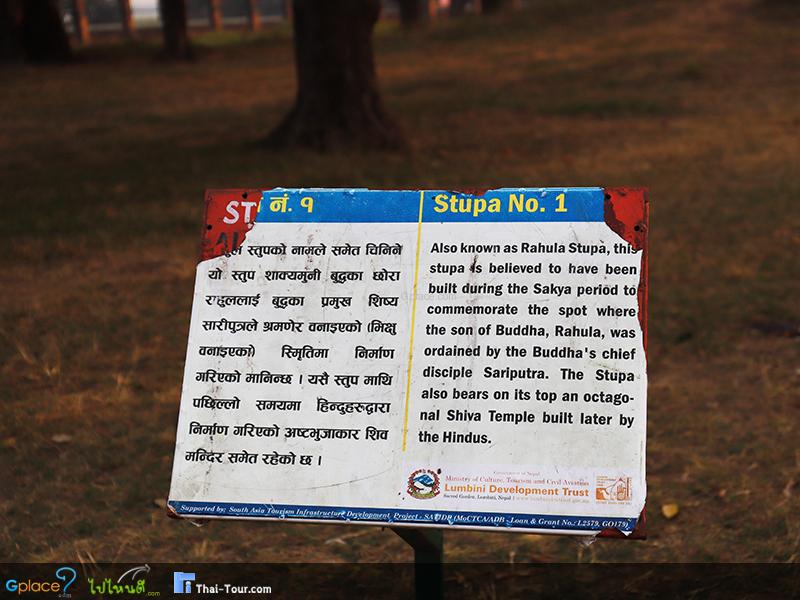
A significant event that occurred here was the ordination of Rahula, after he requested “Noble Wealth” from the Buddha, leading him to become the first novice monk in Buddhism. Additionally, the Buddha taught his father, leading him to attain Sotapanna. Other events include Mahapajapati Gotami offering robes and Prince Nanda's ordination.
At one point, his relatives remained doubtful, so the Buddha performed miracles, such as “rain that falls only on those who wish to get wet”, and presented himself as a king of the Shakya clan to dispel their wrong views, before teaching about the Vessantara Jataka, his last birth before enlightenment.
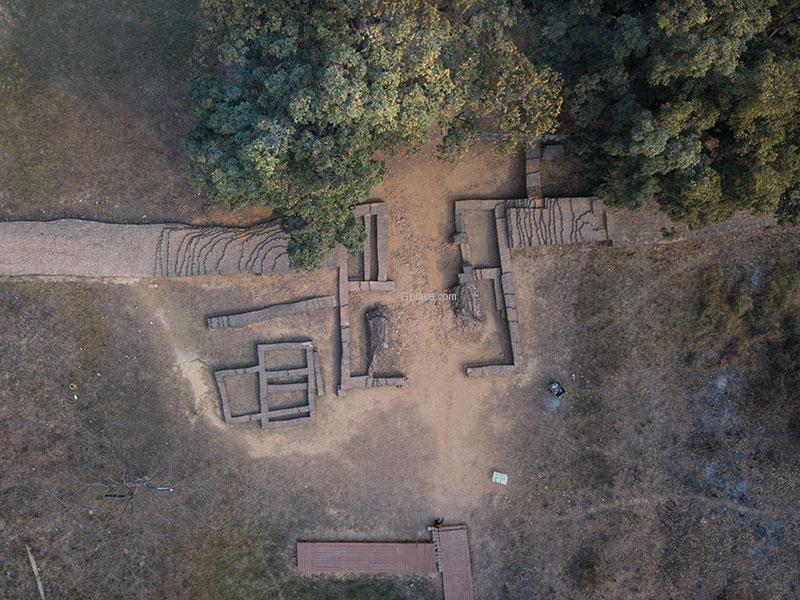
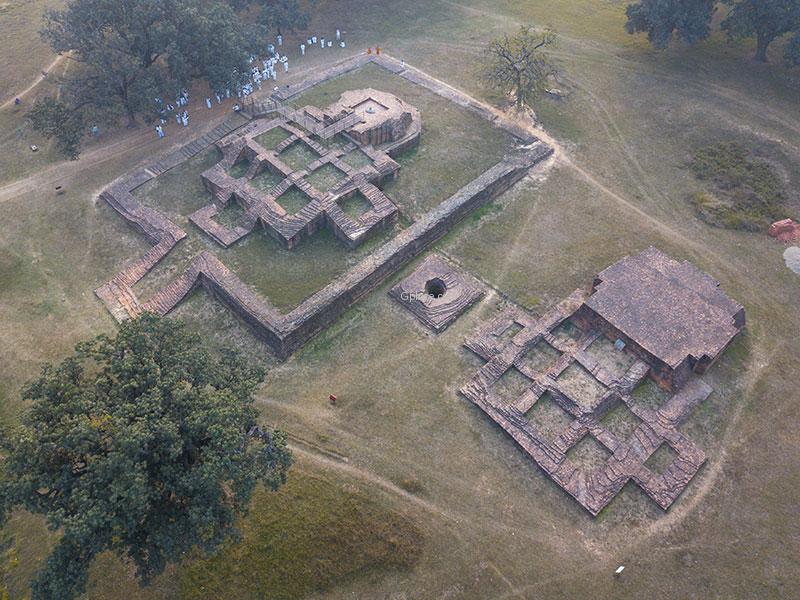
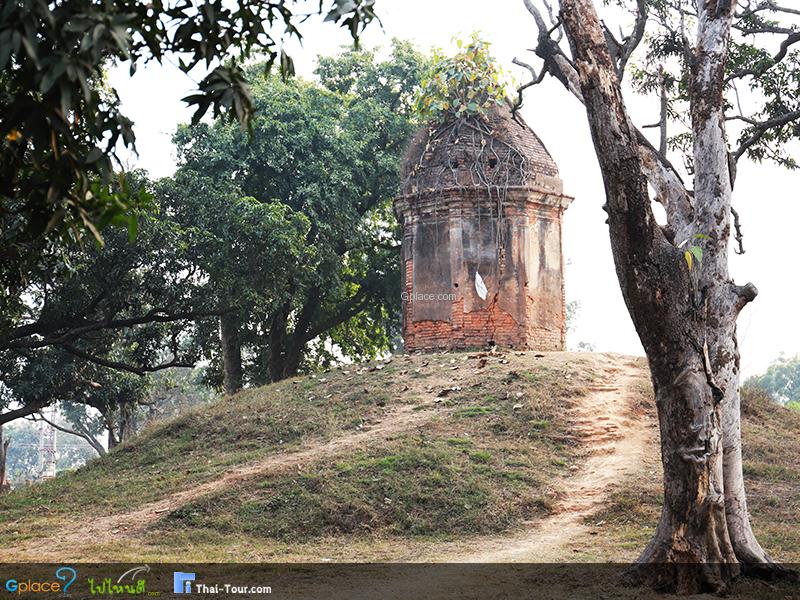
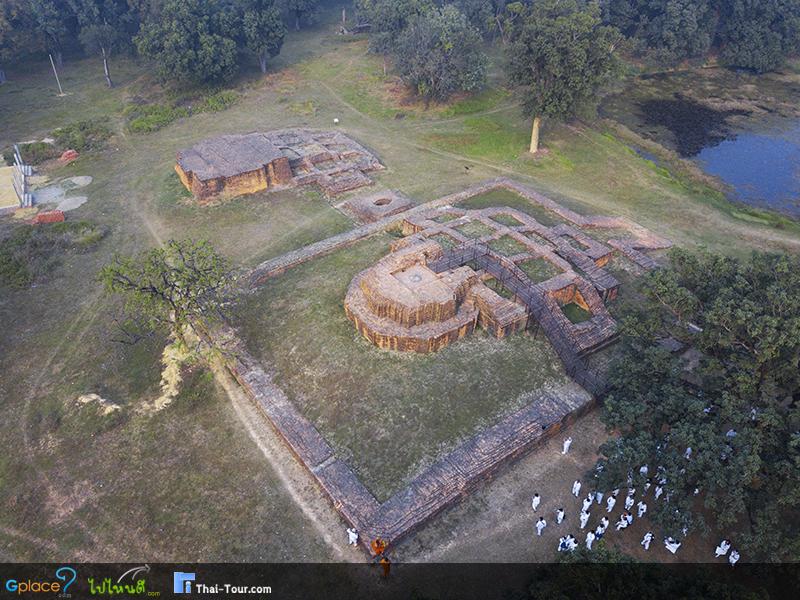
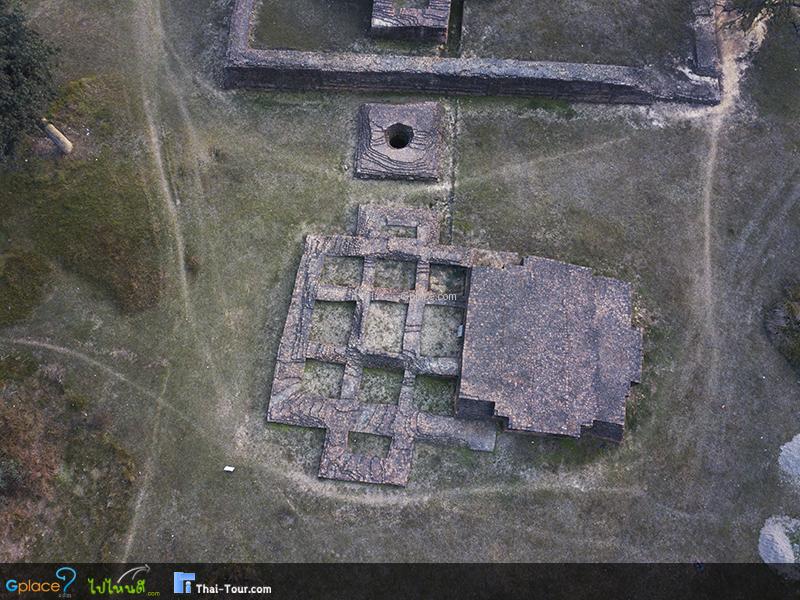
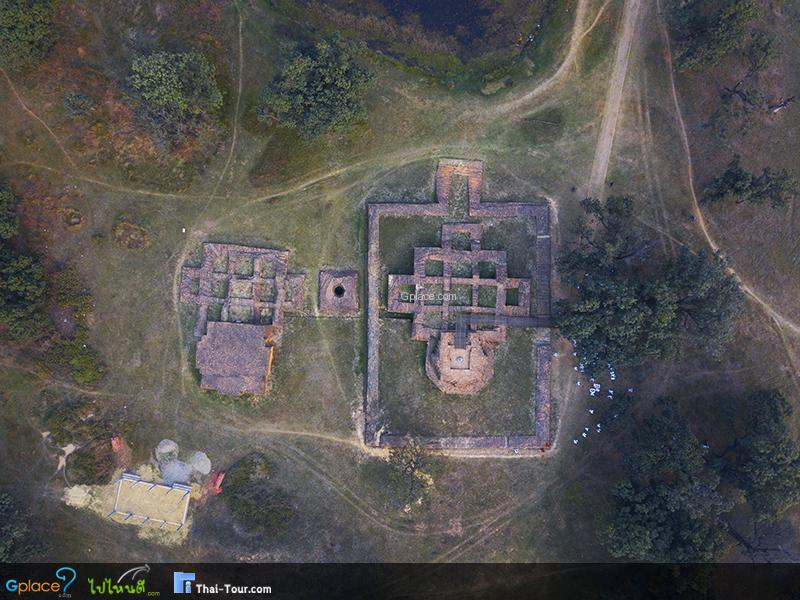
Archaeologically, the current Kudan area features the ruins of three large ancient brick stupas, built in layers in later periods, with high ascending stairs. There is also an ancient pond whose clear remnants can still be seen, reflecting the systematic use of the area in the past.
The surrounding area has been developed into a serene garden, suitable for walking, meditation, and pilgrimage, especially in the mornings and evenings when the atmosphere is particularly peaceful.
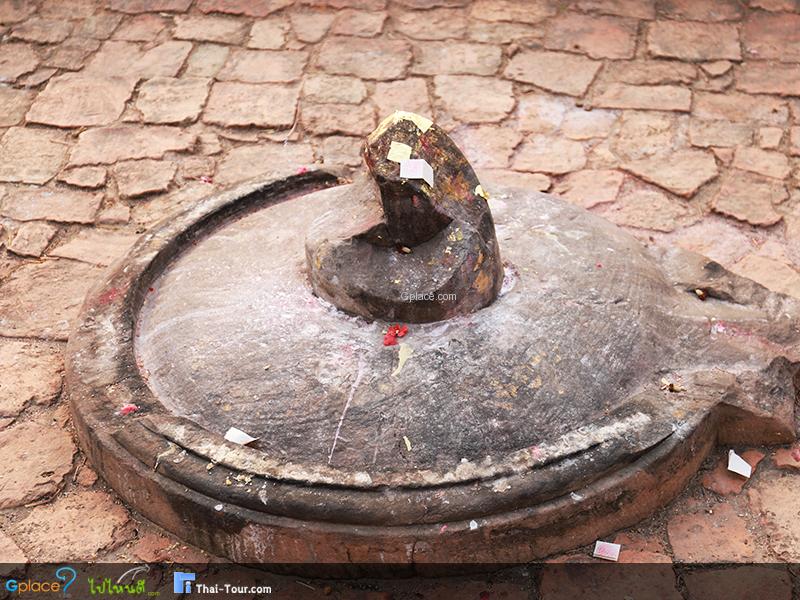
In later periods, as Buddhism declined, Hindus placed a Shiva lingam here, and remnants of Hindu worship can still be seen today, reflecting the shared use of this sacred space by multiple religions.
Nigrodharama Temple is therefore not only an archaeological site but also a space of spiritual memory that profoundly reflects gratitude, family relationships, and the transition from worldly life to Dhamma.
How to Get There
- Rental Car/Taxi: Travel from Lumbini Garden (Lumbini) takes approximately 45–60 minutes. It is recommended to hire a car for a combined trip with Kapilavastu (Tilaurakot).
Travel Tips
- The best time to visit is November – February, when the weather is cool and comfortable.
- The surrounding rice fields are both green and golden, beautiful according to the season.
- You should wear comfortable walking shoes as there are stairs and extensive grounds.
- You can prepare small gifts for local children.
- Suitable for meditation and peaceful sightseeing.
Admission Fee:
- Thai/SAARC citizens: Approximately 20–50 Nepalese Rupees (Passport should be carried to show eligibility)
Opening Hours:
- Open daily: 06:00 – 18:00 (according to sunrise–sunset)
Nigrodharama Temple

 Share
Share
 Kudan, Kapilavastu, Lumbini, Nepal 32800
Map
Kudan, Kapilavastu, Lumbini, Nepal 32800
Map
 Closed today
Mon6.00 - 18.00
Tue6.00 - 18.00
Wed6.00 - 18.00
Thu6.00 - 18.00
Fri6.00 - 18.00
Sat6.00 - 18.00
Sun6.00 - 18.00



 3
3