
 Attractions
  Hotel
Hotel  Restaurant
  Shopping
  Abroad






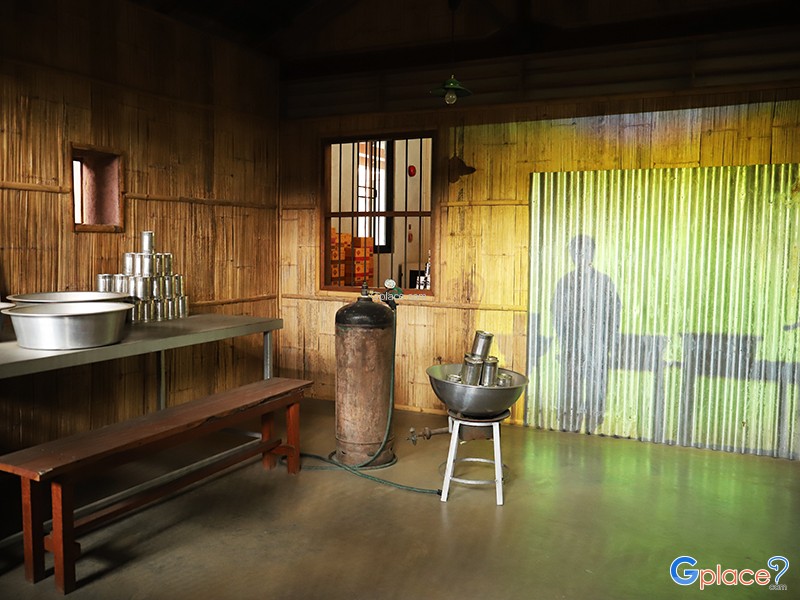

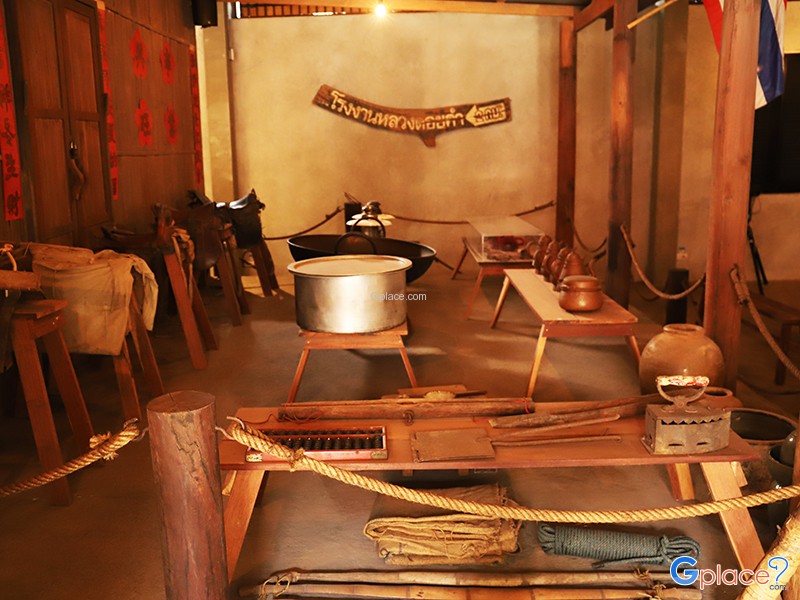
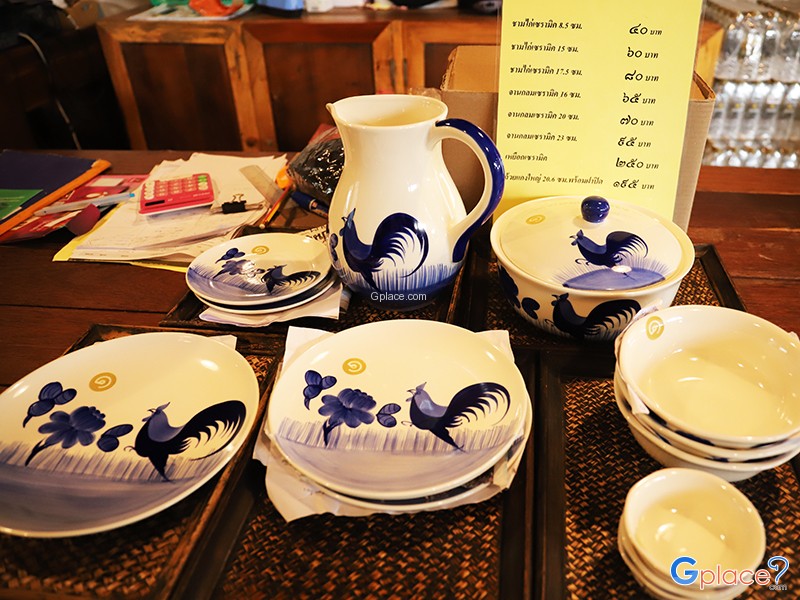
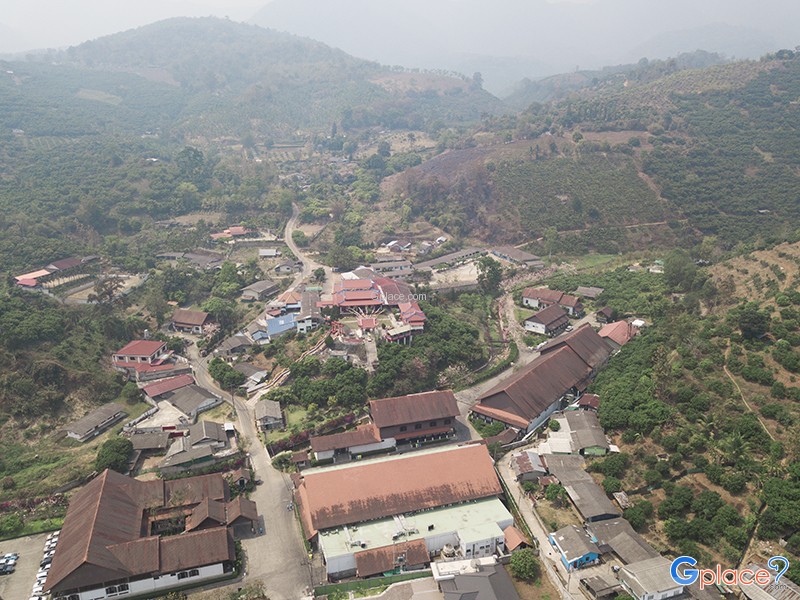
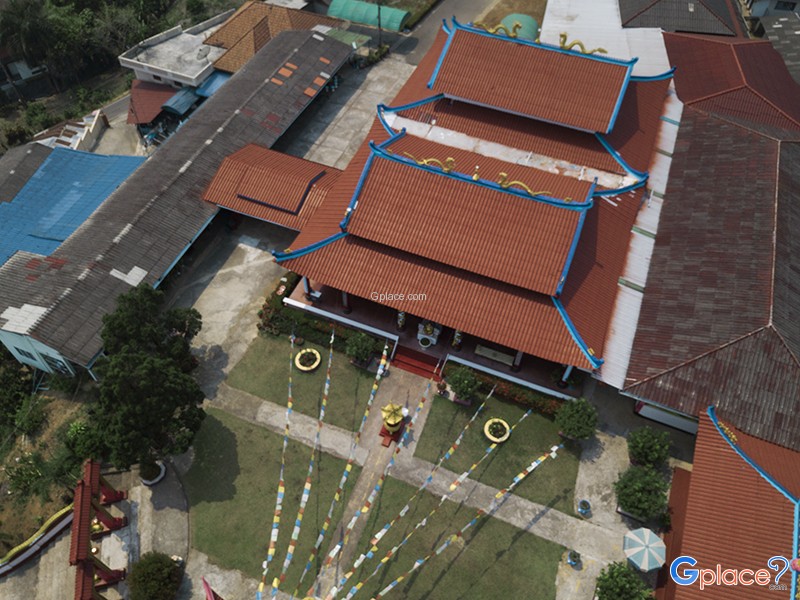
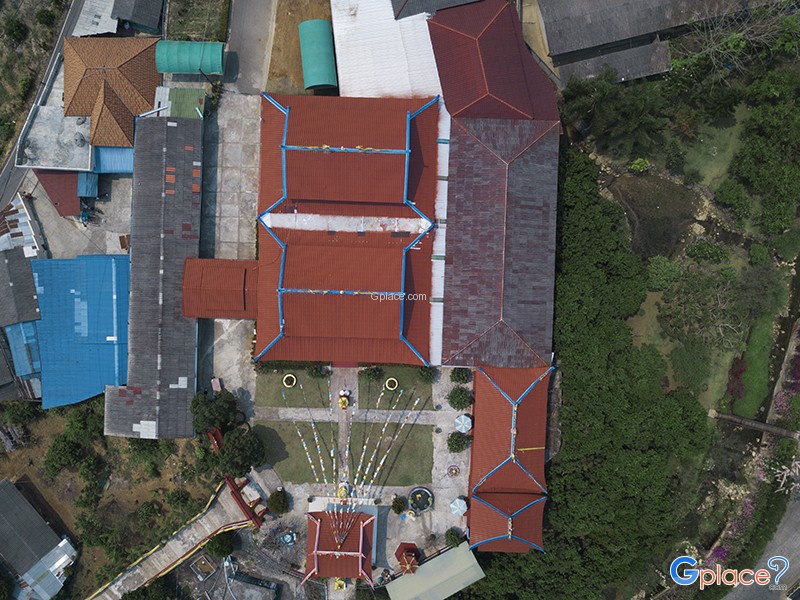
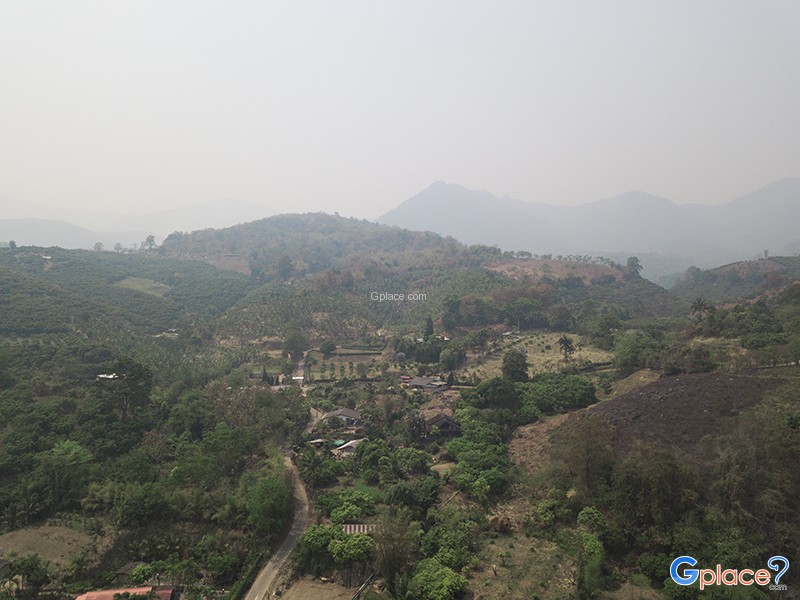
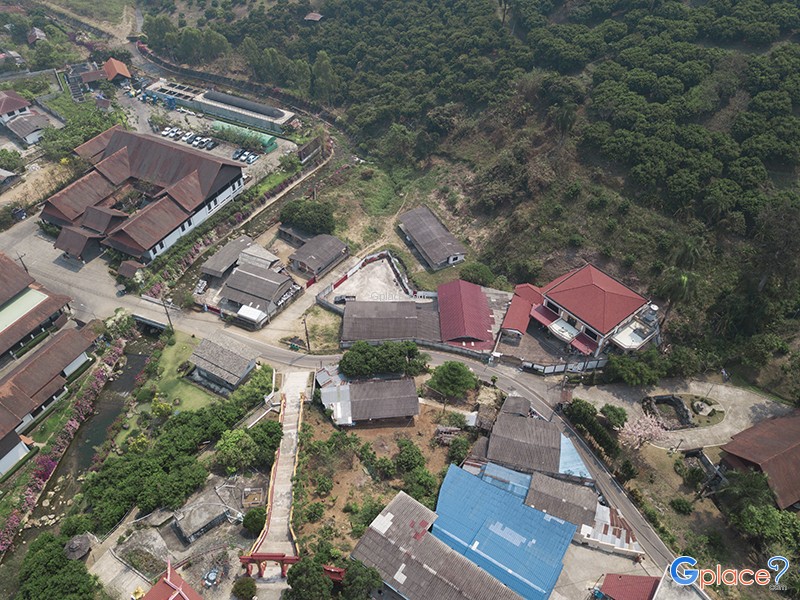
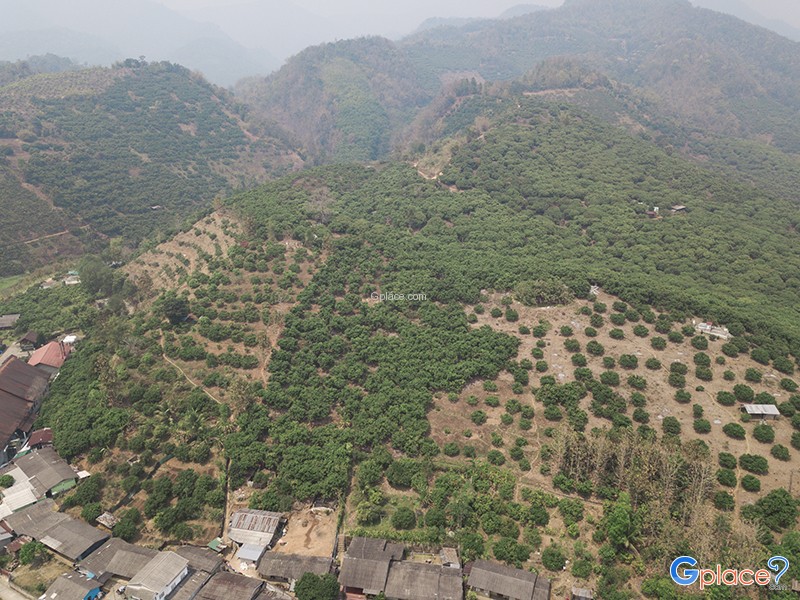
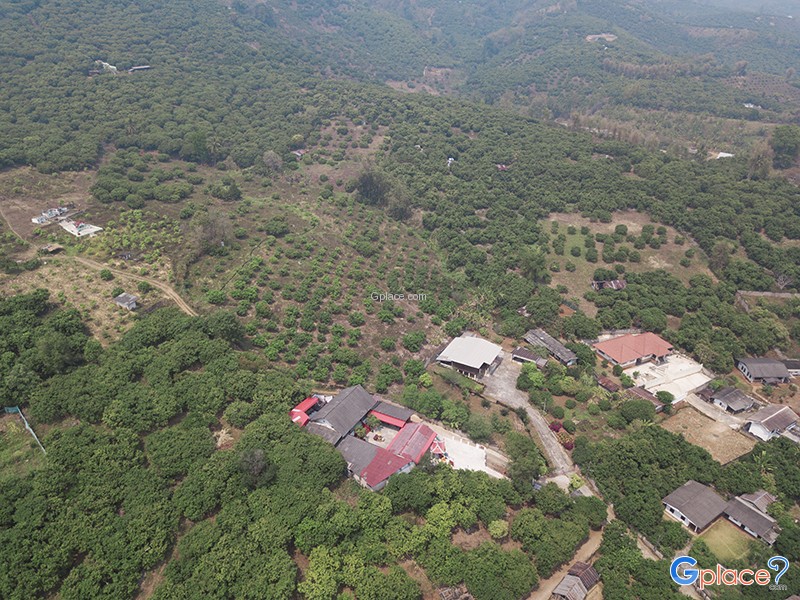
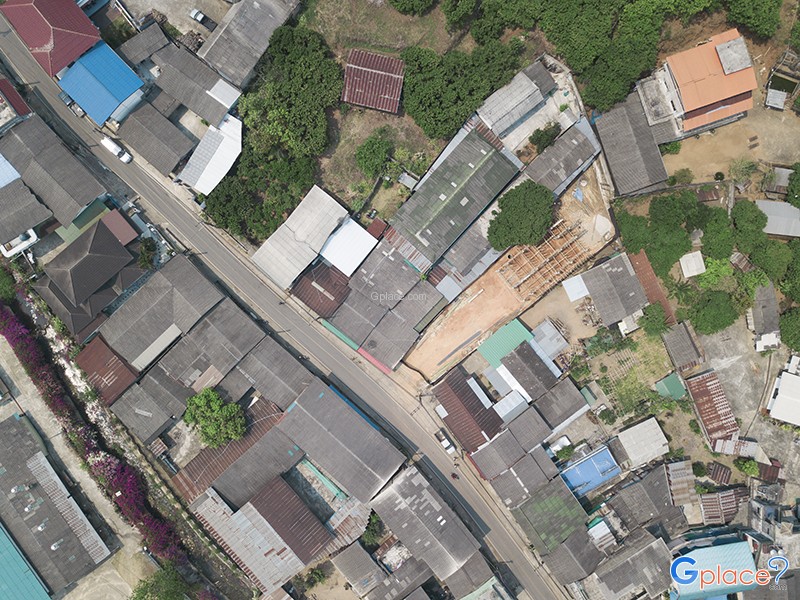
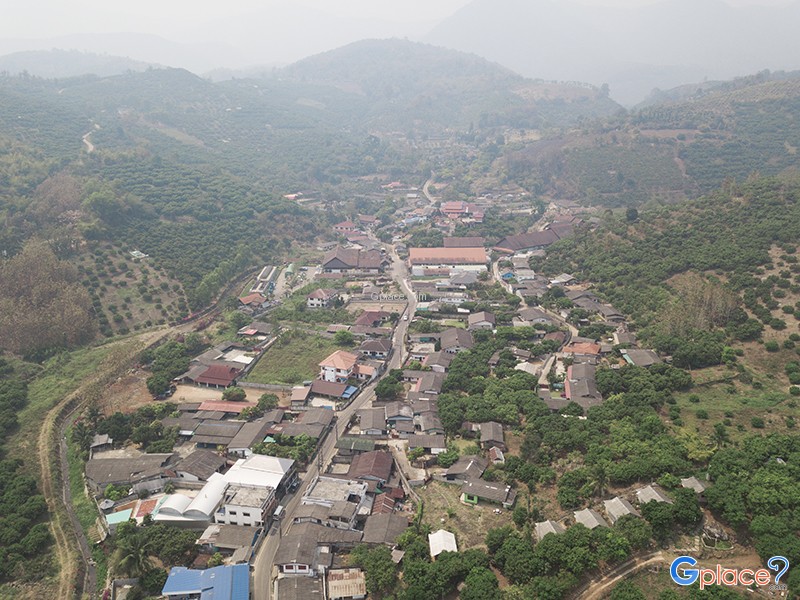
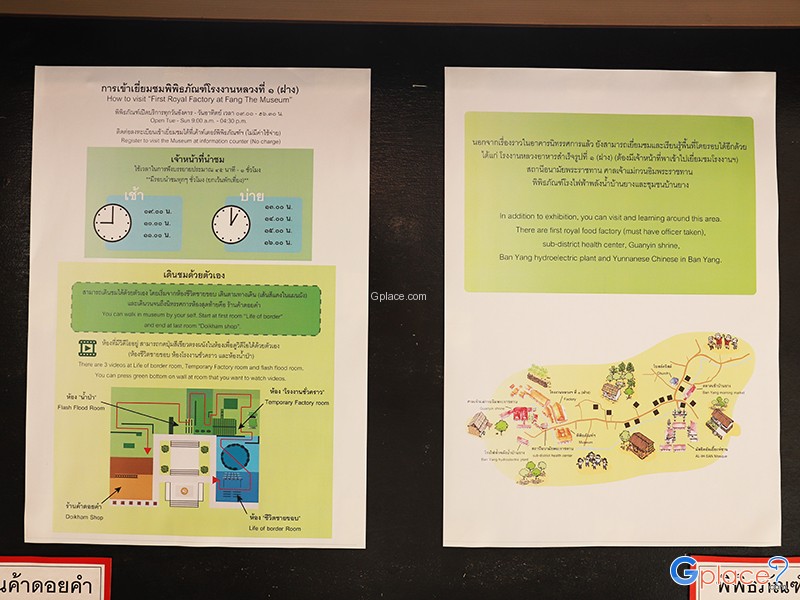
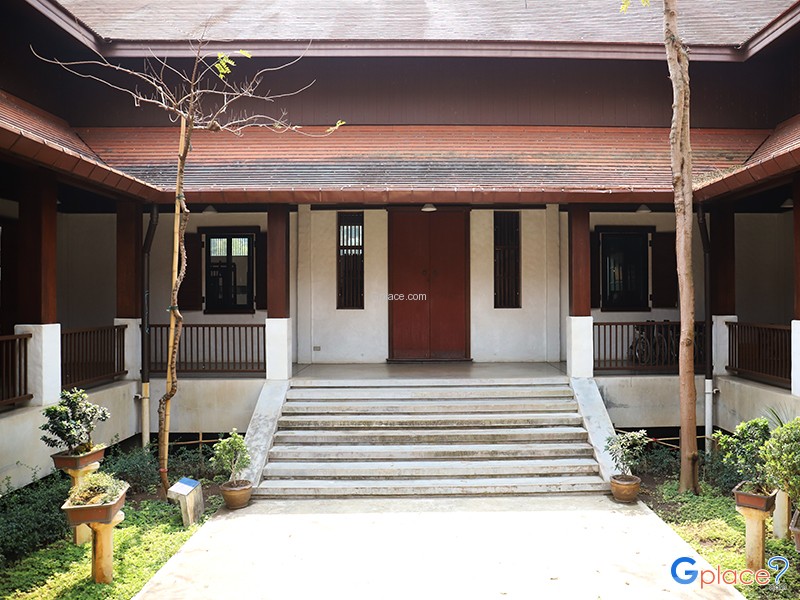
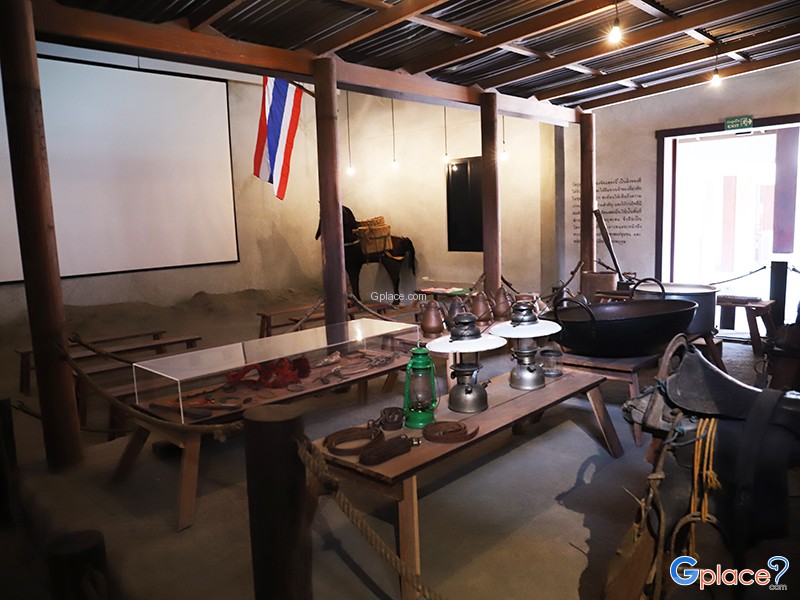
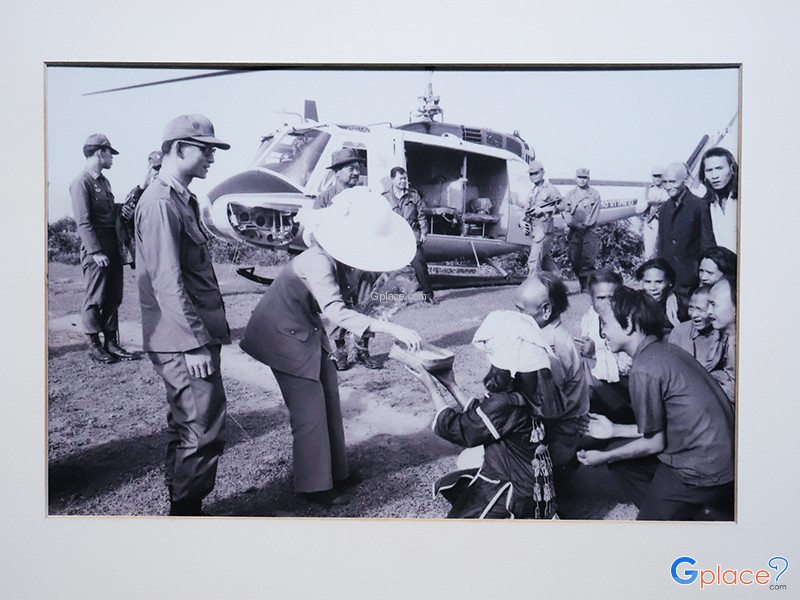
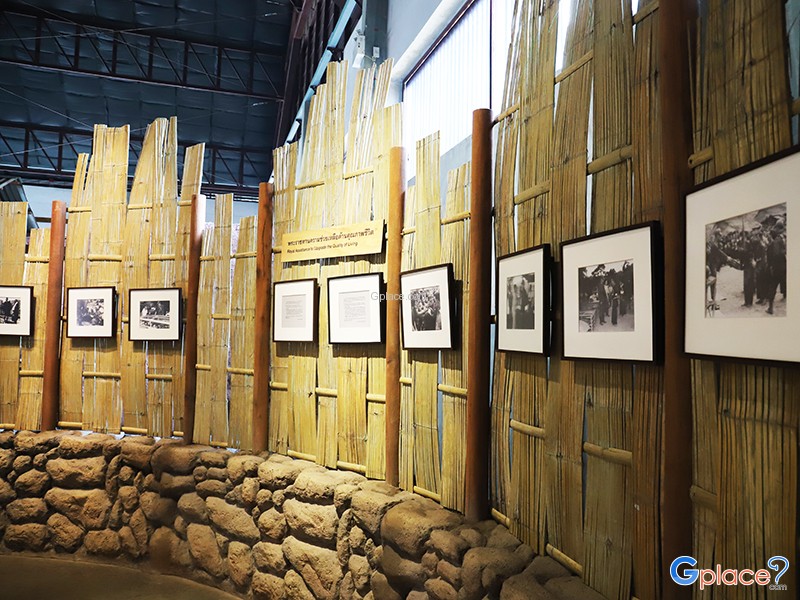
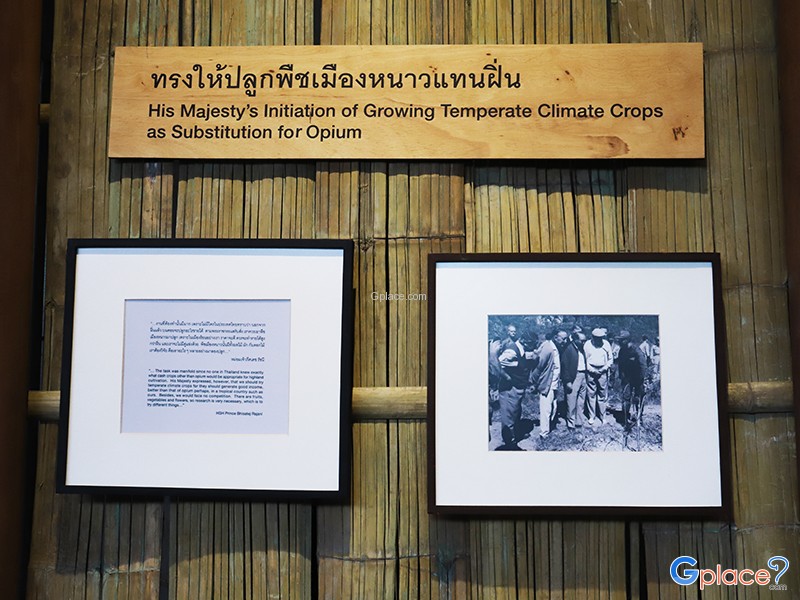
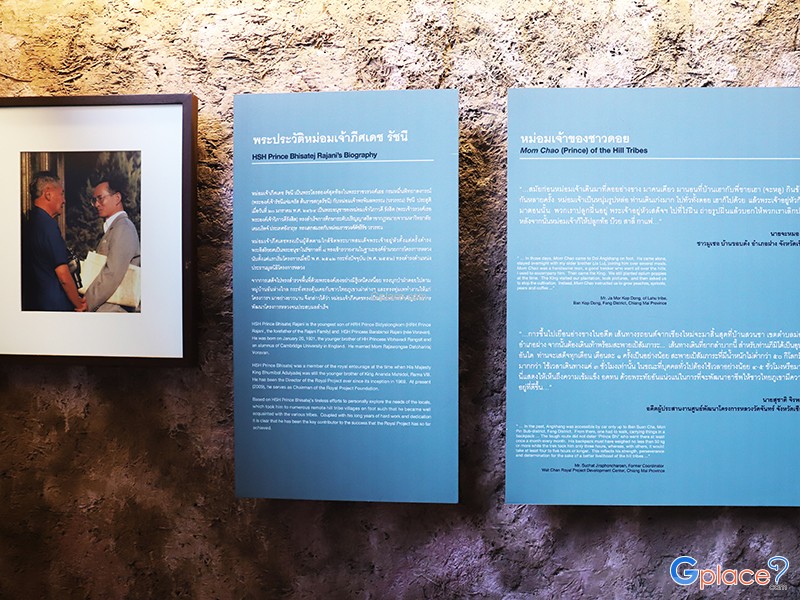
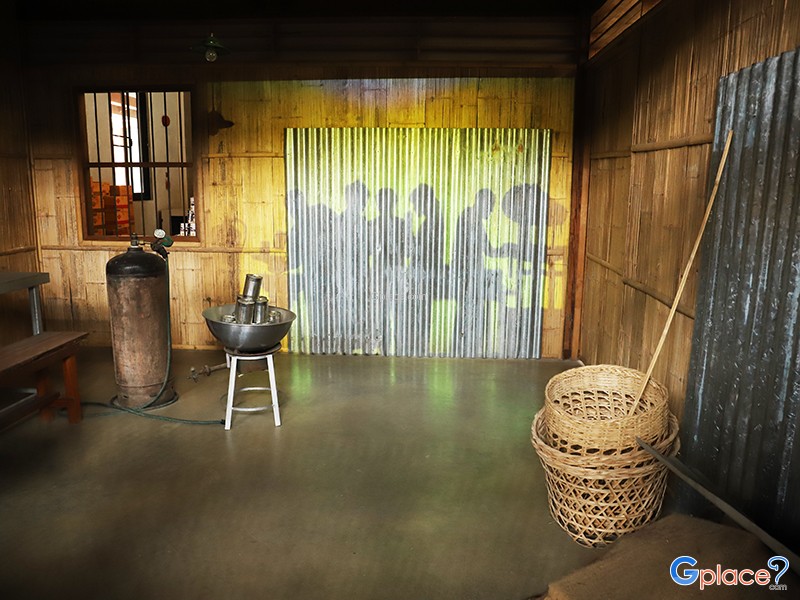
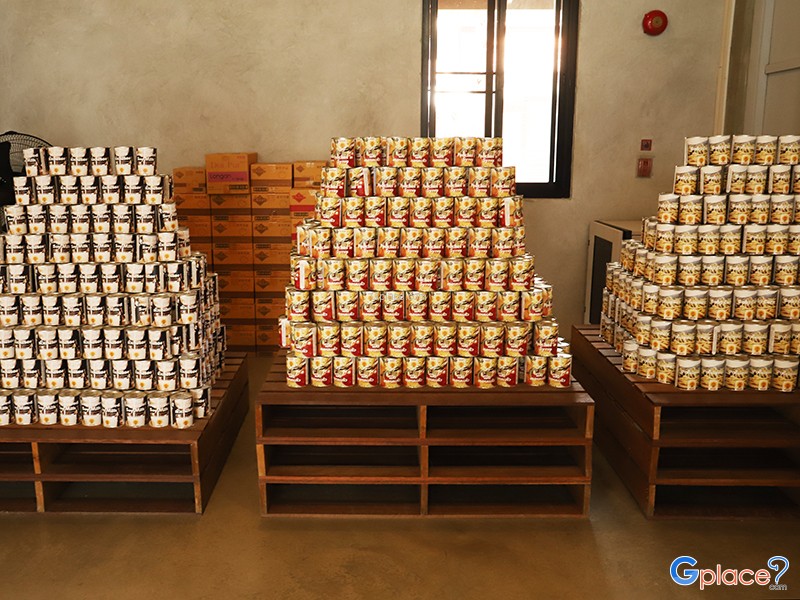
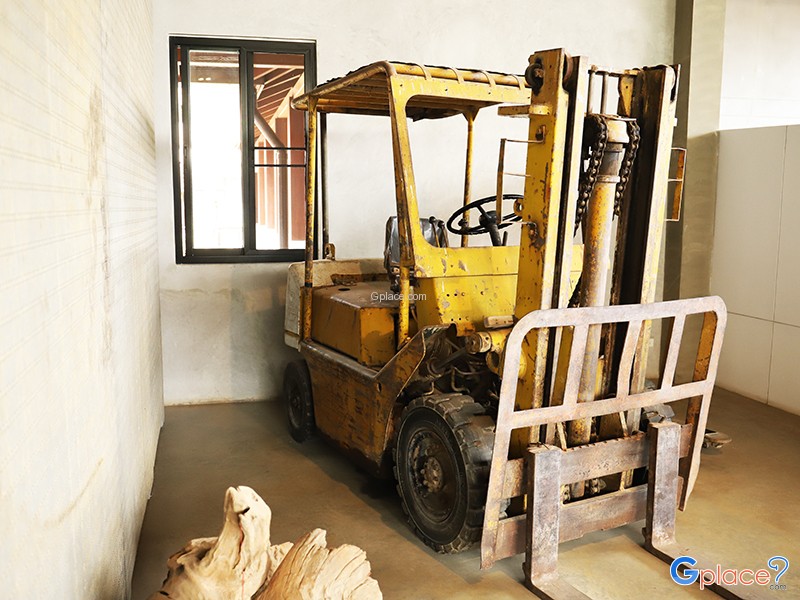
“An area museum connecting the stories of Doi Kham, the Royal Factory, Ban Yang Community, and post-disaster recovery in one place.”
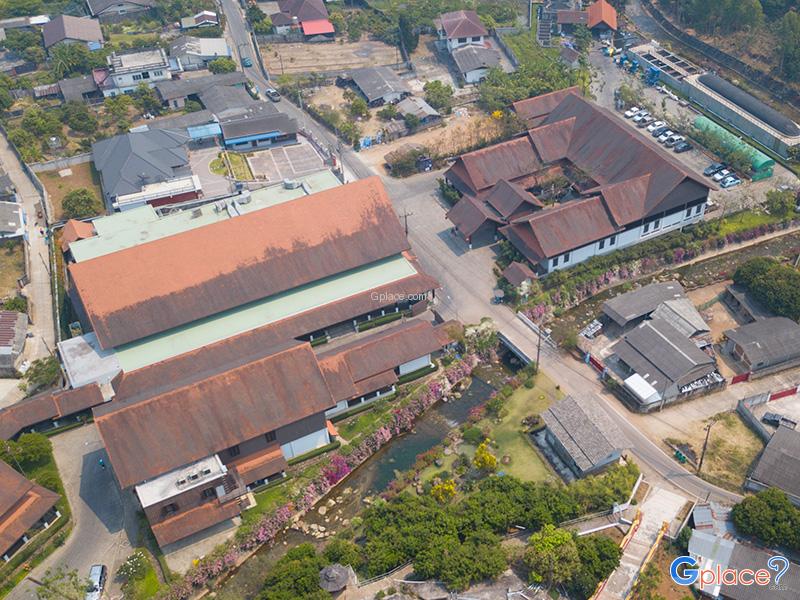
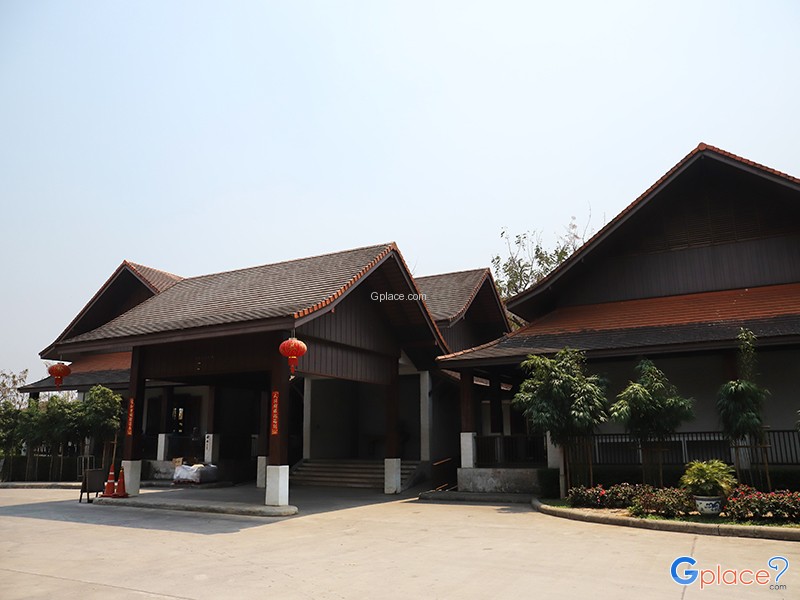
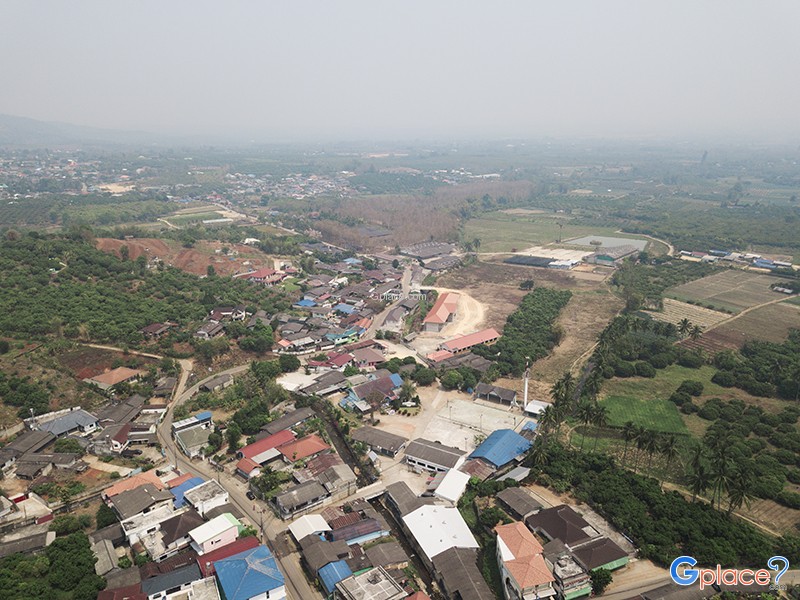
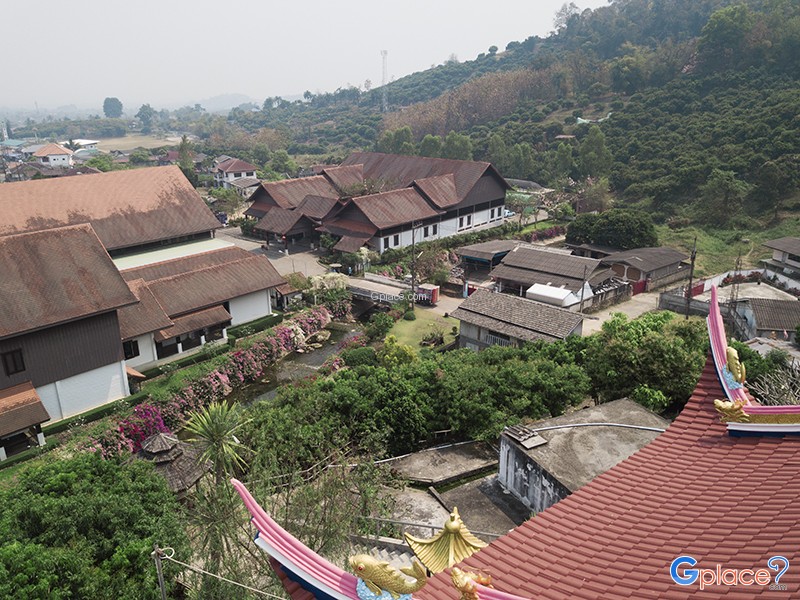
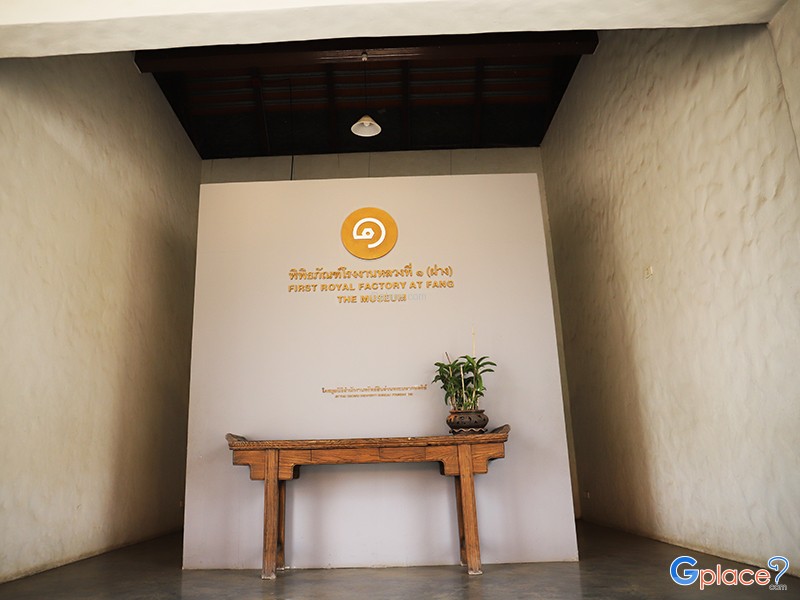
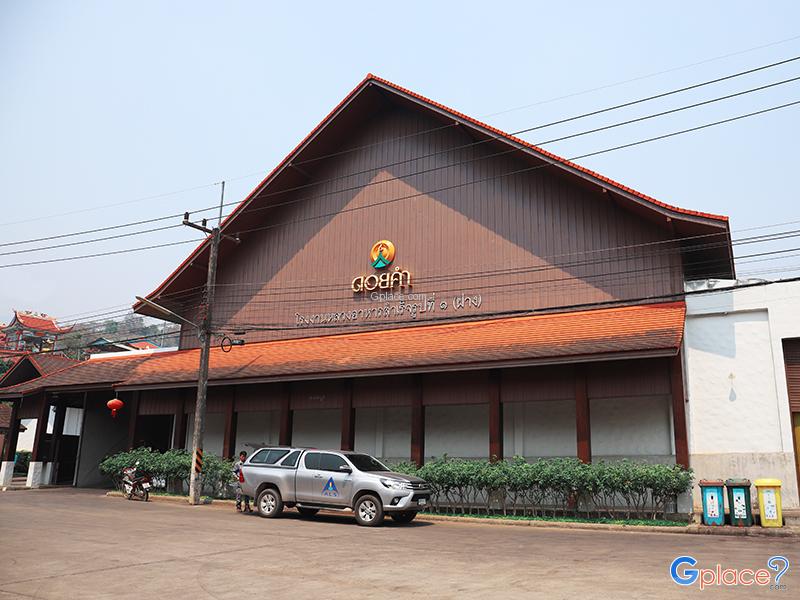
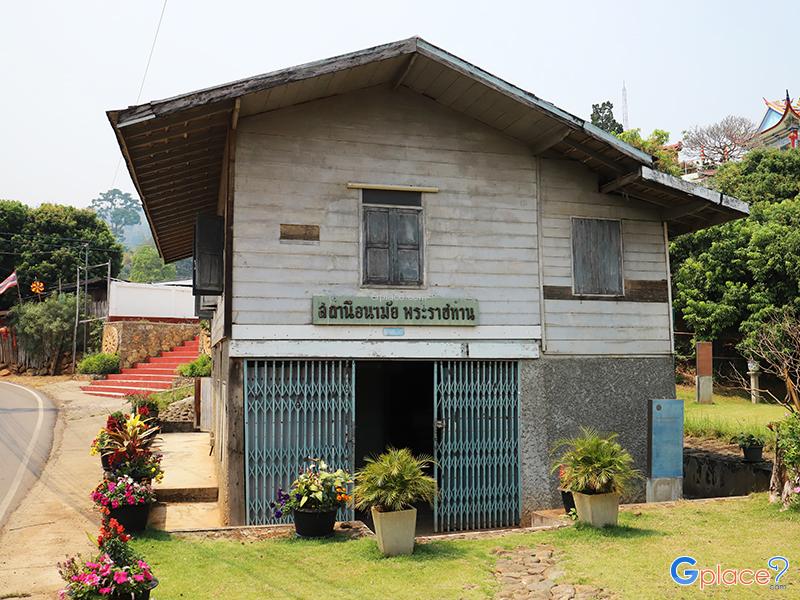
The First Royal Factory Museum (Ban Yang) (The First Royal Factory Museum) is a learning center on history, highland development, and community restoration. It is located within the area of Royal Factory 1 (Fang) in Ban Yang, Fang District, Chiang Mai. The museum was established through cooperation between the Crown Property Bureau and Doi Kham Food Products Co., Ltd. to convey stories of development under royal initiatives to the public, students, and visitors for close-up learning experiences.
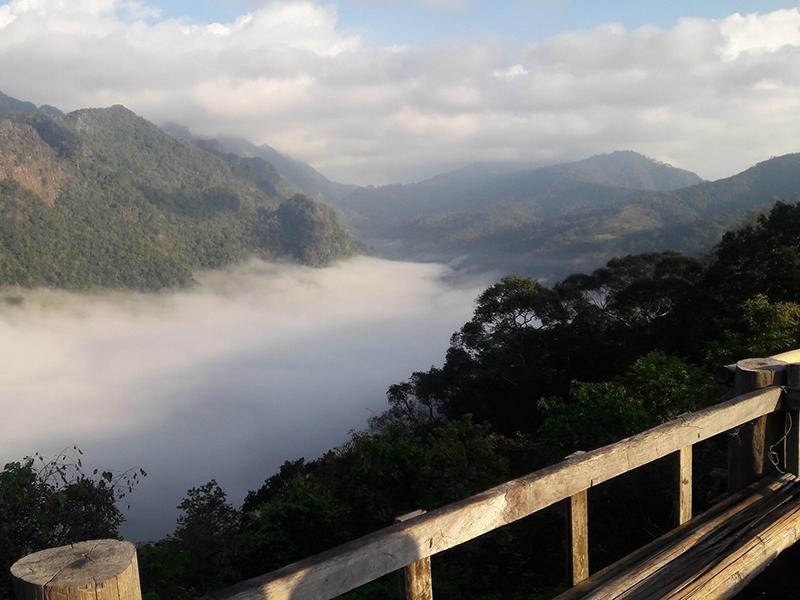
The museum’s main content begins by looking back at the former conditions of Doi Ang Khang and northern highland areas, where many residents faced limitations in livelihoods, difficulties in accessing basic services, and problems related to opium cultivation, as well as shifting cultivation that affected forests and watershed areas. When His Majesty King Rama IX made a royal visit to the area, he recognized the need to create new alternatives suitable for the terrain, way of life, and potential of highland communities.
The royal initiatives did not focus only on changing the crops grown, but on integrated development throughout the entire system. This included promoting temperate-climate crops and economic crops suitable for the local climate, transferring agricultural knowledge, managing produce, processing products to add value, creating markets for goods, and improving the quality of life of the community. These approaches helped residents gain more stable incomes, reduce dependence on opium cultivation, and jointly protect natural resources in the long term.
Royal Factory 1 (Fang) therefore plays an important role as a mechanism connecting agricultural produce from farmers to processing operations. It purchases agricultural products for processing into food and beverages, helping reduce the problem of surplus produce, increasing the value of raw materials, and giving farmers tangible confidence that there is a market for their products. The story of this factory is also connected to the beginning of products under the Doi Kham brand, which is an example of transforming royal initiatives into a business system that considers farmers, communities, and sustainability.
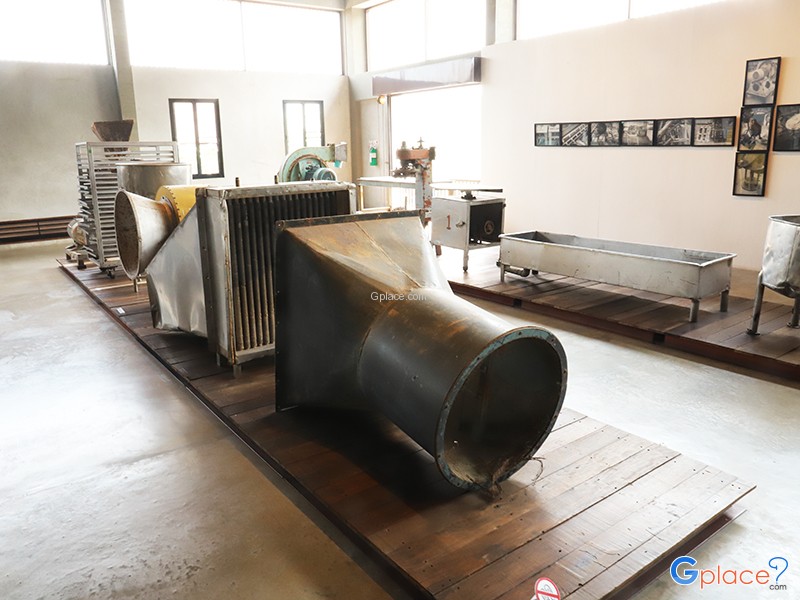
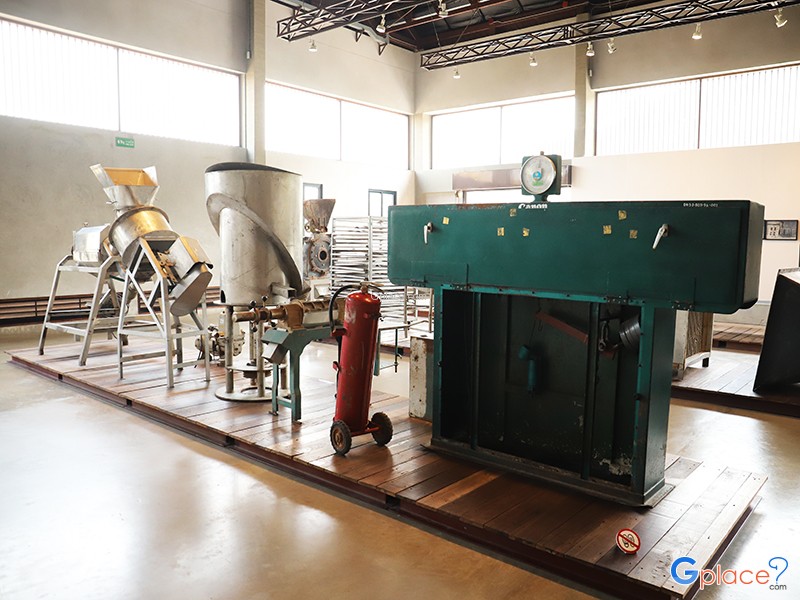
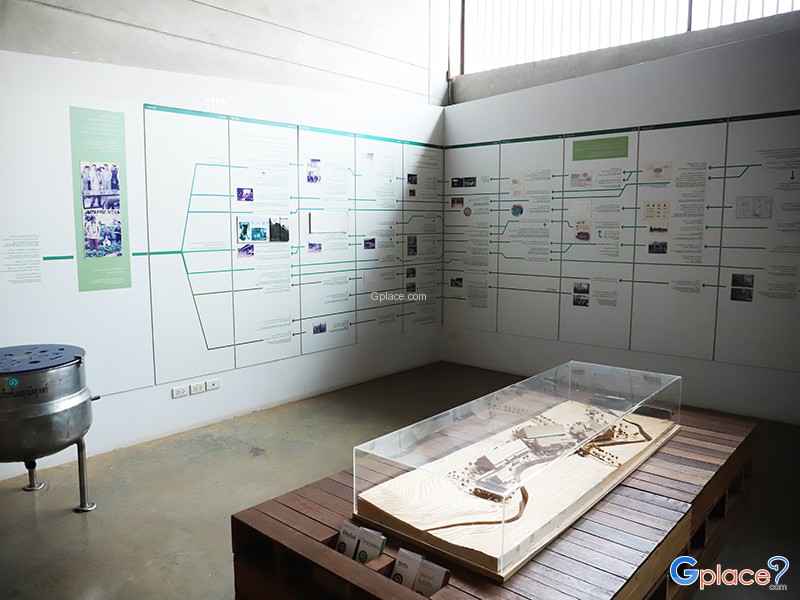
Inside the exhibition building, information is presented through old photographs, historical documents, display objects, early food-processing tools and machinery, models, films, and multimedia media. Visitors can follow the story from the establishment of the Royal Factory, changes in agriculture, product development, and the creation of the Doi Kham brand, to the role of Ban Yang Community as an important area of development under royal initiatives.
Another deeply meaningful section is the “Damage and Disaster Simulation” zone, which tells the story of the flash flood and mudslide that occurred in Ban Yang Village in 2006. This disaster severely affected homes, workplaces, transportation routes, and the daily lives of people in the community. The museum presents photographs and information about the event so that visitors can understand the scale of the damage, as well as the importance of natural resource management and disaster preparedness.
The post-disaster story reflects the power of cooperation among community members, government agencies, the private sector, and related organizations in restoring Ban Yang. This included repairing damaged areas, improving public infrastructure, restoring livelihoods, and strengthening the community once again. The current museum building was redesigned and developed after the disaster with consideration for the context of the area, emphasizing openness, harmony with nature, and the use of materials that reflect local identity.
The distinctive feature of this place is the concept of an “Area Museum,” which means that the learning experience does not end inside the exhibition rooms. Visitors can continue on to experience the actual areas of the Royal Factory, Ban Yang Community, local shops, and important nearby places, connecting what they see in the exhibition with the real lives of people today. The factory, which remains in operation, demonstrates how development under royal initiatives continues to affect the local economy and community livelihoods.
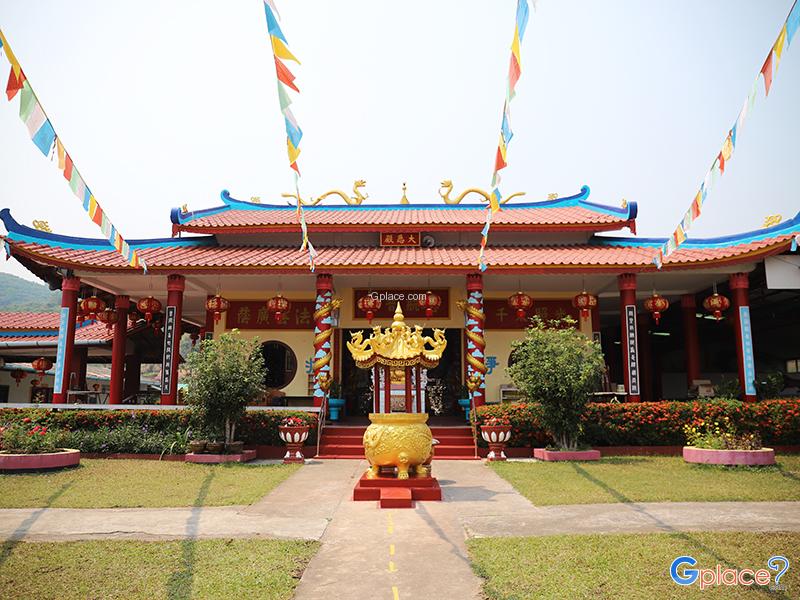
Ban Yang is also a culturally diverse community, where Yunnan Chinese, Thai Buddhists, and Muslims live together. The museum therefore serves as a starting point for visitors to better understand the history of local people, settlement, beliefs, food, and ways of life in this multicultural community. Visitors can extend their trip by tasting local food, shopping for community products, and visiting the Royal-Granted Guan Yin Shrine of Ban Yang, which is located not far from the museum.
With content covering royal initiatives, the history of the Royal Factory, livelihood creation, agricultural processing, disaster management, and community culture, The First Royal Factory Museum (Ban Yang) is suitable for visitors interested in educational tourism, families, groups of schoolchildren and students, and travelers visiting Doi Ang Khang or Fang District who wish to gain a deeper understanding of the important foundations of this area.
How to Get There
- By Private Car: From Chiang Mai City, take Highway No. 107 toward Fang District. When reaching around Kilometer Marker 137, before entering Fang Town, turn left onto Highway No. 1249, the old route up to Doi Ang Khang. Drive straight for approximately 6 kilometers to reach Ban Yang Village. The museum is located on the right-hand side of the road and has convenient parking available.
- By Public Transportation: Visitors can take a bus or minivan from Chiang Mai and get off in front of Wat Hat Samran, at the entrance to the Doi Ang Khang route. From there, take a local songthaew or motorcycle taxi to the museum, approximately 6 kilometers away.
Travel Tips
- Follow the exhibition sequence by beginning at the main exhibition building to understand the history and overall development of the area before exploring the surrounding locations.
- Continue to Royal Factory 1 (Fang), Ban Yang Community, and the Guan Yin Shrine to fully experience the concept of the area museum.
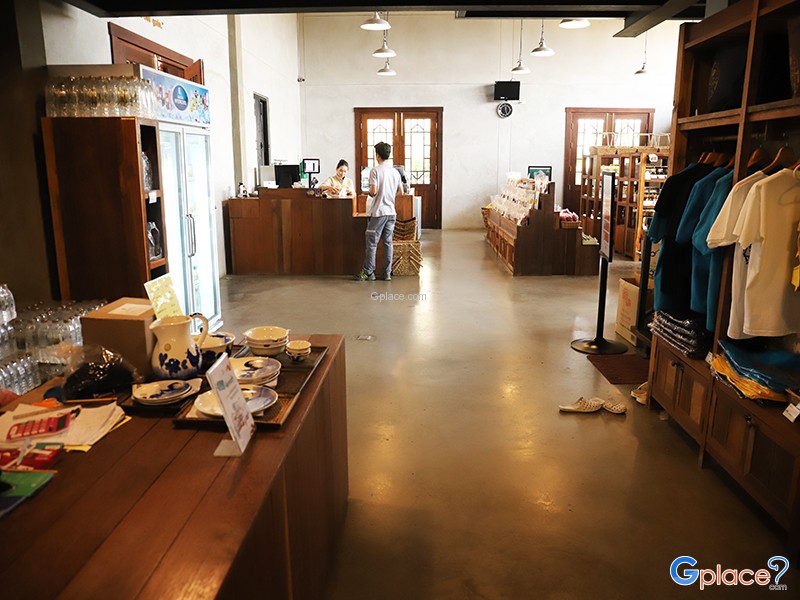
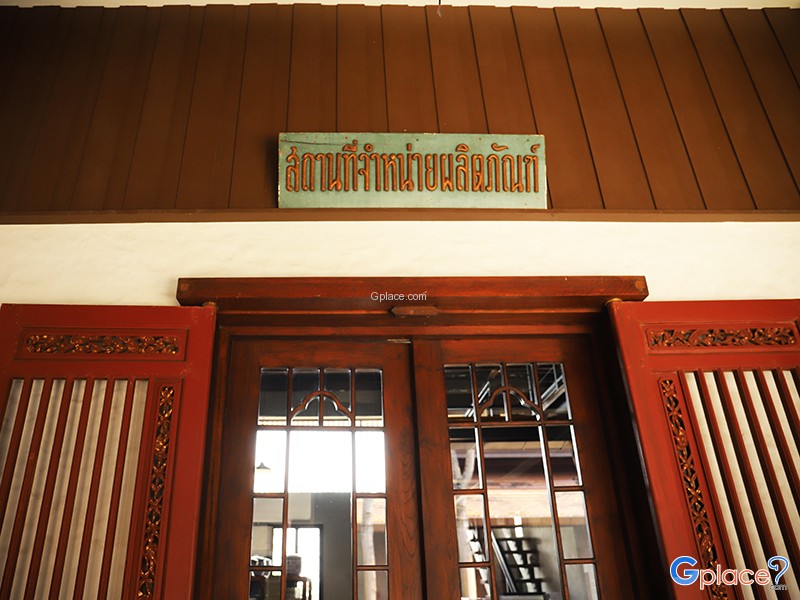
- Stop by the shop in the area to purchase products from Doi Kham and the Royal Project, including fruit juices, dried fruits, herbal products, and local goods.
- Please do not bring food or drinks into the exhibition areas.
- Do not touch display objects or items marked with no-touch signs in order to help preserve historical objects and documents.
Admission Fee:
- Free admission
- There is no admission fee for both Thai and foreign visitors.
Opening Hours:
- Open Tuesday – Sunday
- Closed every Monday
- From 8:30 AM – 4:30 PM
The First Royal Factory Museum

 Share
Share
 No. 13, Moo 12, Ban Yang, Mae Ngon, Fang, Chiang Mai 50320
Map
No. 13, Moo 12, Ban Yang, Mae Ngon, Fang, Chiang Mai 50320
Map
 Closed today
Mon8.00 - 17.00
Tue8.00 - 17.00
Wed8.00 - 17.00
Thu8.00 - 17.00
Fri8.00 - 17.00
Sat8.00 - 17.00
Sun8.00 - 17.00



 27
27
Recommend trips
All reviews
(List 0 review)Nearby Places
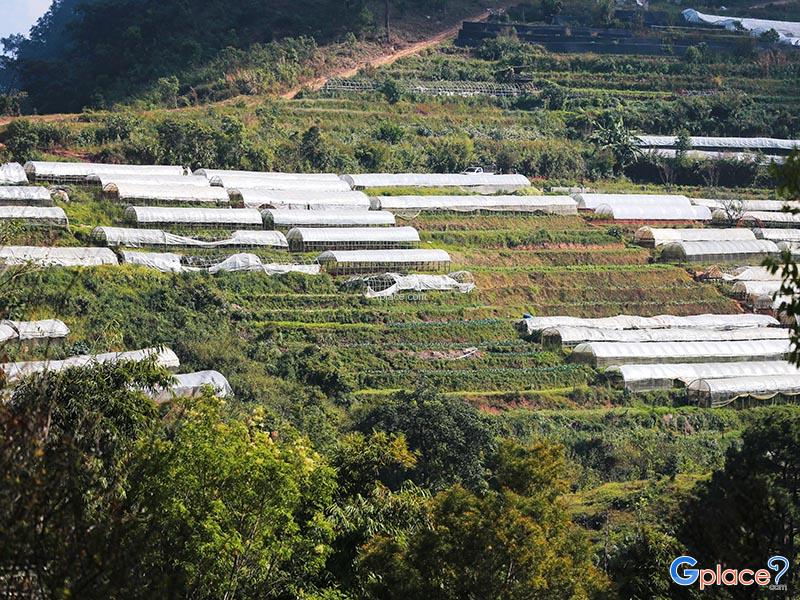 Organic Vegetable Demonstration Plots and Temperate Crop Gardens Ang Khang Royal Agricultural Station
(List 0 review)
Distance 8.54 Kilometer