 Attractions
  Hotel
Hotel  Restaurant
  Shopping
  Abroad





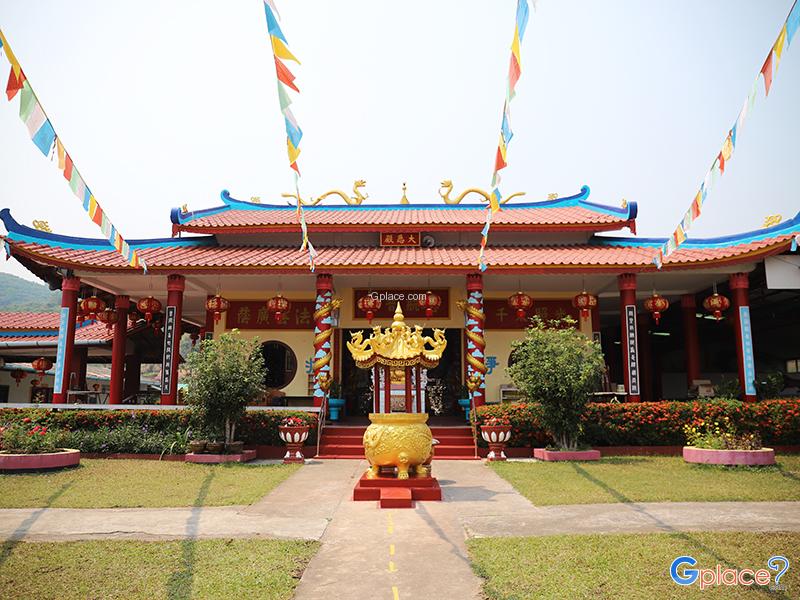

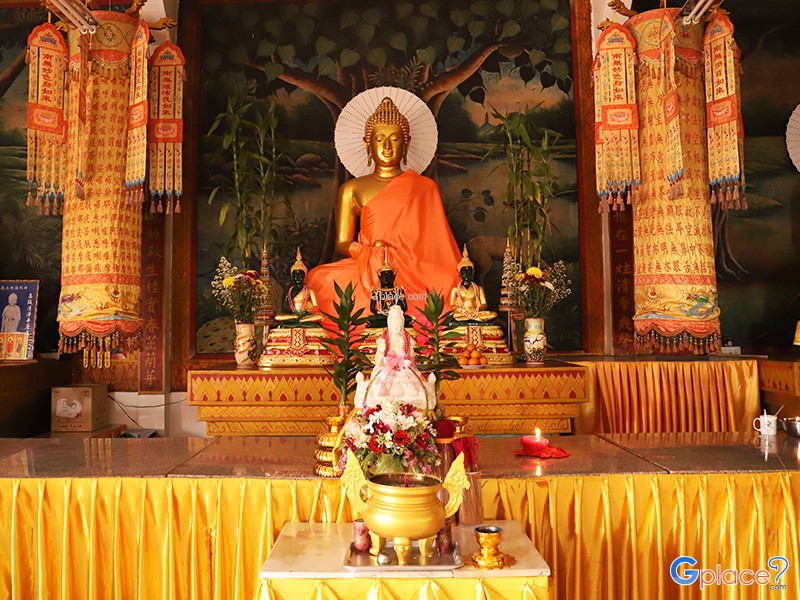
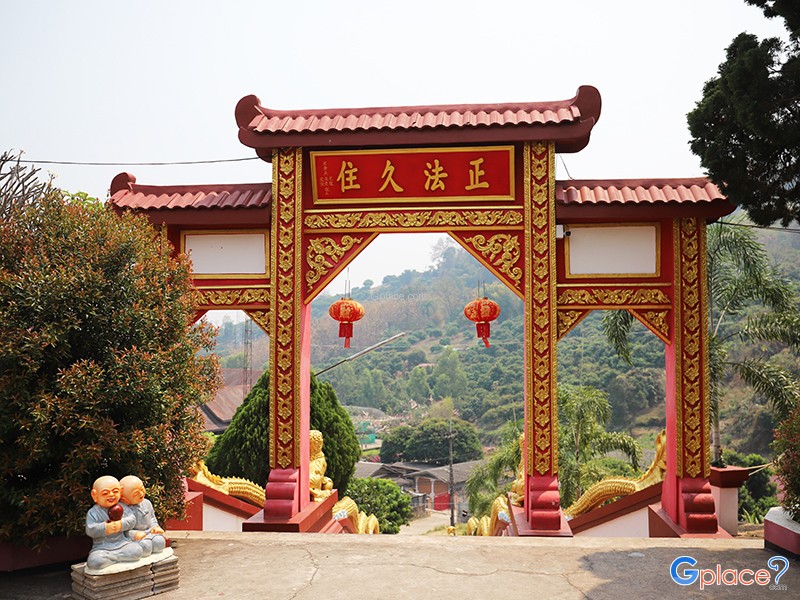
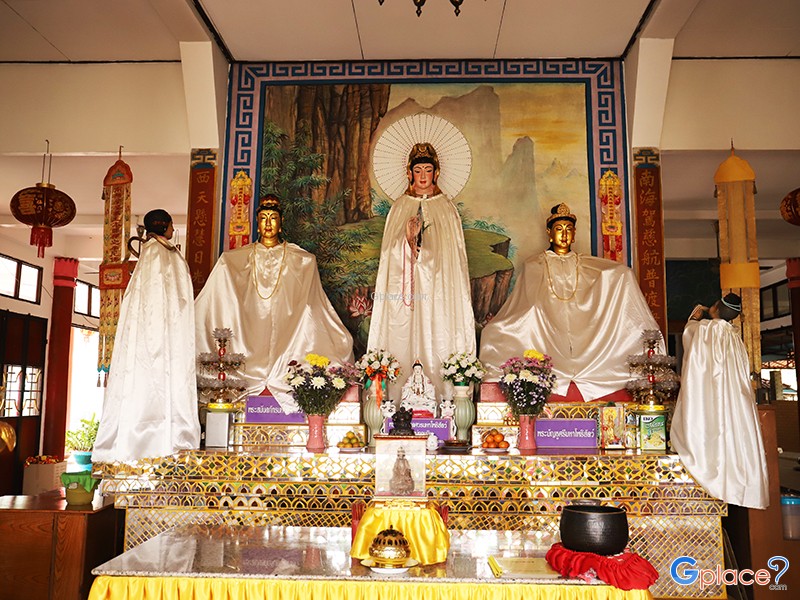
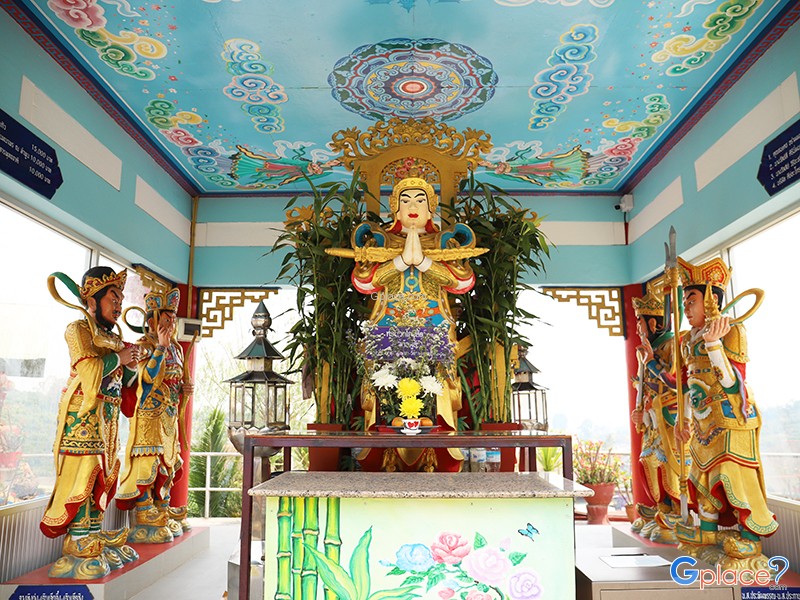
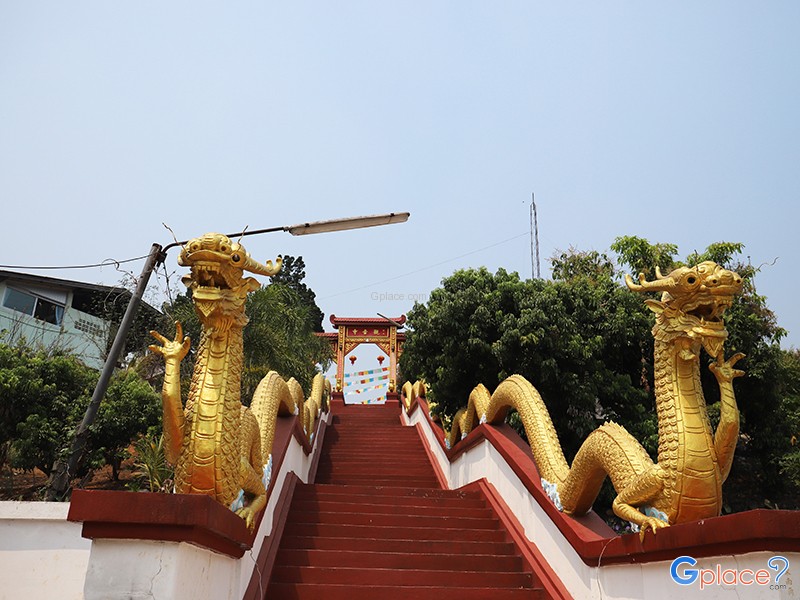
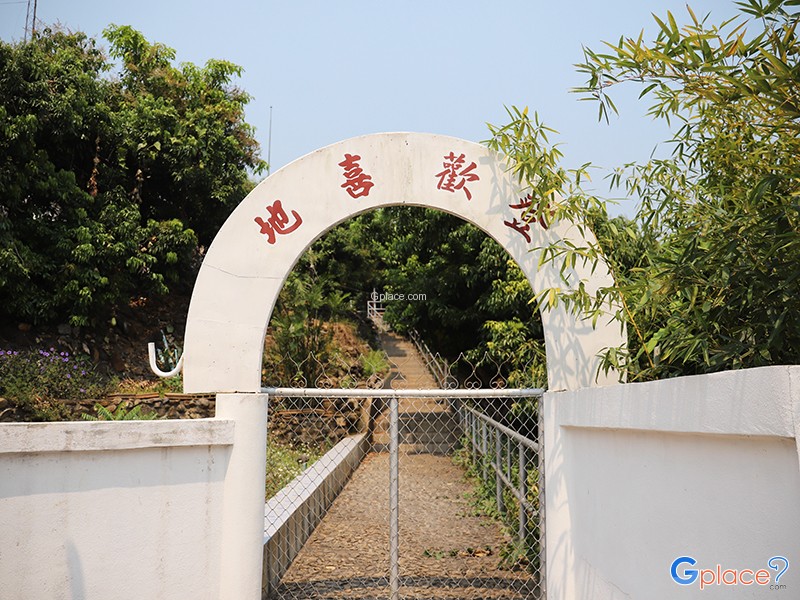
“A Yunnan Chinese shrine on a hillside, enshrining a royal-gifted Guanyin Bodhisattva statue and serving as the faith center and Vegetarian Festival venue of Ban Yang Community.”
Royal Gift Guanyin Shrine, Ban Yang (Royal Gift Guanyin Shrine, Ban Yang), also known as Ban Yang Vegetarian Hall, is an important religious site that reflects the roots, culture, and faith of Thai people of Yunnan Chinese descent, or Chinese Haw people, in Ban Yang Community, Fang District, Chiang Mai. This community is one of the areas where Yunnan Chinese people settled and built their lives alongside local residents in northern Thailand after the Second World War, while continuing to preserve traditions, beliefs, language, food, and certain rituals inherited from their ancestors.
The shrine was established through the collective efforts of local residents as a place for Chinese religious ceremonies, worship of sacred objects, chanting, merit-making, and vegetarian observance. The term “Vegetarian Hall” refers to a place for spiritual practice and the consumption of vegetarian food according to Chinese beliefs, especially during the Vegetarian Festival. During this period, participants refrain from meat and pungent foods in order to cultivate a peaceful mind, reduce harm to living beings, and create merit for themselves and others.
The heart of the shrine is the enshrinement of the royal-gifted Guanyin Bodhisattva statue, a sacred object deeply revered by local residents. Guanyin Bodhisattva is a symbol of mercy, compassion, and assistance for those in suffering. Visitors who come to pay respect often pray for peace, health, safety, work success, and harmony within their families.
The Guanyin Bodhisattva statue inside the shrine was graciously bestowed by Her Royal Highness Princess Maha Chakri Sirindhorn to be enshrined as a spiritual blessing and center of faith for Ban Yang Community. This gives the shrine profound emotional value and makes it a symbol through which local residents remember the royal grace extended to people in remote areas.
The importance of the shrine became even more evident after the flash flood and mudslide disaster in Ban Yang in 2006, which affected the community, including the shrine building and sacred objects inside. Local residents joined together to restore the site and return it to its role as the center of the community. With the royal bestowal of a new Guanyin Bodhisattva statue, the event became a reflection of resilience, unity, and faith that helped the community overcome a difficult period.
In terms of architecture, the shrine and Ban Yang Vegetarian Hall feature an atmosphere of Yunnan Chinese architecture blended with southern Chinese art. The building uses red and gold tones, representing auspiciousness, prosperity, and happiness. The interior and surrounding areas are decorated with Chinese lanterns, auspicious motifs, Chinese characters, and Chinese brush paintings, allowing visitors to experience the cultural identity of the Yunnan Chinese people that remains present in Ban Yang Community.
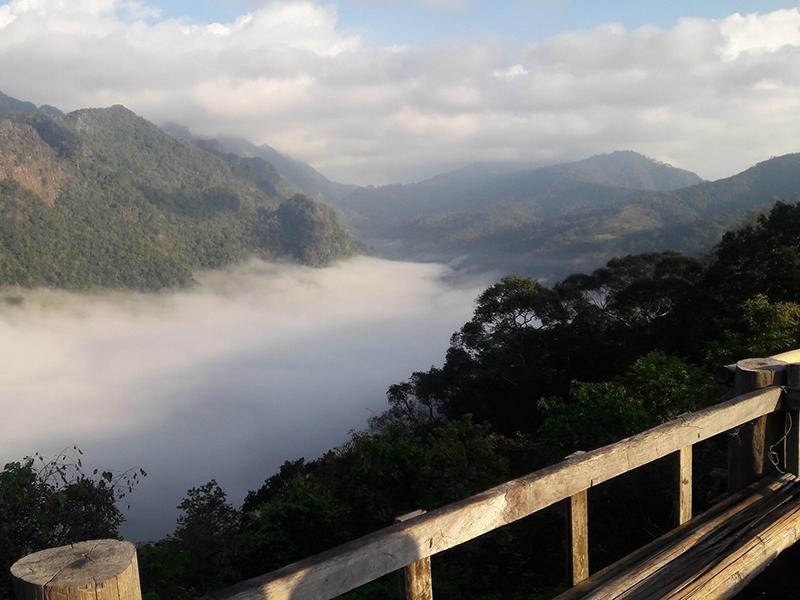
The shrine is located on a hillside above the village, creating a quiet, shady, and peaceful atmosphere suitable for worship and spiritual relaxation. From the front terrace, visitors can see the rooftops of Ban Yang Community, as well as mountain ranges and forested areas at the foothills of Doi Ang Khang. Especially in the morning or late afternoon, natural light makes the village atmosphere feel particularly warm and beautiful.
During the Vegetarian Festival, Ban Yang Vegetarian Hall becomes especially lively as it serves as a gathering center for local people. Traditional Chinese Haw ceremonies, chanting, worship rituals, and vegetarian food preparation are held for visitors and community members. The vegetarian dishes prepared during the festival often reflect the culinary wisdom of Yunnan Chinese people, using local vegetables, tofu, mushrooms, and traditional seasonings. This is another aspect that allows visitors to connect closely with the lifestyle and stories of the community.
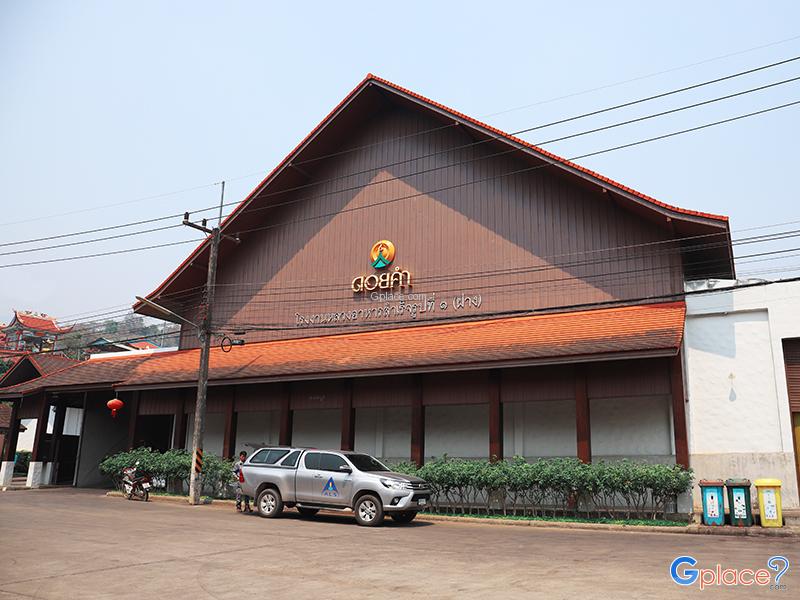
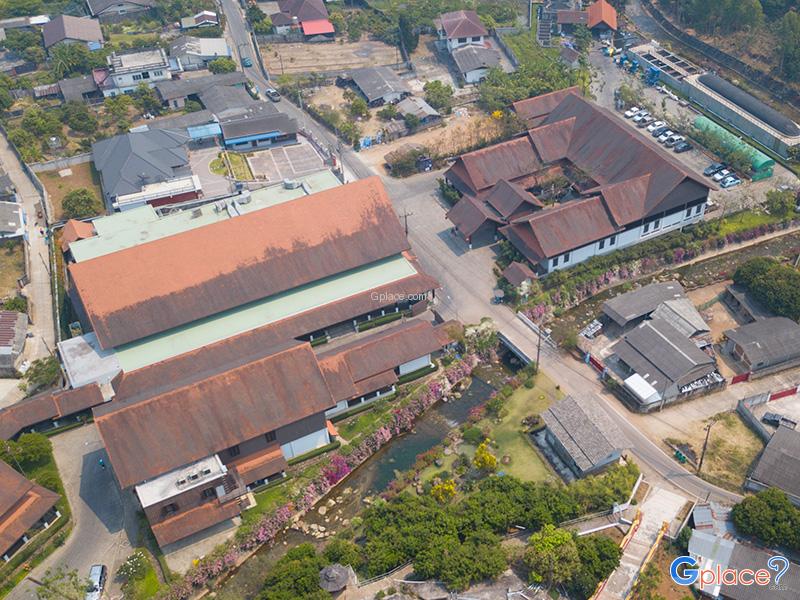
In addition to paying respect to Guanyin Bodhisattva, visitors can also take this opportunity to learn about the history of Ban Yang Community, which is connected to highland development and the former operations of Royal Project Factory 1 (Fang). Walking through the village is therefore not only a visit to a religious site, but also a way to understand the relationship between ethnic communities, quality-of-life development, and the cultural landscape of Fang District.
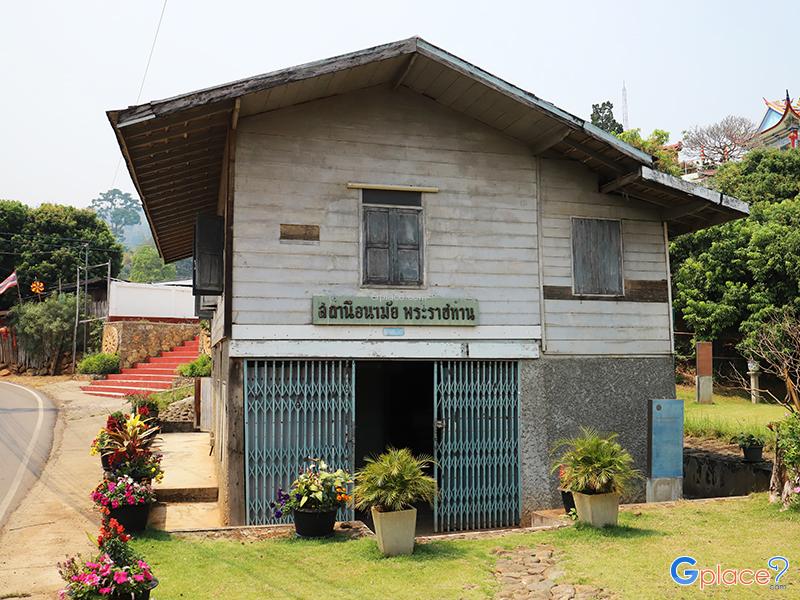
Visitors are recommended to plan a trip to Royal Gift Guanyin Shrine, Ban Yang together with the Royal Project Factory 1 Museum (Fang) and Ban Yang Temple, or the Anam Nikaya Buddhist Temple, which are located nearby and can be visited within half a day. The route is suitable for travelers interested in cultural tourism, community history, the lifestyle of Yunnan Chinese people, and the simple atmosphere of a village along the route to Doi Ang Khang.
How to Get There
- By Private Car: Use the same route as traveling to Royal Project Factory 1 (Fang). After entering Ban Yang Community, there is a sign pointing to the turnoff leading up to Royal Gift Guanyin Shrine. The route uphill is slightly steep and paved with concrete. All types of vehicles can drive up and park at the parking area above the shrine.
- By Public Transportation: If you arrive at the Royal Project Factory 1 Museum in Ban Yang, you can walk along the route within the village to the shrine. The distance is approximately 300–400 meters, takes only a short time, and allows you to enjoy the lifestyle atmosphere of Ban Yang Community along the way.
Travel Tips
- Dress politely and appropriately, as this is a sacred place and a venue for spiritual practice; avoid unsuitable clothing.
- Remove your shoes before entering the main building and avoid making loud noise to preserve the peaceful atmosphere.
- Enjoy the view from the front terrace, where you can see Ban Yang Community and the mountain ranges at the foothills of Doi Ang Khang.
- Visit in the morning or late afternoon, when the weather is less hot and suitable for walking around the shrine and taking photographs.
- Connect your itinerary with the Royal Project Factory 1 Museum and Ban Yang Temple, which can be visited continuously within half a day.
Admission Fee:
- Free admission; there is no entrance fee.
- Visitors may make donations for water and electricity expenses or purchase incense and candles according to their faith and willingness.
Opening Hours:
- Open daily for visits and worship from 07:00 AM to 05:00 PM.
Royal Gift Guanyin Shrine Ban Yang

 Share
Share
 Moo 12, Mae Ngon, Fang, Chiang Mai 50320
Map
Moo 12, Mae Ngon, Fang, Chiang Mai 50320
Map
 Closed today
Mon7.00 - 17.00
Tue7.00 - 17.00
Wed7.00 - 17.00
Thu7.00 - 17.00
Fri7.00 - 17.00
Sat7.00 - 17.00
Sun7.00 - 17.00



 26
26
Recommend trips
All reviews
(List 0 review)Nearby Places
 Organic Vegetable Demonstration Plots and Temperate Crop Gardens Ang Khang Royal Agricultural Station
(List 0 review)
Distance 8.43 Kilometer