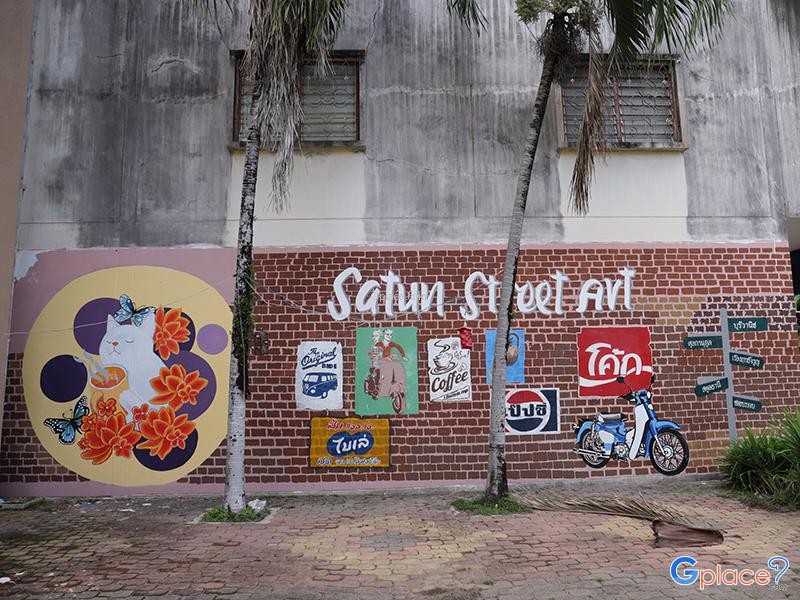
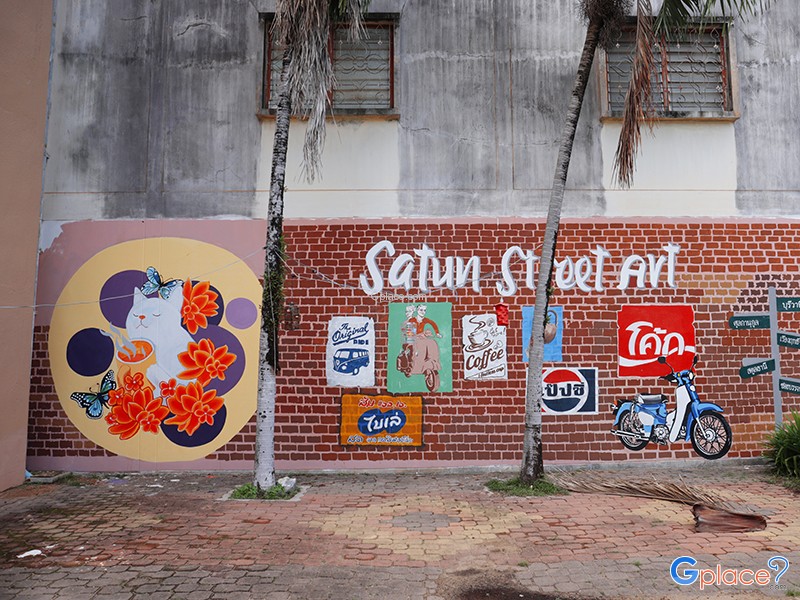
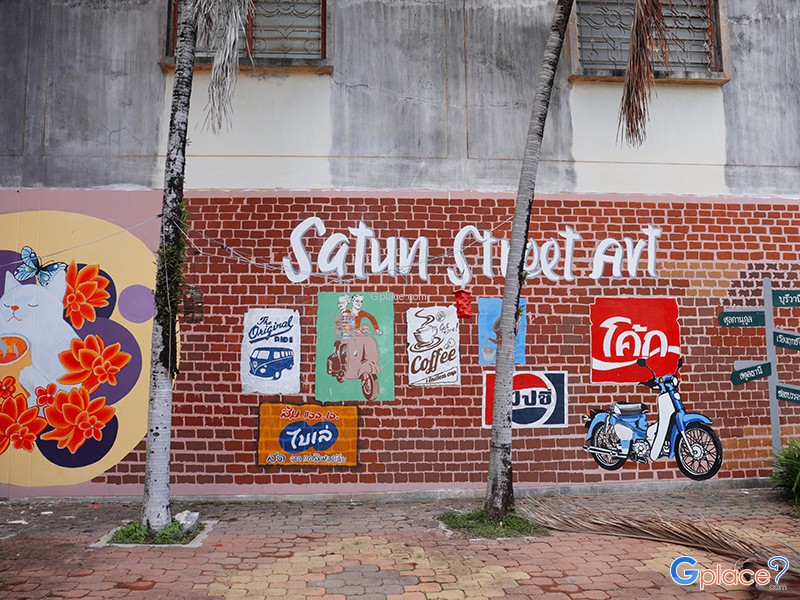
Satun Street Art is part of an initiative to revitalize the old commercial district of Satun Municipality into a contemporary Urban Art Space, where creative works are closely tied to local identity. The core concept, “a city that tells stories through its walls,” transforms old buildings, shop houses, and traditional commercial spaces into platforms for cultural storytelling.
This area is more than just urban decoration—it serves as an open-air museum that narrates the story of Satun, a province recognized as the Satun UNESCO Global Geopark. This designation highlights its global geological significance, particularly its ancient fossils dating back hundreds of millions of years, such as nautiloids, along with layered rock formations that record Earth’s prehistoric history.
Artistic Concept
Artists involved in the project interpret “Satun” through three main themes:
- Geology & Nature – showcasing the richness of the sea, mountains, and prehistoric fossils
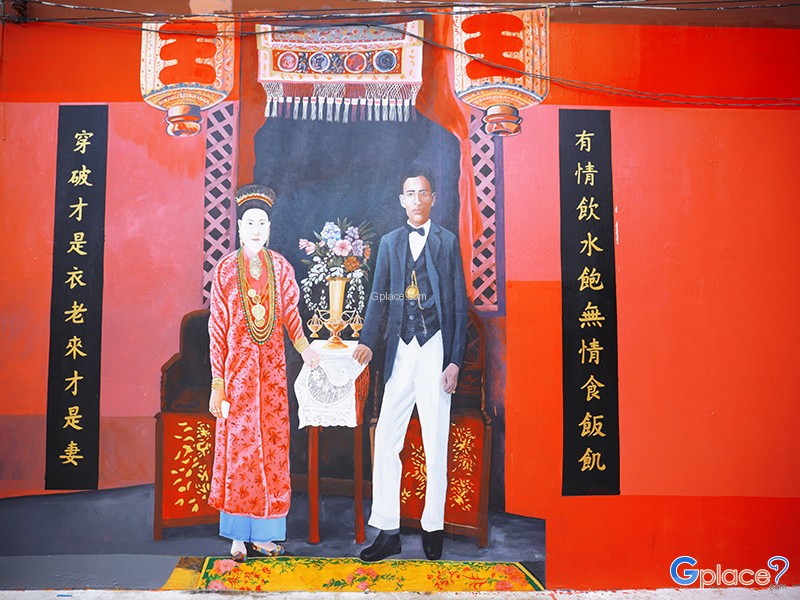
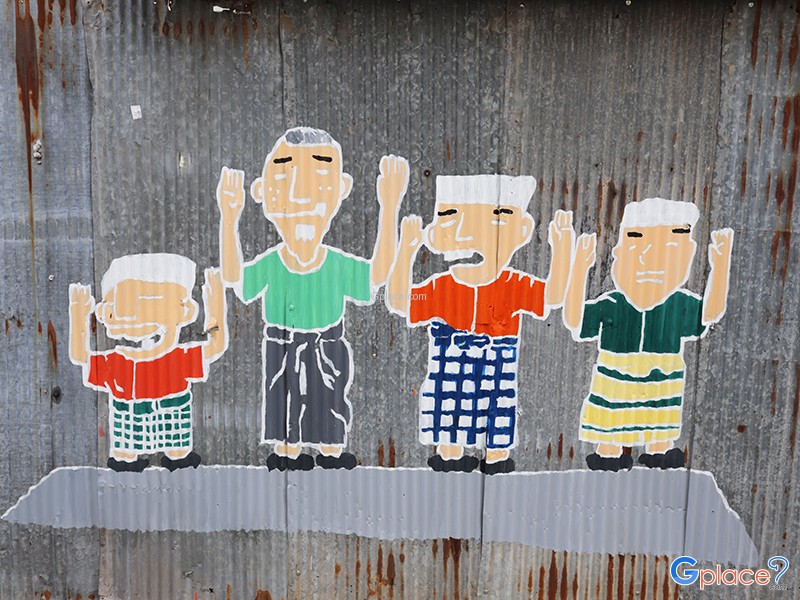
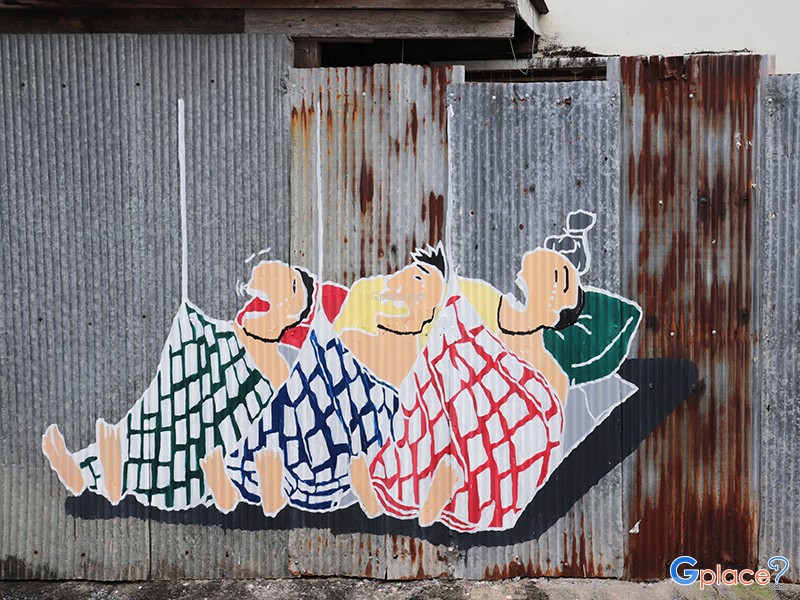
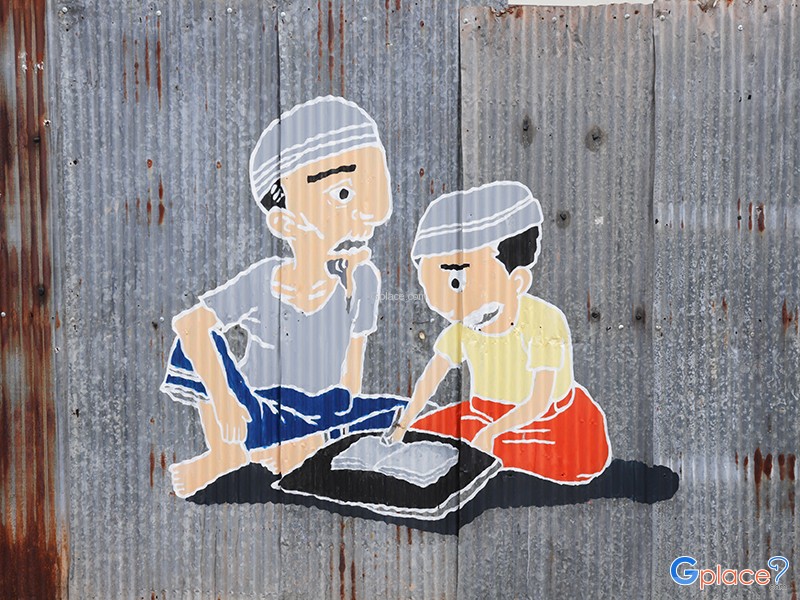
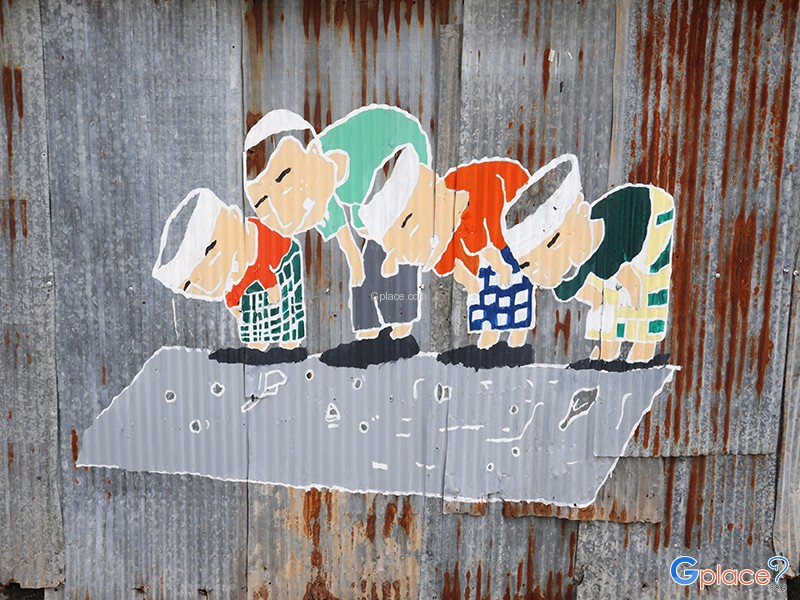
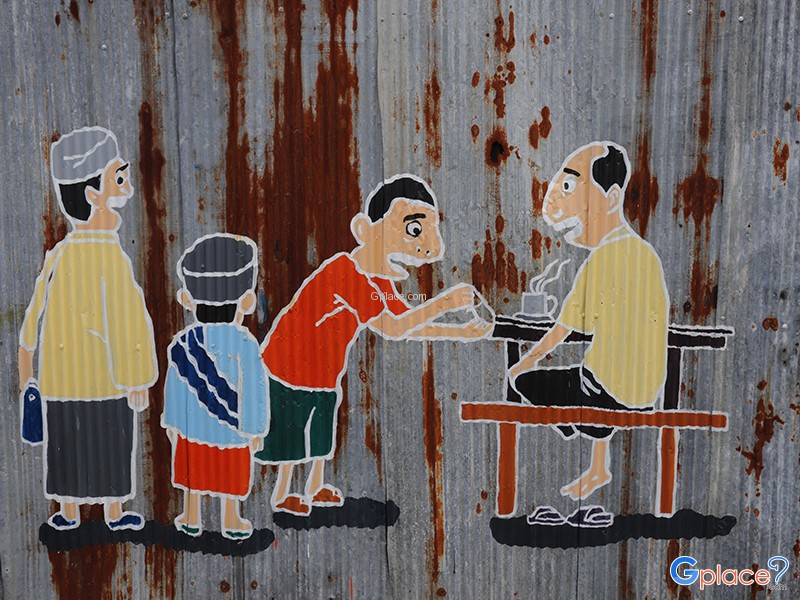
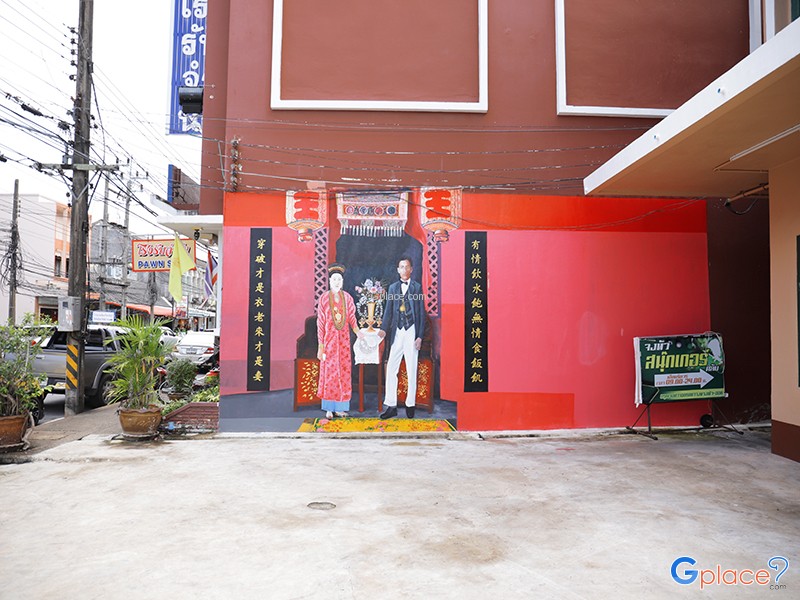
- Multicultural Identity – reflecting the harmonious coexistence of Thai Buddhists, Thai Muslims, and sea gypsy communities
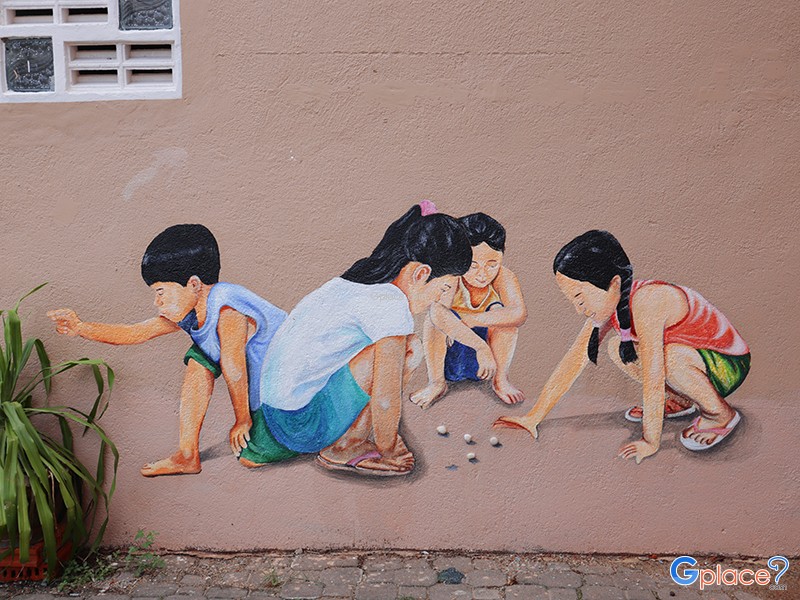
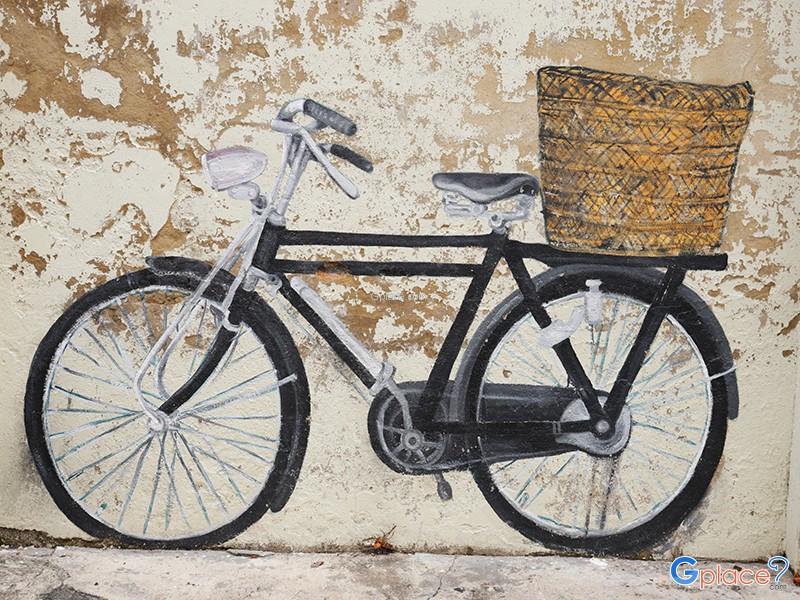
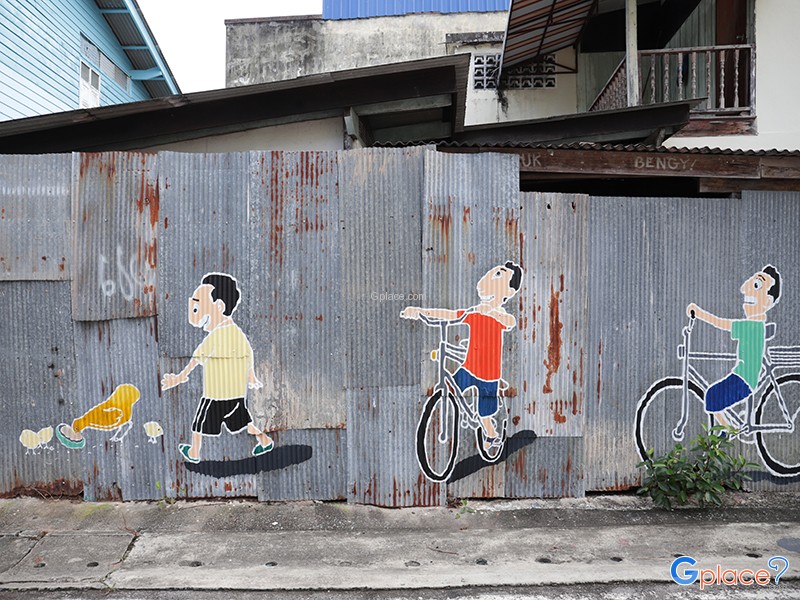
- Local Lifestyle – portraying old markets, traditional cuisine, fishing practices, and canal-side living
Artworks & Key Highlights
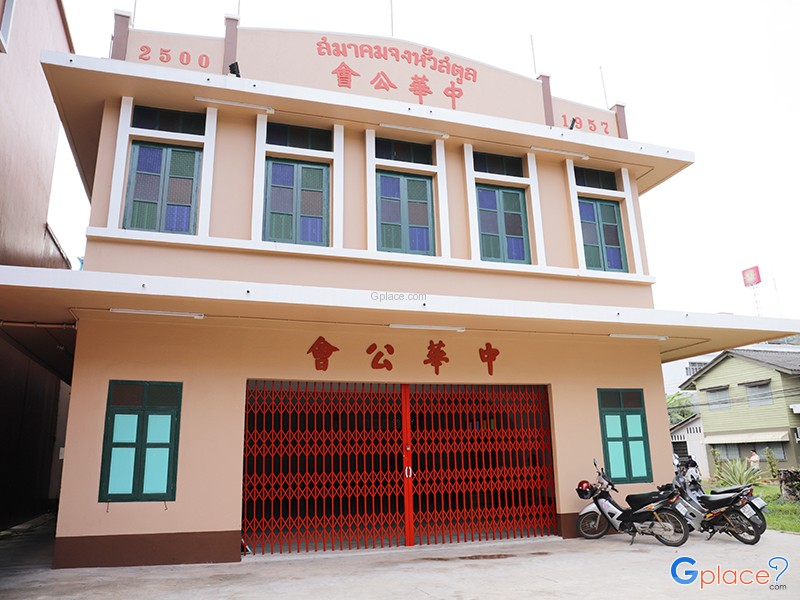
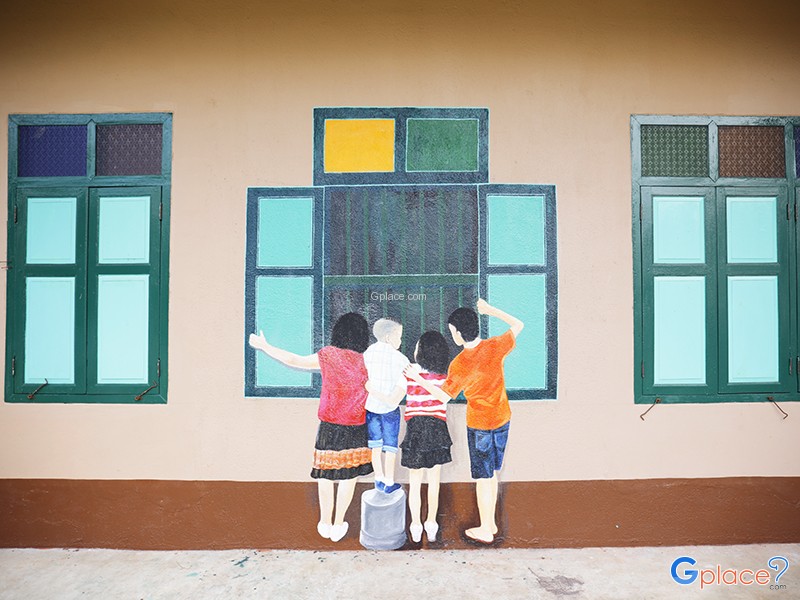
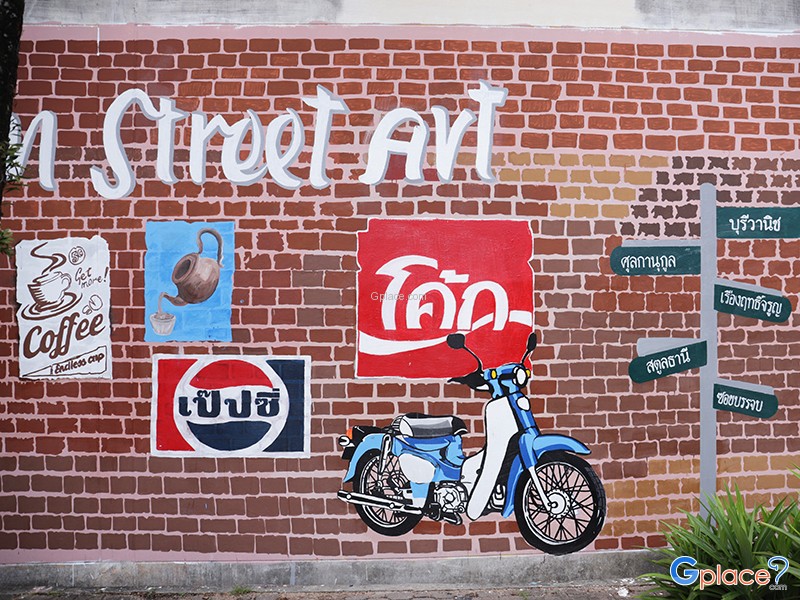
The murals are spread across Buriwanich Road and Satun Thani Road, within the old town area known for its Sino-Portuguese and Malay-influenced architecture. The historic backdrop enhances the visual impact of the artwork.
Common highlights include:
- Hornbill murals symbolizing natural abundance
- Nautiloid fossil art representing ancient geological heritage
- Scenes of local fishermen and coastal life
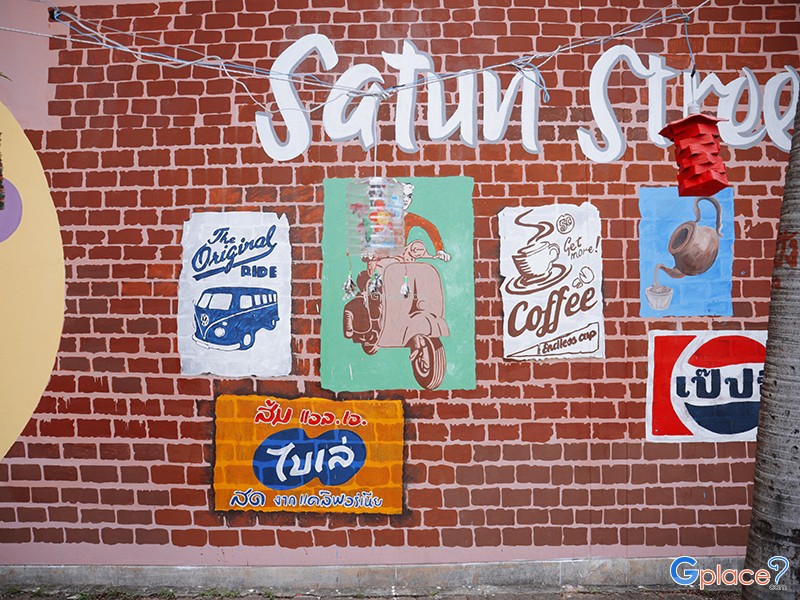
- Old-town markets, coffee shops, and everyday local moments
- Contemporary designs incorporating Jawi script and traditional patterns
This project is part of a broader urban regeneration effort, transforming a once purely commercial district into a vibrant cultural walking destination. Visitors can explore the entire area on foot within 1–2 hours, making it ideal for both cultural tourism and photography.
Beyond aesthetics, the initiative also supports the local economy by encouraging visitors to engage with nearby cafés, small shops, and community businesses. As a result, Satun Street Art is not just about visual appeal—it represents a sustainable approach to urban and cultural development.

 Attractions
  Hotel
Hotel  Restaurant
  Shopping
  Abroad







 Share
Share
 Mueang,Satun, Satun 91000
Map
Mueang,Satun, Satun 91000
Map
 Open now


 2189
2189