 Attractions
  Hotel
Hotel  Restaurant
  Shopping
  Abroad





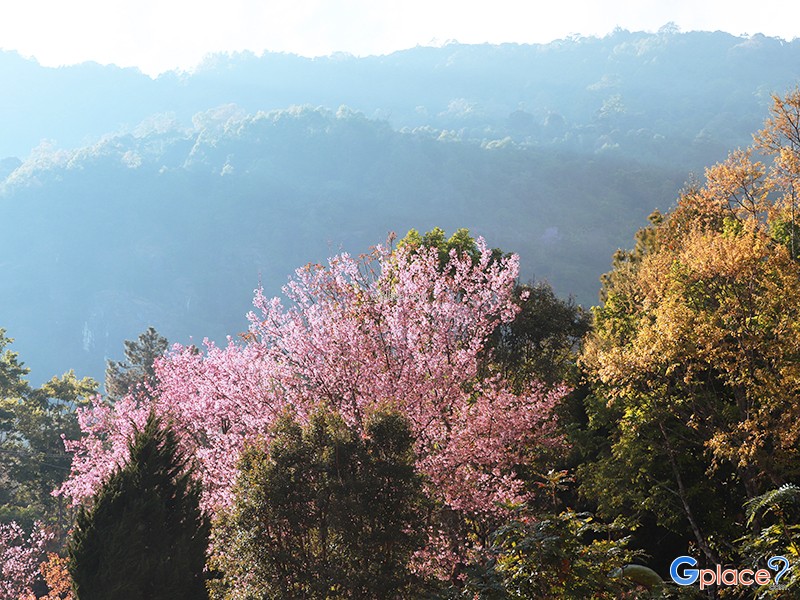

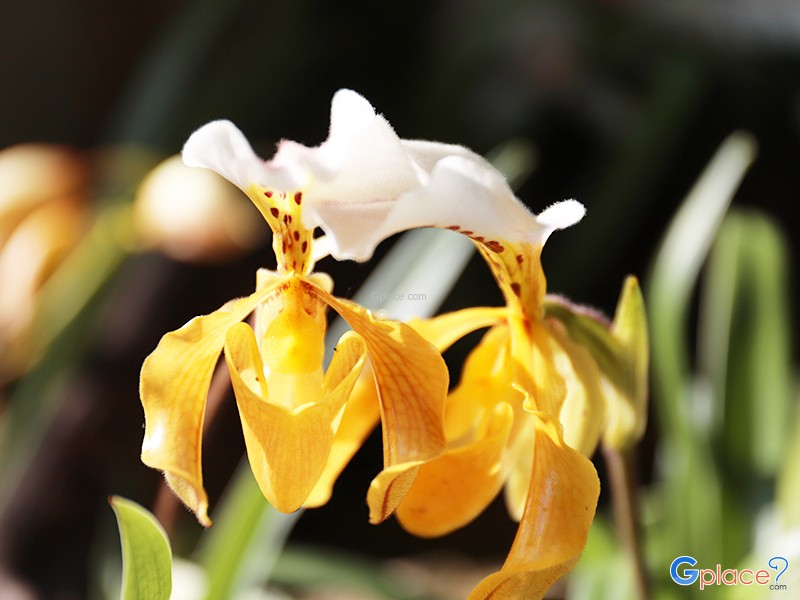
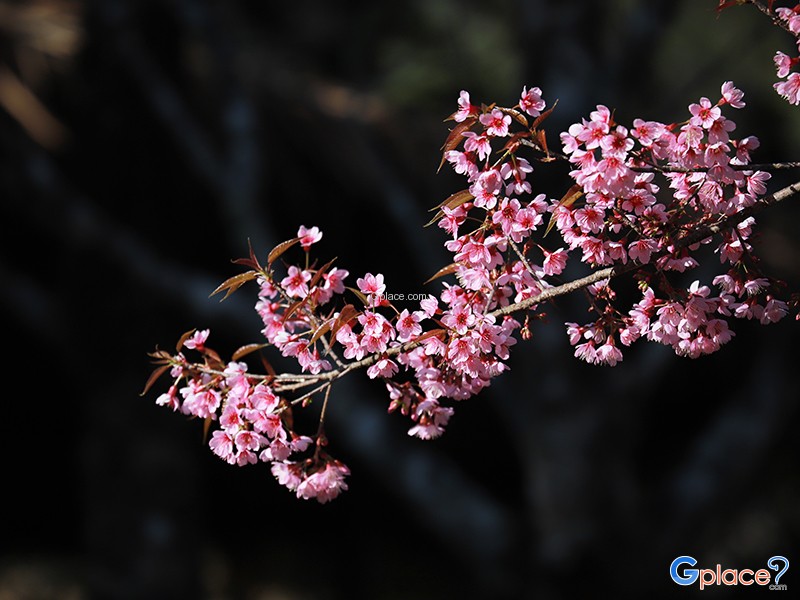
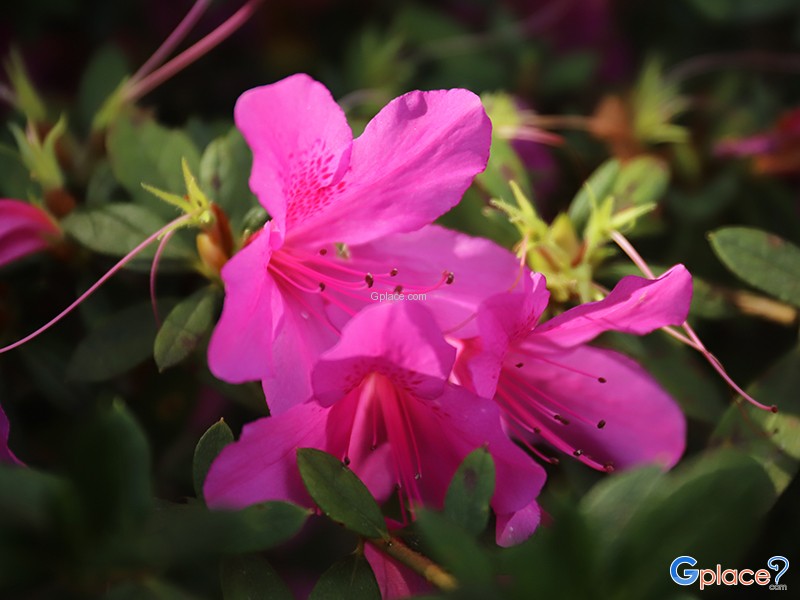
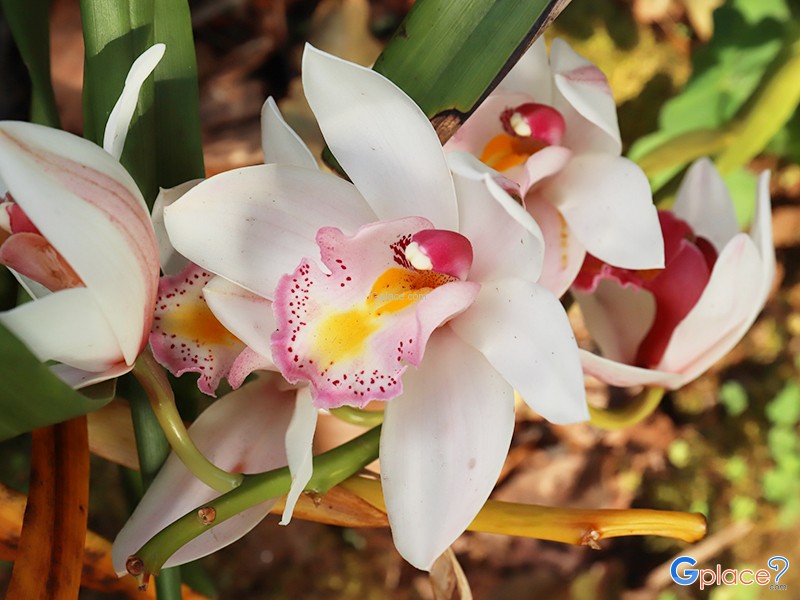
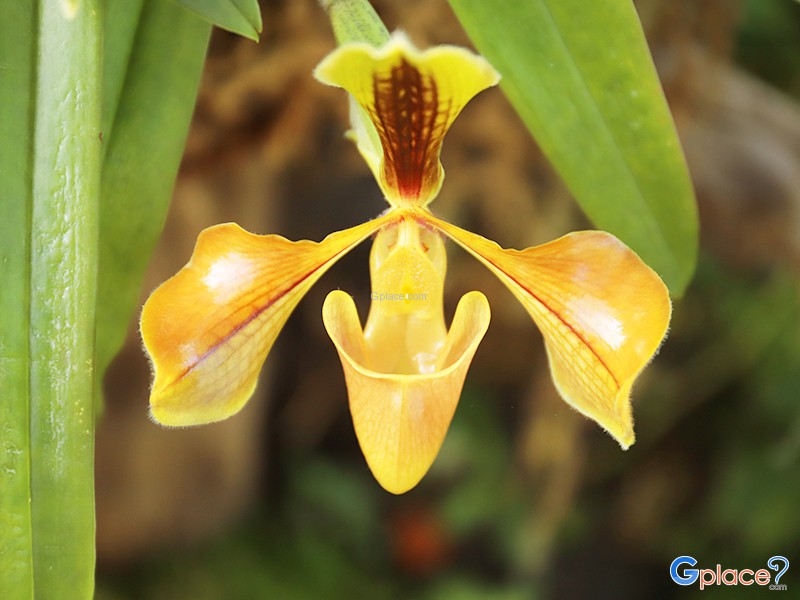
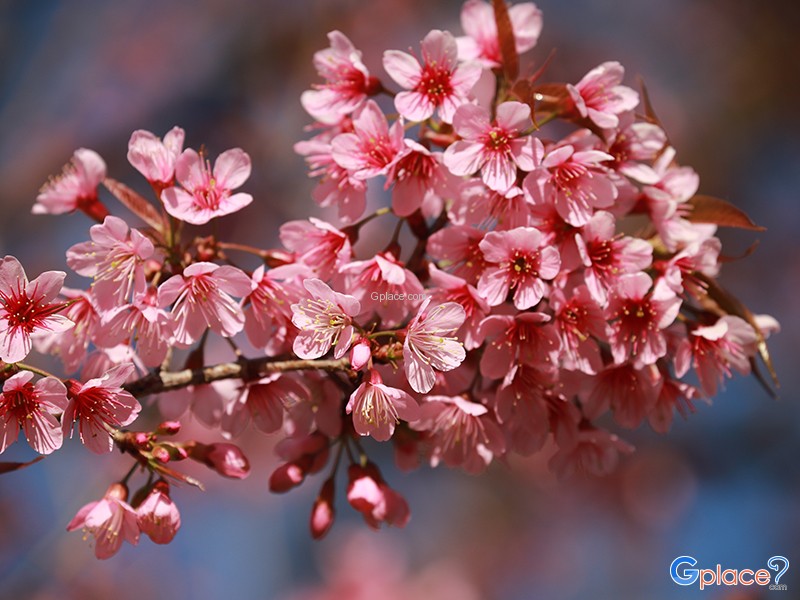
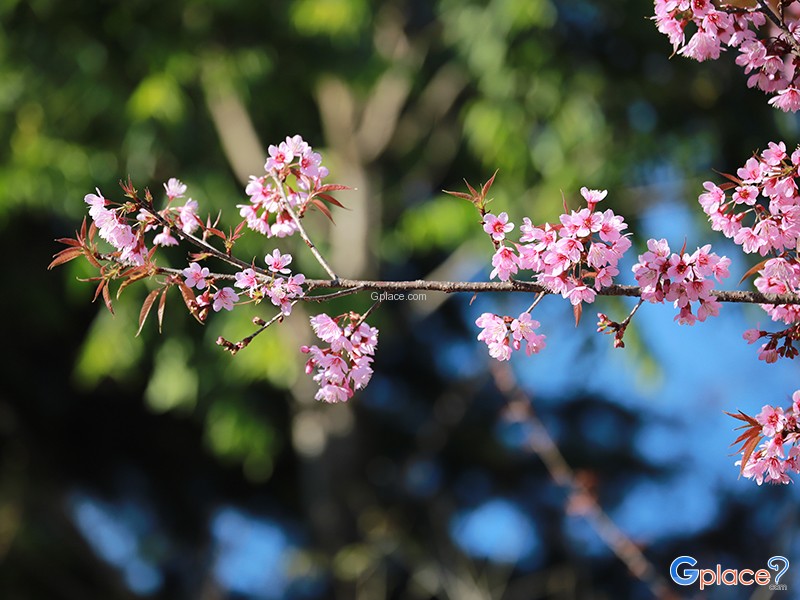
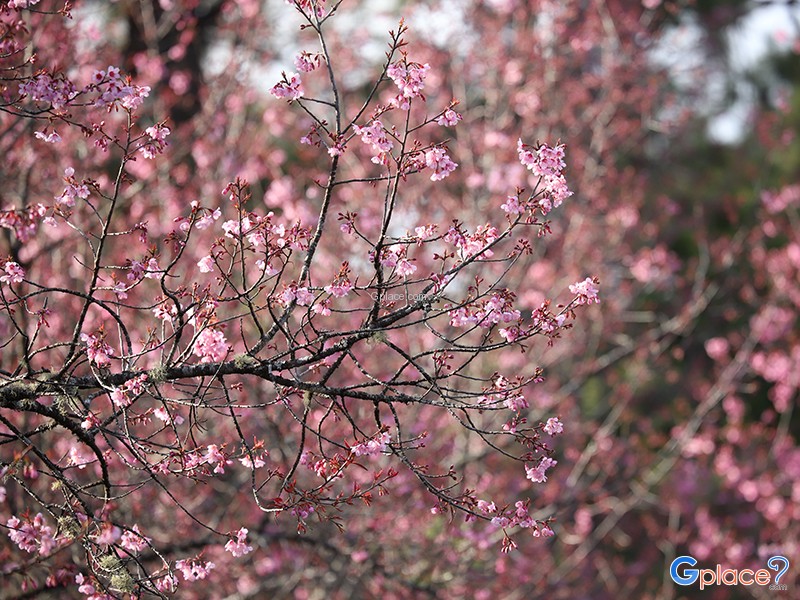
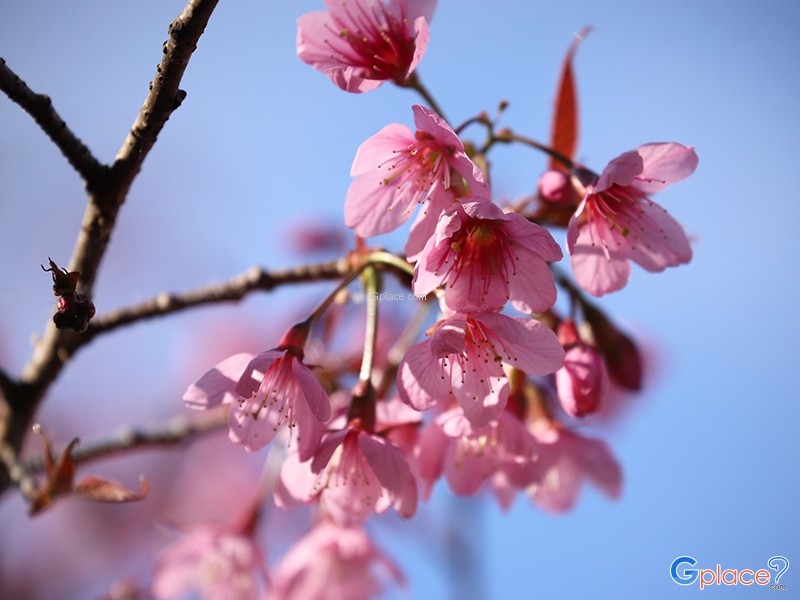
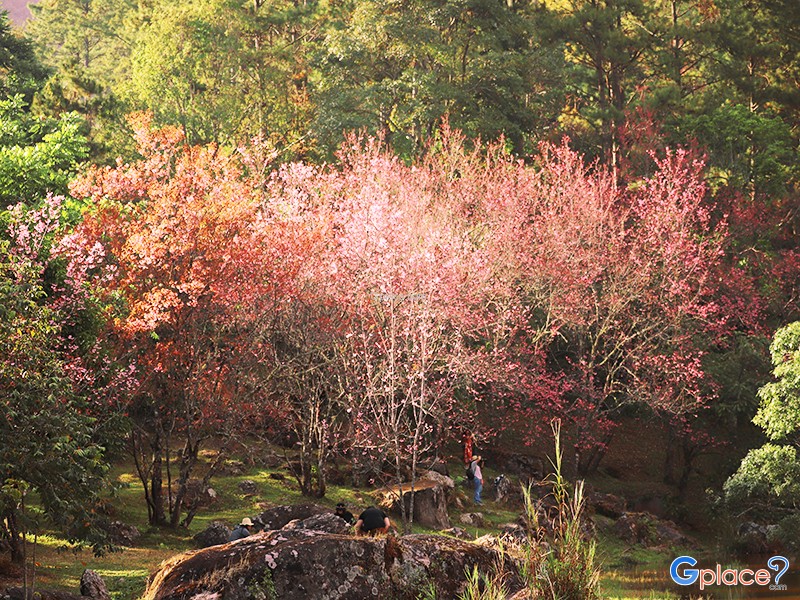
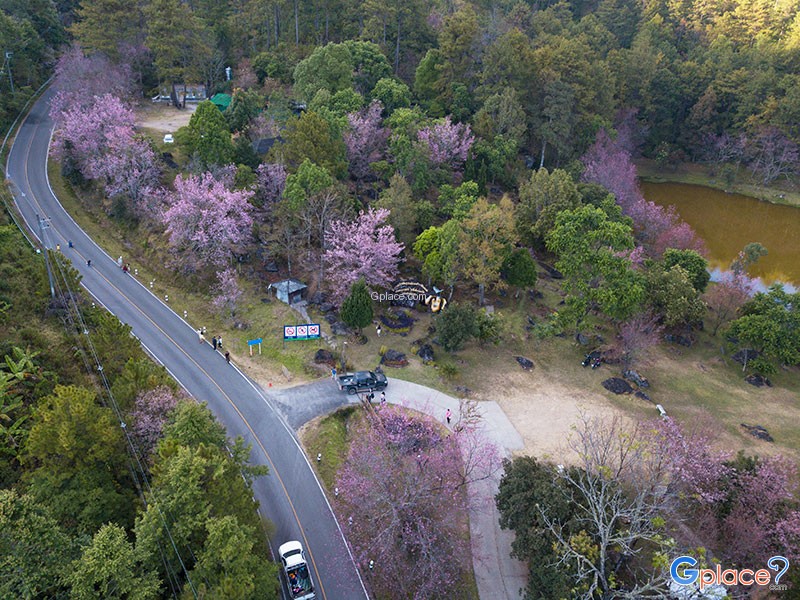
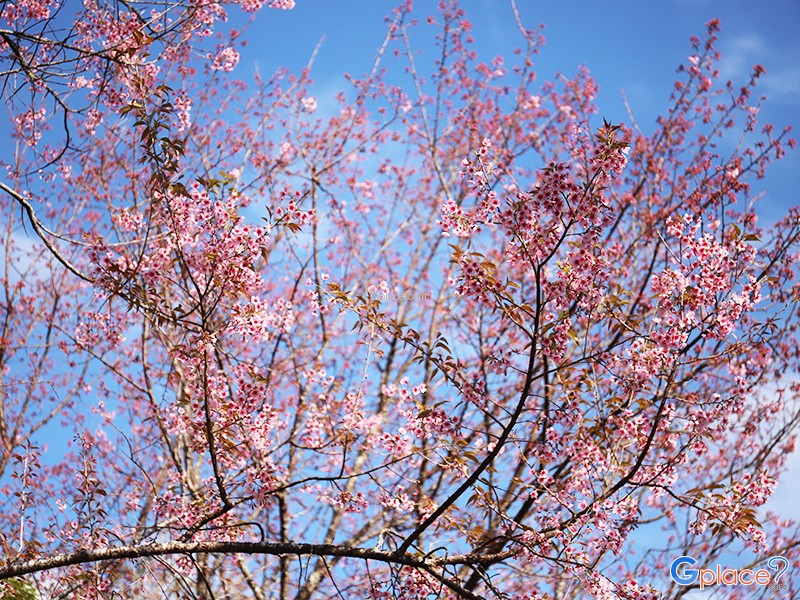
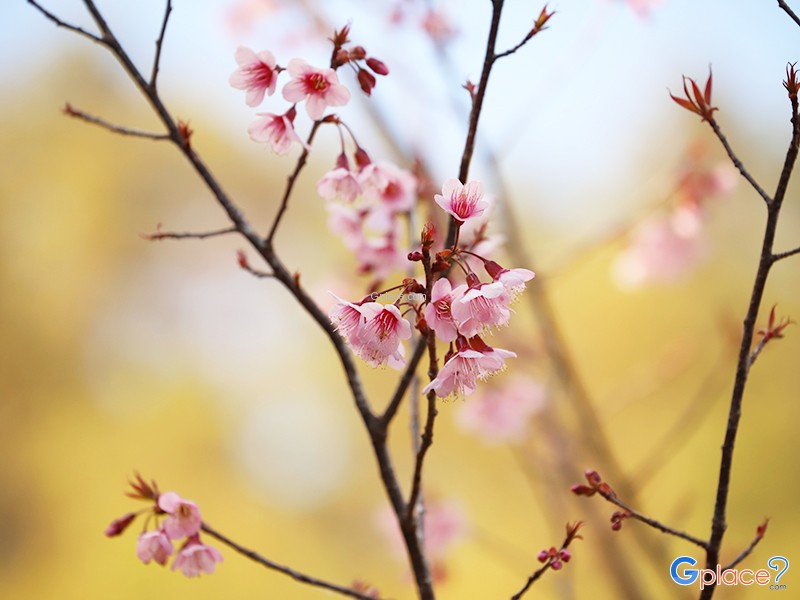

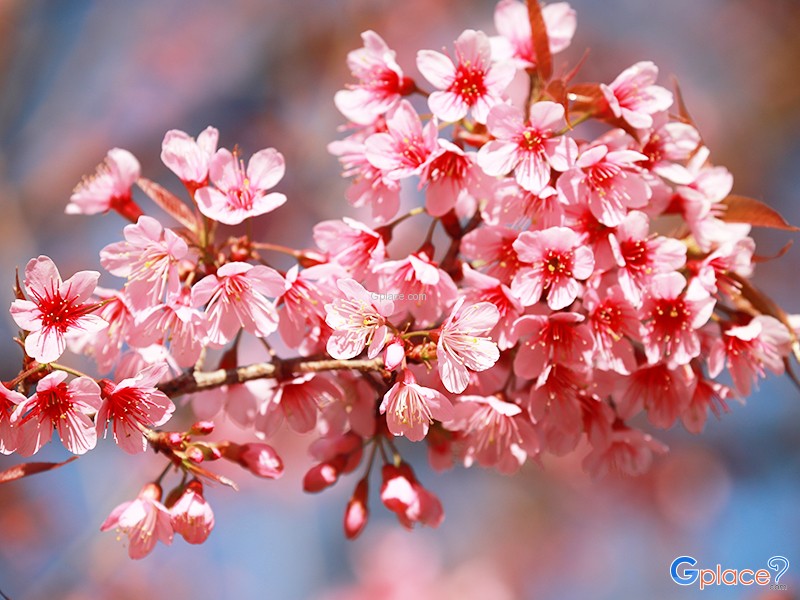
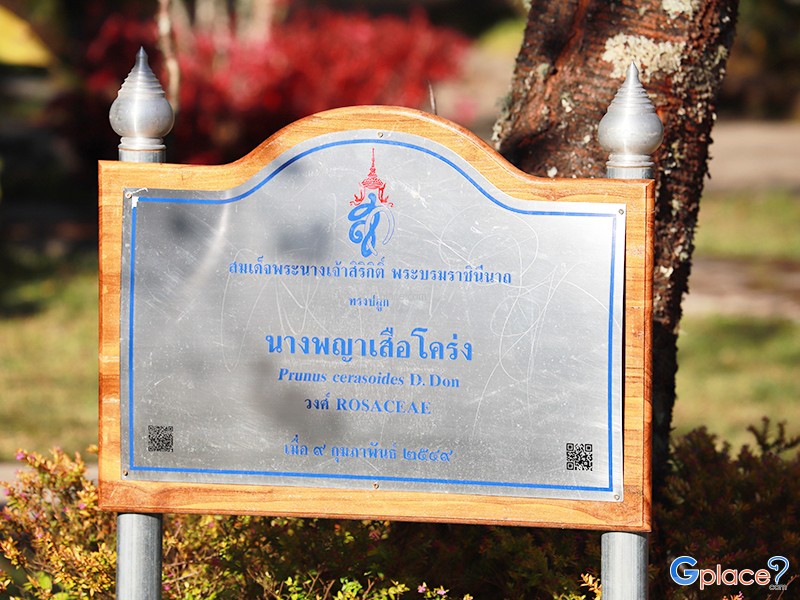
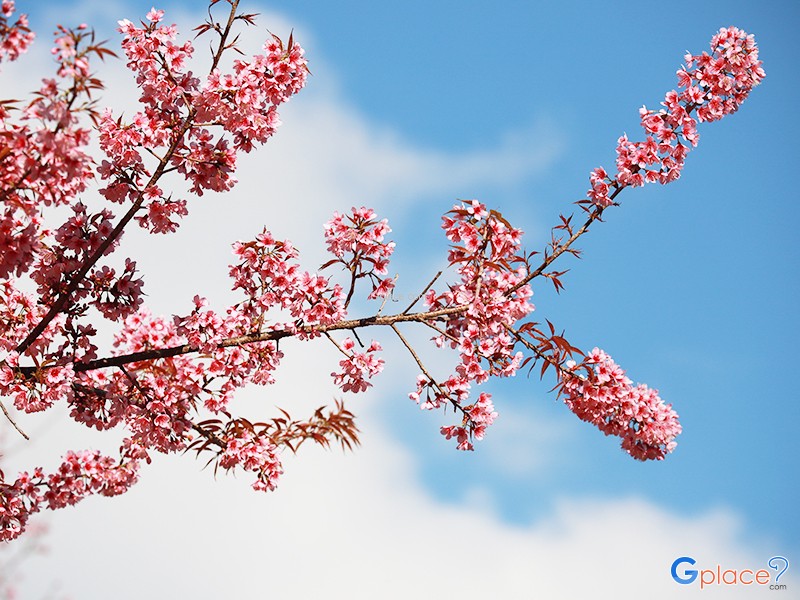
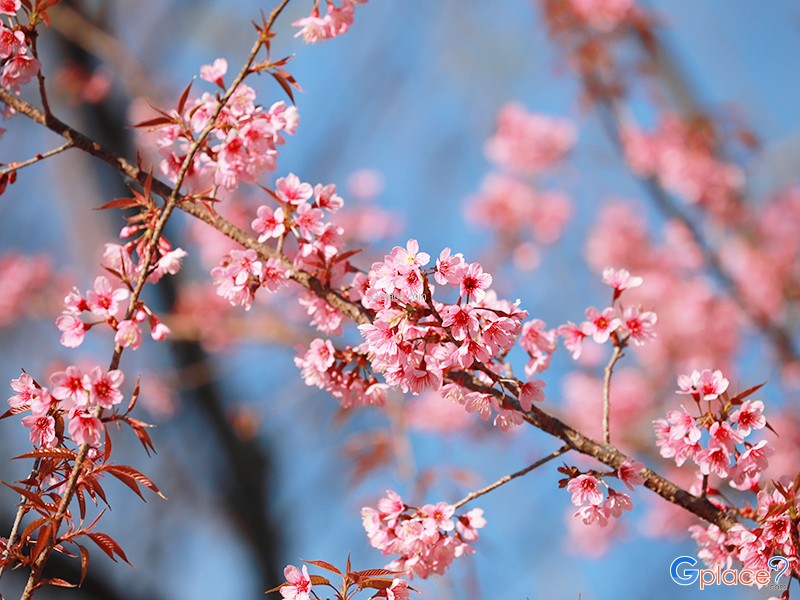
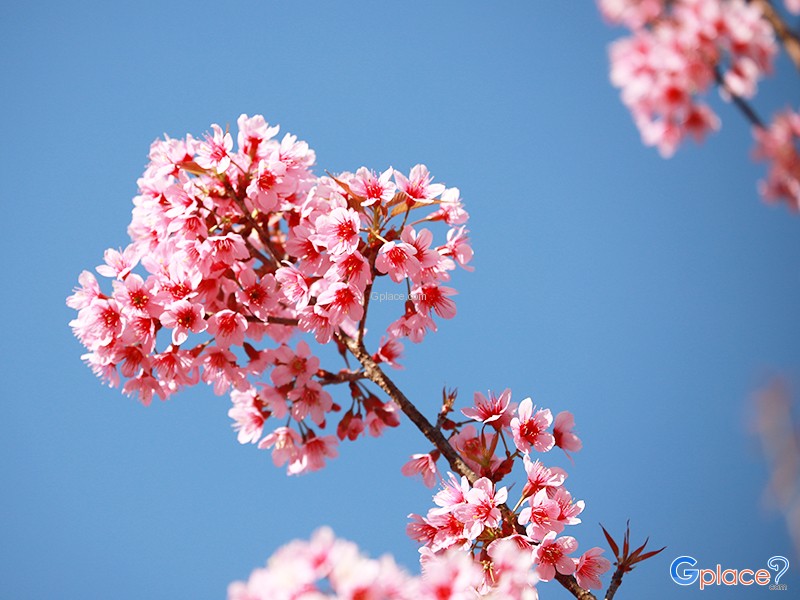
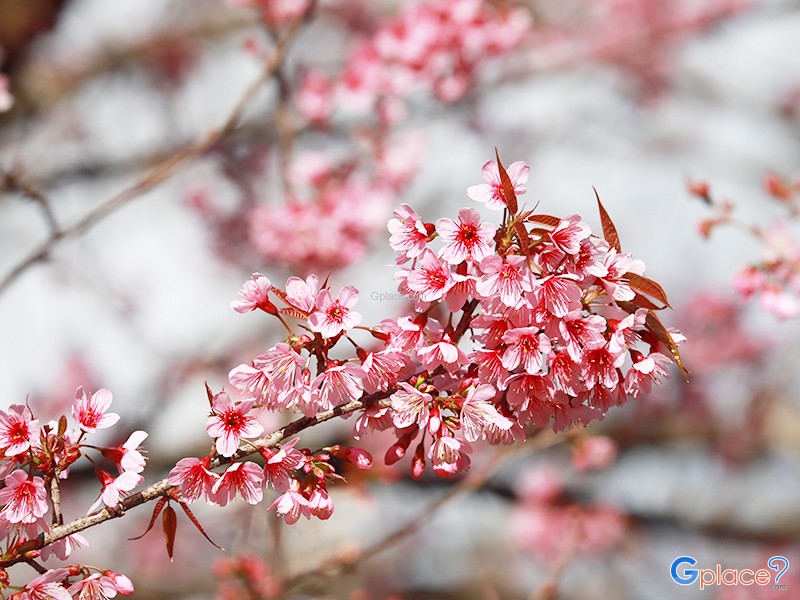
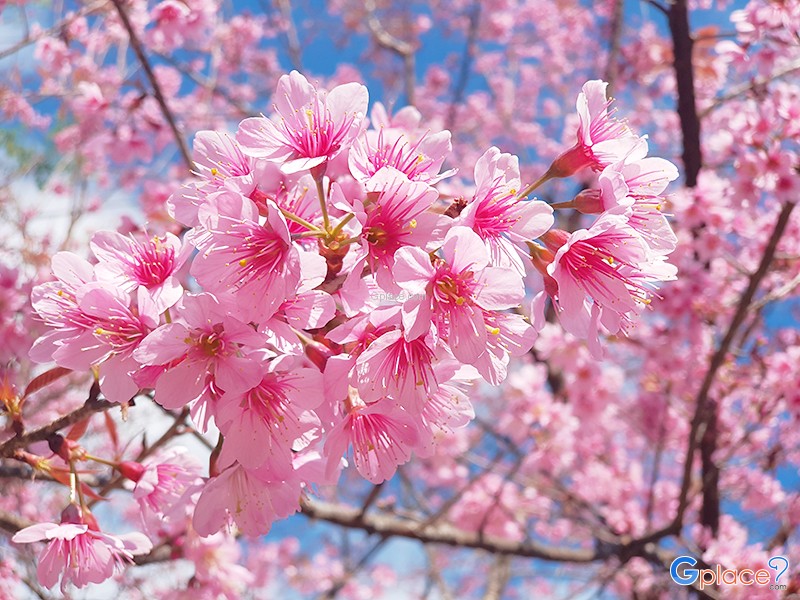
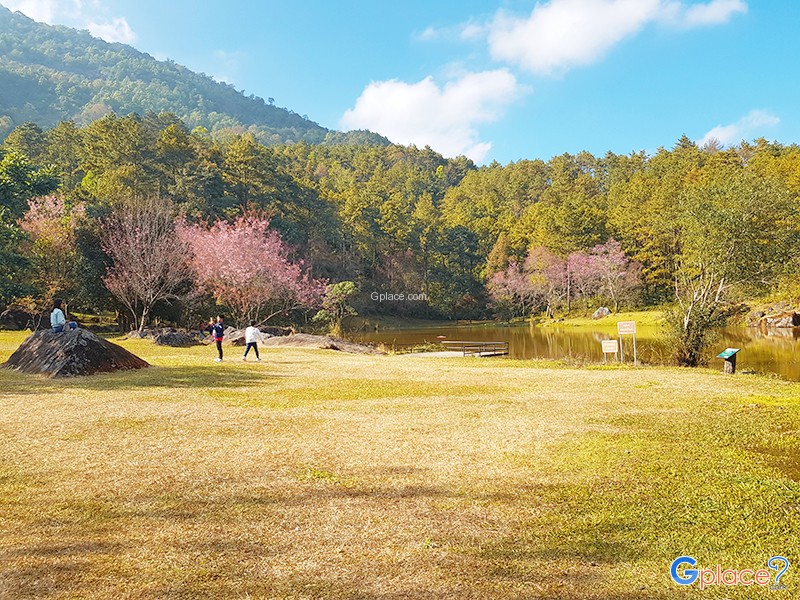
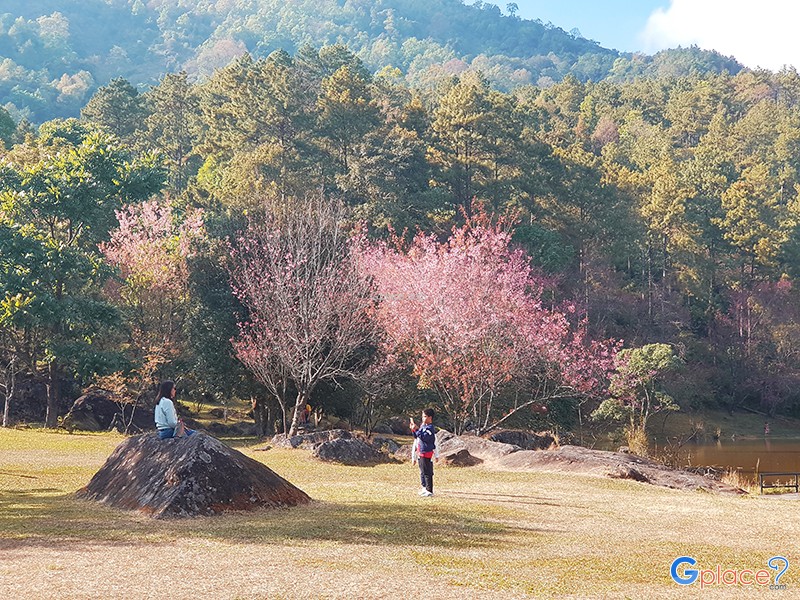
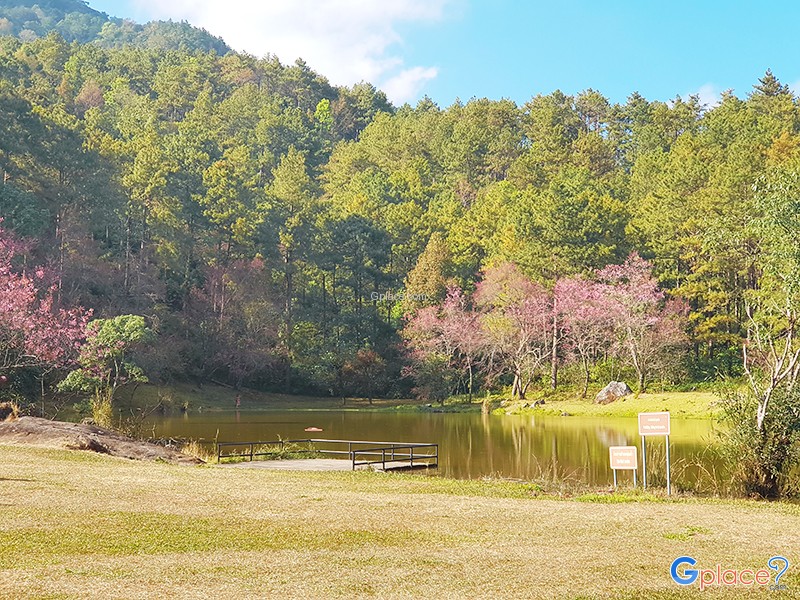
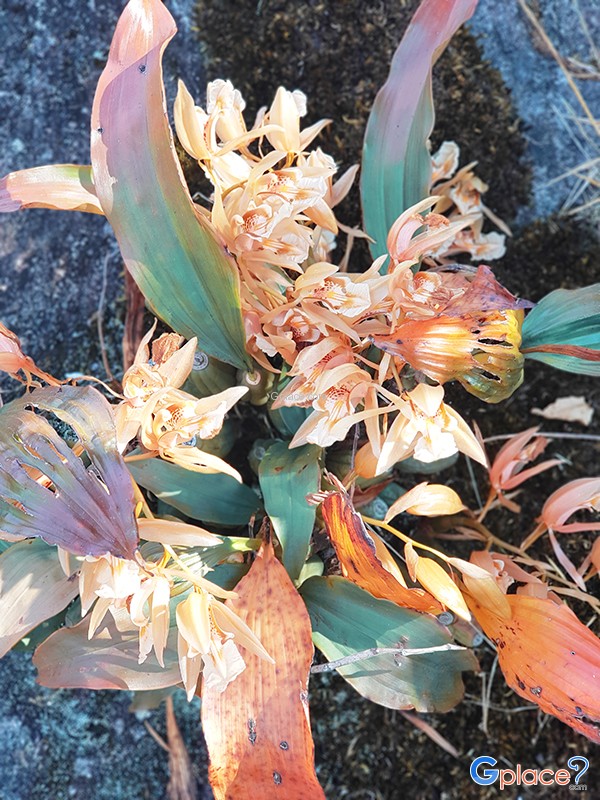
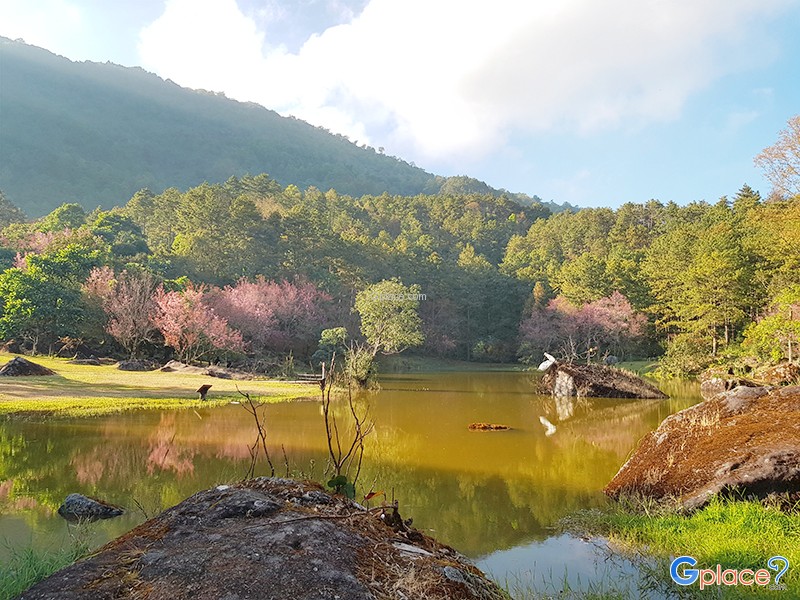
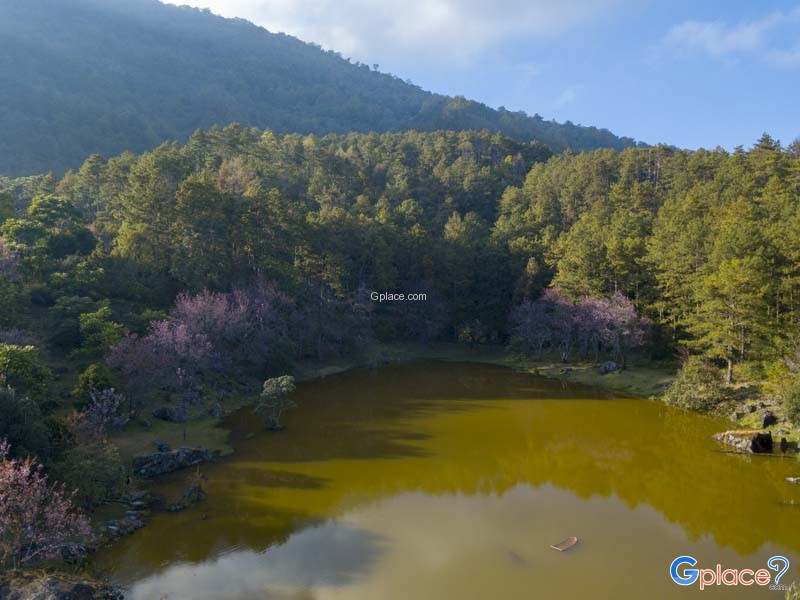
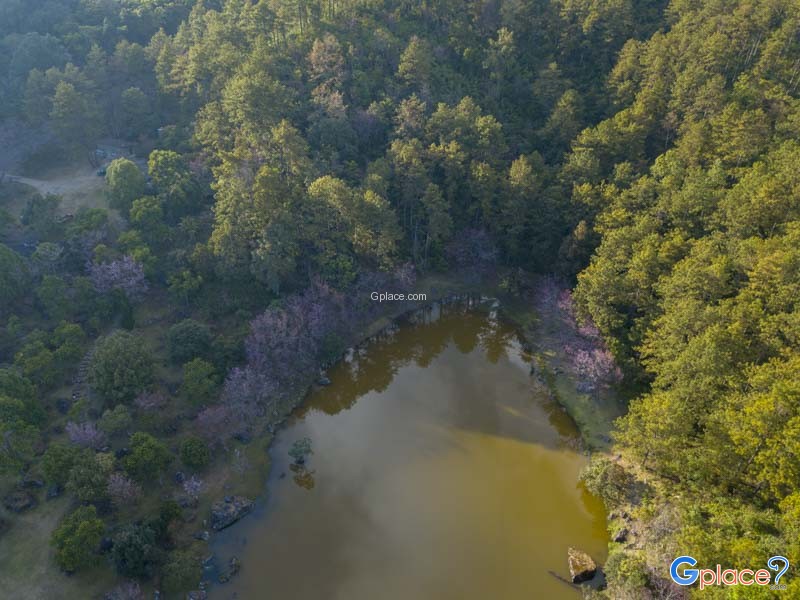
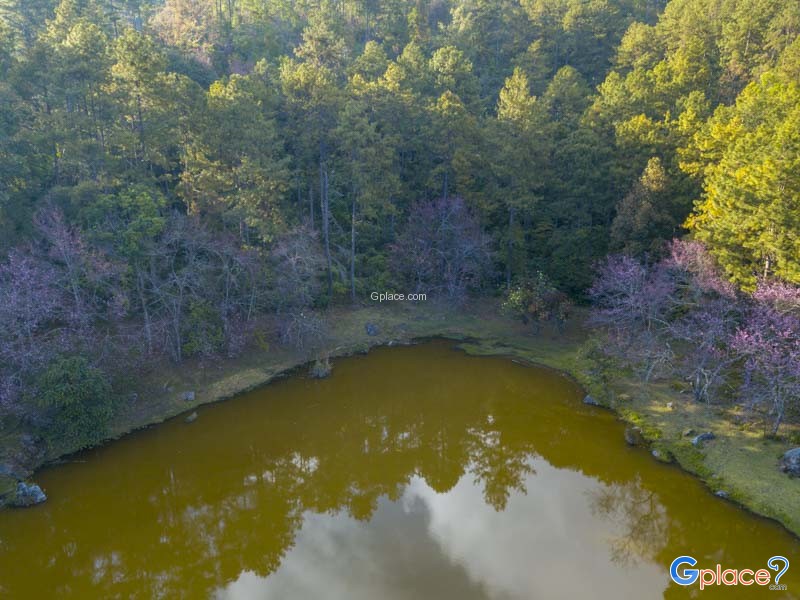
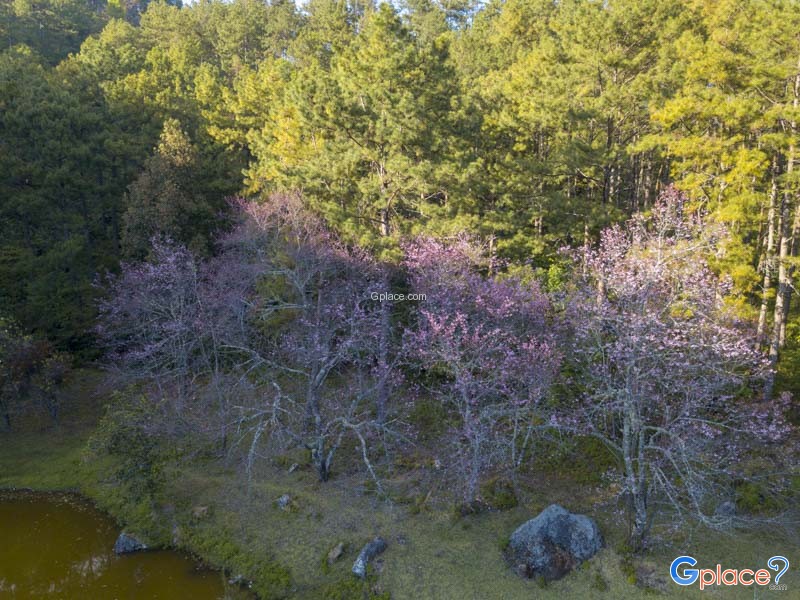
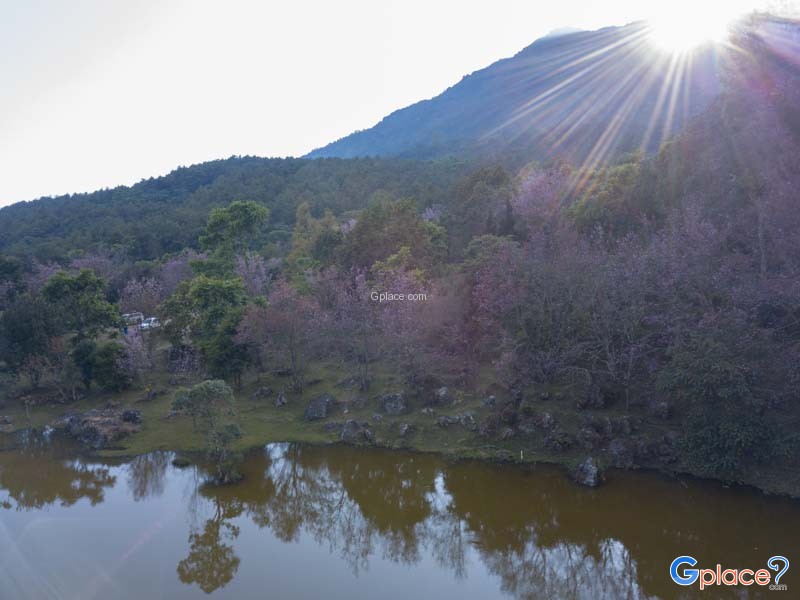
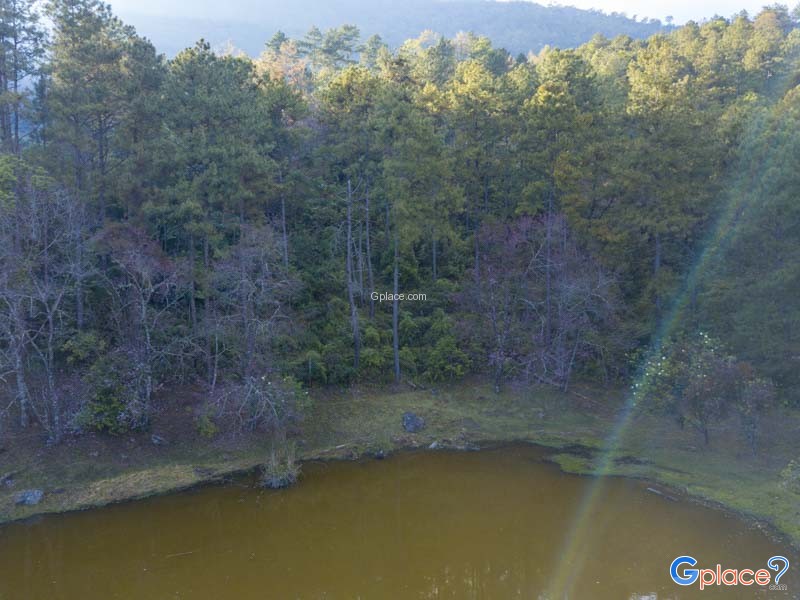
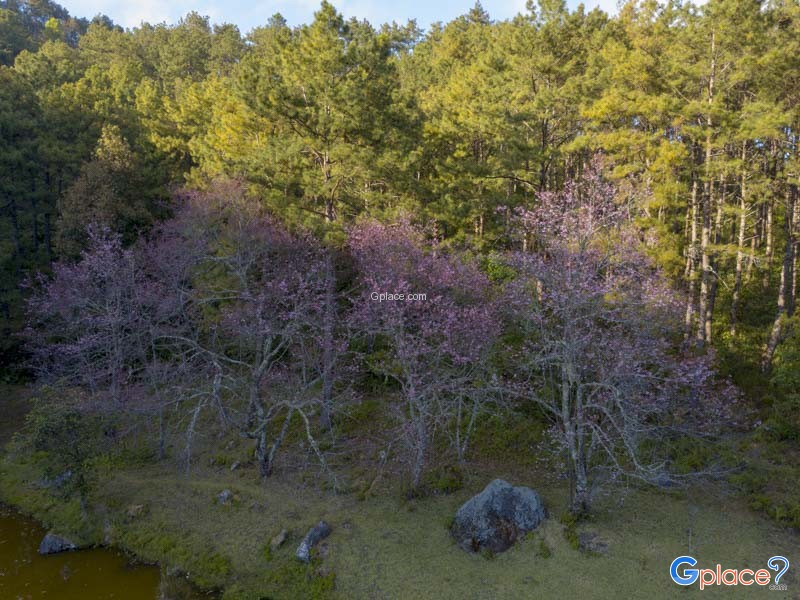
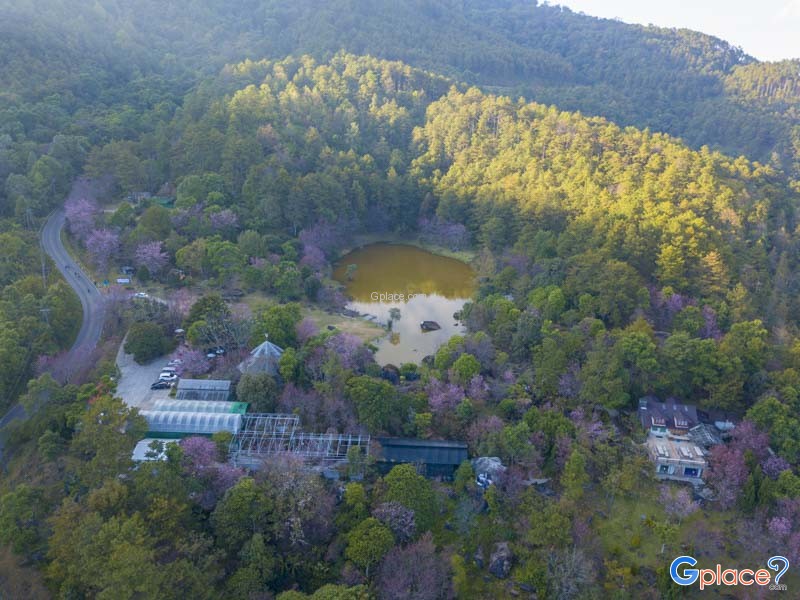
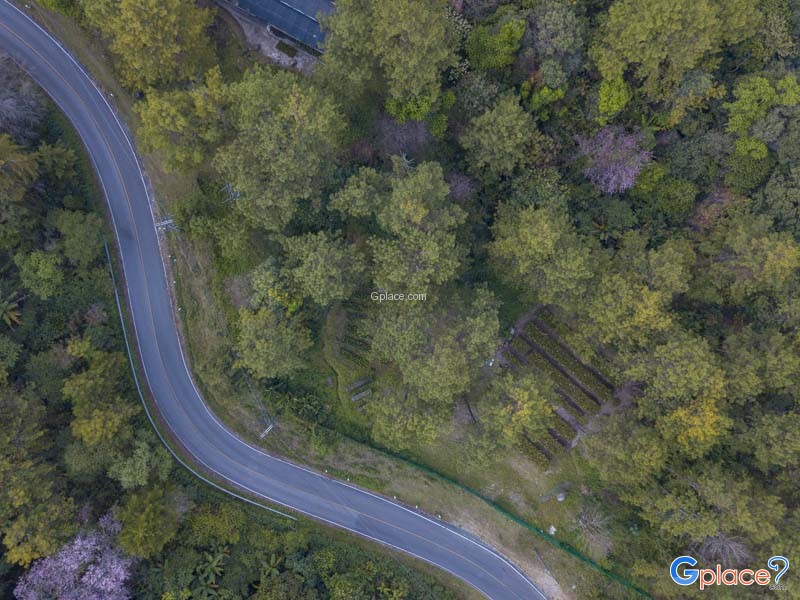
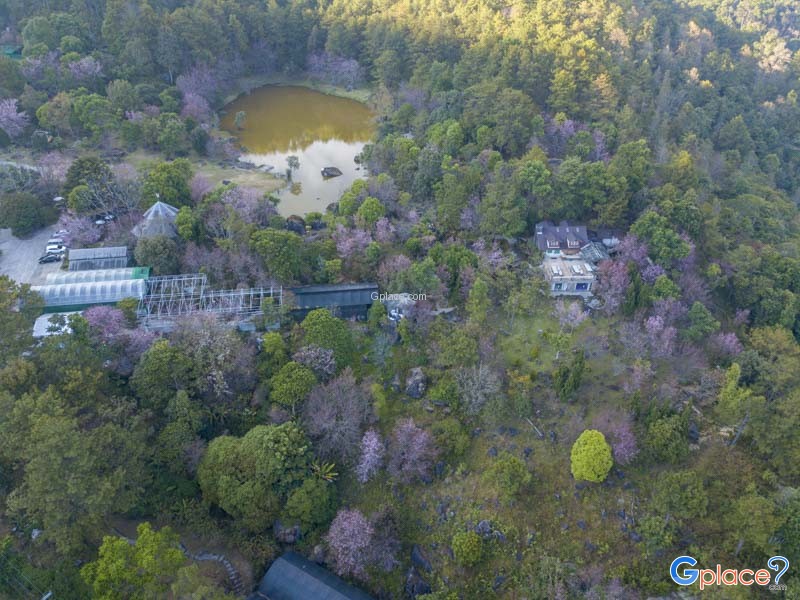
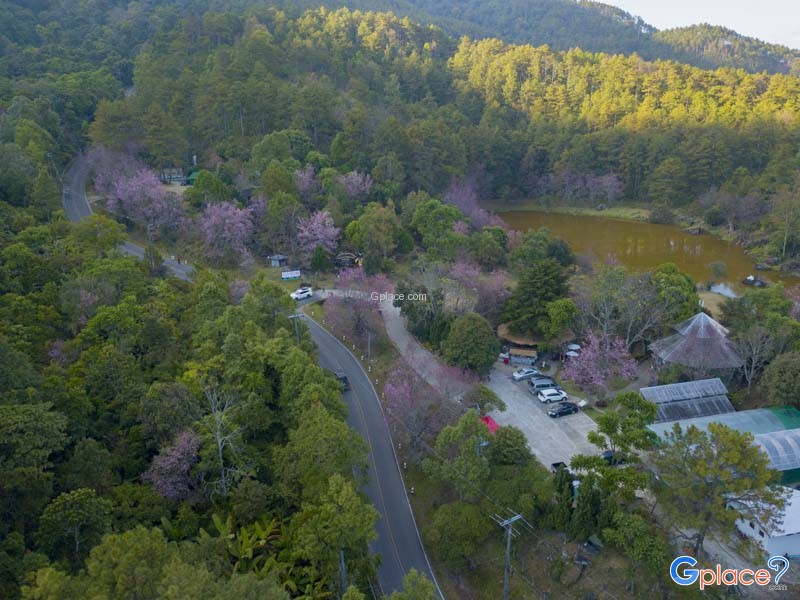
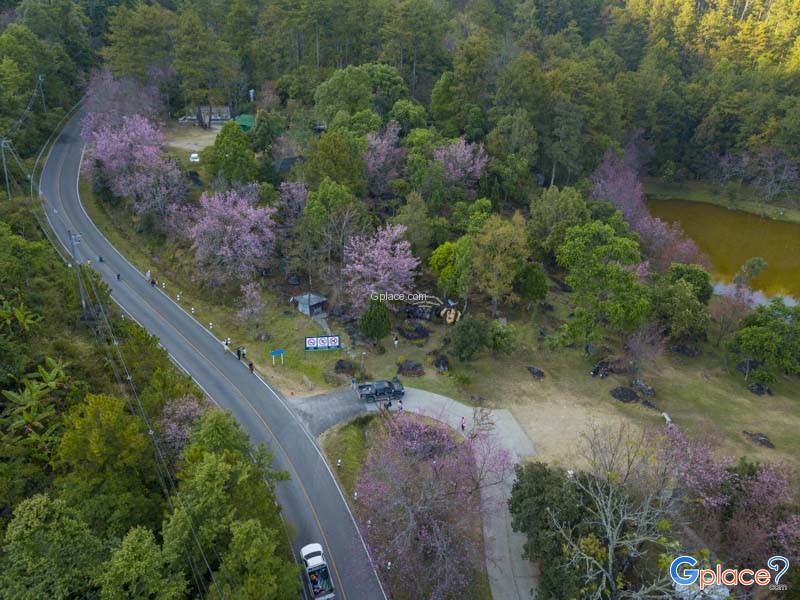
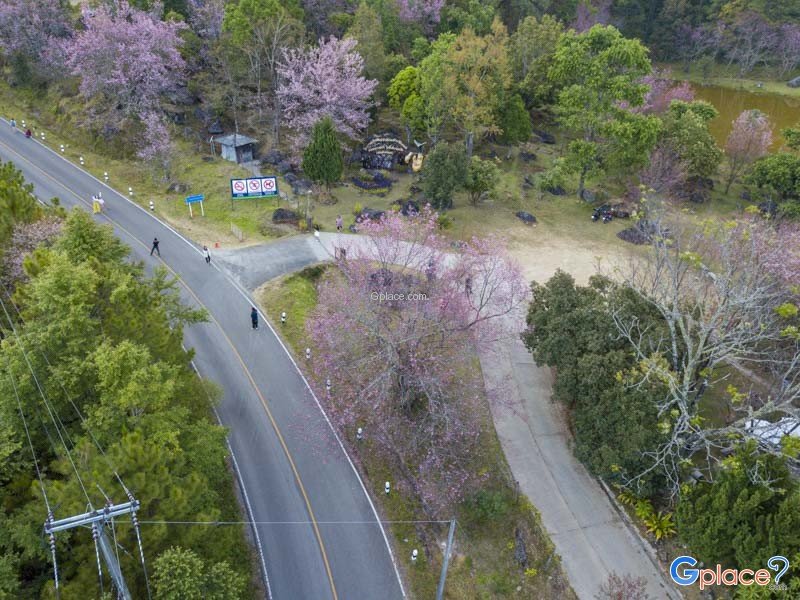

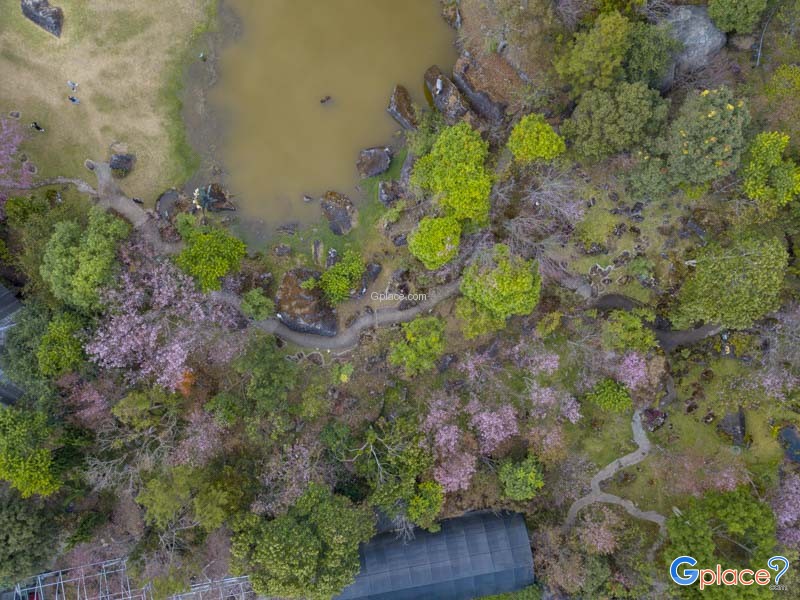
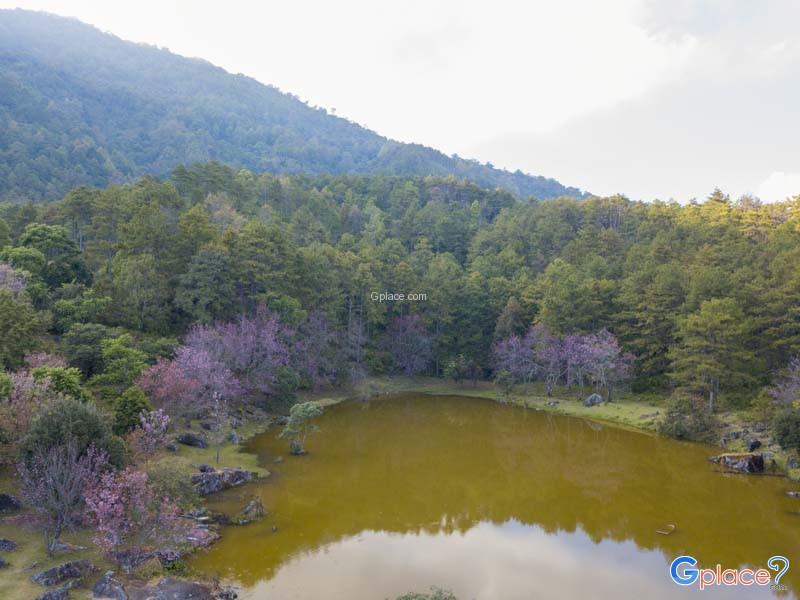
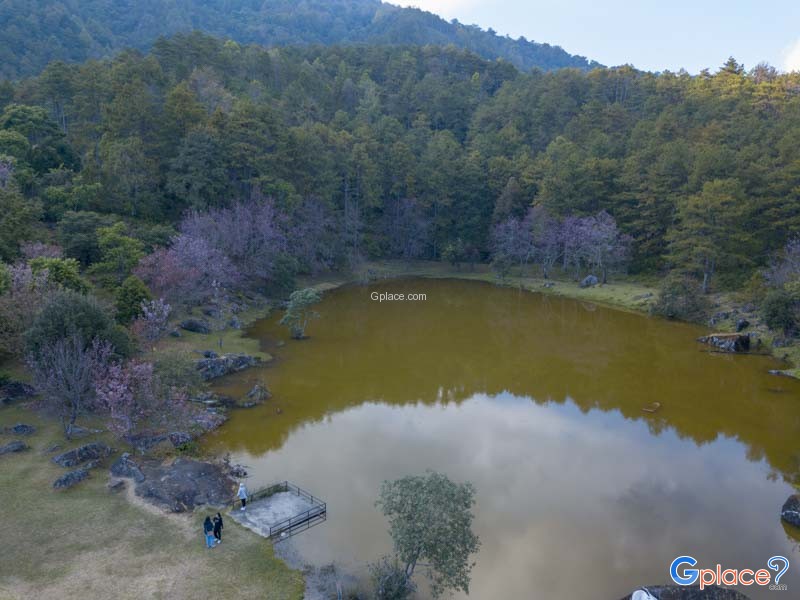
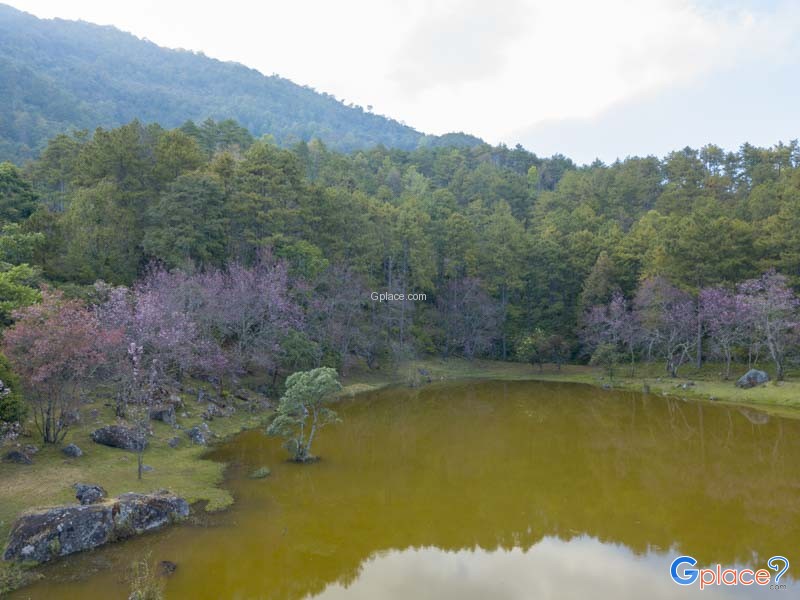
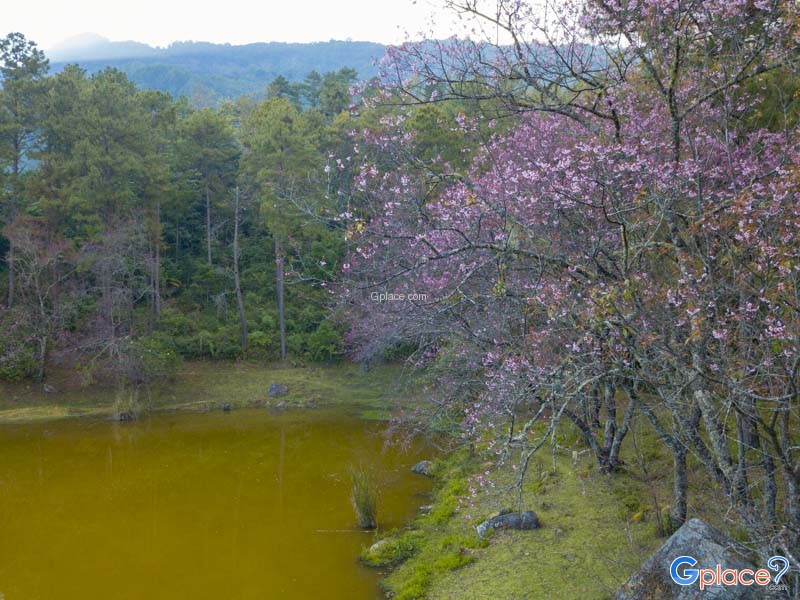
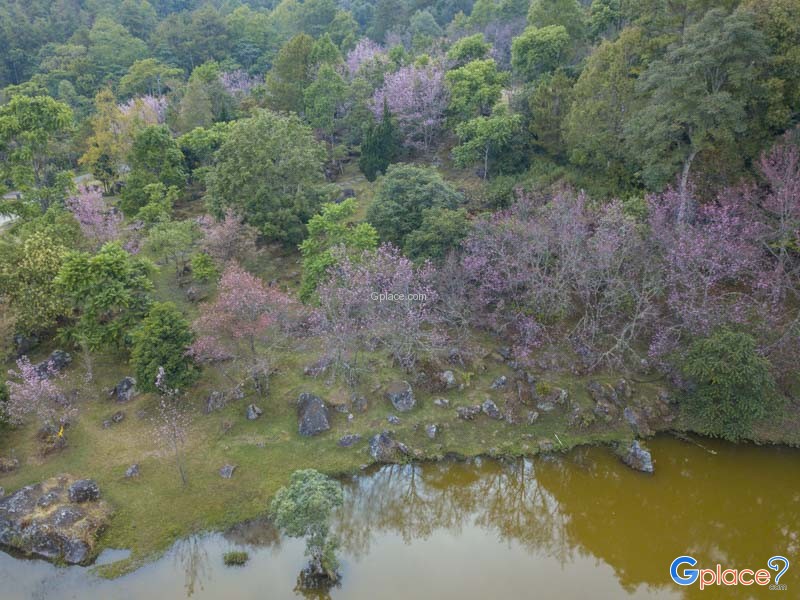
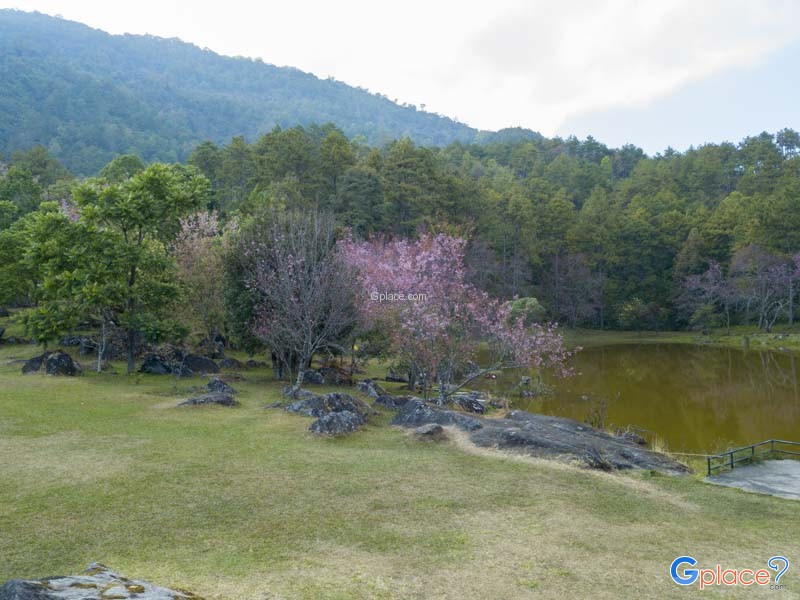
“See rare Lady's Slipper orchids and a tunnel of Wild Himalayan Cherry blossoms by the reservoir, set amidst the natural ambiance of Doi Inthanon.”
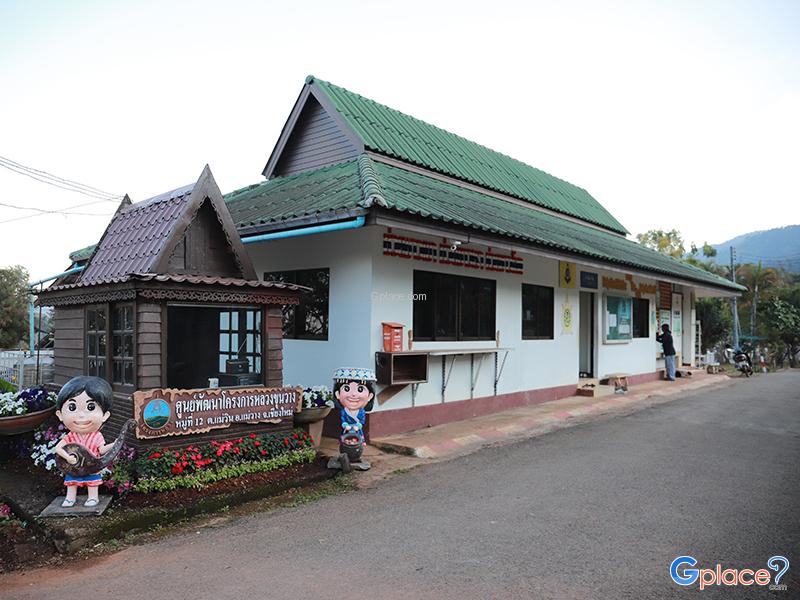
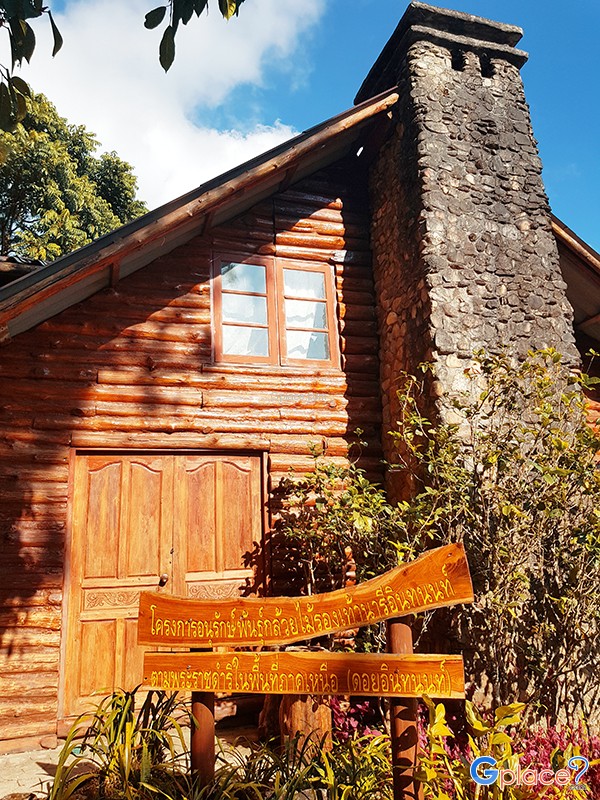
The Inthanon Lady's Slipper Orchid Conservation Project is located in Ban Khun Wang, under the supervision of the Inthanon Royal Agricultural Research Station. It was established under royal initiative to conserve and propagate rare wild orchids in Thailand, especially the Lady's Slipper orchid genus (Paphiopedilum). These orchids are legally protected and listed as protected wild plants in Thailand, as well as being subject to the CITES convention which regulates international trade in endangered species. In the past, Lady's Slipper orchids were heavily poached from nature, leading to a continuous decline in wild populations. Therefore, the project plays a crucial role in researching, propagating, and restoring orchid populations to sustainably return to their original ecosystems.
The project area is situated at an elevation of approximately 1,300–1,400 meters above sea level, providing a cool and high-humidity environment throughout the year, which is ideal for the growth of Lady's Slipper orchids and many species of montane rainforest plants. The interior is designed to be both a research center and a learning facility, simulating the natural habitats of the orchids, including limestone rocks, crevices, forest floors with layers of fallen leaves, and shaded areas under large trees. This allows visitors to observe the orchids' growth characteristics in an ecosystem as close to nature as possible.
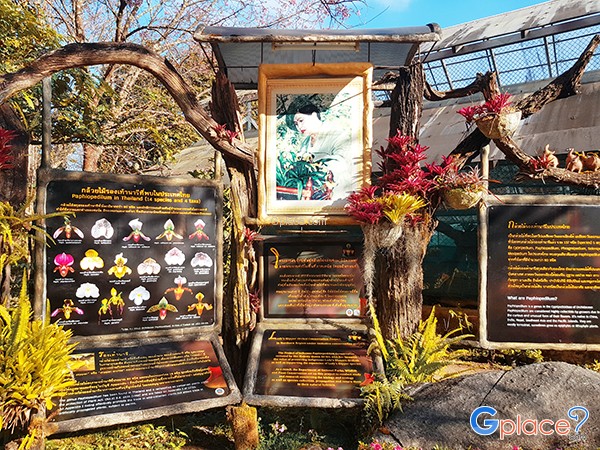
A highlight of the project is its collection of various Lady's Slipper orchid species from across Thailand, including Inthanon Lady's Slipper (Paphiopedilum villosum var. boxallii), Krabi Yellow Lady's Slipper, Frog-mouth Lady's Slipper, Trang Yellow Lady's Slipper, Doi Tung Lady's Slipper, and other genetically important native species. Each species has distinct colors, shapes, and blooming periods, allowing tourists to observe the diverse range of orchids throughout the year, even though late winter to early summer is typically when most species are in bloom.
Behind the conservation efforts, it's not just about cultivation. It also involves tissue culture techniques, sterile seed propagation, genetic preservation, pollination studies, propagation in controlled environment greenhouses, and experimental reintroduction into suitable watershed forest areas. Researchers monitor the survival rates, growth, and adaptation of orchids in nature to evaluate the long-term success of population recovery.
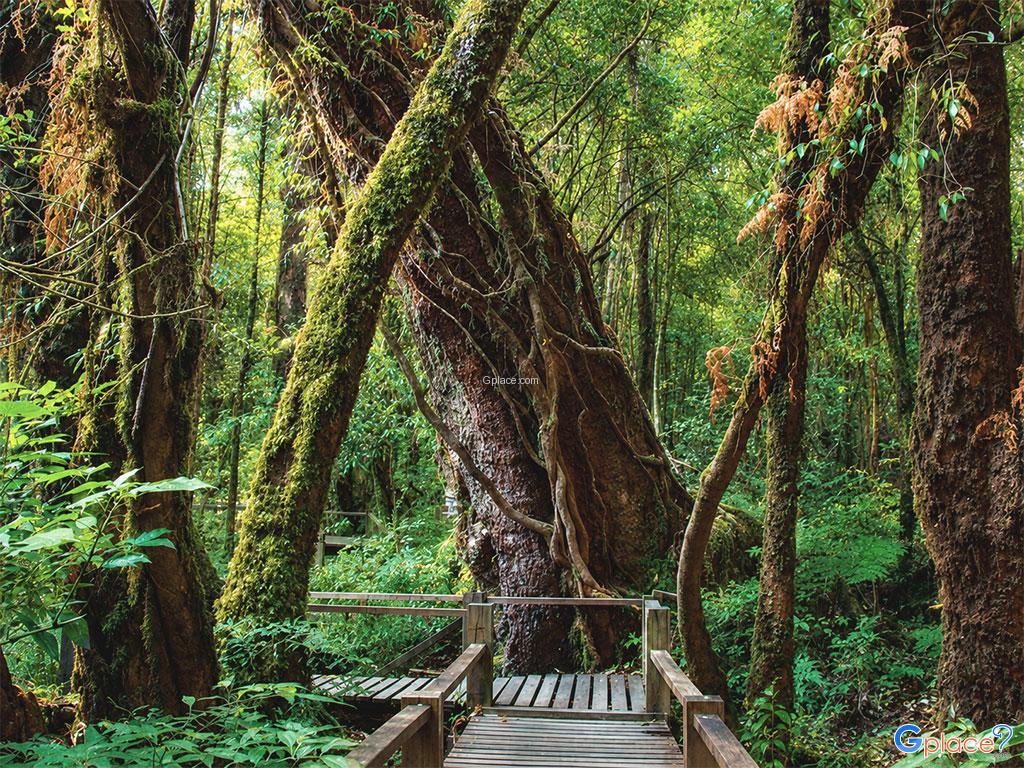
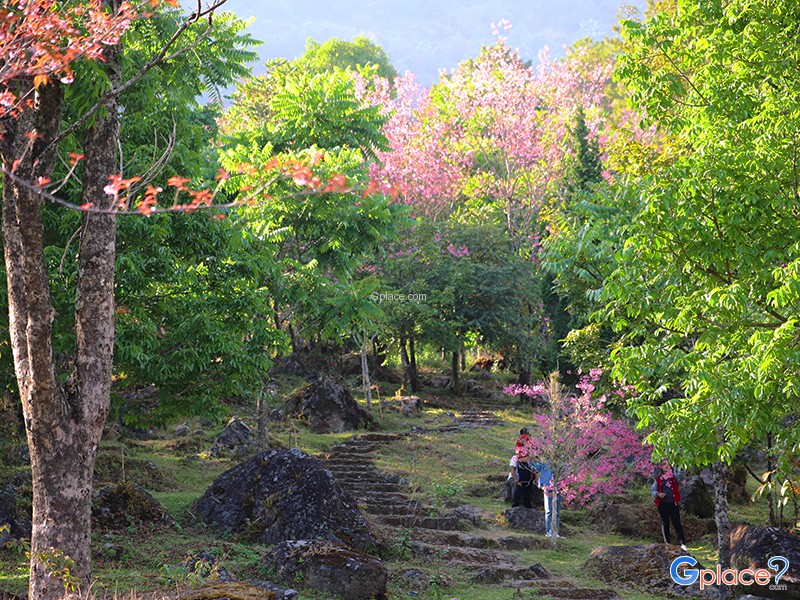
Within the project, there are shady short nature trails that pass through conservation plots, propagation greenhouses, and display areas for Doi Inthanon wild plants. Informative signs explain botanical data, distinctive features of each orchid species, methods of classification, the relationship with Mycorrhiza fungi (which plays a crucial role in orchid seed germination), and the role of pollinating insects in the ecosystem. This allows nature enthusiasts to learn more deeply than a typical stroll.
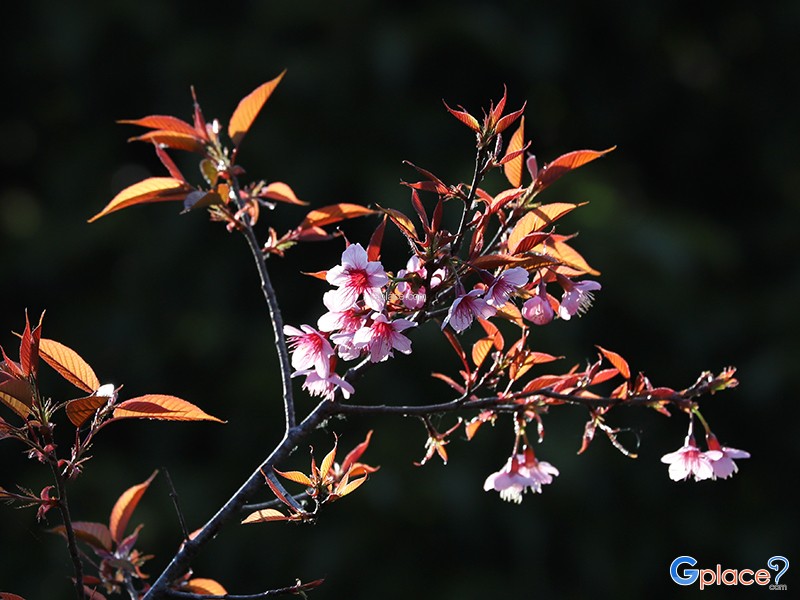
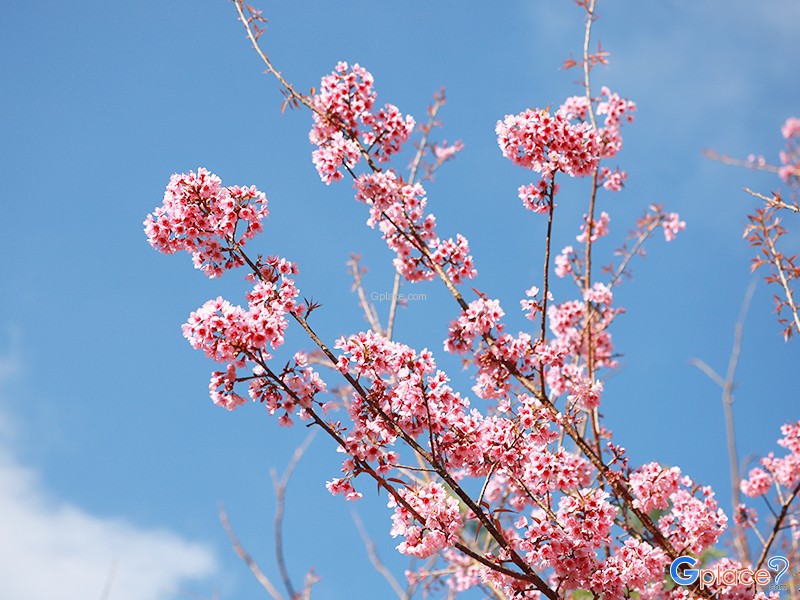
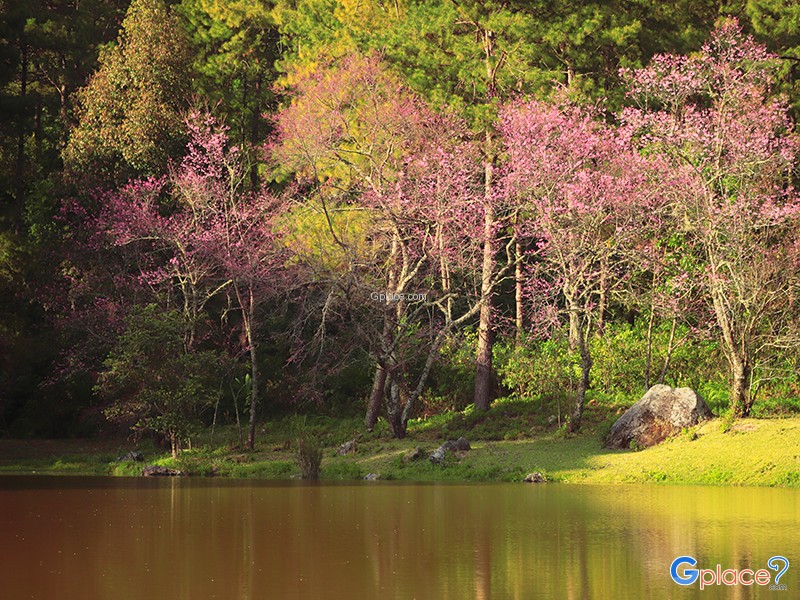
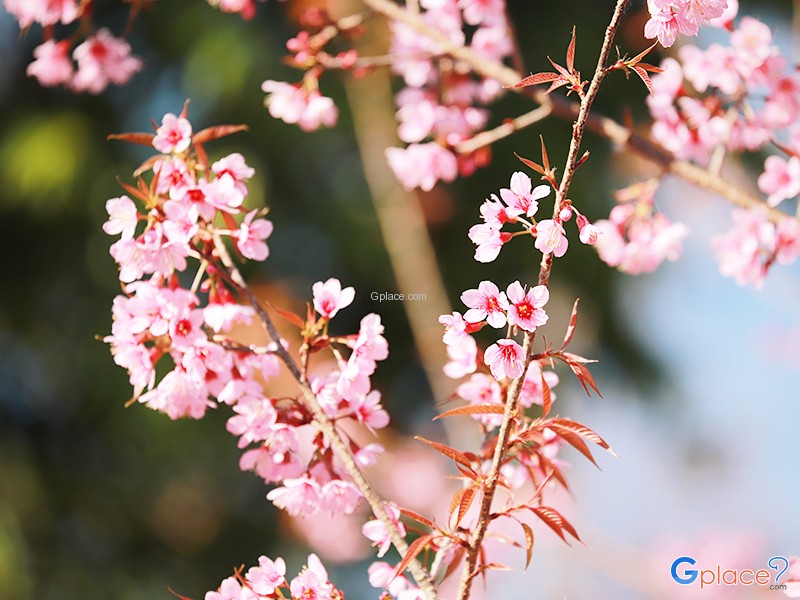
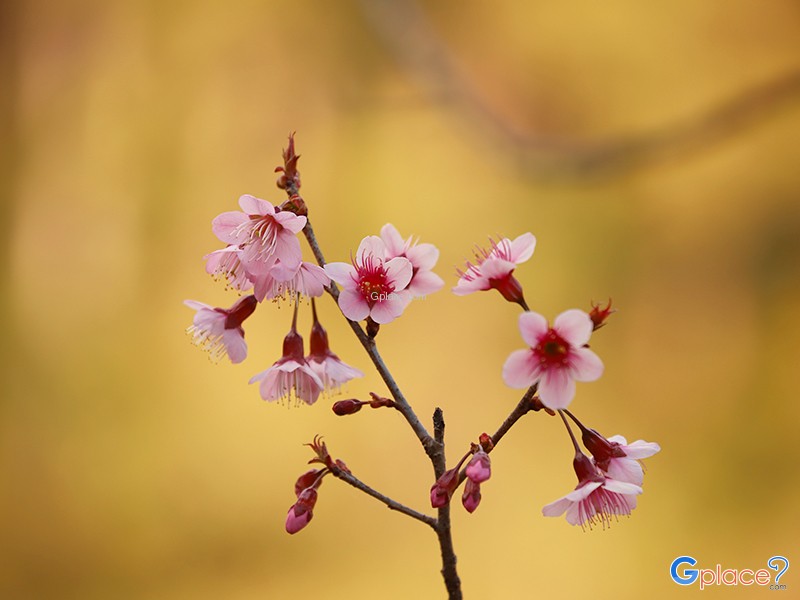
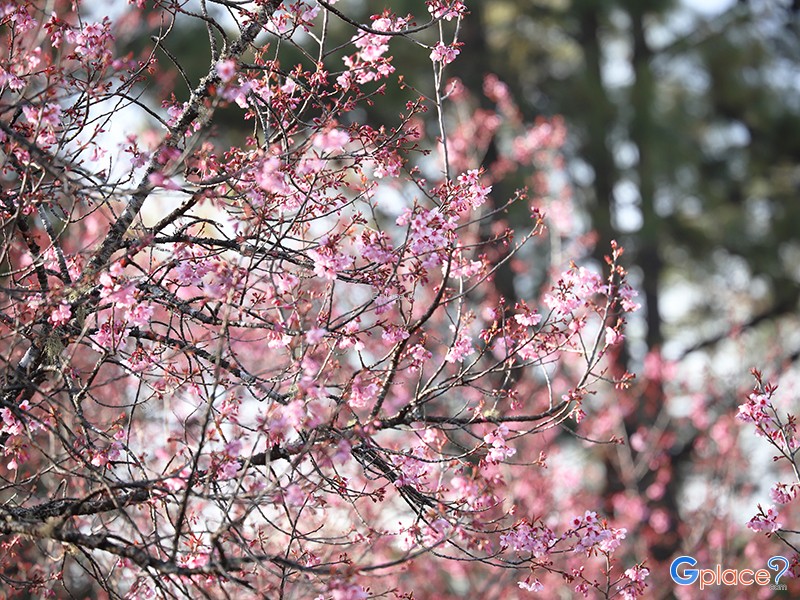
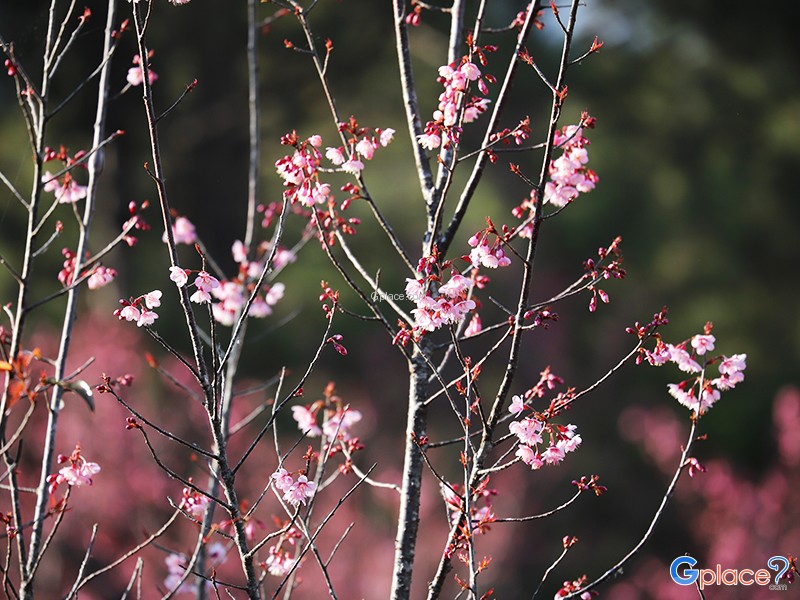
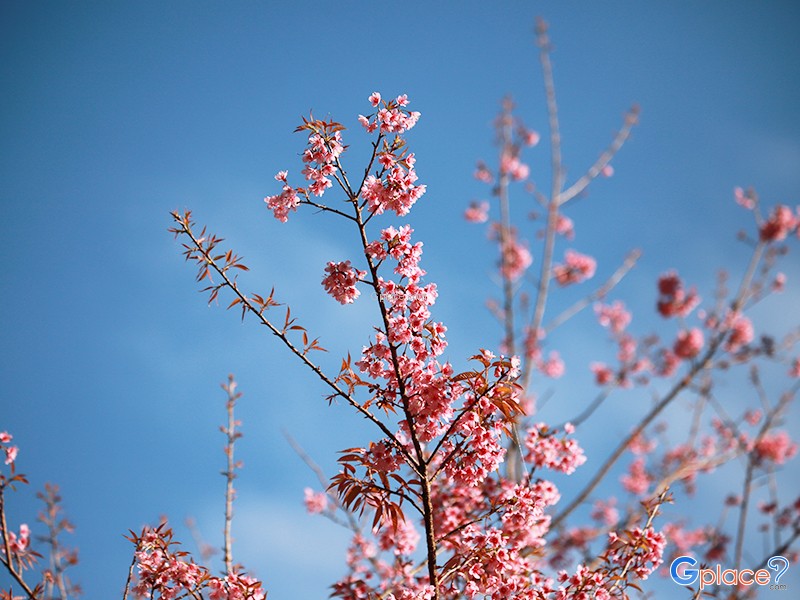
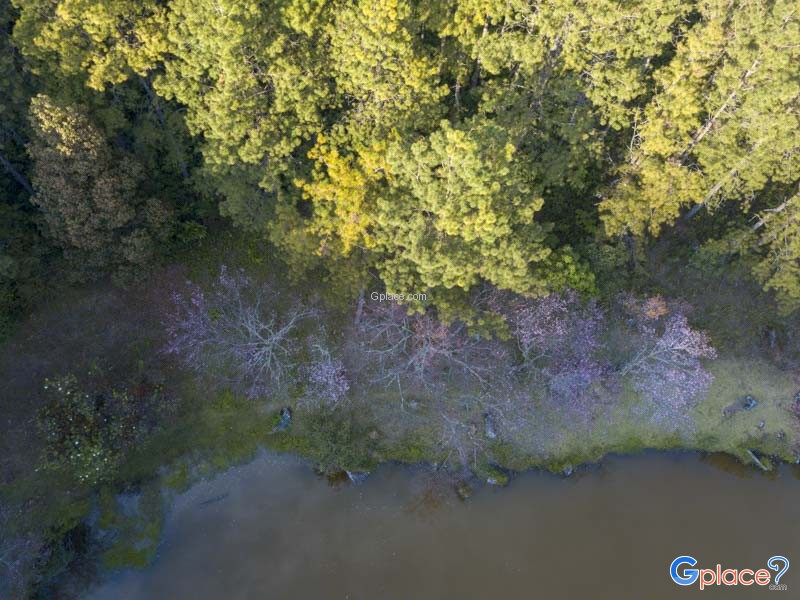
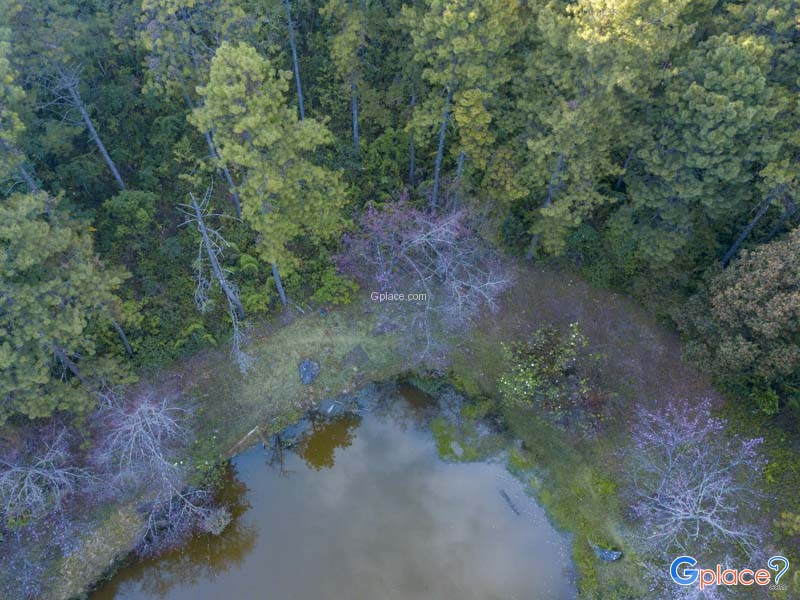
Another significant highlight is the reservoir area within the project, surrounded by thousands of Wild Himalayan Cherry trees. Every year, from mid-January to early February, the pink blossoms bloom simultaneously, creating a flower tunnel and reflections on the water's surface, making it one of Chiang Mai's most famous spots for viewing Thai Sakura. Particularly in the early morning, with delicate mist floating above the water and soft sunlight filtering through the trees, it's the most anticipated time for photographers and tourists.
In addition to orchids and Wild Himalayan Cherry blossoms, visitors can also find various cool-climate plants, ferns, mosses, lichens, as well as native birds and butterflies inhabiting the rich montane rainforests of Doi Inthanon. Thus, it is truly a valuable area for biodiversity conservation, research, and ecotourism.
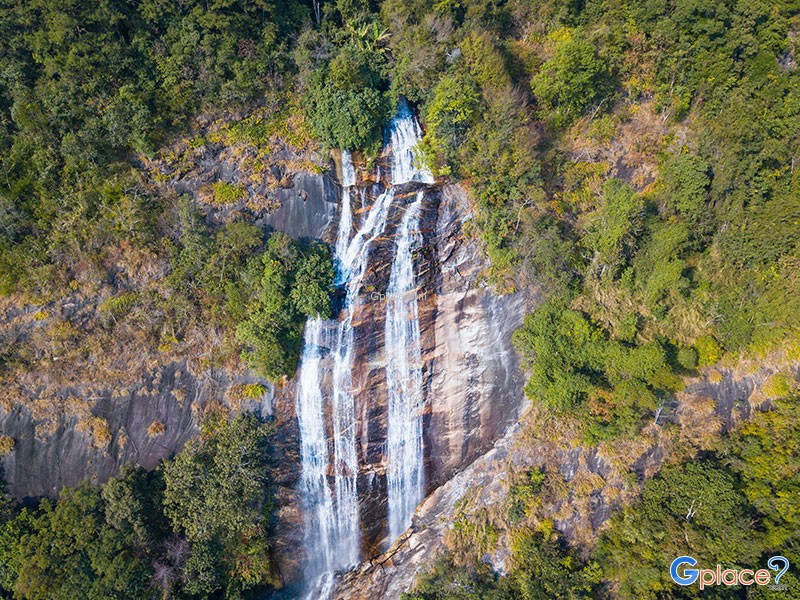
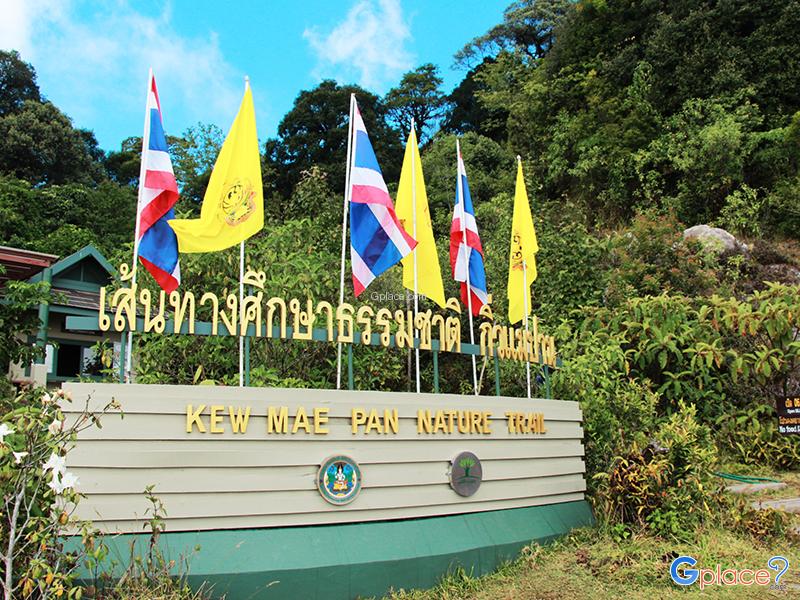
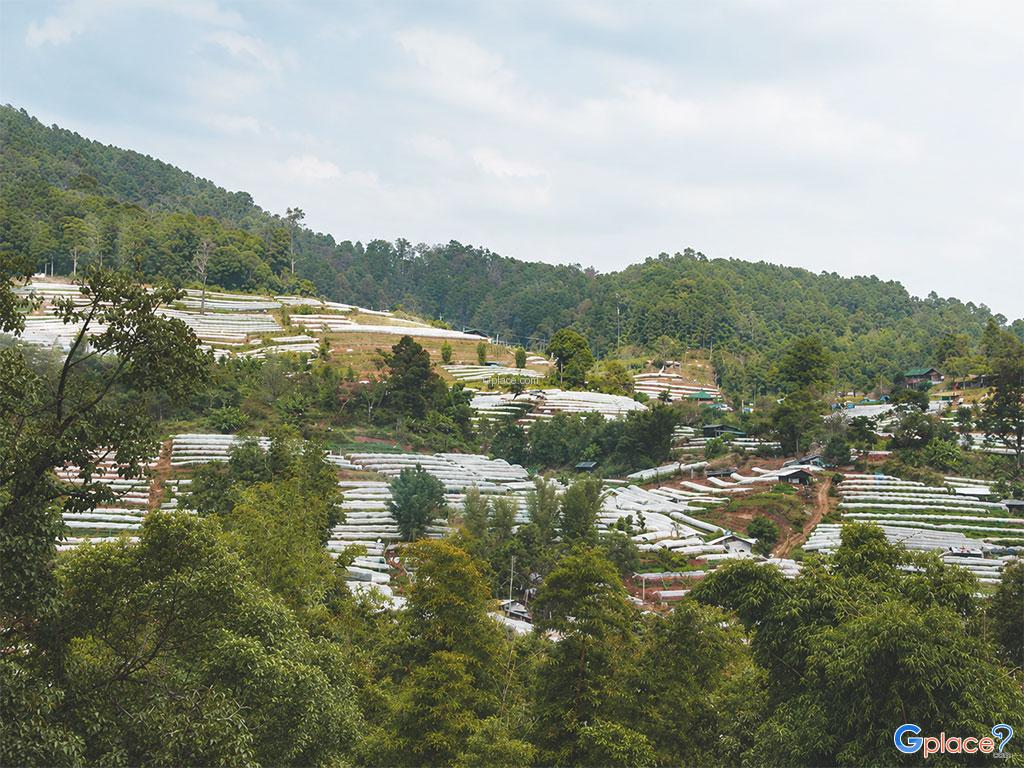
Being not far from Khun Wang, Kew Mae Pan, Phra Mahathat Naphamethanidon-Naphaphonphumisiri, Siriphum Waterfall, and Doi Inthanon Summit, tourists can easily plan a One Day Trip. This makes the Inthanon Lady's Slipper Orchid Conservation Project not just a place to admire flowers, but also a national learning center for rare plant conservation, reflecting the royal initiatives in conserving natural resources and sustainably utilizing biodiversity.
How to Get There
- From Chiang Mai city, take Highway 108 (Chiang Mai–Hod) heading towards Chom Thong District. Then, turn onto Highway 1009 (the route up Doi Inthanon). Drive until kilometer marker 31, then turn right onto Khun Wang Road (M.B. 4007). Continue for approximately 8 kilometers, and you will find the Inthanon Lady's Slipper Orchid Conservation Project on your right. The total distance from Chiang Mai city is about 90 kilometers, taking approximately 2 hours to travel. The final section of the road is a winding mountain road, so please drive carefully, especially during the rainy season when there may be fog and slippery road surfaces.
Travel Tips
- Mid-January to early February is when the Wild Himalayan Cherry blossoms are at their most beautiful, and it is a popular travel season for Khun Wang.
- If you want to photograph the reservoir reflecting the Thai Sakura blossoms, it's best to arrive in the morning between 08:00–10:00 AM, when the light is beautiful and tourists are not yet crowded.
- Wear hiking shoes or non-slip rubber-soled shoes, as some areas are sloped and may be wet.
- Do not touch, pick, or move any orchids or plants, and do not venture off the nature trails to help preserve the ecosystem.
Admission Fee:
- Free entry (no admission fee, but donations are welcome to contribute to the project's maintenance and support orchid research).
Opening Hours:
- Open daily from 08:00 AM – 04:30 PM (extended hours may apply during flower festivals as appropriate).
Inthanon Lady's Slipper Orchid Project

 Share
Share
 Ban Luang Subdistrict, Chom Thong District, Chiang Mai Province 50160
Map
Ban Luang Subdistrict, Chom Thong District, Chiang Mai Province 50160
Map
 Closed today
Mon8.00 - 16.30
Tue8.00 - 16.30
Wed8.00 - 16.30
Thu8.00 - 16.30
Fri8.00 - 16.30
Sat8.00 - 16.30
Sun8.00 - 16.30



 3
3