 Attractions
  Hotel
Hotel  Restaurant
  Shopping
  Abroad





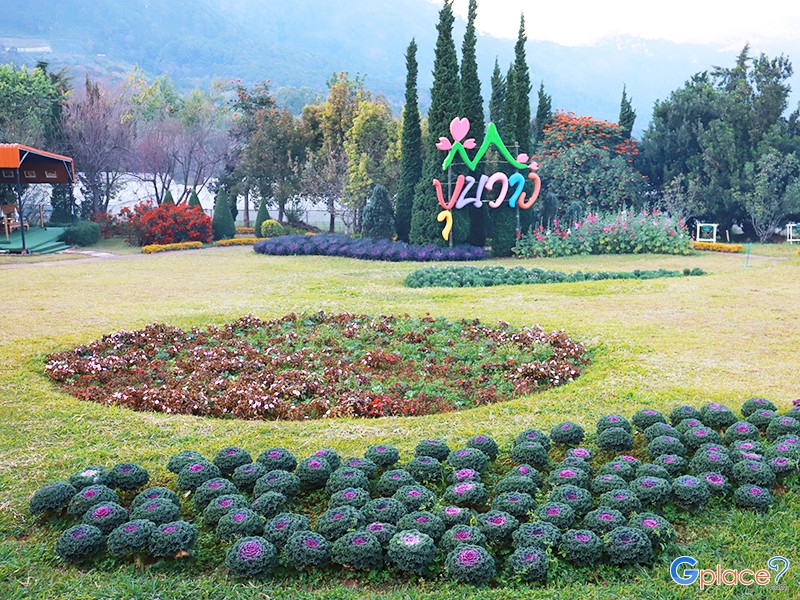

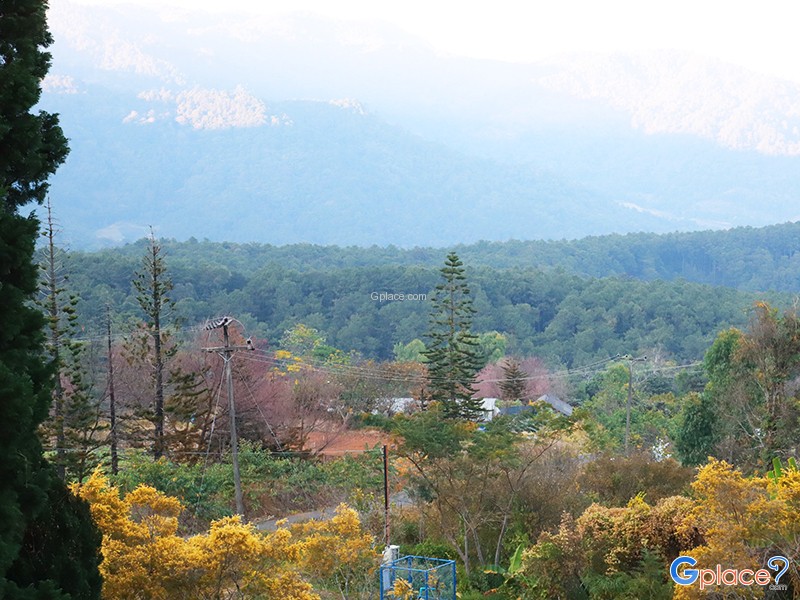
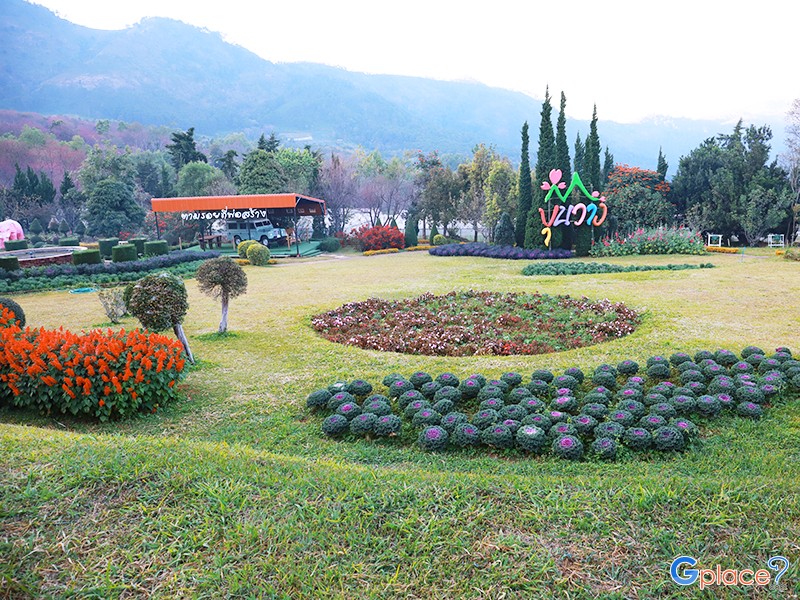
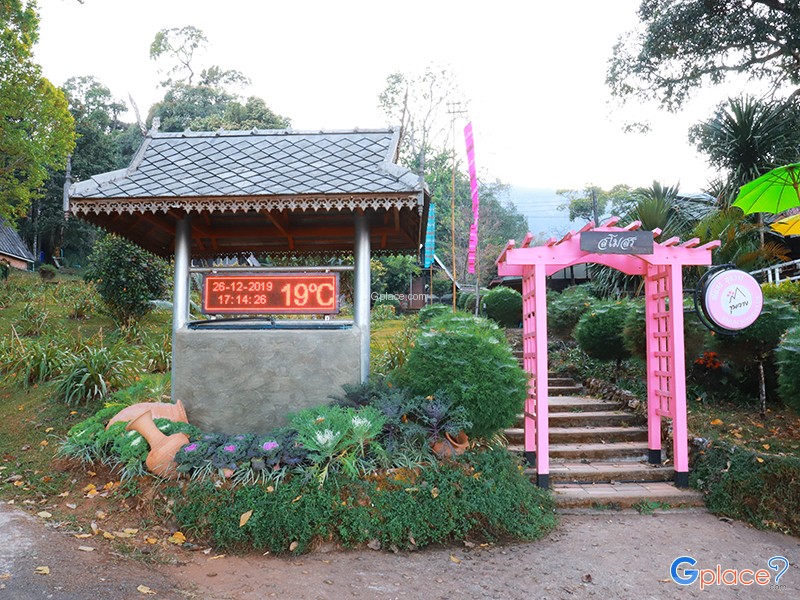


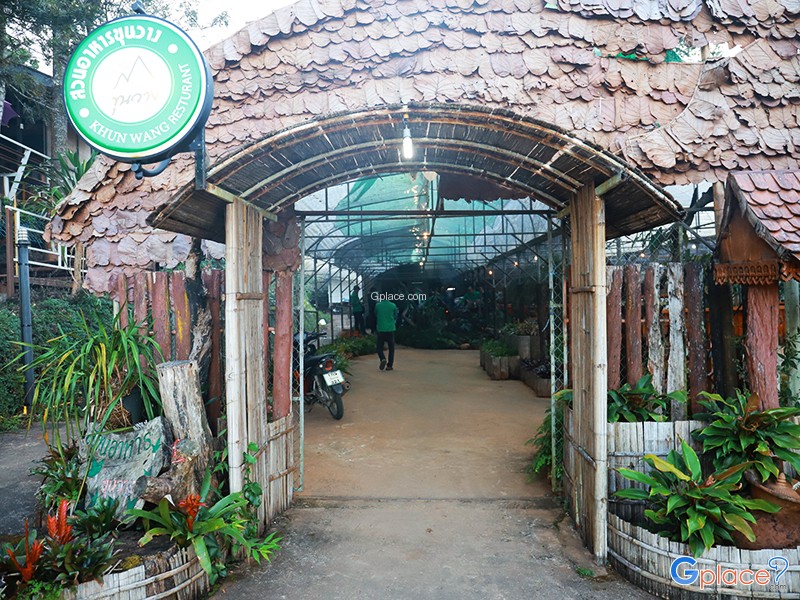

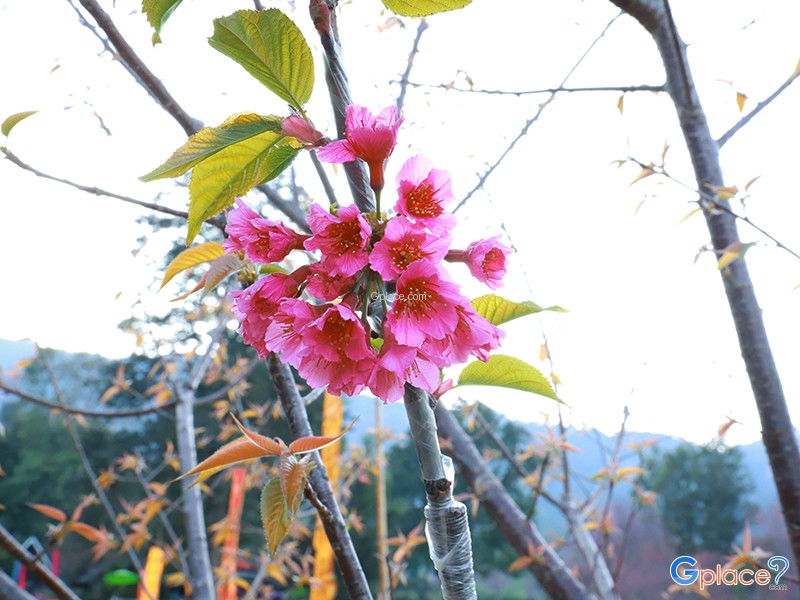

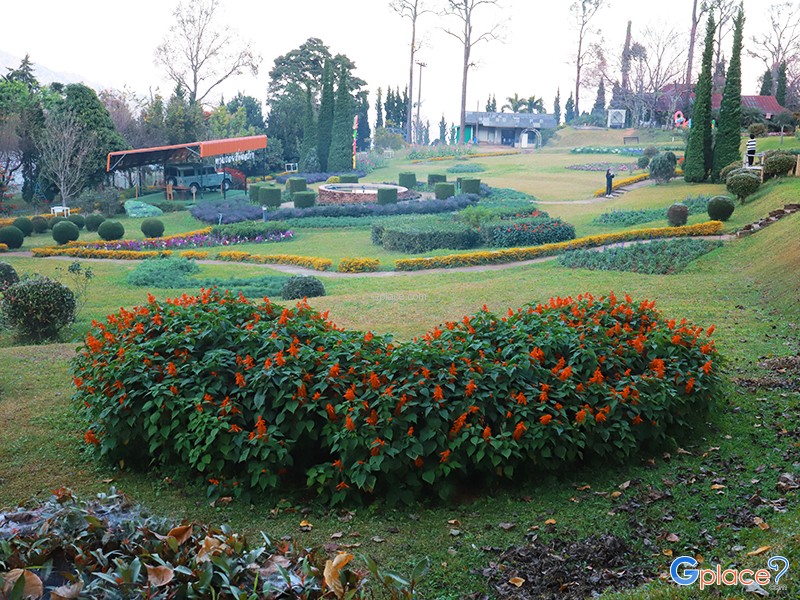
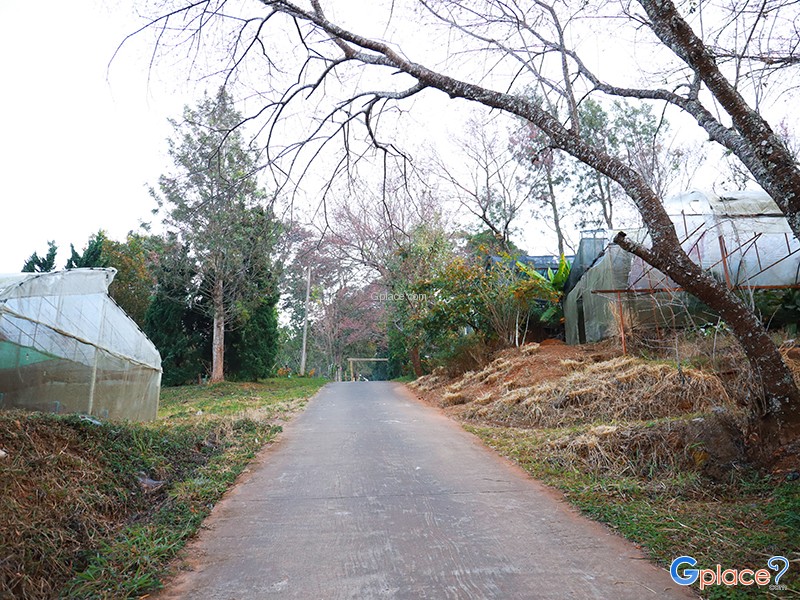
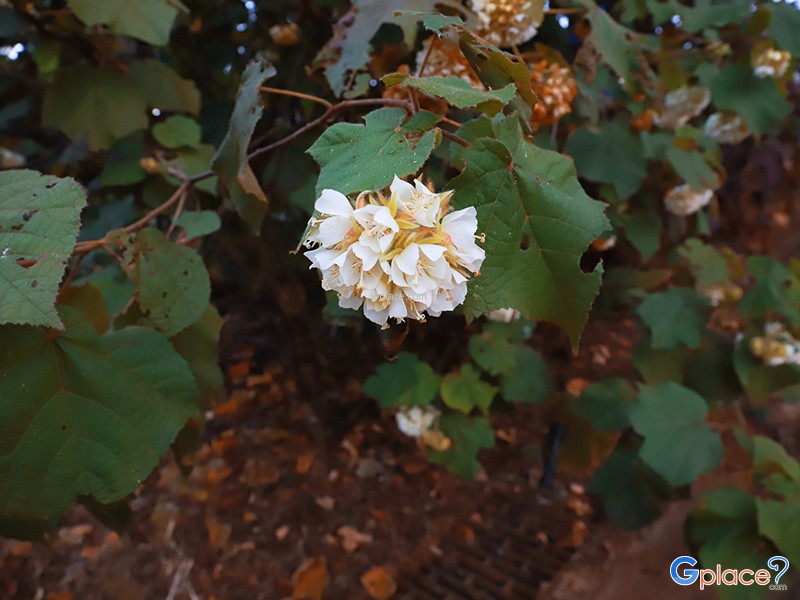
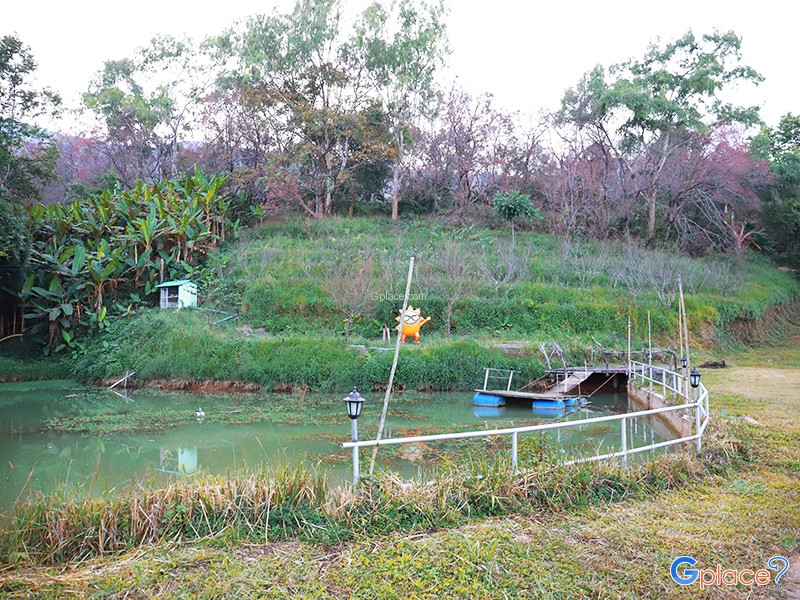
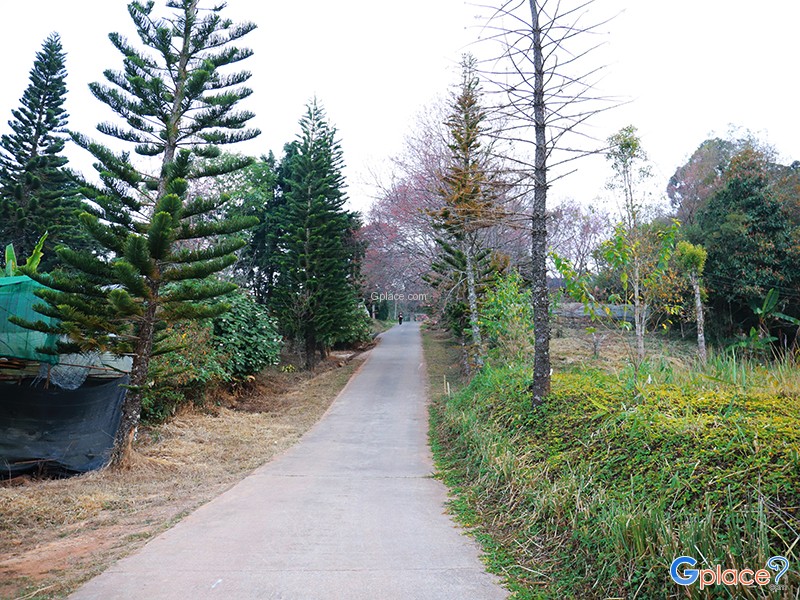
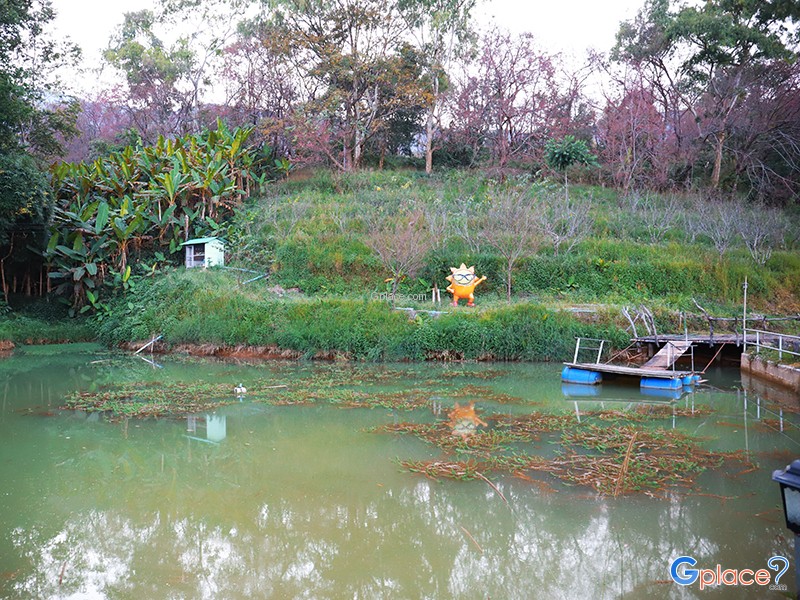


“Witness the breathtaking pink Wild Himalayan Cherry blossom tunnels, experience the cool climate on Doi Inthanon, learn about cold-climate crop research plots, and enjoy the rich natural scenery.”
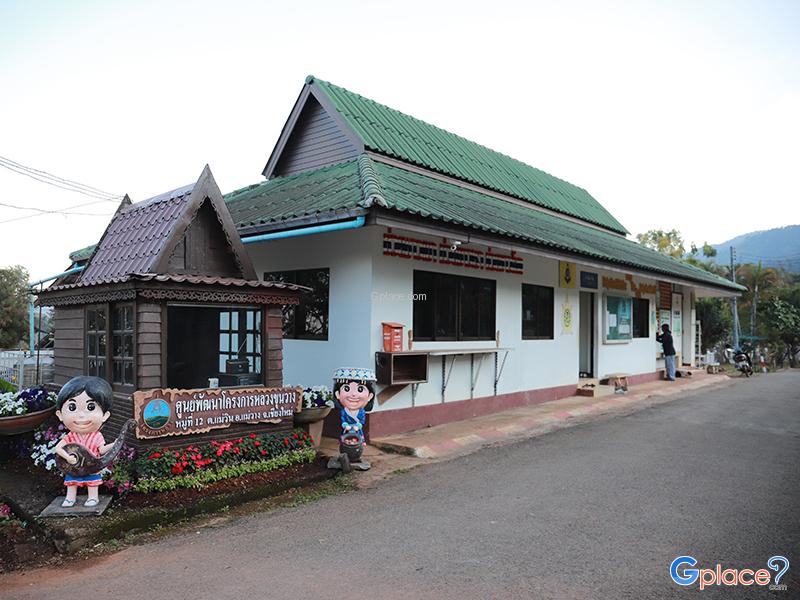
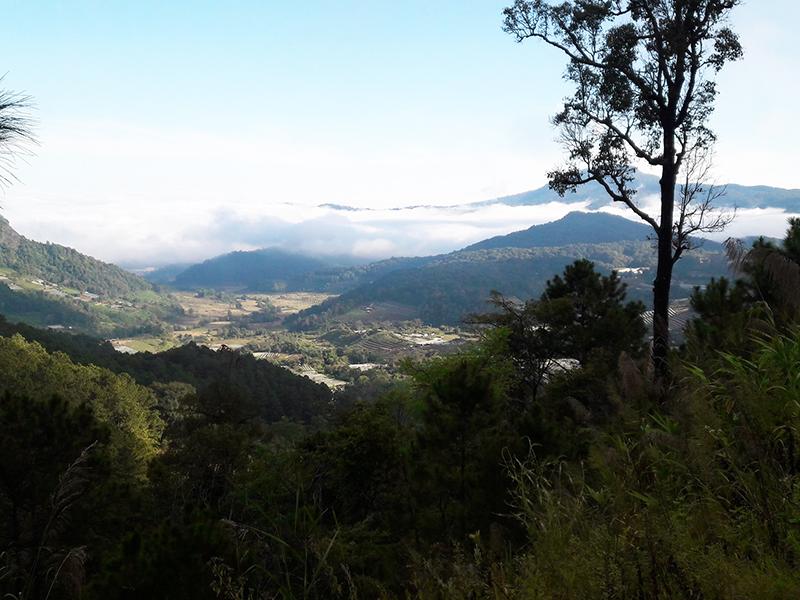
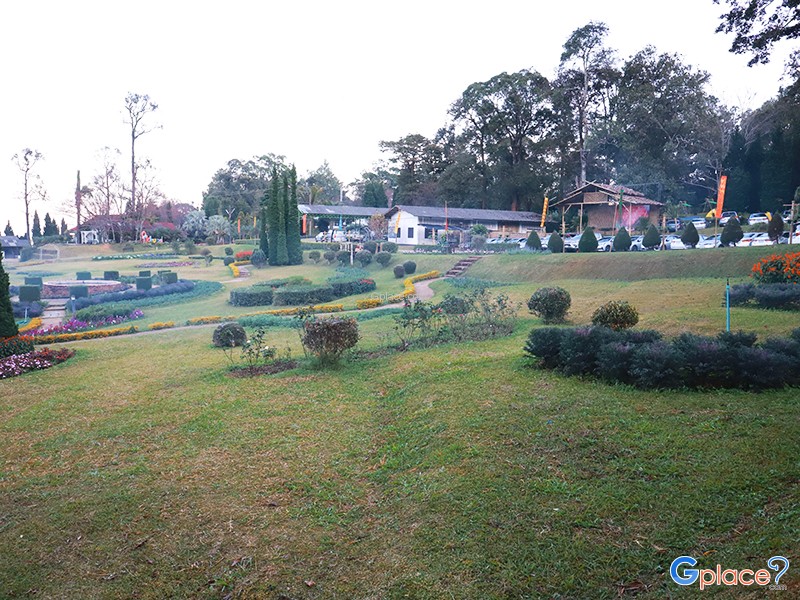
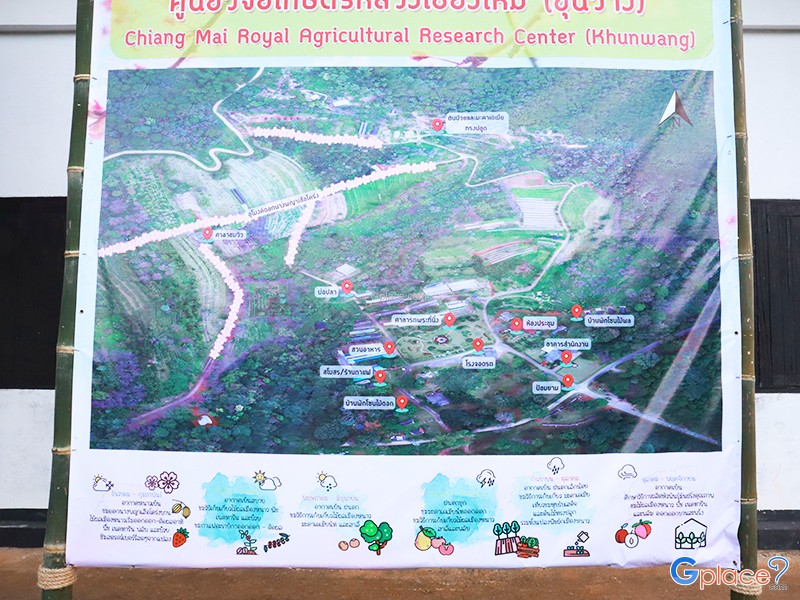
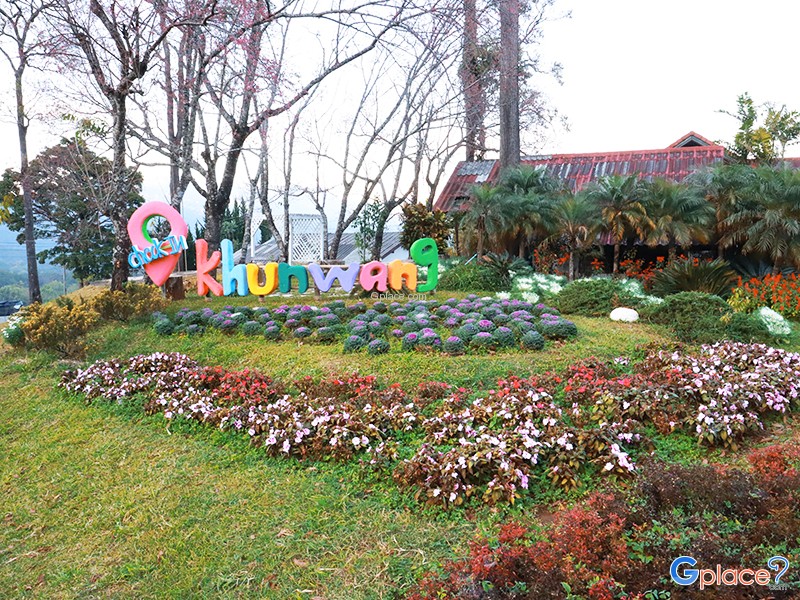
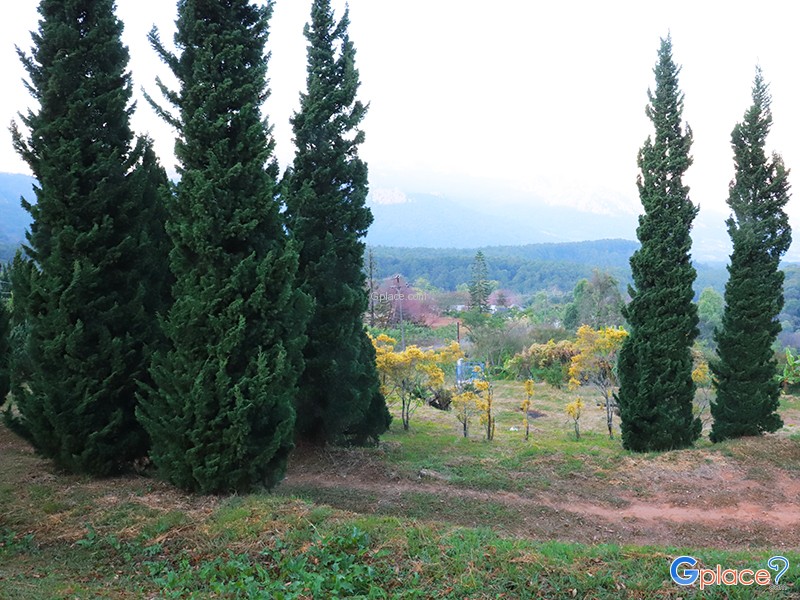
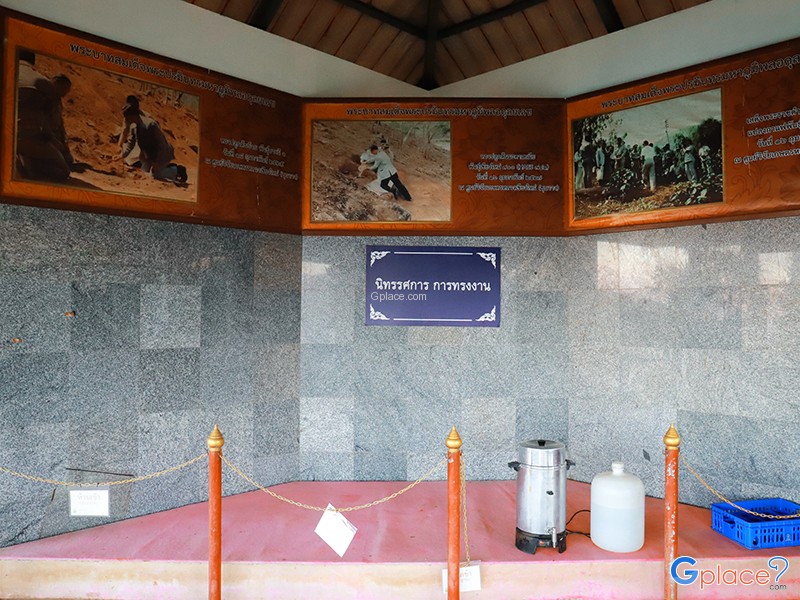
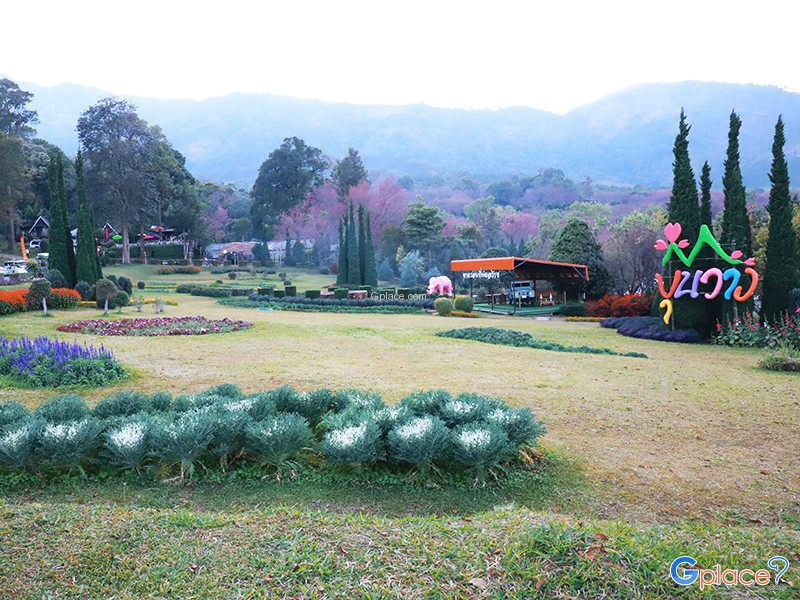
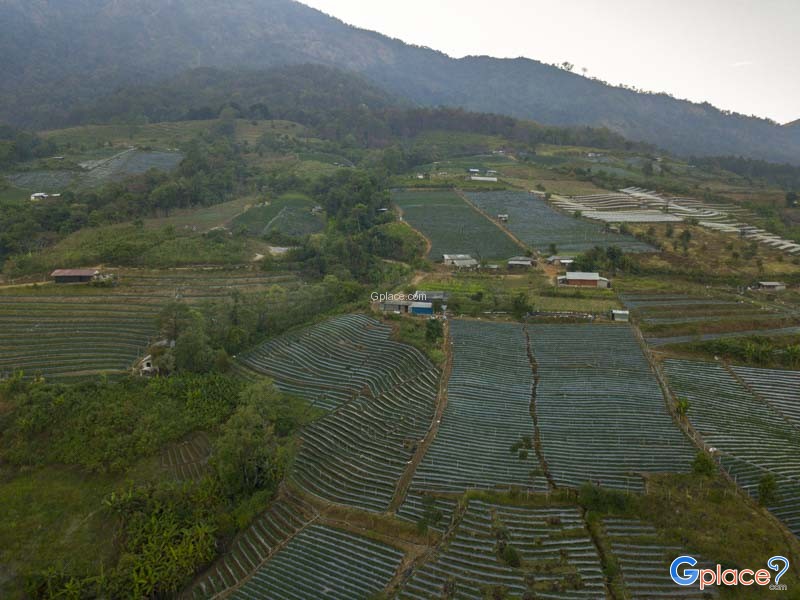
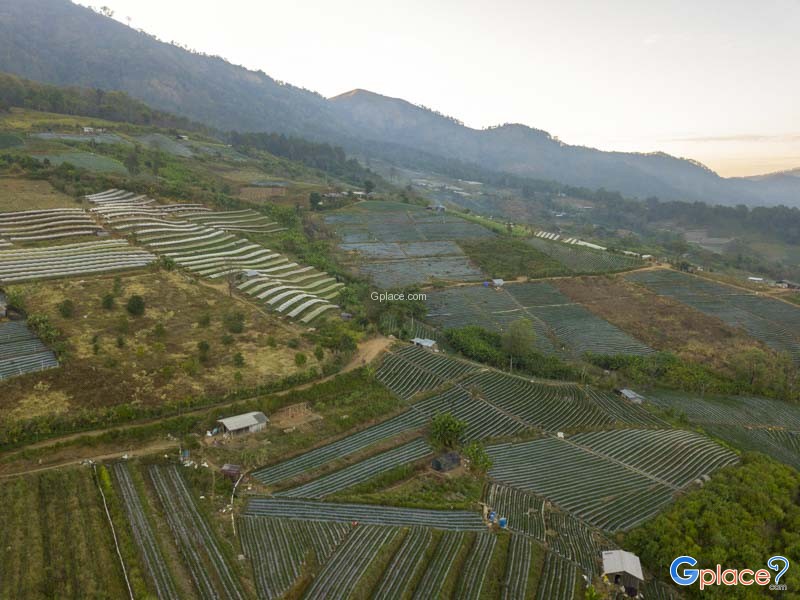
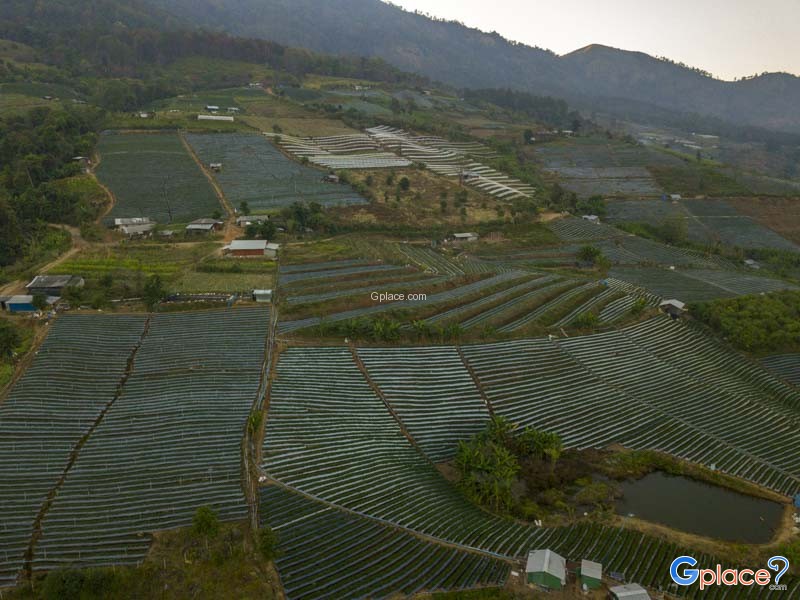
The Khun Wang Royal Agricultural Research Center, Chiang Mai (Khun Wang Royal Agricultural Research Center) is a research unit for cold-climate plants under the Department of Agriculture. It is located in a high-altitude area at the foot of Doi Inthanon, Mae Wang District, Chiang Mai Province, at an elevation of approximately 1,300–1,400 meters above sea level. With its comfortable cool climate year-round, it is suitable for research, breeding, and propagation of cold-climate crops, as well as serving as a knowledge transfer center for highland farmers to promote sustainable livelihoods, reduce shifting cultivation, and restore the watershed ecosystem.
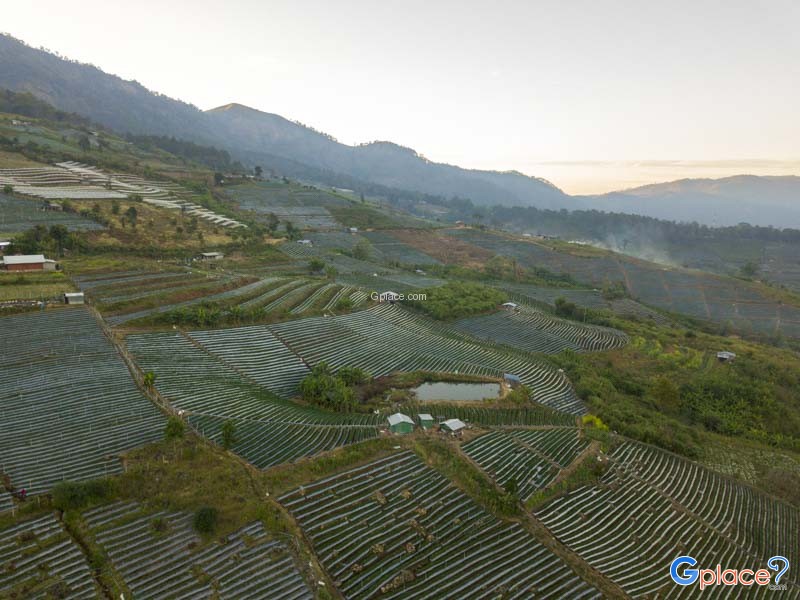
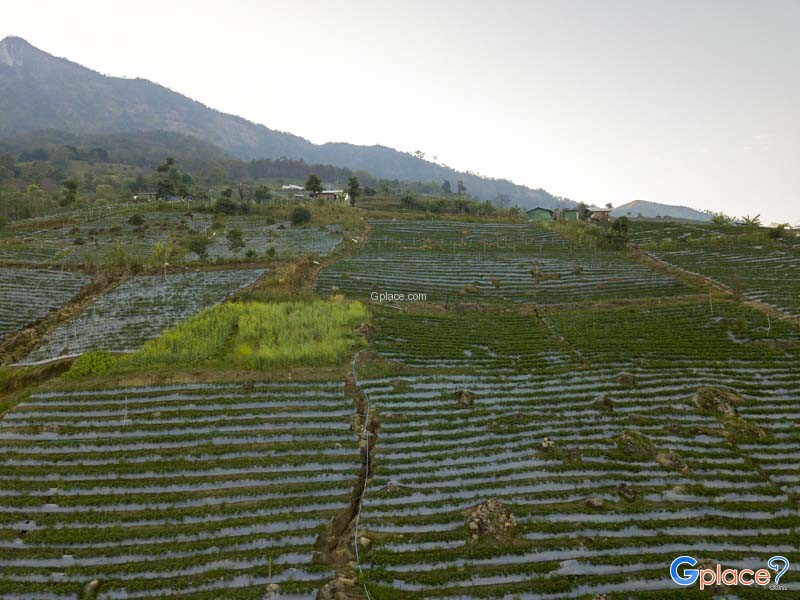
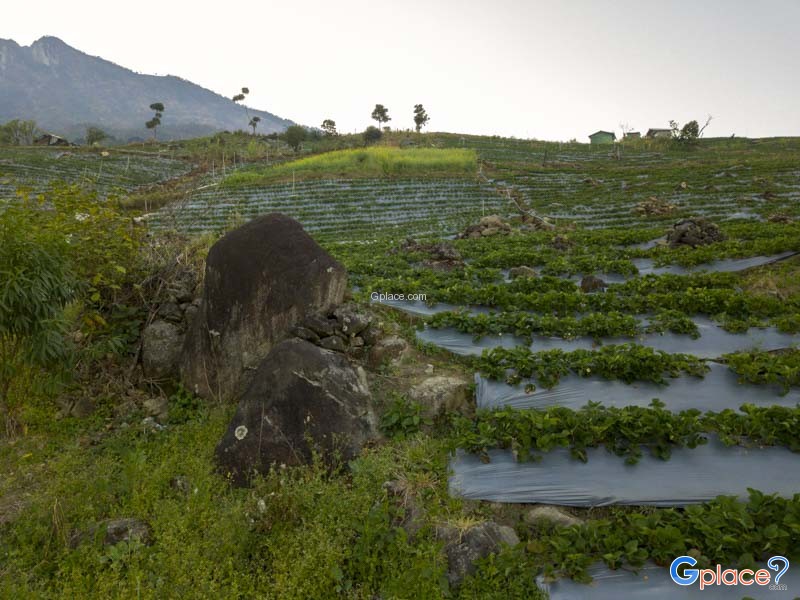
Inside the center, various cold-climate plant varieties are collected and studied, including strawberries, persimmons, plums, peaches, kiwis, macadamias, avocados, tea, and Arabica coffee, as well as many types of cold-climate ornamental flowers. Several research projects have been extended and promoted for highland farmers in the northern region to cultivate as economic crops, generating income alongside natural resource conservation.
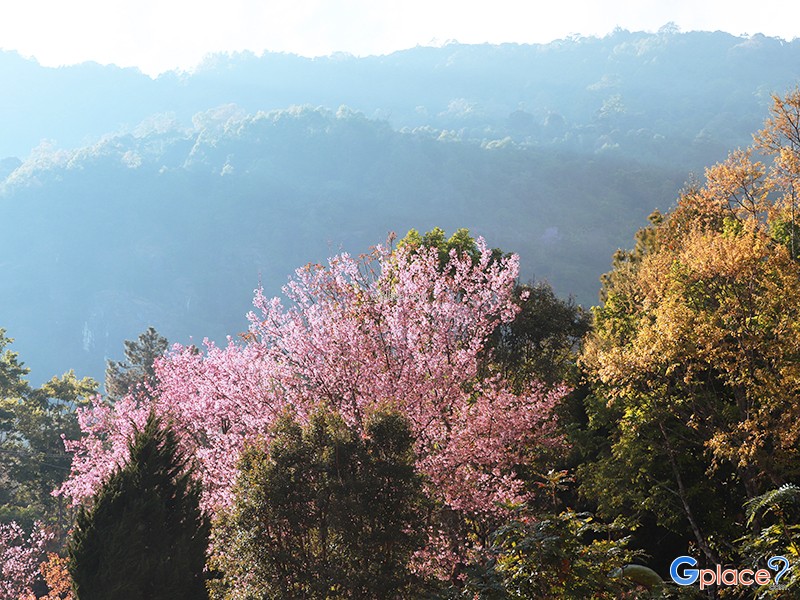
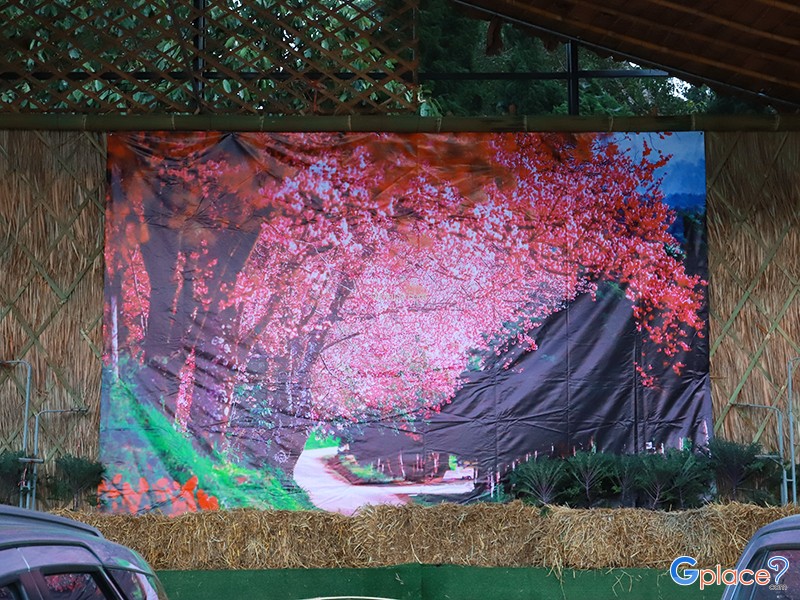
A major highlight of the center is the Wild Himalayan Cherry blossom tunnel, or Thai Sakura, planted along both sides of the center's pathways. From January to early February, the pink blossoms simultaneously bloom, with branches arching towards each other, creating a beautiful natural tunnel several hundred meters long. This romantic atmosphere has earned it recognition as one of Chiang Mai's most beautiful Wild Himalayan Cherry viewing spots. Tourists and photographers from across the country regularly travel here to capture its beauty during this period.
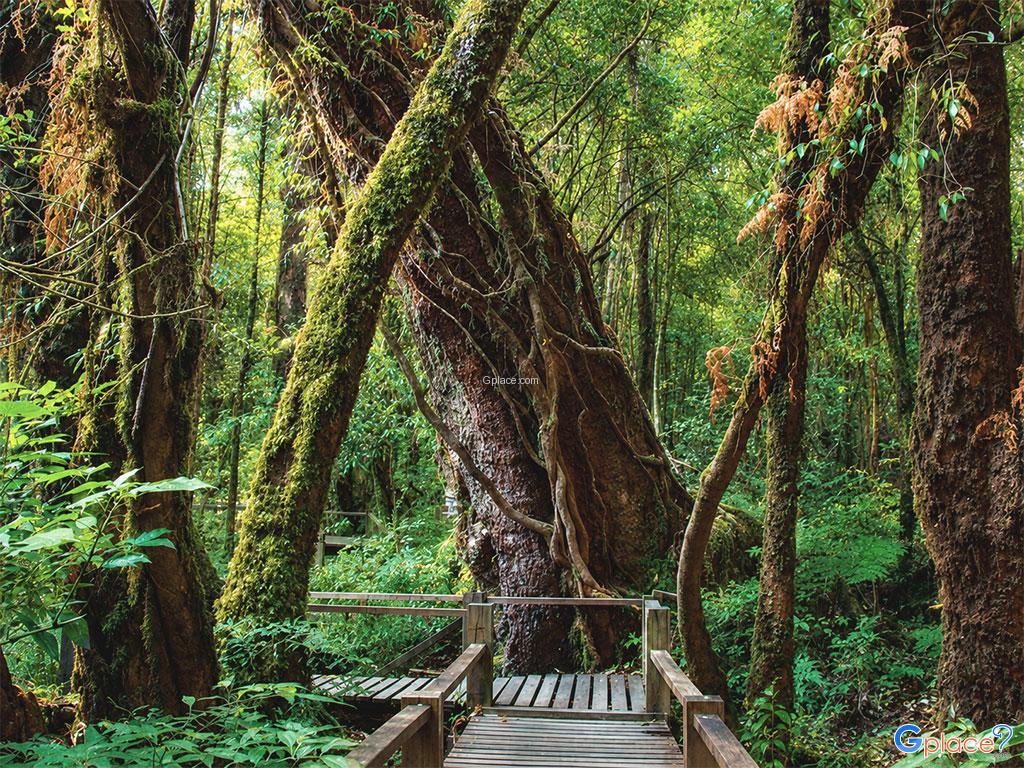
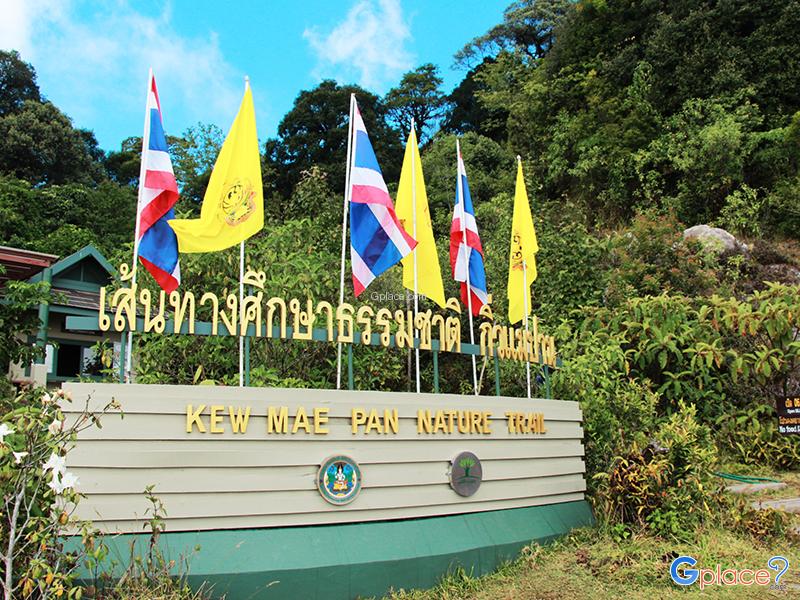
In addition to admiring the Thai Sakura, visitors can explore cold-climate crop research plots, nurseries, cold-climate fruit tree collections, and nature trails. These offer opportunities to learn about high-altitude cultivation techniques firsthand, while experiencing the rich ecosystem of the Doi Inthanon watershed, home to indigenous plant species, ferns, mosses, wild orchids, and various birds.
During winter mornings, temperatures at the center can drop to single digits. Visitors will experience a gentle mist covering the Wild Himalayan Cherry trees. When sunlight shines through the pink petals, it creates a breathtaking sight, perfect for nature photography, portrait shots, and relaxation amidst the fresh air.
Therefore, the Khun Wang Royal Agricultural Research Center is not just a Wild Himalayan Cherry blossom viewing spot, but also an important learning center for cold-climate plant research, highland agricultural development, and natural resource conservation in Thailand. It is ideal for tourists who wish to experience nature, study agricultural research, and enjoy the beauty of Doi Inthanon all year round.
How to Get There
- From Chiang Mai city center, take Highway 108 (Chiang Mai–Chom Thong) and turn onto Highway 1009, the route up to Doi Inthanon National Park.
At approximately Kilometer 31, turn right onto Highway 1284, heading towards Ban Khun Wang. Continue for about 16 kilometers, and you will reach the Khun Wang Royal Agricultural Research Center.
The total distance from Chiang Mai city is approximately 110 kilometers, with a travel time of about 2.5–3 hours.
The final section of the road is a winding mountain ascent. It is advisable to use a vehicle in good condition and drive with caution.
During the Wild Himalayan Cherry blossom season, there are many tourist vehicles. It is recommended to depart early in the morning to avoid heavy traffic.
Travel Tips
- The Wild Himalayan Cherry blossoms typically bloom from January to early February each year, depending on weather conditions.
- It is advisable to check the blooming status before traveling, as the peak blooming period may vary each year.
- Recommended arrival time is between 07:00 and 08:30 AM to enjoy the morning light and take photos with fewer crowds.
- Bring warm clothing, as morning temperatures can drop below 10 degrees Celsius.
- If planning an overnight stay, it is recommended to book accommodation or camping spots several months in advance, especially during the Sakura blooming season.
- Refrain from picking flowers, climbing trees, or straying off designated paths to help conserve nature.
- Ensure your vehicle has sufficient fuel before ascending the mountain, as gas stations are limited in the area.
Admission Fee:
- Free admission
- There is no entrance fee to the Khun Wang Royal Agricultural Research Center.
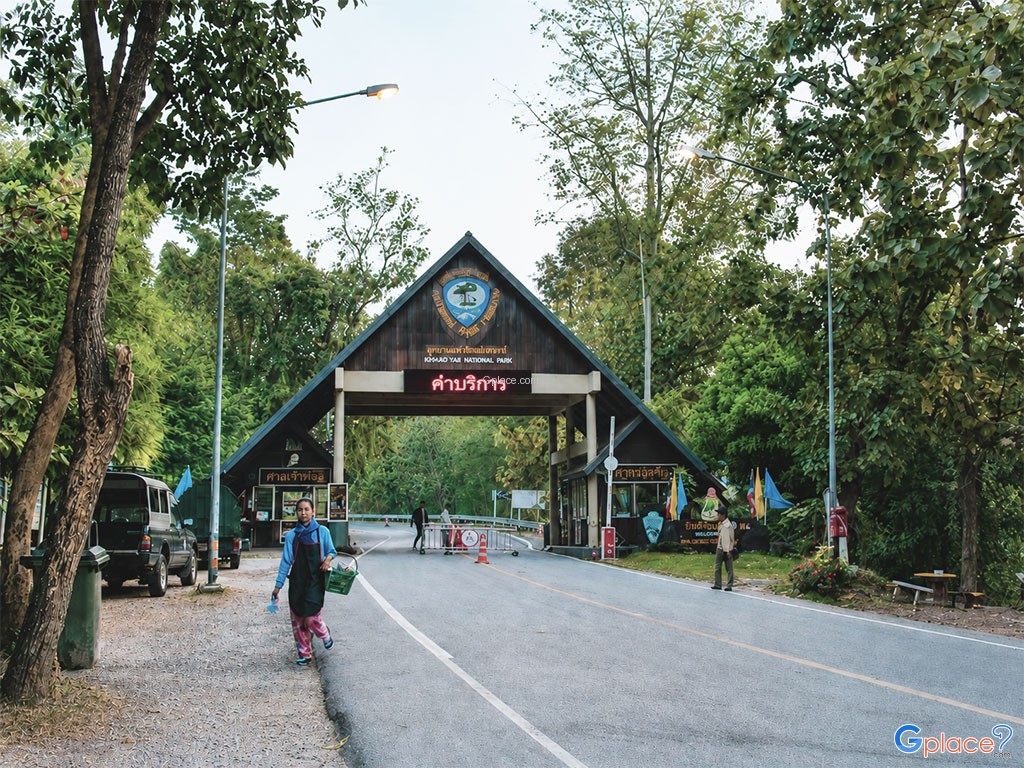
- If entering the area via Doi Inthanon National Park, park entrance fees must be paid according to the rates set by the Department of National Parks, Wildlife and Plant Conservation.
Opening Hours:
- Open daily from 08:00 AM to 04:30 PM.
- During the Wild Himalayan Cherry blossom season (January–February), tourists often arrive early in the morning to fully enjoy the blossoms and the cool weather.
Khun Wang RARC

 Share
Share
 Moo 12, Mae Win Subdistrict, Mae Wang District, Chiang Mai Province 50360
Map
Moo 12, Mae Win Subdistrict, Mae Wang District, Chiang Mai Province 50360
Map
 Open now : 8.00 - 16.30
Mon8.00 - 16.30
Tue8.00 - 16.30
Wed8.00 - 16.30
Thu8.00 - 16.30
Fri8.00 - 16.30
Sat8.00 - 16.30
Sun8.00 - 16.30


 royala@doa.in.th
 4
4