
 Attractions
  Hotel
Hotel  Restaurant
  Shopping
  Abroad






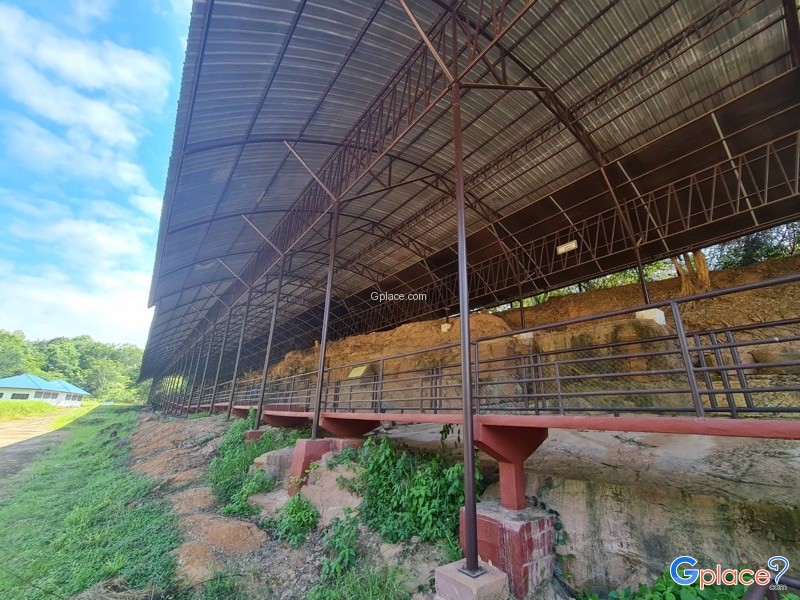
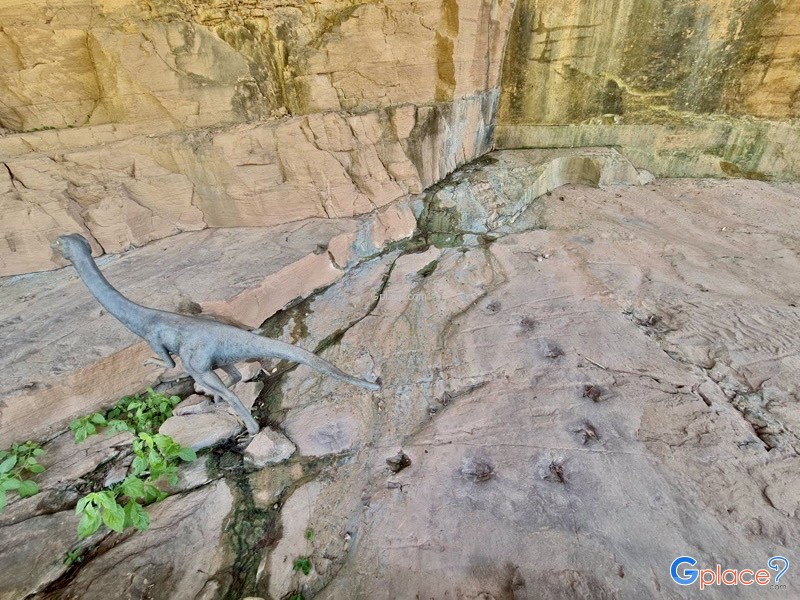
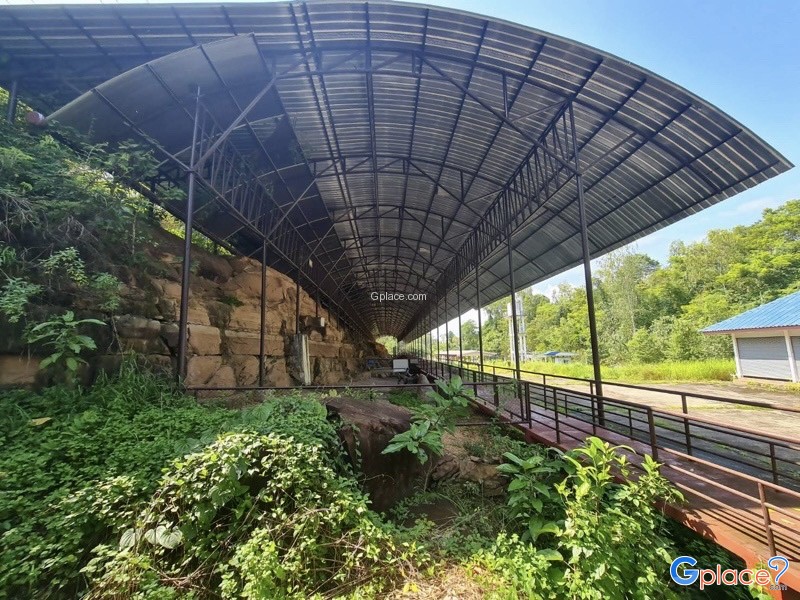
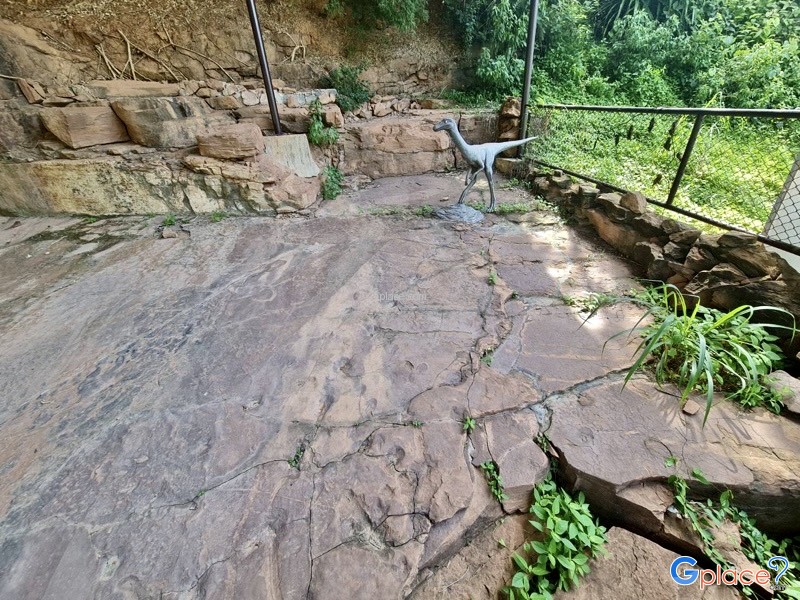
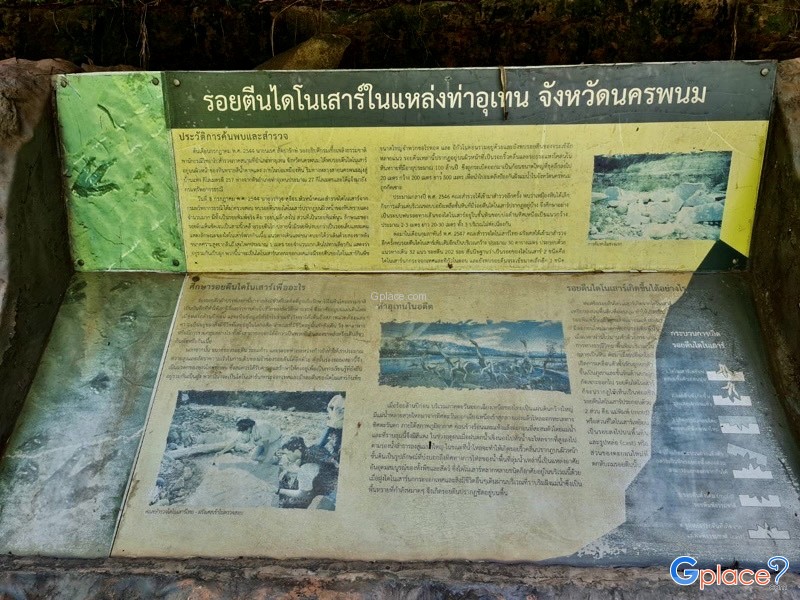

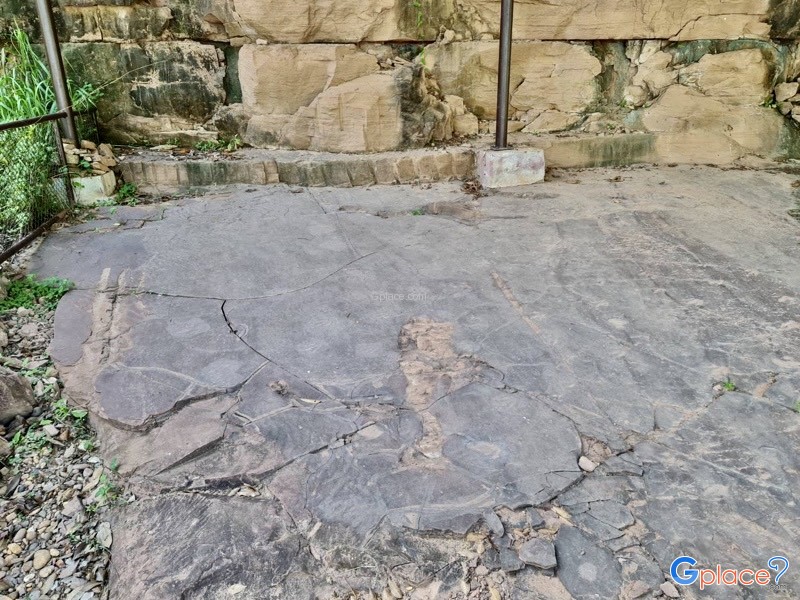
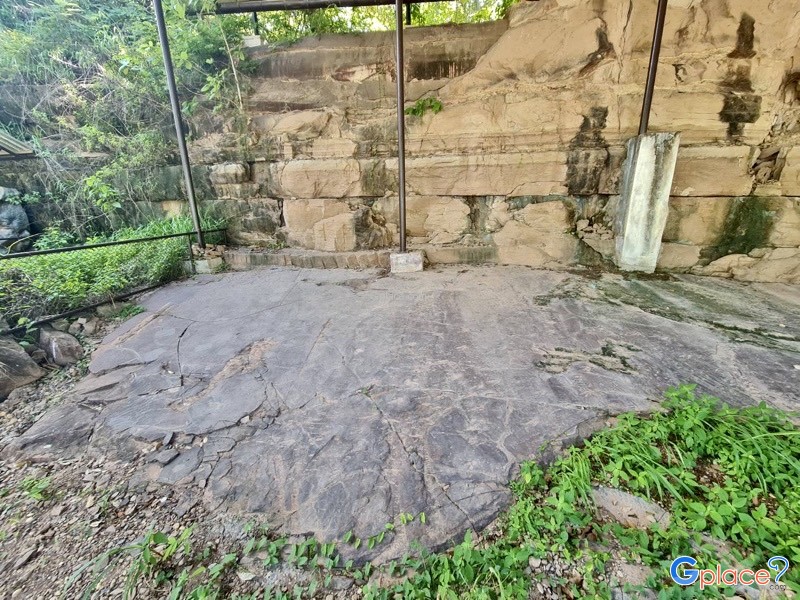
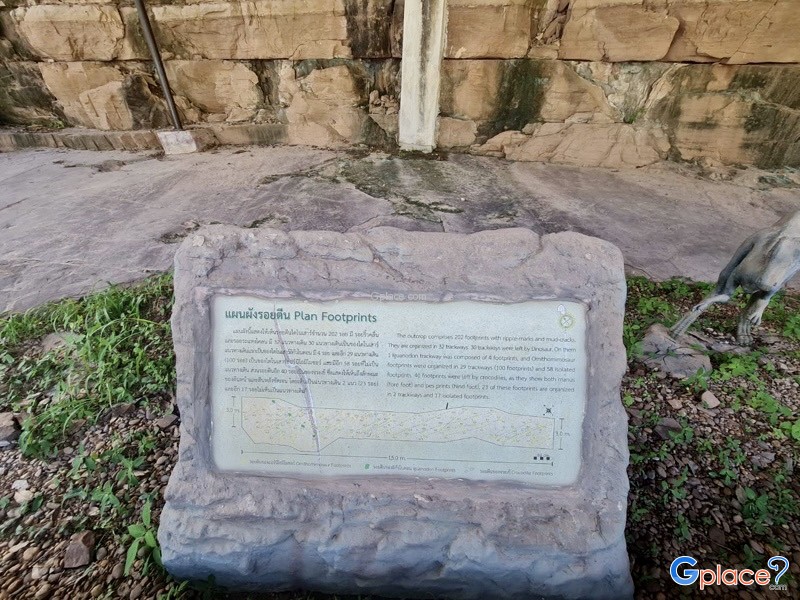
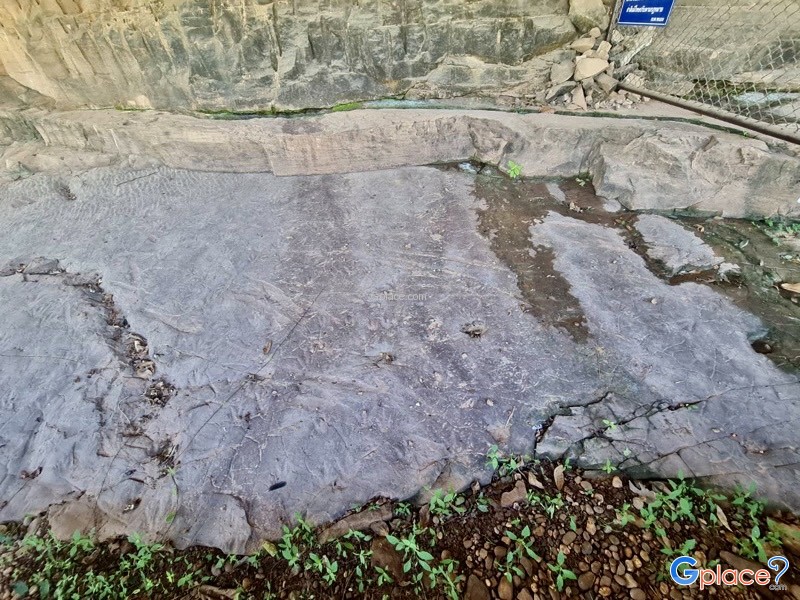

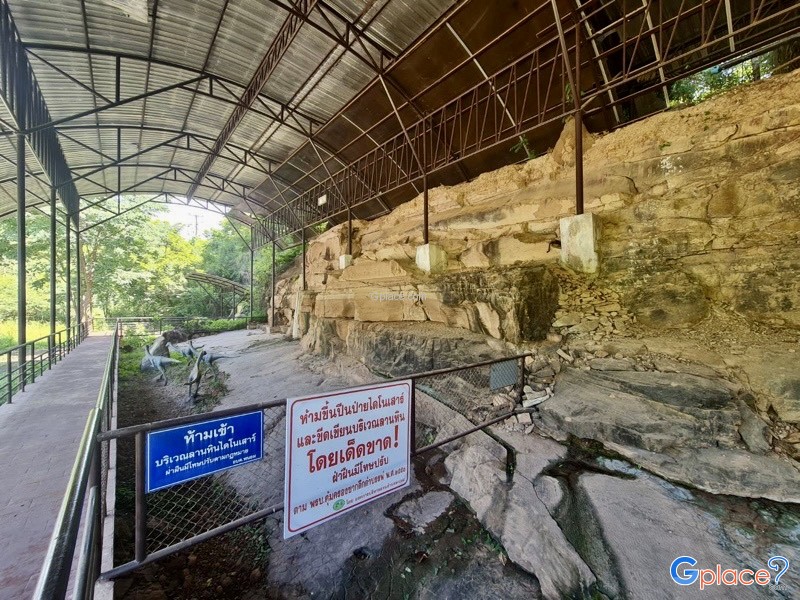


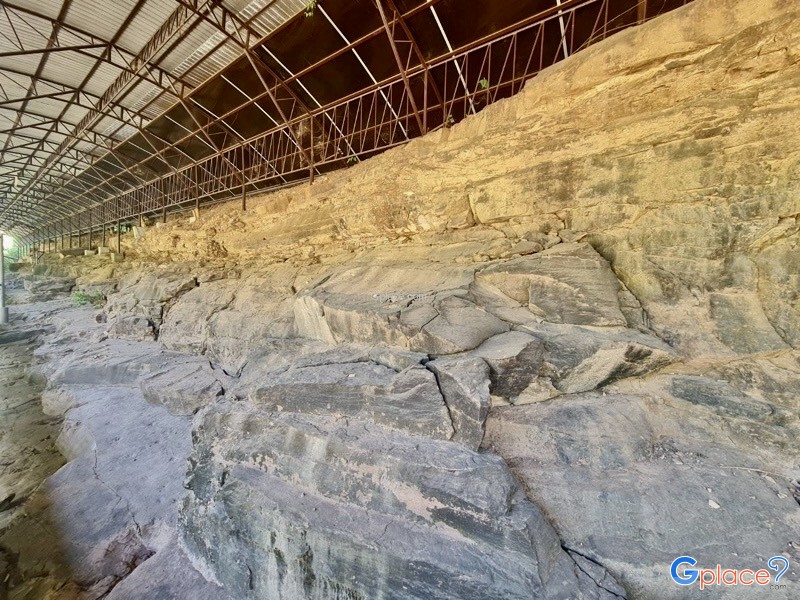
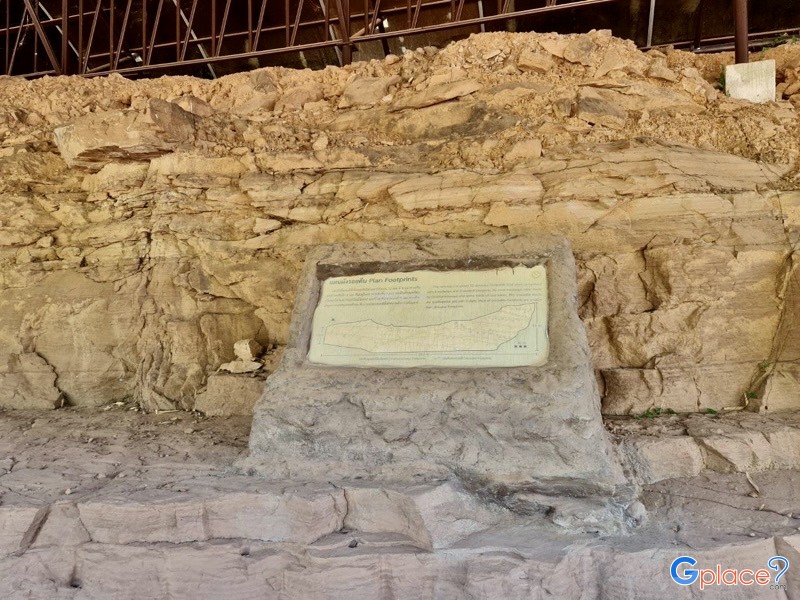
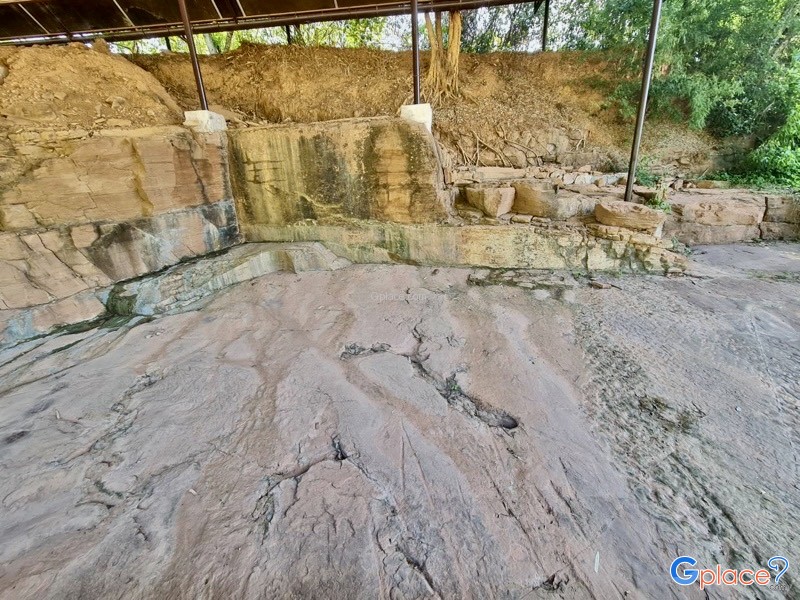
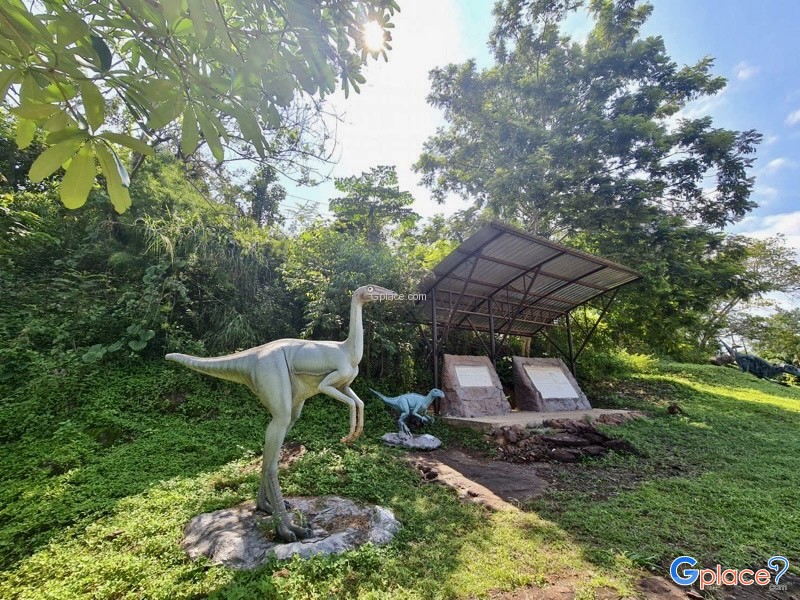
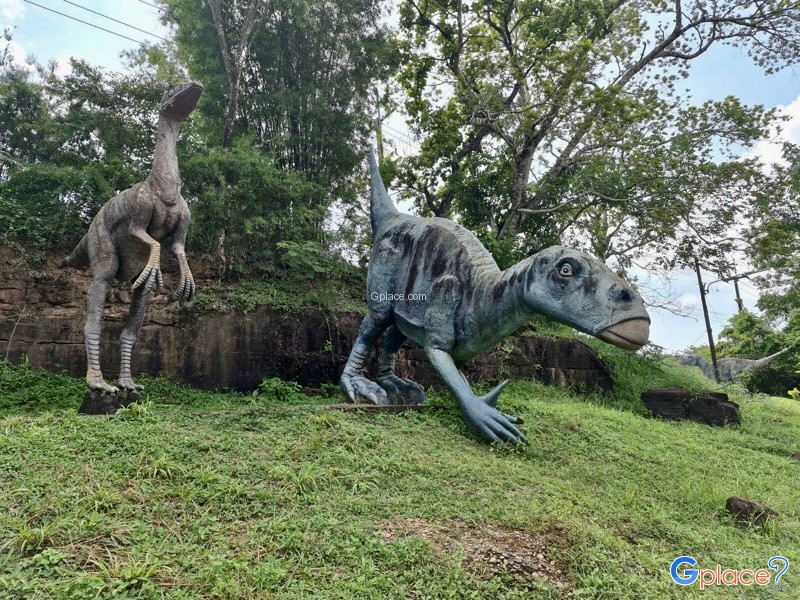
“Discover rare Cretaceous ornithopod footprints over 100 million years old. Featuring remarkably preserved tracks on red sandstone, this site offers world-class paleontological insights beside the Mekong.”
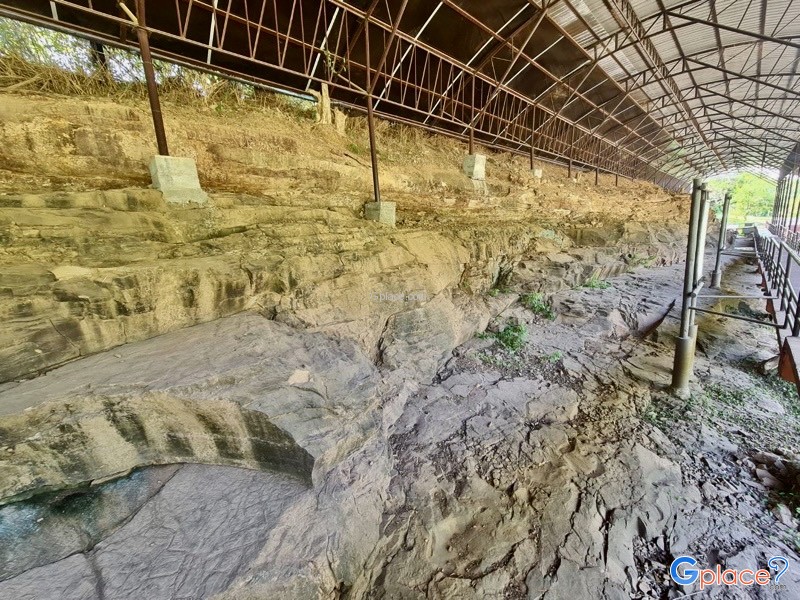
The Dinosaur Footprint Learning Center in Tha Uthen, Nakhon Phanom, stands as one of the most significant paleontological sites in Thailand and Southeast Asia. The site features an extensive collection of prehistoric tracks preserved on a thick bed of red sandstone within the Phu Kradung Formation, dating back to the Early Cretaceous period—approximately 100 to 140 million years ago. These tracks were discovered accidentally during rock excavation activities along the Mekong River, revealing the movement of creatures that inhabited this region long before major geographical shifts reshaped the continent.
The site’s academic importance lies in the presence of "Ornithopod" dinosaur tracks—bipedal herbivores characterized by their three-toed, relatively blunt, and broad footprints. The variety in the sizes of these tracks suggests the presence of social structures, such as herds or family groups moving together. Furthermore, the discovery includes rare, small footprints resembling those of a peacock, classified by geologists under the "Ignotornis" group, which are exceptionally rare on a global scale. These ichnofossils (trace fossils) do more than identify species; they act as a behavioral record, providing insights into the animals' travel directions, walking speeds, and the paleoenvironment, which was likely a floodplain near an ancient river system.
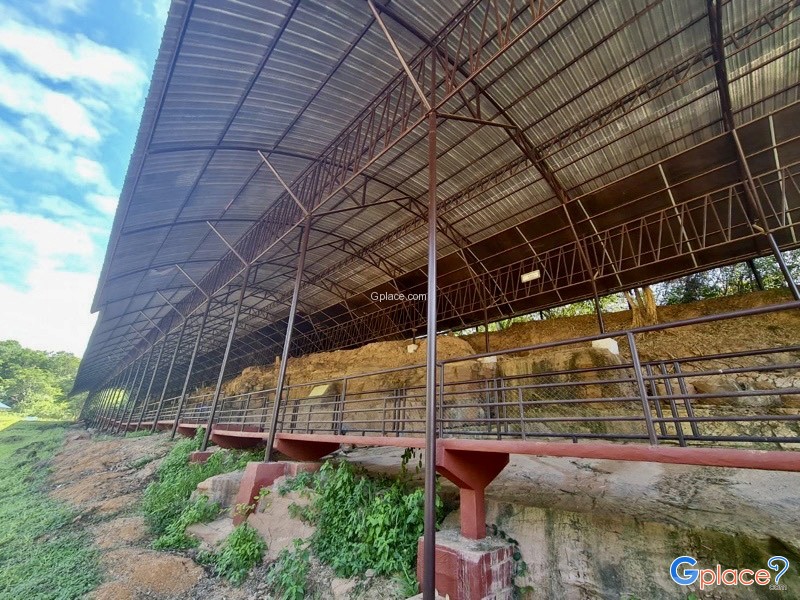
Today, the Department of Mineral Resources, in collaboration with local authorities, has developed this site into a comprehensive learning center. A semi-open architectural structure has been built to shelter the excavation pits, protecting the delicate sandstone from solar radiation, rainwater erosion, and temperature fluctuations that could cause the rock to fracture. Inside, elevated walkways allow visitors to observe the footprints clearly without disturbing the artifacts. The center is equipped with detailed educational displays explaining the fossilization process and the connection between ancient ecosystems in the Khorat and Sakon Nakhon basins, making it an invaluable natural classroom for students and tourists seeking a profound connection with the Earth's distant past.
How to Get There
- From Nakhon Phanom city, take Highway 212 (Chayangkoon Road) towards Tha Uthen district. Drive past the district towards Bueng Kan province. At approximately kilometer 180-181, there will be a clear sign indicating to turn left into Ban Phanom.
Travel Tips
-
Wear comfortable walking shoes for the elevated walkways inside the center.
-
Bring a portable fan or hand fan as it can get quite humid inside the building.
-
Using a flashlight at an oblique angle helps highlight the depth of the footprints.
-
Strictly avoid stepping on or touching the sandstone surfaces to prevent erosion.
-
Arrive before 10:00 AM for the best natural lighting for photography.
-
Carry your own drinking water as nearby shops may have limited supplies.
-
Contact the center in advance if visiting as a group to request a guided tour.
-
Check the local weather forecast as heavy rain may affect the access road.
Admission Fees:
- Free Entry (No admission fee for both Thai and foreign visitors)
Opening Hours:
-
Open daily from 08:00 AM – 05:00 PM (Including public holidays)
Dinosaur Footprints Park Tha Uthen

 Share
Share
 Ban Phanom, T.Phanom, A.Tha Uthen, Nakhon Phanom 48120
Map
Ban Phanom, T.Phanom, A.Tha Uthen, Nakhon Phanom 48120
Map
 Open now : 8.00 - 17.00
Mon8.00 - 17.00
Tue8.00 - 17.00
Wed8.00 - 17.00
Thu8.00 - 17.00
Fri8.00 - 17.00
Sat8.00 - 17.00
Sun8.00 - 17.00



 69
69