 Attractions
  Hotel
Hotel  Restaurant
  Shopping
  Abroad





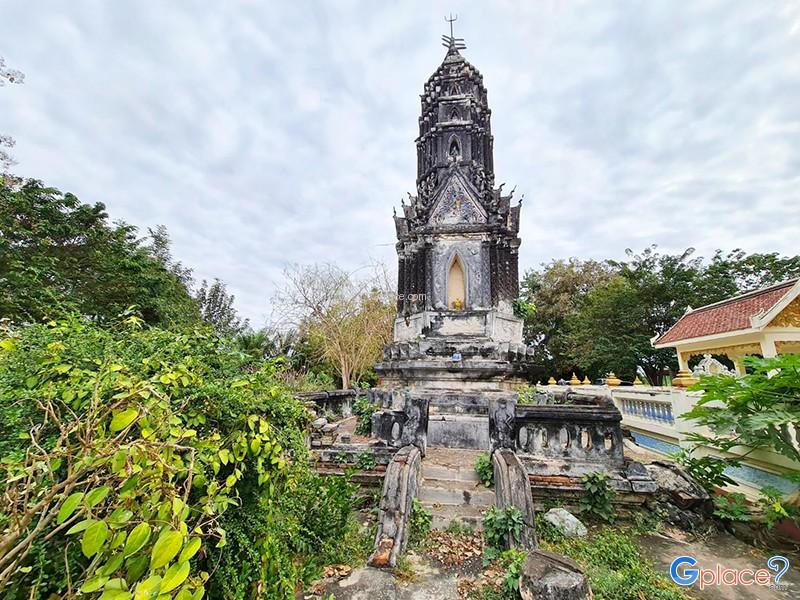

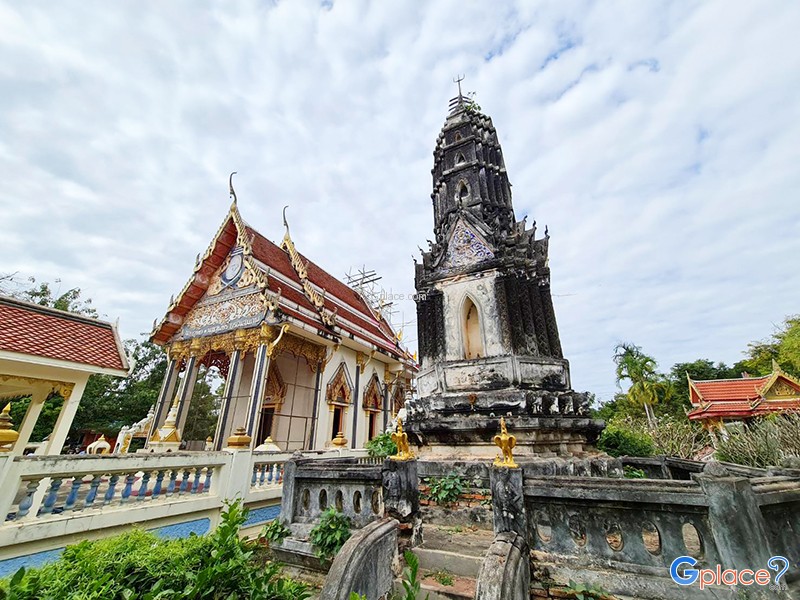
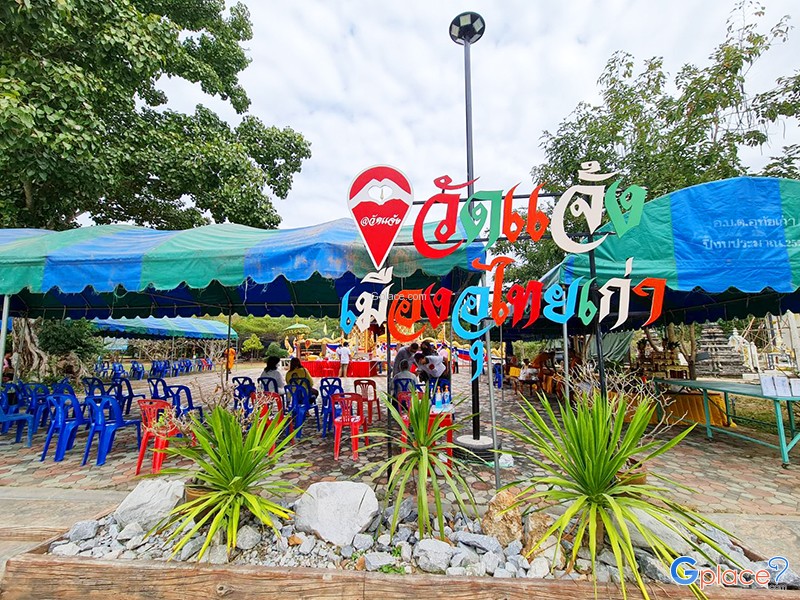
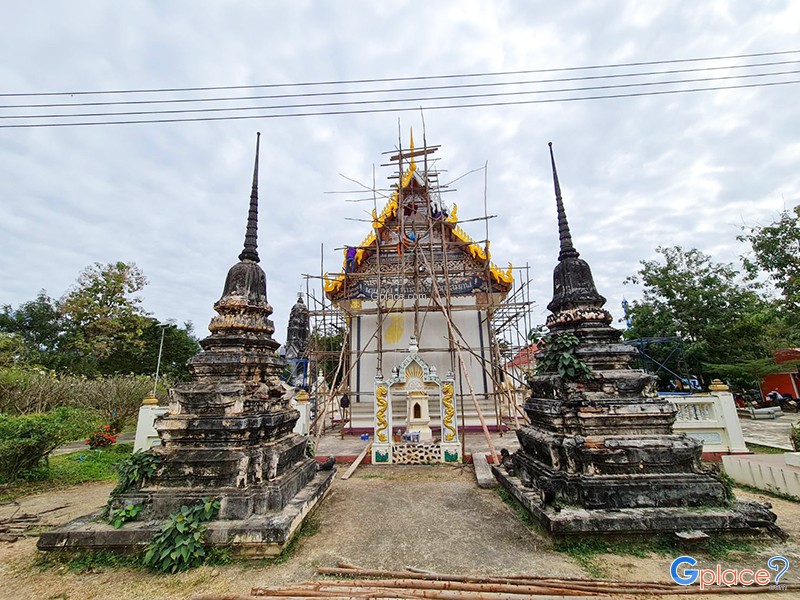
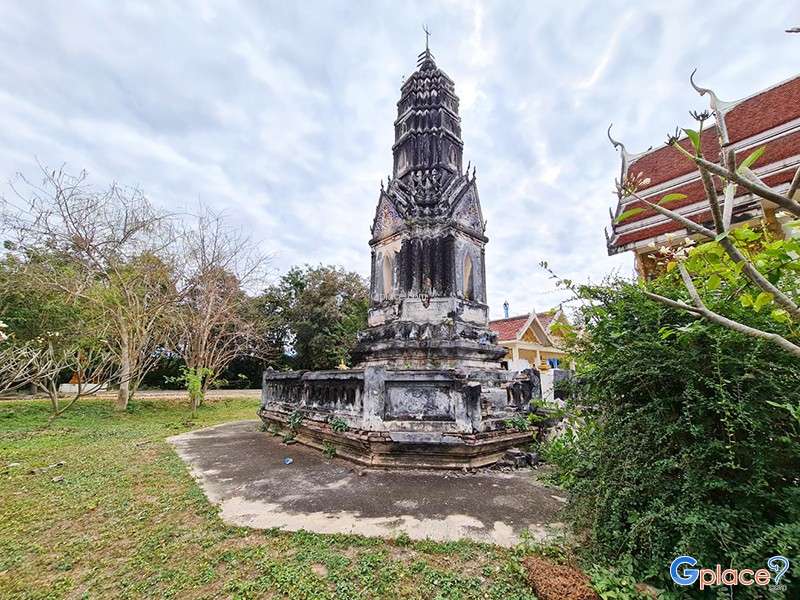
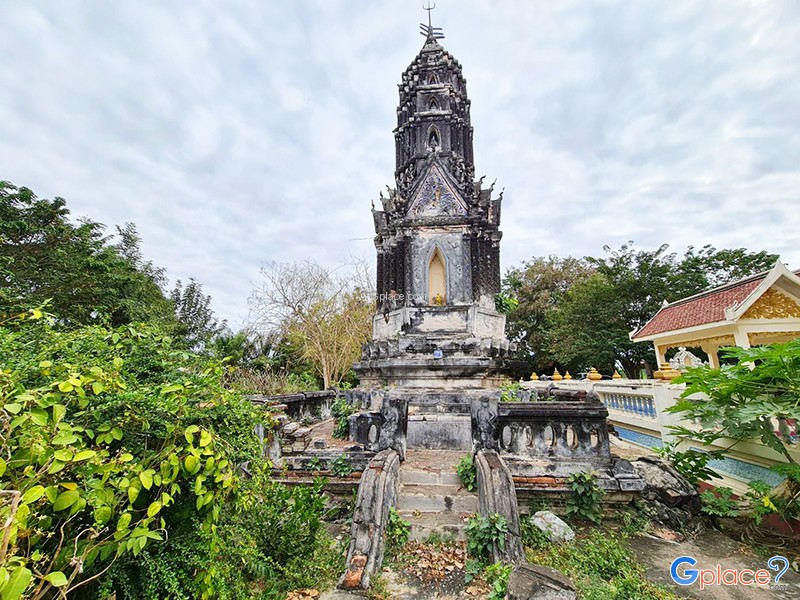
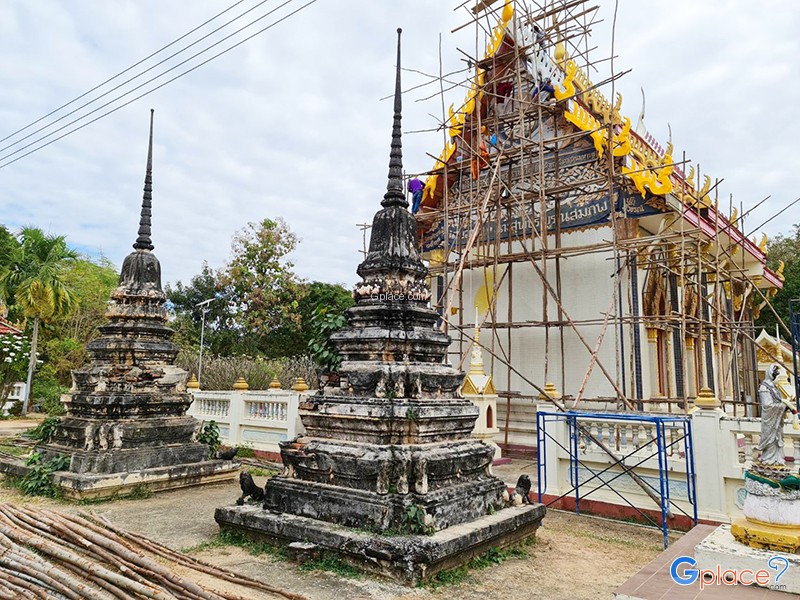
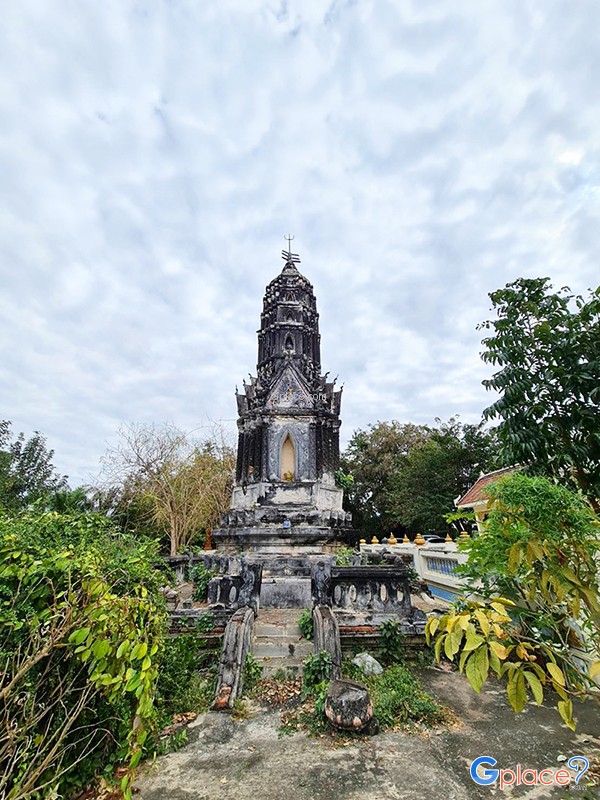
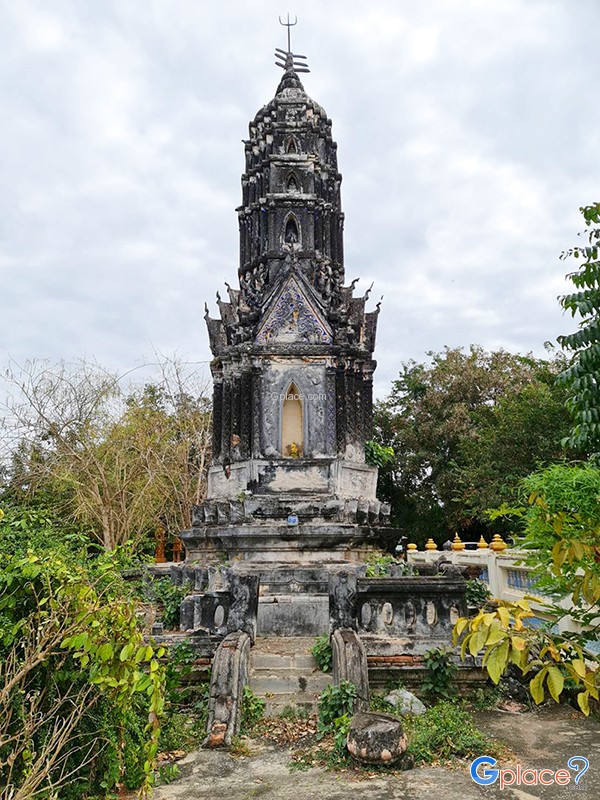
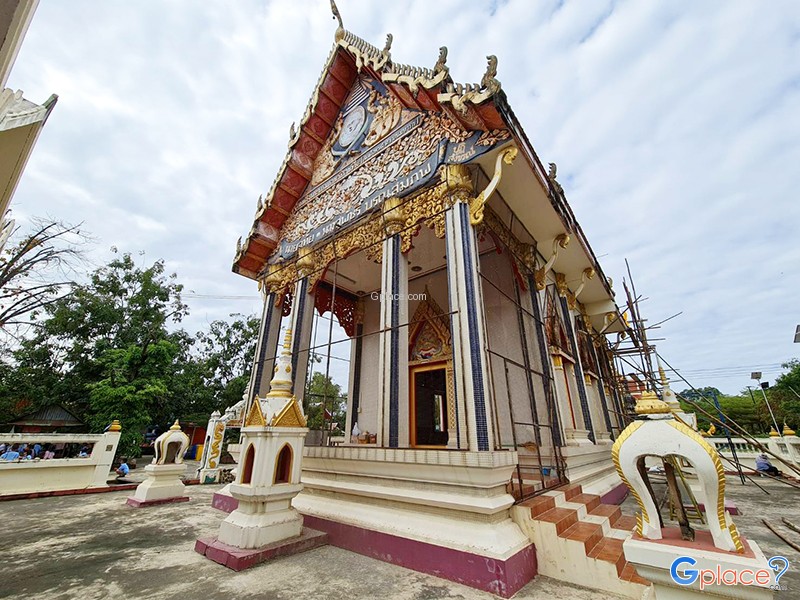
“Admire the 600-year-old ancient Prang and pay respects at the Shrine of King Taksin the Great within a historic temple atmosphere that preserves the beauty of late Ayutthaya art.”
Chaeng Temple is located in the historic old town of Uthai Thani and is regarded as one of the most historically significant temples in the province. It is widely believed to be the oldest and first temple of Uthai Thani, dating back to the late Sukhothai period, around 1920 B.E. (circa 1377 CE). This period marked the early development of ancient settlements along the Sakae Krang River, where religious and commercial communities began to flourish.
According to local legend, the temple received its name during the Thonburi period. After King Taksin the Great successfully reclaimed Siam’s independence, he led his army through this area at dawn, when the sky was bright and clear. The moment of “chaeng,” meaning daylight or brightness, inspired the name Chaeng Temple, symbolizing auspicious beginnings. Although this legend emerged centuries after the temple’s founding, it reflects the temple’s enduring role as a spiritual and communal center through multiple historical eras.
The most prominent architectural feature of Wat Chaeng is its ancient prang (tower shrine), constructed in 2081 B.E. during the early Ayutthaya period. The prang exhibits influences from Khmer and Ayutthaya architectural styles, representing the spread of Theravada Buddhism in the region. The structure was severely damaged during wars with Burma, resulting in the collapse of its upper section. It was later restored in 2458 B.E. (1915 CE), preserving its historical form and significance for future generations.
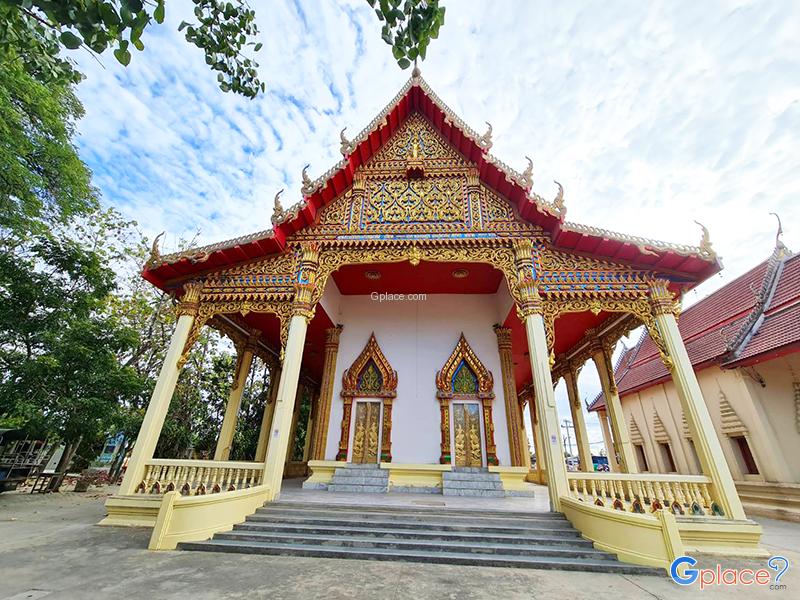
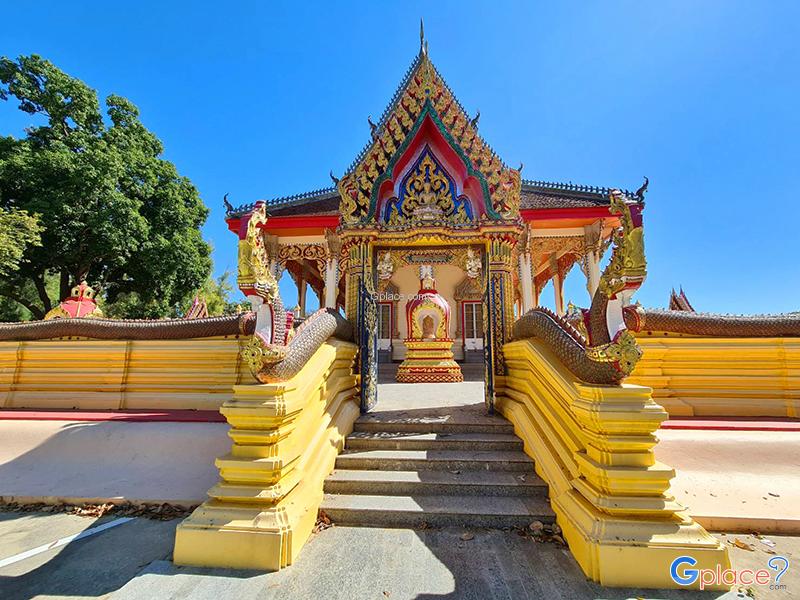
Another notable structure is the small single-entrance ordination hall, a distinctive characteristic of late Ayutthaya temple architecture. Inside enshrines Luang Pho Chaeng, a revered Buddha image believed to bring protection, prosperity, and good fortune. The interior walls are adorned with mural paintings depicting episodes from the Buddha’s life and Jataka tales, created by local artisans and reflecting rare examples of traditional folk art.
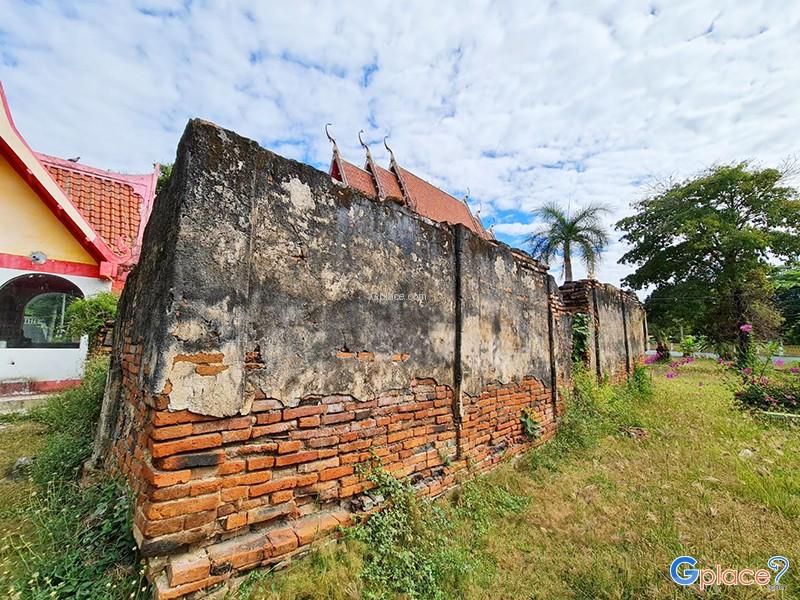
The atmosphere of Chaeng Temple is calm and solemn, enriched by the presence of ancient boundary stones, ruins of old viharns, and architectural remnants from different historical periods. The temple continues to play a vital role in local traditions, especially during the Songkran Festival, when rituals such as wrapping cloth around the prang and building sand pagodas are performed. These ceremonies symbolize unity, devotion, and the deep-rooted faith of the Uthai Thani community.
With its rich historical layers, artistic heritage, and spiritual importance, Chaeng Temple stands as a living historical monument that narrates the evolution of Uthai Thani from the Sukhothai era through Ayutthaya, Thonburi, and Rattanakosin periods. It is an ideal destination for visitors interested in history, archaeology, and traditional art, as well as those seeking peace of mind and a deeper understanding of the cultural roots of Uthai Thani.
How to Get There
Private Car:
- From Uthai Thani city center, take Highway 333 towards Nong Chang District. At the Nong Chang roundabout, exit towards Uthai Kao. The temple is located along the road, easily recognizable by its ancient Prang.
Public Transport:
- You can take a van or bus on the Uthai Thani–Nong Chang route and then take a local taxi (motorcycle or tricycle) to Chaeng Temple
Travel Tips
Best Time to Visit:
- Arriving in the early morning when the sun has just become "bright" (Chaeng) aligns perfectly with the temple's name and provides beautiful lighting.
Dress Code:
- As it is an important religious site, please dress politely (no short pants or sleeveless shirts).
Photography:
- The most popular angle is the Prang paired with the old ordination hall, which is particularly stunning during the golden hour in the evening.
Activities:
- Don't forget to visit the King Taksin the Great Shrine within the temple grounds to pray for career success and overcoming obstacles.
Admission Fee
-
Local Visitors: Free
-
Foreign Visitors: Free
Opening Hours:
-
Open daily for visits and worship from 07:00 – 17:30.
Chaeng Temple

 Share
Share
 Chaeng Temple, CR4J+9HQ, Uthai Kao, Nong Chang, Uthai Thani, Thailand
Map
Chaeng Temple, CR4J+9HQ, Uthai Kao, Nong Chang, Uthai Thani, Thailand
Map
 Open now : 7.00 - 17.30
Mon7.00 - 17.30
Tue7.00 - 17.30
Wed7.00 - 17.30
Thu7.00 - 17.30
Fri7.00 - 17.30
Sat7.00 - 17.30
Sun7.00 - 17.30



 154
154