 Attractions
  Hotel
Hotel  Restaurant
  Shopping
  Abroad





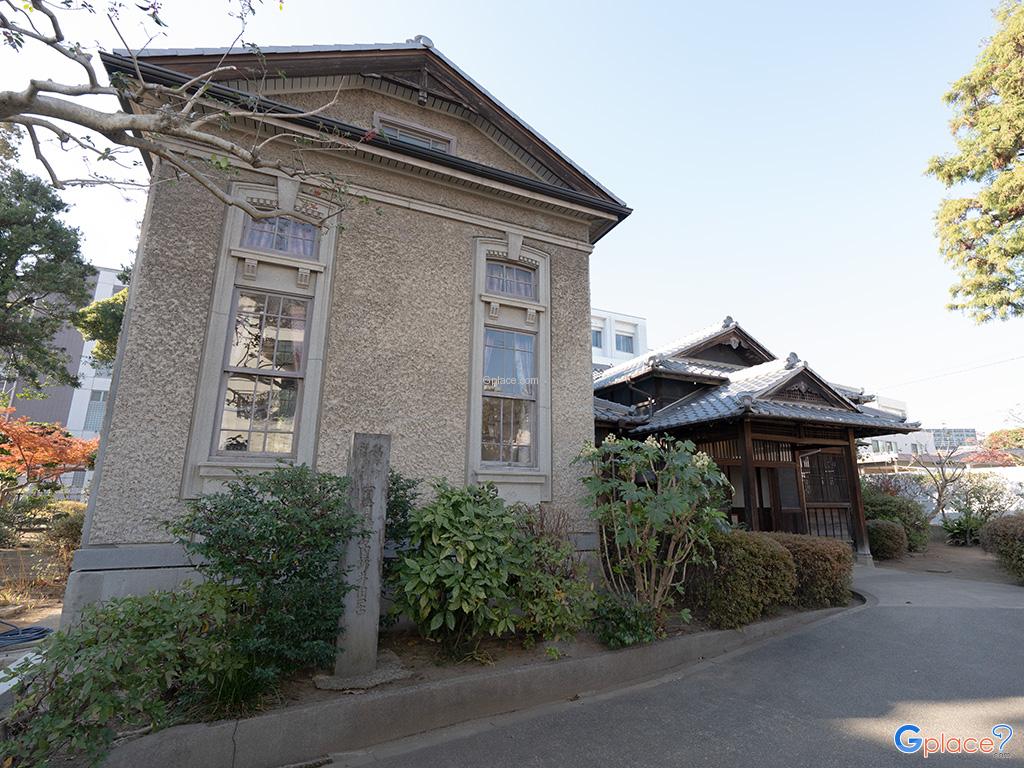

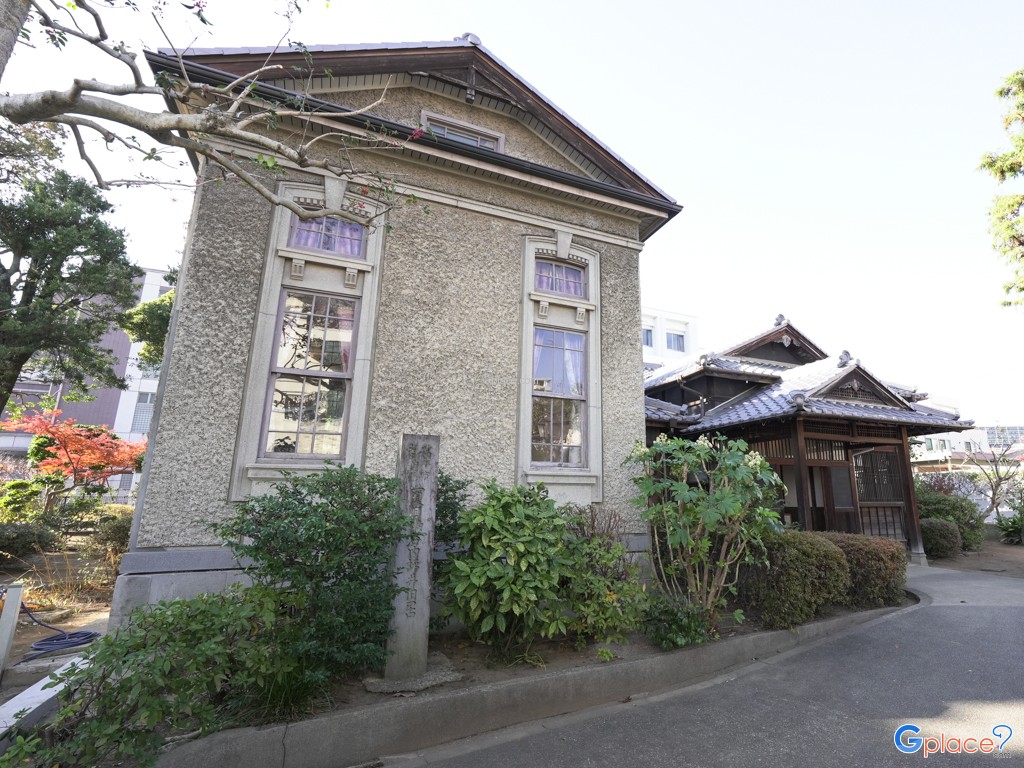

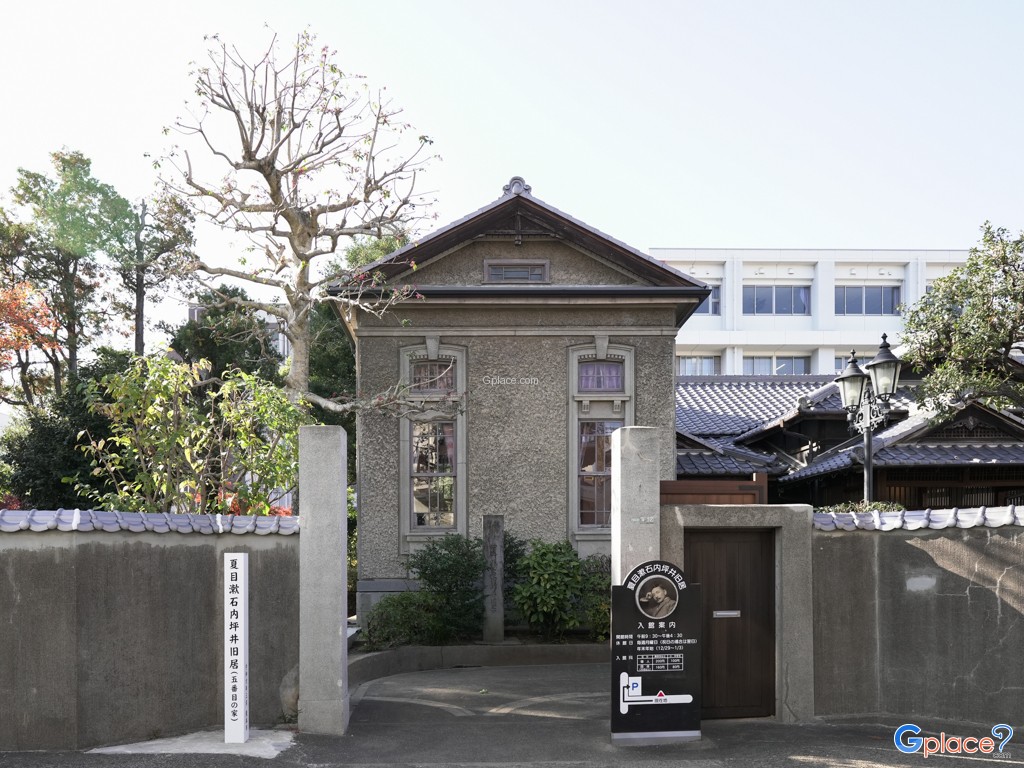

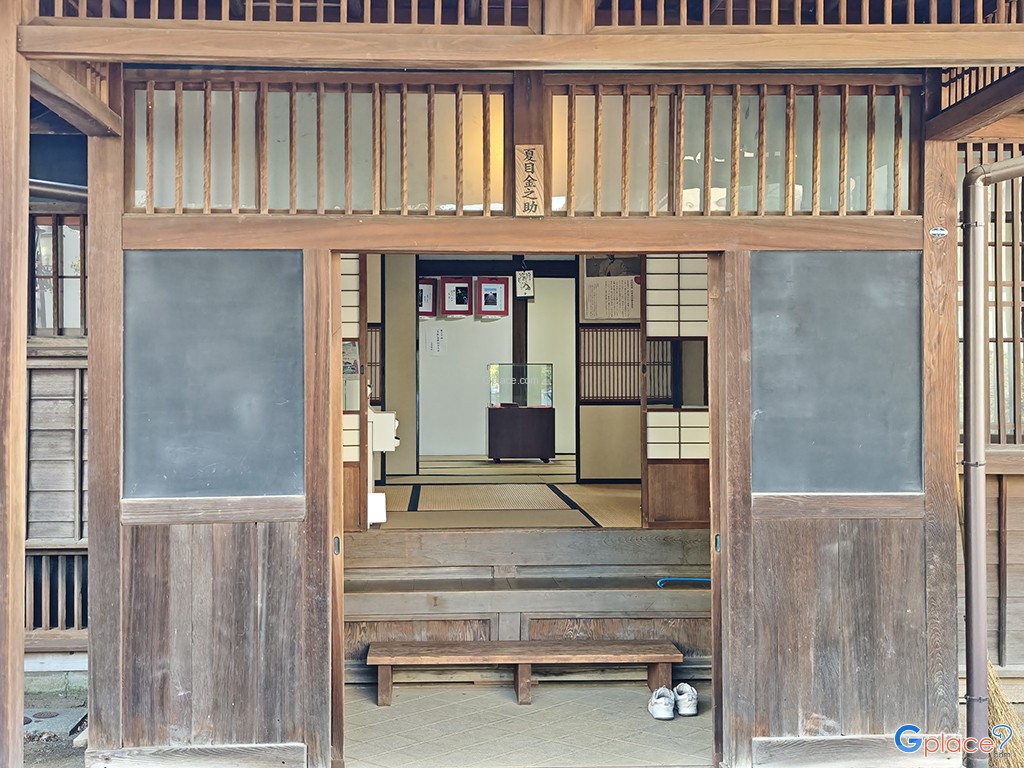
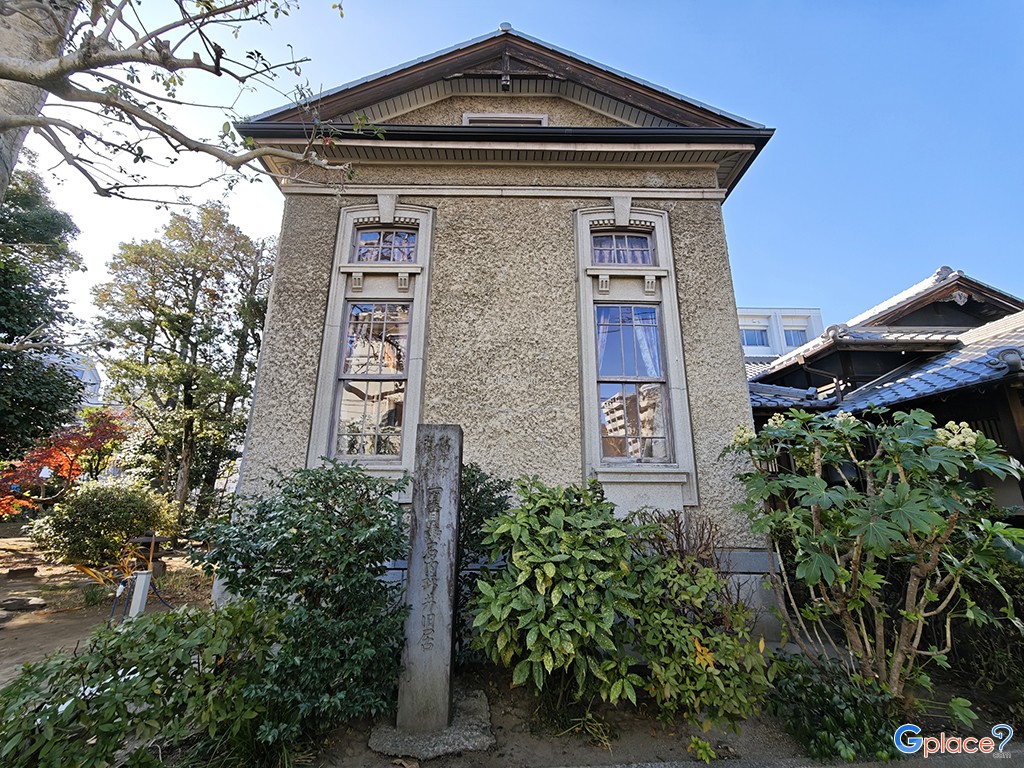
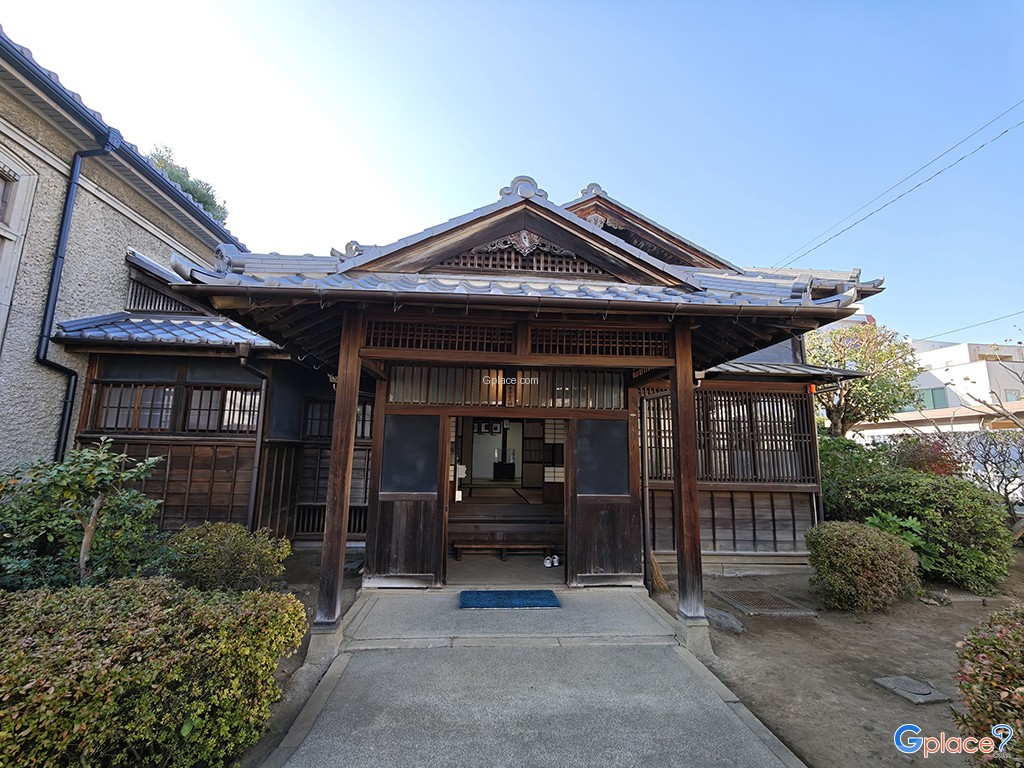
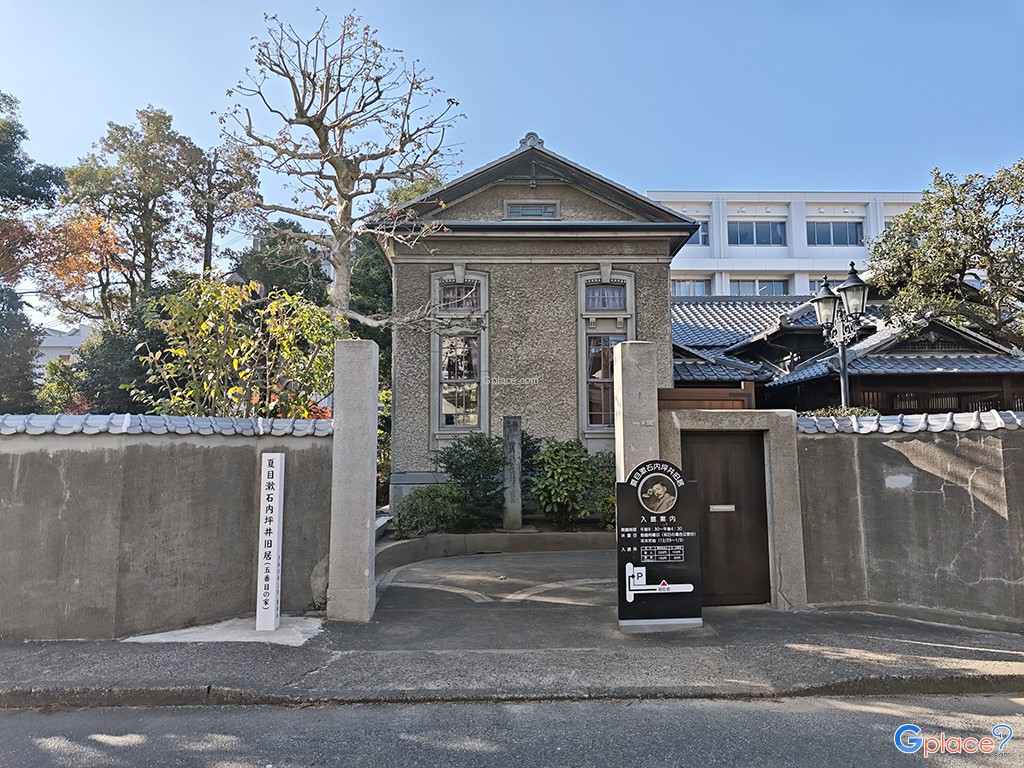
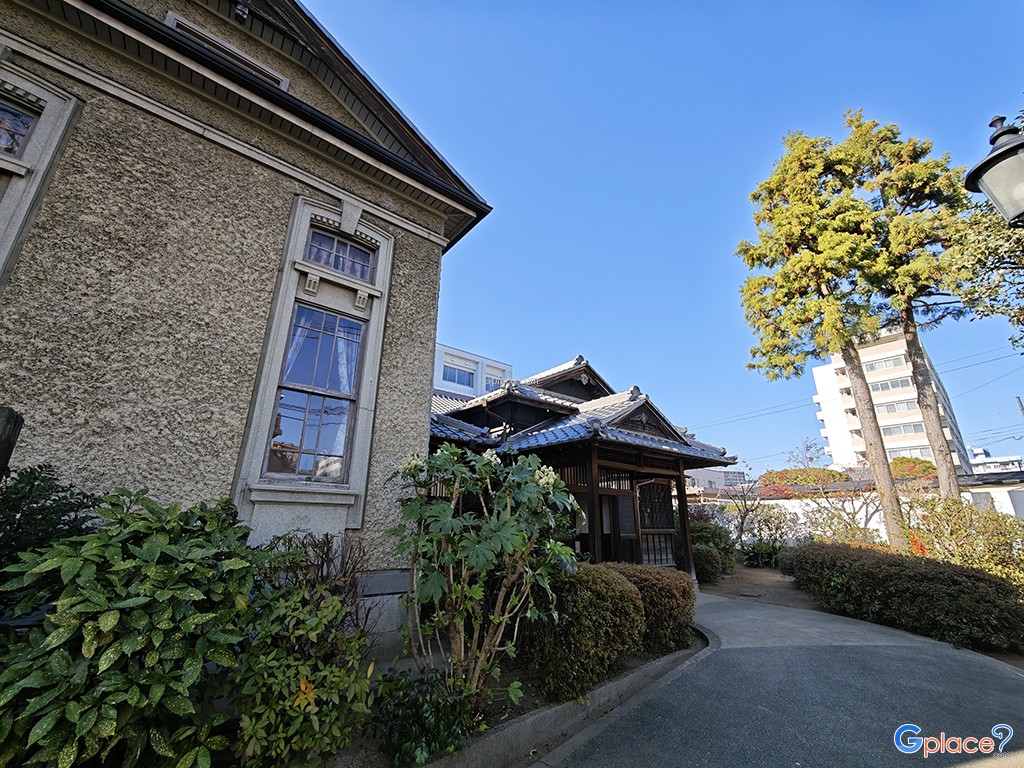
“A meticulously restored Meiji-period residence that embodies both the literary legacy of Natsume Sōseki and the cultural resilience of Kumamoto after the 2016 earthquake.”
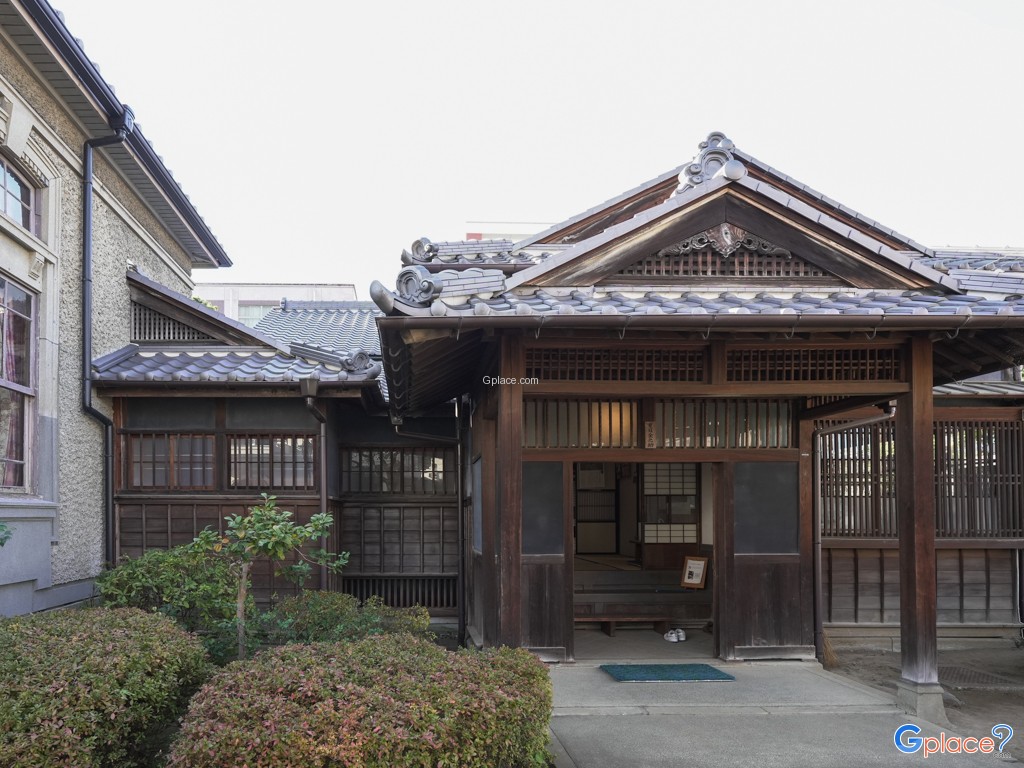
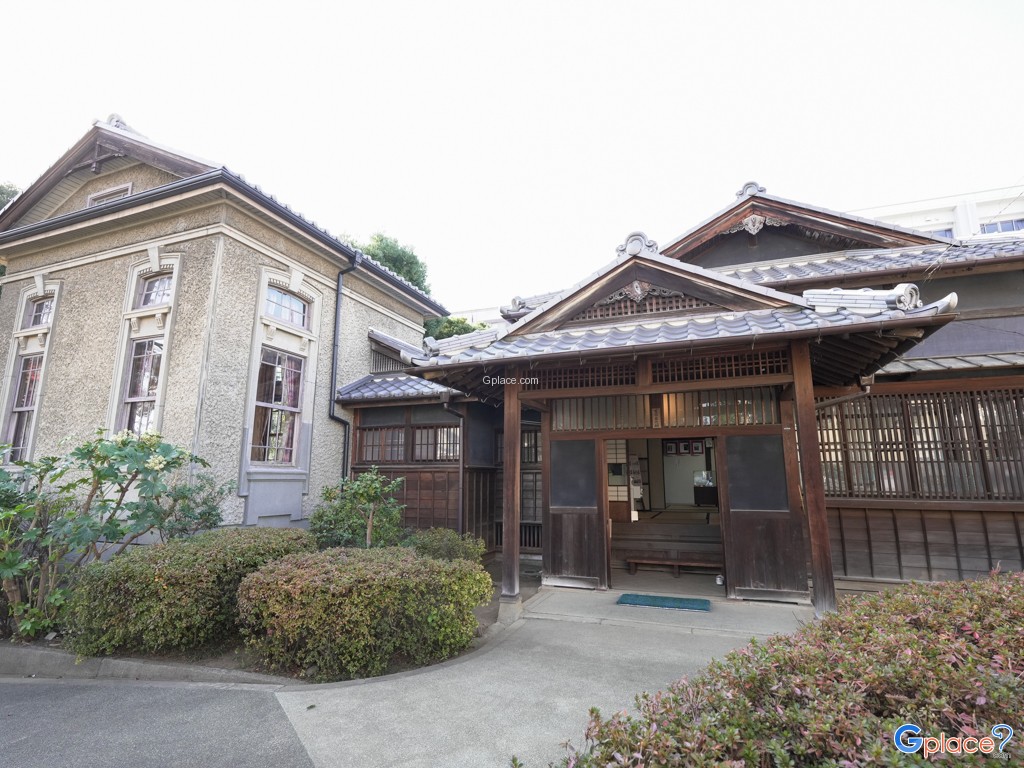
Uchitsuboi House is widely regarded as the most evocative site for admirers of Natsume Sōseki, one of Japan’s most influential modern writers. Unlike formal memorial museums, this traditional wooden residence retains a lived-in warmth, allowing visitors to experience the daily rhythms of late Meiji-era domestic life.
The house was significantly damaged during the 2016 Kumamoto Earthquake and remained closed for several years. After careful and historically sensitive restoration, it reopened to the public in 2022, standing today as a powerful symbol of cultural resilience and preservation.
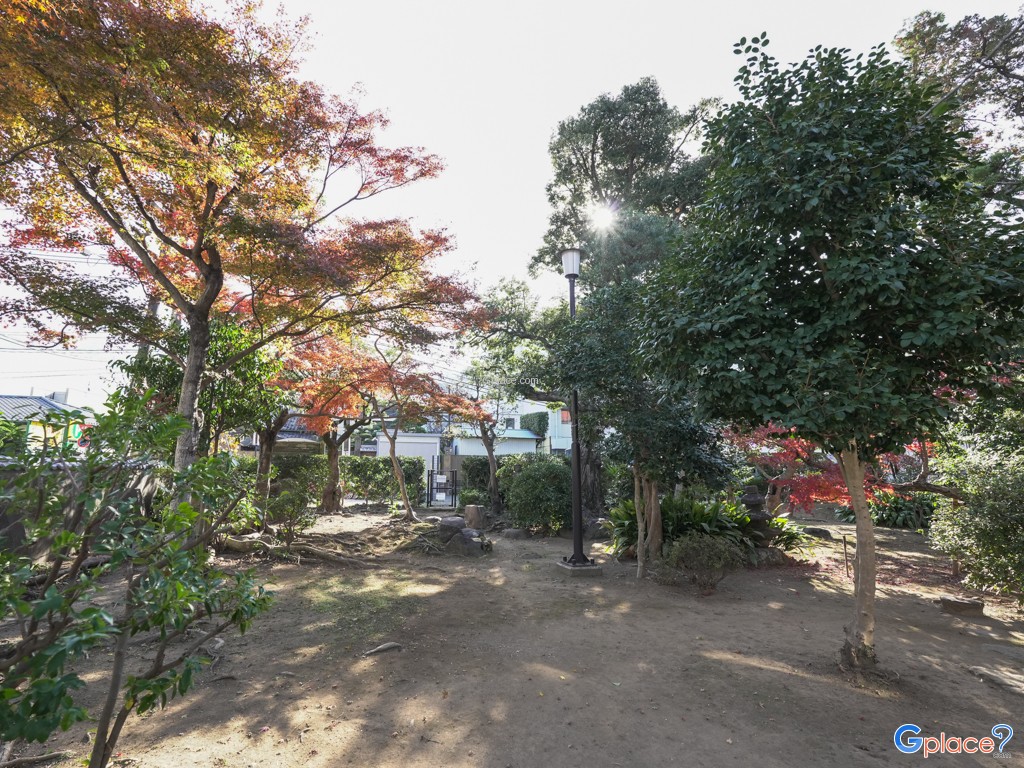
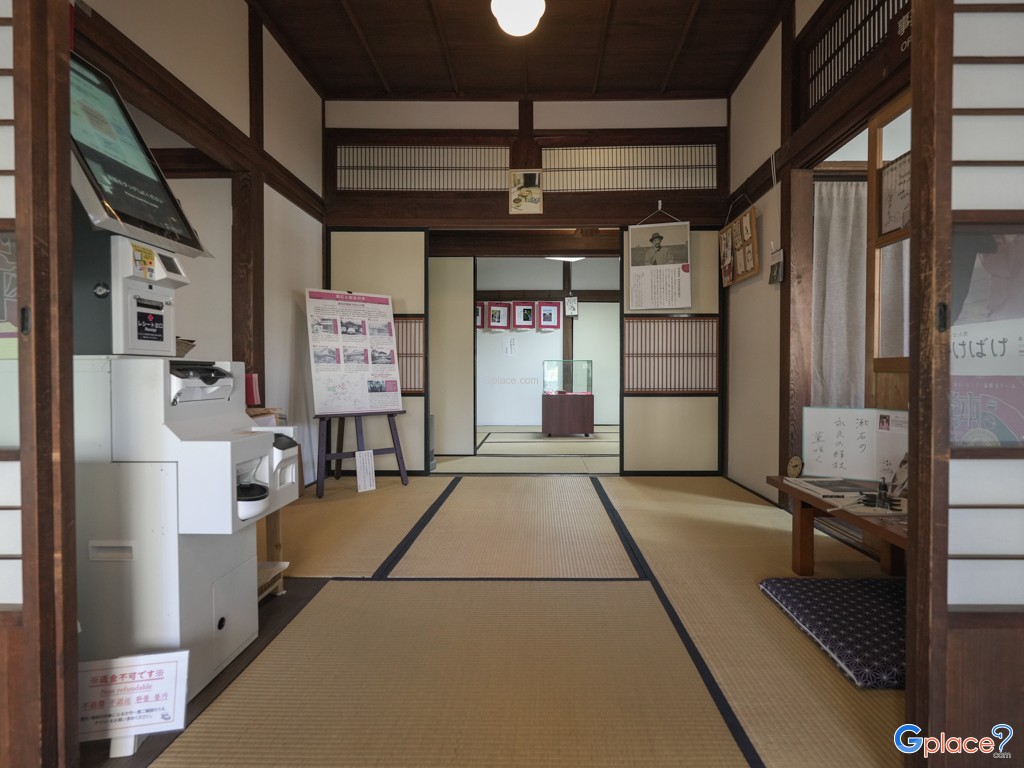
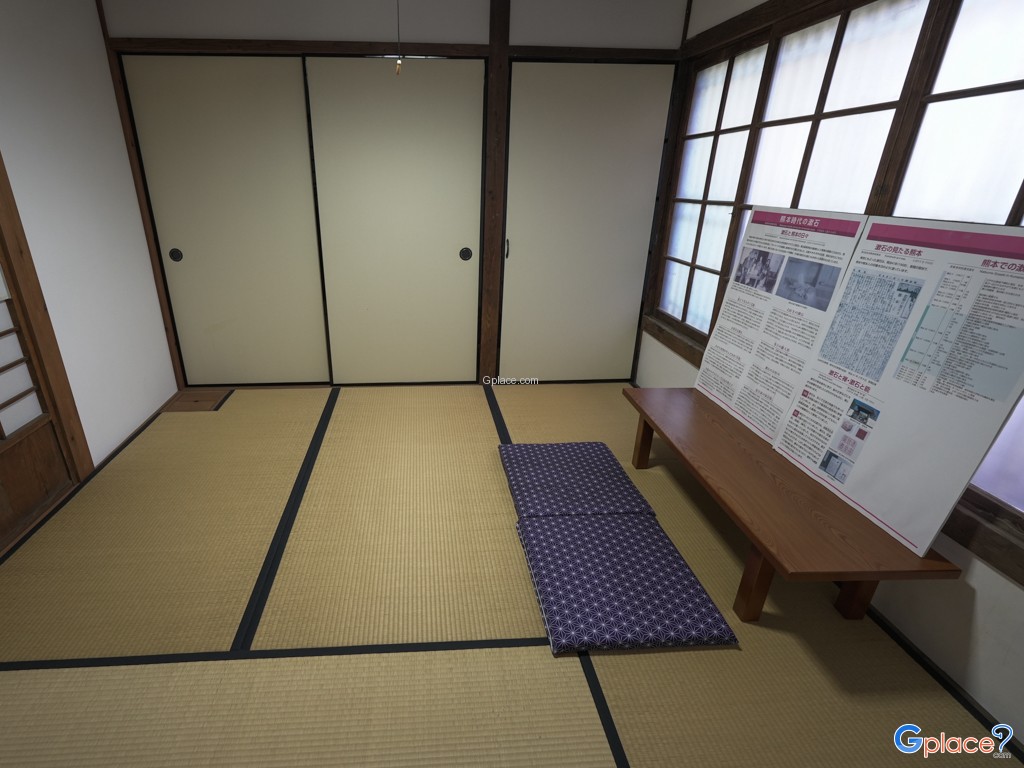
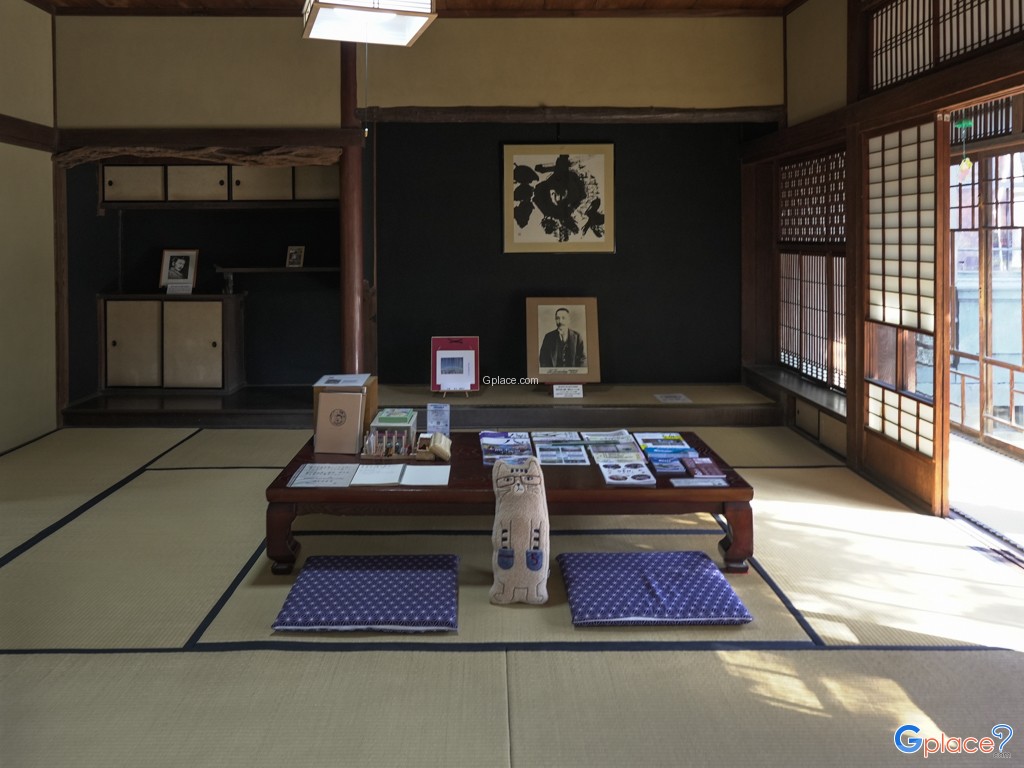
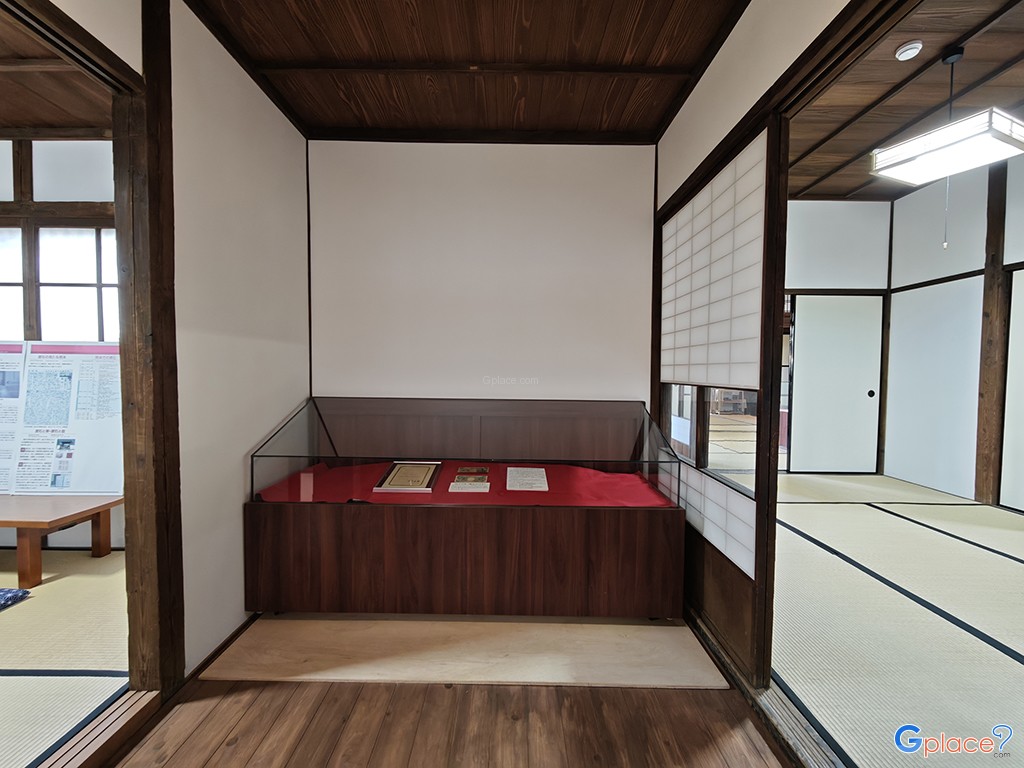
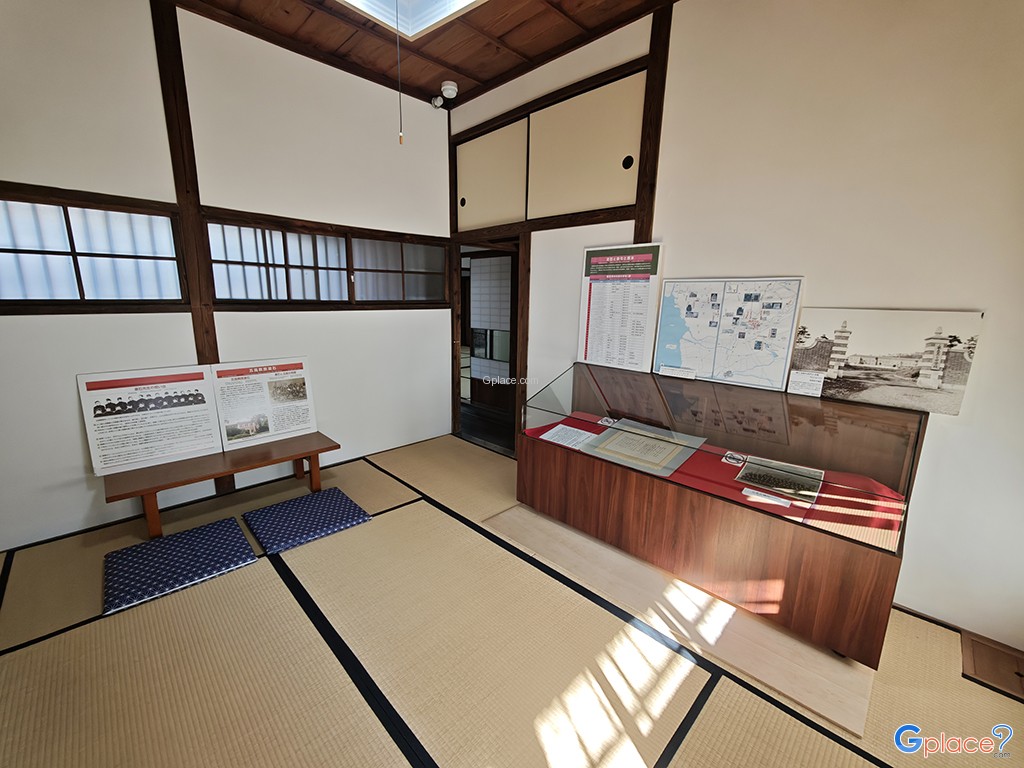
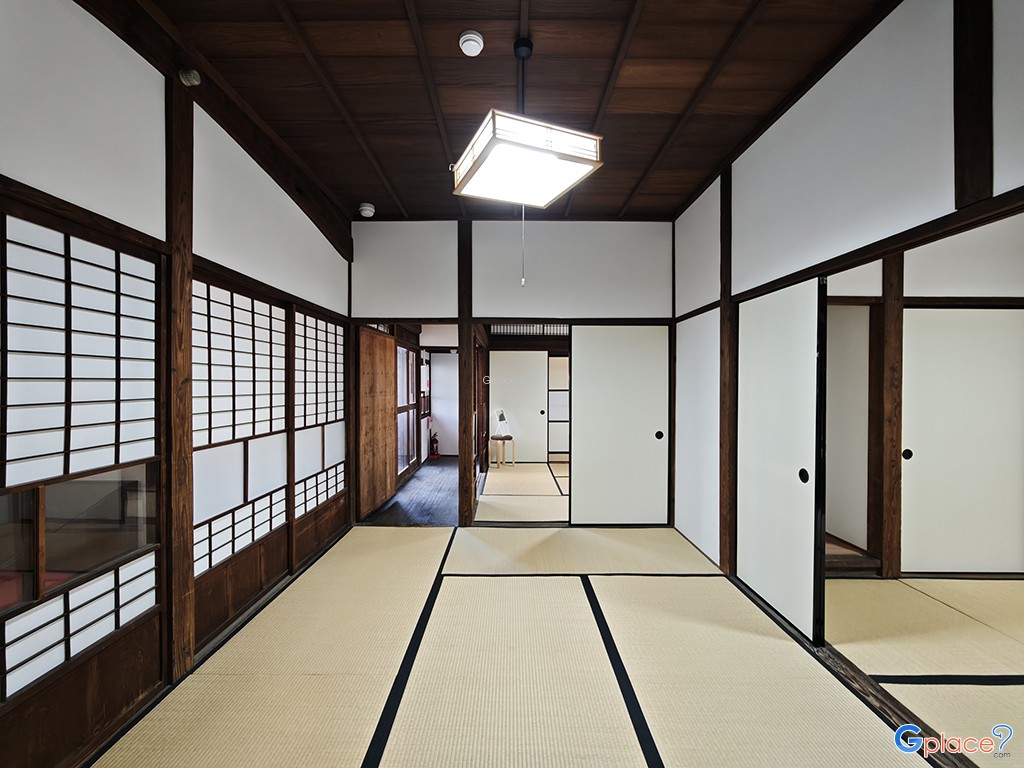
Architectural features include tatami-matted rooms, sliding shoji doors, and a tranquil engawa (veranda) overlooking a well-maintained garden. The reconstructed study forms the heart of the residence, where Sōseki prepared lectures while teaching at the Fifth High School, reflecting the disciplined yet contemplative atmosphere that shaped his early intellectual development.
A small detached hut within the grounds once housed his student Terada Torahiko, who later became a prominent physicist and essayist. Terada served as the model for Kangetsu Mizushima in I Am a Cat. In tribute to this iconic work, a small cat statue is displayed on the property and has become a favorite subject for visitors and photographers.
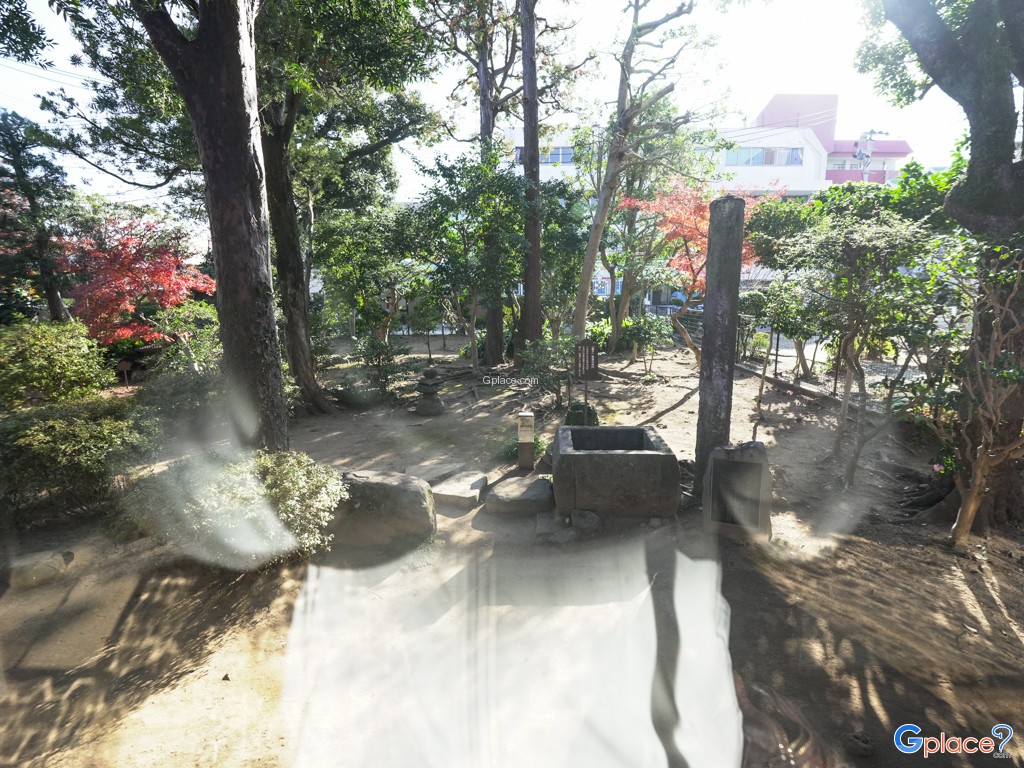
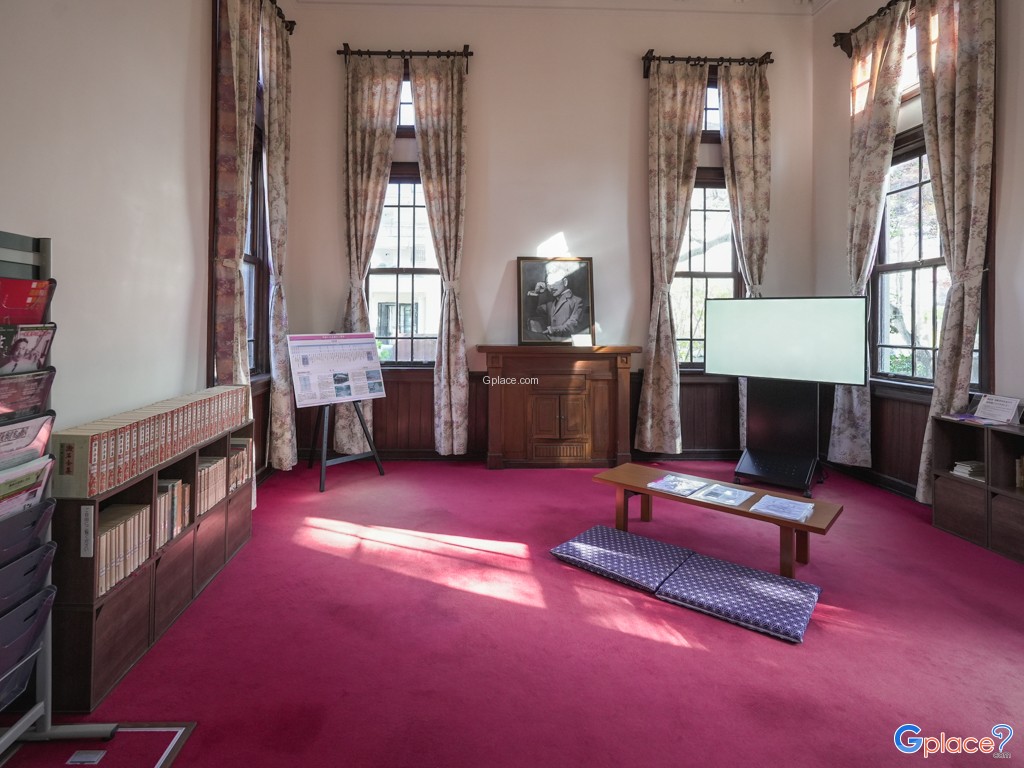
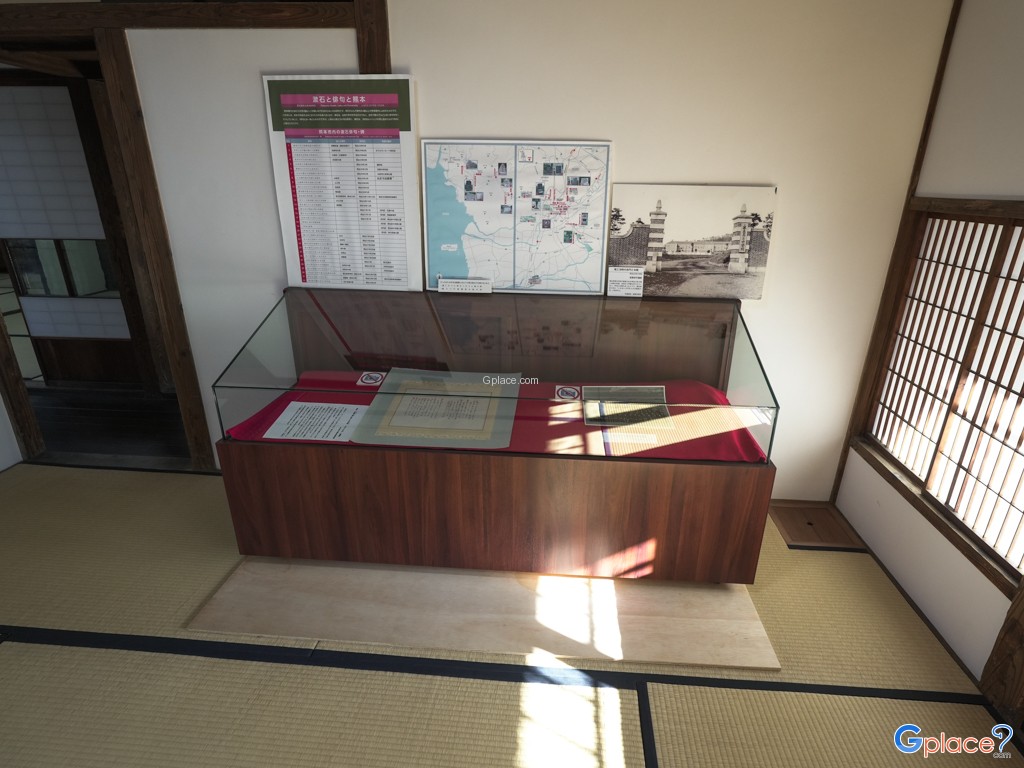
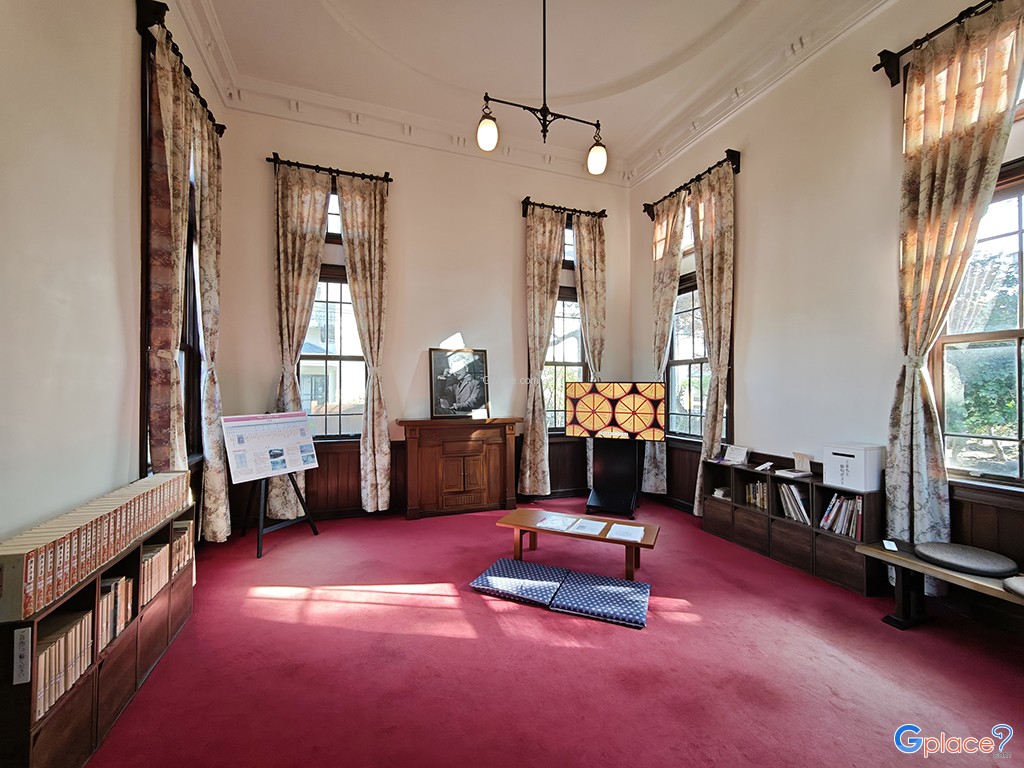
The garden well marks a deeply personal chapter in Sōseki’s life: the birth of his daughter Fudeko in 1899, symbolizing a rare period of domestic stability before the family returned to Tokyo. Exhibited manuscripts, photographs, and personal items trace Sōseki’s transformation from an English literature scholar into the literary giant whose portrait later appeared on the Japanese 1,000-yen banknote.
How to Get There
-
On Foot:
-
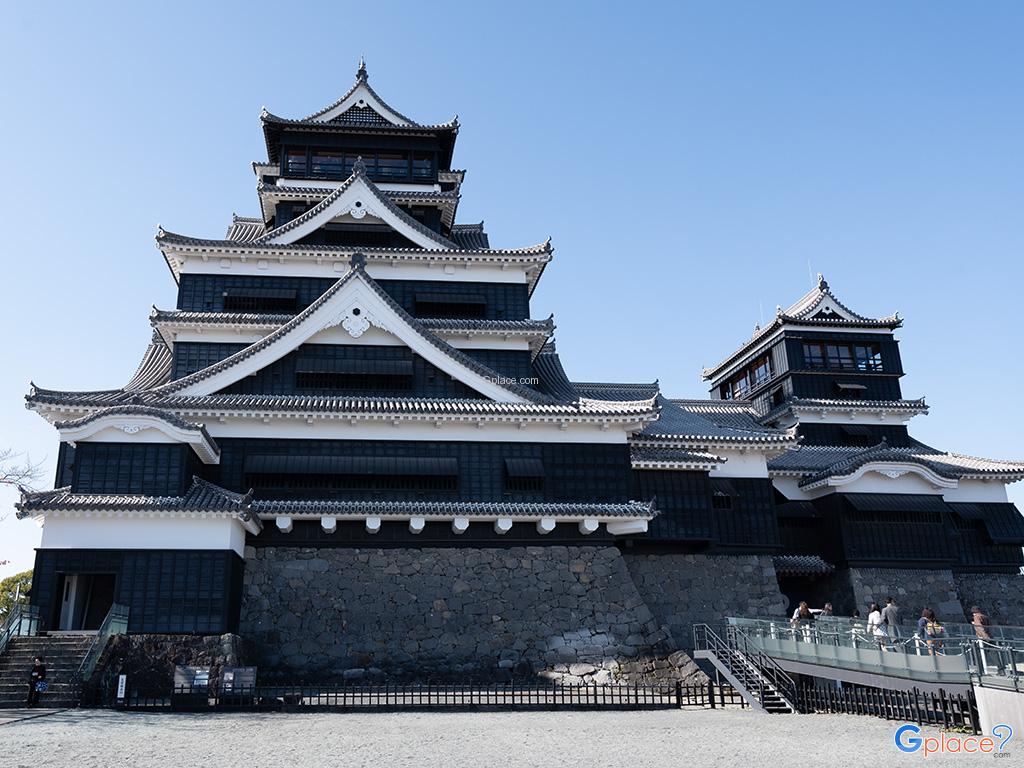
Approximately 10–15 minutes’ walk from Kumamoto Castle through the historic Uchitsuboimachi neighborhood.
-
-
By Tram:
-
Take the Kumamoto City Tram and get off at Fujisaki-gu-mae Station, then walk to the residence.
-
Alternatively, alight at Shiyakusho-mae (City Administration Office) and continue on foot.
-
-
Nearby Landmark:
-
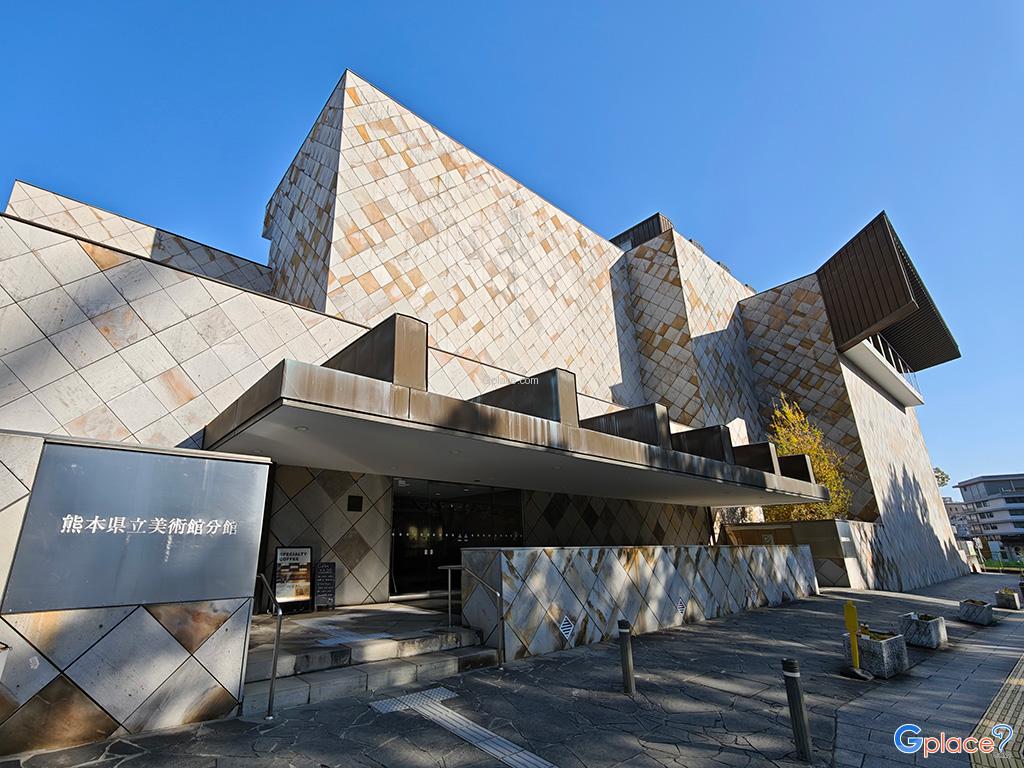
Located near the Kumamoto Prefectural Museum of Art, Chibajo Branch, making it easy to combine multiple cultural visits.
-
Travel Tips
-
Combine with Kumamoto Castle:
-
Visiting both sites offers a meaningful contrast between Japan’s samurai-era military history and its modern literary heritage.
-
-
Best Time to Visit:
-
The residence is most atmospheric in the morning or late afternoon, when soft light enhances the garden and veranda.
-
-
Photography Tip:
-
Look for the cat statue on the grounds, a subtle tribute to I Am a Cat and a favorite photo spot for literature fans.
-
-
Walking Experience:
-
The surrounding residential area is quiet and ideal for a slow, reflective stroll, especially after the bustle of the castle grounds.
-
Admission Fee:
- 200 yen for adults; 100 yen for students (elementary through high school)
Opening Time:
- 9:30 AM – 4:30 PM
Closed on Mondays (or the following day if Monday is a public holiday) and during the New Year period (December 29 – January 3)
Natsume Sōseki Former Residence

 Share
Share
 4-22 Uchitsuboimachi, Chuo Ward, Kumamoto City, Kumamoto, Japan
Map
4-22 Uchitsuboimachi, Chuo Ward, Kumamoto City, Kumamoto, Japan
Map
 Open now : 9.30 - 16.30
Mon -
Tue9.30 - 16.30
Wed9.30 - 16.30
Thu9.30 - 16.30
Fri9.30 - 16.30
Sat9.30 - 16.30
Sun9.30 - 16.30



 155
155