
 Attractions
  Hotel
Hotel  Restaurant
  Shopping
  Abroad
  Nearby Places





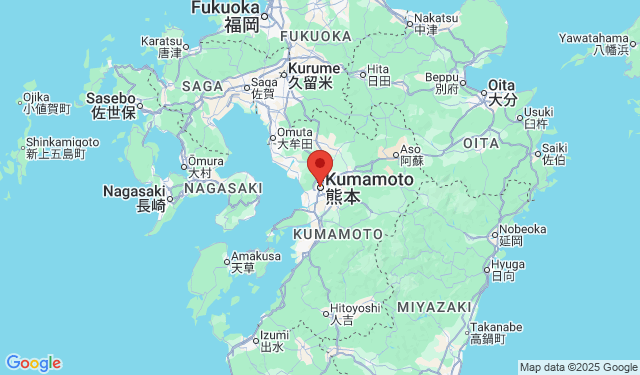
Day 4: Kumamoto

 159
159
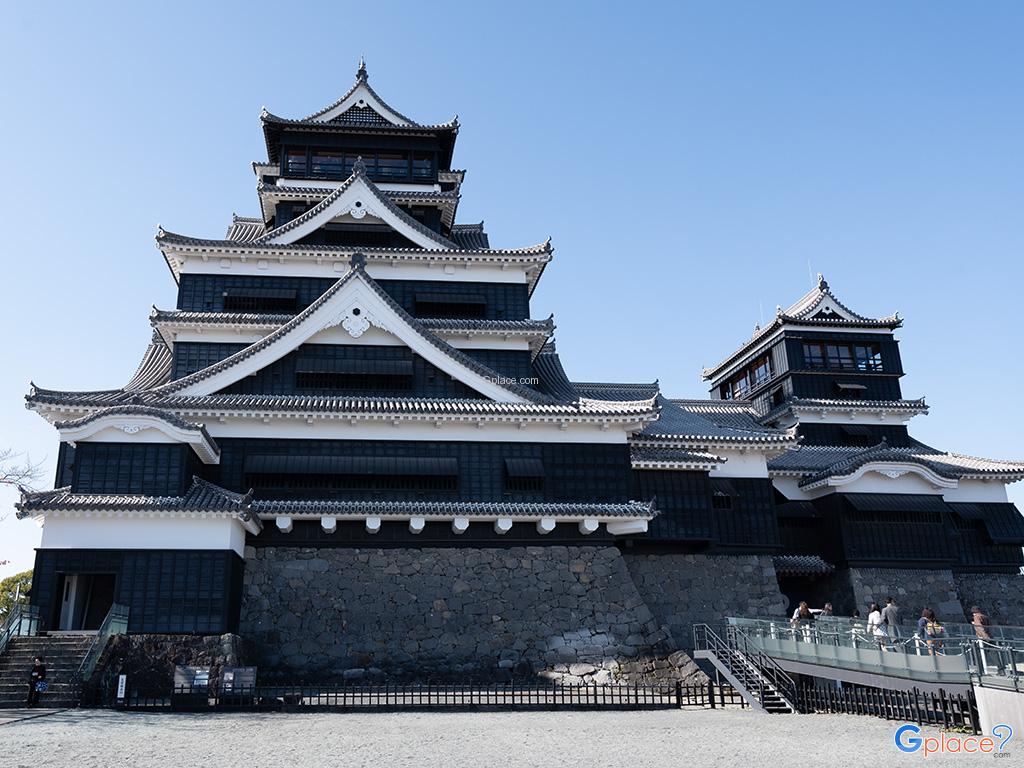
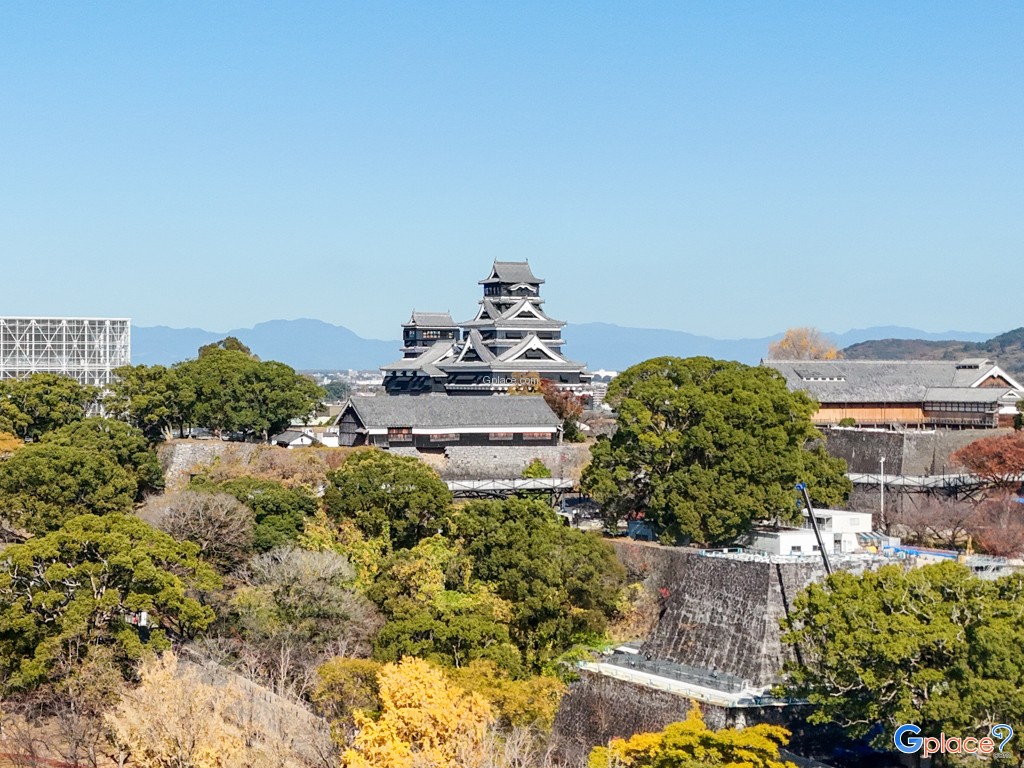
Kumamoto Castle (熊本城, Kumamoto-jō) stands as one of Japan’s Three Great Castles and remains the pride of Kumamoto City. Constructed between 1601 and 1607 by master castle architect Kato Kiyomasa, the fortress was designed to be nearly impregnable, featuring the unique Musha-gaeshi stone walls that curve outward sharply to block climbers. The castle is also affectionately known as Ginnan-jō (...
read more
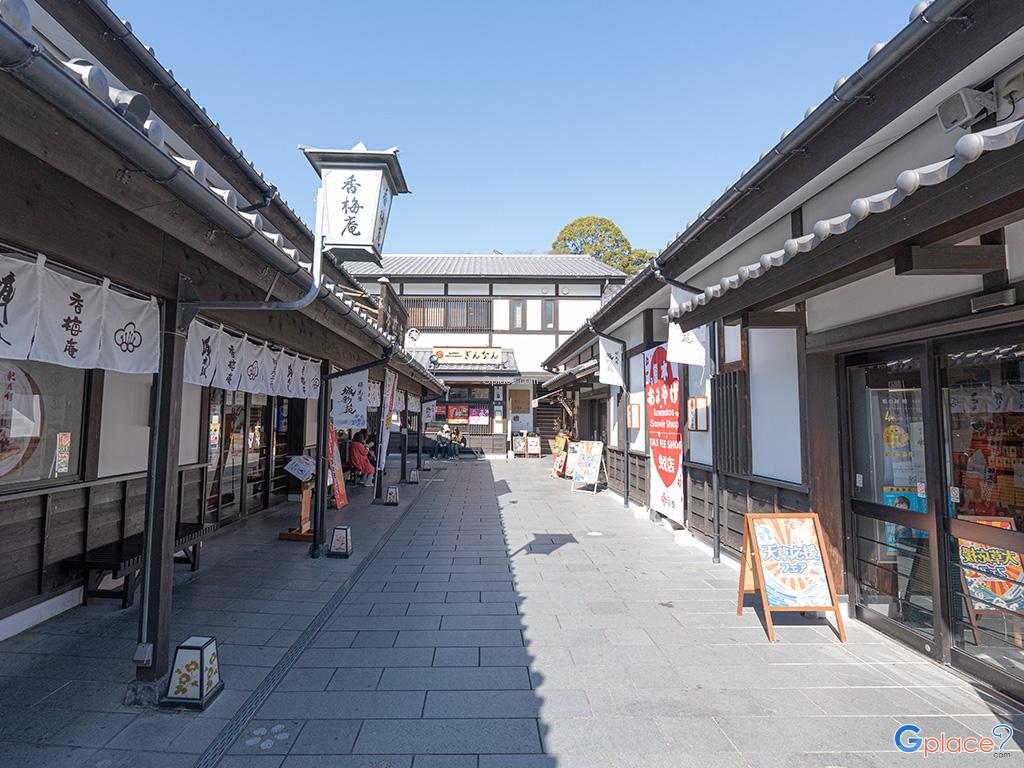
Sakura-no-baba Josaien was designed to recreate the lively jokamachi (castle town) of the Edo period. This place forms the cultural heart at the base of Kumamoto Castle. Its traditional wooden architecture and open courtyards create an immersive historical atmosphere, making it an ideal starting point before exploring the castle itself.
The complex consists of two main zones. Sakuramichi is a...
read more
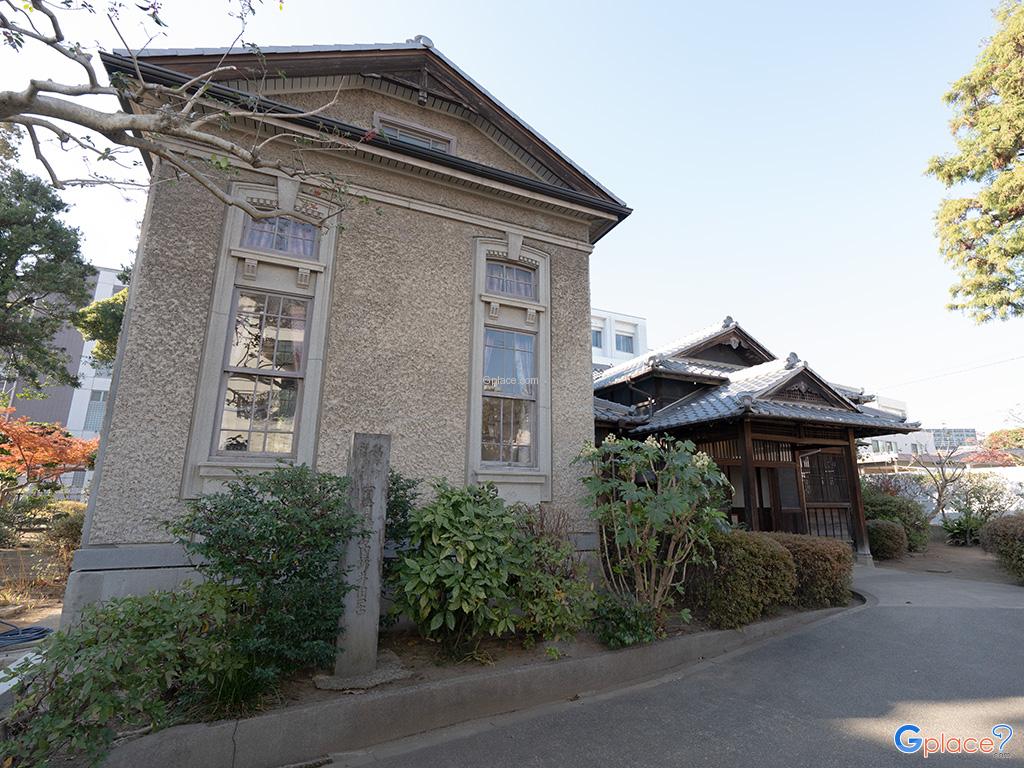
Uchitsuboi House is widely regarded as the most evocative site for admirers of Natsume Sōseki, one of Japan’s most influential modern writers. Unlike formal memorial museums, this traditional wooden residence retains a lived-in warmth, allowing visitors to experience the daily rhythms of late Meiji-era domestic life.
The house was significantly damaged during the 2016 Kumamoto Earthquake and...
read more
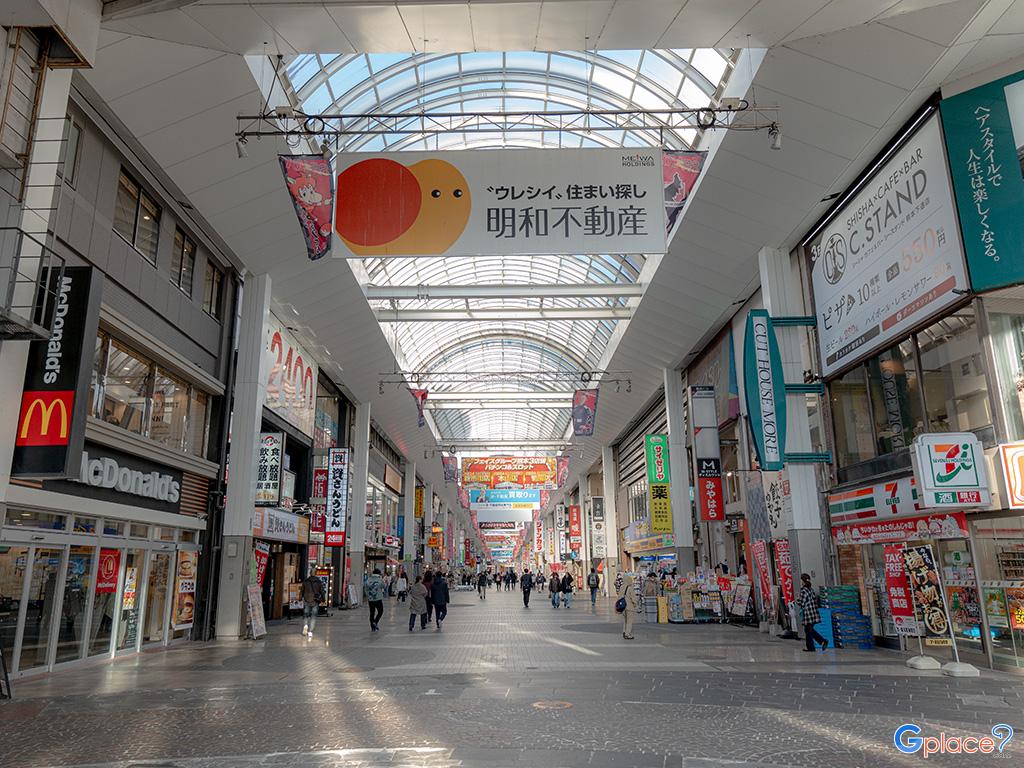
Shimotori Shopping Arcade (下通アーケード) is the beating heart of urban life in Kumamoto Prefecture and the city’s most prominent commercial street. Stretching over 511 meters in length and approximately 15 meters wide, the arcade is fully covered by a high arched glass roof, allowing visitors to shop comfortably regardless of weather conditions.
The arcade is home to around 170 shops, ranging fro...
read more
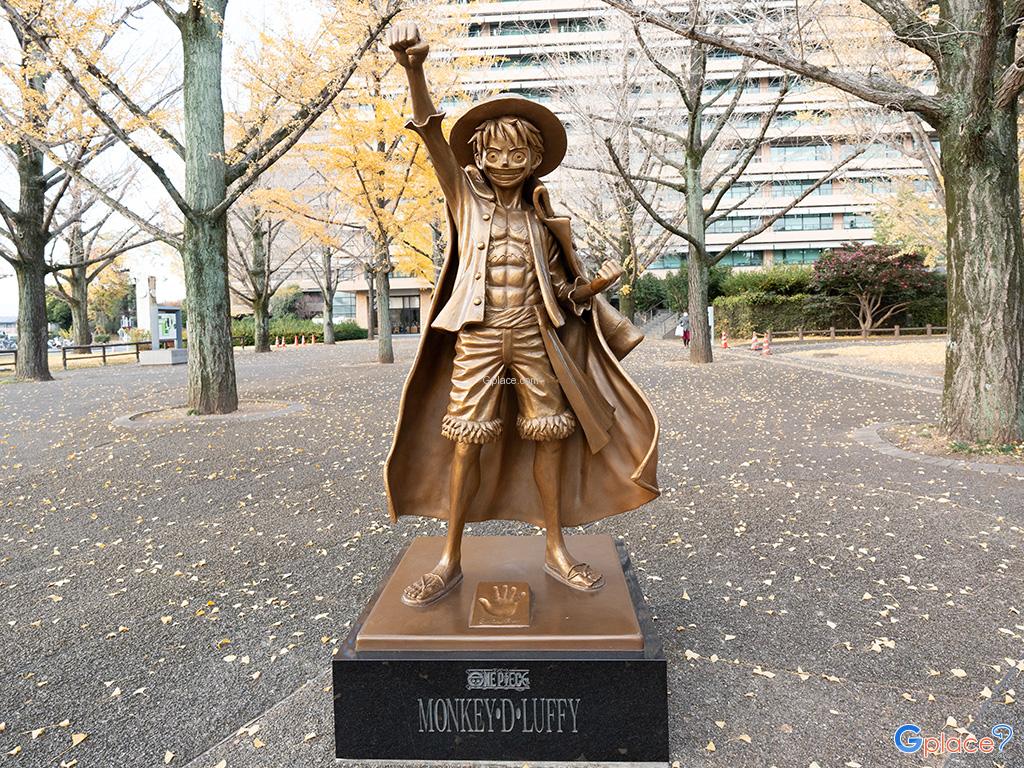
The Kumamoto Prefectural Government Office is not only the administrative center of the prefecture but also a welcoming green public space in the heart of the city, seamlessly blending nature with modern pop culture. It has become one of Kumamoto’s most beloved seasonal attractions, especially during autumn.
The main highlight is the ginkgo tree avenue in front of the main building, where 54...
read more
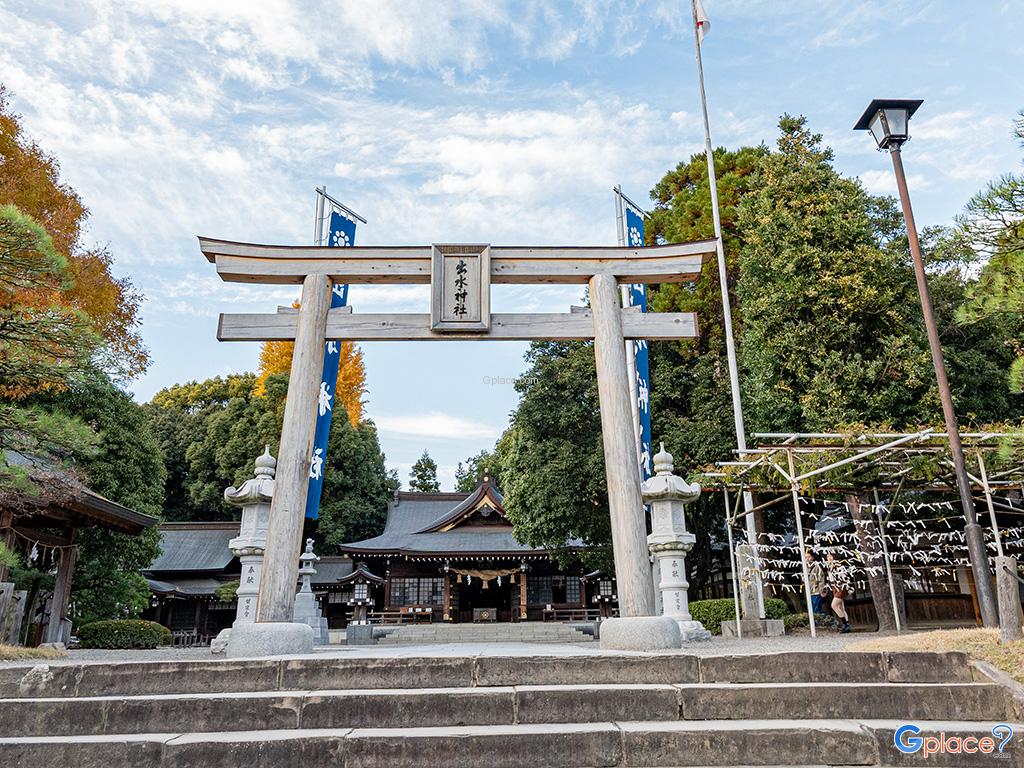
Izumi Shrine was established in 1878, shortly after the Satsuma Rebellion, by former retainers of the Kumamoto domain. The shrine was founded to enshrine the spirits of the Hosokawa family, the former feudal lords of the Higo domain, and to pray for the recovery, stability, and long-term prosperity of Kumamoto City following the widespread destruction caused by war.
The principal enshrined deity (...
read more
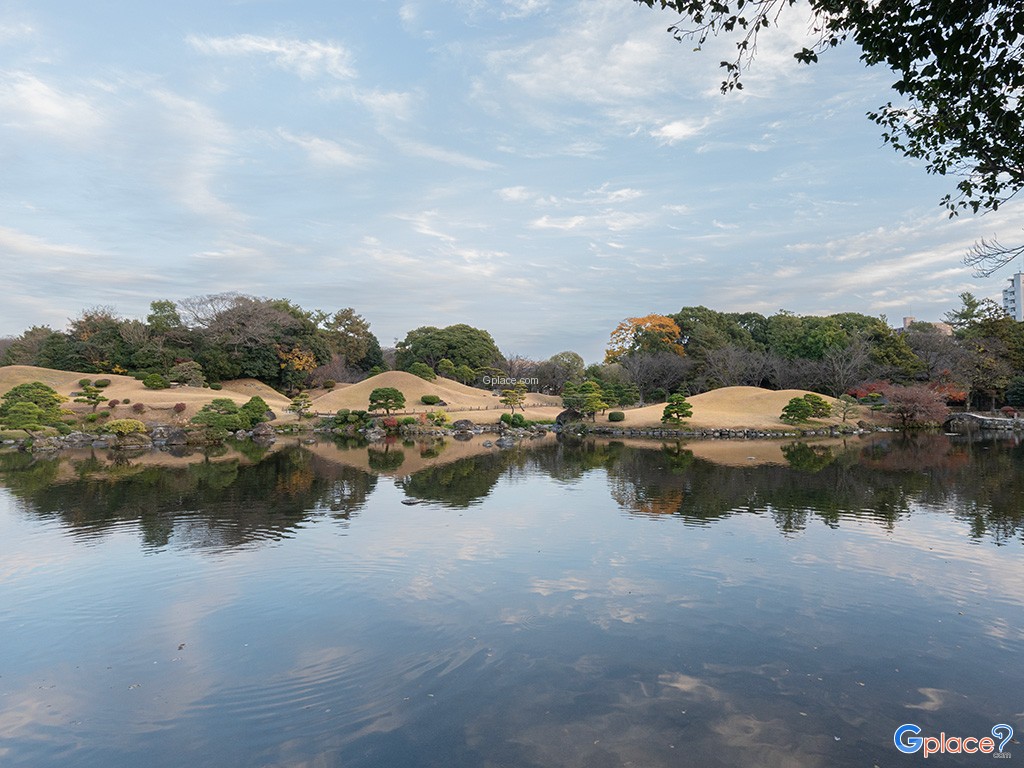

Suizen-ji Park, often referred to simply as Suizenji Koen, is a refined example of a kaiyū-shiki-teien (strolling garden) combined with tsukiyama (artificial hills), designed to be appreciated while walking along a circular path. The garden’s carefully composed landscape symbolically represents the 53 post stations of the historic Tōkaidō Road, which once connected Edo (modern-day Tokyo) wit...
read more
กำลังเป็นที่นิยม
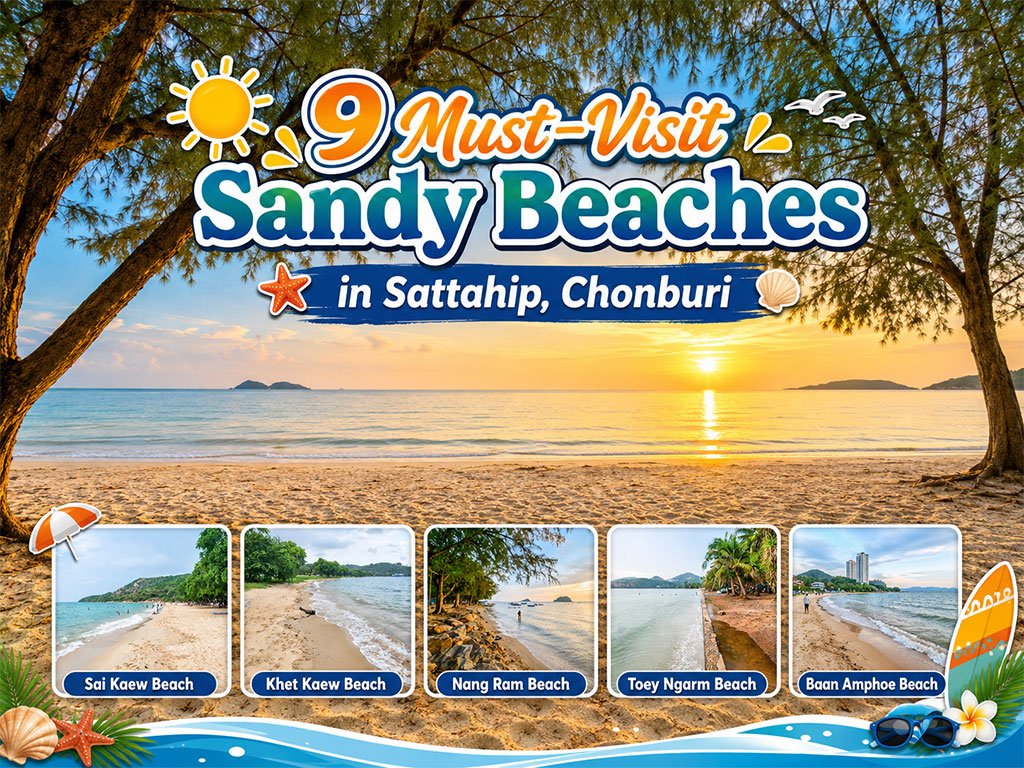
Attractive Beaches in Sattahip, Chonburi
For those looking to escape the hustle and bustle of Pattaya and experience calm..

8 World Heritage Sites of Thailand
Tracing Ancient Civilizations and Invaluable Forests Recognized by UNESCO Thaila..
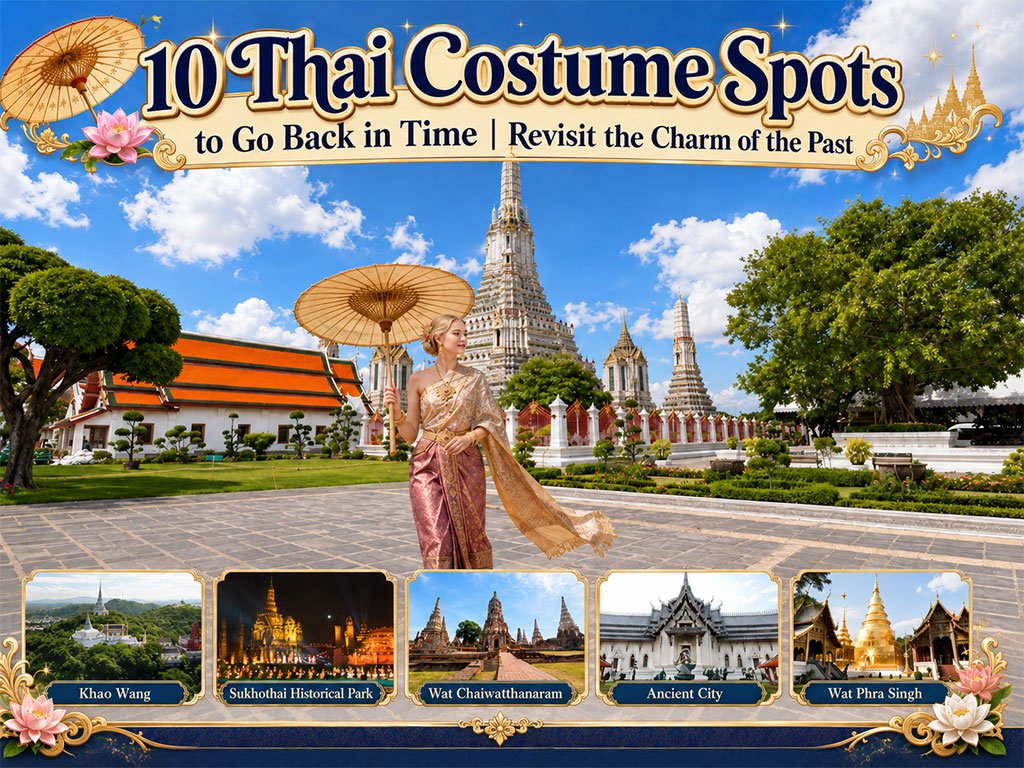
10 Thai Costume Spots to Go Back in Time
Wearing traditional Thai costume and taking photos at beautiful places is more t..
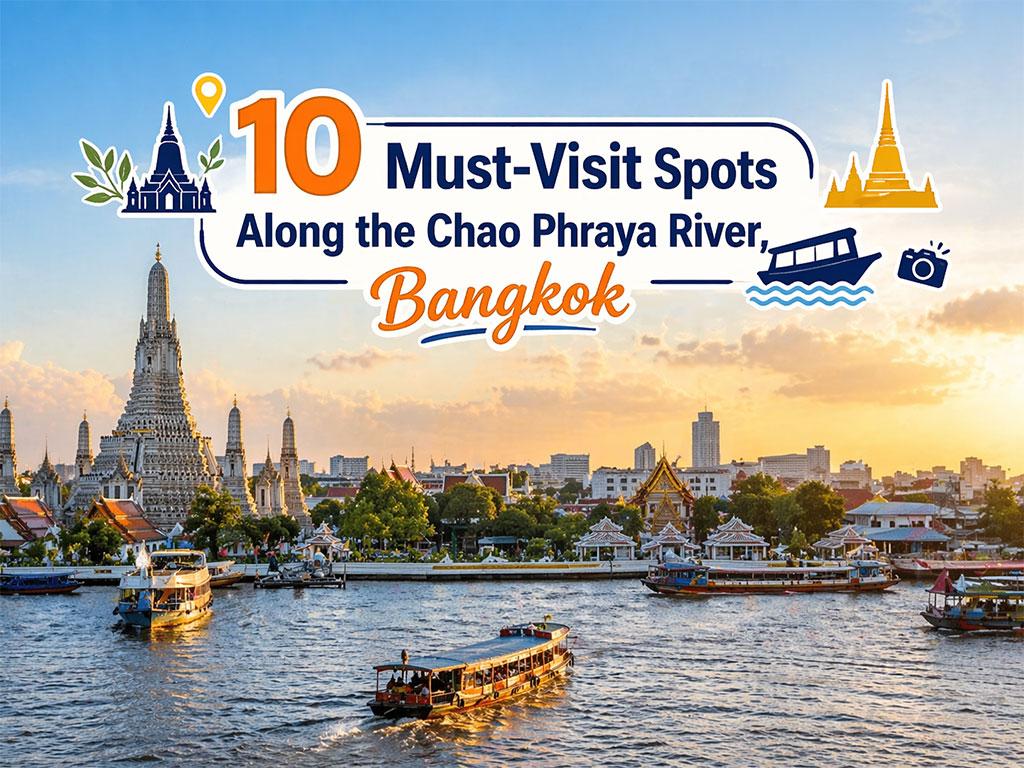
10 Must-Visit Spots Along the Chao Phraya River, B
Exploring the Chao Phraya River offers one of the most complete experiences of B..
Recommend trips
- Pilgrimage to the Sacred Sites
- Trip to Bhutan
- 10 Sacred Buddhist Sites Thai Temples in India–Nep
- 10 Thai Costume Spots to Go Back in Time
- The Four Holy Pilgrimage Sites
- Dream Destinations in Switzerland
- Must-Visit Check-in Spots in London
- Top Paris Check-in Spots
- Attractive Beaches in Sattahip, Chonburi
- 10 Must-Visit Spots Along the Chao Phraya River, B
- 8 World Heritage Sites of Thailand
- The Ultimate Ancient Villages in Japan
- 10 Must-Visit Places in Waterford
- Watsons Bay Half-Day Trip
- 10 Best Shopping Destinations in Bangkok
- 10 Must-Visit Spots in Koh Yao
- EBC - World-Class Trekking Route
- 10 Must-Visit Check-ins in Uthai Thani
- Giant Buddha Landmarks in Thailand
- Thailand Nature Trails