 Attractions
  Hotel
Hotel  Restaurant
  Shopping
  Abroad





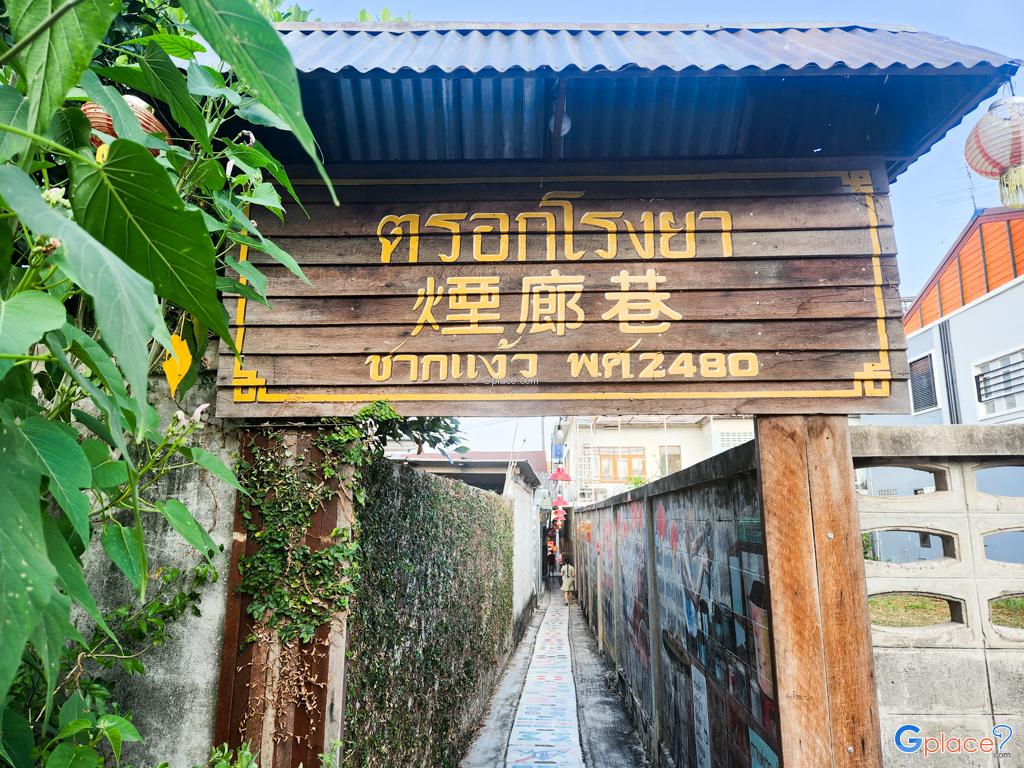

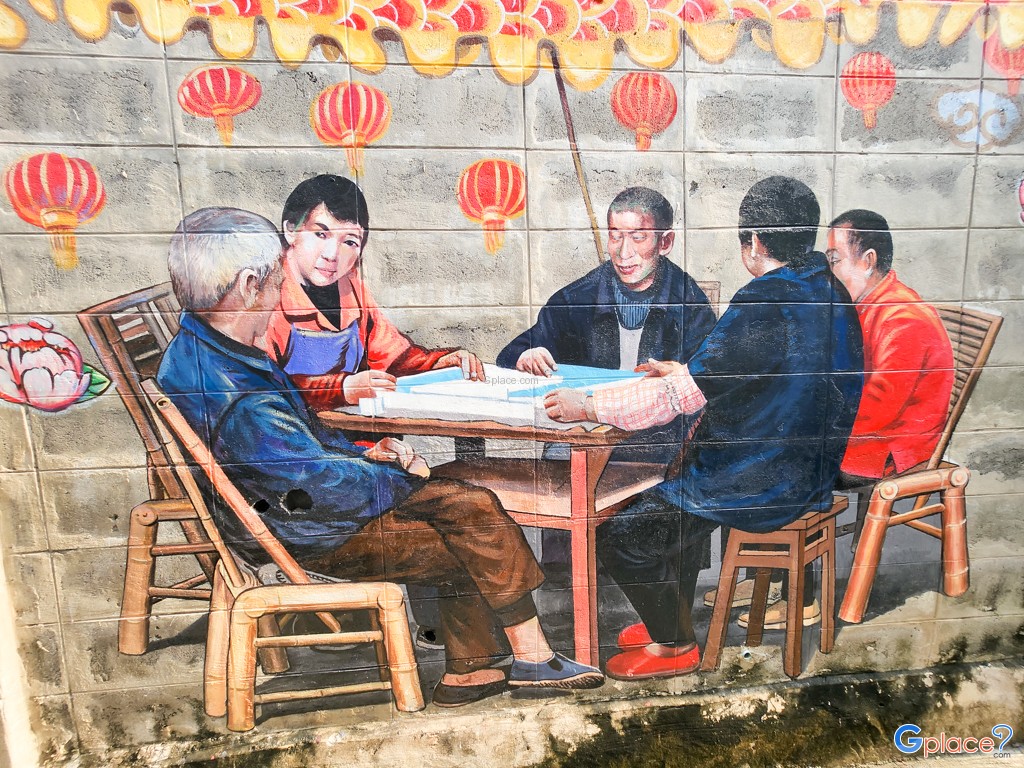

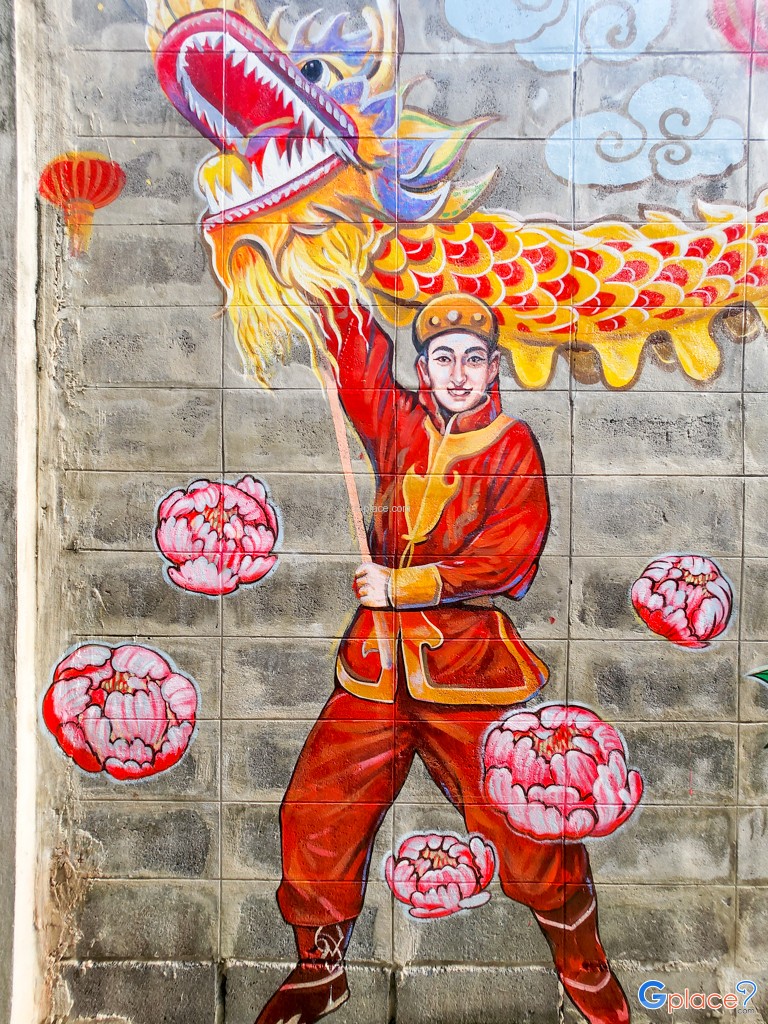
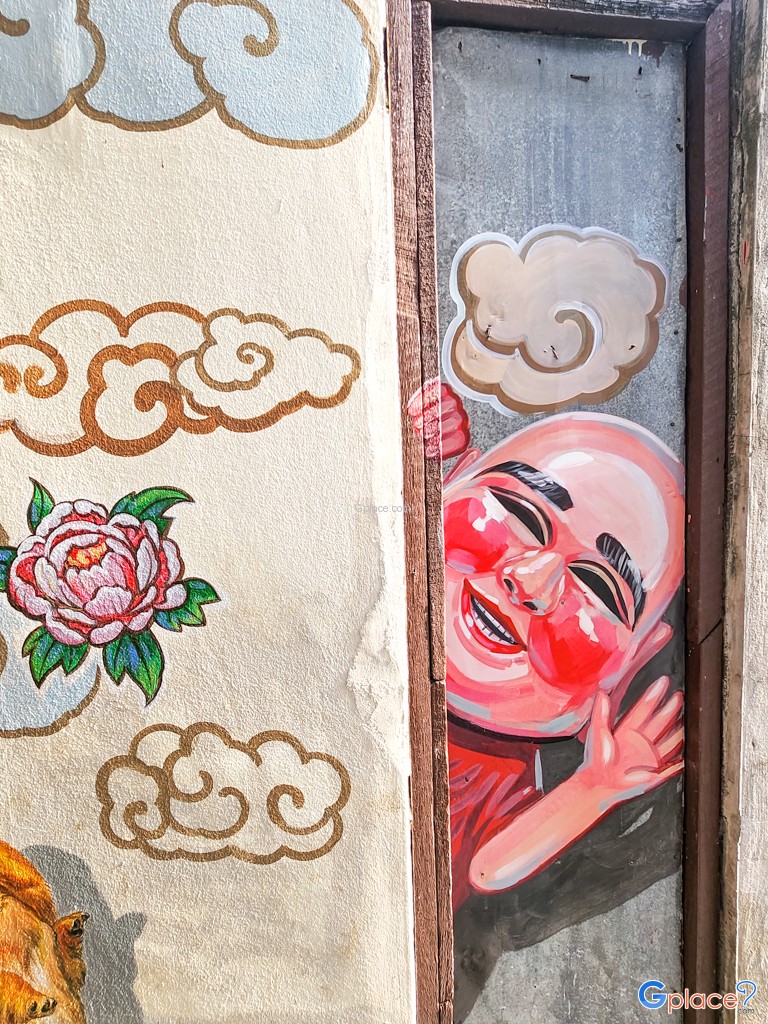
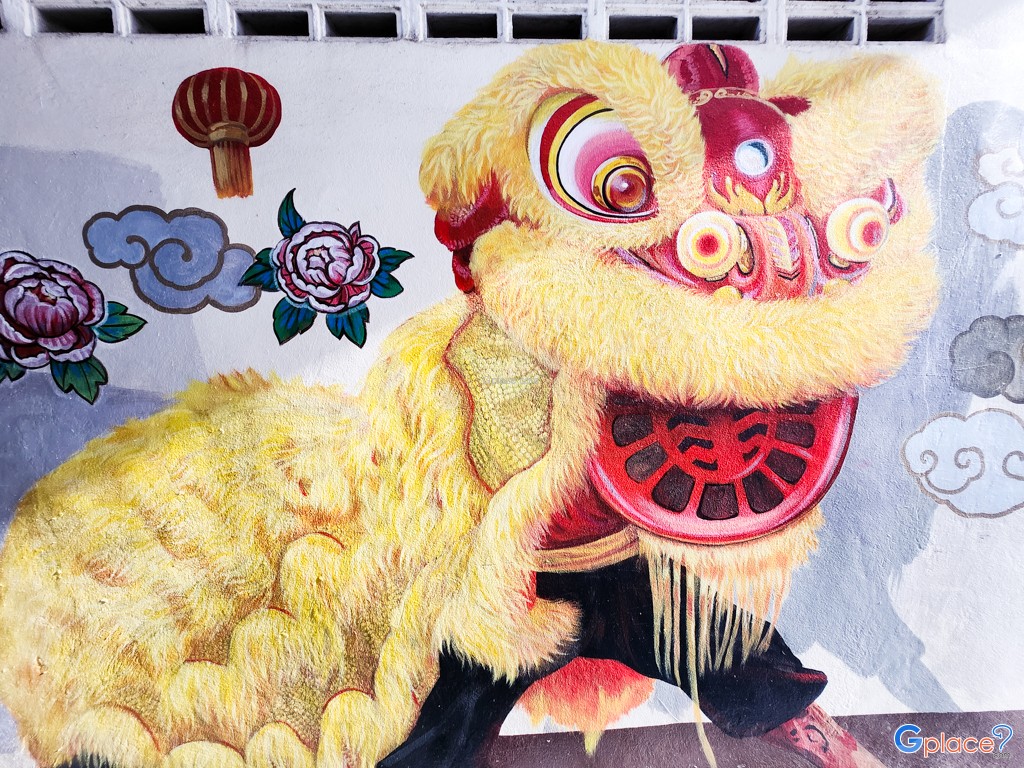
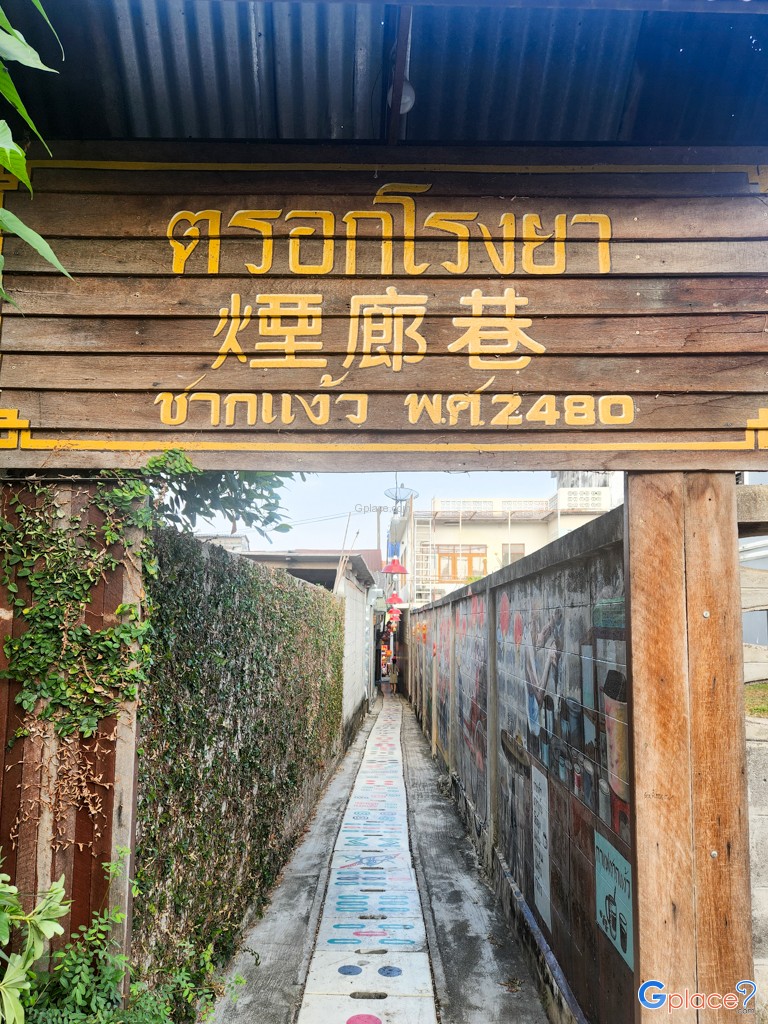
“Discover the hauntingly beautiful remnants of a century-old legal opium den, where narrow wooden corridors and vintage architecture tell the raw story of the early Chinese labor pioneers”
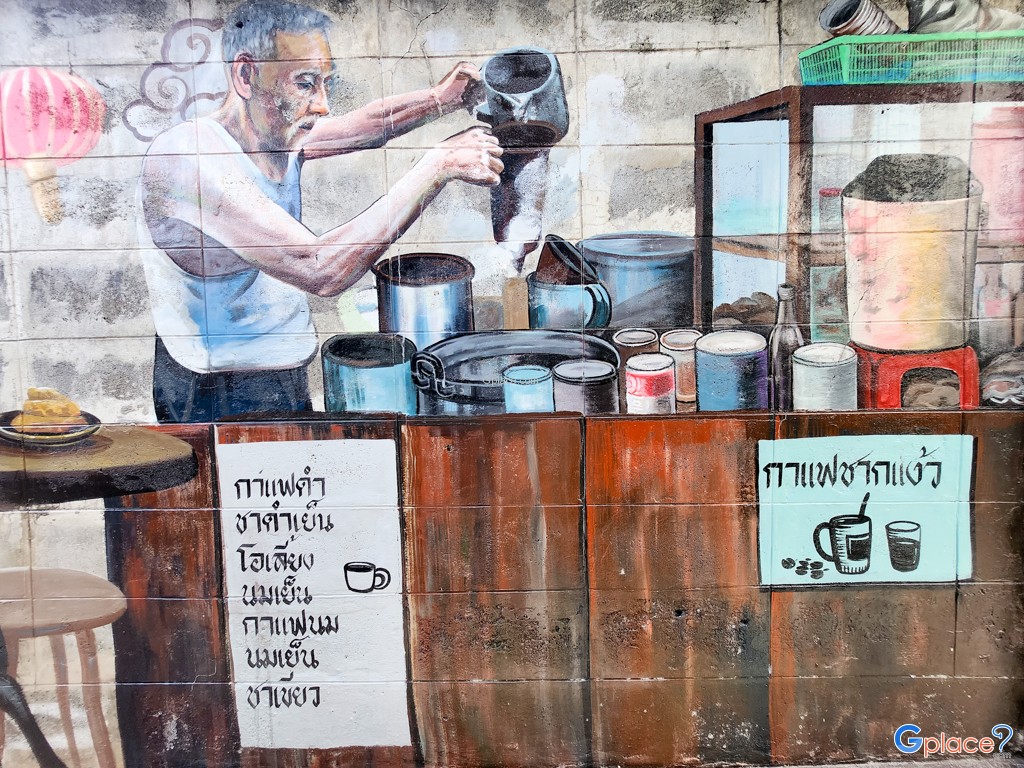
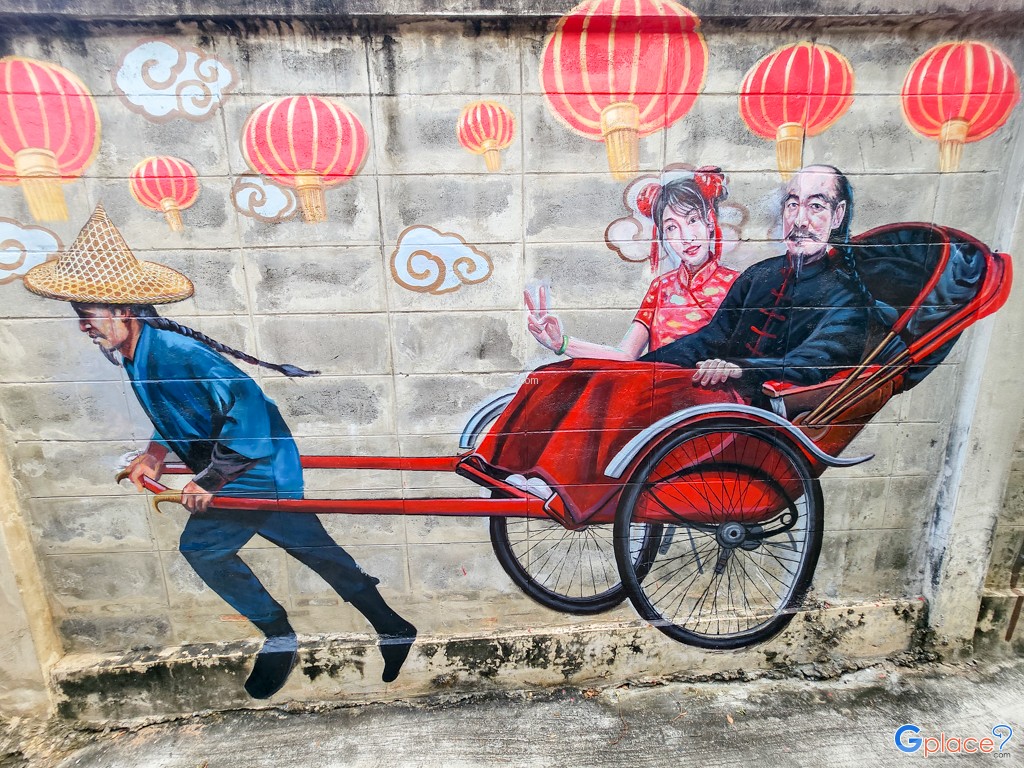
Trok Rong Ya is an area that clearly reflects the history and development of the Chak Ngaeo community. The paintings on the walls within the alley function like a visual memoir, conveying stories of the people, their way of life, and social conditions during a time when this community was a hub for Chinese laborers and merchants who migrated to settle in eastern Thailand over a hundred years ago. These images are not merely decorative art but serve as a tangible medium connecting the past with the present.
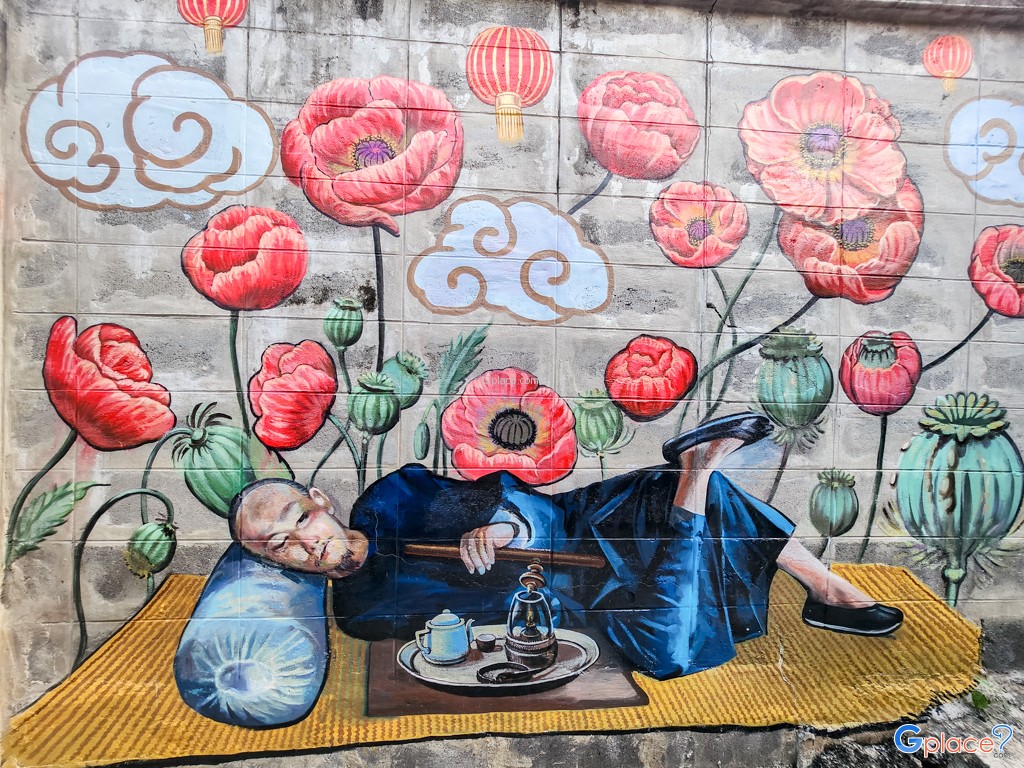
In the past, Trok Rong Ya played a significant role in the daily lives of Chinese workers. The wall paintings reflect the community atmosphere of that era, including wooden buildings, narrow walkways, and activities related to trade and relaxation after hard work. The Rong Ya (opium den), which gave the alley its name, was a legal business within the social context of that time and was closely tied to the economic system and livelihoods of immigrant laborers. The images on the walls help explain the role of this space as part of the past social structure without needing negative explanations or moral judgments.
The physical characteristics of Trok Rong Ya, such as the relatively narrow paths and closely arranged wooden buildings, align with the paintings that depict the limited use of space in old communities. These architectural styles reflect the living concepts and spatial management of Chinese immigrants during that period, emphasizing privacy and functional suitability. The wall paintings complement the visitors' imagination, allowing them to visualize past life alongside the actual remaining structures.
As time passed, the role of Trok Rong Ya changed according to the social context. The "Rong Ya" no longer operates as it did in the past; instead, this space has been reinterpreted as a historical and cultural learning site. The wall paintings have thus become a vital tool for passing down stories from generation to generation, demonstrating the community's efforts to preserve the past and present history in an accessible format.
Today, Trok Rong Ya is not just a spot for photography but a space that offers visitors an opportunity to understand the foundations of the Chak Ngaeo community through art and the actual environment. The wall paintings act as a bridge connecting stories of immigrant labor, trade, and past lifestyles with the present, where the community values conservation and shared memory. This area stands as a clear and sustainable example of using art as a storytelling tool for history and building understanding of community identity.
How to Get There
- Drive from Pattaya City via Sukhumvit Road toward Sattahip. Turn into the Huay Yai area following signs for the Chak Ngaeo Community. The alley is located in the heart of the old market area
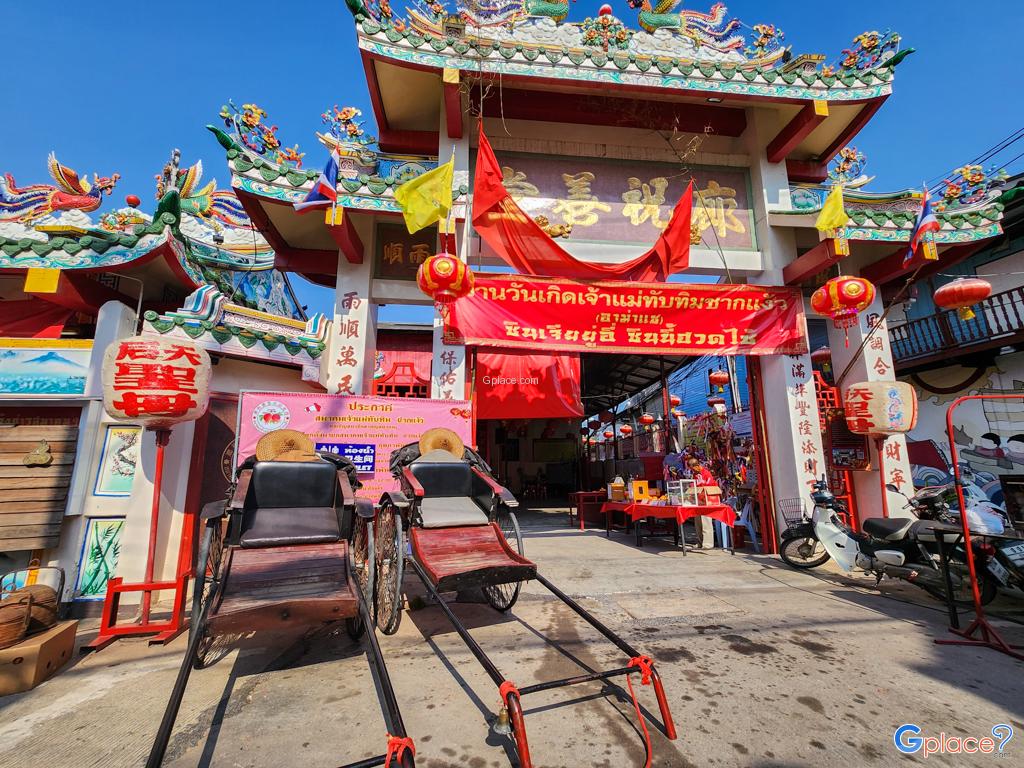
- Once you arrive at the Chak Ngaeo Walking Street, Trok Rong Ya is situated in the central zone, easily accessible on foot from the Mazu (Chao Mae Thap Thim) Shrine
Travel Tips
- Conduct: As the alleyway is quite narrow, please walk quietly to avoid disturbing the local residents who still live and carry out their daily lives in the houses nearby.
- Photography: It is recommended to look for deep perspective shots of the alley to capture its length and narrowness, which are unique characteristics of the ancient opium dens
- Additional Knowledge: Try talking to the elders in the area to listen to their oral histories about the lifestyle within the opium dens; this storytelling will make your visit even more immersive and meaningful
Admission Fee:
-
No Admission Fee
Opening Hours:
-
Daily Access: 08:00 – 18:00
Trok Rong Ya Opium Alley

 Share
Share
 Chak Ngaeo Ancient Community, Huay Yai, Bang Lamung, Chonburi
Map
Chak Ngaeo Ancient Community, Huay Yai, Bang Lamung, Chonburi
Map
 Closed today
Mon8.00 - 18.00
Tue8.00 - 18.00
Wed8.00 - 18.00
Thu8.00 - 18.00
Fri8.00 - 18.00
Sat8.00 - 18.00
Sun8.00 - 18.00



 127
127