 Attractions
  Hotel
Hotel  Restaurant
  Shopping
  Abroad






“Kyoto’s first Zen temple, where profound Zen spirituality, historic tea culture, and bold contemporary dragon art meet beside Gion.”
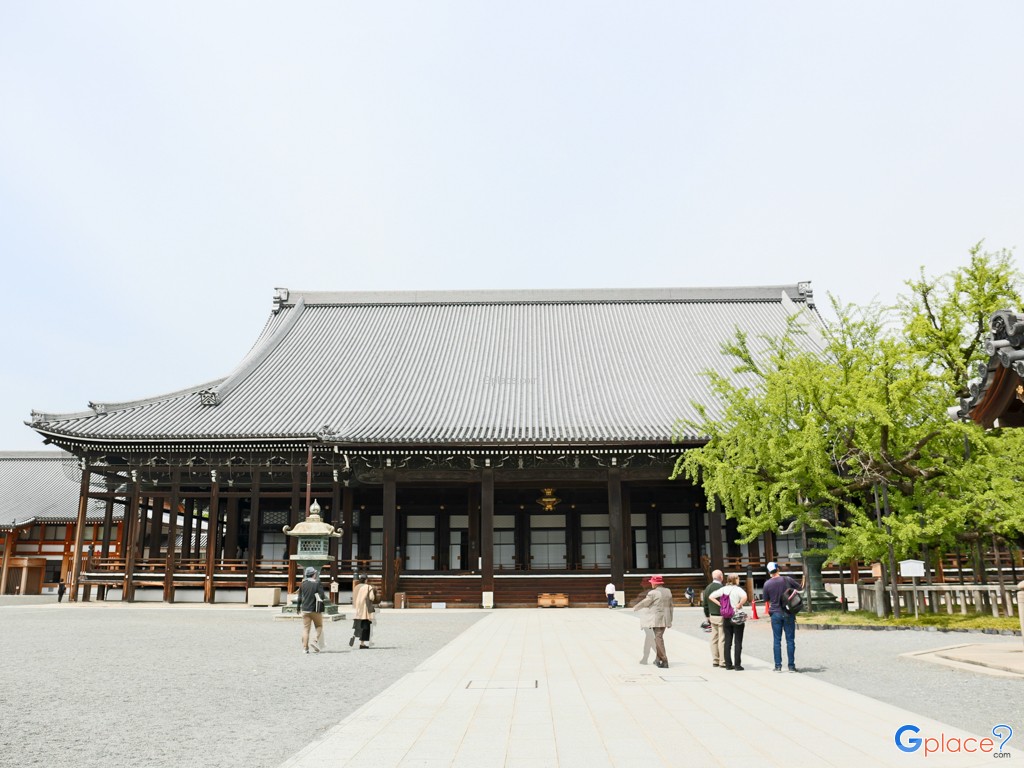
Founded in 1202 by the monk Eisai, Kennin-ji is recognized as the oldest Zen temple in Kyoto and the second oldest Zen temple in Japan, following Shofuku-ji in Fukuoka, which was also founded by Eisai. Eisai is a pivotal figure in Japanese history, credited with introducing both Zen Buddhism and green tea to Japan after his studies in China—an influence that continues to shape Japanese culture today.
During the medieval and early Edo periods, Kennin-ji was designated as one of the Kyoto Gozan (Five Great Zen Temples of Kyoto)—a state-sponsored system under the shogunate that ranked the most influential Zen monasteries. Temples within the Gozan were not only religious centers but also hubs of education, diplomacy, literature, and fine arts. Kennin-ji’s inclusion in this elite group underscores its historical authority and cultural significance within Japan’s Zen tradition.
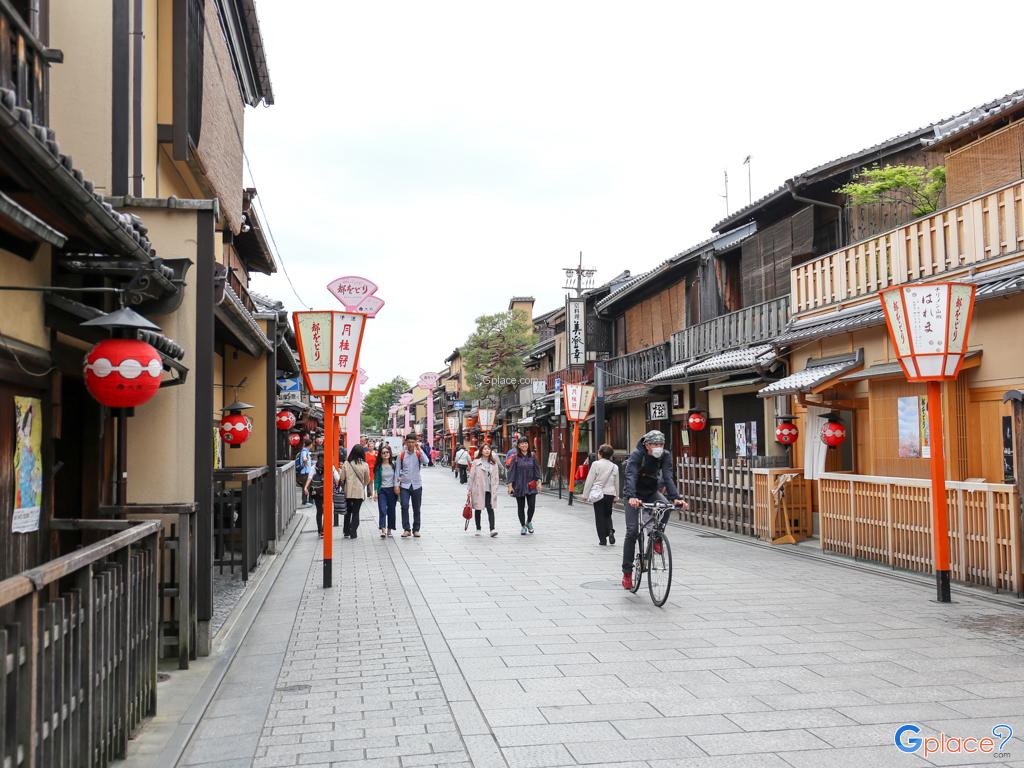
Despite standing beside the lively geisha quarters of Gion, Kennin-ji’s grounds embody the Zen concept of wabi-sabi—the beauty of simplicity, impermanence, and quiet contemplation. Passing through the temple gates feels like stepping into a quieter, more introspective world.
-----------------------------------------------------------------------------------------------
Artistic Masterpieces
The Twin Dragons (Soryu-zu):
The most iconic feature of Kennin-ji is the massive ink painting on the ceiling of the Hatto (Dharma Hall). Created by contemporary artist Koizumi Junsaku and unveiled in 2002 to commemorate the temple’s 800th anniversary, the artwork measures approximately 11.4 × 15.7 meters (about 108 tatami mats). Two powerful dragons swirl dynamically overhead in a protective pose. Due to its immense scale, the artist spent two years painting it in a local elementary school gymnasium, as it was far too large for a standard studio.
Wind and Thunder Gods (Fujin and Raijin):
Near the entrance, visitors can admire high-quality replicas of the legendary folding screens by Tawaraya Sotatsu, masterpieces of the Rinpa school. While the original National Treasures are preserved at the Kyoto National Museum, these replicas allow close appreciation of the vivid gold leaf backgrounds and expressive figures.
The Toyobo Teahouse:
Built in 1587 for the Grand Kitano Tea Ceremony hosted by Toyotomi Hideyoshi, this historic tea hut highlights Kennin-ji’s deep connection to Japanese tea culture and honors Eisai’s legacy as the “Father of Japanese Tea.”
-----------------------------------------------------------------------------------------------
Zen Gardens
Circle–Triangle–Square Garden:
Inspired by the famous Zen calligraphy of Sengai Gibon, this minimalist garden expresses the idea that all complexity in the universe can be reduced to three fundamental forms. Visitor tip: the Circle is represented by a moss-covered mound, the Triangle by the angular shape of raked sand in a corner, and the Square by a traditional stone well.
Choon-tei (Garden of the Sound of the Tide):
A serene moss garden featuring a San-zon-seki (three-Buddha stone) arrangement. It is especially renowned in autumn, when fiery red maple leaves transform the courtyard into a living painting.
How to Get There
-
Keihan Line: Get off at Gion-Shijo Station, then walk approximately 5 minutes
-
Hankyu Line: Get off at Kyoto-Kawaramachi Station, then walk about 10 minutes
-
Easily accessible on foot from central Gion and Kawaramachi areas
Travel Tips
-
Shoes must be removed before entering temple buildings; a bag is provided for carrying them
-
Wearing socks is recommended, especially in winter, as the wooden floors can be cold
-
Photography is generally permitted inside (tripods and video are typically prohibited)
-
Visit before 11:00 AM to enjoy a quieter atmosphere before Gion crowds increase
Admission Fee:
-
Adults: ¥800
-
Fees subject to change
Opening Time:
-
March – October: 10:00 AM – 5:00 PM (Last entry 4:30 PM)
-
November – February: 10:00 AM – 4:30 PM
-
Closed: December 28–31
Kennin ji Temple

 Share
Share
 584 Komatsucho, Higashiyama Ward, Kyoto City, 605-0811, Japan
Map
584 Komatsucho, Higashiyama Ward, Kyoto City, 605-0811, Japan
Map
 Closed today
Mon10.00 - 16.30
Tue10.00 - 16.30
Wed10.00 - 16.30
Thu10.00 - 16.30
Fri10.00 - 16.30
Sat10.00 - 16.30
Sun10.00 - 16.30



 150
150