
 Attractions
  Hotel
Hotel  Restaurant
  Shopping
  Abroad
  Nearby Places





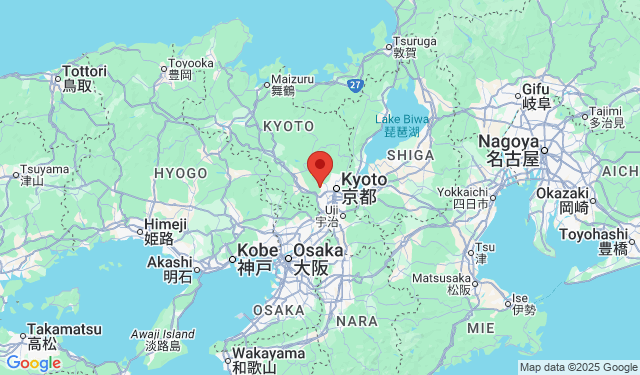
Kyoto Gozan

 196
196
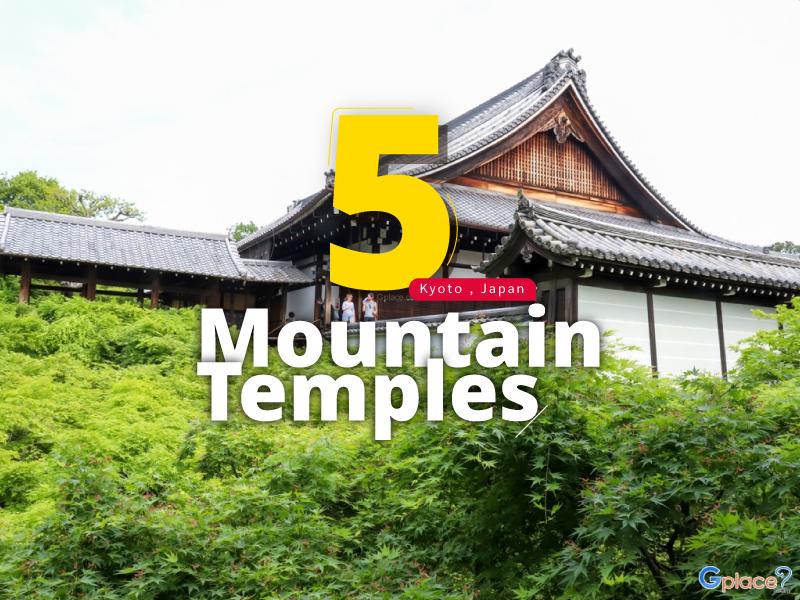 Kyoto Gozan (京都五山), literally meaning “The Five Mountains of Kyoto,” was an official hierarchical system established to organize the most influential Rinzai Zen temples in Kyoto during the Muromachi period (14th century). Promoted and regulated by the Ashikaga shogunate, the system aimed to centralize control over Zen institutions, standardize temple administration, and integrate Buddhism into the governing framework of the state.
These temples functioned far beyond their religious roles. They served as elite centers of learning, producing Zen monks who were highly educated in classical Chinese literature, philosophy, and diplomacy. Many priests associated with the Kyoto Gozan acted as scholar-officials, scribes, and diplomatic intermediaries, particularly in relations with Ming Dynasty China. Through this intellectual network, Zen culture became deeply embedded in Japanese governance and high society.
Culturally, the Kyoto Gozan temples played a decisive role in shaping what is now recognized as classical Japanese aesthetics. Zen-inspired dry landscape gardens, ink painting, calligraphy, temple architecture, and the philosophical foundations of the tea ceremony all flourished under the influence of the Gozan system. These temples became incubators for refined cultural expression closely tied to Zen thought.
Although the political authority of the Kyoto Gozan system declined after the Muromachi period, its legacy remains deeply rooted in Kyoto’s urban fabric and spiritual identity. The concept of Gozan continues to represent the pinnacle of Zen institutional power in Japanese history and provides essential insight into the fusion of religion, culture, and statecraft in premodern Japan.
Kyoto Gozan (京都五山), literally meaning “The Five Mountains of Kyoto,” was an official hierarchical system established to organize the most influential Rinzai Zen temples in Kyoto during the Muromachi period (14th century). Promoted and regulated by the Ashikaga shogunate, the system aimed to centralize control over Zen institutions, standardize temple administration, and integrate Buddhism into the governing framework of the state.
These temples functioned far beyond their religious roles. They served as elite centers of learning, producing Zen monks who were highly educated in classical Chinese literature, philosophy, and diplomacy. Many priests associated with the Kyoto Gozan acted as scholar-officials, scribes, and diplomatic intermediaries, particularly in relations with Ming Dynasty China. Through this intellectual network, Zen culture became deeply embedded in Japanese governance and high society.
Culturally, the Kyoto Gozan temples played a decisive role in shaping what is now recognized as classical Japanese aesthetics. Zen-inspired dry landscape gardens, ink painting, calligraphy, temple architecture, and the philosophical foundations of the tea ceremony all flourished under the influence of the Gozan system. These temples became incubators for refined cultural expression closely tied to Zen thought.
Although the political authority of the Kyoto Gozan system declined after the Muromachi period, its legacy remains deeply rooted in Kyoto’s urban fabric and spiritual identity. The concept of Gozan continues to represent the pinnacle of Zen institutional power in Japanese history and provides essential insight into the fusion of religion, culture, and statecraft in premodern Japan.
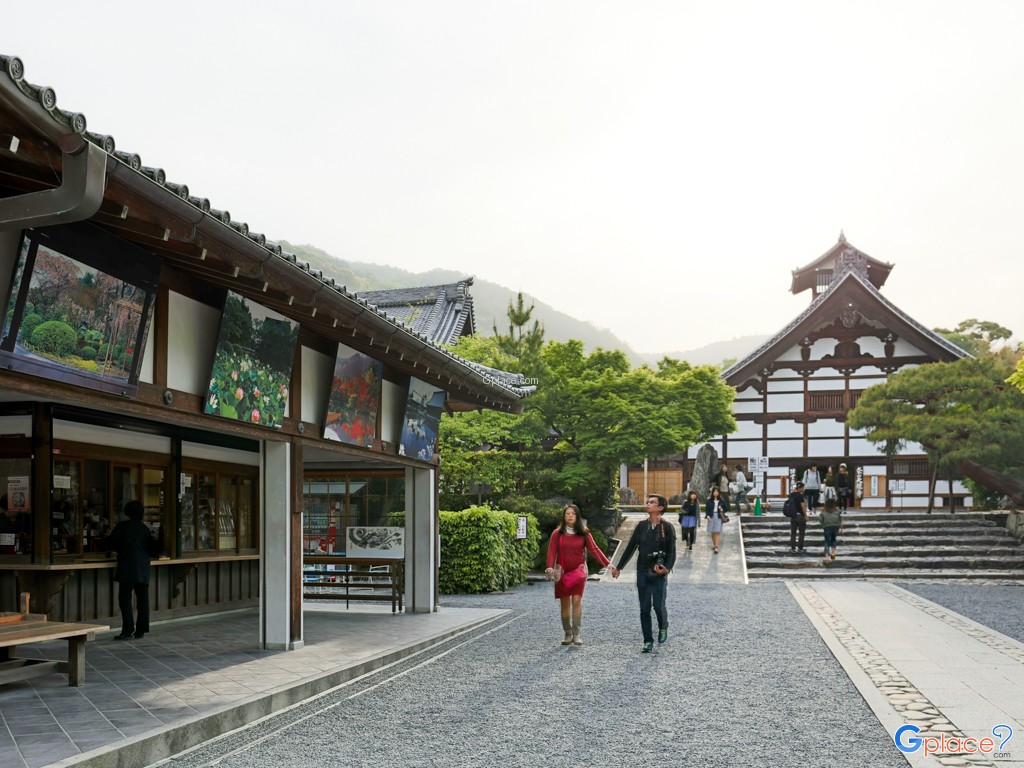
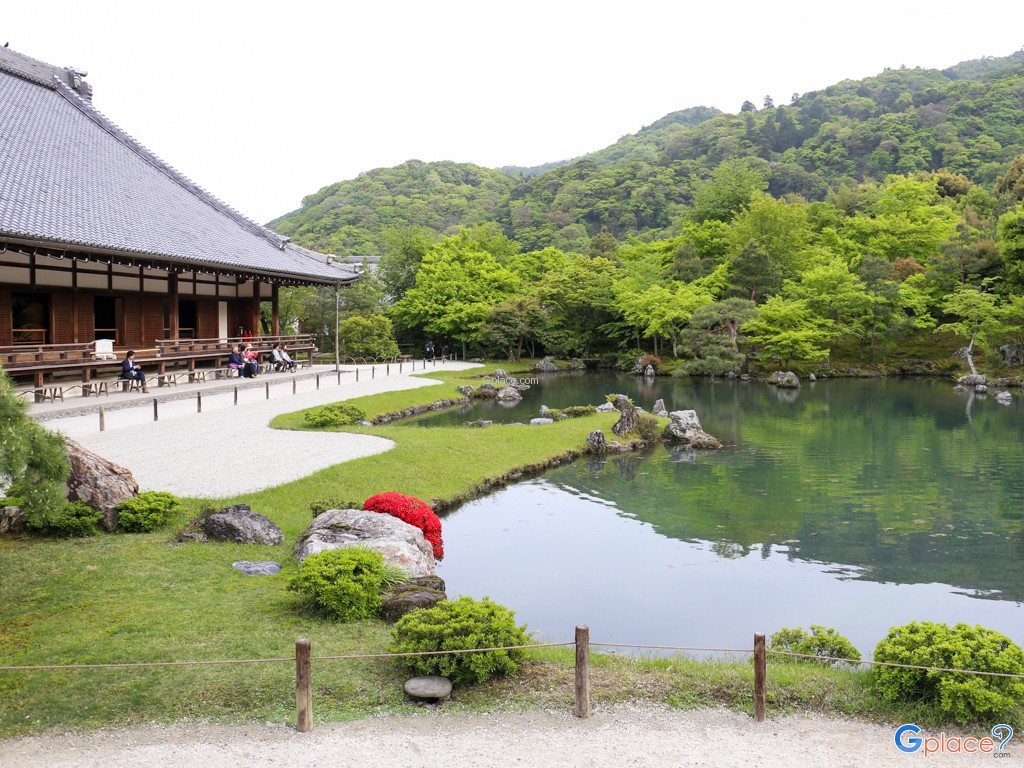
Tenryu-ji Temple is one of the 17 UNESCO World Heritage Sites of Kyoto and holds the prestigious position of Rank No.1 among the Five Great Zen Temples of Kyoto (Kyoto Gozan). The temple was founded in 1339 by Shogun Ashikaga Takauji to appease the spirit of Emperor Go-Daigo, with the renowned Zen master Muso Soseki appointed as its first abbot. Although many of the buildings were lost to fir...
read more
Shokoku-ji Temple was envisioned as the grandest Zen monastery in Kyoto, founded in 1382 by Ashikaga Yoshimitsu, the 3rd Muromachi Shogun. Yoshimitsu—also the founder of Kinkaku-ji (the Golden Pavilion)—established Shokoku-ji as a political, cultural, and spiritual center of Zen Buddhism during the height_ of samurai rule.
Shokoku-ji holds a unique position as the headqu...
read more
Founded in 1202 by the monk Eisai, Kennin-ji is recognized as the oldest Zen temple in Kyoto and the second oldest Zen temple in Japan, following Shofuku-ji in Fukuoka, which was also founded by Eisai. Eisai is a pivotal figure in Japanese history, credited with introducing both Zen Buddhism and green tea to Japan after his studies in China—an influence that continues to shape Japanese cultu...
read more
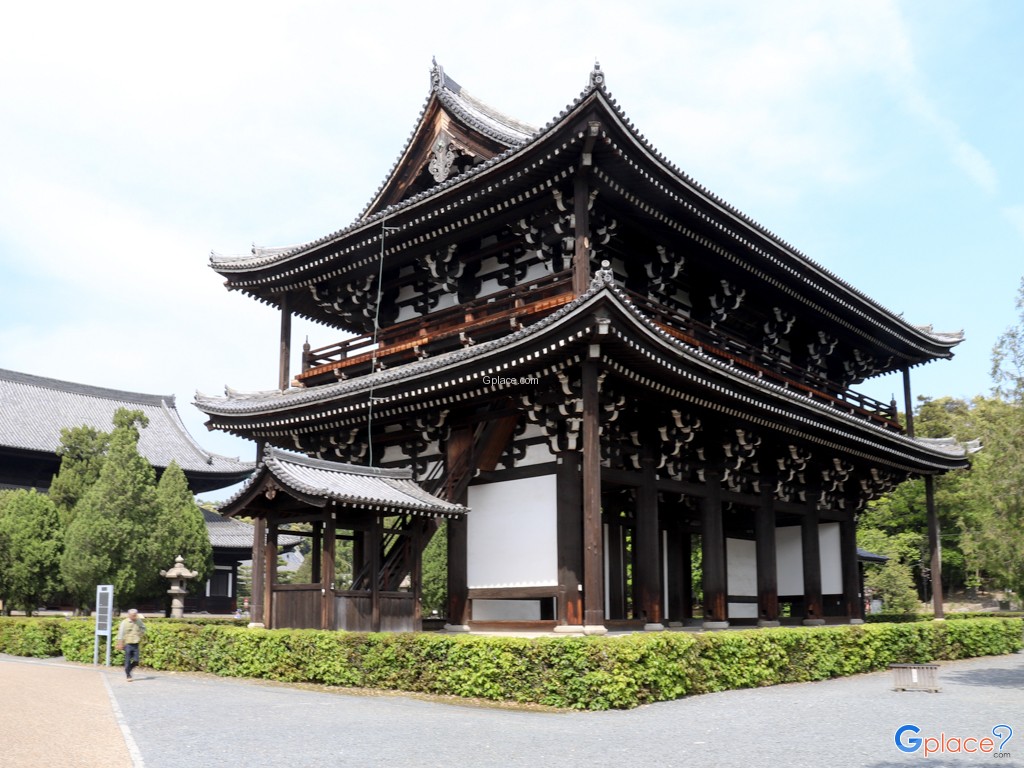
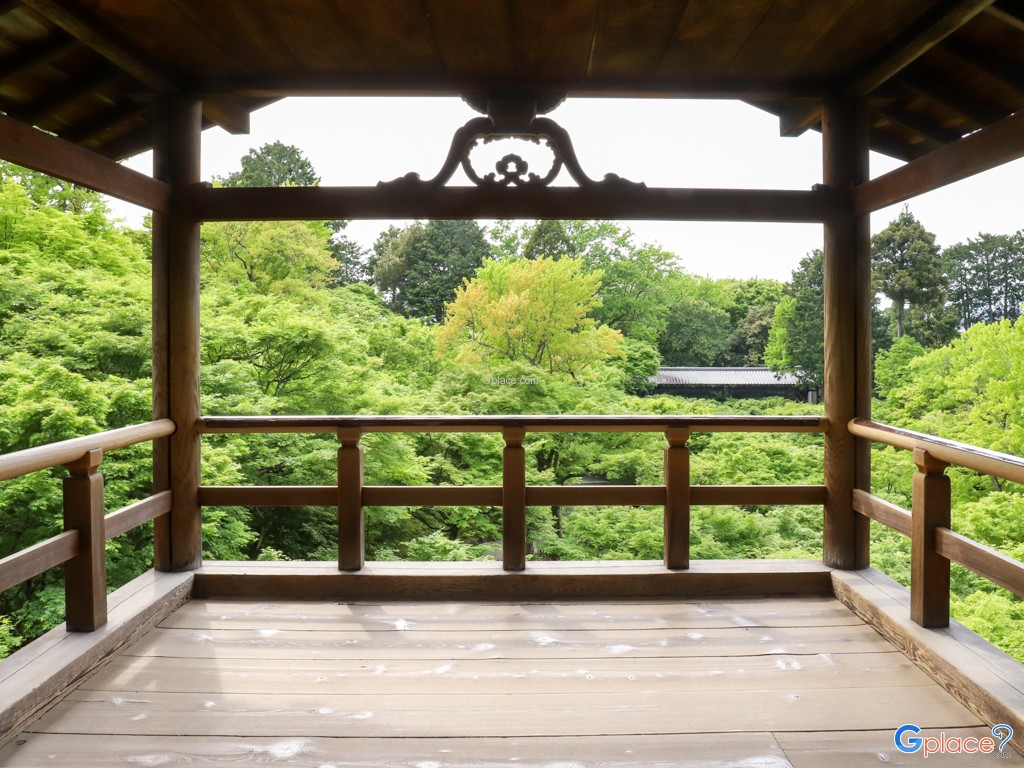
Tofuku-ji Temple was founded in 1236 by the powerful Fujiwara clan and serves as a principal temple of the Rinzai Zen sect. It is ranked among the Kyoto Gozan, the five most important Zen temples in Kyoto. The name “Tofuku-ji” was created by combining the names of two great temples in Nara—Tōdai-ji and Kōfuku-ji—reflecting the ambition to establish a temple equal in prestig...
read more
Founded in the late 13th century during the Kamakura period, Manju-ji rose rapidly to prominence as the Fifth of the Kyoto Gozan (Five Great Zen Temples of Kyoto), placing it among the most powerful Zen institutions of medieval Japan. Supported by the Ashikaga Shogunate, it once stood as a vast, independent monastery and a major center of Rinzai Zen training, scholarship, and political influe...
read more
กำลังเป็นที่นิยม
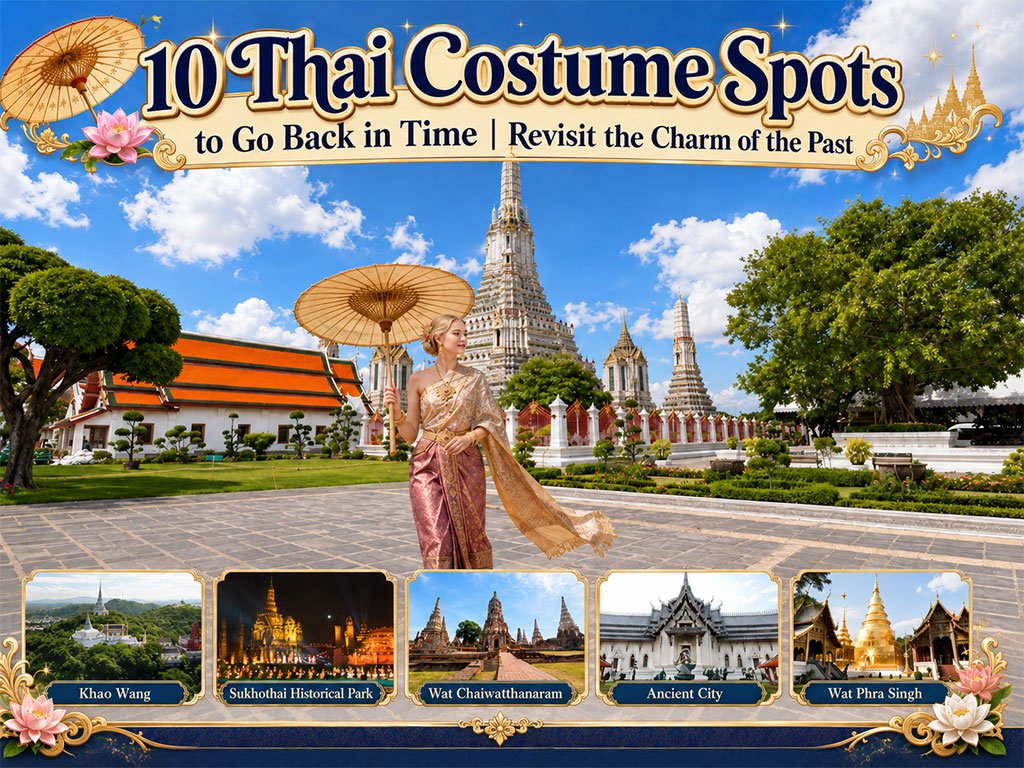
10 Thai Costume Spots to Go Back in Time
Wearing traditional Thai costume and taking photos at beautiful places is more t..

Koh Larn Aerial Views by Drone
Starting from Naban Pier, then looping north to Ta Yai Beach → Th..

10 Kanchanaburi Spots When the Rain Softly Falls
Kanchanaburi when the rain softly falls is a beautiful moment between the end of..

Attractive Beaches in Sattahip, Chonburi
For those looking to escape the hustle and bustle of Pattaya and experience calm..
Recommend trips
- The Four Holy Pilgrimage Sites
- Dream Destinations in Switzerland
- Pilgrimage to the Sacred Sites
- Trip to Bhutan
- 10 Sacred Buddhist Sites Thai Temples in India–Nep
- Koh Larn Aerial Views by Drone
- 10 Kanchanaburi Spots When the Rain Softly Falls
- Top Paris Check-in Spots
- Must-Visit Check-in Spots in London
- 10 Thai Costume Spots to Go Back in Time
- Attractive Beaches in Sattahip, Chonburi
- Thailand’s Sandbar Wonders
- 10 Must-Visit Spots Along the Chao Phraya River, B
- 8 World Heritage Sites of Thailand
- The Ultimate Ancient Villages in Japan
- 10 Best Shopping Destinations in Bangkok
- 10 Must-Visit Places in Waterford
- Japan Bucket List: 20 Places You Must Visit Once i
- 10 Must-Visit Spots in Koh Yao
- EBC - World-Class Trekking Route