 Attractions
  Hotel
Hotel  Restaurant
  Shopping
  Abroad






“The headquarters of Rinzai Zen in Kyoto, birthplace of Japanese ink painting, and the spiritual origin of Kinkaku-ji and Ginkaku-ji.”
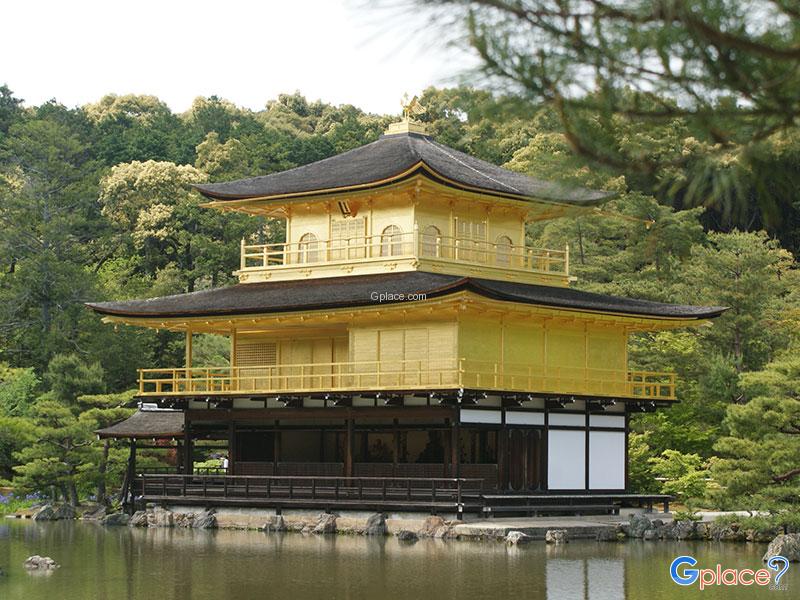
Shokoku-ji Temple was envisioned as the grandest Zen monastery in Kyoto, founded in 1382 by Ashikaga Yoshimitsu, the 3rd Muromachi Shogun. Yoshimitsu—also the founder of Kinkaku-ji (the Golden Pavilion)—established Shokoku-ji as a political, cultural, and spiritual center of Zen Buddhism during the height_ of samurai rule.
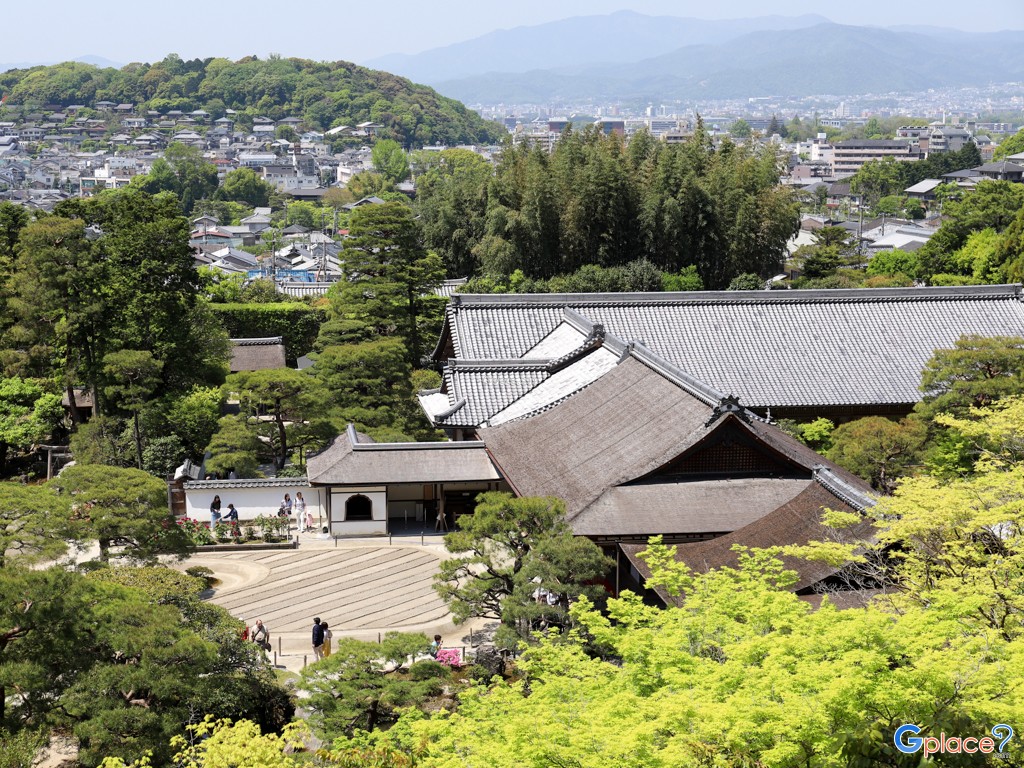
Shokoku-ji holds a unique position as the headquarters (mother temple) of the Shokoku-ji branch of Rinzai Zen Buddhism. Importantly, both Kinkaku-ji (Golden Pavilion) and Ginkaku-ji (Silver Pavilion) are officially sub-temples of Shokoku-ji, making this temple the true spiritual root behind Kyoto’s most famous landmarks. It is ranked 2nd in the Kyoto Gozan, the elite system of the Five Great Zen Temples supported by the shogunate.
Historically, Shokoku-ji once housed a seven-story pagoda standing approximately 109 meters tall, making it the tallest Buddhist structure in Japan at the time—nearly twice the height_ of today’s To-ji pagoda. Repeatedly destroyed by lightning, the pagoda was never rebuilt, but its legacy underscores the temple’s former grandeur.
The temple’s Hatto (Dharma Hall), rebuilt in 1605, is the oldest surviving Zen law hall in Japan. On its ceiling is the famous “Banryu-zu” (Coiled Dragon Painting) by Kano Mitsunobu. Known as the “Crying Dragon”, the dragon produces a haunting echo when visitors clap their hands directly beneath its mouth—an acoustic phenomenon that disappears if you step even slightly to the side.
Shokoku-ji was also the intellectual heart of Gozan Bungaku (Literature of the Five Mountains) and the cradle of Japanese ink painting. Legendary monk-artists such as Josetsu, Shūbun, and Sesshū were closely associated with the temple, shaping the minimalist aesthetic that would define Japanese art for centuries.
Within the grounds, the Joten-kaku Museum displays an exceptional collection of National Treasures and Important Cultural Properties, including masterpieces connected to Shokoku-ji’s extensive temple network.
How to Get There
-
Kyoto Subway (Karasuma Line):
Get off at Imadegawa Station, then walk approximately 5 minutes. -
The temple is located north of the Kyoto Imperial Palace, next to Doshisha University.
Travel Tips
-
Main halls such as the Hatto and Kaisando often open only during special spring and autumn exhibitions
-
Unlike Kinkaku-ji, Shokoku-ji’s key buildings are not open daily—check schedules in advance
-
The surrounding university area is quiet and scholarly, perfect for a calm, reflective visit
-
Ideal for travelers interested in deep Zen history, art, and philosophy, not crowds
Admission Fee:
-
Temple grounds: Free
-
Joten-kaku Museum & special buildings: Separate admission fees apply
Opening Time:
- Daily: 10:00 AM – 4:00 PM
Shokoku ji Temple

 Share
Share
 701 Sokokuji Monzencho, Kamigyo Ward, Kyoto City, Japan
Map
701 Sokokuji Monzencho, Kamigyo Ward, Kyoto City, Japan
Map
 Closed today
Mon10.00 - 16.00
Tue10.00 - 16.00
Wed10.00 - 16.00
Thu10.00 - 16.00
Fri10.00 - 16.00
Sat10.00 - 16.00
Sun10.00 - 16.00



 130
130