 Attractions
  Hotel
Hotel  Restaurant
  Shopping
  Abroad





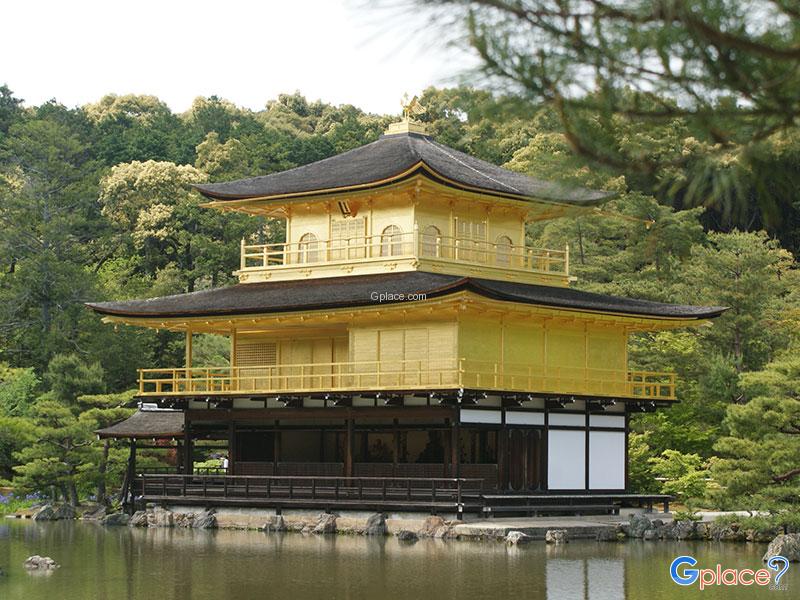

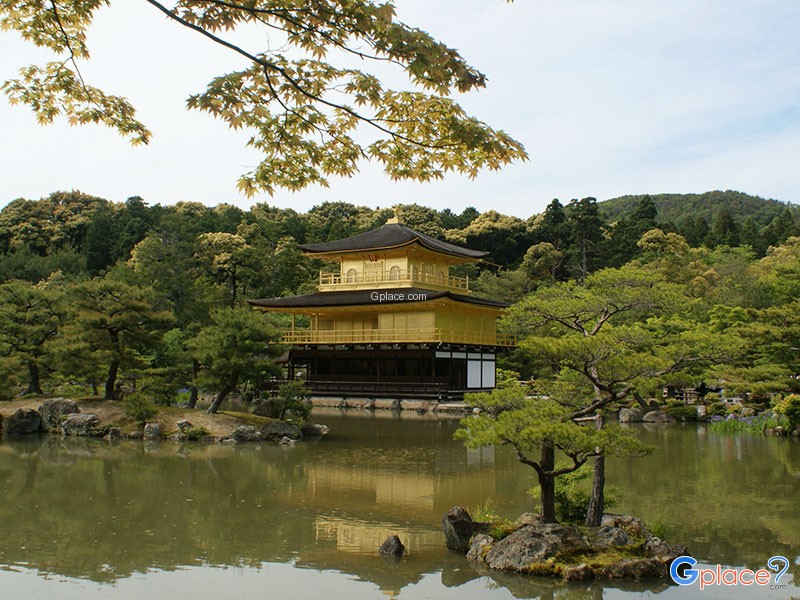

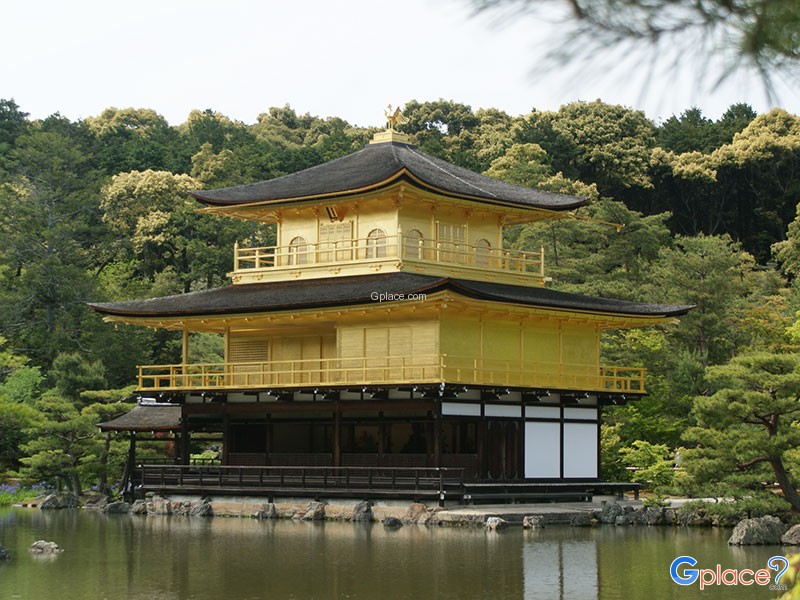

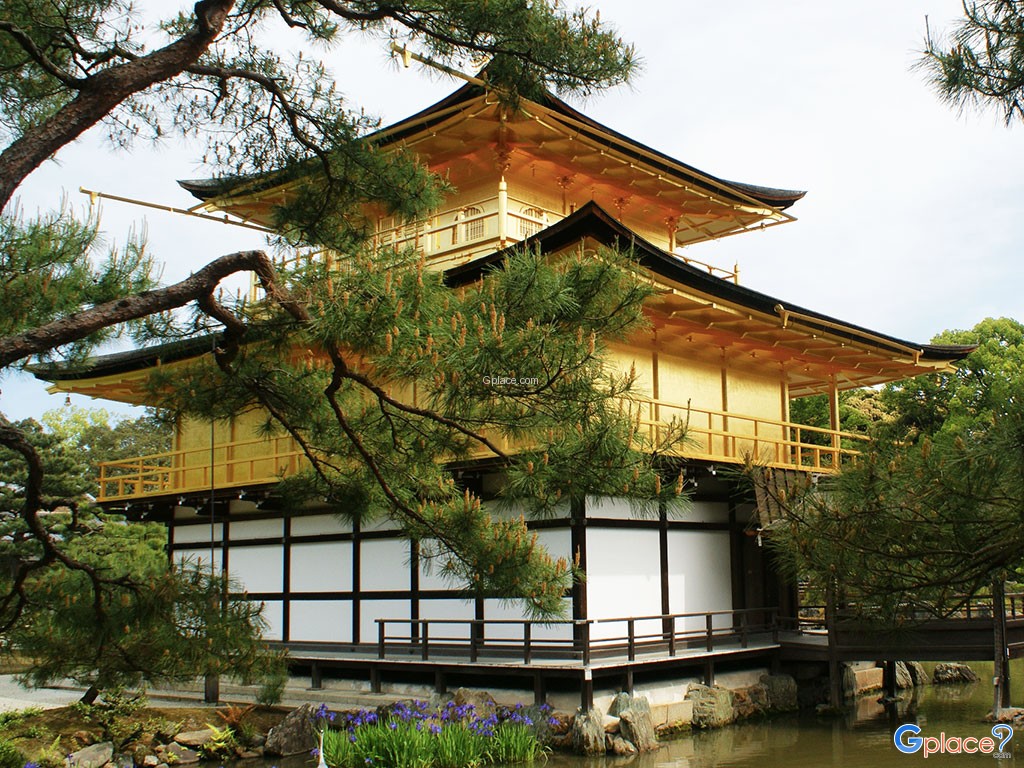

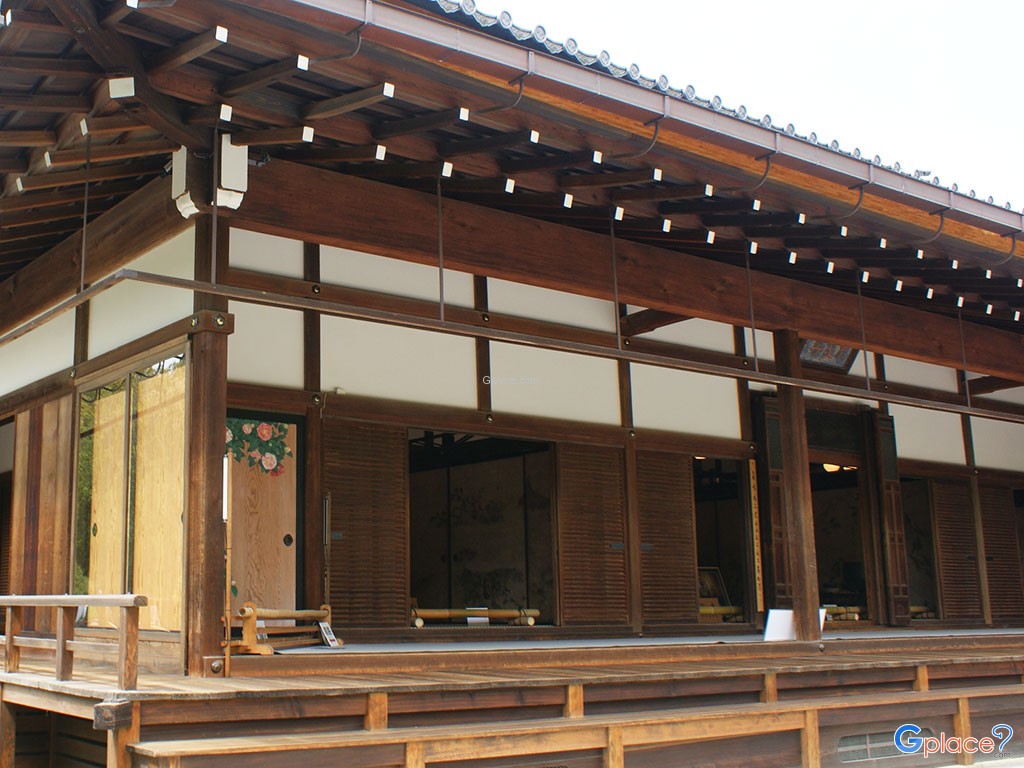
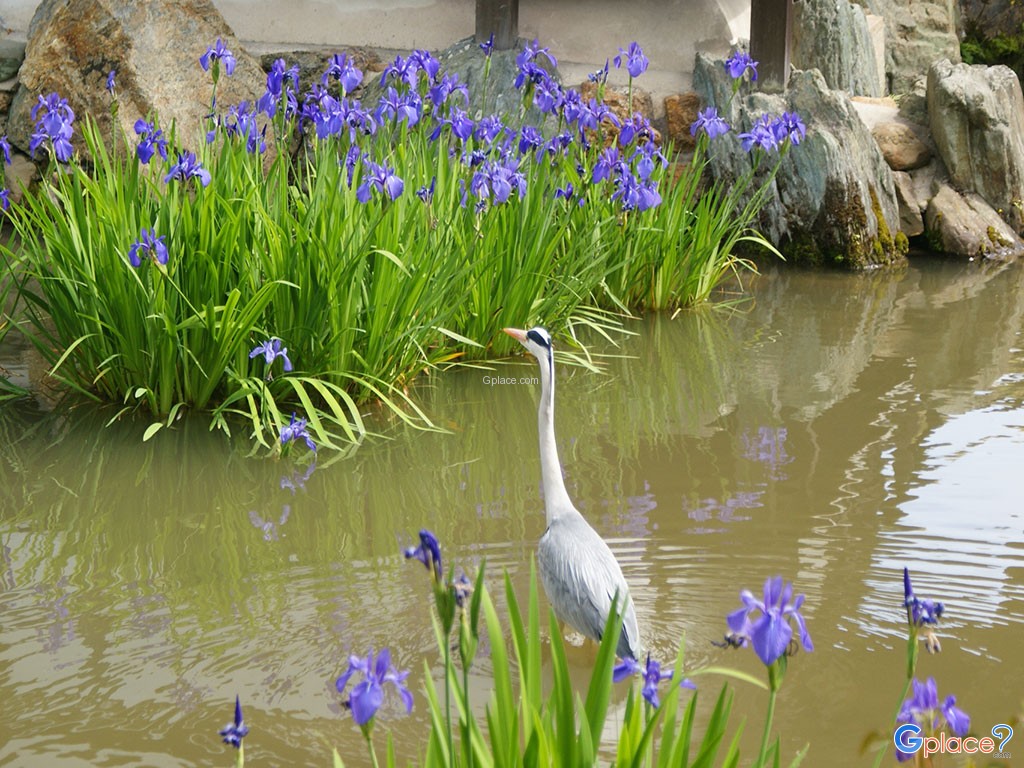
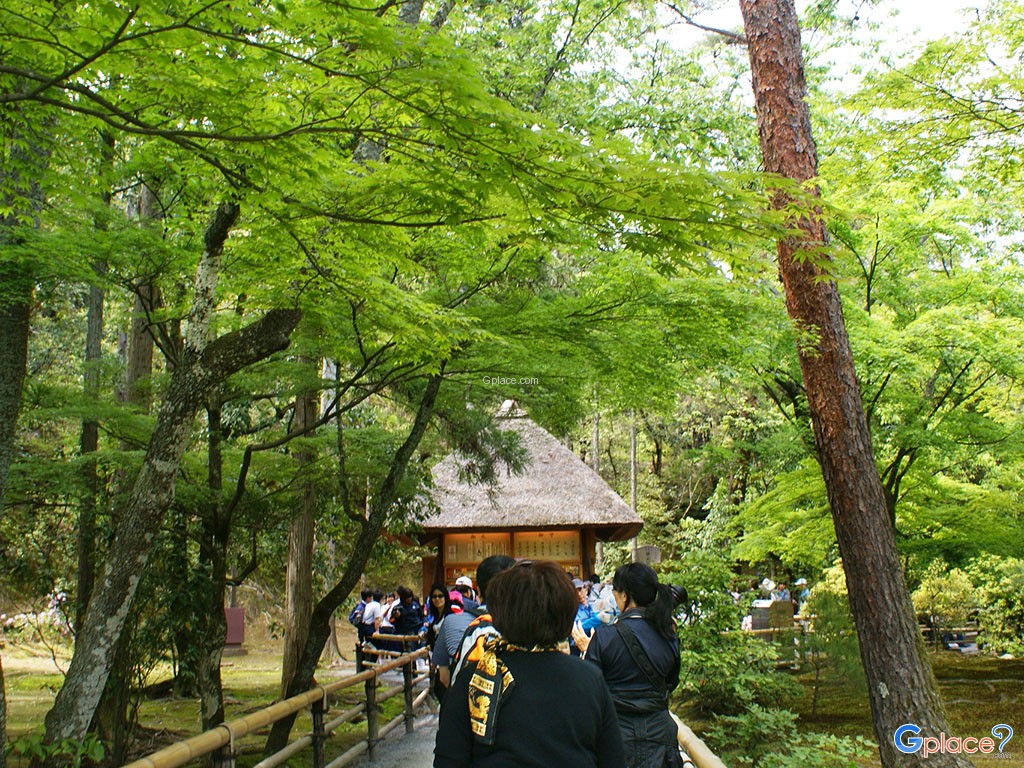
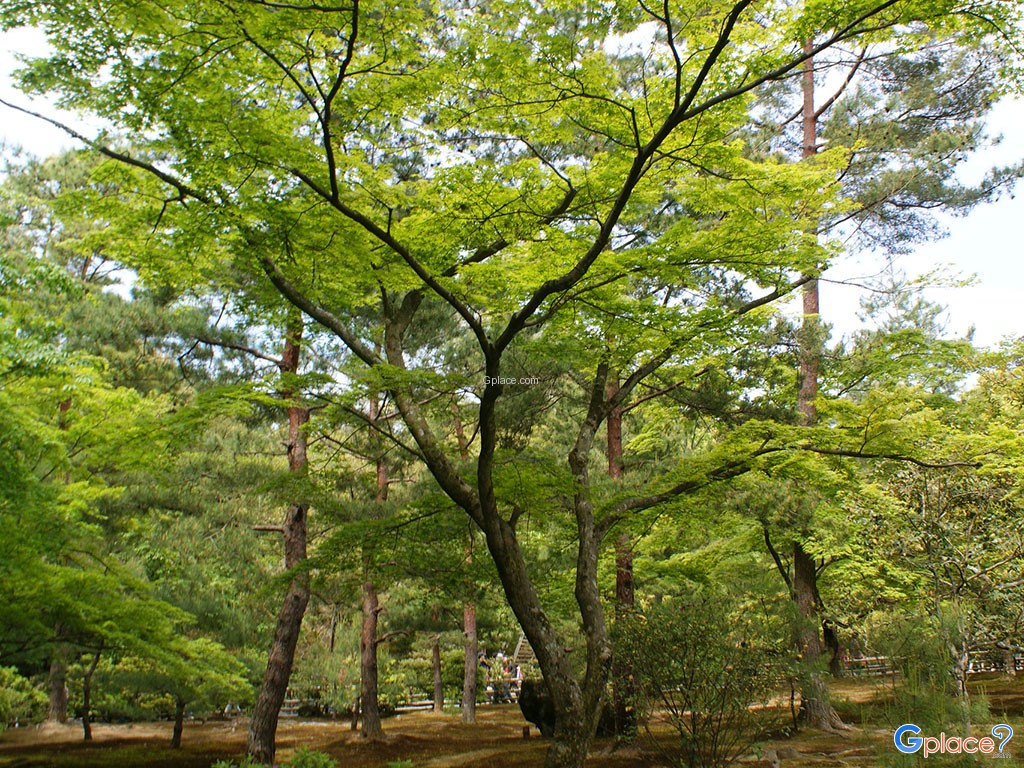
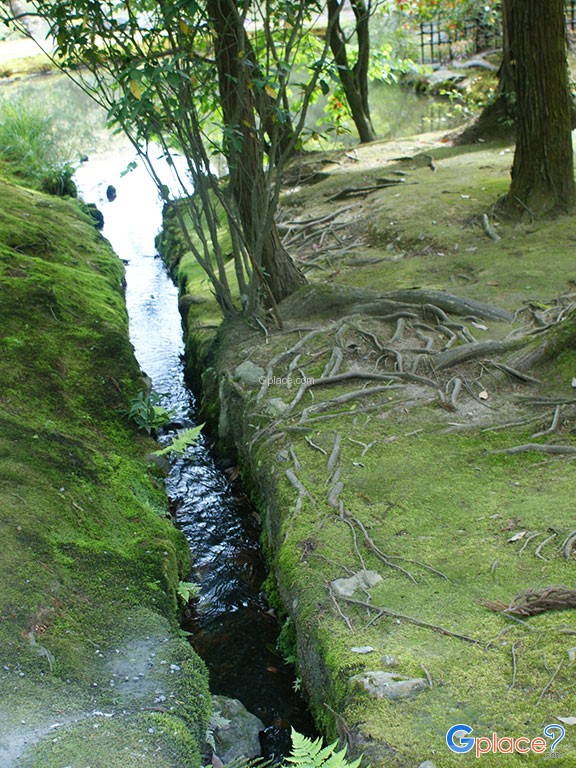
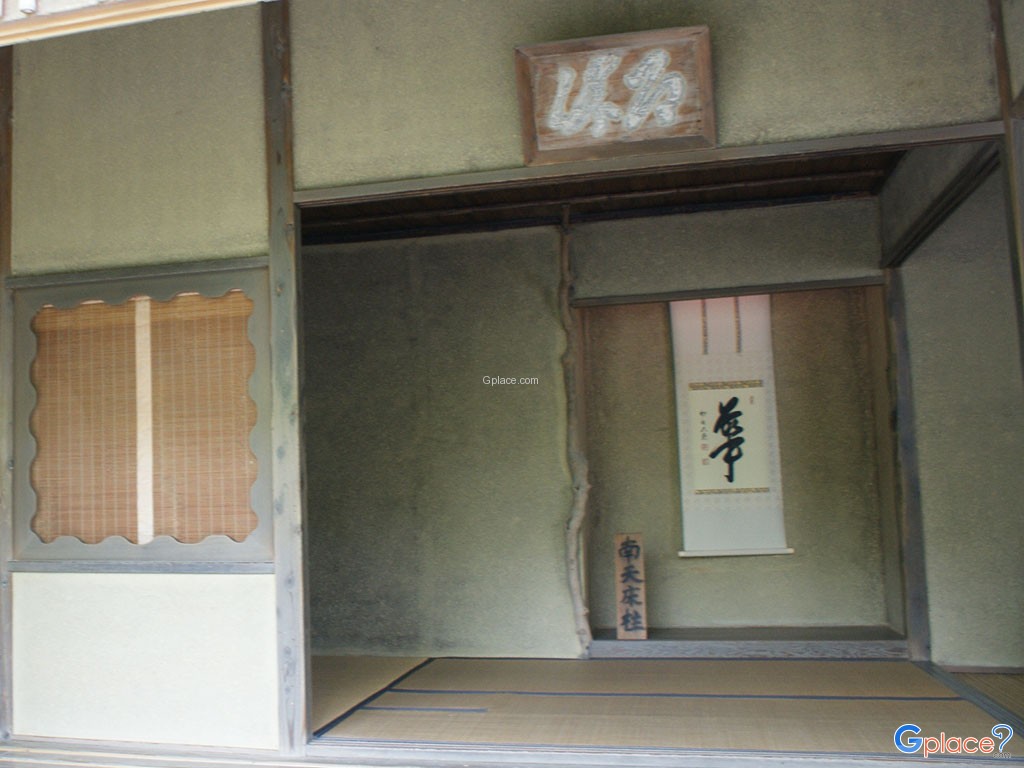
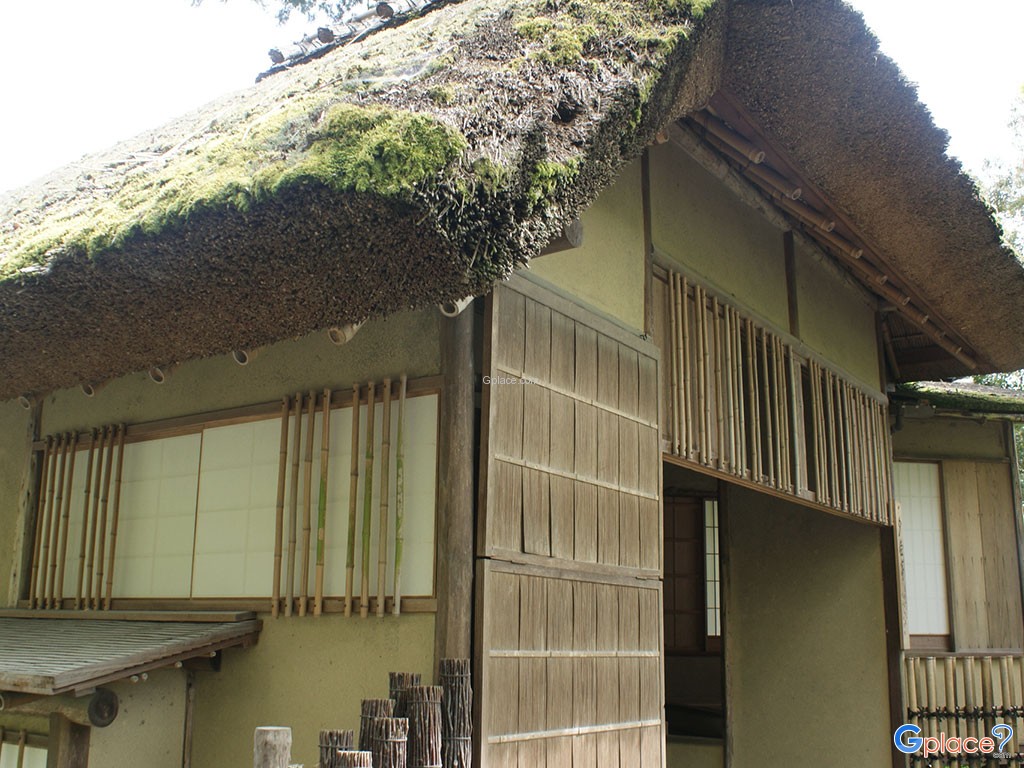
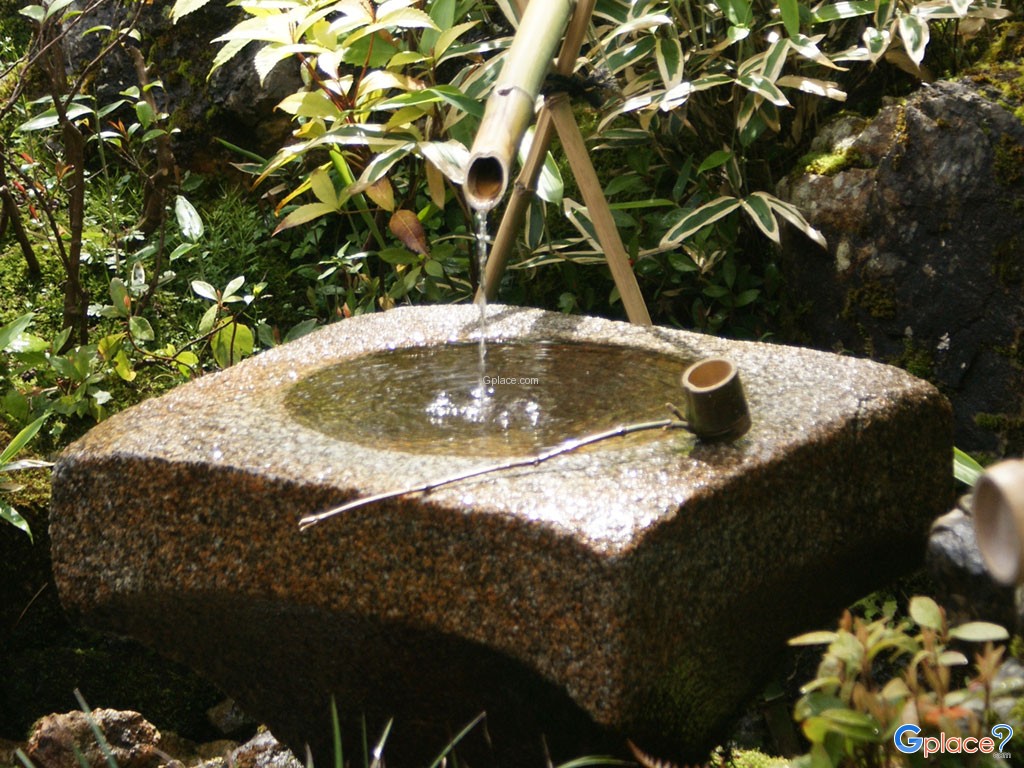
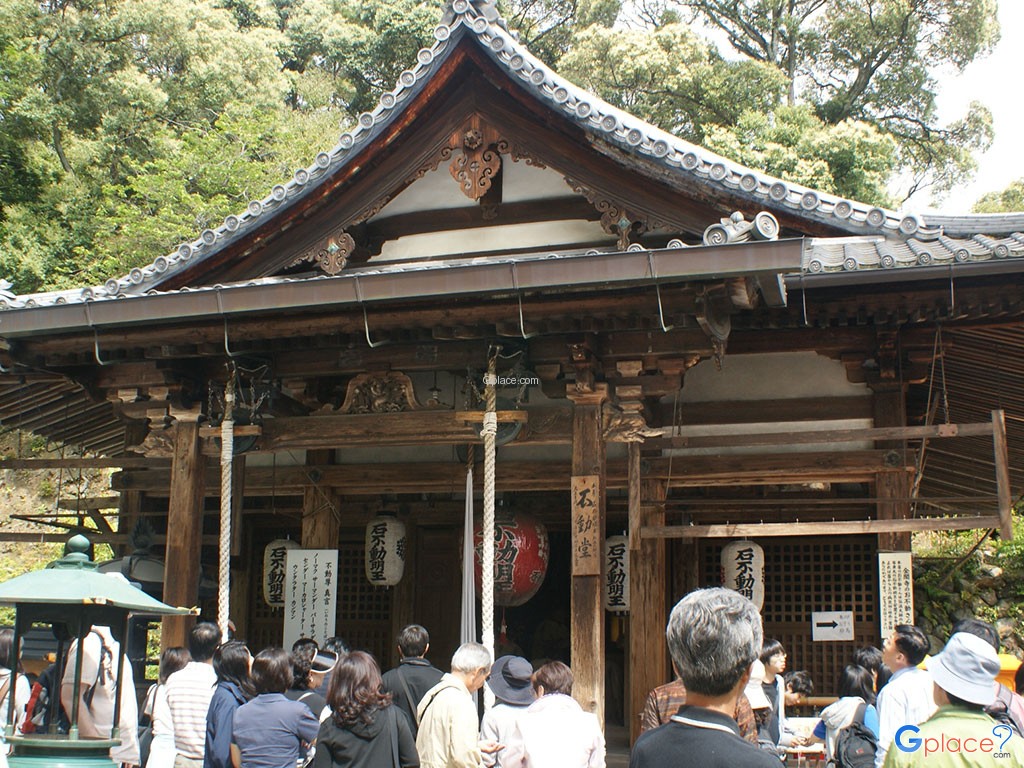
“A three-story golden pavilion blending three architectural eras, perfectly reflected on a serene mirror pond within a classic Zen garden.”
Kinkaku-ji (金閣寺) is the popular name of Rokuon-ji (鹿苑寺), its official temple name, derived from the Buddhist title of Shogun Ashikaga Yoshimitsu. Built in 1397 during the Muromachi period, the site originally served as Yoshimitsu’s retirement villa before being converted into a Rinzai Zen Buddhist temple after his death.
The centerpiece of the temple is the Golden Pavilion (Kinkaku), a three-story structure uniquely combining architectural styles from different periods of Japanese history.
-
First Floor – Hō-sui-in: Built in the Shinden-zukuri style of the Heian aristocracy, featuring natural wood and white plaster walls, expressing elegance and courtly refinement.
-
Second Floor – Chō-on-dō: Designed in the Buke-zukuri samurai residential style, its exterior is covered in gold leaf, and the interior enshrines the Bodhisattva Kannon (Avalokiteshvara).
-
Third Floor – Kukkyō-chō: Constructed in a Chinese-influenced Zen style, fully gilded inside and out, and crowned with a Hō-ō (phoenix). The current phoenix is made of gold-plated bronze for weather resistance, while the original—surviving the 1950 fire—is preserved in the temple museum.
In front of the pavilion lies Kyōko-chi (Mirror Pond), carefully designed to reflect the Golden Pavilion with near-perfect symmetry. The pond contains small islands and symbolic rock arrangements representing the Buddhist view of the universe, changing in beauty with seasons and light.
Along the walking path, visitors will also encounter:
-
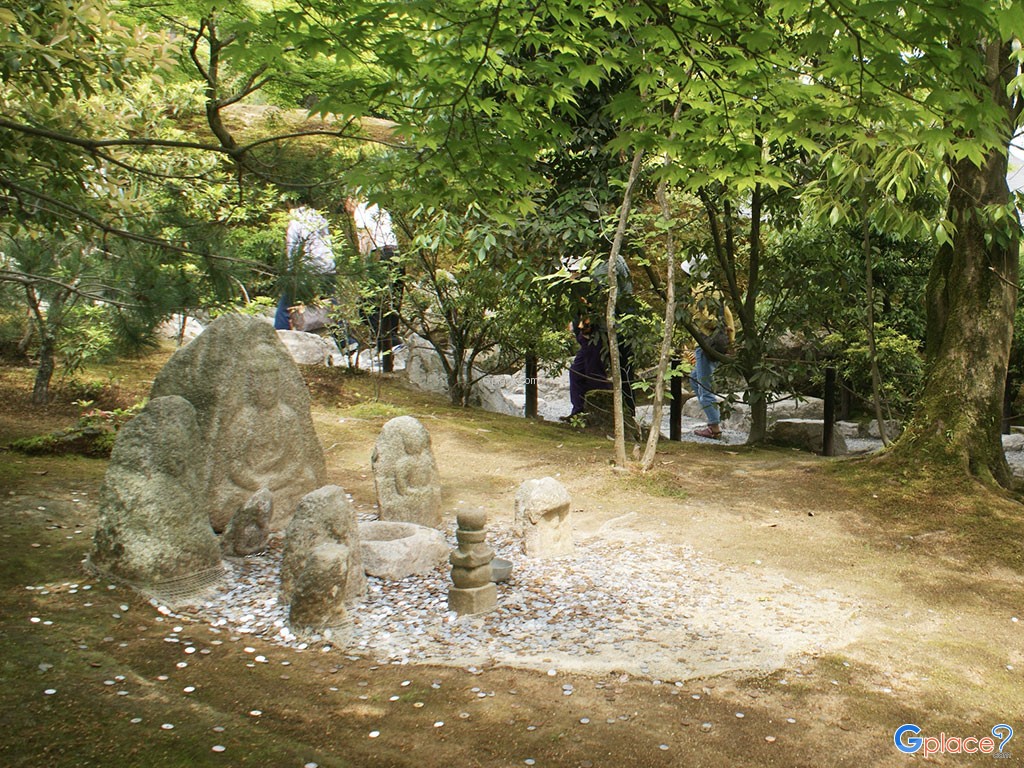
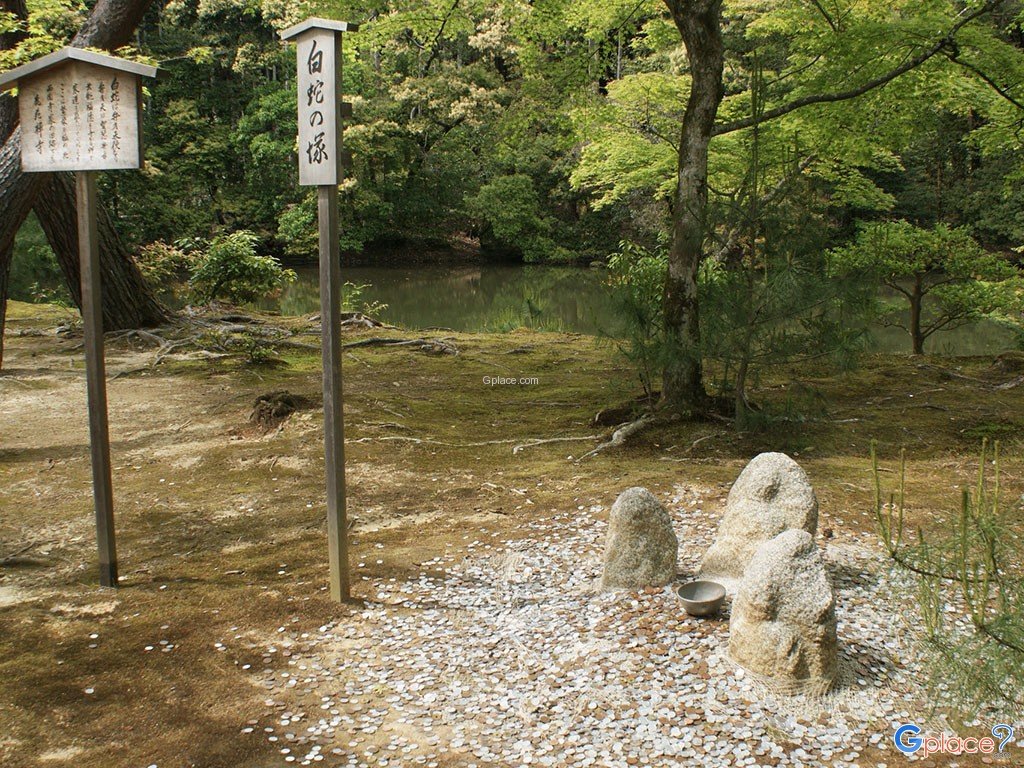
Anmintaku Pond (White Snake Pond), a small wish-making pond where visitors toss coins toward three stone statues to pray for good fortune.
-
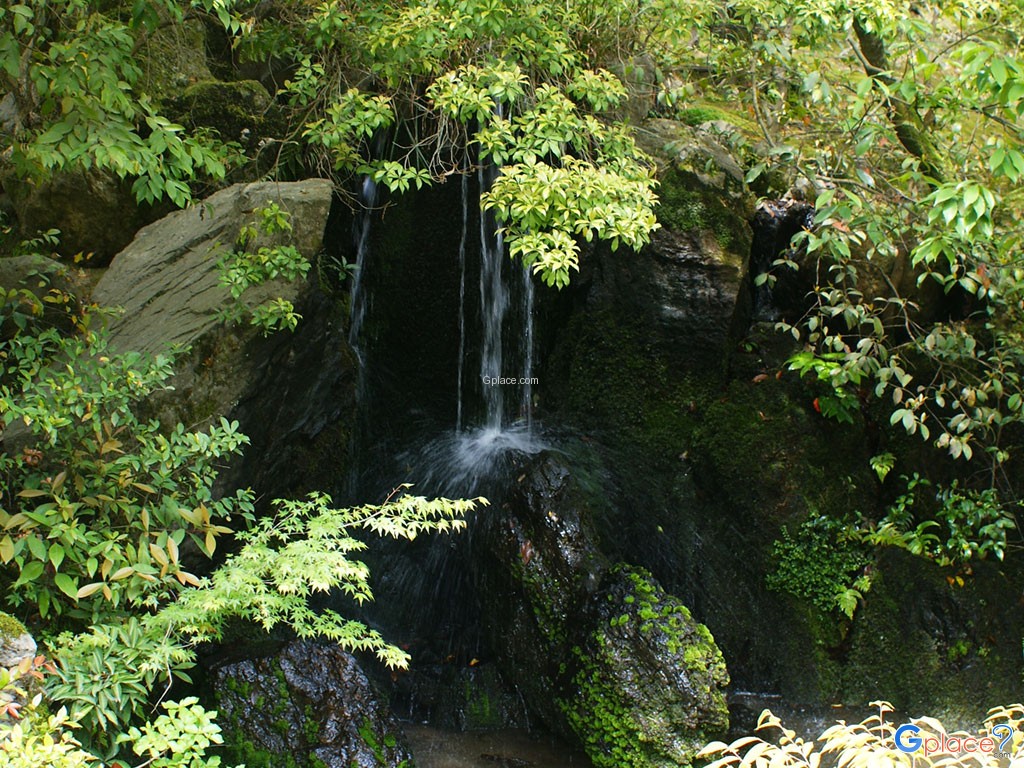
Ryumon Waterfall, featuring the Rigyo-seki (Carp Stone) beneath the cascade, inspired by a Chinese legend in which a carp that swims upstream becomes a dragon.
-
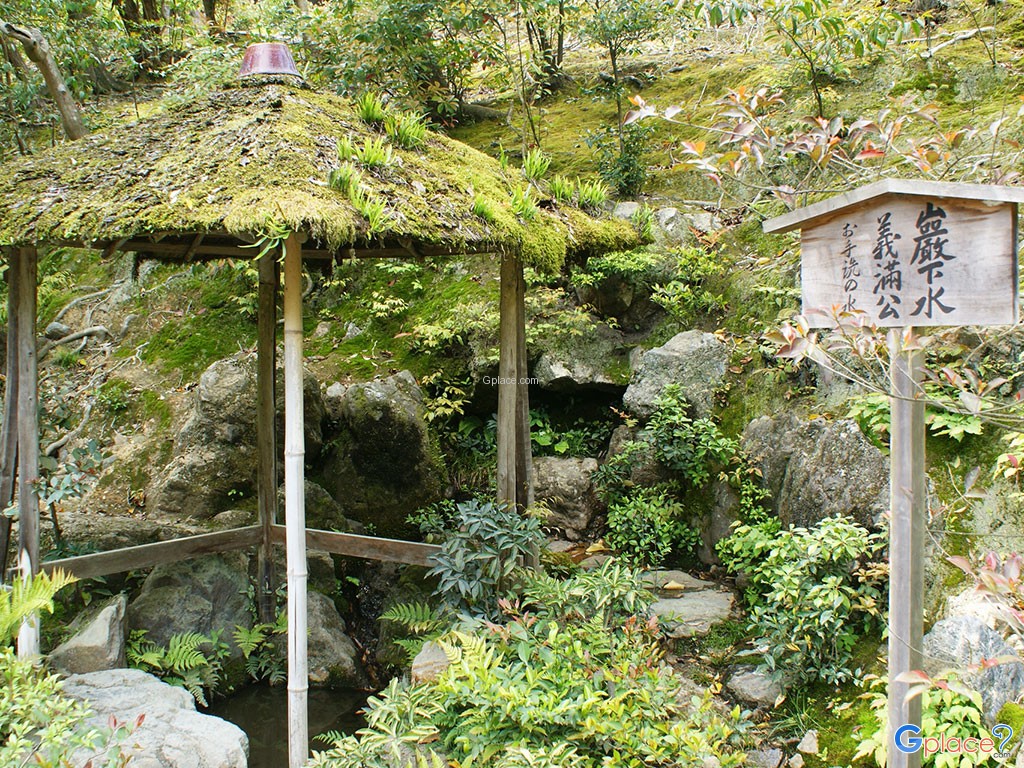
Sekka-tei Tea House, located on a gentle hillside, offering a peaceful resting point and beautiful late-afternoon views of the temple grounds.
The present structure dates from 1955, rebuilt after a devastating arson fire in 1950, with a major restoration in 1987 that increased the thickness and durability of the gold leaf. True to Zen philosophy, the interior of the Golden Pavilion is not open to the public, emphasizing appreciation without possession.
How to Get There
-
From Kyoto Station:
-
Take Kyoto City Bus No. 101 or 205
-
Get off at Kinkakuji-michi bus stop
-
Walk approximately 5 minutes
-
-
By taxi from central Kyoto: about 20–30 minutes, depending on traffic
Travel Tips
-
Best visiting times are early morning (around 9:00 AM) or late afternoon (after 4:00 PM) to avoid crowds and enjoy softer light
-
Autumn foliage and winter snow create especially striking reflections on the pond
-
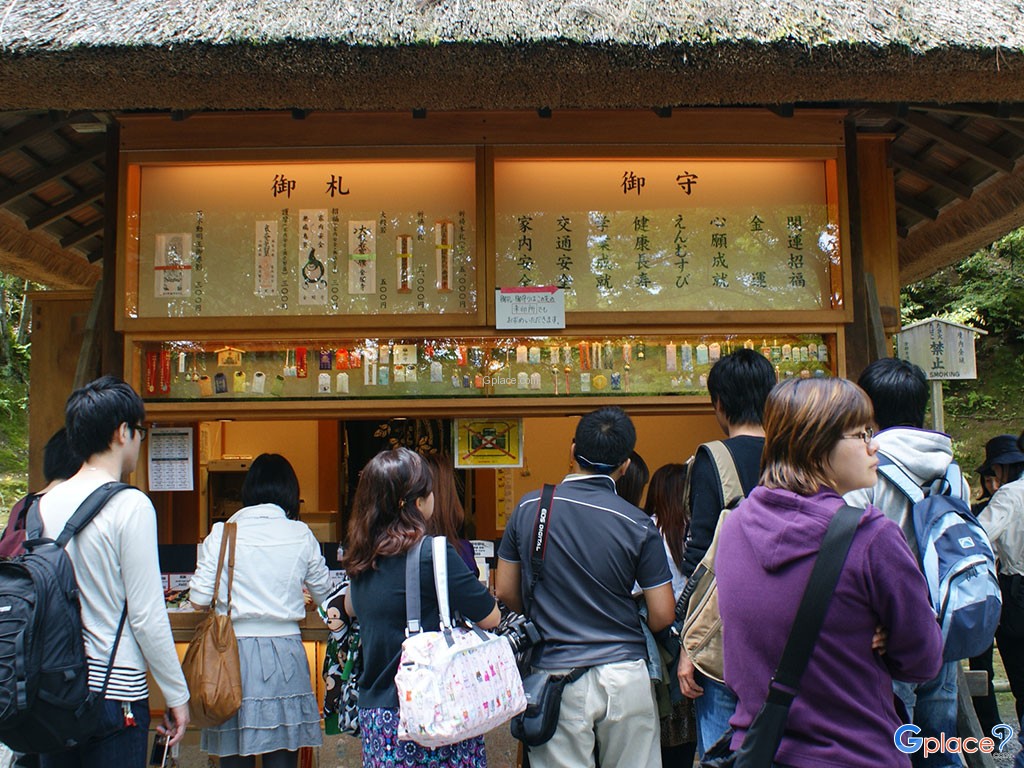
The admission ticket is an Ofuda (protective talisman), commonly kept as a meaningful souvenir
Admission fee:
-
Adults: 500 yen
-
Elementary & junior high school students: 300 yen
(Updated for 2024–2025)
Opening time:
- Open daily 09:00 AM – 05:00 PM
Kinkaku ji

 Share
Share
 1 Kinkaku-ji (Rokuon-ji), Kita Ward, Kyoto City, Japan
Map
1 Kinkaku-ji (Rokuon-ji), Kita Ward, Kyoto City, Japan
Map
 Closed today
Mon9.00 - 17.00
Tue9.00 - 17.00
Wed9.00 - 17.00
Thu9.00 - 17.00
Fri9.00 - 17.00
Sat9.00 - 17.00
Sun9.00 - 17.00



 205
205