
 Attractions
  Hotel
Hotel  Restaurant
  Shopping
  Abroad
  Nearby Places





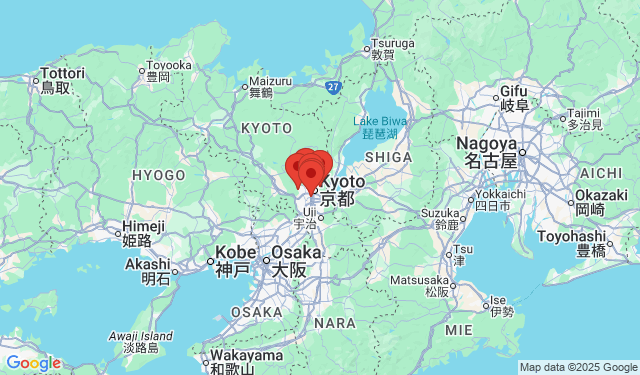
Historic Monuments of Ancient Kyoto

 291
291
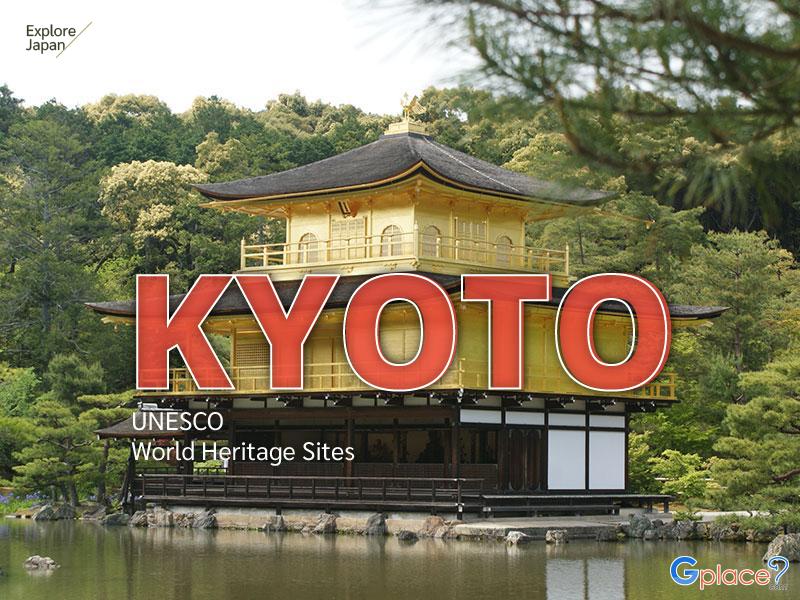 The Historic Monuments of Ancient Kyoto encompass seventeen outstanding cultural properties located across Kyoto City, Uji City, and Ōtsu City. These monuments reflect the continuous development of Japanese architecture, urban planning, and spiritual life from the Heian period through the early modern era. The ensemble includes major Buddhist temple complexes, ancient Shinto shrines, refined Zen gardens, and a feudal castle that collectively illustrate how religion, politics, and nature were harmonized within the capital.
Architecturally, the monuments demonstrate exceptional craftsmanship in wooden construction, from large-scale ceremonial halls and pagodas to minimalist Zen compositions using stone, water, and moss. Many sites exemplify advanced garden design techniques, including the strategic use of ponds, symbolic landscapes, and borrowed scenery that visually integrates surrounding mountains and forests into sacred spaces.
Culturally, these monuments preserve the core philosophies that influenced Japanese society for centuries. They embody Pure Land Buddhism’s vision of paradise, Zen Buddhism’s emphasis on meditation and simplicity, and Shinto beliefs rooted in nature worship and seasonal rituals. Several sites remain active places of worship, where traditional ceremonies and festivals continue to be practiced, allowing visitors to experience living heritage rather than static monuments.
As a UNESCO World Heritage Site, the Historic Monuments of Ancient Kyoto are recognized for their authenticity, integrity, and universal value. Together, they offer travelers a profound insight into Japan’s historical identity, aesthetic principles, and spiritual traditions, making them an essential destination for anyone seeking to understand the cultural foundations of Kyoto and Japan as a whole.
The Historic Monuments of Ancient Kyoto encompass seventeen outstanding cultural properties located across Kyoto City, Uji City, and Ōtsu City. These monuments reflect the continuous development of Japanese architecture, urban planning, and spiritual life from the Heian period through the early modern era. The ensemble includes major Buddhist temple complexes, ancient Shinto shrines, refined Zen gardens, and a feudal castle that collectively illustrate how religion, politics, and nature were harmonized within the capital.
Architecturally, the monuments demonstrate exceptional craftsmanship in wooden construction, from large-scale ceremonial halls and pagodas to minimalist Zen compositions using stone, water, and moss. Many sites exemplify advanced garden design techniques, including the strategic use of ponds, symbolic landscapes, and borrowed scenery that visually integrates surrounding mountains and forests into sacred spaces.
Culturally, these monuments preserve the core philosophies that influenced Japanese society for centuries. They embody Pure Land Buddhism’s vision of paradise, Zen Buddhism’s emphasis on meditation and simplicity, and Shinto beliefs rooted in nature worship and seasonal rituals. Several sites remain active places of worship, where traditional ceremonies and festivals continue to be practiced, allowing visitors to experience living heritage rather than static monuments.
As a UNESCO World Heritage Site, the Historic Monuments of Ancient Kyoto are recognized for their authenticity, integrity, and universal value. Together, they offer travelers a profound insight into Japan’s historical identity, aesthetic principles, and spiritual traditions, making them an essential destination for anyone seeking to understand the cultural foundations of Kyoto and Japan as a whole.
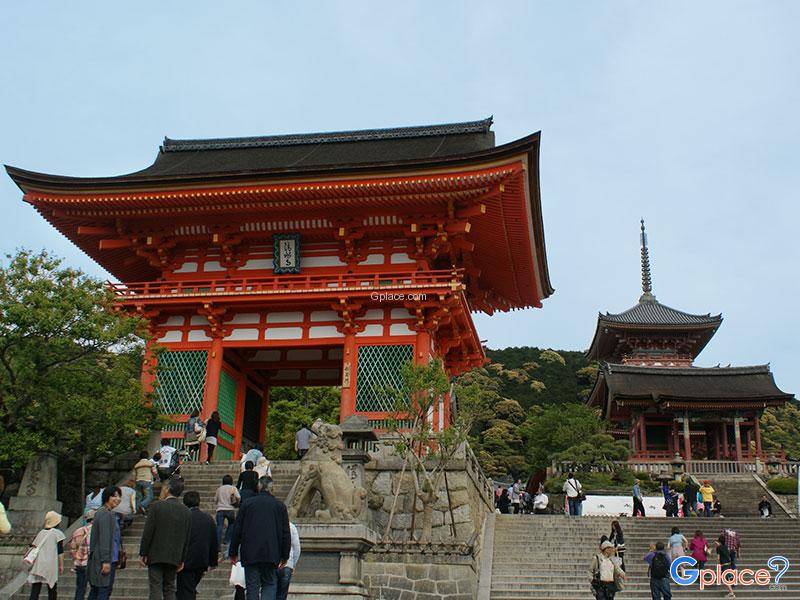
Kiyomizu-dera, meaning “Pure Water Temple,” was founded in 778 CE during the late Nara Period and was designated a UNESCO World Heritage Site in 1994 as part of the Historic Monuments of Ancient Kyoto. The temple is a quintessential symbol of Japanese devotional Buddhism, harmoniously integrated with the natural landscape of Mount Otowa.
Most of the structures seen today—especial...
read more
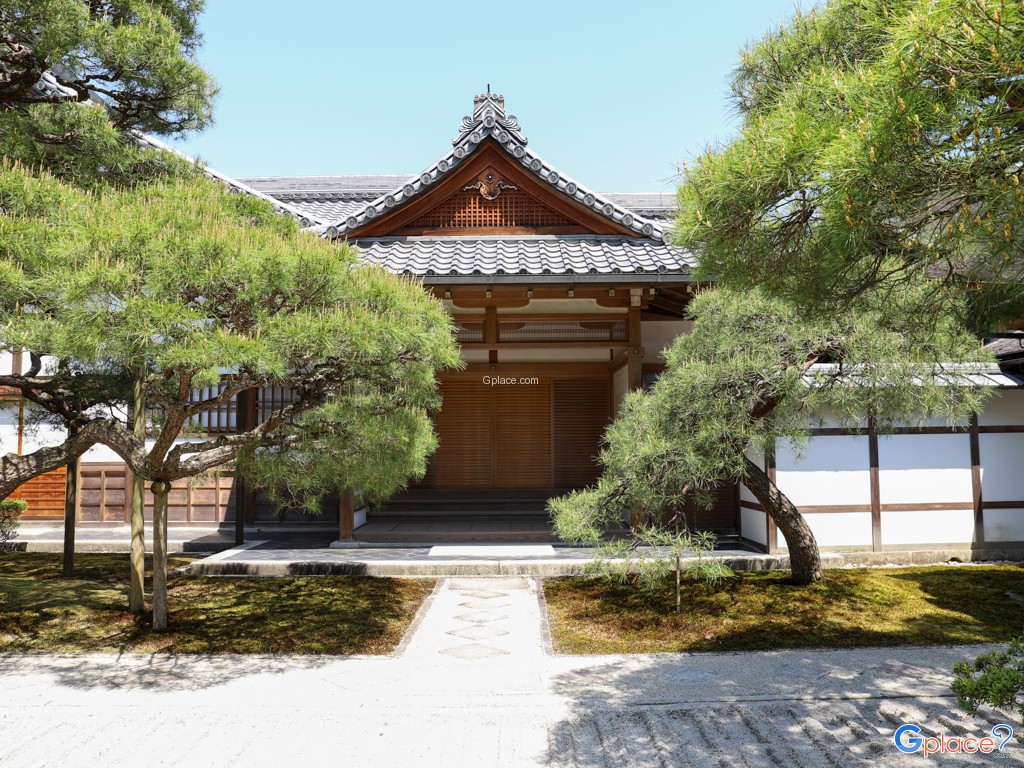
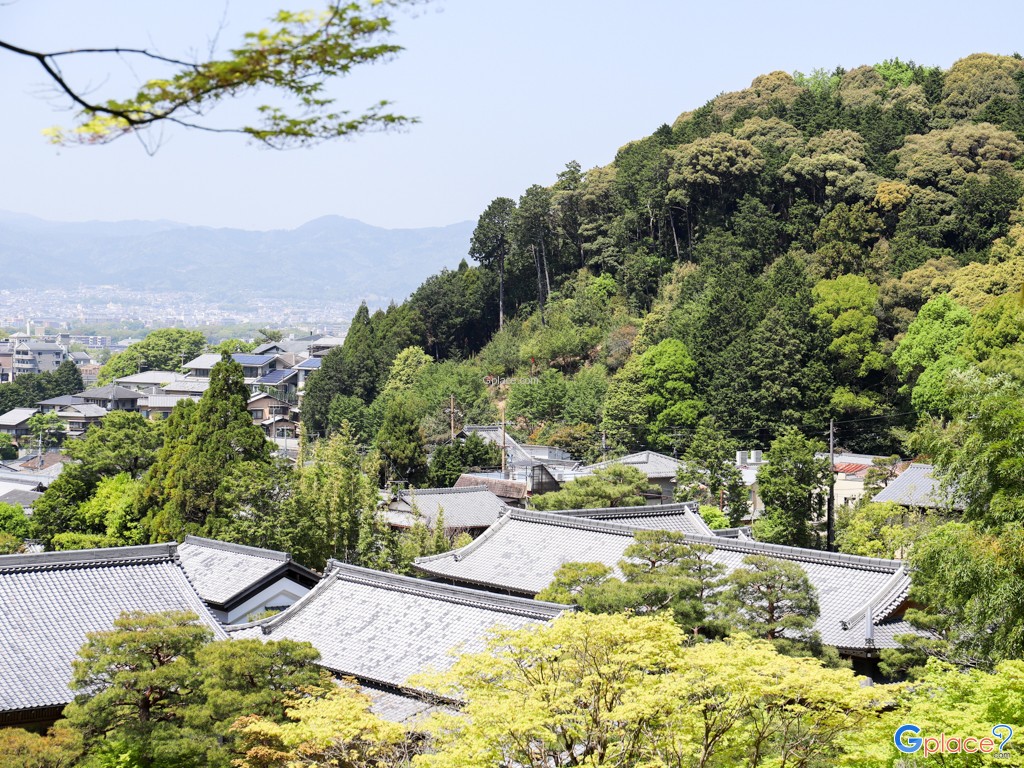
Ginkaku-ji, or the Silver Pavilion, officially named Jishō-ji, is a historic monument and UNESCO World Heritage Site, part of the "Historic Monuments of Ancient Kyoto." It is a must-visit location in Kyoto, celebrated for its outstanding artistic, philosophical, and architectural value.
Historical and Cultural Significance
Founder and Era: Built in 1482 by Shogun Ashikaga Yoshimasa, originally s...
read more
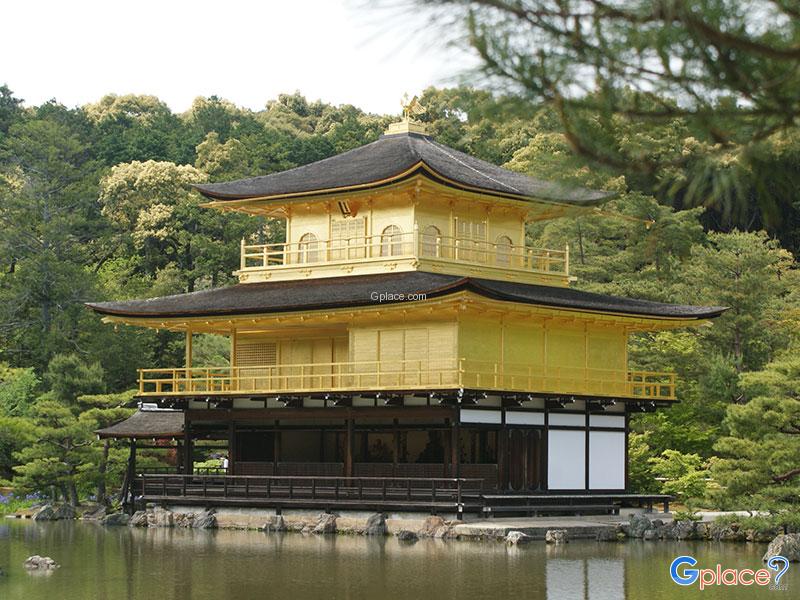
Kinkaku-ji (金閣寺) is the popular name of Rokuon-ji (鹿苑寺), its official temple name, derived from the Buddhist title of Shogun Ashikaga Yoshimitsu. Built in 1397 during the Muromachi period, the site originally served as Yoshimitsu’s retirement villa before being converted into a Rinzai Zen Buddhist temple after his death.
The centerpiece of the temple is the Golden Pavilion (Kinkaku), a ...
read more
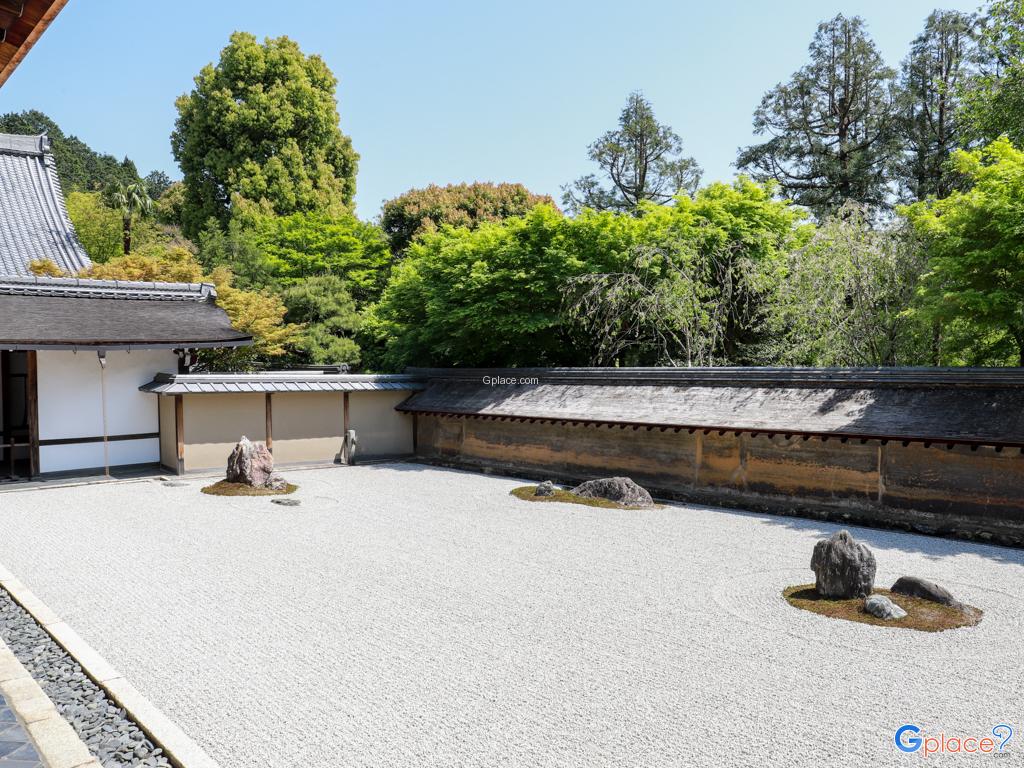
Ryoanji Temple is internationally regarded as the purest and most influential example of karesansui (dry landscape) Zen gardening. Founded in 1450 during the Muromachi period by Hosokawa Katsumoto, a powerful deputy to the Ashikaga Shogunate, the temple reflects Zen ideals of simplicity, silence, and abstraction. It was later destroyed during the Ōnin War (1467–1477) and rebuilt in 1499, whi...
read more
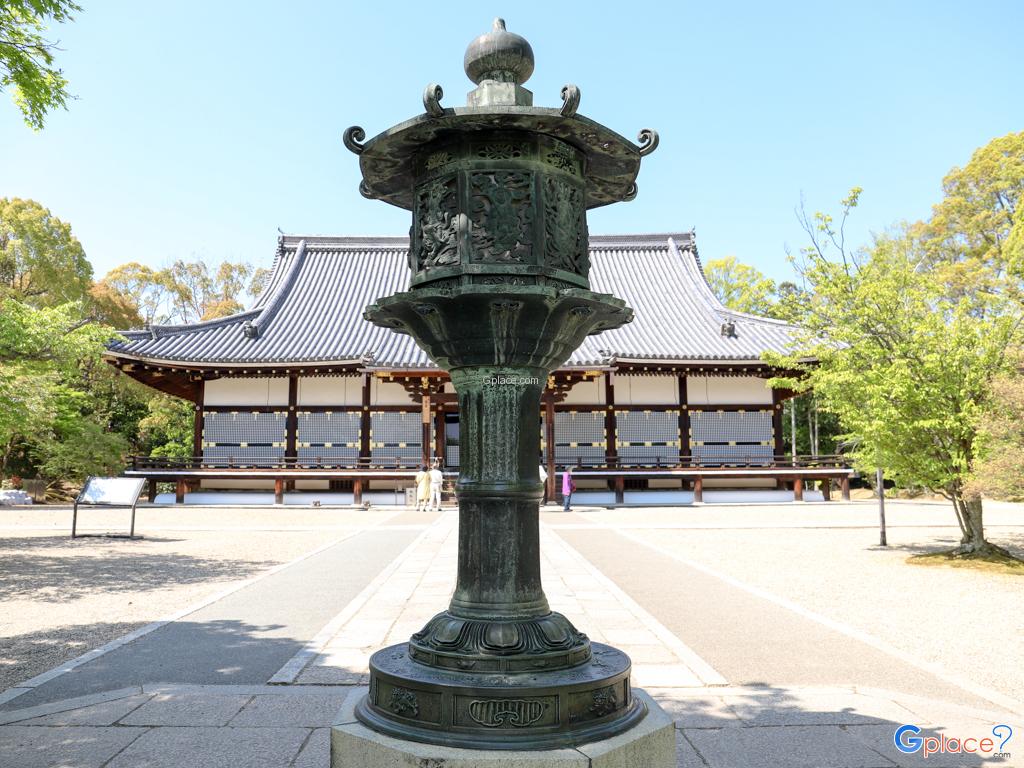
Ninna-ji Temple was founded in 888 CE by Emperor Uda and holds a special place in Japanese history as a Monzeki Temple—a temple traditionally headed by retired emperors or members of the imperial family. This status elevated Ninna-ji beyond a religious institution into a space where imperial governance, Buddhist practice, and court culture intersected.
The temple serves as the head temp...
read more
Kamigamo Shrine, officially known as Kamo Wakeikazuchi Shrine, was formally established in the 7th century, with spiritual origins dating back to the 6th century—long before Kyoto became Japan’s imperial capital in 794. Located in northern Kyoto, it is revered as the “Upper Kamo Shrine,” paired with Shimogamo Shrine (the Lower Kamo Shrine). Together, the two shrines were be...
read more
Shimogamo Shrine, officially known as Kamo-mioya-jinja, is one of the 17 properties designated as a UNESCO World Heritage Site under “Historic Monuments of Ancient Kyoto.” Its origins date back to the 6th century, predating the establishment of Kyoto as Japan’s capital. The shrine has long served as a spiritual guardian of the city and the ancestral shrine of the Kamo clan.
One o...
read more
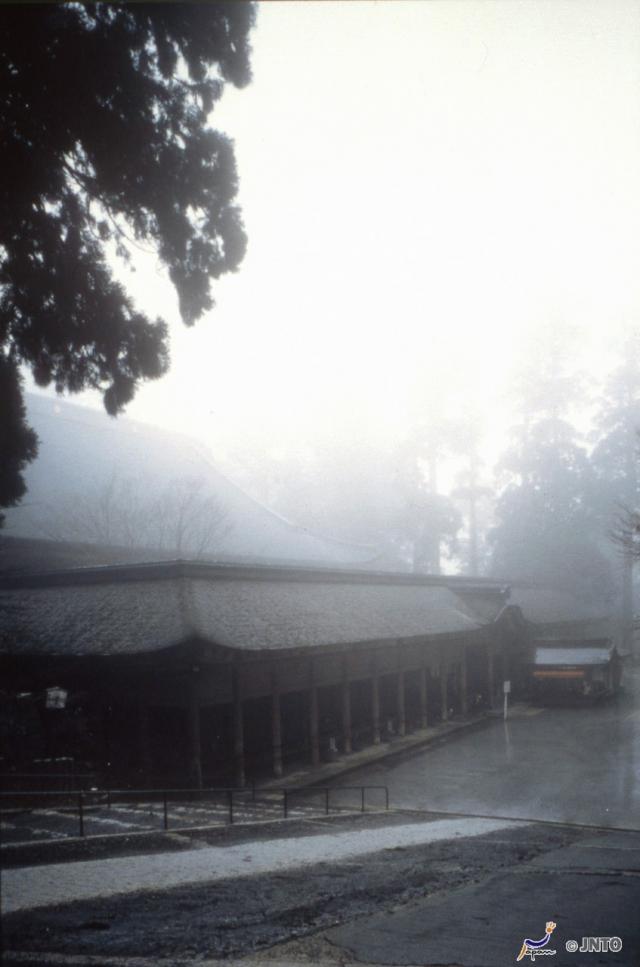
Enryaku-ji Temple was founded in 788 by the monk Saicho and is the headquarters of the Tendai sect. It is one of the most sacred sites in Japanese Buddhist history and is called the “Mother of Japanese Buddhism” because founders of important sects such as Zen, Pure Land, and Nichiren trained here.
Enryaku-ji is part of the 17 Historic Monuments of Ancient Kyoto, which include seventeen...
read more

Nijō Castle was built in 1603 by Tokugawa Ieyasu, the first shogun of the Tokugawa family, to serve as a luxurious residence when visiting Kyoto and to assert military and political authority over the emperor. It was designated a UNESCO World Heritage Site in 1994 as part of the “Historic Monuments of Ancient Kyoto” and is also recognized as a National Treasure of Japan.
Ninomaru Palac...
read more
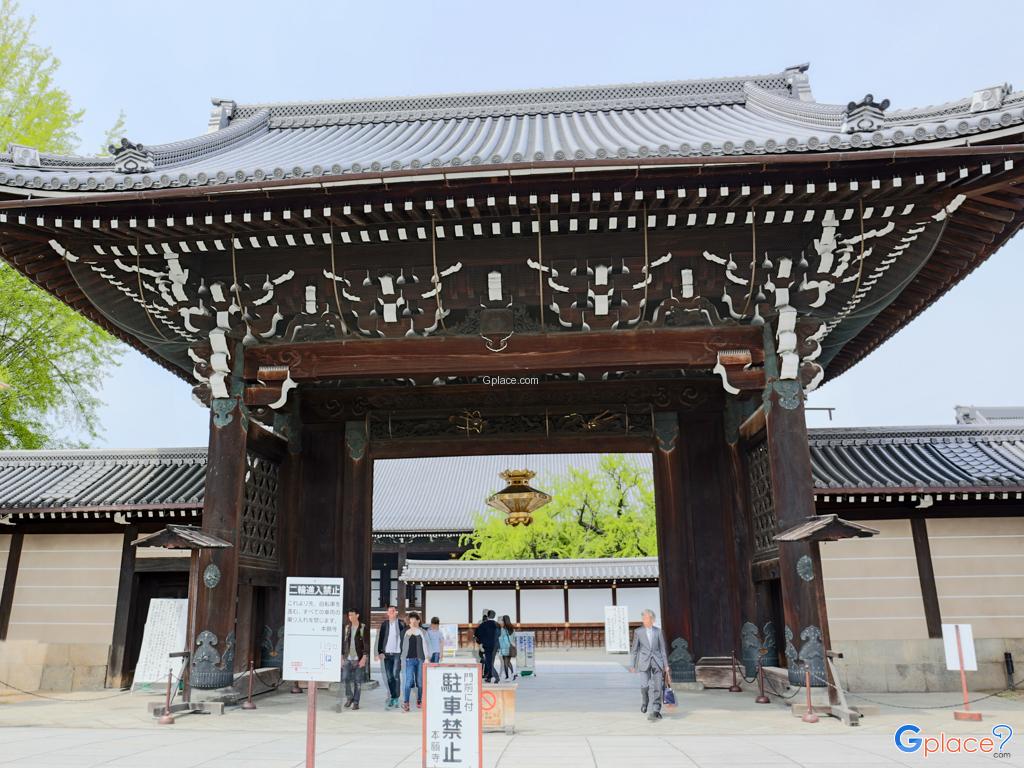
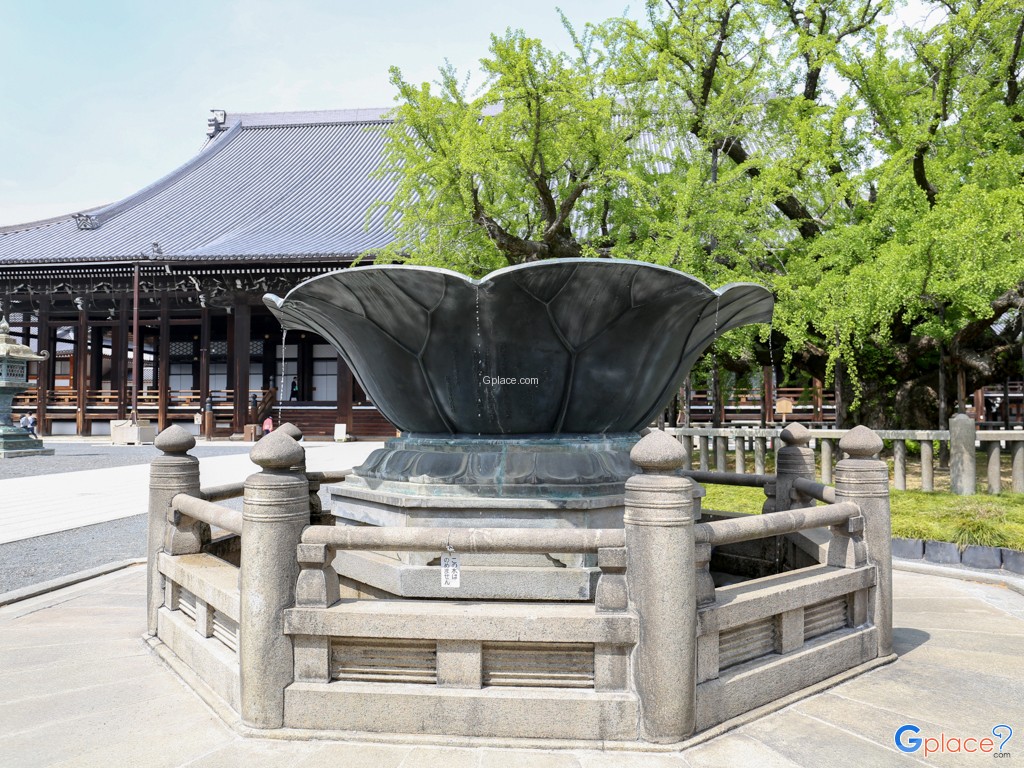
Nishi Hongan-ji is one of Japan’s most significant Buddhist temples, serving as the head temple of the Jodo Shinshu Honganji-ha sect, founded by Shinran Shonin, the reformist monk who emphasized “faith alone in Amida Buddha.” The temple was designated a UNESCO World Heritage site in 1994 as part of the Historic Monuments of Ancient Kyoto. Originally one temple with Higashi Hongan...
read more
11
Toji Temple
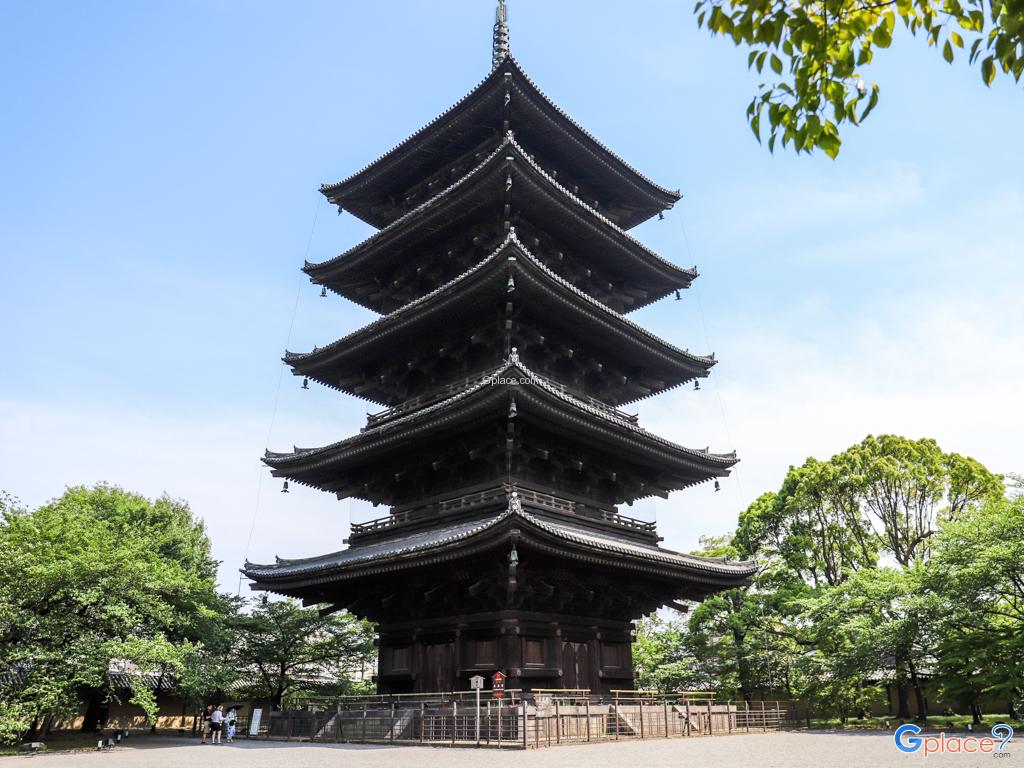
To-ji Temple, founded in 796 AD alongside the establishment of Heian-kyo (present-day Kyoto), was originally built as part of a symmetrical city plan. It stood opposite Sai-ji (West Temple) on either side of the grand Rashomon Gate, marking the southern entrance to the capital. While Sai-ji eventually disappeared, To-ji remains today as the sole surviving symbol of Kyoto’s original imperial ...
read more
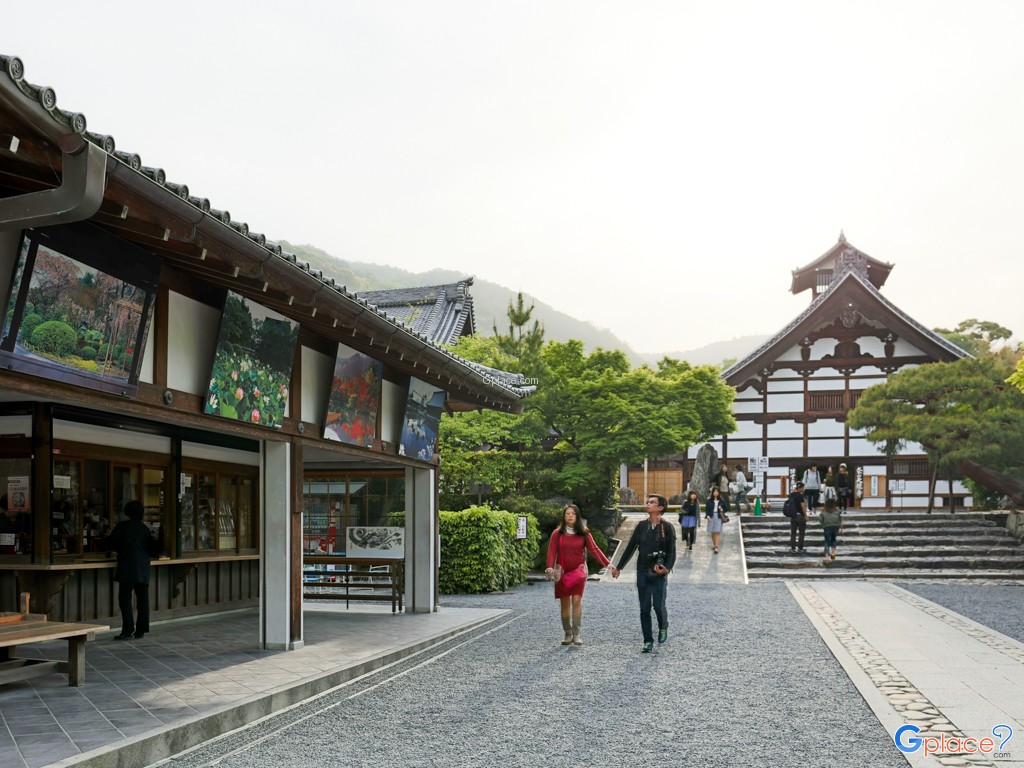
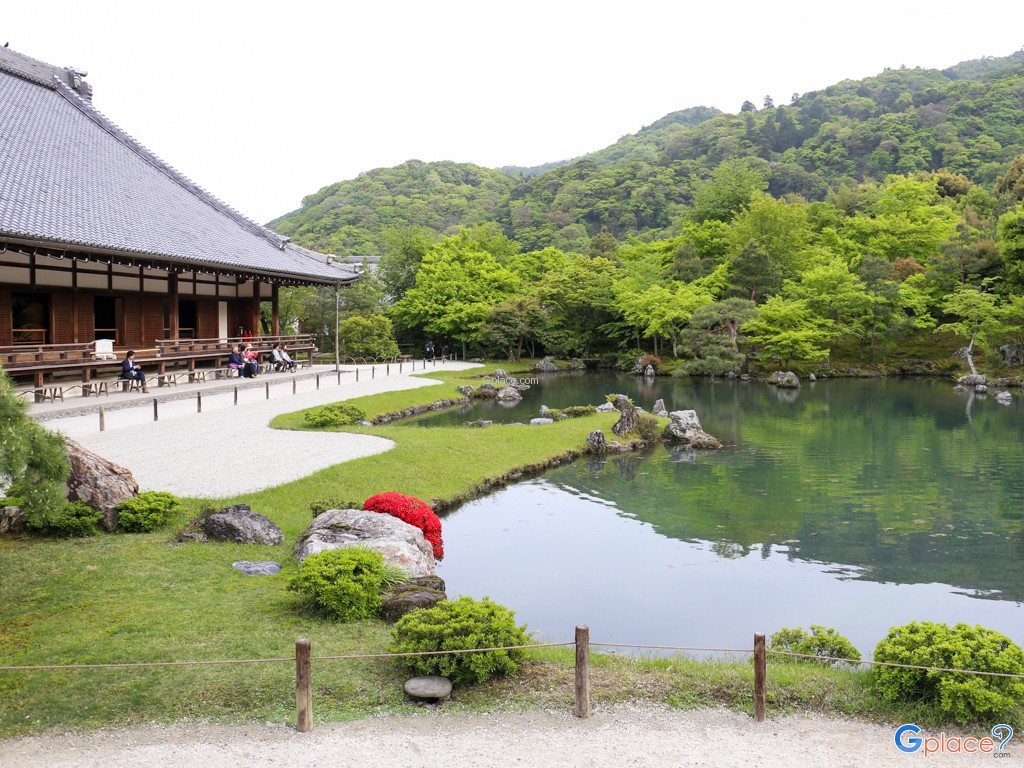
Tenryu-ji Temple is one of the 17 UNESCO World Heritage Sites of Kyoto and holds the prestigious position of Rank No.1 among the Five Great Zen Temples of Kyoto (Kyoto Gozan). The temple was founded in 1339 by Shogun Ashikaga Takauji to appease the spirit of Emperor Go-Daigo, with the renowned Zen master Muso Soseki appointed as its first abbot. Although many of the buildings were lost to fir...
read more
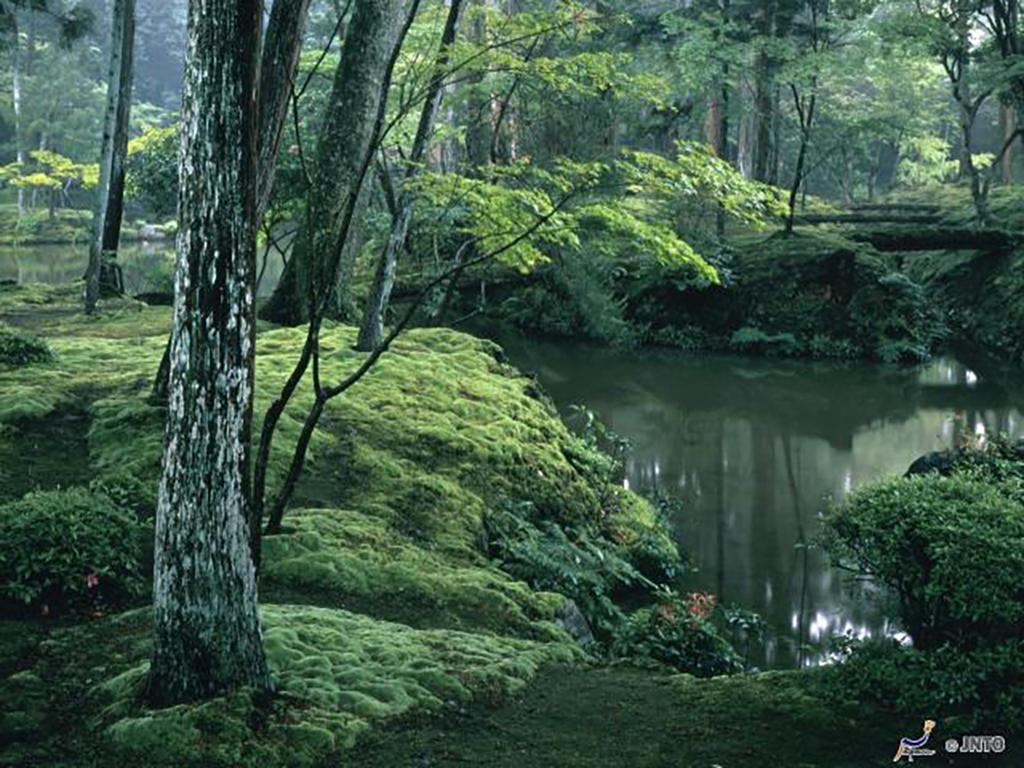
Saiho-ji is one of the 17 Historic Monuments of Ancient Kyoto inscribed by UNESCO as a World Heritage Site. Its moss garden is among the most famous in the world, designed by Muso Soseki, the most influential Zen master and garden designer in Japanese history. The garden was carefully created rather than forming naturally, turning the historic temple into a jewel for spiritual practice.
The g...
read more

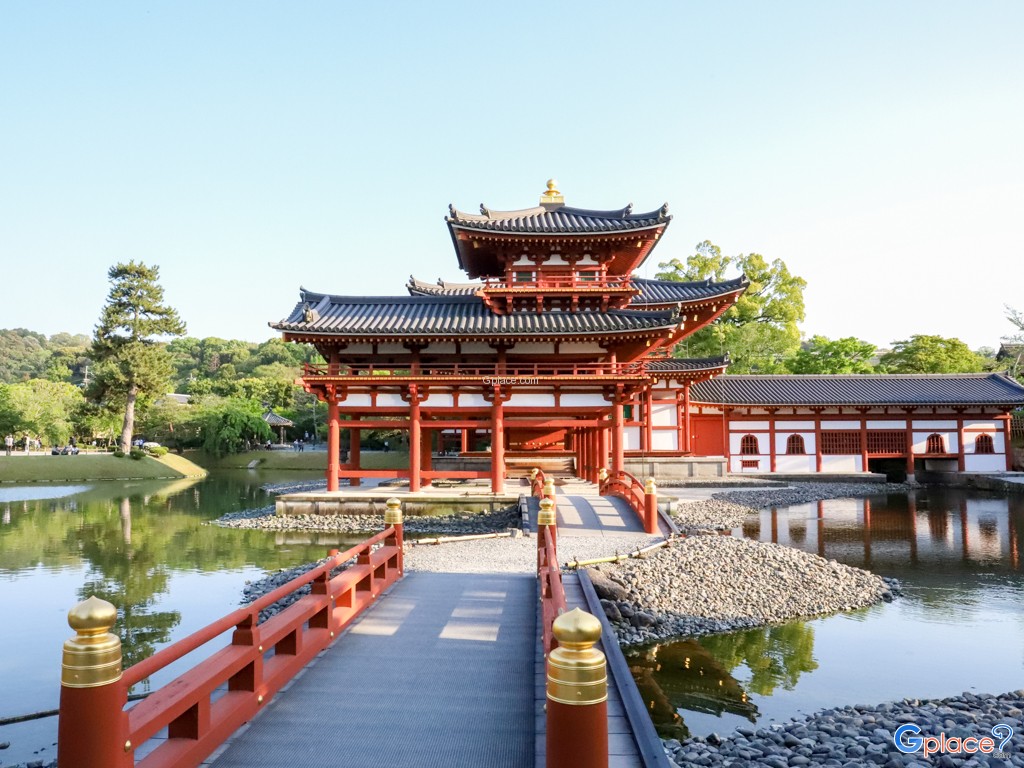
Byodoin was originally constructed in 998 as a rural villa for the aristocrat Minamoto no Shigenobu before being acquired by Fujiwara no Michinaga, the most powerful court noble of the Heian period. In 1052, amid the belief that society had entered Mappō—the age of decline of Buddhist law—his son Fujiwara no Yorimichi converted the estate into a Buddhist temple. The temple was conceive...
read more
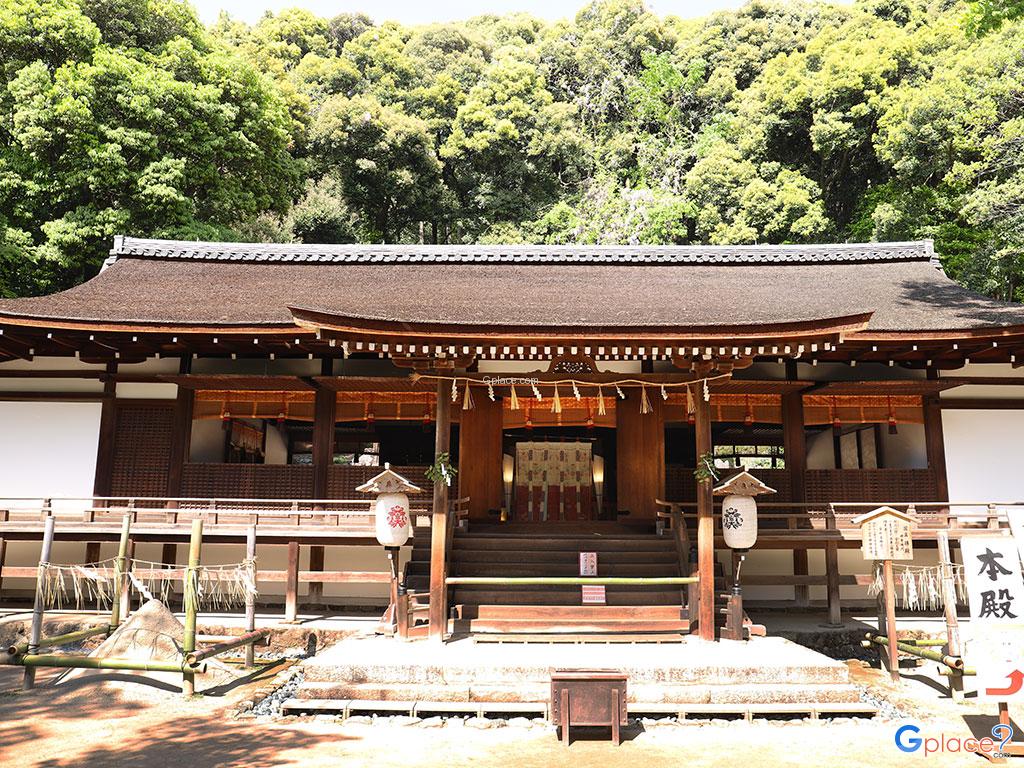
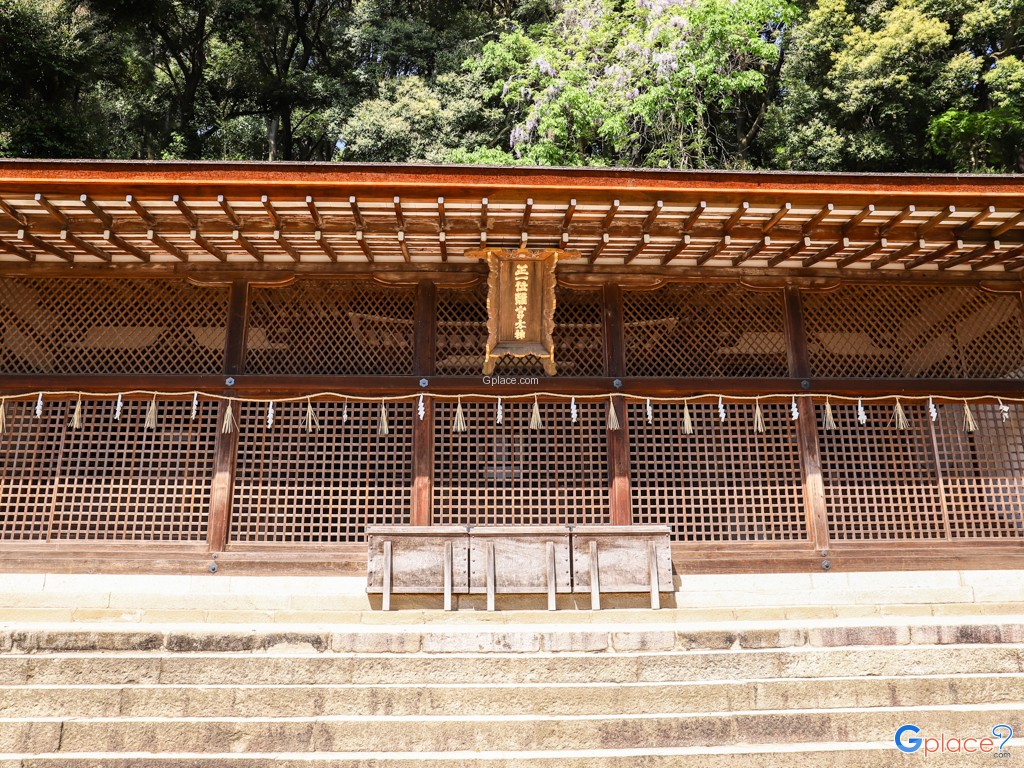
Ujikami-jinja Shrine is a UNESCO World Heritage Site officially registered as one of the 17 component properties of the Historic Monuments of Ancient Kyoto, a designation that recognizes the cultural legacy of Kyoto, Uji, and Ōtsu from the 10th to 19th centuries. Among these sites, UjikamiUjikami-jinja stands out for preserving the oldest surviving original Shinto shrine building in Japan, sc...
read more
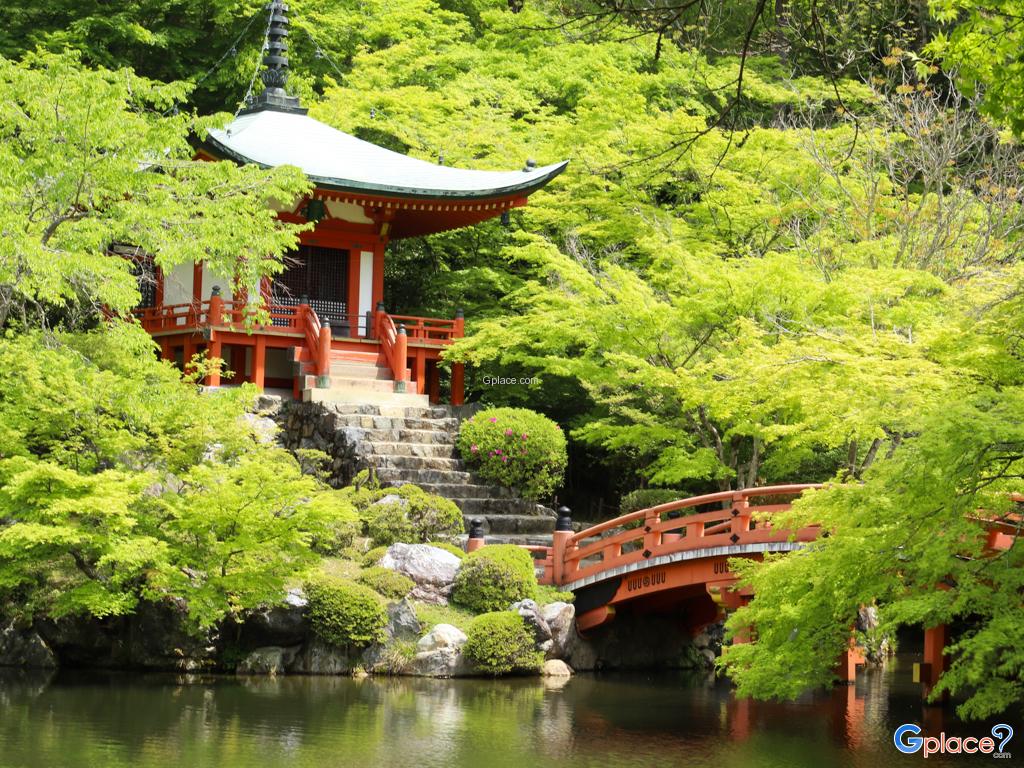
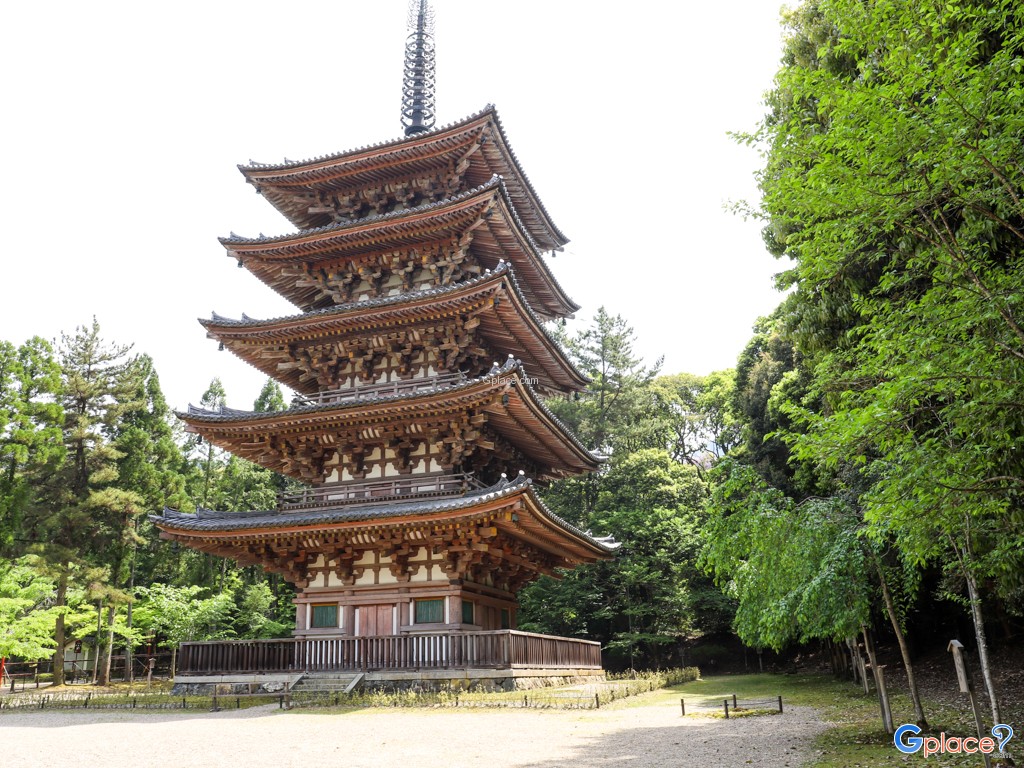
Daigo-ji Temple is one of the most important temples of the Shingon sect of Buddhism. Founded in 874 CE, the temple later became inseparable from Japan’s political and cultural history when Toyotomi Hideyoshi, one of the country’s most powerful warlords, elevated Daigo-ji into a grand symbol of elite authority, aesthetic taste, and seasonal celebration. Today, it is registered as a UNE...
read more
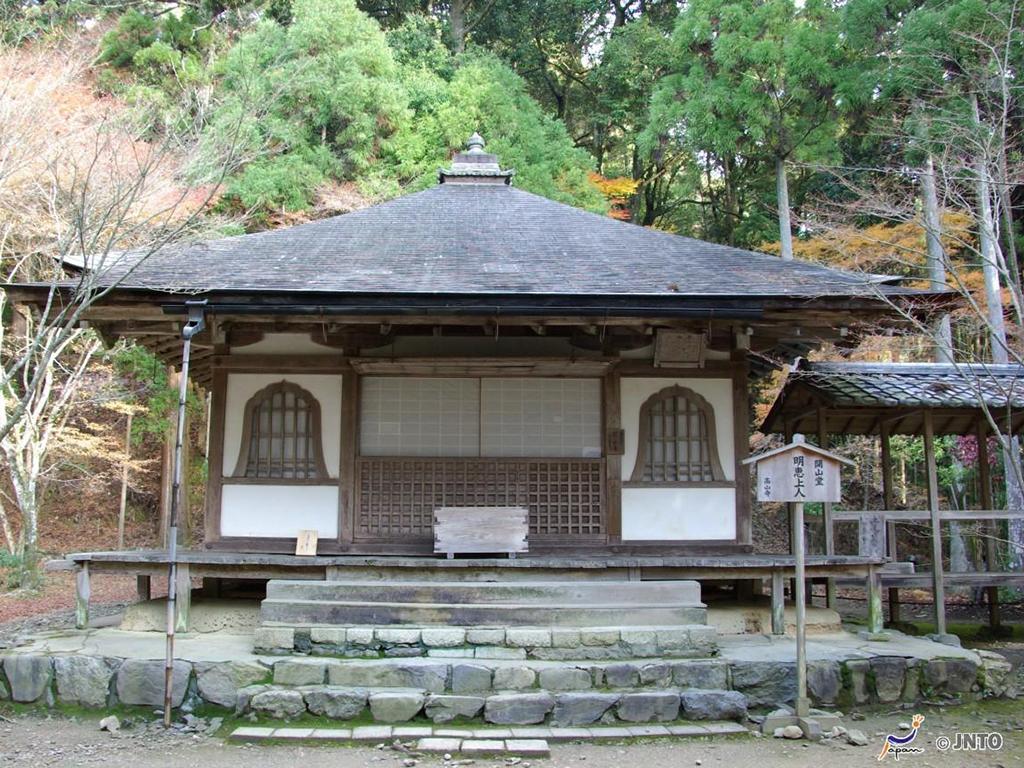
Kōzan-ji Temple, located in Takao, northwest Kyoto, was founded in the 8th century and restored in the 12th century by the renowned monk Myōe. The temple is a center for Kegon Buddhism studies and is one of the 17 Historic Monuments of Ancient Kyoto, designated a UNESCO World Heritage Site in 1994.
Highlights include:
Sekisui-in: Kamakura-era wooden building, National Treasure, with panoramic vi...
read more
กำลังเป็นที่นิยม

Koh Larn Aerial Views by Drone
Starting from Naban Pier, then looping north to Ta Yai Beach → Th..

10 Kanchanaburi Spots When the Rain Softly Falls
Kanchanaburi when the rain softly falls is a beautiful moment between the end of..

Attractive Beaches in Sattahip, Chonburi
For those looking to escape the hustle and bustle of Pattaya and experience calm..

10 Thai Costume Spots to Go Back in Time
Wearing traditional Thai costume and taking photos at beautiful places is more t..
Recommend trips
- The Four Holy Pilgrimage Sites
- Dream Destinations in Switzerland
- Pilgrimage to the Sacred Sites
- Trip to Bhutan
- 10 Sacred Buddhist Sites Thai Temples in India–Nep
- Koh Larn Aerial Views by Drone
- 10 Kanchanaburi Spots When the Rain Softly Falls
- Top Paris Check-in Spots
- 10 Thai Costume Spots to Go Back in Time
- Must-Visit Check-in Spots in London
- Attractive Beaches in Sattahip, Chonburi
- Thailand’s Sandbar Wonders
- 10 Must-Visit Spots Along the Chao Phraya River, B
- 8 World Heritage Sites of Thailand
- The Ultimate Ancient Villages in Japan
- 10 Must-Visit Places in Waterford
- 10 Best Shopping Destinations in Bangkok
- Japan Bucket List: 20 Places You Must Visit Once i
- 10 Must-Visit Spots in Koh Yao
- Thailand Nature Trails