 Attractions
  Hotel
Hotel  Restaurant
  Shopping
  Abroad






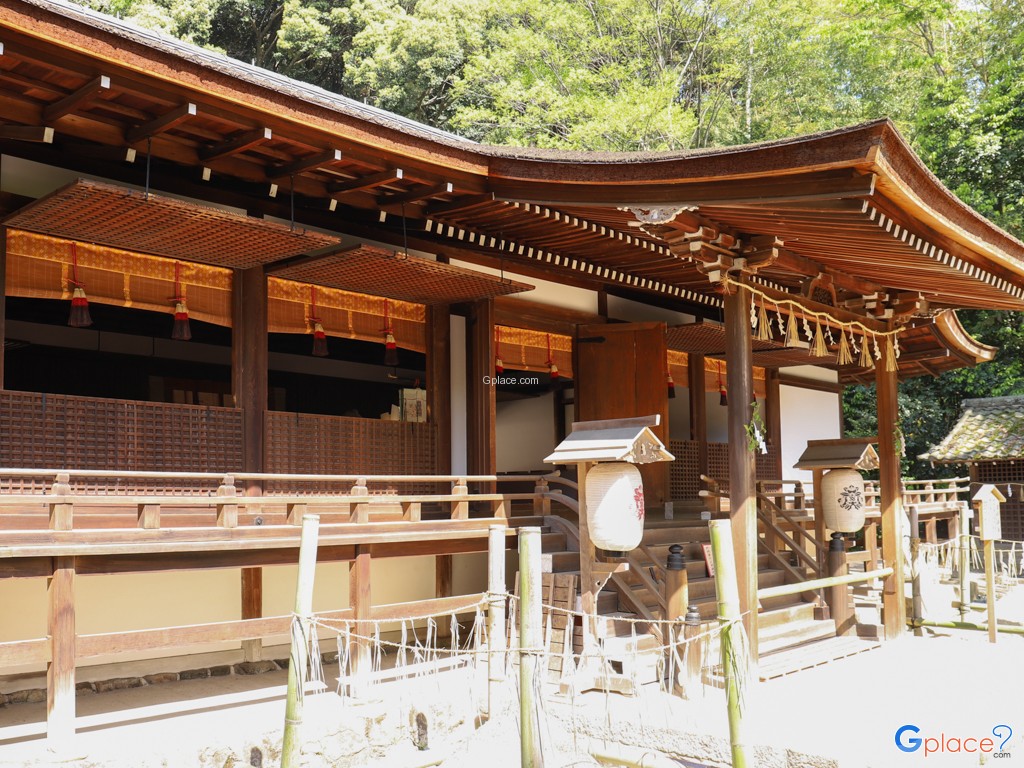
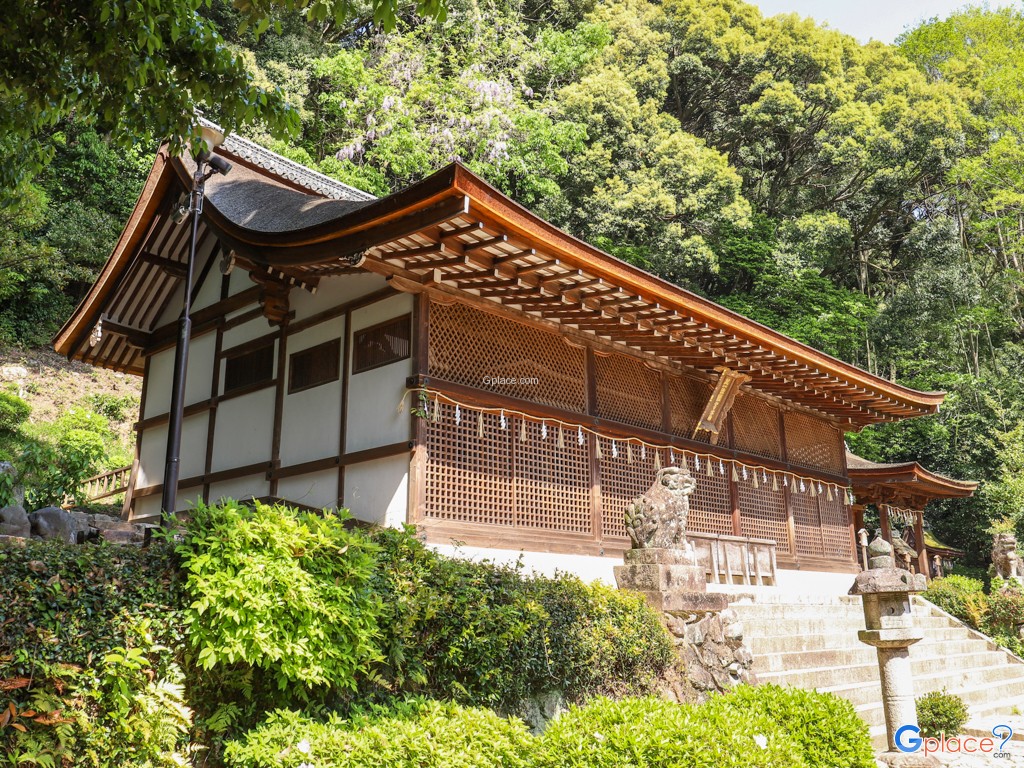
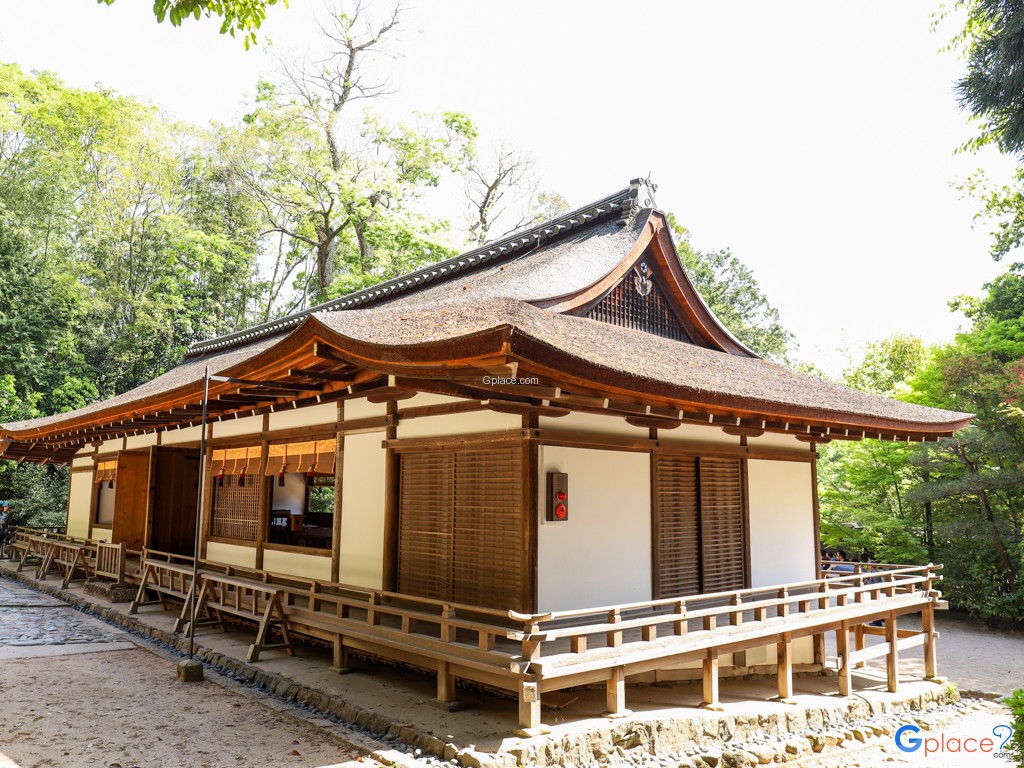
“Japan’s oldest extant Shinto shrine structure, preserved as a National Treasure and part of the UNESCO-listed Historic Monuments of Ancient Kyoto.”
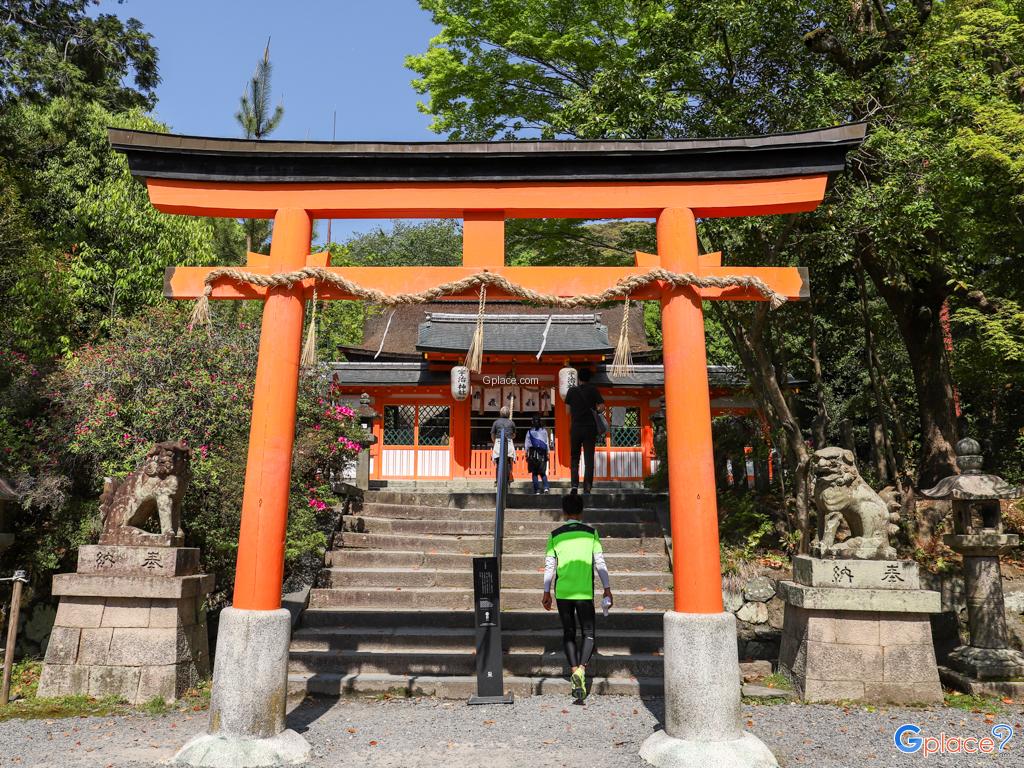
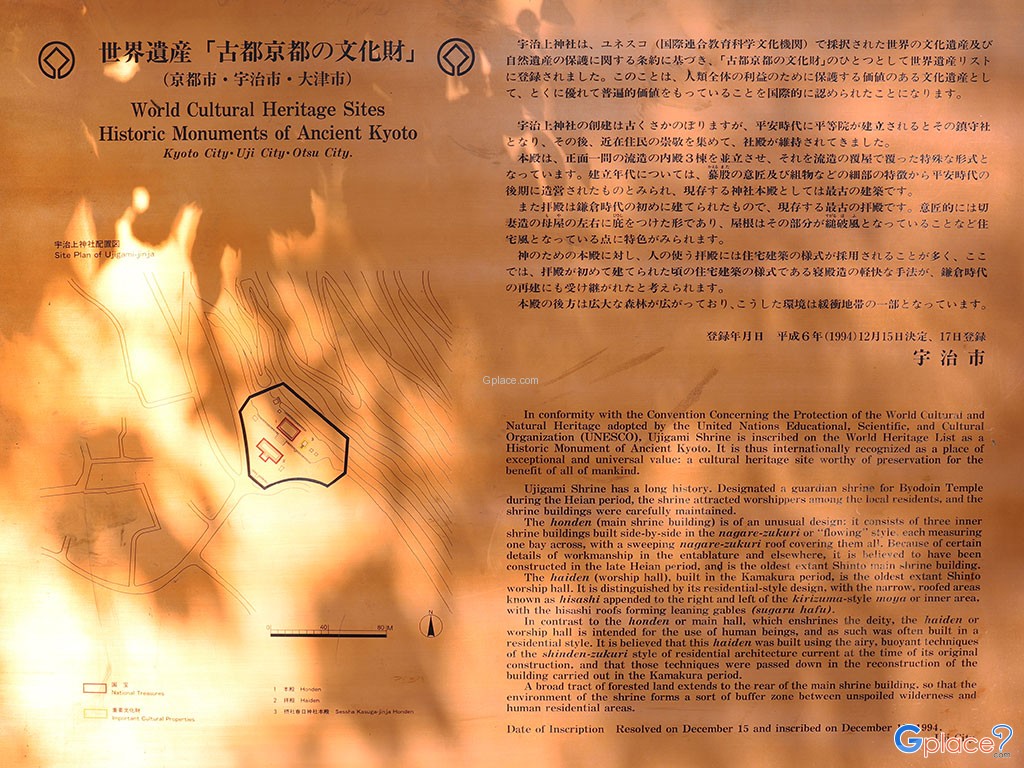
Ujikami-jinja Shrine is a UNESCO World Heritage Site officially registered as one of the 17 component properties of the Historic Monuments of Ancient Kyoto, a designation that recognizes the cultural legacy of Kyoto, Uji, and Ōtsu from the 10th to 19th centuries. Among these sites, UjikamiUjikami-jinja stands out for preserving the oldest surviving original Shinto shrine building in Japan, scientifically dated to circa 1060 AD.
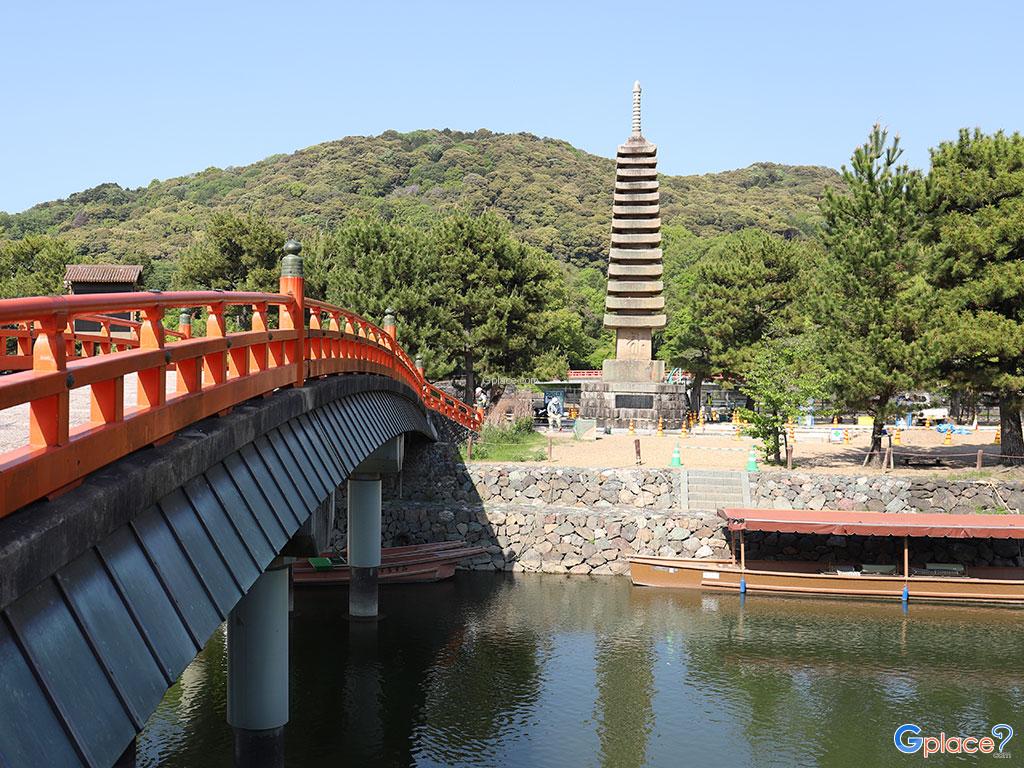
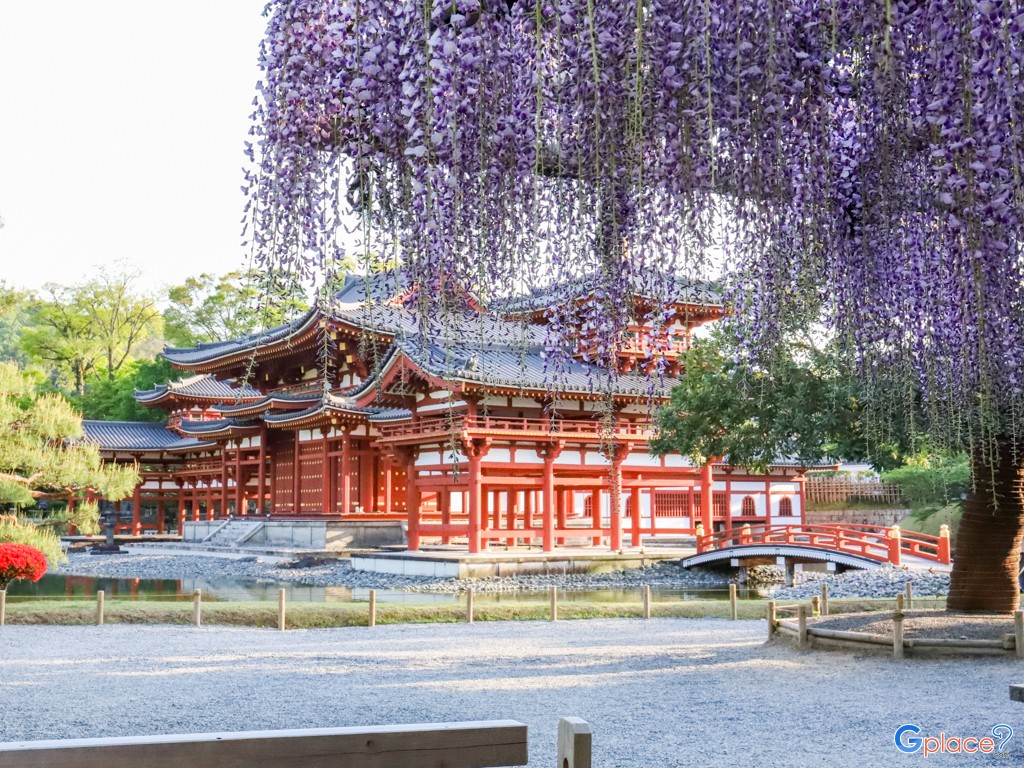
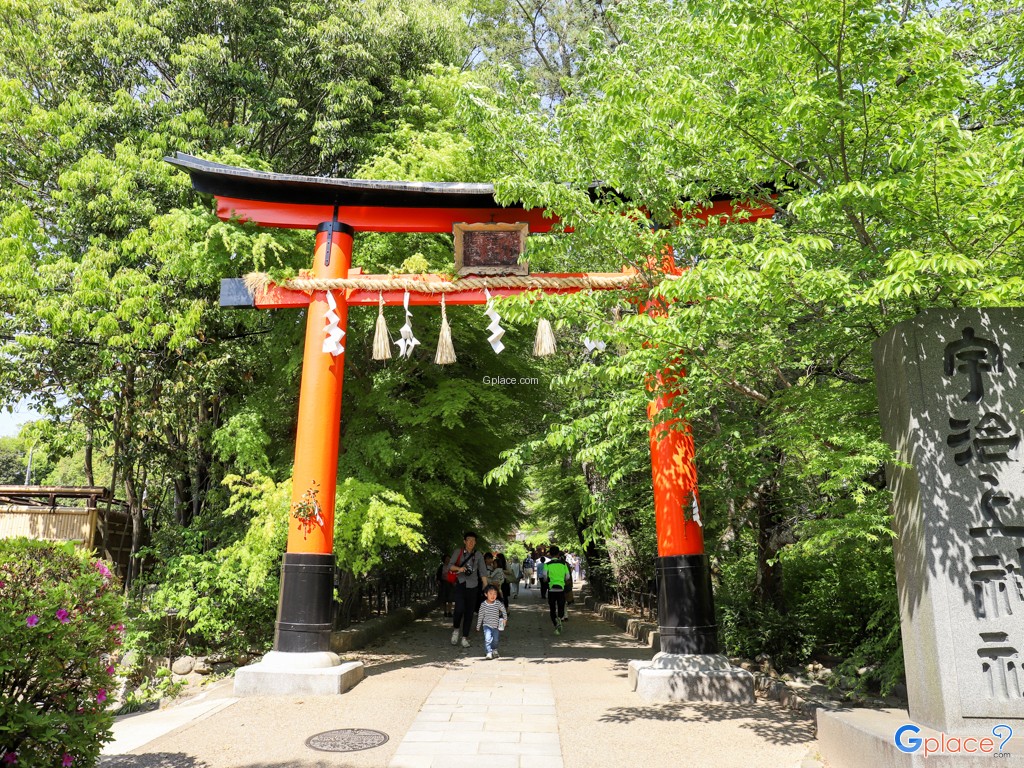
Located along the Uji River, the shrine historically served as the chinju (guardian shrine) of the nearby Byōdō-in Temple, illustrating the long-standing coexistence and spiritual harmony between Shinto and Buddhism in Uji.
The shrine enshrines a closely related imperial family triad, which directly explains its unique architectural form. The deities worshipped here are Prince Uji-no-Wakiiratsuko, his father Emperor Ōjin, and his elder brother Emperor Nintoku. This familial relationship is physically expressed in the structure of the Main Hall.
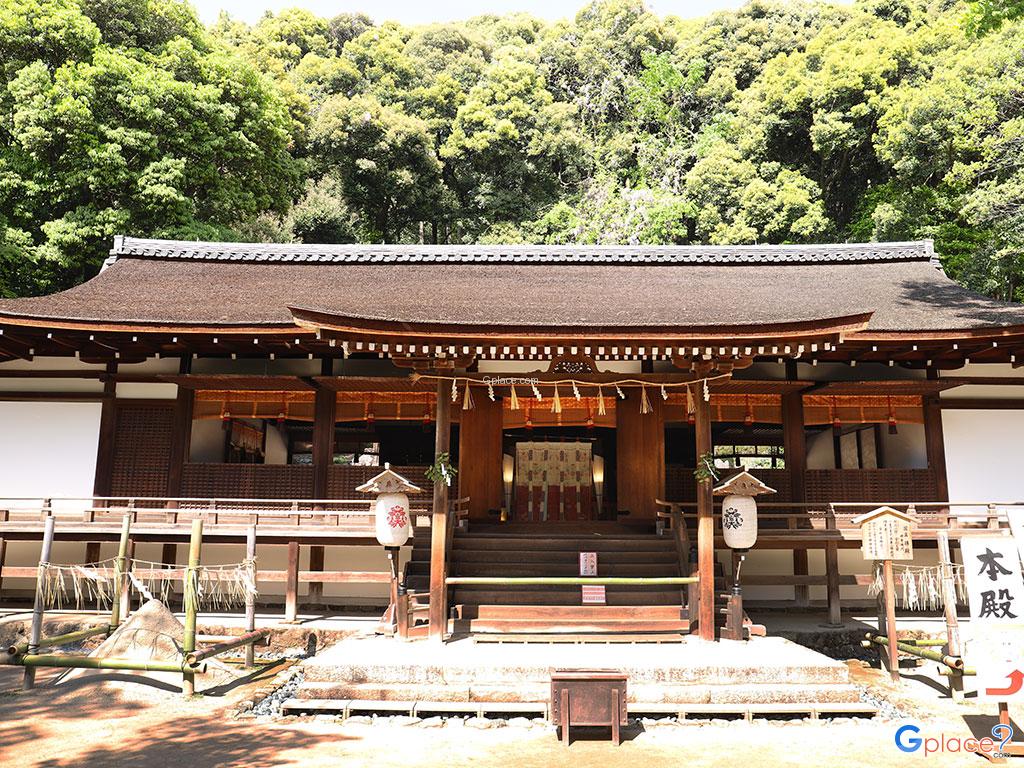
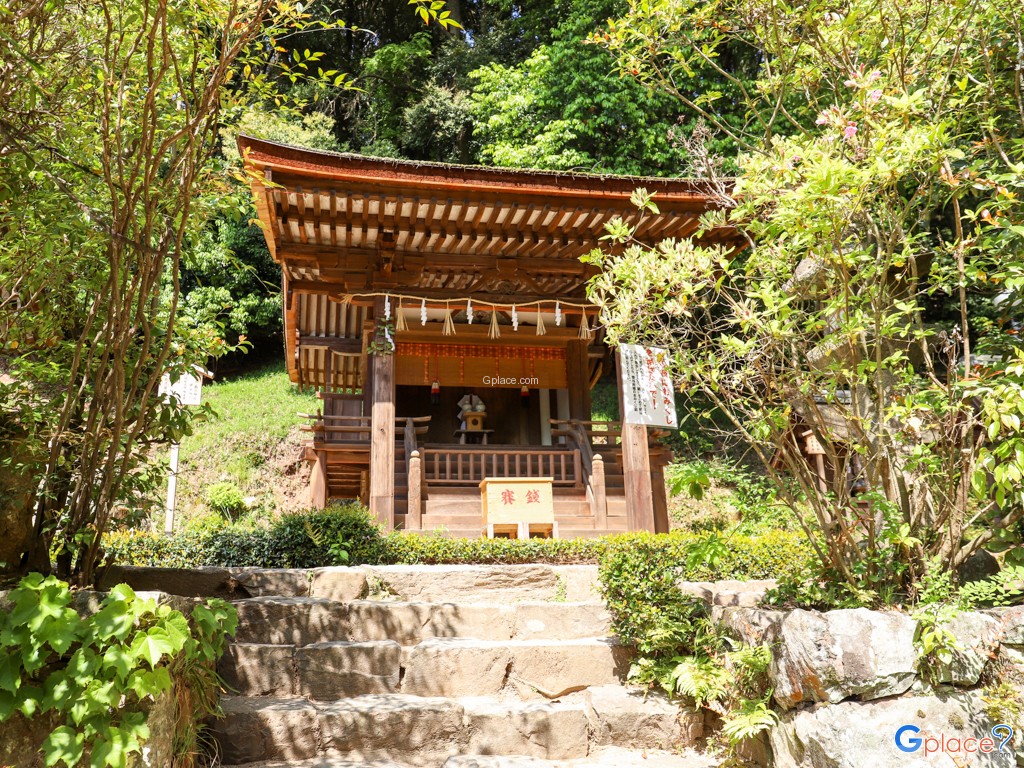
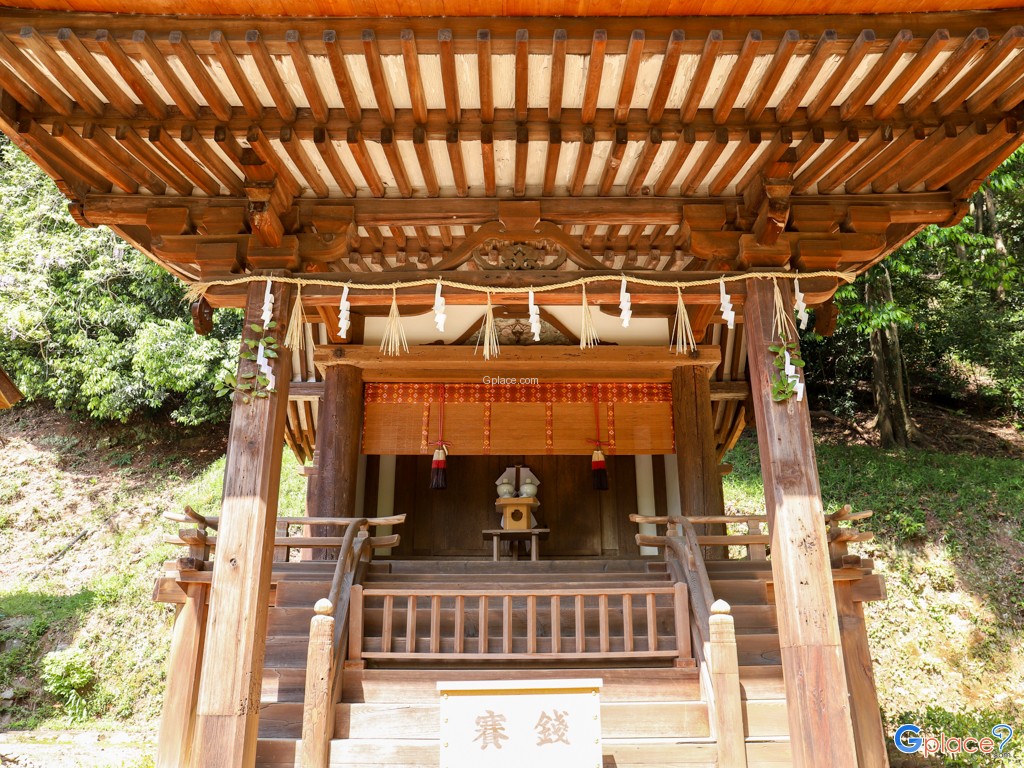
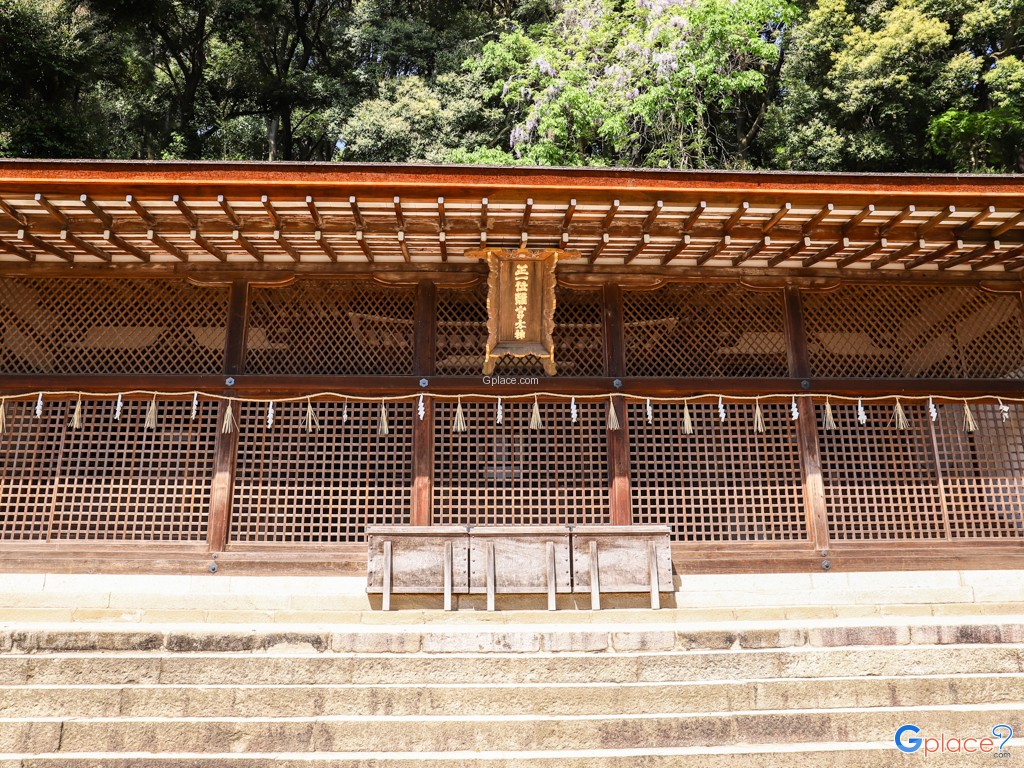
The Honden (Main Hall) is a National Treasure and an architectural rarity. Instead of a single sanctuary, it consists of three independent inner shrines built side by side beneath one continuous roof, following an early form of nagare-zukuri. Each inner sanctuary is dedicated to one of the three deities, making the building both conceptually and historically exceptional.
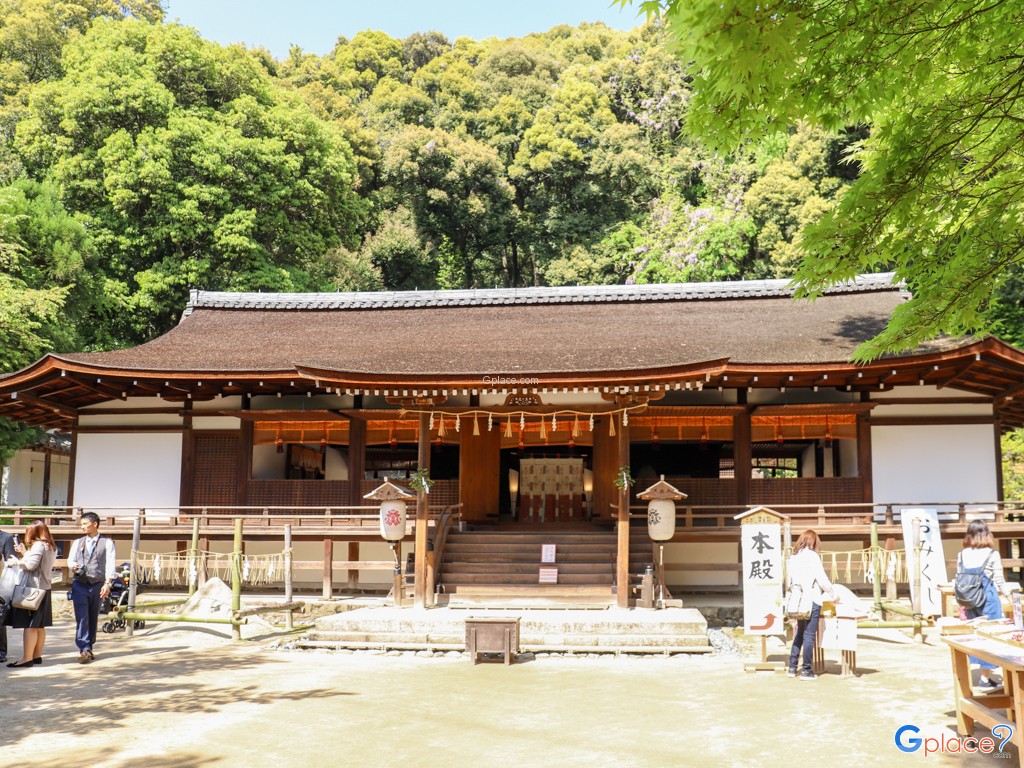
Equally significant is the Haiden (Worship Hall), dating to the Kamakura period (c. 1215) and also designated a National Treasure. It is built in the Shinden-zukuri style, the residential palace architecture of Heian-period aristocracy. The use of this elite architectural style for a Shinto worship hall is extremely rare, creating an aristocratic sacred space unlike most shrines in Japan.
Until the Meiji period, Ujikami-jinja was part of a single shrine complex known as Rikyūkamisha, together with the neighboring Uji-jinja. In this system, UjikamiUjikami-jinja functioned as the Upper Shrine, while Uji-jinja served as the Lower Shrine, a distinction that helps modern visitors understand why two “Uji” shrines stand side by side.
The shrine is closely associated with the Mikaeri Usagi, or “Looking-back Rabbit.” According to legend, a divine rabbit repeatedly looked back to guide the lost Prince Uji-no-Wakiiratsuko to this sacred place. The name “Uji” is believed to derive from an ancient phrase meaning “Rabbit Path.” Rabbit motifs appear throughout the grounds, and the popular rabbit omikuji—a ceramic bunny containing a fortune—is especially sought after by visitors praying for academic success and good fortune.
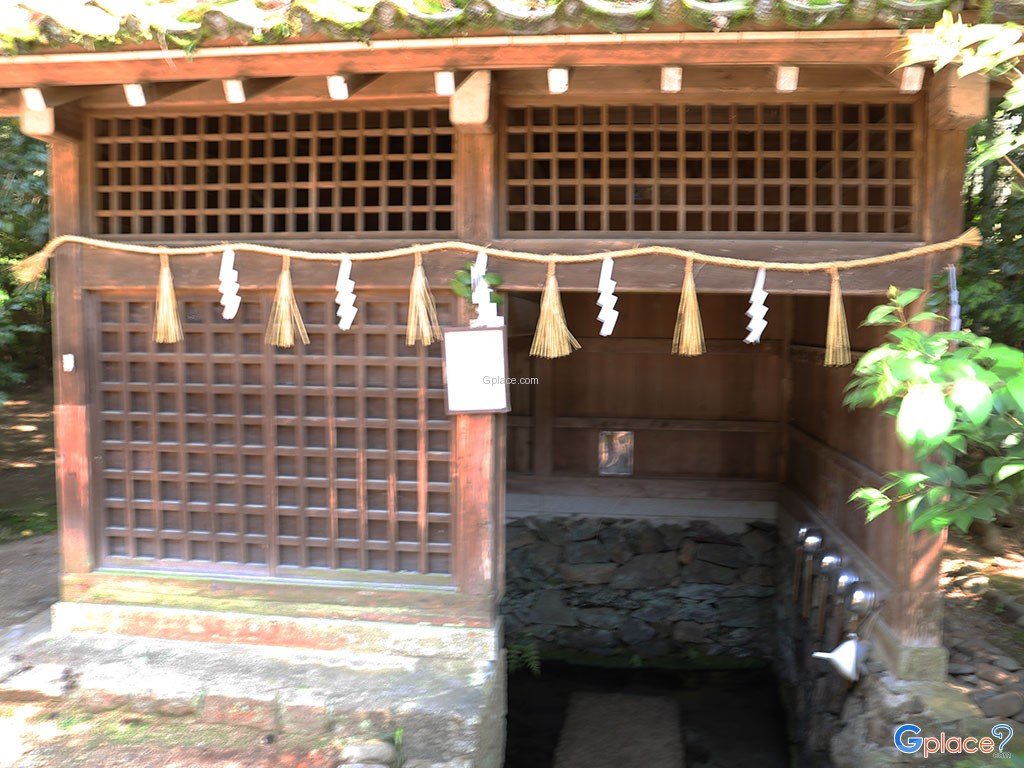
Within the grounds is Kirihara-sui, the only surviving spring of the once-famous Seven Sacred Springs of Uji, historically essential to Japan’s tea ceremony culture. While not used for drinking today, the water continues to be used in ritual purification, preserving a living spiritual link to Uji’s Muromachi-period heritage.
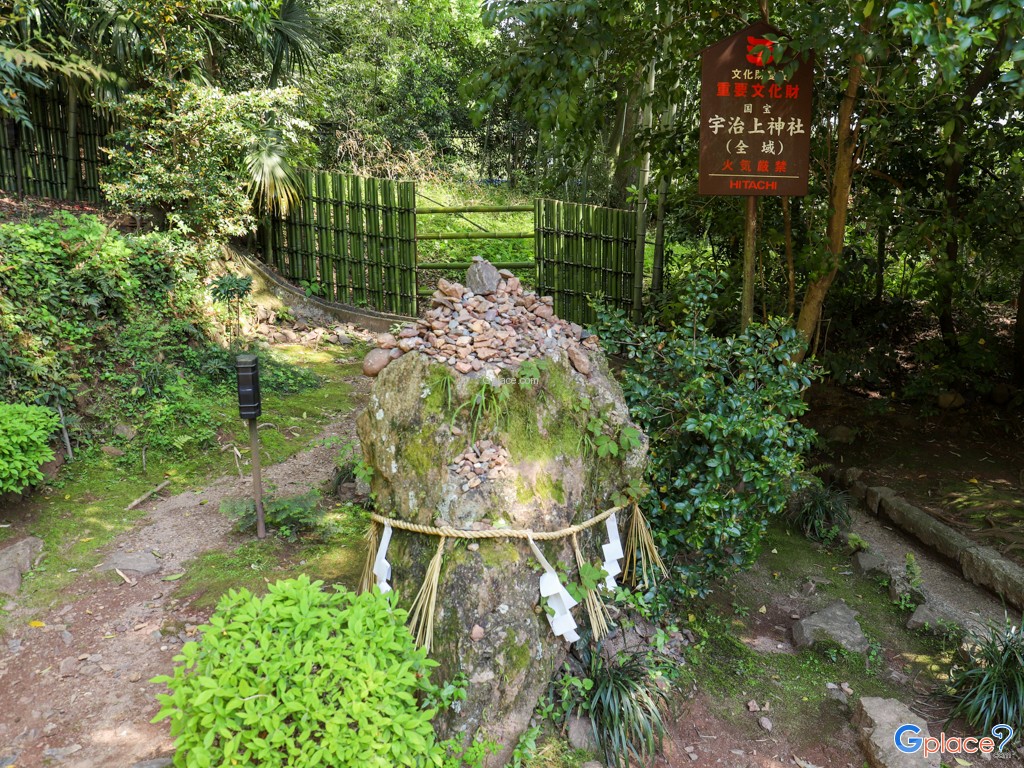
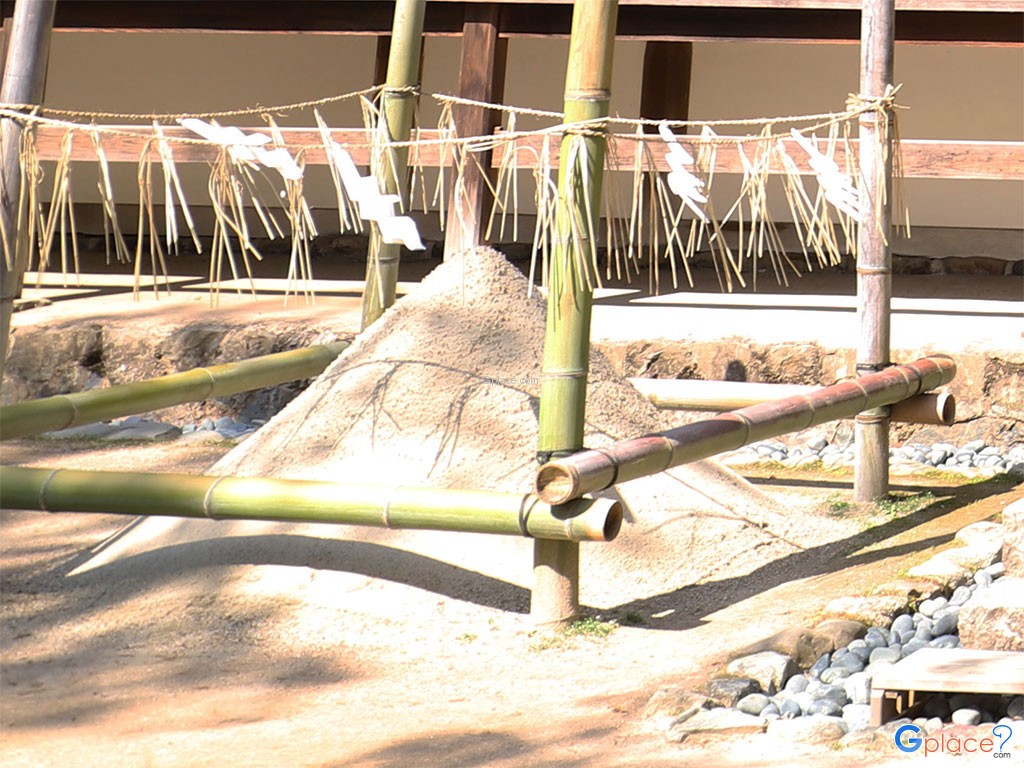
In front of the Worship Hall stand two sand cones (Tatesuna), ritual forms also seen at Kamigamo-jinja in northern Kyoto. These cones symbolize a sacred mountain, function as a spiritual boundary, and serve as a symbolic landing place for the deity, reflecting shared ancient Shinto cosmology.
How to Get There
-
Keihan Line: Approximately 10-minute walk from Keihan Uji Station
-
JR Nara Line: Approximately 15-minute walk from JR Uji Station
Travel Tips
-
Visit early in the morning for a quiet, forested atmosphere
-
Combine your visit with Byōdō-in Temple, located just across the river
-
Take time to observe the wooden lattice of the Main Hall to appreciate the triple sanctuary design
-
Rabbit omikuji make meaningful souvenirs, especially for students
Admission Fee:
- Free (outer grounds)
Opening Time:
- 09:00 – 16:30
(Gates may close at 16:00 during winter)
Ujikami jinja

 Share
Share
 Yamada 59, Uji, Uji City, Kyoto, Japan 〒611-0021
Map
Yamada 59, Uji, Uji City, Kyoto, Japan 〒611-0021
Map
 Closed today
Mon9.00 - 16.00
Tue9.00 - 16.00
Wed9.00 - 16.00
Thu9.00 - 16.00
Fri9.00 - 16.00
Sat9.00 - 16.00
Sun9.00 - 16.00



 341
341