 Attractions
  Hotel
Hotel  Restaurant
  Shopping
  Abroad






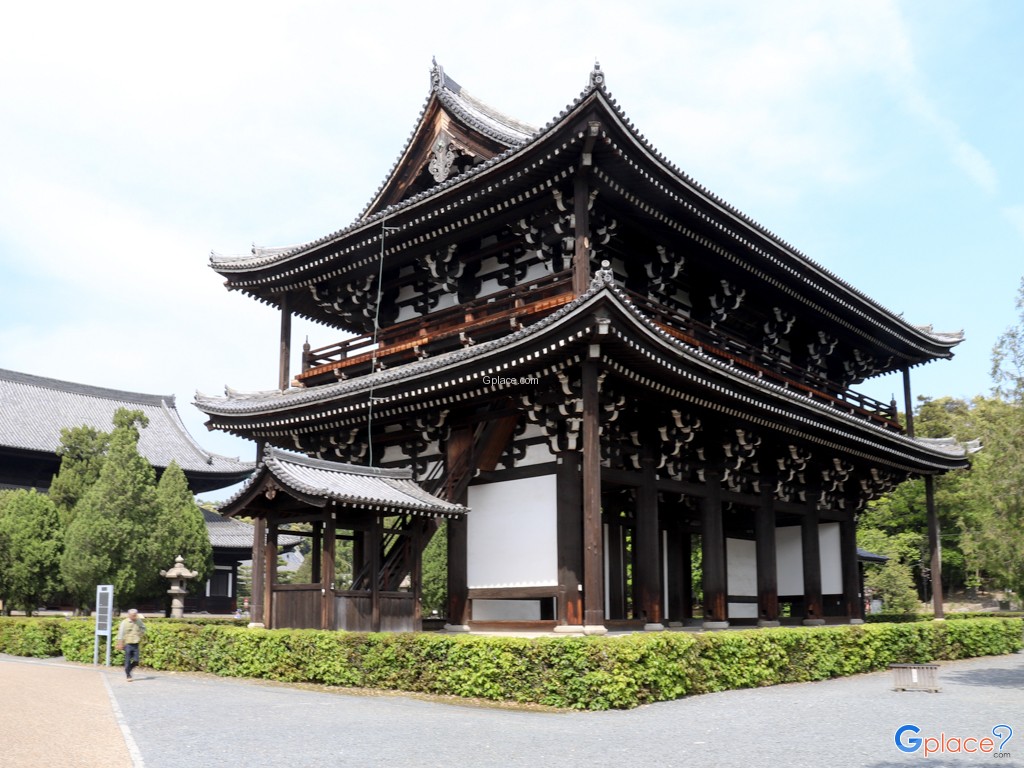
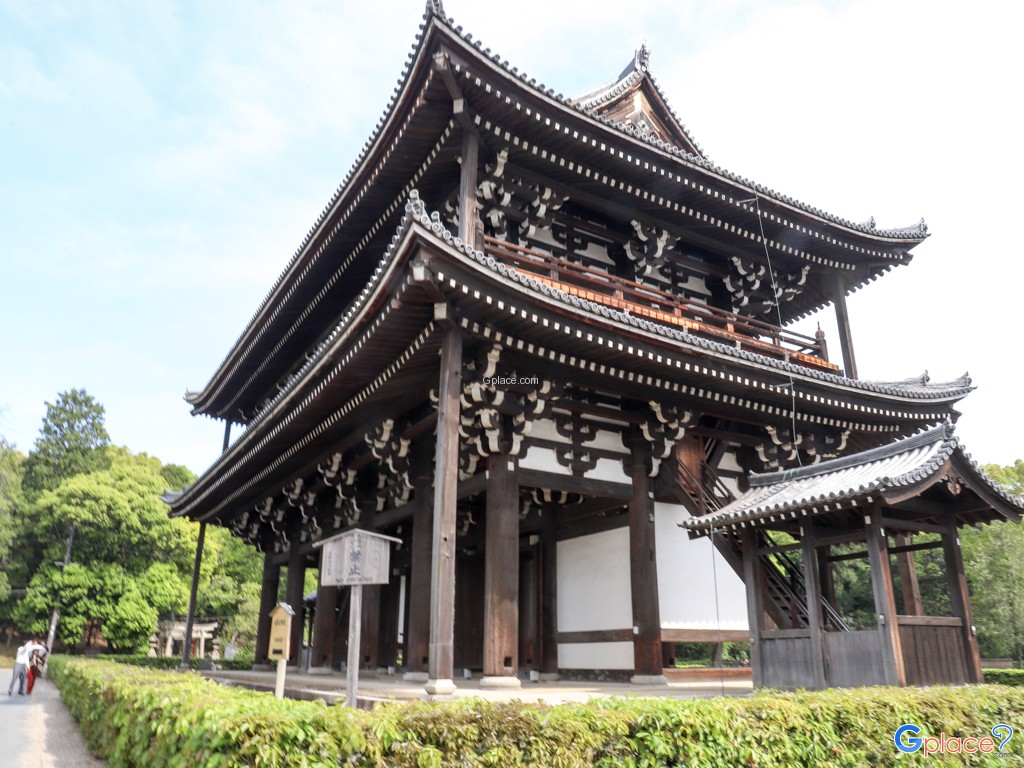
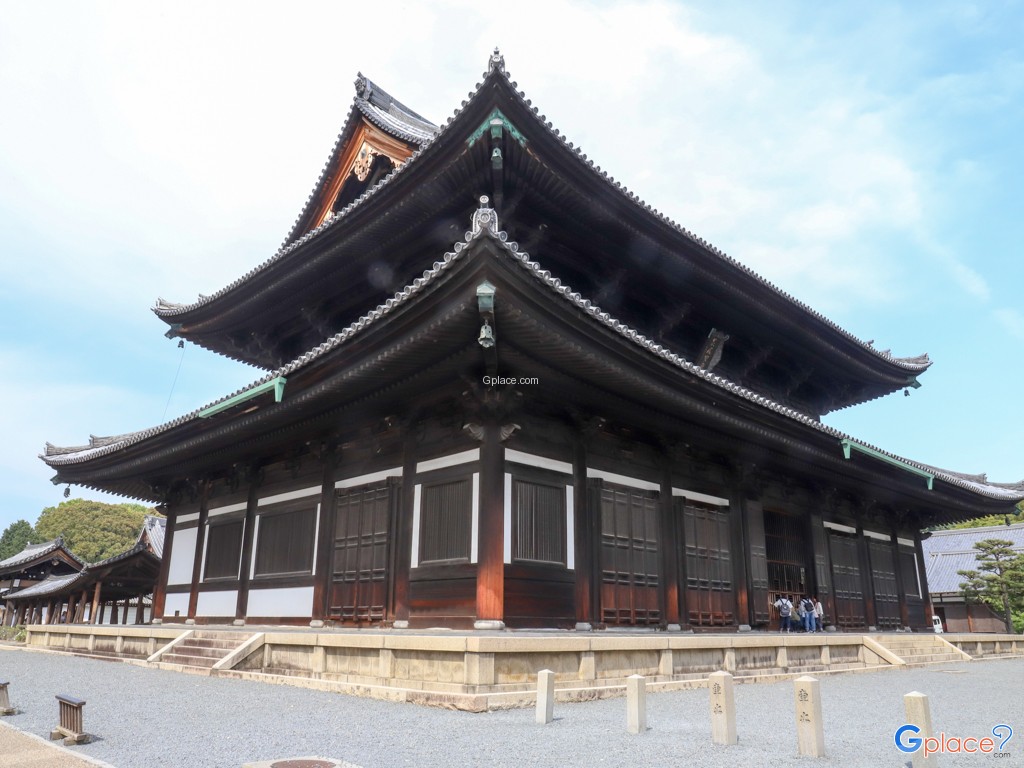
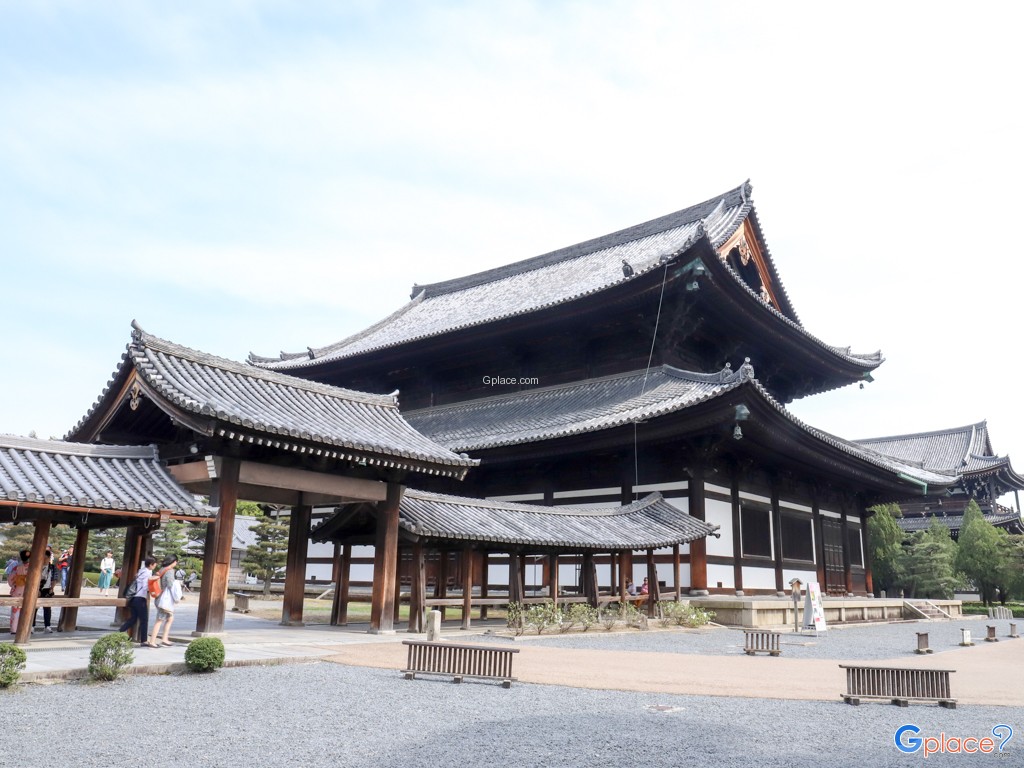
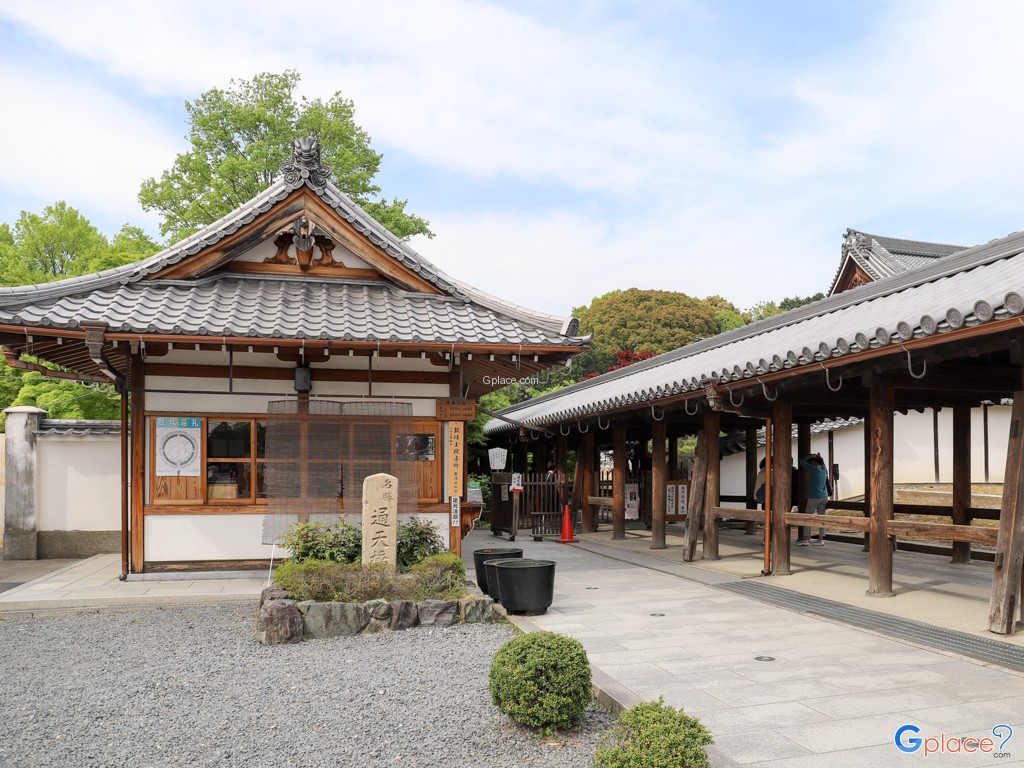
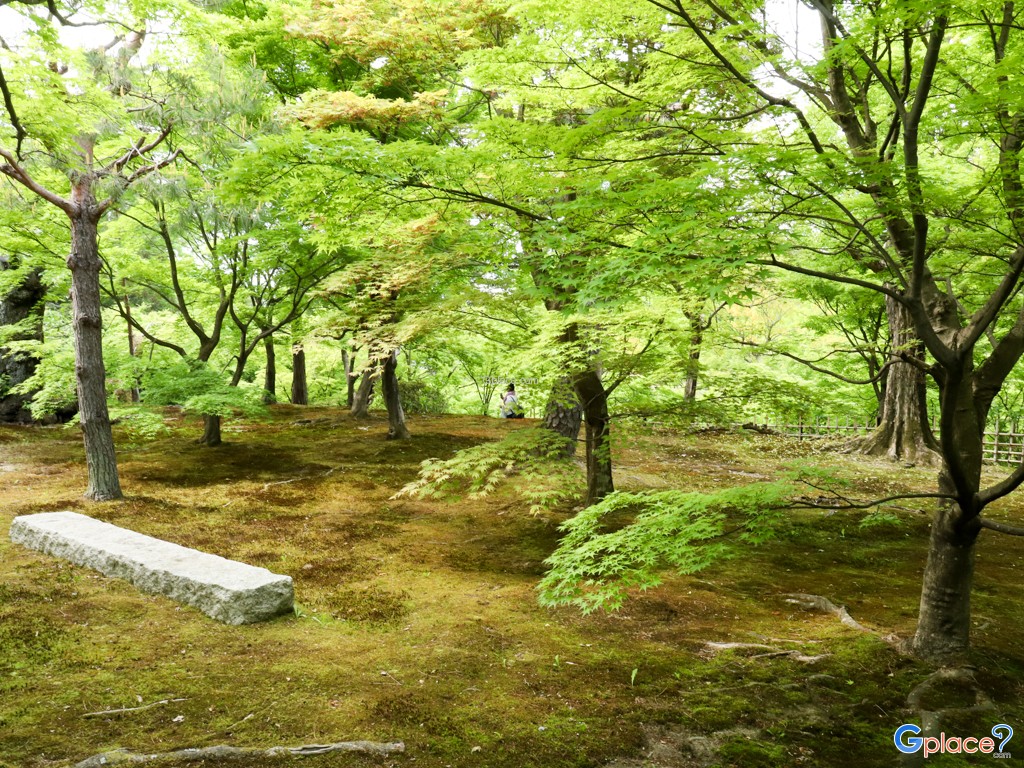
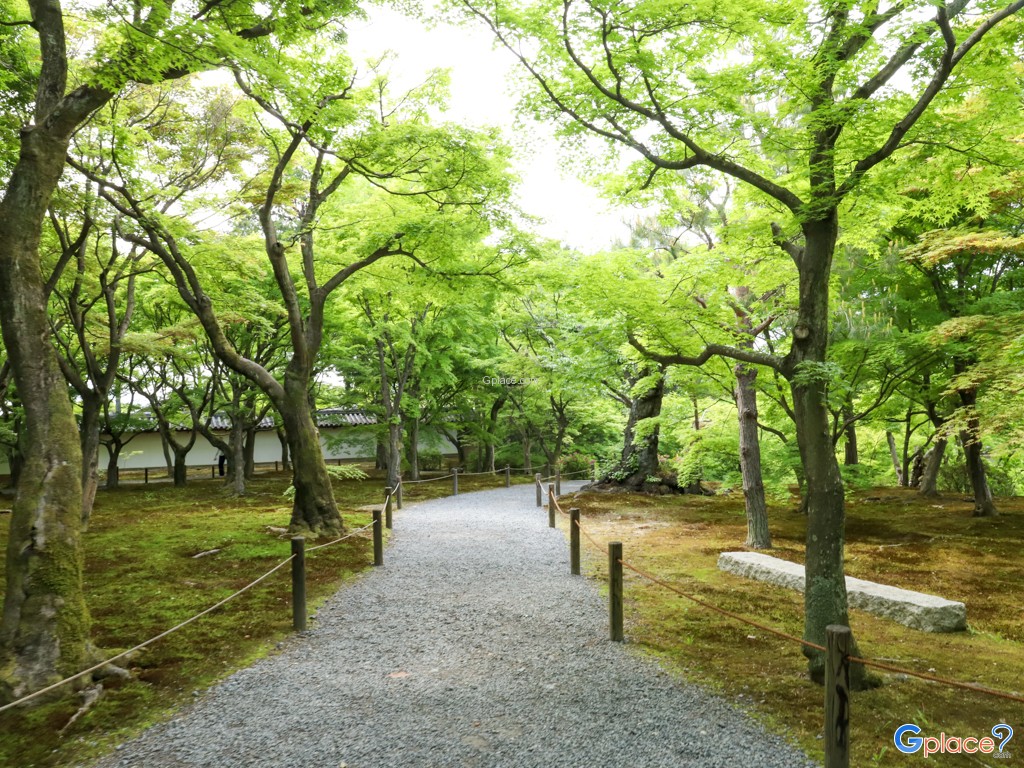
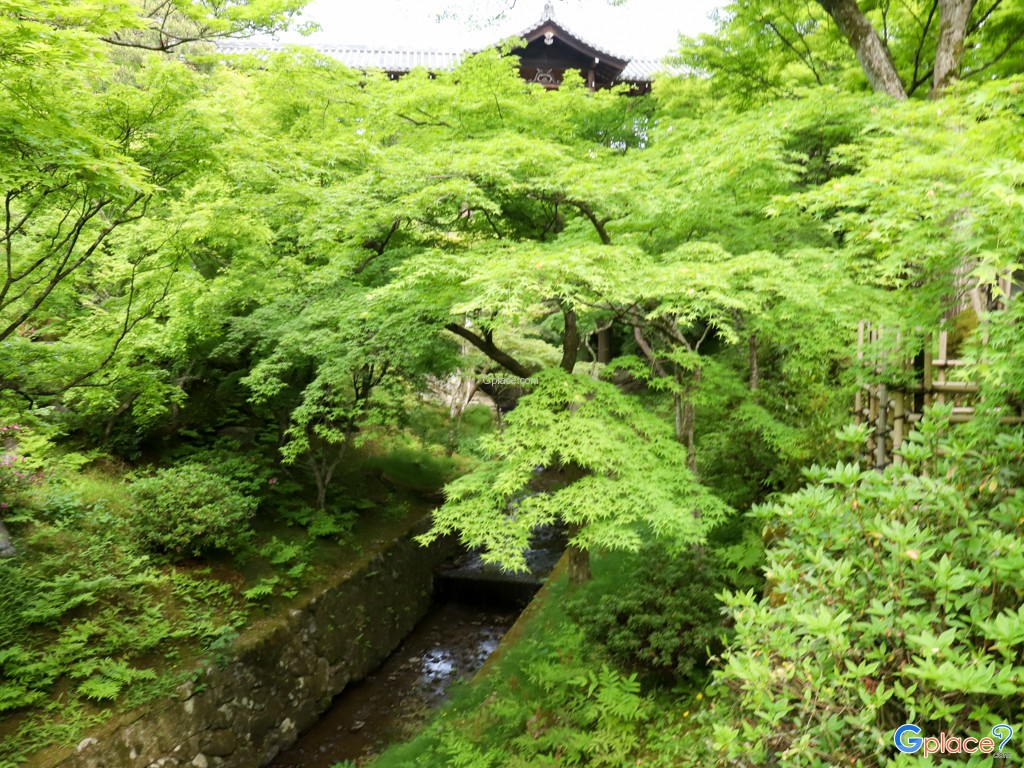
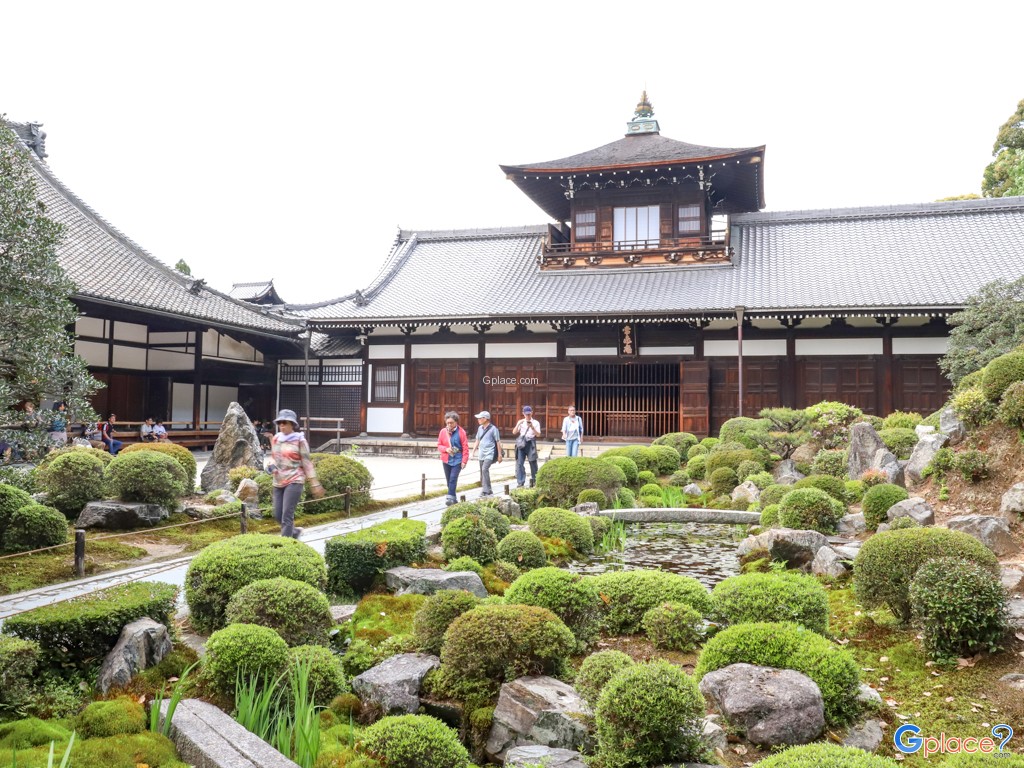
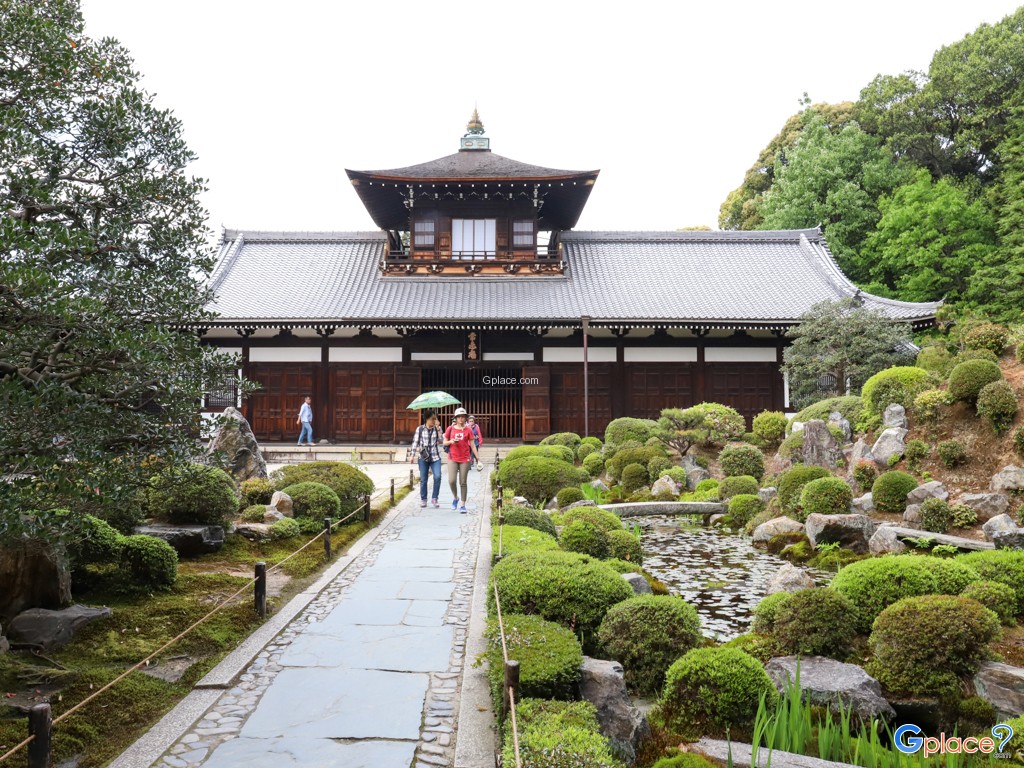
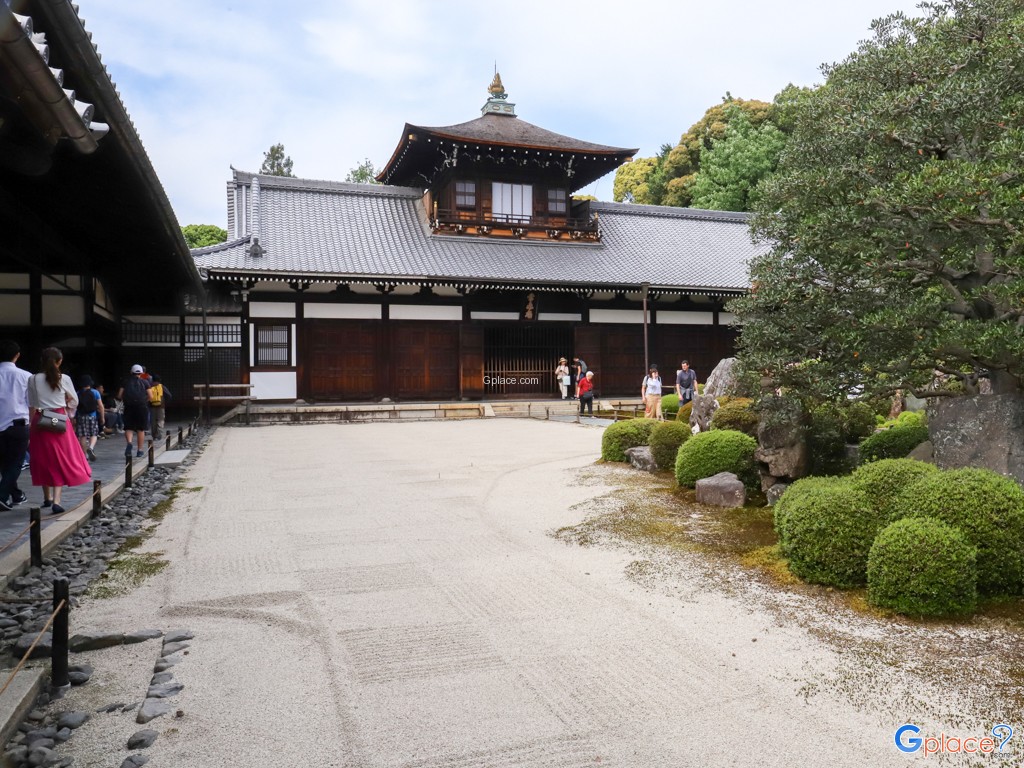
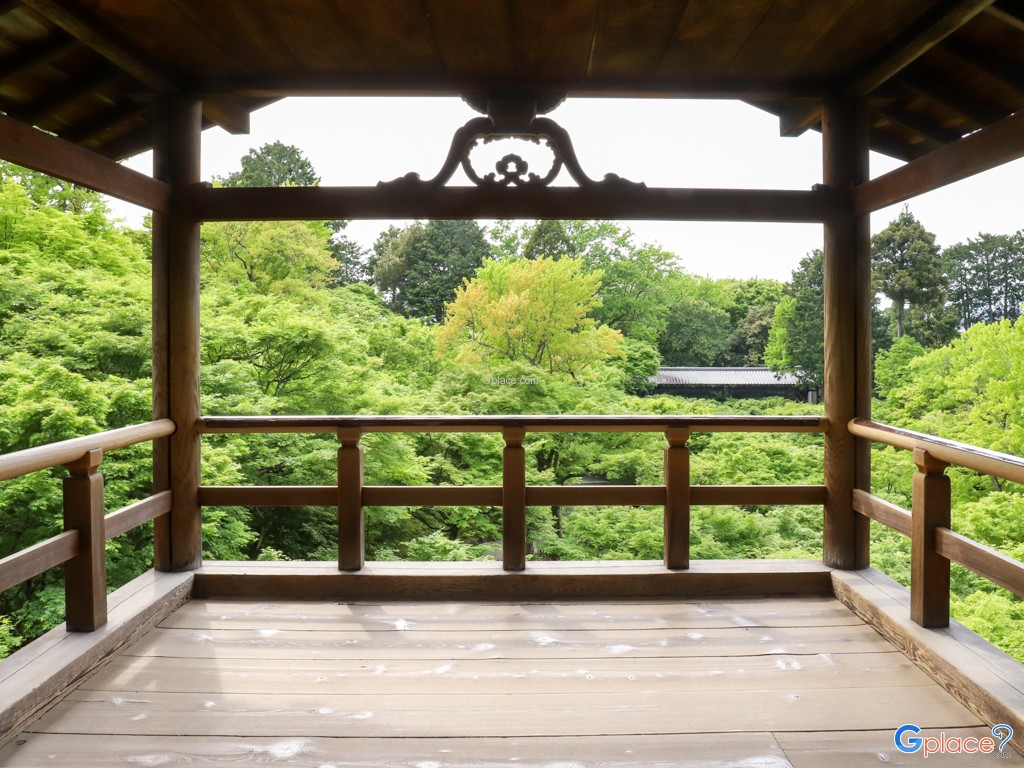
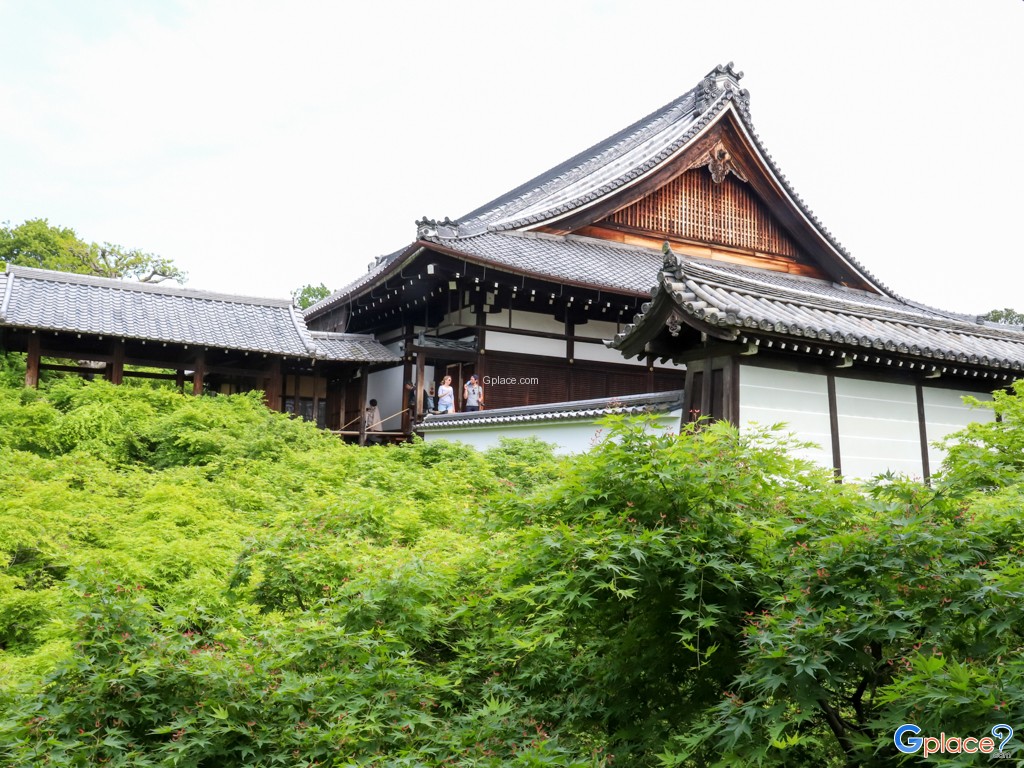

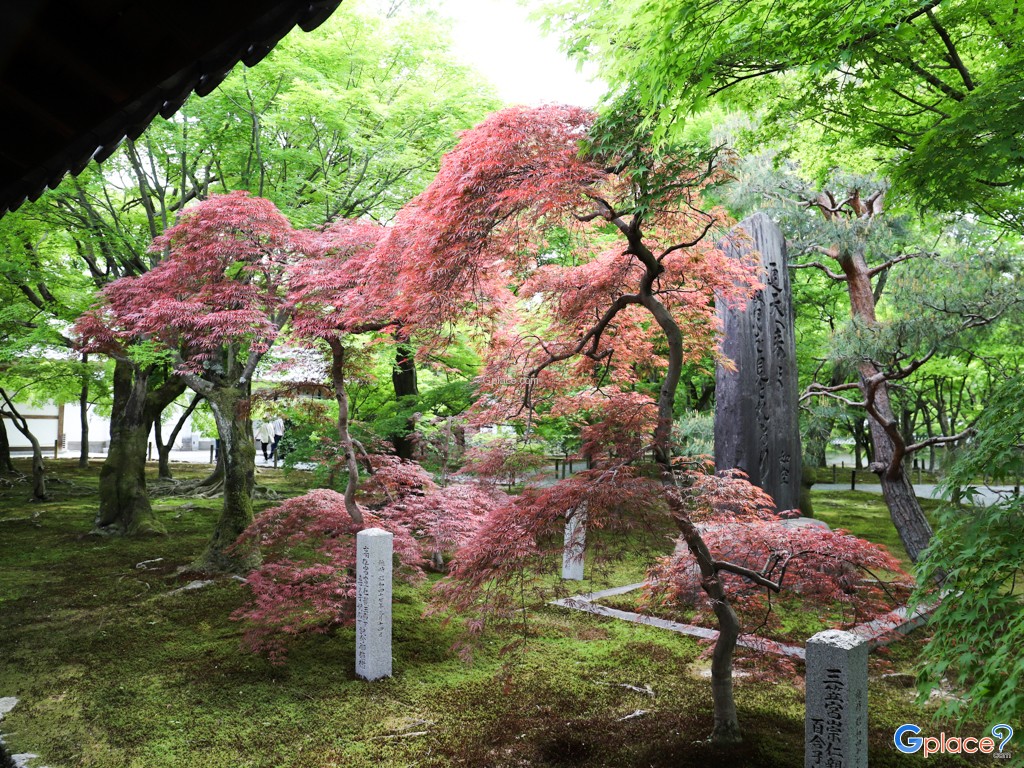
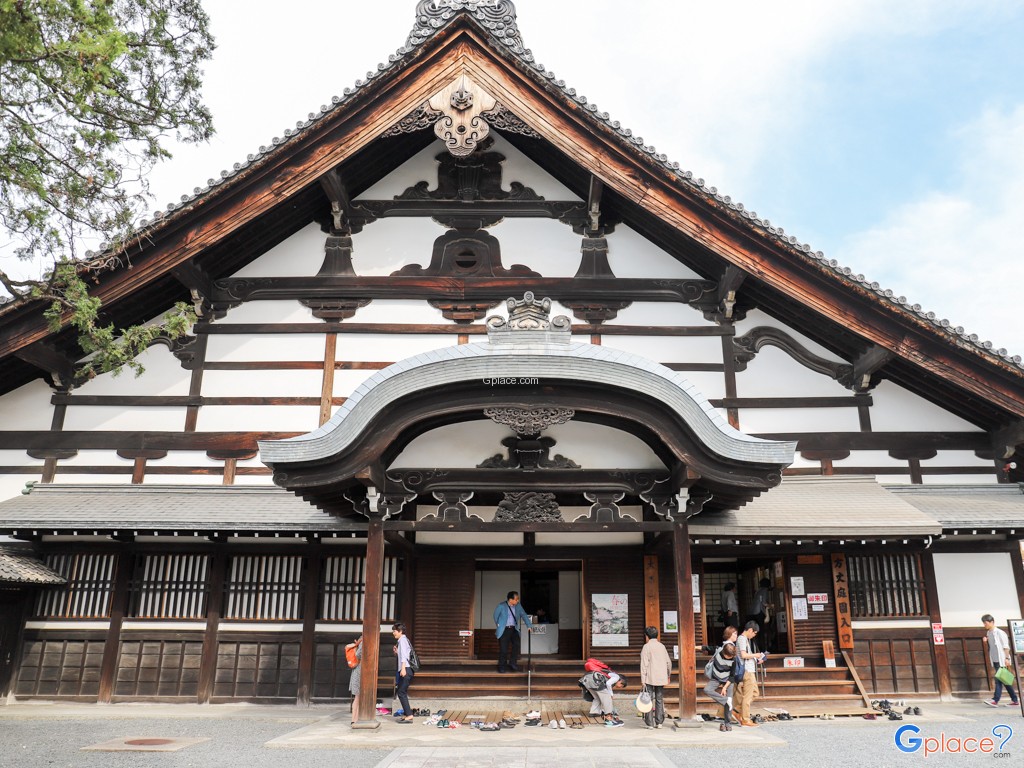
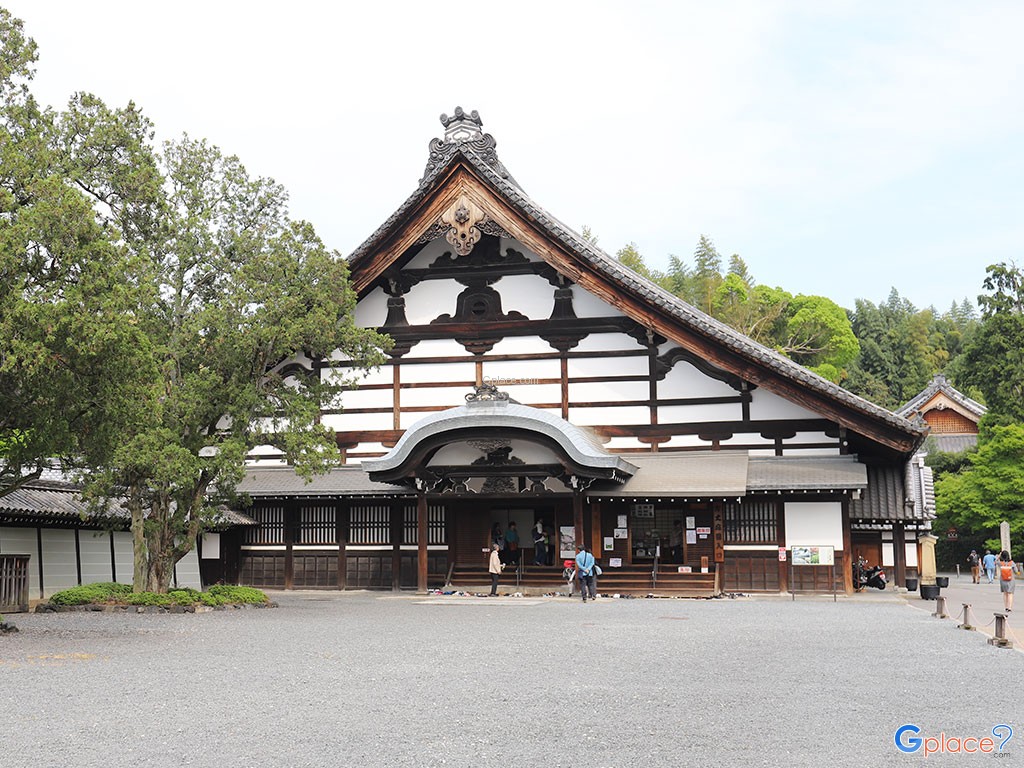
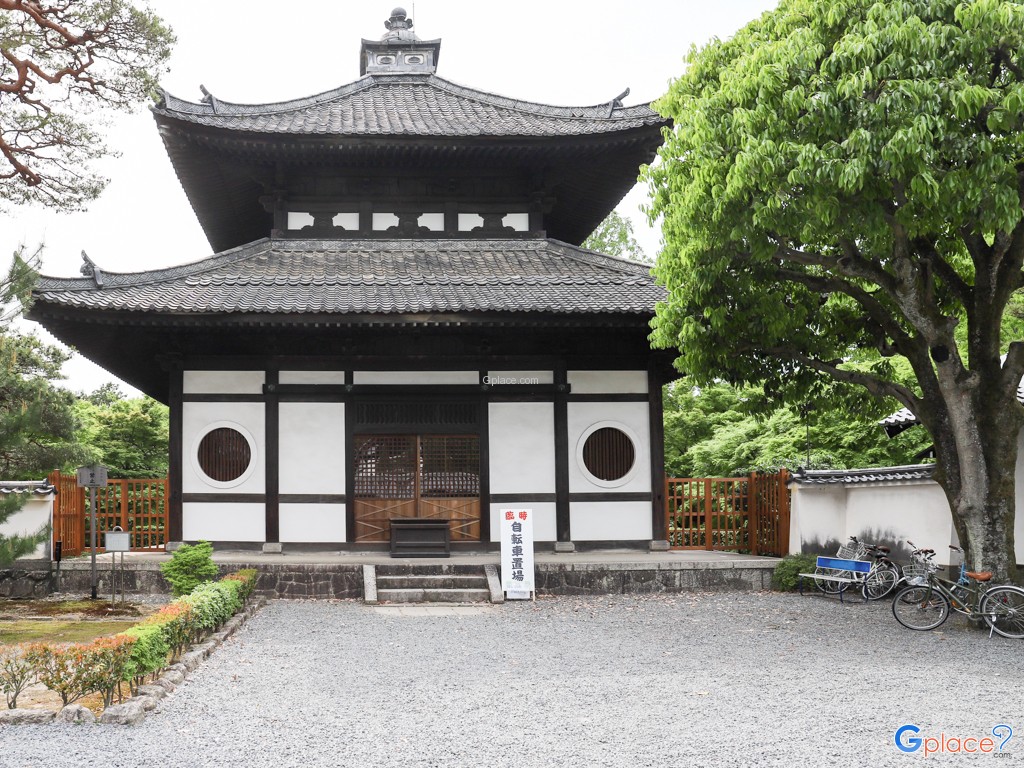
“A legendary Zen temple combining monumental history, profound Zen philosophy, and one of Kyoto’s most breathtaking autumn landscapes.”
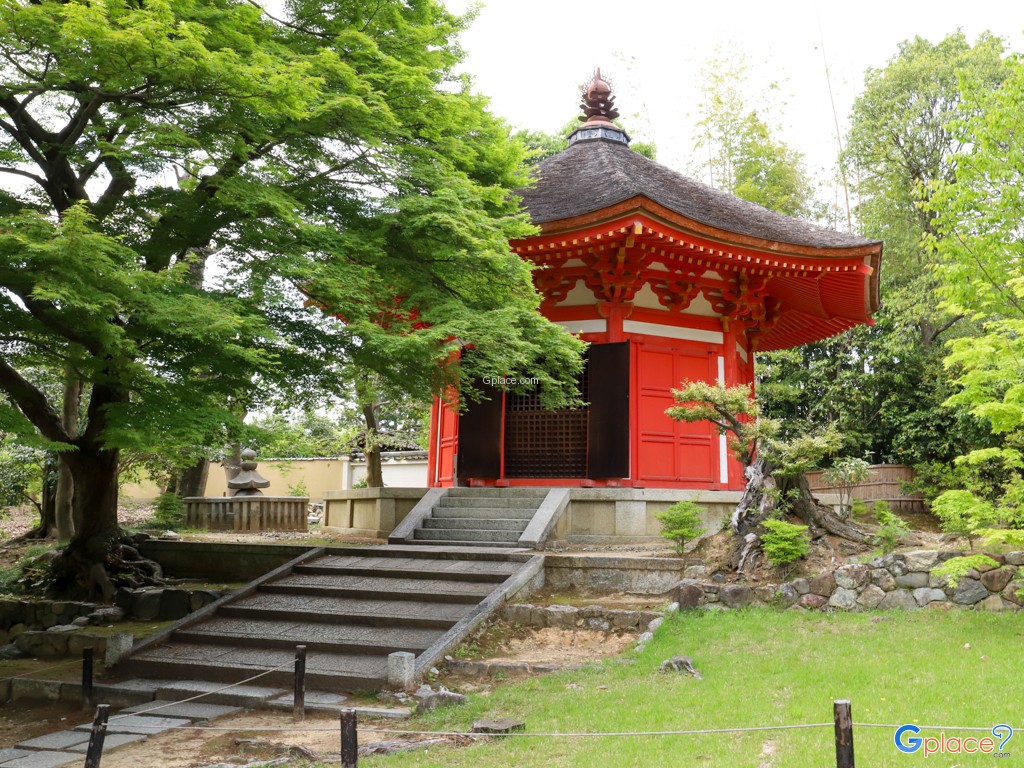
Tofuku-ji Temple was founded in 1236 by the powerful Fujiwara clan and serves as a principal temple of the Rinzai Zen sect. It is ranked among the Kyoto Gozan, the five most important Zen temples in Kyoto. The name “Tofuku-ji” was created by combining the names of two great temples in Nara—Tōdai-ji and Kōfuku-ji—reflecting the ambition to establish a temple equal in prestige to Japan’s historic Buddhist centers.
Tofuku-ji is nationally celebrated as one of the finest destinations for autumn foliage viewing. When fall arrives, more than 2,000 maple trees transform the temple grounds into a vivid tapestry of red, orange, and gold. This seasonal spectacle consistently places Tofuku-ji among the top five autumn-leaf viewing spots in Kyoto.
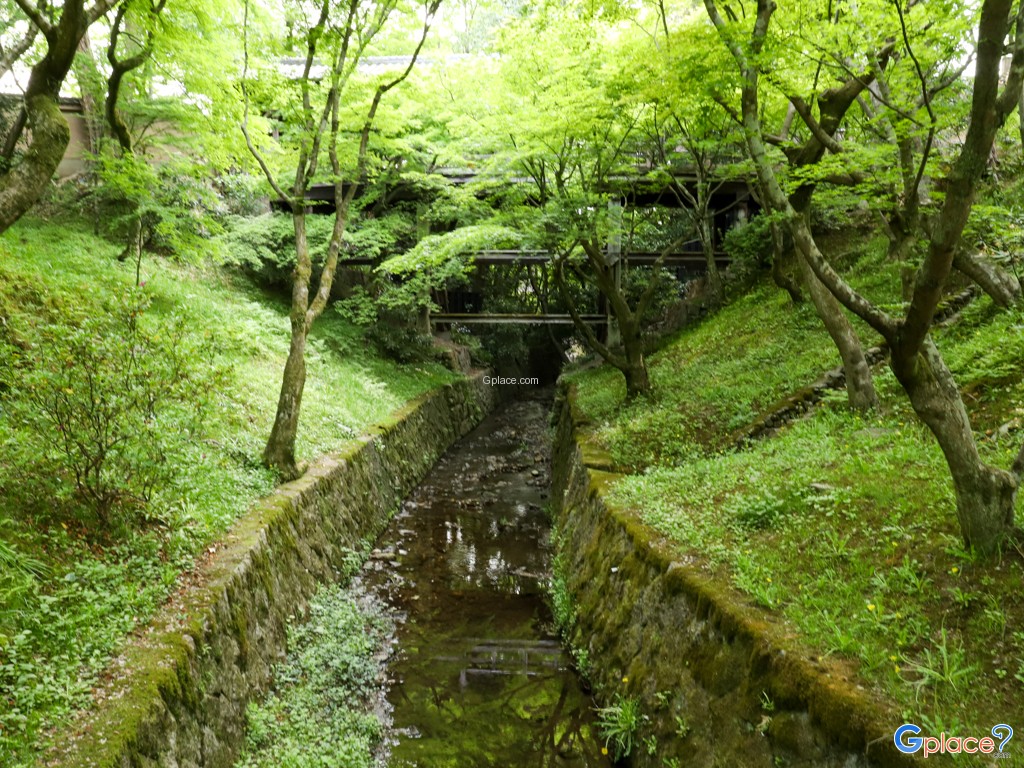
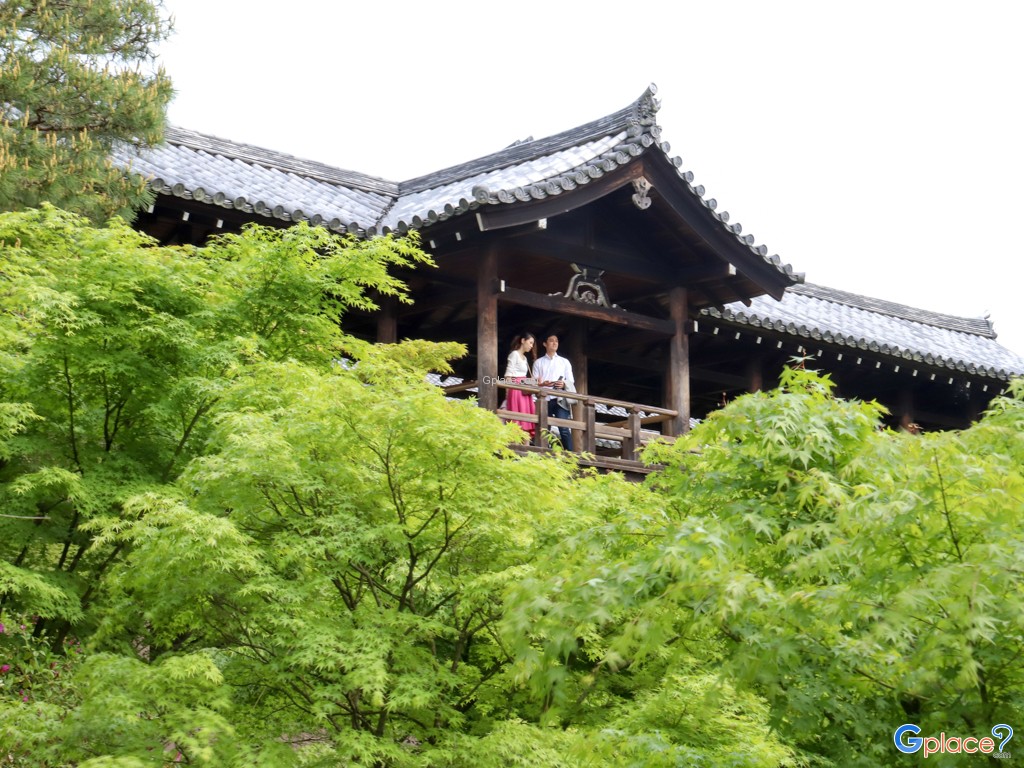
The temple’s most iconic feature is Tsūtenkyō Bridge, a long wooden corridor-style bridge spanning a maple-filled valley. In late November, the view from the bridge resembles a sea of crimson leaves, making it one of Kyoto’s most photographed scenes. An equally impressive photo spot is Gaen-kyō Bridge, a public bridge running parallel to Tsūtenkyō, where visitors can capture the full profile of Tsūtenkyō framed by autumn foliage without paying an entrance fee.
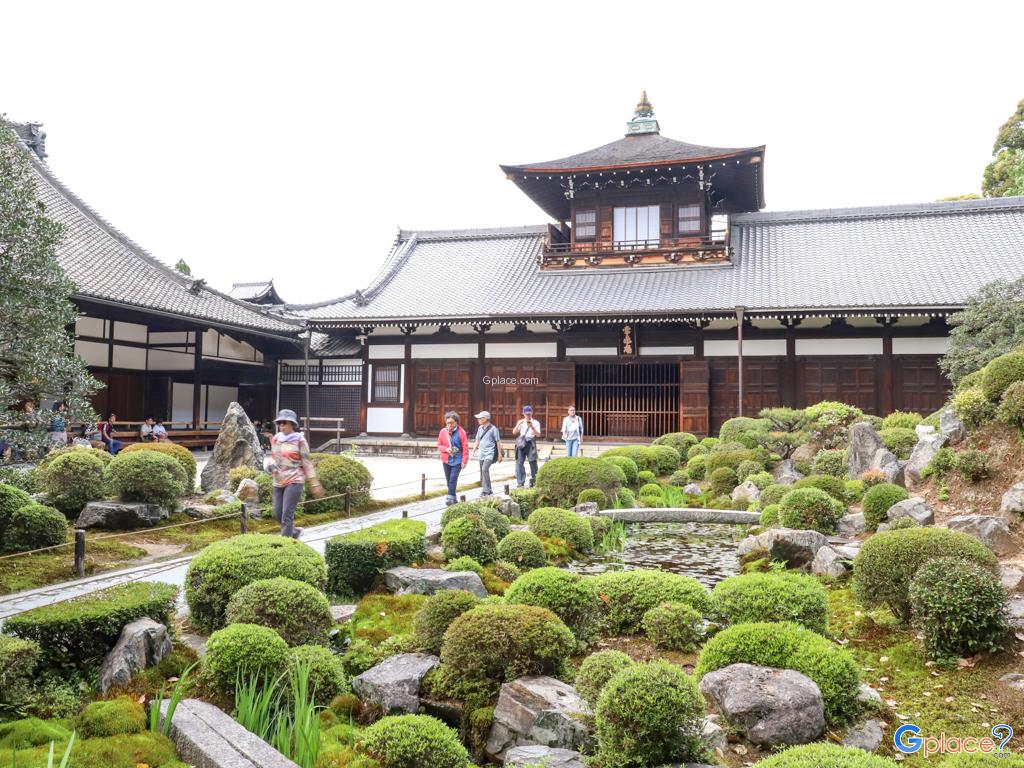
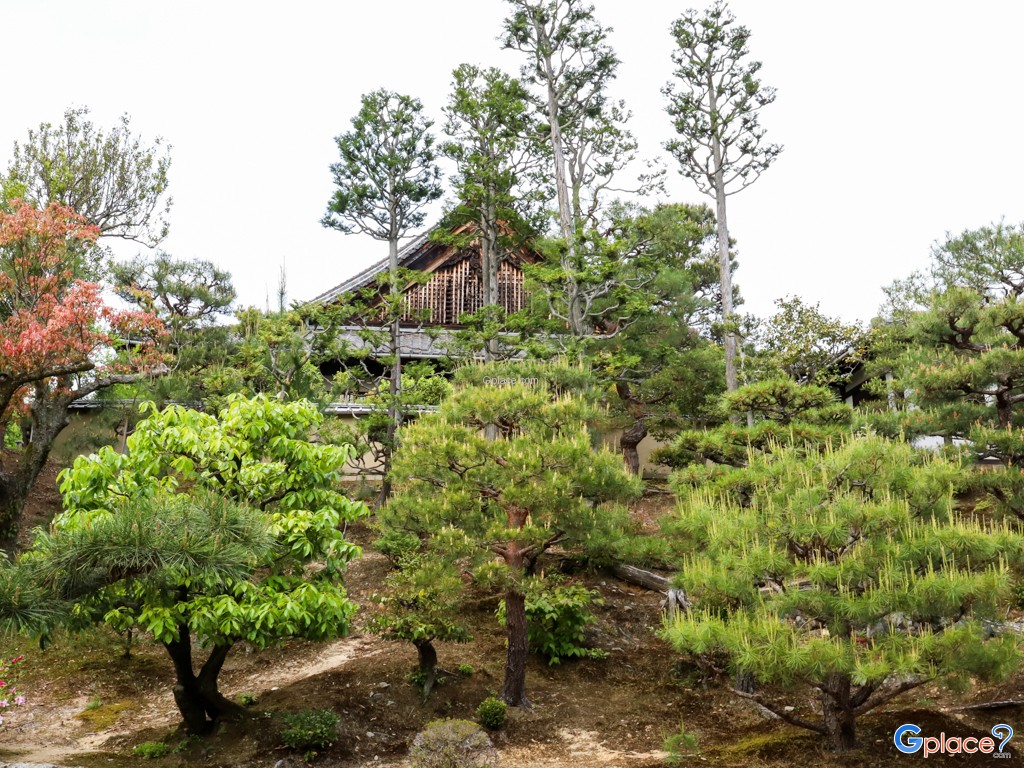
Another highlight is the Hōjō Gardens, a masterpiece by renowned Showa-era landscape designer Mirei Shigemori. The four gardens surrounding the Hōjō Hall represent Buddhist history and cosmology, including Mount Meru and mythical islands of immortality. The north garden, with its striking checkerboard pattern of moss and stone slabs, has become an internationally recognized symbol of modern Zen garden design.
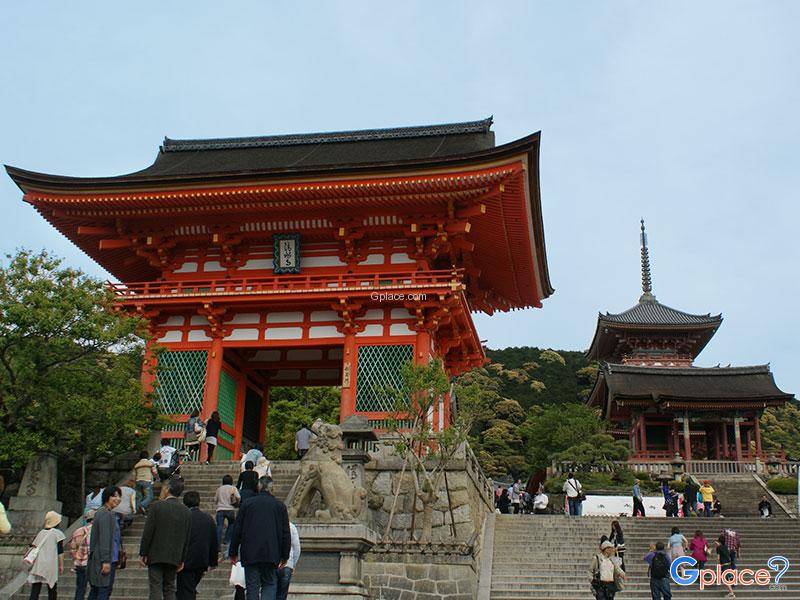
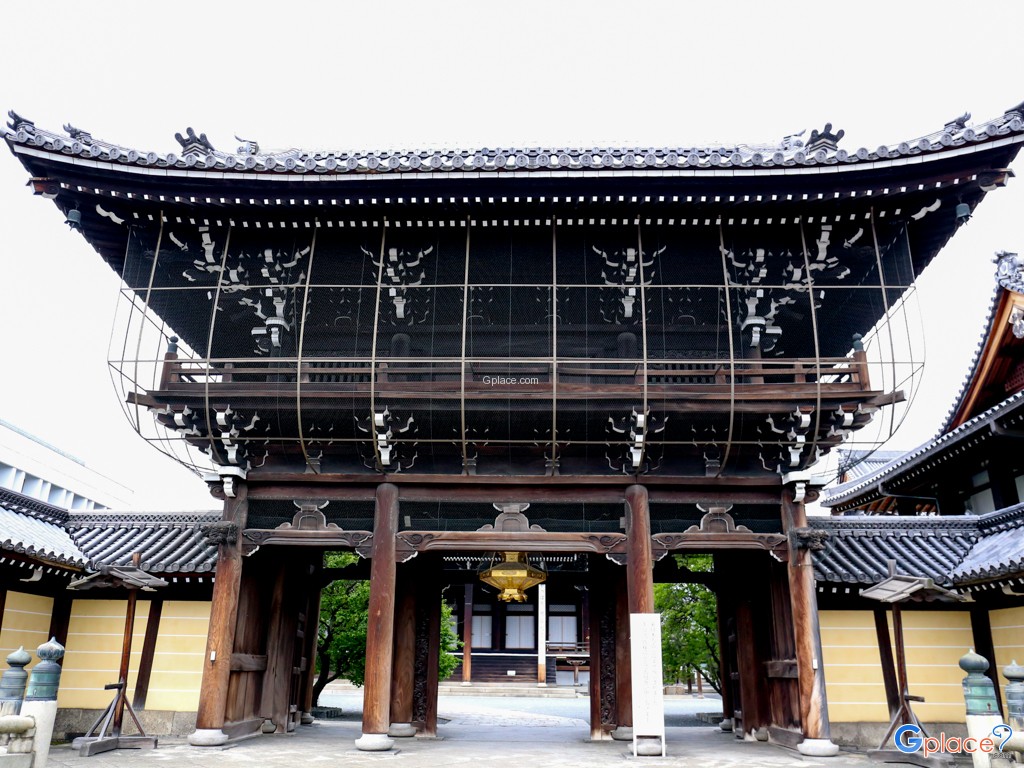
The temple also features the Sanmon Gate, the oldest surviving Zen temple gate in Japan. Completed in 1425, standing over 22 meters tall, and designated a National Treasure, it represents the evolution of Japanese Zen architecture beyond strong Chinese influence.
A rare cultural feature within the grounds is the Tōsai, or “hundred-hole toilet,” the oldest and largest temple toilet in Japan. Built during the Muromachi period and designated an Important Cultural Property, it offers a fascinating glimpse into daily monastic life in historical Zen temples.
Surrounding Tofuku-ji are several sub-temples worth visiting, including Komyo-in, known for its elegant rock garden and far fewer visitors—ideal for travelers seeking a quieter and more contemplative Zen experience.
How to Get There
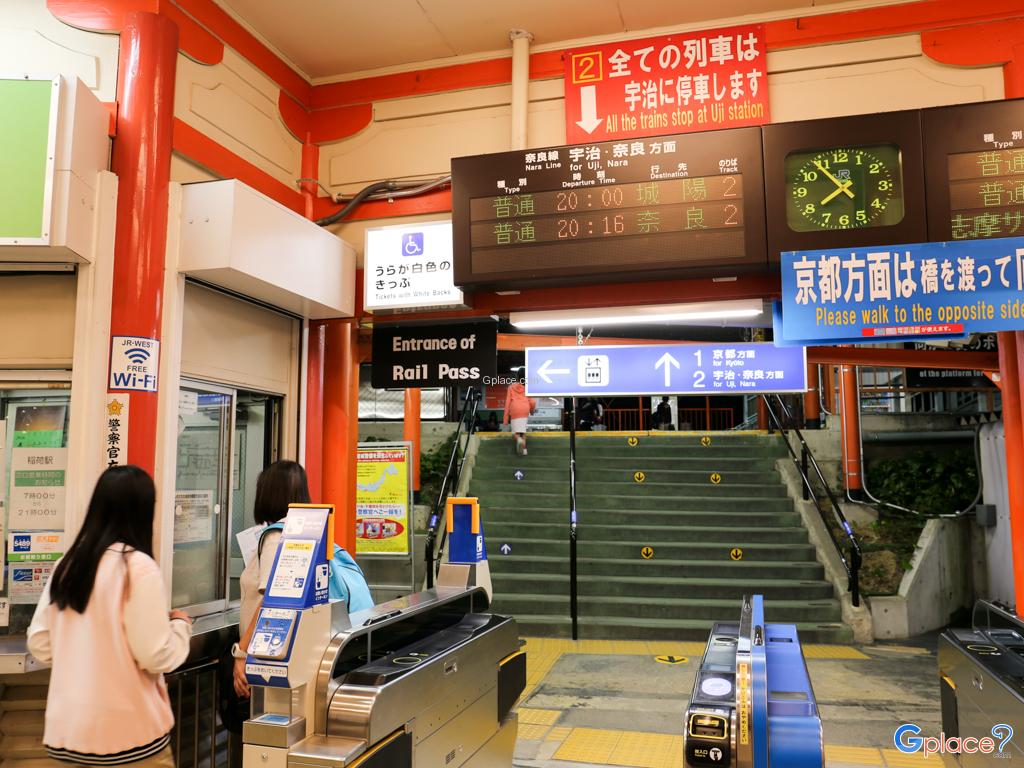
- Approximately a 10-minute walk from Tōfukuji Station via the JR Nara Line or Keihan Main Line. Access from central Kyoto is convenient and straightforward.
Travel Tips
-
Visit at least 30 minutes before opening during autumn, or about one hour before closing, to avoid peak crowds.
-
For the best wide-angle photographs of Tsūtenkyō Bridge, head to Gaen-kyō Bridge, a public access point outside the paid area.
-
Allow time to walk slowly through the Hōjō Gardens to fully appreciate their symbolic and philosophical design.
-
Wear easy-to-remove shoes and clean, warm socks, as shoes must be removed in certain buildings and wooden floors can be very cold in autumn and winter.
-
Consider visiting nearby sub-temples such as Komyo-in for a more peaceful atmosphere away from the main crowds.
Admission fee
-
Hōjō Gardens: approximately 500 yen
Tsūtenkyō Bridge: approximately 600 yen (may increase to around 1,000 yen during peak autumn season)
Opening time
-
09:00–16:00
In November, opening time may be earlier, around 08:30
Tofuku ji Temple

 Share
Share
 15 Chome-778 Honmachi, Higashiyama Ward, Kyoto City, Japan
Map
15 Chome-778 Honmachi, Higashiyama Ward, Kyoto City, Japan
Map
 Closed today
Mon9.00 - 16.00
Tue9.00 - 16.00
Wed9.00 - 16.00
Thu9.00 - 16.00
Fri9.00 - 16.00
Sat9.00 - 16.00
Sun9.00 - 16.00



 360
360