 Attractions
  Hotel
Hotel  Restaurant
  Shopping
  Abroad






“Once the Fifth Temple of the Kyoto Gozan, Manju-ji is a “vanished giant” whose architectural and spiritual legacy still defines Zen practice at Tofuku-ji today.”
Founded in the late 13th century during the Kamakura period, Manju-ji rose rapidly to prominence as the Fifth of the Kyoto Gozan (Five Great Zen Temples of Kyoto), placing it among the most powerful Zen institutions of medieval Japan. Supported by the Ashikaga Shogunate, it once stood as a vast, independent monastery and a major center of Rinzai Zen training, scholarship, and political influence.
Its decline began after a devastating fire in 1434, which destroyed much of the original compound. While the temple was rebuilt during the Muromachi period, its scale and influence were permanently reduced. Over the centuries, continued losses of land and patronage led to its eventual absorption into the Tofuku-ji complex in 1873 during the Meiji period, ensuring the survival of what remained.
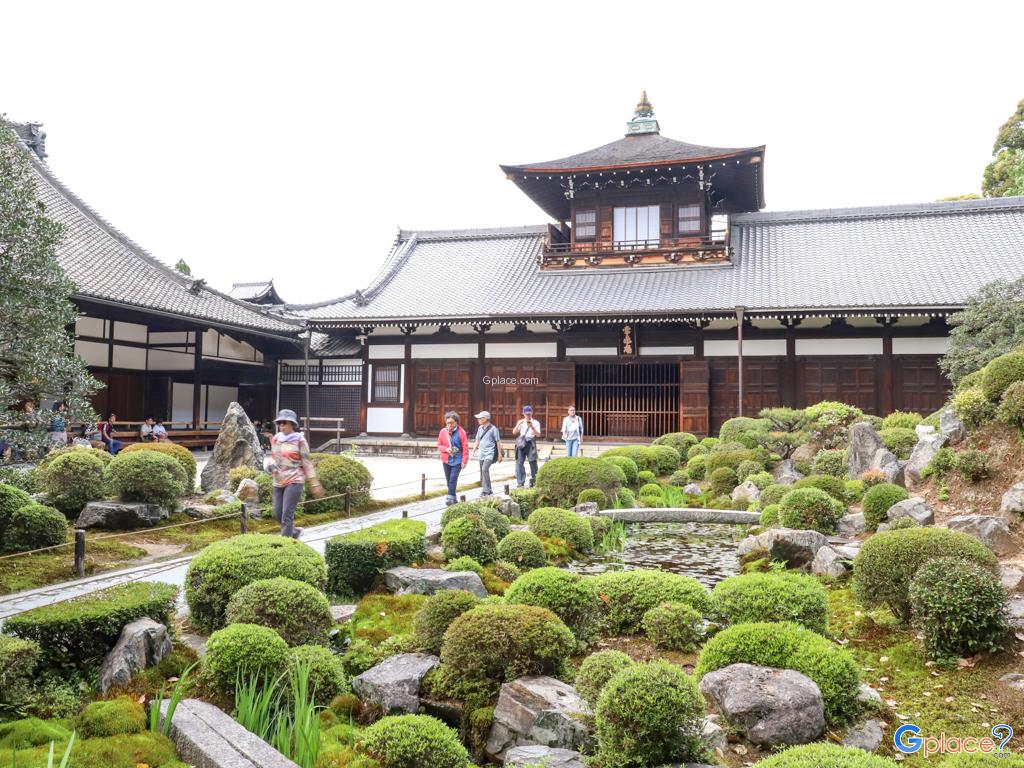
One of Manju-ji’s most extraordinary legacies is the Zen-do (Sōdō, monk’s training hall) now standing at Tofuku-ji. Although the hall was relocated in 1937, the structure itself dates to the Muromachi-period reconstruction following the 1434 fire. It is recognized as the only surviving example of Sōdō architecture from that era and is today regarded as the oldest and largest Zen meditation hall in Japan.
Another key remnant is the Bell Tower (Shōrō), visible from the public road. This Muromachi-period structure is designated an Important Cultural Property and is stylistically distinct because it originated at Sanseiji, a separate temple that was later absorbed into Manju-ji. Its presence reflects how Manju-ji once functioned as a major absorbing center within Kyoto’s Zen network.
The temple also houses a monumental wooden Amida Nyorai statue from the Heian period. Due to its exceptional size and fragile condition, it is rarely moved or publicly displayed, reinforcing Manju-ji’s reputation as a site of immense yet hidden cultural value.
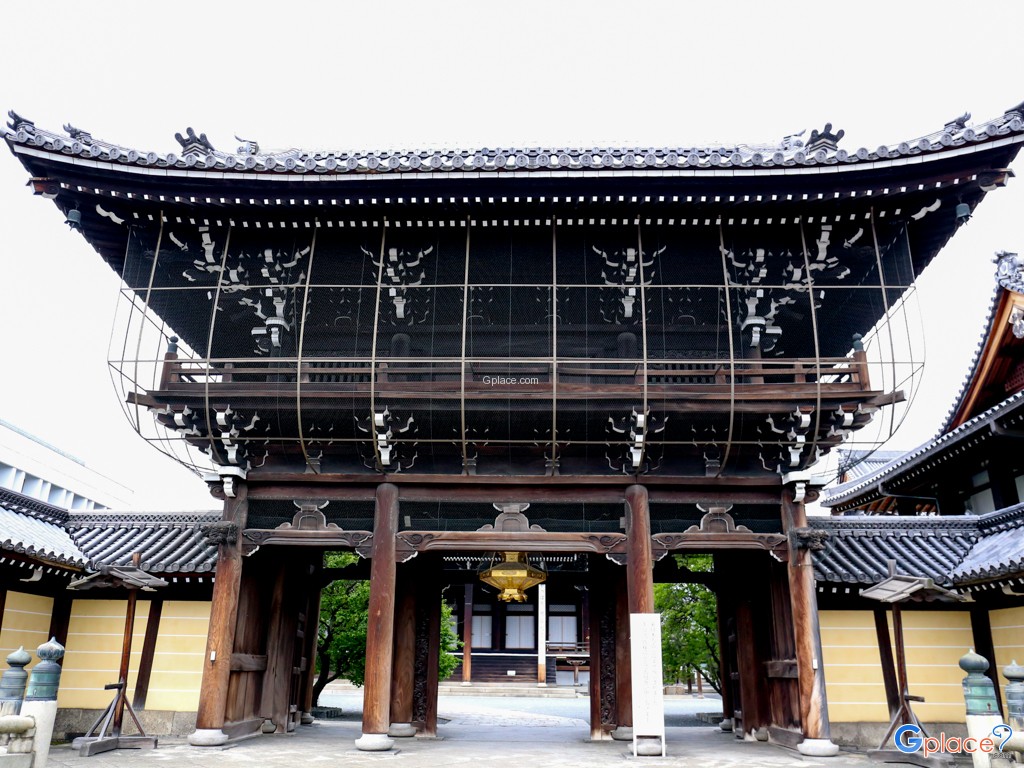
Although Manju-ji is strictly closed to the public and does not participate in seasonal or special openings, standing at its gate today places visitors at the edge of what was once a vast monastic city—one of Kyoto Zen’s most influential yet least visible institutions.
How to Get There
-
JR Line:
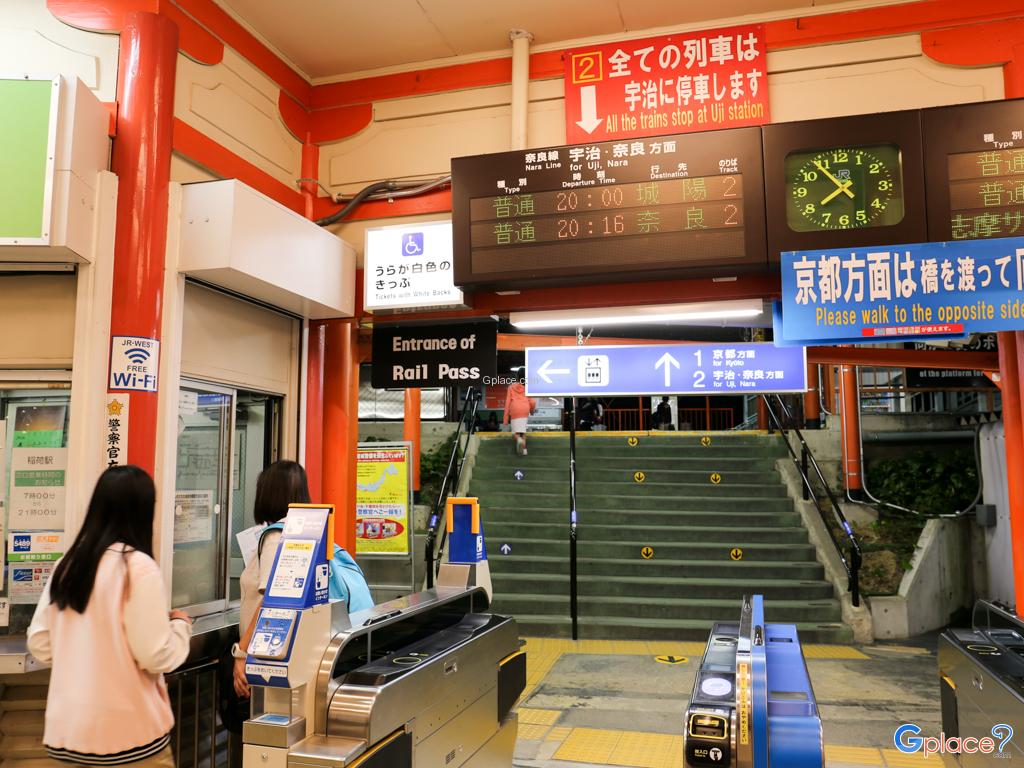
From Kyoto Station, take the JR Nara Line to Tofukuji Station. -
On Foot:
From Tofukuji Station, walk approximately 1 minute to the Manju-ji entrance area.
Travel Tips
-
Photography:
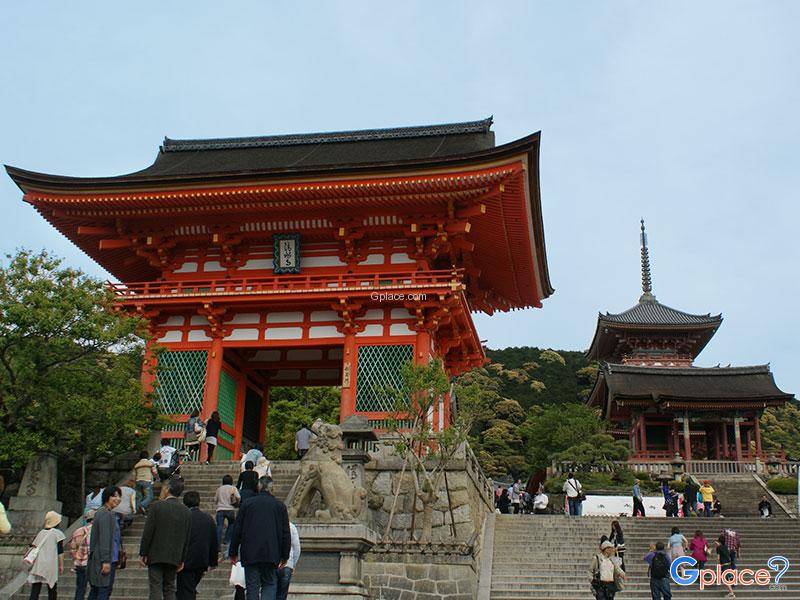
While the grounds are closed, you can clearly photograph the Muromachi-period Bell Tower and the main gate from the public road. -
Optimal Timing:
Best visited in late November, when maple trees from the surrounding Higashiyama area spill visually over the temple walls. -
Zen-Path Itinerary:
Start at Manju-ji (1 minute from Tofukuji Station), walk 10 minutes to the Tofuku-ji main complex to see the Zen-do originally from Manju-ji, then finish at Komyo-in Temple (Rainbow Garden) for a complete Zen experience. -
Museum Check:
Before visiting, check the Kyoto National Museum (Heisei Chishinkan Wing). As of early 2026, its Buddhist Sculpture Gallery features rotating Heian-period works, and related Manju-ji or Tofuku-ji scrolls and artifacts occasionally appear in feature exhibitions. -
Treasure Viewing Window:
The Tofuku-ji Treasure House typically opens during Special Autumn Openings (November) and briefly in Spring (March–April)—the best chance to see objects once belonging to the Manju-ji complex.
Admission Fee:
- Not applicable (closed to the public)
Opening Time:
- Not open to visitors
Manju ji Temple

 Share
Share
 15 Chome-786 Honmachi, Higashiyama Ward, Kyoto, 605-0981 Japan
Map
15 Chome-786 Honmachi, Higashiyama Ward, Kyoto, 605-0981 Japan
Map
 No hours available



 122
122