 Attractions
  Hotel
Hotel  Restaurant
  Shopping
  Abroad





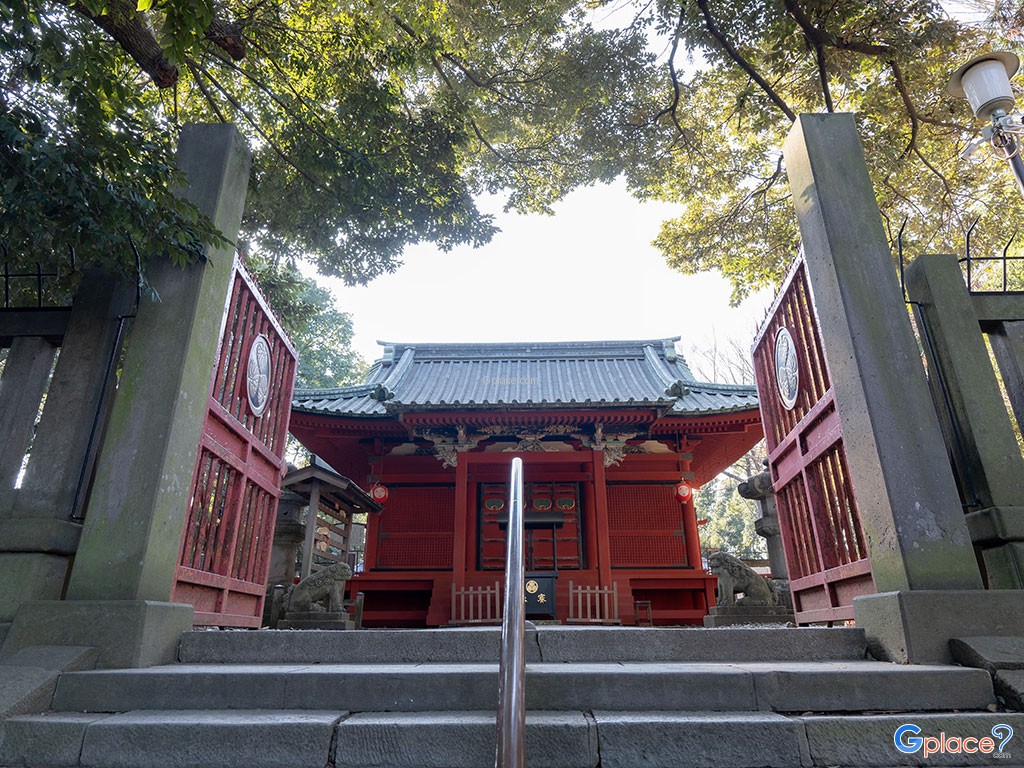

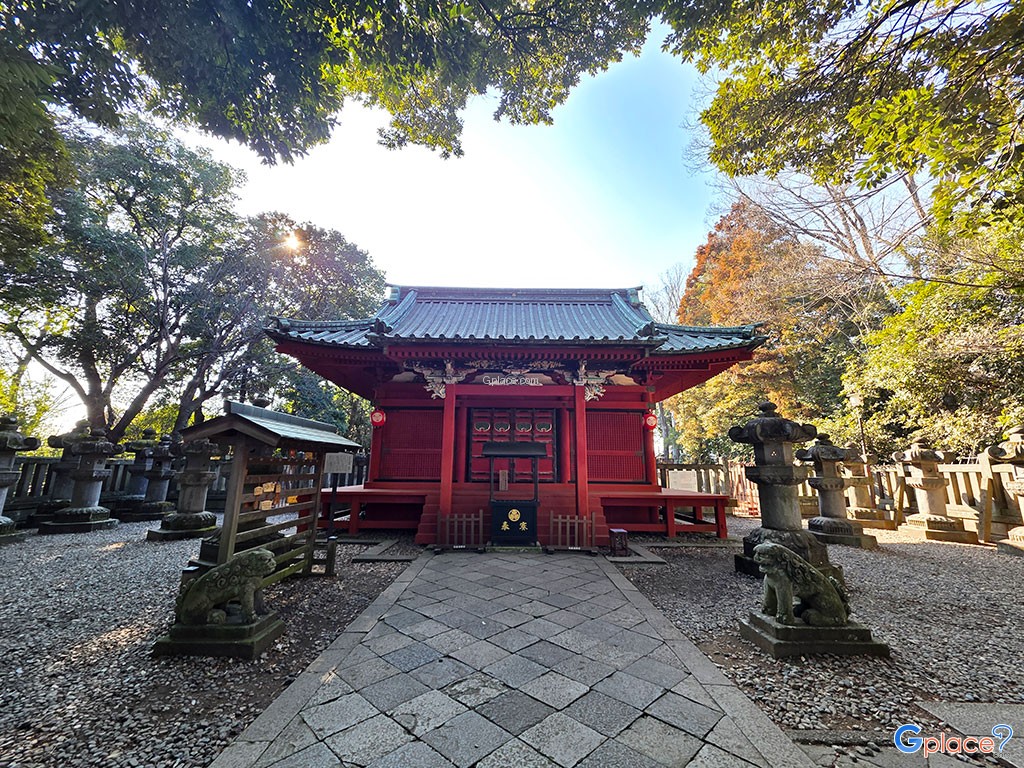
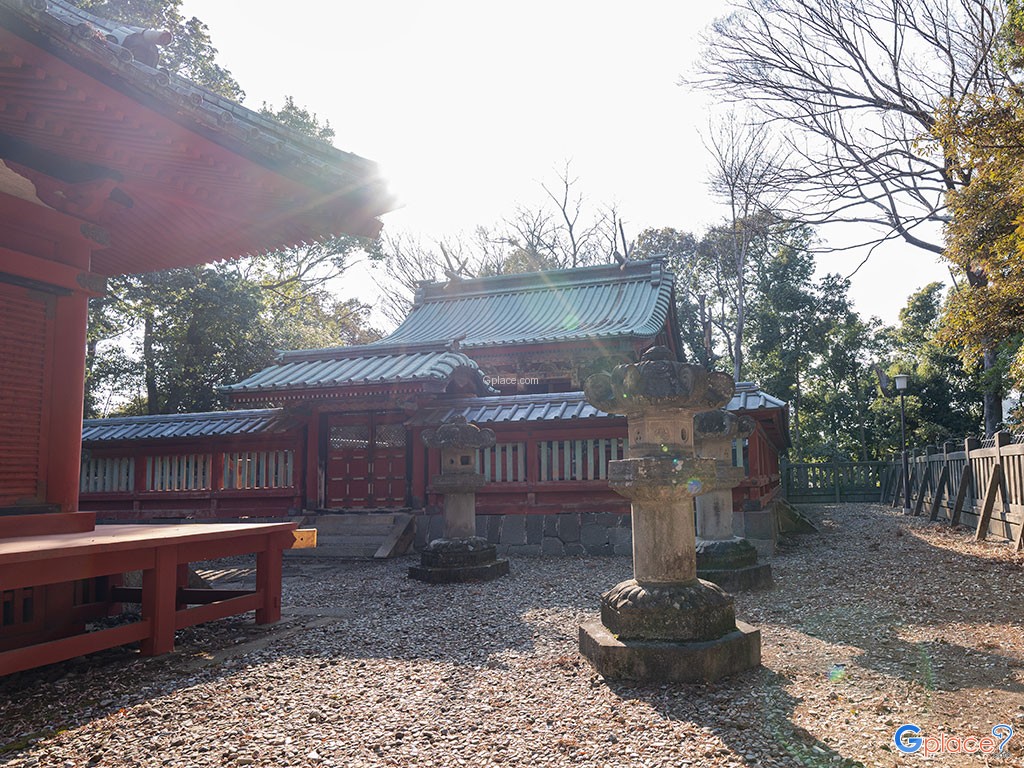
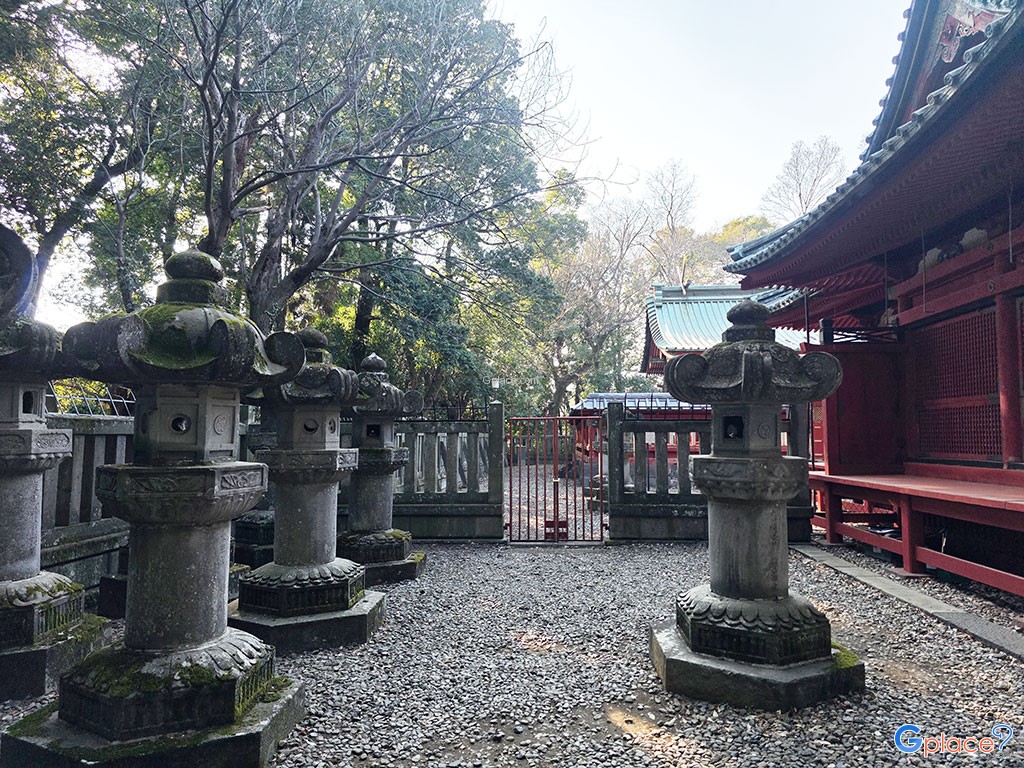
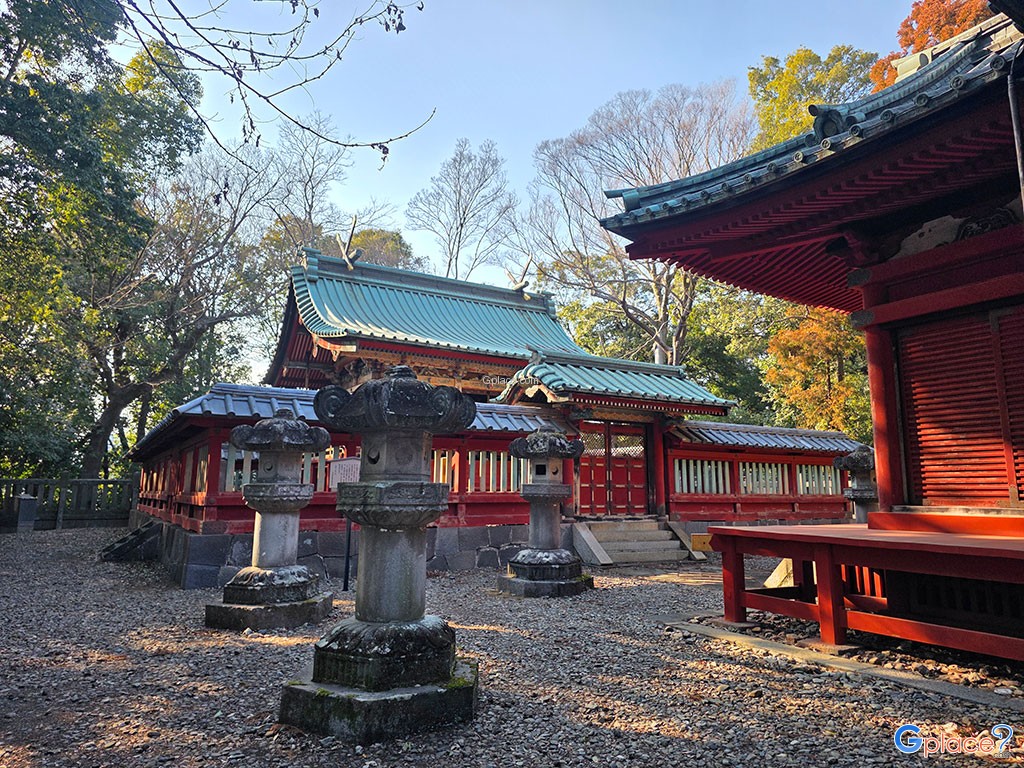
“A sacred site where Tokugawa Ieyasu’s funeral procession paused for four days, now home to Important Cultural Properties open to the public only on select days.”
Semba Tōshō-gū was established in 1633 to enshrine Tokugawa Ieyasu, founder of the Tokugawa Shogunate. After his death in 1616, his remains were temporarily placed here for four days during the grand procession to Nikkō Tōshō-gū. This event sanctified the site and led to the shrine’s construction, closely connected to Kita-in Temple in Kawagoe — often called “Little Edo.”
Major Attractive Spots
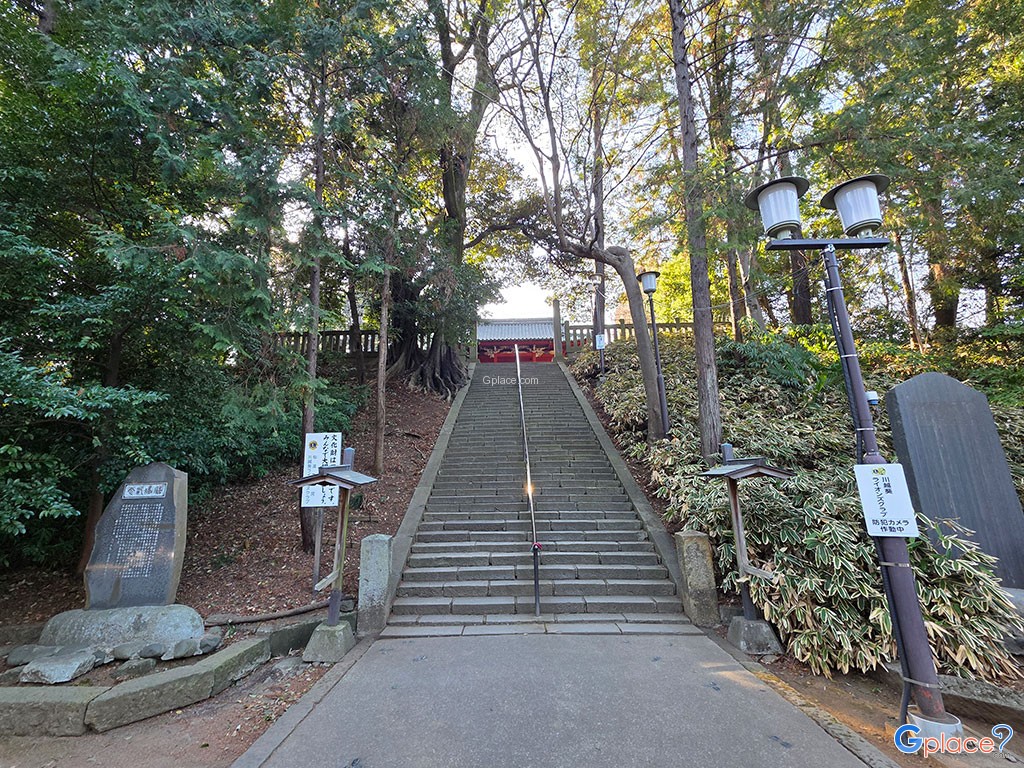
1) The 50 Stone Steps & Tokugawa Crest Gate
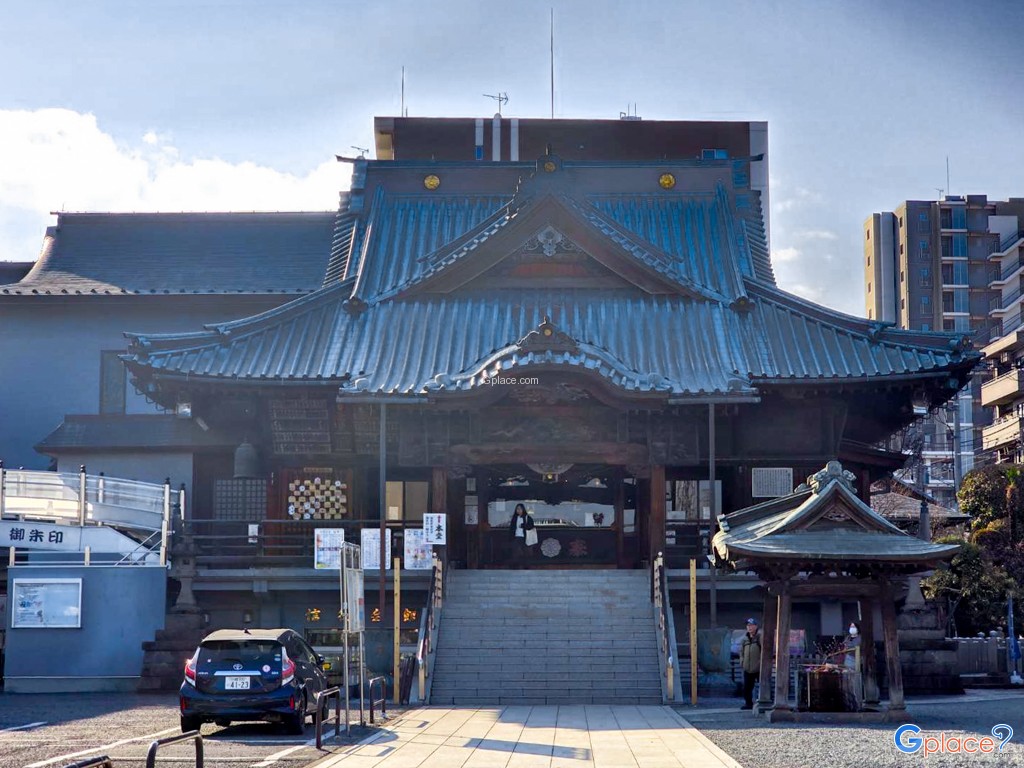
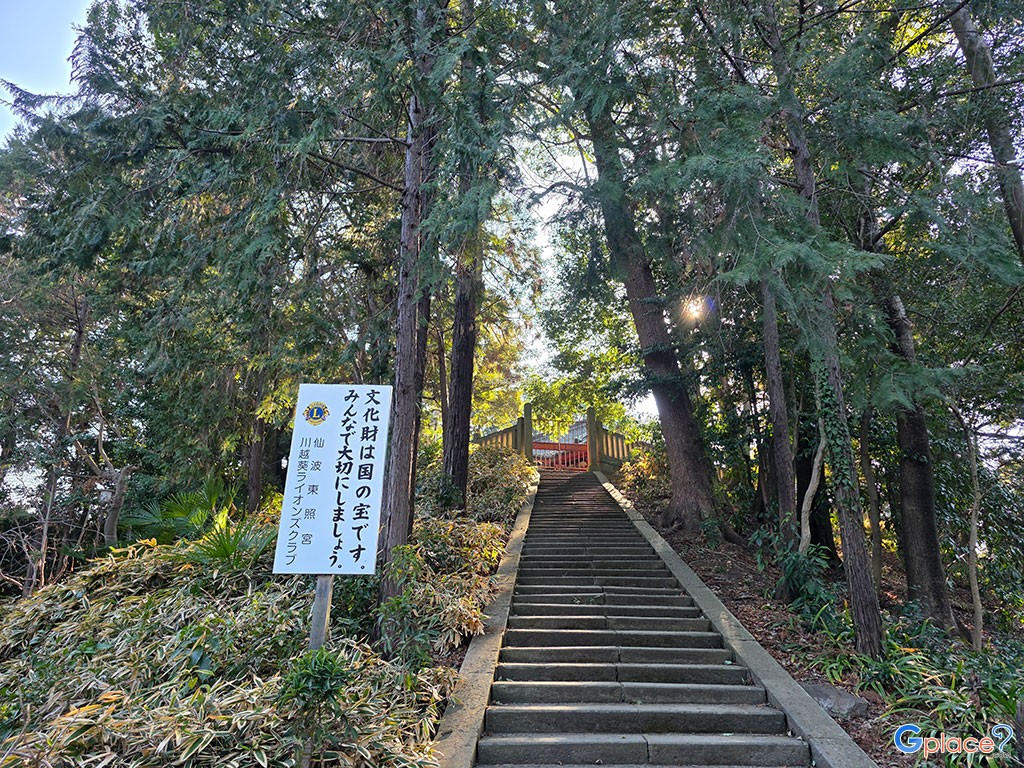
Visitors ascend 50 solemn stone steps leading to the main sanctuary. Along the way stands a dignified metal gate decorated with the Tokugawa clan’s Triple Hollyhock Crest (Aoi-mon), symbolizing the authority and sacred prestige of the shogunate.
This staircase is one of the most powerful and photogenic viewpoints in the shrine.
2) Intricate Wood Carvings & Colorful Architecture
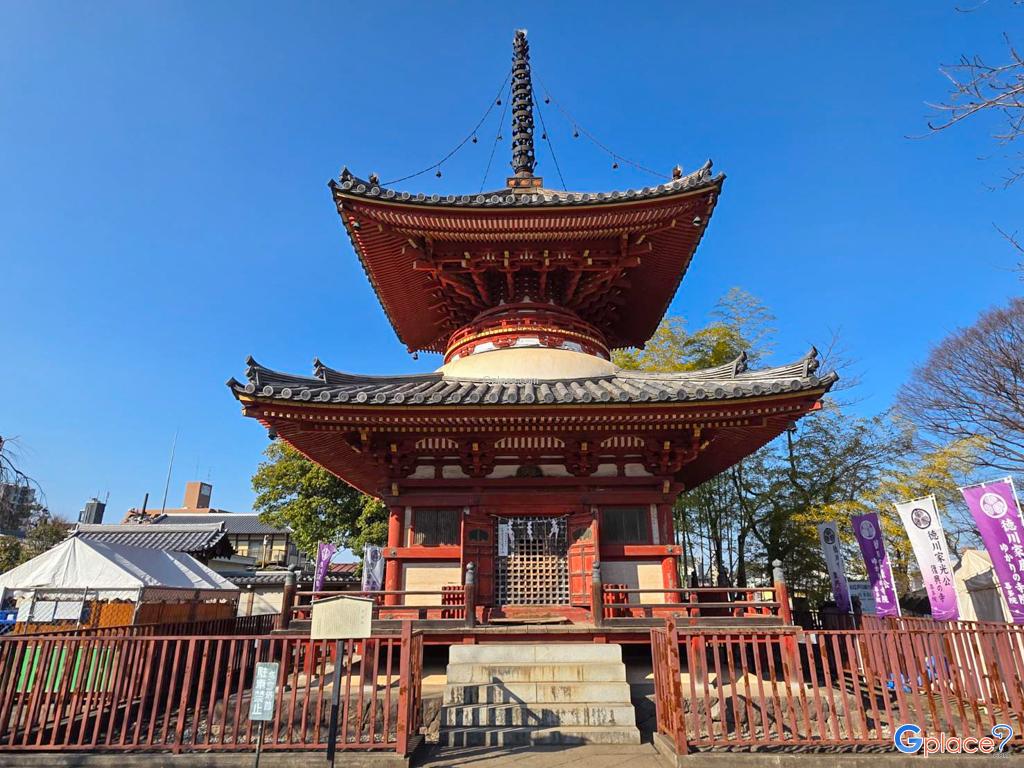
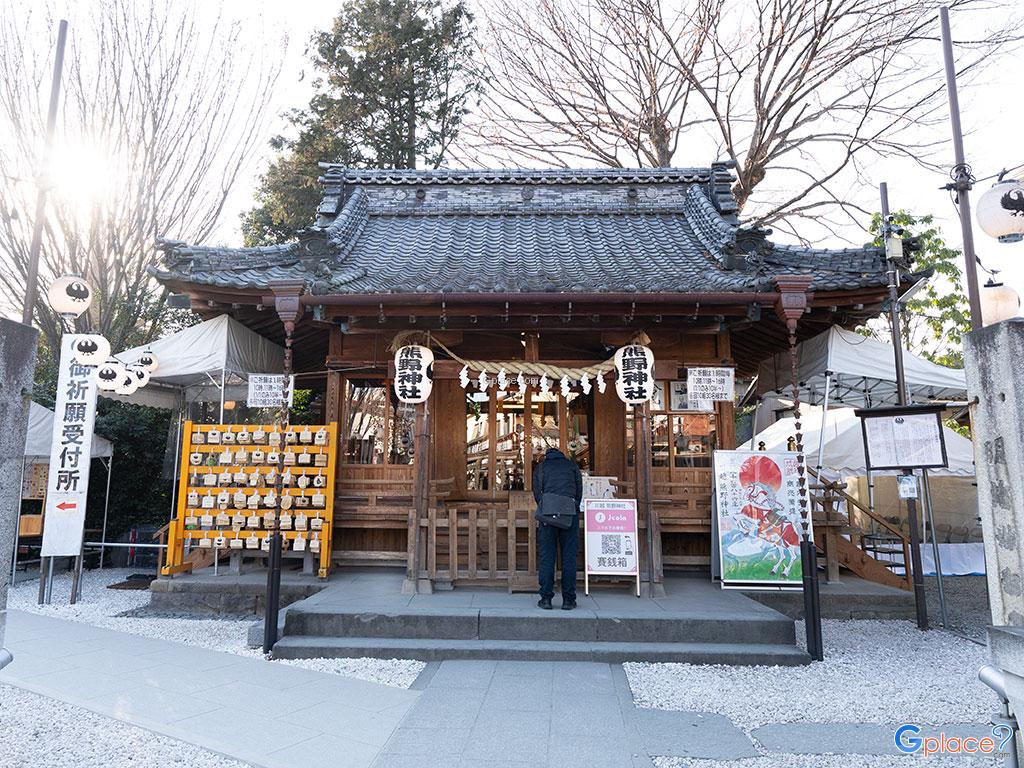
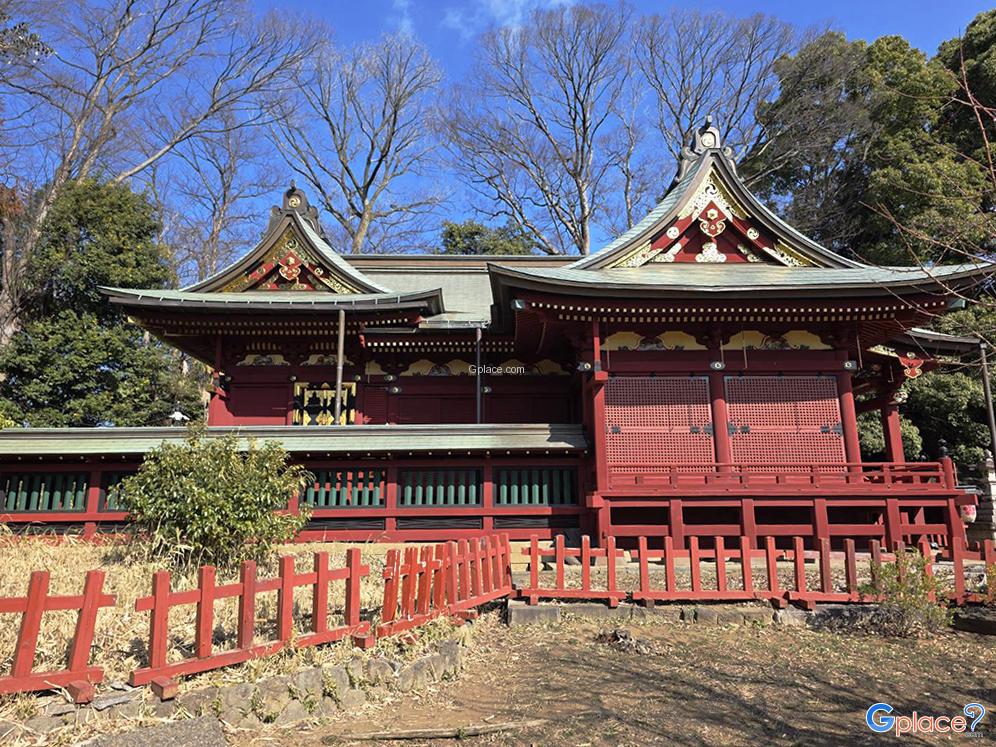
The Honden (Main Hall) and Haiden (Worship Hall) feature delicate wood carvings painted in vivid red, gold, and green — characteristic of early Edo-period artistry and influenced by Nikkō.
Look carefully for:
-
12 Hawk Carvings - Taka-bori
-
The painted portraits of the “Thirty-Six Immortal Poets” (Sanjūrokkasen)
These are recognized as Important Cultural Properties of Japan.
3) The 26 Stone Lanterns
In front of the sanctuary stand 26 stone lanterns arranged in symmetry. These were donated by successive lords of Kawagoe as offerings to honor the shogun. They highlight Kawagoe’s historical role as a key satellite city supporting Edo (Tokyo).
4) Important Cultural Property Structures
Several architectural elements are nationally designated Important Cultural Properties, including:
-
Karamon Gate
Remarkably, these structures survived wars and earthquakes, preserving their original Edo-period craftsmanship.
5) Origin of the Children’s Song “Antagata Dokosa”
Local tradition says this area is linked to the origin of the famous Japanese folk children’s song “Antagata Dokosa.” It is believed children sang it when speaking to soldiers from Kumamoto stationed here. Informational signage explains this cultural connection.
Important Visiting Note
Unlike most Japanese shrines, interior access is limited:
-
Interior grounds open only on Sundays and Japanese national holidays
-
Hours: 10:00 AM – 4:00 PM (Volunteer guide service may end around 3:00 PM)
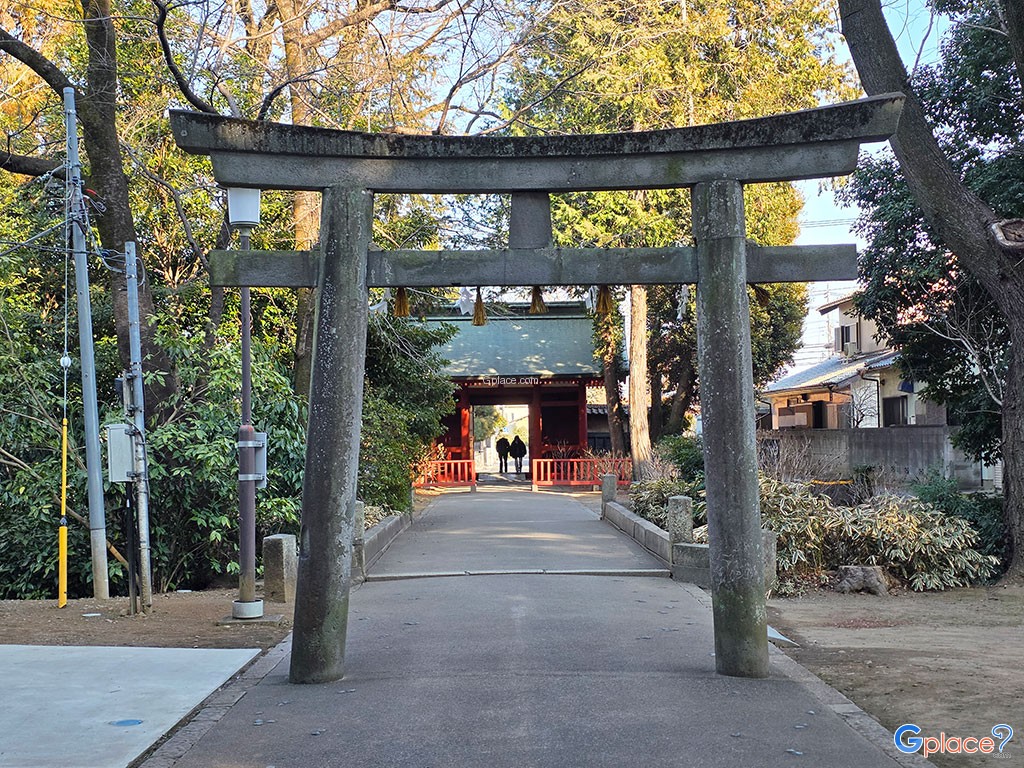
On weekdays, the front gate is usually locked. Visitors can only view the exterior and surrounding greenery from outside.
How to Get There
-
From Tokyo, take the Tobu Tojo Line or Seibu Shinjuku Line to Kawagoe Station.
-
From Kawagoe Station, take a bus (approx. 10–15 minutes) and get off near Kita-in Temple.
-
From Kita-in Temple, it is just a short walk to the shrine.
-
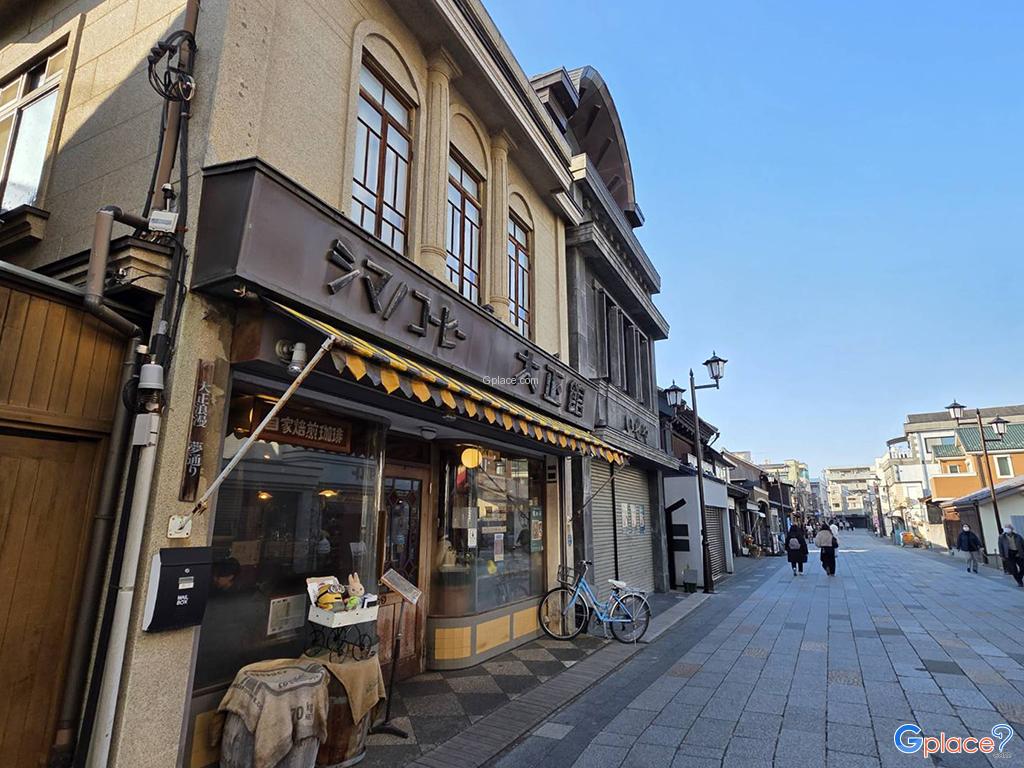
It can be combined easily with visits to Kurazukuri Street and other historic sites in Kawagoe.
Travel Tips
-
Visit on a Sunday or Japanese national holiday if you wish to enter the inner shrine grounds.
-
Always check the opening schedule in advance, as special openings may vary.
-
Spring (cherry blossom season) and autumn (fall foliage) offer the most scenic atmosphere.
-
Allow 30–45 minutes for an exterior visit, or about 60 minutes if interior access is available.
Admission Fee:
-
Outer grounds: Free
-
Interior access (when specially opened): Approximately 500 yen (for preservation support)
Opening Hours: (Important – Please Verify Before Visiting)
-
Interior access: Sundays and Japanese national holidays only,
-
Hours: 10:00 AM – 4:00 PM (Volunteer guide service may end around 3:00 PM)
On weekdays, the front gate is usually locked, and close-up access to the main buildings is not permitted.
Semba Tōshō gū

 Share
Share
 1 Chome-21-1 Kosenbamachi, Kawagoe City, Saitama 350-0036, Japan
Map
1 Chome-21-1 Kosenbamachi, Kawagoe City, Saitama 350-0036, Japan
Map
 Closed today
Mon -
Tue -
Wed -
Thu -
Fri -
Sat -
Sun10.00 - 16.00



 124
124