
 Attractions
  Hotel
Hotel  Restaurant
  Shopping
  Abroad
  Nearby Places





Little Edo Kawagoe: From Shrines to Candy Alley

 186
186
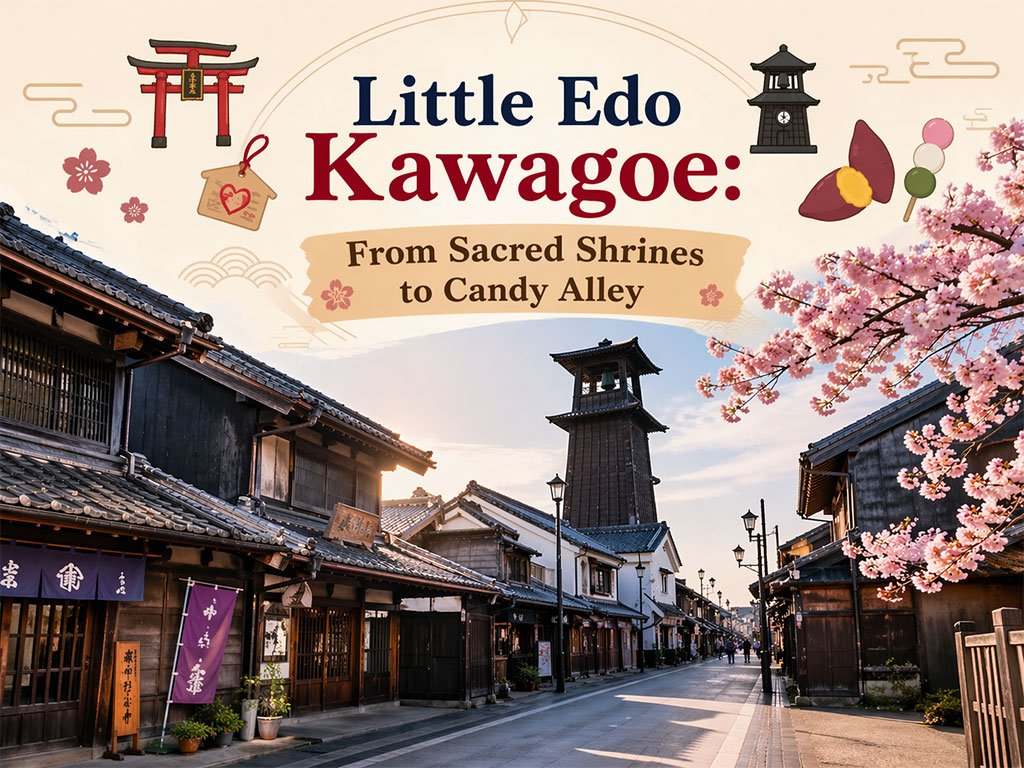
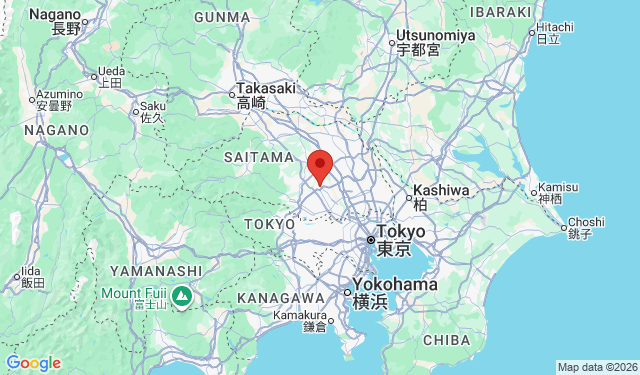
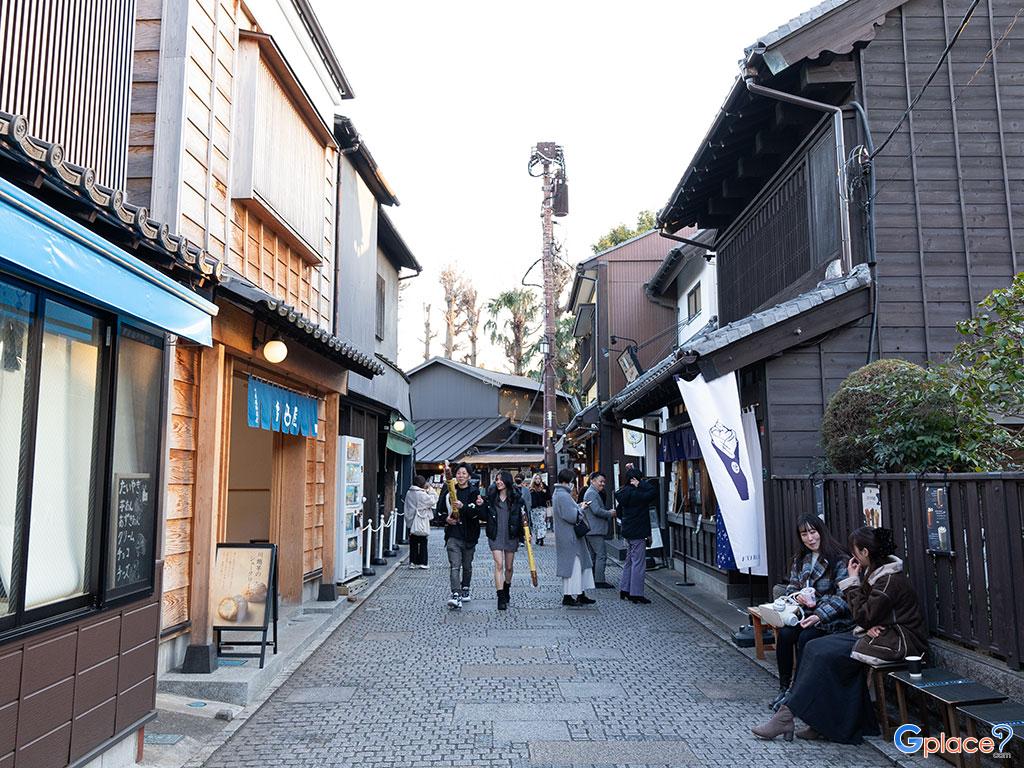
Kawagoe is a charming historic town located just outside Tokyo and is one of the most rewarding cultural day-trip destinations in the Greater Tokyo area. Known as “Little Edo,” Kawagoe preserves the atmosphere of an Edo-period merchant town through its shrines, temples, former castle residence, and traditional warehouse-lined streets. Walking through the town allows visitors to experience the character of old Japan within easy reach of the capital.
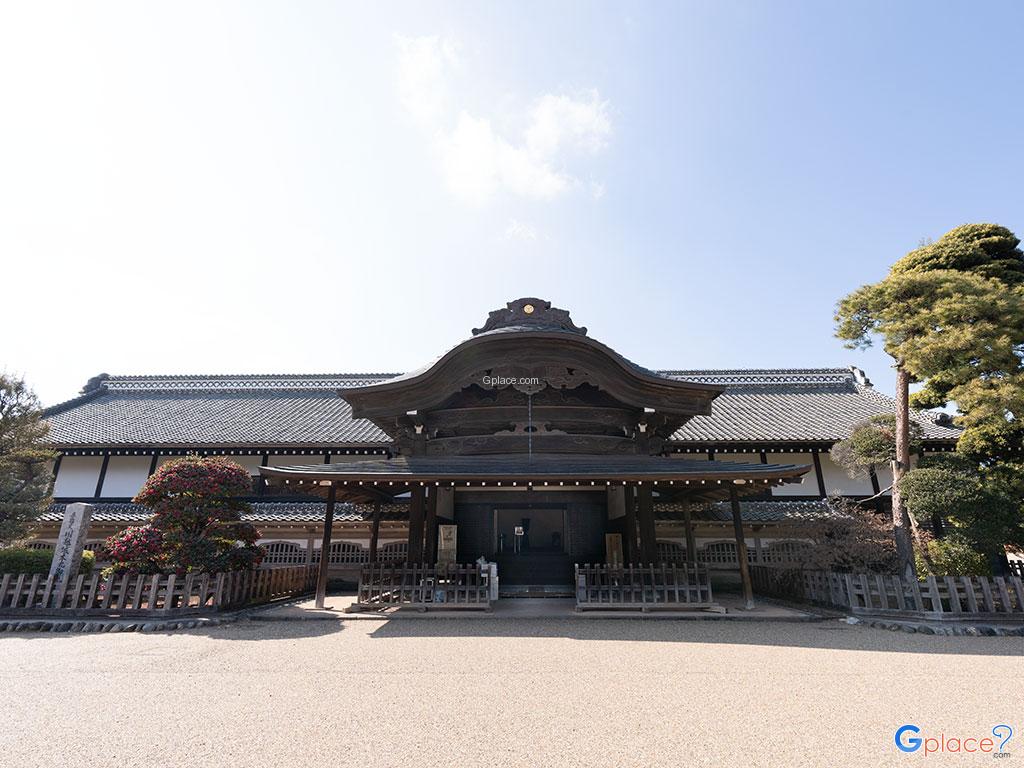
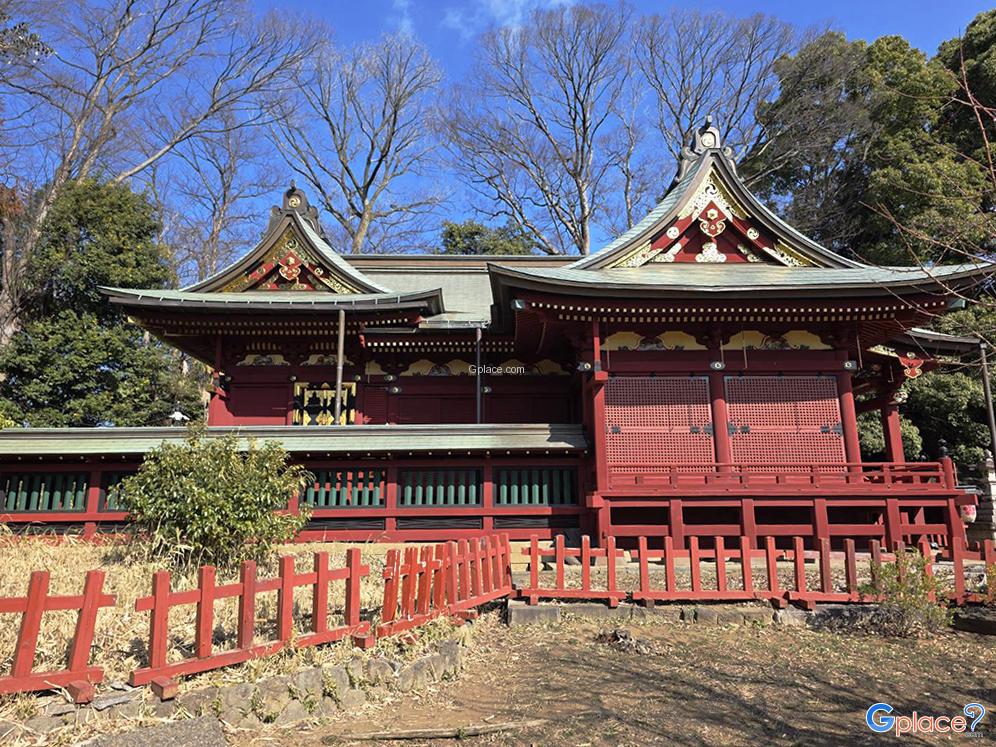
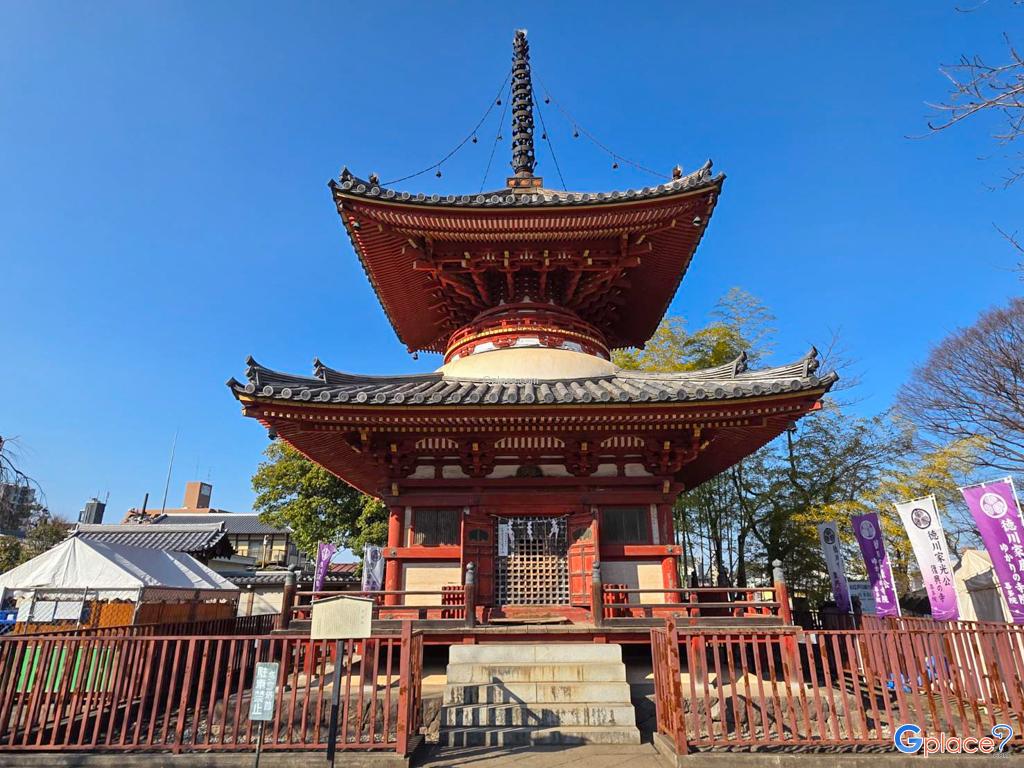
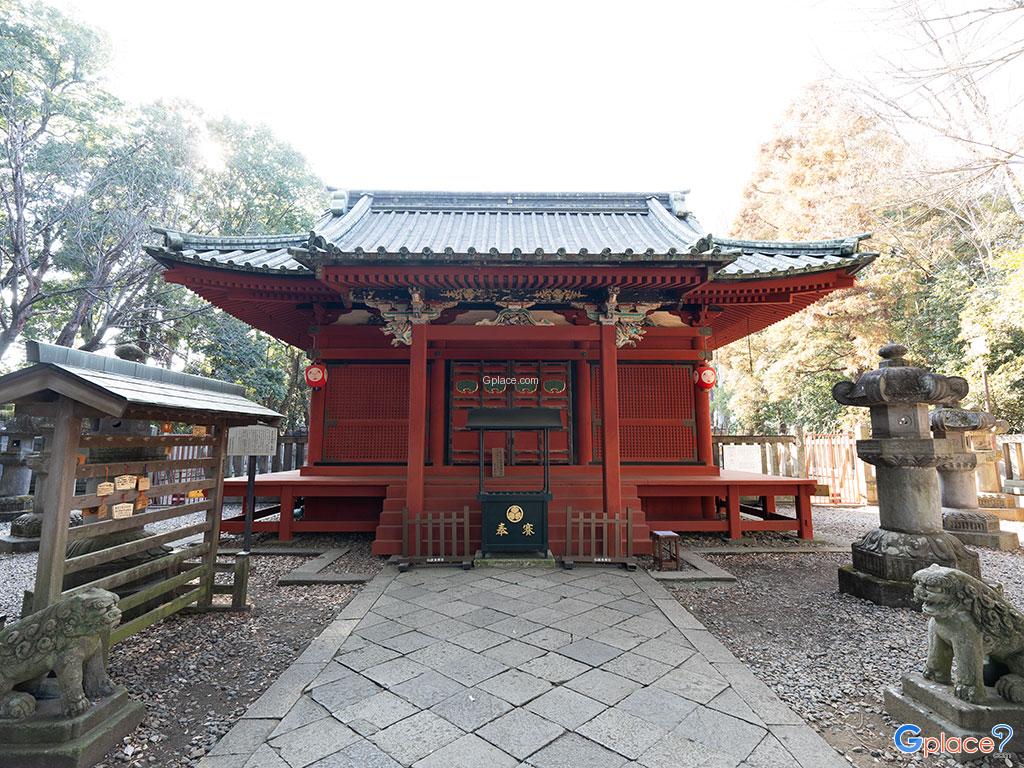
The route begins at Kawagoe Hikawa Shrine, a well-known spiritual site associated with love and relationships, before continuing to Kawagoe Castle Honmaru Palace — the only remaining Honmaru palace structure of its kind in the Kanto region. Nearby stands Miyoshino Shrine, located within the same historic precinct. The route then continues toward major religious landmarks including Kita in Temple, a historic temple closely connected to the Tokugawa shogunate, and Semba Tosho gu, dedicated to Tokugawa Ieyasu.
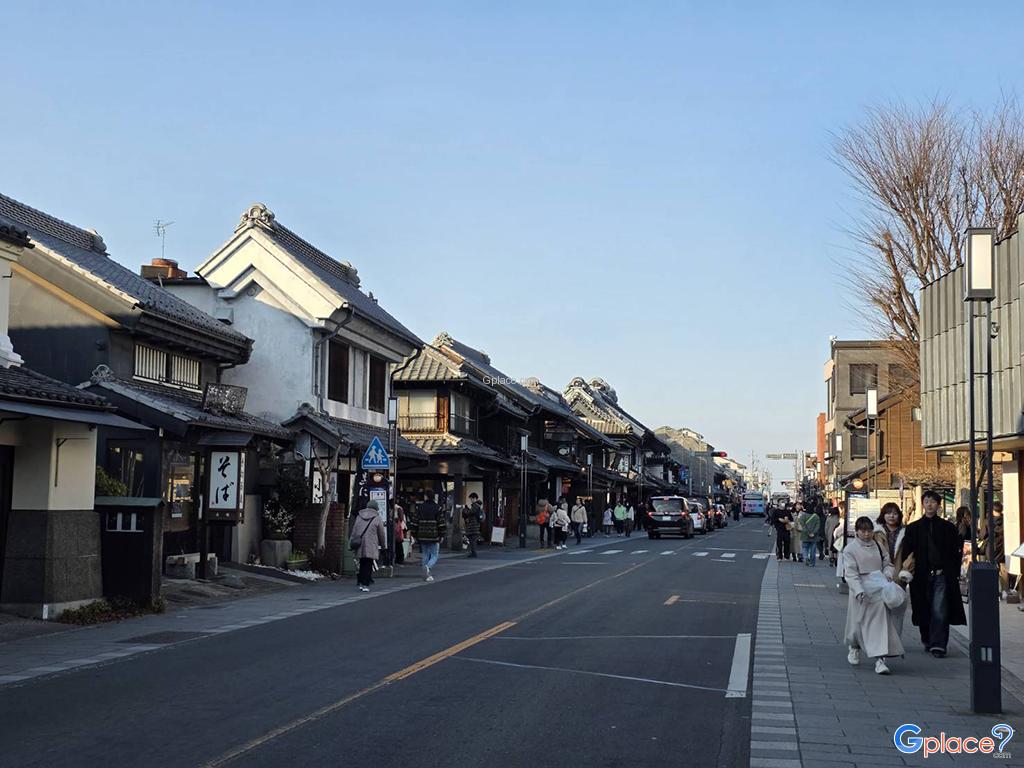
From there, visitors enter the nostalgic Taisho-era shopping district of Taisho Roman Yume dori before continuing toward the iconic heritage street of Kurazukuri Street (also known as Ichibangai Street). The striking rows of traditional black clay-walled warehouse buildings create one of the most recognizable historic streetscapes in the region and form the symbolic heart of Little Edo Kawagoe.
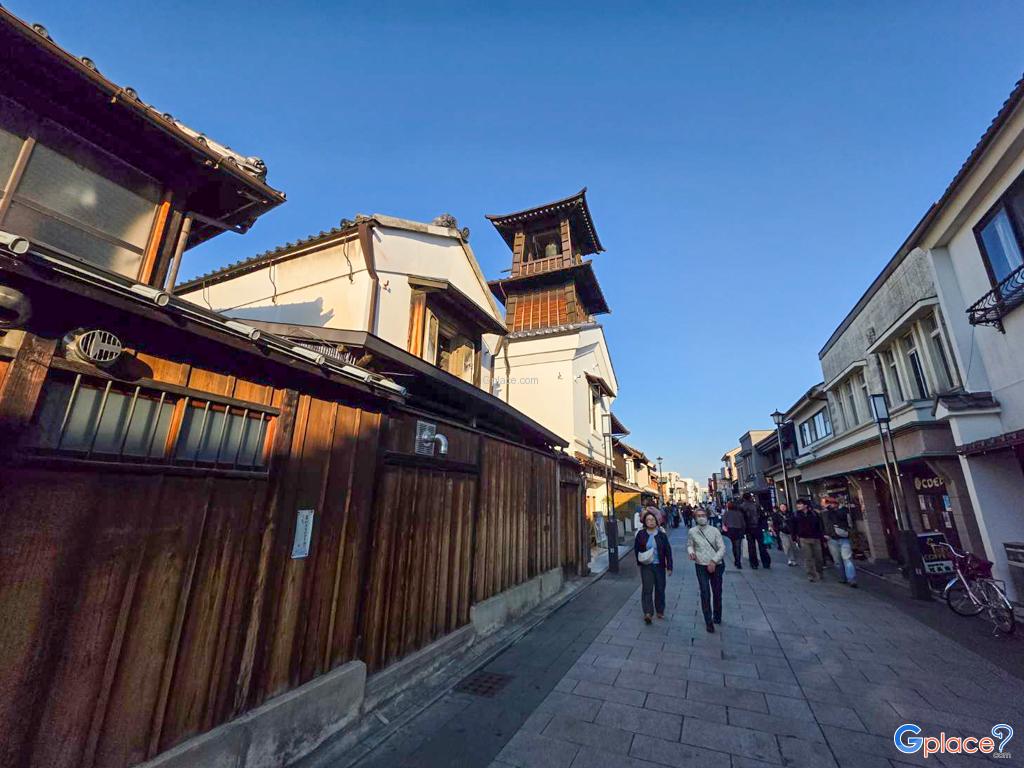
One of the highlights of the route is Toki no Kane, the historic wooden bell tower that has served as a time signal for centuries and remains the town’s most famous landmark today. The walk concludes at Kashiya Yokocho, a charming traditional candy alley filled with nostalgic Japanese sweets and local specialty snacks. Among them, sweet potato treats are especially famous — including roasted sweet potatoes, candied sweet potatoes, sweet potato desserts, and even sweet potato ice cream. Kawagoe has been known as an important sweet-potato producing area since the Edo period, making these treats a signature flavor of the town and a perfect ending to the walking route.
This walking route can comfortably be explored within half a day to one full day and offers one of the most enjoyable historic town experiences near Tokyo for both first-time visitors and returning travelers seeking a quieter glimpse of traditional Japan.
How to Get There:
Kawagoe can be reached easily from Tokyo in approximately 30–60 minutes by train. Choose the most convenient route below:
| Route (from Tokyo) | Arrival Station & Highlights |
|---|---|
| Tobu Tojo Line (from Ikebukuro) | Kawagoe Station – fastest option (~30 minutes), discount passes available |
| Seibu Shinjuku Line (from Seibu-Shinjuku) | Hon-Kawagoe Station – closest to the historic district |
| JR Saikyo Line (from Shinjuku / Shibuya) | Kawagoe Station – convenient for JR Pass users |
Pro Tips:
- Hon-Kawagoe Station is the closest station to the main sightseeing area (about 10–15 minutes on foot)
- From Kawagoe Station, you can take the Co-Edo Loop Bus to reach the historic zone more quickly
- Kawagoe is best explored on foot, as major landmarks along the Little Edo route are located within comfortable walking distance


กำลังเป็นที่นิยม

Khao Yai is one of Thailand's most popular natural attractions and a gateway to ..

Explore the sunset spots along Thailand’s coast, revealing the beauty of the day..

Kanchanaburi when the rain softly falls is a beautiful moment between the end of..

Starting from Naban Pier, then looping north to Ta Yai Beach → Th..
Recommend trips
- 10 Sacred Buddhist Sites Thai Temples in India–Nep
- 30 Sunset Spots along the Thai Sea
- Koh Larn Aerial Views by Drone
- 10 Kanchanaburi Spots When the Rain Softly Falls
- The Four Holy Pilgrimage Sites
- Dream Destinations in Switzerland
- Pilgrimage to the Sacred Sites
- Trip to Bhutan
- Must-Visit Check-in Spots in London
- Top Paris Check-in Spots
- 10 Thai Costume Spots to Go Back in Time
- Attractive Beaches in Sattahip, Chonburi
- Khao Yai National Park: Where to Go
- 30 Stunning Viewpoints in Thailand
- 5 Selfie-Worthy Hua Hin Check-in Spots for Teens
- 10 Must-Visit Spots Along the Chao Phraya River, B
- The Ultimate Ancient Villages in Japan
- 10 Mountains to Discover on a Rainy Day
- Thailand’s Sandbar Wonders
- Natural Community Markets A Unique Vibe