
 Attractions
  Hotel
Hotel  Restaurant
  Shopping
  Abroad





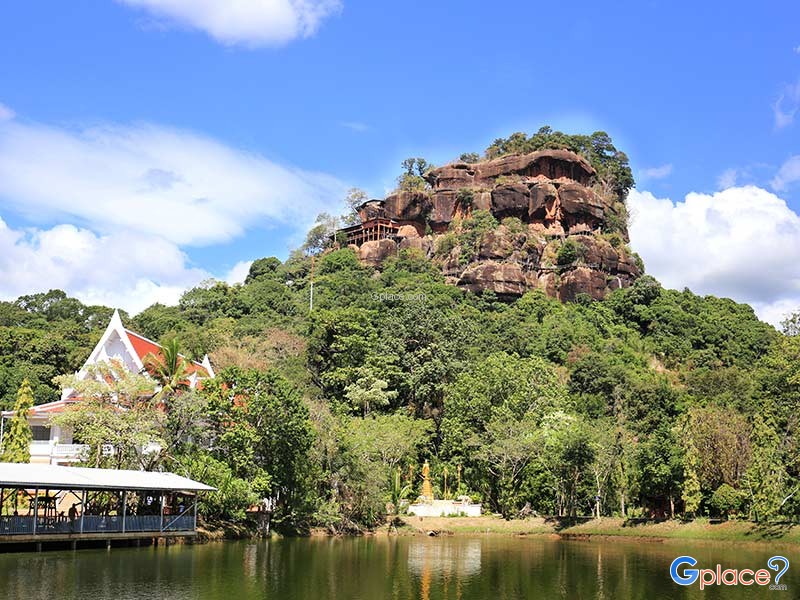

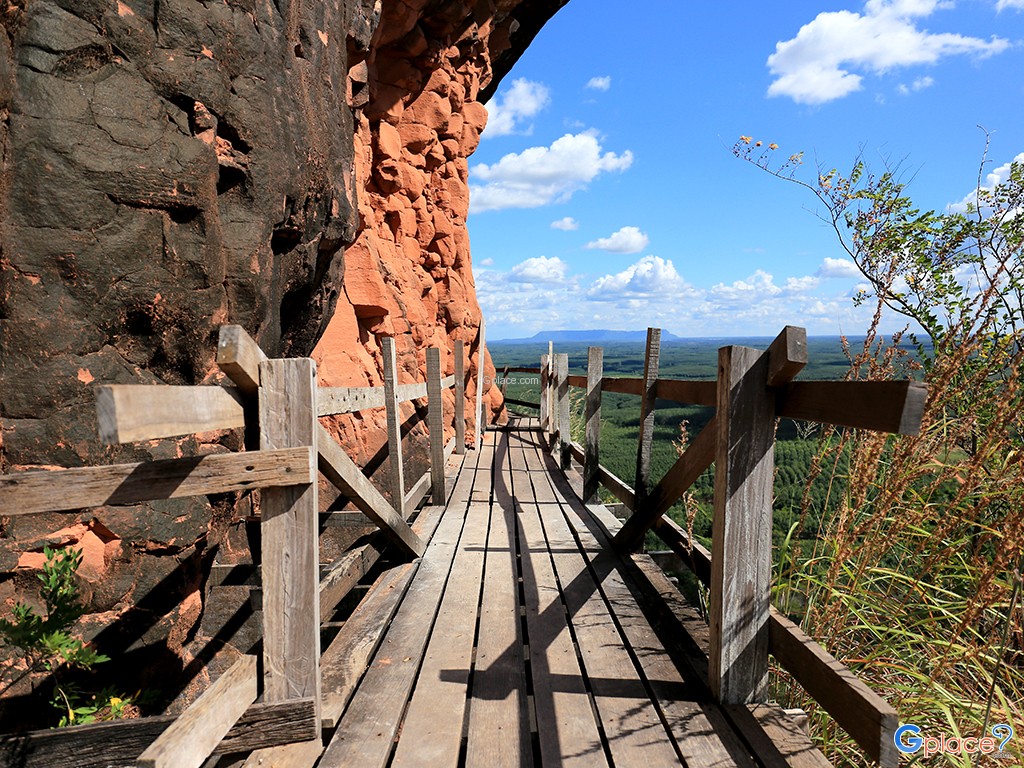
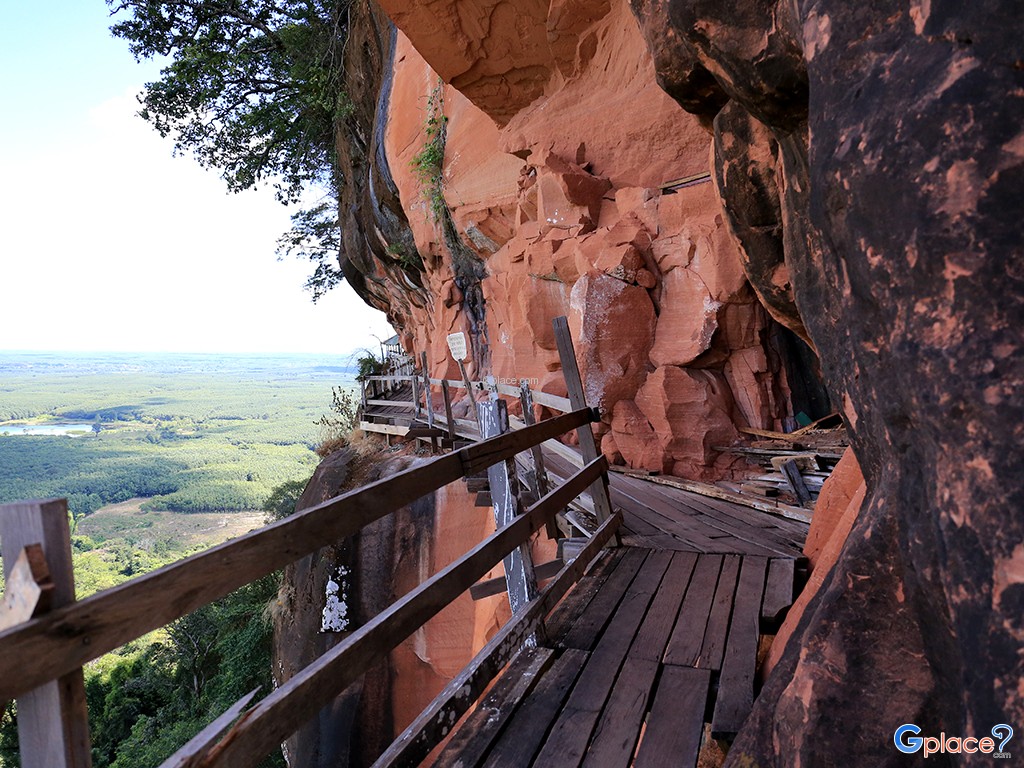
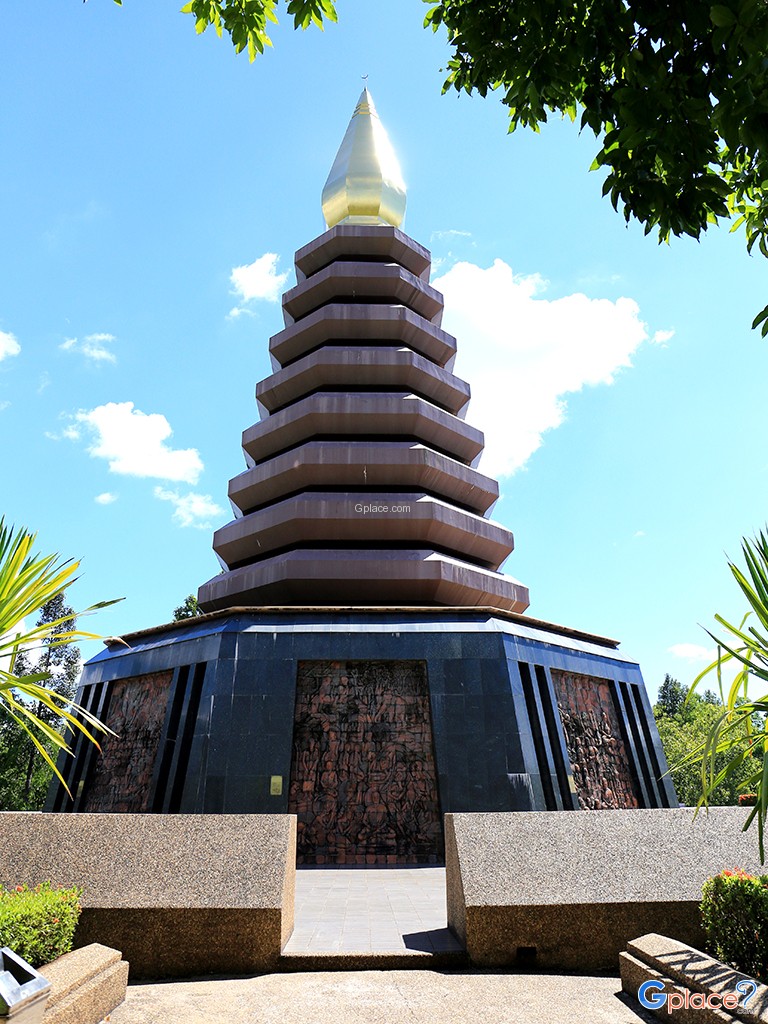
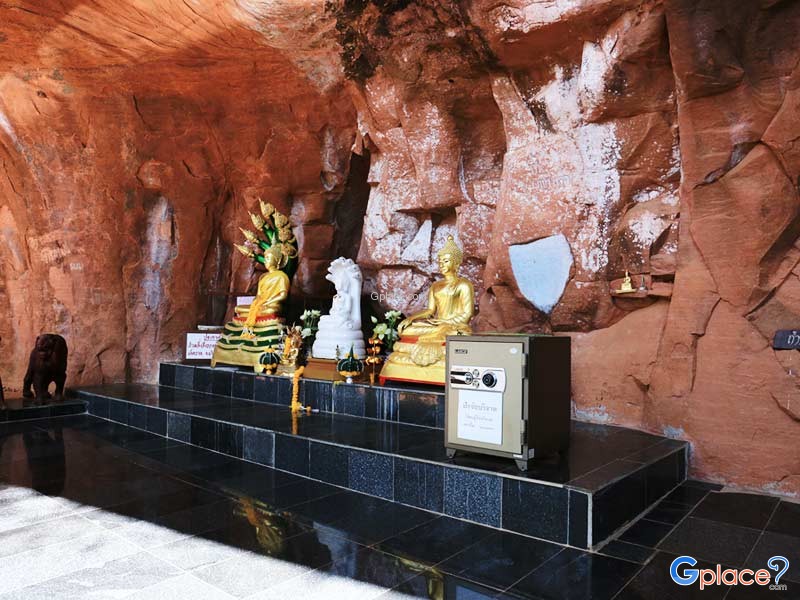
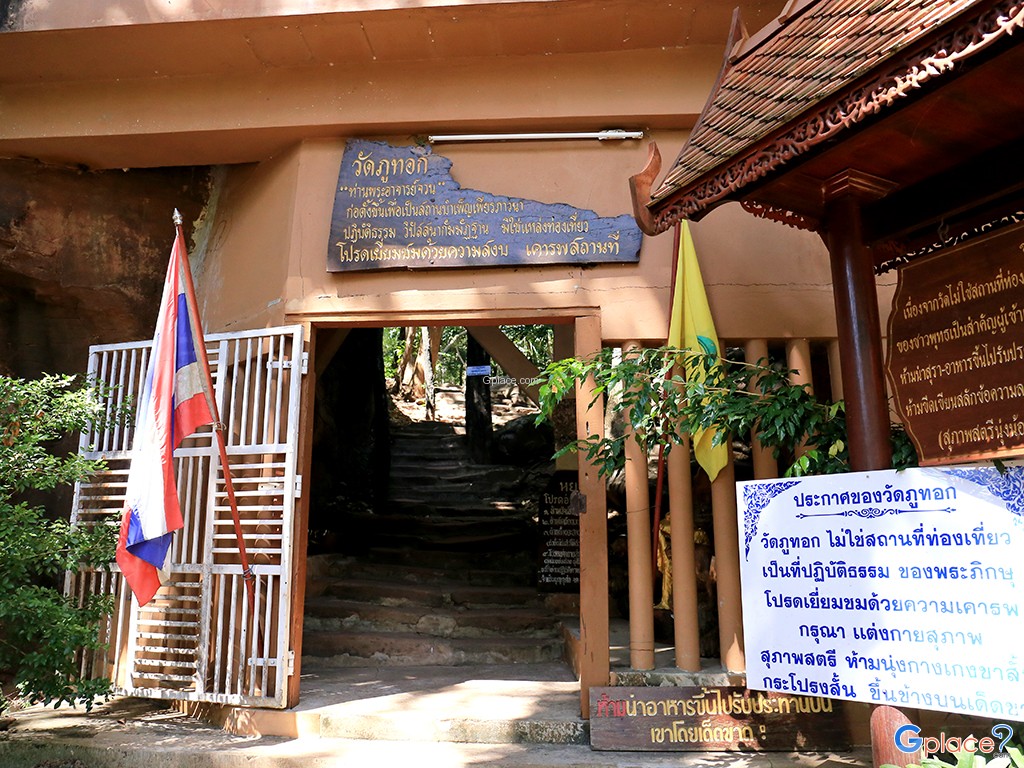

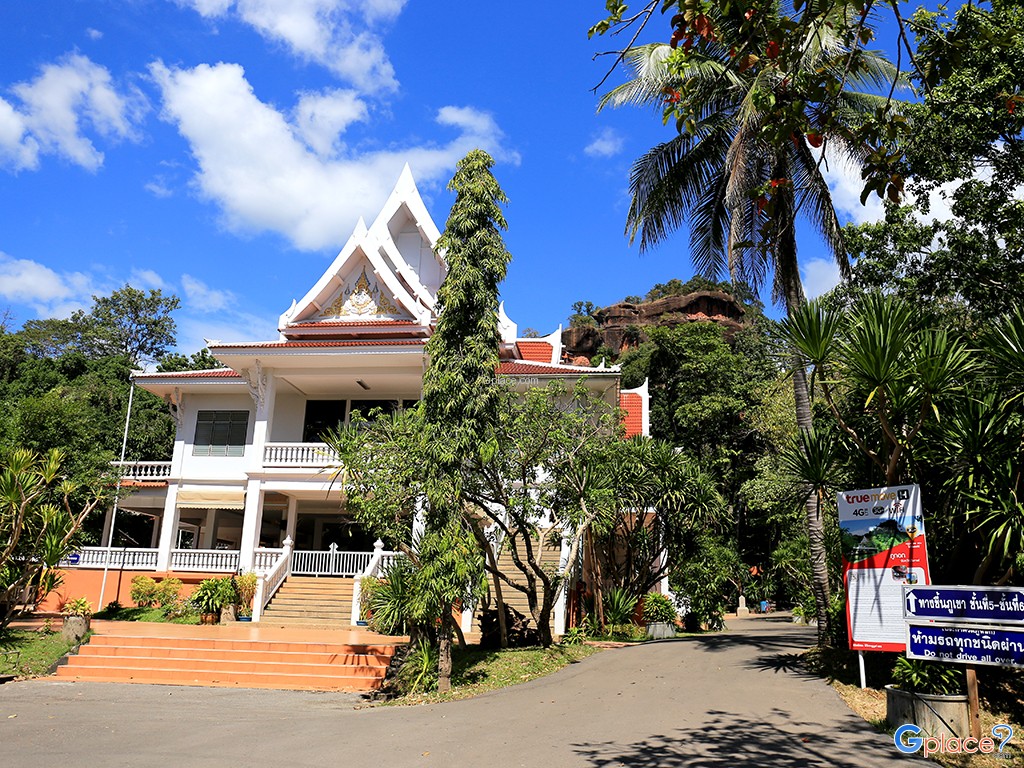
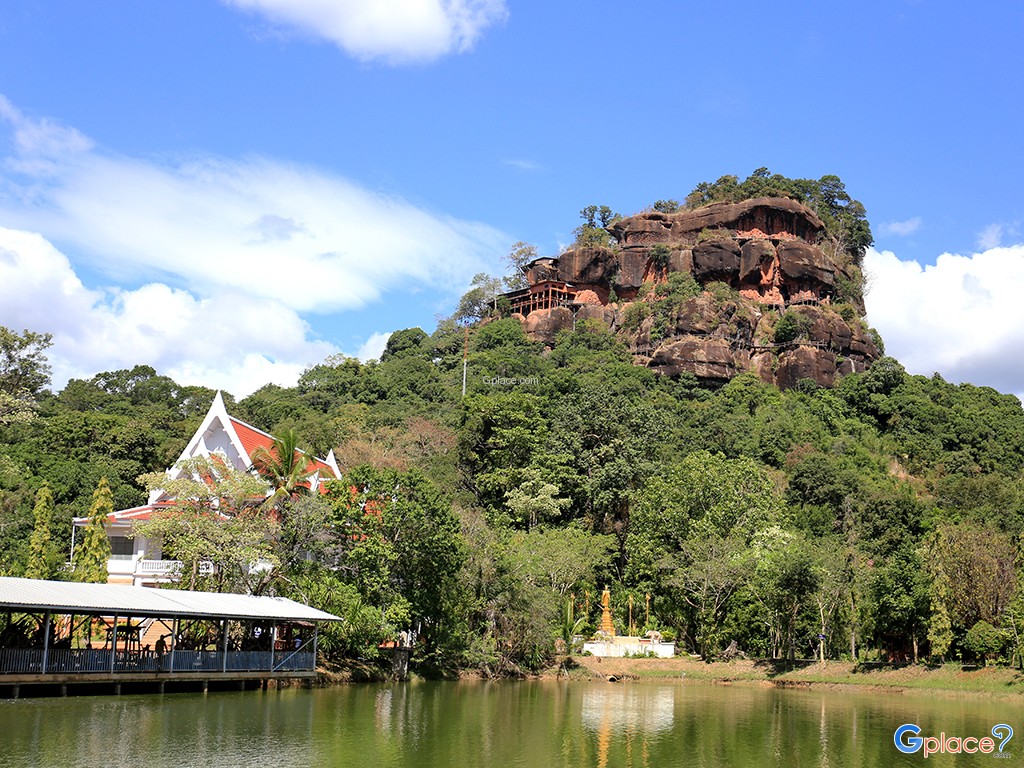
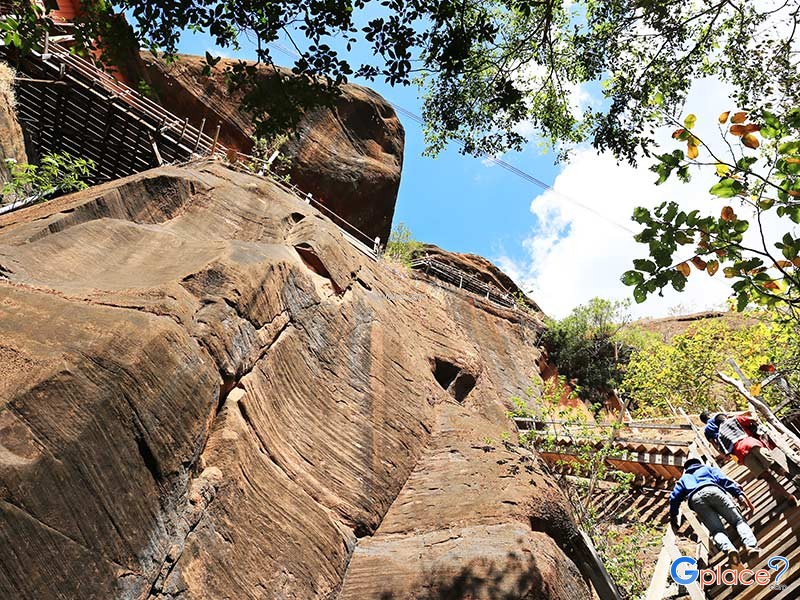
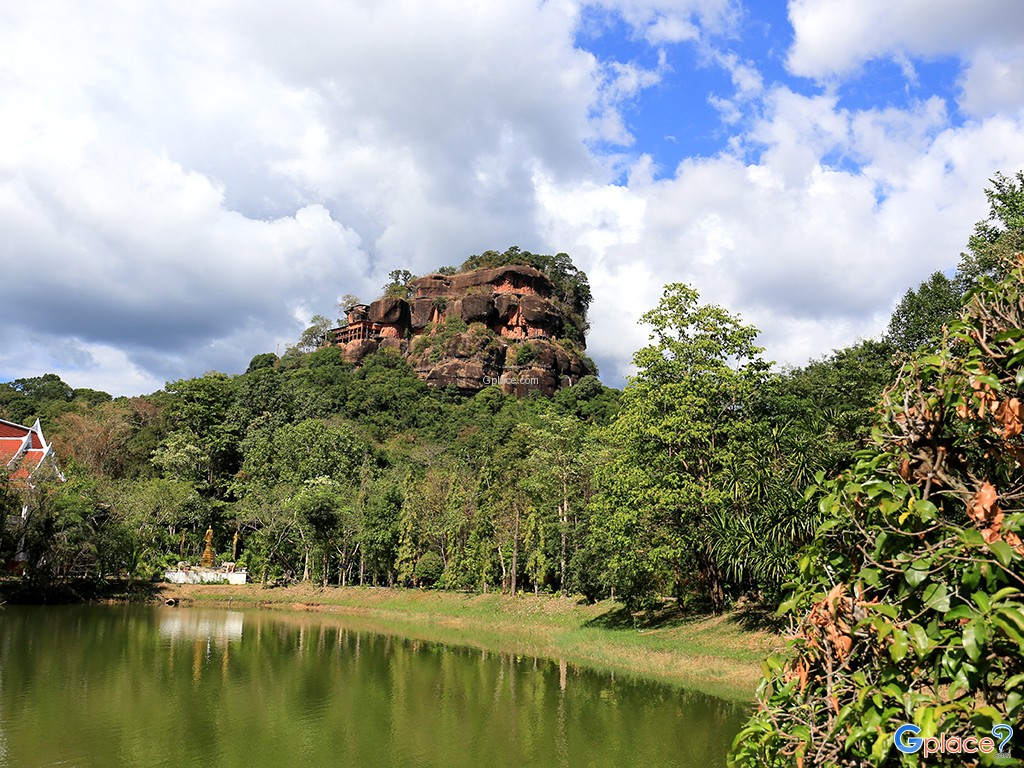
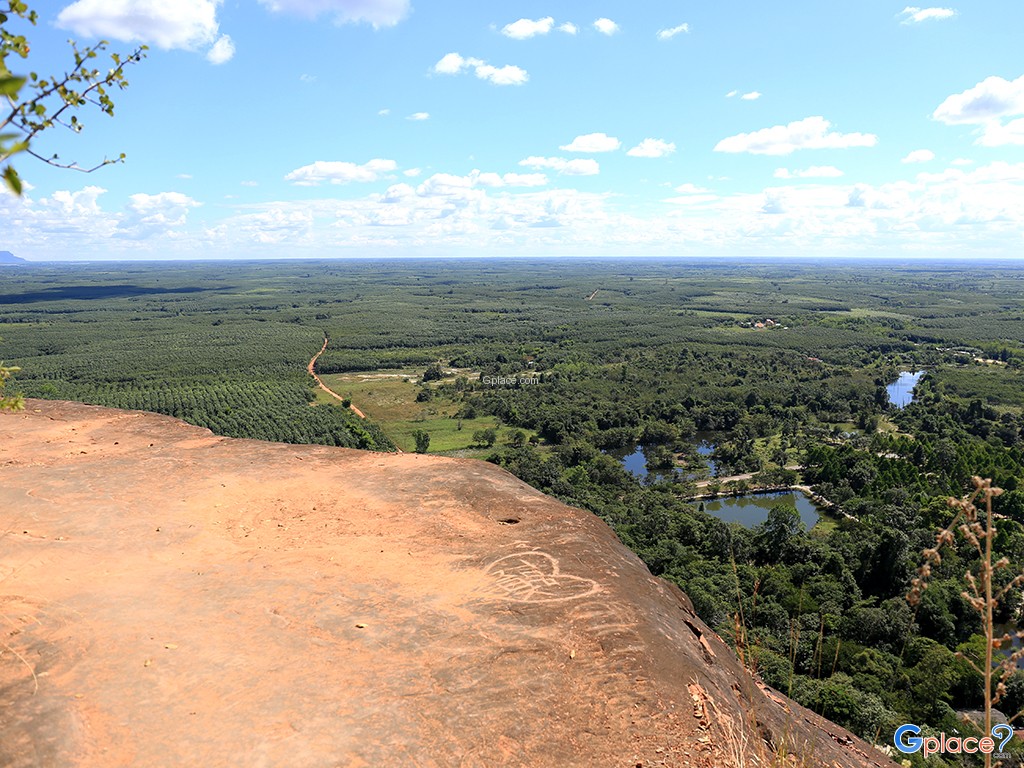
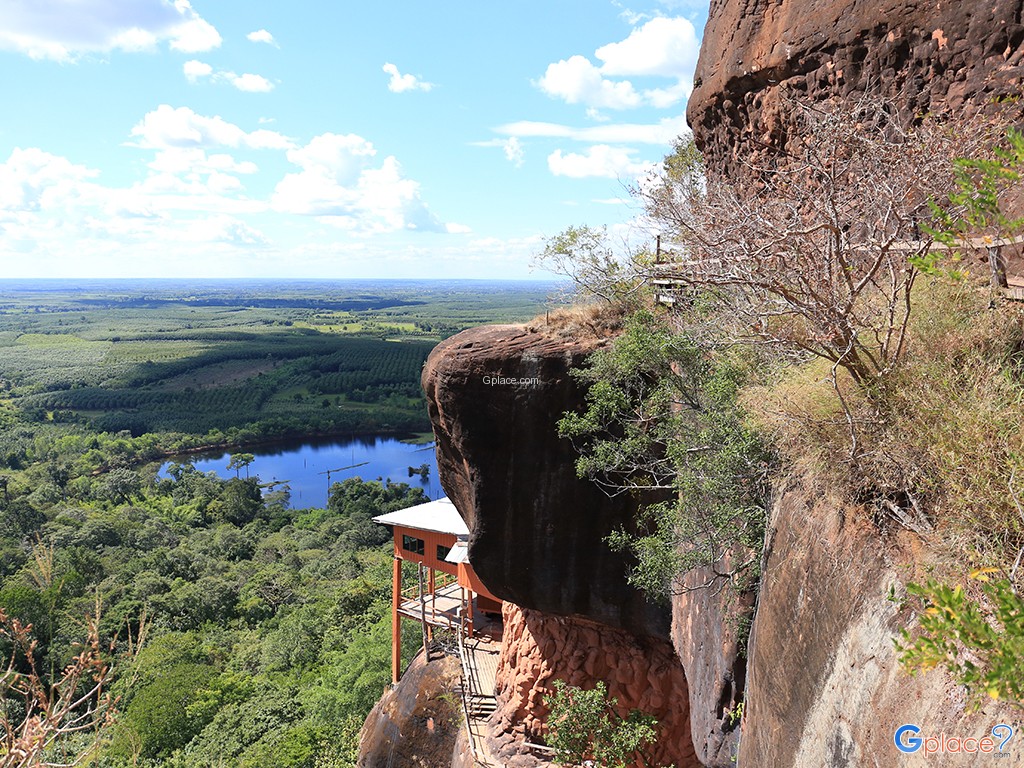
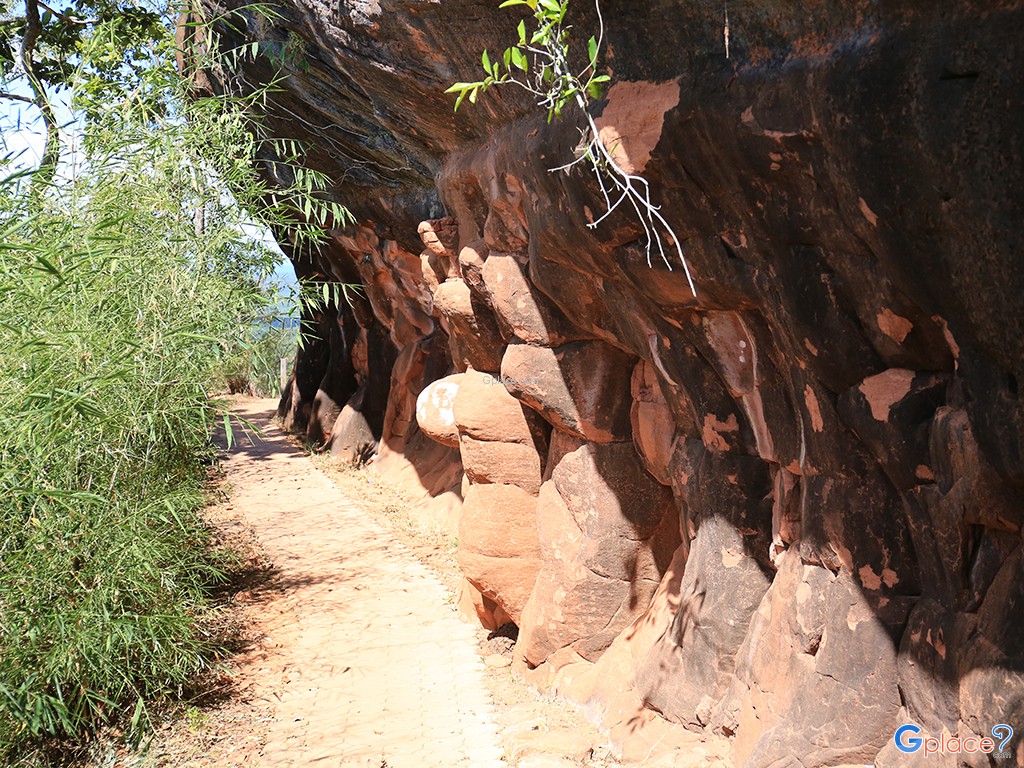
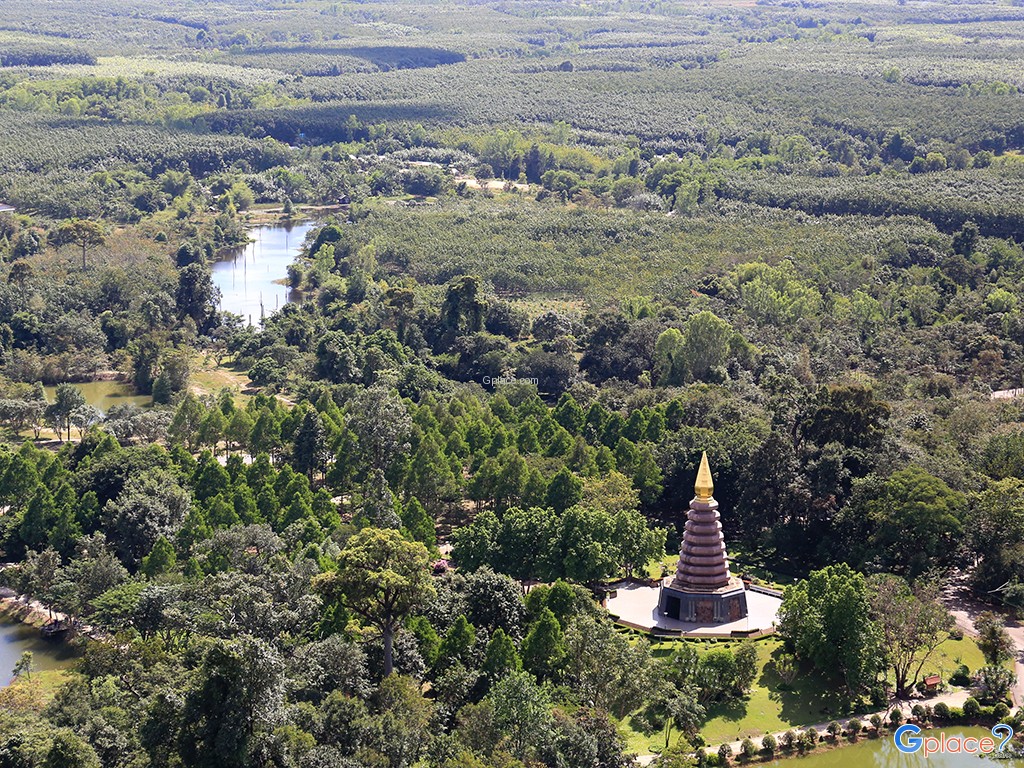
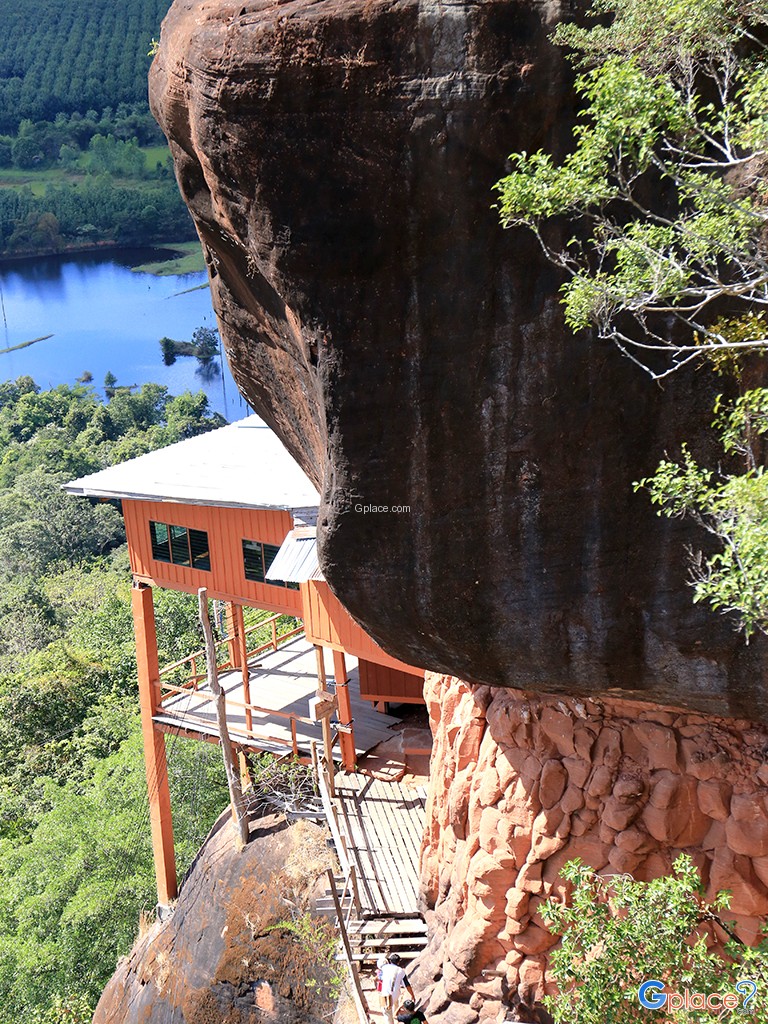
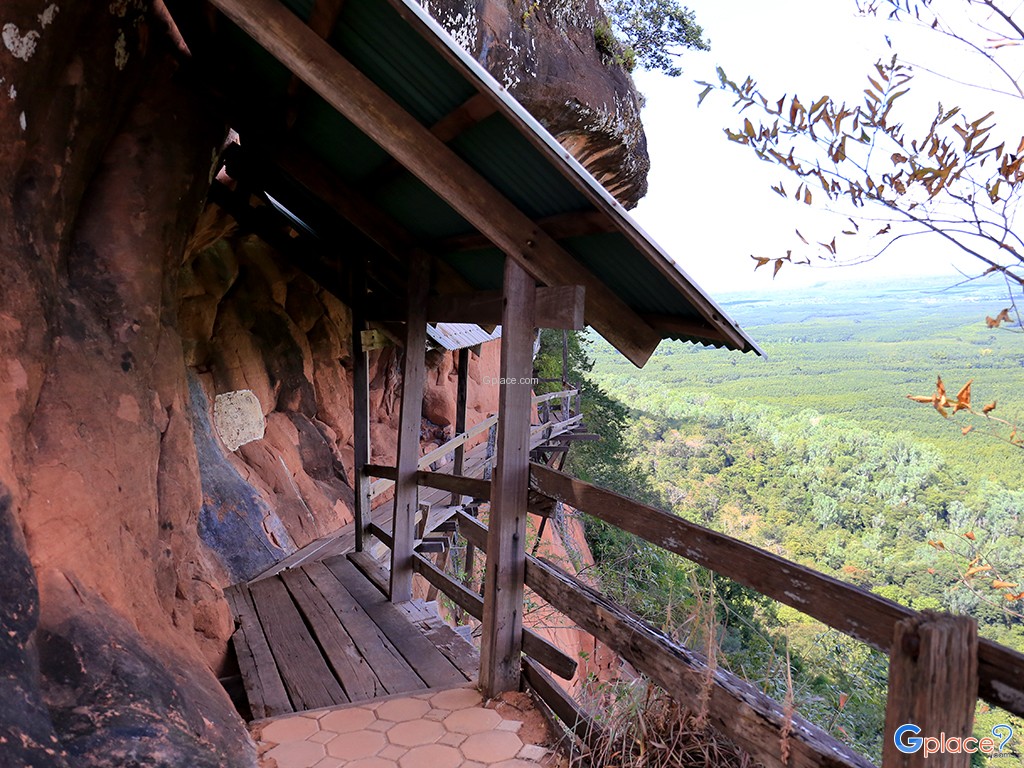
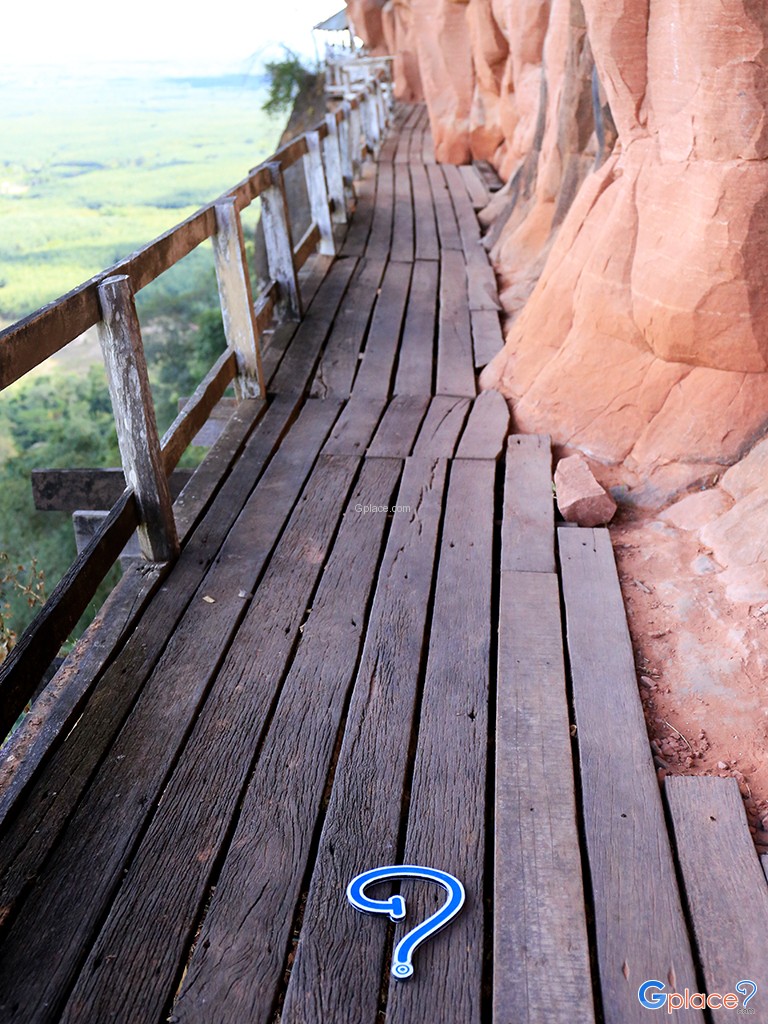
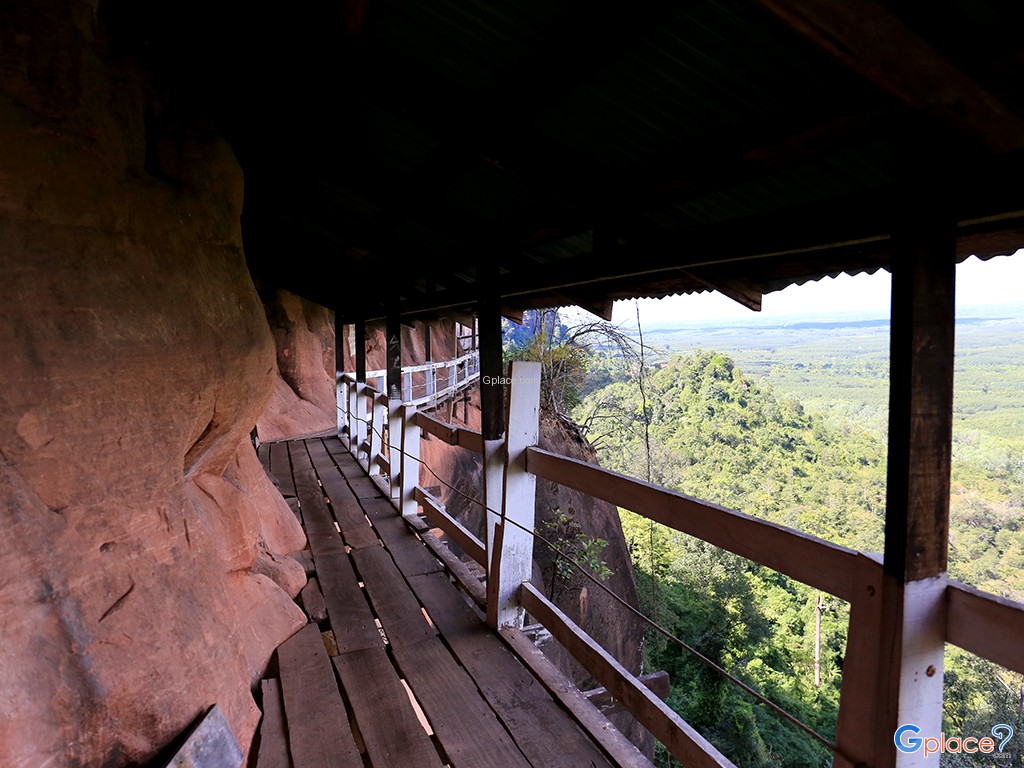
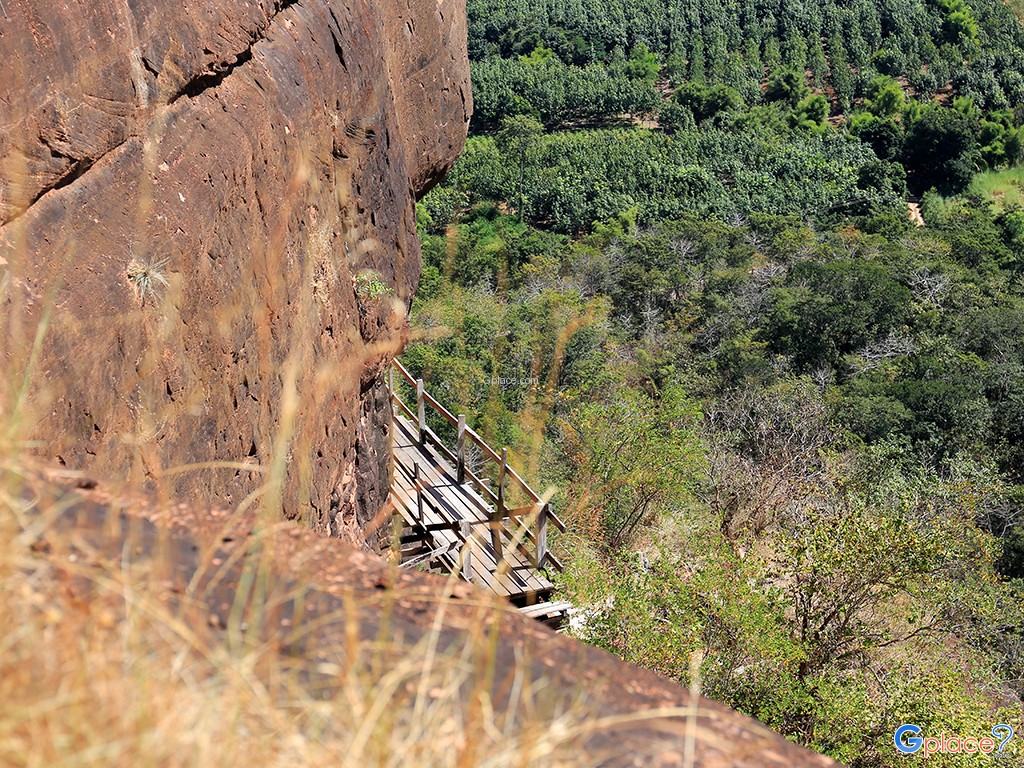
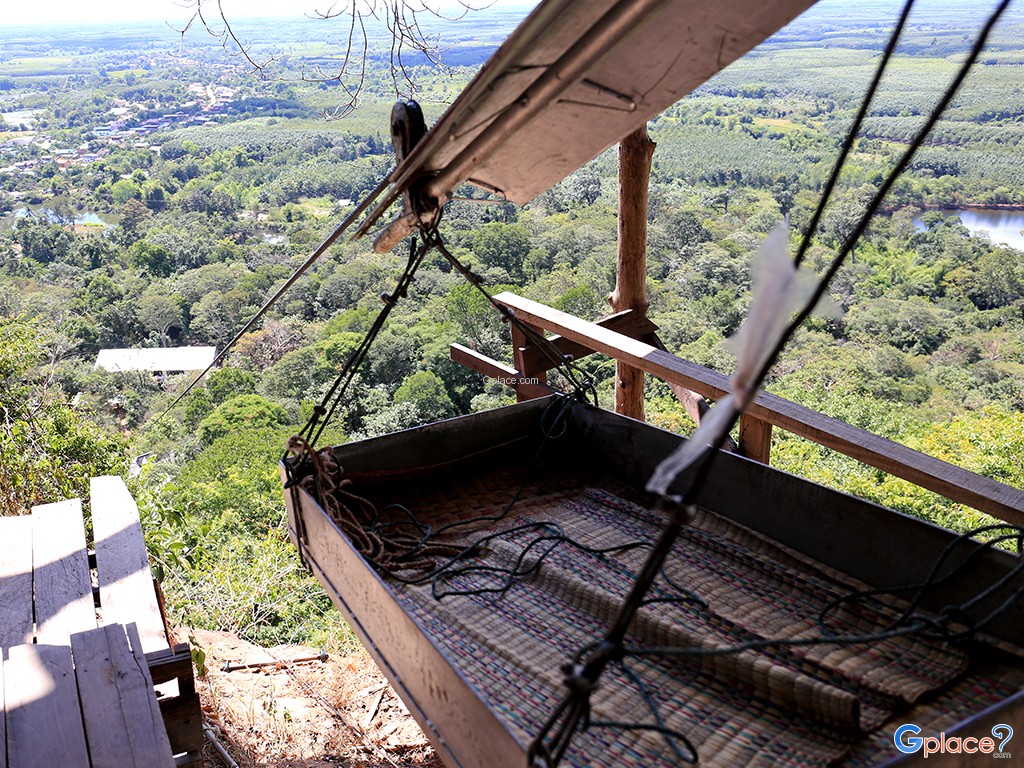
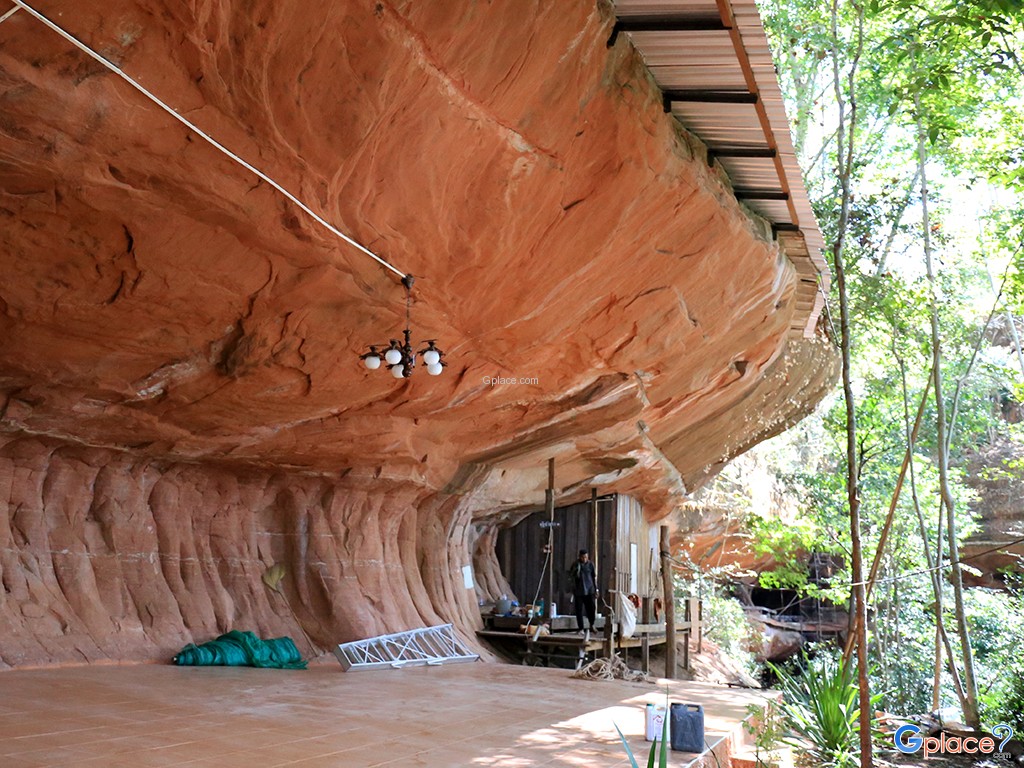
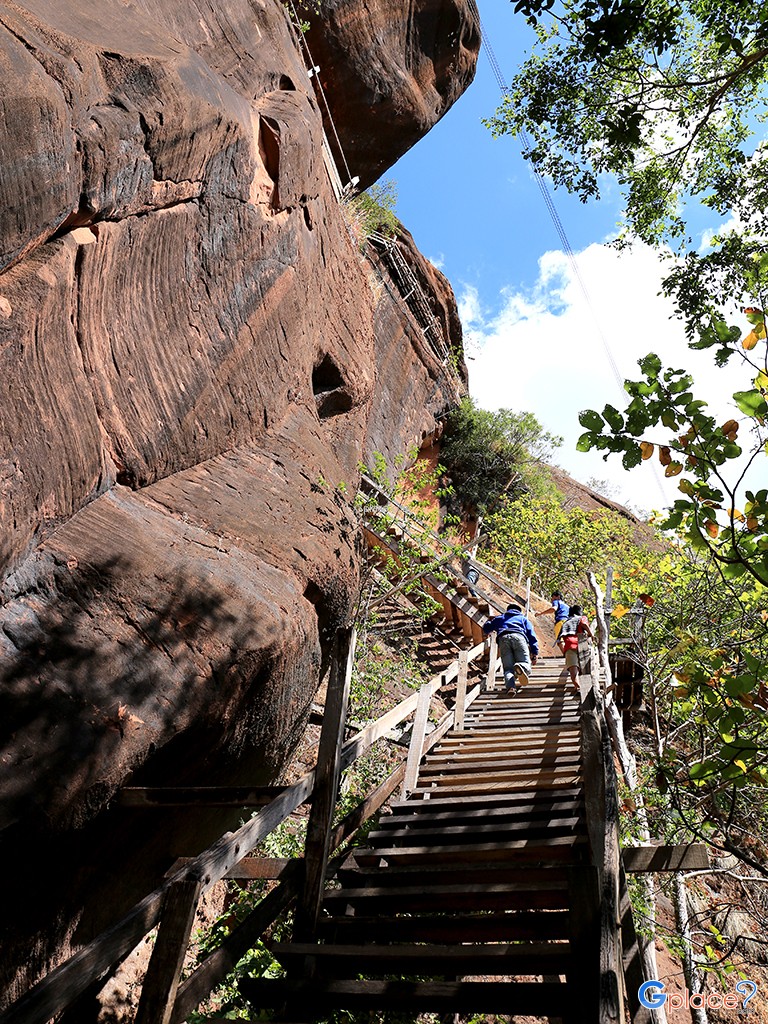
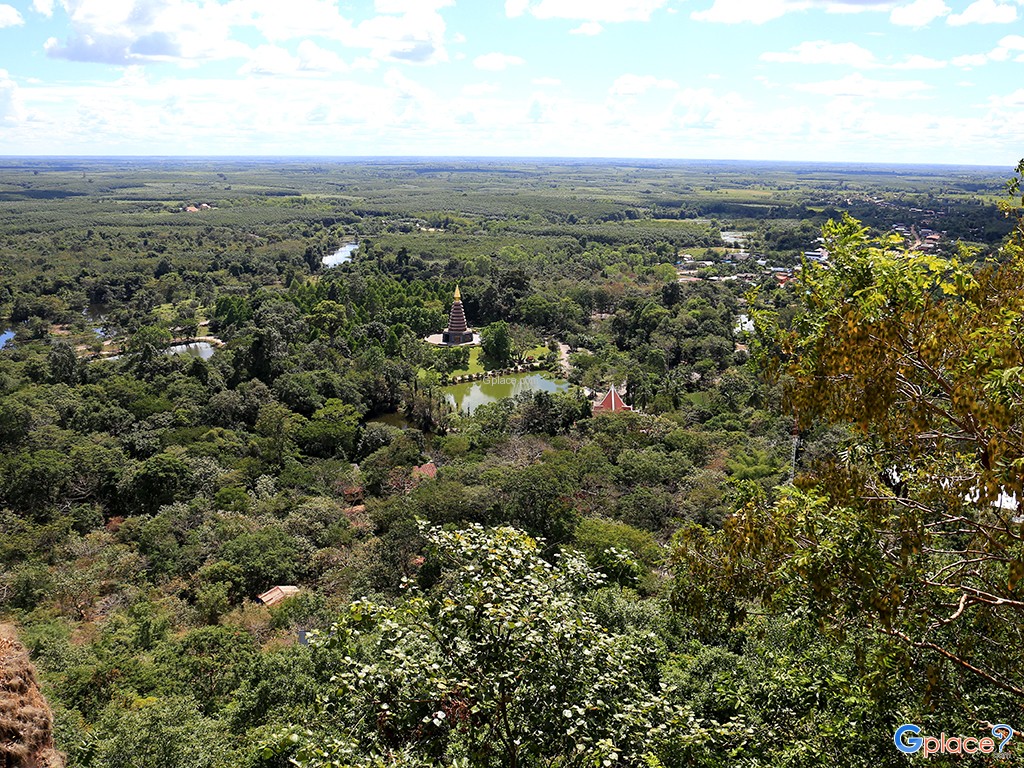

“ A seven-level wooden walkway spirals around a sandstone mountain, built with faith, offering 360-degree views, a thrilling path, and cliffside meditation areas ”
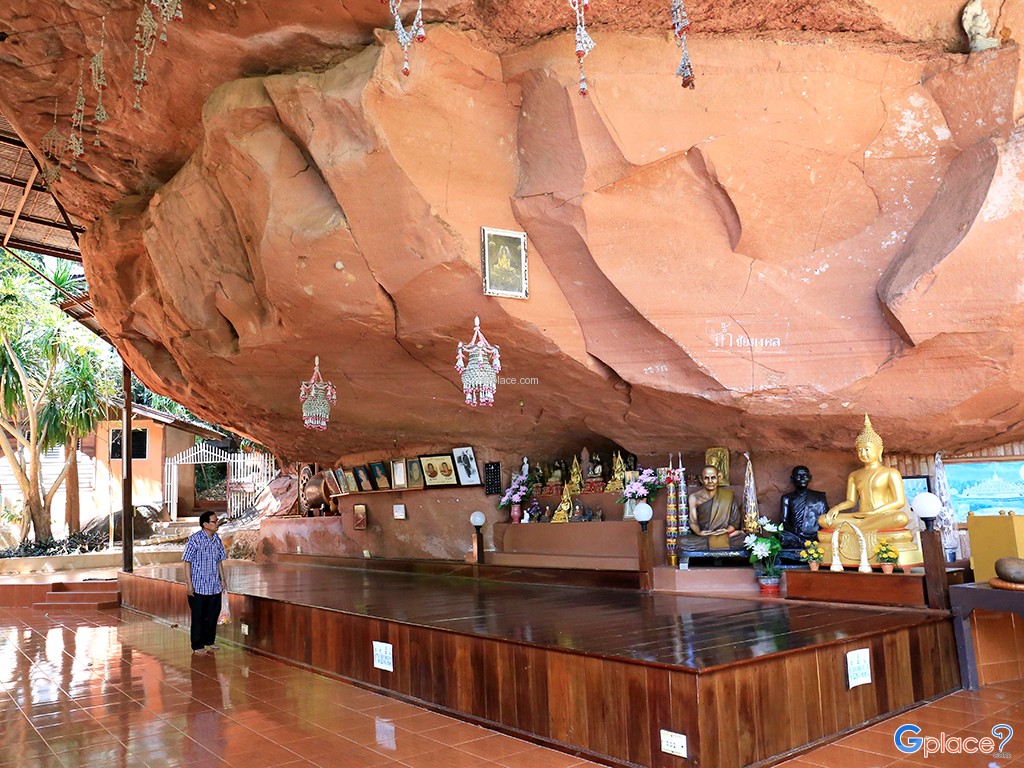
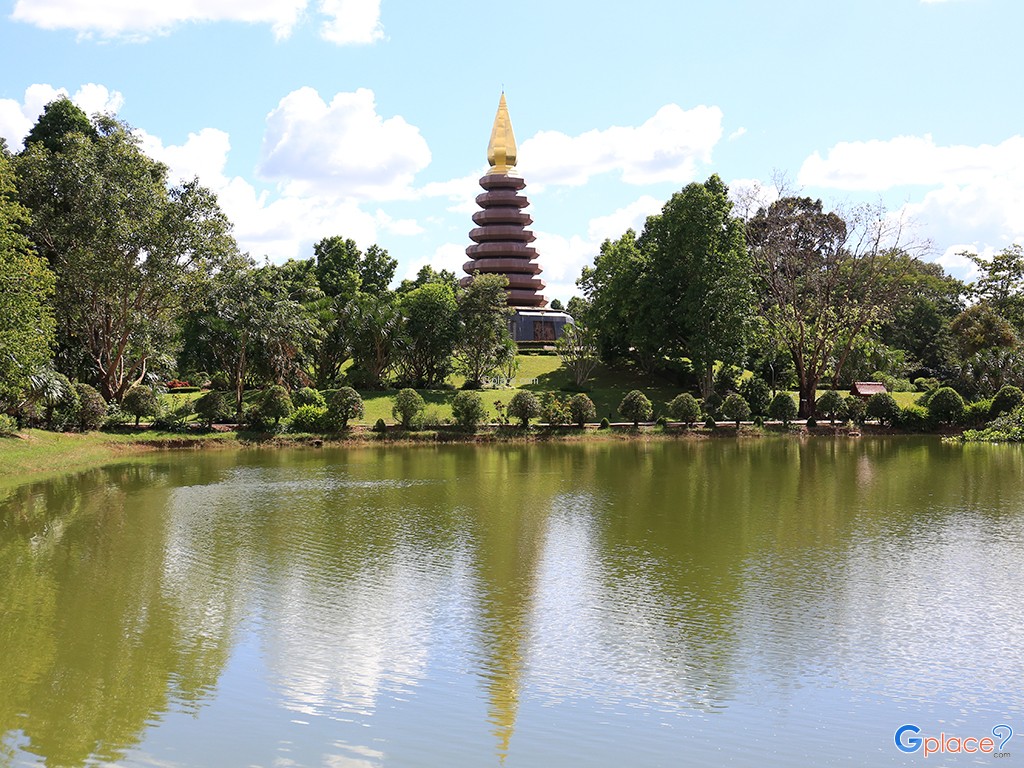
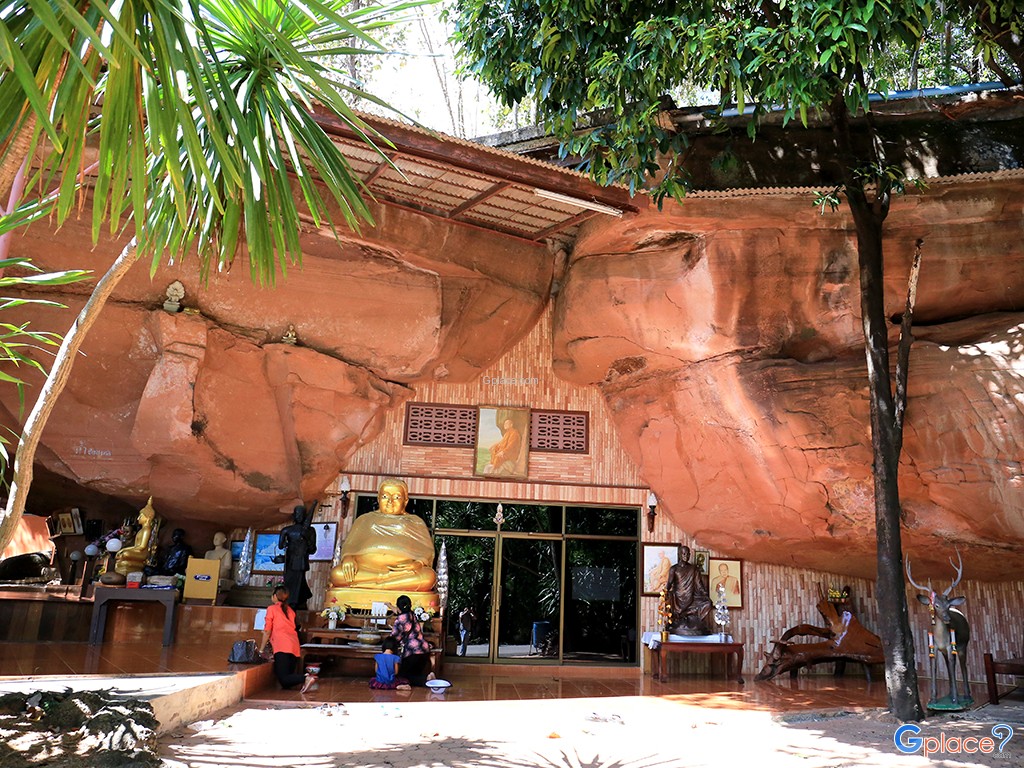
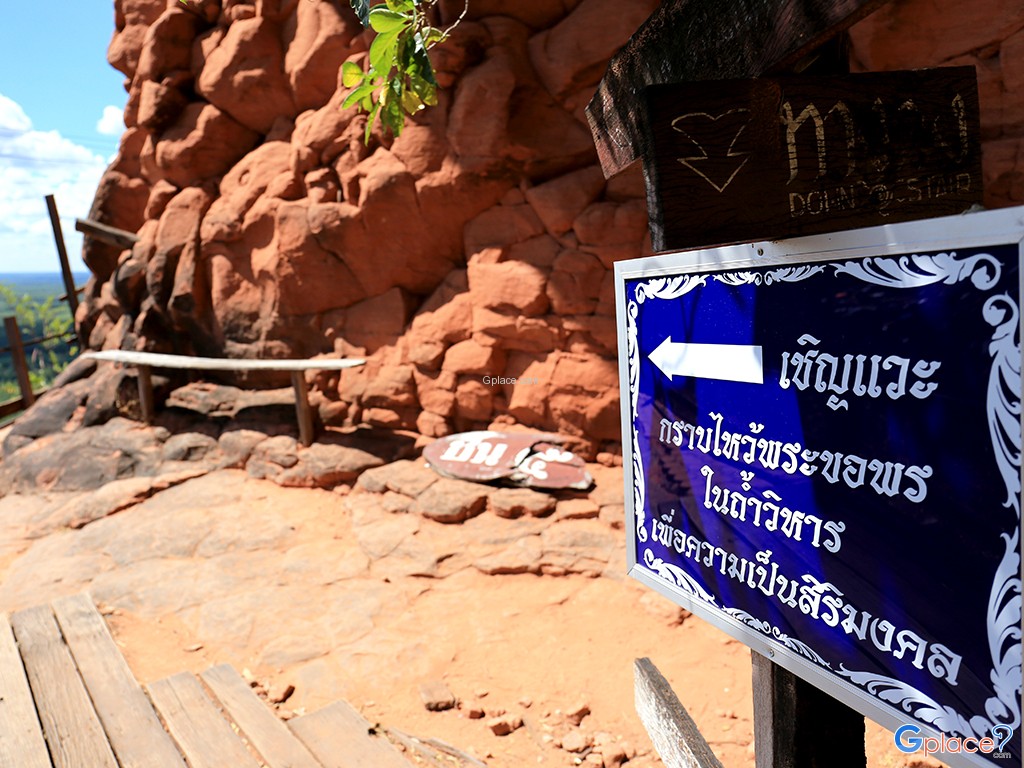
Phu Thok, meaning “isolated mountain” in the Isan language, is a massive sandstone mountain rising prominently from the surrounding plains of Bueng Kan. Its unique geographical feature gives it significance both in terms of natural landscape and spiritual value, especially as it has been developed into a meditation site known as Wat Jetiyakhiri.
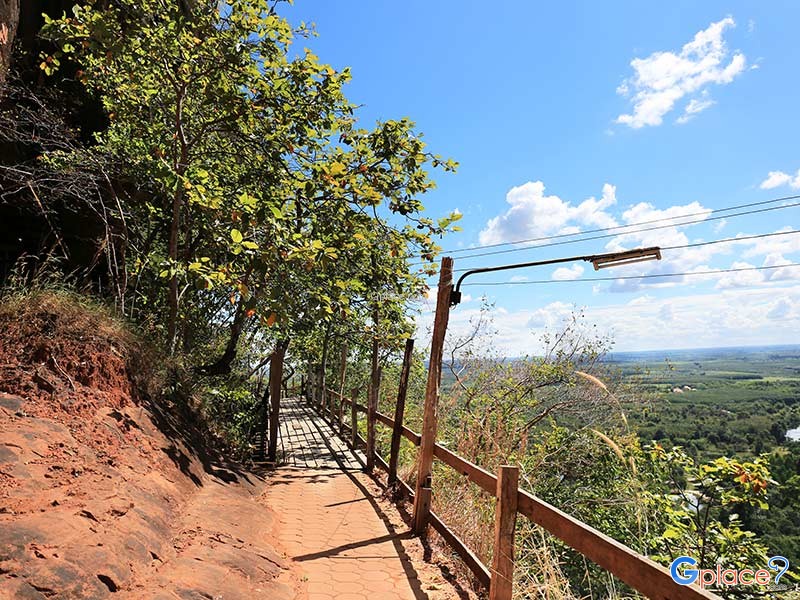
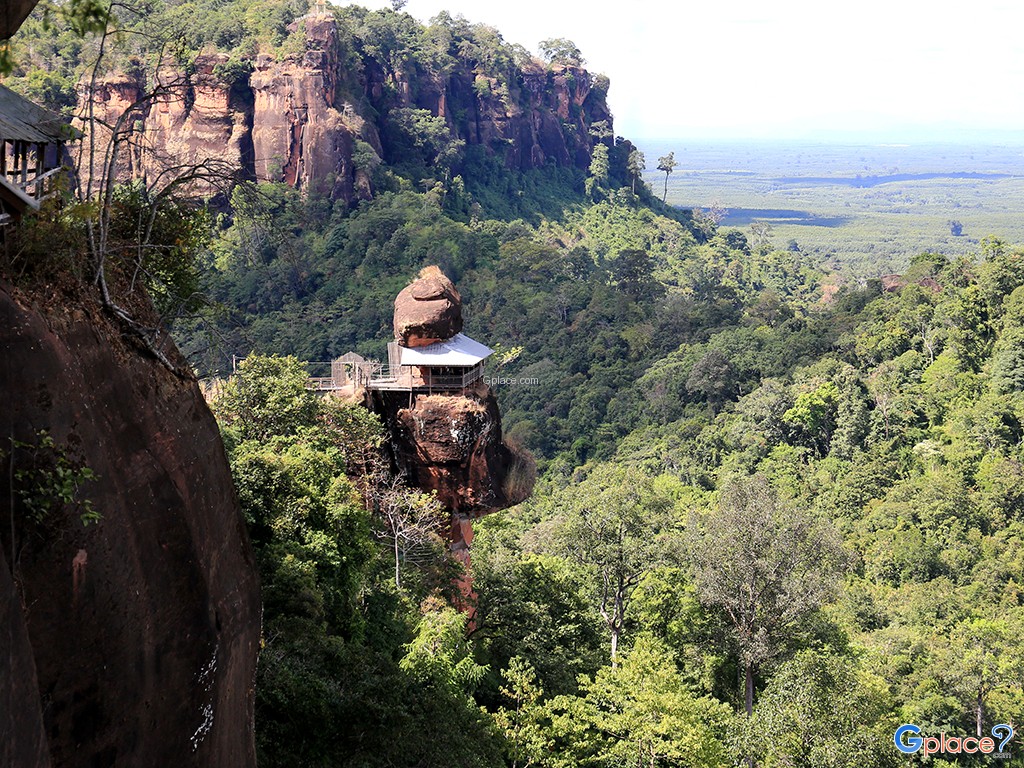
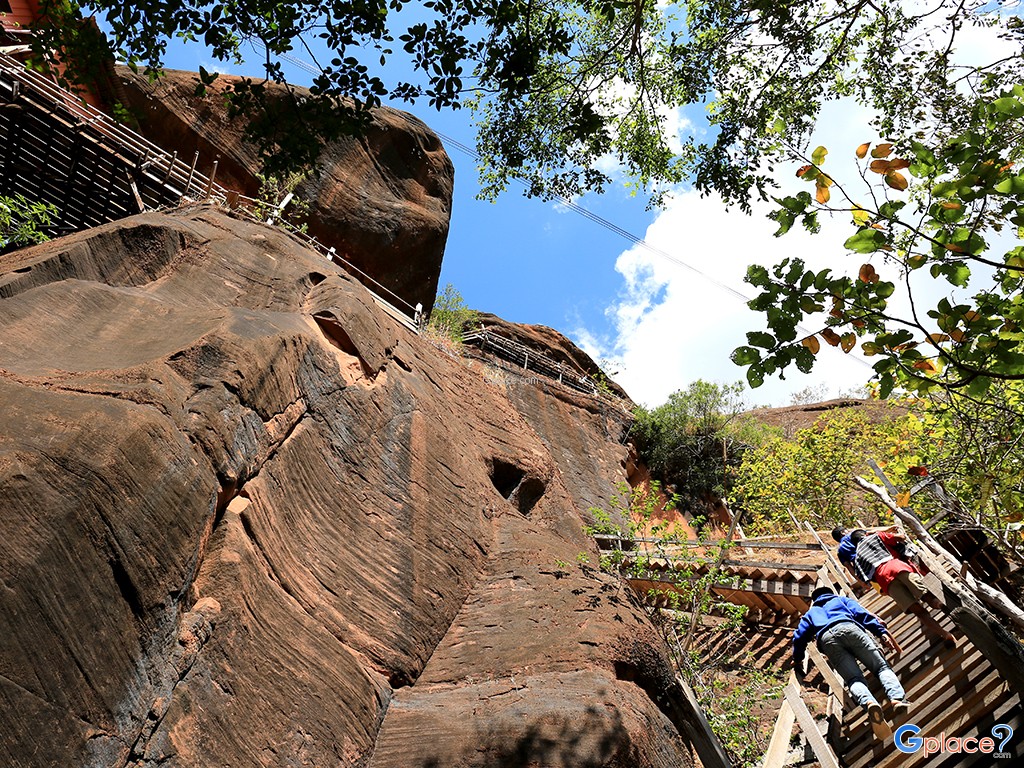
The origin of this temple is closely linked to Vipassana meditation practitioners, with the intention of creating a peaceful, secluded environment ideal for spiritual practice and mental training. What makes Phu Thok truly distinctive is its wooden walkways that spiral around the mountain. These structures were built entirely by monks and local villagers using manual labor, without heavy machinery. The walkways are carefully designed to cling naturally to the sandstone cliffs.
The structure consists of seven levels, which represent not only physical elevation but also symbolic stages of spiritual development—progressing from the beginning of practice toward inner peace and enlightenment.
- Levels 1–2: The beginning stage, with relatively gentle paths, symbolizing the start of mental training requiring effort and patience
- Levels 3–4: Narrower paths along steep cliffs, creating a sense of challenge, representing confrontation with fear and uncertainty
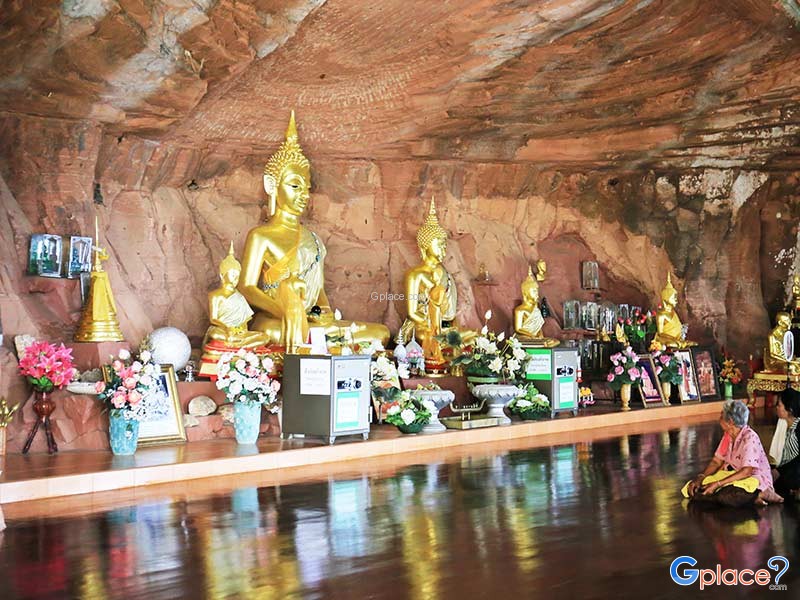
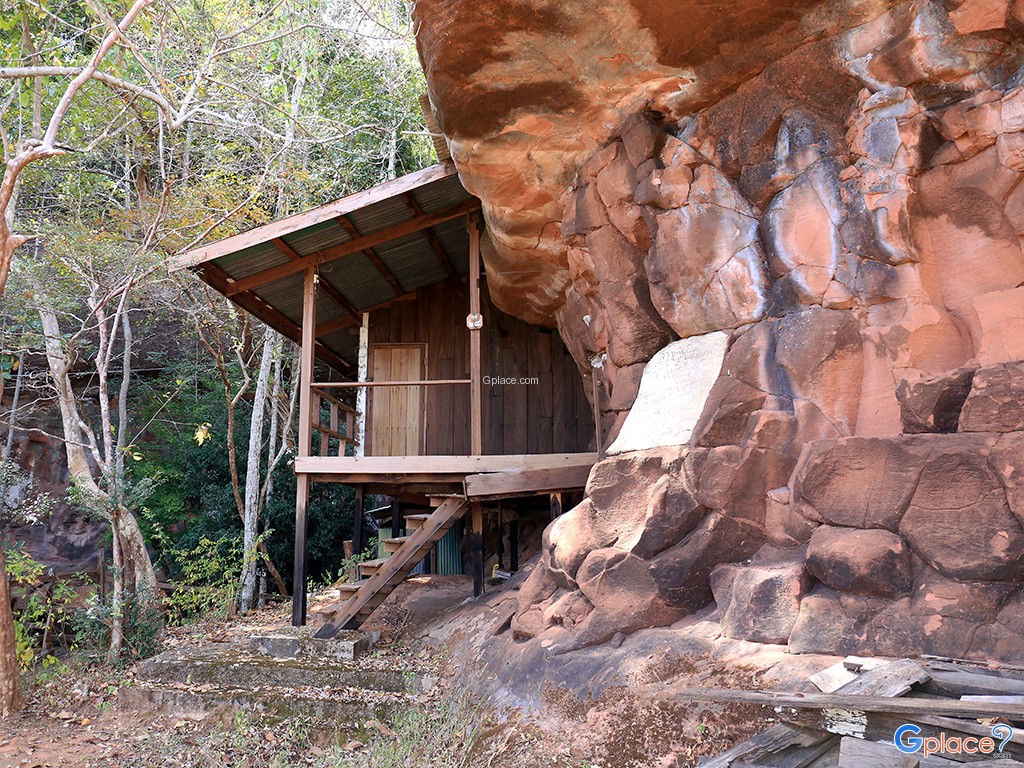
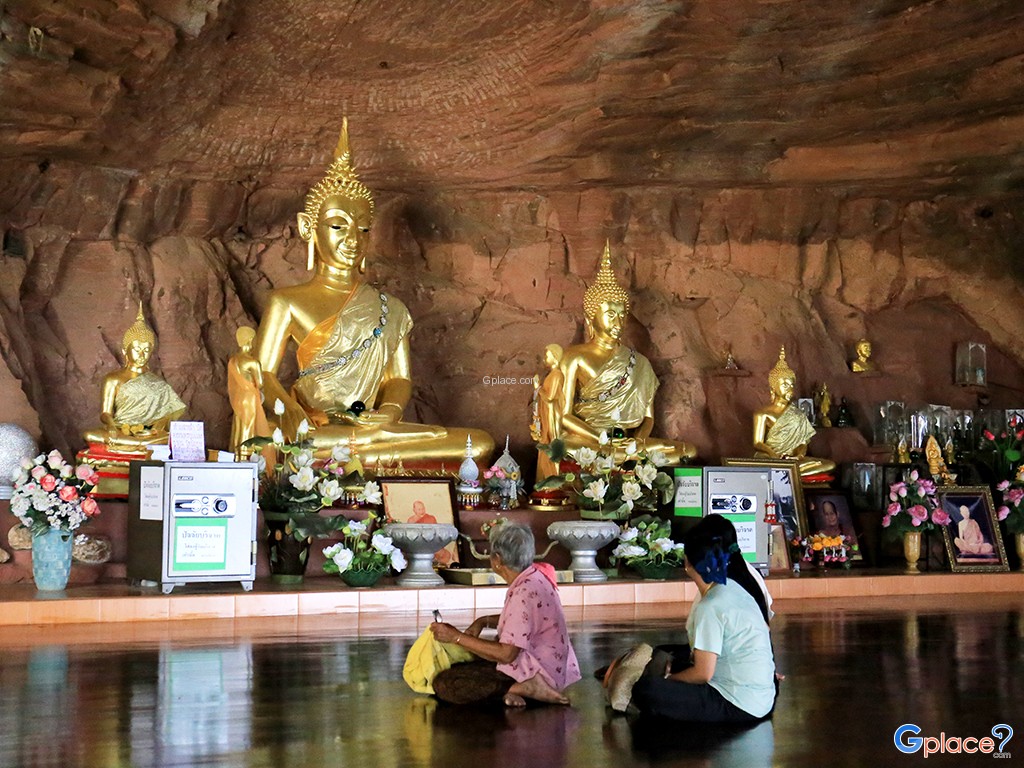
- Level 5: The spiritual core, housing monks’ quarters, pavilions, and the main meditation hall, symbolizing stability of the mind
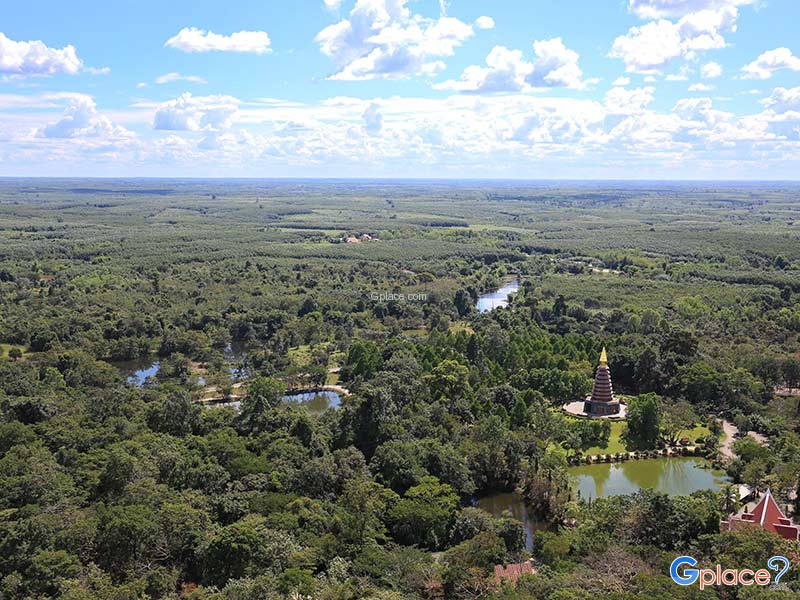
- Level 6: The most scenic viewpoint, offering panoramic 360-degree views and a clear sight of the wooden walkways along the cliffs, blending excitement with tranquility
- Level 7: The summit, preserved as dense natural forest, representing the highest level of peace and return to nature
From an architectural perspective, the wooden structures at Phu Thok are remarkable examples of local craftsmanship. Built securely on steep cliffs using traditional techniques, they demonstrate careful consideration of weight distribution, drainage, and durability against weather conditions, allowing them to last for decades.
In terms of visitor experience, Phu Thok is more than just a scenic destination—it is an “inner journey.” Visitors encounter fear, excitement, and serenity along the same path. The sounds of wind, nature, and silence create an atmosphere that encourages reflection and mindfulness.
However, due to the steep cliffs and narrow walkways, visitors must exercise caution, especially during the rainy season when surfaces may be slippery. It is also important to respect the rules of the temple, as this remains an active meditation site rather than just a tourist attraction.
Phu Thok stands as a powerful example of the harmony between faith, nature, and traditional architecture, offering both spiritual depth and a unique travel experience.
How to Get There
- By Car: From Bueng Kan town, take Highway 212 to Si Wilai District, then turn onto Highway 222 toward Na Saeng Follow signs to Wat Jetiyakhiri (Phu Thok), approximately 50 km
Travel Tips
Admission Fee
- Free
Opening Hours
- Open daily 06:30 – 17:00 (Closed annually from April 10–16)
Phu Thok

 Share
Share
 Ban Na Kham Kaen, Na Saeng , Si Wilai , Bueng Kan 38210
Map
Ban Na Kham Kaen, Na Saeng , Si Wilai , Bueng Kan 38210
Map
 Open now : 6.30 - 17.00
Mon6.30 - 17.00
Tue6.30 - 17.00
Wed6.30 - 17.00
Thu6.30 - 17.00
Fri6.30 - 17.00
Sat6.30 - 17.00
Sun6.30 - 17.00



 42
42