
 Attractions
  Hotel
Hotel  Restaurant
  Shopping
  Abroad





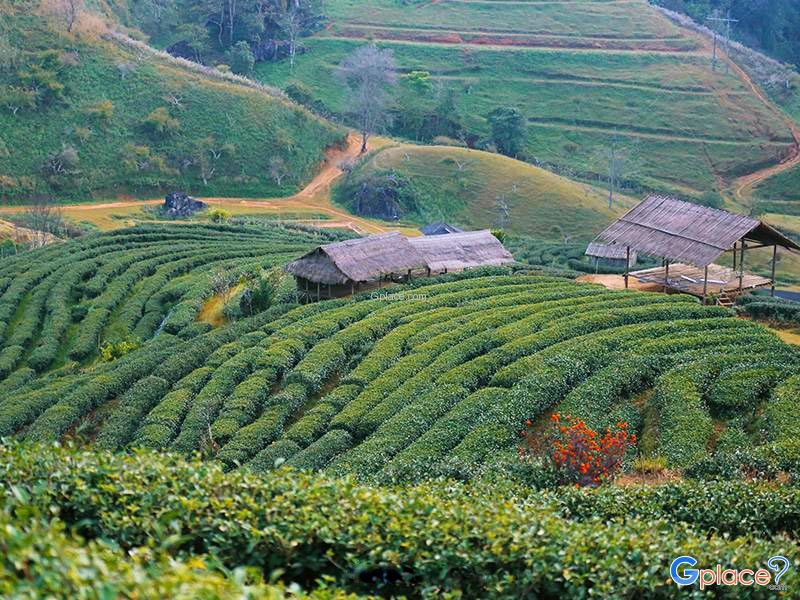

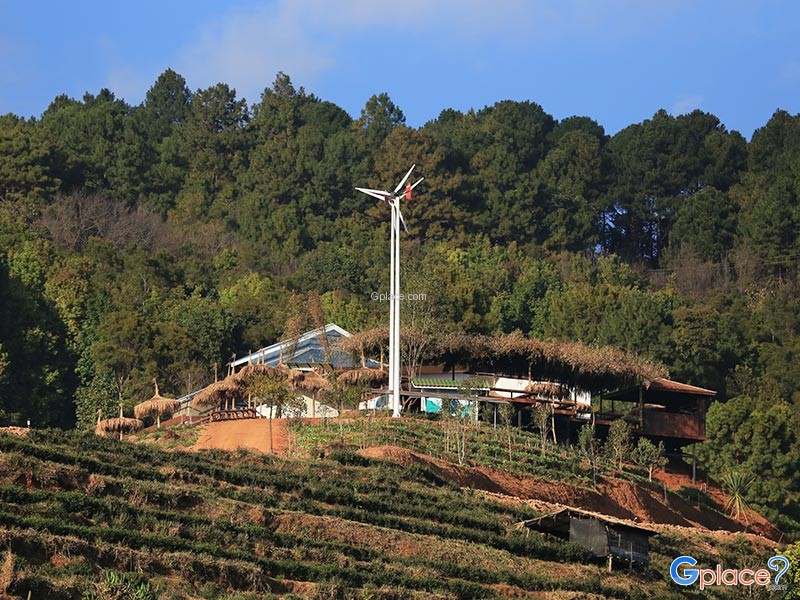
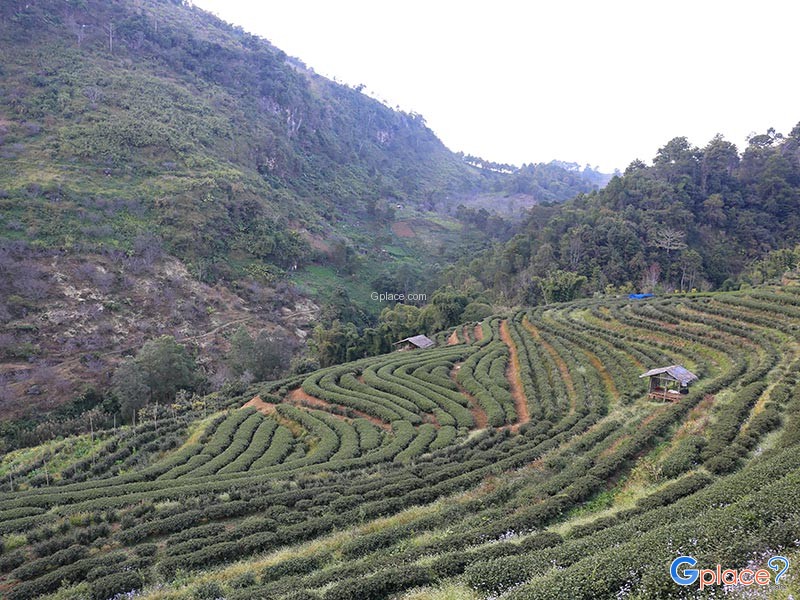
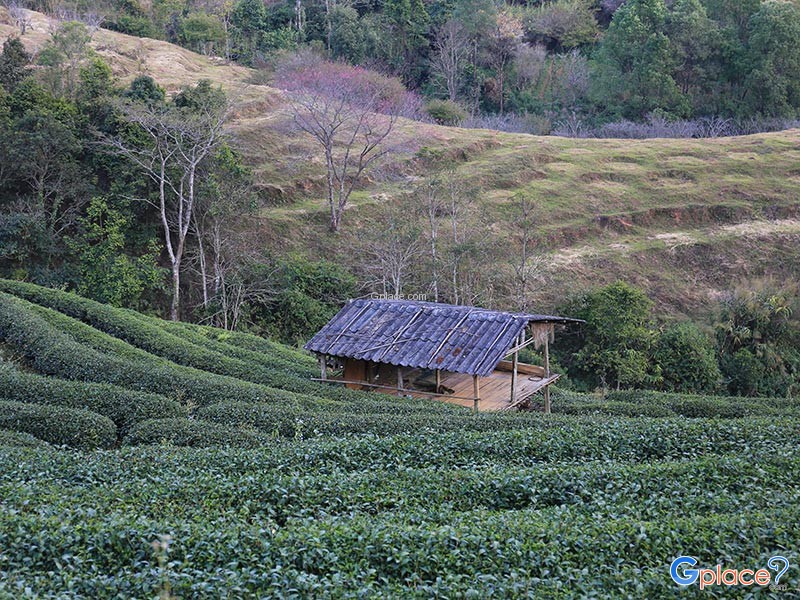
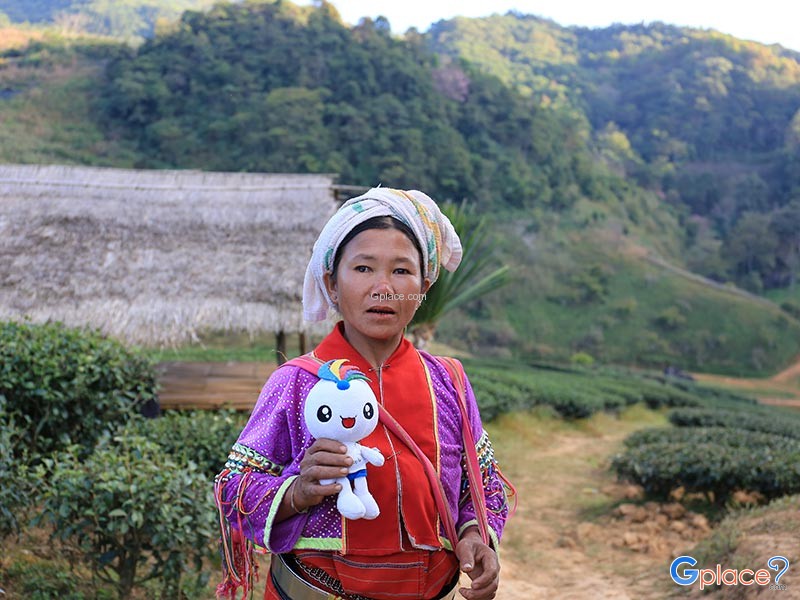
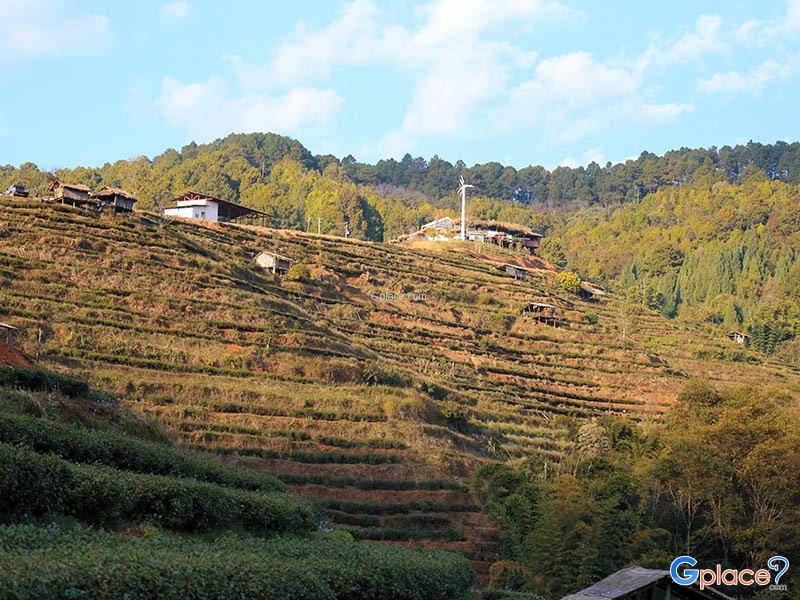
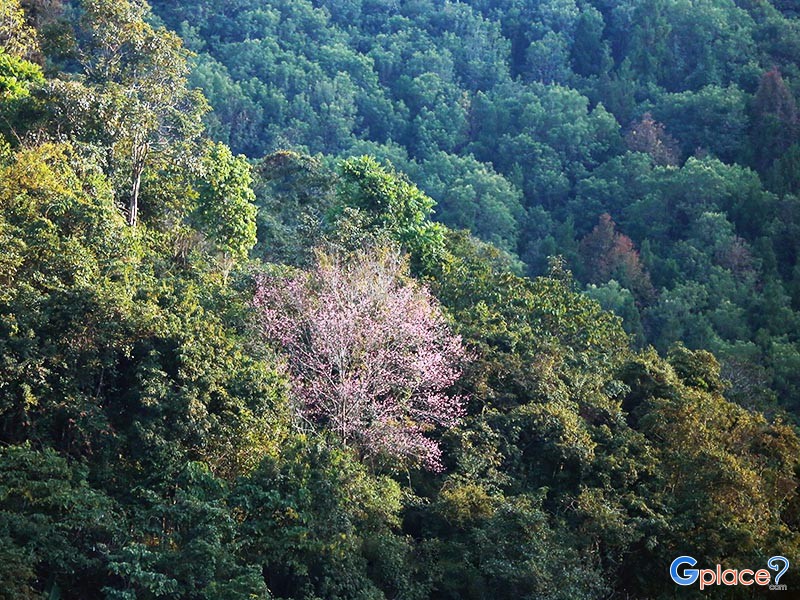
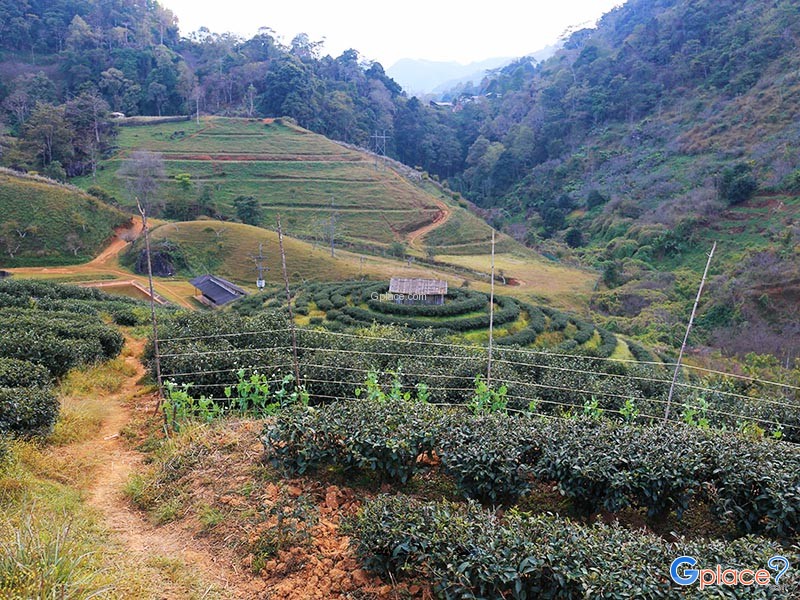
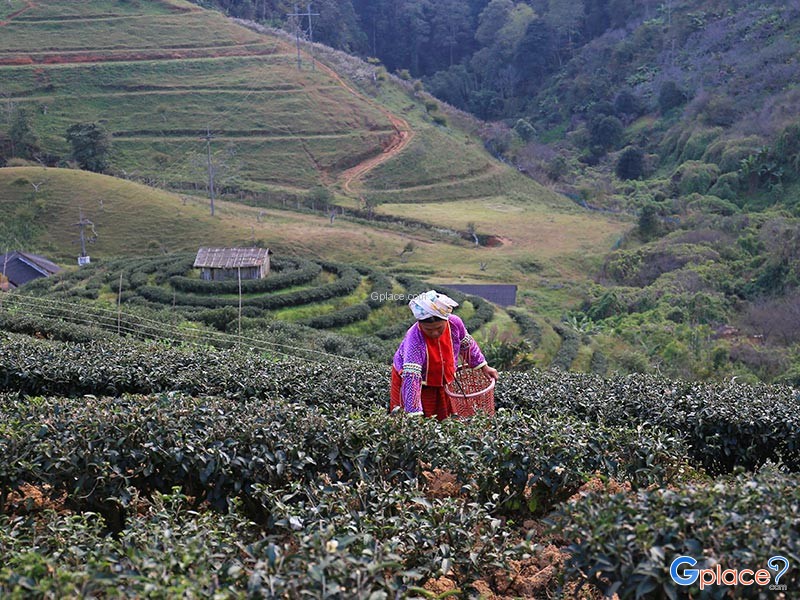
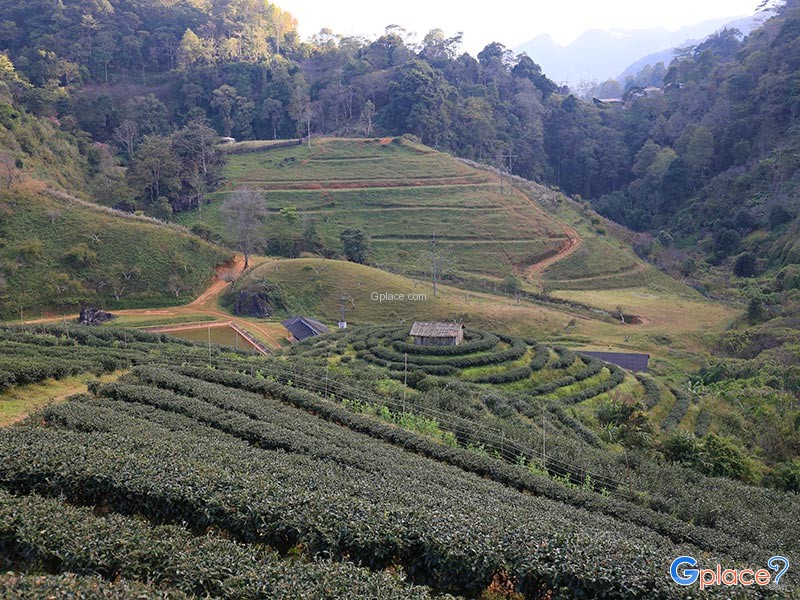
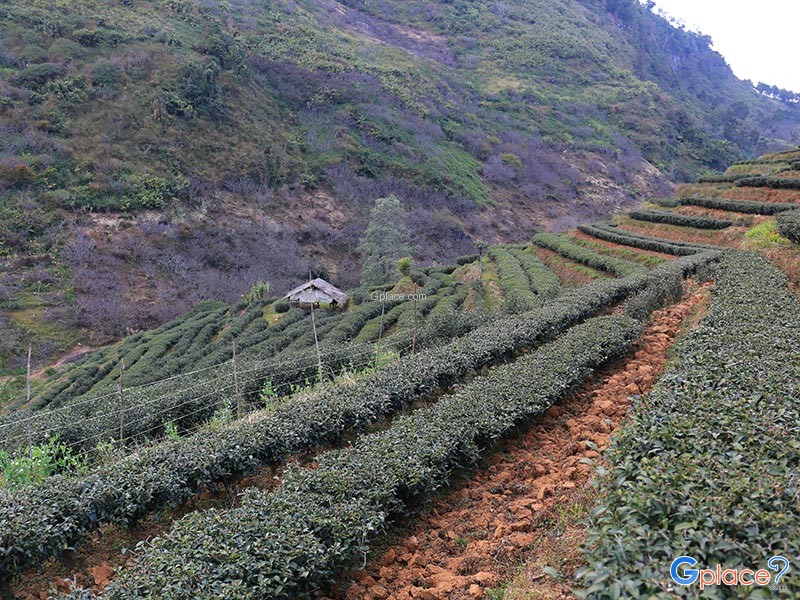
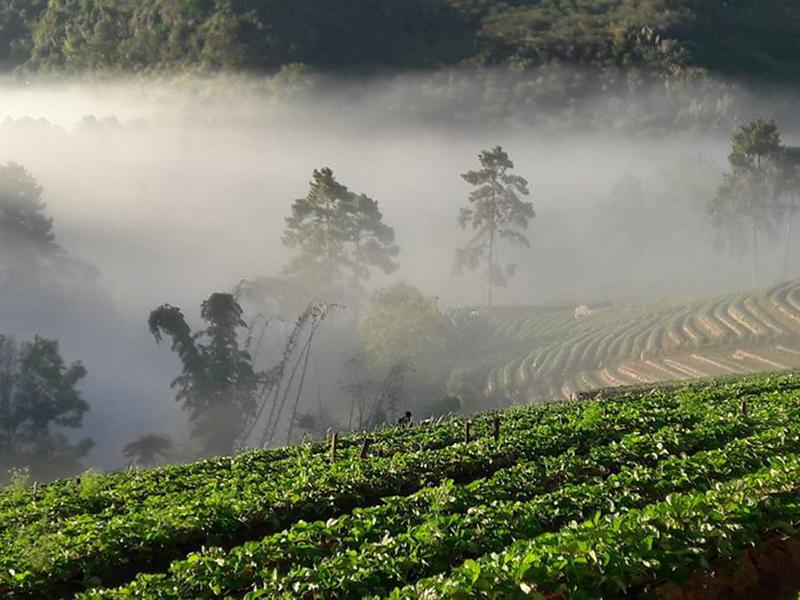
“A terraced tea plantation surrounded by a sea of mist and layered mountain scenery, one of the most beautiful sunrise viewpoints on Doi Ang Khang.”
Tea Plantation 2000 (Tea Plantation 2000) is one of the most famous agro-tourism landmarks on Doi Ang Khang, Chiang Mai Province. It is located in the highlands near Ang Khang Royal Agricultural Station and was developed under the royal initiative of His Majesty King Bhumibol Adulyadej The Great (Rama IX). The project aimed to promote temperate-climate crops and create stable sources of income for ethnic hill tribe communities, replacing opium cultivation and shifting agriculture that previously affected natural resources. This marked the beginning of sustainable livelihood development on Doi Ang Khang.
The name "Tea Plantation 2000" has been widely used by local residents and visitors for many years. It is associated with the tea cultivation plots located on the high mountains of Doi Ang Khang and is considered one of the important demonstration plots within the highland development project. Today, the plantation serves not only as a tea production area but also as one of Northern Thailand’s most recognized scenic viewpoints.
The feature that distinguishes Tea Plantation 2000 from other tea plantations is its terraced tea fields arranged neatly along mountain ridges and slopes. Viewed from above, the curved rows of tea bushes create beautiful natural patterns across the landscape. Most of the area is planted with Oolong Tea, a premium tea variety well suited to the cool climate of Doi Ang Khang. As a result, the tea leaves produced here are of excellent quality, naturally fragrant, and smooth in taste.
The climate of Tea Plantation 2000 is one of the key factors contributing to the high quality of its tea. The plantation is situated at an elevation of approximately 1,200–1,400 meters above sea level, with cool temperatures throughout the year. During winter, temperatures may drop to as low as 5–10 degrees Celsius. Combined with the moisture from the mist that blankets the area almost every morning, the tea leaves are able to accumulate important compounds and aromatic oils, giving the tea produced here its distinctive fragrance and popularity among tea enthusiasts.
The golden hour of Tea Plantation 2000 is sunrise, between 06:00 and 07:30 AM. As the first light of day gradually shines through the mountains and sea of mist, golden rays reflect on the dew-covered tea shoots, creating a unique and breathtaking scene. This is especially true from November to February, the winter season on Doi Ang Khang, when many visitors arrive before dawn to witness the mist-covered landscape and capture memorable photographs.
At the main viewpoint area, a wooden viewing deck extends outward over the hillside, offering a panoramic view of more than 180 degrees. Visitors can enjoy an unobstructed view of the green tea plantations cascading down the valleys. During winter, ornamental temperate flowers and maple trees planted around the area further enhance the scenery, creating an atmosphere reminiscent of tea plantations in East Asia.
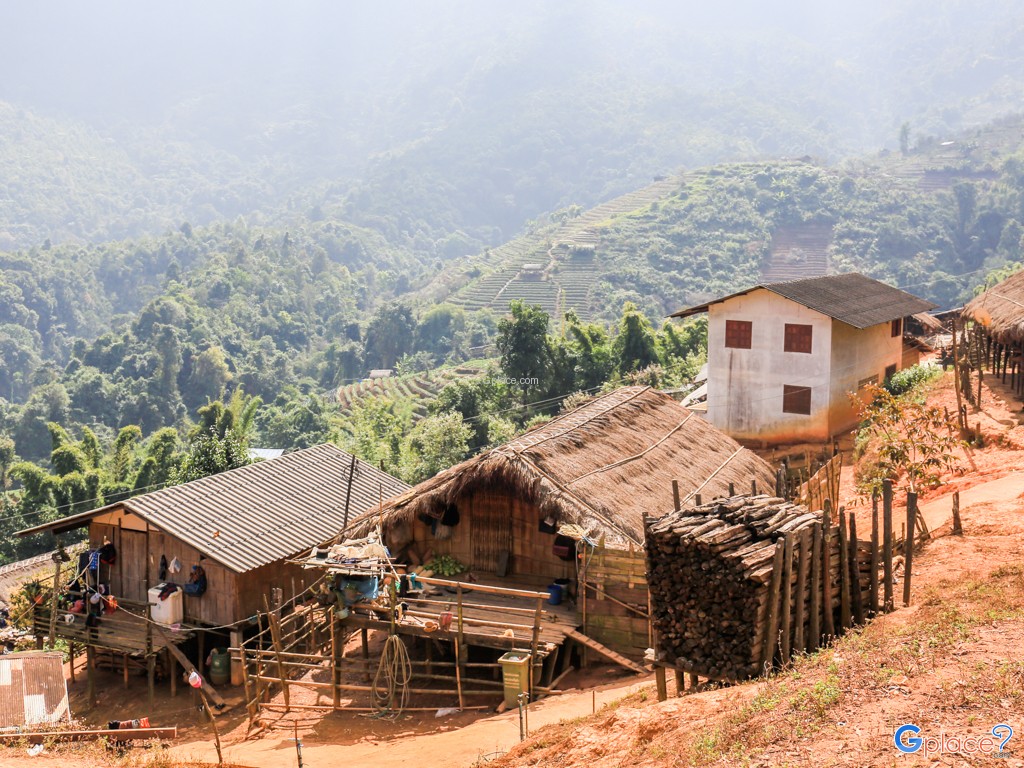
Another charming aspect of Tea Plantation 2000 is the way of life of the ethnic hill tribe communities living around Doi Ang Khang. Visitors arriving during the tea harvesting season in the early morning may witness workers carrying bamboo baskets while picking young tea shoots along the hillsides. This reflects the agricultural traditions of the highland communities that continue to this day.
In addition to being a natural attraction, Tea Plantation 2000 is also a popular location for pre-wedding photography, fashion shoots, film productions, television dramas, music videos, and tourism promotional media. Its outstanding natural composition—including mountains, mist, sunrise light, and lush green tea fields—creates a picturesque setting throughout the year.
For visitors interested in learning more about tea, nearby areas provide opportunities to explore the complete Oolong tea production process, from cultivation and harvesting to roasting and processing. Oolong tea remains one of the most renowned agricultural products of Doi Ang Khang, and visitors can purchase high-quality tea products from local communities as souvenirs.
With its stunning landscape, agricultural significance, and value as part of a royal highland development project, Tea Plantation 2000 (Tea Plantation 2000) is much more than a scenic viewpoint. It represents the success of improving the quality of life for local communities while conserving natural resources. It remains one of the must-visit destinations in Chiang Mai, especially during the winter season when the beauty of the sea of mist and vibrant green tea fields is at its peak.
How to Get There
-
By Private Car: From Ang Khang Royal Agricultural Station, drive toward Khob Dong Village and Nor Lae Village. Along the route, you will find a clearly marked intersection directing visitors to "Tea Plantation 2000." The road descending to the plantation is steep and narrow. Large vans are not recommended. Visitors may park at the upper area and walk down to the viewpoint.
-
By Public Transportation: It is recommended to hire a white songthaew (local shared taxi) from the area in front of Ang Khang Royal Agricultural Station. These vehicles typically provide sightseeing services covering Tea Plantation 2000, Khob Dong Village, and Nor Lae Village.
Travel Tips
- The most beautiful time to visit is between 06:00 and 07:30 AM, when sunrise and sea-of-mist conditions are at their best.
- Try freshly brewed Oolong tea from the plantation at local community stalls near the viewpoint and purchase tea products as souvenirs.
- Bring warm clothing and gloves, especially from November to February, as early morning temperatures may fall below 10°C.
- Wear non-slip footwear, as pathways and ground surfaces may be wet with morning dew.
- Do not step on tea fields, pick tea shoots, or leave litter behind, helping preserve local agricultural production and the natural environment.
Admission Fee:
- Free of charge (No entrance fee is required to visit the tea plantation area).
Opening Hours:
- Open daily from 05:00 AM to 06:00 PM.
- It is recommended to arrive before 06:00 AM to enjoy the sunrise and sea of mist, which are considered the most beautiful moments at Tea Plantation 2000 on Doi Ang Khang and the best time for photography throughout the day.
Tea Plantation 2000

 Share
Share
 Doi Ang Khang, Mae Ngon, Fang, Chiang Mai 50320
Map
Doi Ang Khang, Mae Ngon, Fang, Chiang Mai 50320
Map
 Open now : 5.00 - 18.00
Mon5.00 - 18.00
Tue5.00 - 18.00
Wed5.00 - 18.00
Thu5.00 - 18.00
Fri5.00 - 18.00
Sat5.00 - 18.00
Sun5.00 - 18.00



 9922
9922
Recommend trips
All reviews
(List 0 review)Nearby Places
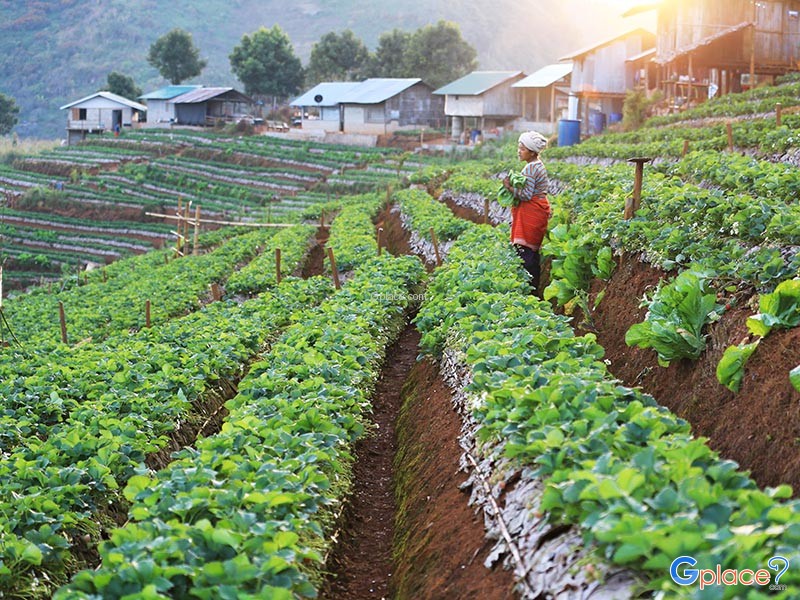


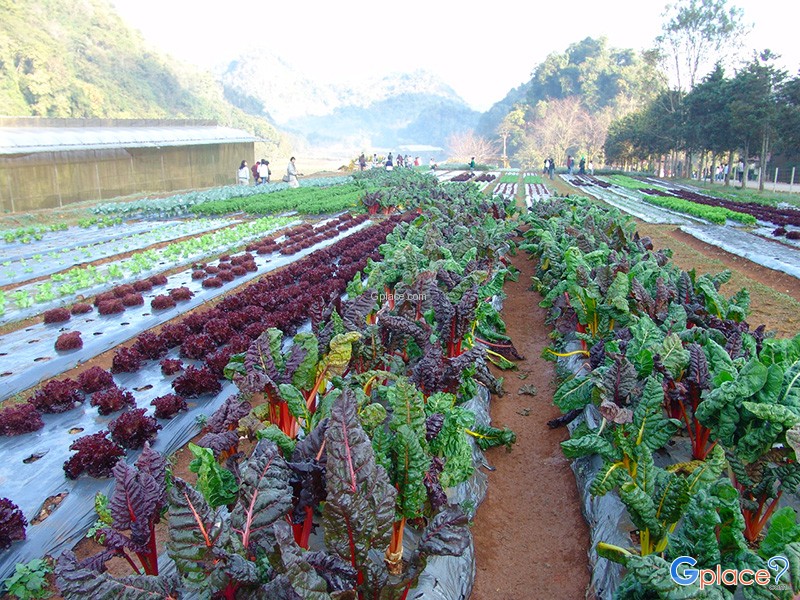
 Maple Trees and Deciduous Foliage Garden Ang Khang Royal Agricultural Station
(List 0 review)
Distance 2.42 Kilometer
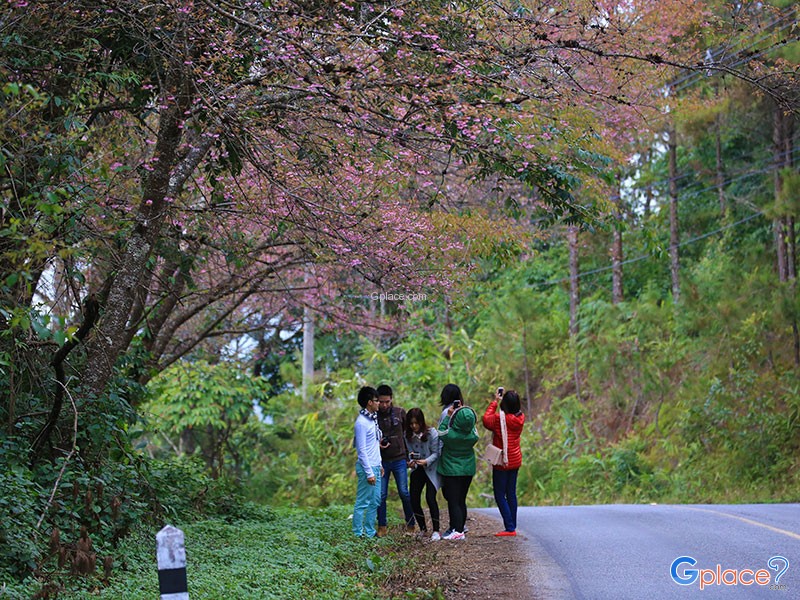
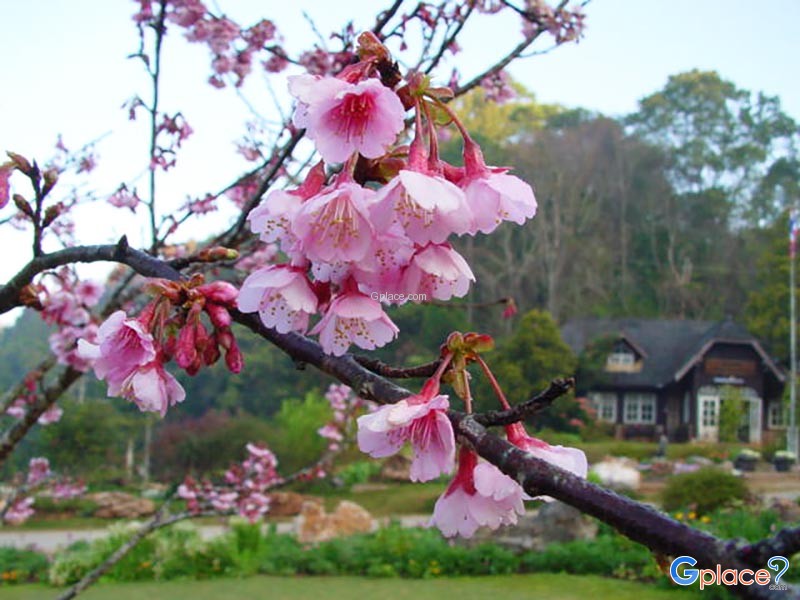
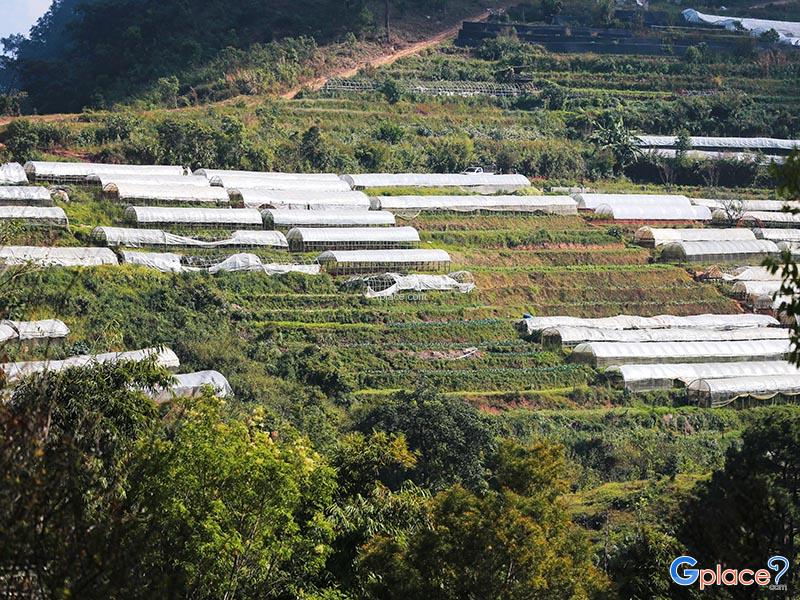 Organic Vegetable Demonstration Plots and Temperate Crop Gardens Ang Khang Royal Agricultural Station
(List 0 review)
Distance 5.90 Kilometer