 Attractions
  Hotel
Hotel  Restaurant
  Shopping
  Abroad





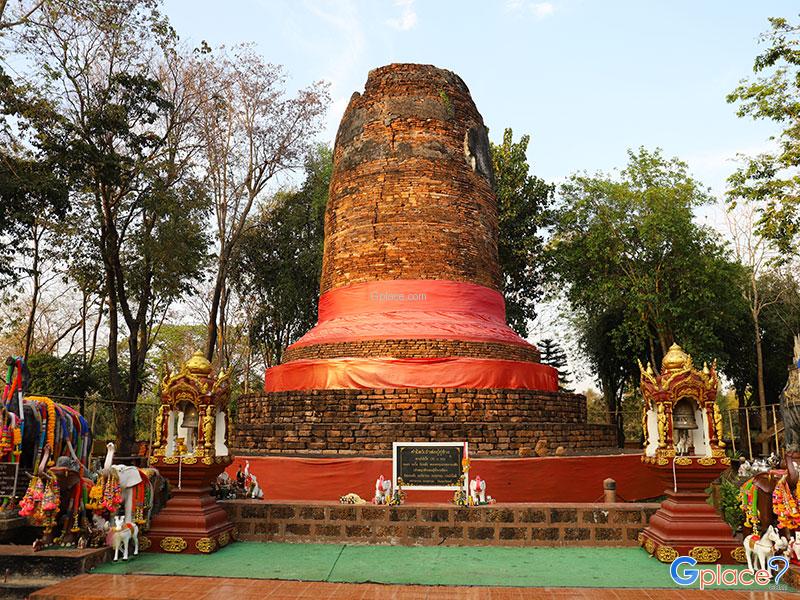

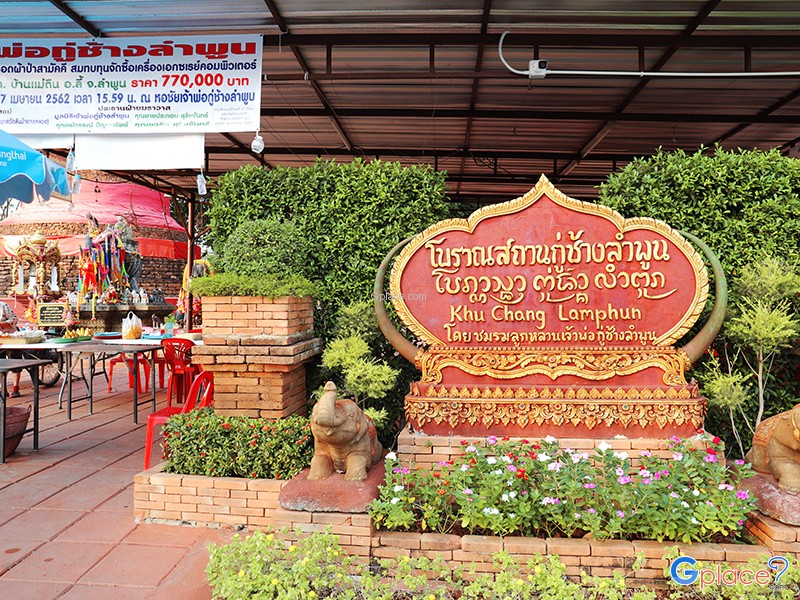
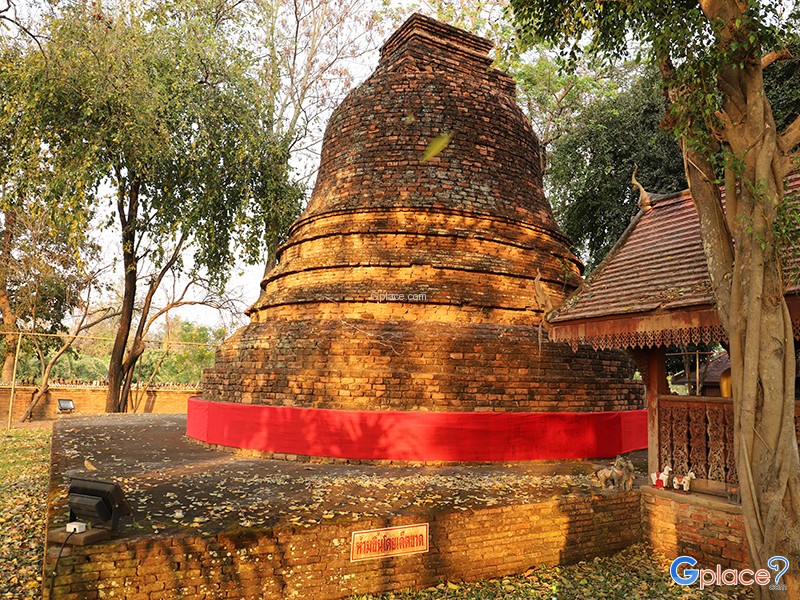
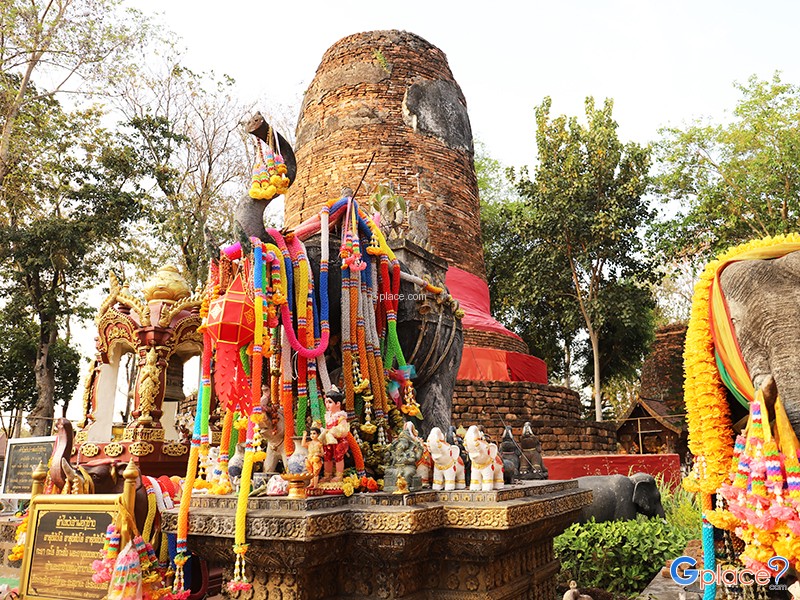
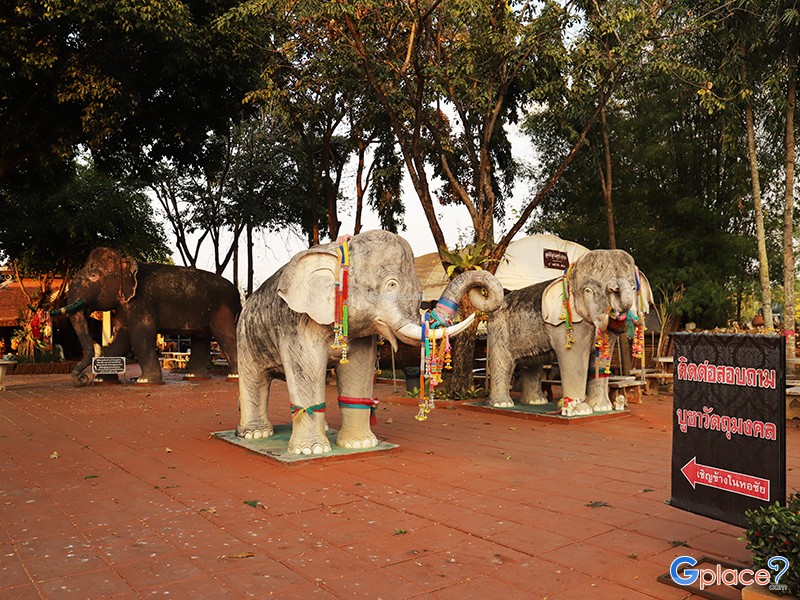
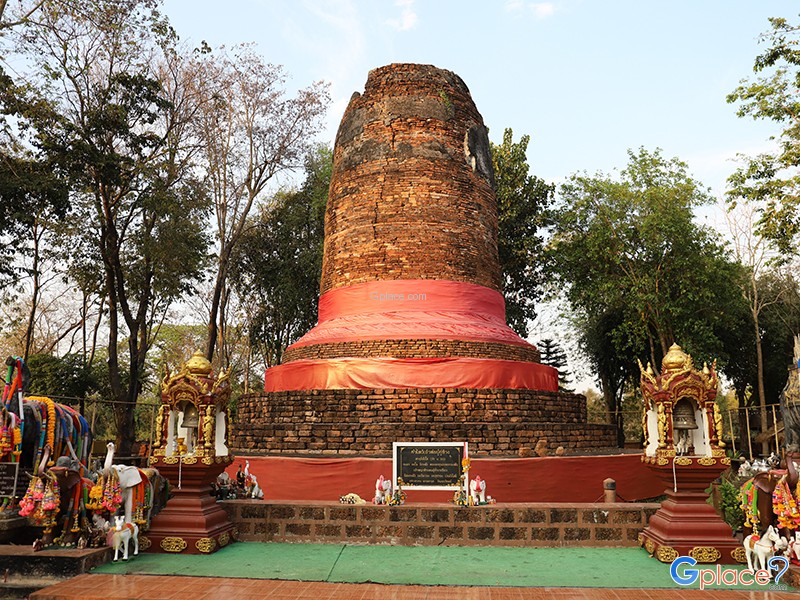
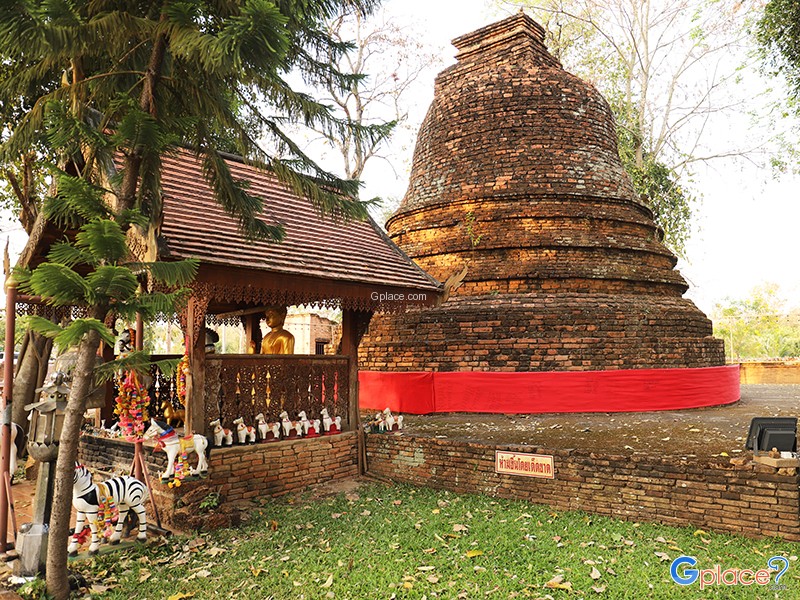
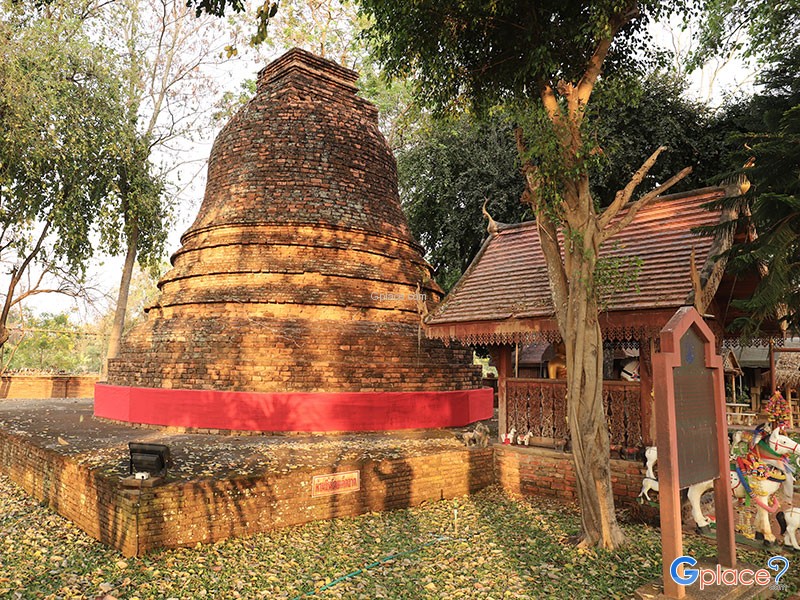
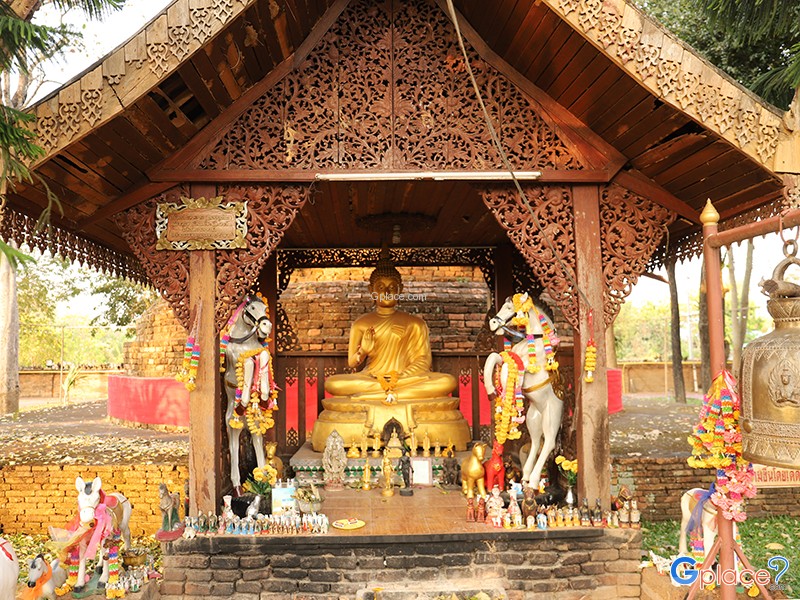
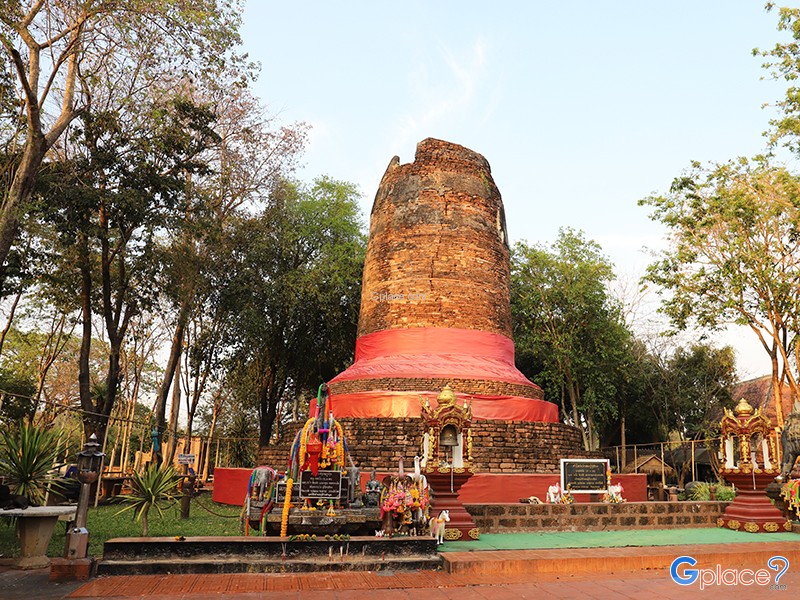
“Pay respect to the rare cylindrical Ku Chang stupa, admire Ku Ma stupa, and walk under the giant elephant statue for blessings of success, protection, and victory.”
Ku Chang Ku Ma is an important historical and spiritual site from the Hariphunchai Kingdom, closely connected to Queen Chamadevi, the first ruler of Lamphun. It reflects the ancient belief in royal animal companions symbolizing power and protection.
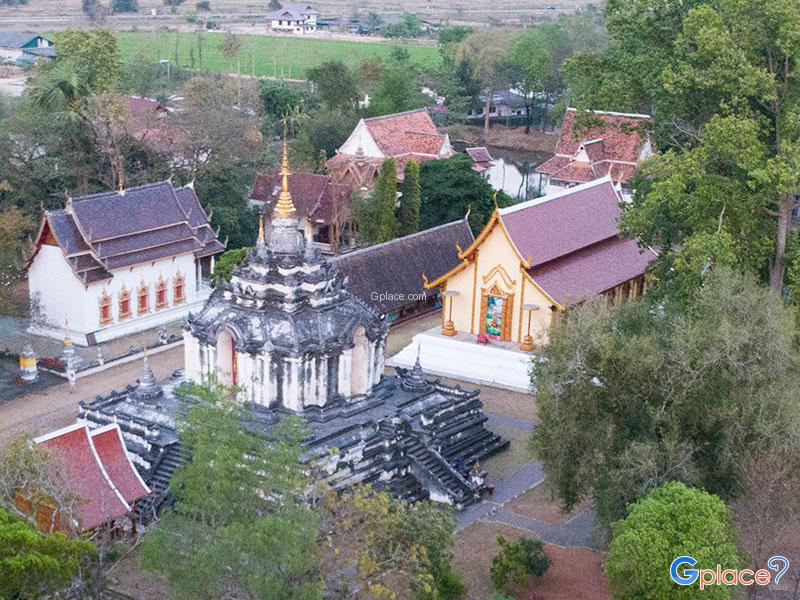
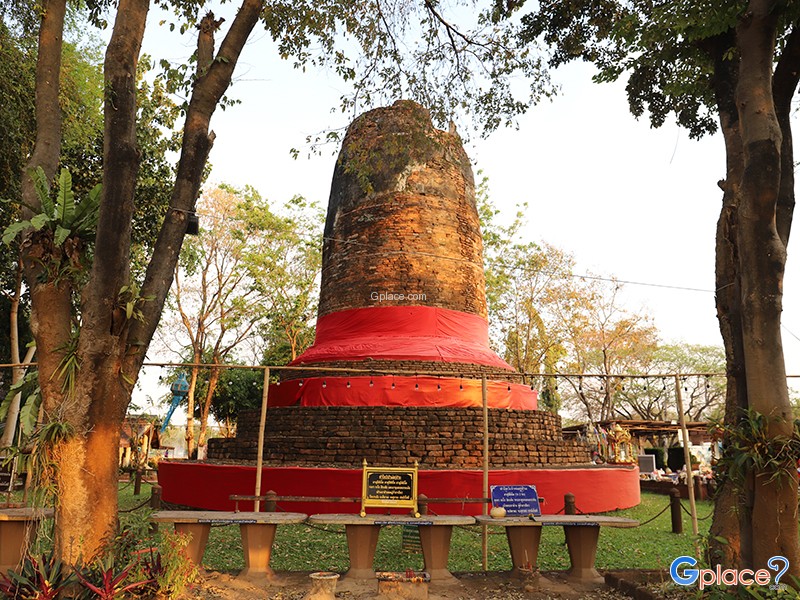
The most distinctive structure is Ku Chang, a large cylindrical stupa with a rounded top. It is considered one of the rarest Hariphunchai architectural forms in Thailand. The stupa is believed to enshrine the remains of Phaya Chang Pu Kam Nga Khiao, the legendary war elephant of Queen Chamadevi.
According to local legend, the elephant’s tusks were green and possessed magical power. When pointed toward enemy armies, they would cause confusion, blurred vision, and defeat. After the elephant died, the Queen ordered the stupa to be built with the tusks facing upward to the sky to neutralize their supernatural power.
Nearby stands Ku Ma, believed to contain the remains of the royal horse of Prince Mahantayot, Queen Chamadevi’s son and successor ruler of Hariphunchai.
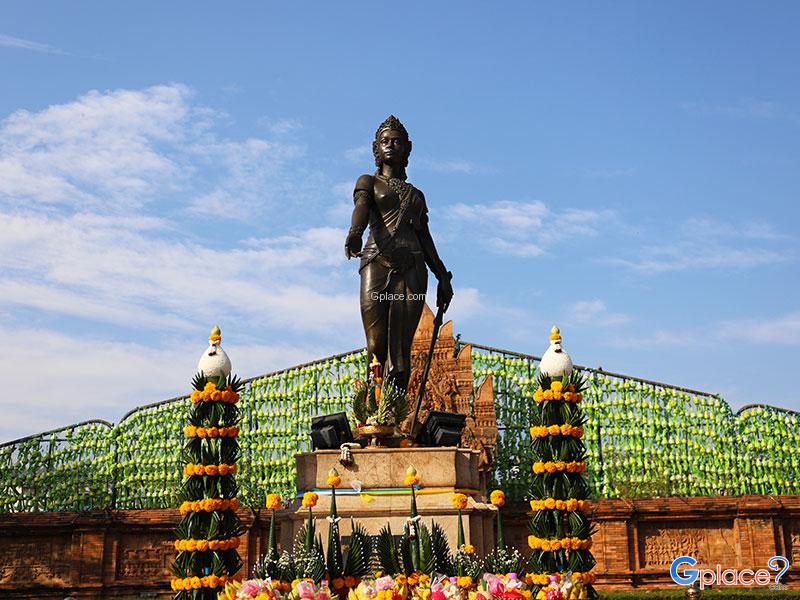
Today, a large replica statue of the sacred elephant stands in front of Ku Chang. Visitors commonly walk beneath the elephant’s belly for good fortune, protection, and success in exams, careers, and competitions.
The site remains one of Lamphun’s most powerful spiritual centers. Worshippers often bring bananas, sugarcane, or elephant figurines as offerings after their wishes come true.
Each year, on the full moon of the 9th northern lunar month (around September), the site hosts the Salak Yom Festival, a unique and grand merit-making tradition regarded as one of a kind in the world.
How to Get There
- By Car: From Lamphun town, drive toward Soi Ku Chang near the old provincial hall and Wat Phra That Hariphunchai. The route is easy to access, with parking available on site.
Travel Tips
-
Walk under the elephant statue three times while making a wish for good luck
-
Popular offerings include bananas, sugarcane, and wooden elephant figurines sold nearby
-
Best photo spot: capture the stupa with the elephant statue in front
-
Visit in September to experience the grand Salak Yom Festival
-
Dress respectfully and keep quiet as this is a highly sacred site
Admission Fee:
- Free admission
Opening Hours:
- Open daily: 8:00 AM – 5:00 PM
Ku Chang Ku Ma

 Share
Share
 38 Soi Ku Chang, Nai Mueang, Mueang Lamphun, Lamphun 51000
Map
38 Soi Ku Chang, Nai Mueang, Mueang Lamphun, Lamphun 51000
Map
 Closed today
Mon8.00 - 17.00
Tue8.00 - 17.00
Wed8.00 - 17.00
Thu8.00 - 17.00
Fri8.00 - 17.00
Sat8.00 - 17.00
Sun8.00 - 17.00

 https://www.thai-tour.com/thai-tour/north/lampun/data/place/pic_kuchangkuma.html

 6397
6397