 Attractions
  Hotel
Hotel  Restaurant
  Shopping
  Abroad






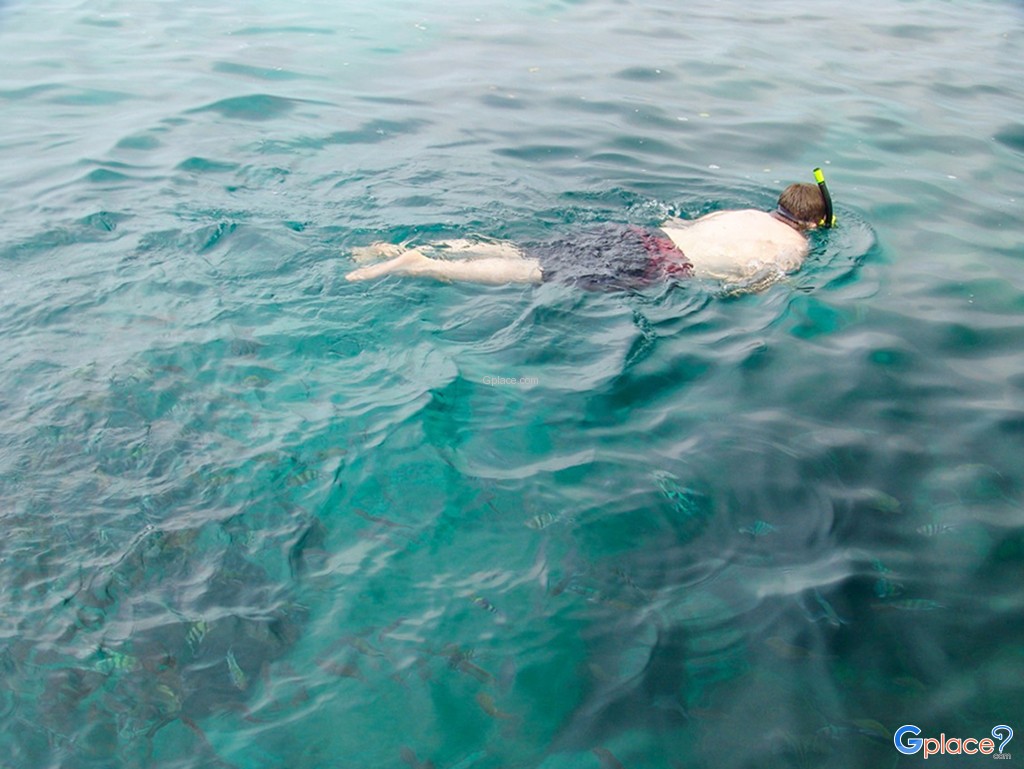
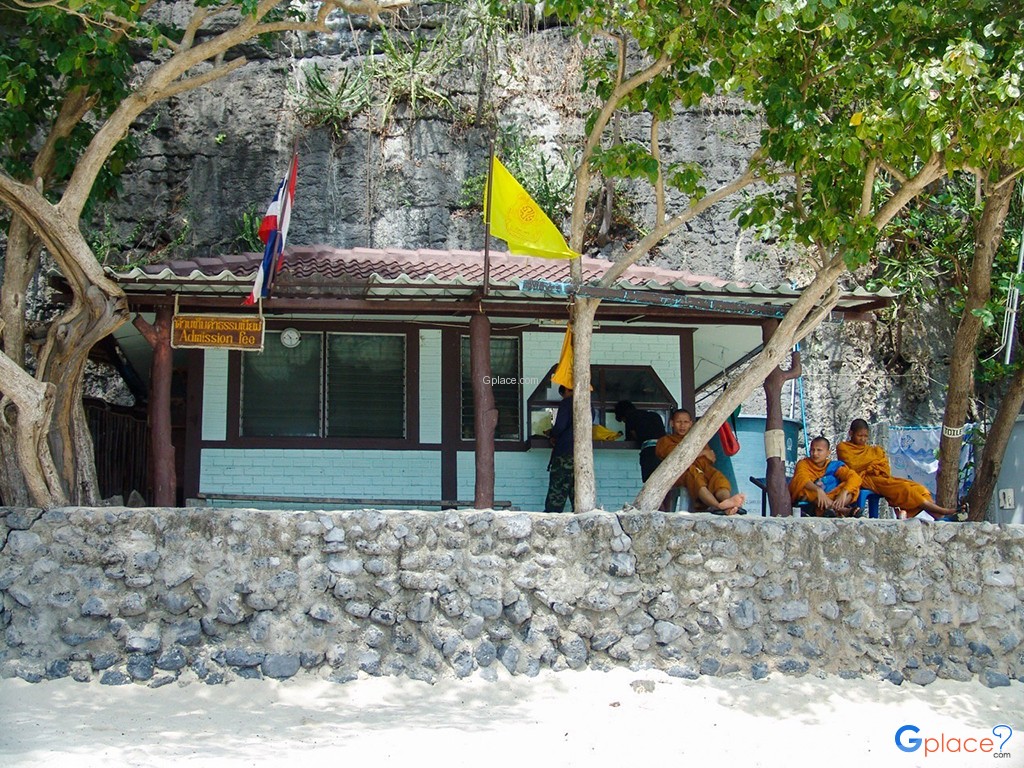
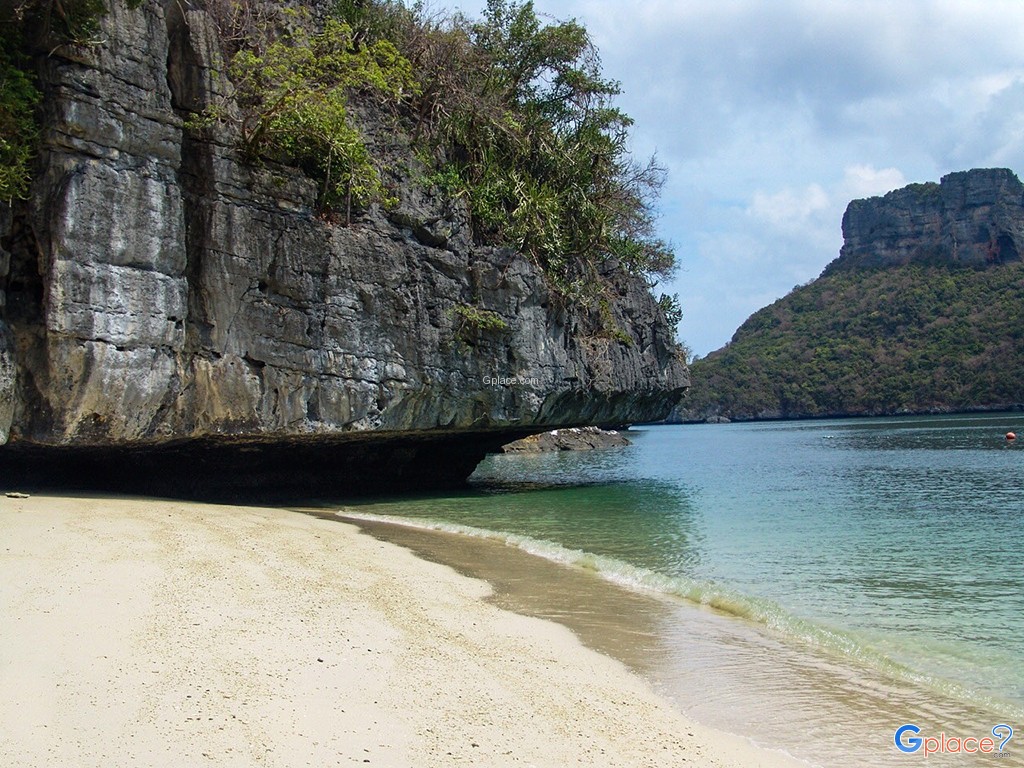
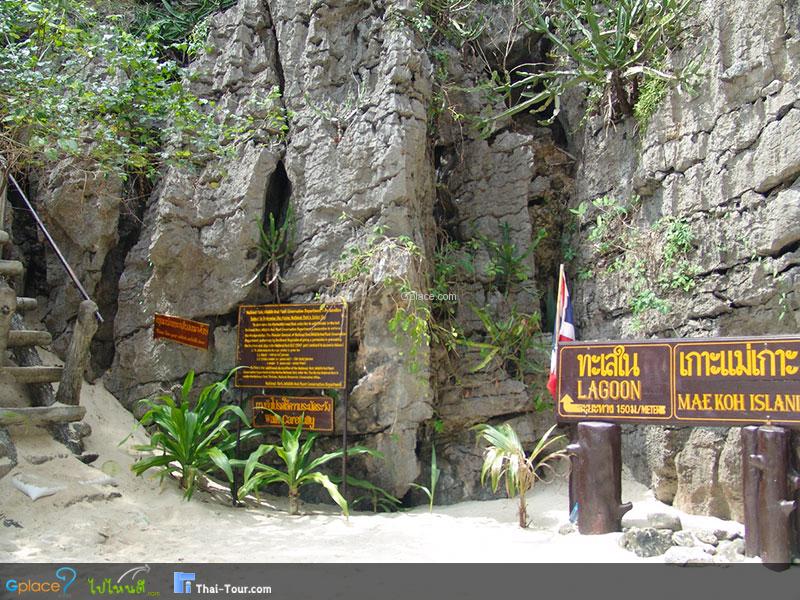
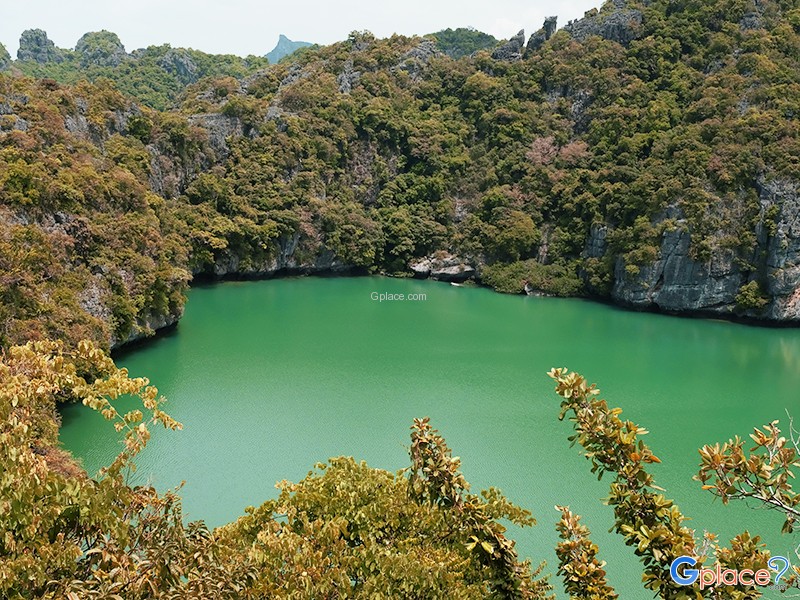
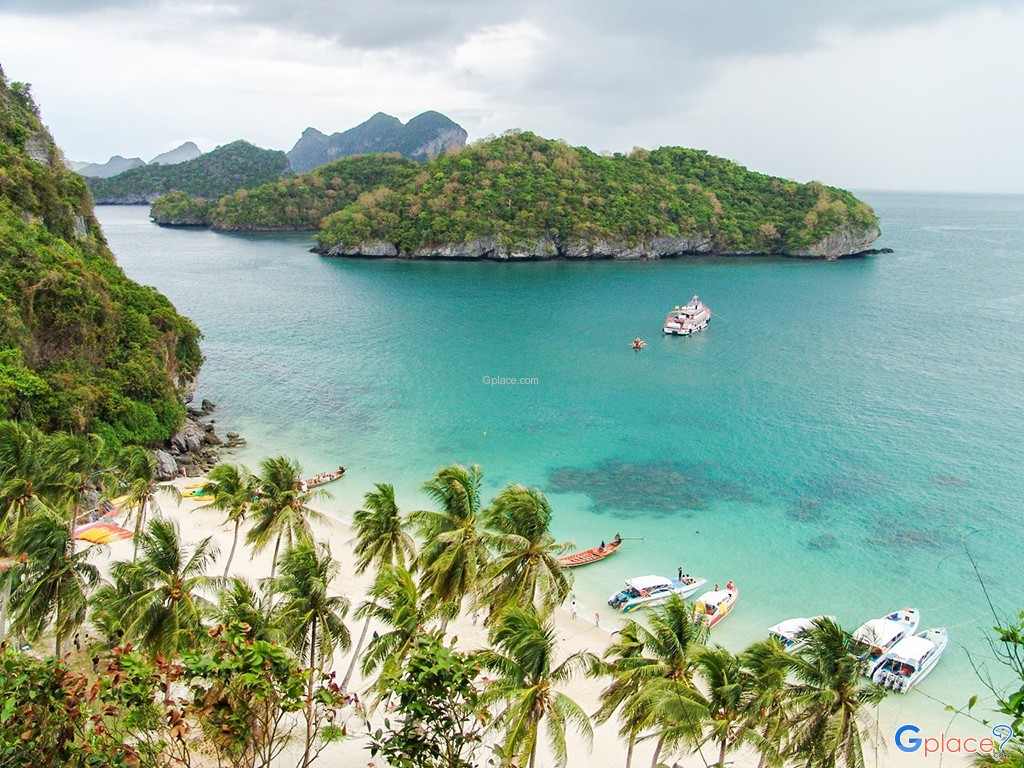
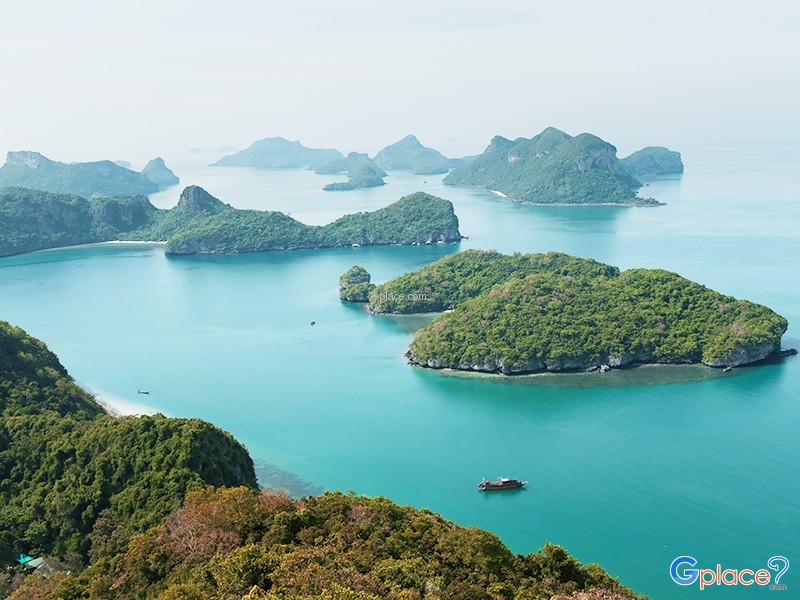
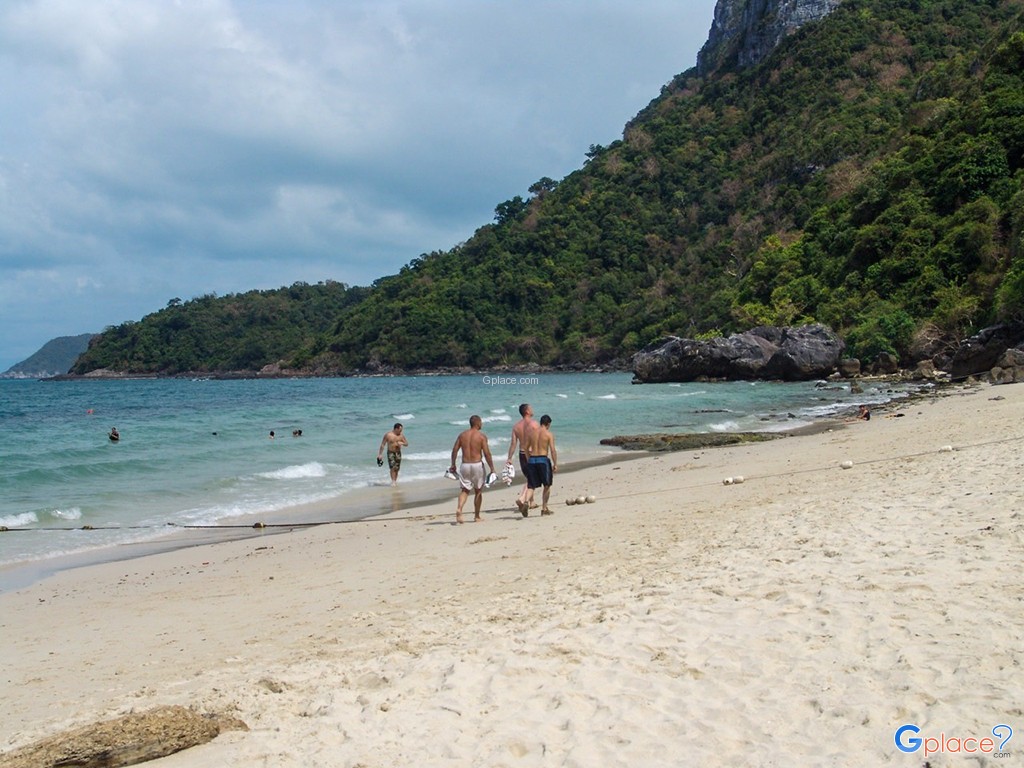
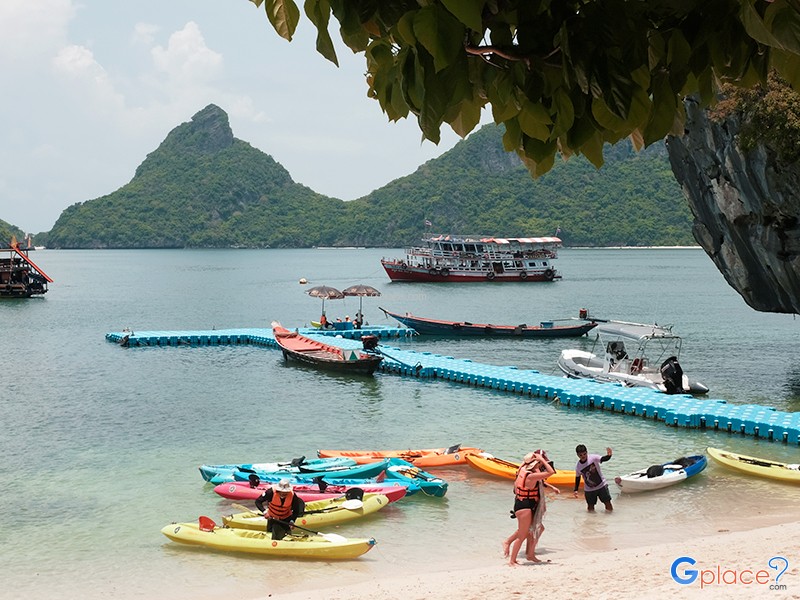
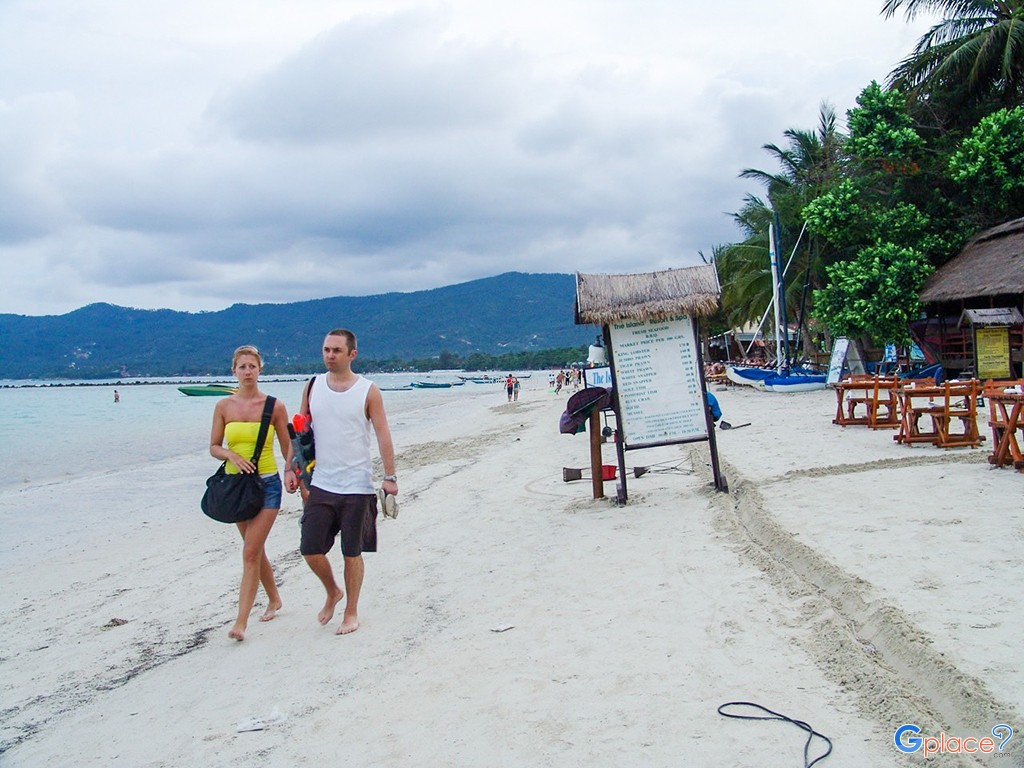
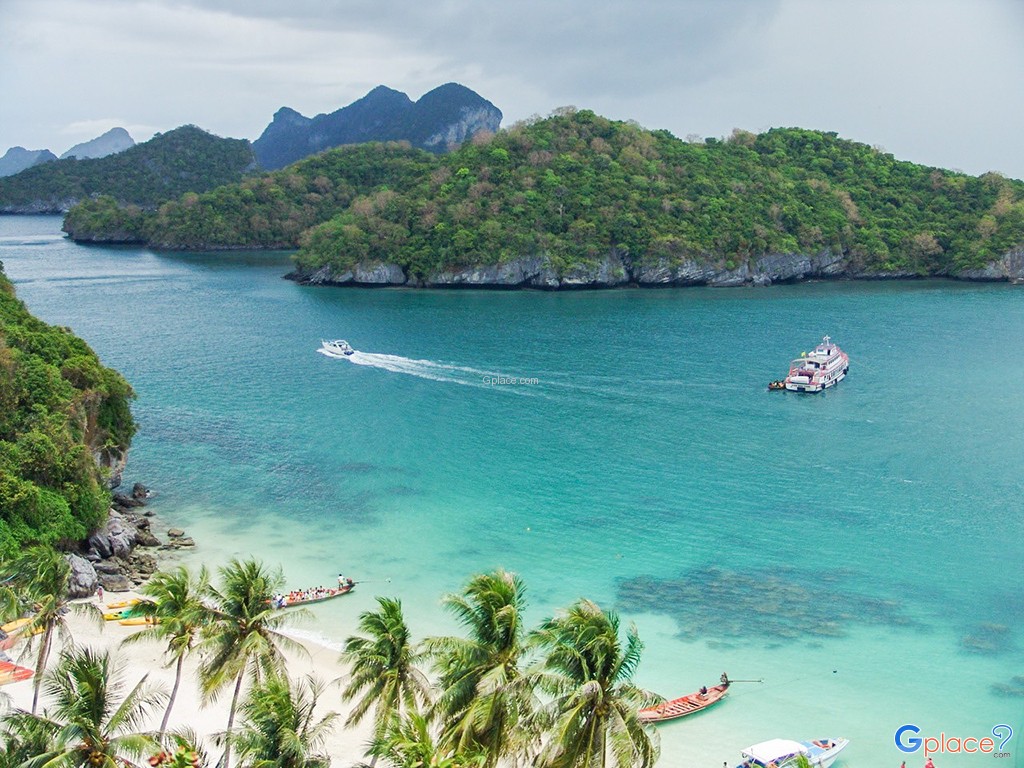
“Enjoy world-class beaches like Chaweng, Lamai, and Choeng Mon, visit the iconic Big Buddha, admire Hin Ta Hin Yai rocks, and explore Fisherman’s Village, a charming historic walking street.”
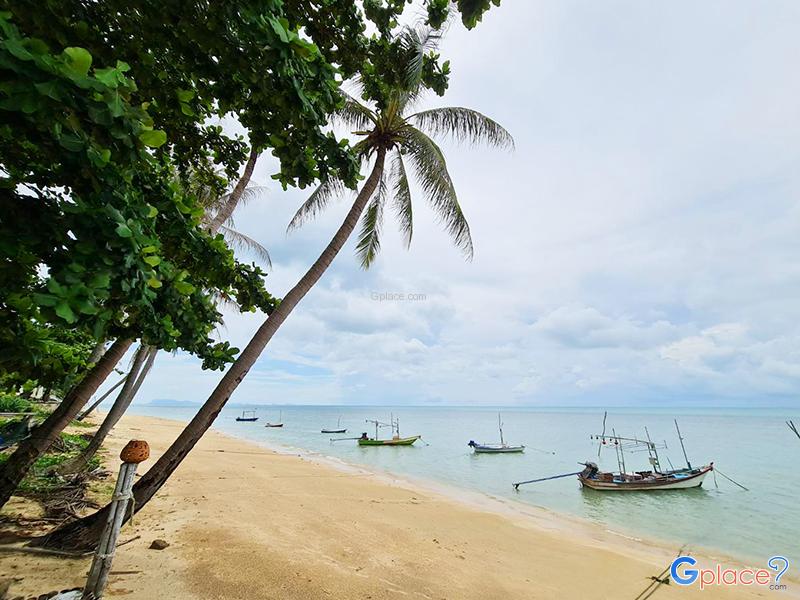
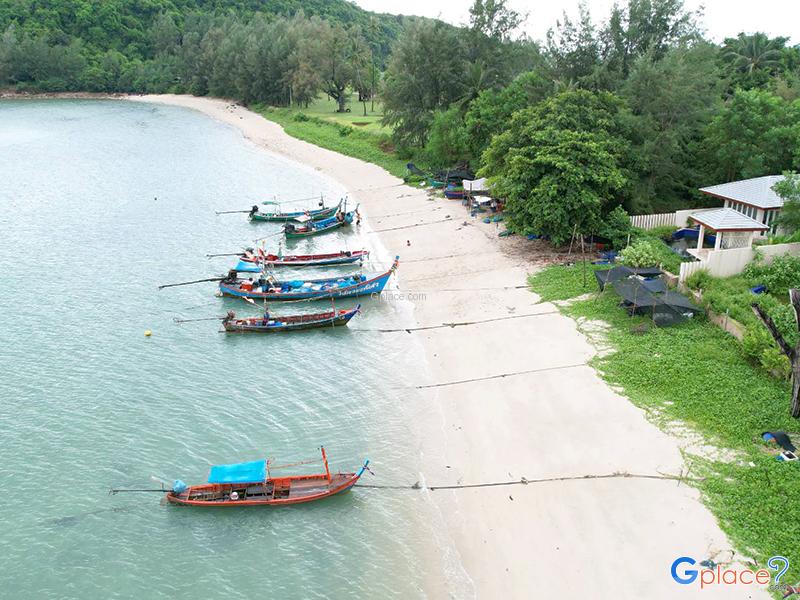
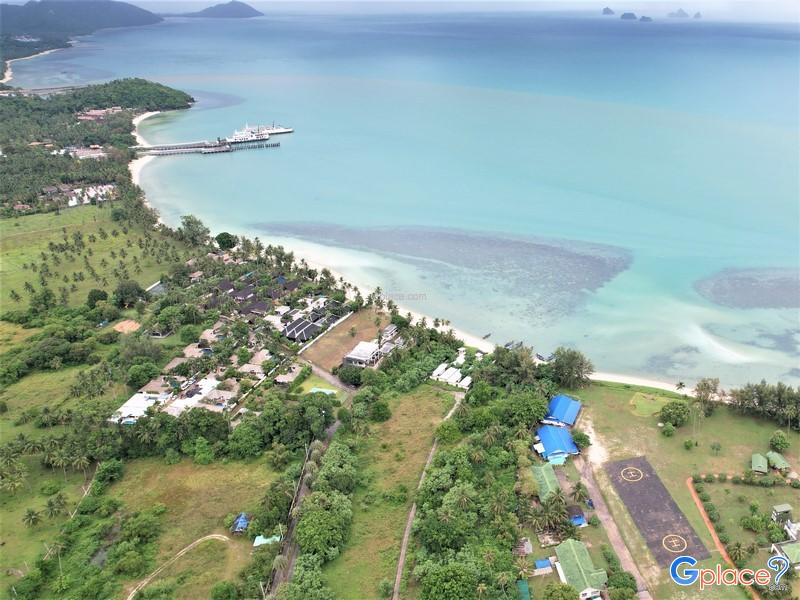
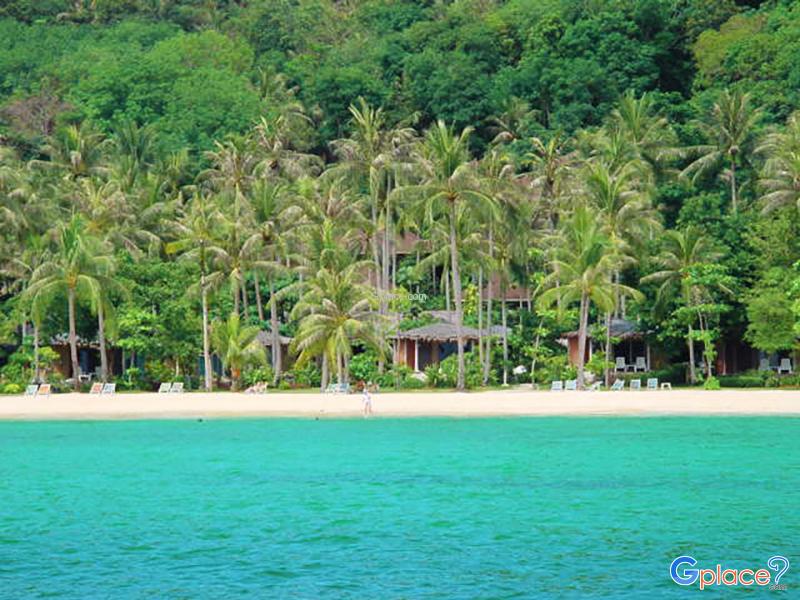
Koh Samui is located in the Gulf of Thailand, approximately 84 kilometers east of Surat Thani, and is the third-largest island in Thailand. The island is known for its lush green mountains at the center, surrounded by stunning beaches and endless coconut palm coastlines, creating a unique tropical identity admired by travelers worldwide.
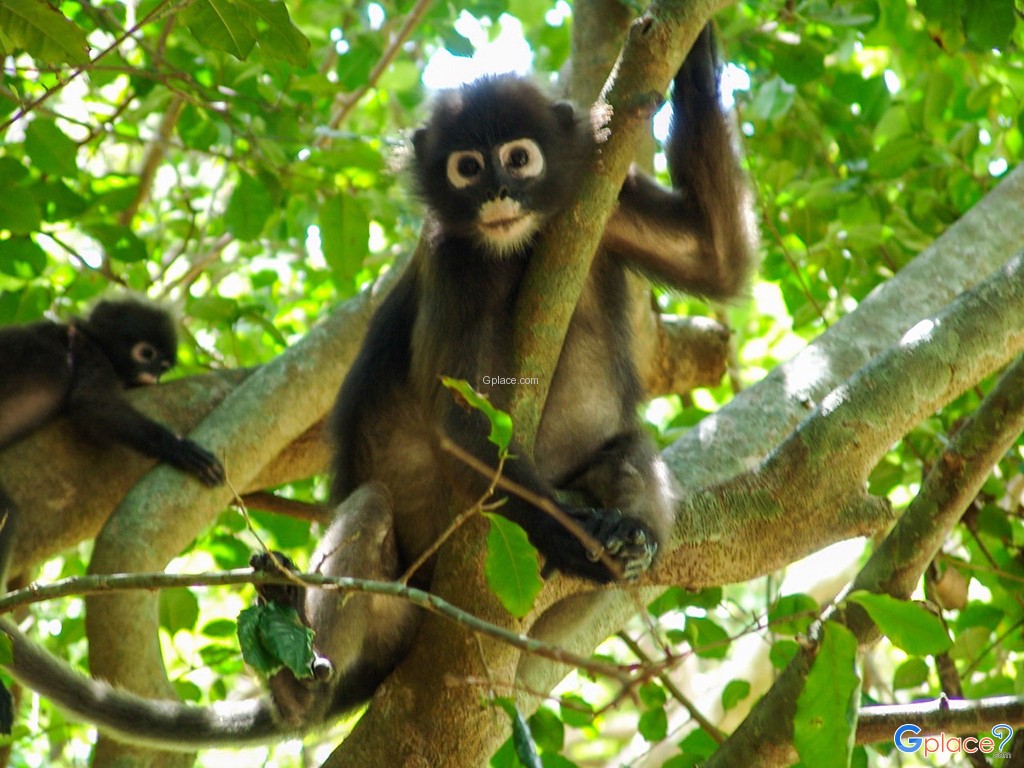
In the past, Koh Samui was famous as a major coconut production hub, earning the nickname “Coconut Island.” One of its most fascinating local traditions is the use of trained monkeys to harvest coconuts, a unique cultural practice passed down through generations. The island’s granite-rich soil also contributes to coconuts with exceptionally rich and creamy flavor.
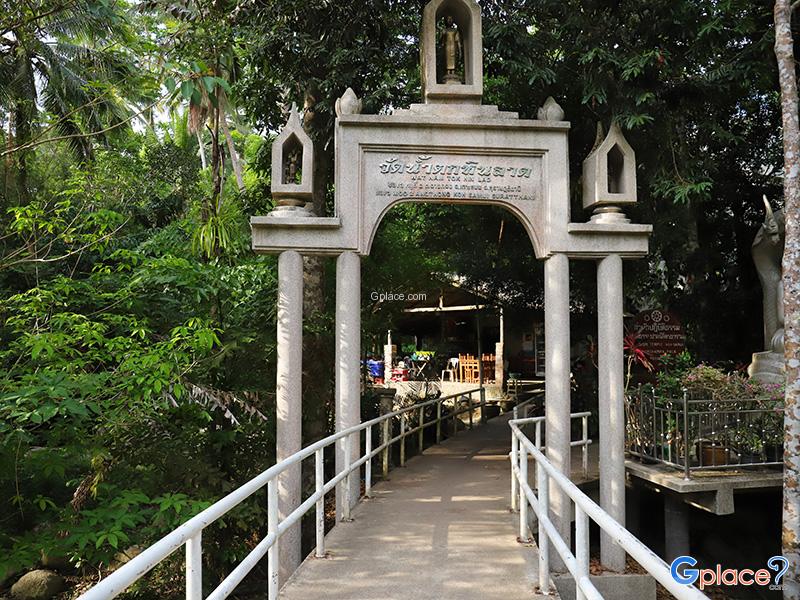
Historically, Koh Samui dates back to the Ayutthaya period and appeared on ancient Chinese navigation maps as “Xiamen Mo”. The area of Nathon once served as an important stopover for Chinese trading ships, resulting in a blend of cultures still reflected today in Chinese shrines and local community life.
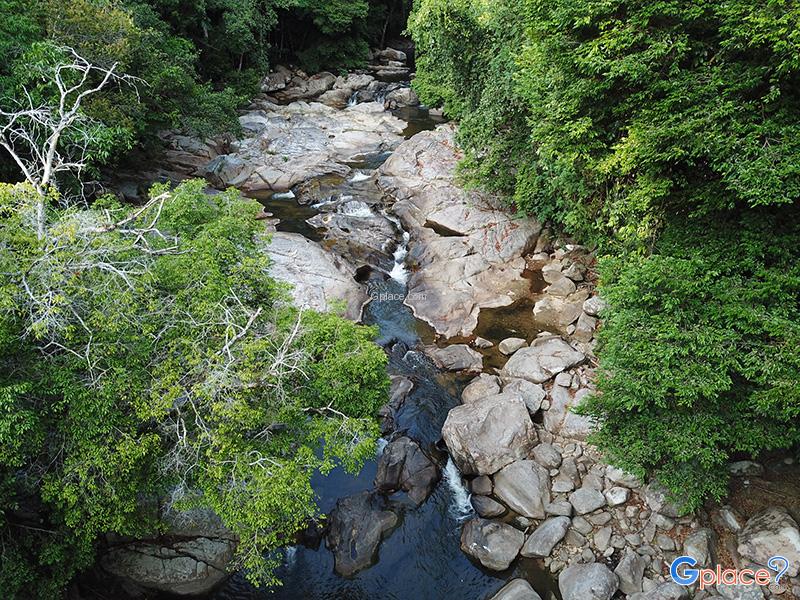
Another historical highlight is Na Muang Waterfall, where King Rama V once visited and left his royal initials engraved on a rock—an enduring mark of royal history hidden within nature.
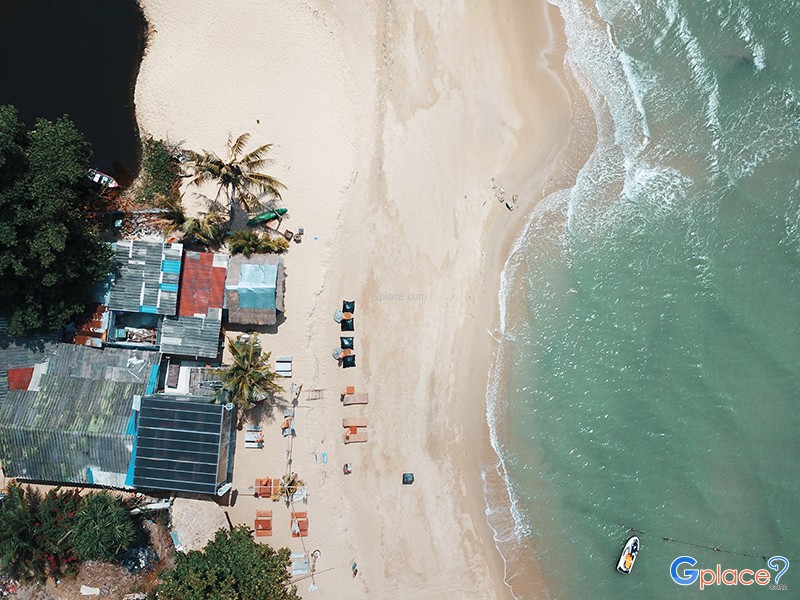
Today, Koh Samui is internationally recognized as a “Paradise in the Gulf of Thailand”, thanks to its white sandy beaches, emerald waters, and iconic coconut-lined shores. The island offers a wide range of experiences, from luxury resorts and world-class spas to golf courses and sunset yacht cruises.
Meanwhile, the southern parts of the island such as Phangka and Lipa Noi preserve a more traditional atmosphere, featuring pearl farms and traditional caramel (kalamare) making, which takes hours of slow cooking to achieve its signature aroma and texture.
Koh Samui’s charm lies not only in its natural beauty, but also in its rich history, local lifestyle, and cultural heritage, making it one of Thailand’s most complete and diverse travel destinations.
How to Get There
-
By Air: Koh Samui International Airport offers direct flights from Bangkok and major cities.
-
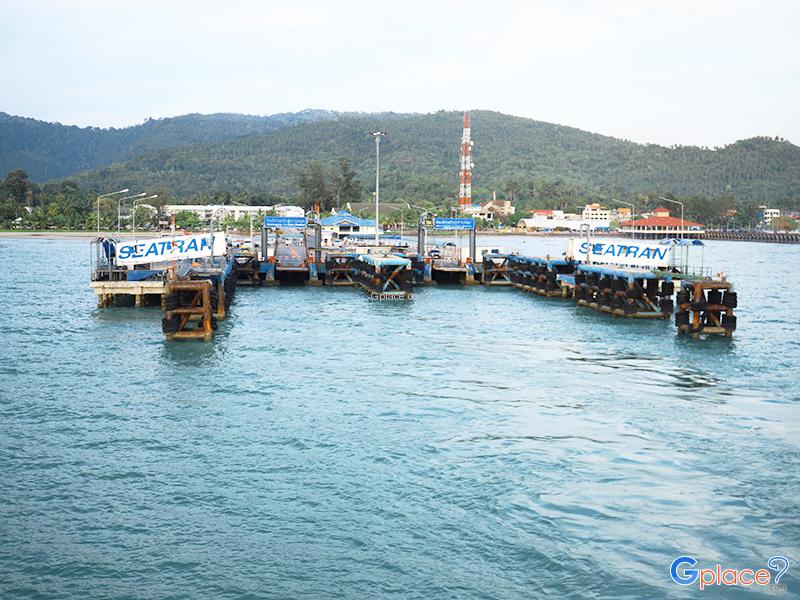
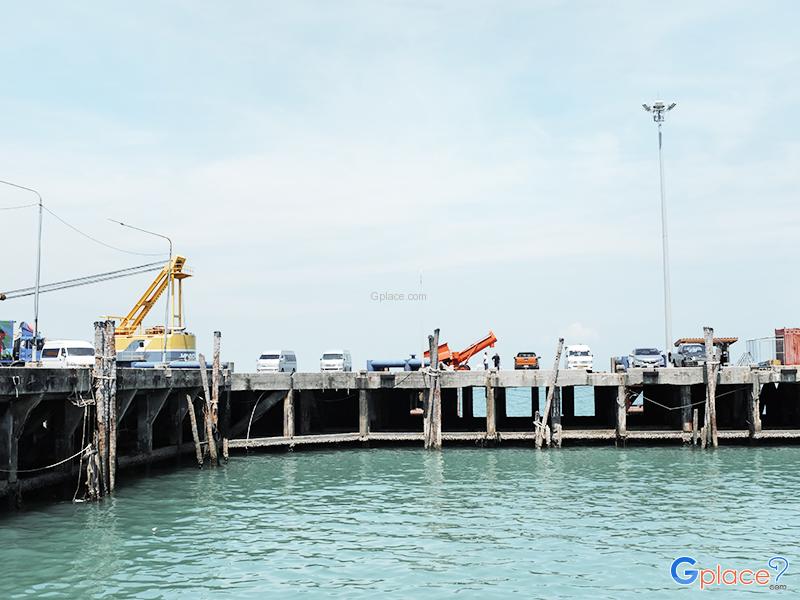
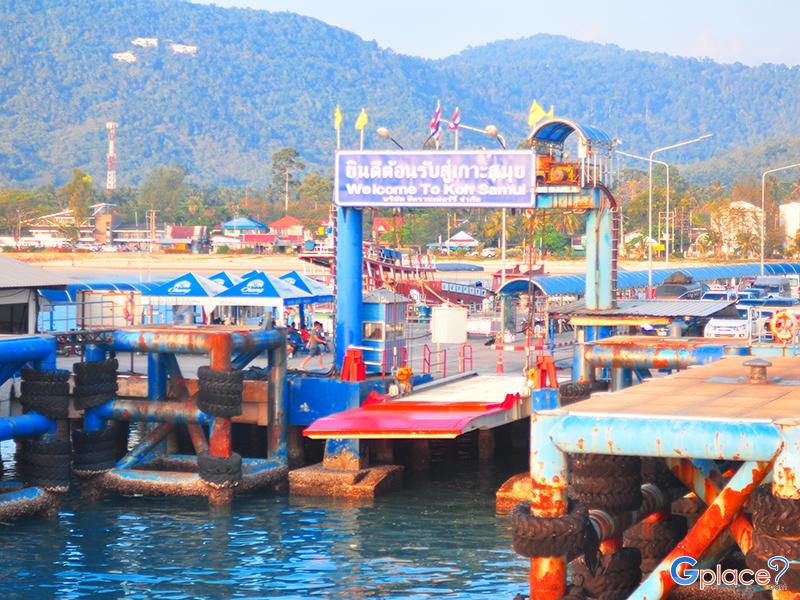
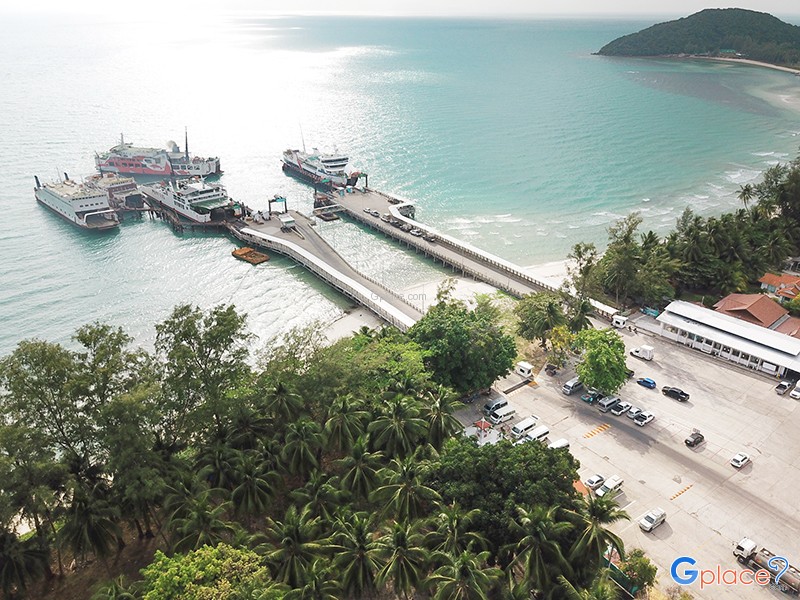
By Ferry: Ferries depart from Donsak Pier (Surat Thani) via Raja Ferry or Seatran Ferry, taking approximately 1.5–2 hours, with car transport available.
Travel Tips
-
Best Time to Visit: February to late June offers the clearest seas and best weather
-
Monsoon Seasons: July–October brings occasional rain, while October–January may have strong winds
-
Festival Travel: Arrive early at Donsak Pier or stay nearby, as ferry queues can be very long
-
Car Transport Advice: Avoid bringing your own car; rental cars and motorbikes are widely available on the island
-
Getting Around: The island ring road is about 52 km, with some steep sections—drive carefully
Budget Range:
- It caters to travelers ranging from budget (backpackers) to ultra-luxury (6–7 stars), with areas such as Nathon and Lamai being more economical than Chaweng and Bo Phut.
Opening Hours:
- Open 24 hours, depending on ferry schedules and flight availability
Koh Samui

 Share
Share
 Koh Samui, Surat Thani 84140
Map
Koh Samui, Surat Thani 84140
Map
 Open now



 6690
6690
Recommend trips
- 14 ทะเลไทยน่าเที่ยว ตรุษจีนนี้ 2562
- รวมที่เที่ยวยอดนิยม 2559
- เกาะสวรรค์กลางอ่าวไทย
- 7 เกาะ 6 อำเภอนี่น่าเที่ยวให้ทั่ว
- สุดยอดที่เที่ยว ฤดูร้อน
- 9 เกาะสวย ในสุราษฎร์ธานี
- 17 เกาะชิลๆ ภาคใต้ รับปิดเทอมนี้
- 12 สิงหา พาแม่เที่ยว
- ที่เที่ยว ยอดฮิต ต้อนรับ Summer
- สุราษฎร์ธานี ต้องเที่ยว
- สุดยอดเกาะน่าเที่ยว น่าพัก