 Attractions
  Hotel
Hotel  Restaurant
  Shopping
  Abroad
  Nearby Places






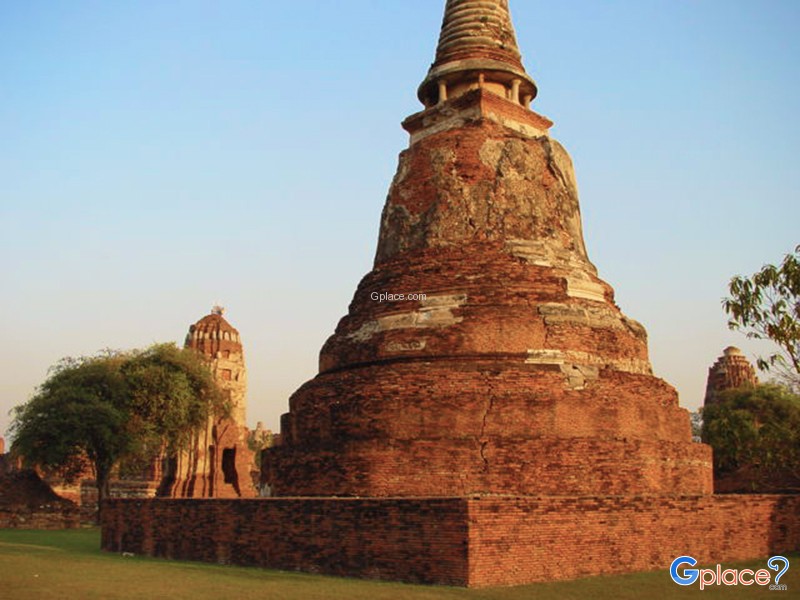
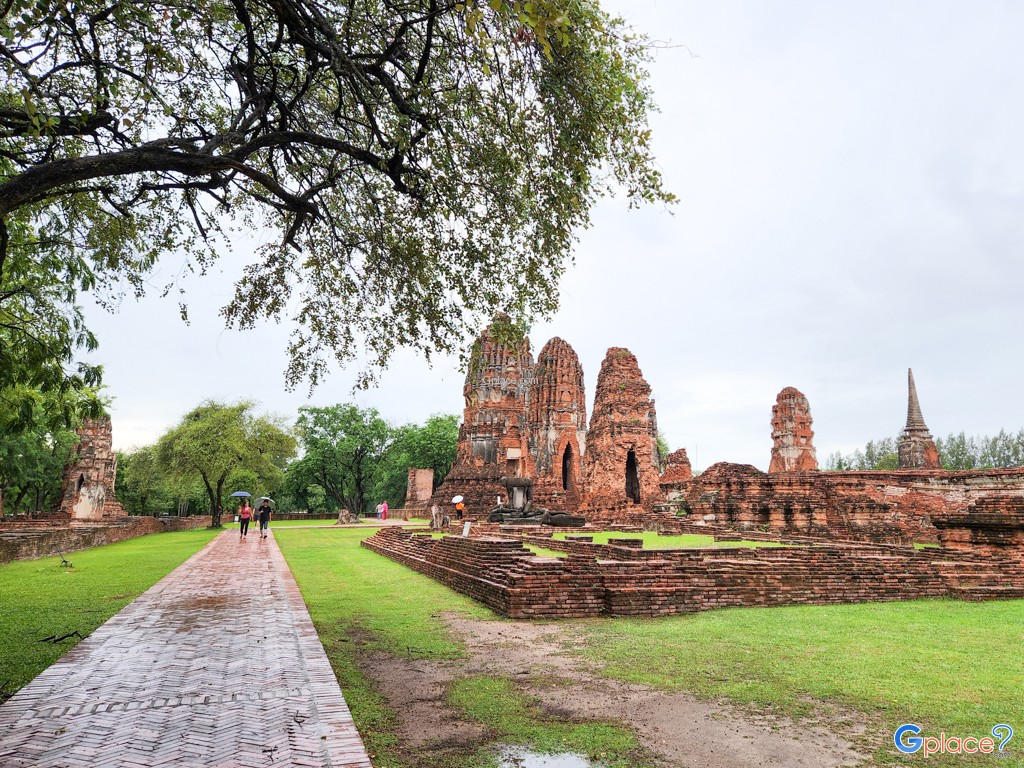
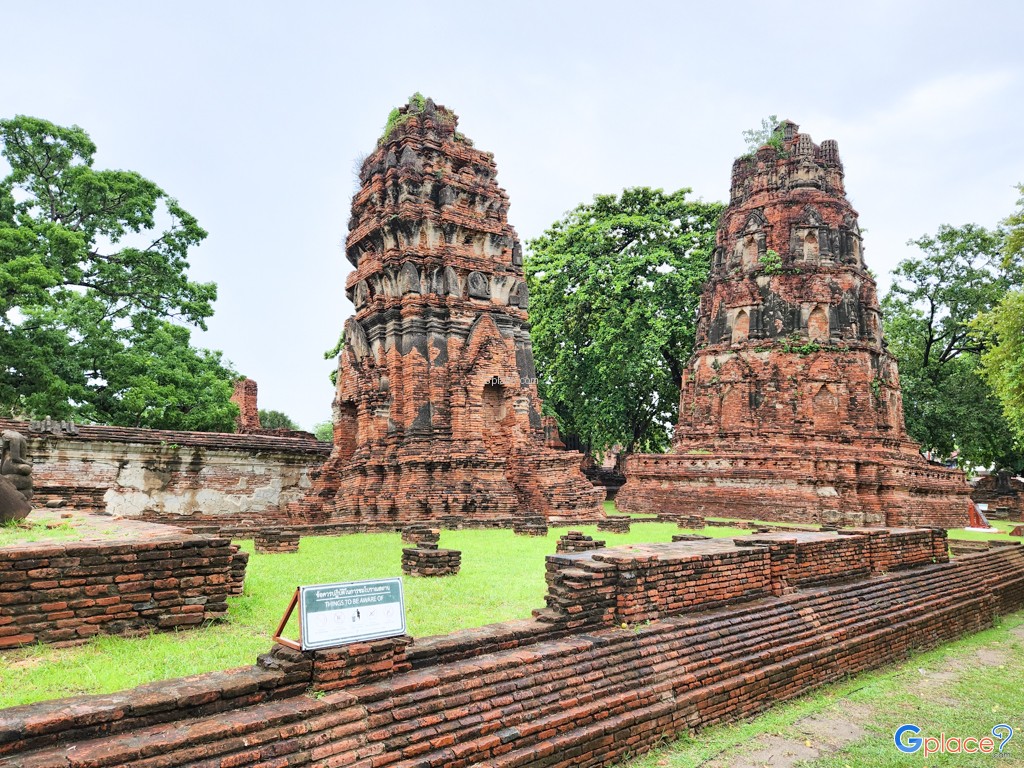
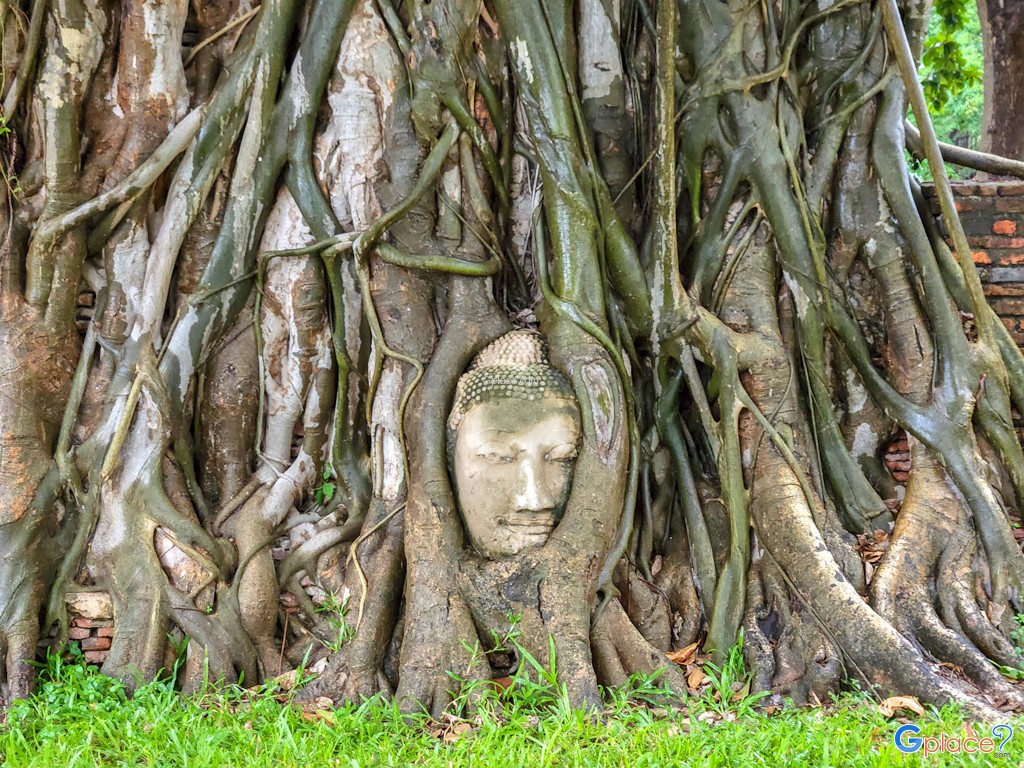
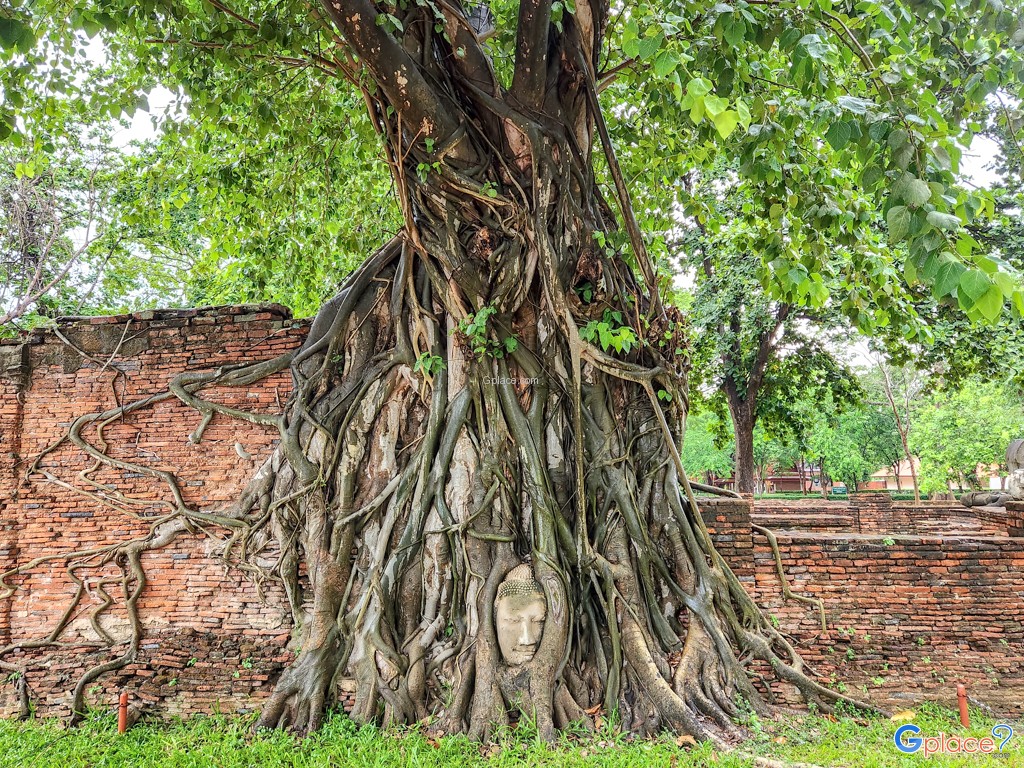
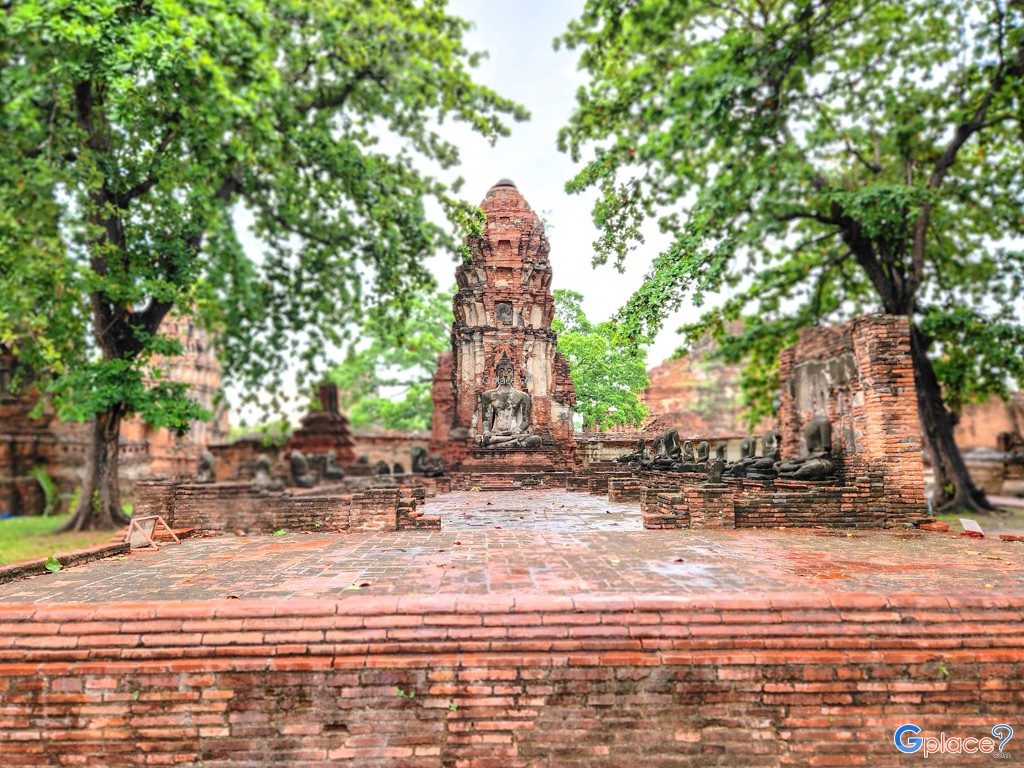
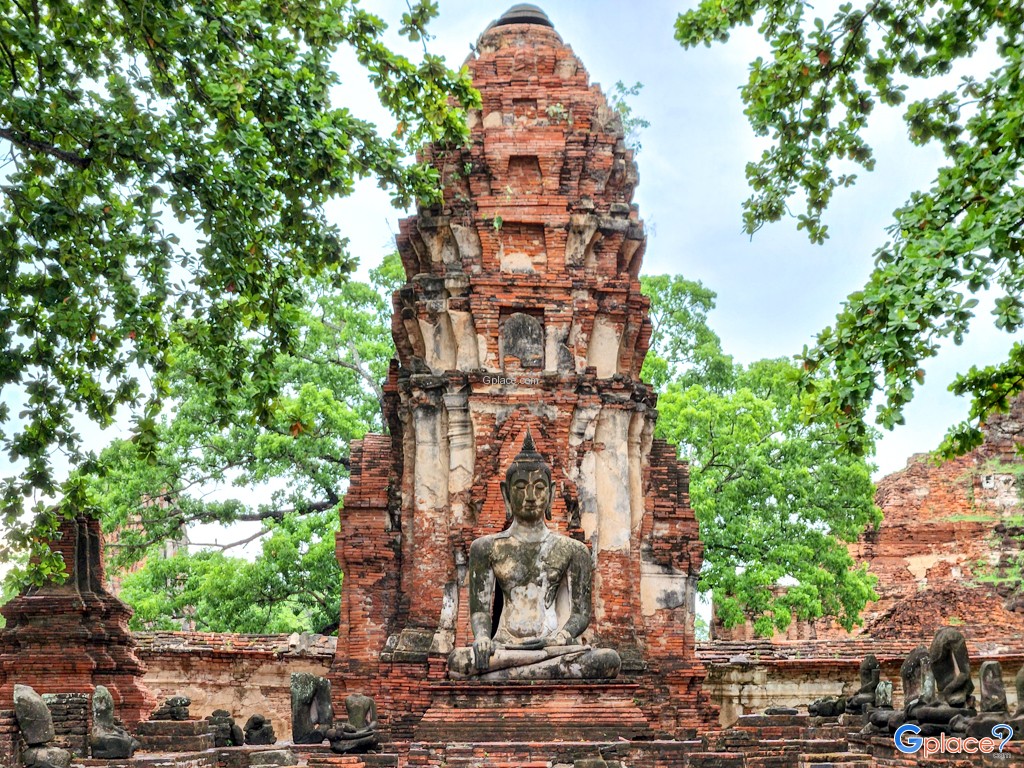
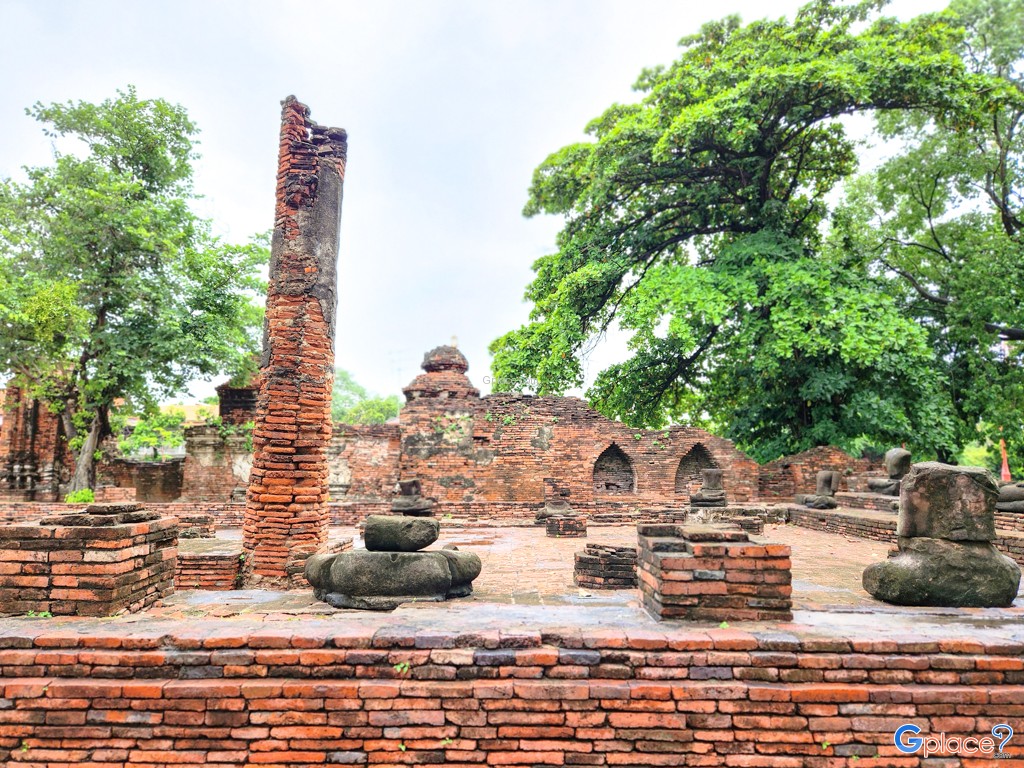

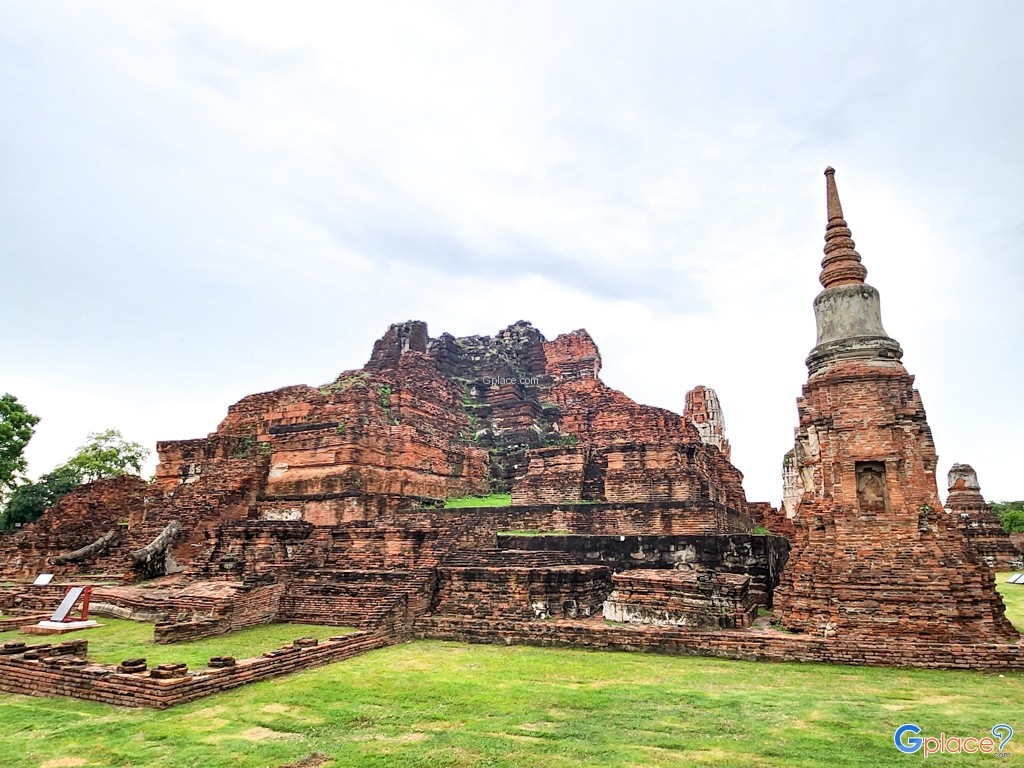
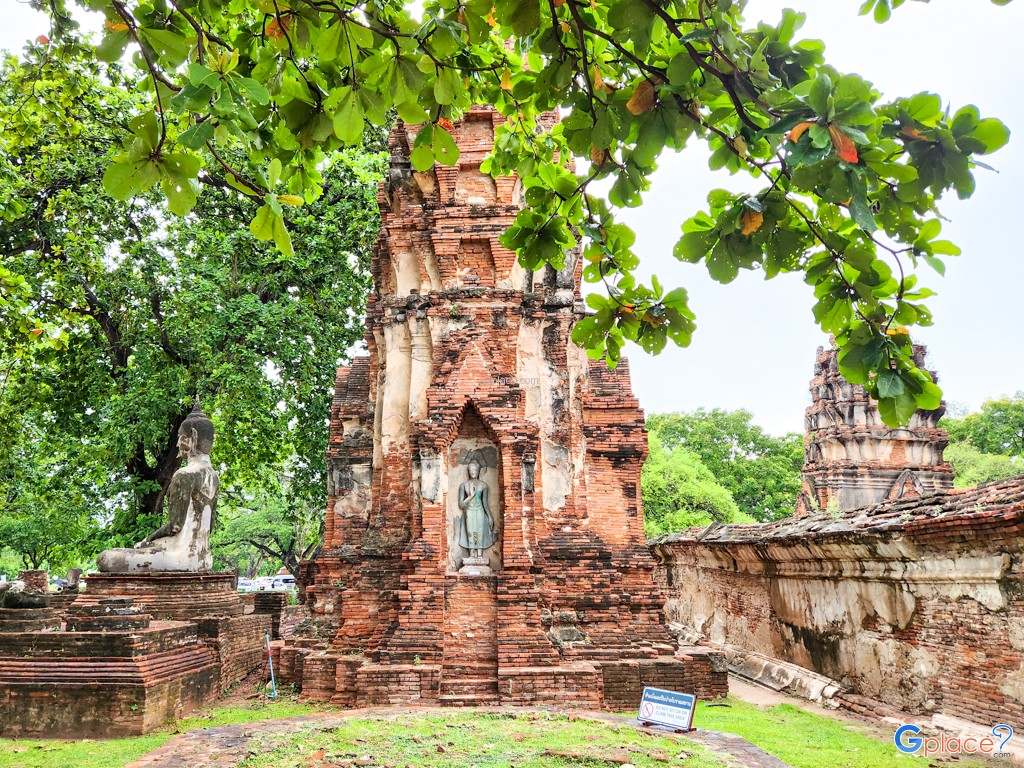
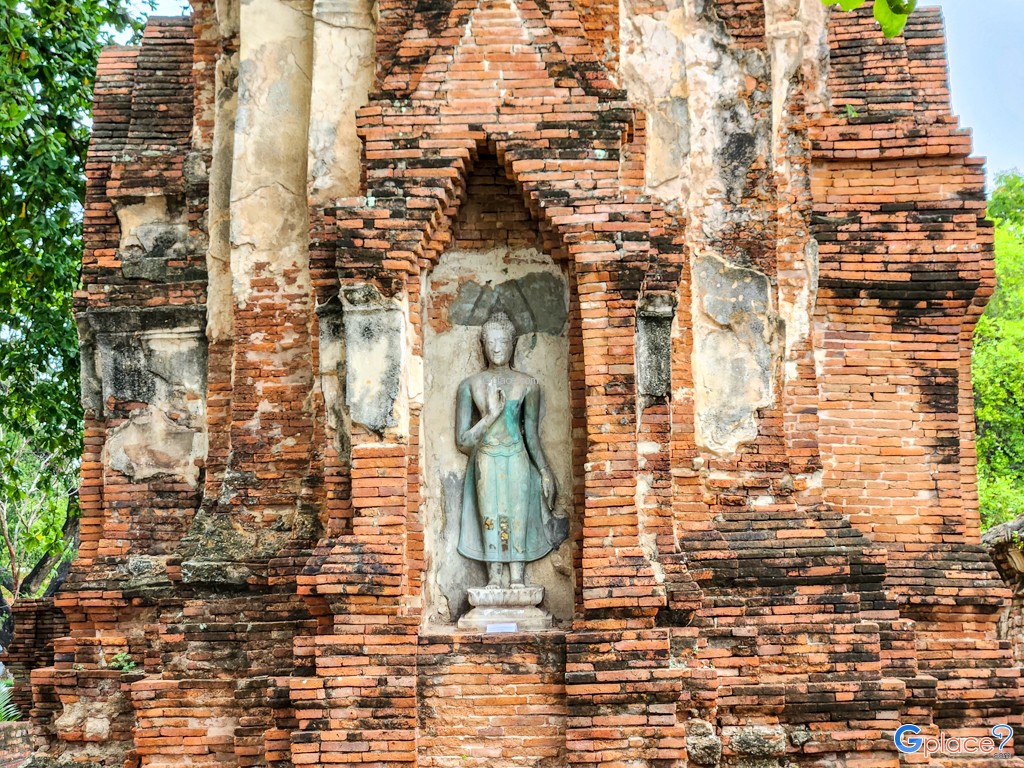

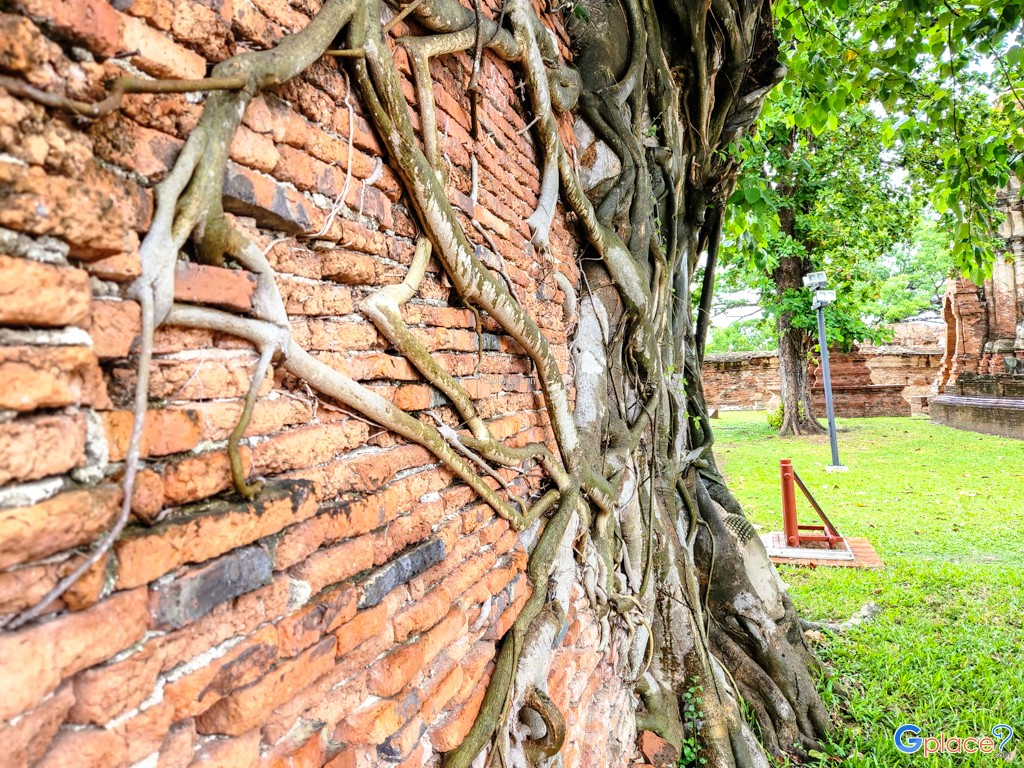
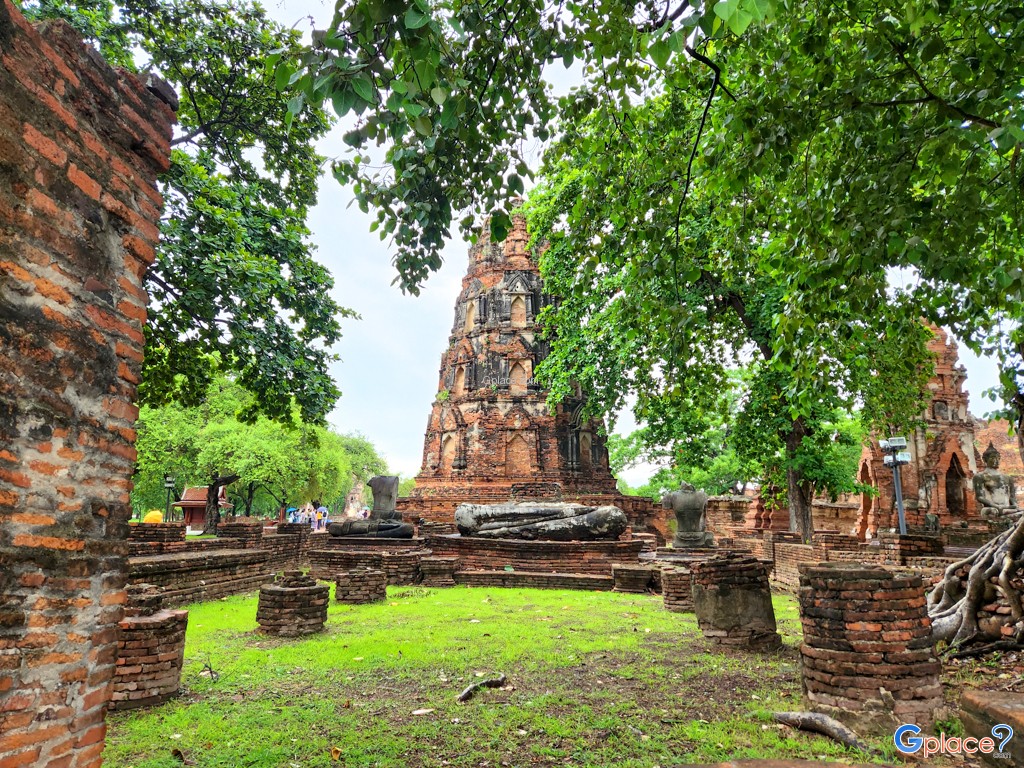
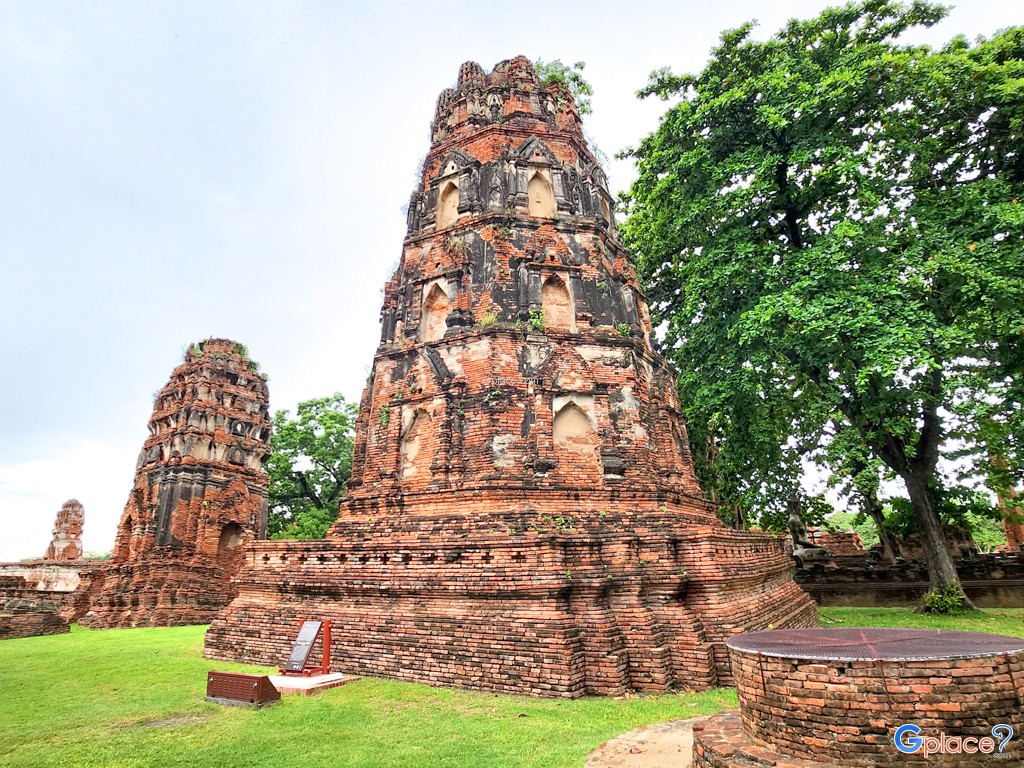

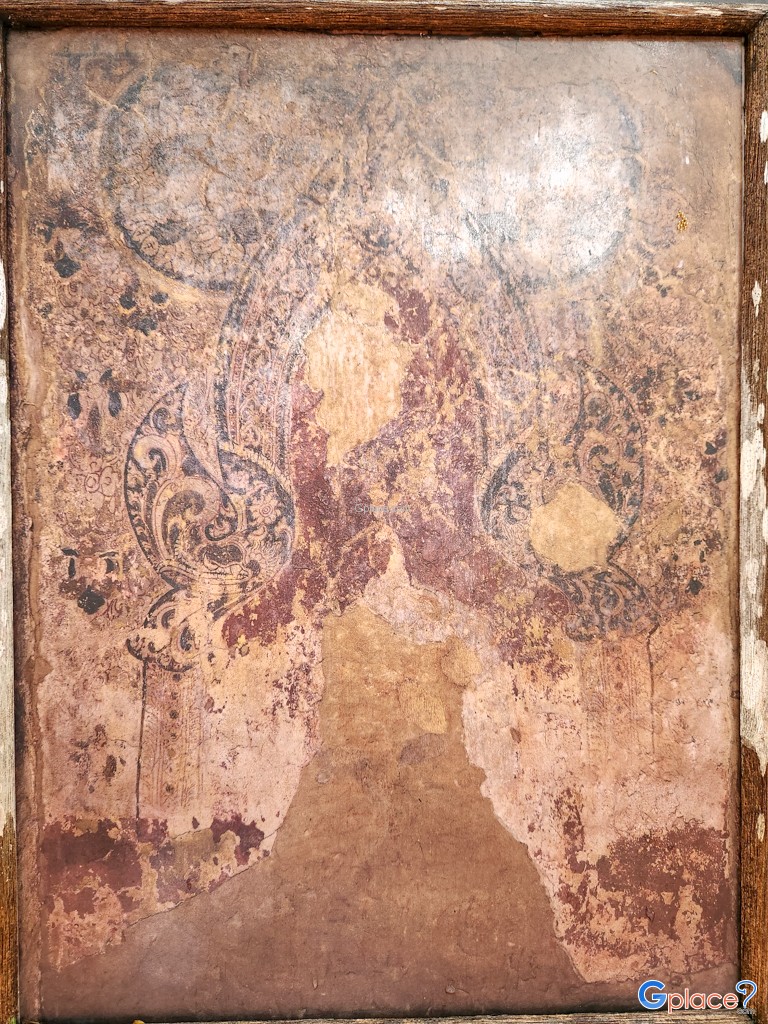
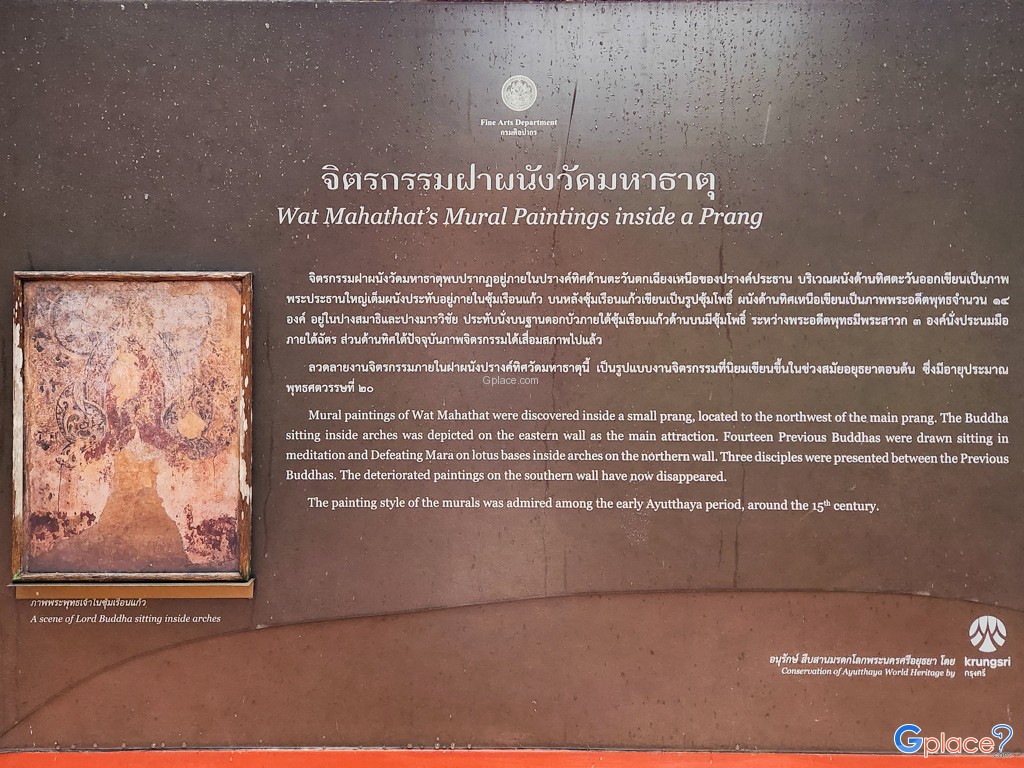
Wat Mahathat is one of the most significant temples in Ayutthaya, serving as the religious and spiritual center of the Ayutthaya Kingdom. It was constructed during the reign of King Borommarachathirat I (Khun Luang Phangua) with the purpose of enshrining the Buddha’s relics and serving as the residence of the Supreme Patriarch of the Kamavasi sect, the highest ecclesiastical authority in the Ayutthaya period. As such, the temple played a central role in royal religious ceremonies and reflects the close relationship between Buddhism and the monarchy.
Wat Mahathat is located near Wat Ratchaburana and Bueng Phra Ram Park, in the heart of the island city. This location clearly demonstrates the urban planning concept of Ayutthaya, in which religious institutions formed the core of the capital’s political, social, and spiritual life. Today, Mahathat Temple is part of the Ayutthaya Historical Park, which has been designated a UNESCO World Heritage Site, underscoring its outstanding universal value.
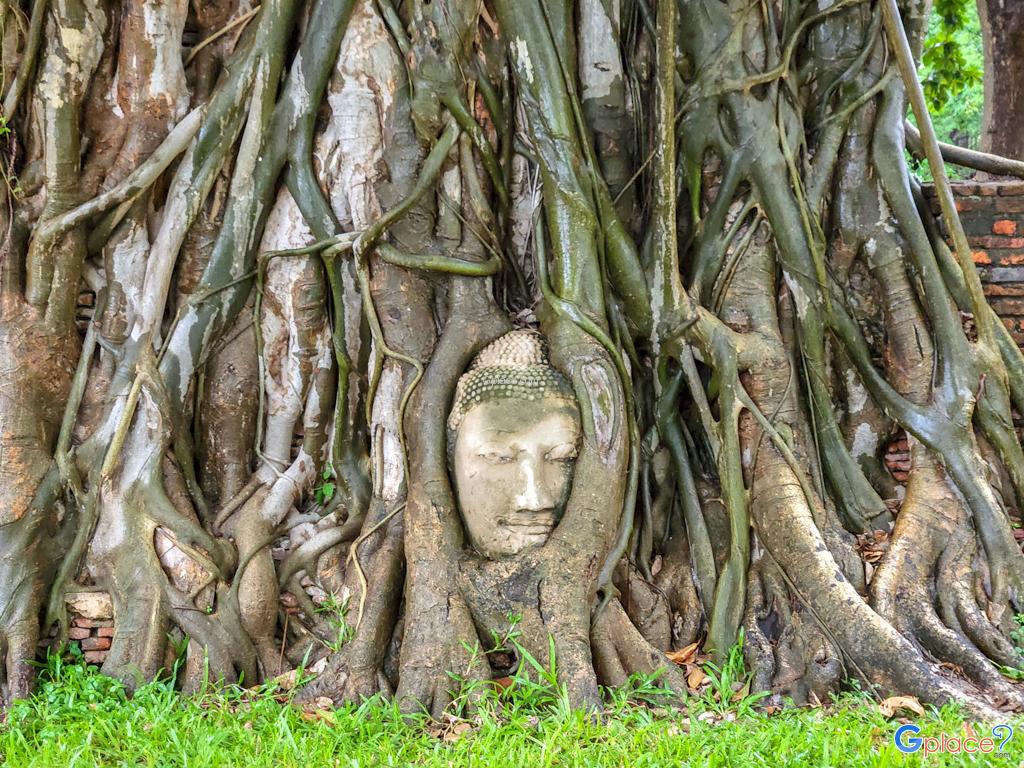
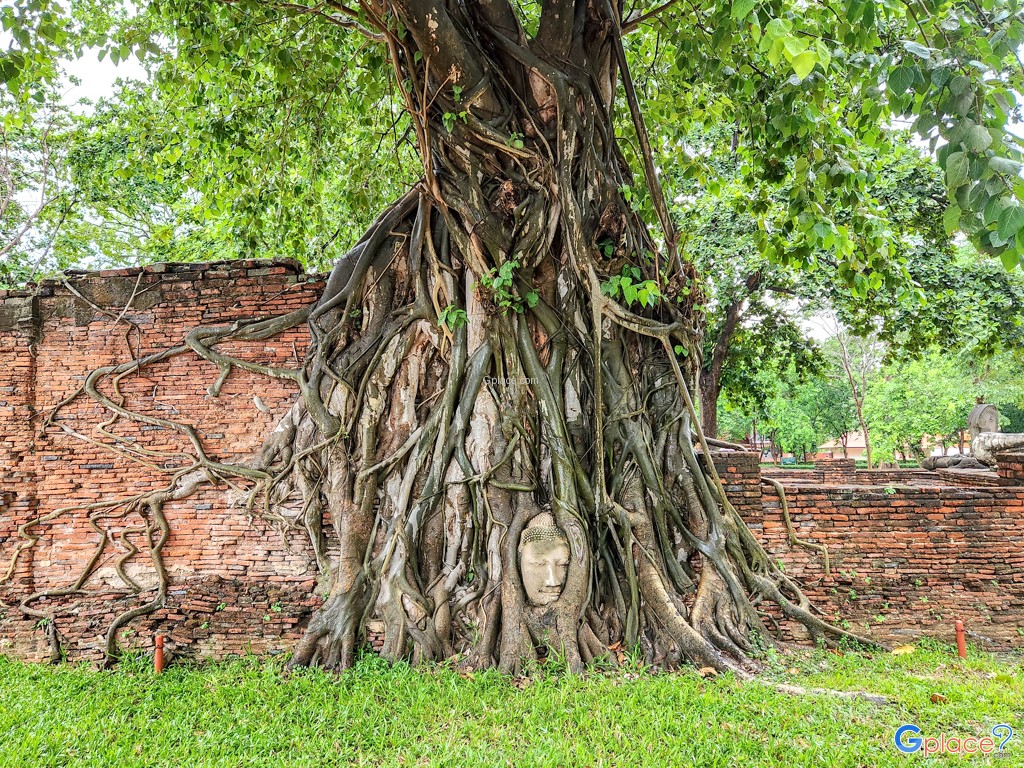
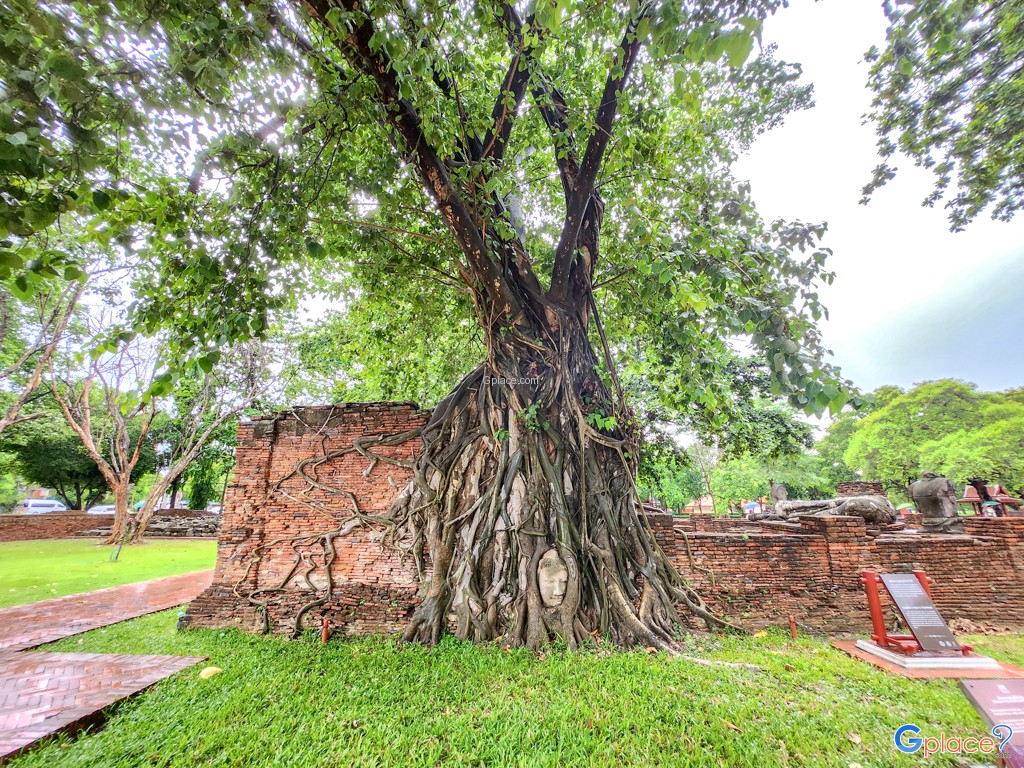
The most iconic and recognizable feature of Wat Mahathat is the Buddha head entwined in the roots of a Bodhi tree. This sandstone Buddha head, crafted in the Ayutthaya artistic style, is naturally embraced by the tree’s roots, creating a harmonious blend of nature and sacred art. The image evokes a sense of serenity, mystery, and wonder, and has become a powerful symbol of Ayutthaya, reflecting the impermanence of life and the passage of time.
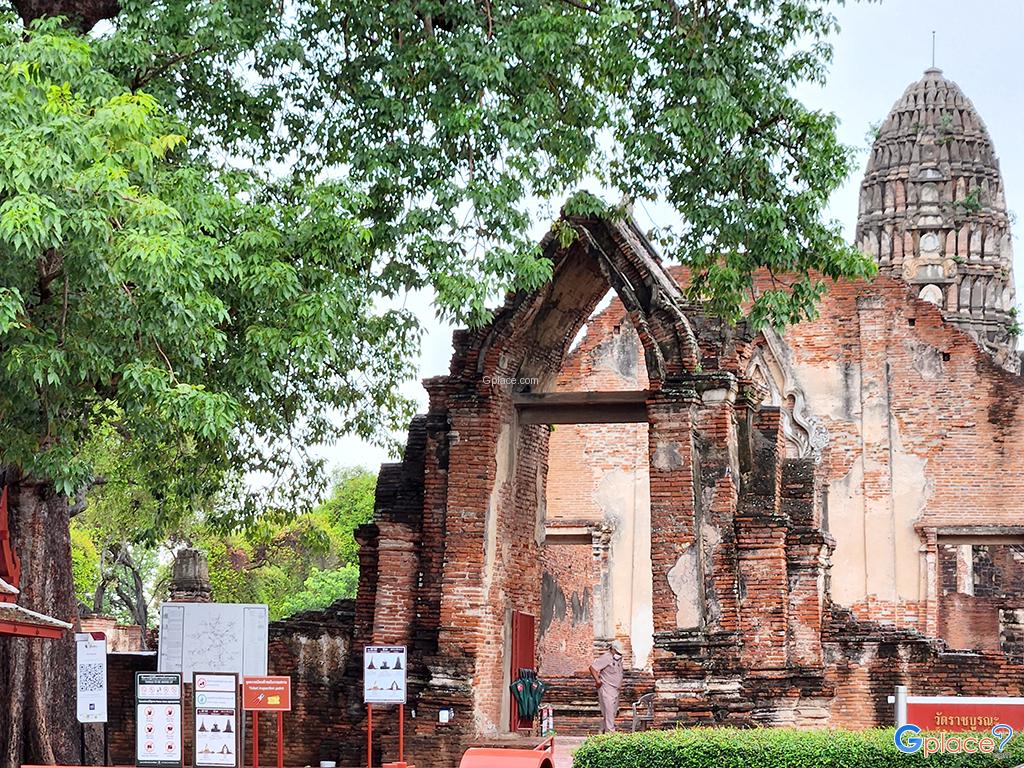
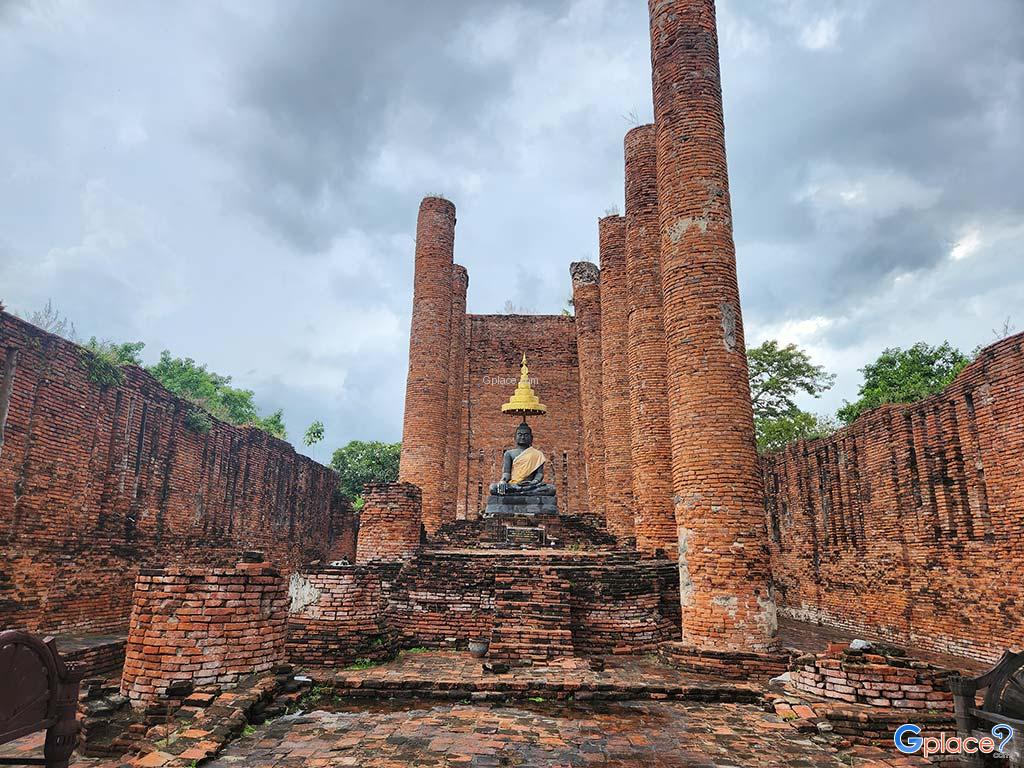
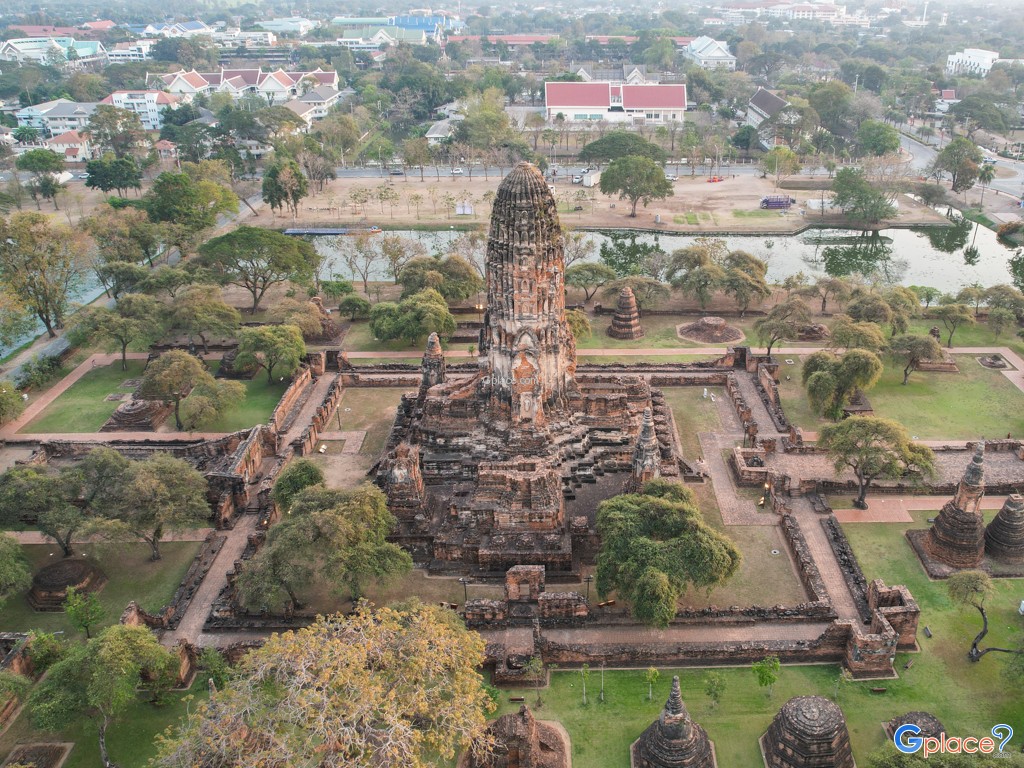
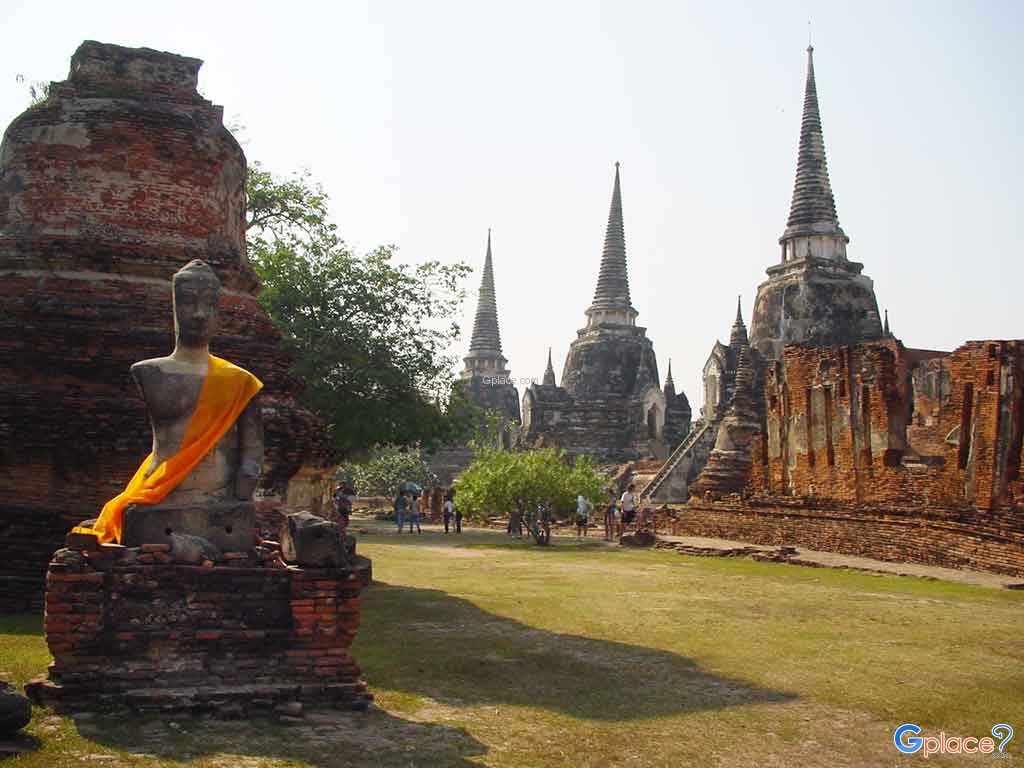
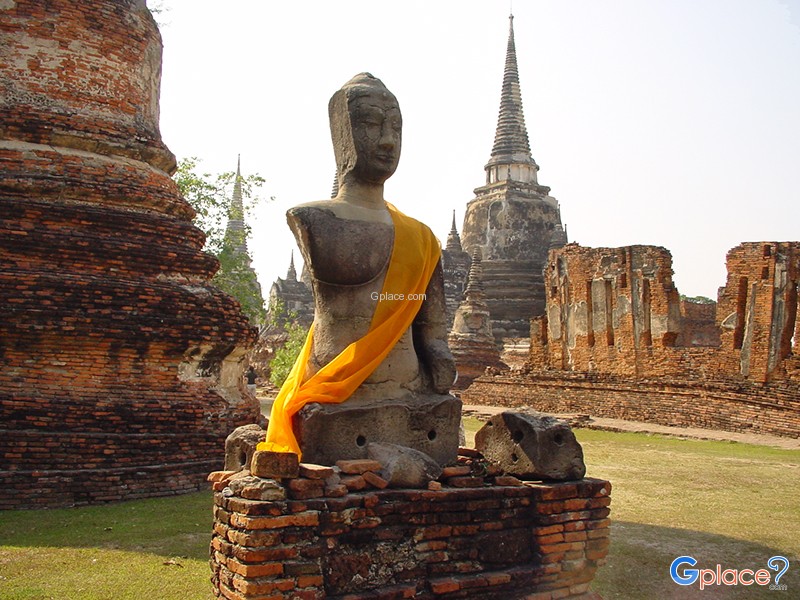
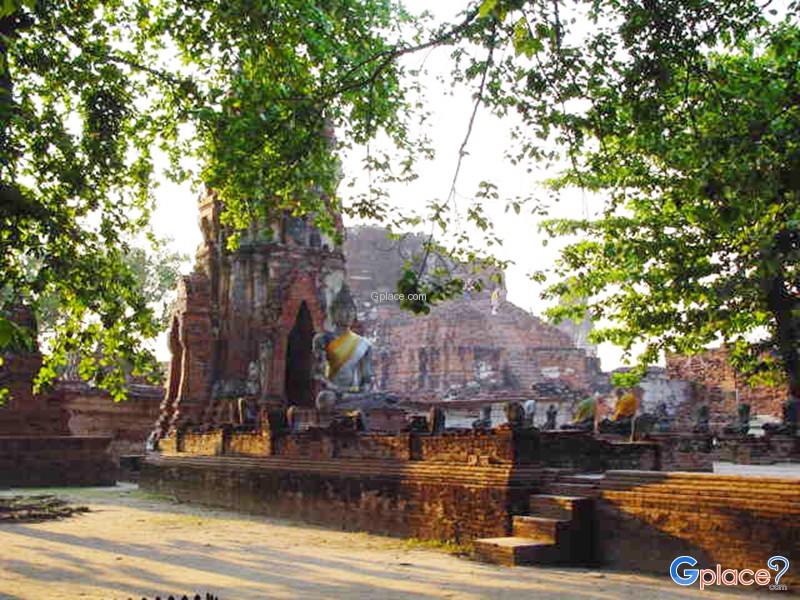
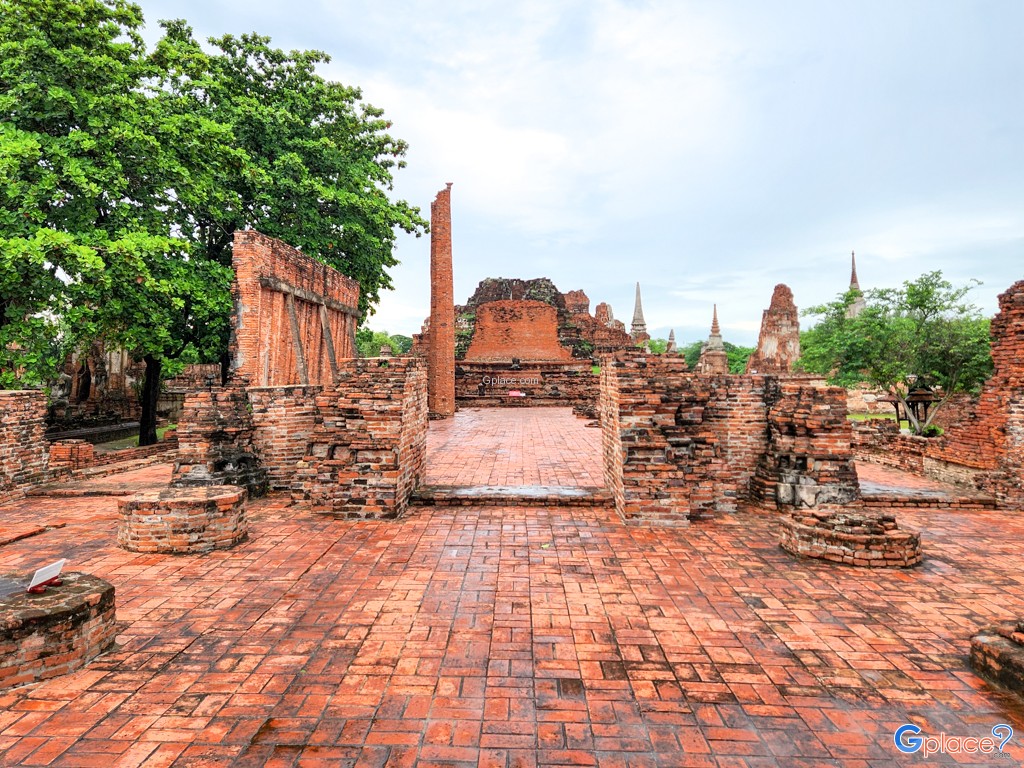
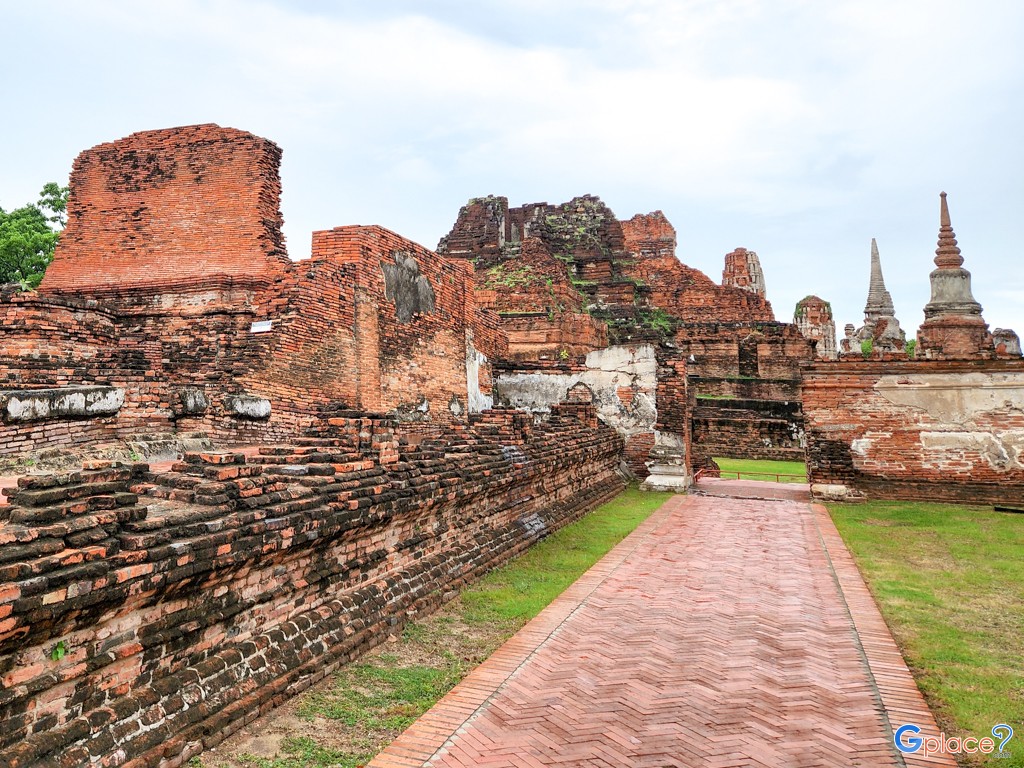
Within the temple grounds stands the remains of the main prang, once a grand central tower. Although only its base remains, it still reveals the refined craftsmanship of early Ayutthaya architecture influenced by Khmer art. The laterite and brick structures, along with the ruins of surrounding viharns, chedis, and cloisters, vividly convey the story of the kingdom’s former glory and eventual decline.
Exploring Wat Mahathat at different times of the day offers varying experiences. The ancient ruins set amid large trees create an atmosphere that is peaceful, shaded, and solemn. Despite being one of the most visited sites in Ayutthaya, the spacious layout allows visitors to explore at a relaxed pace and immerse themselves in history. Standing before the ruins as their shadows stretch across the green lawns offers a historical travel experience that gently reminds visitors of impermanence and the enduring value of time.
For photographers and artists, Wat Mahathat serves as a natural studio, with light and shadow playing across brick walls and remaining stucco details. Couples often visit in the late afternoon to capture memorable moments bathed in soft golden light, while history enthusiasts enjoy studying the unique octagonal chedis, viharns, and cloistered walkways surrounding the main prang—architectural features rarely found elsewhere.
Wat Mahathat is therefore not merely an ancient ruin, but a place where faith, history, and nature are beautifully intertwined. Visitors are warmly invited to experience the deep-rooted spirituality and remarkable beauty of Wat Mahathat, where traces of the past remain alive and await discovery in every corner of this extraordinary historical site.