 Attractions
  Hotel
Hotel  Restaurant
  Shopping
  Abroad





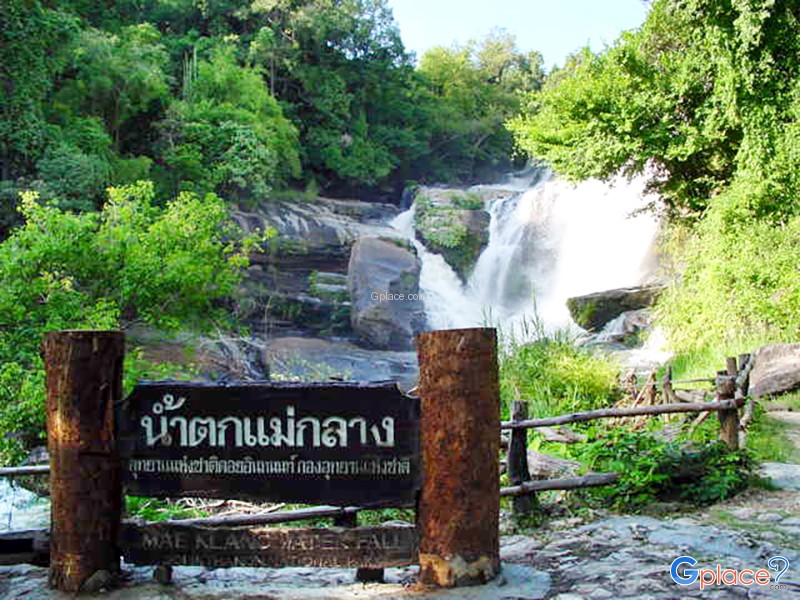


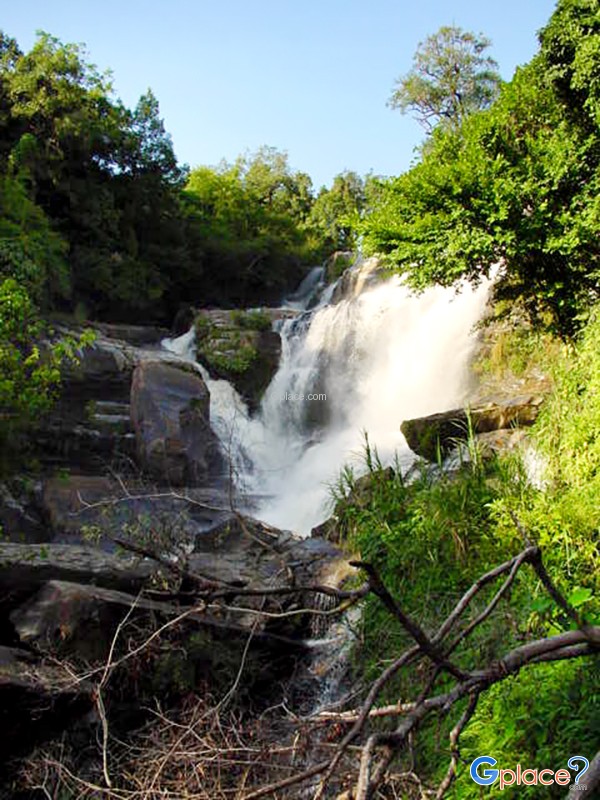
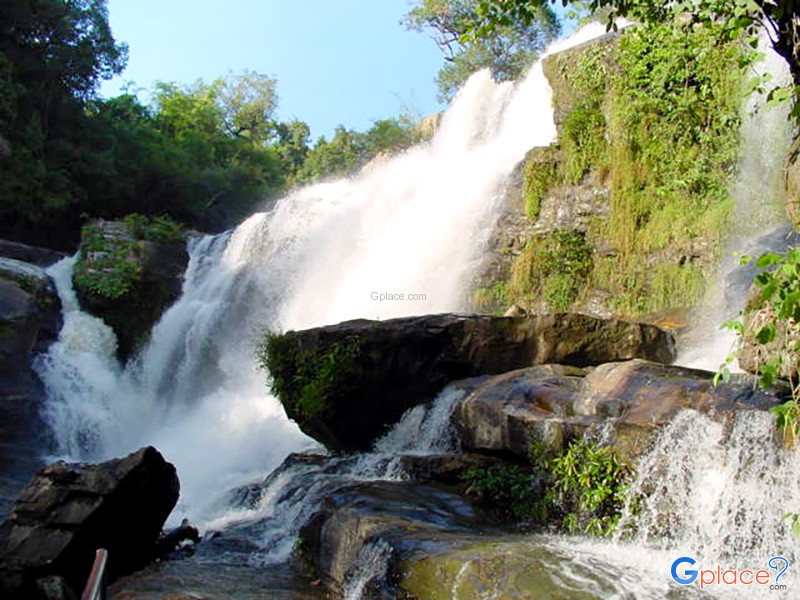
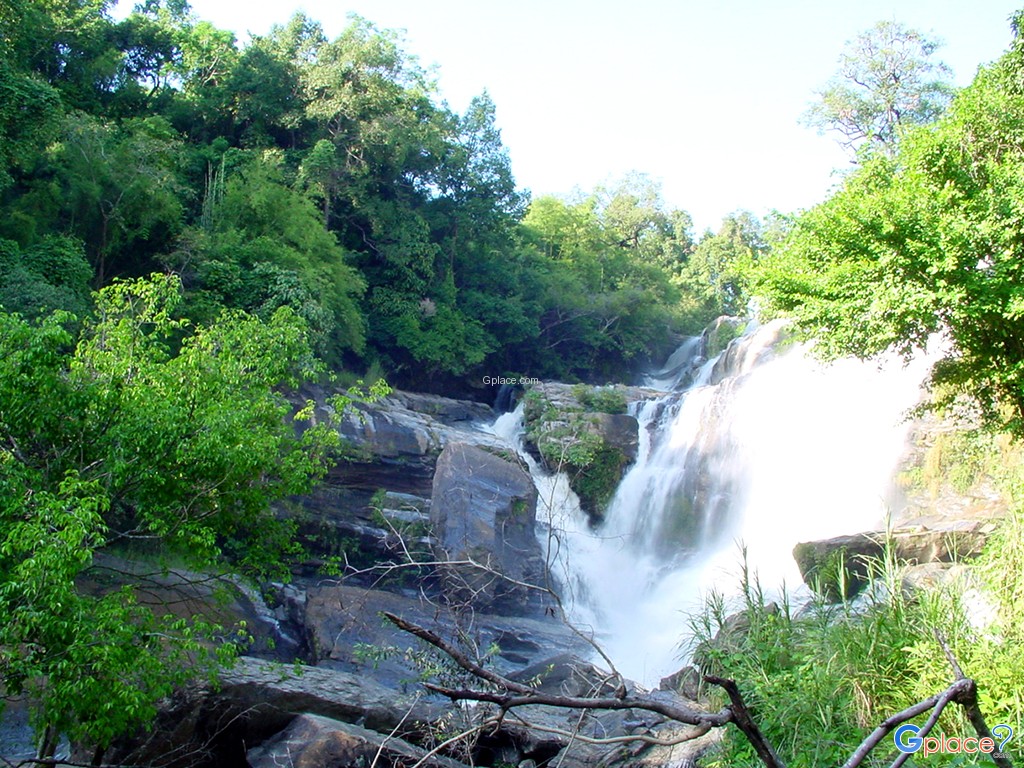
“A primary waterfall serving as the gateway to the Doi Inthanon ecosystem, distinguished by its ancient granite formations and its historical significance as a site of Royal processions.”
Mae Klang Waterfall holds immense ecological and hydrological importance, serving as the confluence for several streams from Doi Inthanon that merge into the Mae Klang River before flowing into the Ping River. Geologically, the waterfall is situated on an ancient granite foundation, part of the Thanon Thong Chai Range formed by tectonic uplifts millions of years ago. The cliff face over which the water cascades is a result of long-term natural erosion, revealing intricate rock layers and a robust structural integrity. Geologists frequently utilize this site to study the crustal evolution of Northern Thailand.
In terms of tourism history, Mae Klang Waterfall was one of the first natural attractions in Chiang Mai to be pioneered and developed. In the era before the road to the summit of Doi Inthanon was constructed, this waterfall was the ultimate destination reachable by travelers. Furthermore, it holds profound local and historical value, as it was graced by the visits of King Bhumibol Adulyadej the Great and Queen Sirikit the Queen Mother, who traveled here several times to appreciate its beauty and visit the people of Chom Thong.
The ecosystem surrounding Mae Klang Waterfall consists of Dry Dipterocarp and Mixed Deciduous forests, serving as a critical Ecotone (biological transition zone) between the lowlands and highlands. The flora predominantly includes resilient species like Teak, Daeng (Xylia xylocarpa), and Padauk, which adapt well to seasonal changes. Additionally, it serves as a habitat for various small wildlife and bird species that rely on the Mae Klang waters. The nutrient cycling within this freshwater ecosystem is highly efficient, evidenced by the dense moss and lichen covering the rocks key bioindicators of pristine air and water quality.
Regarding academic value, Mae Klang Waterfall serves as a model for water resource management, specifically the Check Dam (Fai Maeo) system initiated by Royal thought to slow water flow and prevent soil erosion during the monsoon. Forest and water management experts use this area for research on community water systems, as the river is the "lifeline" for the entire agricultural sector in Chom Thong. The existence of Mae Klang Waterfall is therefore not merely for recreation, but for the preservation of natural resource security for the region.
Visiting Mae Klang Waterfall offers an encounter with a natural heritage that reflects both the Earth's evolution and the human history intertwined with this water source. Understanding the natural mechanisms hidden beneath the white curtain of water encourages visitors to realize the importance of conserving the Doi Inthanon watershed. This realization is the true heart of visiting this site, far transcending the mere appreciation of its outward scenery.
How to Get There
- Private Car: From Chiang Mai, take Highway 108 towards Chom Thong, then turn right onto Highway 1009 (Chom Thong-Doi Inthanon) for approximately 8 km; the entrance will be clearly marked on the left.
-
Public Transport: Take a yellow songthaew (Chiang Mai-Chom Thong route) from Chiang Mai Gate, alight at Wat Phra That Si Chom Thong, and transfer to a songthaew heading up Doi Inthanon, requesting to get off at the waterfall entrance.
-
Additional Info: The distance from Chiang Mai city is approximately 66 km, with an average travel time of 1 hour and 30 minutes.
Travel Tips
- Educational Visit: The best time for geological and botanical study is November to January, as lower water levels reveal the rock strata clearly.
-
Safety: Do not stray from the designated park trails, as the granite surfaces are extremely slippery due to moss and mineral deposits.
-
Photography: For wide shots of the cliff face, photographers should use a Wide Angle lens to capture the full geological structure.
-
Local Culture: Explore the lifestyle of Chom Thong, known for longan orchards and cotton weaving, alongside your visit to the waterfall.
-
Planning: For those interested in nature study trekking, it is recommended to contact park rangers for academic guidance and safety.
Admission Fee:
- Thai Citizens: Adult 60 THB, Child 30 THB
-
Foreign Visitors: Adult 300 THB, Child 150 THB
Opening Hours:
- Daily: 08:00 – 16:30
Mae Klang Waterfall

 Share
Share
 oi Inthanon National Park, Ban Luang Subdistrict, Chom Thong District, Chiang Mai
Map
oi Inthanon National Park, Ban Luang Subdistrict, Chom Thong District, Chiang Mai
Map
 Closed today
Mon8.00 - 16.30
Tue8.00 - 16.30
Wed8.00 - 16.30
Thu8.00 - 16.30
Fri8.00 - 16.30
Sat8.00 - 16.30
Sun8.00 - 16.30



 8975
8975