 Attractions
  Hotel
Hotel  Restaurant
  Shopping
  Abroad





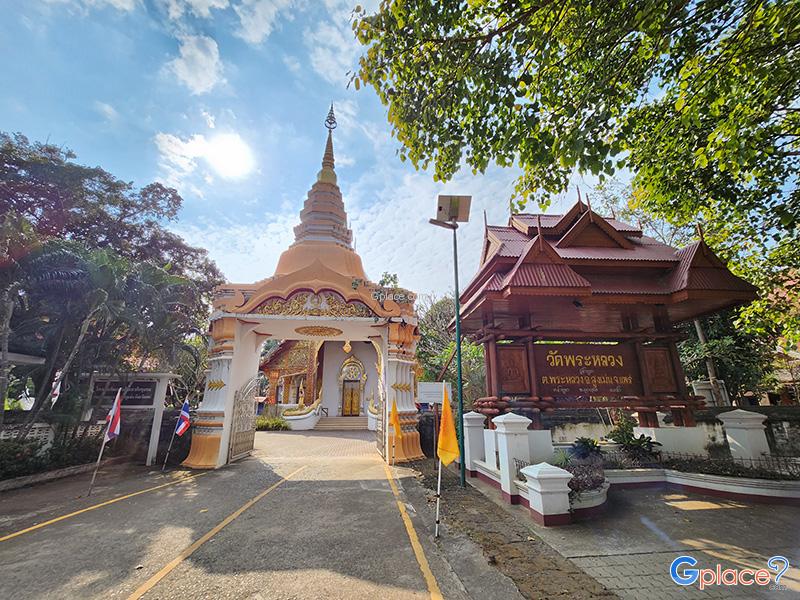

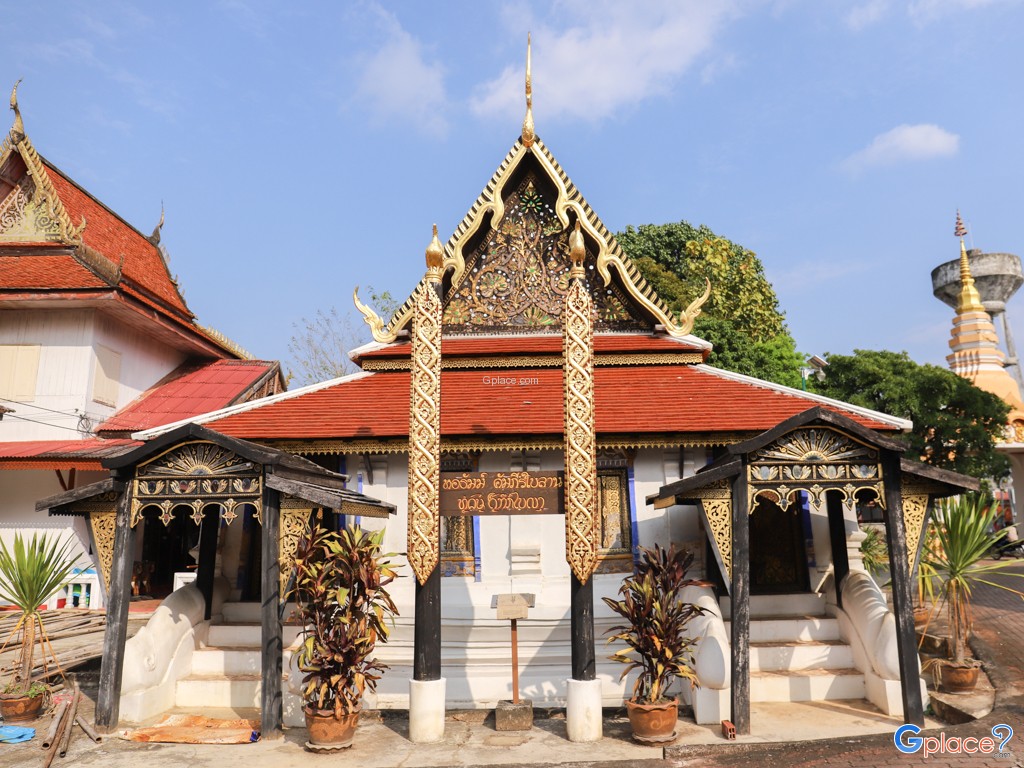
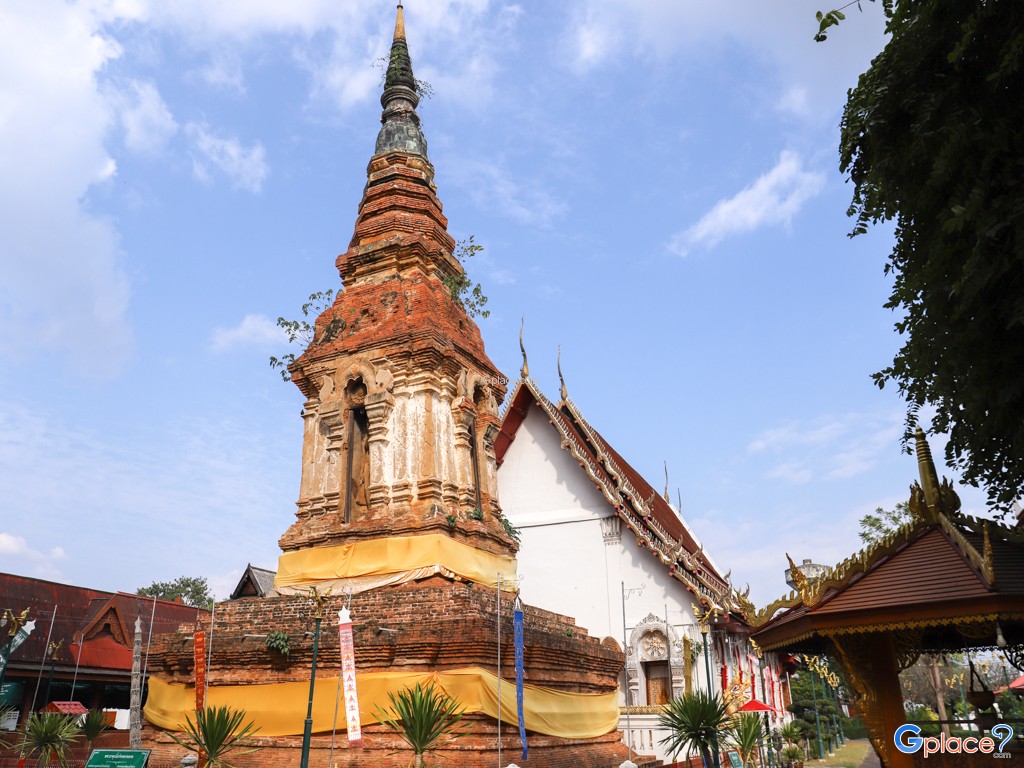
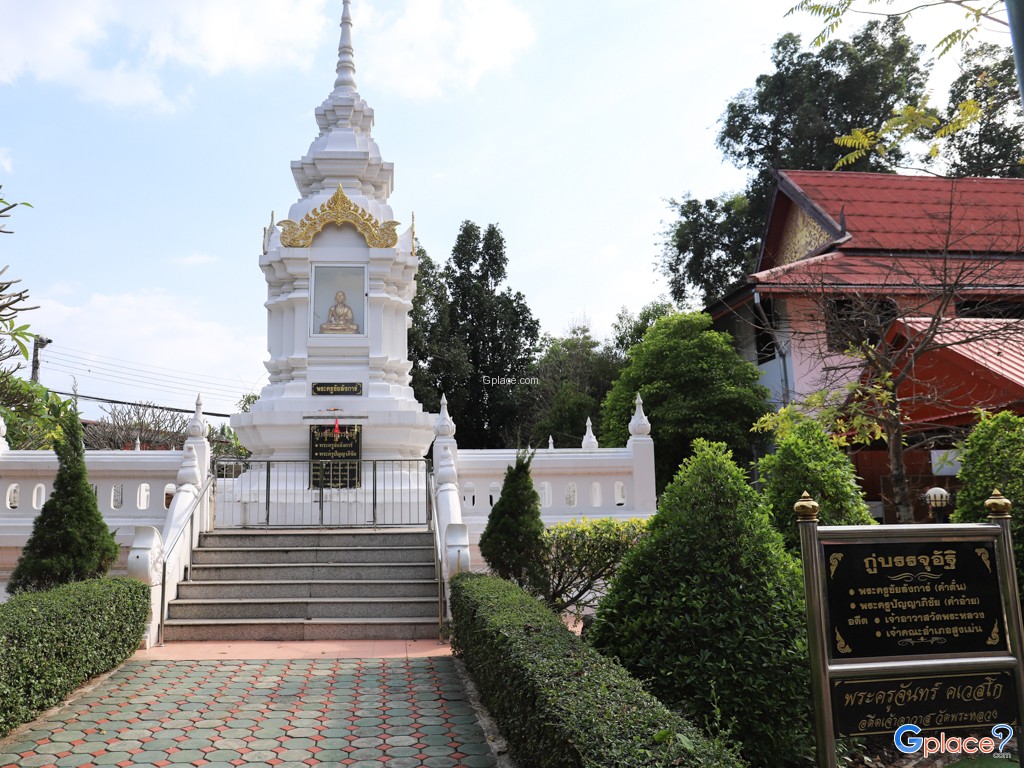
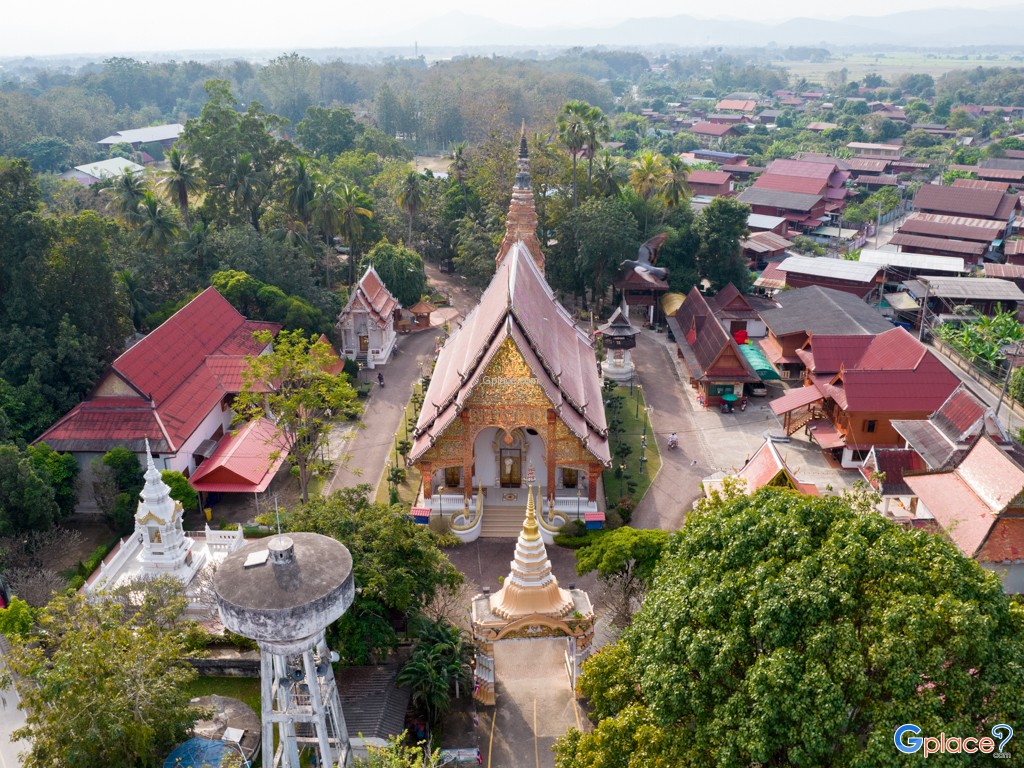
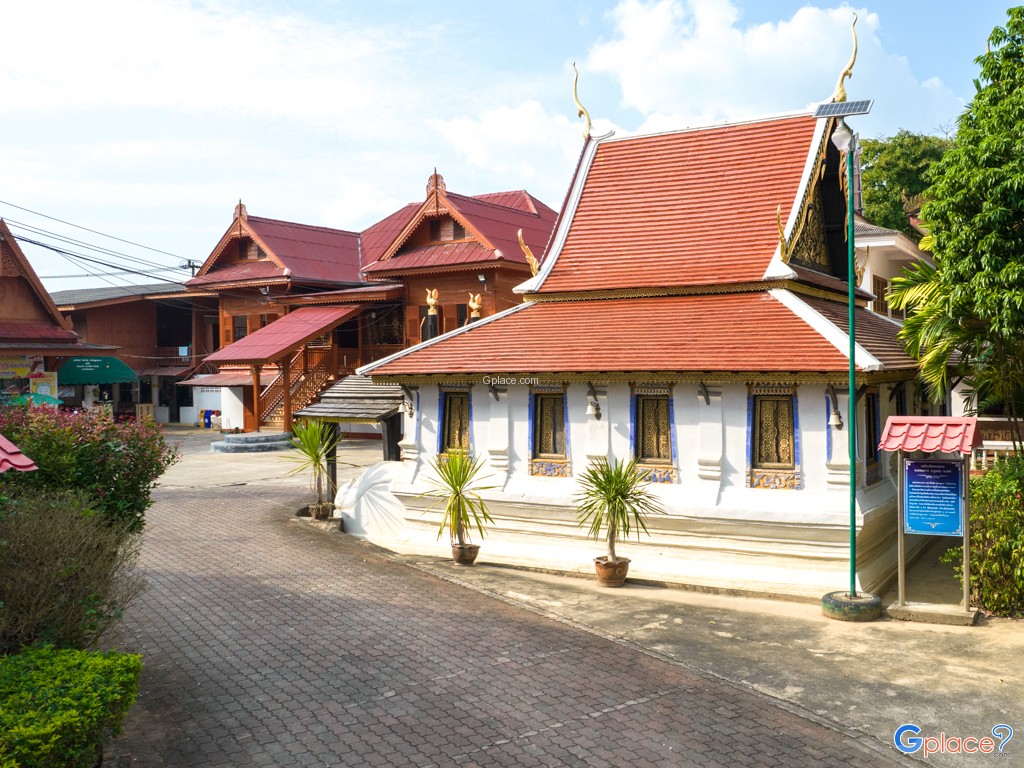
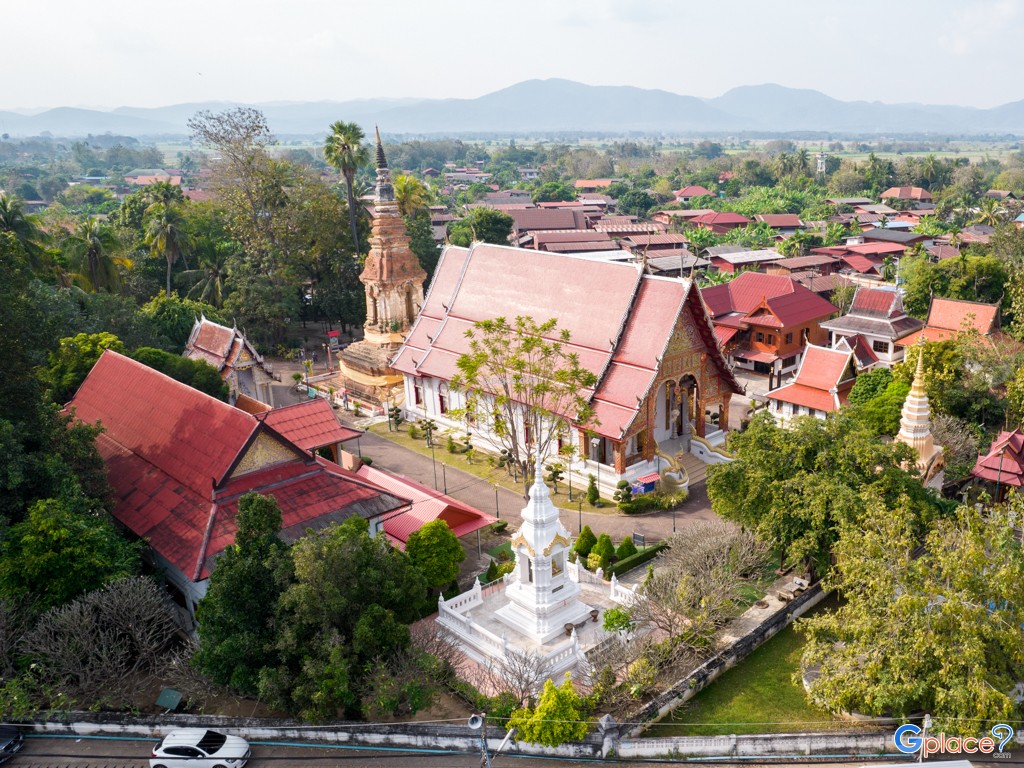
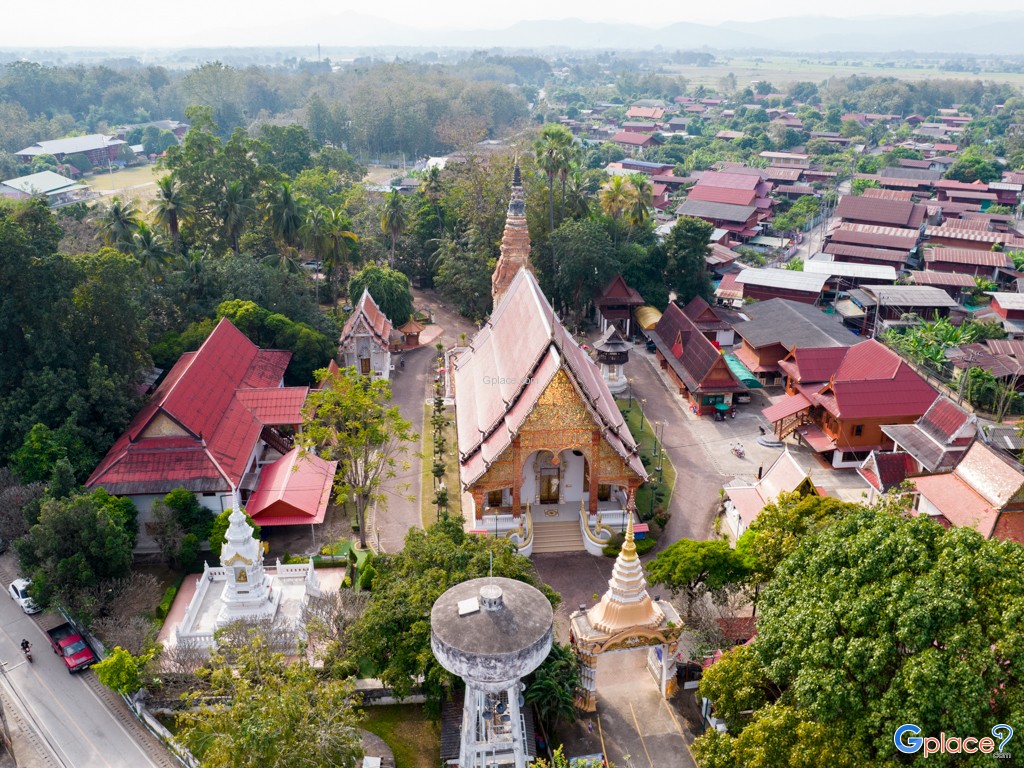
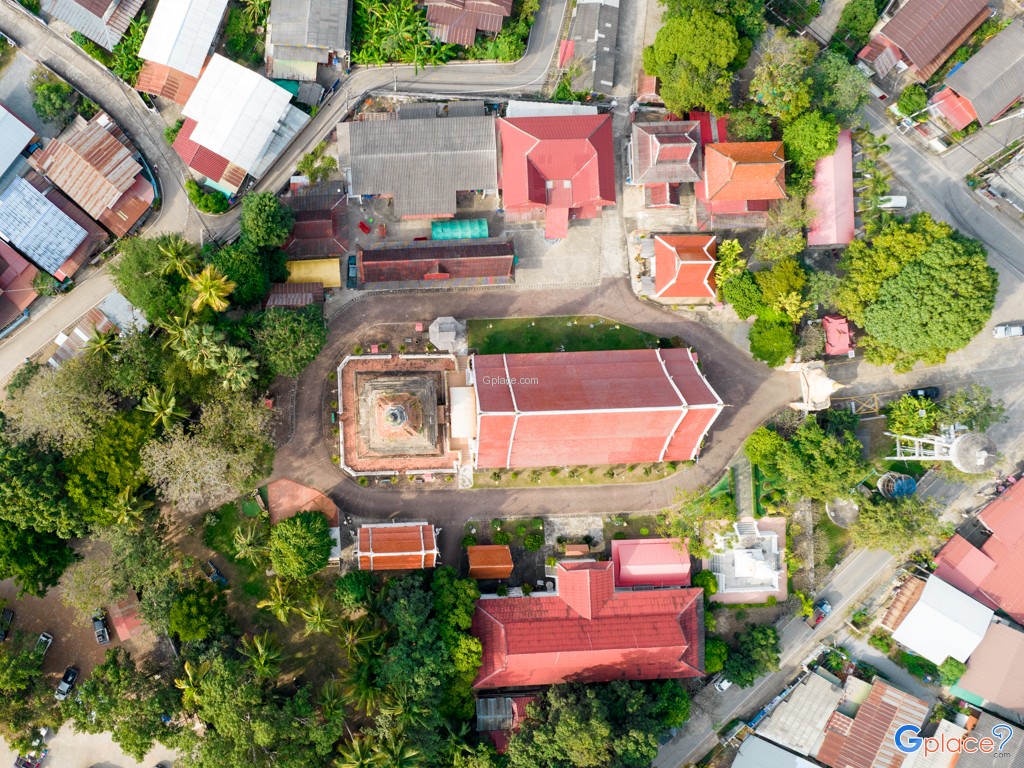
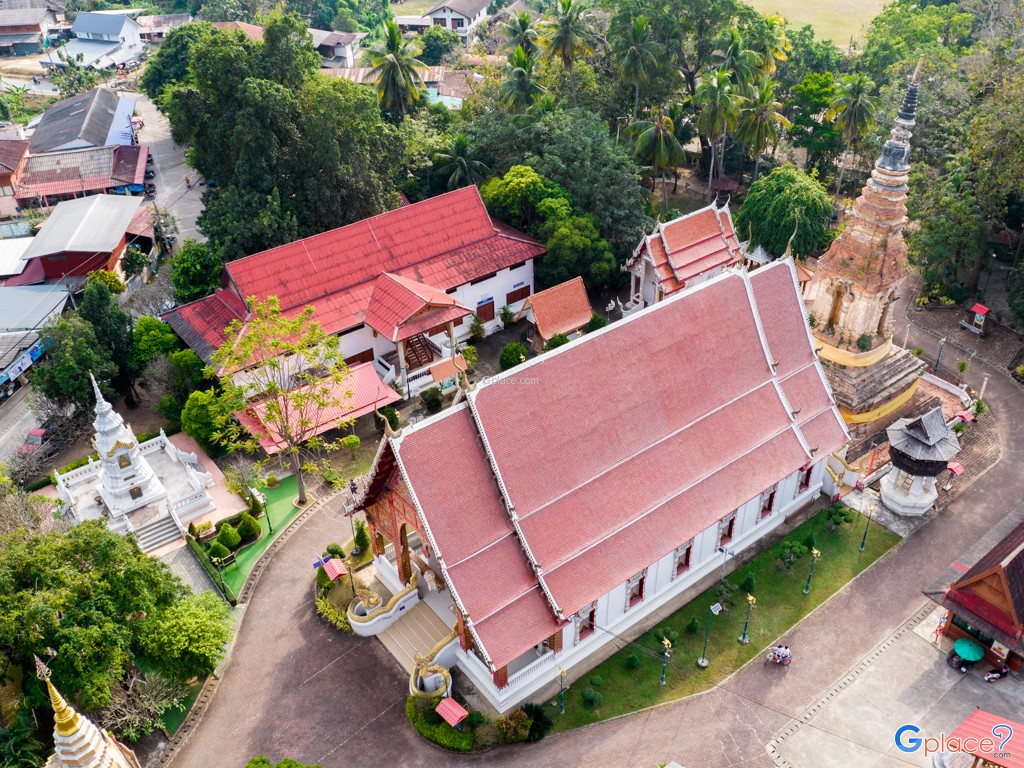
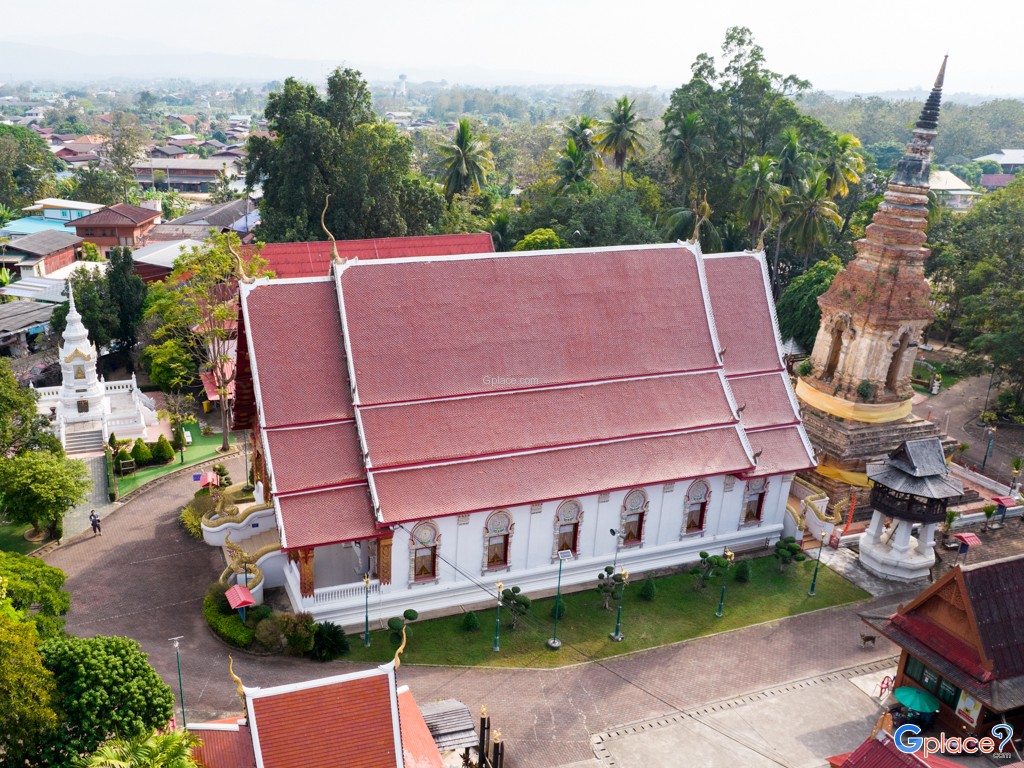
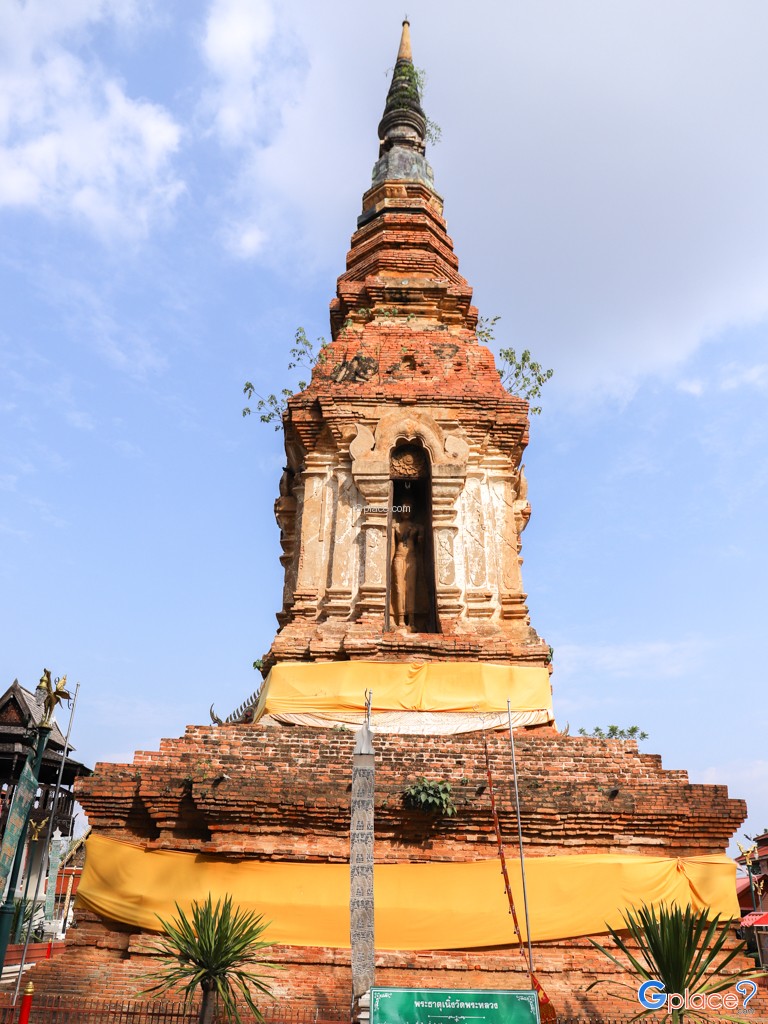
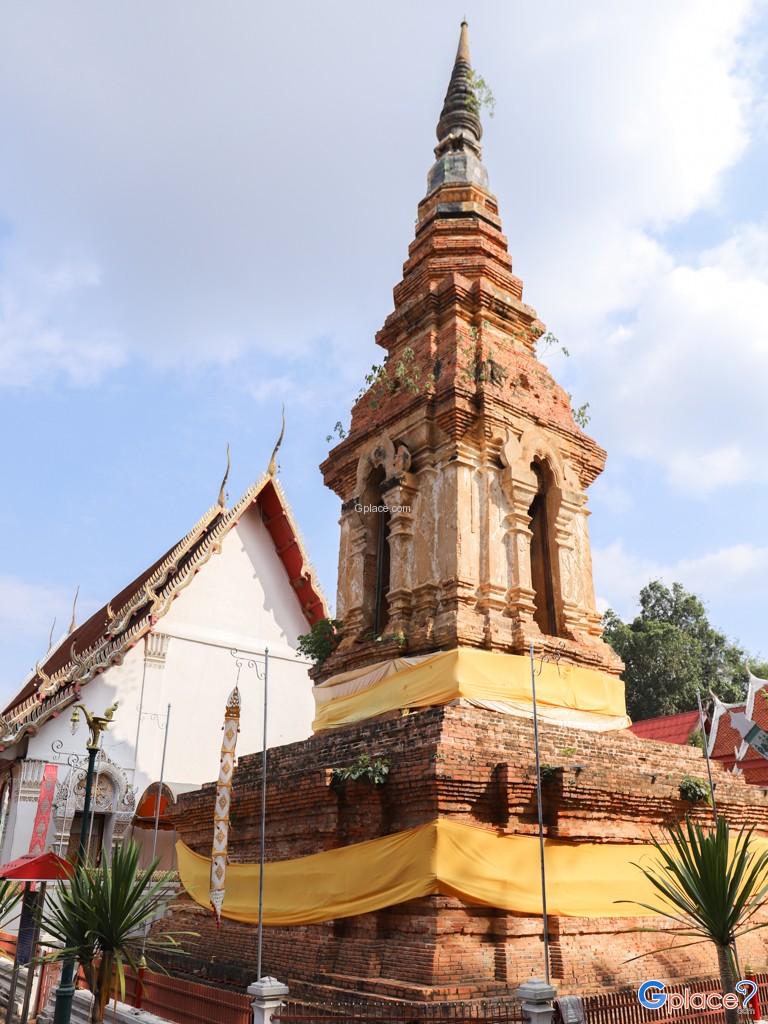
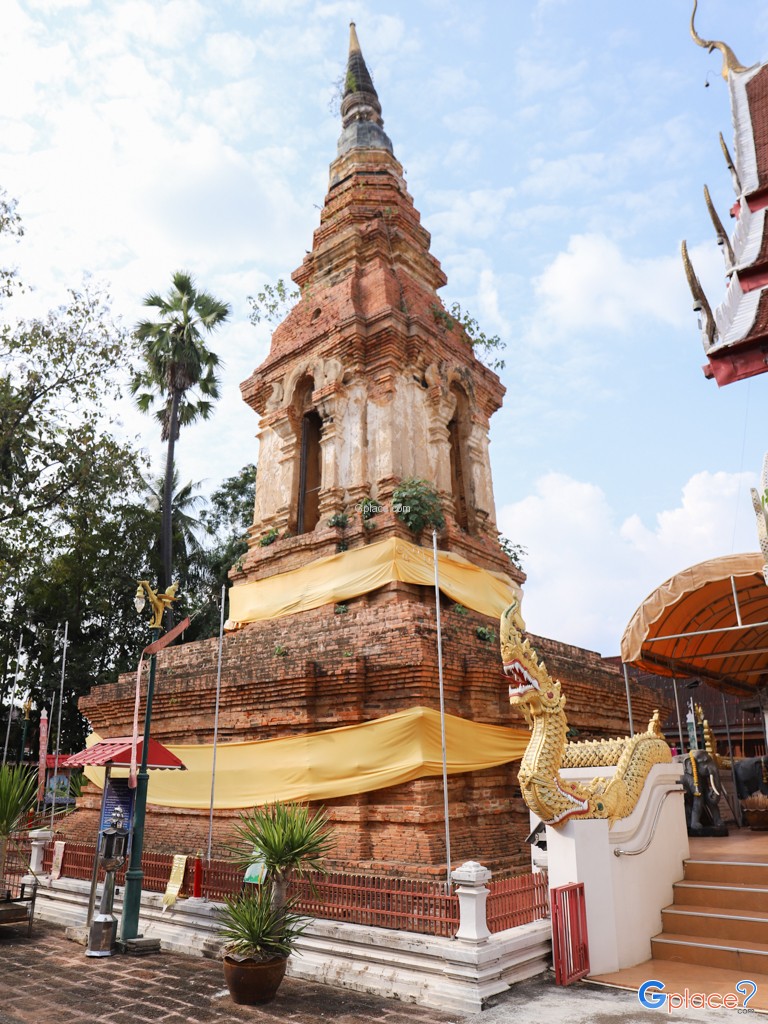
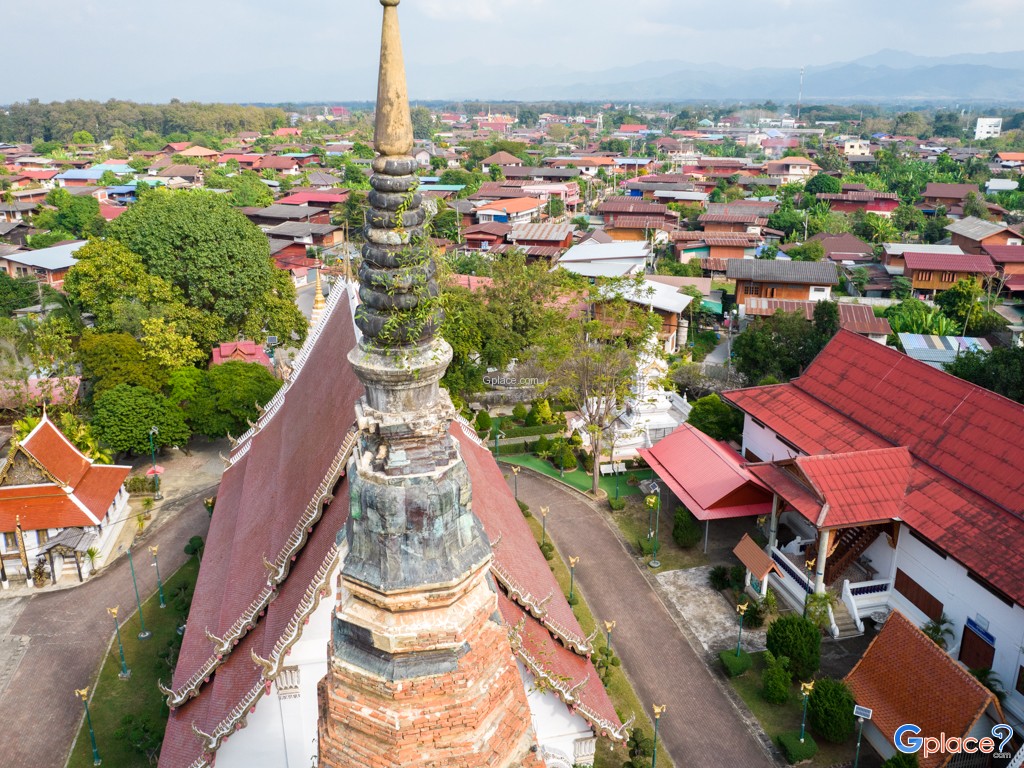
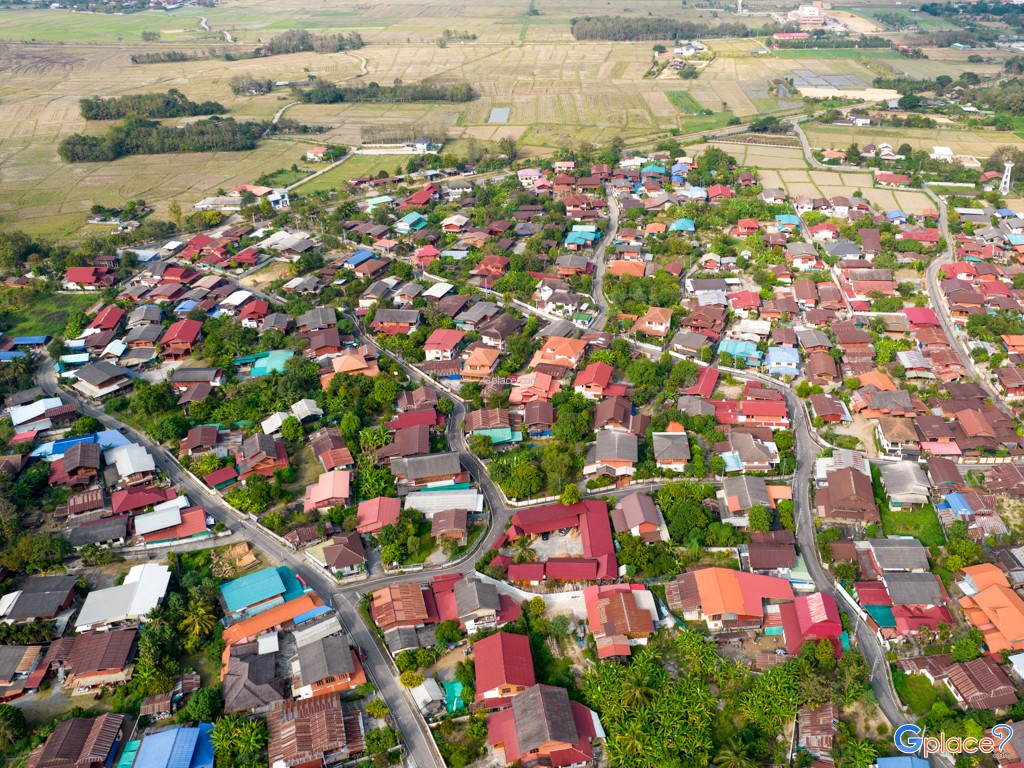
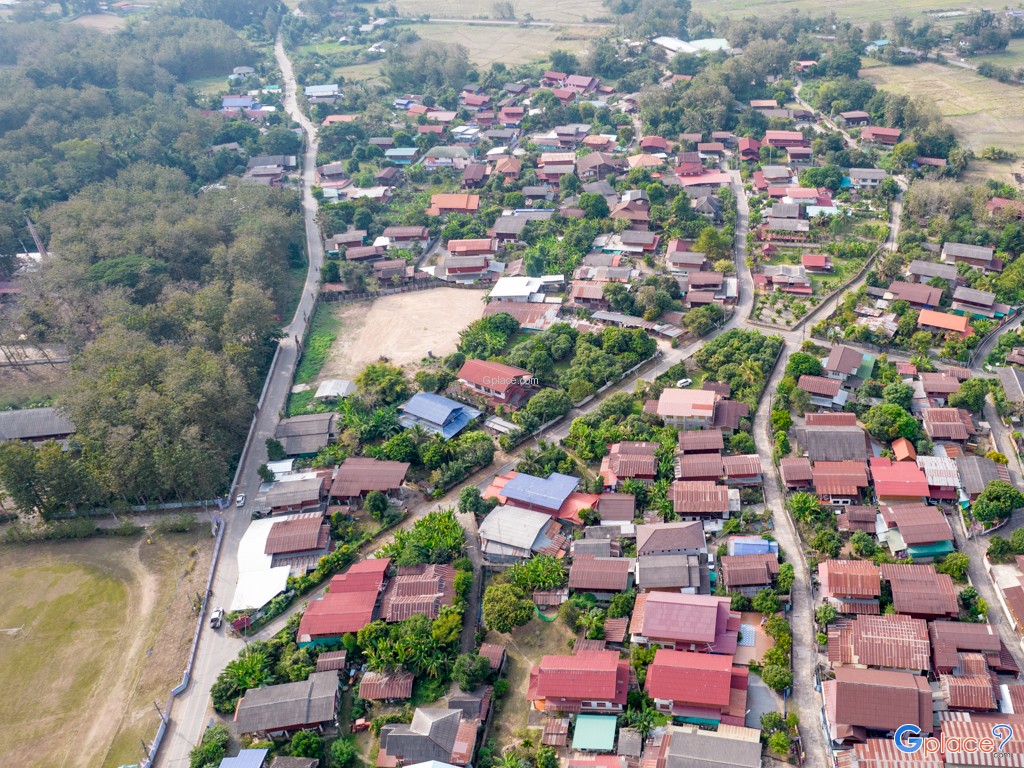
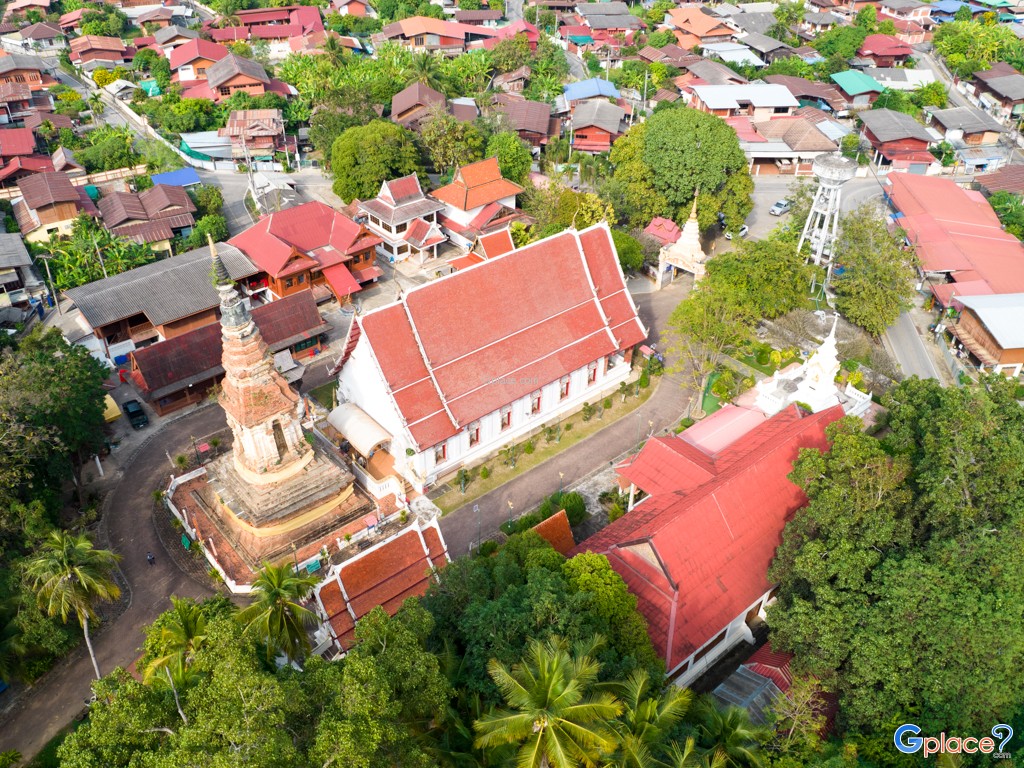
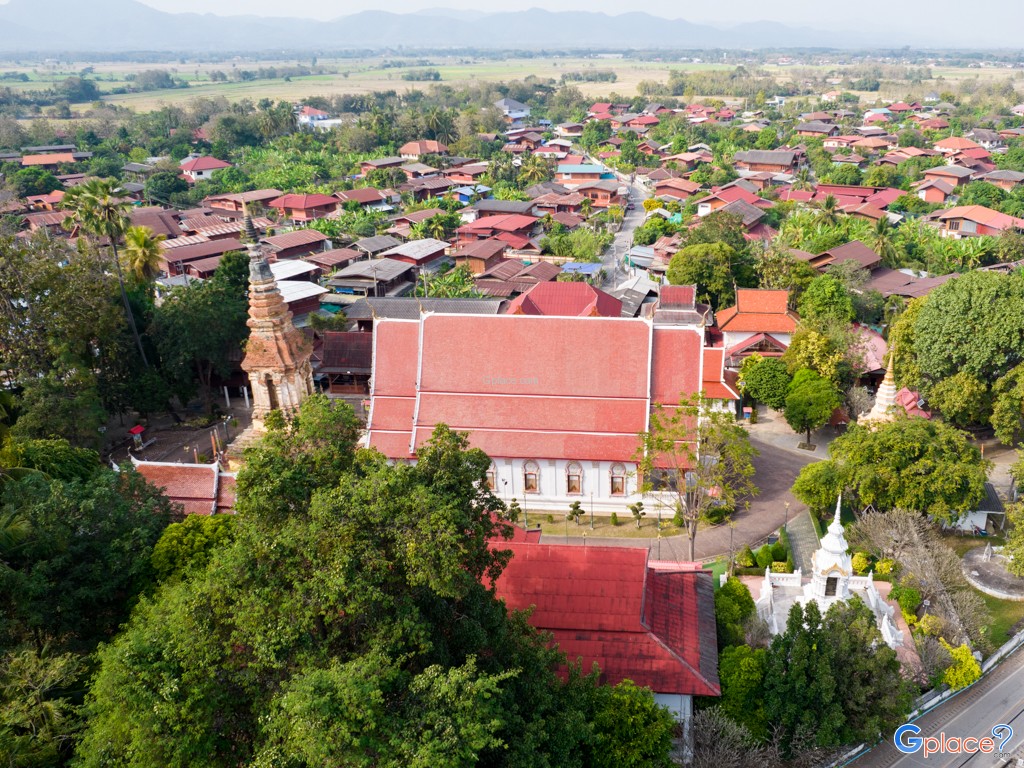
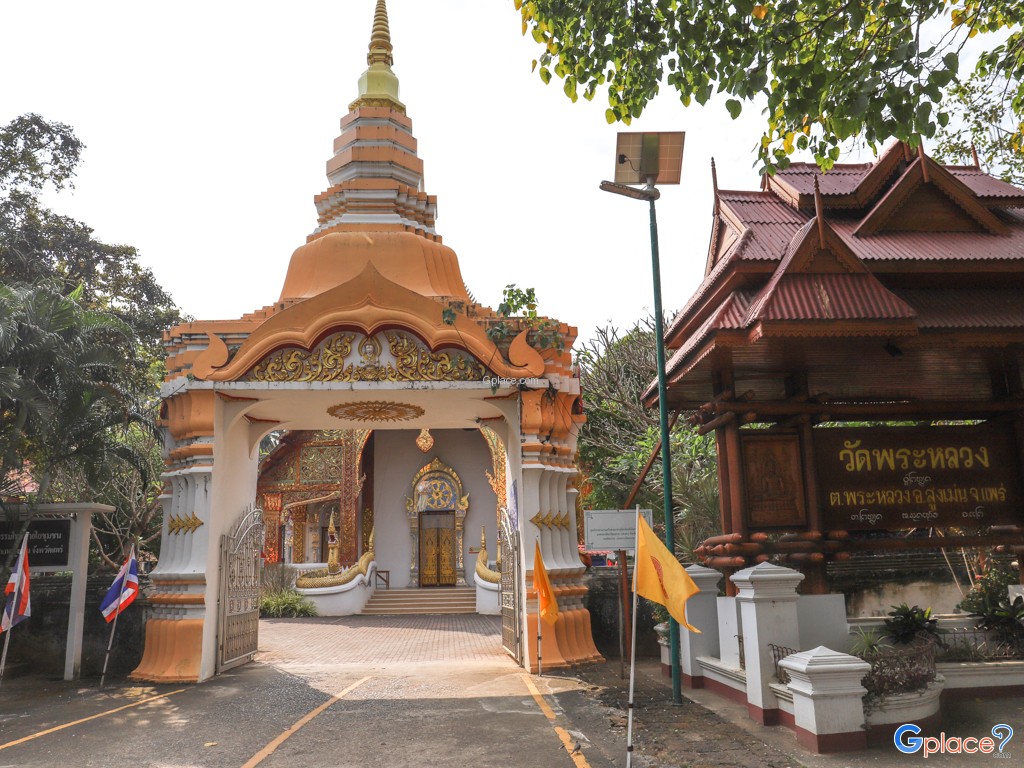

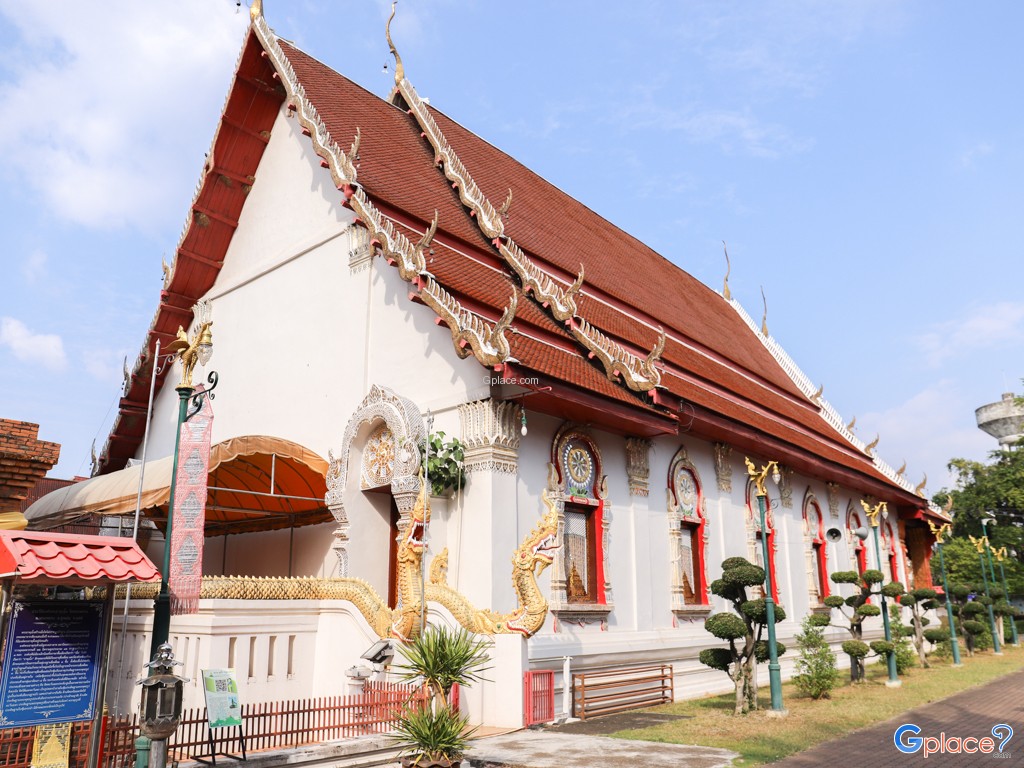
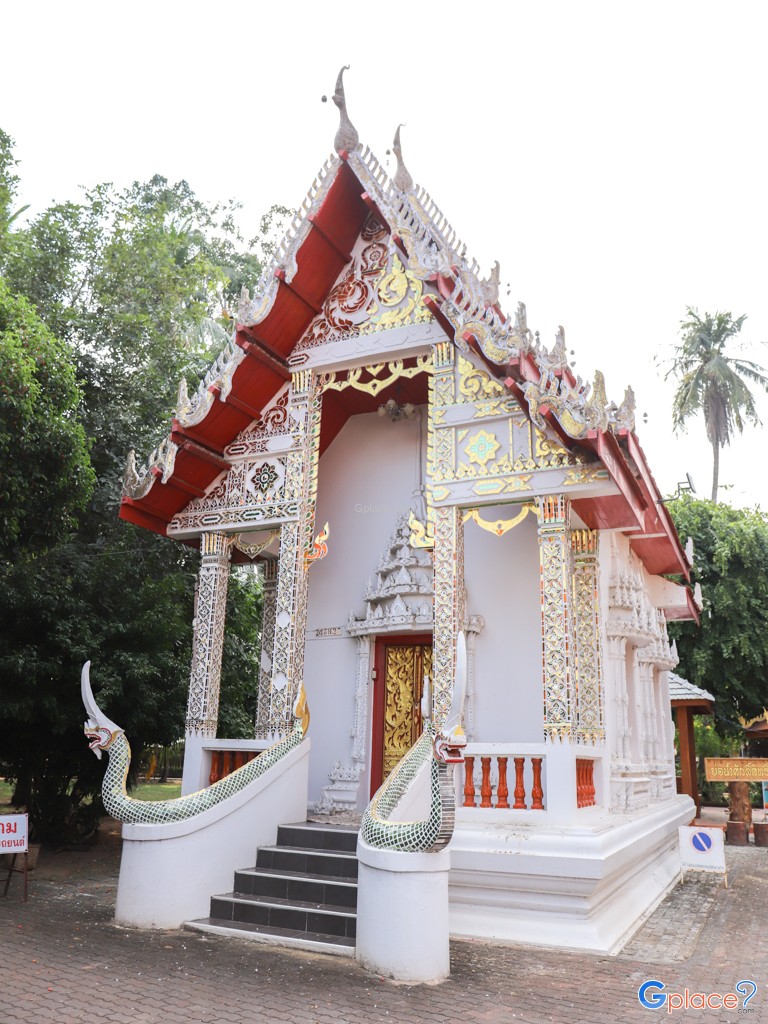

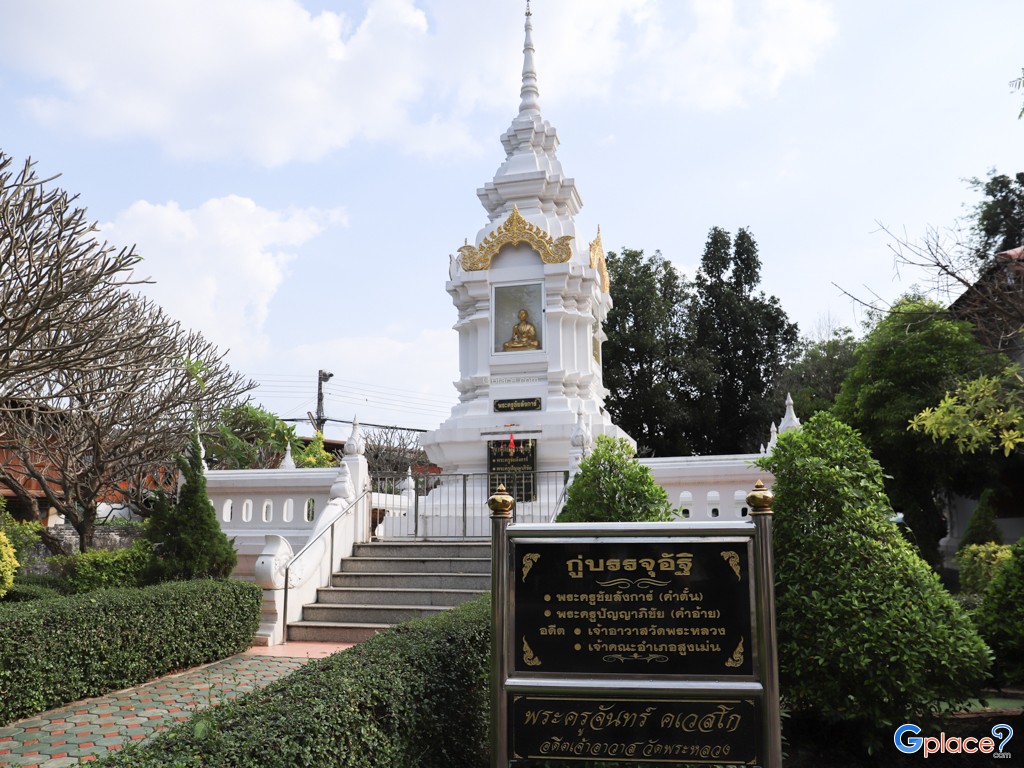
“Phra That Noeng, a 22nd Buddhist-century Lanna brick pagoda that leans naturally and is known as the “Leaning Tower of Phrae,” stands alongside the elegant Ho Trai scripture library over water, 21 categories of ancient palm-leaf manuscripts, and the legendary tale of the sacred giant serpent.”
Wat Phra Luang That Noeng is an ancient temple with no precise historical record of its original founding. Archaeological materials discovered near the pagoda suggest it was likely constructed around the 22nd Buddhist century, together with the surrounding settlement.
In 1787 CE (B.E. 2330), a group of Tai Lue people, along with monks and novices migrating from Chiang Saen, resettled in this area. They cleared the forest, restored the abandoned temple, and officially named it “Wat Phra Luang.” Since then, the temple has served as the spiritual heart of the Tai Lue community in Sung Men.
Phra That Noeng – The Leaning Identity
The temple’s centerpiece is Phra That Noeng, a Lanna-style brick pagoda built in a prang-like form dating back to the 22nd Buddhist century. The pagoda rises approximately 15 meters high and features the classic twelve-cornered Lanna design.
The word “Noeng” in local dialect means “to lean.” Historical belief suggests seismic activity caused the pagoda to tilt westward. Remarkably, despite its visible inclination, the structure remains firm and intact, earning the nickname “The Leaning Tower of Phrae.”
A beautiful local legend also tells that the pagoda leaned intentionally to shield the principal Buddha image inside the viharn from harsh sunlight, symbolizing sacred devotion and spiritual protection.
The Giant Serpent Legend and the Miracle of Gold
According to temple chronicles compiled in 1966 by the 13th abbot, the area was once a dense forest inhabited by wildlife and a giant serpent that preyed on villagers’ livestock and the horses of Haw (Chinese Muslim) traders passing through.
After repeated losses, the traders crafted a traditional northern woven trap called “Ta Laew” to capture the serpent. Once the serpent was killed and its remains left near its lair, something miraculous occurred — the body transformed into bars of silver and gold.
The treasure was divided into three portions: one for the traders, one offered to the local ruler, and one buried at the serpent’s hole. This legend reinforces the temple’s reputation as a place of sacred abundance and spiritual mystery.
Architectural Heritage and Cultural Treasures
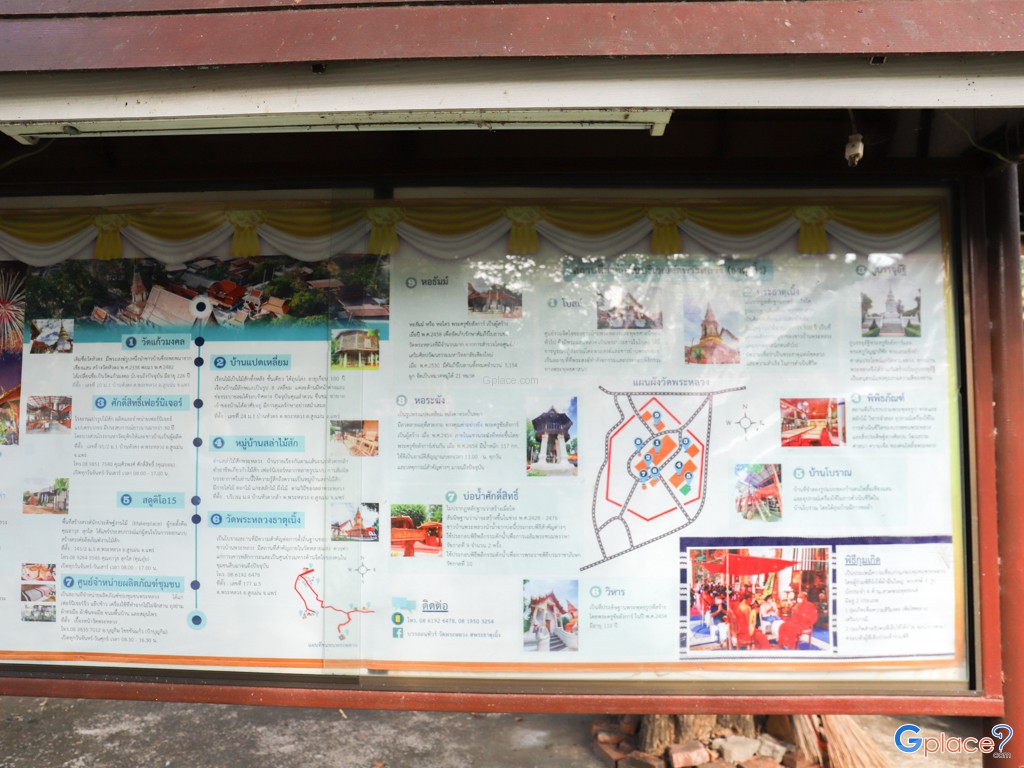
Within the temple grounds stand several important heritage structures:
The Octagonal Bell Tower, built of brick and plaster on an eight-sided base, with a wooden upper structure and gabled roof.
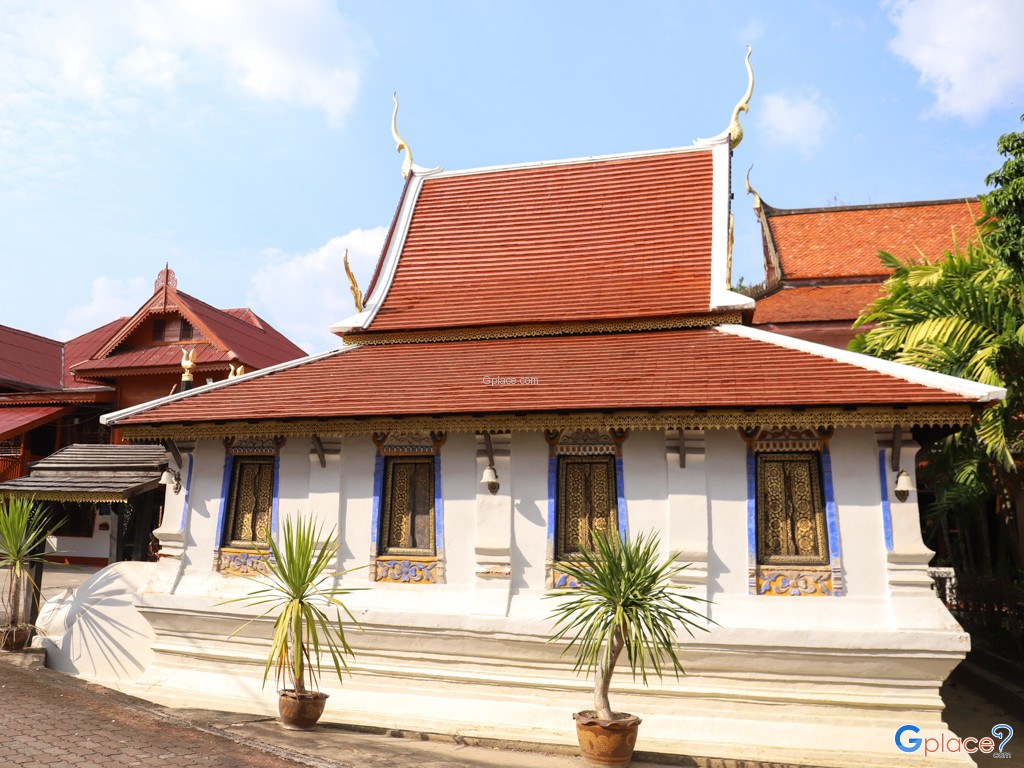
The Ho Trai (Scripture Library) over water, a unique structure blending local architecture with Rattanakosin influences. Its roof combines gable and hip forms, decorated with intricate carved wooden vine motifs embedded with colored glass. The finials depict a swan figure, while the bargeboards are carved into a single-piece naga design. The building preserves 21 categories of ancient palm-leaf manuscripts, considered invaluable literary heritage.
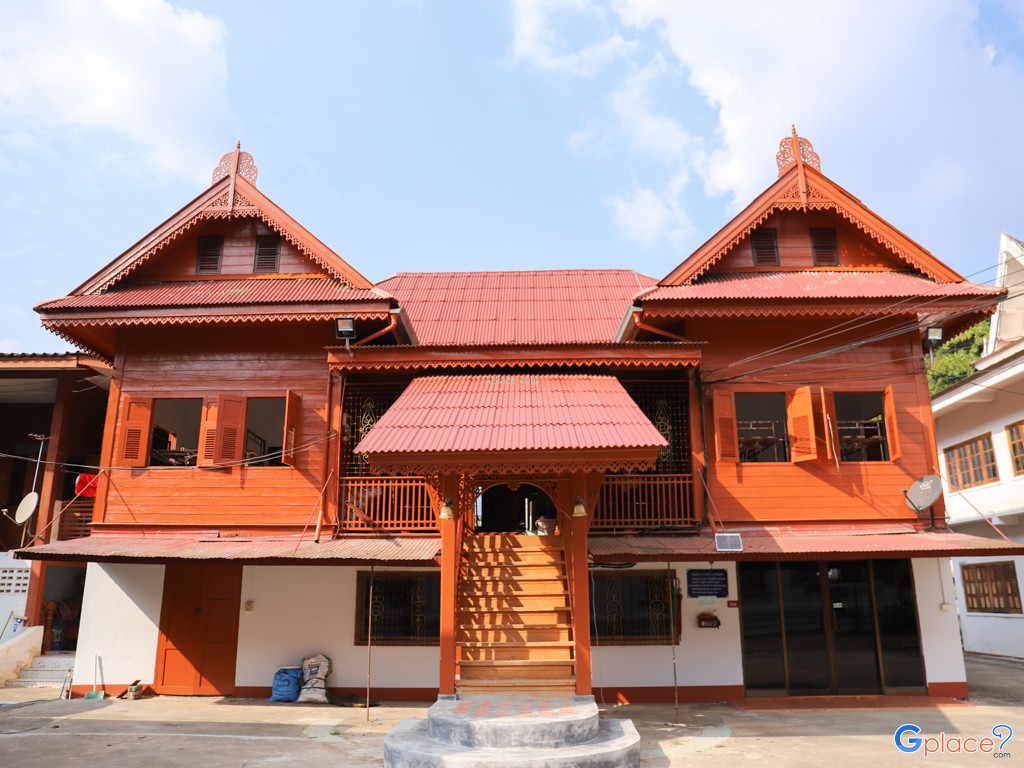
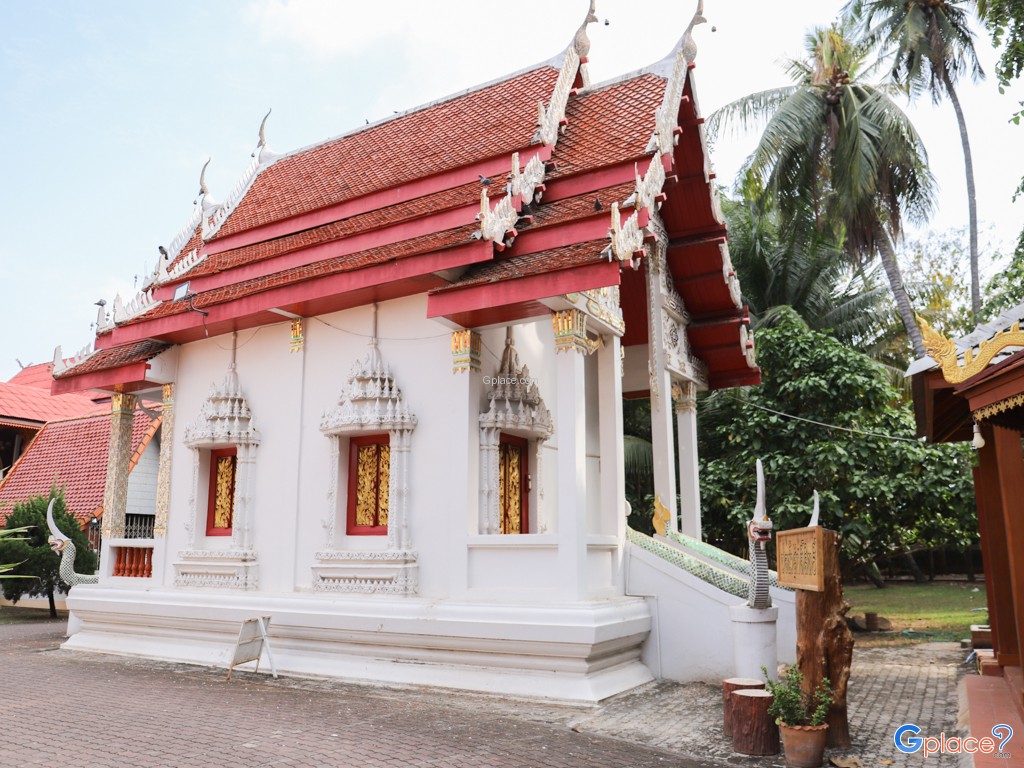
There is also Wat Phra Luang Museum, which showcases the history, traditions, and Tai Lue cultural legacy of the community.
Sacred Well and Annual Festival
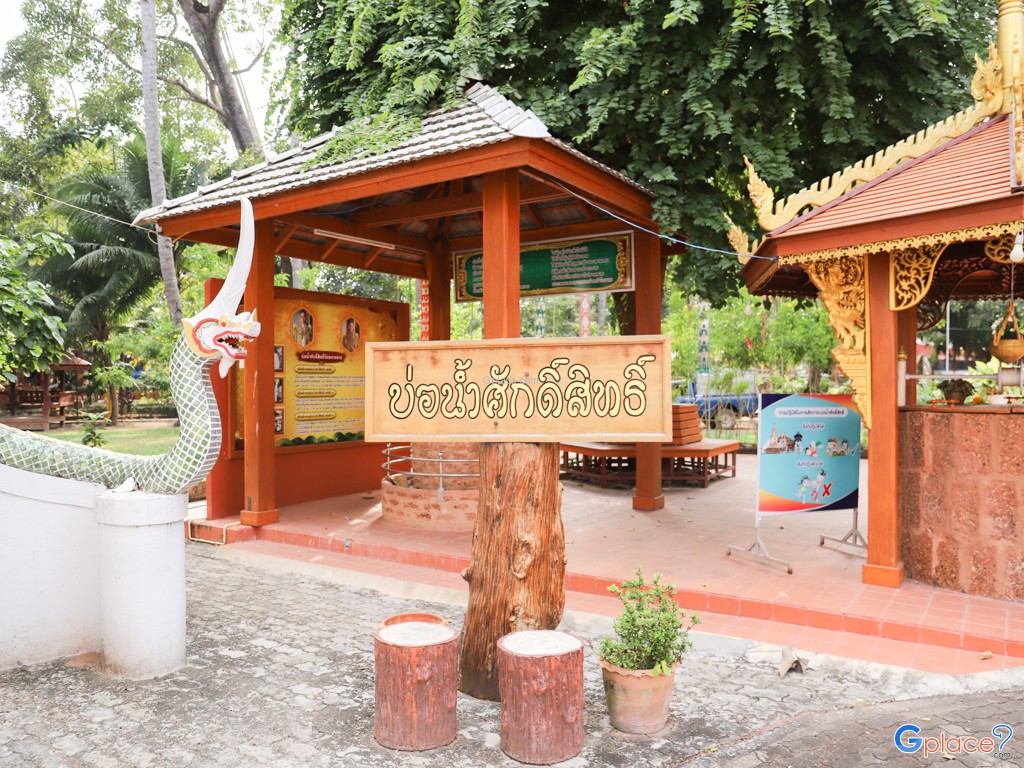
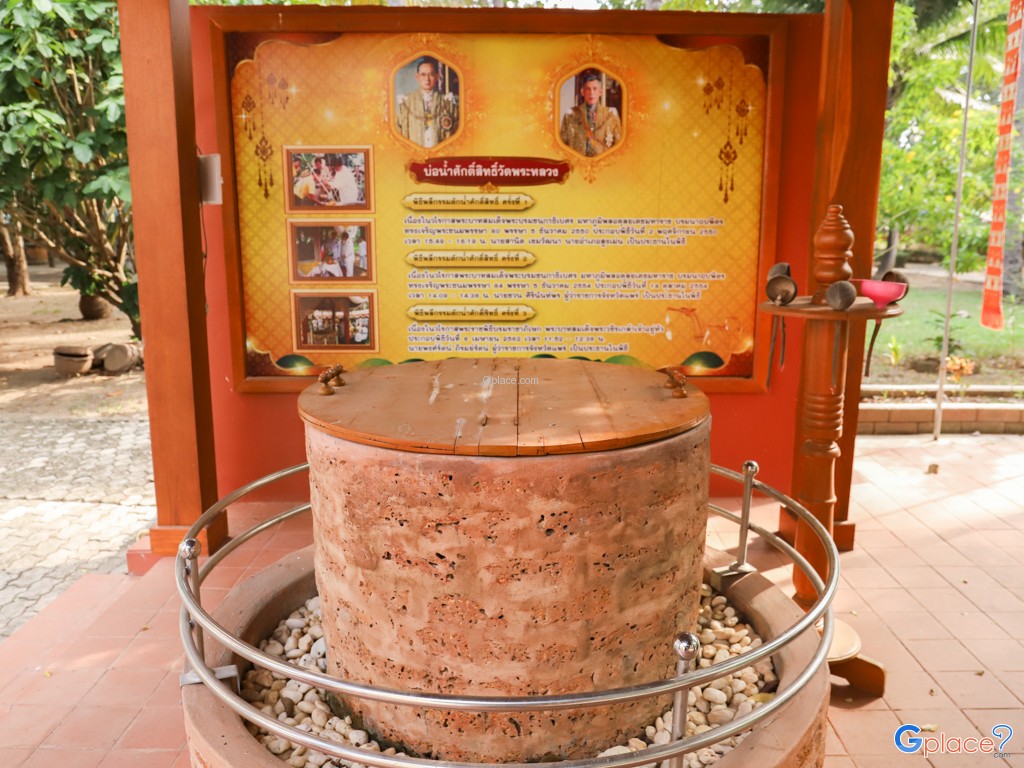
Another significant site is the Sacred Well, approximately 5 meters deep, containing clear, fresh water that never dries up throughout the year. Historically, it was used in religious ceremonies and Buddha image casting rituals.
Today, Wat Phra Luang remains the spiritual center of the community, hosting the annual Phra That Noeng Worship Festival during February–March, when pilgrims gather to celebrate faith, culture, and local traditions.
How to Get There
- By Car: From Phrae town, take Highway 101 (Phrae–Den Chai Road) toward Sung Men district. At the junction to Phra Luang subdistrict (look for temple signage), turn right and continue approximately 2 kilometers into the village to reach the temple.
Travel Tips
-
Best photo angle: Capture the pagoda from the side to clearly see its leaning structure.
-
Best visiting time: Morning light beautifully illuminates the wooden viharn; late afternoon offers a peaceful, mystical atmosphere.
-
Dress respectfully: As this is an active sacred site.
-
Visit the museum: Learn about Tai Lue history and heritage.
-
Plan during the annual festival: February–March for vibrant cultural experiences.
Admission Fee:
- Free Admission
Opening Hours:
- Open daily: 07:00 AM – 06:00 PM
Wat Phra Luang
 1
1
 Share
Share
 62 Moo 5, Phra Luang, Sung Men, Phrae 54130
Map
62 Moo 5, Phra Luang, Sung Men, Phrae 54130
Map
 Open now : 7.00 - 18.00
Mon7.00 - 18.00
Tue7.00 - 18.00
Wed7.00 - 18.00
Thu7.00 - 18.00
Fri7.00 - 18.00
Sat7.00 - 18.00
Sun7.00 - 18.00

 https://www.thai-tour.com/thai-tour/north/prae/data/place/pic_phraluang-temple.html

 3826
3826