 Attractions
  Hotel
Hotel  Restaurant
  Shopping
  Abroad





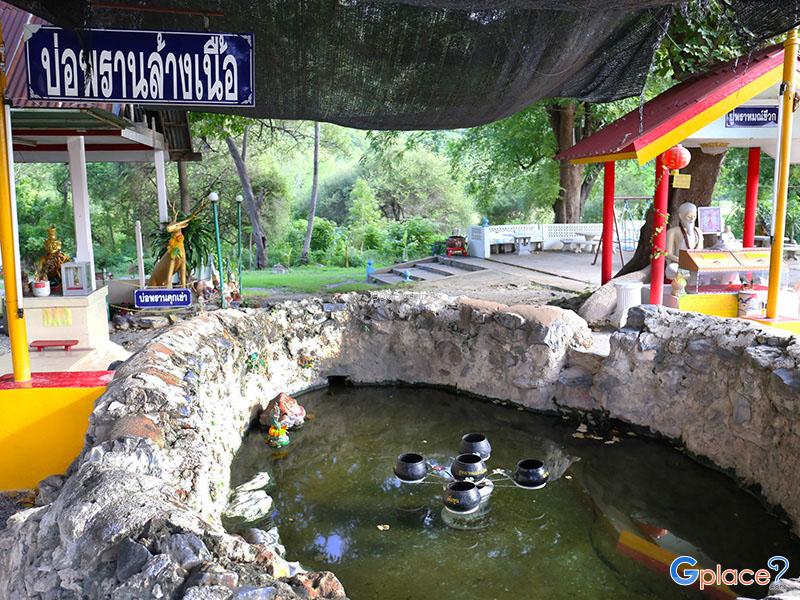

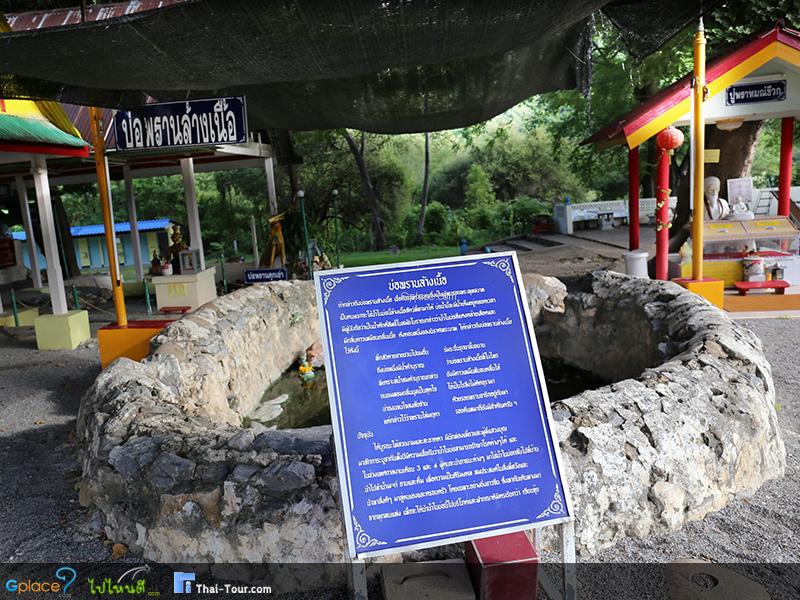
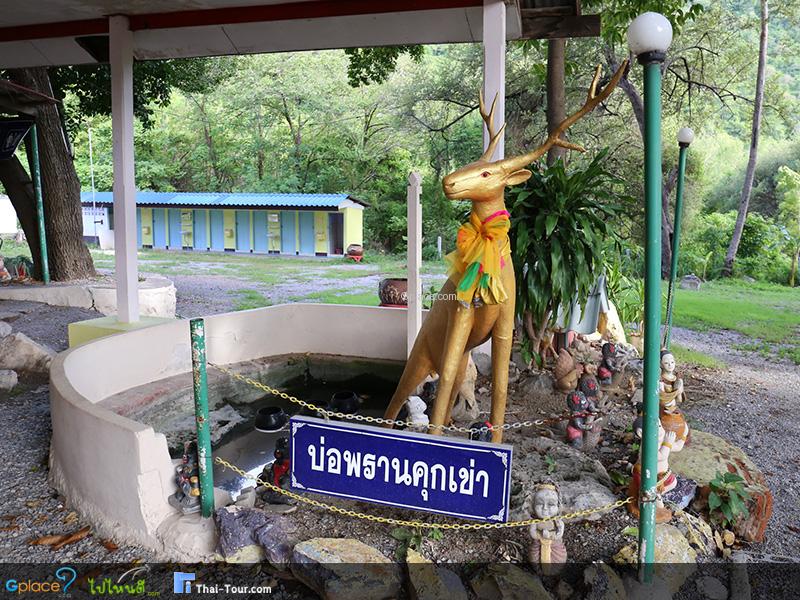
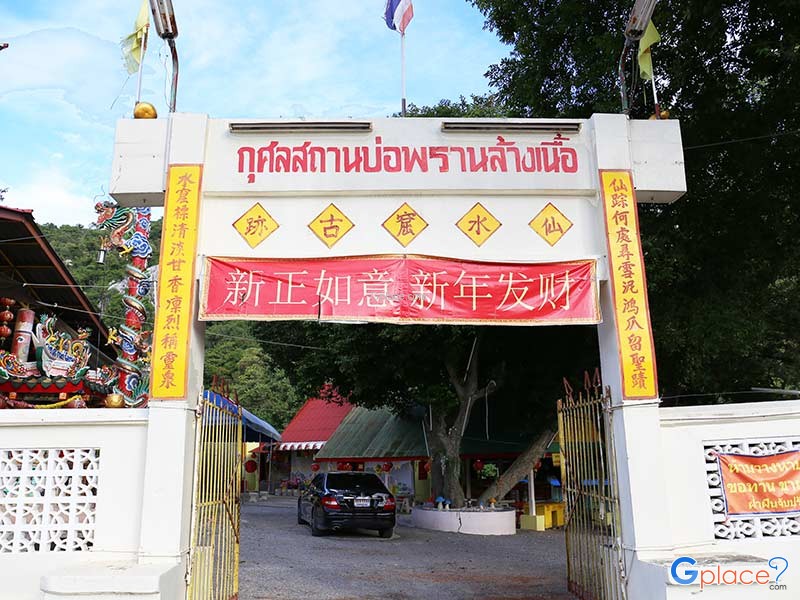
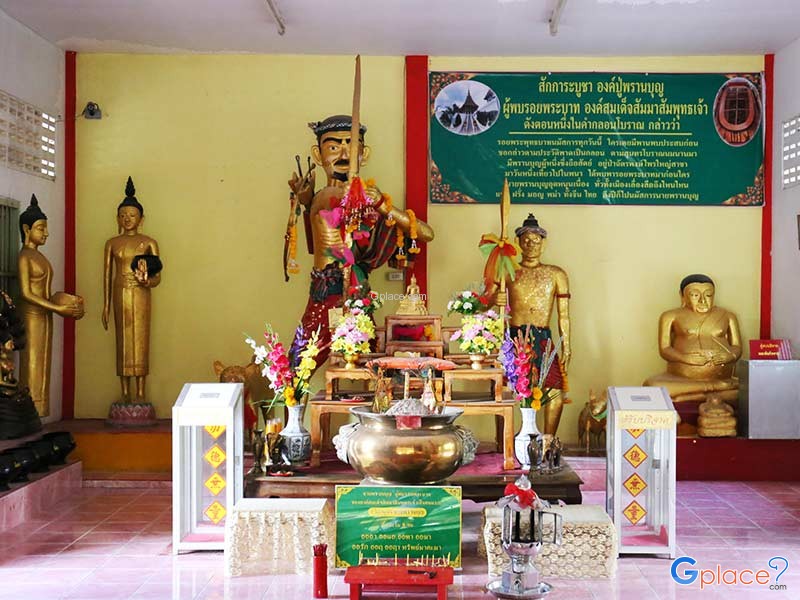
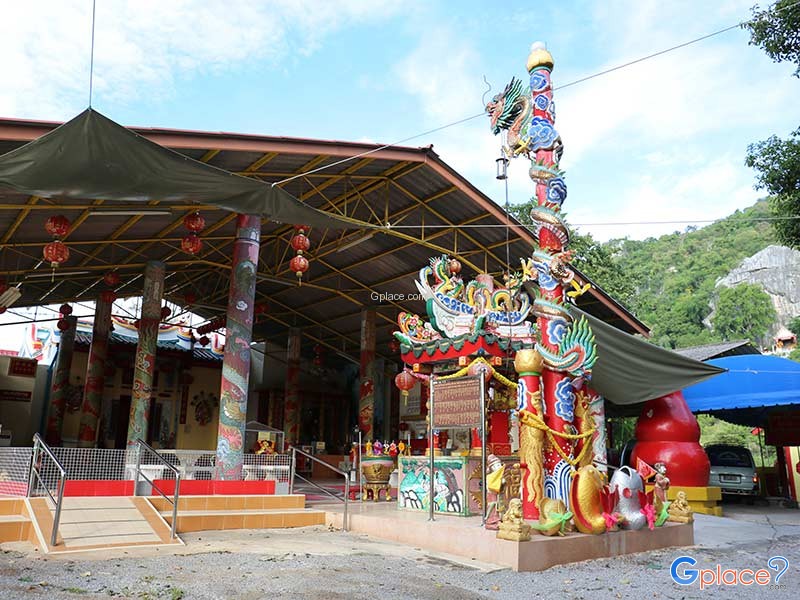
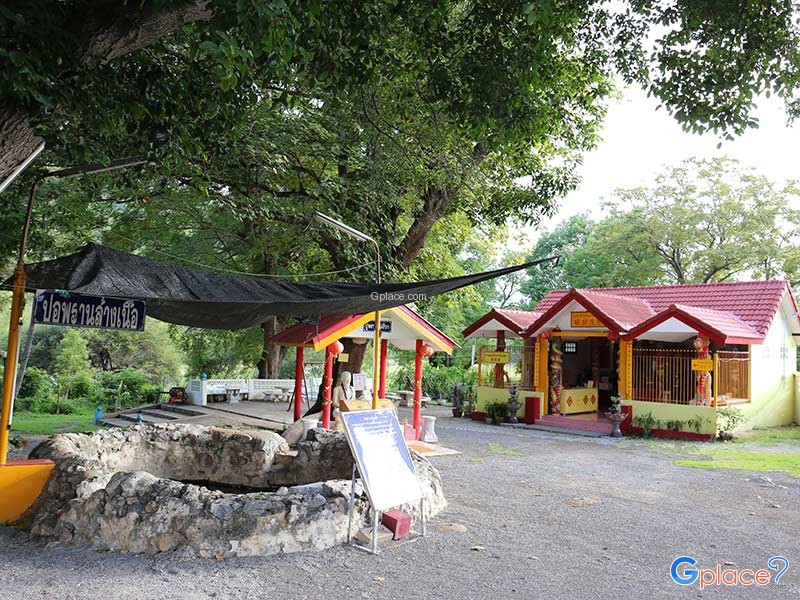
“Trace the legend of "Phran Bun" at the stone pool believed to be the meat-washing site of the hunter who first discovered the Buddha's Footprint during the Ayutthaya period.”
Phan Bun Meat-Washing Pond is a historical site deeply intertwined with legend and faith, located near the sacred precinct of Wat Phra Phutthabat Ratchaworamahawihan, Saraburi Province. The site consists of a small natural stone pond where clear water remains year-round, gently seeping from rock crevices. This natural water source reflects the once-abundant forest environment that surrounded the area in ancient times.
The significance of the pond is closely linked to the legend of Phan Bun, the hunter who was the first to discover the Buddha’s Footprint during the reign of King Songtham of the Ayutthaya Kingdom. According to long-standing beliefs passed down through generations, this pond was where Phan Bun washed the meat of animals he hunted before preparing food. This practice gave rise to the name “Phan Bun Meat-Washing Pond,” marking the humble origin of a site that later became nationally significant.
The legend further recounts that after discovering the Buddha’s Footprint and witnessing the miraculous power of the water—believed to heal the wounds of wild animals—Phan Bun developed profound faith and devotion. As a result, the pond came to symbolize not merely a natural water source, but a turning point of spiritual awakening, discovery, and deep-rooted belief, closely connected to the spread of Buddhism in the region.
Today, the area surrounding the pond has been carefully maintained and organized. A statue of Phan Bun has been erected near the pond to convey the historical narrative and legend to future generations. The atmosphere remains calm, simple, and shaded by trees and natural rock formations, preserving the essence of the ancient forest that once covered the land.
Phan Bun Meat-Washing Pond has become an important stop for pilgrims visiting the Buddha’s Footprint, as well as for historians, students, cultural travelers, and photographers seeking a place where nature, legend, and sacred belief harmoniously converge. It is a site where water and stone quietly tell a timeless story of faith that continues to endure beyond generations.
How to Get There
Private Car:
- Take Phahonyothin Road towards Phra Phuttha Bat District. At Wat Phra Phuttha Bat, follow the signs to the west of the Mondop (towards the Phra Phuttha Bat National Museum) to find the entrance.
Public Transport:
- Take a van or bus to Phra Phuttha Bat Market, then walk or hire a motorcycle taxi into the temple grounds.
Travel Tips
-
Please visit with respect and do not throw trash into the pool to keep the sacred water clean.
-
Recommended visiting times are morning or late afternoon (09:00 - 16:00) for enough light to see the details of the stone pool.
-
We suggest also visiting the "Phra Phuttha Bat National Museum" nearby to see related artifacts in full detail.
-
Dress politely as the site is within the grounds of a highly important temple.
Admission Fee
-
Local visitors: Free
-
Foreign visitors: Free (Fees may apply for the main Mondop area)
Opening Hours
-
Open daily: 08:00 AM – 05:00 PM
Phan Bun Meat Washing Pond

 Share
Share
 Phan Bun Meat-Washing Pond, Wat Phra Phuttha Bat Ratchaworamahawihan, Khun Khlon, Phra Phuttha Bat, Saraburi, Thailand
Map
Phan Bun Meat-Washing Pond, Wat Phra Phuttha Bat Ratchaworamahawihan, Khun Khlon, Phra Phuttha Bat, Saraburi, Thailand
Map
 Closed today
Mon8.00 - 17.00
Tue8.00 - 17.00
Wed8.00 - 17.00
Thu8.00 - 17.00
Fri8.00 - 17.00
Sat8.00 - 17.00
Sun8.00 - 17.00



 3282
3282