 Attractions
  Hotel
Hotel  Restaurant
  Shopping
  Abroad





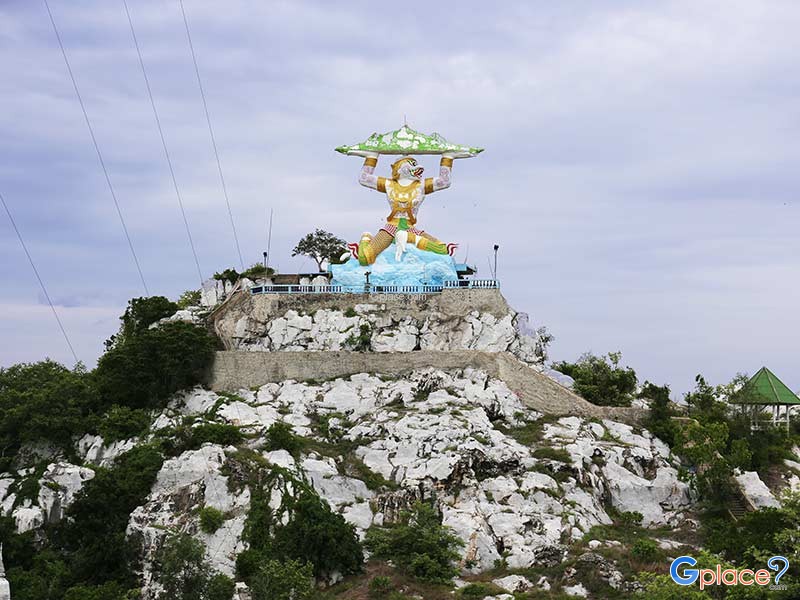


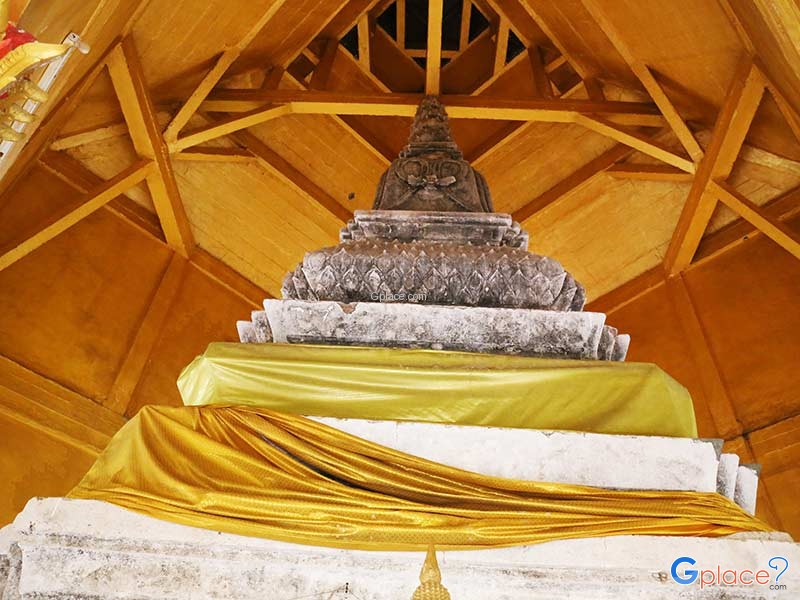
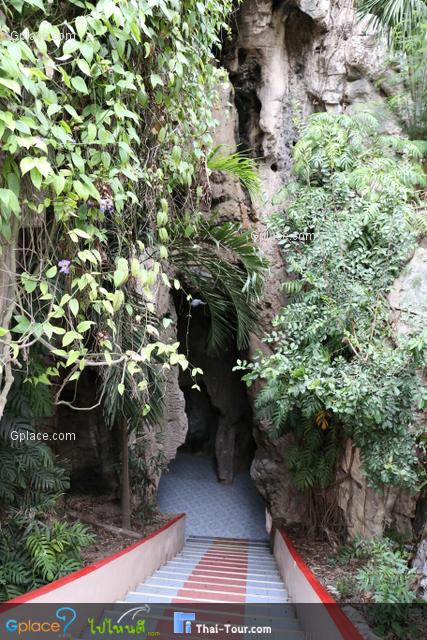
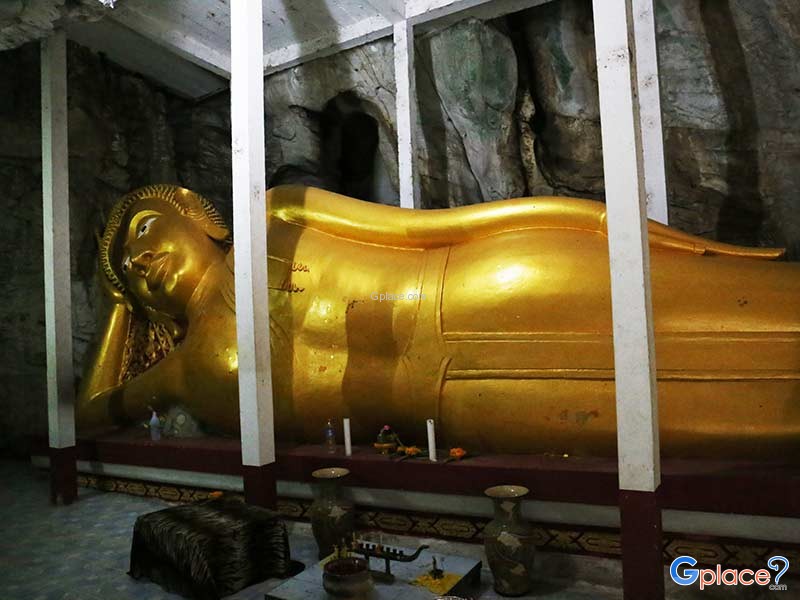
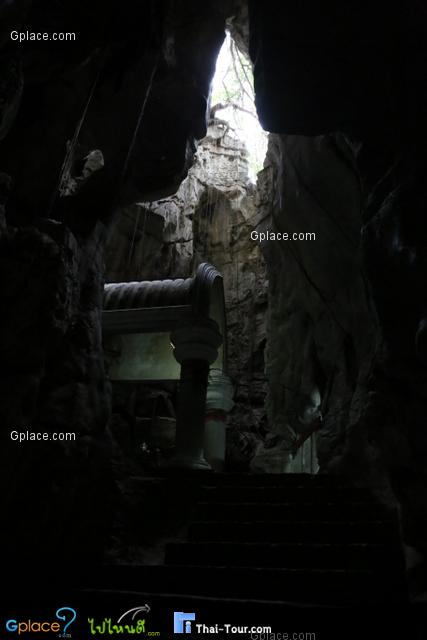
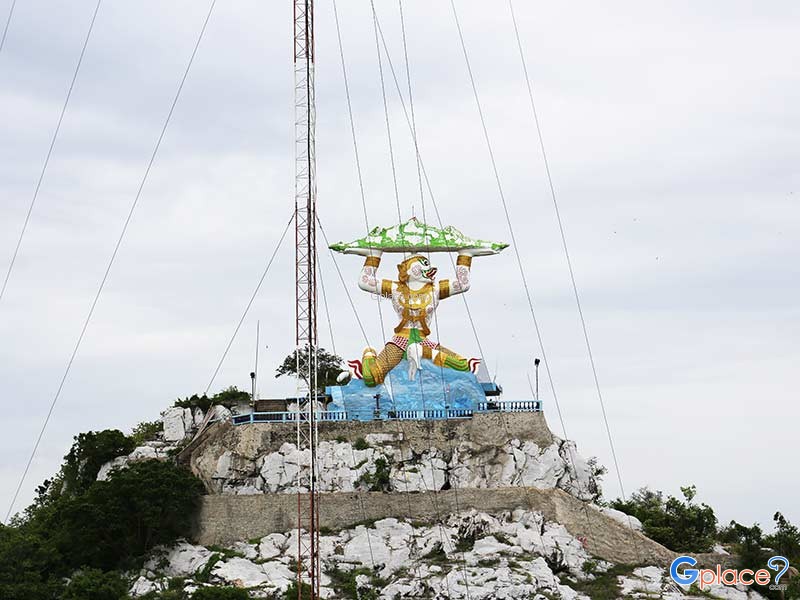

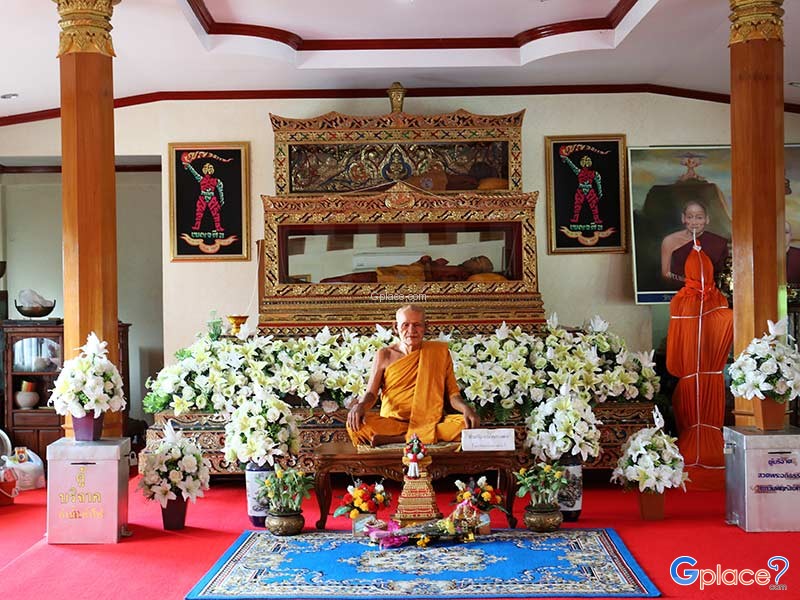
“Admire the beautiful twelve-cornered pagoda, pay respects to the Reclining Buddha in the cave, and enjoy the scenic paddy field view featuring the iconic giant Hanuman statue.”
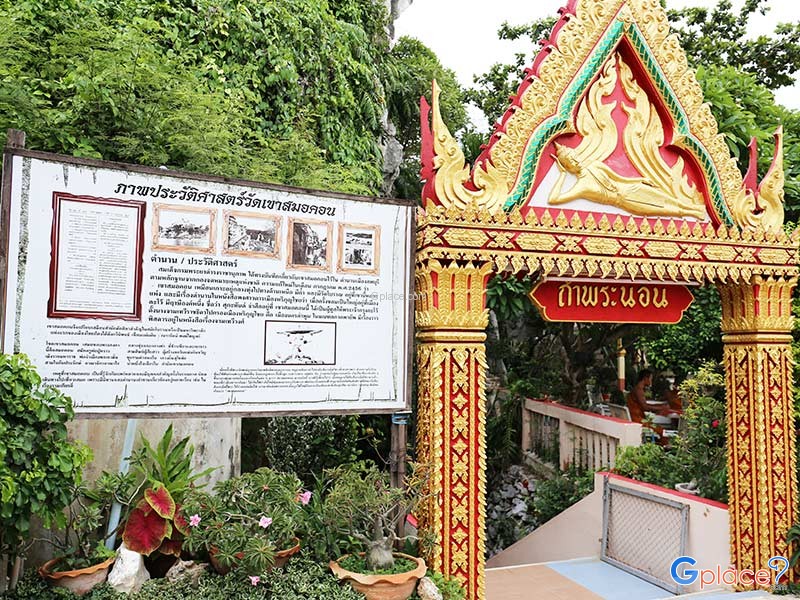
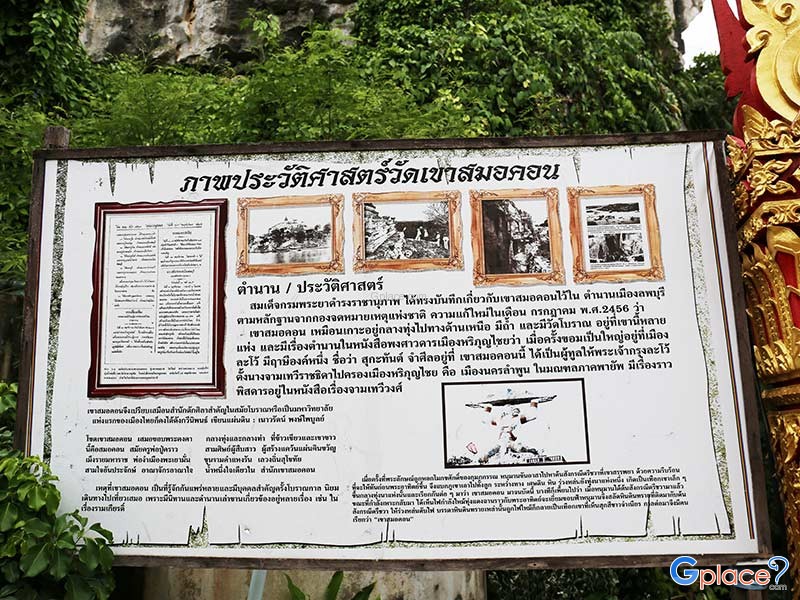
Khao Samo Khon Temple is both an ancient monument and an important religious site in Lopburi Province, located on the Samo Khon mountain range in Tha Wung District. This area uniquely blends legend, literature, and history. According to the Thai epic Ramakien, Samo Khon Mountain is believed to be the mountain that Hanuman carried while searching for the sacred San Karanee Trichava herb to heal Phra Lakshmana. This belief has long made the site sacred and deeply revered.
Today, visitors are welcomed by a large statue of Hanuman carrying the mountain, standing prominently in the middle of vast rice fields near the entrance. This striking statue has become a popular landmark and a favorite photo spot, symbolizing the harmonious connection between mythological legend and the rural landscape of Lopburi.
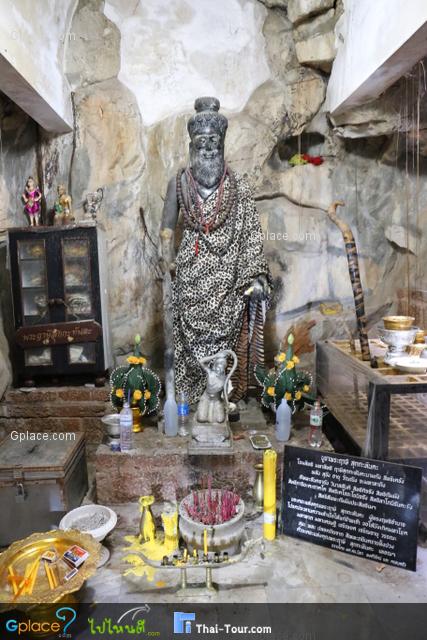
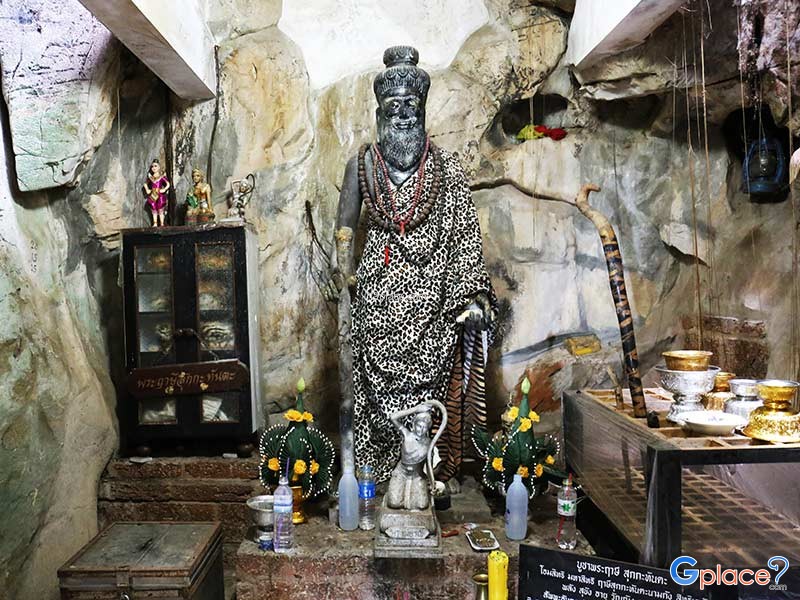
Historically, Samo Khon Mountain is regarded as an ancient center of learning, comparable to a traditional academy. Geographic records indicate that it was once the residence of Phra Sukkatan Ruesi, a revered sage who taught arts and knowledge to King Ramkhamhaeng the Great and King Ngam Muang of Phayao during their youth. This highlights the mountain’s significant role in shaping the intellectual and political foundations of early Thai history.
Wat Khao Samo Khon continued to gain importance during the Rattanakosin period. King Chulalongkorn (Rama V) paid a royal visit to the site in 1905, further emphasizing its national historical and religious significance. Within the temple complex are several important monuments that reflect the evolution of Thai architectural styles across different periods.
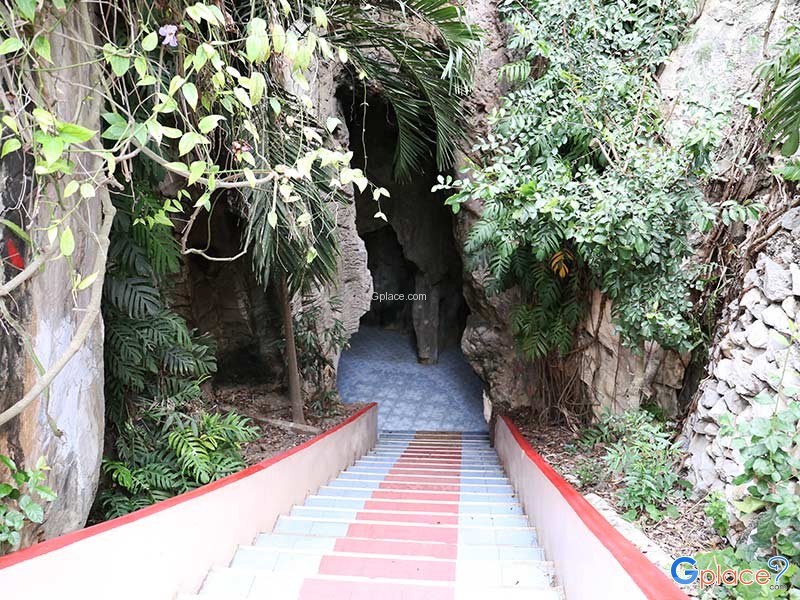
Key historical structures include the twelve-cornered chedi, a square-based chedi supported by lotus moldings beneath the bell-shaped spire. This architectural style was popular from the Ayutthaya period through the Rattanakosin era and has been officially registered as a national monument by the Fine Arts Department. Another notable site is the Reclining Buddha Cave, a small cave on the hillside that houses a beautiful reclining Buddha image, long revered by local worshippers.
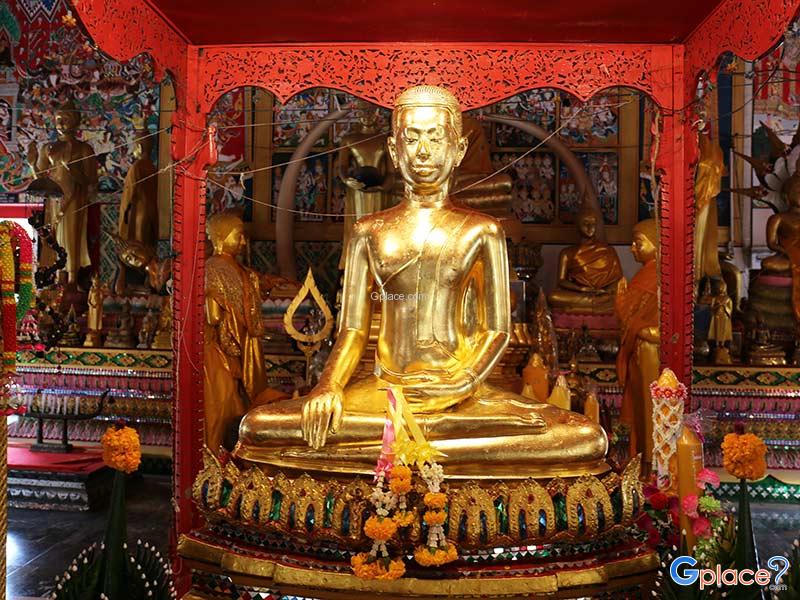
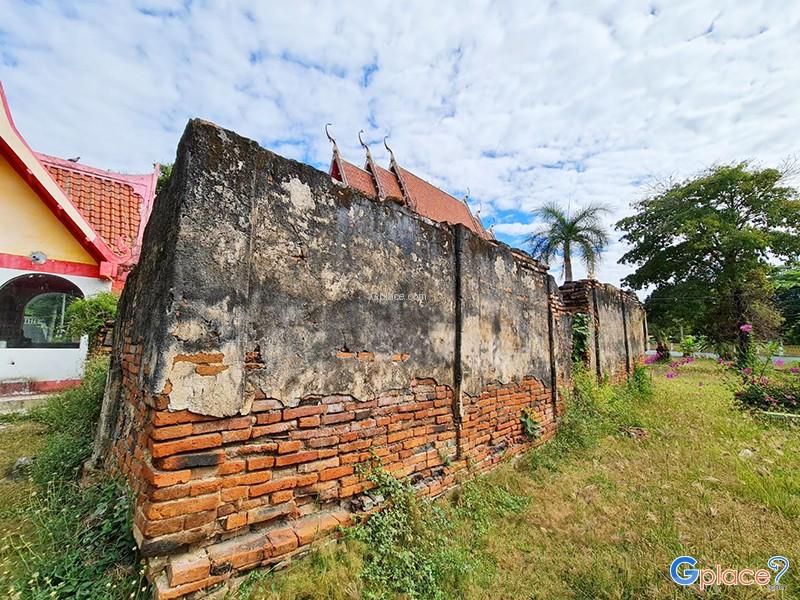
The site also features a mondop and an assembly hall, with the hall displaying early Ayutthaya-style architecture, characterized by wall openings instead of windows. Inside stands the principal Buddha image in the Mara-subduing posture, set within an ornate decorative arch. Due to its elevated location, the temple also offers panoramic views of the lush green rice fields of Tha Wung District, creating a serene and refreshing atmosphere.
Surrounding the Samo Khon mountain range are several other temples and historic sites, such as Bandai Sam Saen Temple, Tham Tako Phuttha Sopha Temple, and Tham Chang Phueak Temple. Each site features caves, religious structures, and rich historical narratives, making the Samo Khon area an ideal destination for historical tourism combined with light adventure and spiritual exploration.
How to Get There
Private Car:
- From Lopburi city, take Highway 311 (Lopburi - Sing Buri) to KM 18 (Tha Khlong intersection), turn right onto Highway 3028, and drive for another 12 km.
Public Transport:
- Take a Lopburi-Tha Khlong bus, get off at the Tha Khlong intersection, and then take a motorcycle taxi or hire a songthaew to the temple.
Travel Tips
Best Time to Visit:
- Early morning or late afternoon to avoid the heat and capture the sun hitting the Hanuman statue.
Activities:
- Trek up the hill to explore the caves and prepare your camera for panoramic views from the summit.
Caution:
- There are wild monkeys in the area; please safeguard your belongings and avoid feeding them in ways that could be dangerous.
Admission Fee
-
Thai/Foreign Visitors: Free
Opening Hours
-
Open daily from 08:00 – 17:00.
Khao Samo Khon Temple

 Share
Share
 Moo 12, Khao Samo Khon, Tha Wung, Lopburi 15180, Thailand
Map
Moo 12, Khao Samo Khon, Tha Wung, Lopburi 15180, Thailand
Map
 Open now : 8.00 - 17.00
Mon8.00 - 17.00
Tue8.00 - 17.00
Wed8.00 - 17.00
Thu8.00 - 17.00
Fri8.00 - 17.00
Sat8.00 - 17.00
Sun8.00 - 17.00



 129
129