 Attractions
  Hotel
Hotel  Restaurant
  Shopping
  Abroad
  Nearby Places





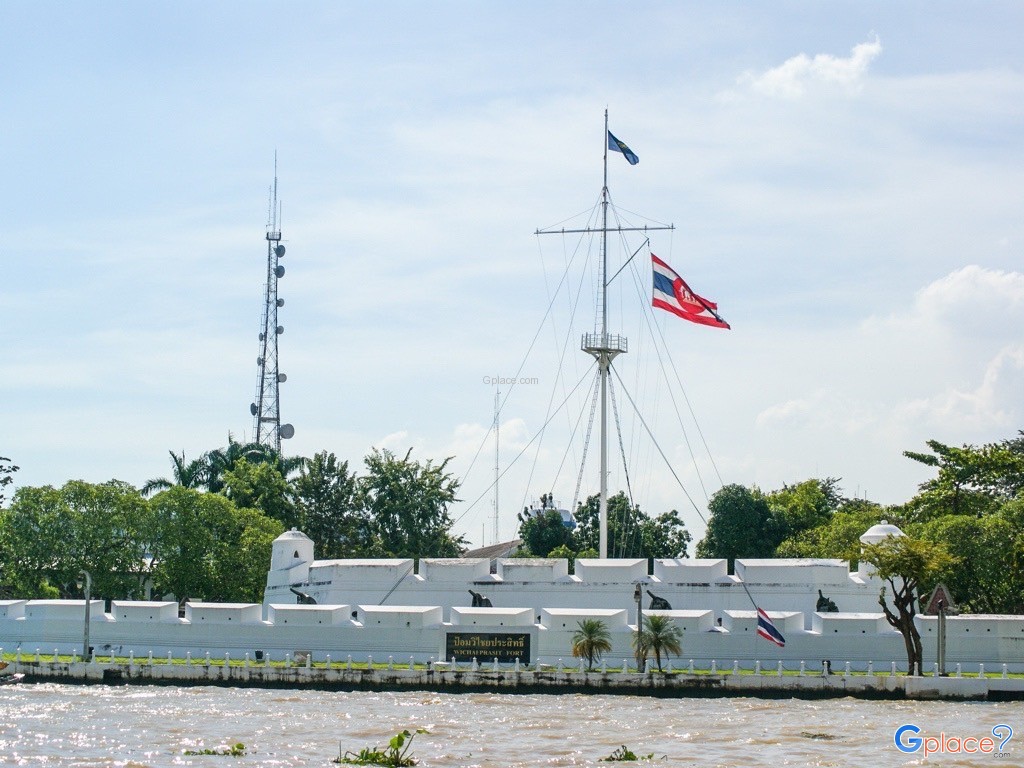

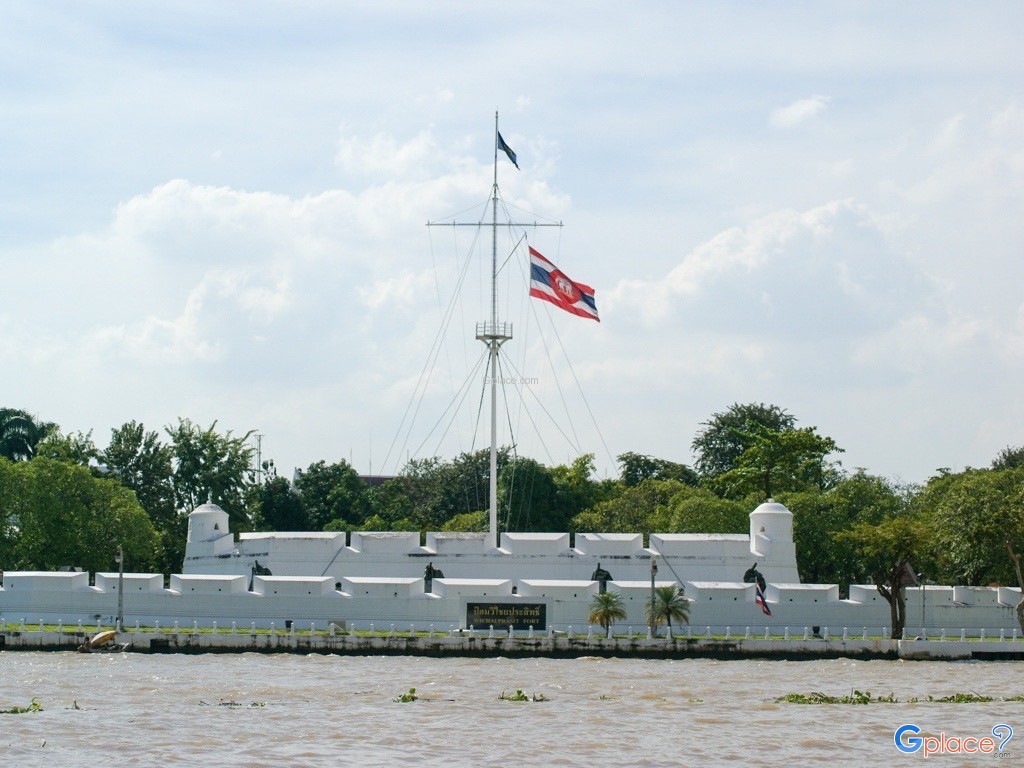
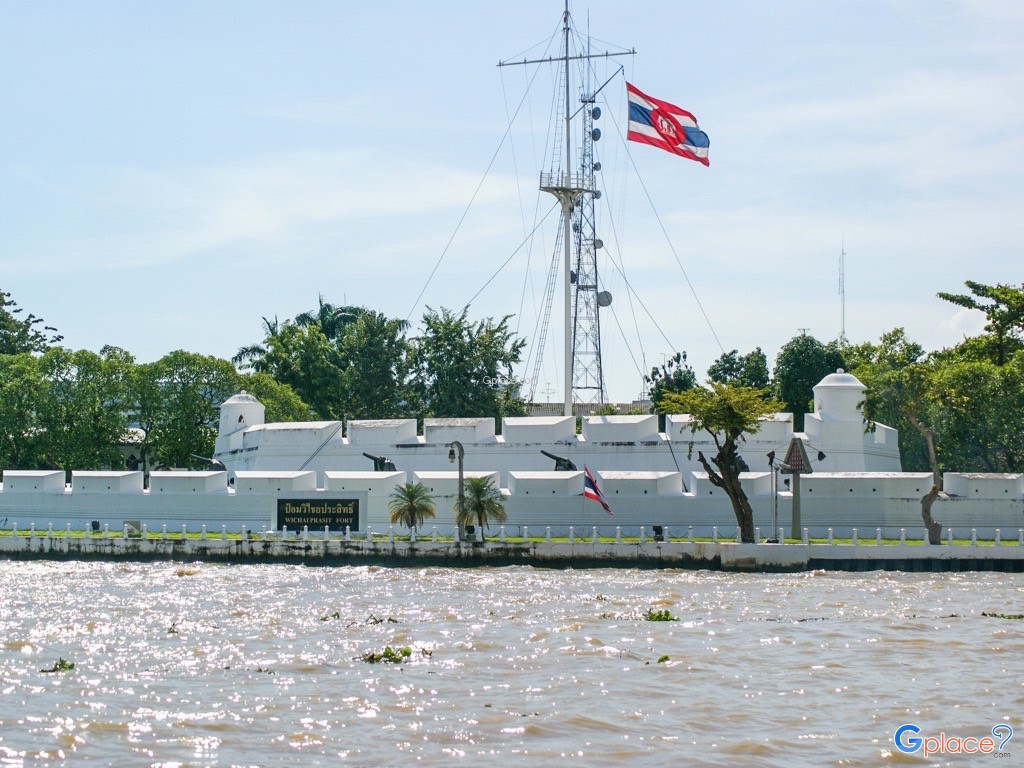
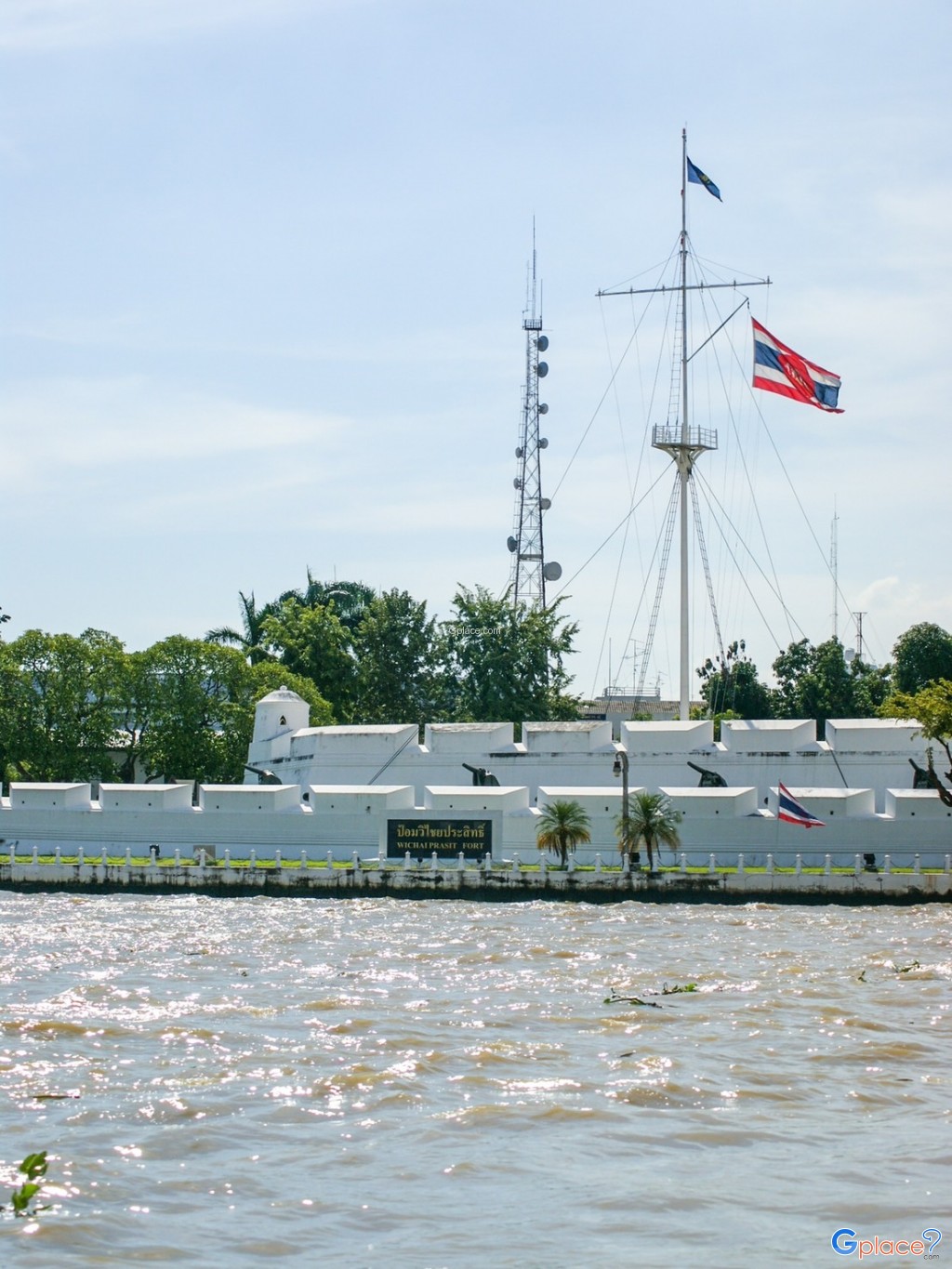
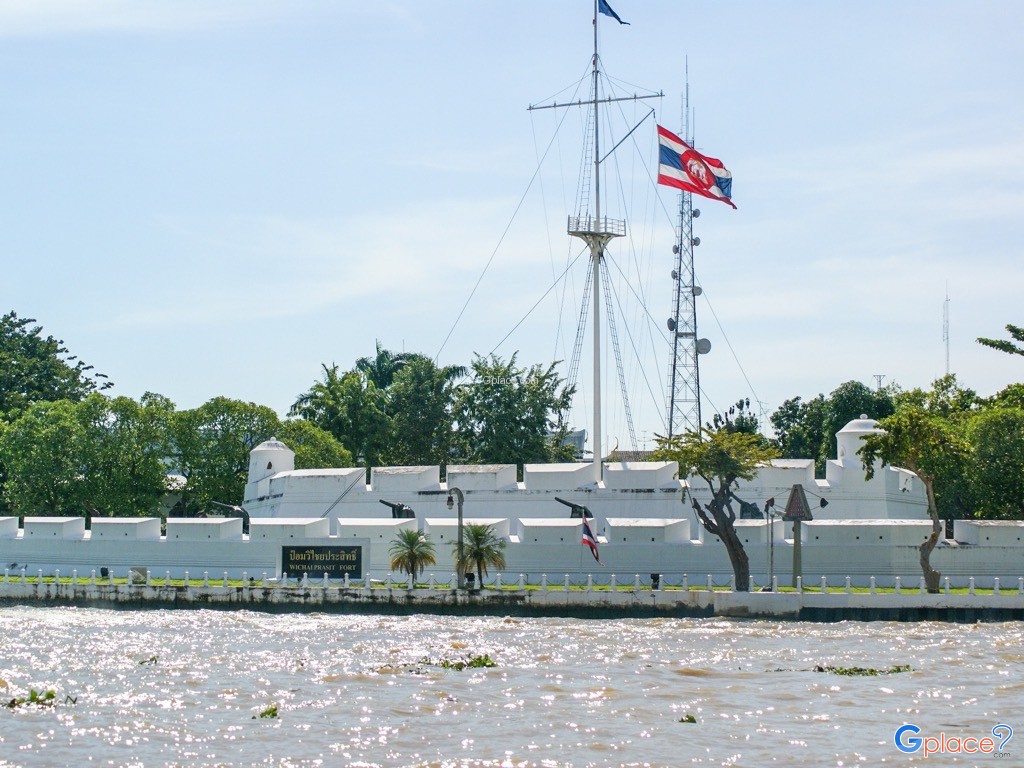
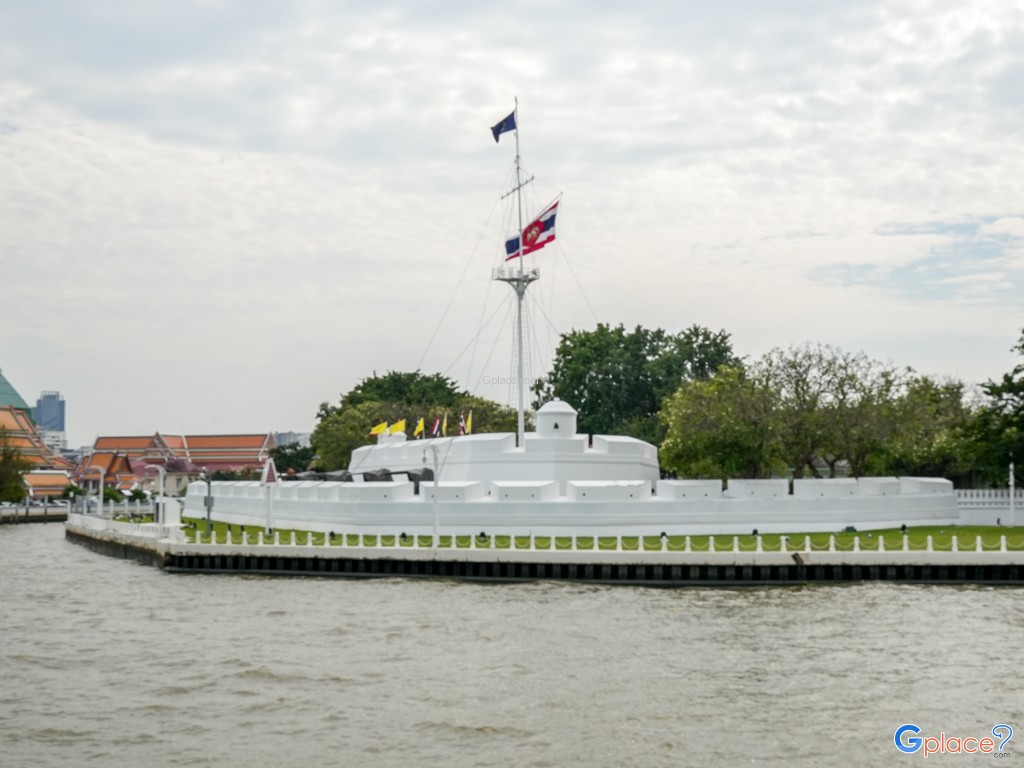
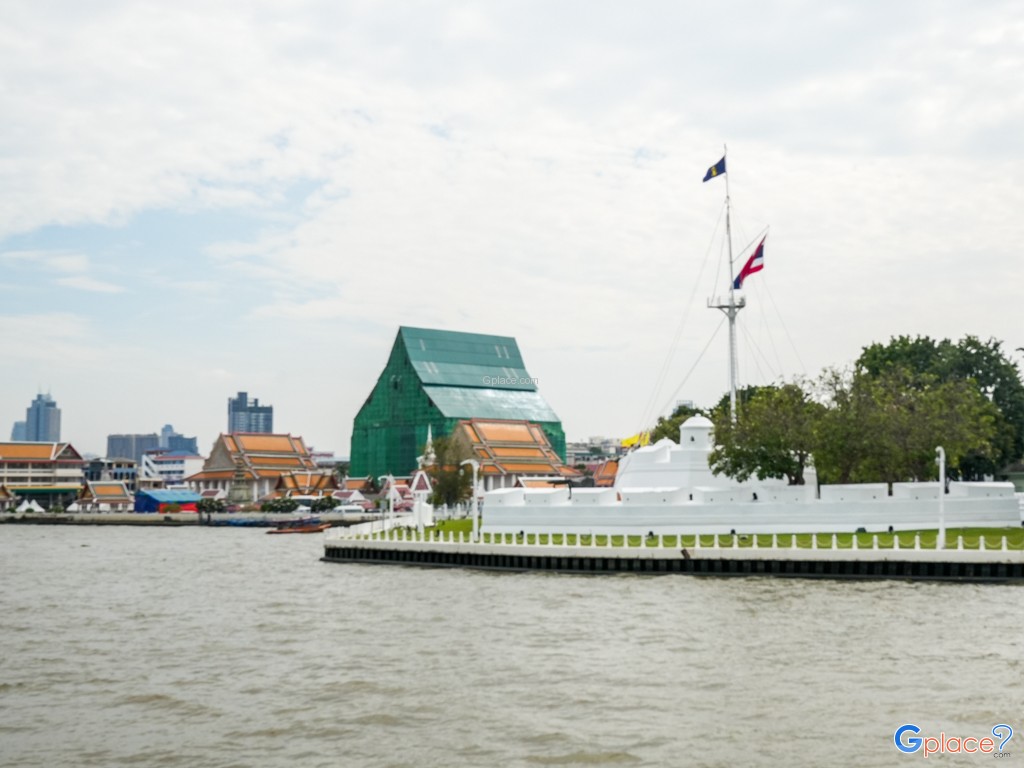
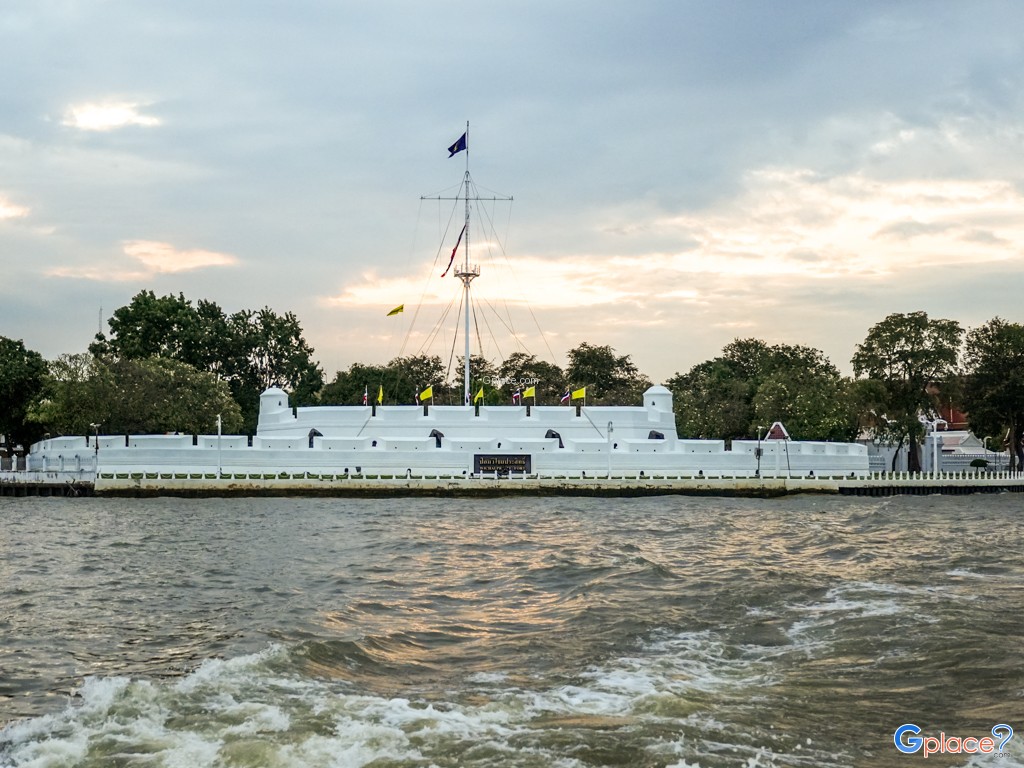
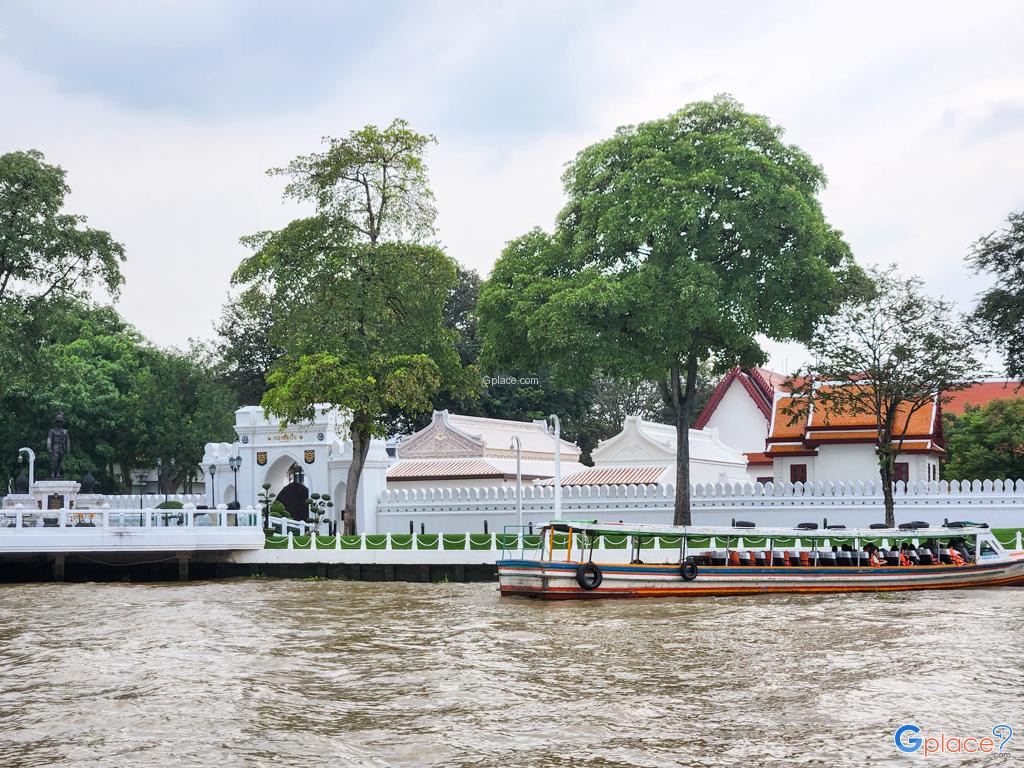
Wichai Prasit Fort is one of the most historically significant landmarks along the Chao Phraya River. Originally known as “Wichaiyen Fort” or “Bangkok Fort,” it was constructed during the reign of King Narai of Ayutthaya. The construction was overseen by Constantine Phaulkon (Chao Phraya Wichayen), following Western—particularly French—military engineering principles. Its primary role was to defend the river route leading to the Ayutthaya capital.
During the Thonburi period, King Taksin established Thonburi as the new capital and selected this strategic riverside location for his royal palace. He renamed the site “Wichai Prasit Fort” for auspiciousness, integrating it into what is now known as the Thonburi Palace. The fort became a crucial defensive stronghold protecting the capital throughout his reign.
Architecturally, the fort is built of brick and mortar, featuring double-layered defensive walls. The outer wall forms an octagonal structure extending toward the river, equipped with cannon embrasures and watchtowers — reflecting advanced military design of its era.
Today, the fort remains under the supervision of the Royal Thai Navy and continues to serve ceremonial functions, including royal gun salutes during important state occasions. It also houses the naval flagstaff alongside the flag of the Commander-in-Chief of the Royal Thai Navy.
The atmosphere surrounding the fort is serene and dignified. Its white walls stand in striking contrast against the deep blue of the Chao Phraya River and the open sky. Visitors and history enthusiasts often admire and photograph the fort from river cruises or as part of a visit to Thonburi Palace, gaining insight into Thailand’s rich military heritage and the bravery of its ancestors.