 Attractions
  Hotel
Hotel  Restaurant
  Shopping
  Abroad





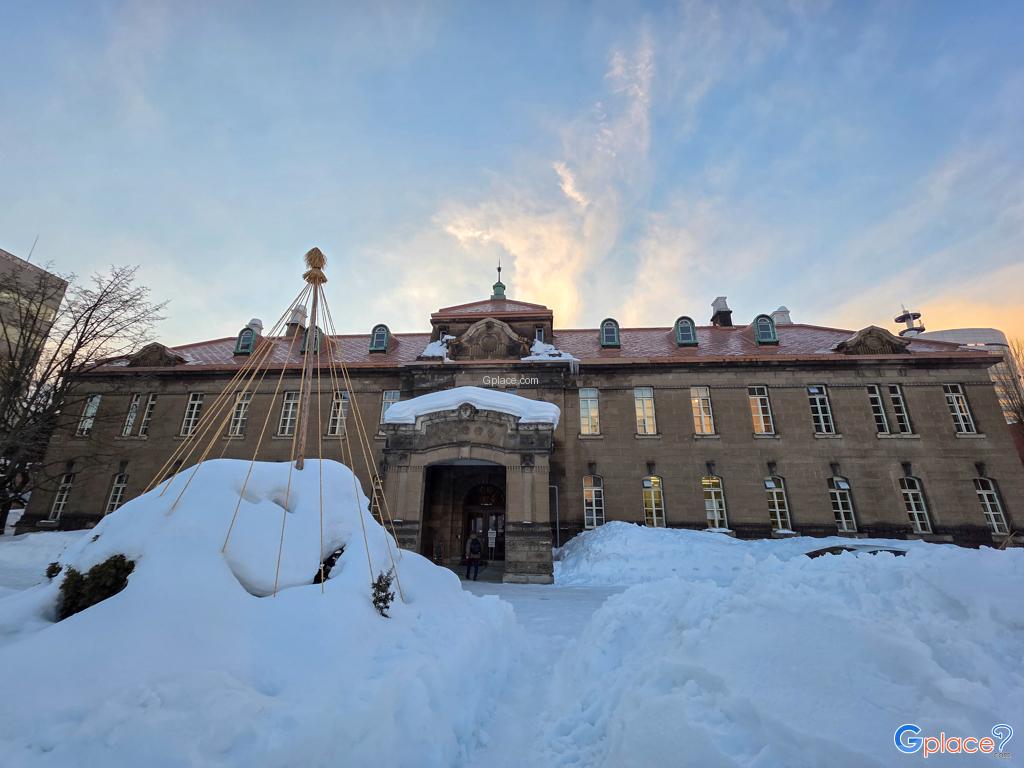

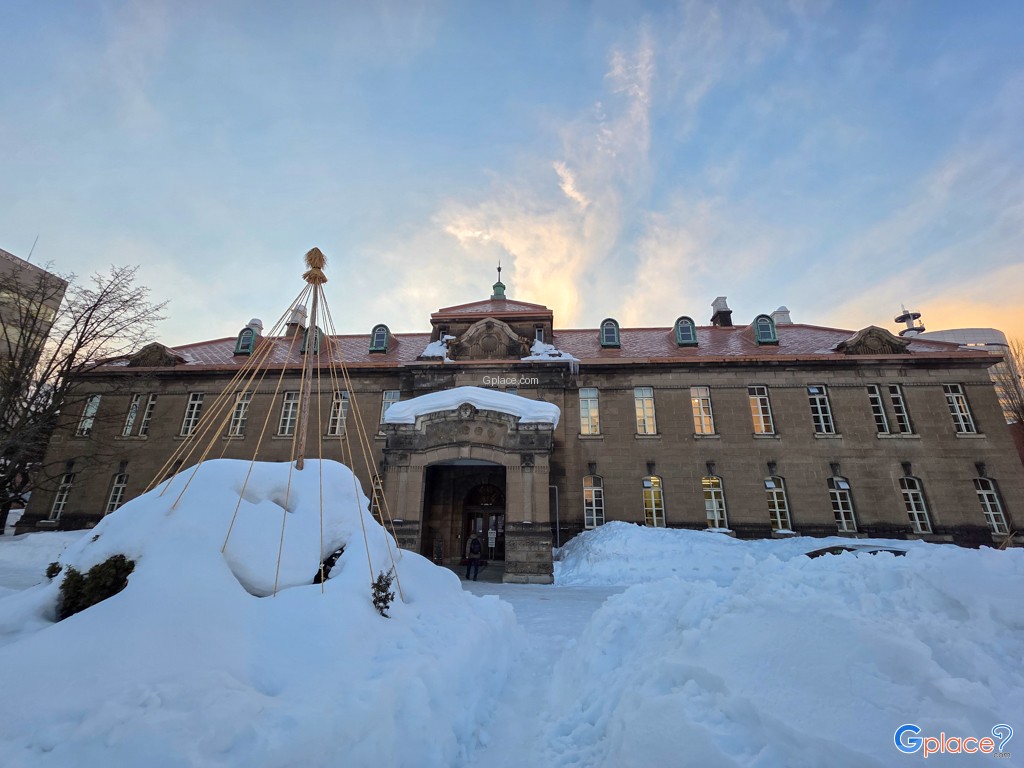
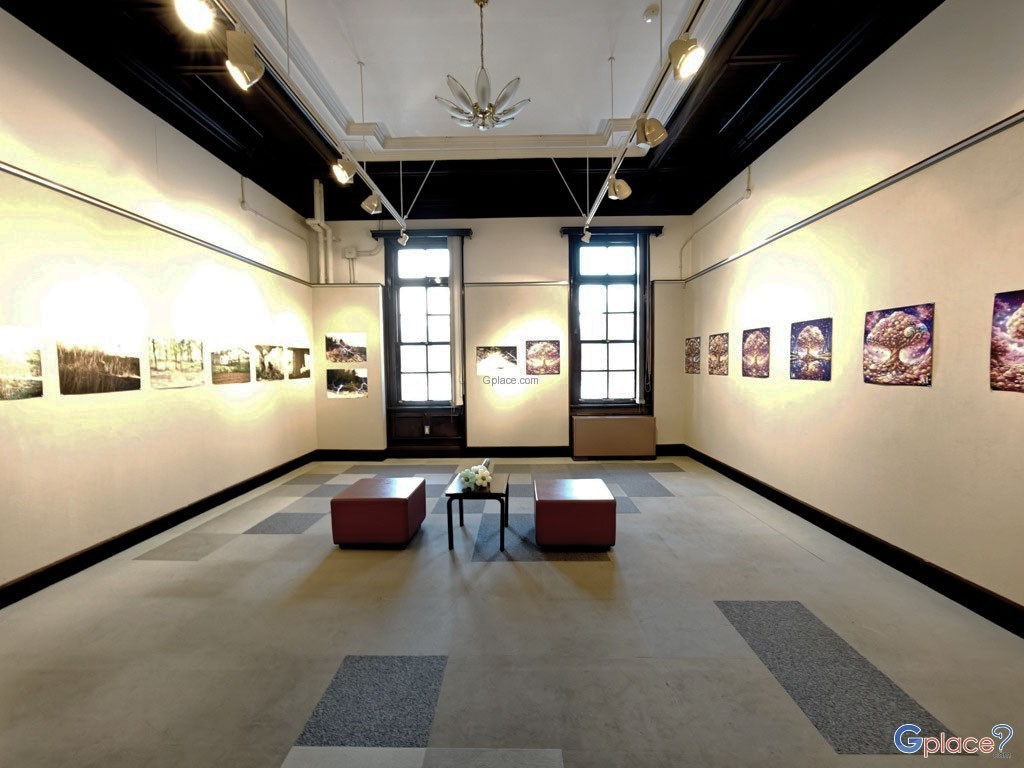
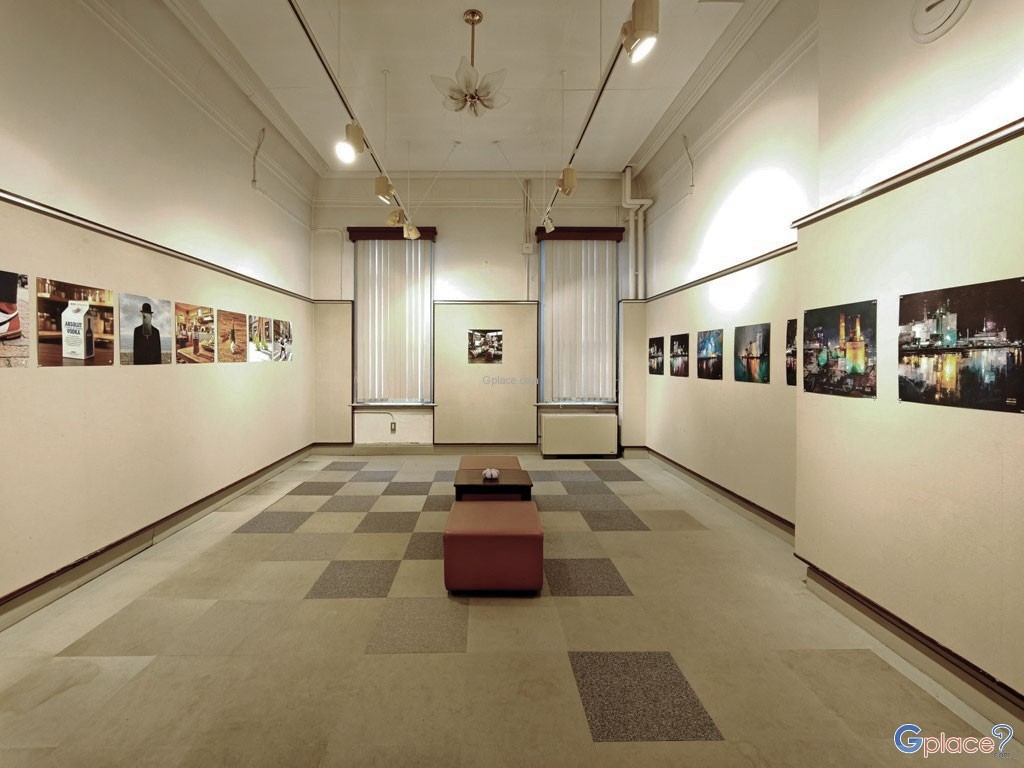
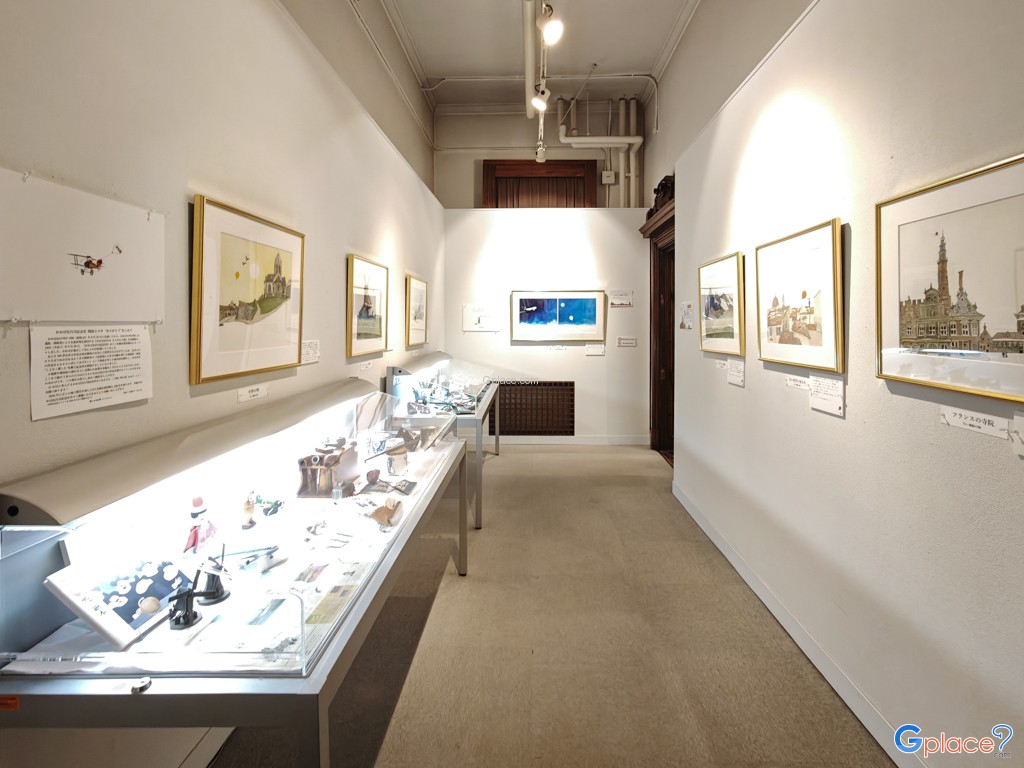
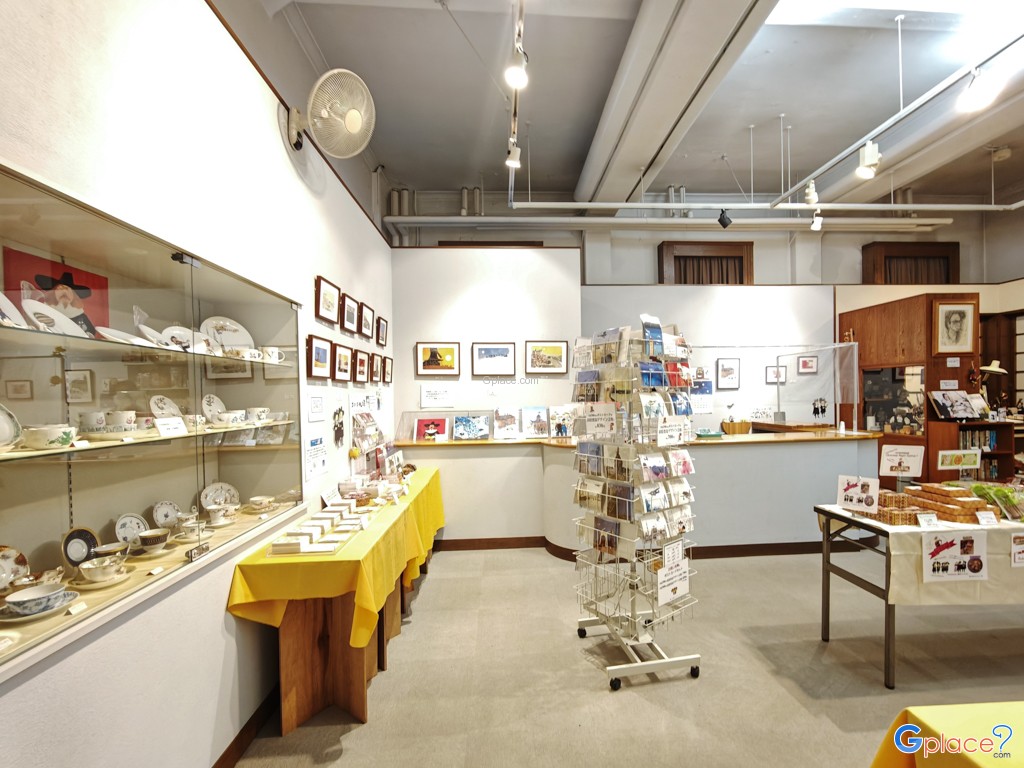
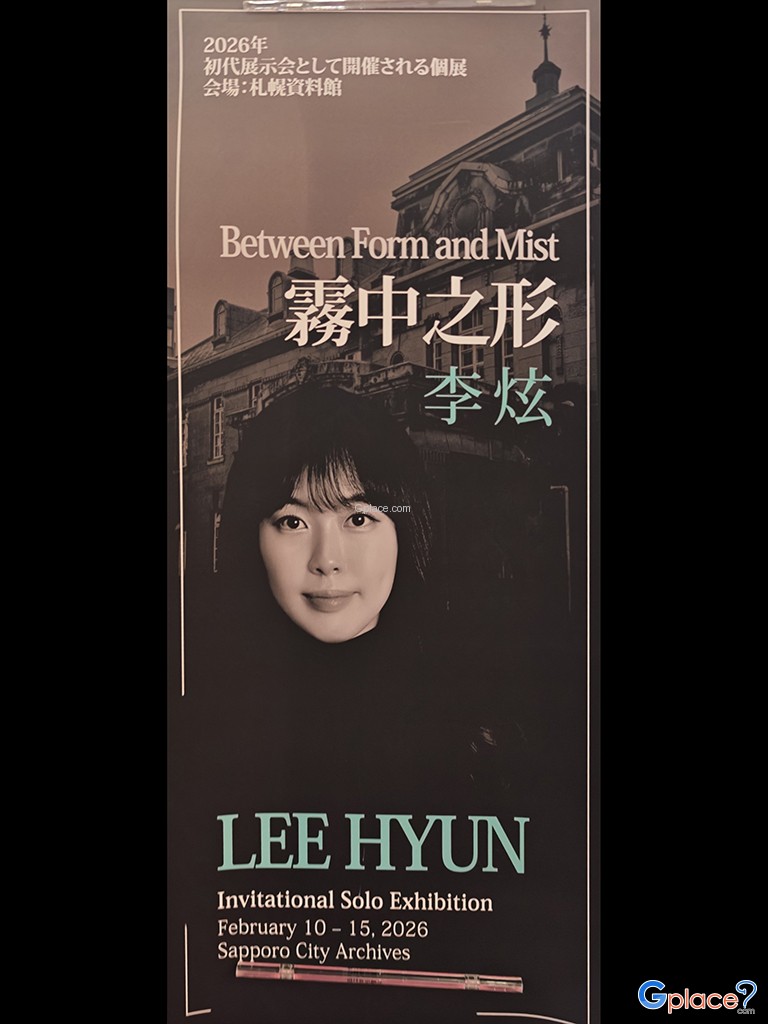
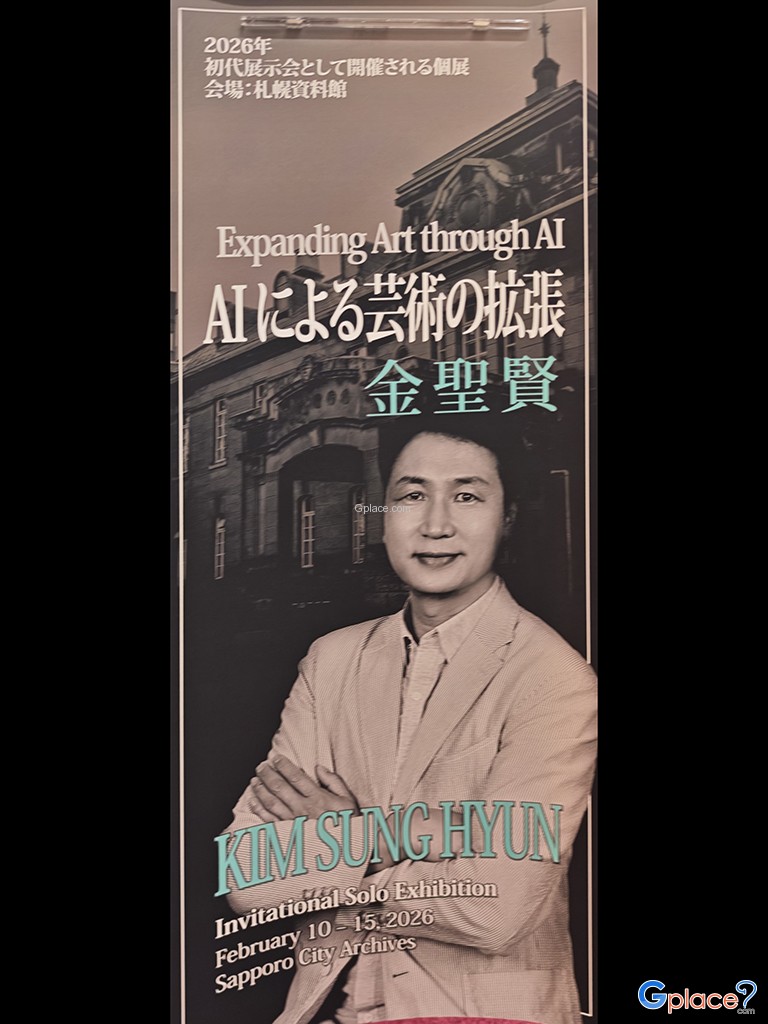
“A majestic 1926 courthouse built from Sapporo soft stone, featuring a rare relief of the Goddess of Justice depicted without a blindfold.”
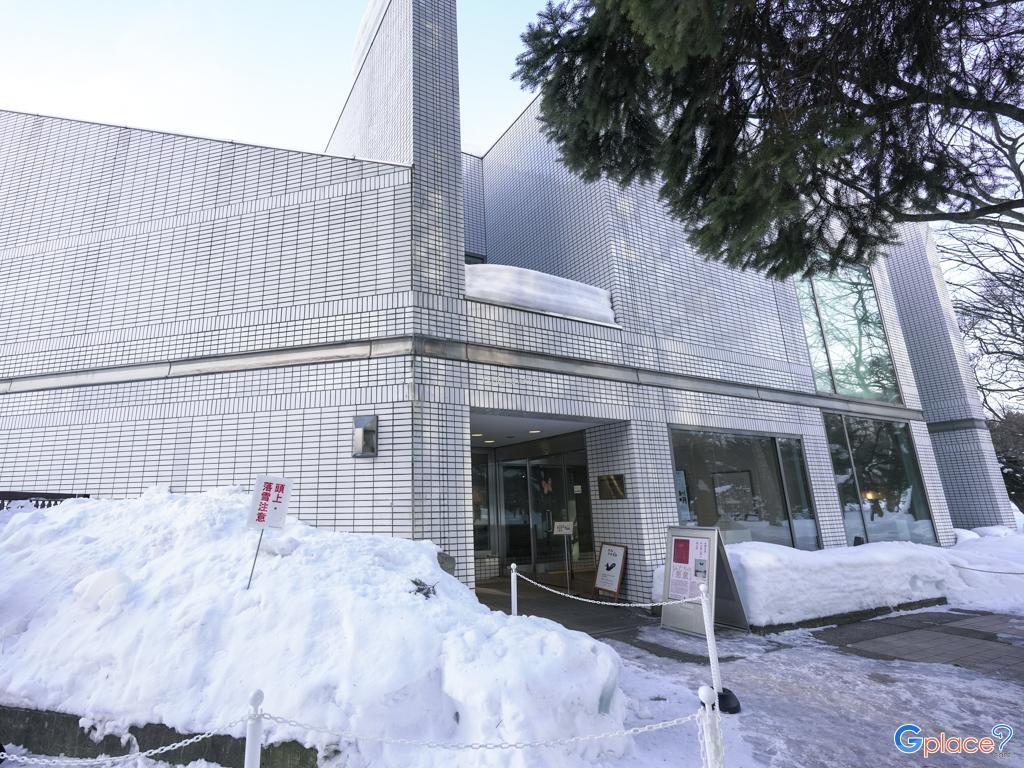
Sapporo Shiryokan (The Sapporo Court of Appeals Former Building) is one of the most significant historical buildings in Sapporo. Constructed in 1926, it originally functioned as the Sapporo Court of Appeals, playing an important role in the development of the legal system in Hokkaido during the early modern period of Japan. The building was designed by Shichigoro Obe, an architect from Japan’s Ministry of Justice who was also responsible for several notable governmental buildings, including the Nara Juvenile Prison.
Architecturally, the structure reflects a Neo-Renaissance style, influenced by European public architecture of the late 19th and early 20th centuries. The symmetrical façade, classical pediment, and solid stone construction convey a sense of authority and dignity appropriate for a judicial building.
One of the most distinctive elements of the building is the use of Sapporo Soft Stone (Nanseki), a local volcanic tuff quarried from the Ishiyama area. This stone was widely used in early Sapporo architecture because it is lightweight, easy to carve, and provides excellent insulation against the harsh winters of Hokkaido. The building is considered one of the largest surviving structures constructed with this distinctive local material.
Above the entrance pediment is a relief carving of Themis, the Greek Goddess of Justice, holding scales and a sword. Interestingly, unlike many Western representations, she is depicted without a blindfold, symbolizing the idea of a clear-sighted pursuit of truth within the legal philosophy of that era.
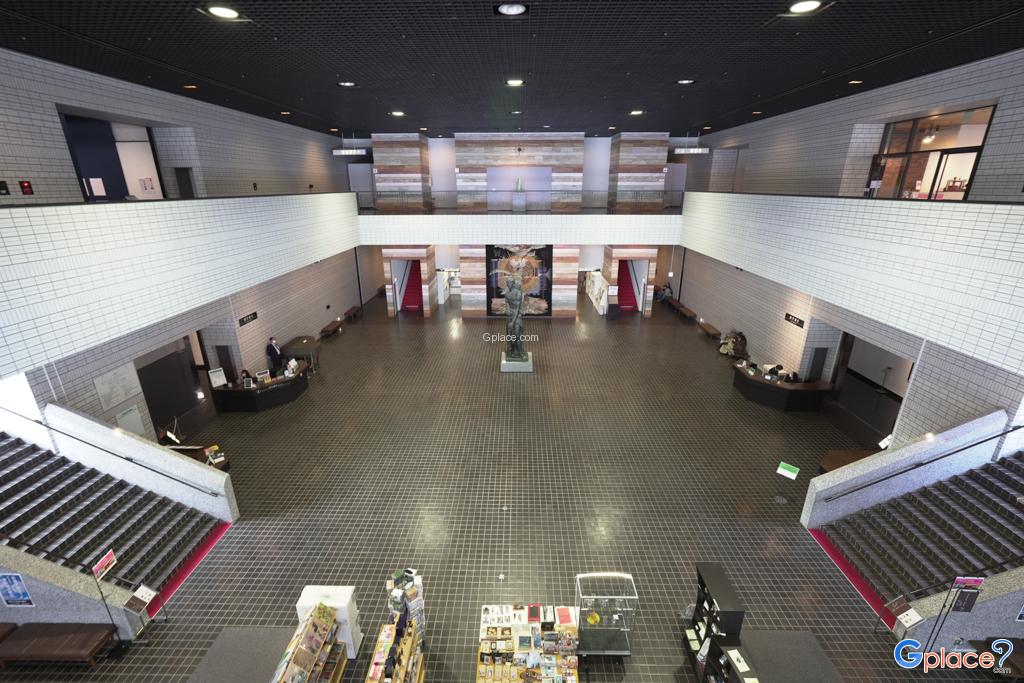
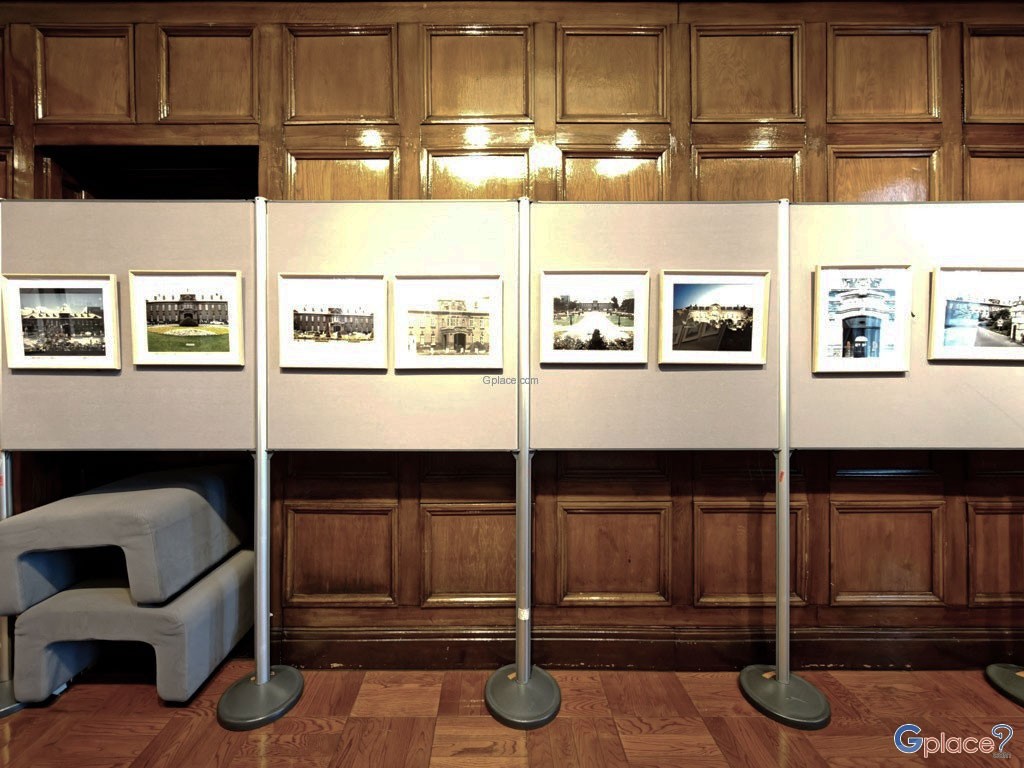
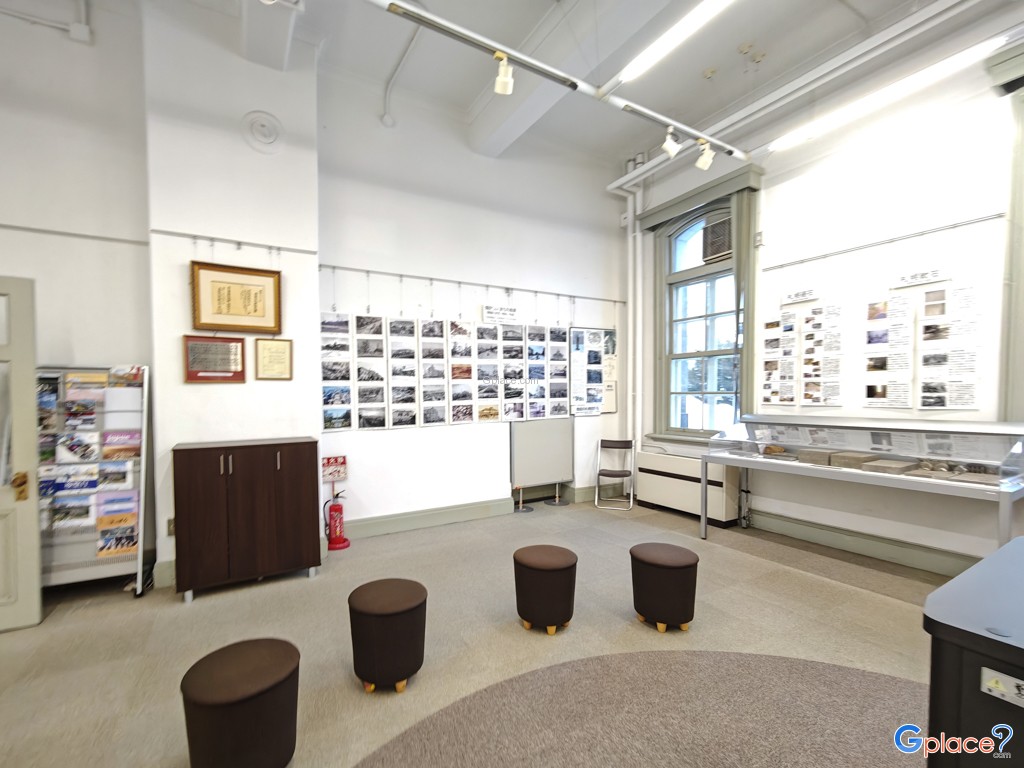
After the court moved to a new building in 1973, the structure was preserved and later reopened as the Sapporo City Archive Museum. Today visitors can explore exhibitions about the development of Sapporo, historical legal documents, and a restored courtroom that recreates the atmosphere of early 20th-century trials.
Inside the building is also the Kotomichi Manga Memorial Museum, dedicated to a famous manga artist born in Sapporo, offering an interesting blend of legal history, architecture, and modern Japanese pop culture.
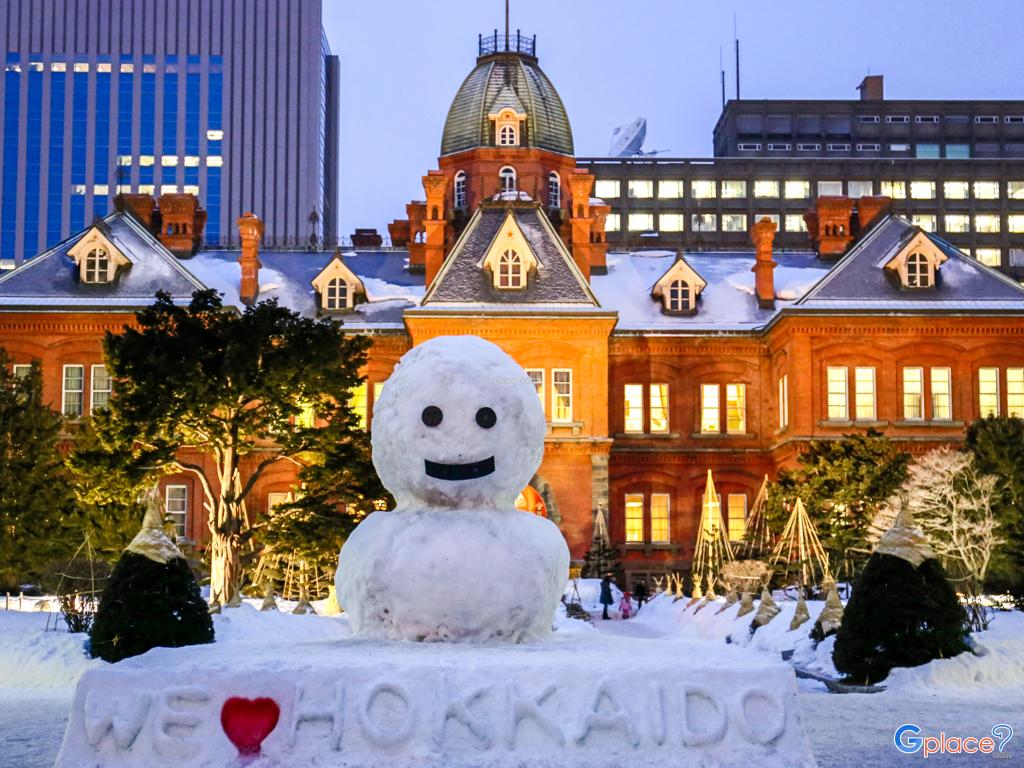
Situated at the western edge of Odori Park, the building is a popular photography spot throughout the year. During summer, the garden in front of the building features blooming roses, while in winter the historic stone structure covered in snow creates a classic Hokkaido atmosphere.
How to Get There
-
About a 5-minute walk from Nishi-11-Chome Station on the Tozai Subway Line
-
From Sapporo Station, take the Tozai Subway Line and get off at Nishi-11-Chome Station, then walk
-
Visitors can also walk across Odori Park from Sapporo TV Tower toward the west for about 20–25 minutes
Travel Tips
-
In summer, the rose garden in front of the building becomes a beautiful photo spot
-
During the Sapporo Snow Festival, this area is quieter than the main sections of Odori Park
-
Ideal for visitors interested in early 20th-century Japanese architecture and legal history
-
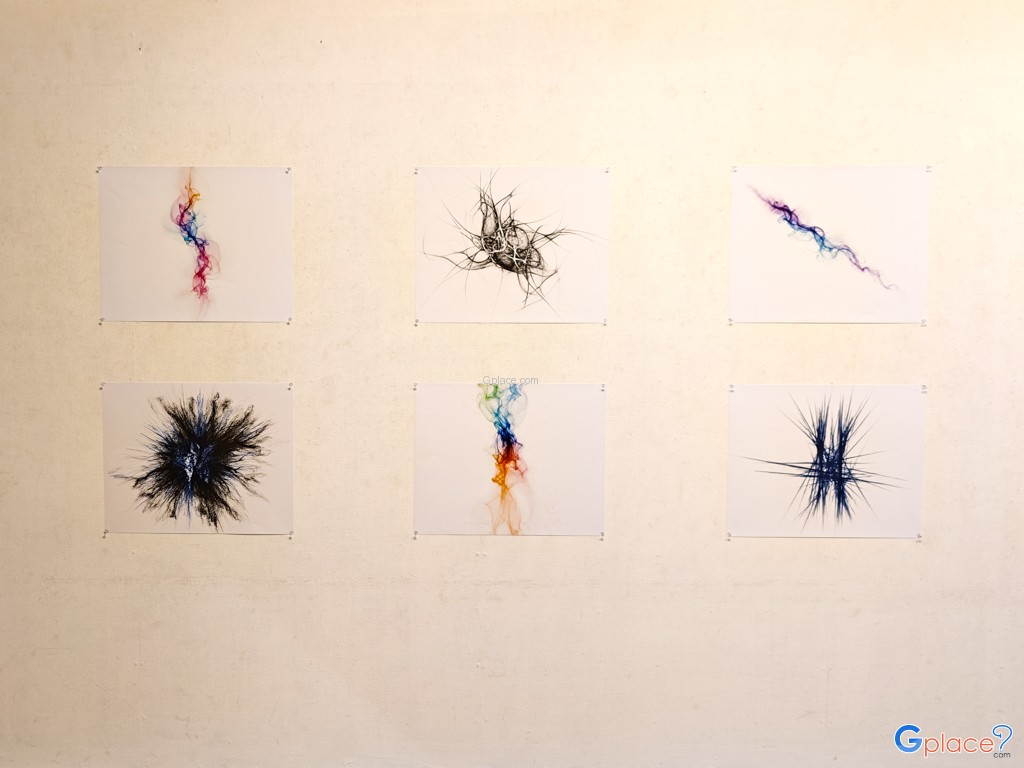
The museum frequently hosts rotating art and cultural exhibitions throughout the year
Admission Fee:
- Free admission (special exhibitions may require a fee)
Opening Time:
- 09:00 – 19:00
Closed on Mondays and during the New Year holidays
Sapporo Shiryokan

 Share
Share
 3 Chome Odorinishi, Chuo Ward, Sapporo, Hokkaido 060-0042, Japan
Map
3 Chome Odorinishi, Chuo Ward, Sapporo, Hokkaido 060-0042, Japan
Map
 Open now : 9.00 - 19.00
Mon -
Tue9.00 - 19.00
Wed9.00 - 19.00
Thu9.00 - 19.00
Fri9.00 - 19.00
Sat9.00 - 19.00
Sun -



 78
78