 Attractions
  Hotel
Hotel  Restaurant
  Shopping
  Abroad





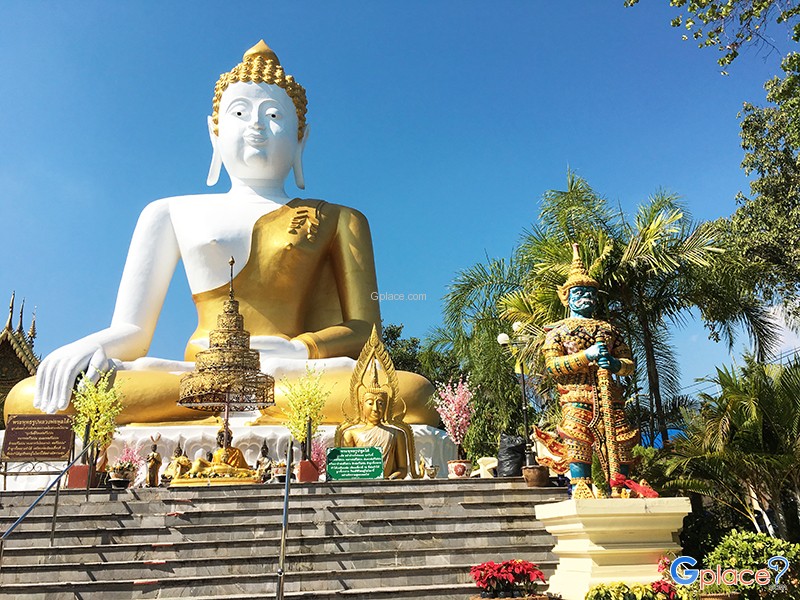

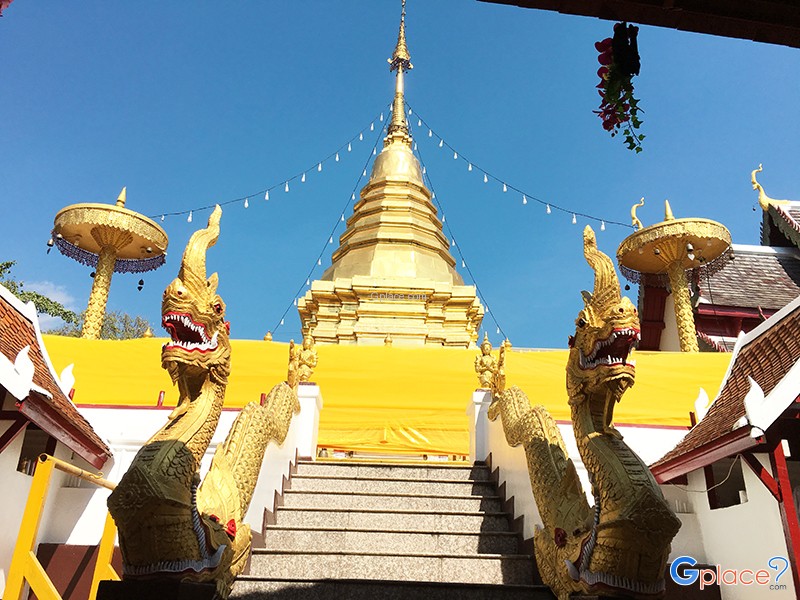

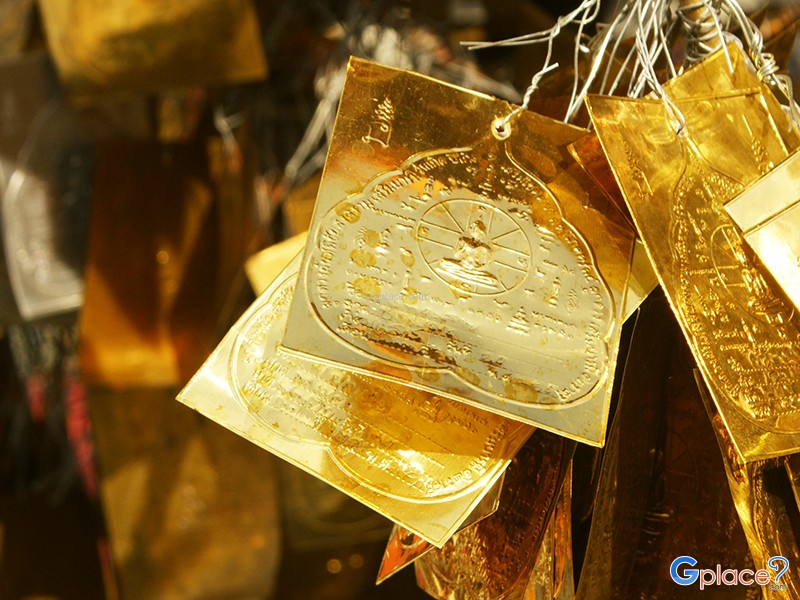
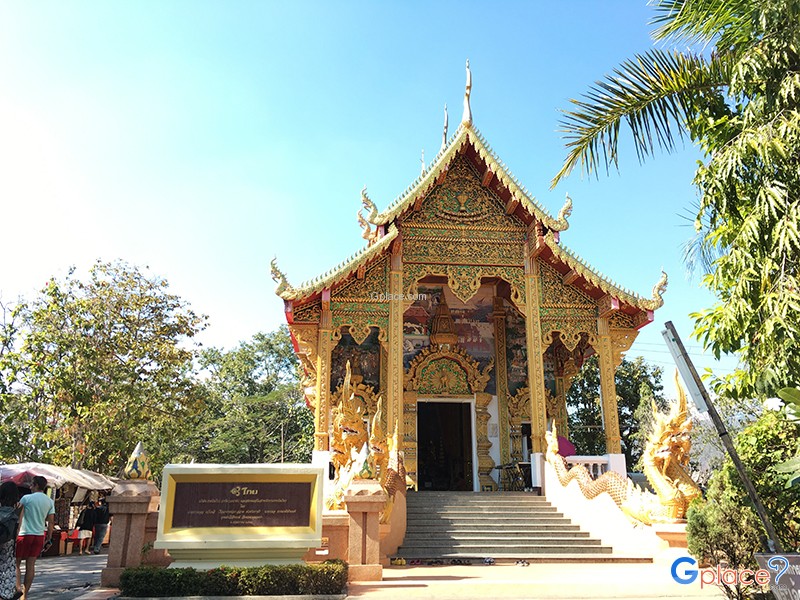
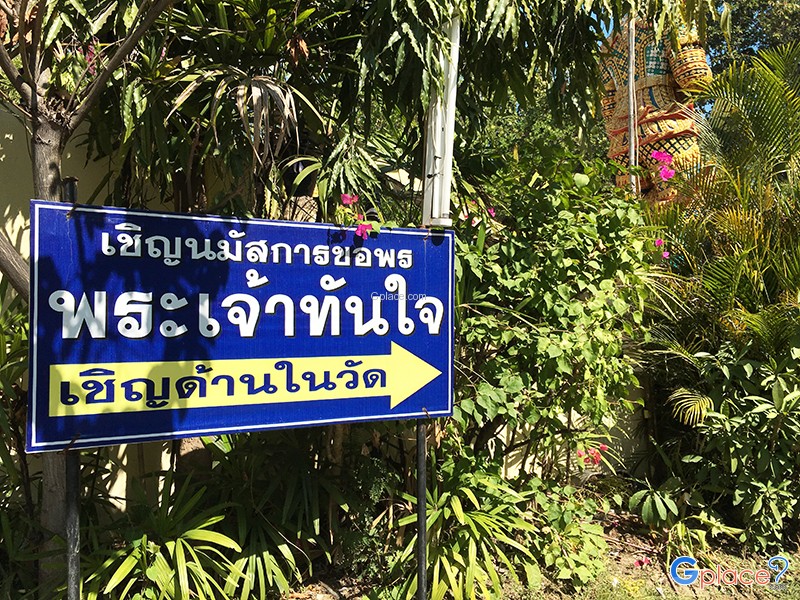
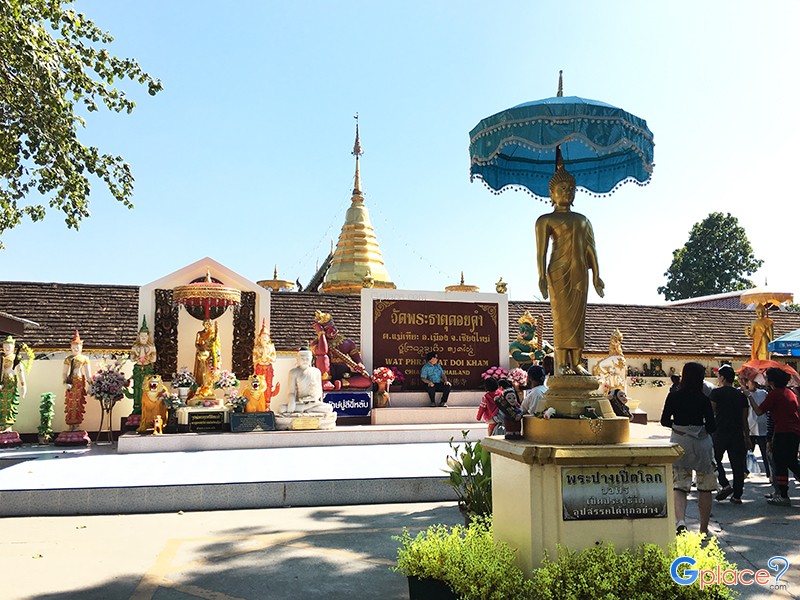
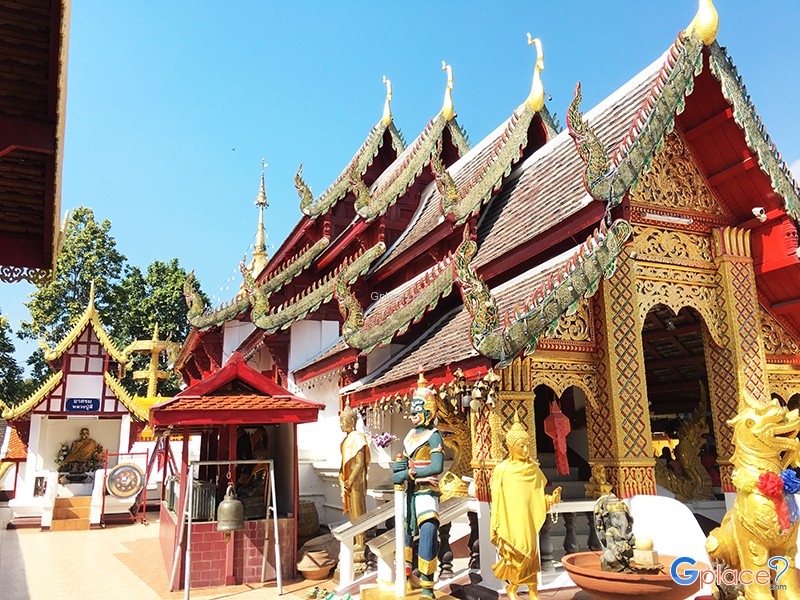
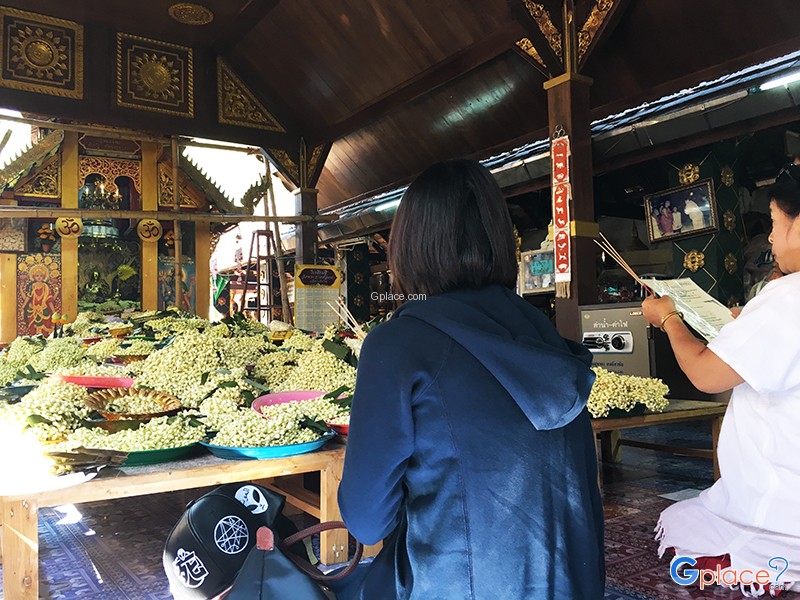
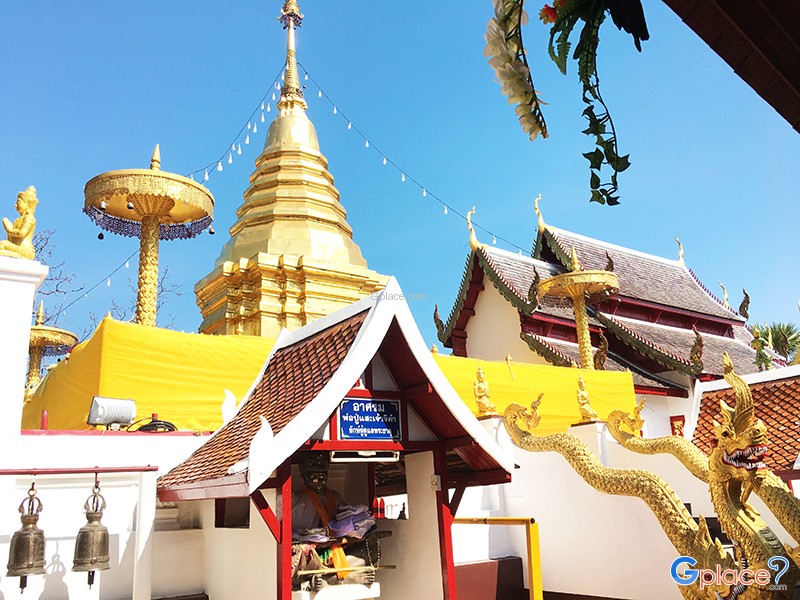
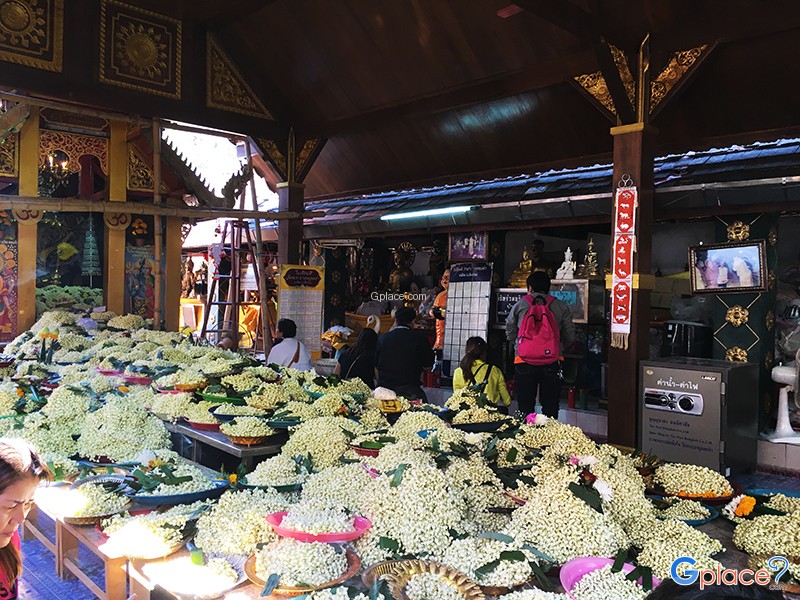
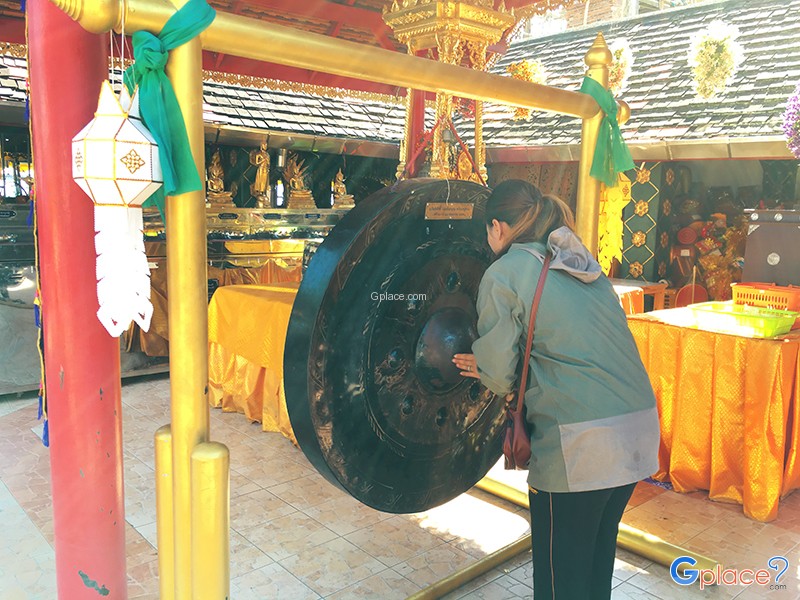
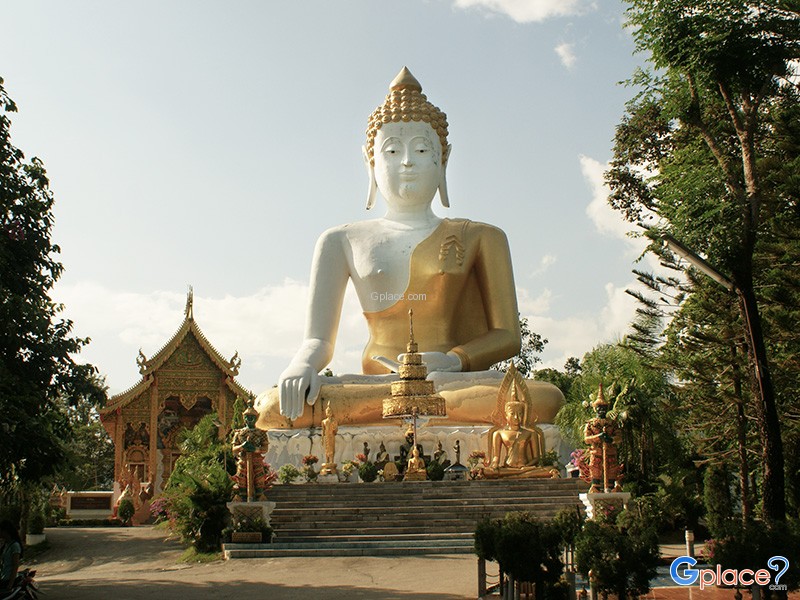
“Pray for blessings from "Luang Phor Tanjai," renowned for his sanctity and rapid fulfillment of wishes. Worship the ancient pagoda from the Hariphunchai era and witness the vast quantities of jasmine garlands, which are a unique symbol of this temple.”
Wat Phra That Doi Kham is an ancient temple situated on a small mountain range southwest of Chiang Mai city. With a history of more than 1,300 years, it is considered one of the oldest temples in Chiang Mai Province. In the past, it was originally named "Wat Suwan Banphot." The name "Doi Kham" (Golden Mountain) originates from local legends regarding gold found on this mountain. Furthermore, the temple is deeply connected to the legends of city-building during the Hariphunchai era and the ancient way of life along the Ping River basin.
History of Construction and Ancient Artifacts In the Hariphunchai era, the temple was built in 687 AD during the reign of Queen Jamadevi, the first monarch of Lamphun (Hariphunchai). Her two sons co-founded the temple to enshrine Sacred Buddha Relics to serve as a spiritual center and a blessing for the kingdom. Later, in 1966, while the temple was temporarily abandoned, the "Kru" (hidden chamber) was breached, leading to the discovery of several significant artifacts. These included "Phra Rod Luang" (a large gilded sandstone Buddha image), "Phra Sam Hom," and "Phra Khong" (clay amulets). These artifacts serve as clear evidence reflecting the temple's antiquity and historical importance.
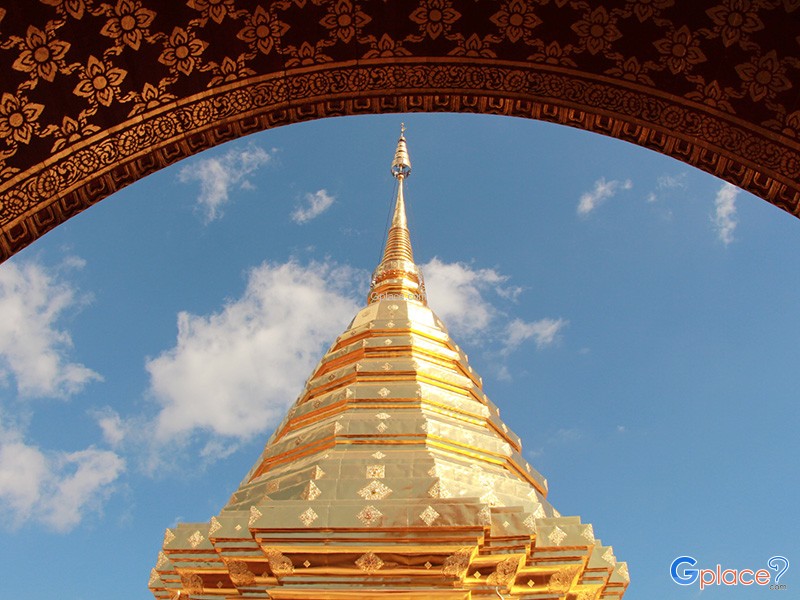
Restoration and Buddhist Art After a period of deterioration, major restoration began in 1981 to return the religious site to its former grandeur. More recently, in 1995, a ceremony was held to cast the Monument of Queen Jamadevi, which was then enshrined in the temple courtyard to commemorate her grace as the temple's founder. Regarding the architecture, the main Doi Kham Pagoda is a masterpiece of Lanna art, featuring a circular shape with modified angular tiers according to local identity. This rare artistic work has been well-maintained and preserved to this day.
Luang Phor Tanjai and Local Faith The feature that has brought nationwide fame to this temple is Luang Phor Tanjai, a stucco Buddha image in the Mara-vichaya posture renowned for its sanctity specifically for granting wishes with remarkable speed ("Tanjai" means instant). According to local belief, devotees usually make a single, most important wish. Upon success, they return to fulfill their vows by offering vast quantities of fresh jasmine garlands. Consequently, the hall of Luang Phor Tanjai is filled with the fragrance of jasmine and the beauty of pure white flowers throughout the year, creating an atmosphere charged with living faith.
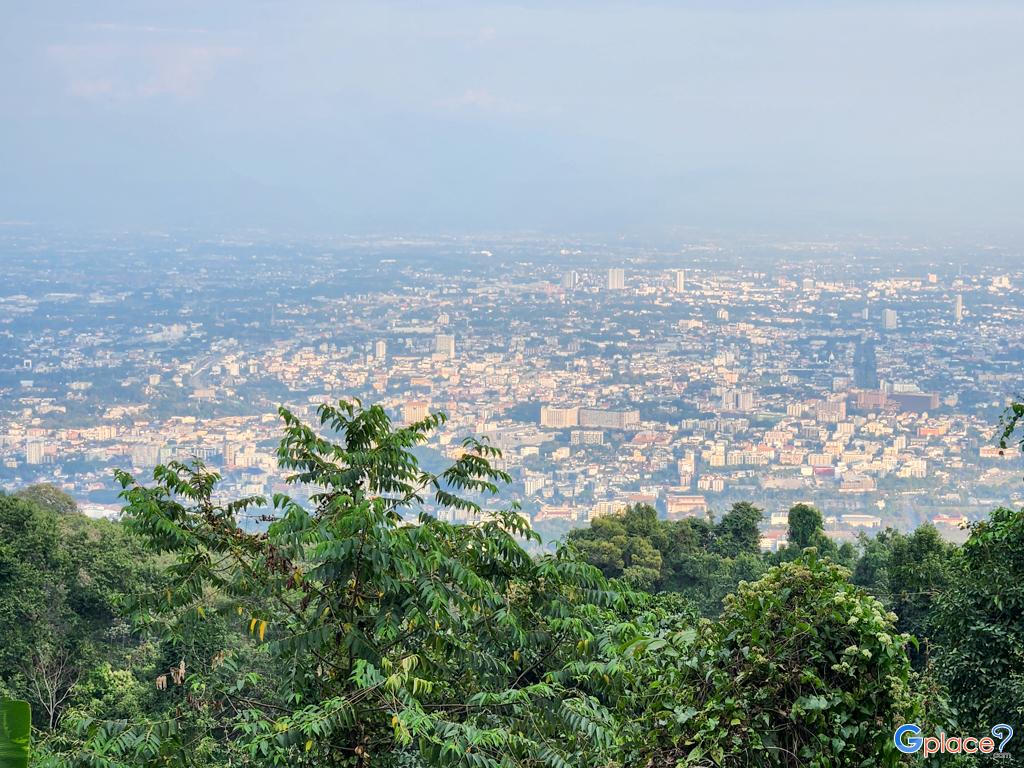
Visiting Wat Phra That Doi Kham allows visitors to not only gain merit and study long-standing history but also walk to the viewpoint on the temple’s terrace. From there, one can see a vast, panoramic view of Chiang Mai city and Royal Park Rajapruek. The cleanliness and orderly management of the temple grounds make it a destination that perfectly combines sanctity, history, and natural beauty.
How to Get There
-
Private Car: From Chiang Mai city, use the route toward Hang Dong District. Pass the Royal Park Rajapruek intersection and drive up the hill to the temple. The road is paved and convenient.
-
Public Transport: You can use the "Red Truck" (Songthaew) or private taxi services from Chiang Mai city; simply specify Wat Phra That Doi Kham as your destination
Travel Tips
-
Dress Code: Please dress modestly (no shorts above the knee or sleeveless tops).
-
Praying: Following local tradition, it is recommended to focus your prayers on a single request for the clearest results.
-
Parking: On weekends or Buddhist holidays, the temple can be very crowded. Please allow extra time to find a parking space.
Admission Fee:
- Free of charge
Opening Hours:
- Daily from 06:00 – 18:00
Wat Phra That Doi Kham

 Share
Share
 Mae Hia Subdistrict, Mueang District, Chiang Mai
Map
Mae Hia Subdistrict, Mueang District, Chiang Mai
Map
 Closed today
Mon6.00 - 18.00
Tue6.00 - 18.00
Wed6.00 - 18.00
Thu6.00 - 18.00
Fri6.00 - 18.00
Sat6.00 - 18.00
Sun6.00 - 18.00



 20043
20043
Recommend trips
- Giant Buddha Landmarks in Thailand
- 20 Must-Visit Places in Chiang Mai
- 10 สุดยอดวัดในตัวเมืองเชียงใหม่
- รวมวัดทั่วเชียงใหม่
- พระพุทธรูปคู่บ้านคู่เมืองเชียงใหม่
- ที่เที่ยวเชียงใหม่ ต้องเช็คอินให้ได้
- ONE DAY TRIP CNX
- เชียงใหม่ เส้นทางวัฒนธรรม ไหว้พระ ขอพรปีใหม่
- ตำนานลี้ลับ เหมือนต้องมนต์ขลัง
- 20 จุดชมวิว เชียงใหม่
- เชียงใหม่1วัน