
 Attractions
  Hotel
Hotel  Restaurant
  Shopping
  Abroad
  Nearby Places





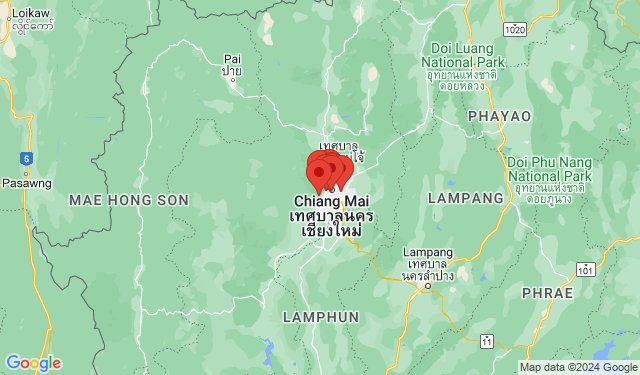
10 สุดยอดวัดในตัวเมืองเชียงใหม่

 18791
18791
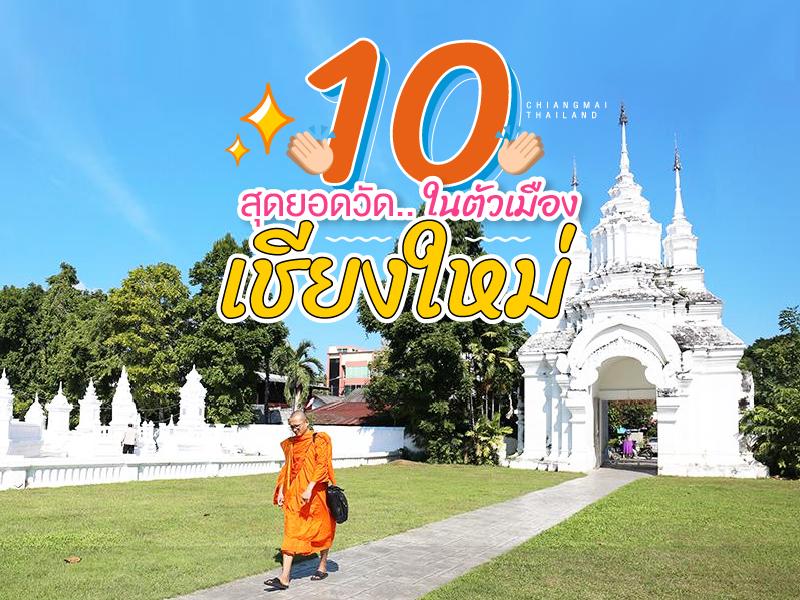 10 สุดยอดวัดตัวเมืองเชียงใหม่ น่าเข้าไปไหว้
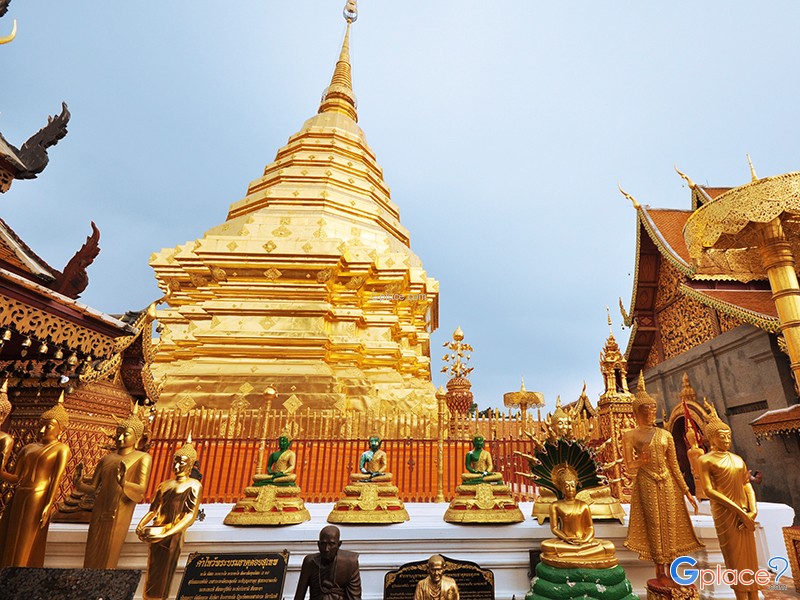
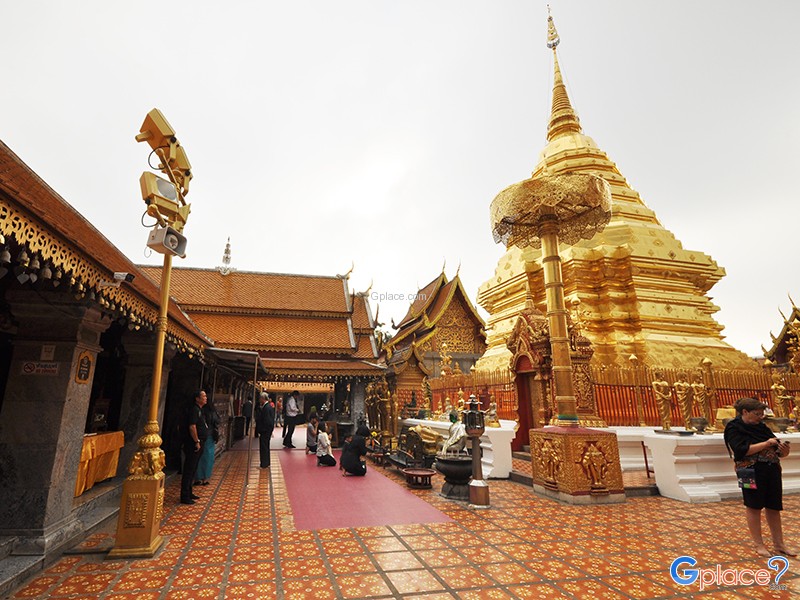
Wat Phra That Doi Suthep is far more than just a landmark — it is regarded as the most sacred temple in Northern Thailand and the spiritual symbol of the Lanna people. Founded in 1383 CE (B.E. 1929) under King Kuena of the Lanna Kingdom, its construction represented both a political and spiritual cornerstone. Establishing a great reliquary temple reinforced the king’s authority while s...
read more
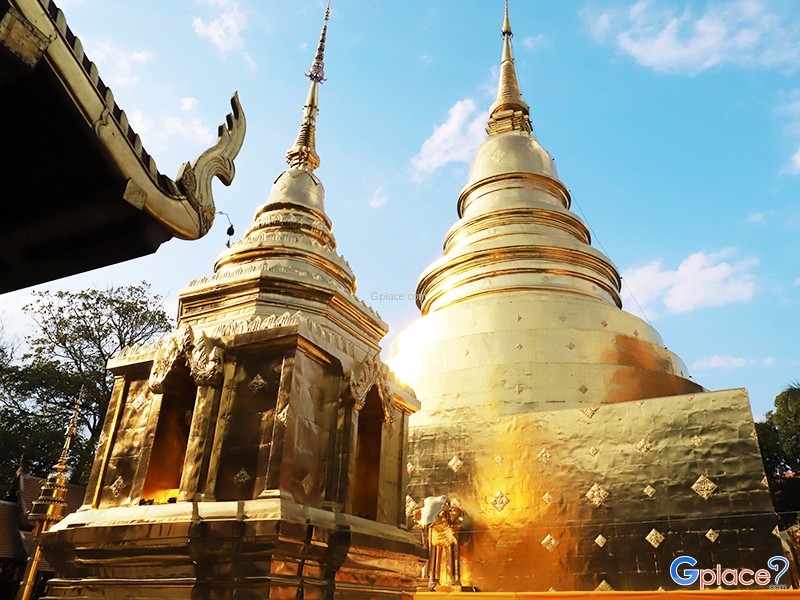
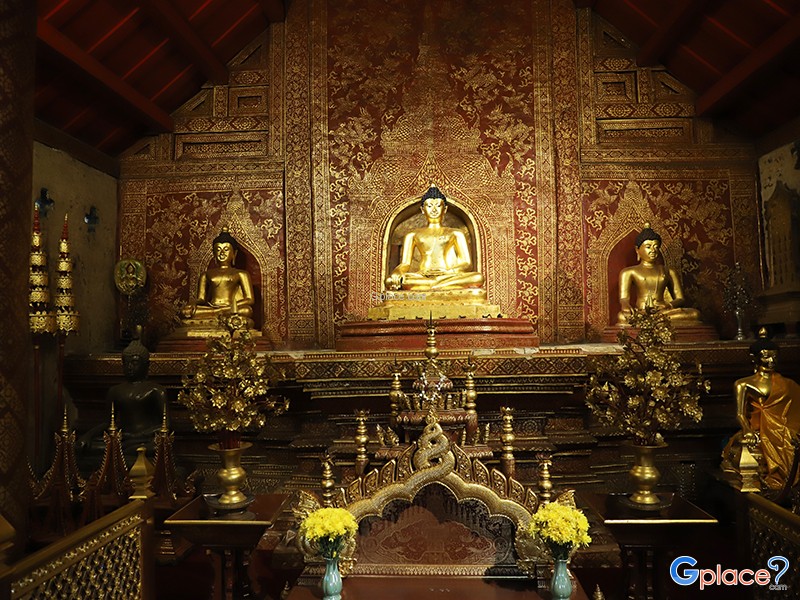
Wat Phra Singh Woramahawihan (Wat Phra Singh Woramahawihan) was established in 1345 CE (B.E. 1888) by King Phayu to enshrine the ashes of his father, King Kham Fu. The temple was originally named “Wat Lee Chiang Phra”, with “Lee” meaning marketplace.
Later, King Saen Muang Ma invited the sacred Phra Buddha Sihing image to be enshrined here, leading to the temple being ...
read more
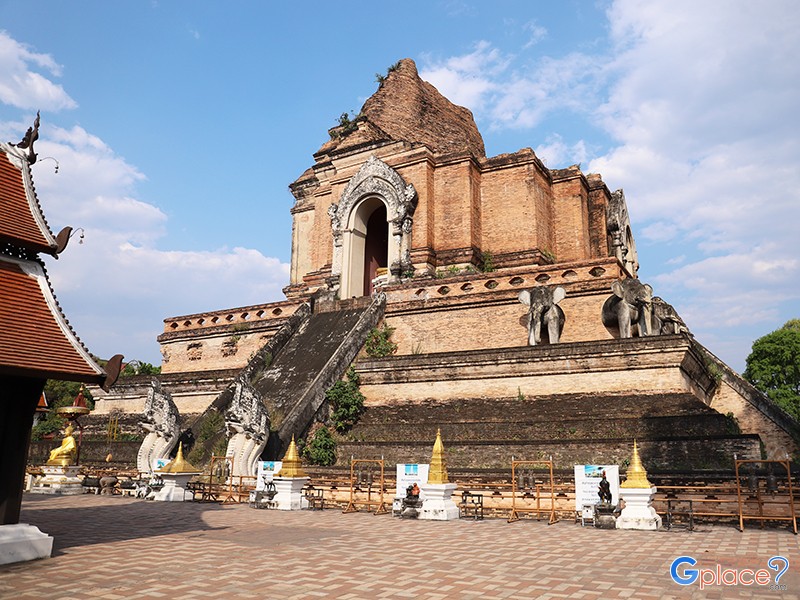
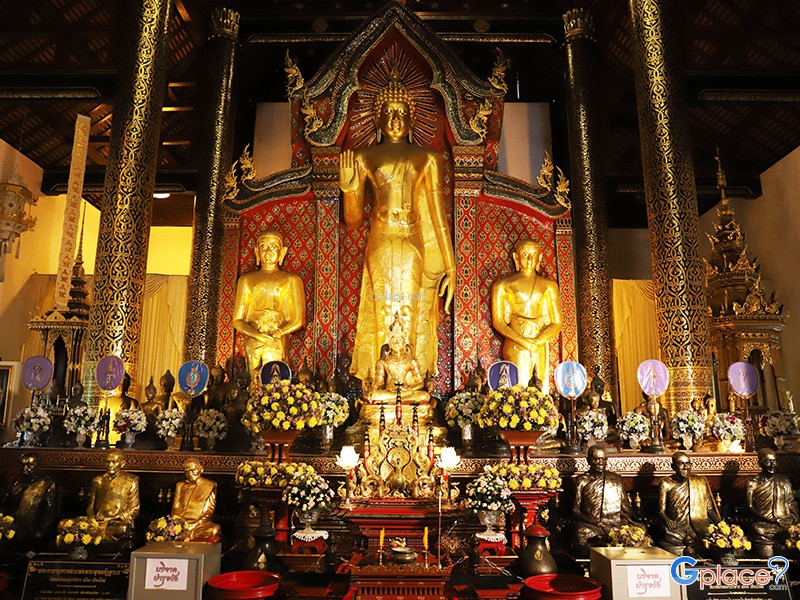
Wat Chedi Luang is an important Buddhist temple located in the heart of Chiang Mai, Thailand. Its history dates back to the 14th century, during the reign of the seventh ruler of the Mangrai Dynasty, King Saen Muang Ma. Construction of the stupa began in 1391 and was completed in the mid-15th century under King Tilokaraj. At its peak, the stupa reached 82 meters high with a base of 54 meters, maki...
read more
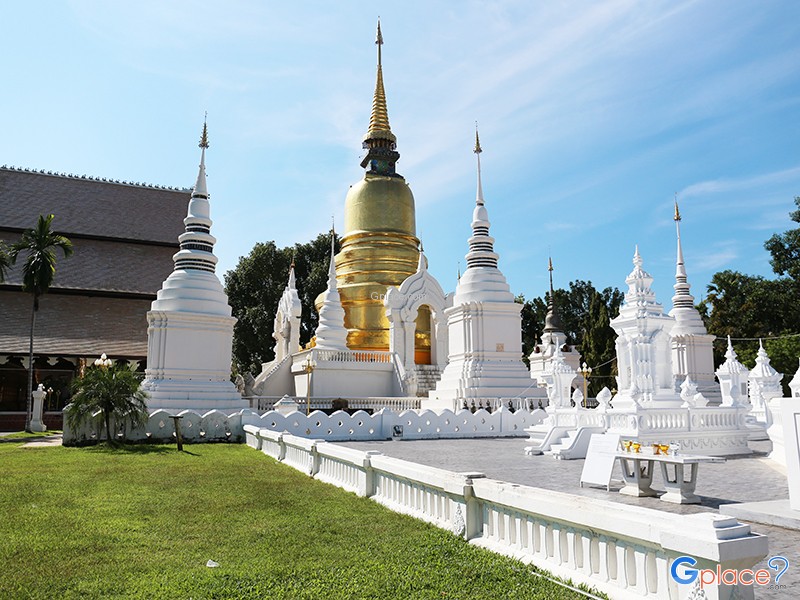
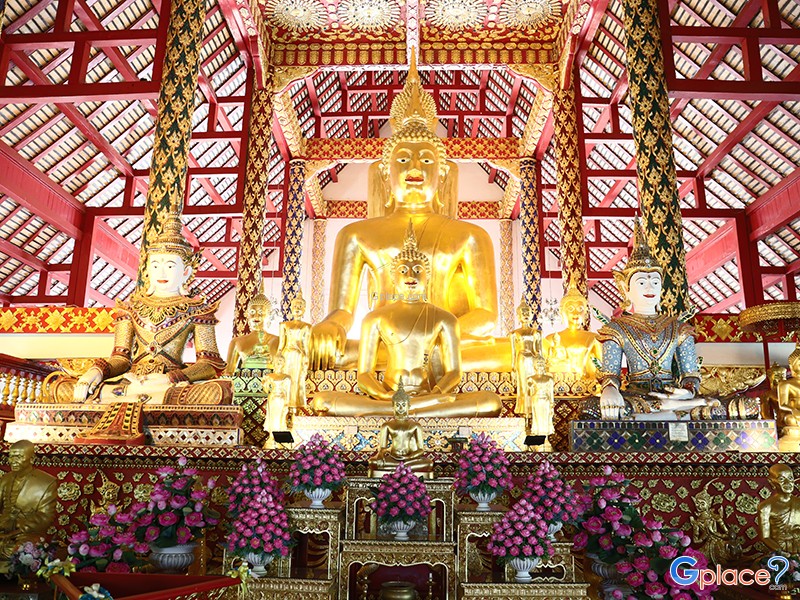
Suan Dok Temple has a history dating back over 600 years, beginning during the reign of King Kue Na, the 6th ruler of the Mengrai Dynasty. In the past, this area was a vast flower garden filled with Phayom trees (Sweet Shorea), which spread a fragrant scent throughout the region. This is why the area was called the Phayom Flower Garden. Later, in 1371, the King dedicated his private gard...
read more
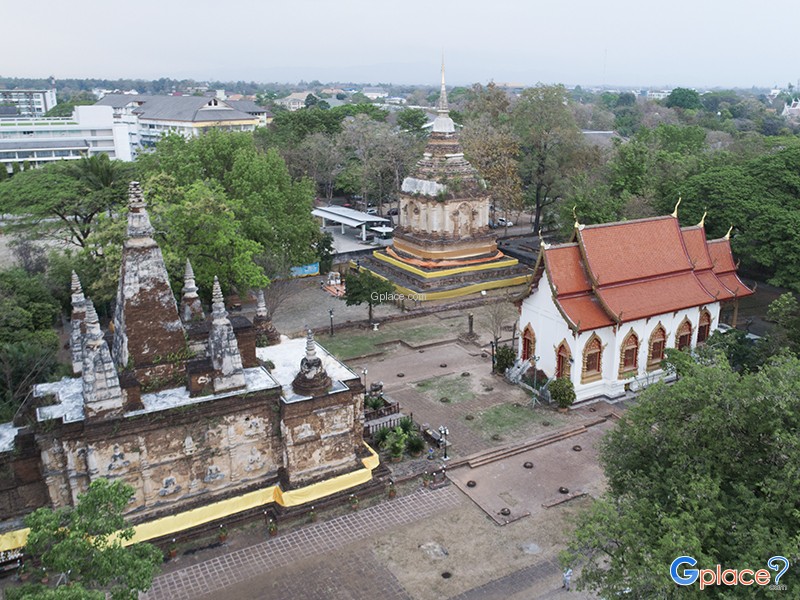
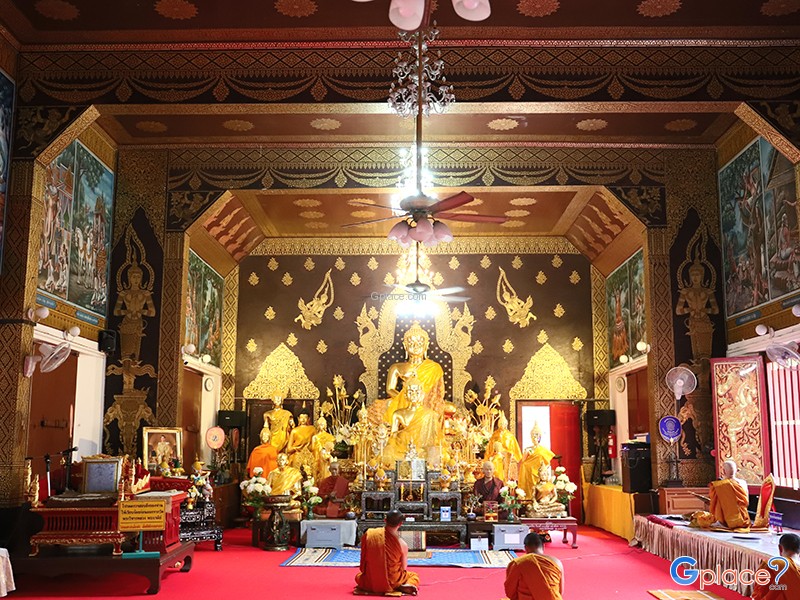
Wat Jet Yod Royal Temple (Wat Jet Yod Royal Temple / Wat Photharam Maha Vihara), formerly known as Wat Photharam Maha Vihara, is one of Chiang Mai’s most important historical and artistic temples. The temple was built in 1455 CE (B.E. 1998) during the reign of King Tilokkarat of the Mangrai Dynasty. Inspired by the architecture of the Mahabodhi Temple in Bodh Gaya, India, the sacred site whe...
read more


Wat Umong Suan Phutthatham is one of the oldest and most historically significant temples in Chiang Mai. It is believed to have been established during the reign of King Mangrai around 1296 CE (B.E. 1839) in the forested foothills of Doi Suthep as a place for Vipassana meditation practice by the respected monk Phra Maha Thera Chan. Later, during the reign of King Kuena of the Mangrai Dynasty, unde...
read more

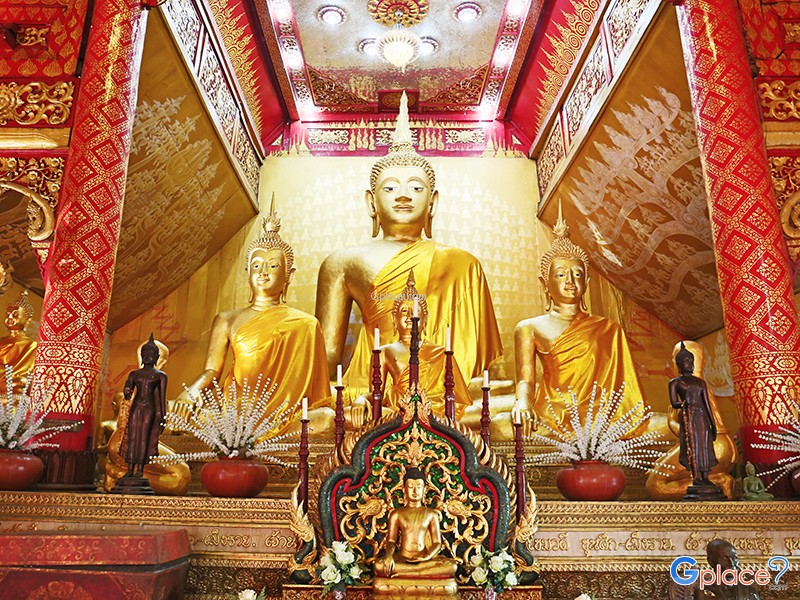
Wat Sri Suphan (Wat Sri Suphan) is an important ancient temple in Chiang Mai. It was established in B.E. 2043 (1500 CE) during the reign of King Mueang Kaeo of the Mangrai Dynasty. With a history spanning more than 500 years, the temple is located in the heart of the Wua Lai community, one of Thailand’s most famous silver-producing communities and a traditional silver artisan settlement that...
read more
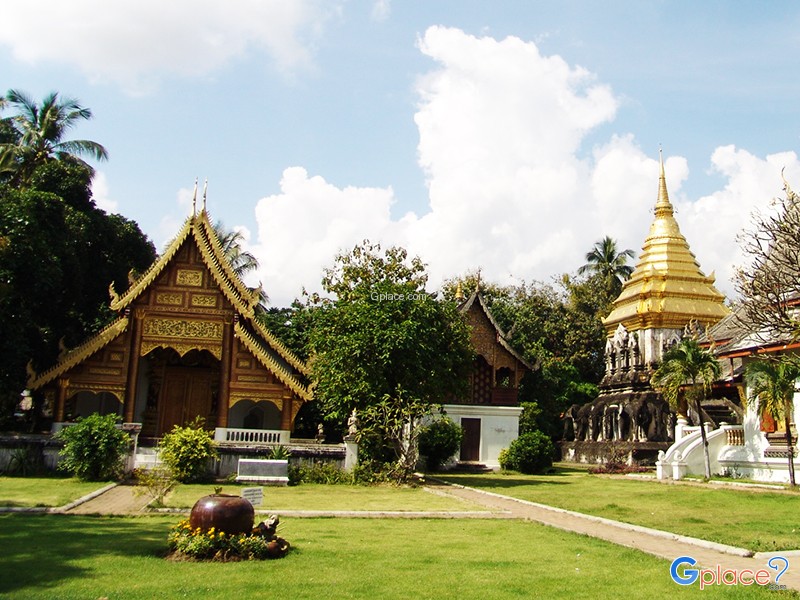
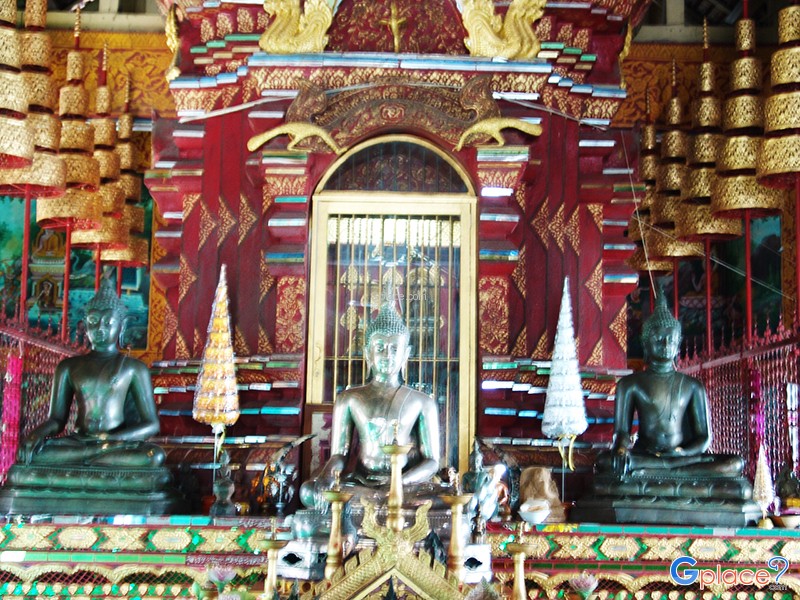
Wat Chiang Man was established in 1296 by King Mangrai, the founding monarch of the Mangrai Dynasty. He dedicated his temporary royal residence, used during the city's construction, to be built as the first royal temple of the kingdom. The founding of this temple served as an auspicious beginning for the new capital and acted as the administrative center of that era. Today, the temple grounds rema...
read more

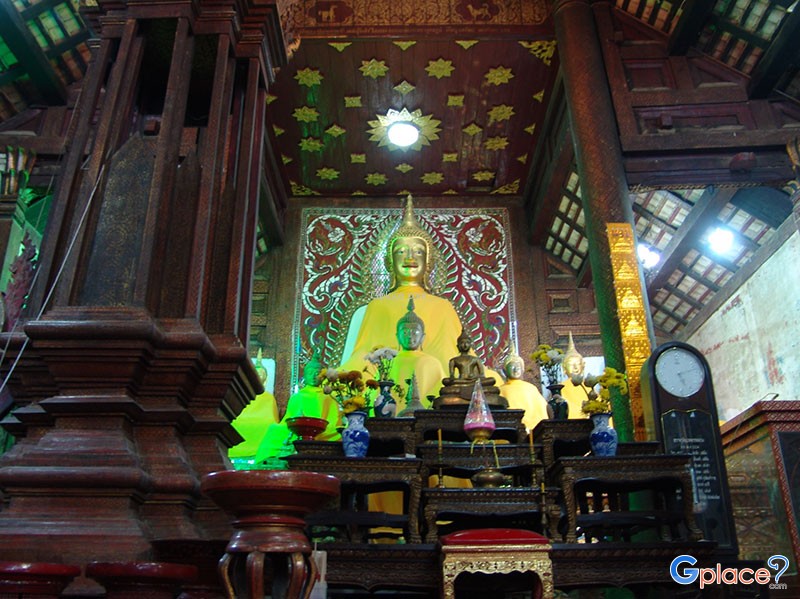
Wat Buak Khrok Luang, formerly called Wat Muang Kham, has no precise construction date documented. However, based on the history of its mural paintings, the vihara is estimated to be at least 300 years old. The name “Buak Khrok Luang” comes from local language: “Buak Khrok” means “pit” and “Luang” means “large,” possibly named after the v...
read more
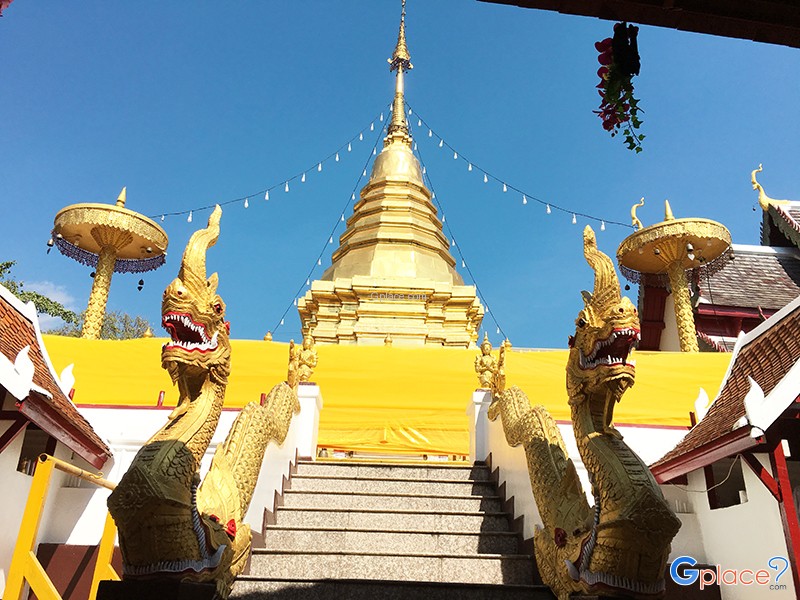
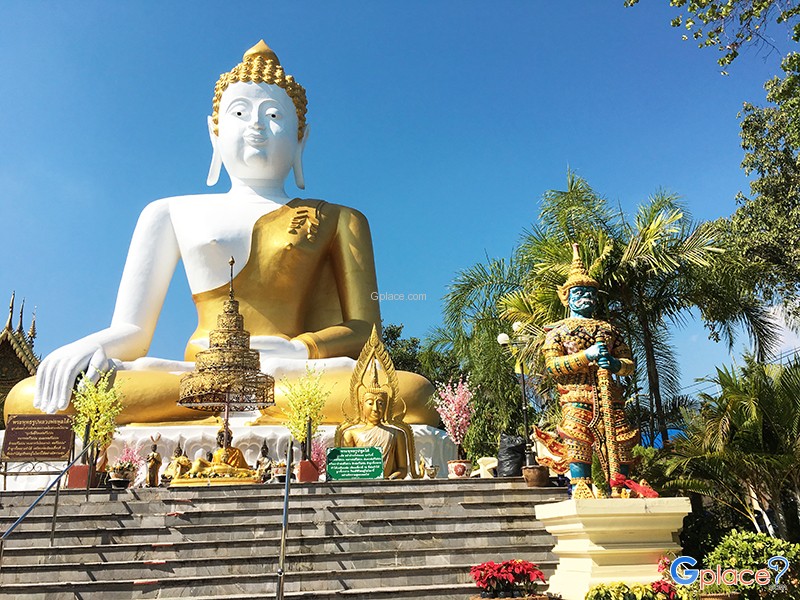
Wat Phra That Doi Kham is an ancient temple situated on a small mountain range southwest of Chiang Mai city. With a history of more than 1,300 years, it is considered one of the oldest temples in Chiang Mai Province. In the past, it was originally named "Wat Suwan Banphot." The name "Doi Kham" (Golden Mountain) originates from local legends regarding gold found on this mountain. Furthermore, the t...
read more
กำลังเป็นที่นิยม
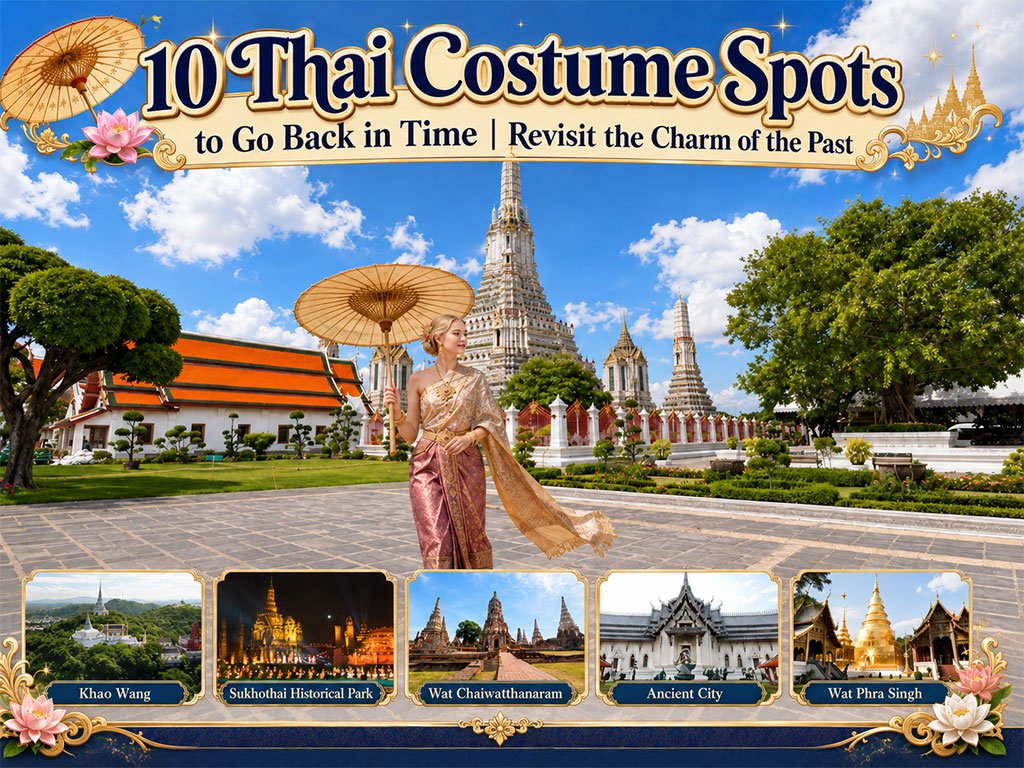
10 Thai Costume Spots to Go Back in Time
Wearing traditional Thai costume and taking photos at beautiful places is more t..

Chiang Mai's Ultimate National Parks
Chiang Mai is not just about temples and Lanna culture; it also boasts vast fore..

12 Tourist Attractions Doi Inthanon
Doi Inthanon is the highest mountain in Thailand, located within Doi Inthanon Na..

10 Must-Visit Checkpoints in Nan
This route comprehensively gathers Nan's important historical, religious, artist..
Recommend trips
- The Four Holy Pilgrimage Sites
- 10 Must-Visit Checkpoints in Nan
- Dream Destinations in Switzerland
- 12 Tourist Attractions Doi Inthanon
- Pilgrimage to the Sacred Sites
- Trip to Bhutan
- 10 Sacred Buddhist Sites Thai Temples in India–Nep
- 10 Thai Costume Spots to Go Back in Time
- Must-Visit Check-in Spots in London
- Top Paris Check-in Spots
- 10 Must-Visit Spots Along the Chao Phraya River, B
- 8 World Heritage Sites of Thailand
- Chiang Mai's Ultimate National Parks
- The Ultimate Ancient Villages in Japan
- 10 Best Shopping Destinations in Bangkok
- 10 Must-Visit Places in Waterford
- Watsons Bay Half-Day Trip
- 10 Must-Check-In Spots in Ireland
- Top 10 Must-Visit Spots in Pattaya
- Japan Bucket List: 20 Places You Must Visit Once i